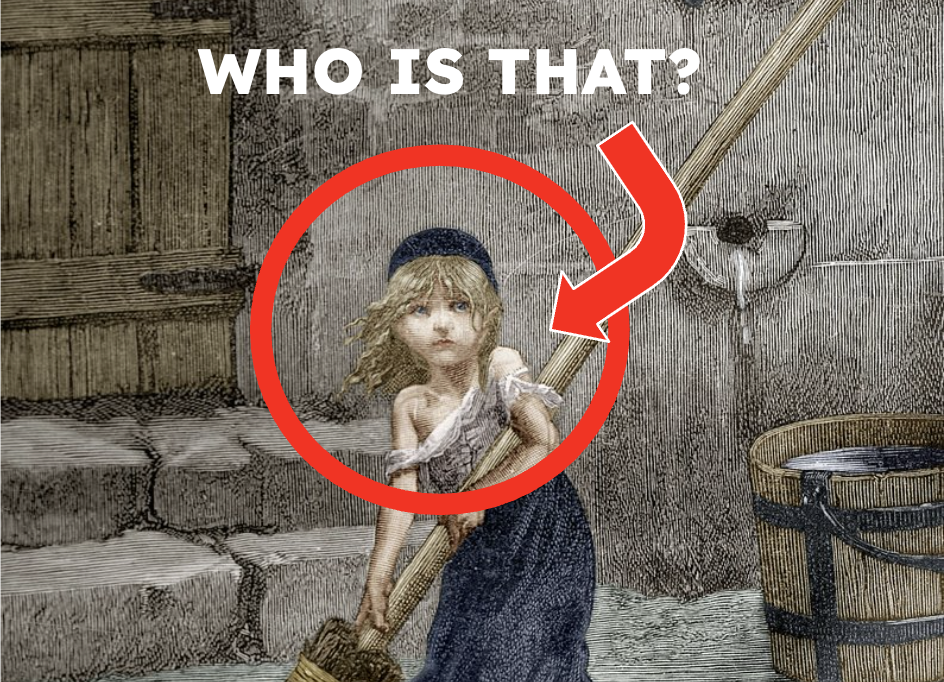
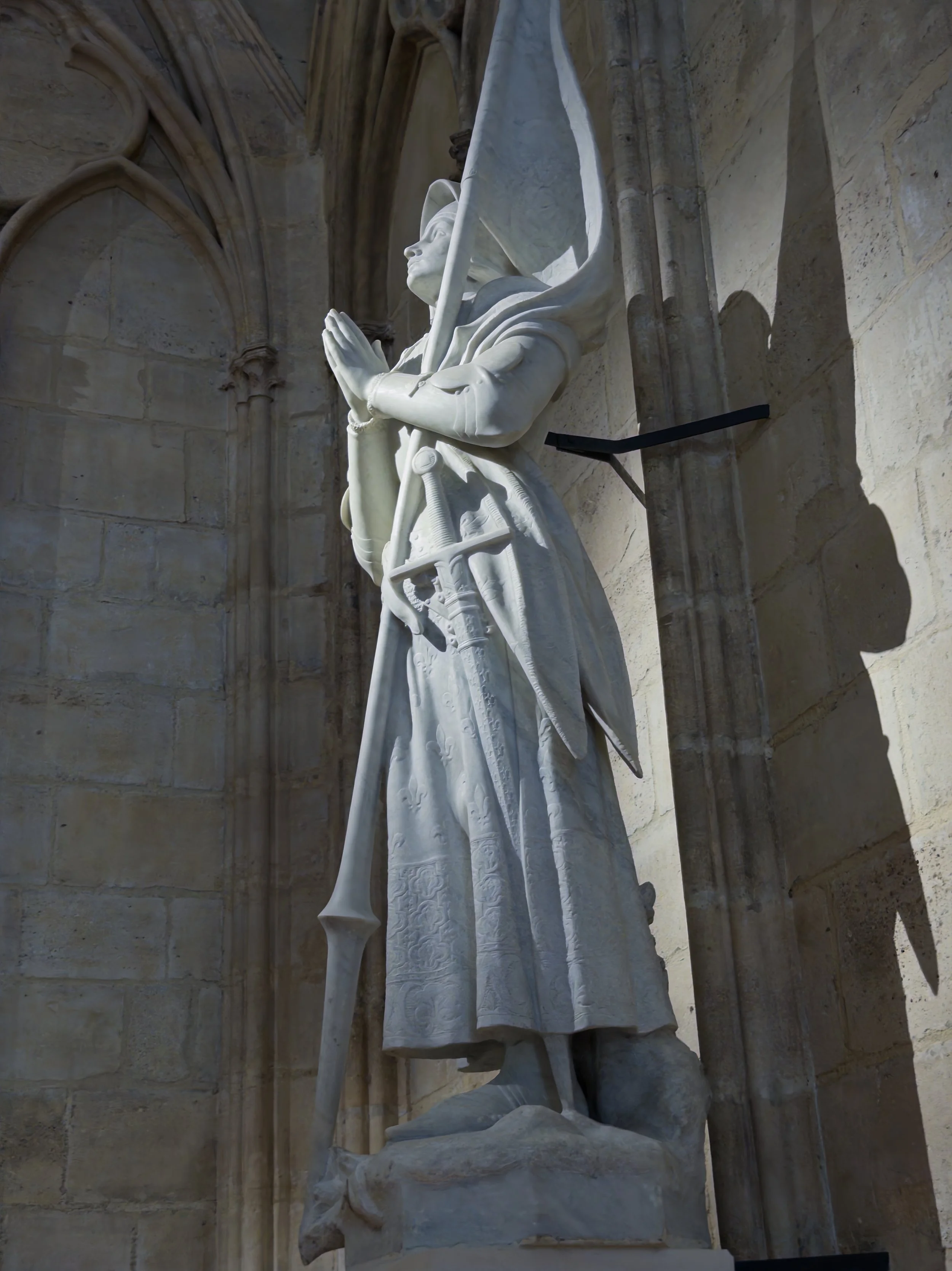
What’s in a name? I fell down this rabbit-hole of namesakes when I first noticed all of the ‘Joan of Arc’ imagery as we trekked across Paris. From the Église de la Madeleine to the Louvre, it seemed everywhere we went had a statue or painting of her. As the patron saint of France, it was hard for me to ignore the constant reminder of where I got my name (although I find my parents’ reasoning dubious at best considering I’ve never met a Joan who wasn’t white or 80 years old).
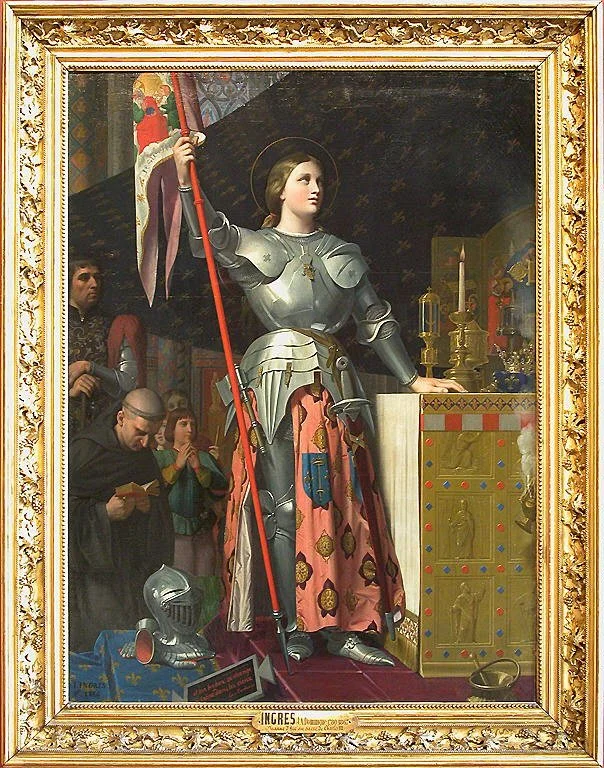
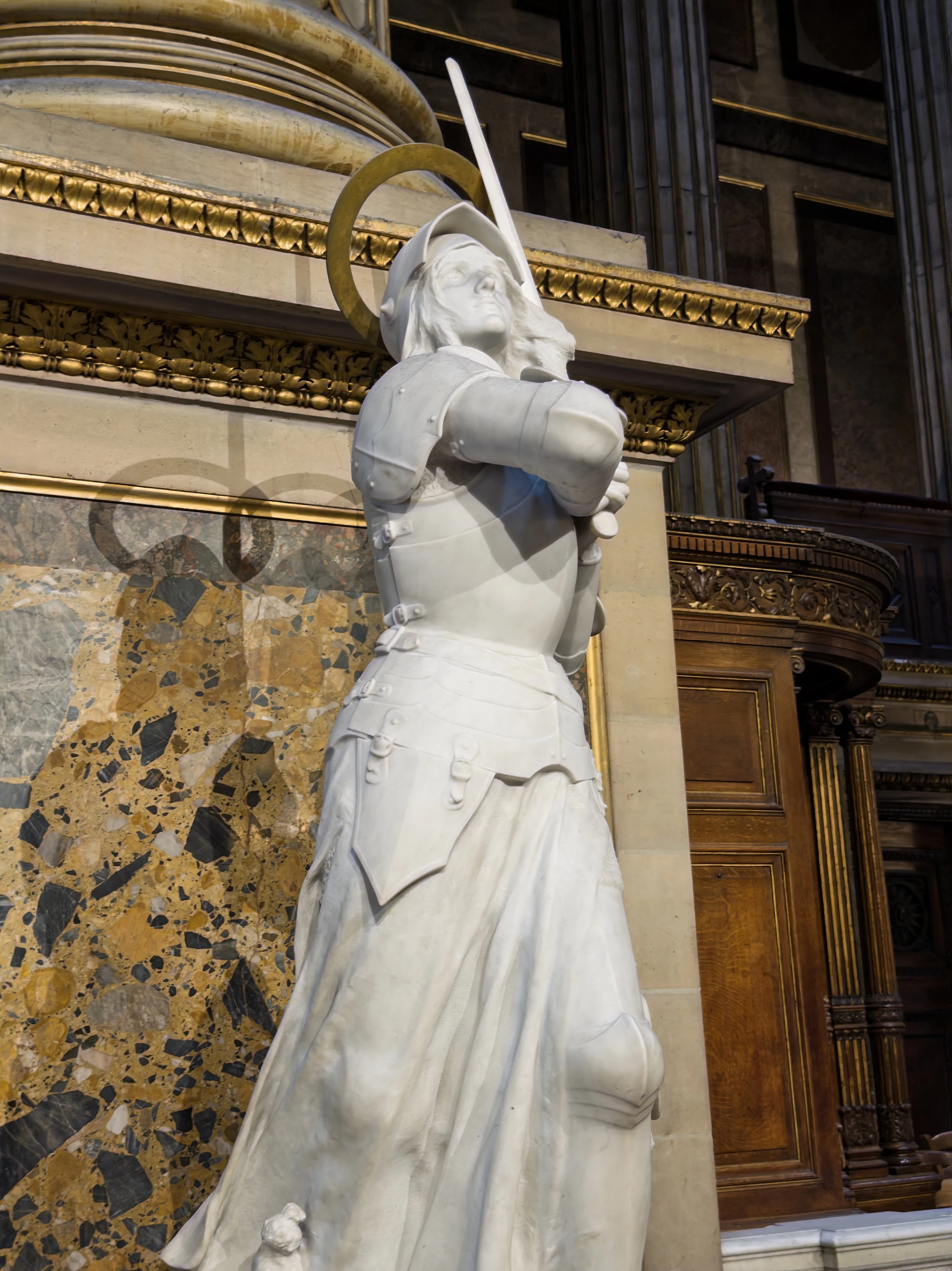
Joan of Arc sculpted by François-Raoul Larche at the Église de la Madeleine
With names, legacy, and Les Mis always on my mind during this program, I couldn’t help but wonder where Victor Hugo could have gotten the inspiration to name his characters. As someone who loves creative writing I don’t think it’s possible to name a character without some kind of forethought or underlying meaning. Even the streets in Paris are meticulously named with historical figures’ home streets always boasting their titles, like Nicolas Flamel’s home (now amusingly turned restaurant):
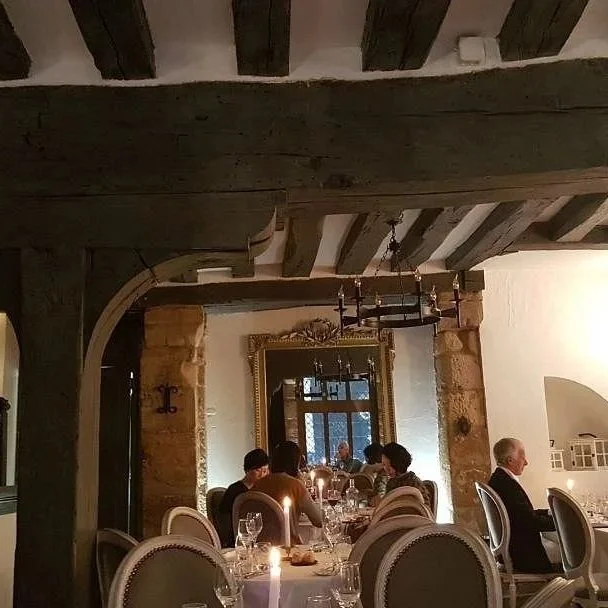
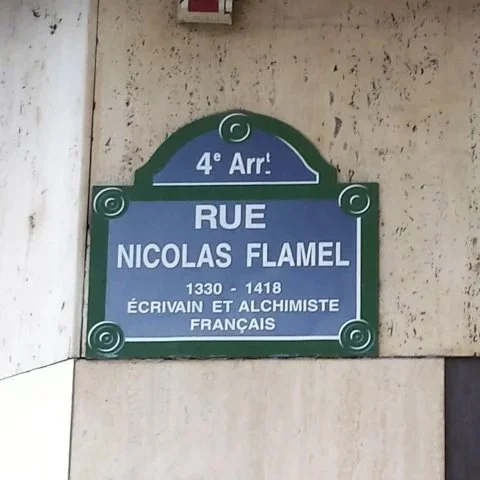
(“French writer and alchemist”)
In Les Miserables especially, Hugo has Jean Valjean take on many different aliases from Monsieur Madeleine to Monsieur Leblanc in order to conceal himself. Clearly, names play an important role in the novel, which leads me to my original question: What’s in a name?
I’d now like to present what a few hours of mad Googling earned me:
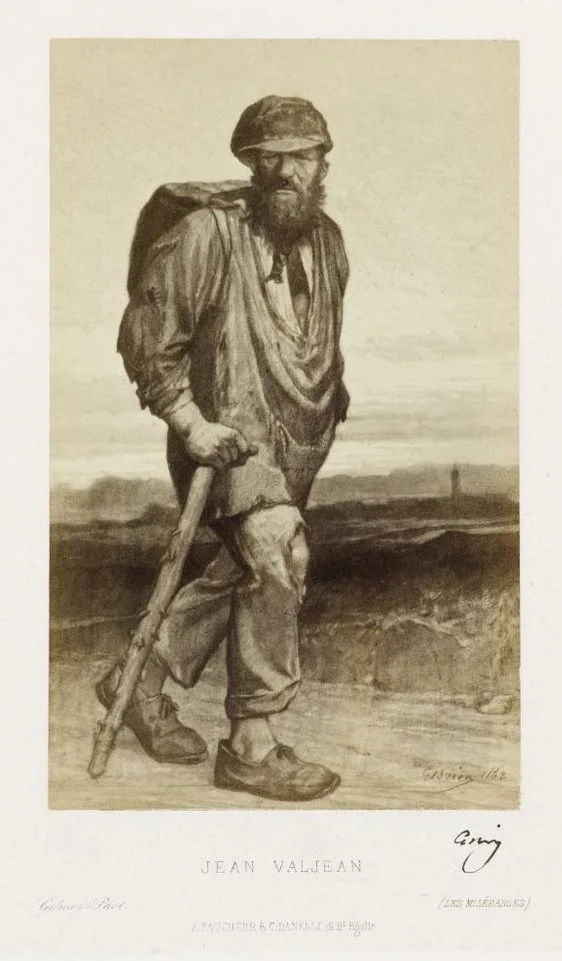
As we’ve talked about in class, Jean Valjean’s name represents the common everyman, something akin to “John Doe” in the modern age. It comes from the contraction of “voilà Jean,” literally “here is Jean.” This generic namesake works well for his character as, in the beginning of the novel, he really is a nobody. The name gives him anonymity and an unspecial quality, fitting for, well…a regular person. Later in the novel, when Champmathieu is found by Javert, the anonymous quality of Valjean’s name aids him in the mix-up. Since the name is so generic, it’s believable that “the local pronunciation turns ‘Jean’ into ‘Chan’” in Auvergne where Champmathieu is found.
Additionally, Jean Valjean is undeniably presented as a Christ-like figure in the novel with his resurrection from wretchedness and internal spirituality of love and faith. This ties into Jean Valjean’s name as a pun on a biblical reference. When Pontius Pilate presents Jesus Christ bound to the cross, he announces “ecce homo” or “Behold the man” (ie. voilà Jean!) This reference is made again when Valjean is on his deathbed. He stands with his final strength to grab a copper crucifix off the wall and says “in a loud voice as he laid the crucifix on the table, ‘There’s the great martyr.’” In the original text, Hugo writes, “Voilà le grand martyr!”
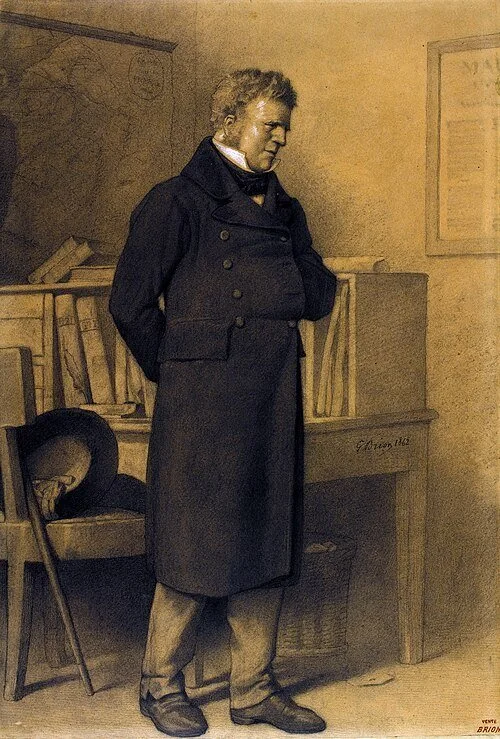

Another theory suggests Jean Valjean could be a reference to the character’s salvation, symbolizing his journey with ‘val’ relating to valley. Jean appearing on either side of it alludes to the novel’s themes on redemption. As a whole, it is fascinating how ‘Jean Valjean’ as a name plagues the character, often used to dehumanize and insult him.
As he rises from wretchedness and his role as an ex-convict, Jean Valjean assumes the title of Monsieur Madeleine. This too is a biblical allusion, but to Mary Magdalene. It represents his selflessness and sacrifice. In a way, he is the mother of the town, nurturing each of its residents and spreading his gospel of love.
Some of the names Hugo chooses are much more obvious, like Monsieur Leblanc, (literally Mr. White), being because of Valjean’s stark white head of hair. Interestingly, I discovered that Prisoner 24601 could be a reference to Hugo’s own birthday, as he believed he was conceived on 24th of June, 1801.
“The time would come when that name would ring in his ears, when the hideous words ‘Jean Valjean’ would suddenly emerge from the darkness and loom before him”
For the other characters, I found the name “Cosette” to come from a pun on “cosseted and beloved,” which perfectly match her angelic nature and the love that Fantine has for her. Though it’s often forgotten her given name is Euphrasie, it is said in the book that “with that endearing nature and charming instinct that mothers and the populace have,” Euphrasie became Cosette. It is also speculated that Cosette could come from the French word “chosette” which literally means “little thing.” As a cute nickname from mother to daughter, I like this interpretation the best.
It is given in the book that Eponine’s name comes as a result of her mother “with a taste for silly novels” naming her a frivolous, flowery name after a romance novel. This is likely the character “Eponina or Epponina” which was a popular figure in 19th century historical romances. It is also theorized that Eponine’s name may come from the word “eponymous,” basically to imply that she is a “girl named after herself” or a girl without a name. This could represent both her poverty, in that she has no name for herself, and also her independence in trying to rewrite that fact by defying her family.
Fantine’s name is easily pinned as a derivative of “enfantin,” or child-like, in order to symbolize her purity and innocence before her fall. Unfortunately, I couldn’t find much on where Javert’s name comes from but it’s interesting to note that he only has a first name since historically in France, abandoned children or those from lower classes were often recorded with only a single name which checks out with Javert’s parents.
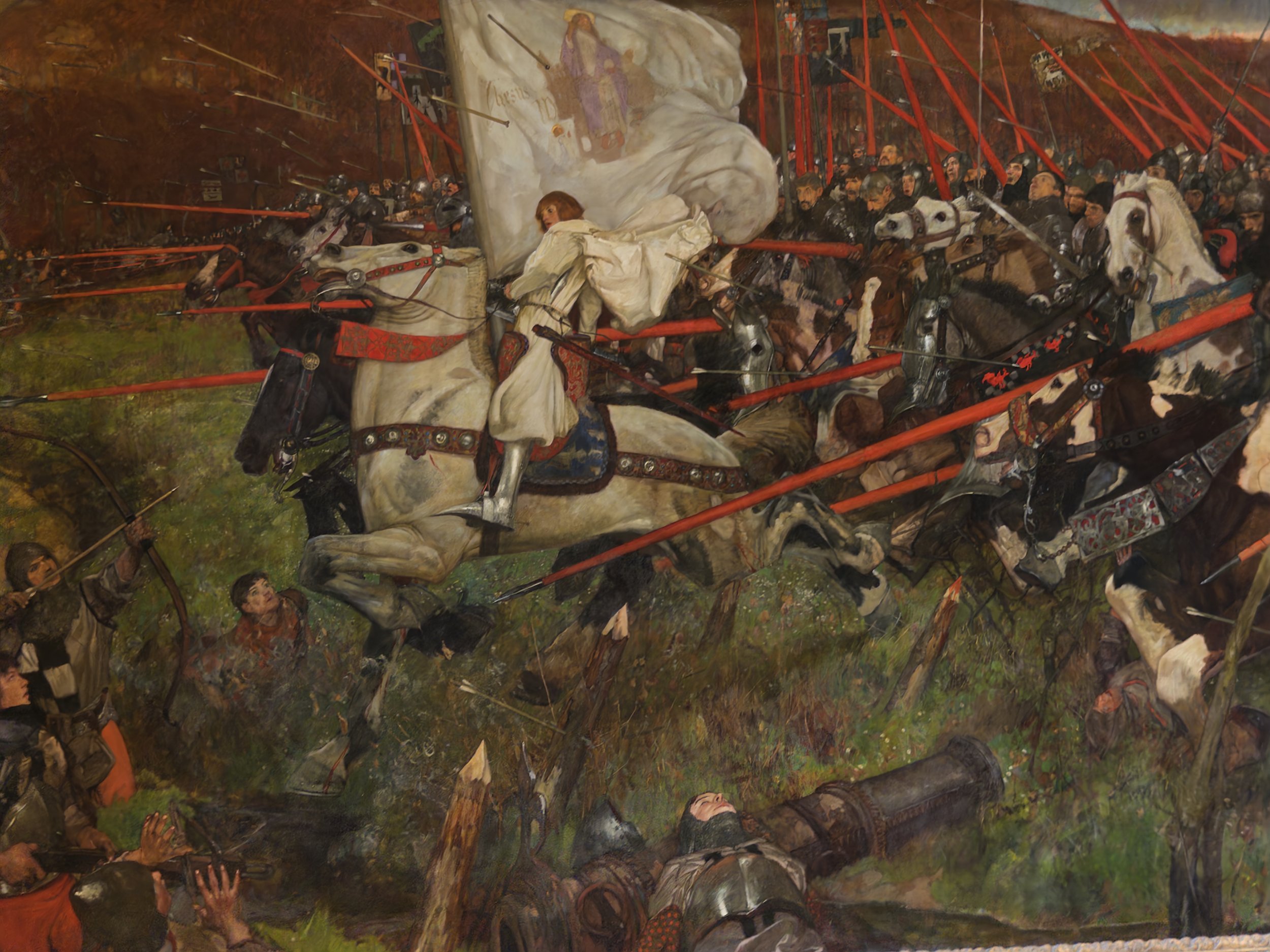
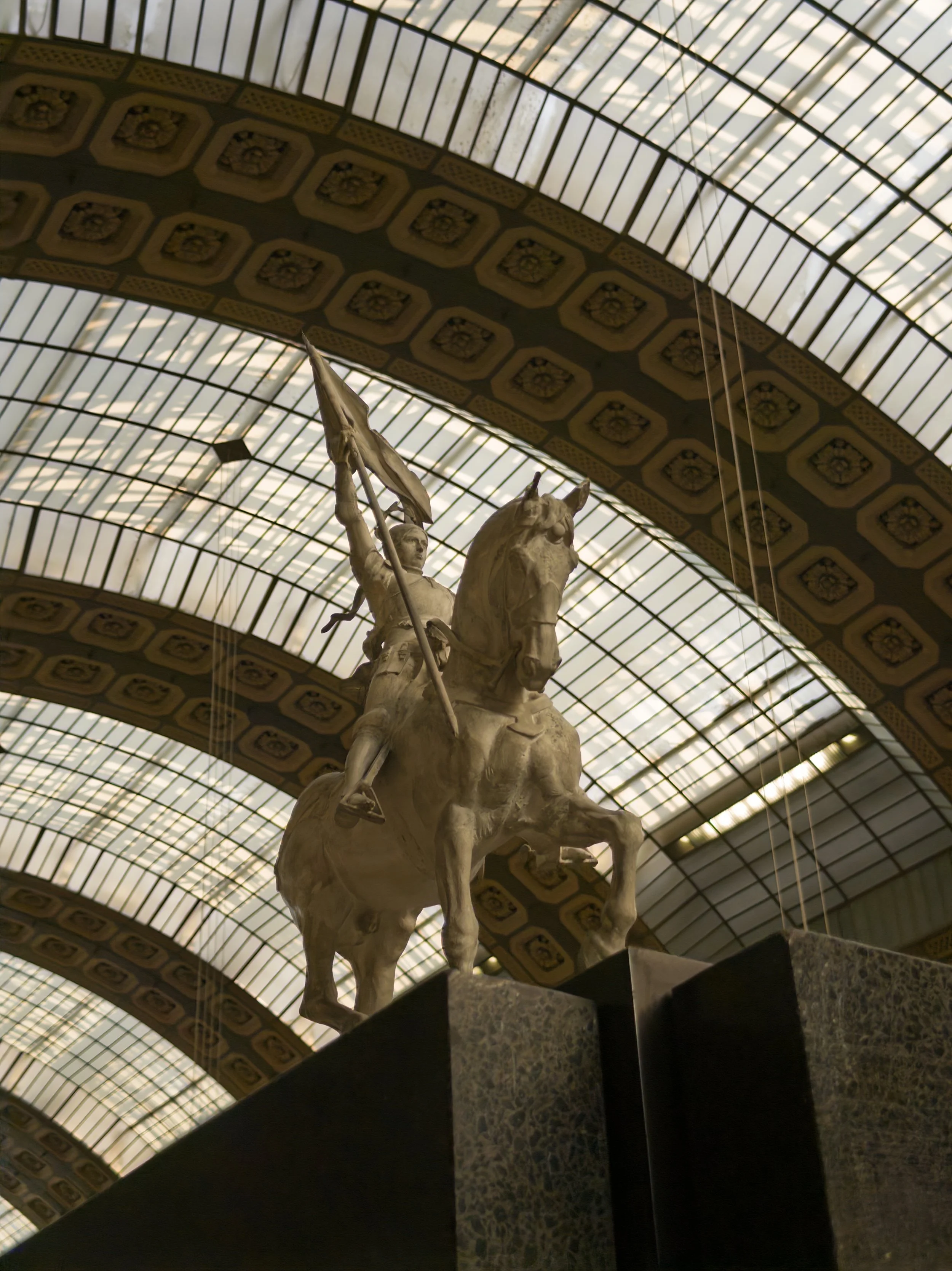
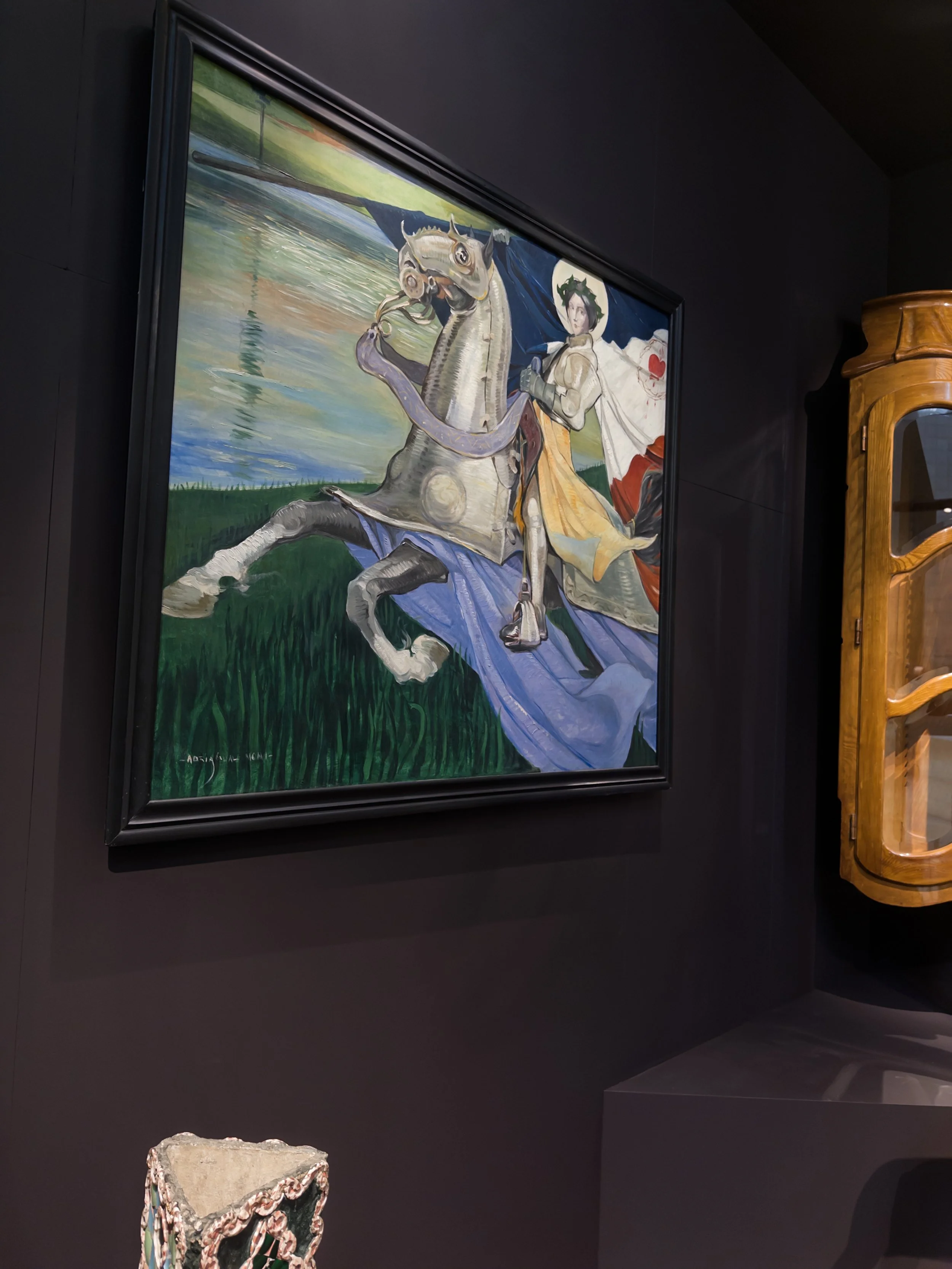
Names are fascinating to me both as literary choices and as what they can symbolize. (Did you know that gavroche is now considered Parisian slang as a common noun for a street urchin?) They can be ordinary or ridiculous, chosen lovingly or almost arbitrarily, but they inevitably accumulate meaning. Jean Valjean cannot escape his name, and neither can I with the way she seems to be following me on this trip.
Regardless of my doubts for the validity of my parents’ claim, I still love my name. I have always been inspired by the story of Joan of Arc, and, honestly, for a long time I’d hoped for a similar destiny of greatness. Plagued with visions at 17 with the key to winning France a victory at the siege of Orléans, Joan’s future changed in an instant. She went from a peasant teenager to a military leader who saved France from English domination. One failed siege later, she was burned at the stake at 19 (maybe that’s where my fear of failure comes from). All of this to say, names carry so much meaning. May I one day live up to the legacy!
P.S. if you’re at all curious why my sister is named Emily, here is a link to the story my parents tell. (This one I actually believe!)