Joan Chong

Paris Fashion's Not Weak

All it takes is a few minutes of walking the streets of Paris to see some insane style. Say what you want about the Parisians, that they’re romantic and snobby and rude, but undeniably do they have steeze. For as long as my interest in clothes emerged, I have heard of Paris fashion week and of Paris as a hub for designers, models, and new trends. While I have always equated Paris with devoted fashionistas, what I didn’t know is how far back Paris’ relationship with good taste really goes, and, surprisingly, how it relates to the French Revolution.
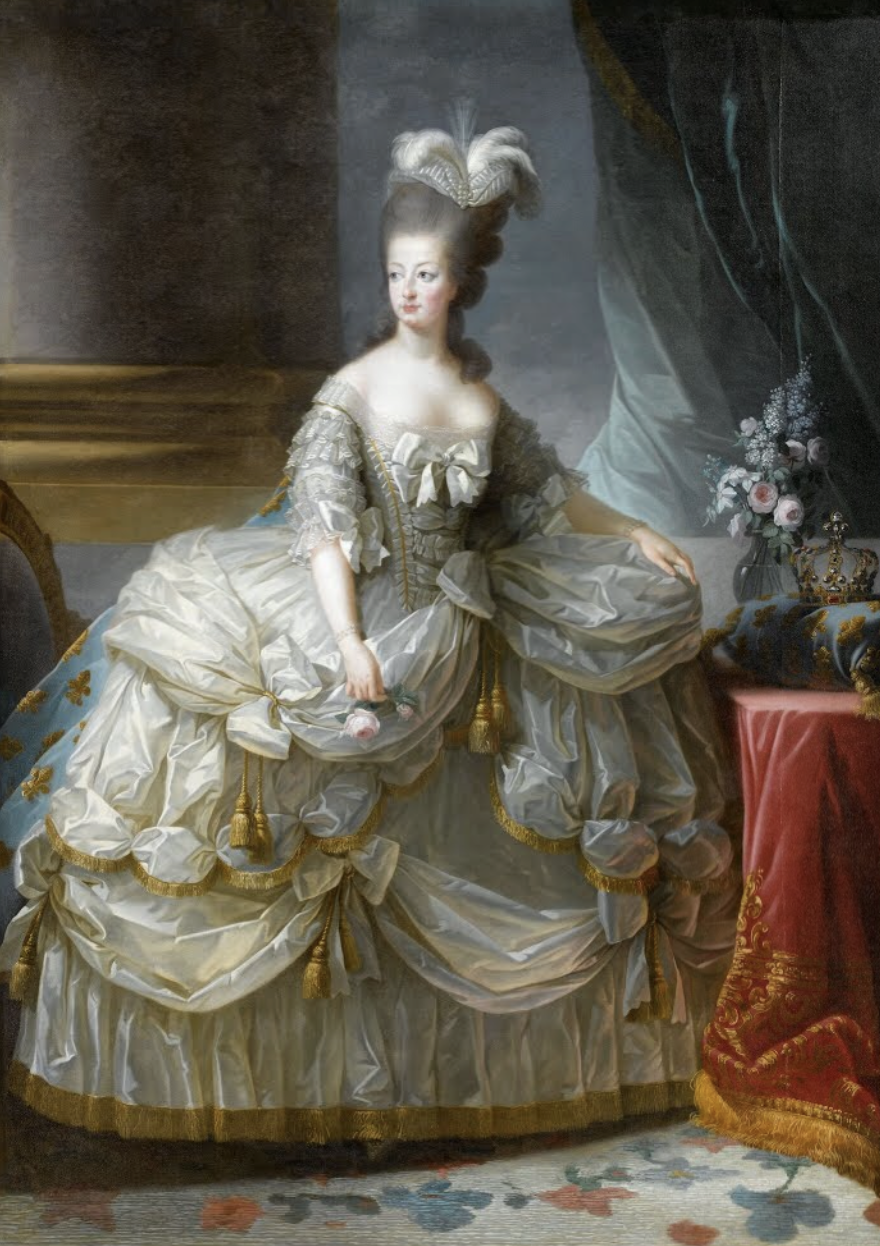

Back in the 17th century, Louis XIV had set the standards for Paris fashion and by the 18th century, Marie Antoinette had become one of its most famous style icons. To dress well, one needed to spend exorbitant amounts of money on skilled seamstress and fine fabrics (not to mention bootmakers, braid makers, button makers, embroiderers, glovers, hatters, hosiers, haberdashers, perfumers and even ribbon weavers if you really wanted to look good). 

For me, one long stroll through the Palace of Versailles in all its gaudy opulence, and I knew that these people were dressing crazy. 

Outrageous wigs of curly hair and ginormous dresses with a million bows, it was obvious from the paintings that dressing well meant showing off your money. A woman couldn’t even get dressed without countless servants lacing, layering, and pinning.
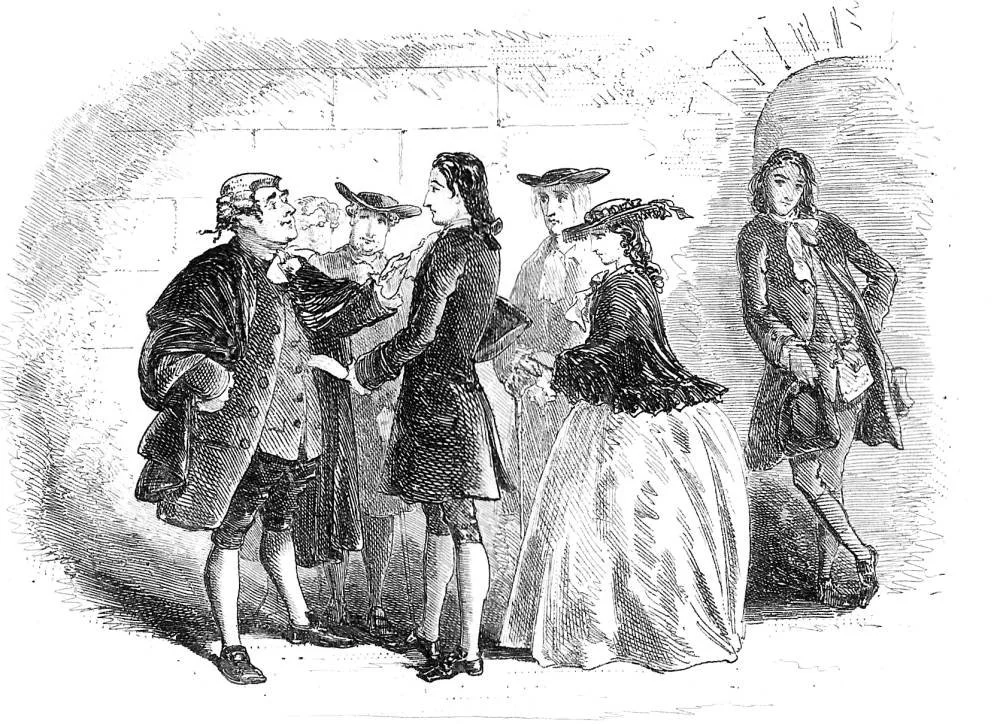
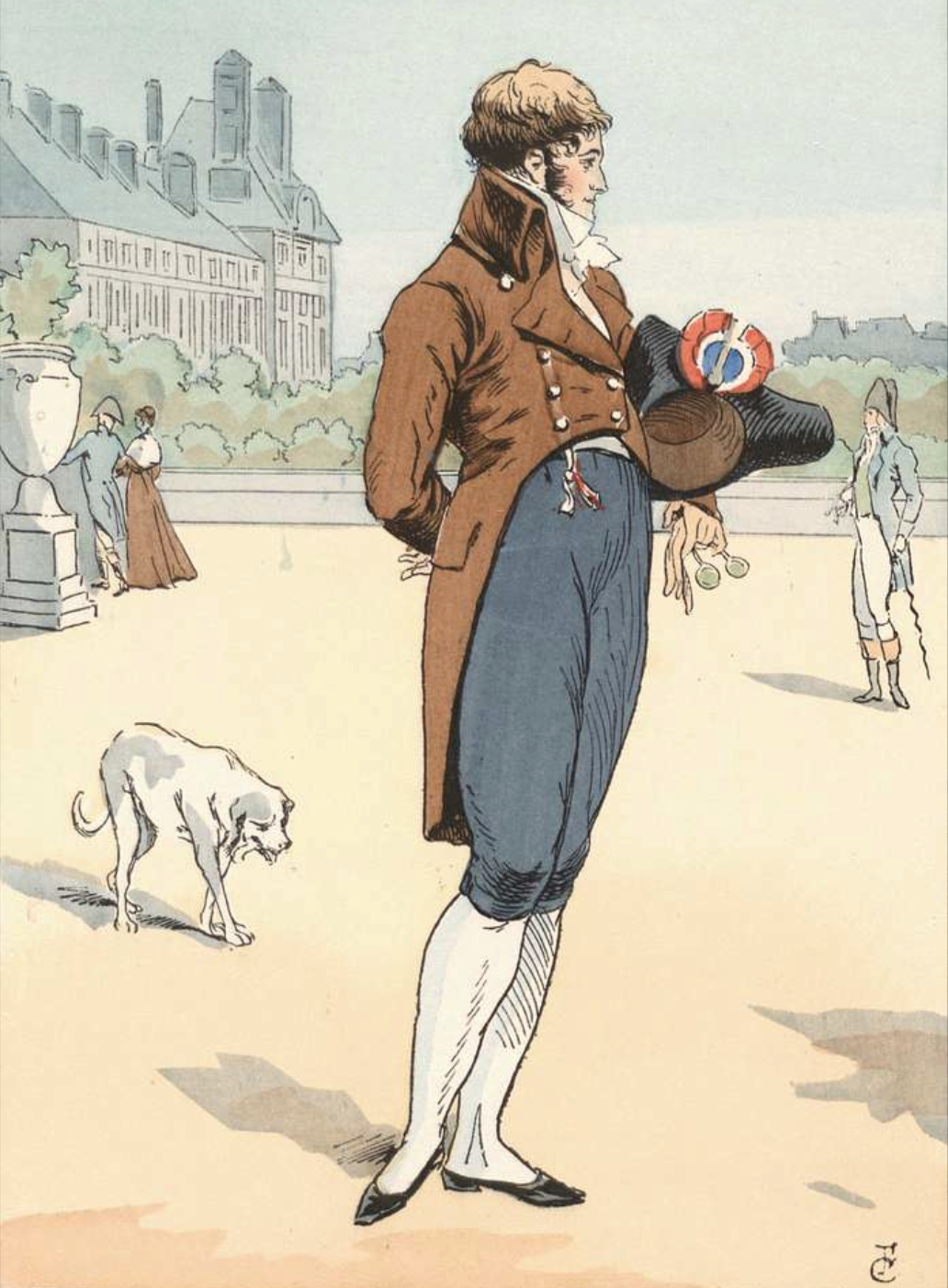
Darnay and Stryver in culottes. (Congratulations by Phiz)

Dickens gives us a good picture of this time before the French revolution. The Monseigneur in a Tale of Two Cities displayed this same wealth, requiring at least four men in “gorgeous decoration” to prepare his chocolate every morning. Back then, luxury was not simply about enjoying something nice, but about demonstrating that you have enough wealth to make extravagance look ordinary. 

Unsurprisingly, this excessiveness led to mass upset leading to the French Revolution (yes–trust me–I am thinking about the women who marched to Versailles):

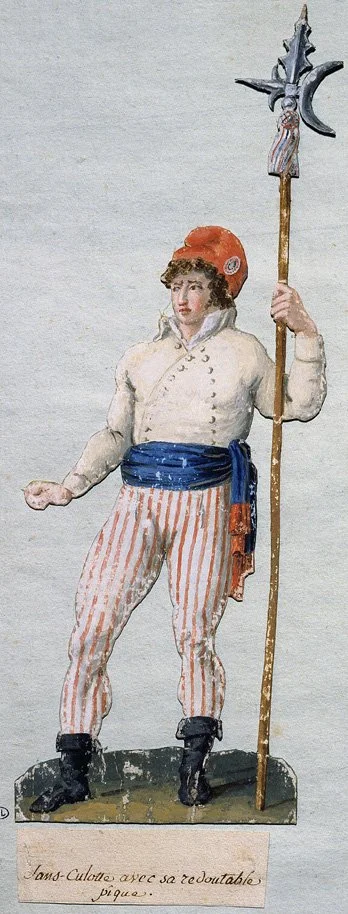
When it came to revolutionary wear, in class, we discussed how losing the culottes, or the mid-length, white breeches which were commonplace as fashion for nobility, was an important step for people to show their support for the revolution. Sans-culottes (literally, ‘without breeches’) were seen as the most dedicated members of the cause as living representations of the spirit. They transformed the dress of poverty into one of pride. However, this fashionable form of virtue signalling later became part of the Reign of Terror, where “counter-revolutionaries” were searched for everywhere, even where there were none. 
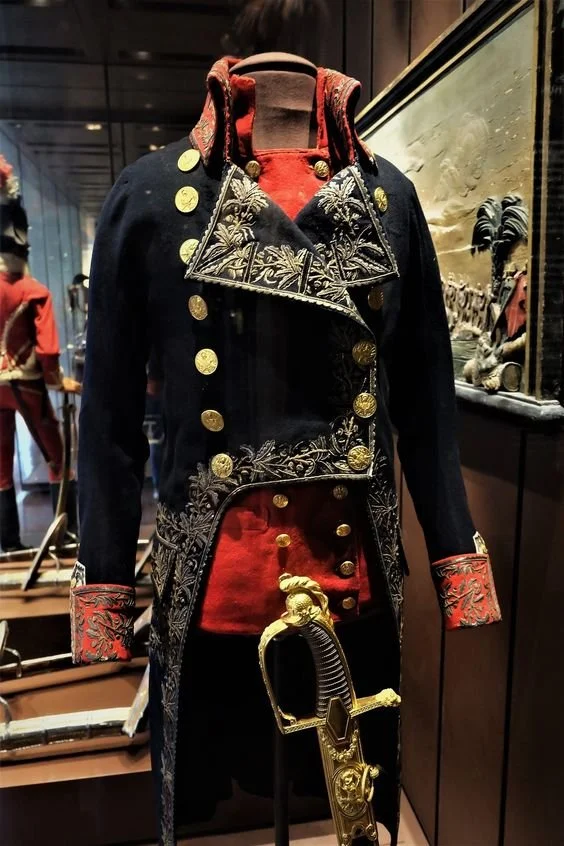
The Revolution did not make fashion disappear, but reinvented what fashion was supposed to communicate. But once Napoleon rose to power in 1799, France once again had a ruler who understood the power of spectacle. As we moved from the Revolution to the Napoleonic era, military garb directly represented the wealth and power of its sovereign ruler. Napoleon used elaborate uniforms, medals, decorations, and ceremonial dress to construct a glittering military aristocracy and project the image of an unstoppable empire.

When we toured the Musée de l'armée at Les Invalides, we got to look upon all of the gorgeous uniforms used by the French army. I was in awe at the craftsmanship and detail given to clothes that were essentially going to be ripped to shreds on the battlefield. It made me recall our conversations during lecture on how much of what we do and believe in is about performance. The French have long represented themselves with what they wore and these soldiers sold an idea of France. 

And then, after Napoleon's defeat, the pendulum swung again. During the Bourbon Restoration, France rediscovered its taste for high fashion, status, and power. For some, France had returned to a place of frivolity and fun. We discussed in class the dandies with their refined style and leisurely hobbies like Félix Tholomyès, the Parisian student who gets Fantine pregnant. Hugo describes this time “In the year 1817” where wig-makers hoped “the royal-bird style of powdered wig would make a comeback” and the “French army was dressed in white.” The Restoration had revived the pleasure of looking the part and attention to appearance.

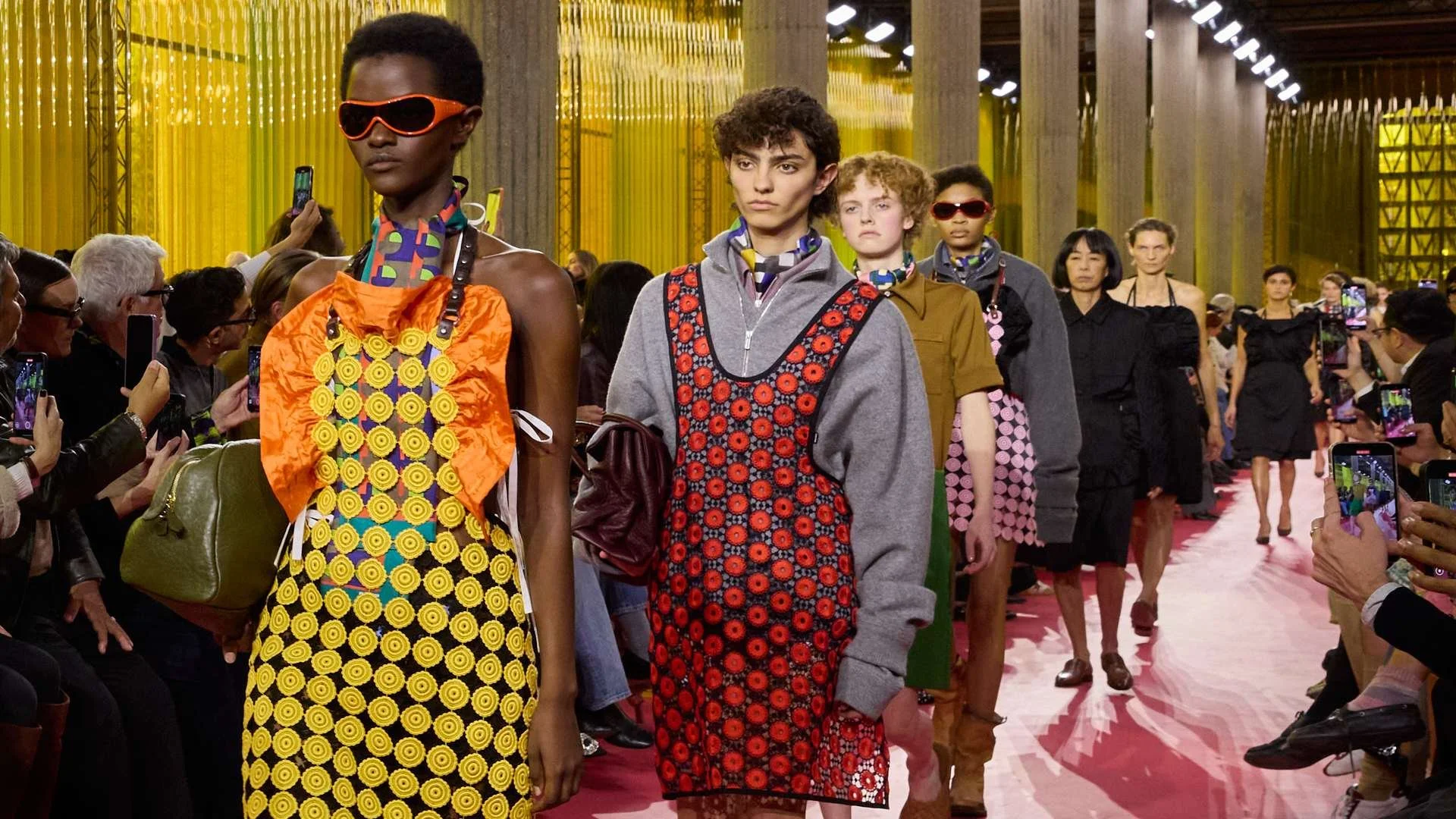
In the modern day, Paris clothing is chic and fashionable, but not fussy, in a way that is simple and appealing. As Guinut puts it in her book, Dress Like a Parisian, La Parisienne doesn’t take fashion too seriously and trends do not really matter to her...Yet she may follow fashions when they please her and, as long as she likes them, doesn’t care about wearing the same.” In fact, the way that she describes how “La Parisienne” sees fashion feels like a testament to how Parisians experience life in general. 
He would be happy to trade all his knowledge of artists’ quarters, birthplaces, and princely palaces for the scent of a single weathered threshold or the touch of a single tile.
— The Flâneur: A Stroll Through the Paradoxes of Paris, by Edmund White, 2001

A store I saw someone looking in on my way to class

Something I witnessed in the modern day is how often Parisians window shop. It was frequent enough I’d notice it every day on my walk to class, where someone would freeze and mill in front of a store display. Maybe window shopping is a dead practice in the States (or maybe I just only go shopping when I need something) but I see it as a tribute to the French spirit of the flâneur. This idea, to stroll and observe aimlessly allowing curiosity to lead your way, is one of my biggest takeaways from the trip. With our study abroad coming to end, I have a greater appreciation of French culture and the sentiment that they work to live and not the other way around. Perhaps I should be living more, taking a moment to smell the roses, and appreciating the little things in life. 

There’s no better picture to describe it than me, bustling to class everyday, eating my breakfast as I walk, and noticing the French, who linger at storefronts to see that jacket there or those earrings, just because it caught their eye. While I was always trying to get somewhere, they were simply there.
I feel like there is a culture to always be looking toward the next big step: graduation, work, promotion, marriage, etc. But maybe I should be in search of a private message, not a lesson. If I have learned one thing from Bookpacking (and the French) as a whole, life is best spent experienced, not learned.
WHO IS THAT?

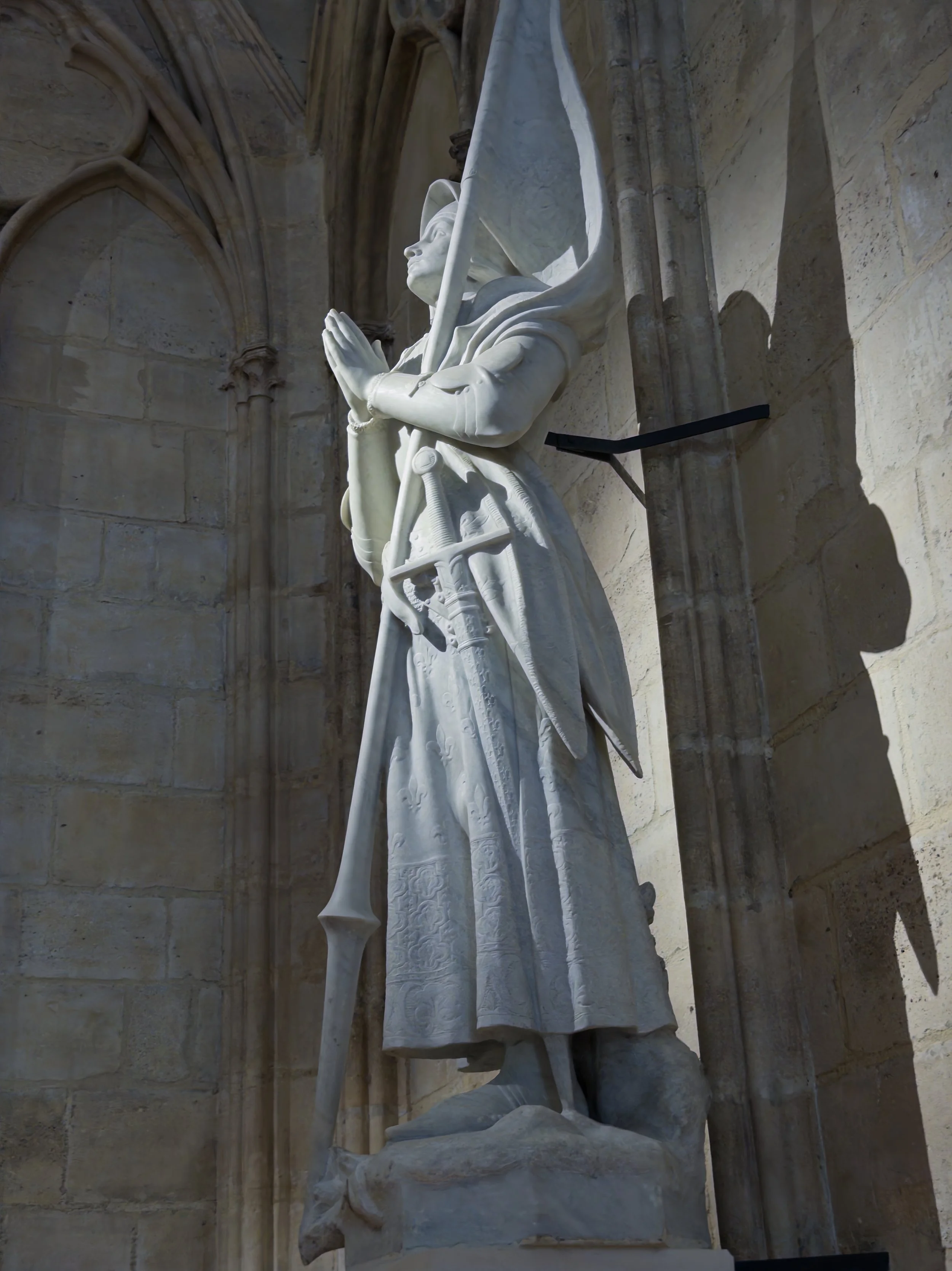
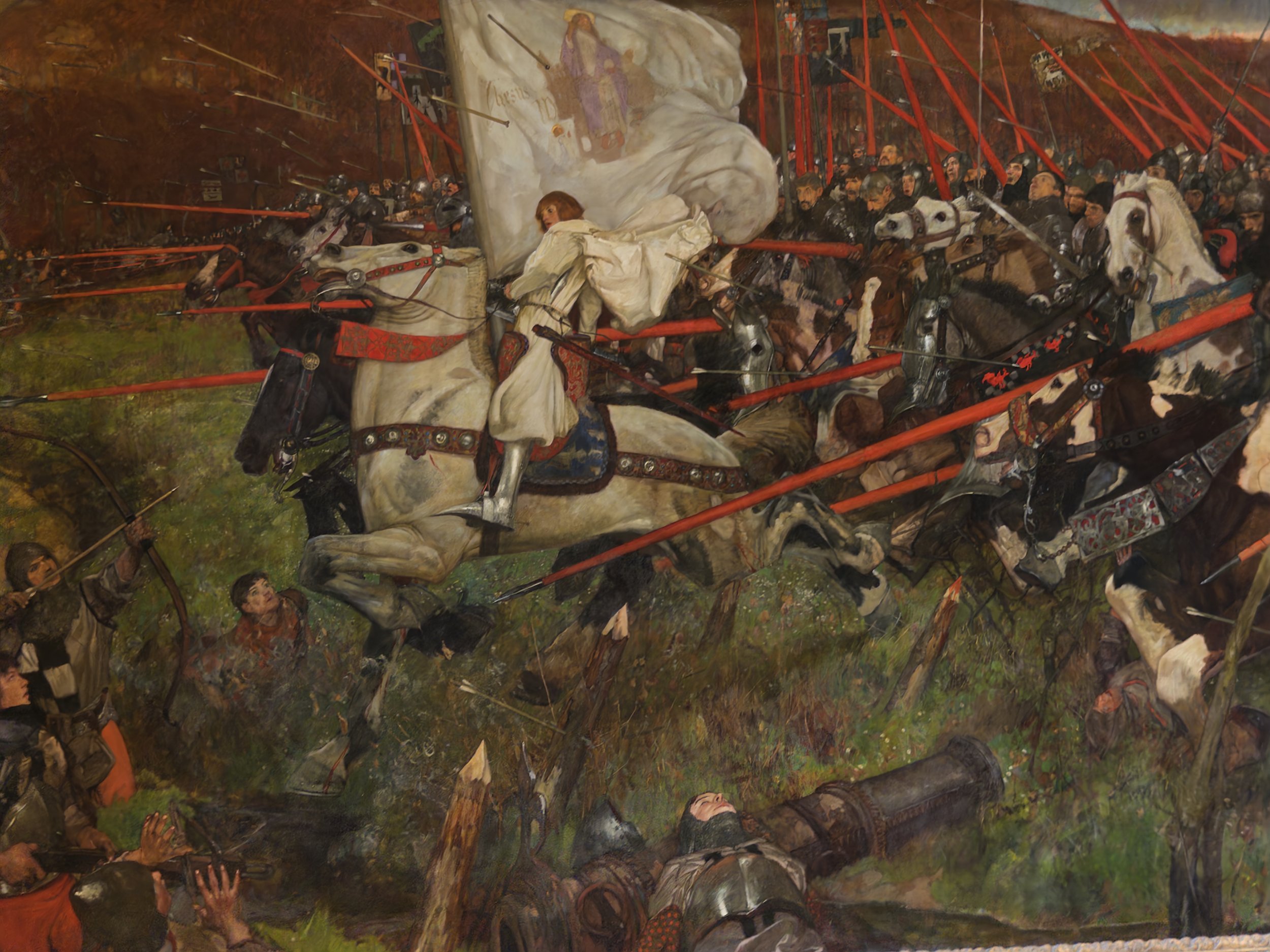
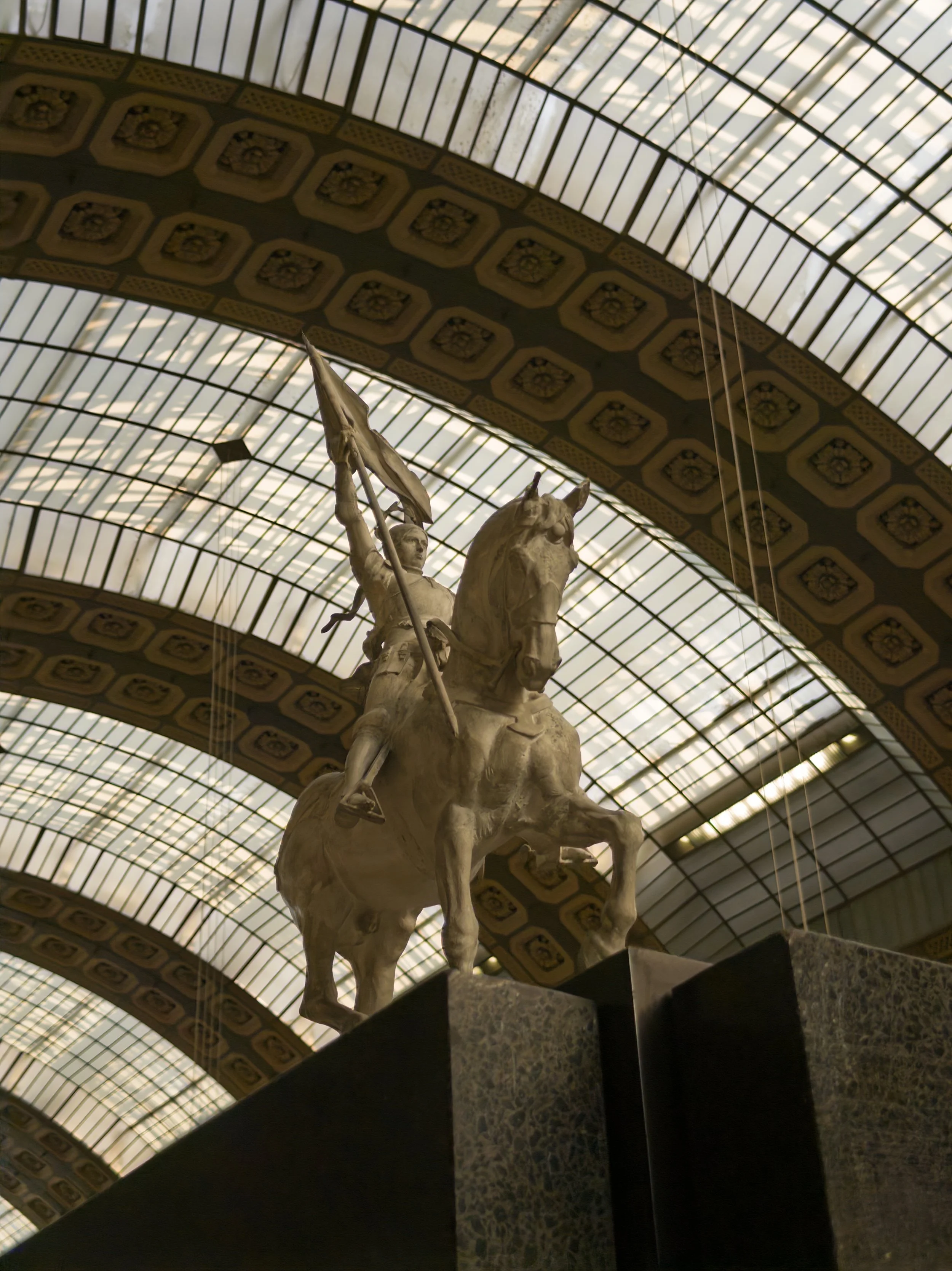
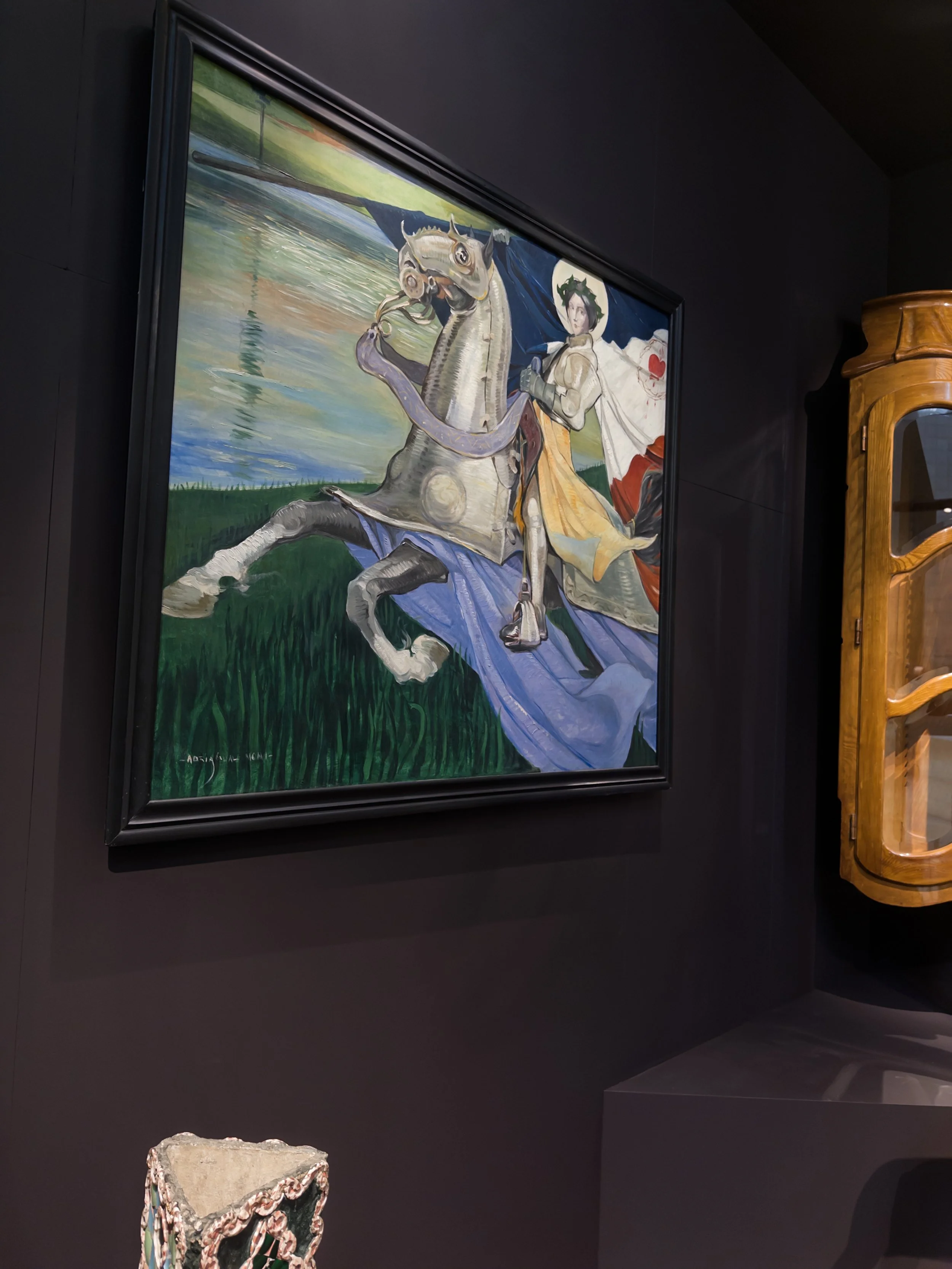
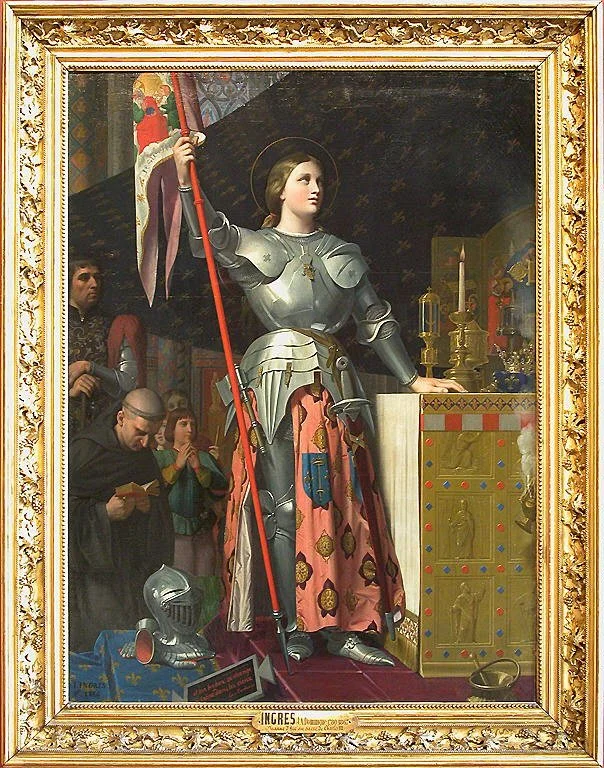
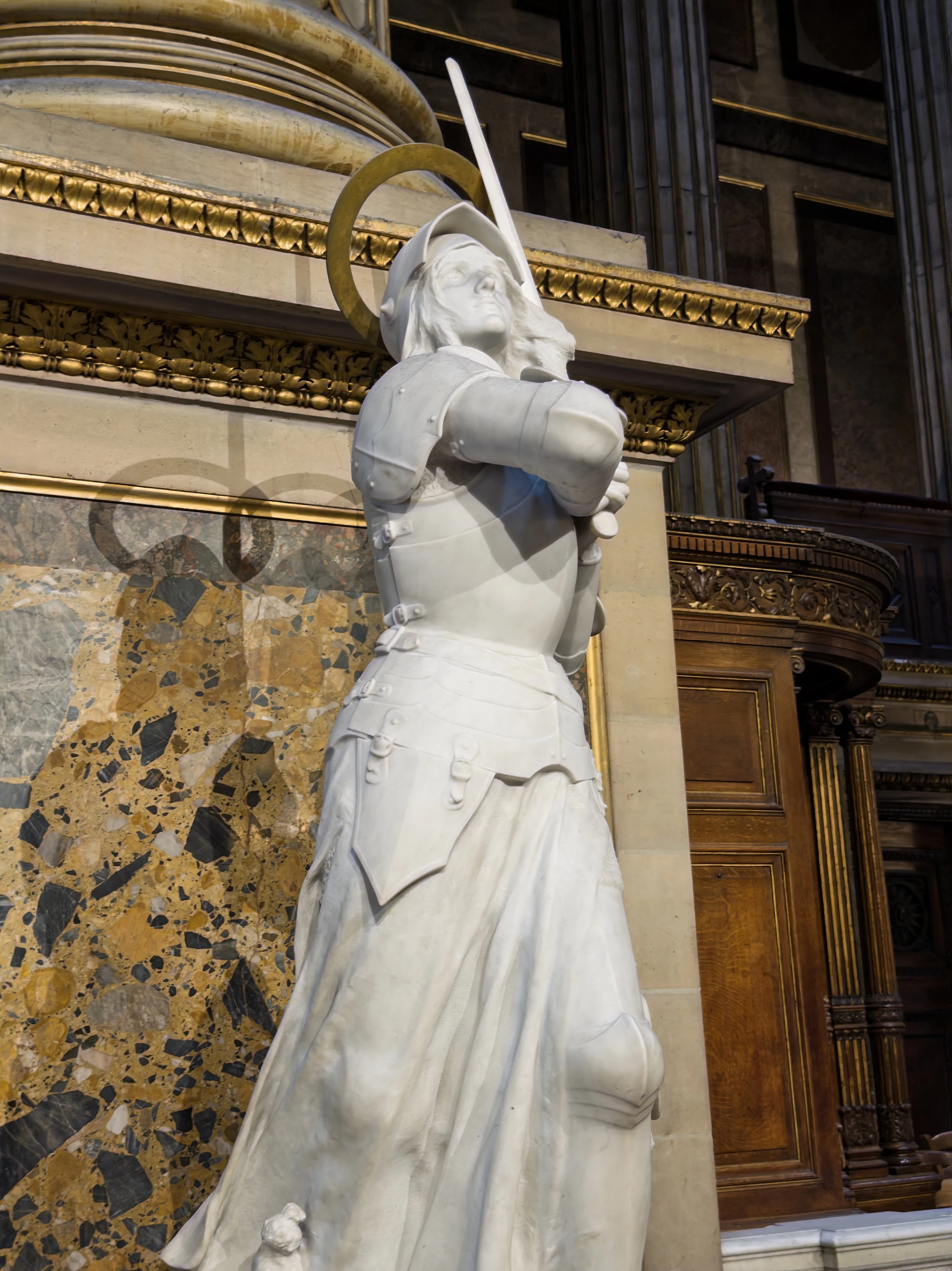
What’s in a name? I fell down this rabbit-hole of namesakes when I first noticed all of the ‘Joan of Arc’ imagery as we trekked across Paris. From the Église de la Madeleine to the Louvre, it seemed everywhere we went had a statue or painting of her. As the patron saint of France, it was hard for me to ignore the constant reminder of where I got my name (although I find my parents’ reasoning dubious at best considering I’ve never met a Joan who wasn’t white or 80 years old).

Joan of Arc sculpted by François-Raoul Larche at the Église de la Madeleine

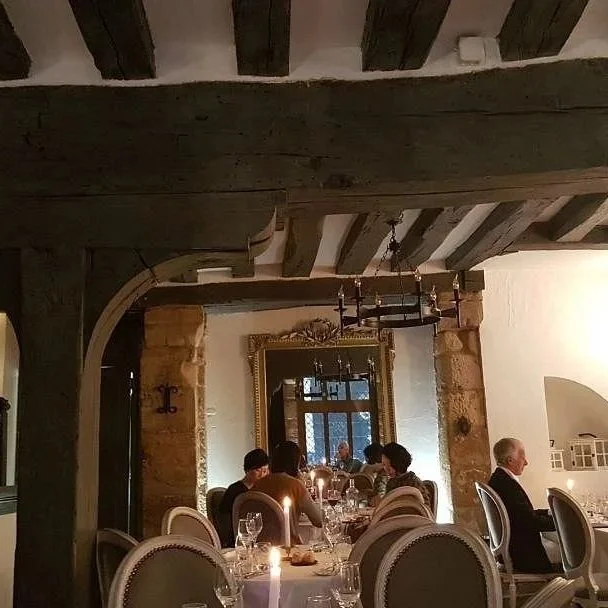
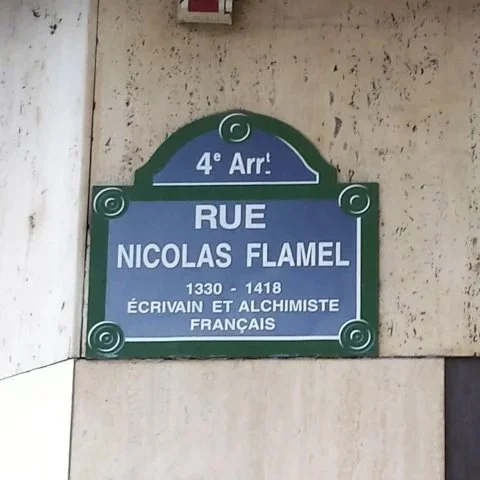
With names, legacy, and Les Mis always on my mind during this program, I couldn’t help but wonder where Victor Hugo could have gotten the inspiration to name his characters. As someone who loves creative writing I don’t think it’s possible to name a character without some kind of forethought or underlying meaning. Even the streets in Paris are meticulously named with historical figures’ home streets always boasting their titles, like Nicolas Flamel’s home (now amusingly turned restaurant):

(“French writer and alchemist”)

In Les Miserables especially, Hugo has Jean Valjean take on many different aliases from Monsieur Madeleine to Monsieur Leblanc in order to conceal himself. Clearly, names play an important role in the novel, which leads me to my original question: What’s in a name?

I’d now like to present what a few hours of mad Googling earned me:

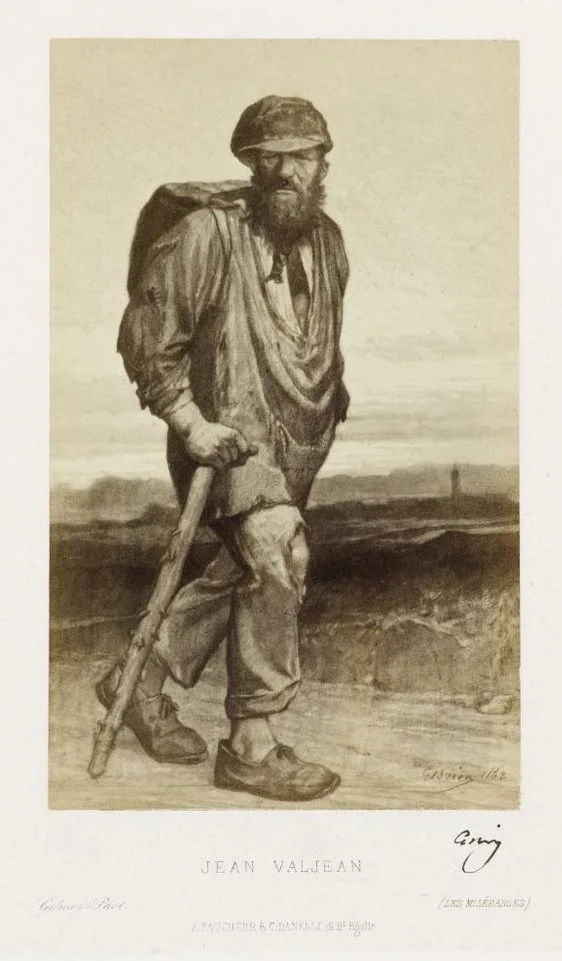
As we’ve talked about in class, Jean Valjean’s name represents the common everyman, something akin to “John Doe” in the modern age. It comes from the contraction of “voilà Jean,” literally “here is Jean.” This generic namesake works well for his character as, in the beginning of the novel, he really is a nobody. The name gives him anonymity and an unspecial quality, fitting for, well…a regular person. Later in the novel, when Champmathieu is found by Javert, the anonymous quality of Valjean’s name aids him in the mix-up. Since the name is so generic, it’s believable that “the local pronunciation turns ‘Jean’ into ‘Chan’” in Auvergne where Champmathieu is found. 

Additionally, Jean Valjean is undeniably presented as a Christ-like figure in the novel with his resurrection from wretchedness and internal spirituality of love and faith. This ties into Jean Valjean’s name as a pun on a biblical reference. When Pontius Pilate presents Jesus Christ bound to the cross, he announces “ecce homo” or “Behold the man” (ie. voilà Jean!) This reference is made again when Valjean is on his deathbed. He stands with his final strength to grab a copper crucifix off the wall and says “in a loud voice as he laid the crucifix on the table, ‘There’s the great martyr.’” In the original text, Hugo writes, “Voilà le grand martyr!” 

Another theory suggests Jean Valjean could be a reference to the character’s salvation, symbolizing his journey with ‘val’ relating to valley. Jean appearing on either side of it alludes to the novel’s themes on redemption. As a whole, it is fascinating how ‘Jean Valjean’ as a name plagues the character, often used to dehumanize and insult him.

As he rises from wretchedness and his role as an ex-convict, Jean Valjean assumes the title of Monsieur Madeleine. This too is a biblical allusion, but to Mary Magdalene. It represents his selflessness and sacrifice. In a way, he is the mother of the town, nurturing each of its residents and spreading his gospel of love.

Some of the names Hugo chooses are much more obvious, like Monsieur Leblanc, (literally Mr. White), being because of Valjean’s stark white head of hair. Interestingly, I discovered that Prisoner 24601 could be a reference to Hugo’s own birthday, as he believed he was conceived on 24th of June, 1801.

The time would come when that name would ring in his ears, when the hideous words ‘Jean Valjean’ would suddenly emerge from the darkness and loom before him
— Les Miserables Part I, Book VII, Chapter III, p. 205

For the other characters, I found the name “Cosette” to come from a pun on “cosseted and beloved,” which perfectly match her angelic nature and the love that Fantine has for her. Though it’s often forgotten her given name is Euphrasie, it is said in the book that “with that endearing nature and charming instinct that mothers and the populace have,” Euphrasie became Cosette. It is also speculated that Cosette could come from the French word “chosette” which literally means “little thing.” As a cute nickname from mother to daughter, I like this interpretation the best. 

It is given in the book that Eponine’s name comes as a result of her mother “with a taste for silly novels” naming her a frivolous, flowery name after a romance novel. This is likely the character “Eponina or Epponina” which was a popular figure in 19th century historical romances. It is also theorized that Eponine’s name may come from the word “eponymous,” basically to imply that she is a “girl named after herself” or a girl without a name. This could represent both her poverty, in that she has no name for herself, and also her independence in trying to rewrite that fact by defying her family. 

Fantine’s name is easily pinned as a derivative of “enfantin,” or child-like, in order to symbolize her purity and innocence before her fall. Unfortunately, I couldn’t find much on where Javert’s name comes from but it’s interesting to note that he only has a first name since historically in France, abandoned children or those from lower classes were often recorded with only a single name which checks out with Javert’s parents.

Names are fascinating to me both as literary choices and as what they can symbolize. (Did you know that gavroche is now considered Parisian slang as a common noun for a street urchin?) They can be ordinary or ridiculous, chosen lovingly or almost arbitrarily, but they inevitably accumulate meaning. Jean Valjean cannot escape his name, and neither can I with the way she seems to be following me on this trip.

Regardless of my doubts for the validity of my parents’ claim, I still love my name. I have always been inspired by the story of Joan of Arc, and, honestly, for a long time I’d hoped for a similar destiny of greatness. Plagued with visions at 17 with the key to winning France a victory at the siege of Orléans, Joan’s future changed in an instant. She went from a peasant teenager to a military leader who saved France from English domination. One failed siege later, she was burned at the stake at 19 (maybe that’s where my fear of failure comes from). All of this to say, names carry so much meaning. May I one day live up to the legacy!

P.S. if you’re at all curious why my sister is named Emily, here is a link to the story my parents tell. (This one I actually believe!)

BE NOT AFRAID

A huge black space then opened up in front of me and I fell inside it. I couldn’t see what was in front of me and I couldn’t hear anything around me. I couldn’t think of anything except that my mother was no longer near me.
— Jamaica Kincaid (Annie John)

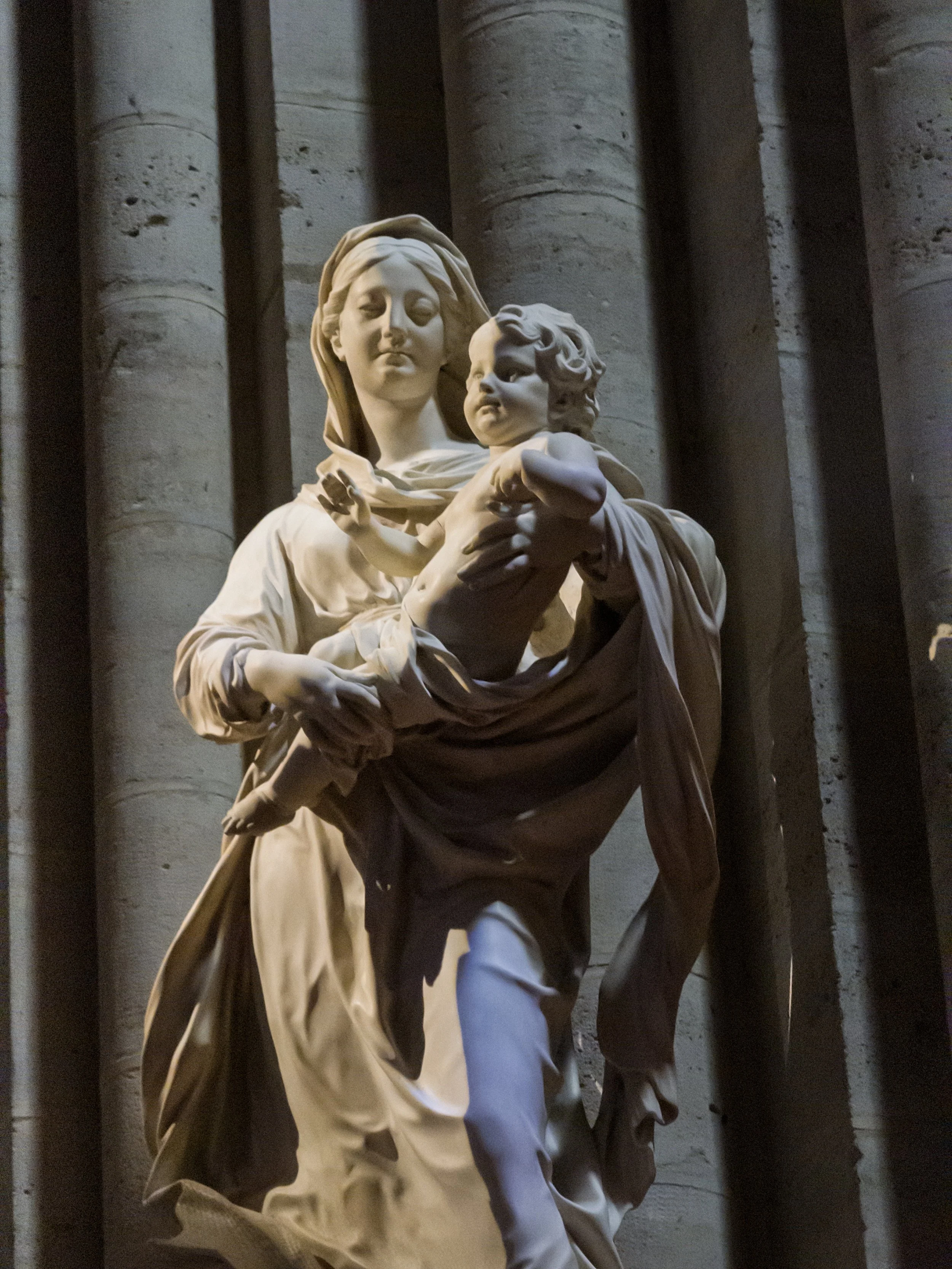
Statue of the Virgin Mary and Jesus, from Notre-Dame cathedral

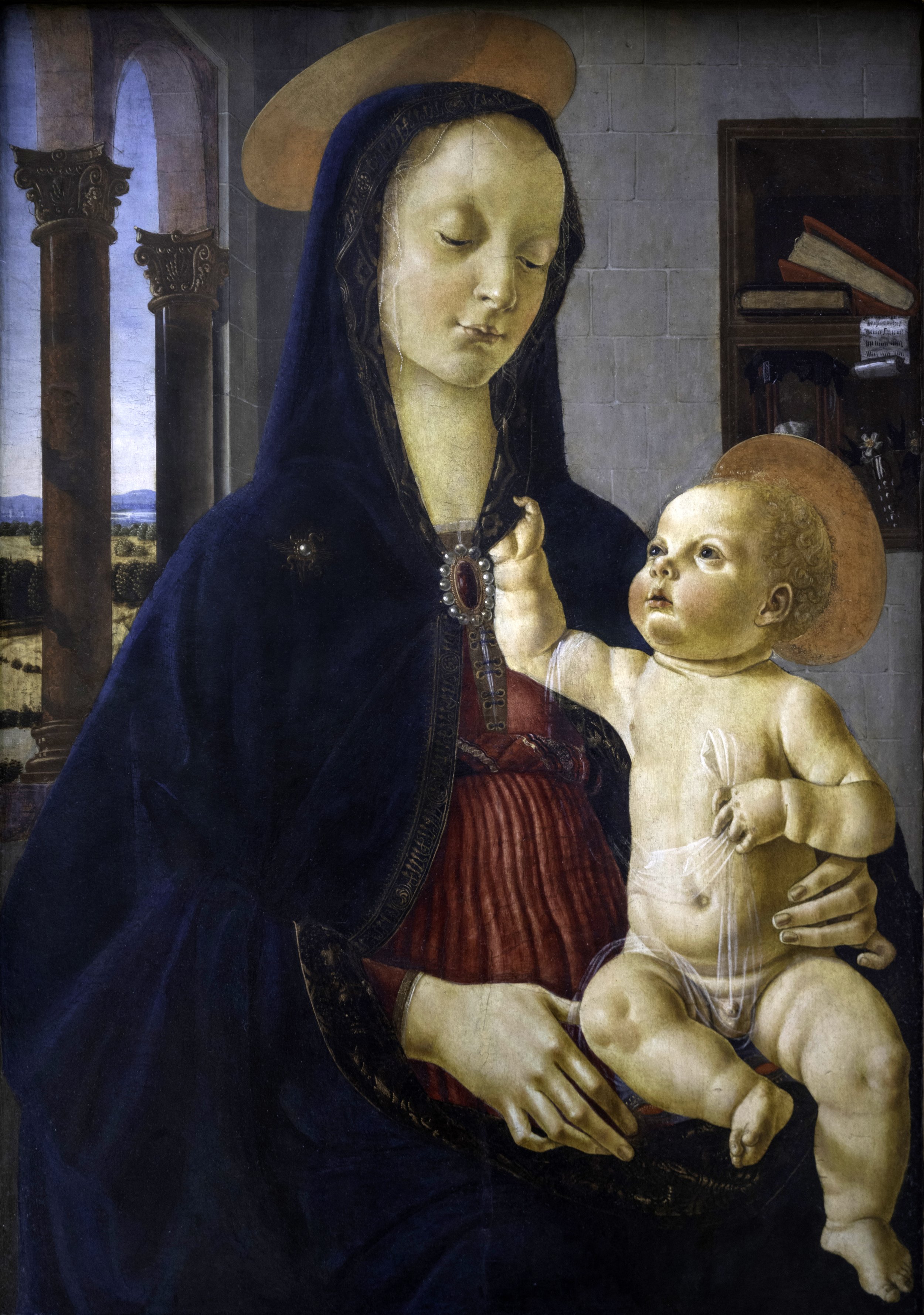
On this trip we visit a lot of churches. Like a LOT of churches. Don’t get me wrong, I quite enjoy these visits. I have always been one for the stained glass, beautiful architecture, and quiet, pious spaces. Religion has long been at the center of some really great art, but recently I’ve been struck by the countless iterations of “Madonna and Child” I see. For being such an important figure on her own, Mary is always usually depicted in the paintings and statues I’ve seen alongside an infant Jesus or mourning over Jesus’ body. When doing research for this blog, I spent an hour searching for a painting from the Louvre I remembered of Mary alone, only to realize Jesus was in the painting the whole time. Yet–for some reason–I only remembered Mary; her face glows, her saintly presence strong, her downcast eyes turned graciously toward her son. She is the Virgin Mary or Mary, mother of Jesus, but when I look at depictions of her holding this baby, I just see Mary, the teenage girl. 

The story of the Virgin Mary is so complicated for me to grapple with. Mary was around 16 years old when she gave birth to Jesus, and was told her child would be the Son of God. Was she ever upset at the unfairness of the expectations and responsibility placed onto her? And was she ever afraid?

“Madonna and Child” by Domenico Ghirlandaio (Louvre)

With these paintings and statues of Mary, we never get to see her anger or resentment. “Where Mary is so too is Jesus.” Her life and role were predetermined to be tied directly to him from cradle to grave. And yet, we are so often fed this image of her idealized serenity. To me, it feels like Mary is a mother before she is a person. So much is missing from her story. Have you ever seen a statue where Mary is shown with a pregnant belly? Or read a scripture that talks about her loneliness, her stretch marks, or her anxieties while traveling on a donkey, near her due date, for miles through rough terrain and cold desert temperatures?

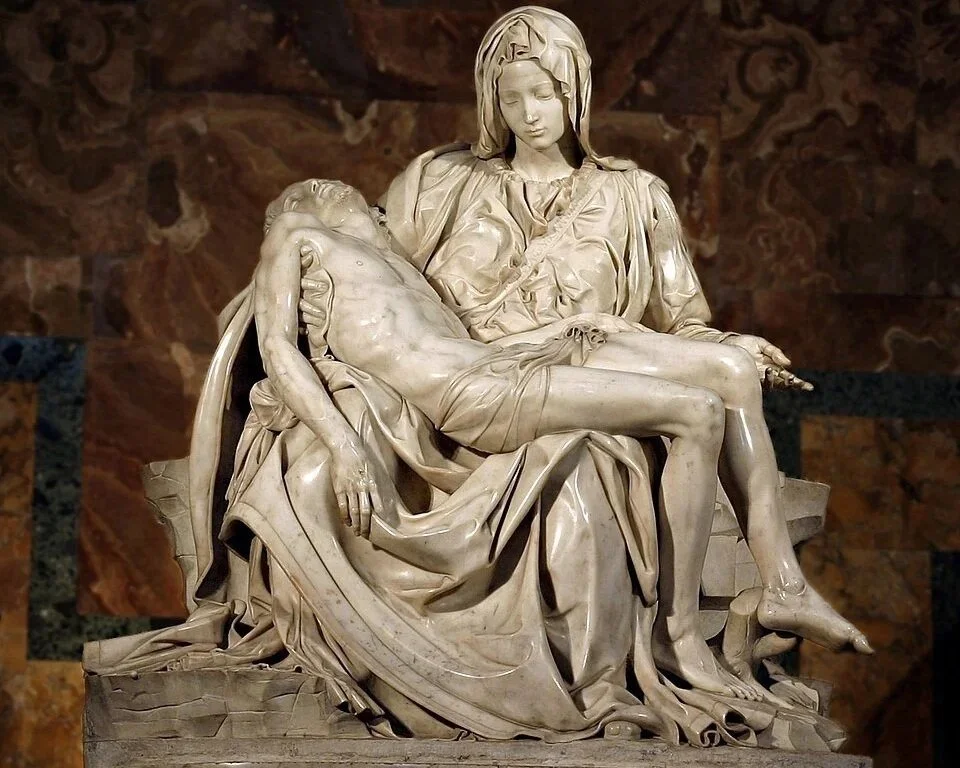
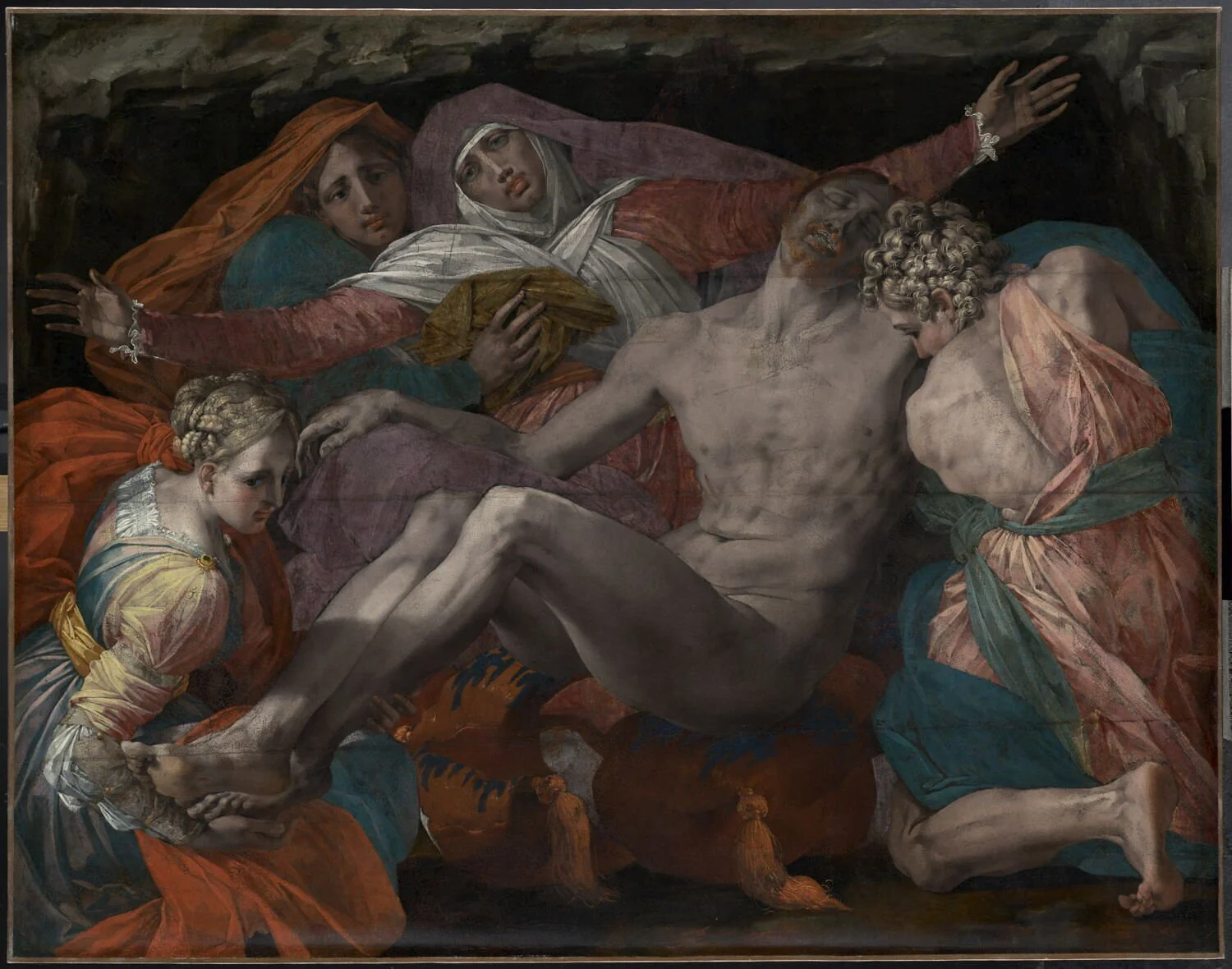
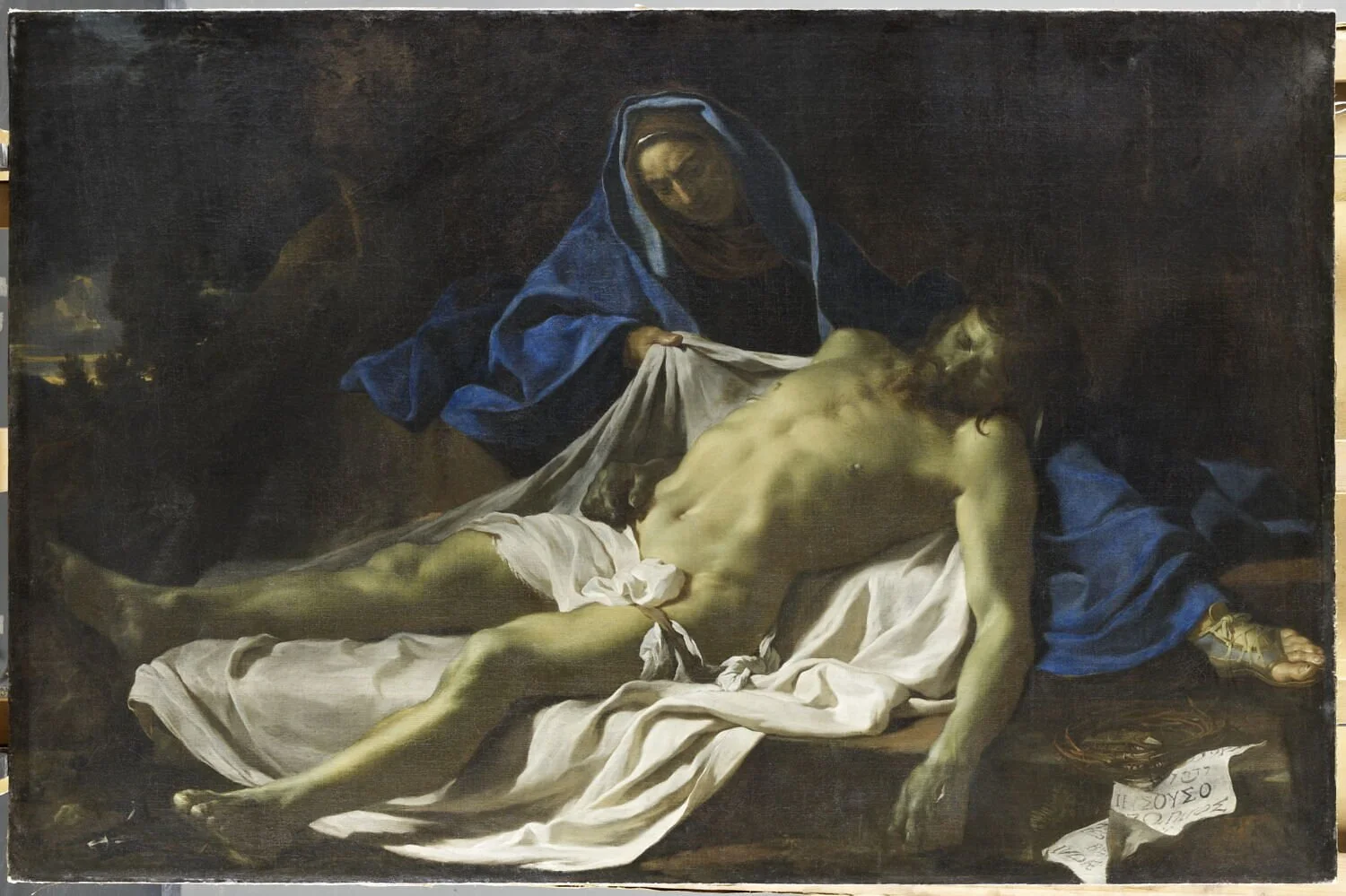
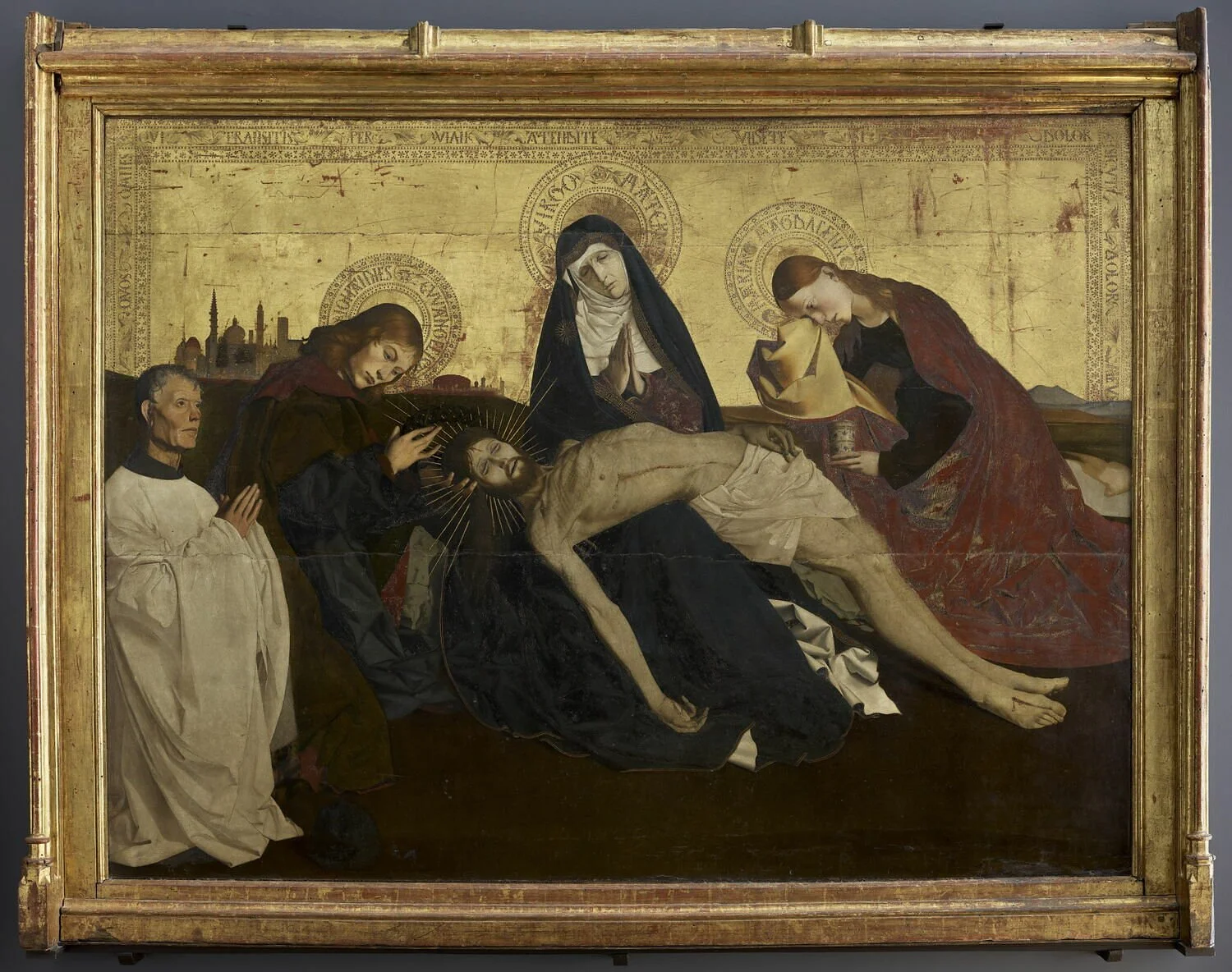
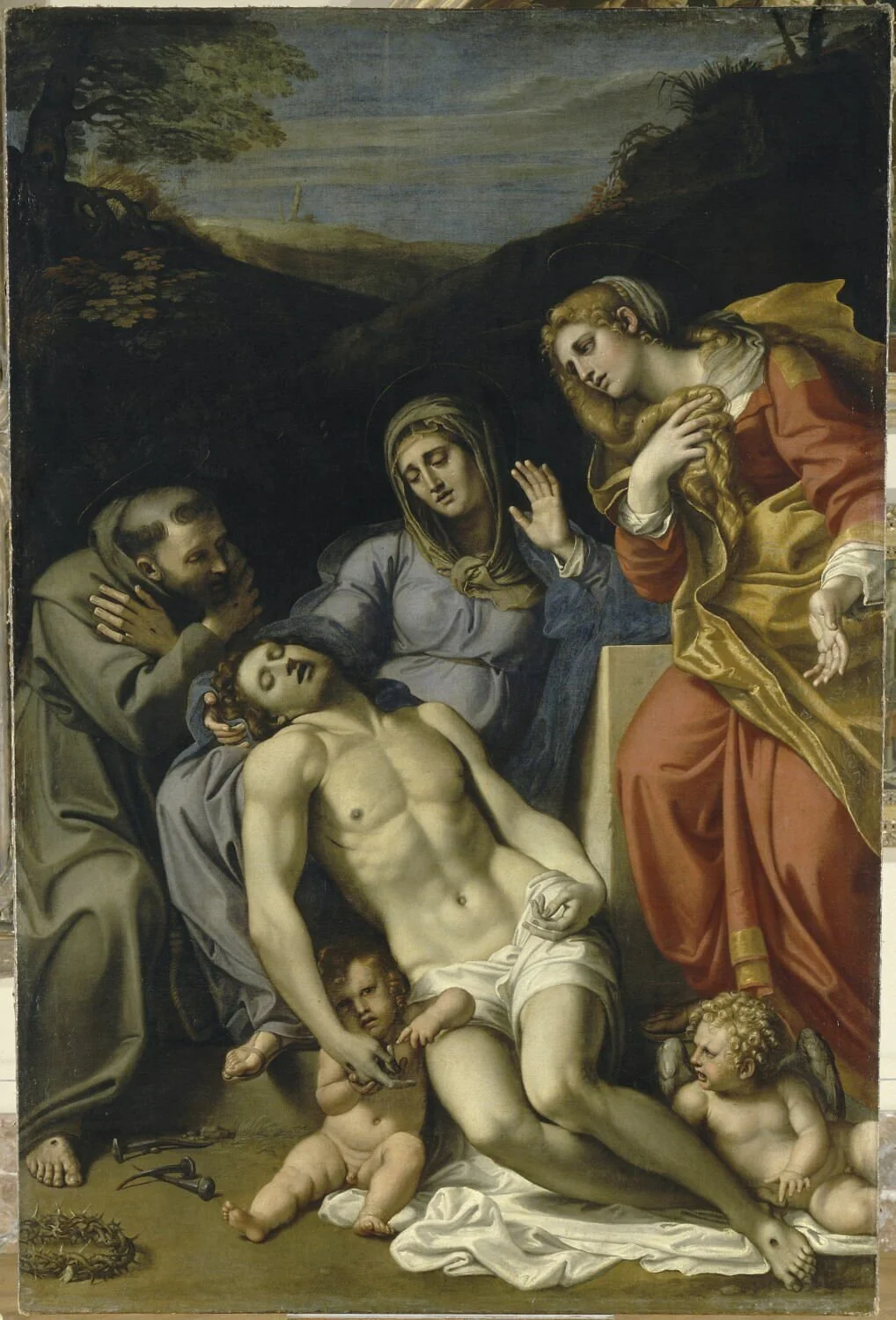
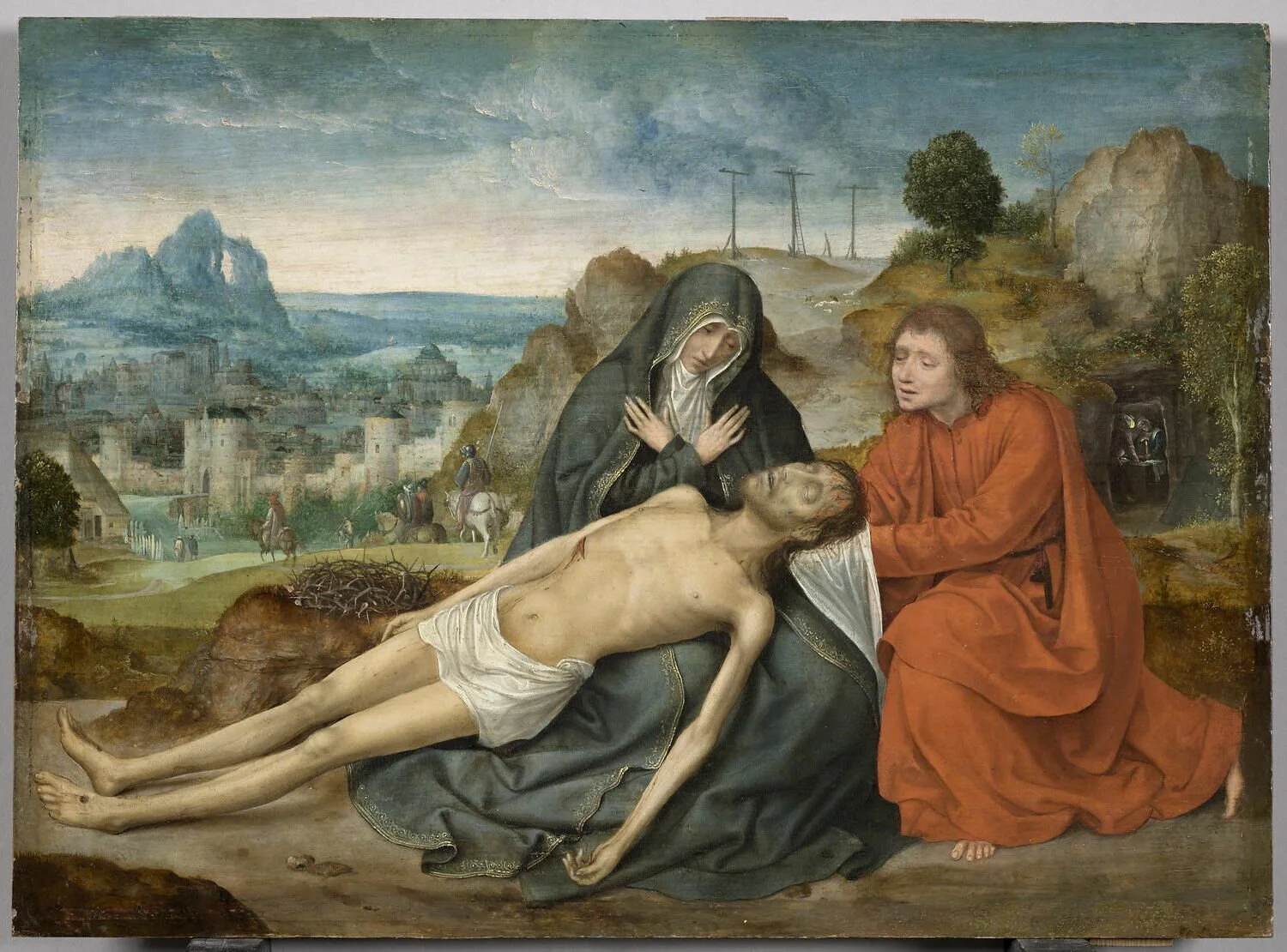
The only time during this trip I have seen Mary’s fears portrayed is in depictions of the Pietà (the pity). Mary is permitted to be upset, but only when cradling the dead body of Christ after his crucifixion. Mary does not cry out in rage, instead, she shows a quiet, peaceful acceptance of God's plan. The cost of her motherhood is allowed only when it is holy and beautiful, and especially when it is in relation to her son. When Michelangelo sculpted his version of the Pietà, he represented her extremely young to represent her incorruptible purity. He said to his biographer:

"Do you not know that chaste women stay fresh much more than those who are not chaste? How much more in the case of the Virgin, who had never experienced the least lascivious desire that might change her body?"

Society will strip a mother of her dignity, sexuality, money, hair, teeth, anything it can get its hands on, then turn their sacrifice into shame.


Gazing up at these portrayals of Mary during the many quiet moments of reflection we’re allowed in the churches, my mind always turns to Fantine in Les Miserables. When I read Fantine's sacrifices for Cosette, it’s difficult for me to control my emotions while getting through the pages. Threatened with the fabricated story of her daughter’s sickness, Fantine sells her hair, her teeth, and her purity. In many ways, her motherhood feels like the ultimate sacrifice to me. Before Cosette, Fantine was not simply a mother waiting to become one. She was a young woman with her own desires, relationships, and imagined future. We know so little about that version of her because, once Cosette enters her life, Fantine’s entire story becomes organized around what she is willing to surrender for her daughter. Even her physical transformation feels symbolic: her hair is cut, her teeth are pulled, her body is sold, and eventually her health deteriorates until she passes away, still thinking of Cosette and Cosette only. With every sacrifice, another piece of Fantine seems to disappear. Mothers give up their youth, their beauty, their bodies, their whole souls to their children, and Fantine is no exception. Her identity is so completely intertwined with motherhood and her love for her daughter, that it becomes difficult to imagine what she might have wanted outside of it. I find this representation interesting because, while it is no exception to romanticizing the hell out of motherhood, it also doesn’t shy away from showing what it cost her.

“Pietà [Our Lady of] Pity” by Michelangelo (Saint Peter's Basilica, Vatican City)

“Pietà” by Rosso Fiorentino (Louvre)

It would be like if somebody said ‘your car keys are in the drawer.’ And you go and you open the drawer and not only are your car keys not in the drawer..there’s nothing in the drawer. The drawer is empty. And you come back and you say ‘the keys aren’t in the drawer.’ And they say ‘no, go back and look again...they are in the drawer.’ And you go back and you open the drawer and it is empty.
— Ann Patchett's analogy for her desire to have children (These Precious Days)

In class we discuss what it means to be a good person, and if sacrifice for others constitutes a good deed. Should a mother’s love have to hurt this much to prove that it is sincere? Fantine makes this question especially difficult for me because I do not doubt that her sacrifices for Cosette are acts of love. But how much of that sacrifice is truly a choice when society gives her so few alternatives? The most unsettling part is that we have made these acts so culturally familiar that it can look less like loss and more like virtue like in the case of Mary.

Motherhood terrifies me, and for the time being, I can confidently say I do not want to have children. Even just that statement, “for the time being,” scares me, and the idea that I could one day be brainwashed by some biological instinct to have a child. Even my therapist told me that one day my mind could change, and that “when she was my age,” she too truly believed she’d never have kids. I think the world must be full of others like me who don't want to have children, not now, not ever, but are too afraid to say it because of the expectations society places on women. Like having a child is my single greatest purpose. I always think about the “girl with the list” on Tiktok (I know, Joan and her Tiktok references), but it gives some real life examples and reasons not to have kids. Not because they don’t like kids or are mad at those that do, but just because they’ve never felt that desire or simply don’t want to.

Maybe I just don’t have the selflessness it takes to be a parent. Or maybe we have romanticized maternal sacrifice so thoroughly that we forget to ask whether mothers should have to sacrifice anything in the first place. Honestly, I can’t make up my mind which scares me more.

A Love Letter To Gargoyles

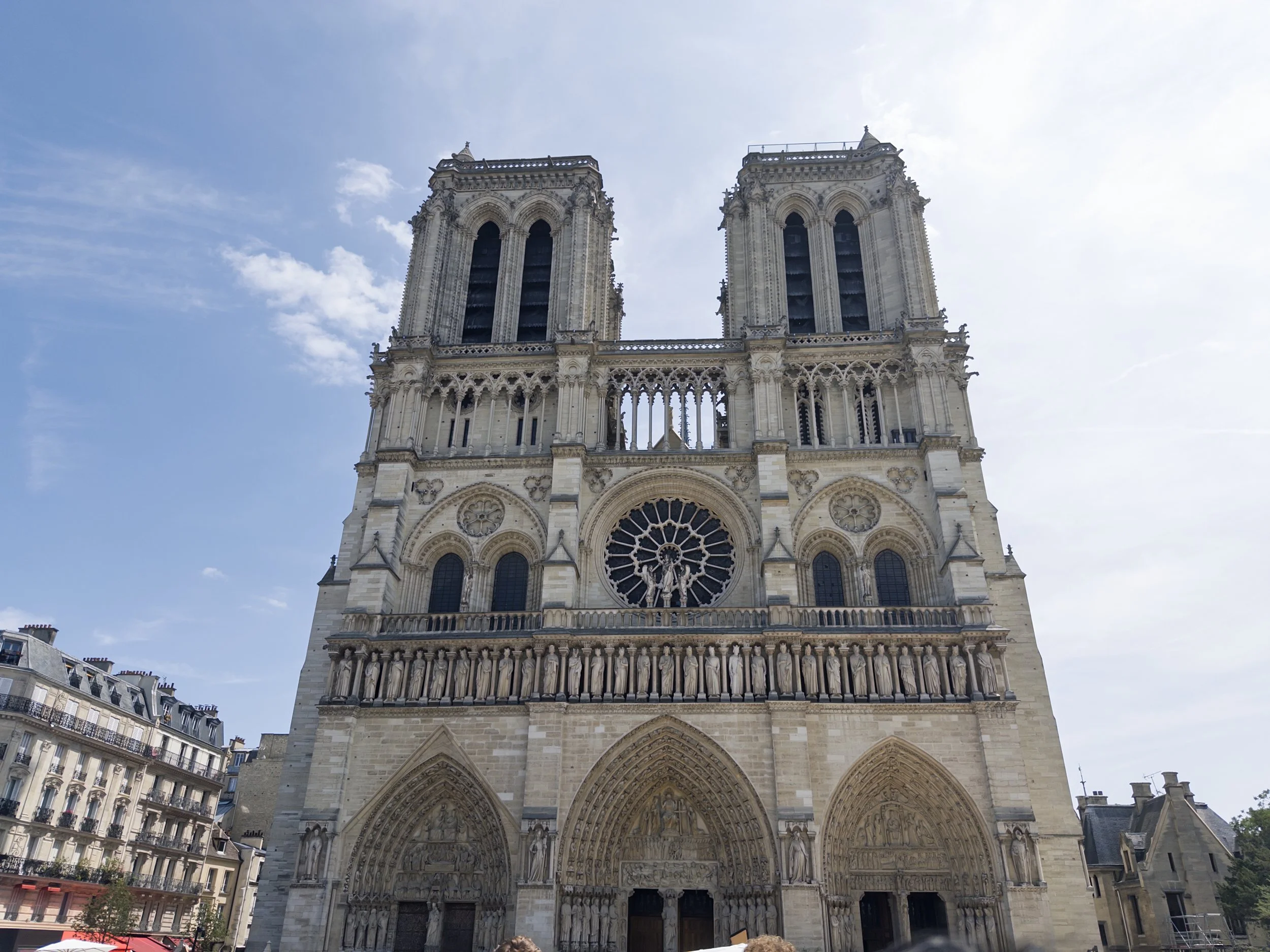
The Notre Dame Cathedral

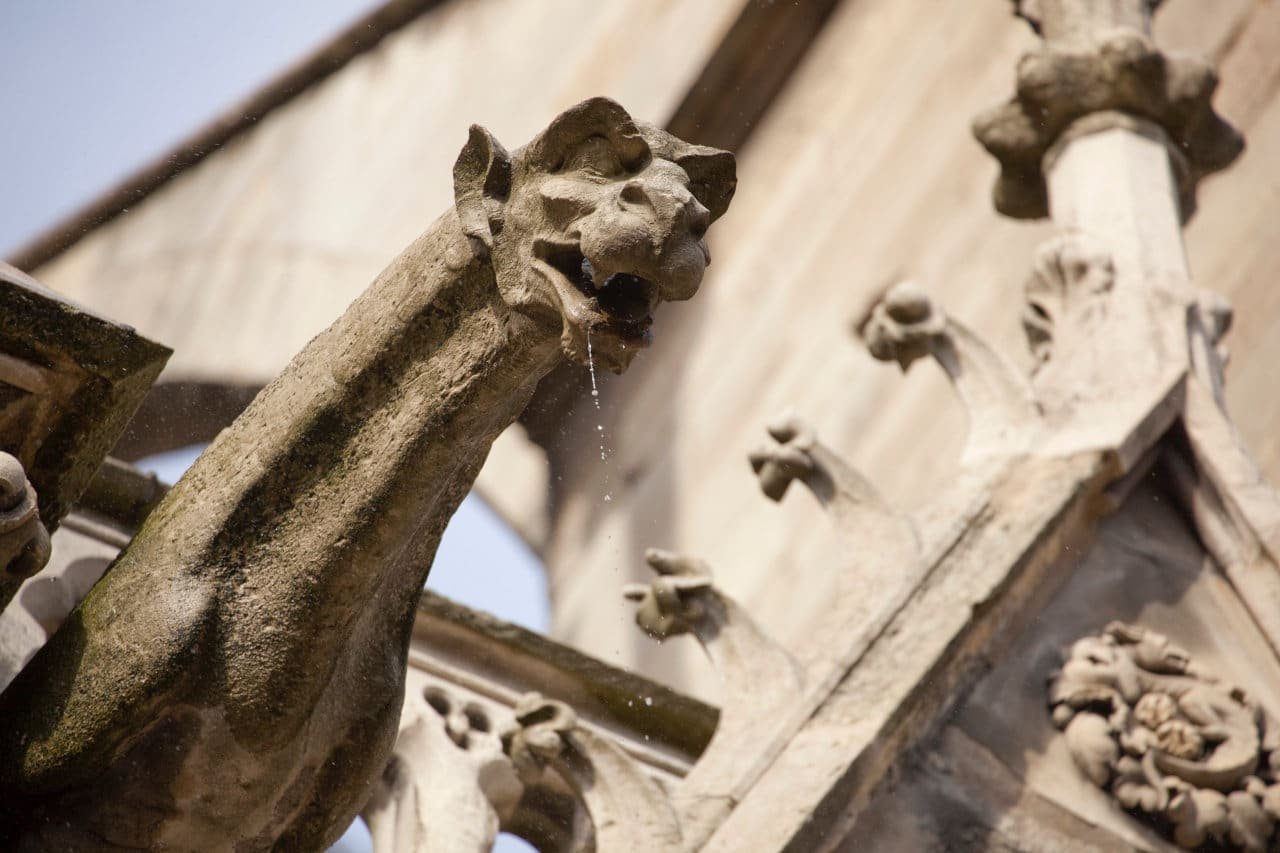
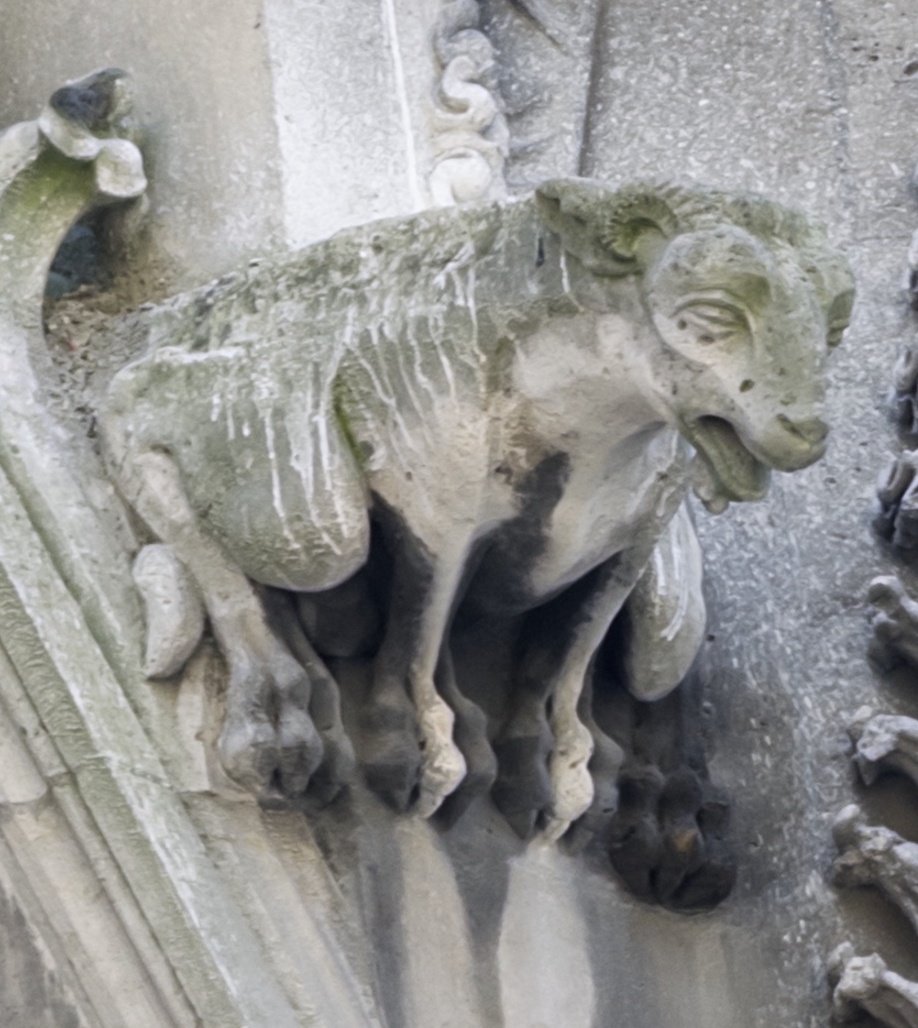
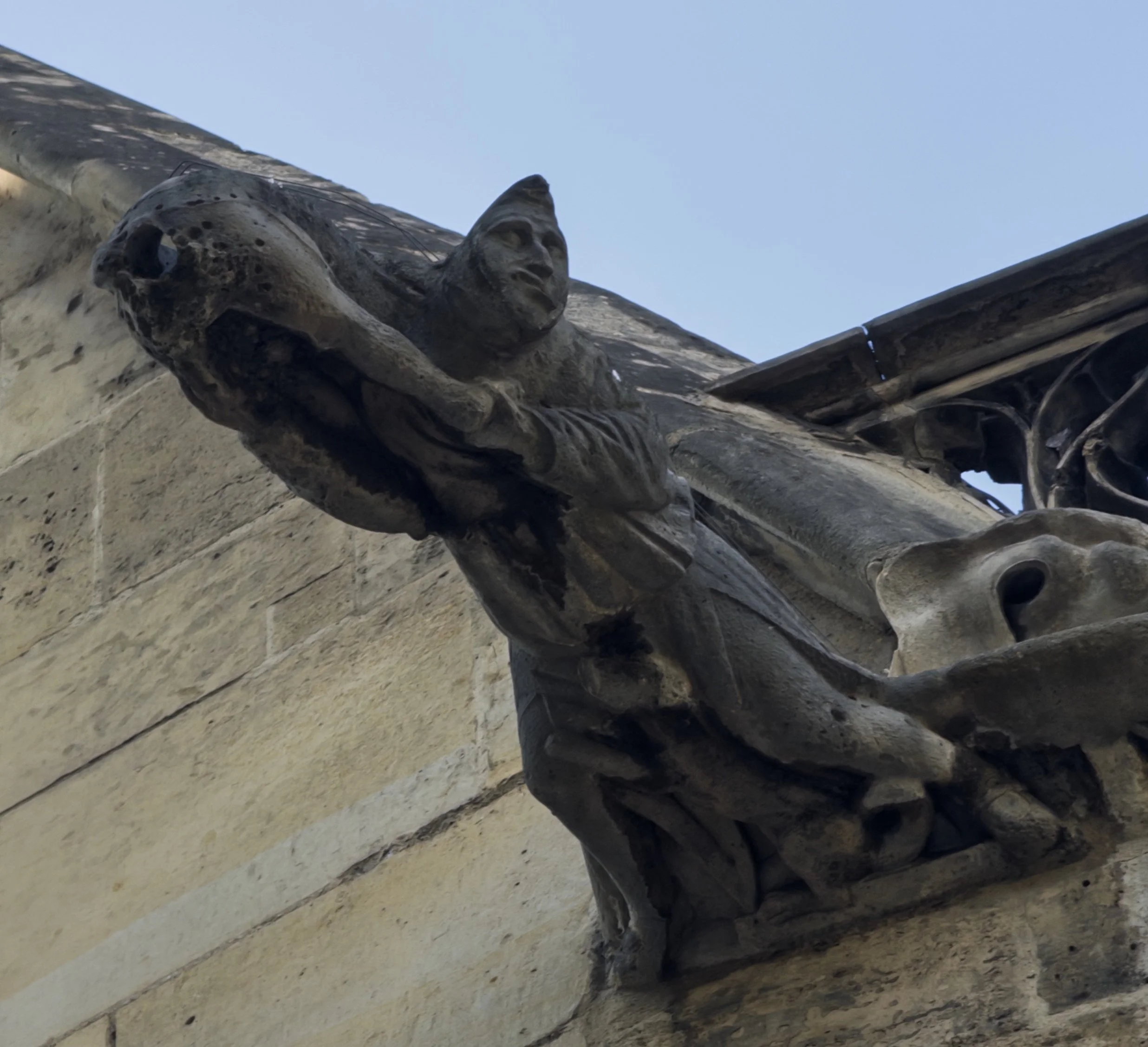
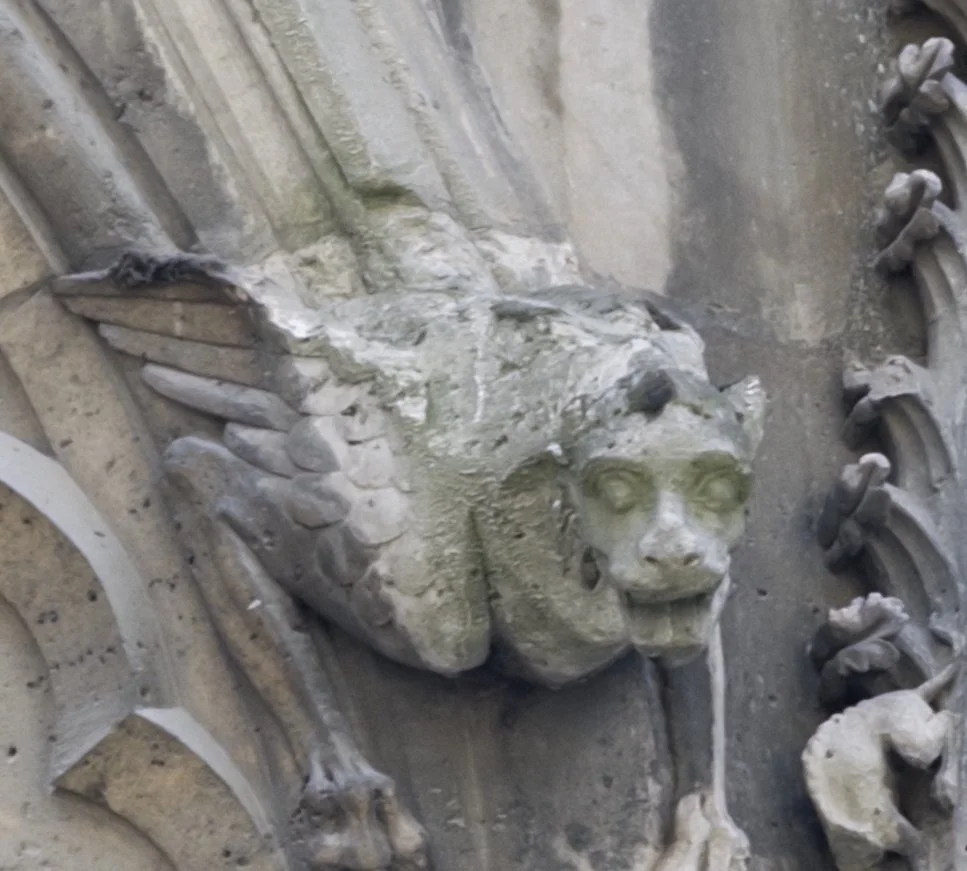
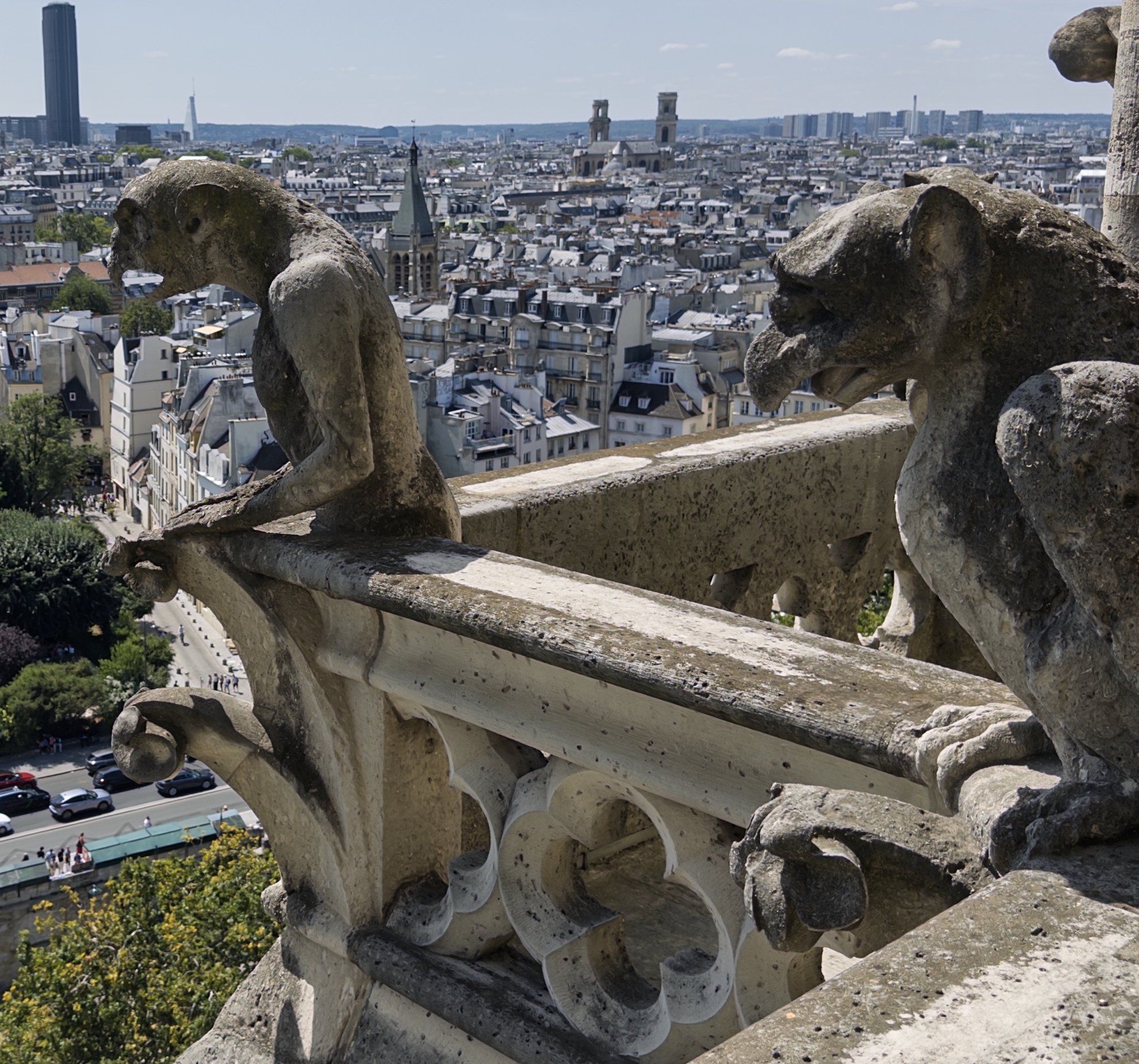
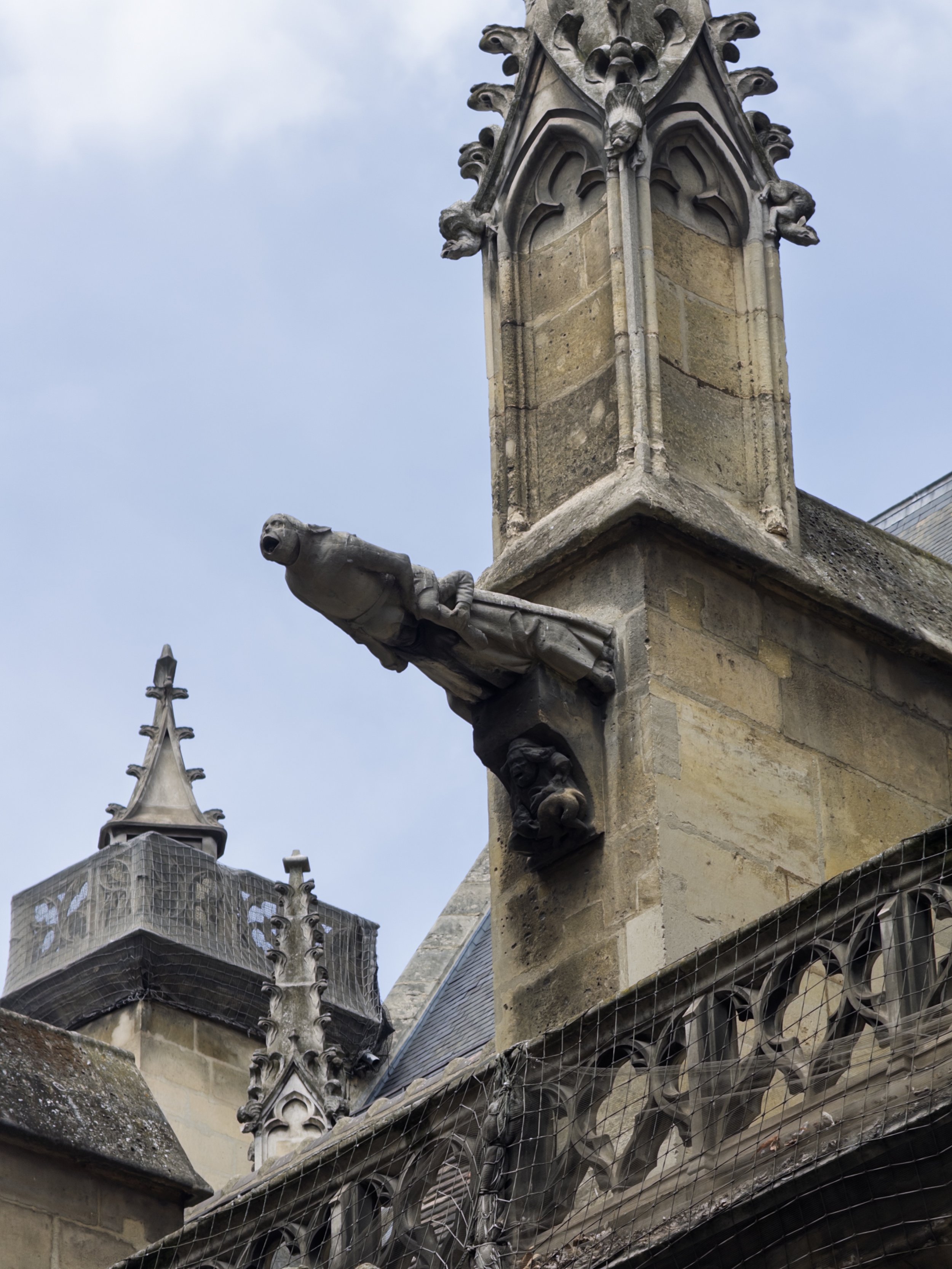
Looking up at the towers of Notre Dame, I absolutely adored looking at all of the gargoyles. From chimeras to harpies, and–my personal favorite–dragons, gargoyles have been shaped into fantastical beasts for centuries. Their purpose on paper is to serve as decorative drainpipes, carved with a spout to spit out water away from the stone walls of cathedrals to prevent erosion. It’s incredible both the engineering and artistic vision which existed centuries ago to build something not only exceedingly practical, but also fascinating to look at. (Aren’t they just badass?!)

Image of gargoyle courtesy of Friends of Notre-Dame de Paris

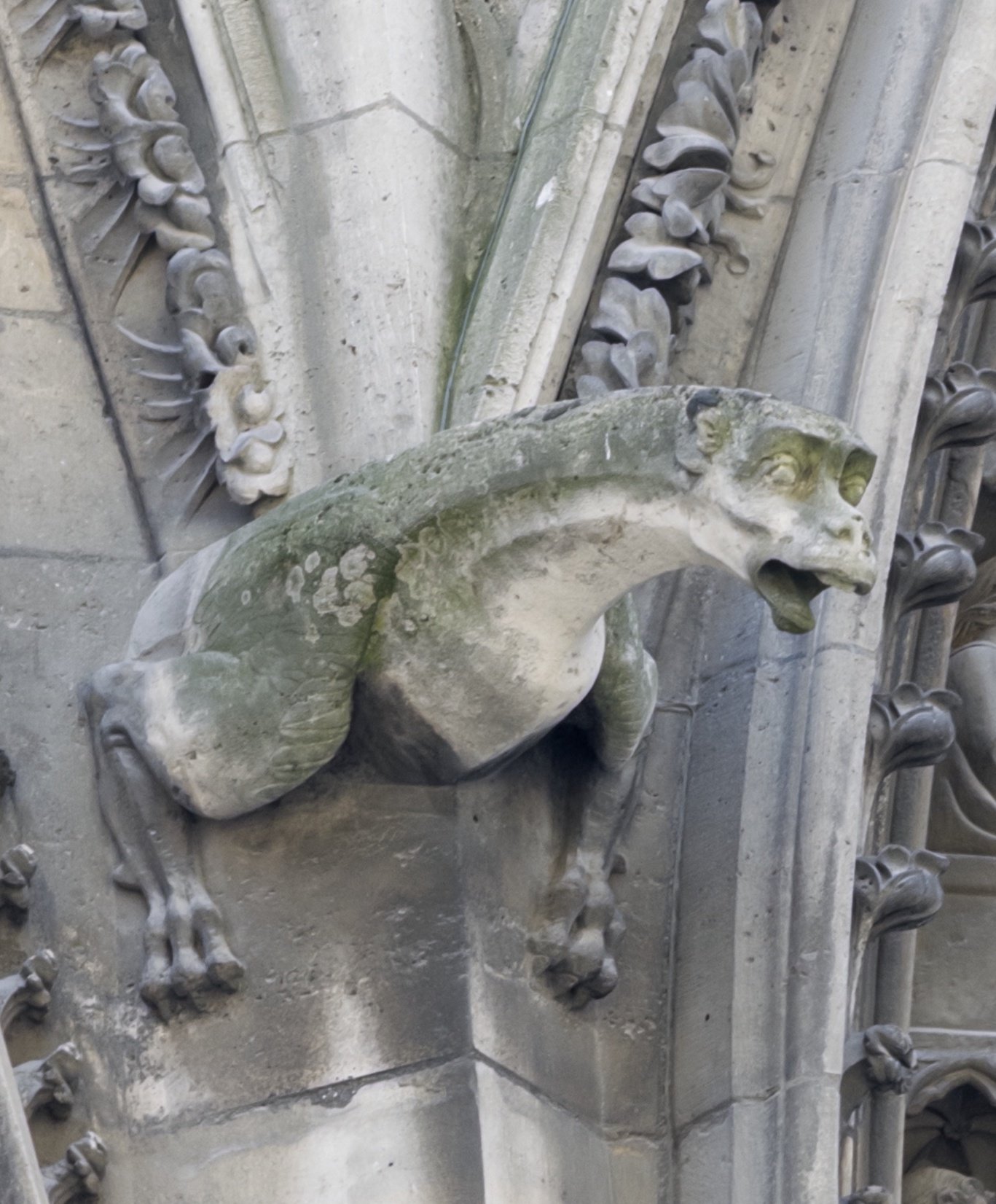
A beastly gargoyle at Notre Dame

However, gargoyles also serve as protectors, keeping careful watch on cathedral visitors. While their use as gutters is largely understood, their specific role as spiritual objects has been debated. Some say that gargoyles’ grotesque and menacing expressions ward away evil spirits and sin. Others argue that gargoyles were meant to strike fear into the “hearts of the pious” by depicting devilish traits. Another theory suggests that gargoyles represent the torturous fate of those who sin, morphing them into animalistic half-breeds. All agree that gargoyles have served many different purposes depending on where and when they were made (and that they look incredibly cool!)

Victor Hugo, famously, held a deep passion for architecture. His novel, The Hunchback of Notre Dame, served as his love letter to the Notre Dame cathedral and embodied Hugo’s commitment to protecting medieval architectural heritage. To Hugo, architecture was “the great book of humanity,” allowing us to remember and honor the memory of all humankind. In 1824, Hugo wrote an ode called “The Black Band,” which glorified monuments and denounced revolutionary vandalism. Eight years later, he wrote “War on the Demolishers” condemning “destruction and hazardous reconstructions.” Hugo believed that architecture and literature could draw out a narrative and bear witness to human history. Victor Hugo also loved to sketch and draw architecture, exhibiting his passion for the history architecture contains.

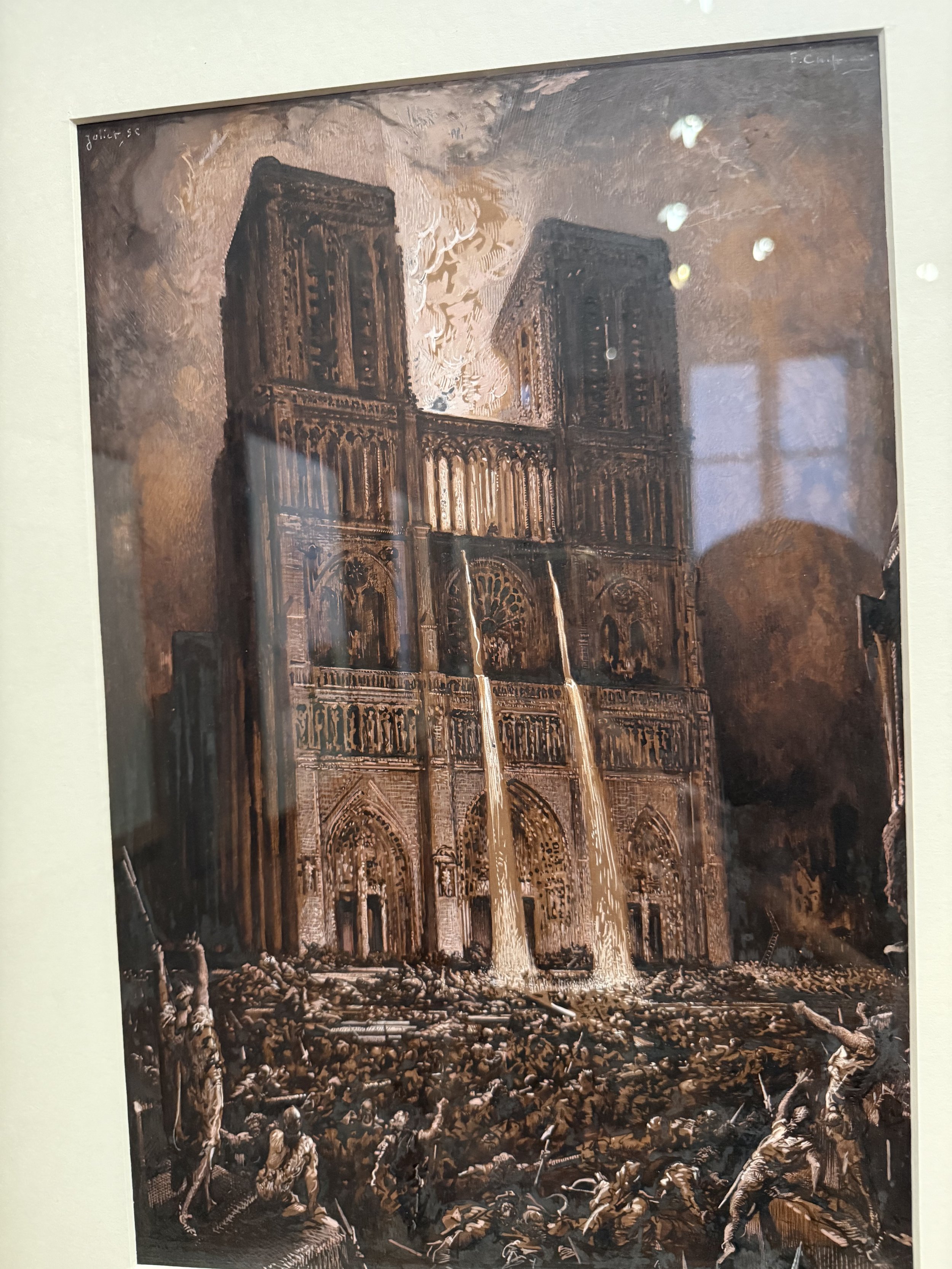
Attaque de Notre-Dame by François Chifflart. On display at The Maison de Victor Hugo.

Two monster-headed gutters were vomiting incessantly that burning shower, the silver trickling of which shone out upon the darkness on the lower part of the grand front.
— Victor Hugo (The Hunchback of Notre-Dame)

When we got the chance to visit Notre Dame in Paris, I was stunned to think I was seeing the same things Victor Hugo saw over 200 years ago. The towers were massive and the intricate carvings were mesmerizing. I have always appreciated a good gargoyle and Notre Dame has so many to boast (around 54!). Demons, dragons, humans, animals, and creature-animal-humanoid-figures galore; during my visit, I never stopped finding new gargoyles to marvel at. 

Though, at the moment, I thought I was seeing the same cathedral as Hugo, there were a few small changes that I actually had him to thank for! 

Today, the original medieval gargoyles from the 13th century are all but gone, having faced constant erosion with rain, frost, heat, and humidity wearing down the limestone. Even worse, during the French Revolution, Notre Dame was targeted as a religious symbol and many of the cathedral elements were vandalized or desecrated. By the 19th century, Notre Dame was in disrepair and almost all of the gargoyles were broken, missing, and or disfunctional. Yet, when all hope seemed lost, Victor Hugo helped bring the cathedral to the current glory we get to see now with a single book: The Hunchback of Notre Dame! 

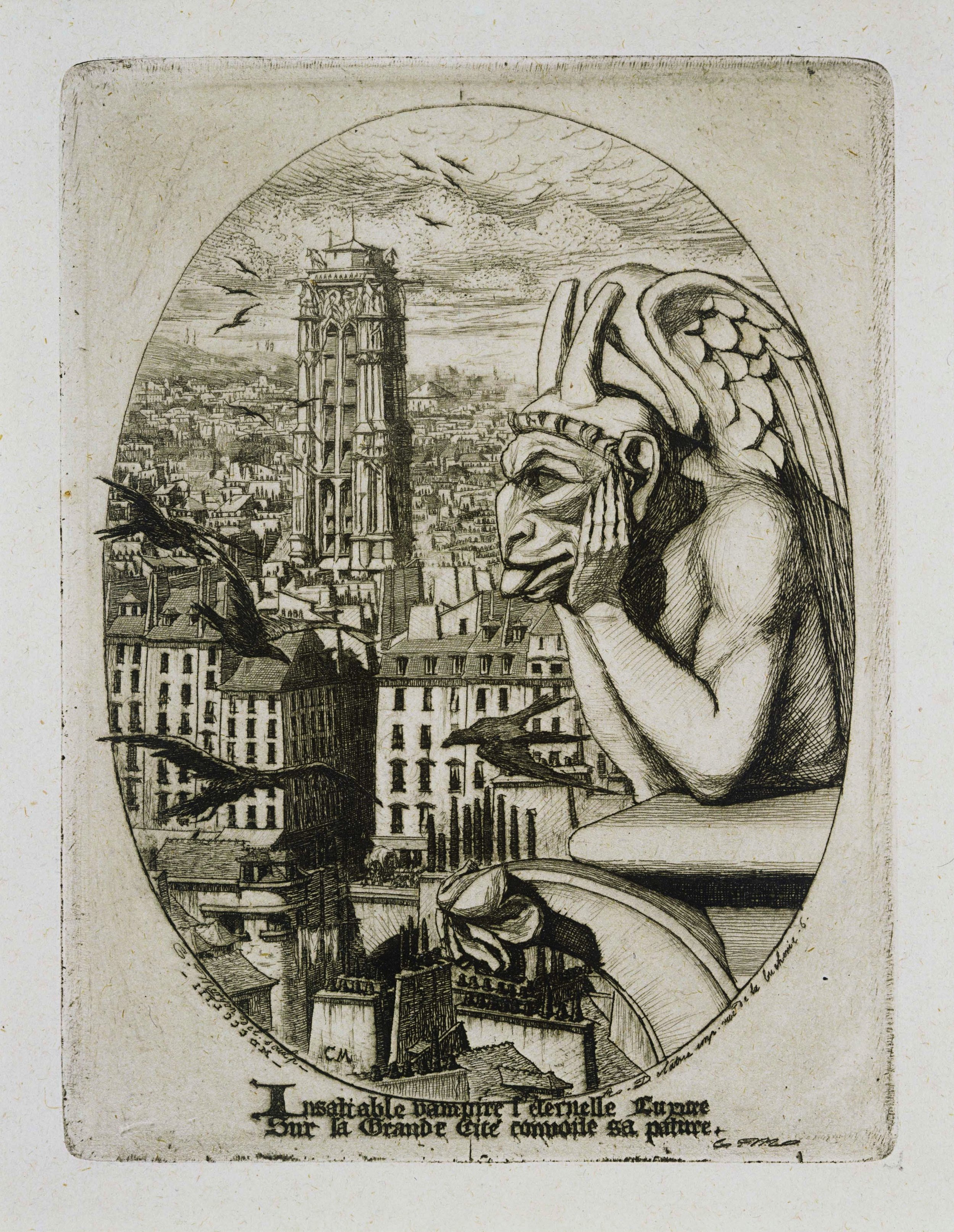
Le Stryge by Charles Méryon. On display at The Maison de Victor Hugo.

The current gargoyles we see were erected during the restoration between 1845 and 1867, which was spurred by the coverage and success of Hugo’s novel. Some of the grotesque sculptures erected by architect Eugene Viollet-le-Duc were actually inspired by Victor Hugo. Le Stryge (The Strix), is one of Notre Dame’s most famous sculptures, inspired by a half-woman half-bird mythological creature. It combines the figure of Esmerelda, associated with a witch, and that of Quasimodo, compared to a gargoyle. Even though Le Stryge is not a gargoyle (it’s a grotesque, NOT a gargoyle), I still think it looks pretty cool and it has served an important role in defining Notre Dame, and Paris’, visual identity.

Victor Hugo talks at length about Paris in Les Miserables and the collective history its stones hold. For Hugo, he has seen Paris be transformed as a “result of demolitions and rebuilding,” evolving the Paris of his youth into a “Paris of the past.” Perhaps this is where his passion for the preservation of buildings and monuments stems from, an intense appreciation for these cobbles and buildings he cherishes. To Hugo, all these places are “the very embodiment of France…for the face of your homeland is as dear to you as the face of your mother.” Even the sewers of Paris were worthy of Victor Hugo’s attention, and he saw that “history passes through the sewers.” His ability to see the narrative and human history in any structure was incredible, even a sewer could “[bear] traces of the revolutions of the globe as well as of the revolutions of man.”

To me, gargoyles elicit that same sense of admiration. Incredibly useful and with a rich history, gargoyles fascinate me. While they can be intimidating, they can also be sometimes silly; human figures throwing up or sometimes even defecating. Personally, I love how the gargoyle beasts and dragons are always so fantastical and imaginative, like they might start moving the second you tear your gaze away from them. Craning my neck up to look at all the gargoyles with their gaping maws, I understand where Hugo was coming from with all his obsession with preservation. Architecture gives us something that literature cannot, tangible evidence of the people and histories which existed before us. While Hugo can tell me about Notre Dame, there is nothing like staring up at it, a physical connection to the author who marveled at it once before me. Hugo wanted us to see Notre Dame as more than just a place, but to consider who built it, who lived around it, who repaired it, who nearly destroyed it, and who fought to preserve it.

I like to picture what the gargoyles of Notre Dame may have seen from their position way above: The Paris Commune commandeering their home into the Temple of Reason. Napoleon marching up the steps on his way into the cathedral to crown himself Emperor. Rocks and stones piercing the stained glass windows below them during the vandalism of the July Revolution. Victor Hugo making sketches while writing the Hunchback of Notre Dame. It’s amazing to think of the history this building represents and the accumulation of stories these stony sentinels have collected over the 800 years it's been standing. Perched above Paris, these gargoyles have protected their home from revolutions, restoration, neglect, and even fire. The next time you visit Notre Dame, take a few moments to appreciate both the usefulness and beauty of the gargoyle, the coolest looking guardians of Paris. 


I Wish I Were a Bird

Be like the bird, who
Resting in his flight
On a twig too slight
Feels it bend beneath him
Yet sings,
Knowing he has wings.
— Poème Dans l'église de *** by Victor Hugo

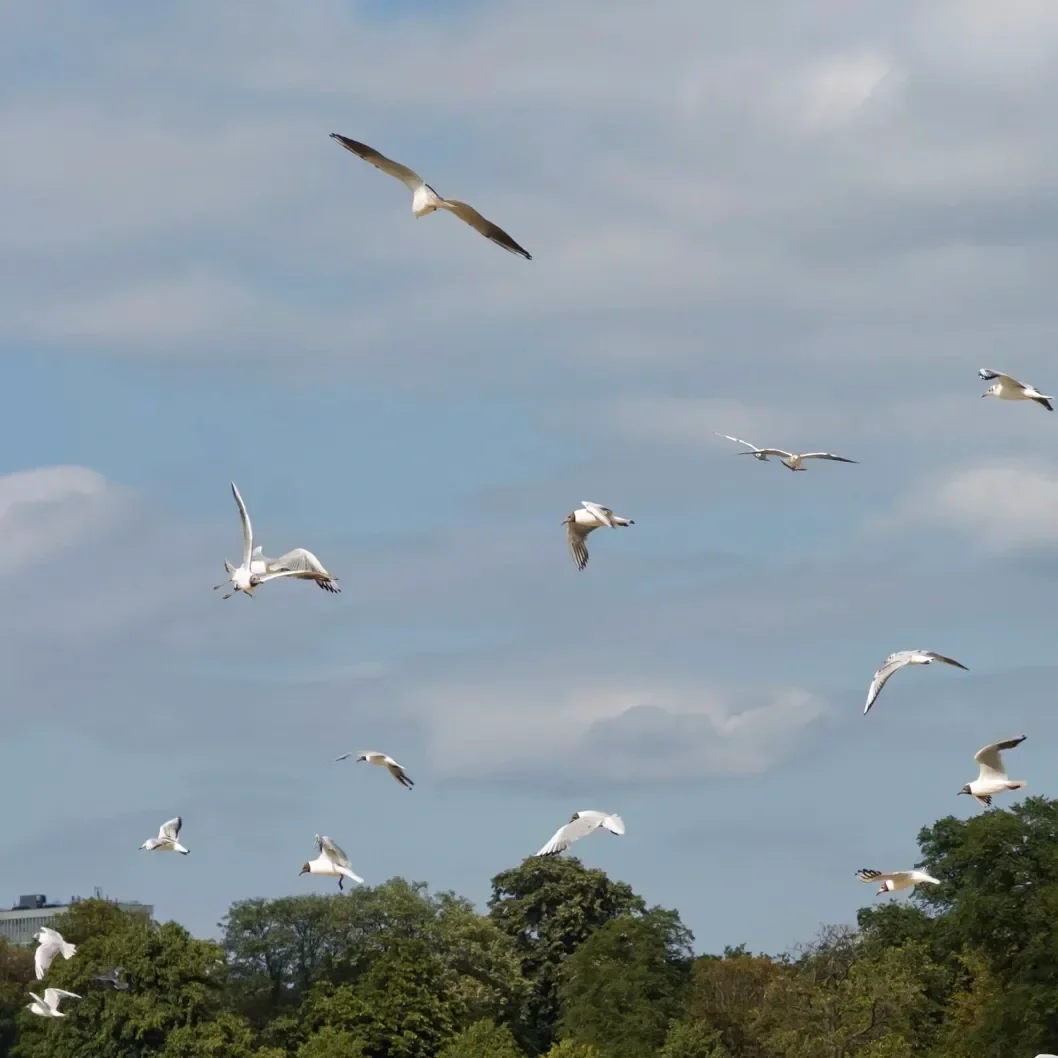
The gulls at Hyde Park where I spent the day reading A Tale of Two Cities

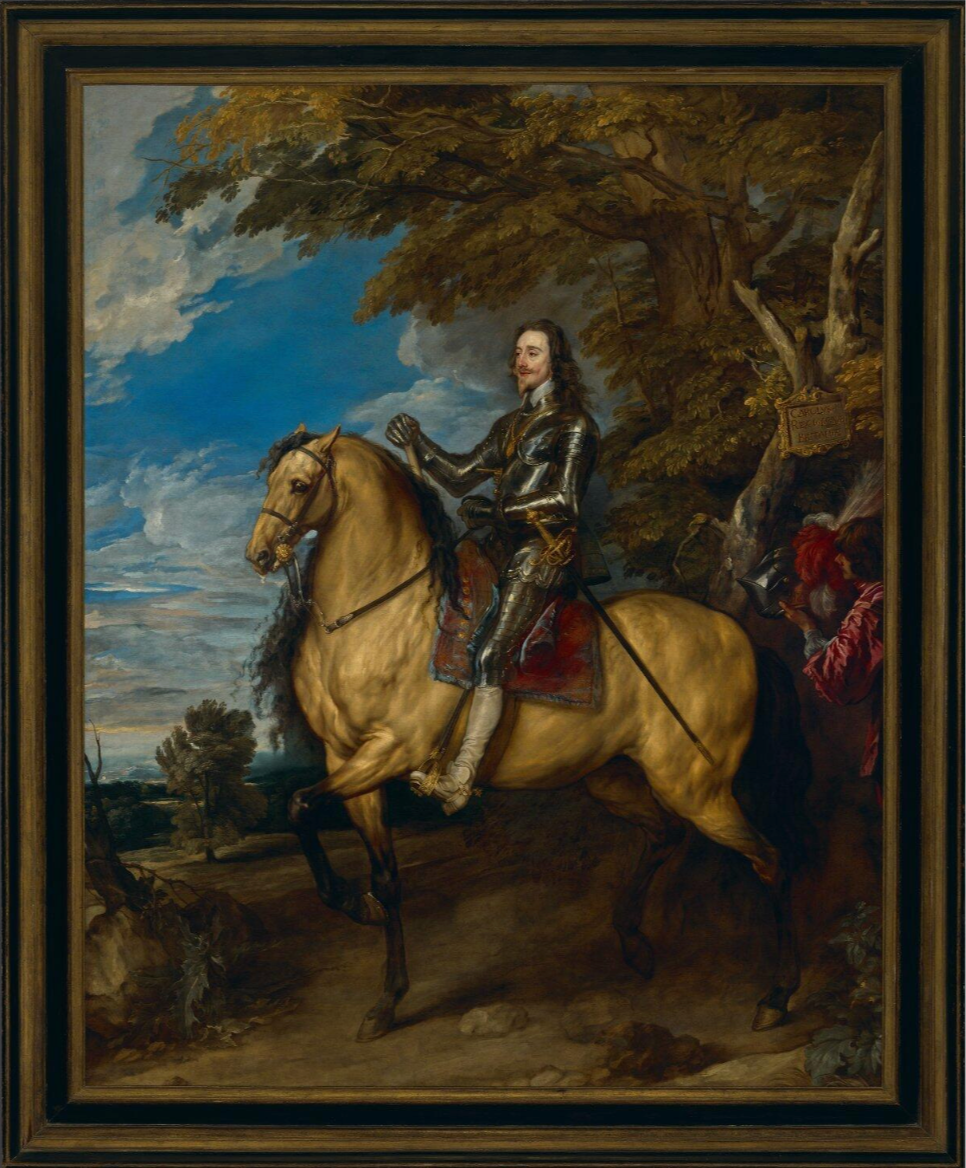
Equestrian Portrait of Charles I, Anthony van Dyck (National Gallery, London)

At the end of our excursion one day, our class found ourselves finishing on the steps of the National Gallery art museum in Trafalgar Square. Exhausted from the heat, it was tough to decide whether or not to extend our already long day of walking by checking out the museum. Arguing with myself in my head, I remember thinking "‘It couldn’t hurt.’ After all, there was only one floor of paintings.

Yet, nothing could have prepared me for the sprawling rooms of artwork with never ending hallways providing previews of the countless rooms to come. We quickly lost ourselves in the maze. There was so much to see and I definitely recommend checking it out (though regrettably Vincent van Gogh’s “Sunflowers” happened to be on loan to the Philadelphia Museum of Art at the time). We explored rooms with high ceilings and enormous paintings which stretched across the halls. Some, like Van Dyck’s “Equestrian Portrait of Charles I”, dominated the wall they adorned. This painting in particular dripped in opulence, unsurprising considering King Charles I’s strong belief in his ‘divine right as king.’ As we learned in class, this belief ultimately led to his execution and beheading (cough cough foreshadowing much?), but this piece of, albeit beautiful, political propaganda was not what stole the show for me that day at the museum. As I roamed the halls of art, my attention was taken by a painting no larger than a sheet of paper. 

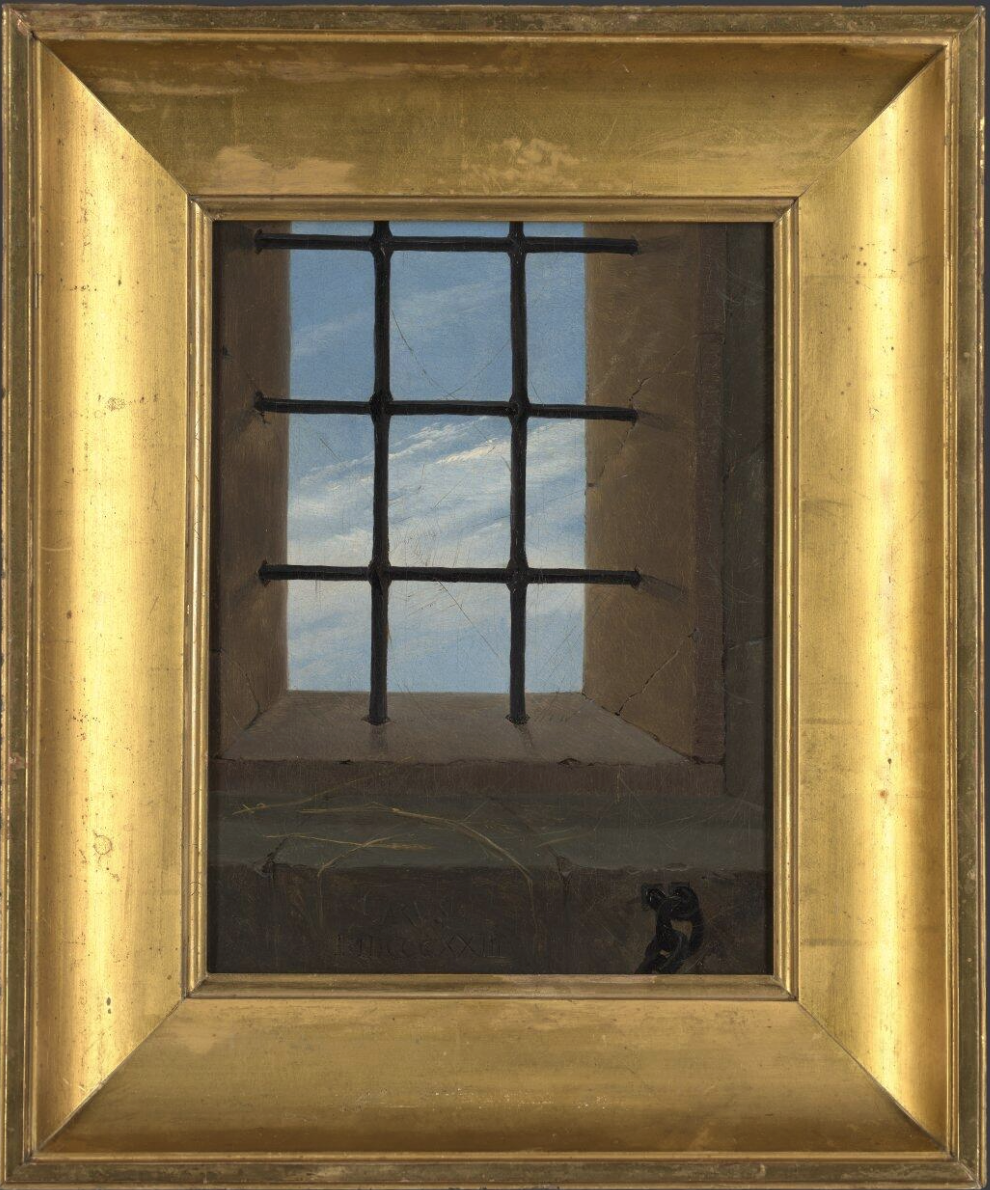
Tucked away in a corner, bordered by a golden frame, is Carl Gustav Carus’ “A View of the Sky from a Prison Window.” The painting is so simple, yet evocative: wrought-iron bars segment the blue sky keeping its freedoms just out of reach. The off-center view of the cell window still fails to conceal the chain in the corner keeping its prisoner fettered. Spiderwebs veil the ledge, a constant reminder of the trap in which they find themself. 

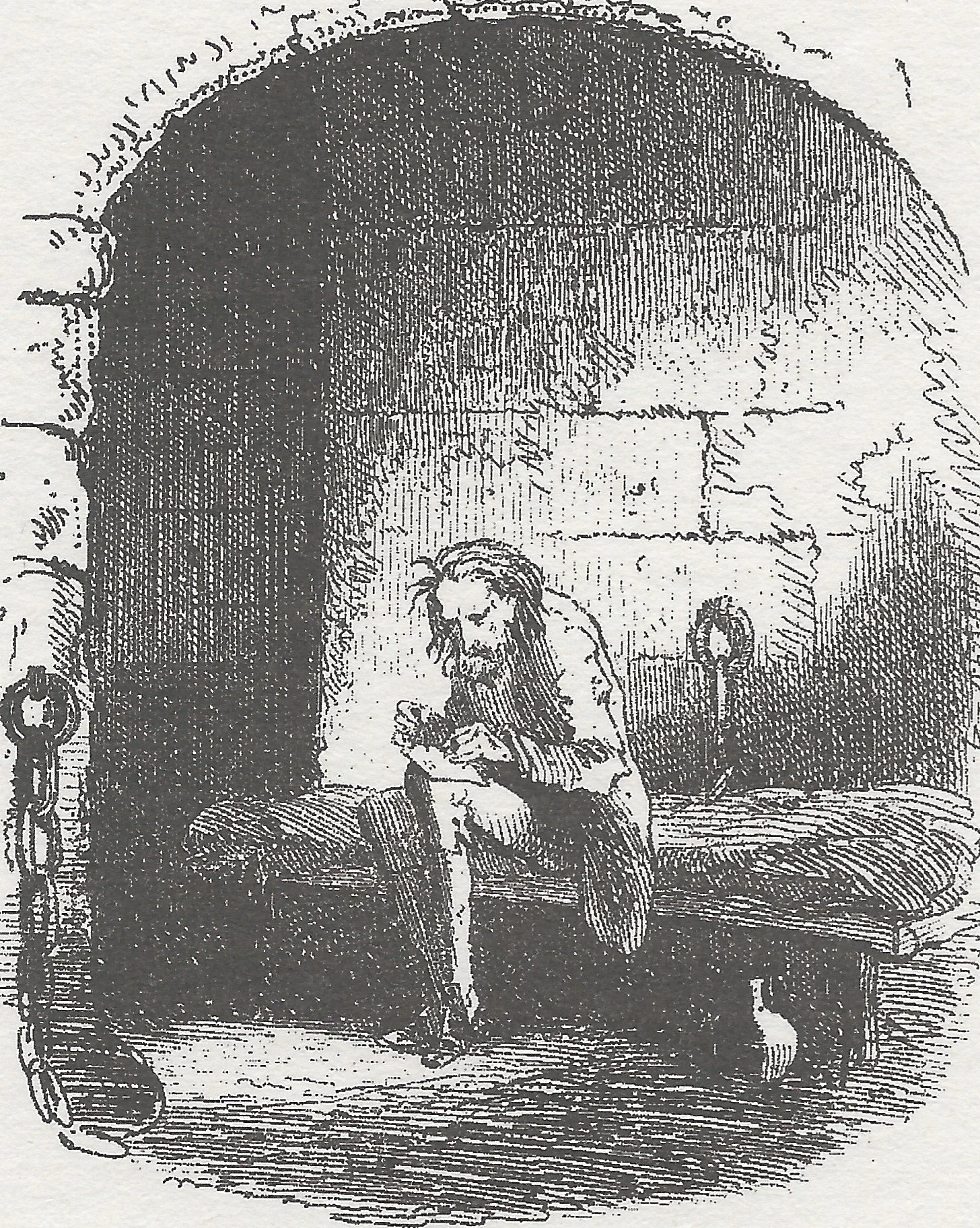
In “A Tale of Two Cities,” prison rends the soul, transforming characters like Doctor Manette into a shell of his former self, prone to fits of traumatic memories which leave him crying out in pain. In “Les Miserables” Jean Valjean’s experience of incarceration consumes him, turning him into a ‘wretch’ unable to think of anything other than his rage for the systems which unfairly imprison him for stealing a loaf of bread to feed his sister’s starving children. While on our trip, through visiting locations of imprisonment like the Bastille or La Force prison, which respectively hold characters like Doctor Manette and his son-in-law Charles Darnay, I got a real sense of these places as penal institutions rather than places in a book. I realized how easy it is to find distance from the suffering of people who live so far removed from ourselves. Though the Bastille and La Force existed in my mind first as settings, they’re also places where real prisoners waited, suffered, and wondered whether they would ever see freedom again.

“Doctor Manette in the Bastille Prison” drawn by Hablot Knight Browne.

Fun (?) fact: “The illustrations for A Tale of Two Cities were not well received and Browne, who had illustrated Dickens for 23 years, never worked with Dickens again.”

A View of the Sky from a Prison Window, Carl Gustav Carus (National Gallery, London)

In looking at “A View of the Sky from a Prison Window”, I can’t help but imagine myself as that prisoner. I’m forced to watch clouds float by like handkerchiefs in the wind, mourning my death to come while rotting in a cell. The only thought which crosses my mind is that: ‘I wish I were a bird with wings that could escape into that blue sky.’ It is heartbreaking to consider the temptation of freedom so close in sight, but so far in actuality. This pain is only exacerbated when you consider how a prisoner would feel in this cell knowing their incarceration was unjust. From Jean Valjean’s disproportionate punishment of 19 years of imprisonment for trying to do a good deed, to Doctor Manette serving 18 years without due process from a ‘lettre de cachet’ where the king or their ministers can order your arrest with no trial, captivity when unfair does more than just take away your freedom. Easily, the prisoner in Carus’ painting could have been anyone: Doctor Manette waiting for release, Charles Darnay fearing execution, Jean Valjean counting the years of his sentence, or any person today staring through a window and wondering when they will see the world again.

When I think about the prison system now in the United States, I wonder how much has really changed. Prisons remain overcrowded, with people enduring inadequate heating and cooling, poor nutrition, and harsh living conditions. Incarcerated people perform essential labor, from maintaining infrastructure to responding to state emergencies and natural disasters for little or no pay, practically indentured servants. ICE agents take people away at their jobs, or on the street, away from their families and children, sometimes even before an immigration judge has heard their case. Others continue to serve sentences for offenses like marijuana possession, even as the substance has been legalized in many states. Carus' painting inspires me to ask what happens when someone is reduced to the walls around them. What are we complicit in when we continue to treat prison as a severe punishment rather than as reformation to right a wrong?

Victor Hugo wrote, “There is a spectacle greater than the sea: that is the sky. There is a spectacle greater than the sky: that is the inner soul.” Looking at Carus' prison window, I find myself wondering if the cruelest prison is not the one which steals your freedom, but the one that changes you fundamentally until you no longer recognize yourself or your soul. It is easy to try to define prisoners by their crimes statistics, or numbers, but behind every Prisoner 24601, there could be the story of someone stealing bread for his nieces and nephews. Someone who is missed by their wife who blows kisses, not to her husband, but to the outside face of his jail in the La Force Prison, hoping he will catch a glimpse of her. Someone in a cell who looks at the sky the same way I do, who dreams of flying away, as free as a bird.