“Be like the bird, who
Resting in his flight
On a twig too slight
Feels it bend beneath him
Yet sings,
Knowing he has wings.
”
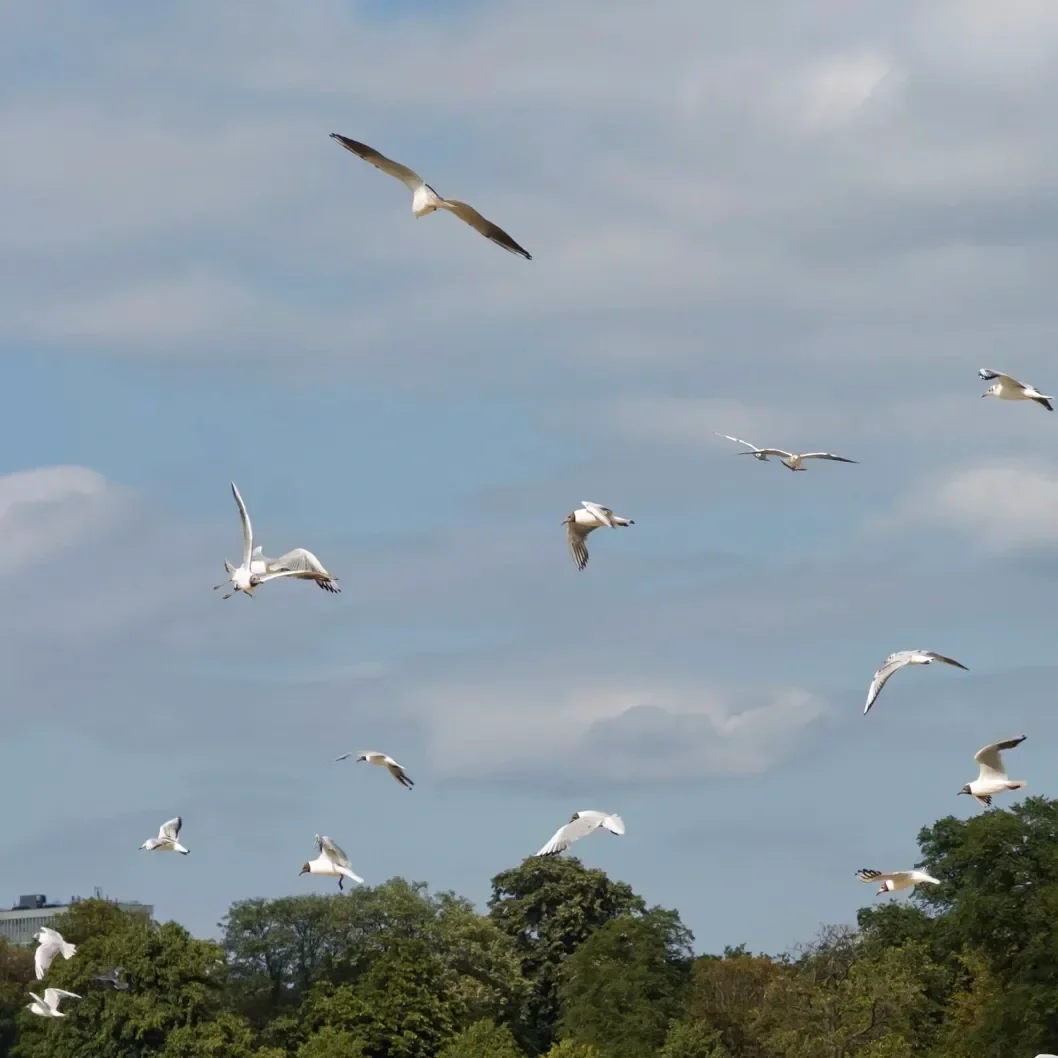
The gulls at Hyde Park where I spent the day reading A Tale of Two Cities
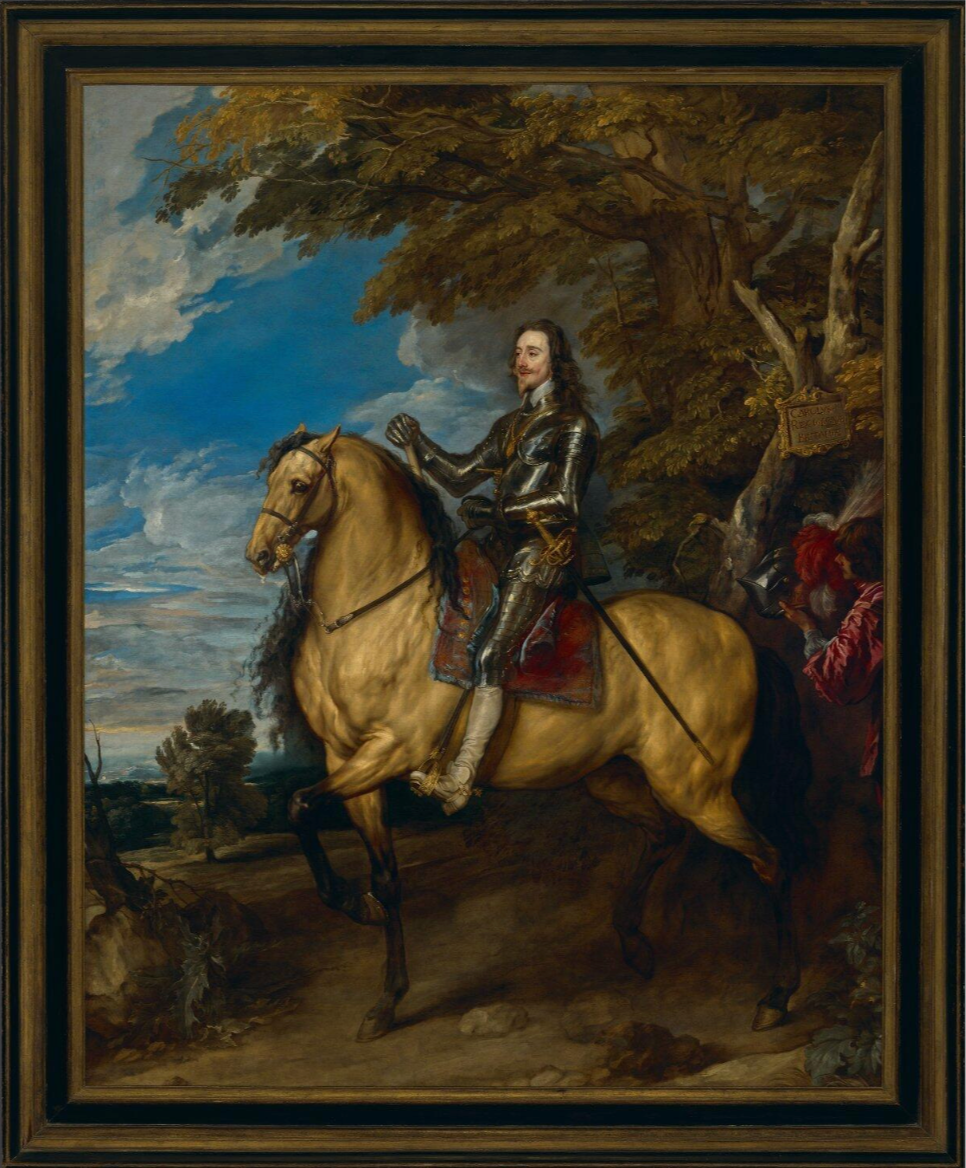
Equestrian Portrait of Charles I, Anthony van Dyck (National Gallery, London)
At the end of our excursion one day, our class found ourselves finishing on the steps of the National Gallery art museum in Trafalgar Square. Exhausted from the heat, it was tough to decide whether or not to extend our already long day of walking by checking out the museum. Arguing with myself in my head, I remember thinking "‘It couldn’t hurt.’ After all, there was only one floor of paintings.
Yet, nothing could have prepared me for the sprawling rooms of artwork with never ending hallways providing previews of the countless rooms to come. We quickly lost ourselves in the maze. There was so much to see and I definitely recommend checking it out (though regrettably Vincent van Gogh’s “Sunflowers” happened to be on loan to the Philadelphia Museum of Art at the time). We explored rooms with high ceilings and enormous paintings which stretched across the halls. Some, like Van Dyck’s “Equestrian Portrait of Charles I”, dominated the wall they adorned. This painting in particular dripped in opulence, unsurprising considering King Charles I’s strong belief in his ‘divine right as king.’ As we learned in class, this belief ultimately led to his execution and beheading (cough cough foreshadowing much?), but this piece of, albeit beautiful, political propaganda was not what stole the show for me that day at the museum. As I roamed the halls of art, my attention was taken by a painting no larger than a sheet of paper.
Tucked away in a corner, bordered by a golden frame, is Carl Gustav Carus’ “A View of the Sky from a Prison Window.” The painting is so simple, yet evocative: wrought-iron bars segment the blue sky keeping its freedoms just out of reach. The off-center view of the cell window still fails to conceal the chain in the corner keeping its prisoner fettered. Spiderwebs veil the ledge, a constant reminder of the trap in which they find themself.
In “A Tale of Two Cities,” prison rends the soul, transforming characters like Doctor Manette into a shell of his former self, prone to fits of traumatic memories which leave him crying out in pain. In “Les Miserables” Jean Valjean’s experience of incarceration consumes him, turning him into a ‘wretch’ unable to think of anything other than his rage for the systems which unfairly imprison him for stealing a loaf of bread to feed his sister’s starving children. While on our trip, through visiting locations of imprisonment like the Bastille or La Force prison, which respectively hold characters like Doctor Manette and his son-in-law Charles Darnay, I got a real sense of these places as penal institutions rather than places in a book. I realized how easy it is to find distance from the suffering of people who live so far removed from ourselves. Though the Bastille and La Force existed in my mind first as settings, they’re also places where real prisoners waited, suffered, and wondered whether they would ever see freedom again.
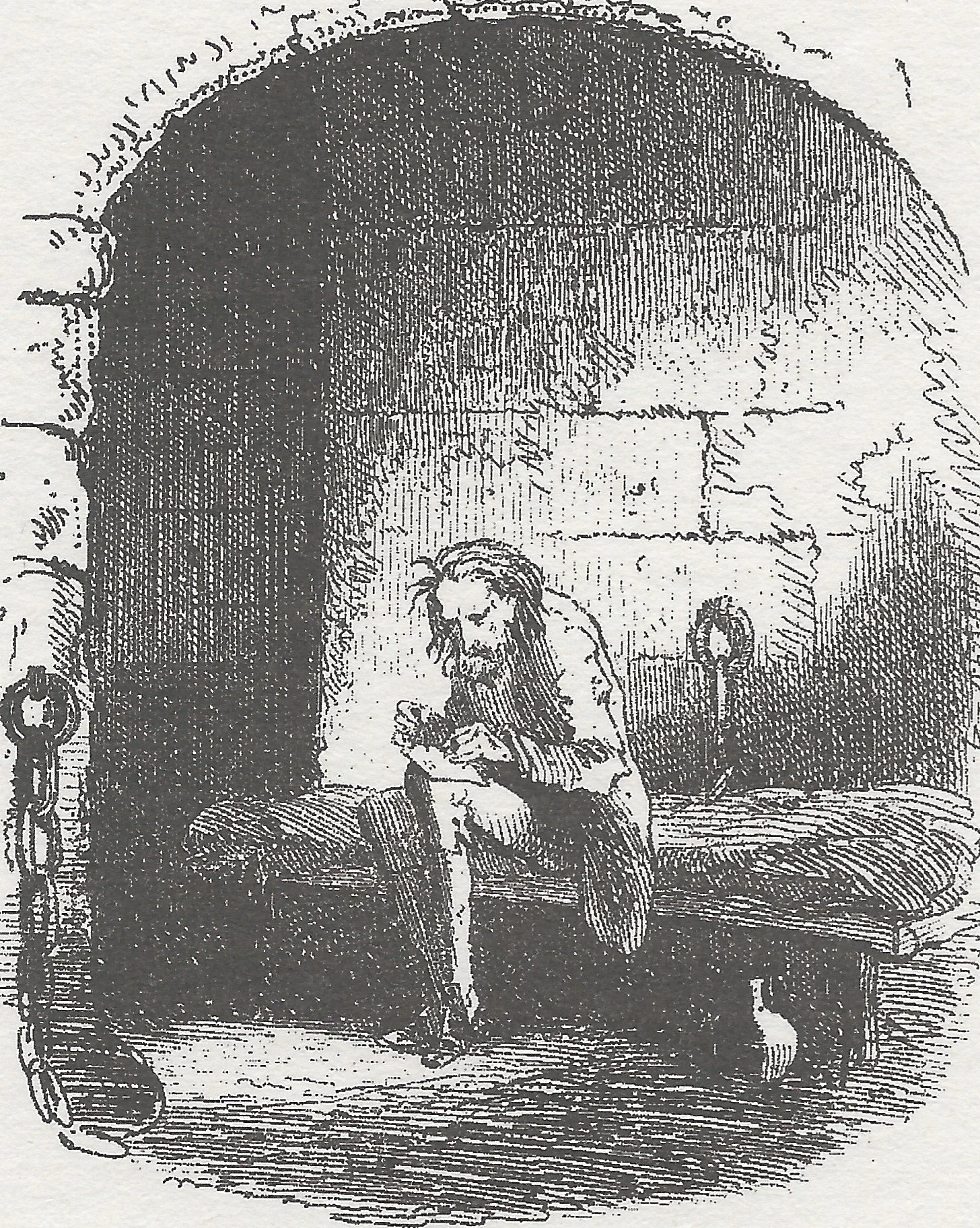
“Doctor Manette in the Bastille Prison” drawn by Hablot Knight Browne.
Fun (?) fact: “The illustrations for A Tale of Two Cities were not well received and Browne, who had illustrated Dickens for 23 years, never worked with Dickens again.”
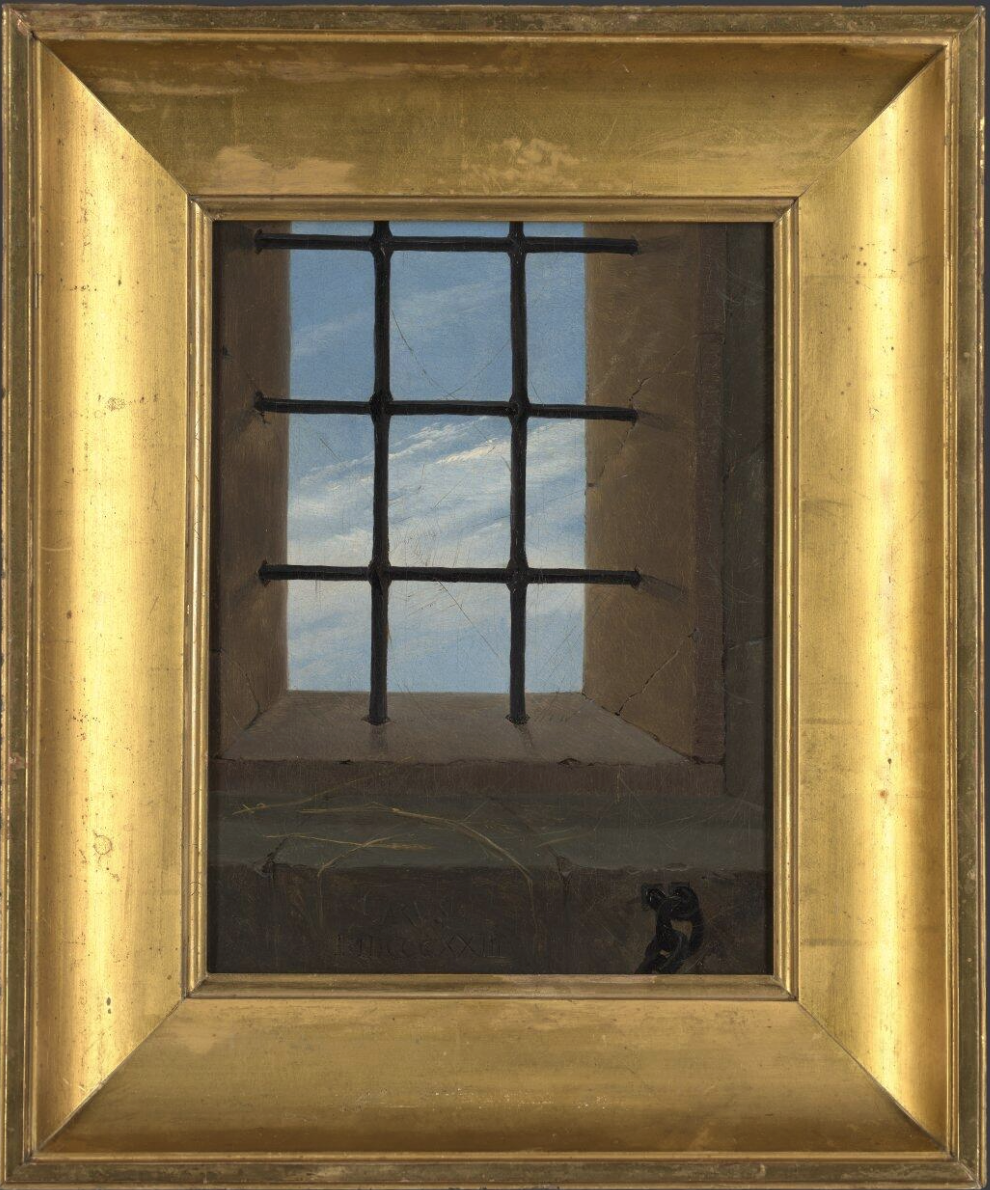
A View of the Sky from a Prison Window, Carl Gustav Carus (National Gallery, London)
In looking at “A View of the Sky from a Prison Window”, I can’t help but imagine myself as that prisoner. I’m forced to watch clouds float by like handkerchiefs in the wind, mourning my death to come while rotting in a cell. The only thought which crosses my mind is that: ‘I wish I were a bird with wings that could escape into that blue sky.’ It is heartbreaking to consider the temptation of freedom so close in sight, but so far in actuality. This pain is only exacerbated when you consider how a prisoner would feel in this cell knowing their incarceration was unjust. From Jean Valjean’s disproportionate punishment of 19 years of imprisonment for trying to do a good deed, to Doctor Manette serving 18 years without due process from a ‘lettre de cachet’ where the king or their ministers can order your arrest with no trial, captivity when unfair does more than just take away your freedom. Easily, the prisoner in Carus’ painting could have been anyone: Doctor Manette waiting for release, Charles Darnay fearing execution, Jean Valjean counting the years of his sentence, or any person today staring through a window and wondering when they will see the world again.
When I think about the prison system now in the United States, I wonder how much has really changed. Prisons remain overcrowded, with people enduring inadequate heating and cooling, poor nutrition, and harsh living conditions. Incarcerated people perform essential labor, from maintaining infrastructure to responding to state emergencies and natural disasters for little or no pay, practically indentured servants. ICE agents take people away at their jobs, or on the street, away from their families and children, sometimes even before an immigration judge has heard their case. Others continue to serve sentences for offenses like marijuana possession, even as the substance has been legalized in many states. Carus' painting inspires me to ask what happens when someone is reduced to the walls around them. What are we complicit in when we continue to treat prison as a severe punishment rather than as reformation to right a wrong?
Victor Hugo wrote, “There is a spectacle greater than the sea: that is the sky. There is a spectacle greater than the sky: that is the inner soul.” Looking at Carus' prison window, I find myself wondering if the cruelest prison is not the one which steals your freedom, but the one that changes you fundamentally until you no longer recognize yourself or your soul. It is easy to try to define prisoners by their crimes statistics, or numbers, but behind every Prisoner 24601, there could be the story of someone stealing bread for his nieces and nephews. Someone who is missed by their wife who blows kisses, not to her husband, but to the outside face of his jail in the La Force Prison, hoping he will catch a glimpse of her. Someone in a cell who looks at the sky the same way I do, who dreams of flying away, as free as a bird.