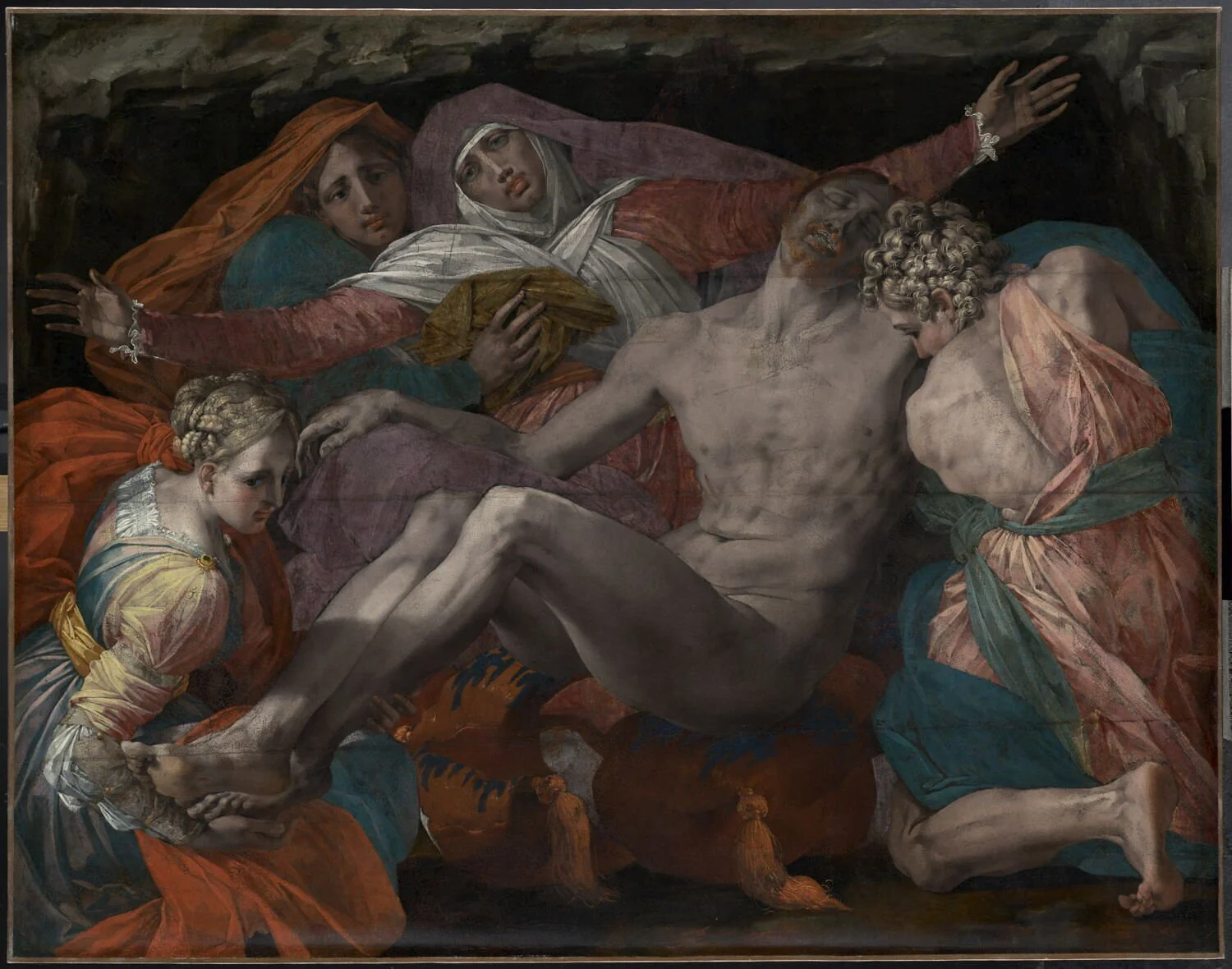
“A huge black space then opened up in front of me and I fell inside it. I couldn’t see what was in front of me and I couldn’t hear anything around me. I couldn’t think of anything except that my mother was no longer near me.
”
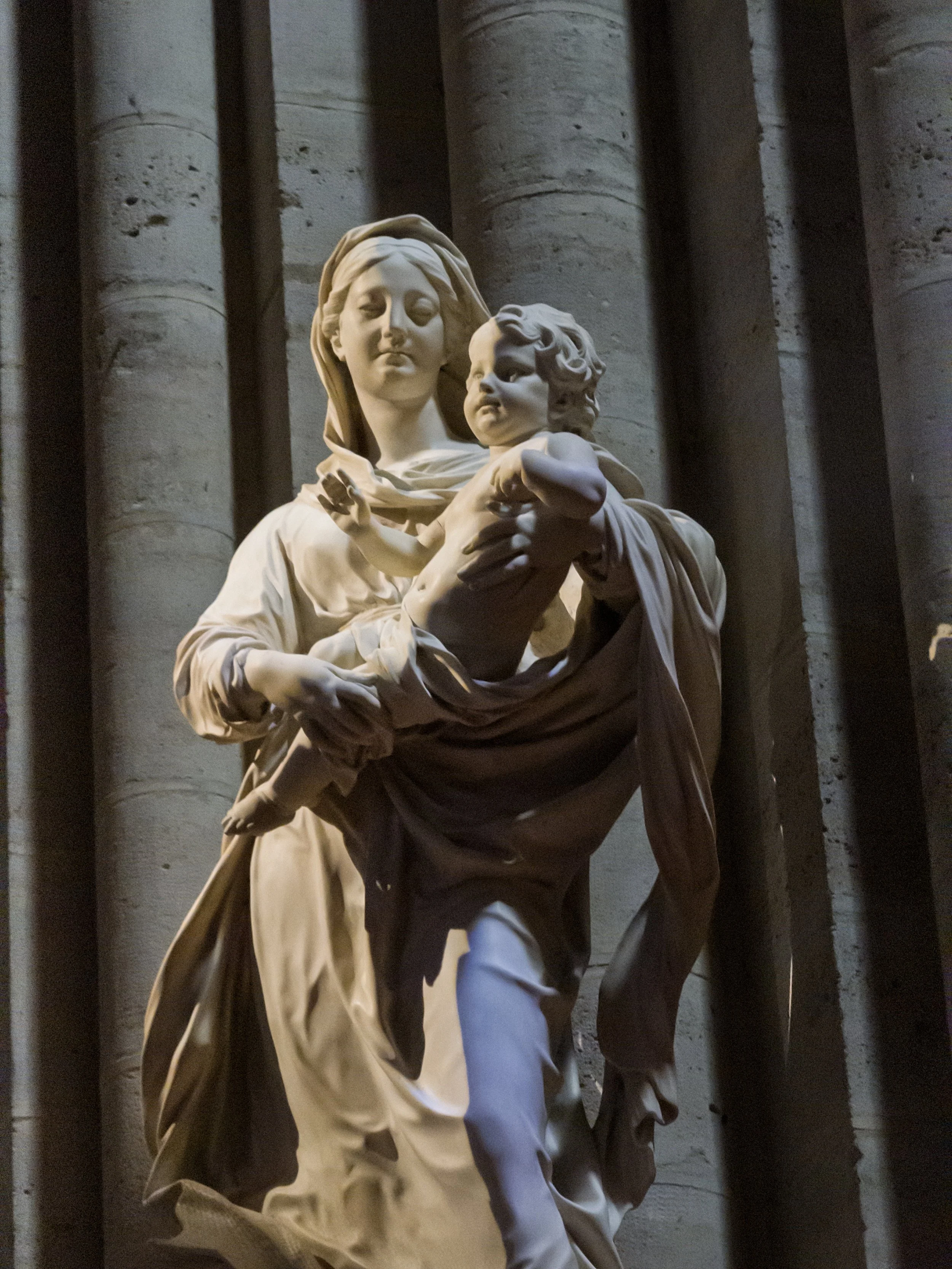
Statue of the Virgin Mary and Jesus, from Notre-Dame cathedral
On this trip we visit a lot of churches. Like a LOT of churches. Don’t get me wrong, I quite enjoy these visits. I have always been one for the stained glass, beautiful architecture, and quiet, pious spaces. Religion has long been at the center of some really great art, but recently I’ve been struck by the countless iterations of “Madonna and Child” I see. For being such an important figure on her own, Mary is always usually depicted in the paintings and statues I’ve seen alongside an infant Jesus or mourning over Jesus’ body. When doing research for this blog, I spent an hour searching for a painting from the Louvre I remembered of Mary alone, only to realize Jesus was in the painting the whole time. Yet–for some reason–I only remembered Mary; her face glows, her saintly presence strong, her downcast eyes turned graciously toward her son. She is the Virgin Mary or Mary, mother of Jesus, but when I look at depictions of her holding this baby, I just see Mary, the teenage girl.
The story of the Virgin Mary is so complicated for me to grapple with. Mary was around 16 years old when she gave birth to Jesus, and was told her child would be the Son of God. Was she ever upset at the unfairness of the expectations and responsibility placed onto her? And was she ever afraid?
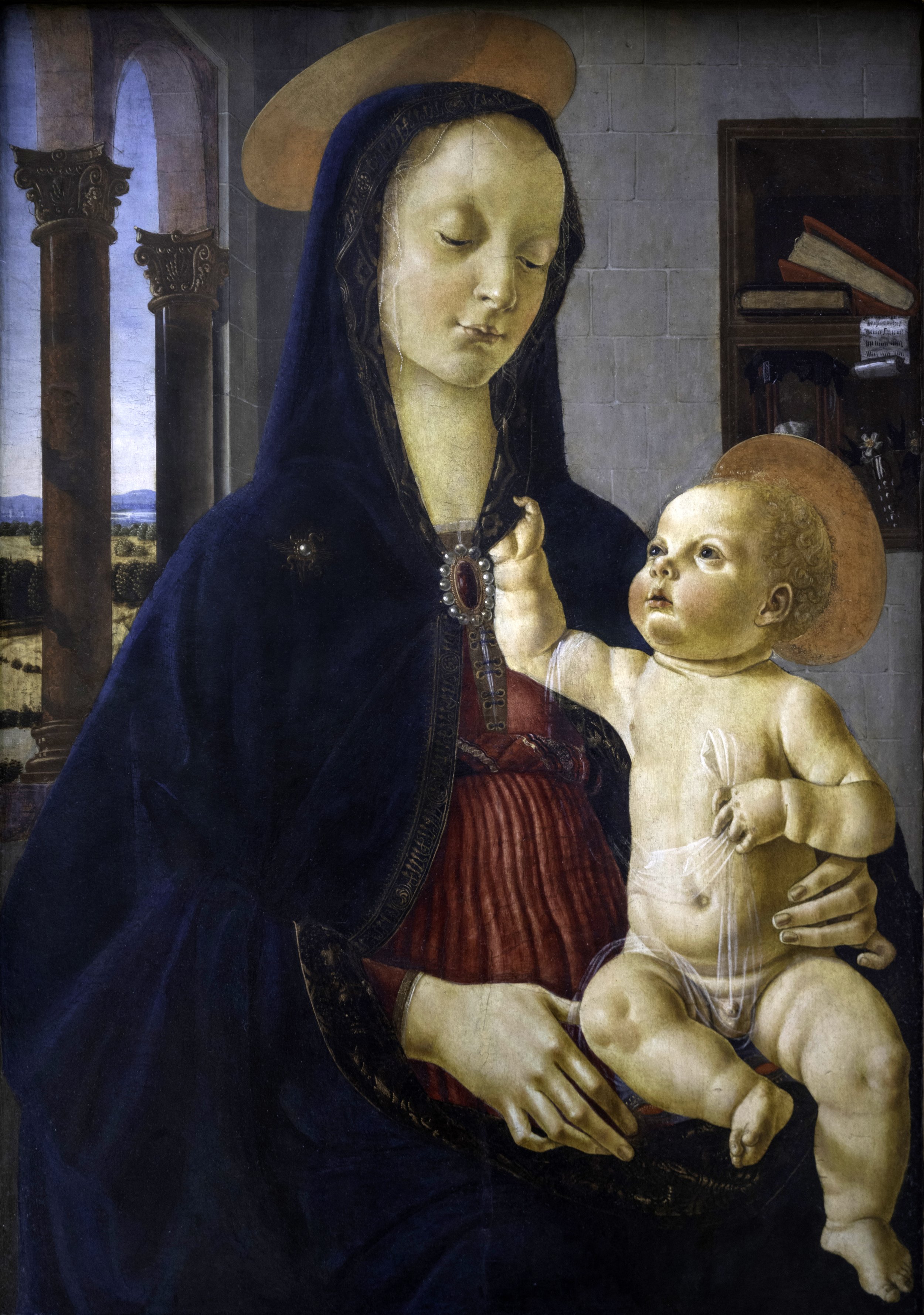
“Madonna and Child” by Domenico Ghirlandaio (Louvre)
With these paintings and statues of Mary, we never get to see her anger or resentment. “Where Mary is so too is Jesus.” Her life and role were predetermined to be tied directly to him from cradle to grave. And yet, we are so often fed this image of her idealized serenity. To me, it feels like Mary is a mother before she is a person. So much is missing from her story. Have you ever seen a statue where Mary is shown with a pregnant belly? Or read a scripture that talks about her loneliness, her stretch marks, or her anxieties while traveling on a donkey, near her due date, for miles through rough terrain and cold desert temperatures?
The only time during this trip I have seen Mary’s fears portrayed is in depictions of the Pietà (the pity). Mary is permitted to be upset, but only when cradling the dead body of Christ after his crucifixion. Mary does not cry out in rage, instead, she shows a quiet, peaceful acceptance of God's plan. The cost of her motherhood is allowed only when it is holy and beautiful, and especially when it is in relation to her son. When Michelangelo sculpted his version of the Pietà, he represented her extremely young to represent her incorruptible purity. He said to his biographer:
"Do you not know that chaste women stay fresh much more than those who are not chaste? How much more in the case of the Virgin, who had never experienced the least lascivious desire that might change her body?"
Society will strip a mother of her dignity, sexuality, money, hair, teeth, anything it can get its hands on, then turn their sacrifice into shame.
Gazing up at these portrayals of Mary during the many quiet moments of reflection we’re allowed in the churches, my mind always turns to Fantine in Les Miserables. When I read Fantine's sacrifices for Cosette, it’s difficult for me to control my emotions while getting through the pages. Threatened with the fabricated story of her daughter’s sickness, Fantine sells her hair, her teeth, and her purity. In many ways, her motherhood feels like the ultimate sacrifice to me. Before Cosette, Fantine was not simply a mother waiting to become one. She was a young woman with her own desires, relationships, and imagined future. We know so little about that version of her because, once Cosette enters her life, Fantine’s entire story becomes organized around what she is willing to surrender for her daughter. Even her physical transformation feels symbolic: her hair is cut, her teeth are pulled, her body is sold, and eventually her health deteriorates until she passes away, still thinking of Cosette and Cosette only. With every sacrifice, another piece of Fantine seems to disappear. Mothers give up their youth, their beauty, their bodies, their whole souls to their children, and Fantine is no exception. Her identity is so completely intertwined with motherhood and her love for her daughter, that it becomes difficult to imagine what she might have wanted outside of it. I find this representation interesting because, while it is no exception to romanticizing the hell out of motherhood, it also doesn’t shy away from showing what it cost her.
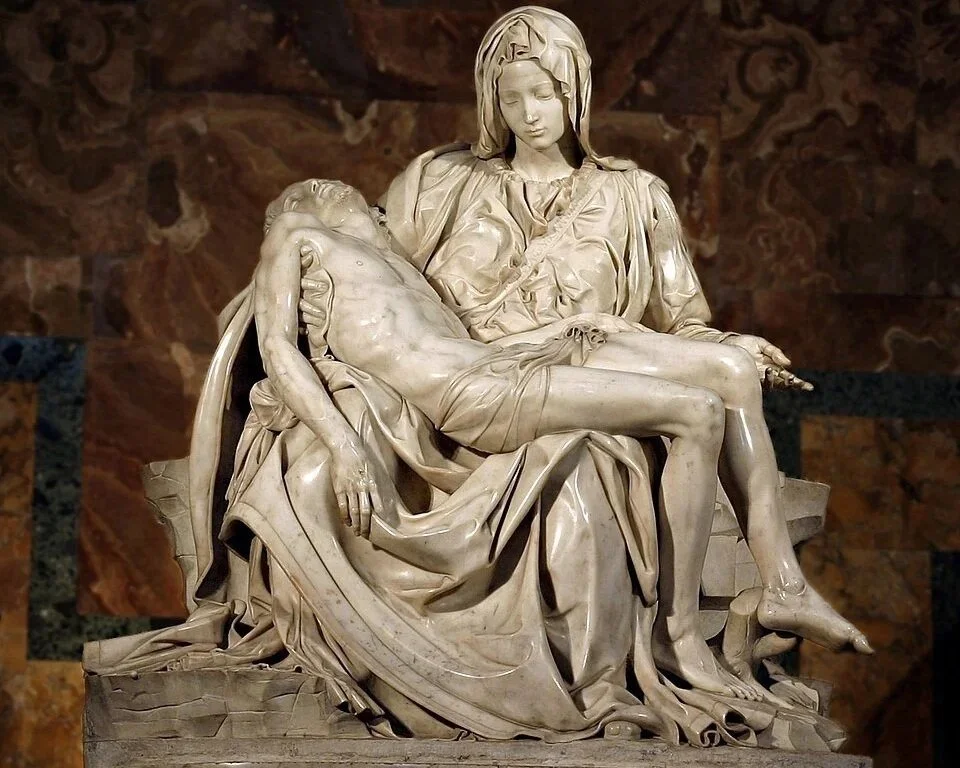
“Pietà [Our Lady of] Pity” by Michelangelo (Saint Peter's Basilica, Vatican City)
“Pietà” by Rosso Fiorentino (Louvre)
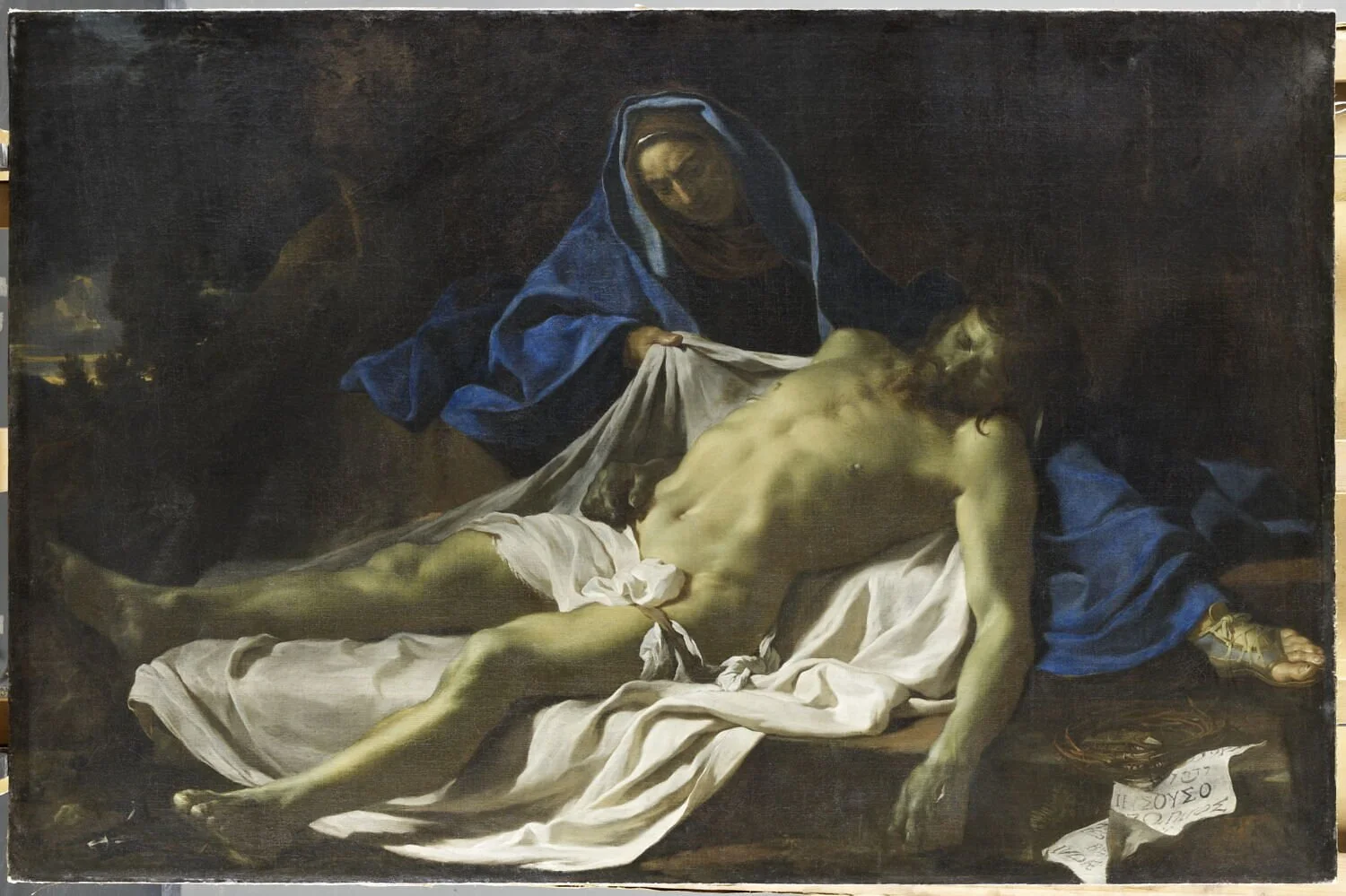
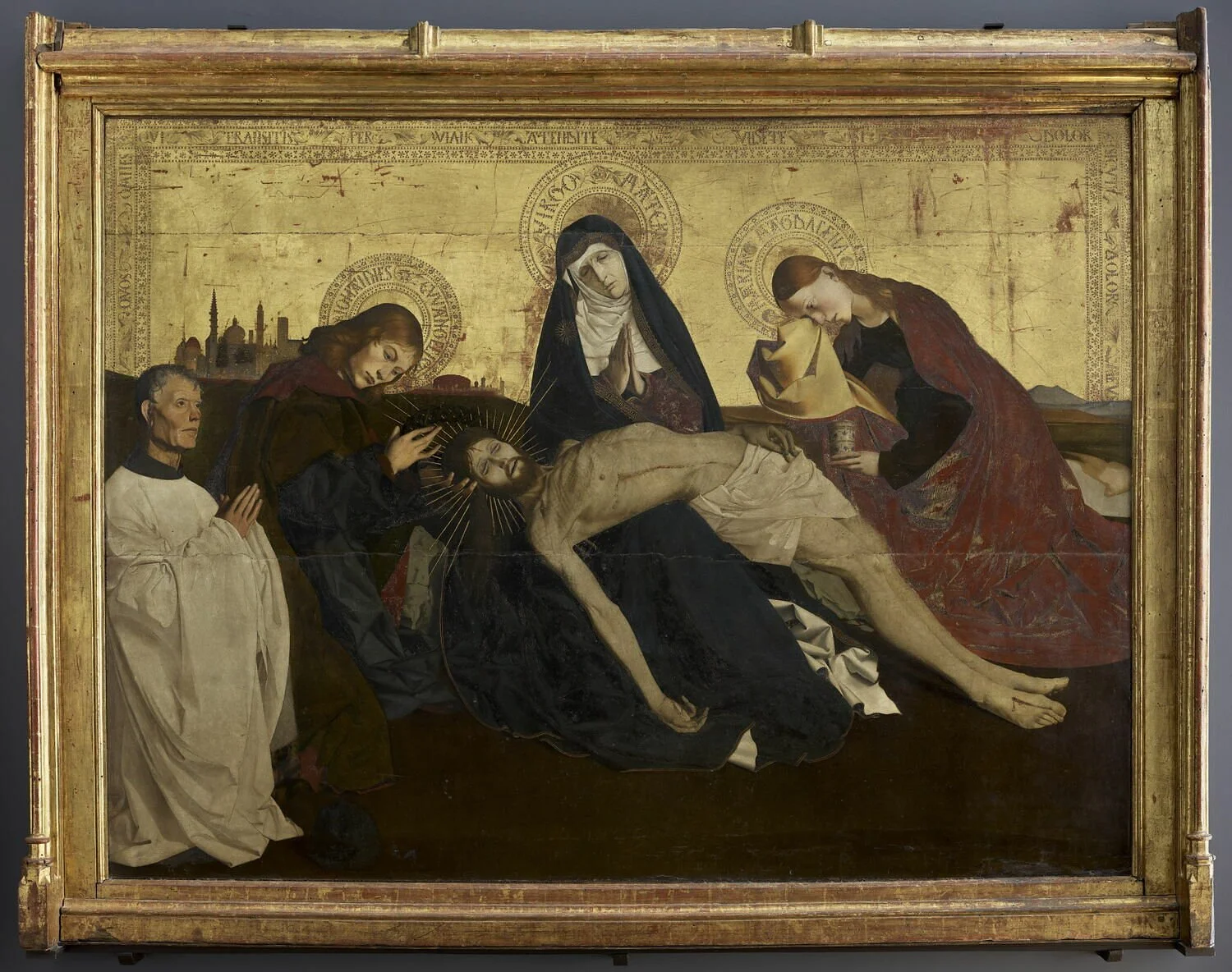
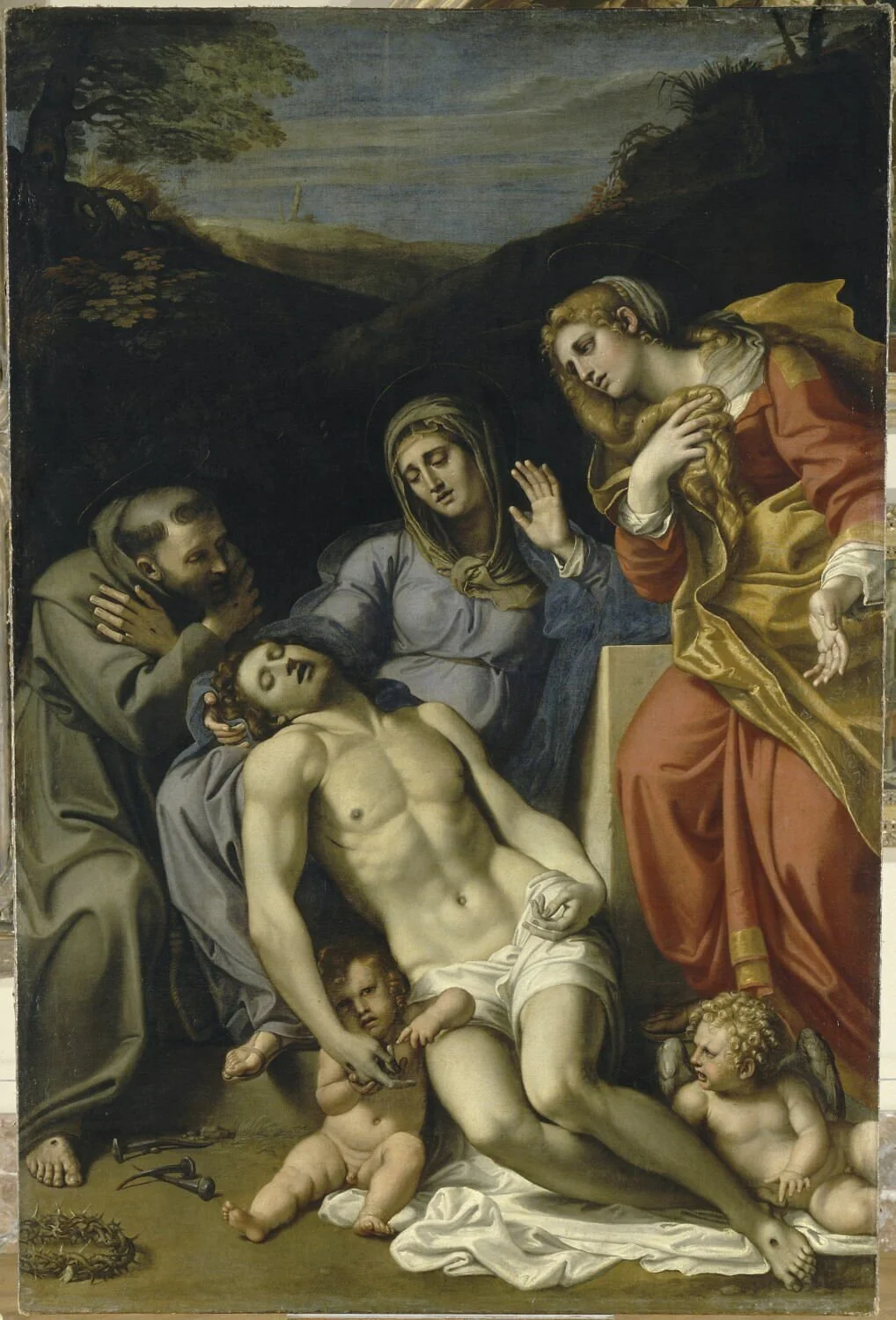
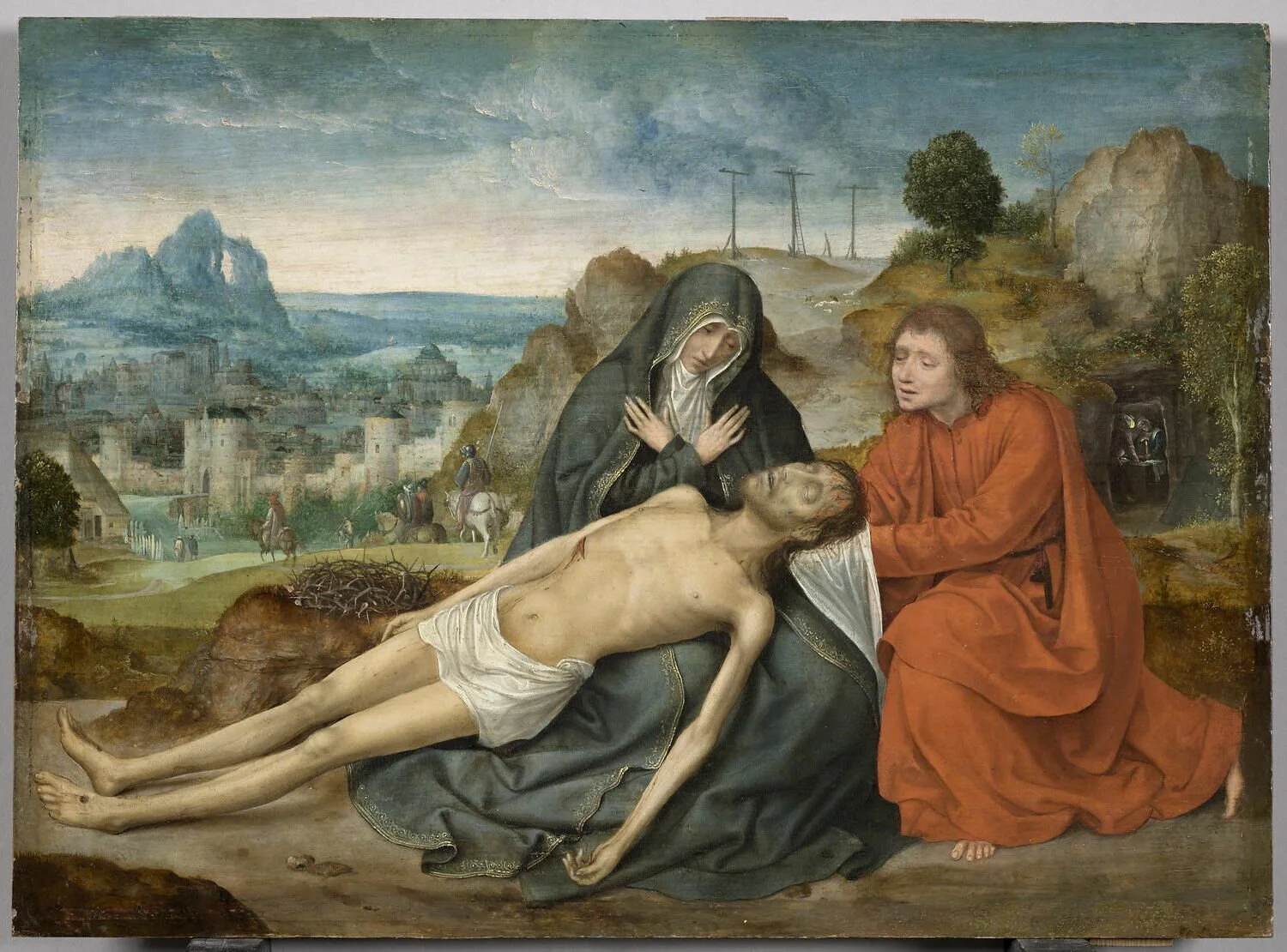
“It would be like if somebody said ‘your car keys are in the drawer.’ And you go and you open the drawer and not only are your car keys not in the drawer..there’s nothing in the drawer. The drawer is empty. And you come back and you say ‘the keys aren’t in the drawer.’ And they say ‘no, go back and look again...they are in the drawer.’ And you go back and you open the drawer and it is empty.”
In class we discuss what it means to be a good person, and if sacrifice for others constitutes a good deed. Should a mother’s love have to hurt this much to prove that it is sincere? Fantine makes this question especially difficult for me because I do not doubt that her sacrifices for Cosette are acts of love. But how much of that sacrifice is truly a choice when society gives her so few alternatives? The most unsettling part is that we have made these acts so culturally familiar that it can look less like loss and more like virtue like in the case of Mary.
Motherhood terrifies me, and for the time being, I can confidently say I do not want to have children. Even just that statement, “for the time being,” scares me, and the idea that I could one day be brainwashed by some biological instinct to have a child. Even my therapist told me that one day my mind could change, and that “when she was my age,” she too truly believed she’d never have kids. I think the world must be full of others like me who don't want to have children, not now, not ever, but are too afraid to say it because of the expectations society places on women. Like having a child is my single greatest purpose. I always think about the “girl with the list” on Tiktok (I know, Joan and her Tiktok references), but it gives some real life examples and reasons not to have kids. Not because they don’t like kids or are mad at those that do, but just because they’ve never felt that desire or simply don’t want to.
Maybe I just don’t have the selflessness it takes to be a parent. Or maybe we have romanticized maternal sacrifice so thoroughly that we forget to ask whether mothers should have to sacrifice anything in the first place. Honestly, I can’t make up my mind which scares me more.