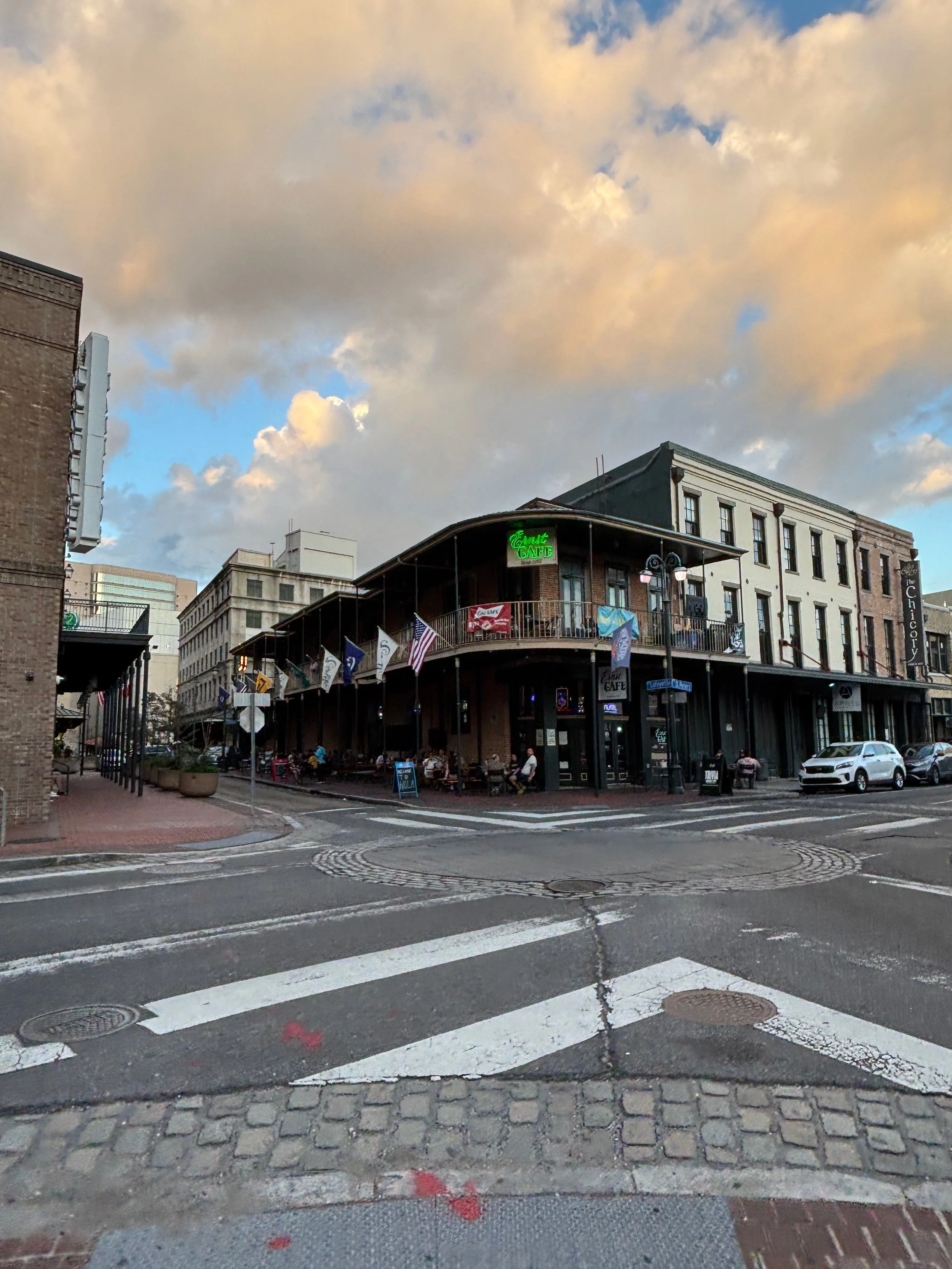
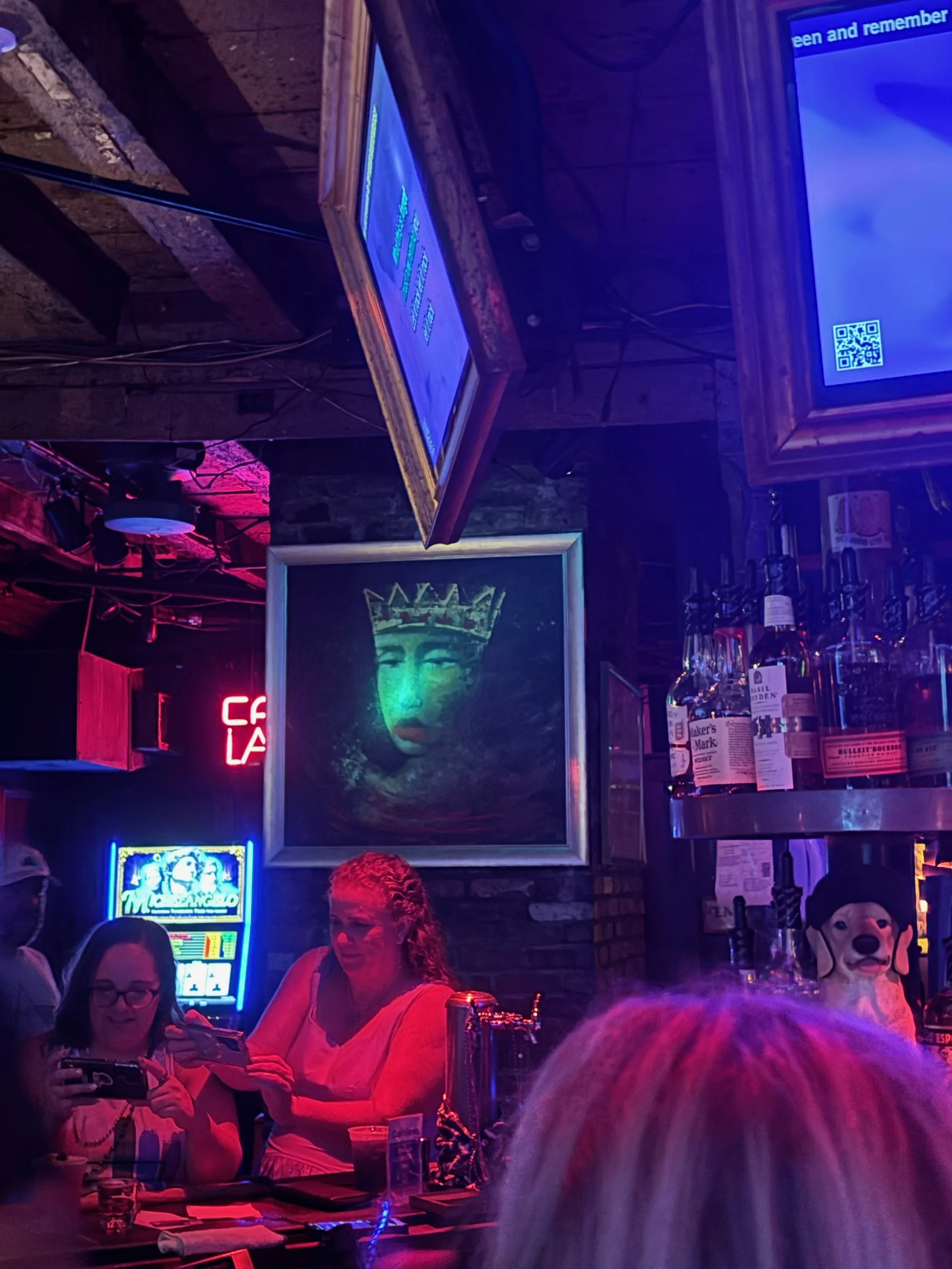
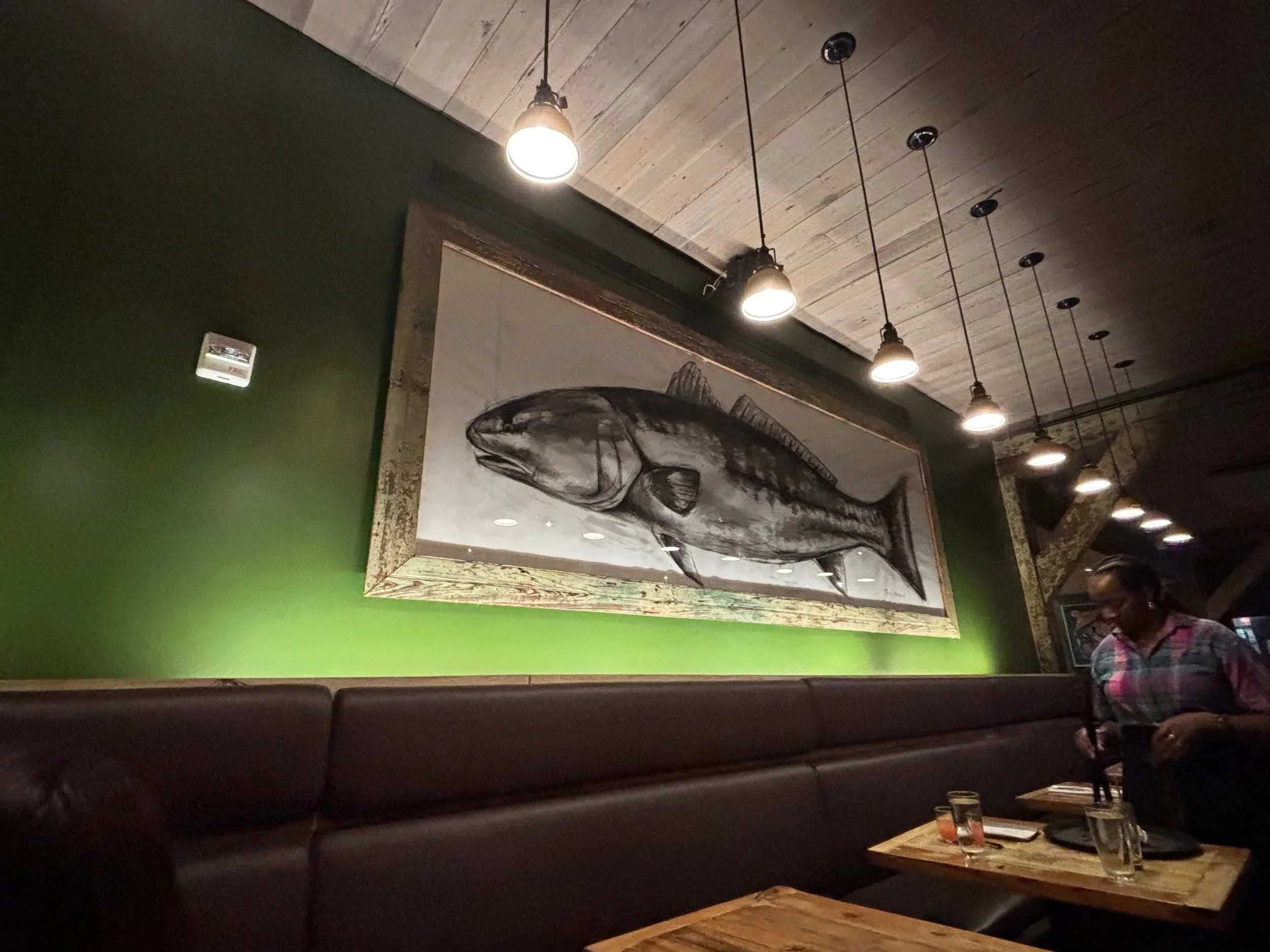
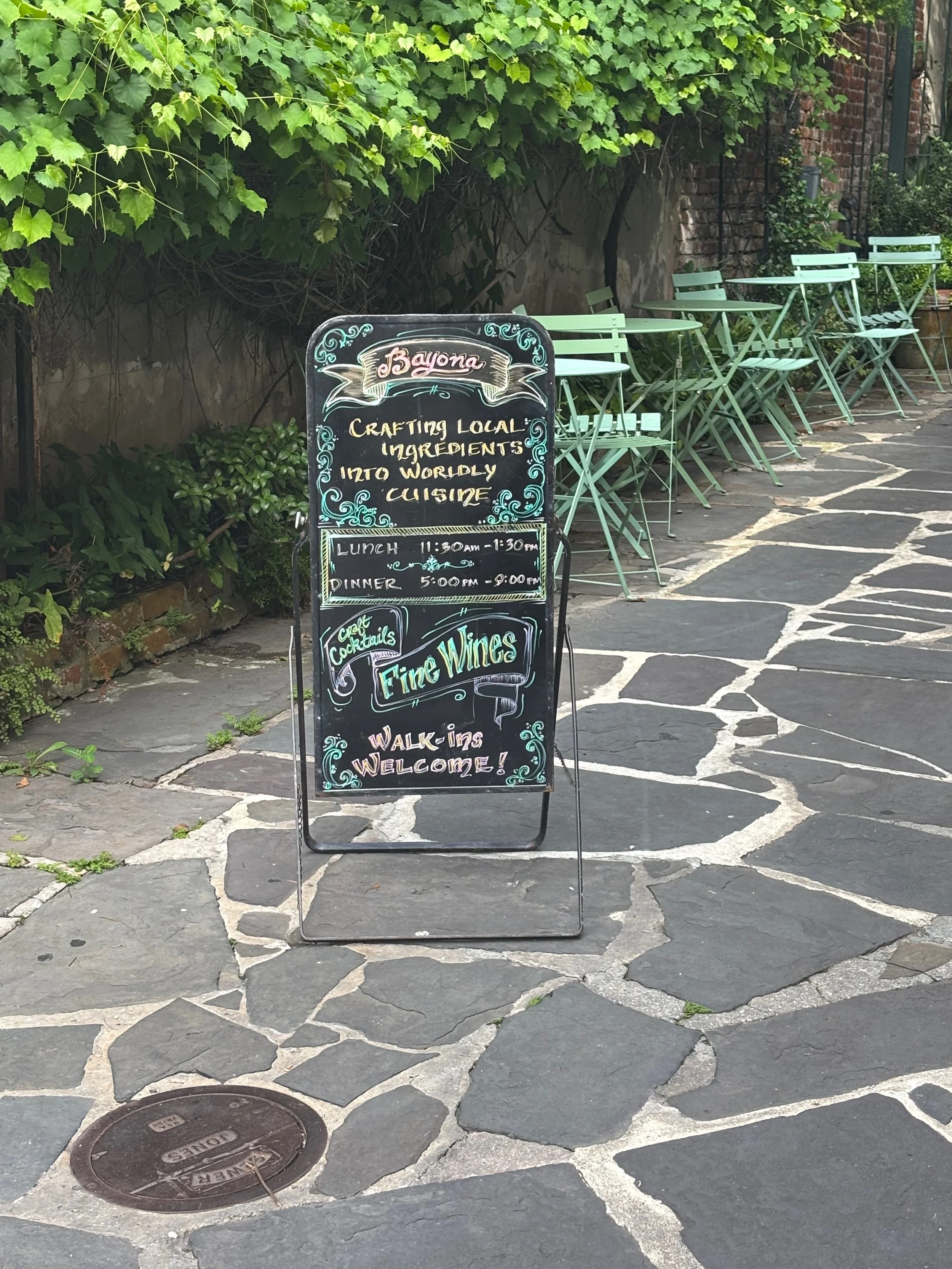
Modern New Orleans is a city unlike any other, with communities that are seemingly perfect capsules of time and up-and-coming downtown areas like the business district. All are rich in history and highlight the unique neighborhoods and people that call this city home. In my three weeks exploring New Orleans, I can confidently say that the literary journey we bookpackers have taken has been unlike any other adventure I have had.
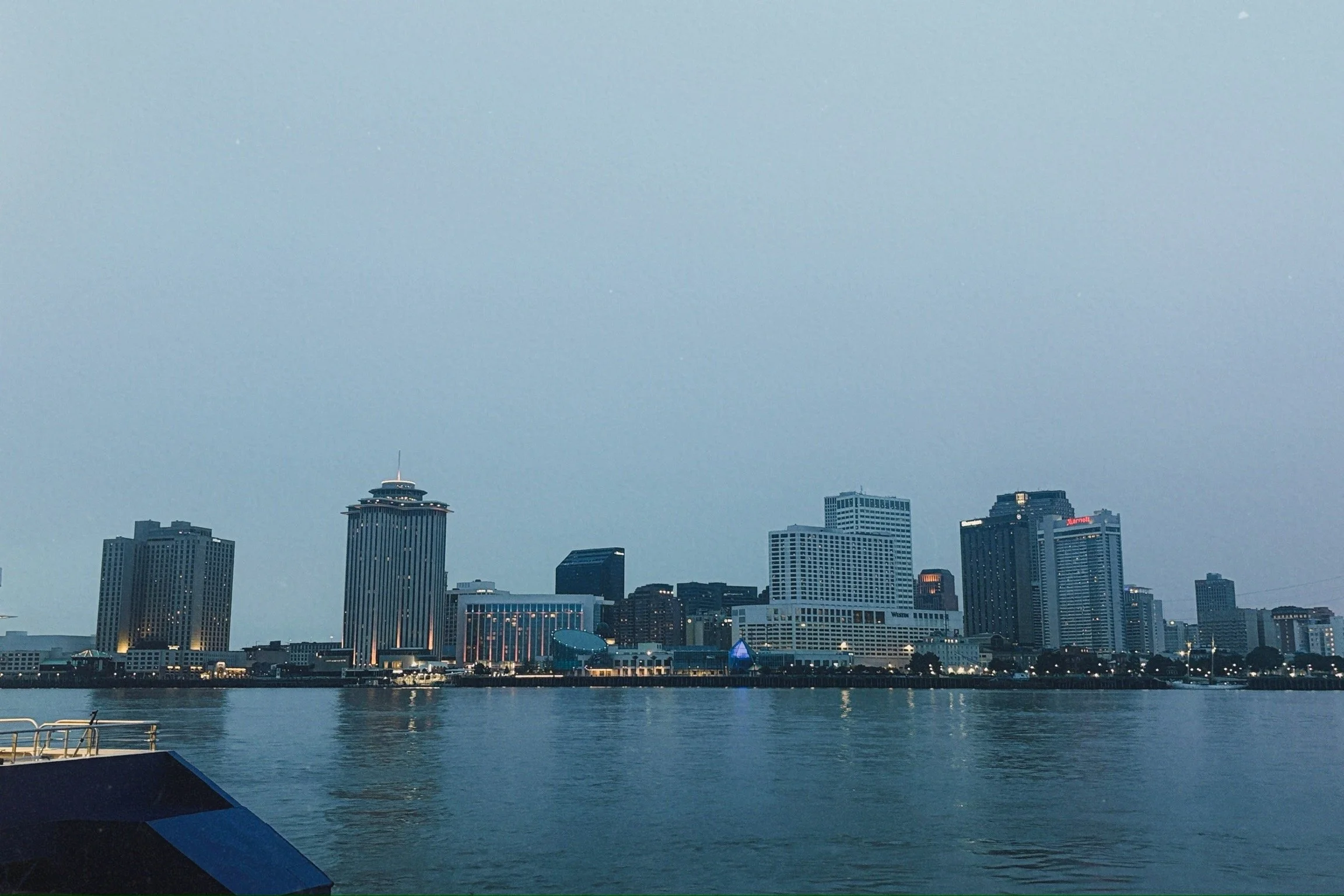
The experience of feeling like you are in Disneyland, with the fantastical architecture of the French Quarter and its spooky tales, to feeling like you are in a movie with the romantic buildings of the Garden District, is unlike anything else. The theaters that have been preserved over time, with conservative exteriors and wild midnight showings of the Rocky Horror Picture Show, are just one example of the city's eccentric nature. The layers of history, in the eyes of enslaved people and women, create a picture of strength and resilience. Stories from Maria and Nancy, our teachers at our Cajun cooking class, and their journeys during and after Hurricane Katrina, show just how stubborn and unbending the people of New Orleans are. Places like the Backstreet Museum are reminders that culture and love do not disappear, but are fueled by disaster. The beautiful, gracious city we only had the privilege of visiting has and continues to be the home of celebration, multicultural identity, hearty food, and art.
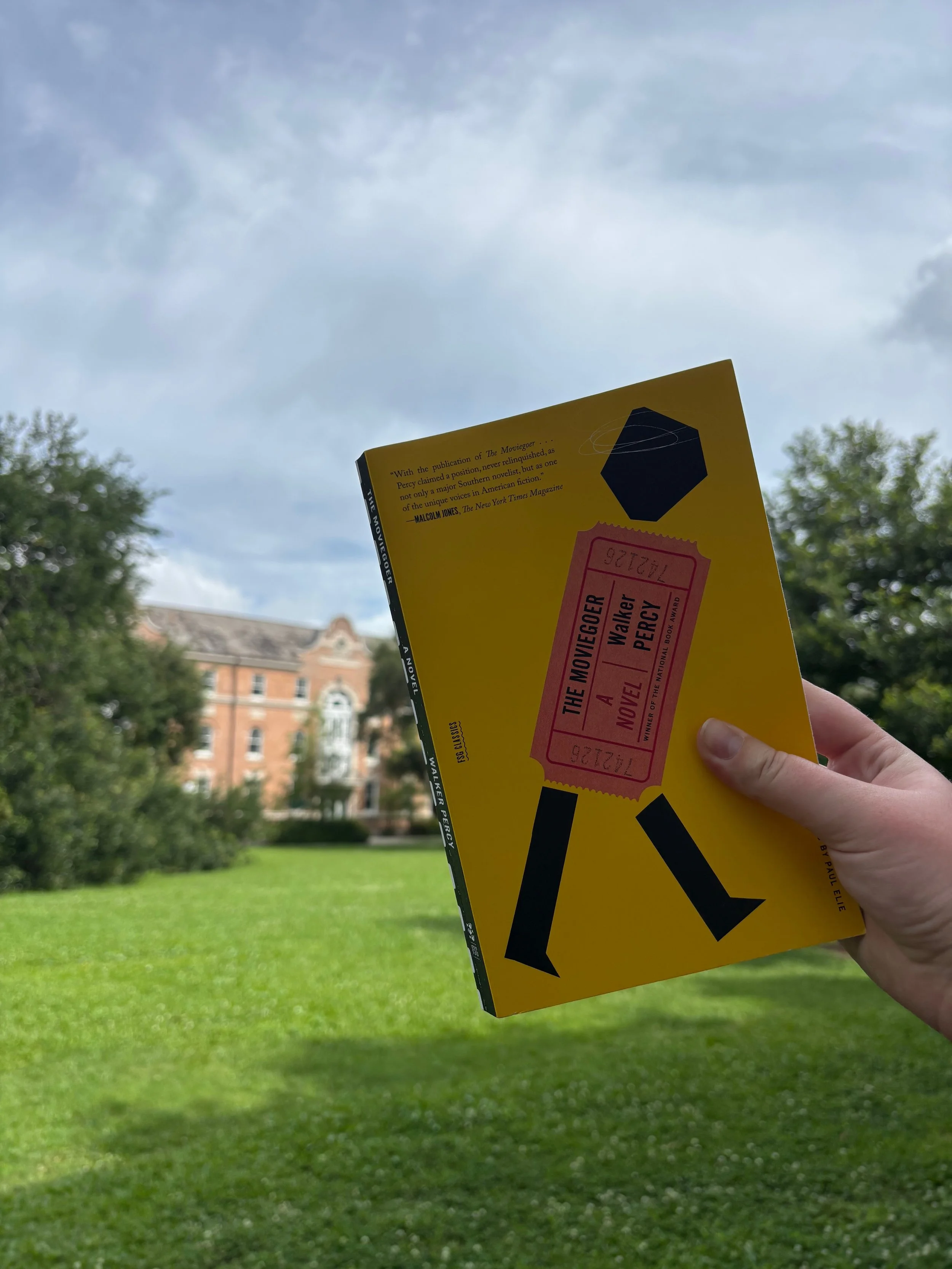
The characters, real people, and fictional worlds we got to visit, Ignatius Reilly, Edna Pontelier, Louis de Pointe du Lac, Sarah Broom, Buddy Boldin, and Binx Bolling, are the greatest reflection of the city. Representing real people and ideas, perceptions of slavery, womenhood, and the constant class and power struggle of the South. The opportunity to explore them in their natural habitat, walking where they walked, seeing what they saw, and even experiencing their world was such a special experience. I can firmly say that nothing will ever compare to the emotional and physical connection I feel to those characters, those pieces of writing, and this city.
Books like The Moviegoer have left permanent imprints on my being and how I see the world. The post-war world in New Orleans is a unique period of history for the city, where we see veterans returning to an industrialized place that has seemingly moved on. The combination of the Old World South and the up-and-coming business of the 50s is what makes New Orleans the perfect place to research characters like Binx Bolling, and how his ideas and perspective reflect the values of the culture of New Orleans.
“In New Orleans I have noticed that people are happiest when they are going to funerals, making money, taking care of the dead, or putting on masks at Mardi Gras so nobody knows who they are”
The Moviergoer encapsulates the post-war period of New Orleans, romanticizing it and passing over the racist and problematic depictions of African Americans and women, which is a pivotal aspect of Binx’s character. His treatment of women, and perspective towards African Americans, and generally people of color, is astonishing. Particularly, his descriptions of Mercer, the butler of Binx’s Aunt Emily, are filled with suspicion. Binx feels uneasy and unsure of Mercer and can’t decide if he would describe him as kind and devoted or as knowing and calculating. Binx’s depiction of Mercer is a reflection of how white society in the South perceives black individuals as unreliable and untrustworthy. This narrative stems from systemic issues that we have as a nation; it lies within our politics, our cultures, and our class structure. The United States is built on ‘untrustworthy’ men and ‘unstable’ women like Kate, Binx’s step-cousin and love interest. We as a society rely upon those who are mistreated, oppressed, and ultimately villainized. This story is personal to so many, and many who have been put into a box like Mercer, deemed unworthy and strange by people like Binx. This is the result of our longstanding systems, and it is seen in almost every aspect of American life today.
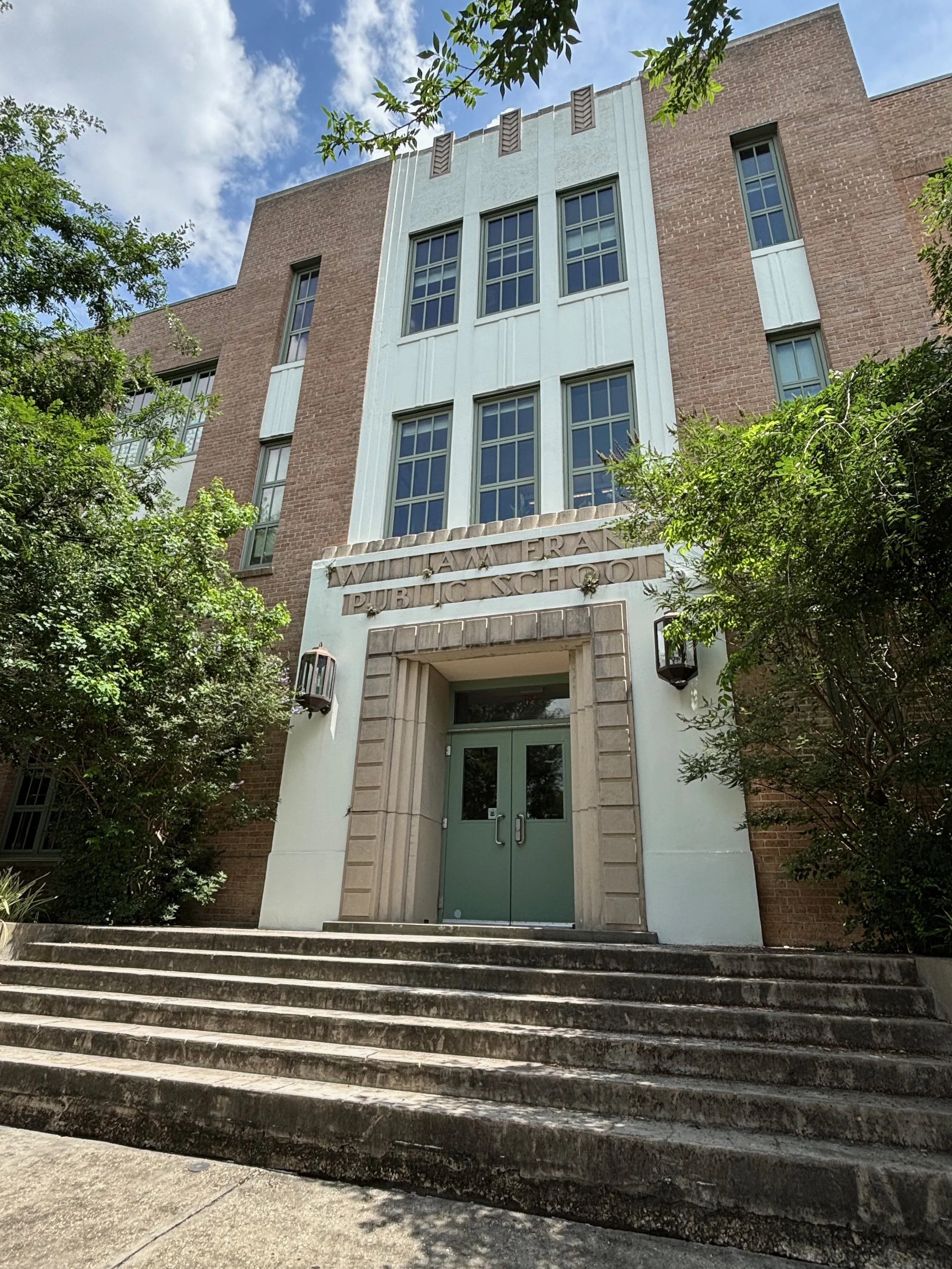
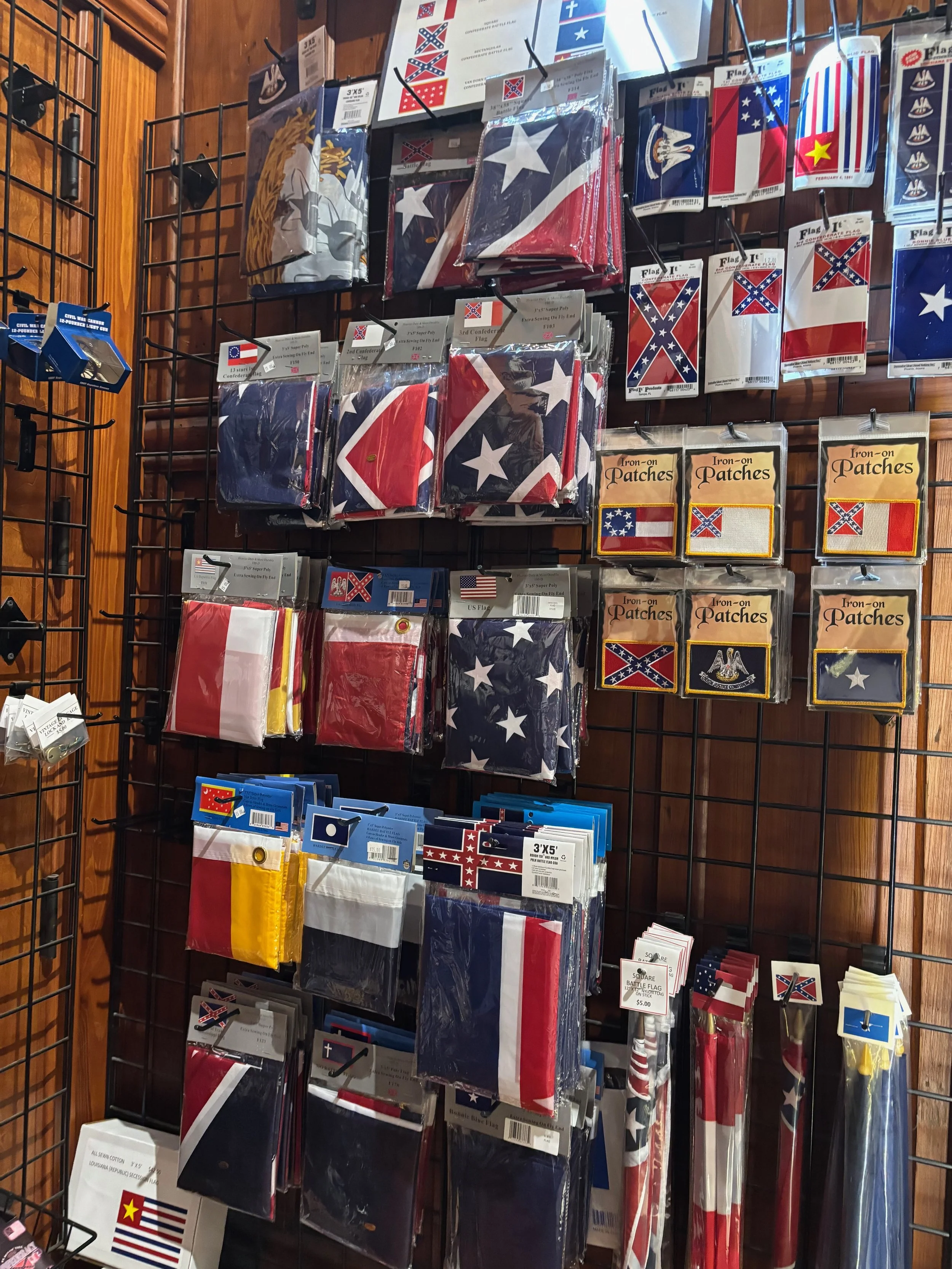
New Orleans, a progressive city in the southern part of the United States, reflects this tension and ongoing struggle. As it welcomes so many, it also lies within a culture of the ‘undying’ South. Experiences like visiting the ‘Civil War Museum,’ which really is the museum of the Confederacy, make these stories a reality. The slave pens and auction buildings just across the street from a church, and the multi-million-dollar mansions just miles from the neighborhoods devastated by Katrina, are the truth of the city.
In its beauty, there is devastation, physical and cultural. Through personal stories from Sarah Broom and fictional characters like Ignatius Reilly, we see the great diversity of the city and how the devastation permanently alters individual lives. This special experience of bookpacking is the epitome of how to understand this devastation and beauty. To see how characters like Binx Bolling live in privilege, yet suffer on the ultimate human journey.
Binx’s flaws are the cicities'laws, his misogynistic view of women, his bigoted view of people of color. This lives not in the underbelly of the city but at the forefront of its deliberate actions. Which neighborhoods to save in Katrina, which parts of the city are well-funded, all of these facts are based on the current struggles that Binx represents. New Orleans searches for an identity that is not built on the backs of enslaved people, nor on the backs of women who suffer silently in their roles. It searches for the harmony of people, of all backgrounds, connecting them with music and food. This hope that the unyielding people of New Orleans have is what makes it the most special book-packing location.
An experience like this, shared with others, is so special. To spend it with students of all areas of study, entirely different backgrounds, and strong opinions, made this journey what it was. With the help of our passionate and informative professor, we together explored these challenges and made sense of what New Orleans was to us, an onion, blue, jazzy city, filled with Creole women and vampires.