Double-click to edit...
I have always avoided watching movies like 12 Years of Slave, not because I didn't care or wasn't interested, but because I don’t find joy in watching painful history. Now that I have watched it, I can say it is an important film to see in order to have some understanding of the psychological and physical torture enslaved people endured.
The film follows Solomon Northup, a free man from New York who is kidnapped by people he trusted, colleagues and professionals and sold into slavery and shipped from Washington D.C. to New Orleans. What is most striking is not just the physical brutality but also the deliberate psychological conditioning he is subjected to from the very beginning.
After being drugged and captured in Washington, Solomon tried to tell the slave trader that he was a free man. The trader responded with “Produce your papers then” in a condescending tone, knowing well enough he couldn't in a situation he was in. The trader then declares Solomon a runaway slave from Georgia. When Solomon pushes back, insisting on this identity, the trader first beats him with a wooden paddle, then with a whip. Which shows the resistance isn’t promoted and an identity is something that can be stripped away by force.
On our Ghost Tour, we visited the home of Madame Delphine LaLaurie, who tortured the enslaved people under her house, as did her husband. It’s reported they had a torture chamber where the husband practiced experiential surgeries on the enslaved people. During this tour one of my peers said I couldn't possibly understand how someone can do this to another human being. Well, all of this didn’t happen in a vacuum. Slavery was made possible by years and years of propaganda, the deliberate assertion that people with darker skin were less intelligent, felt less pain and needed to be “liberated”. This kind of thinking is what they used to justify any cruelty committed against Black people.
Once Solomon arrives in New Orleans, we see enslaved people being bought and sold like livestock at an auction. In the scene, we see a young boy is made to perform knee-high jumps so buyers can assess his fitness. Buyers check the enslaved people's teeth the way one inspects an animal. This is a clever illustration of dehumanization.
This pattern of dehumanization repeats throughout history. We see echoes of it today, in the way the American government demonizes immigrants — reducing them to threats, stripping them of humanity through language and policy, and placing them in places that are basically modern-day concentration camps.
We have a saying in my home country. It goes like this: "ይብላኝ ለከራሚው ሟቹስ ረፍቱ ነው።", which roughly translates to weep for the living; the dead are resting.
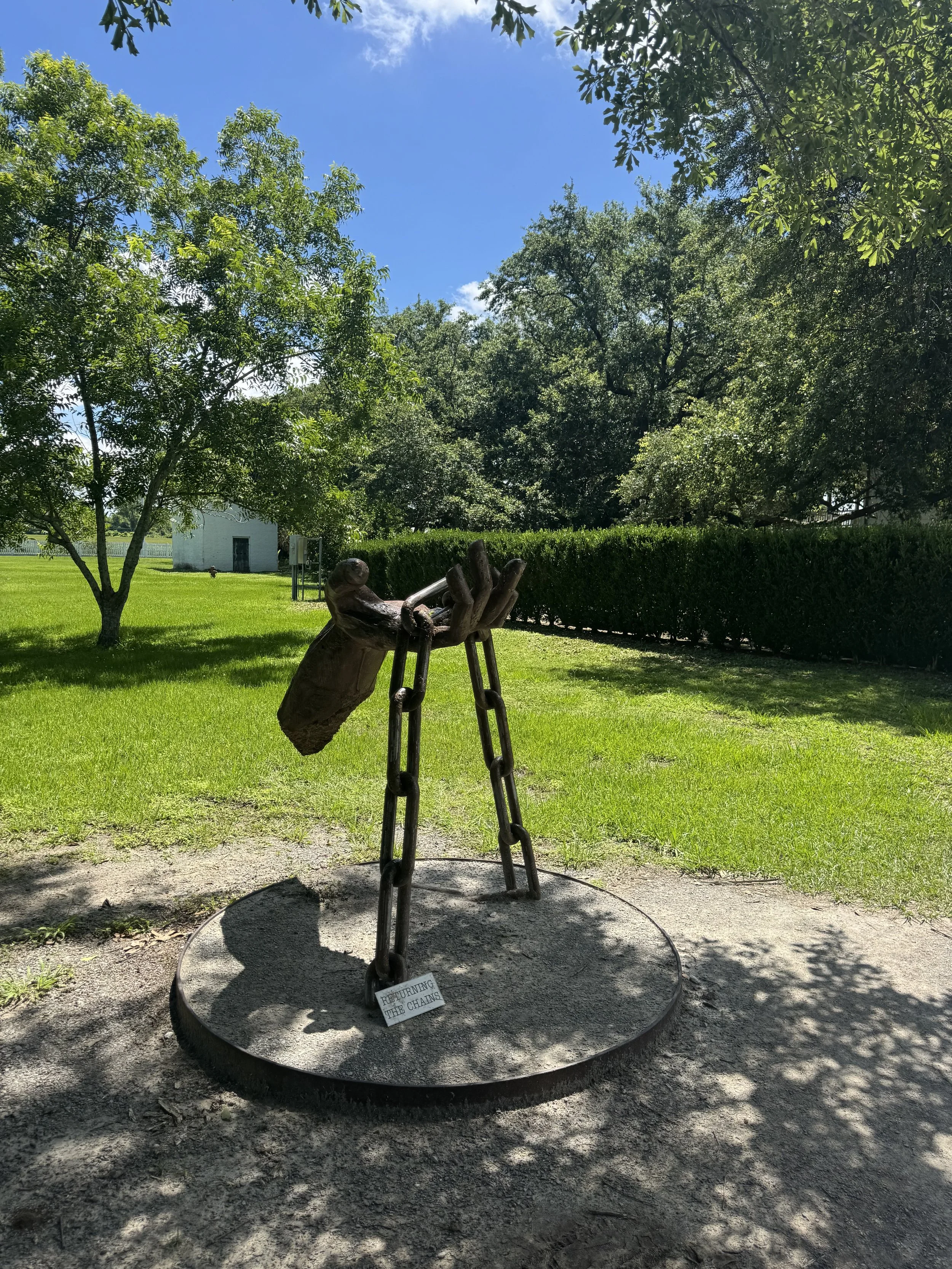
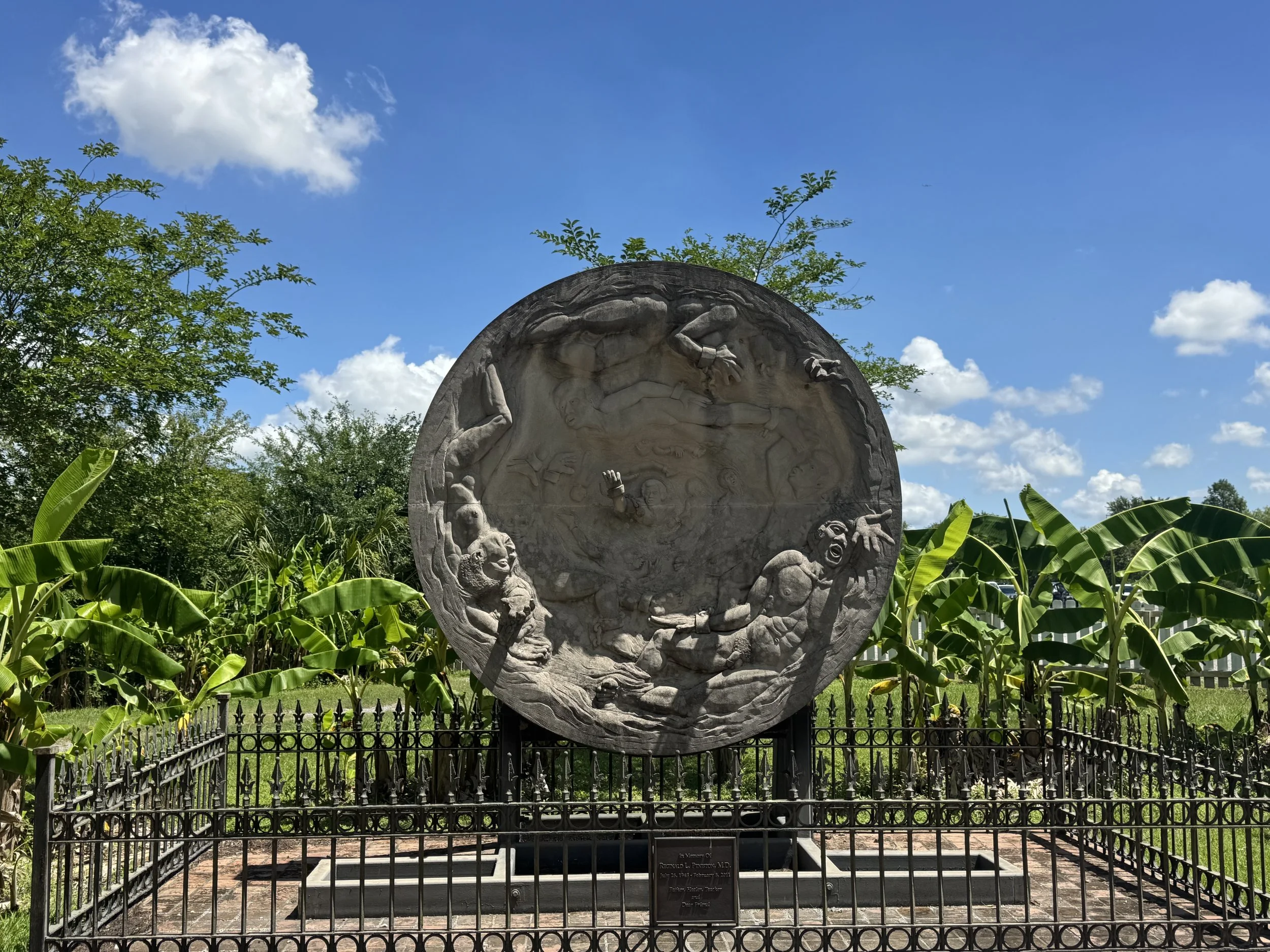
On the journey to New Orleans, Solomon also witnessed the death of a fellow captive and was forced to throw his body into the river. Another man remarks that the dead man is in a better place, suggesting that death is mercy compared to the life that awaits them. I saw something similar that reminded me of this scene at the Whitney Plantation. It was an art installation representing the people who threw themselves into the Atlantic Ocean rather than be subjected to a life of slavery.
Death is mercy.
The water mists
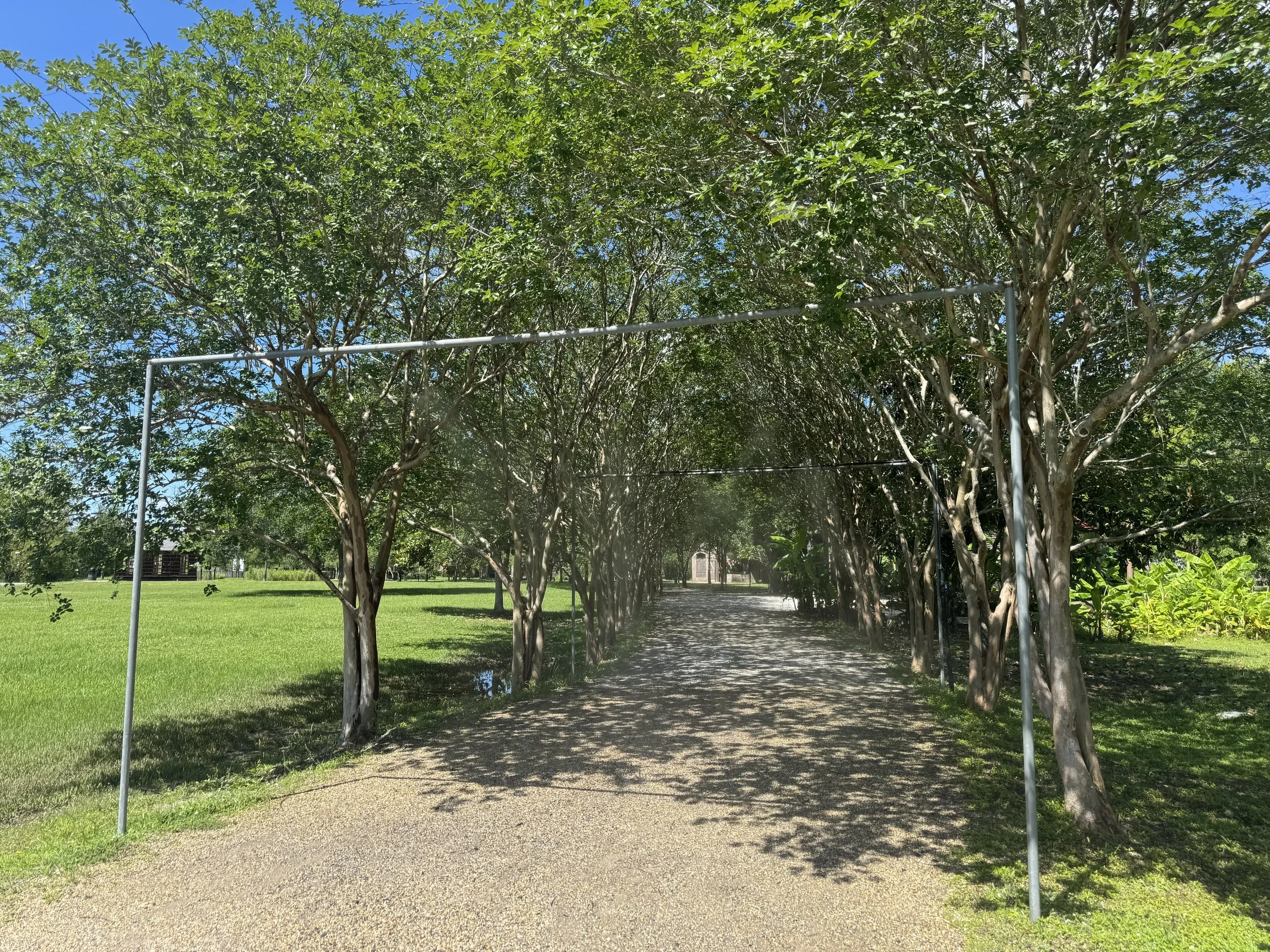
While walking through the Whitney Plantation, I also noticed the mist machines set up along the path to keep visitors cool. There’s a painful irony in that. It’s almost unbearable for people to stand in the sun for ten to fifteen minutes while the tour guide speaks. Imagine the enslaved people who had to work the fields for up to twenty hours at a time, in the worst conditions imaginable.
The violence of slavery didn't just live in the labor, people we applaud in American history participated in this act of violence. One of the founding fathers of America, George Washington, had the teeth of enslaved people. The Emancipation Proclamation didn't pass not only because they wanted to free the enslaved people but also to crumble the southern economy, while making forced labor legal as punishment for a crime. We learned something similar in one of the seminars. A man set right here in New Orleans, John McDonogh. A wealthy slave owner who freed some of the enslaved people under his control and donated his money for the educational system. The money was used to further segregate the educational system in New Orleans, and the people he freed, he freed them based on his condition of whether they were “ready” or had the necessary skills to be free. Misguided good deeds that aren’t really good.
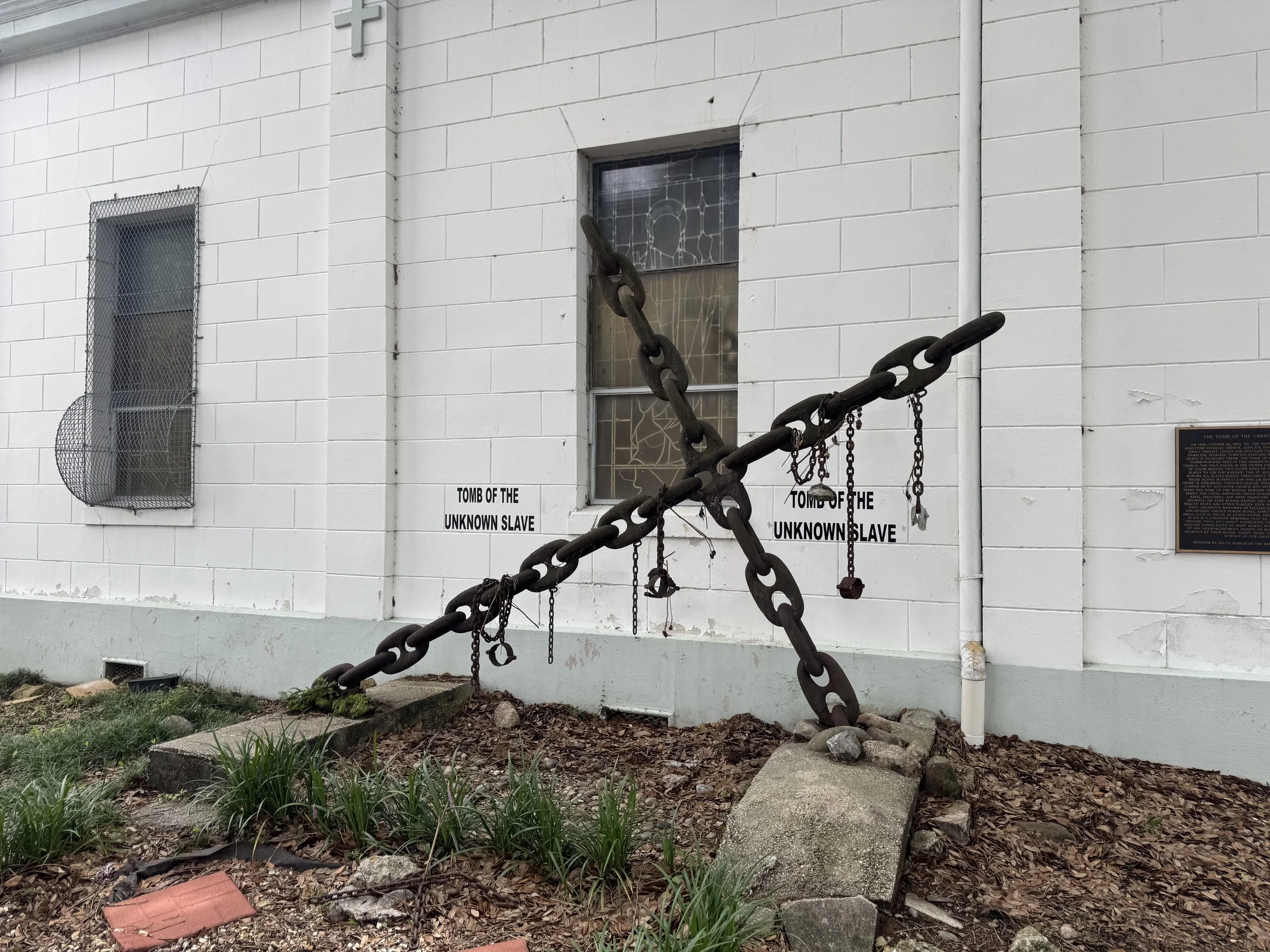
In the movie we also see the misinterpretation of the Bible. There is a scene that stood out to me where Epps reads aloud from the Bible to justify the abuse inflicted on enslaved people. One specific verse – Luke 12:47, to be exact. Which they took literally, while it meant something completely different. It talks about the priesthood, church leaders, and spiritually mature Christians. Patristic tradition dictates that the "stripes" or beatings are not physical punishments inflicted by man but the self-inflicted spiritual consequences of sin and the loss of God's grace at the Judgement. The Church Fathers note an important principle of spiritual proportionality, meaning greater spiritual knowledge equals greater accountability. If an enlightened person such as a bishop, priest, or mature believer knowingly sins or misleads others, their spiritual fall is deeper and more severe than someone who sinned out of ignorance. It is dangerous to lean on one's understanding while reading a complex book like the Bible; this kind of misunderstanding gets people gravely hurt.
““And that servant, which knew his lord’s will, and prepared not himself, neither did according to his will, shall be beaten with many stripes.” ”
Even after the enslaved people were free, systems were put in place to ensure that Black people remained as disadvantaged as possible. Whether it’s literacy tests to surpass voting, really cheap wages, or redlining certain parts of a city so Black and brown families won’t be able to get loans or any kind of funding, for that matter.
People talk about generational wealth as though it were equally available to everyone. The majority of generational wealth was built on the backs of enslaved people.
People talk about the American dream, but who exactly gets to have it? Who has access to it?
I often think about one scene from one of my favourite shows, Scandal. A character named Eli Pope, also known as Papa Pope, talks about how people of colour have to be twice as good to have half of what others have. People of color also deal with having to prove themselves over and over again. People of color, specifically women of color, are given far less room to fail. There is always someone out there ready to whisper that you are only here because of affirmative action or just to fill a diversity quota.
“You have to be twice as good as them to get half of what they have.”
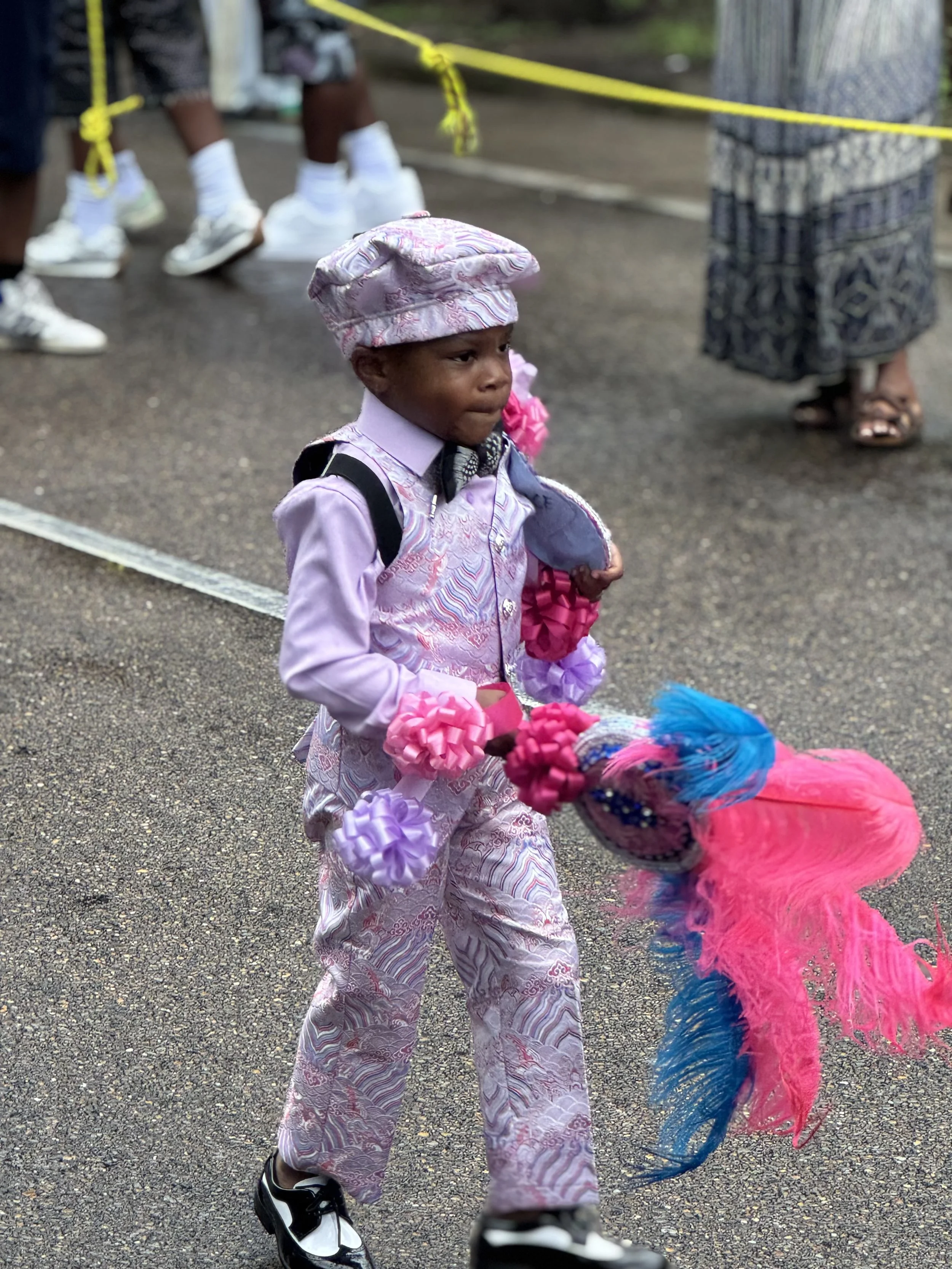
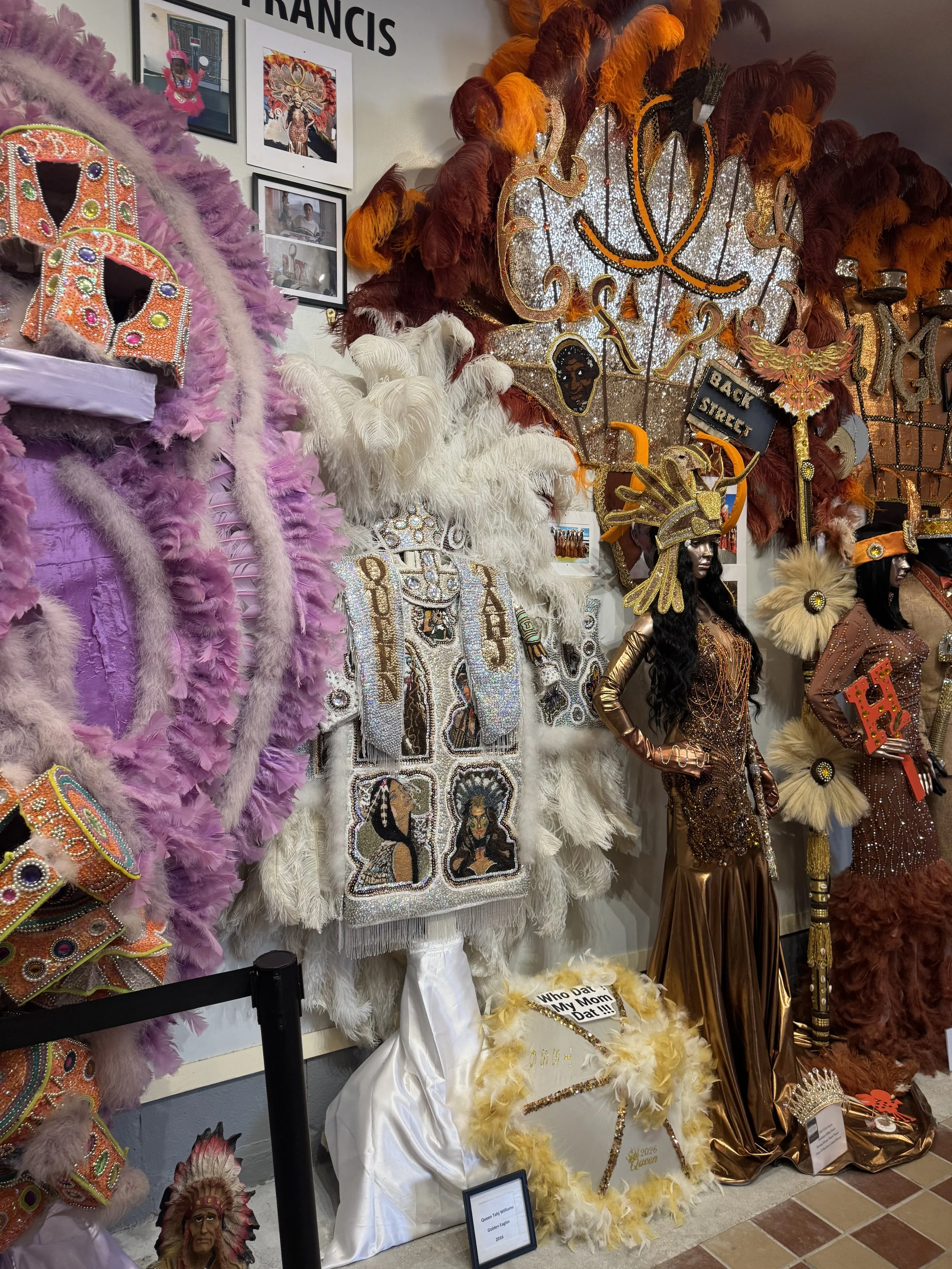
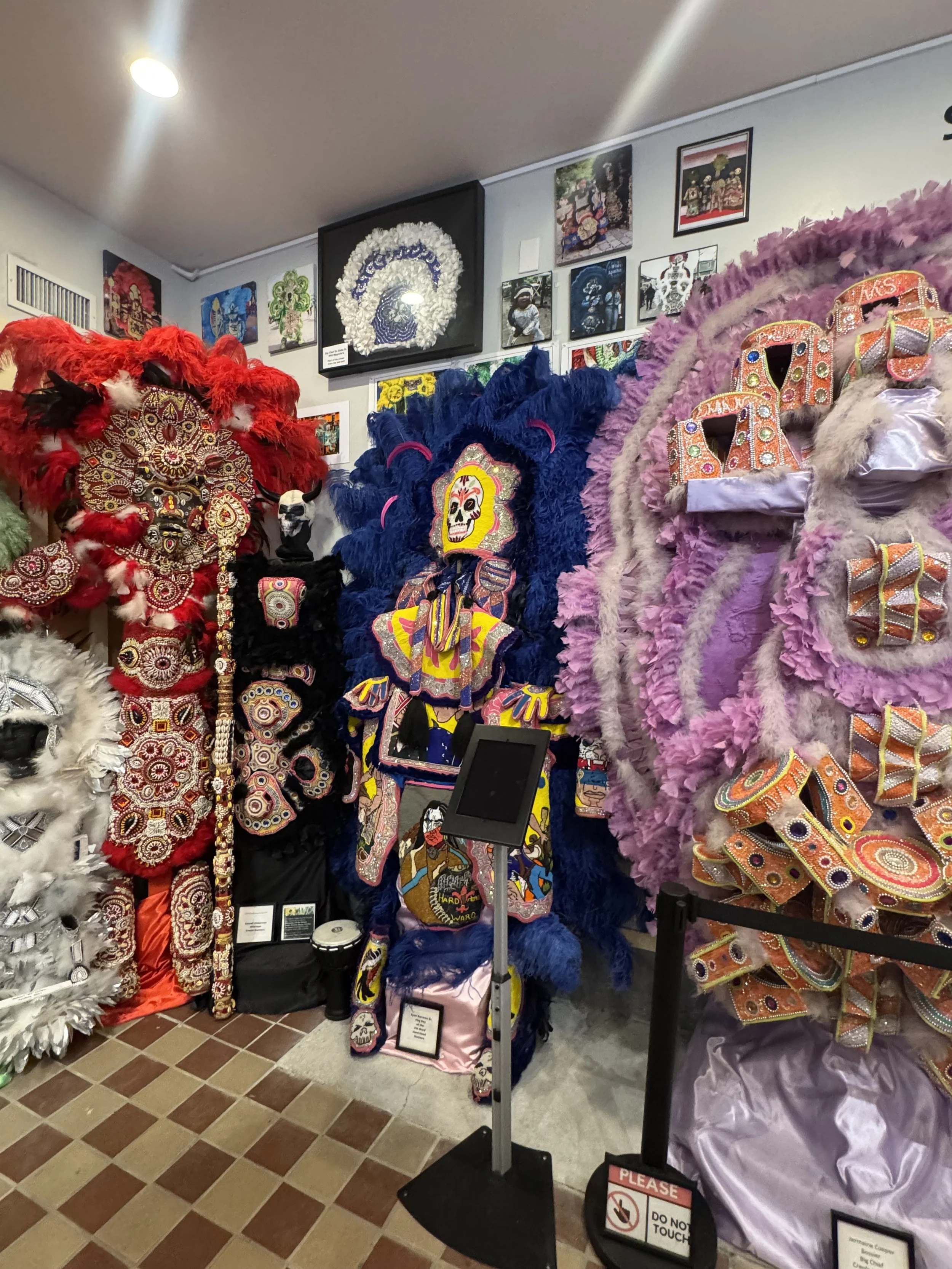
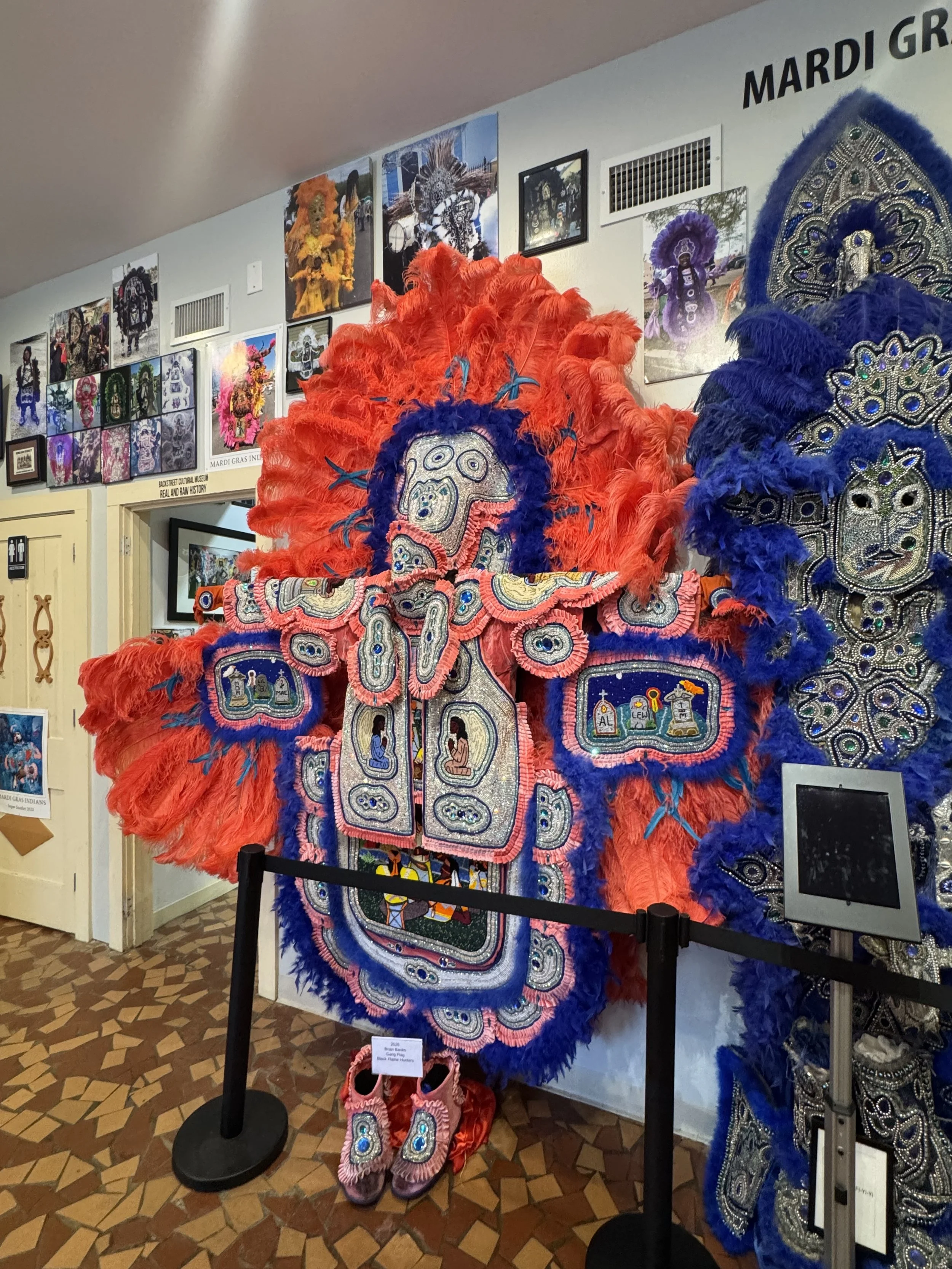
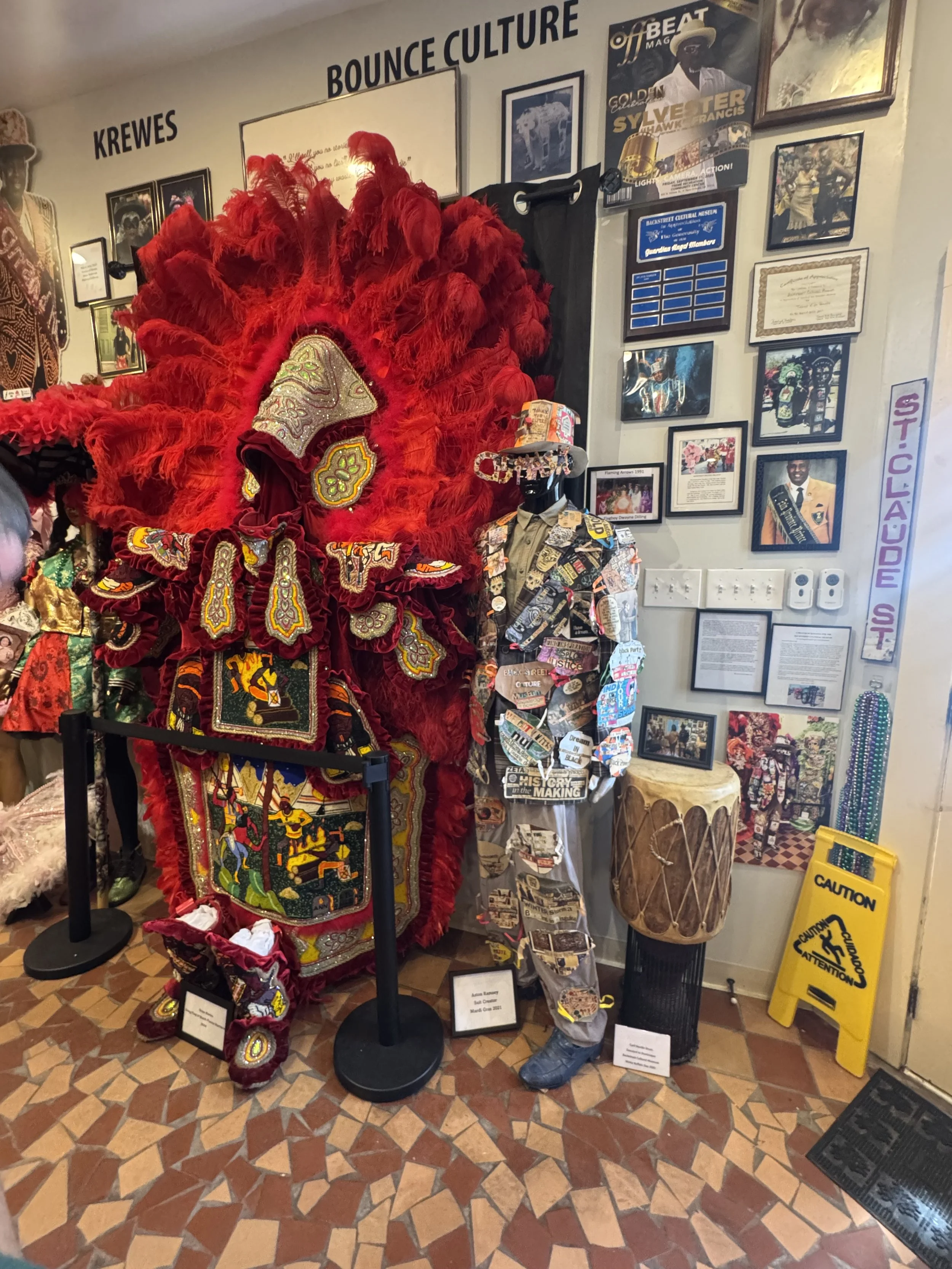
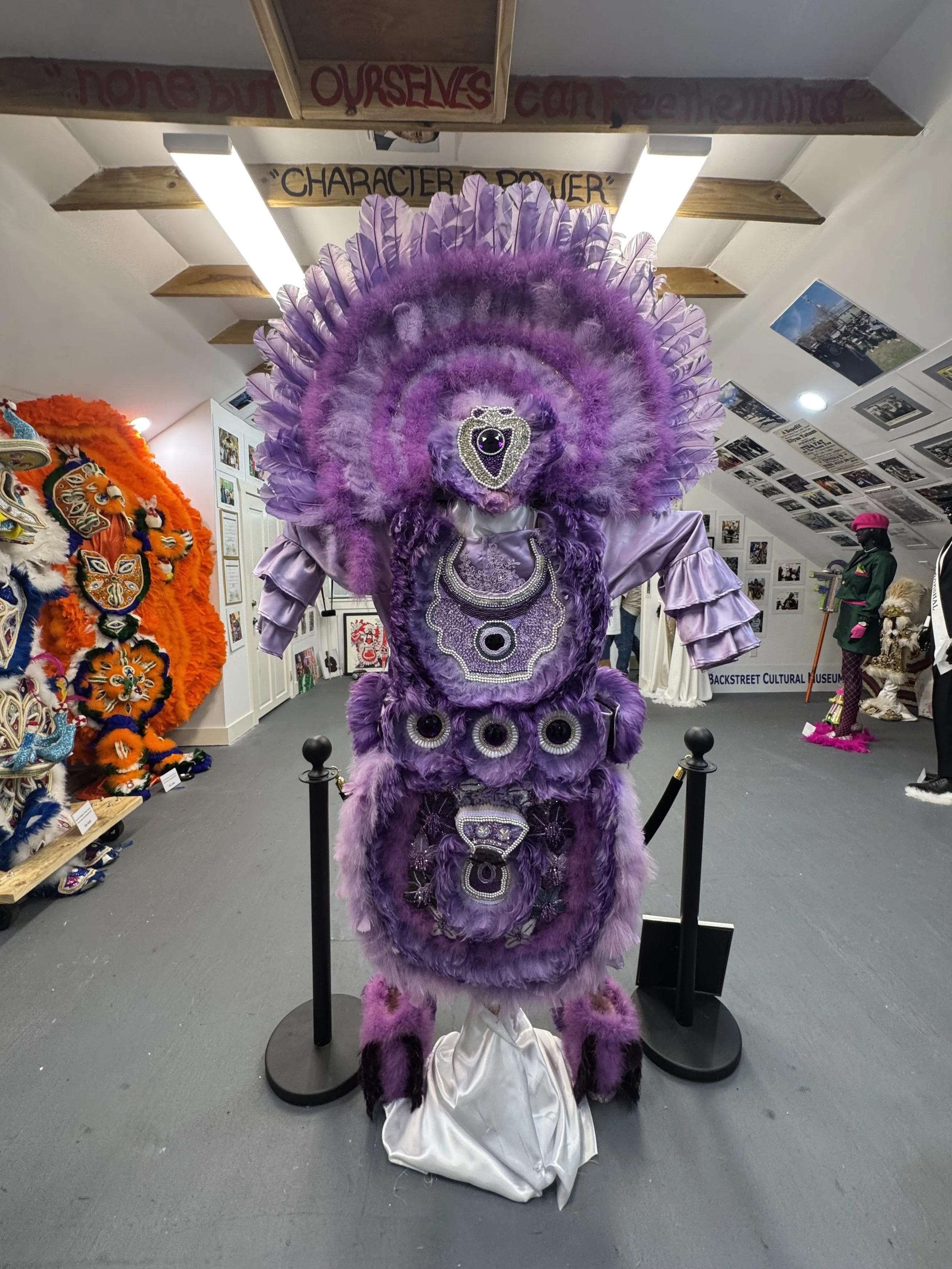
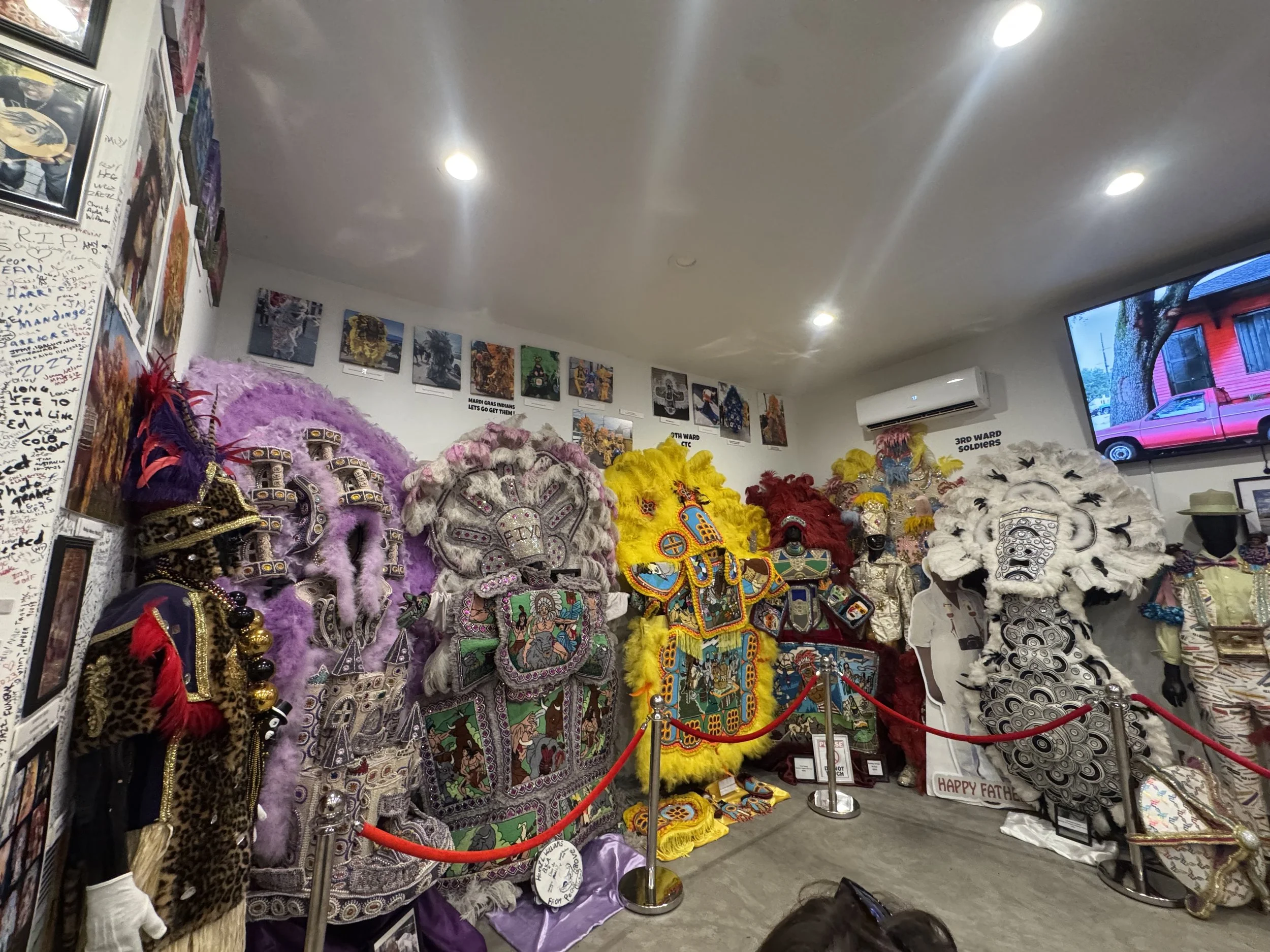
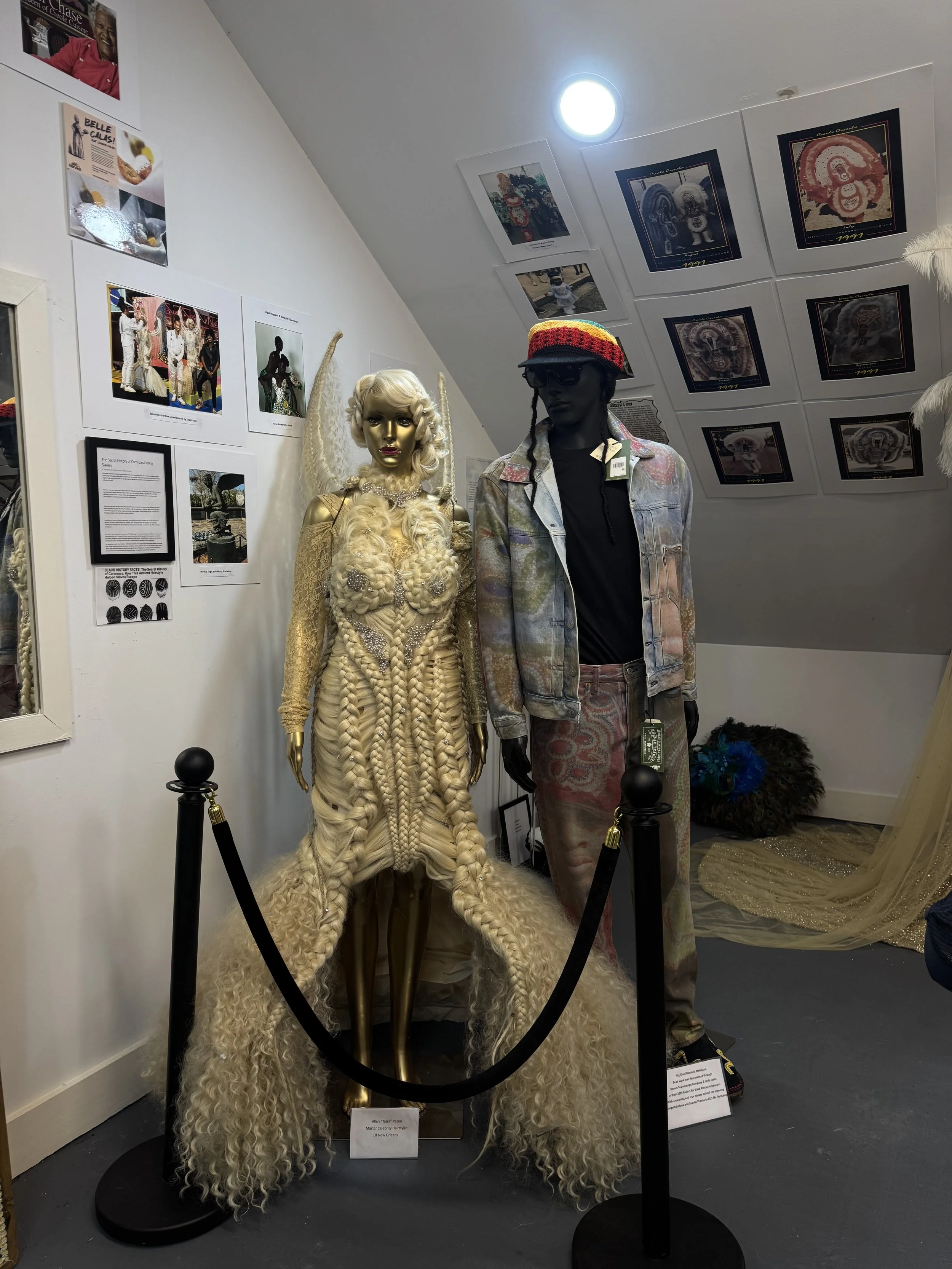
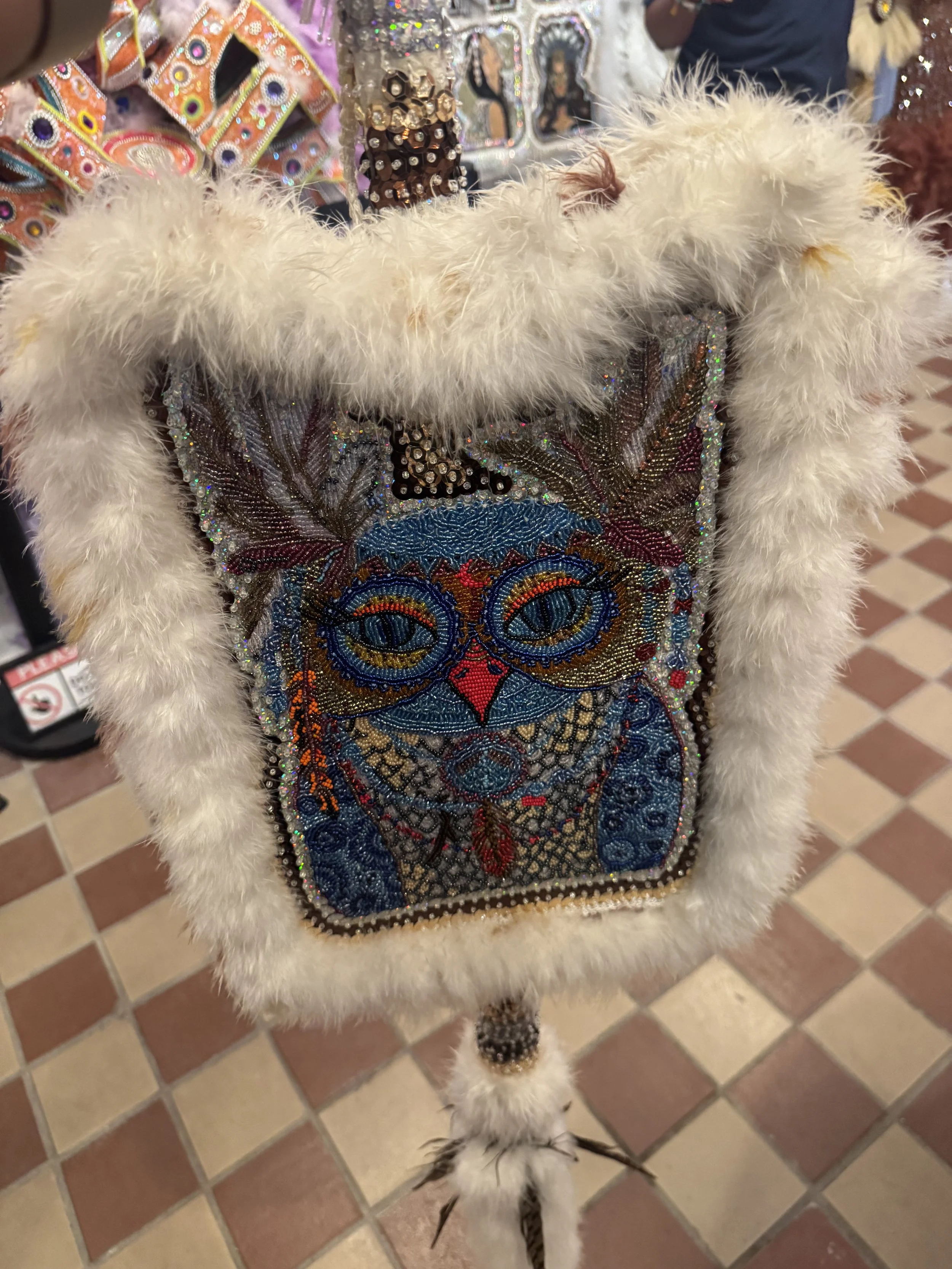
Regardless of this, Black people found ways to hold onto joy. Whether it’s in their hymns, their prayers, their food, or their community. We had the opportunity to visit the Backstreet Cultural Museum, where we saw different expressions of African American culture. Extraordinary handmade costumes, each one telling a story, not a single bead out of place. We also got to experience a second line parade, and it was AMAZING. The people that dressed up in custom-made costumes with their colorful matching accessories were just dancing in the rain and having fun. In the famous words of Beyoncé, it’s just so much damn swag.
The huge barbecue that was going under the highway, the little kids that were dancing along, and even the people that were not walking along the parade were dancing along. It was contagious and really hard to resist dancing along. What we got to see at the parade was Black joy at its finest, and I love it. As important as it is to speak honestly about the pain inflicted in this country, it is equally as important to highlight and celebrate the joy—because the people at the parade are the fulfillment of their ancestors’ wildest dreams.