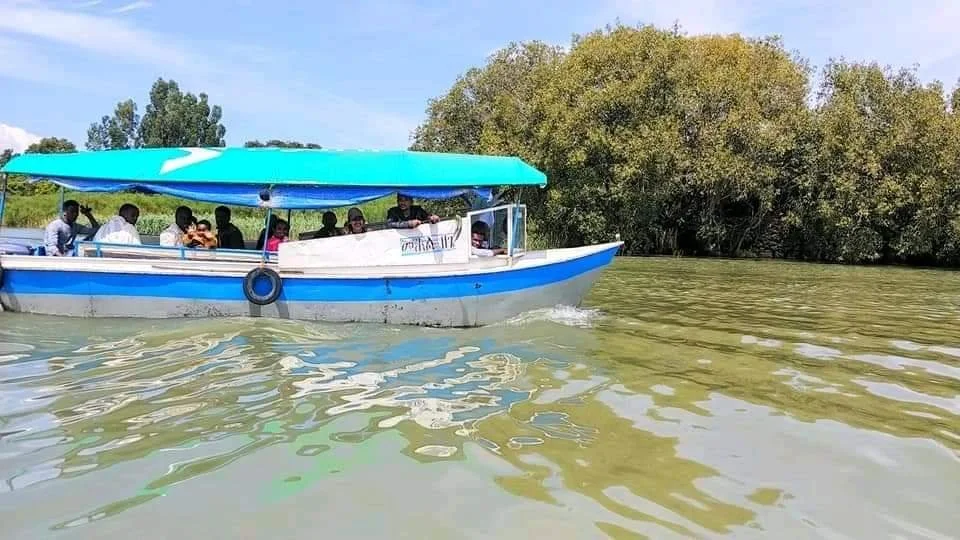
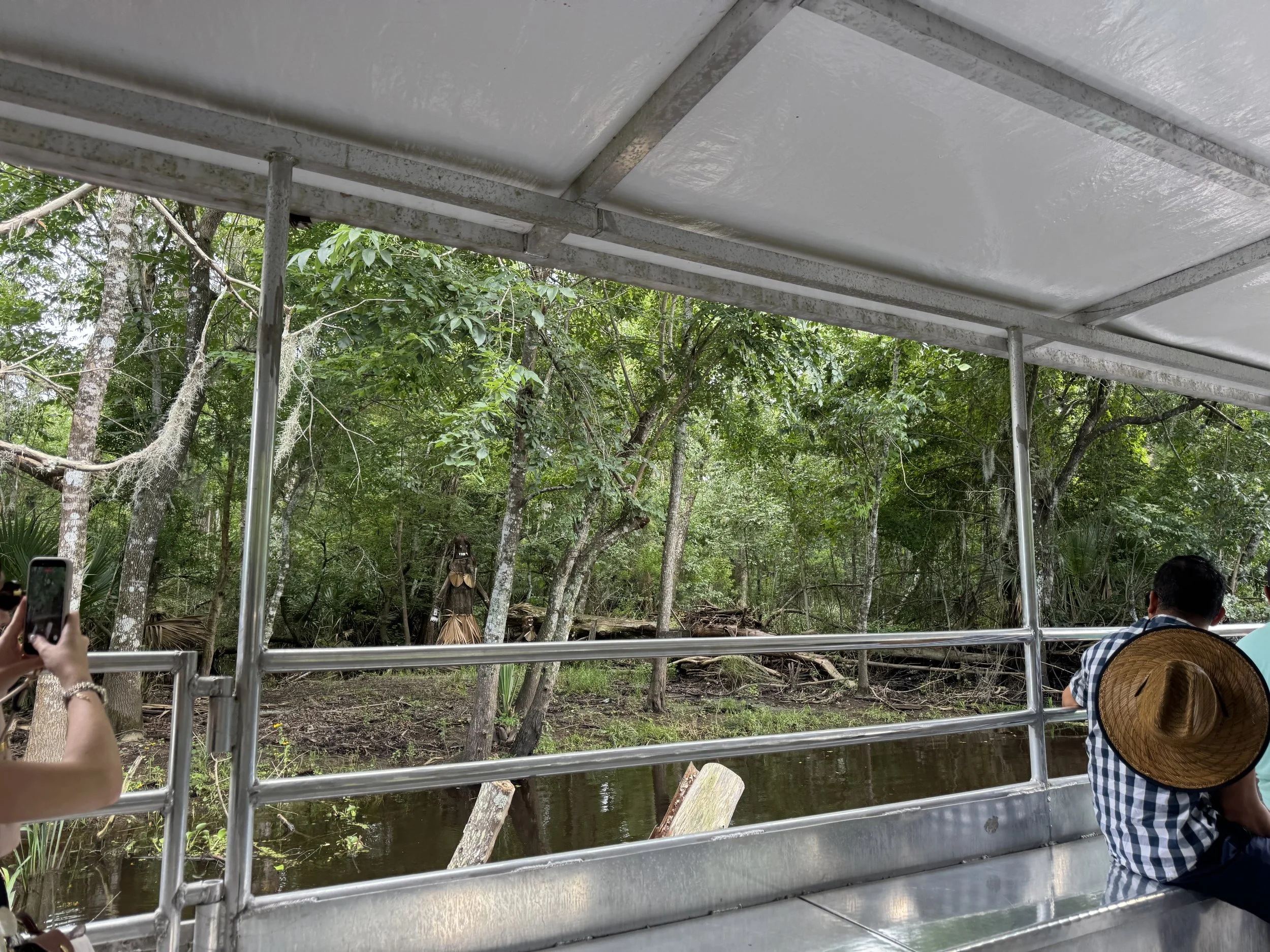
Now that we have come to the end of bookpacking, it's safe to say I have finally found the words to explain it.
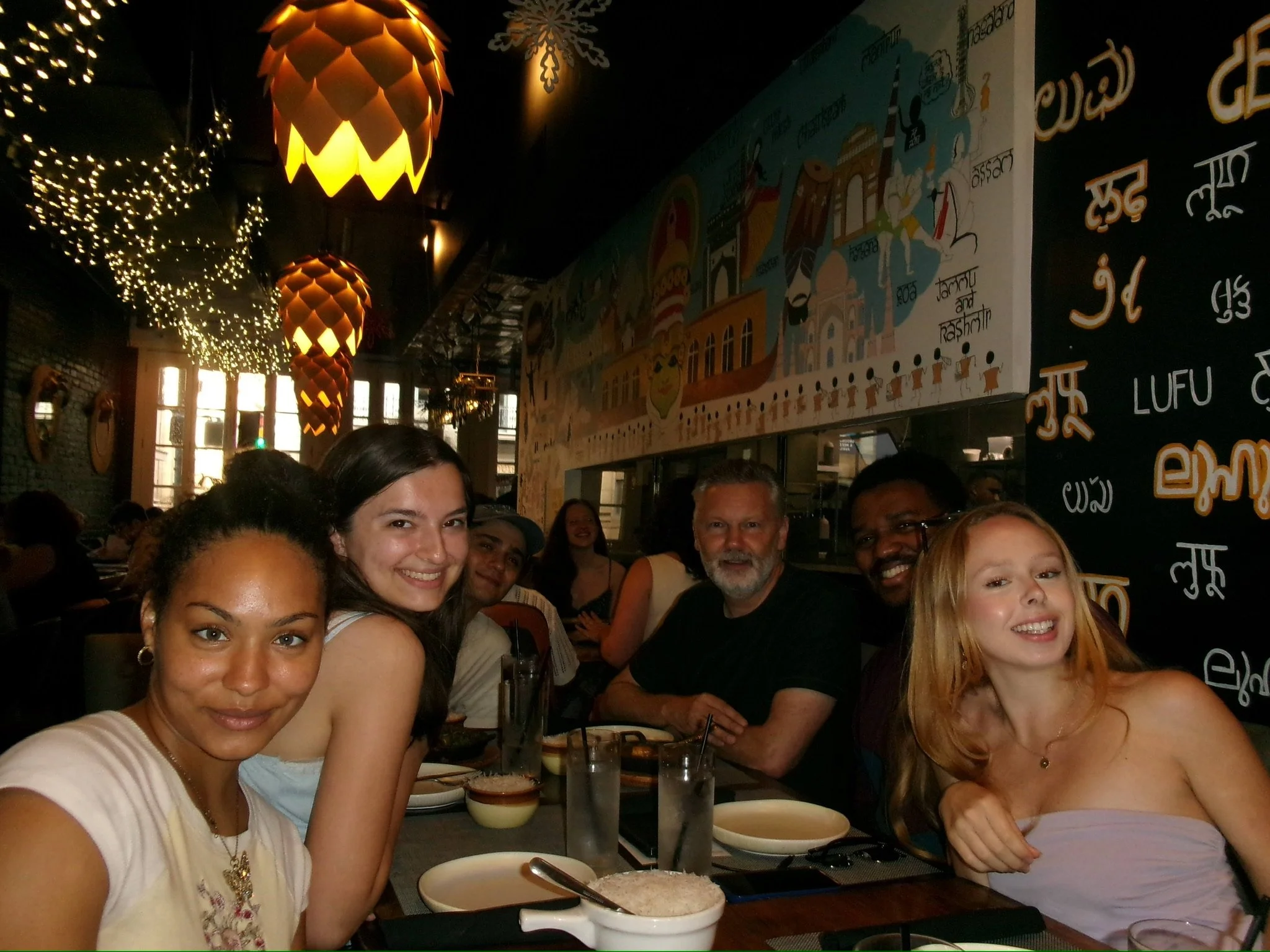
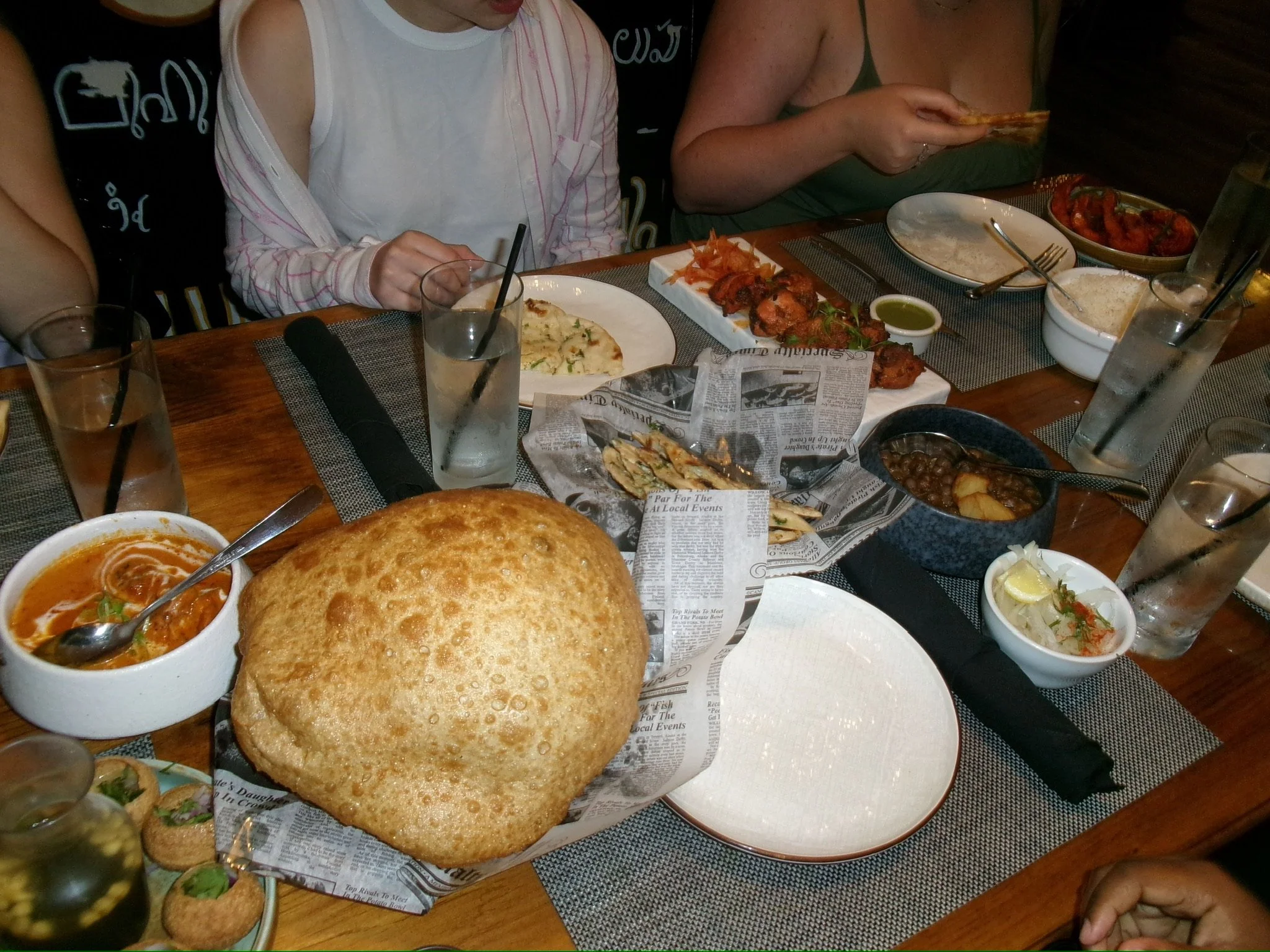
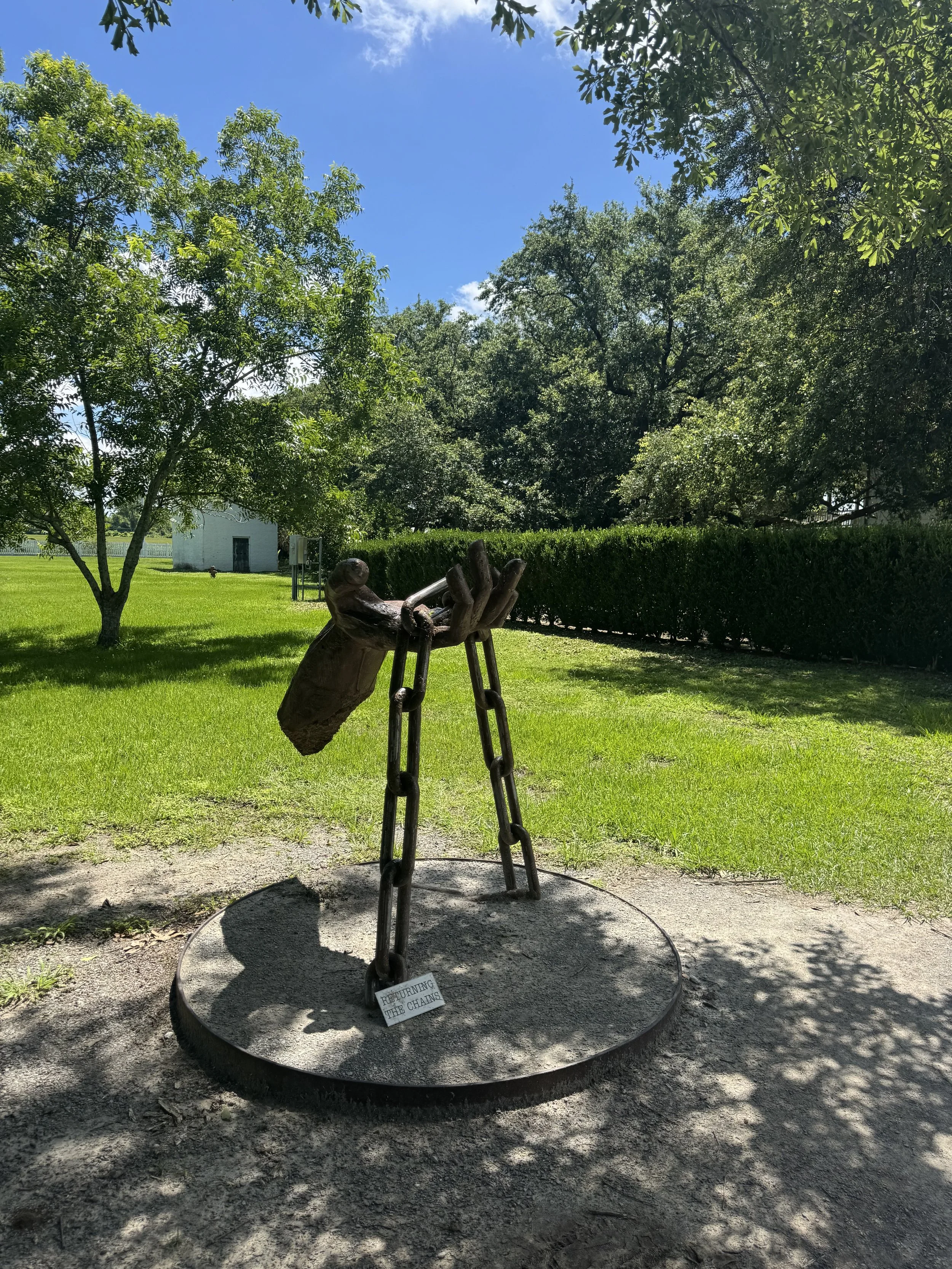
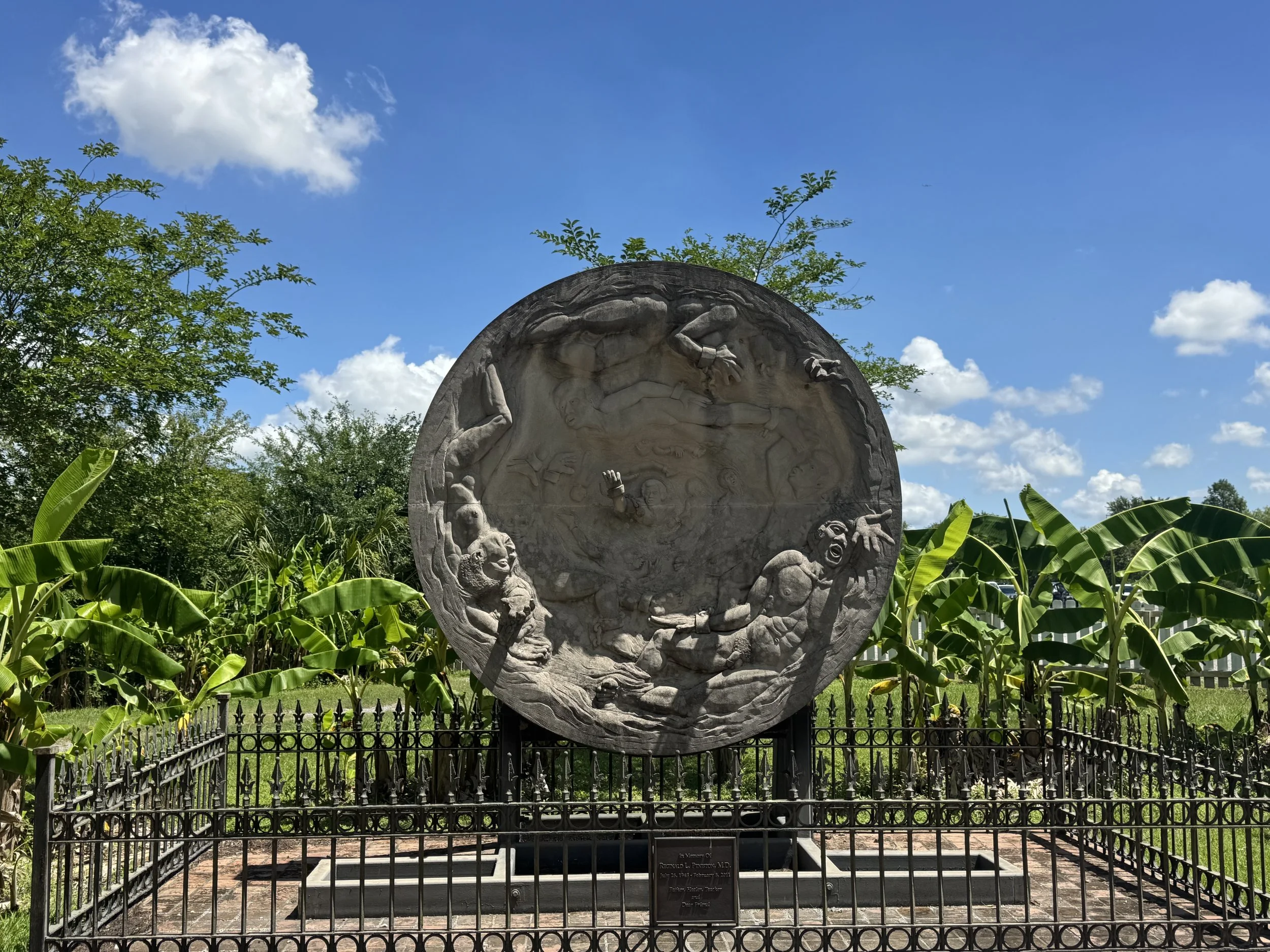
It's a program where I got to learn about different cultures and explore different types of cuisines and learned about the history of the American education system that failed to teach me in high school. And the people I came to this experience with soon became my friends.
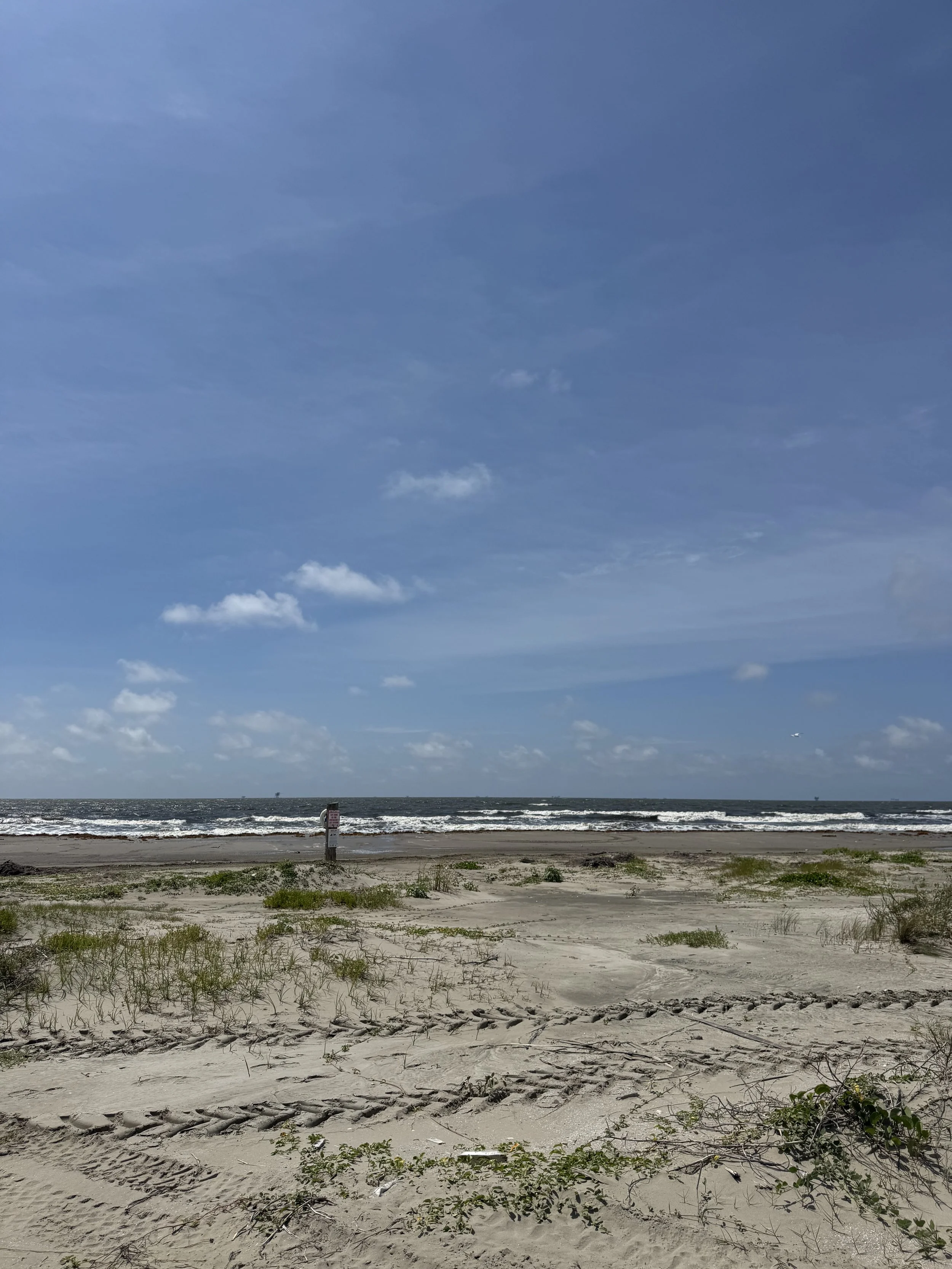
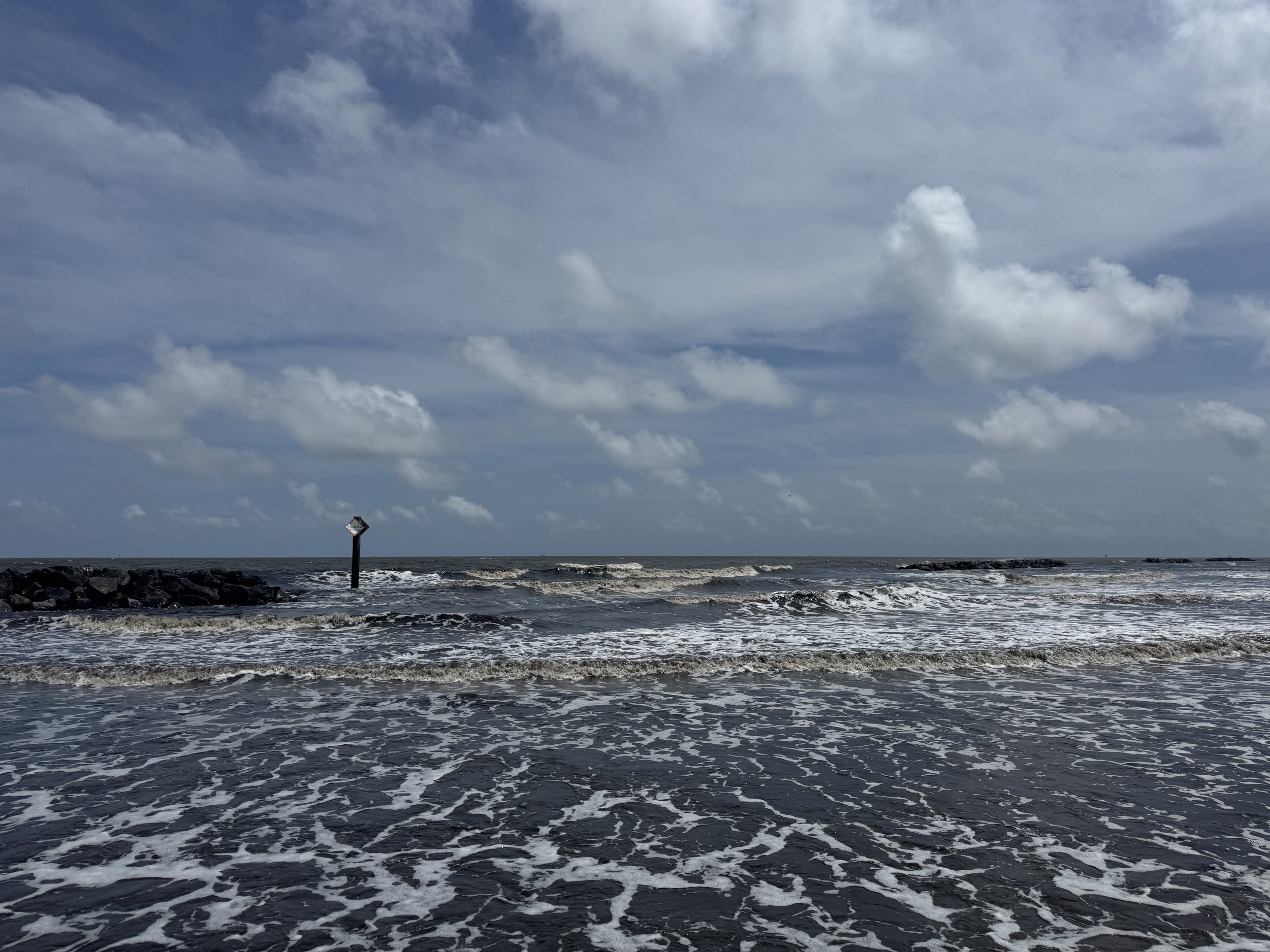
I was initially so scared to come on this trip, scared of the uncharted territory, but now that I have exprienced it was amzaing to say the least. The time I have spent in Grand Isle and New Orleans have been a time of reflection and personal growth.
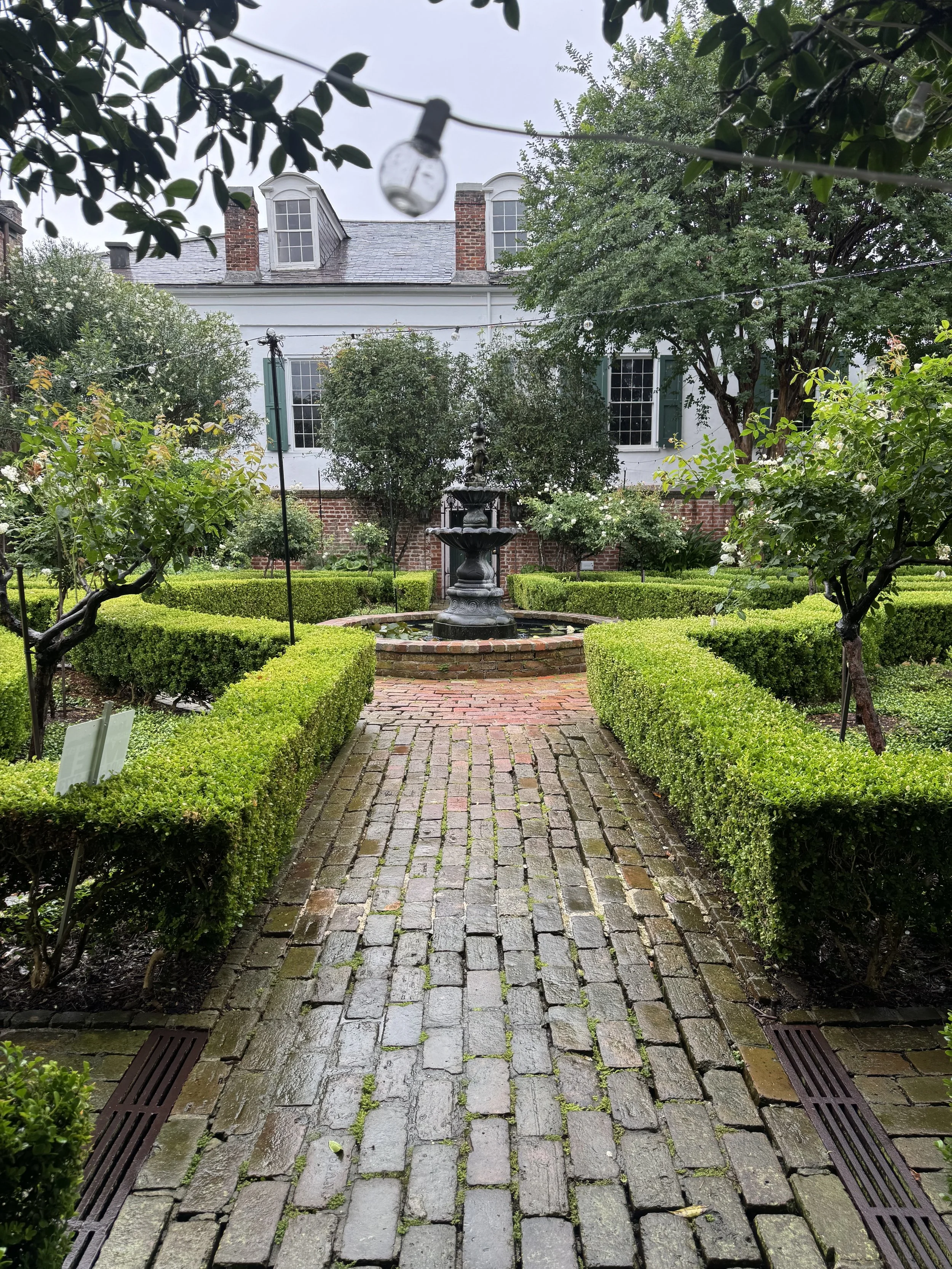
The books I have read on this trip and the places we have visited were like mirrors, all these characters staring back at me. I found myself relating to book characters like Louis de Pointe du Luc, characters I never thought I would relate to. I had to face my blackness in America; no matter where I'm from, people will always perceive me as just another Black person, and even though I never truly cared for how other people perceive me, I should be more intentional about the way I move through life. Being talked about or discriminated against because of my faith or how I see the world through my faith has been one of the surprises of the trip. I have never experienced anything like that before, but also I have never been this bold and forthcoming about my faith before as well. New Orleans is normally associated with the supernatural, all the voodoo, and the vampire stuff; because of that, I felt the need to stand firm in my faith so that I would still be unwavering in the face of anything that came my way.
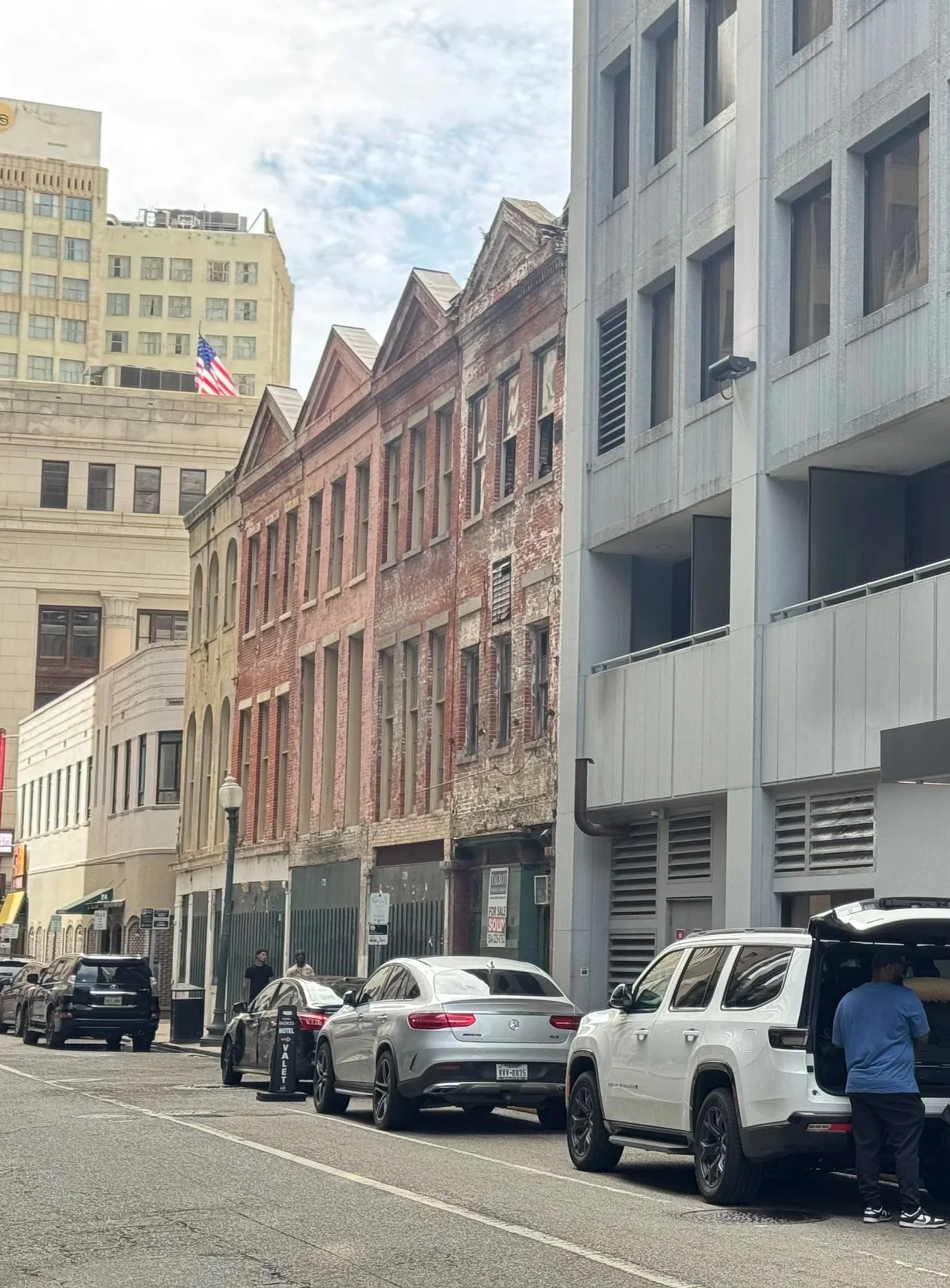
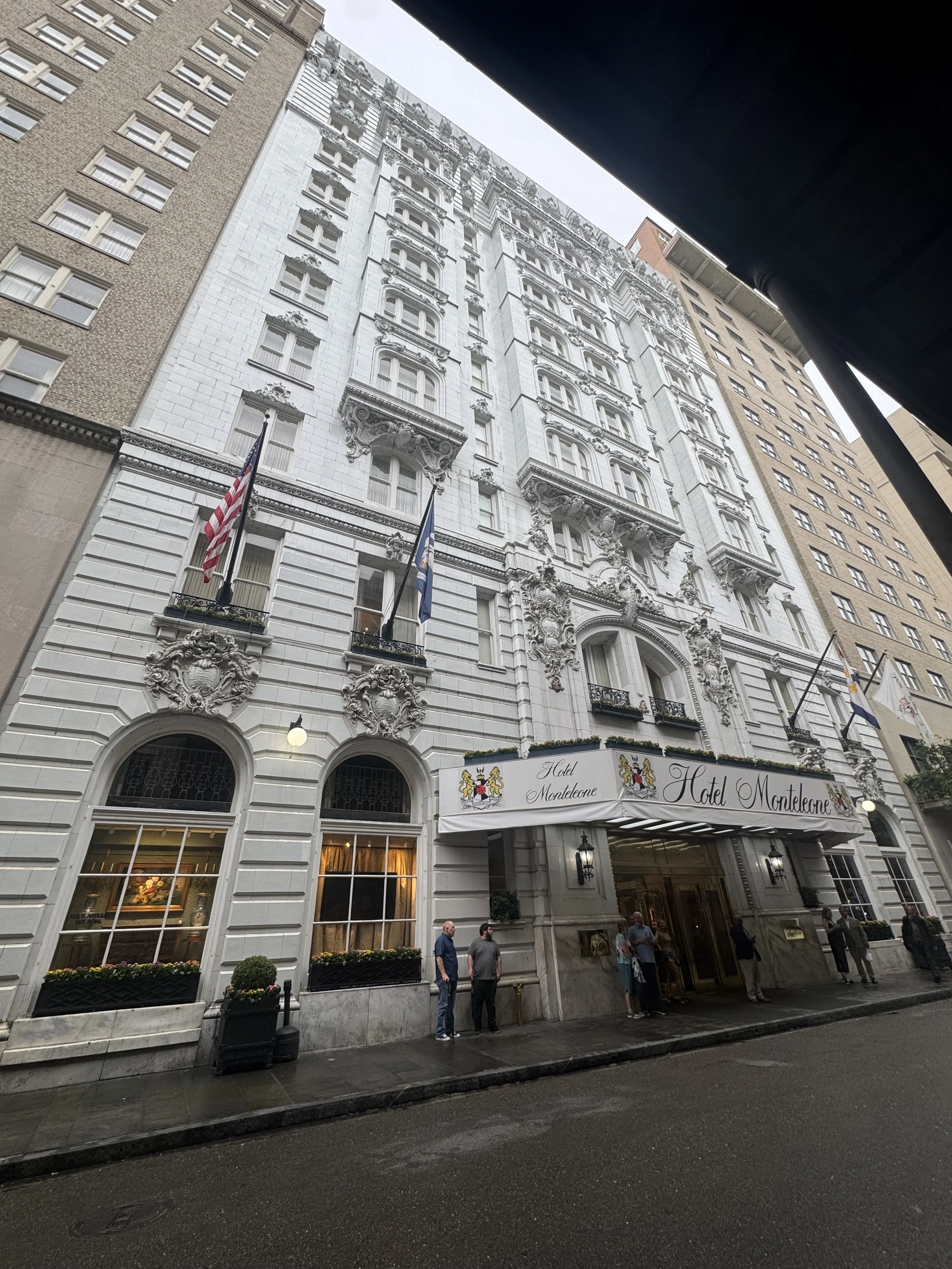
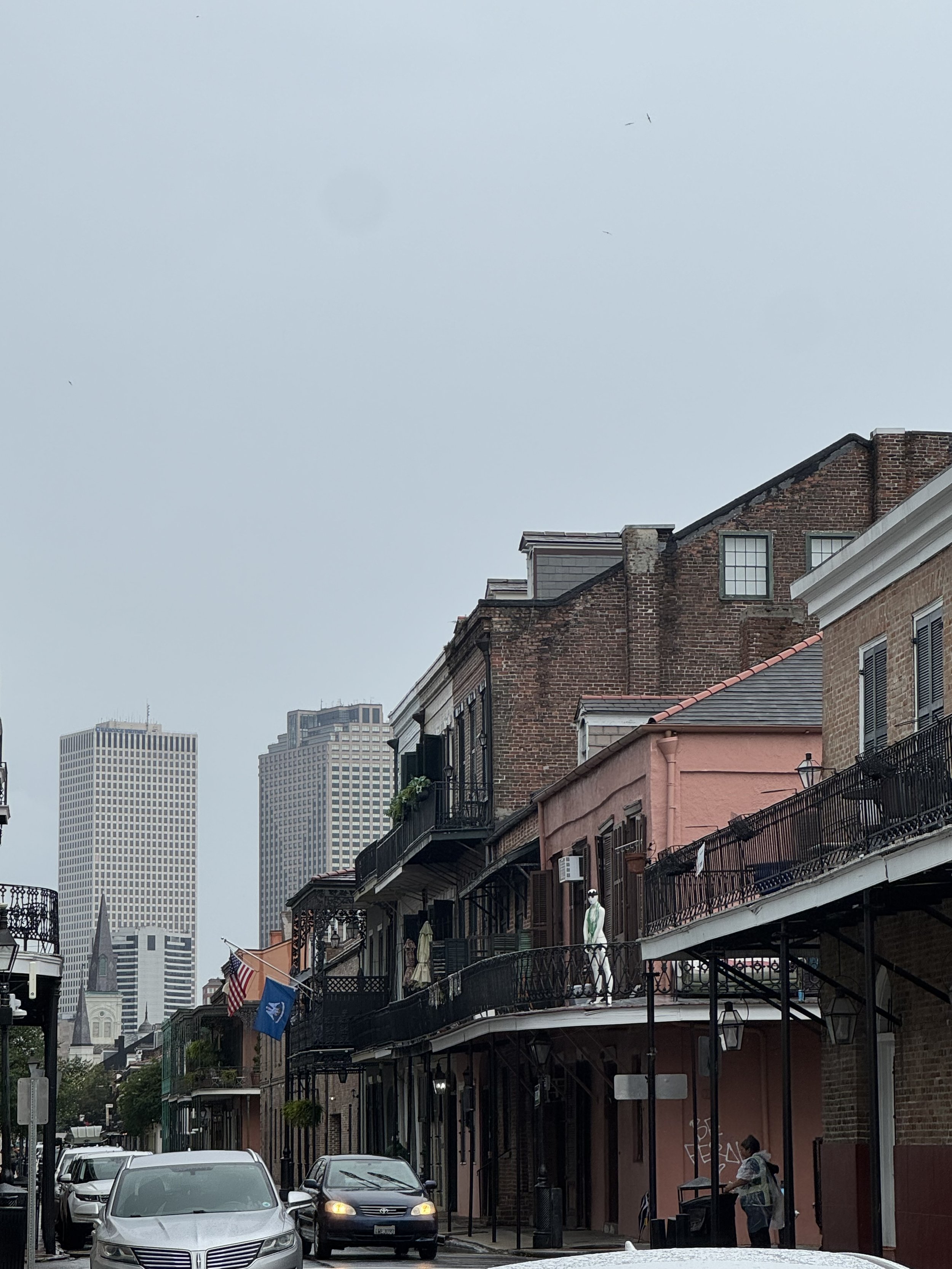
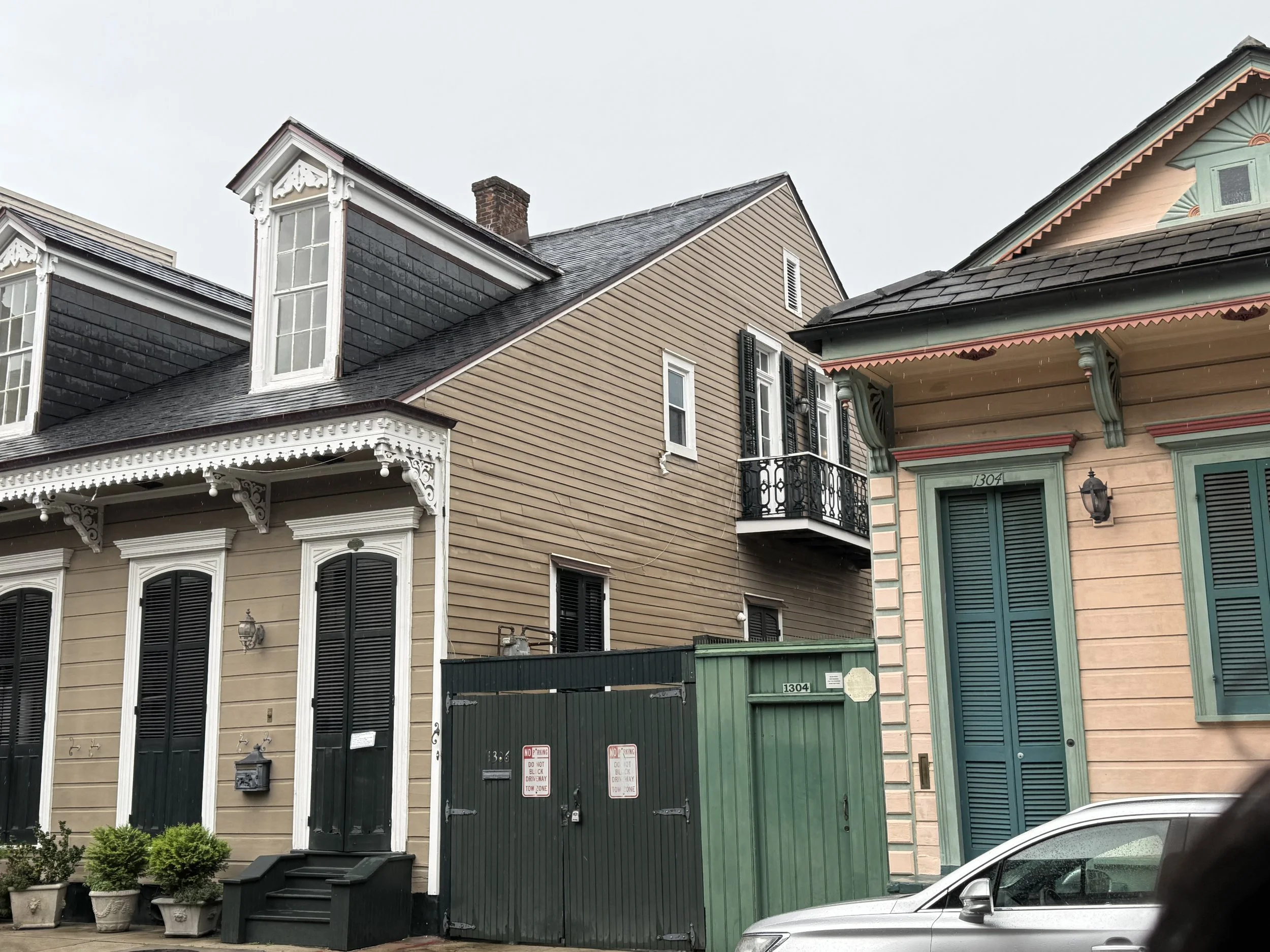
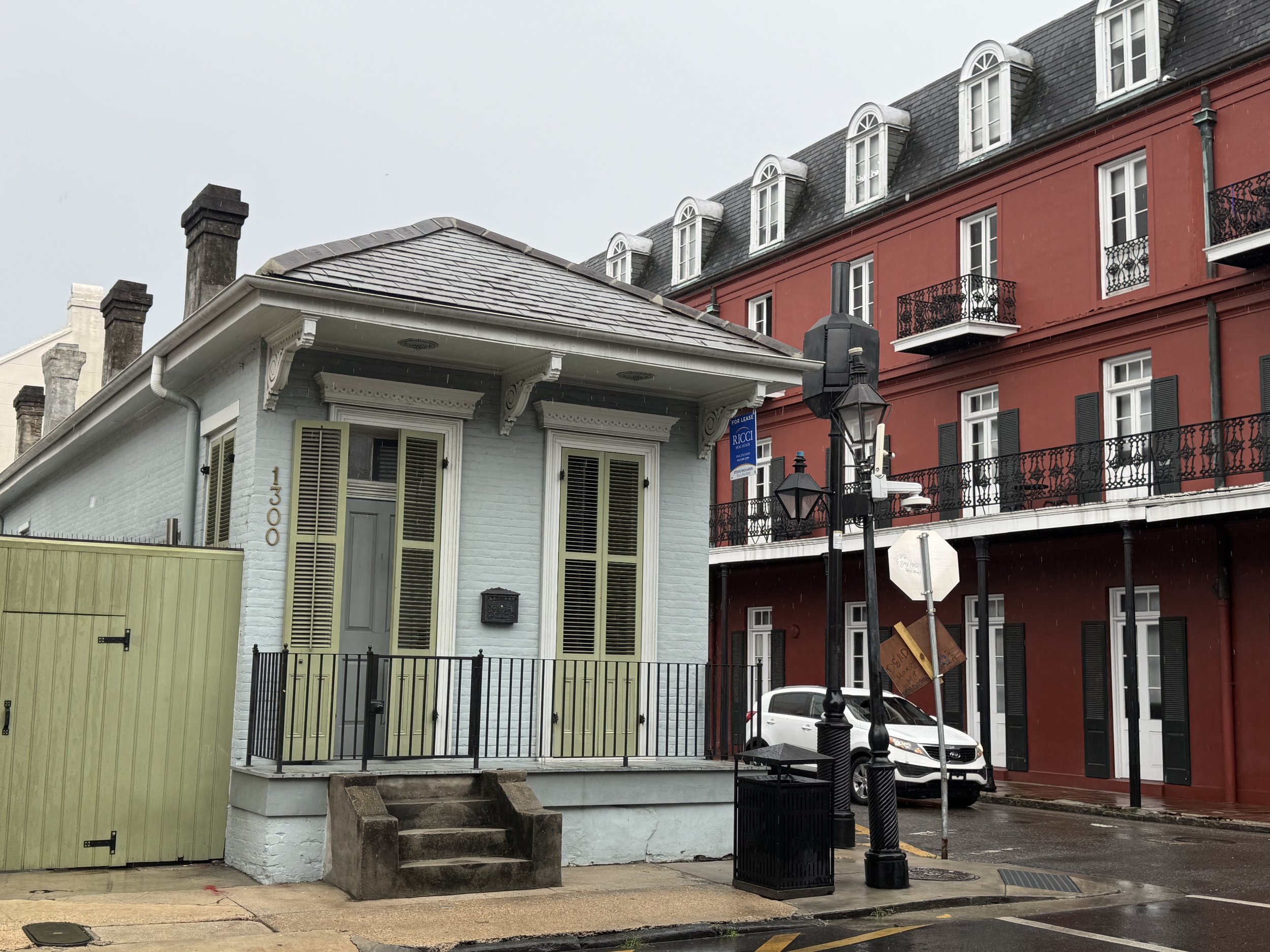
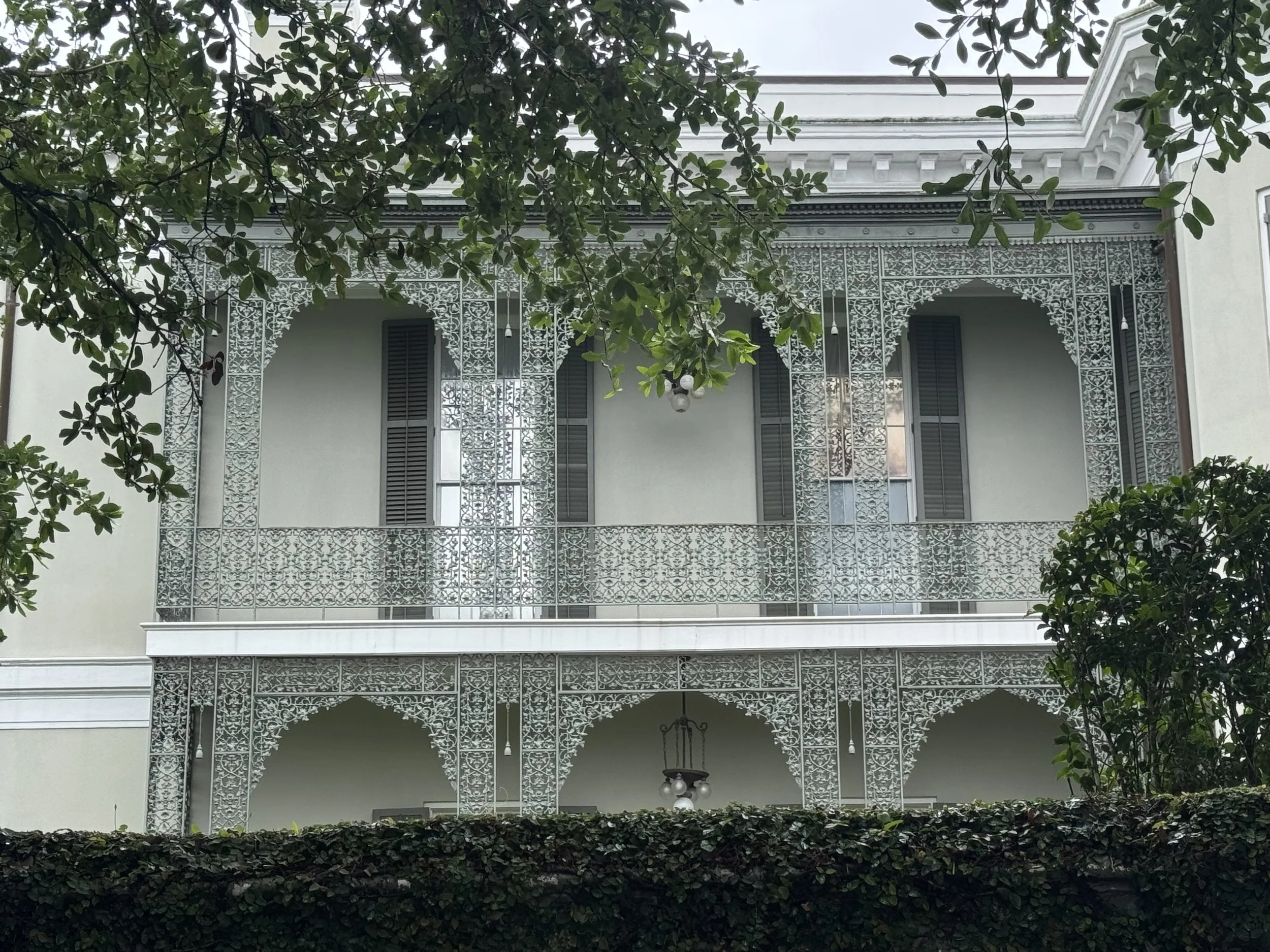
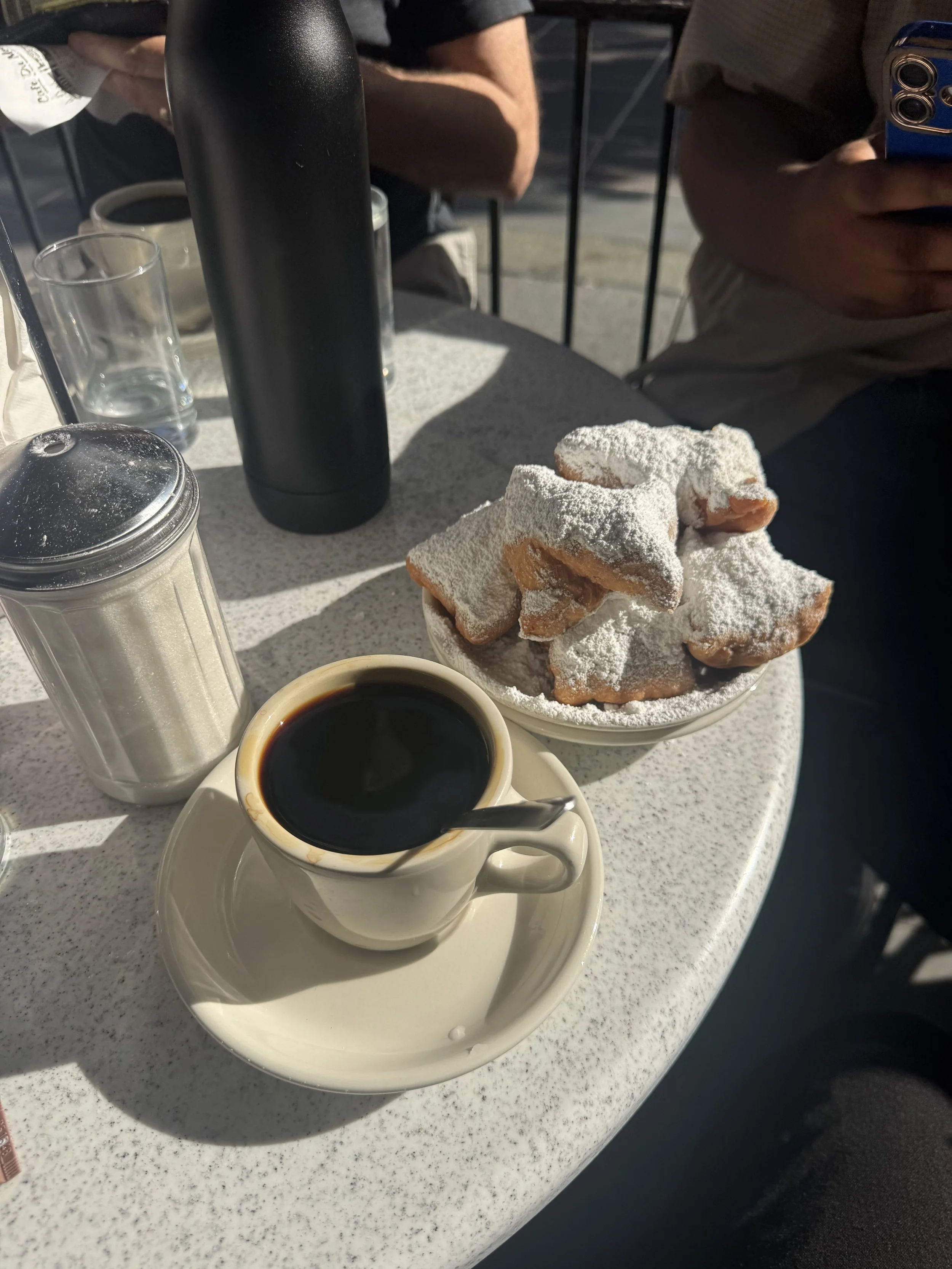
In a city full of music, food, and culture, as we went through and visited places on our list and in between all that, I found myself just sitting with my thoughts. This was so difficult for me to do as someone who comes from an architecture background. Leisure is not normal for me. That’s what I said in the beginning of this trip but not anymore. I found myself slowing down my pace while I was walking and taking in everything as I walked through the city, talking and joking around with friends and staying at the cafe or restaurant an extra 30 minutes or an hour or so. In a world full of go-go-go where we are always looking for the next thing, we sometimes forget to appreciate the small things along the way, and all the work we do is actually so we can live. I feel fully immersed in the French influence in New Orleans, where leisure is a good thing and I don't have to be so stressed at all times.
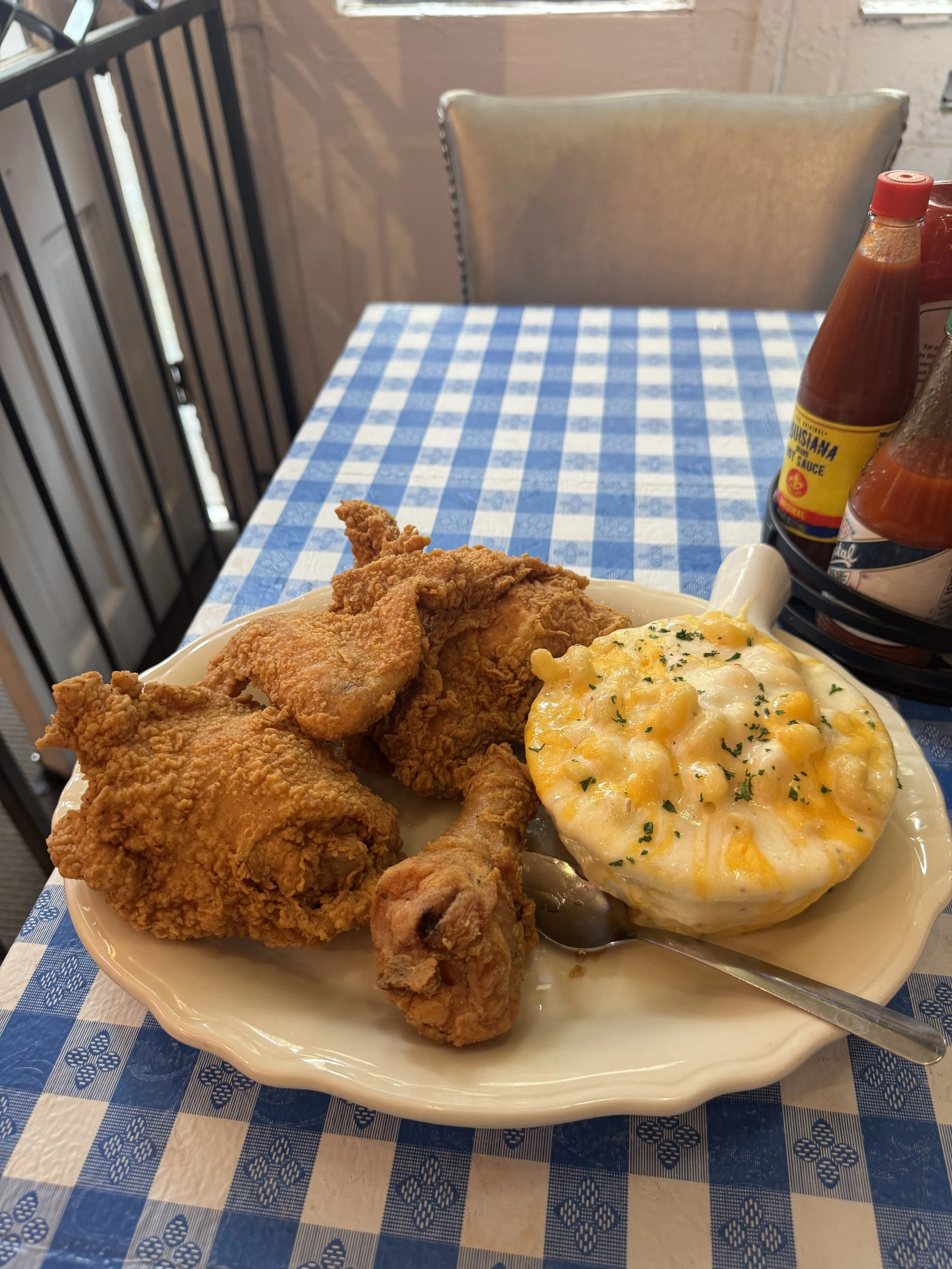
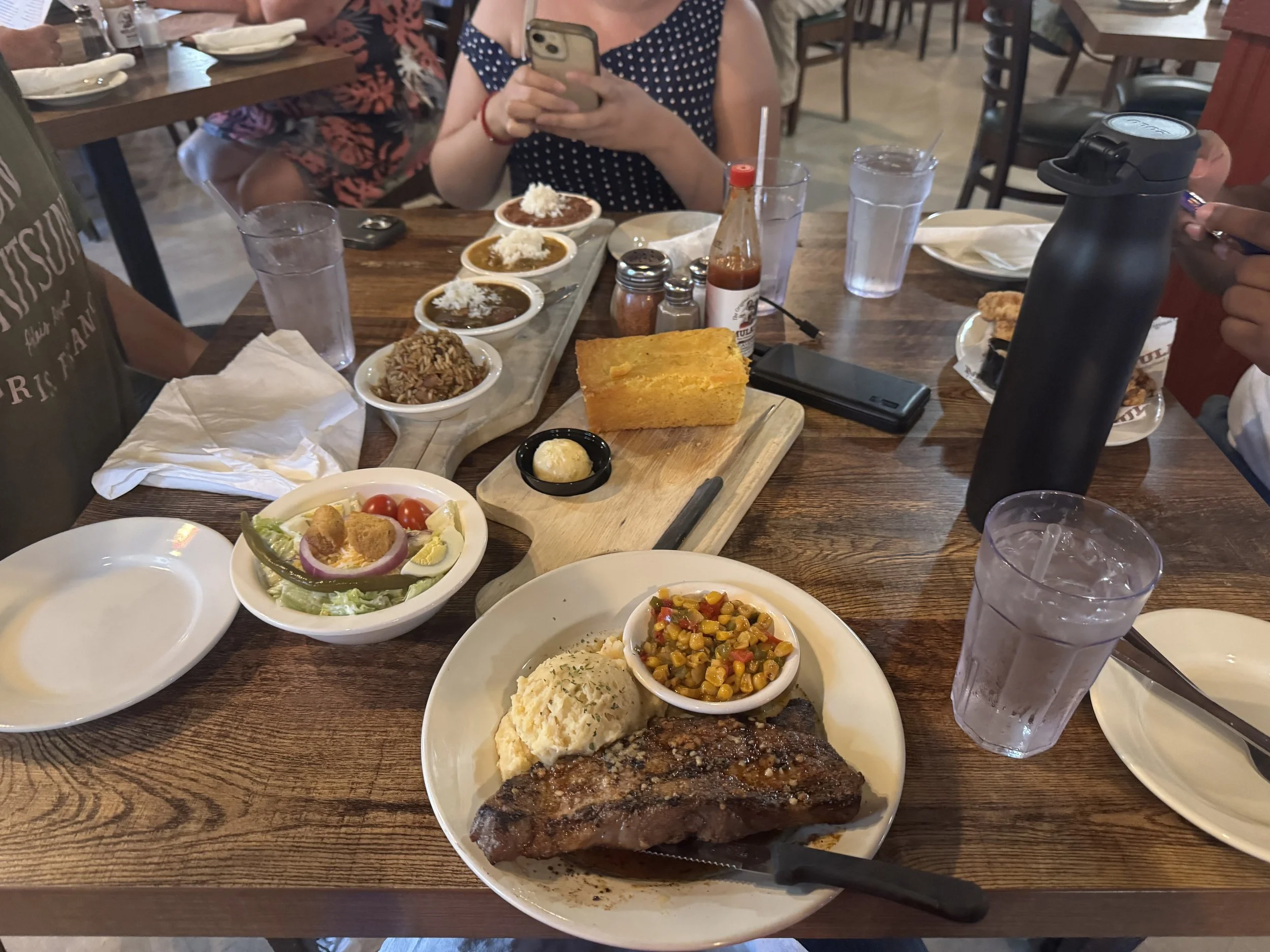
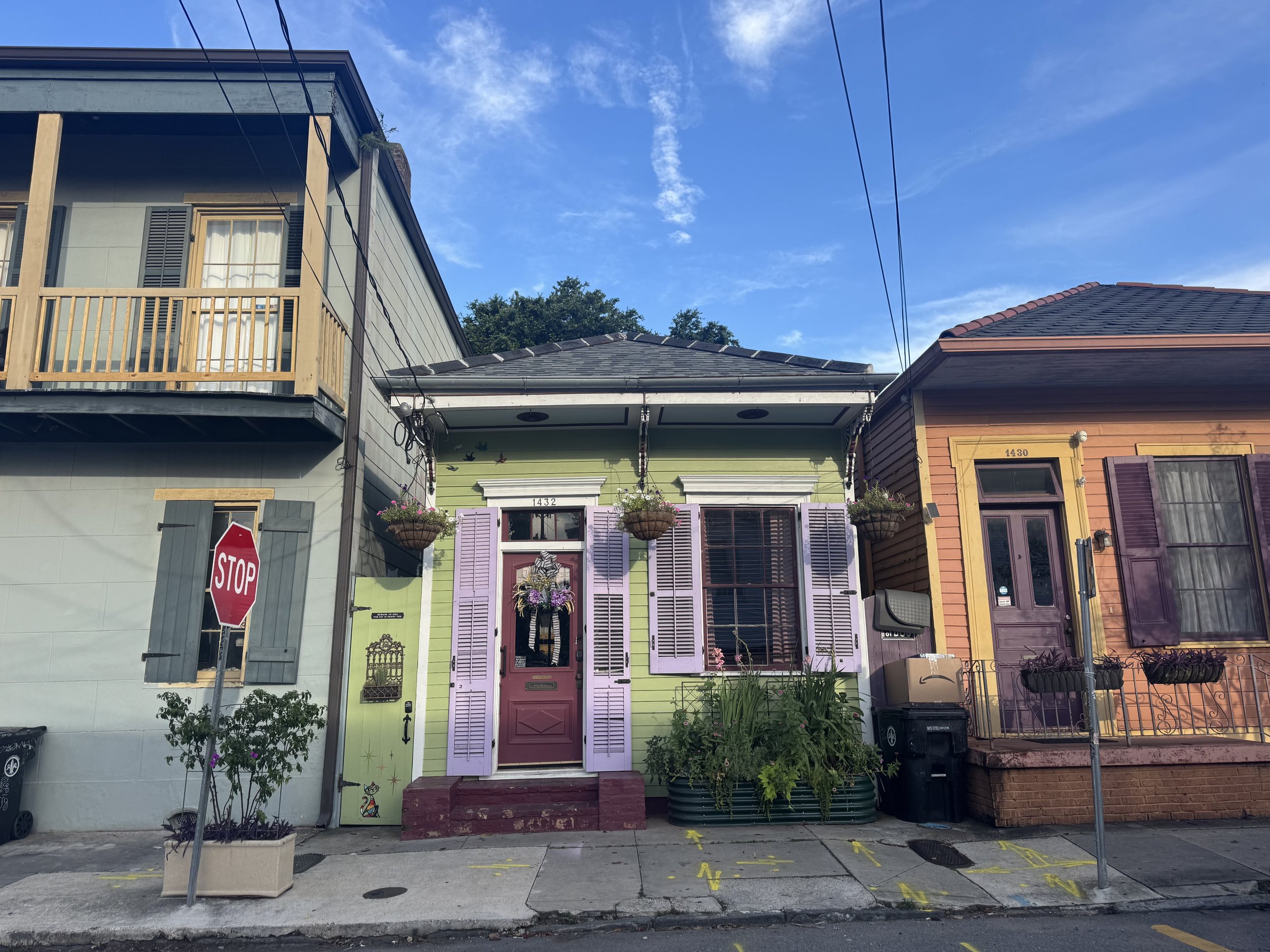
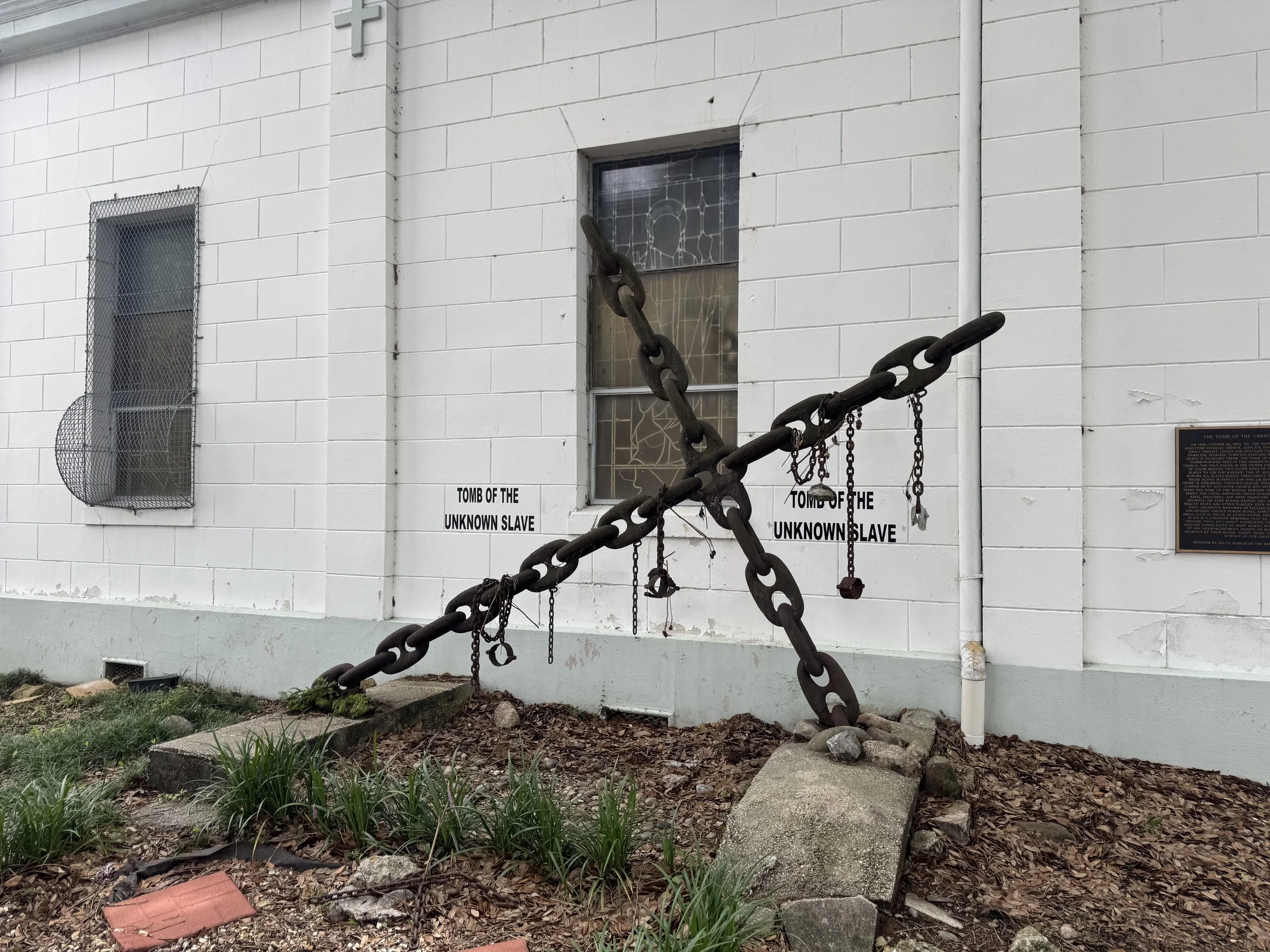
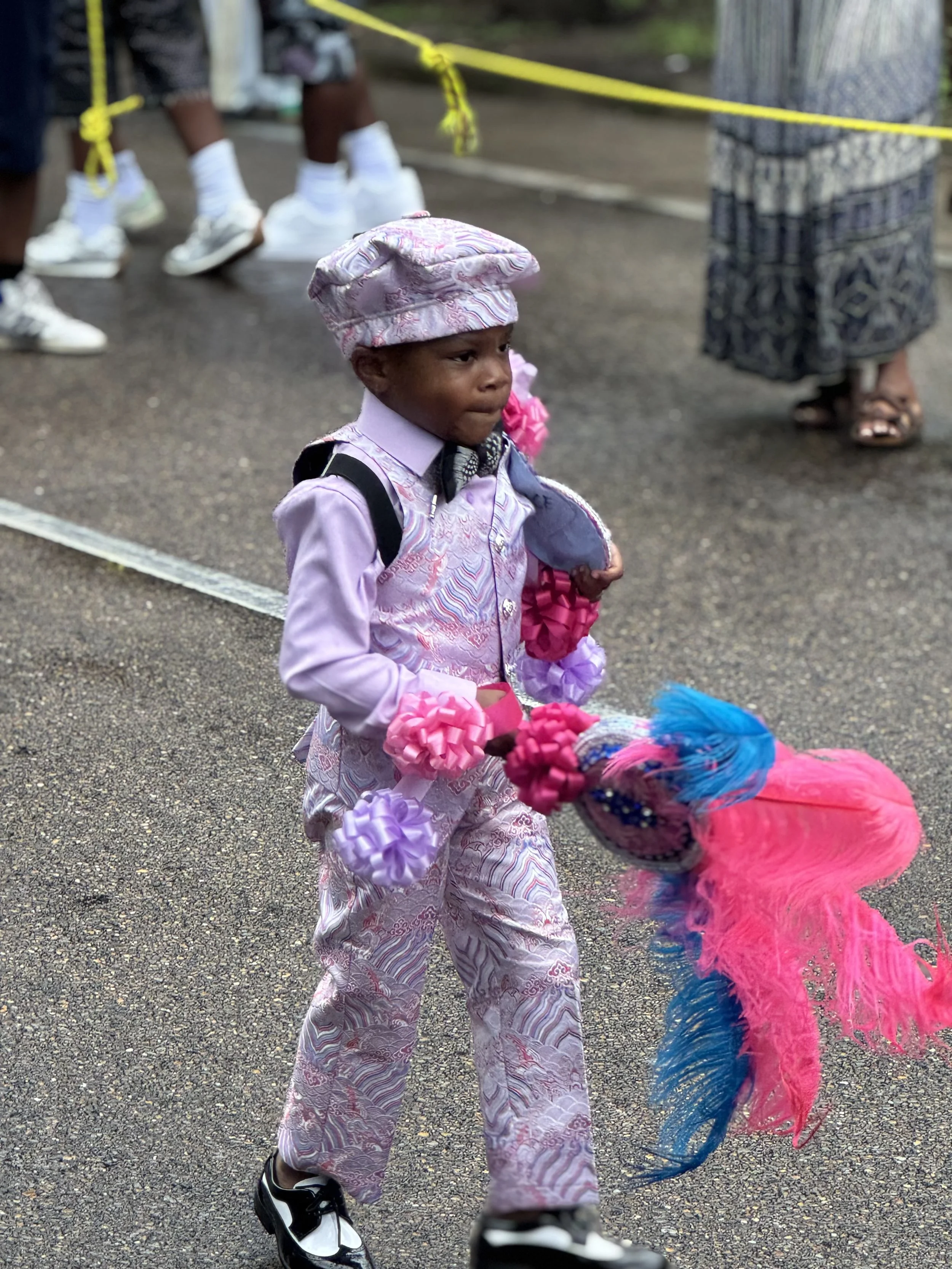
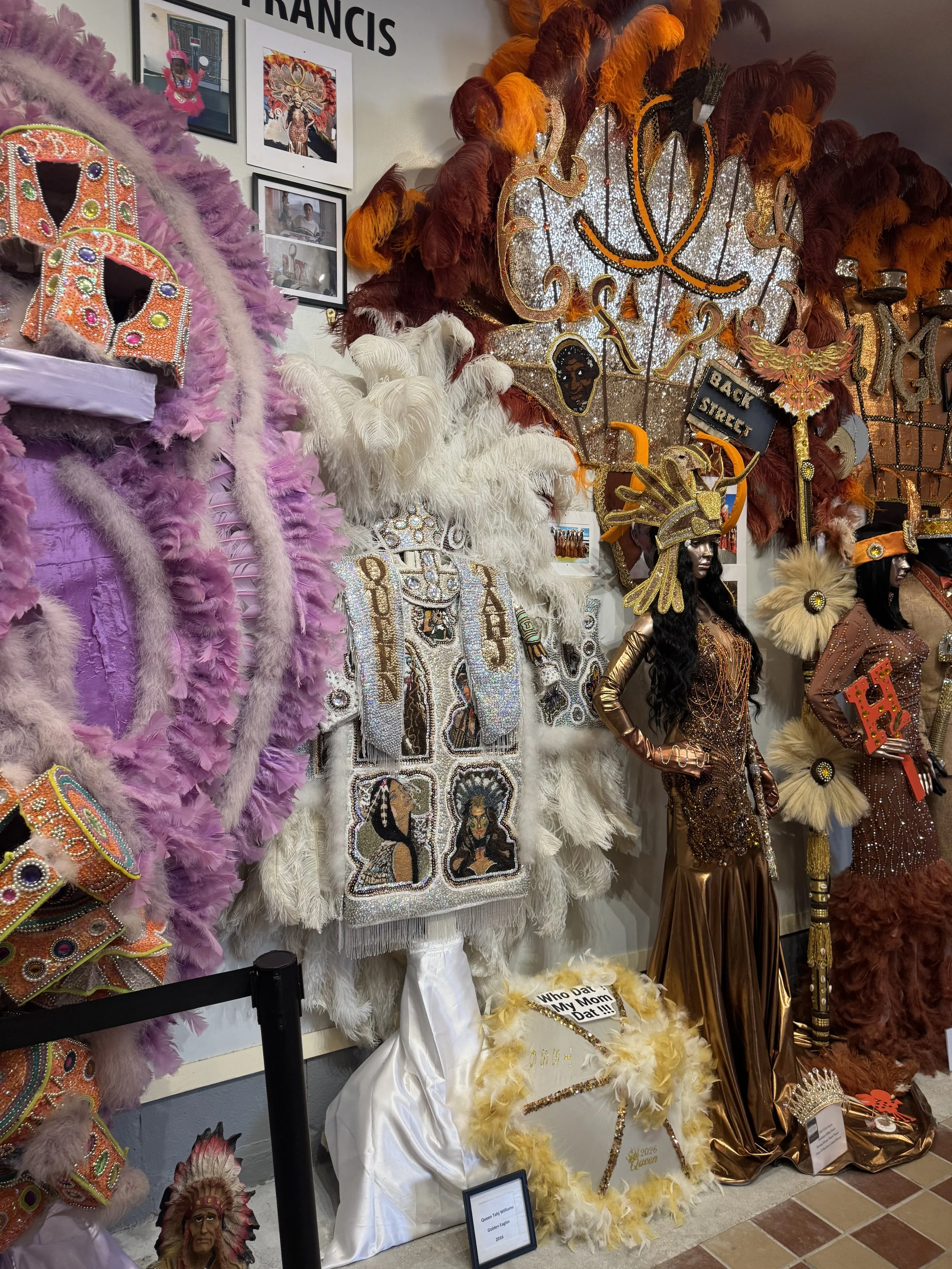
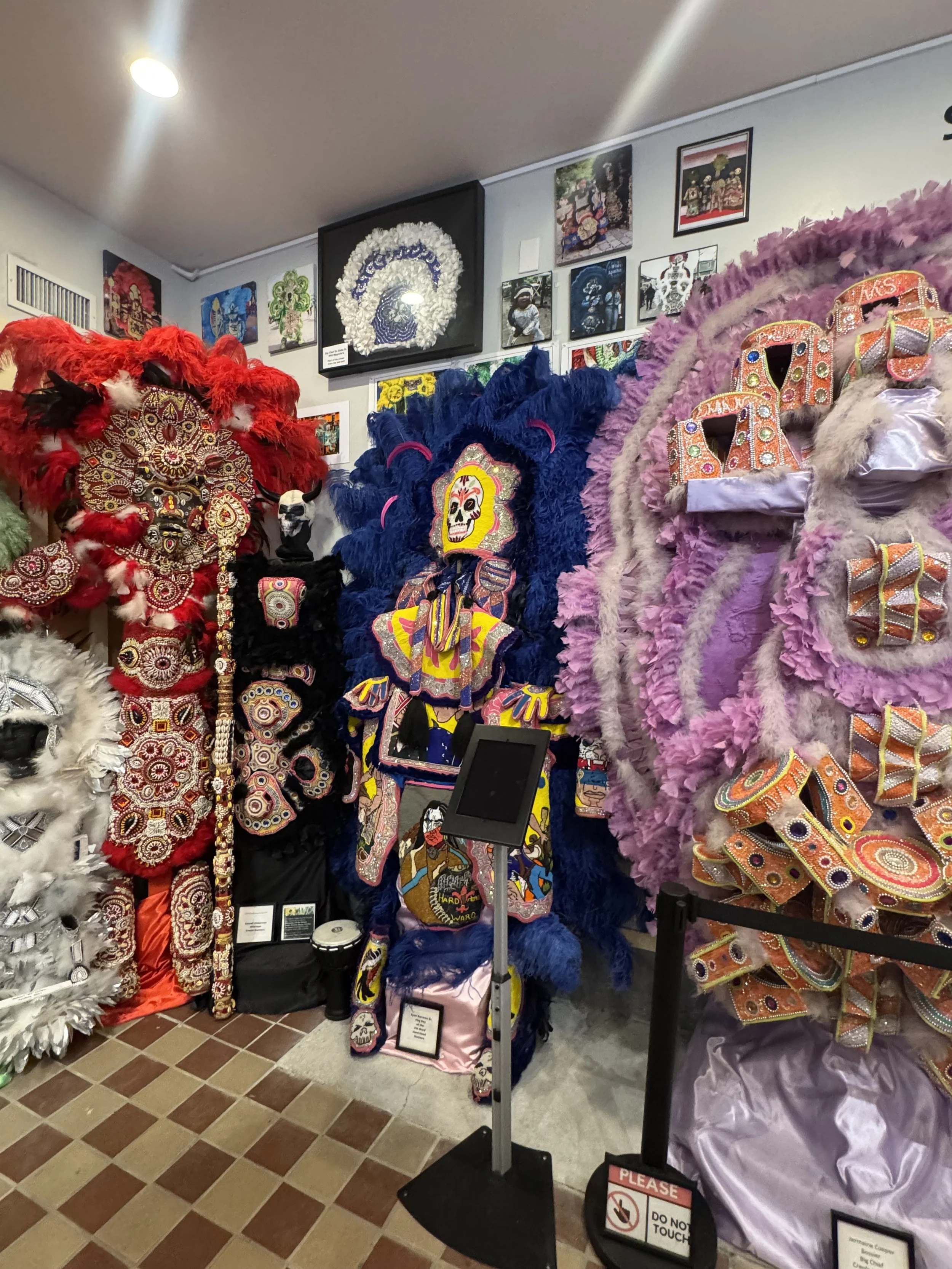
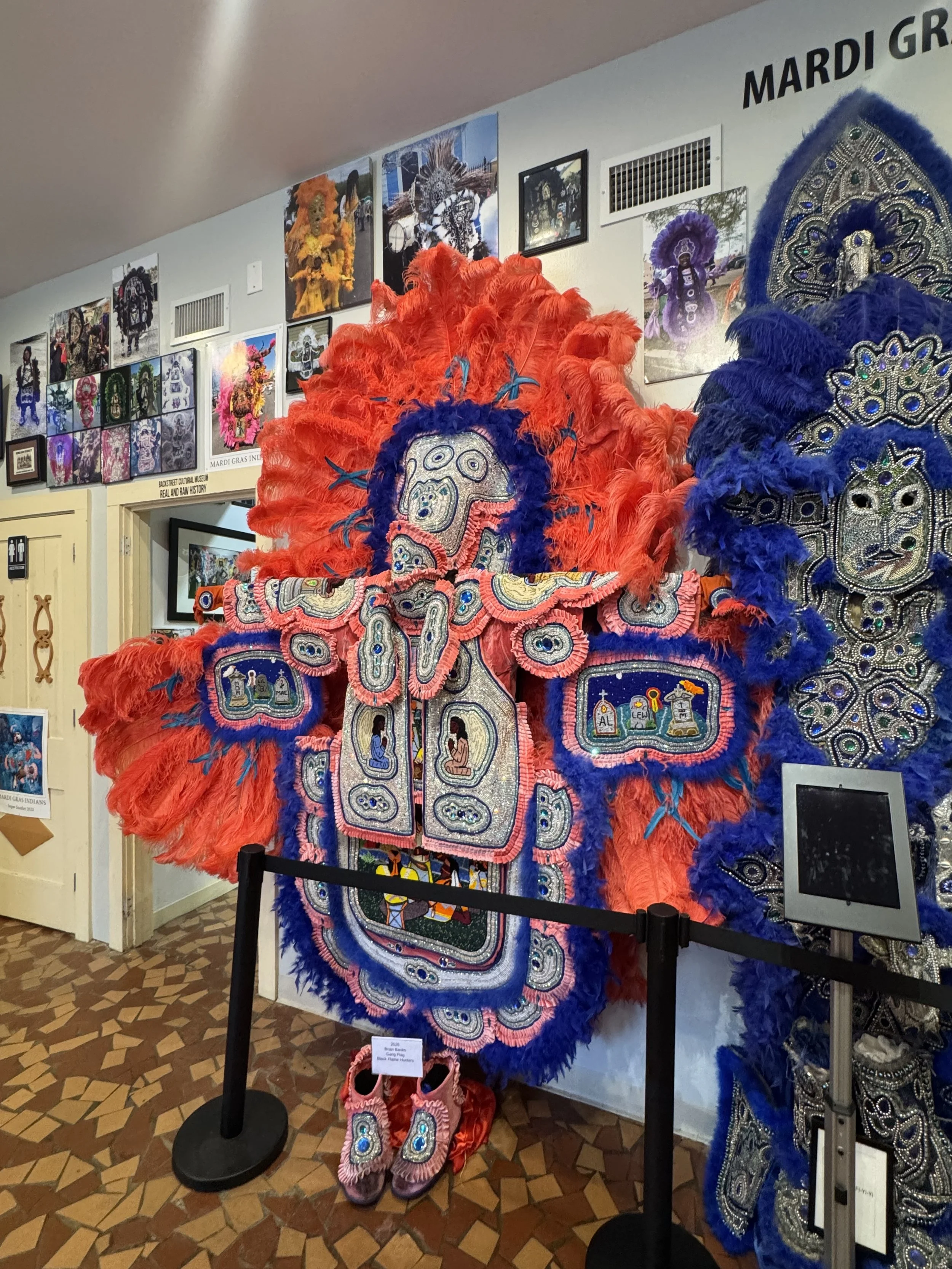
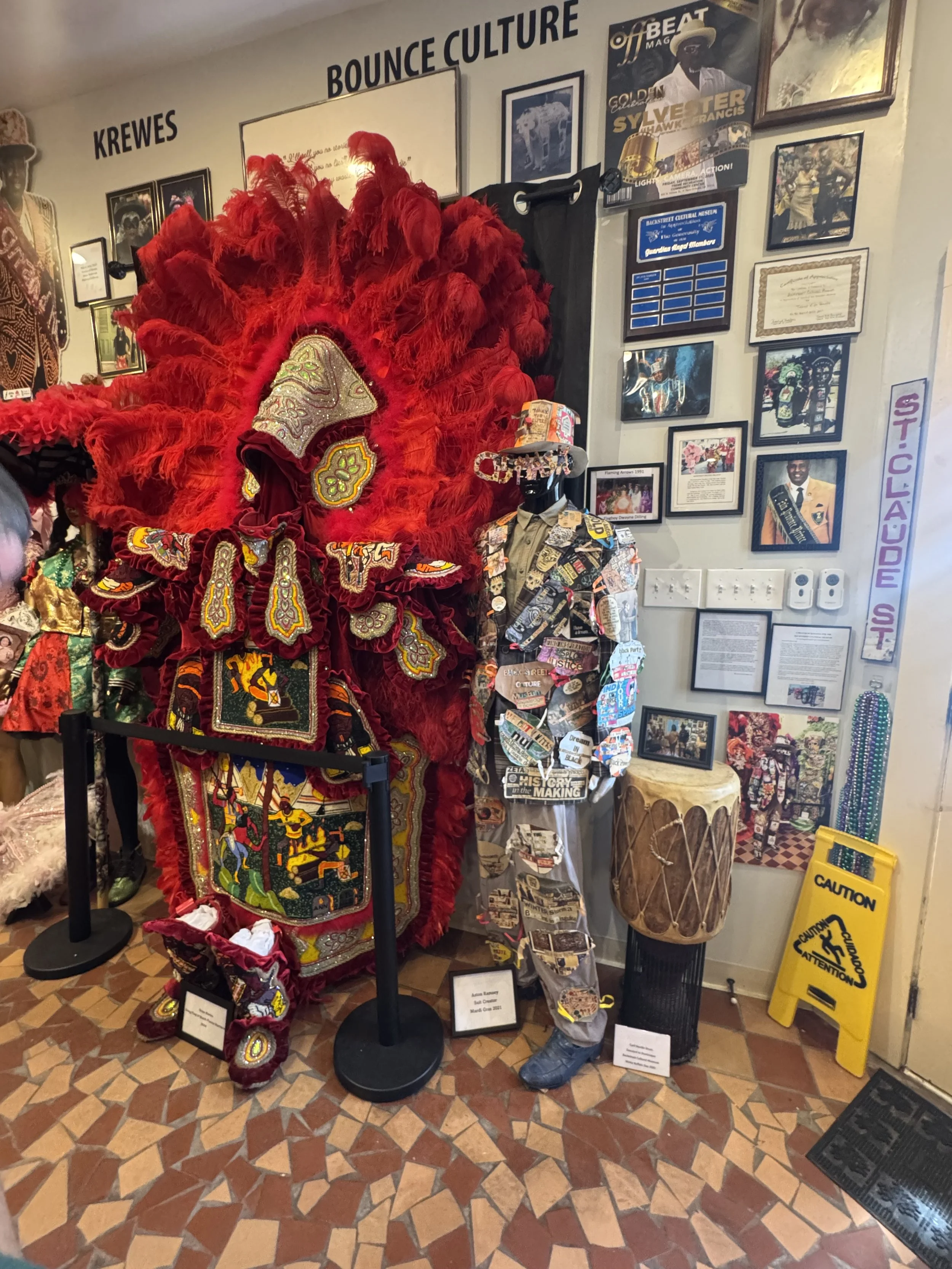
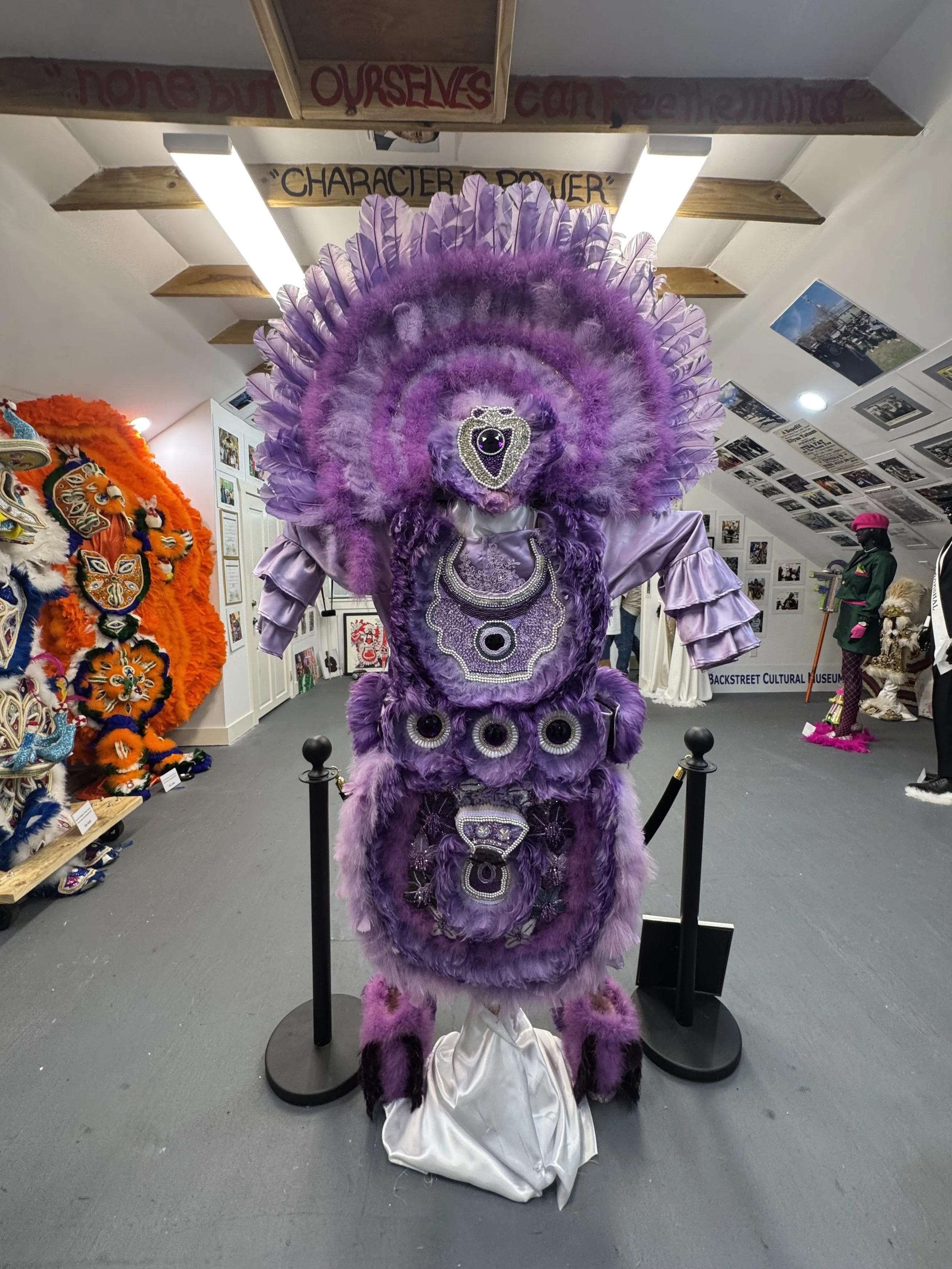
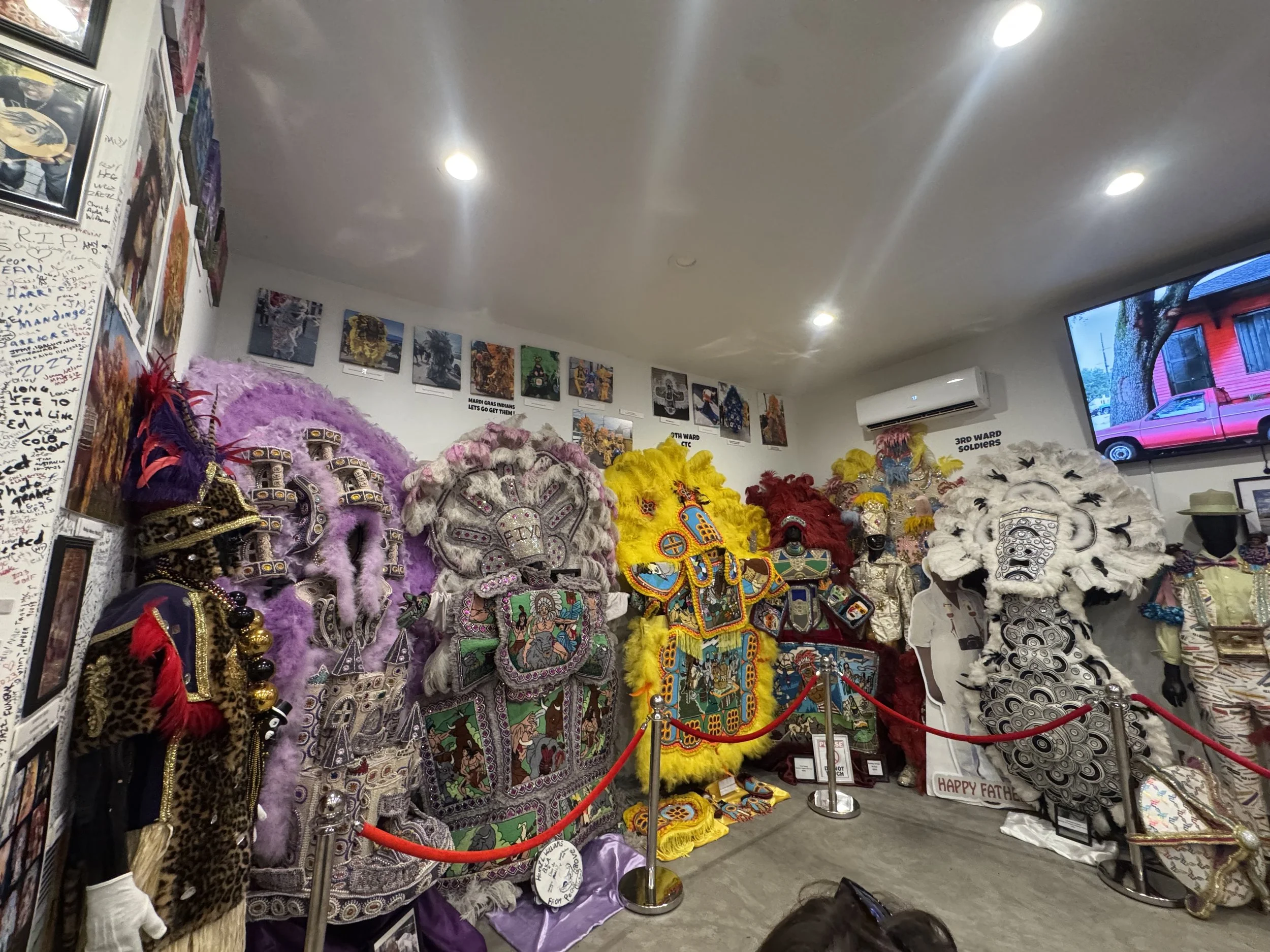
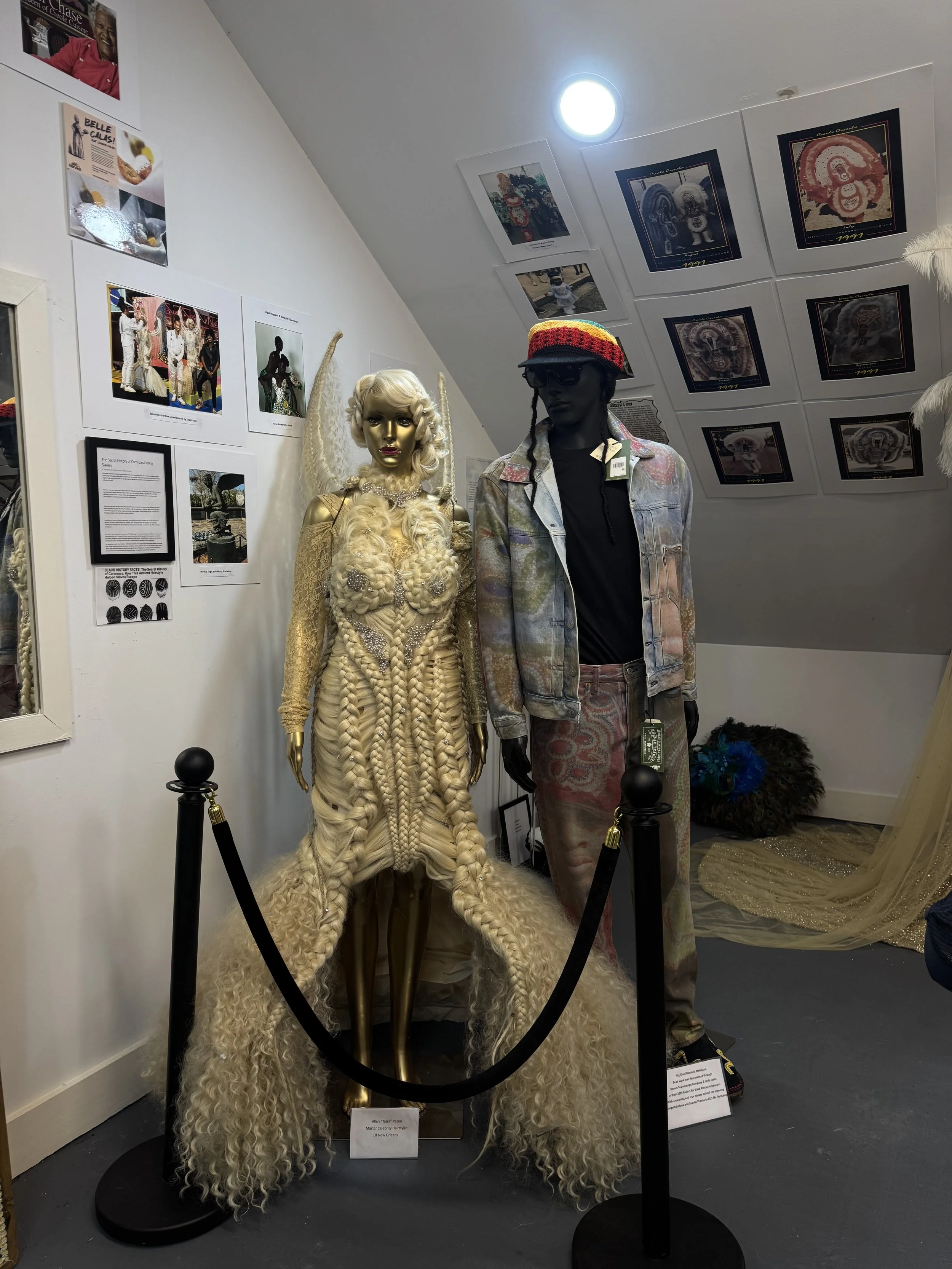
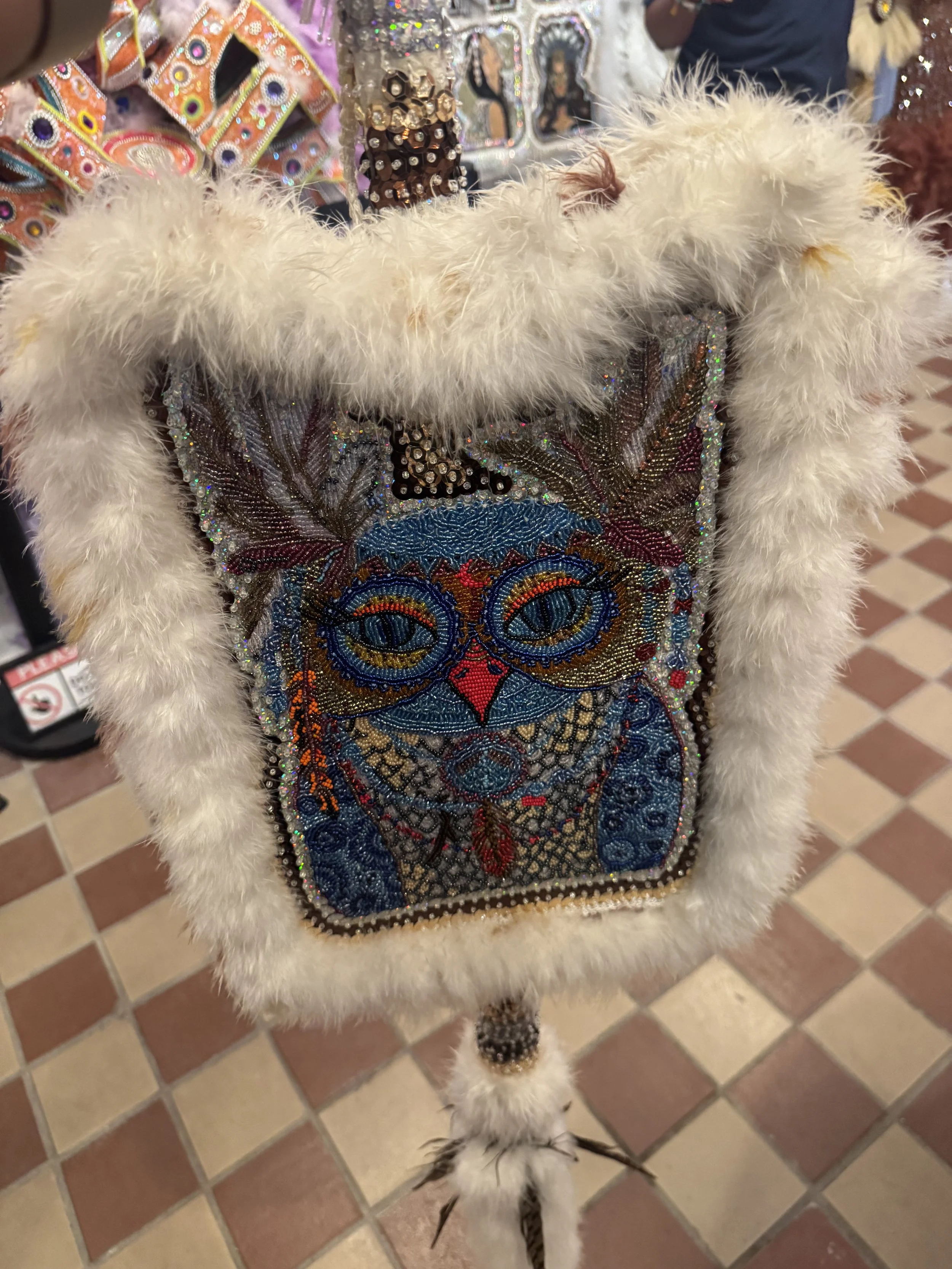
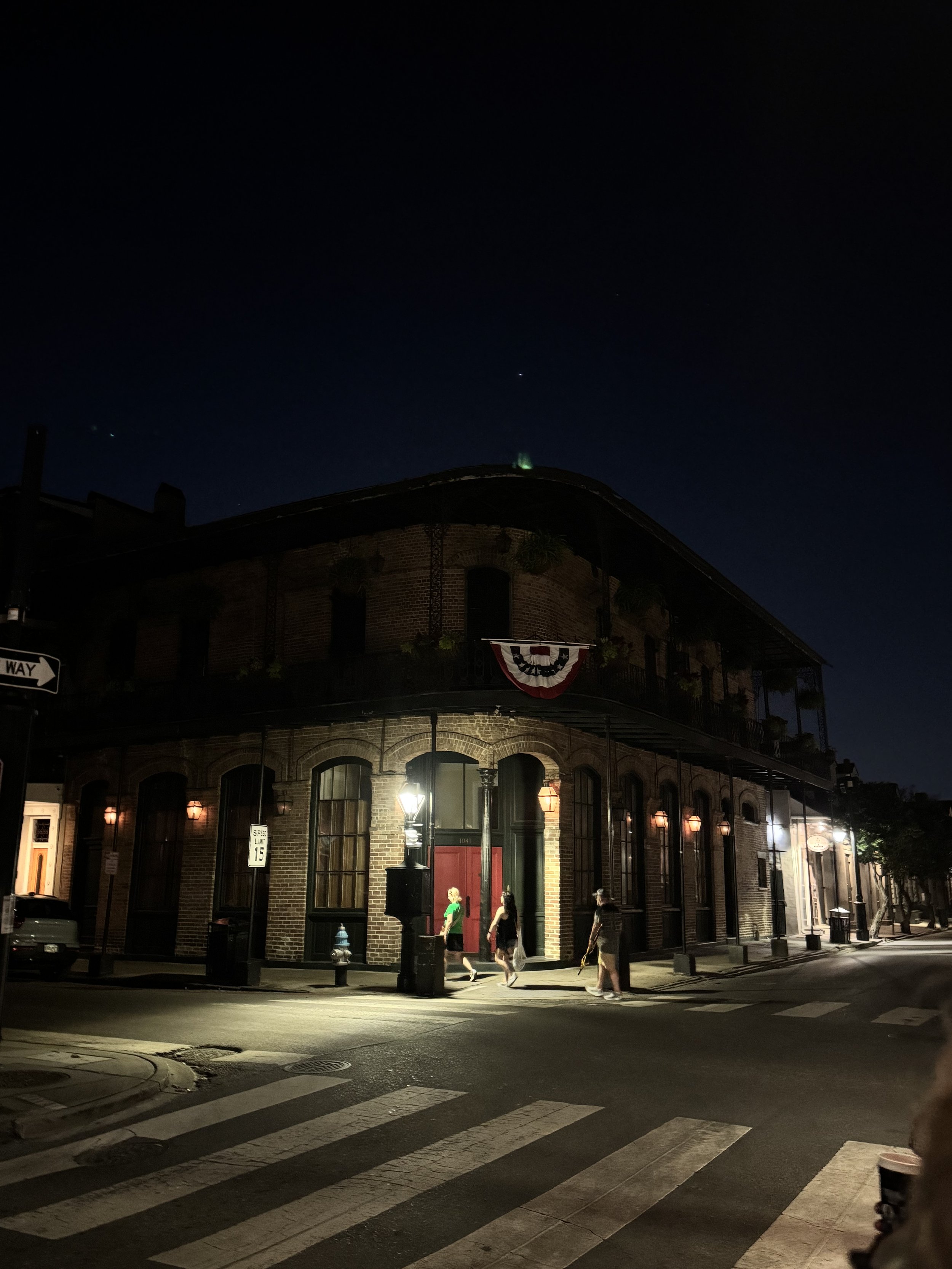
Every day was something new in this city. One day we are seeing celebrations like the second line parade and Backstreet Museum, and the next we are visiting the Hurricane Katrina museum, and then the next we are seeing one of the most beautiful and mesmerizing performances EVER at Preservation Hall. Even through the pain and the natural disaster this city has been through, it always found a way to hold on to joy in everything.
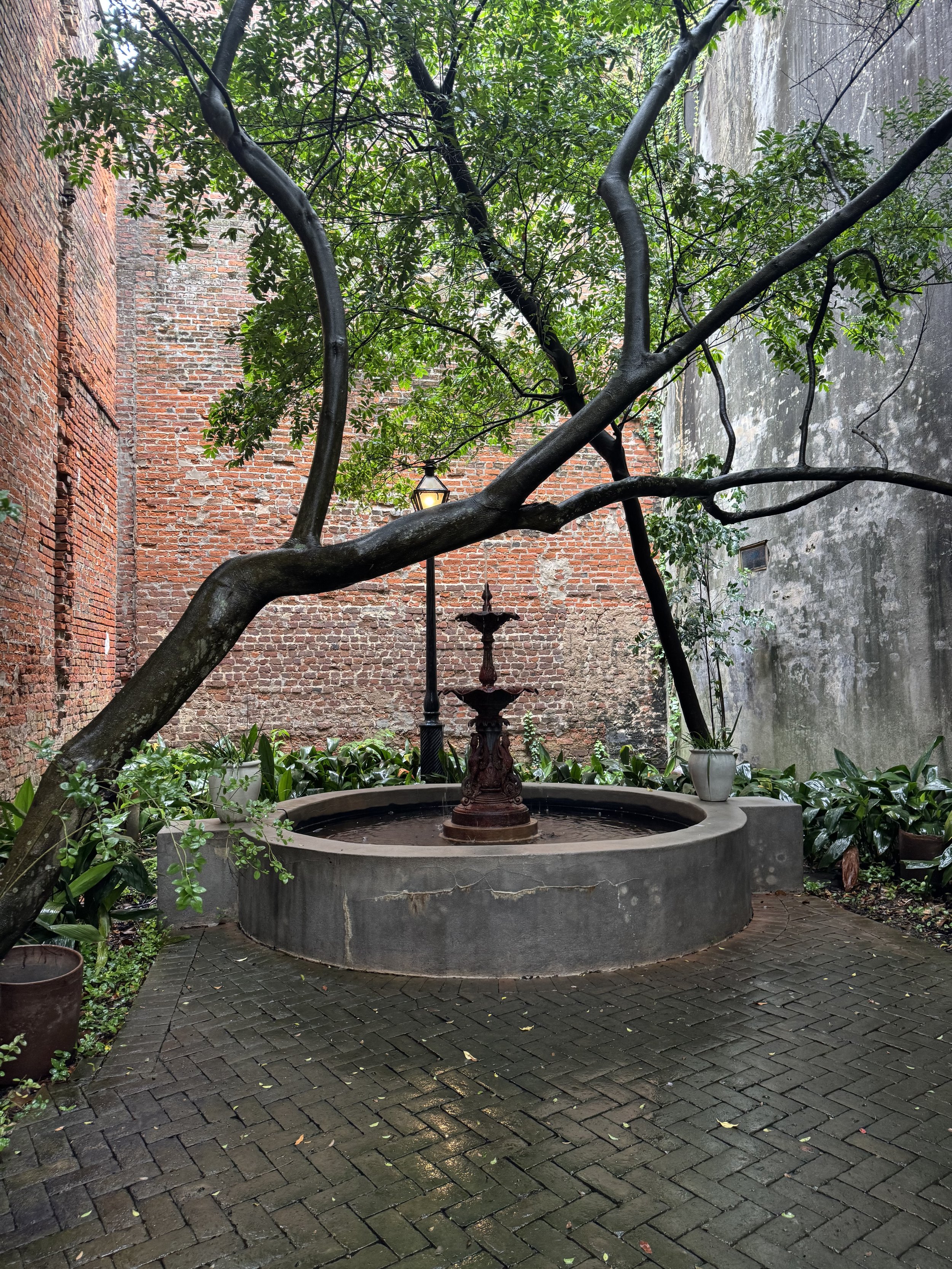
I want to be as resilient and vibrant as New Orleans.
“What is it about this city that makes people want to write?” — Andrew Chater
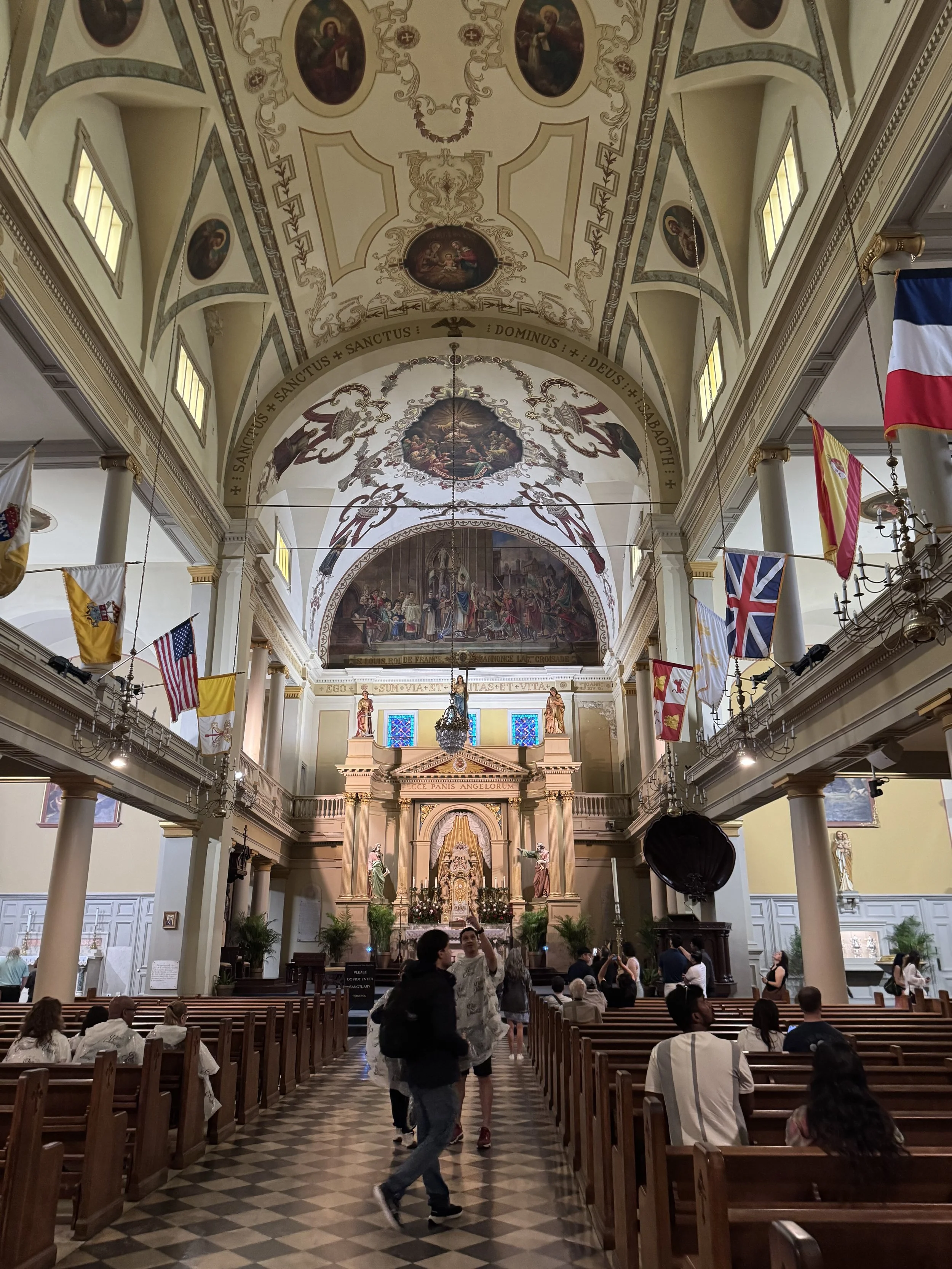
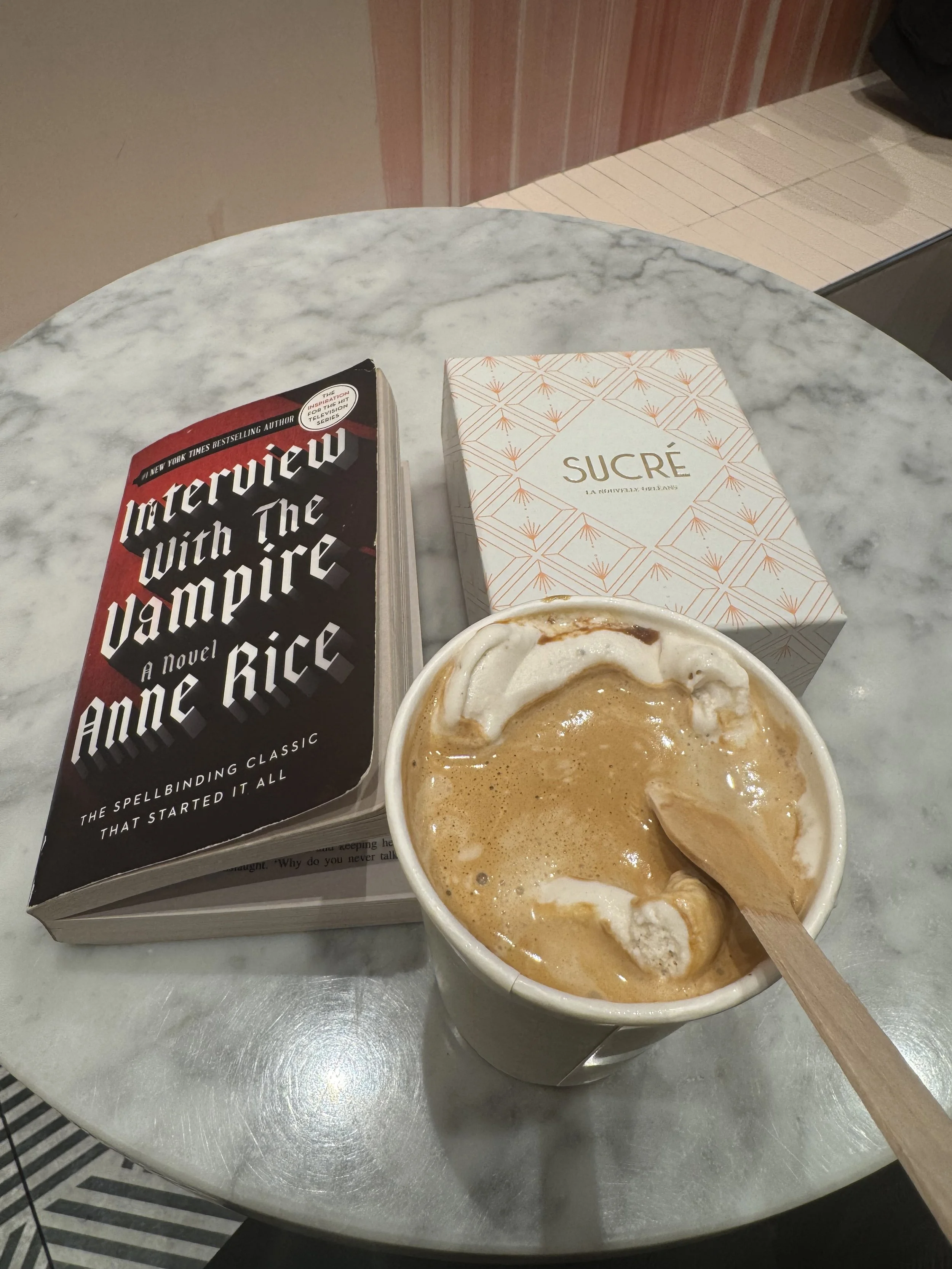
People usually go to Los Angeles or New York to find themselves or to reinvent themselves. I say, come to New Orleans. A city TRULY like no other. Professor Andrew and I were talking about how weird it feels to not have one place to call home. For me, I always felt in the middle, too Ethiopian for my American friends and too American for Ethiopian friends; even going back and forth between LA and ATL never really felt like one place was my home, like my ride-or-die home. It was always about the people at the different places, never about the place. I never truly felt like I belonged, always in between, and felt a bit strange, too. But not in New Orleans. In New Orleans I didn't need to belong because the city is a collection of many different people and cultures and languages; I suddenly felt less strange. Even Louis from Interview with the Vampire says that there are so many interesting characters in the city that a vampire won’t stand out, I agree.
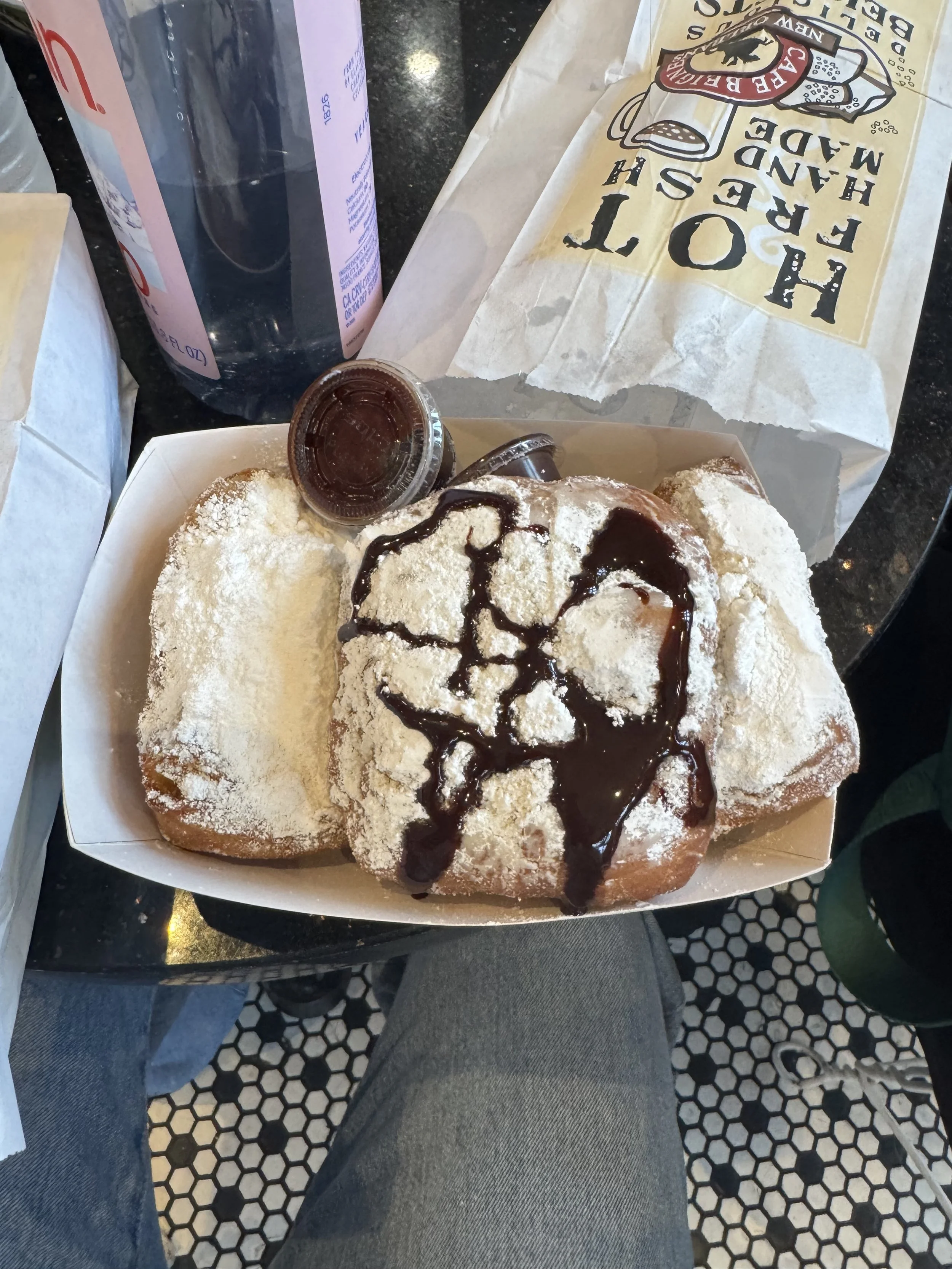
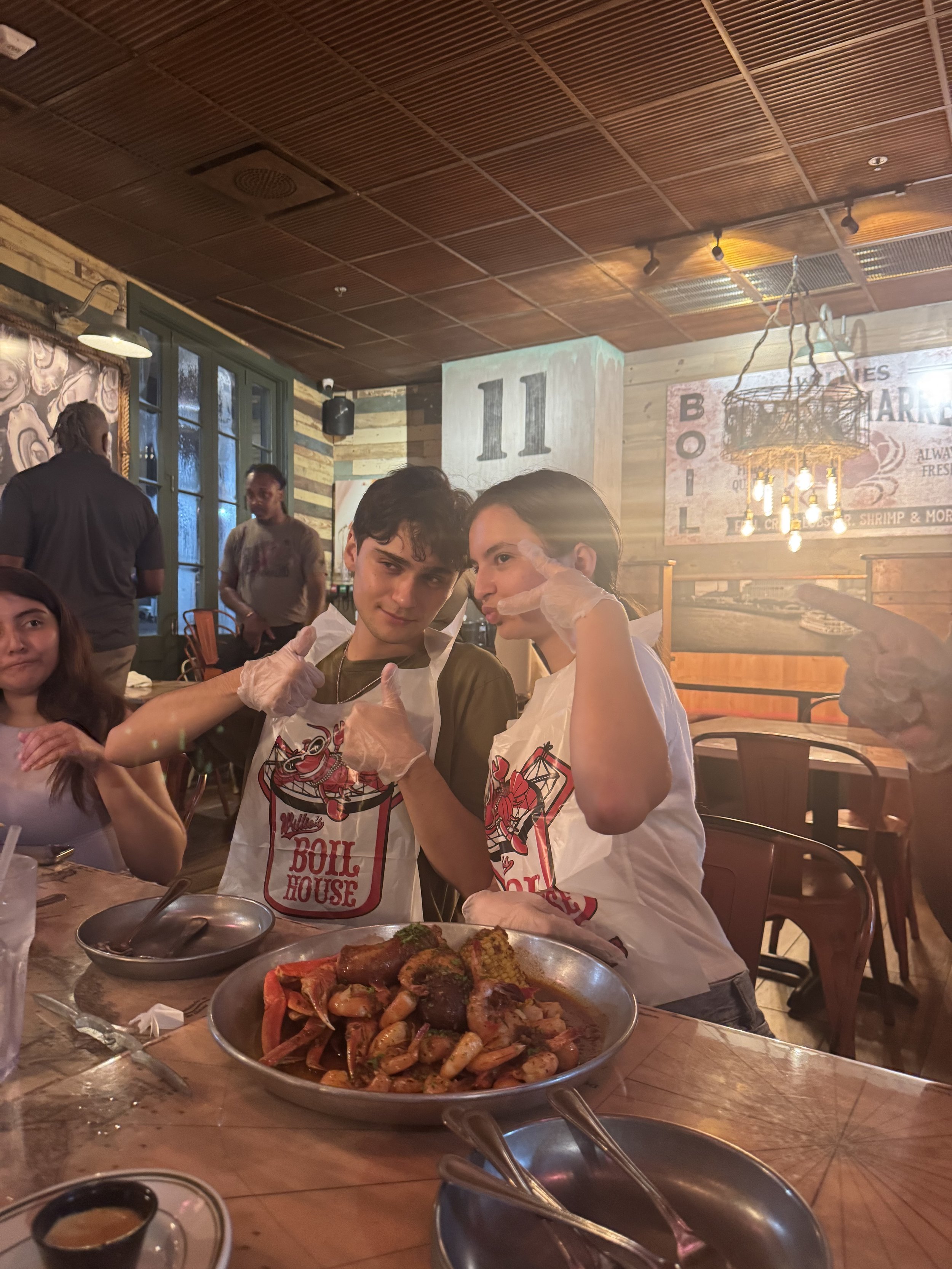
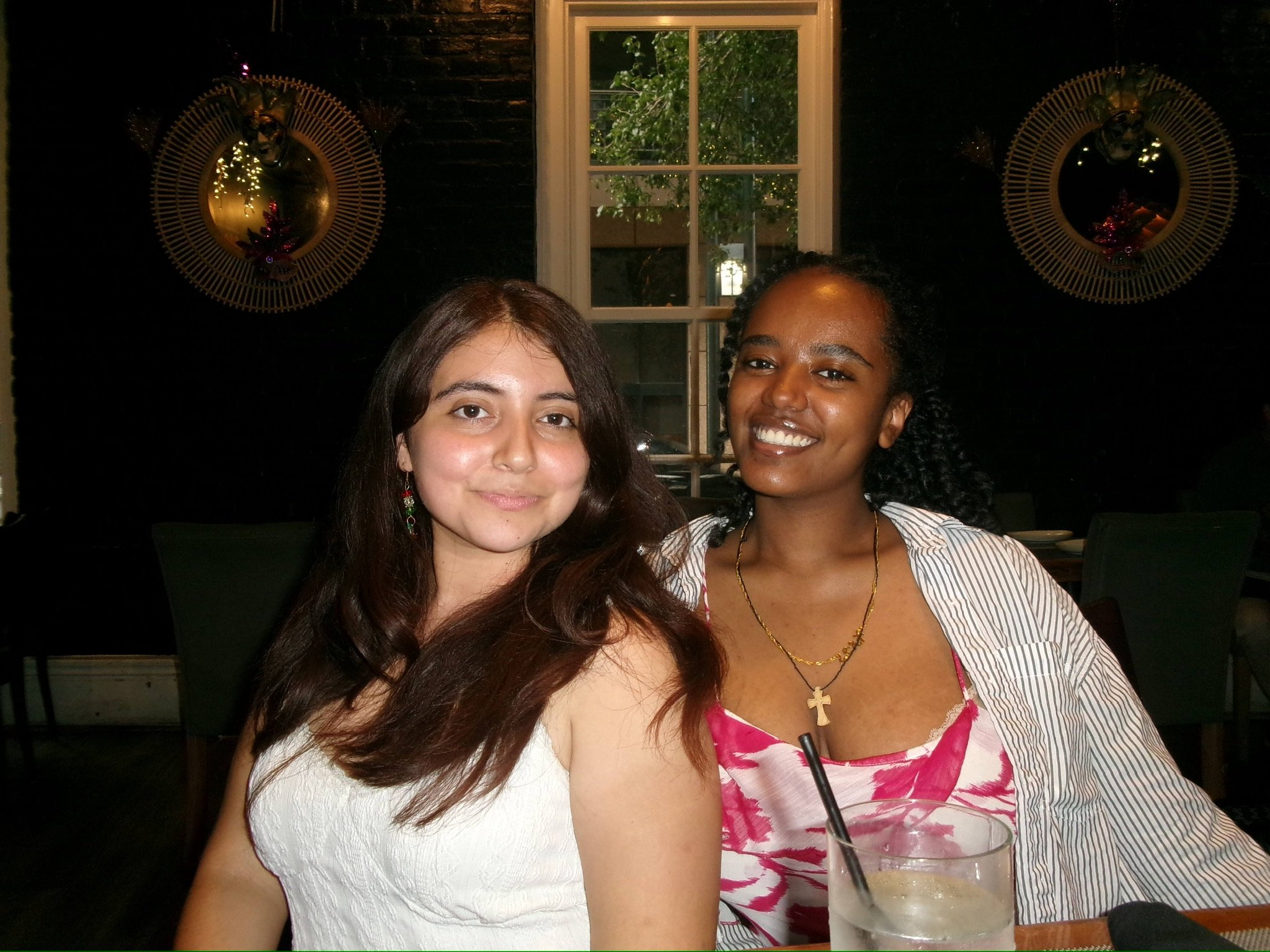
This program brought so many different people all together. All the people that came on this program with me, our paths couldn’t be any different from one another's. We probably wouldn’t have crossed paths if it wasn’t for this program. Which I'm very grateful for. As much as I learned from this program, I also learned a lot from them.
I aspire to be:
As curious and full of energy as Sadie
As welcoming and caring as Isabel
As kind and patient as Trey
As happy and considerate as Vanessa
As sharp witted and man of taste like Andonis
As smart and courageous like Laura
As funny and whimsical like Celeste
As creative and compassionate like Jaenalyn
And finally, as knowledgeable and thoughtful as Professor Andrew
New Orleans will forever have my heart!
Goodbye for now.