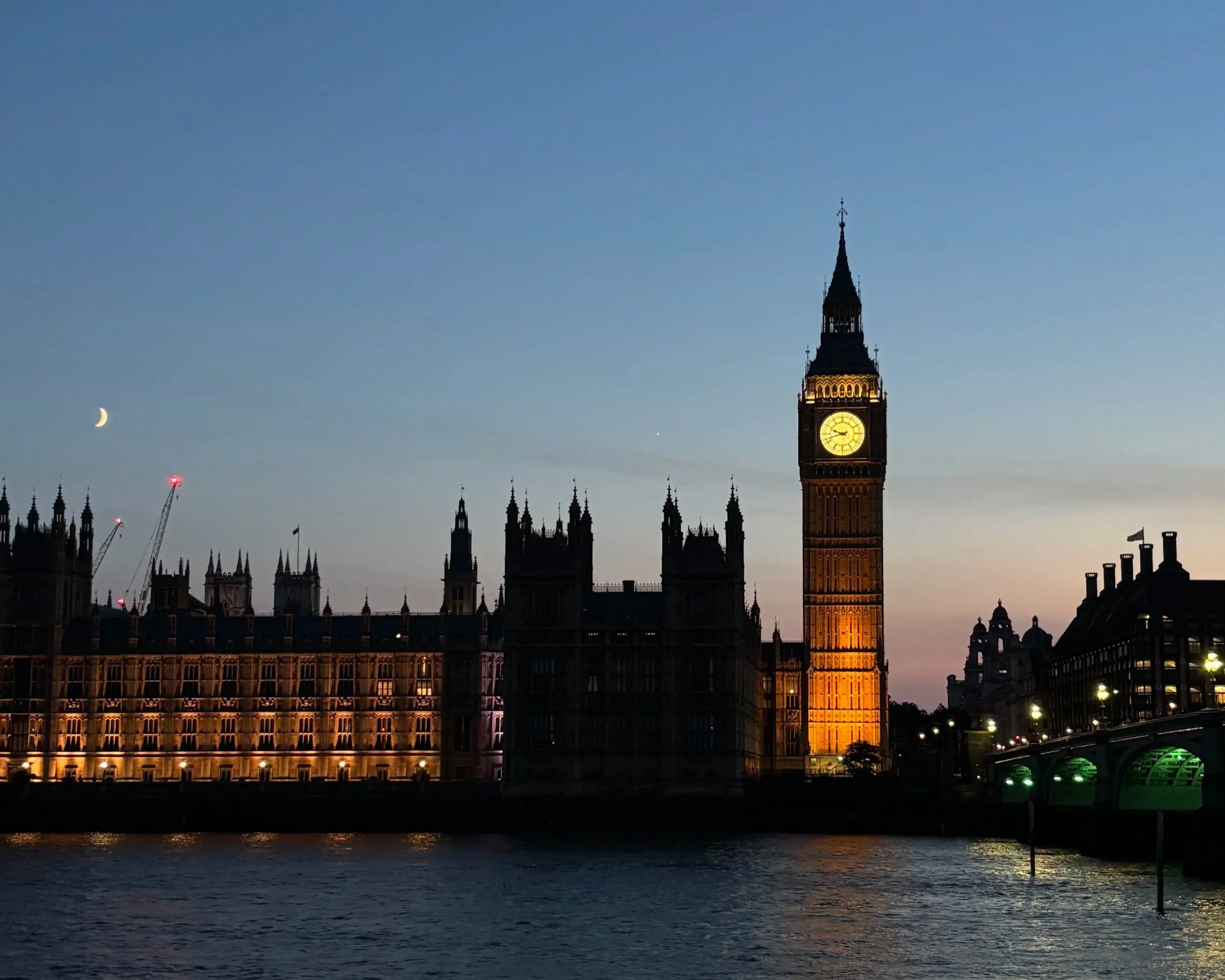
It is difficult not to feel small when faced with circumstances that feel foreign. Little feels more foreign than movement from one country to another––the same social customs no longer bind us, and in some instances, our communication is barred by language. More than that, there is the lack of shared history that one can find at home, be it personal or cultural.
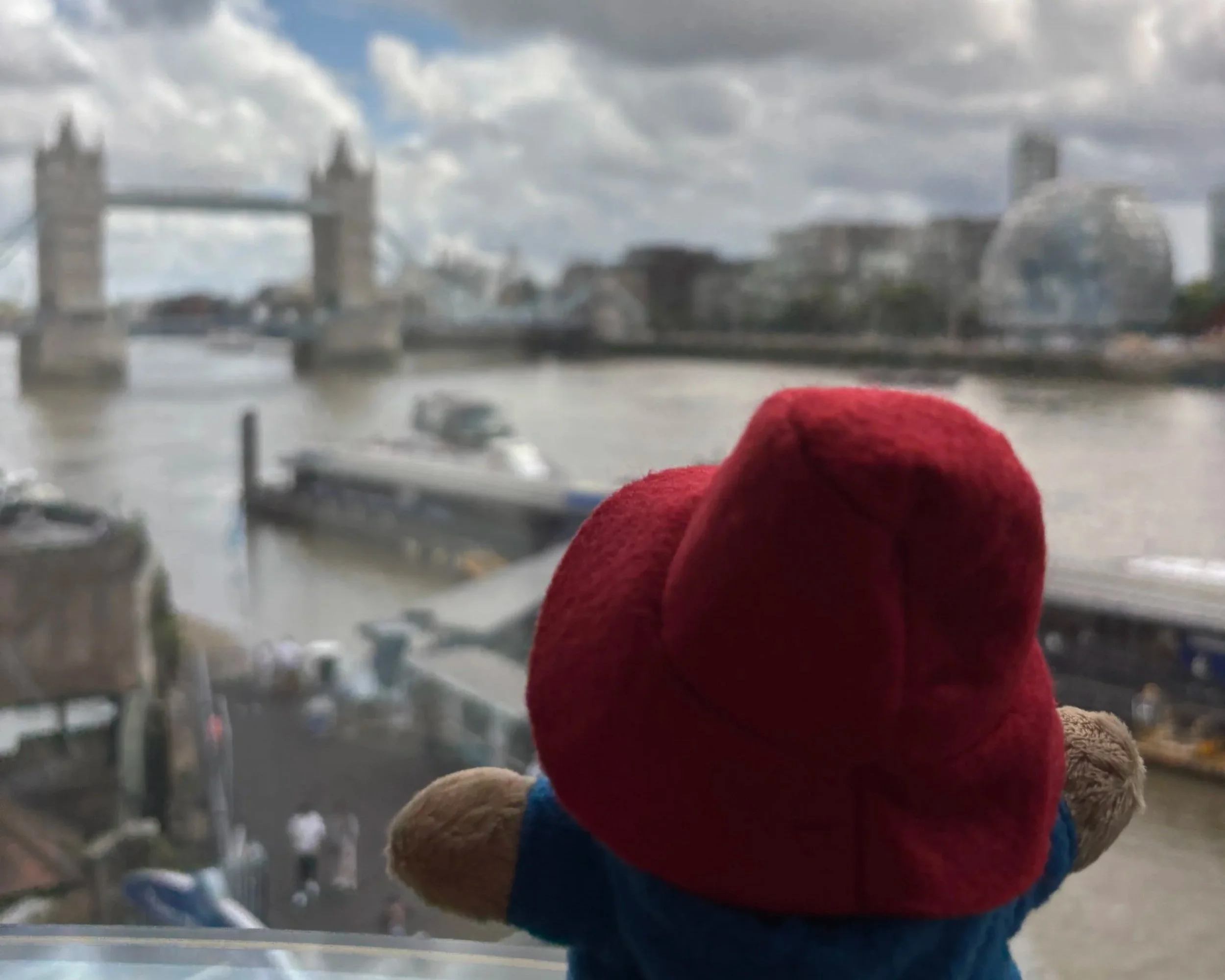
Paddington wonders… how clearly do we see a city without appreciating its history?
I want to preface this by saying that I have spent some time on English soil. Last summer, I spent a month traversing the grounds of Pembroke College and visiting various landmarks in nearby cities. I attempted to decipher the symbols etched on the walls of the Tower of London. I craned my neck at the majesty of the Tower Bridge (not the London Bridge, which is presently just a slab of concrete). I took trains to cities like Norwich and Edinburgh. At that point, just remembering to look right before crossing the street felt daunting. My focus was to enjoy my travels to the fullest, to let the freshness of a new location fill my senses, to create some semblance of familiarity so I wouldn’t lose myself, and to enjoy the present. I neglected to immerse myself in the country’s past and the experience of being beyond the activities, despite reading all the plaques on the walls of every monument, for fear it would overwhelm me. I was living in the here and now, and that was enough.
This time around, I have dedicated myself to the full Bookpacking™ experience. I do my best to be intentional in the ways I gaze upon each building and street. I did not expect to find myself feeling smaller than usual. I am at once powerless in the tide of Charles Dickens’s fate-fueled history and haunted by the presence of faith in both Les Misérables and The Tale of Two Cities, struggling to understand something that, beyond being an academic subject, was so foreign to me.

With every book and letter I held, I thought of the people who had touched them before me. Had they taken the same care? Did they know these pages would outlive them?
“Thus did the year one thousand seven hundred and seventy-five conduct their Greatnesses, and myriads of small creatures–the creatures of this chronicle among the rest–along the roads that lay before them.”
In class, we have dedicated discussions to the various perspectives on history. In The Tale of Two Cities, Dickens implies a degree of predestination. The past is given a direct trajectory to the present, which then reaches an inevitable future that we are, at present, setting up. I have a personal dislike for the idea of fate and destiny, especially as it pertains to historical events. Concepts like manifest destiny are linked to the violence that Native Americans faced at the hands of American settlers. Fate is too easily used to avoid responsibility for the uglier sides of history. I prefer to think of history as more of a chaotic (or, as Professor Andrew would say, higgledy piggledy) series of events. Not to say, of course, that historic events are not linked–it is crucial to remember that actions impact other actions. Oppression leads to revolt. Revolution paves the way for more revolution. The revolutionaries in The Tale of Two Cities are a people who have been exploited and neglected. This was the choice of the wealthy to continue the status quo, and the people to rise in defiance. A history clouded by fate feels less human.
In that stuffy, book-filled room of Jarndyce Antiquarian Booksellers, I became more and more enamored by the idea of humanizing history. The narrative element of literature allows us to see these historic events as more than just forces colliding. There are people behind all things. I thought about how the owners of these books must not have known that collectors would desire their weekend copy of Dickens’s writings. Dickens himself could not have predicted that a group of students from a university in California would chuckle at his correspondence with his friends. There is more than just the evidence that remains. In the writings and the cheeky illustrations of the period, there lingers emotion, passion, and the people who felt those things and decided to act on them. They dipped their pen in the inkwell, or packed their muskets with gunpowder. All things were and are a choice. Let us not relinquish the reins of free will and give credit to the magnetism of some higher force.
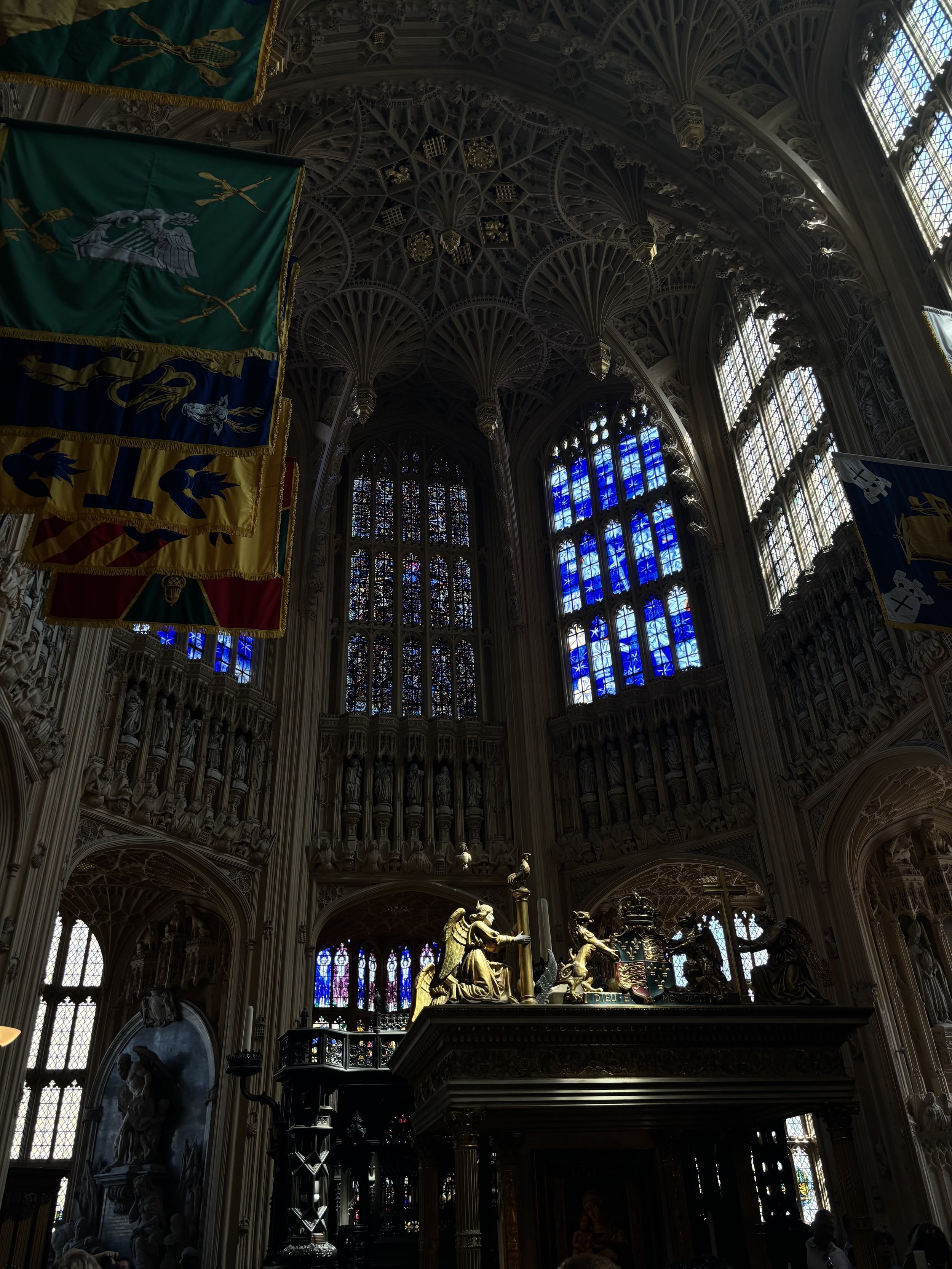
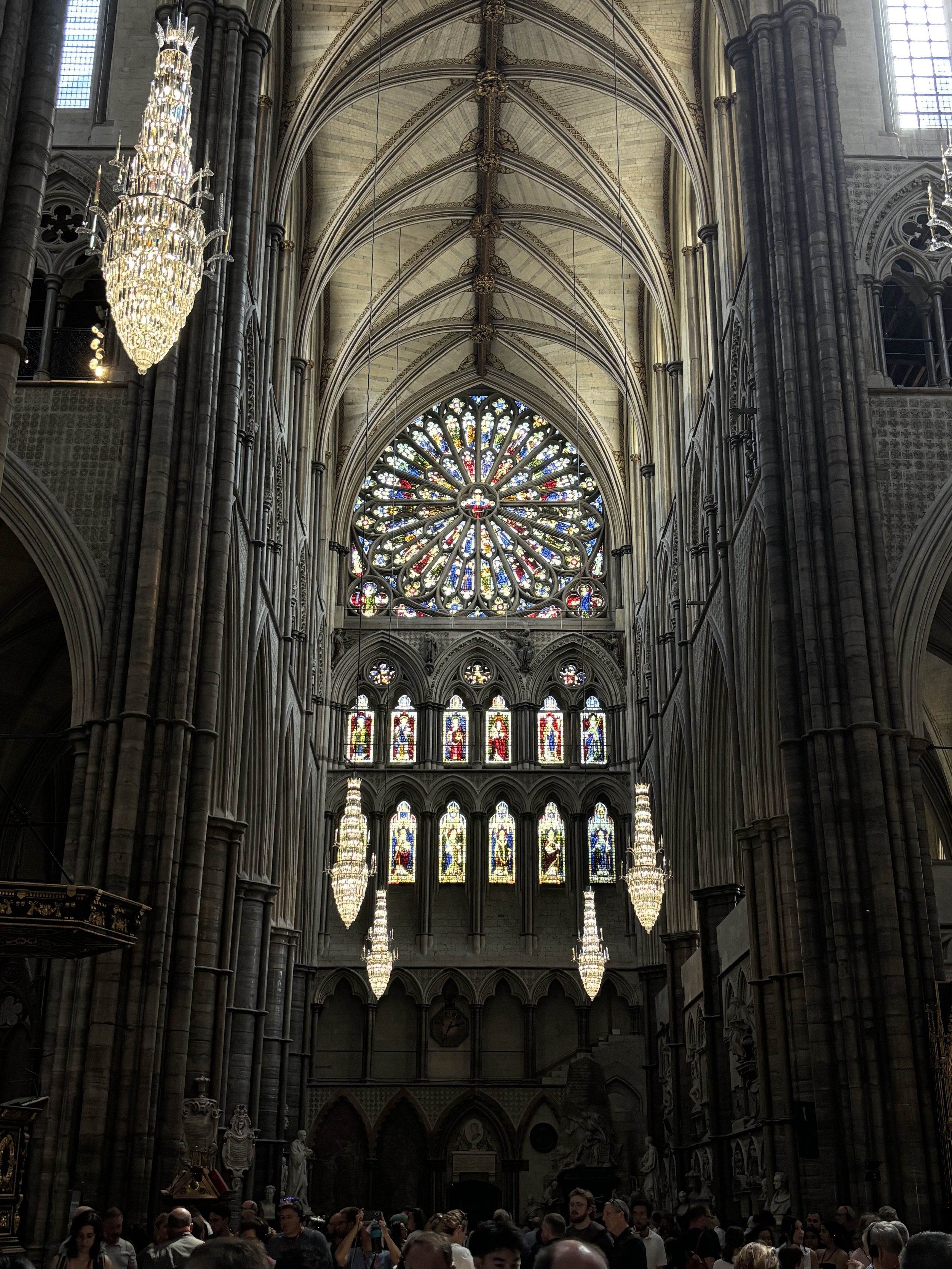
“The Unknown is an ocean. What is conscience? It is a compass in the Unknown. Thought, imagination, prayer, these are great mysterious radiances. Let us respect them.”
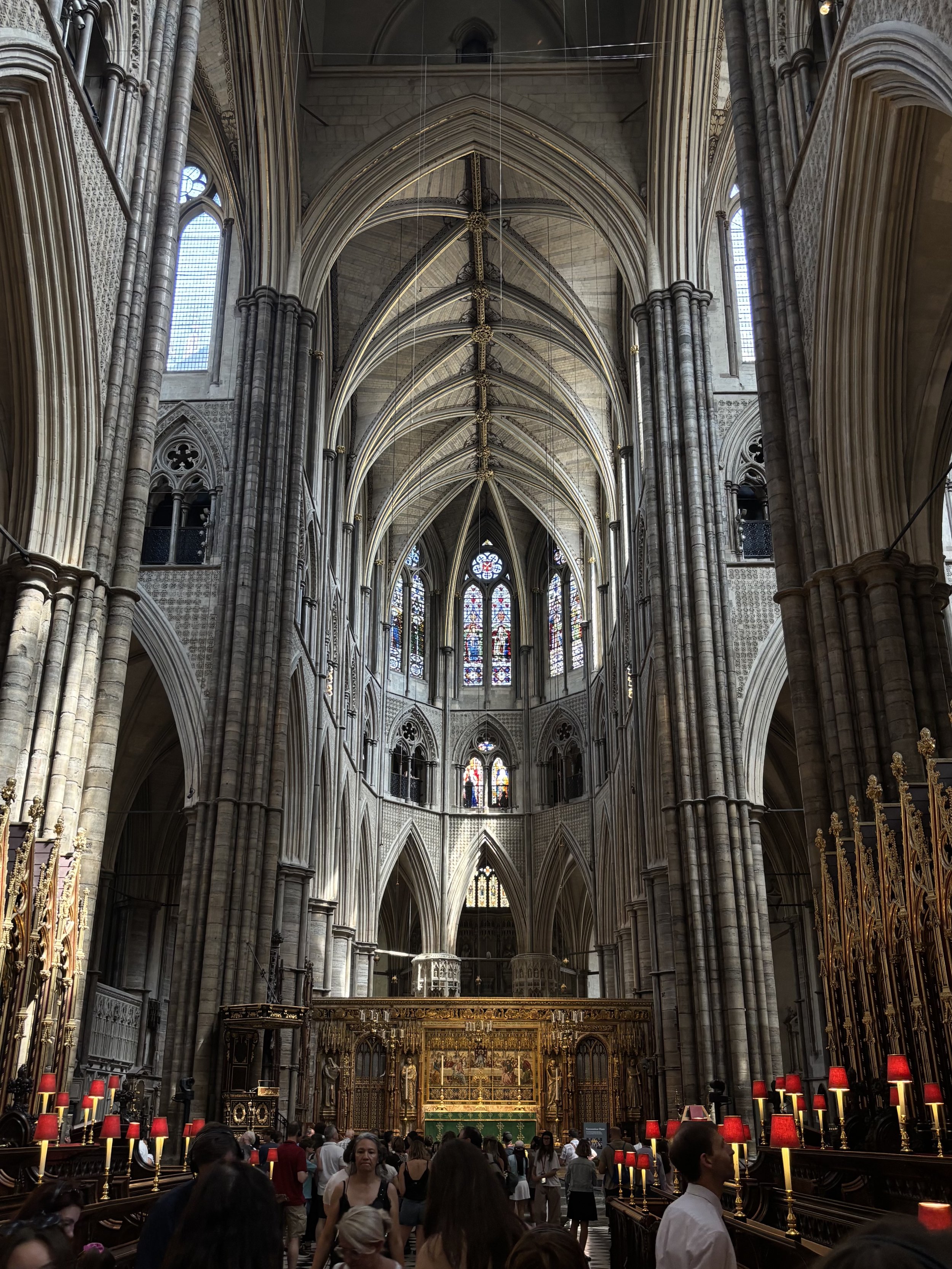
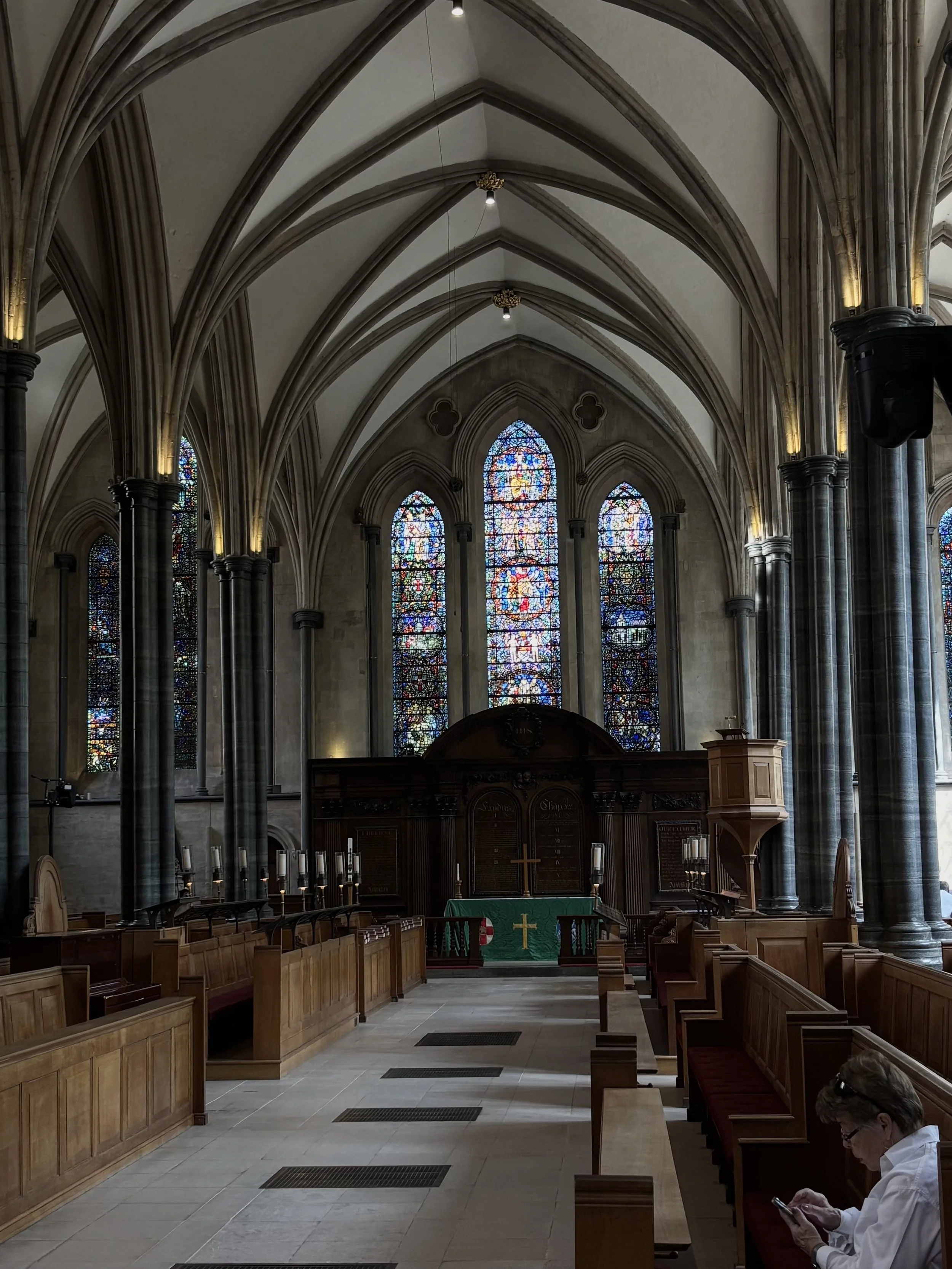
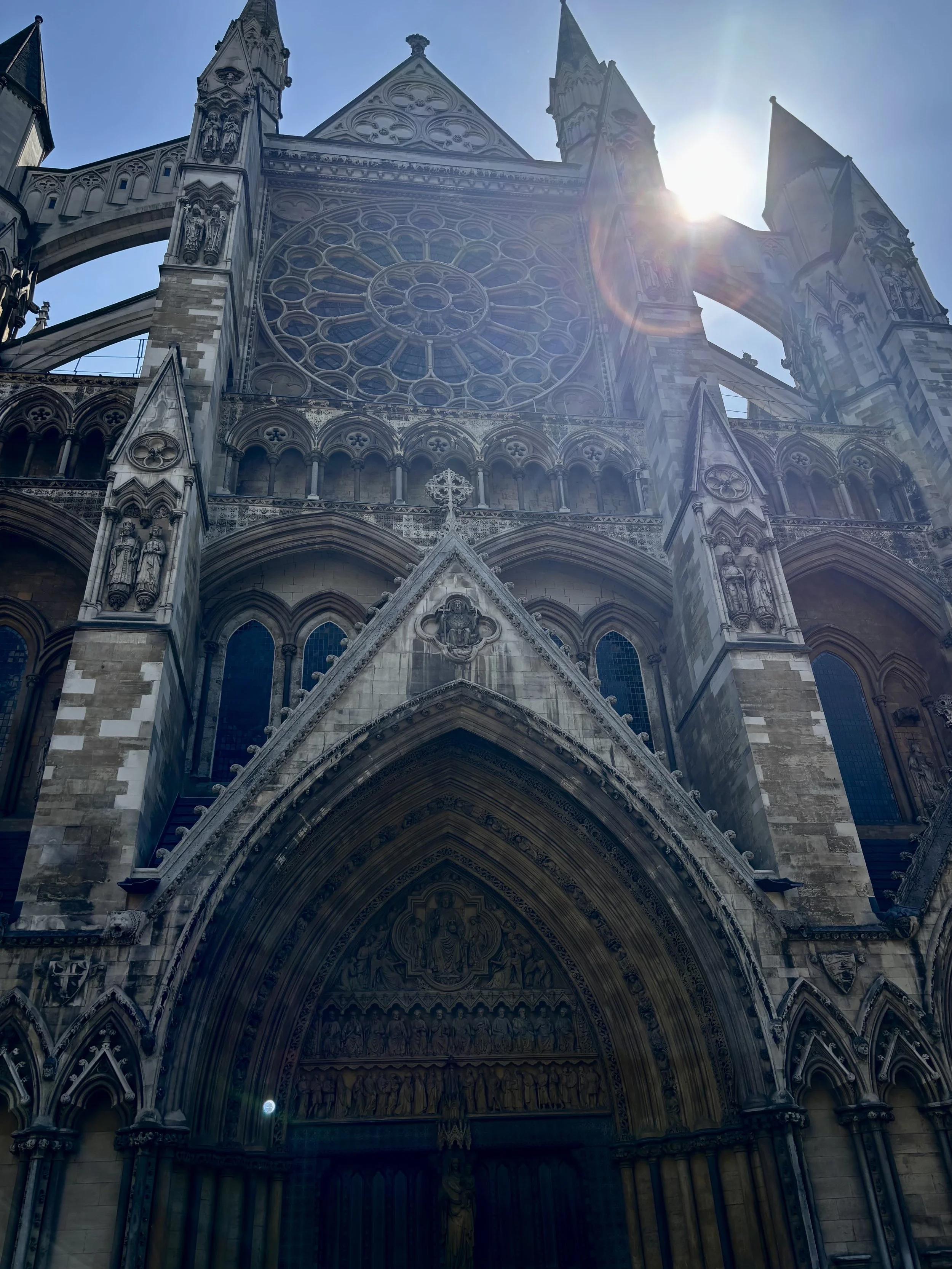
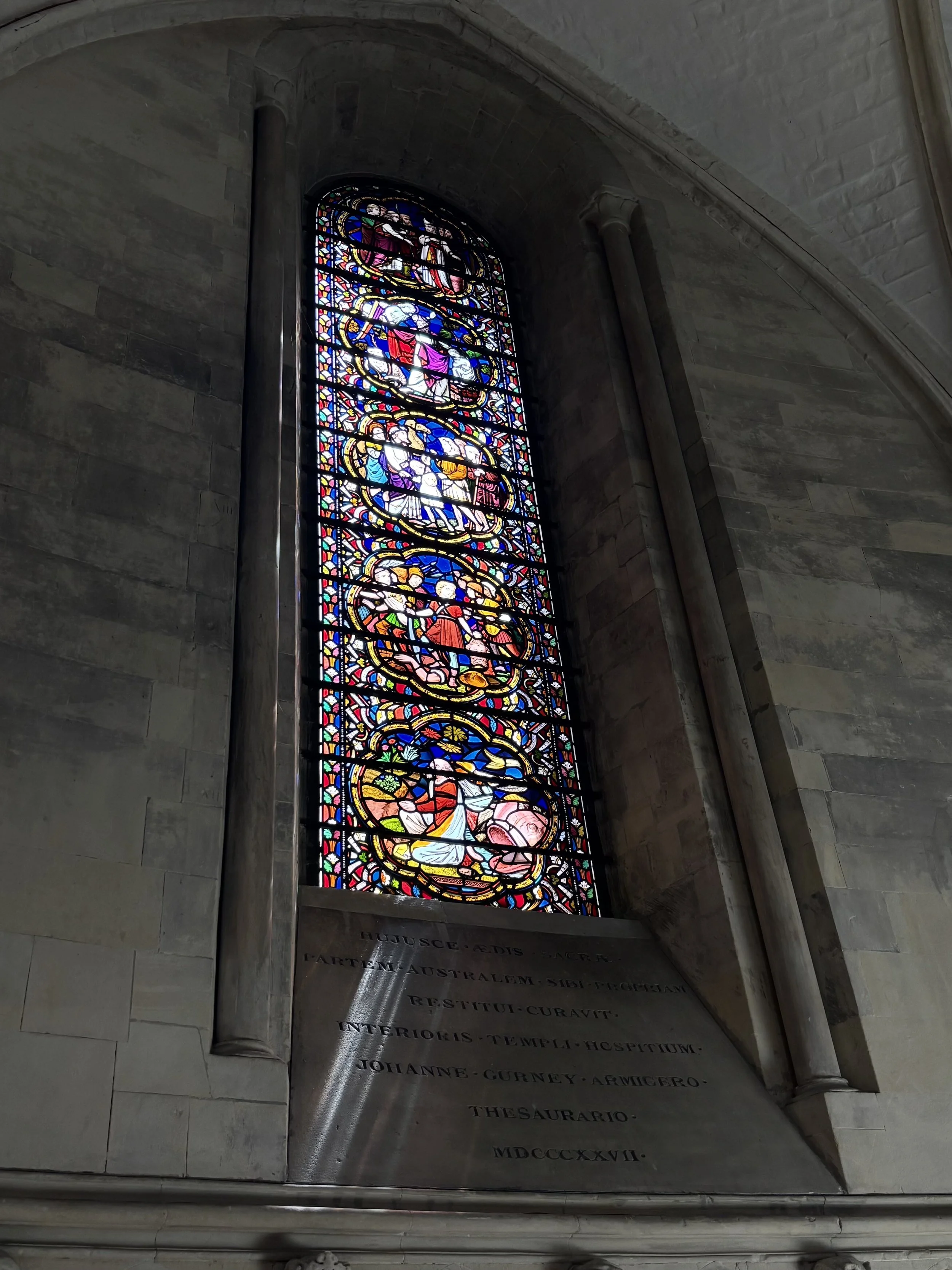
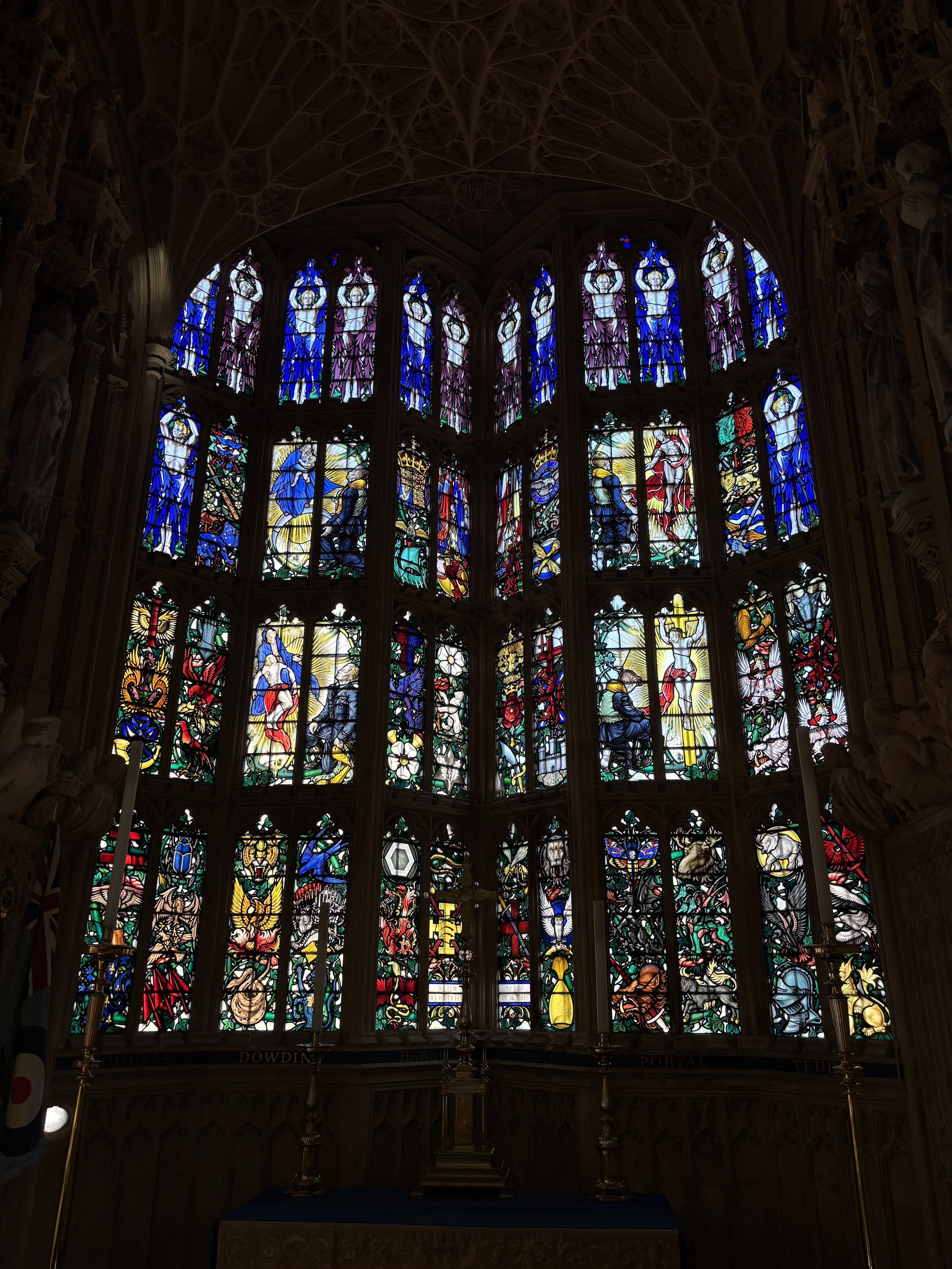
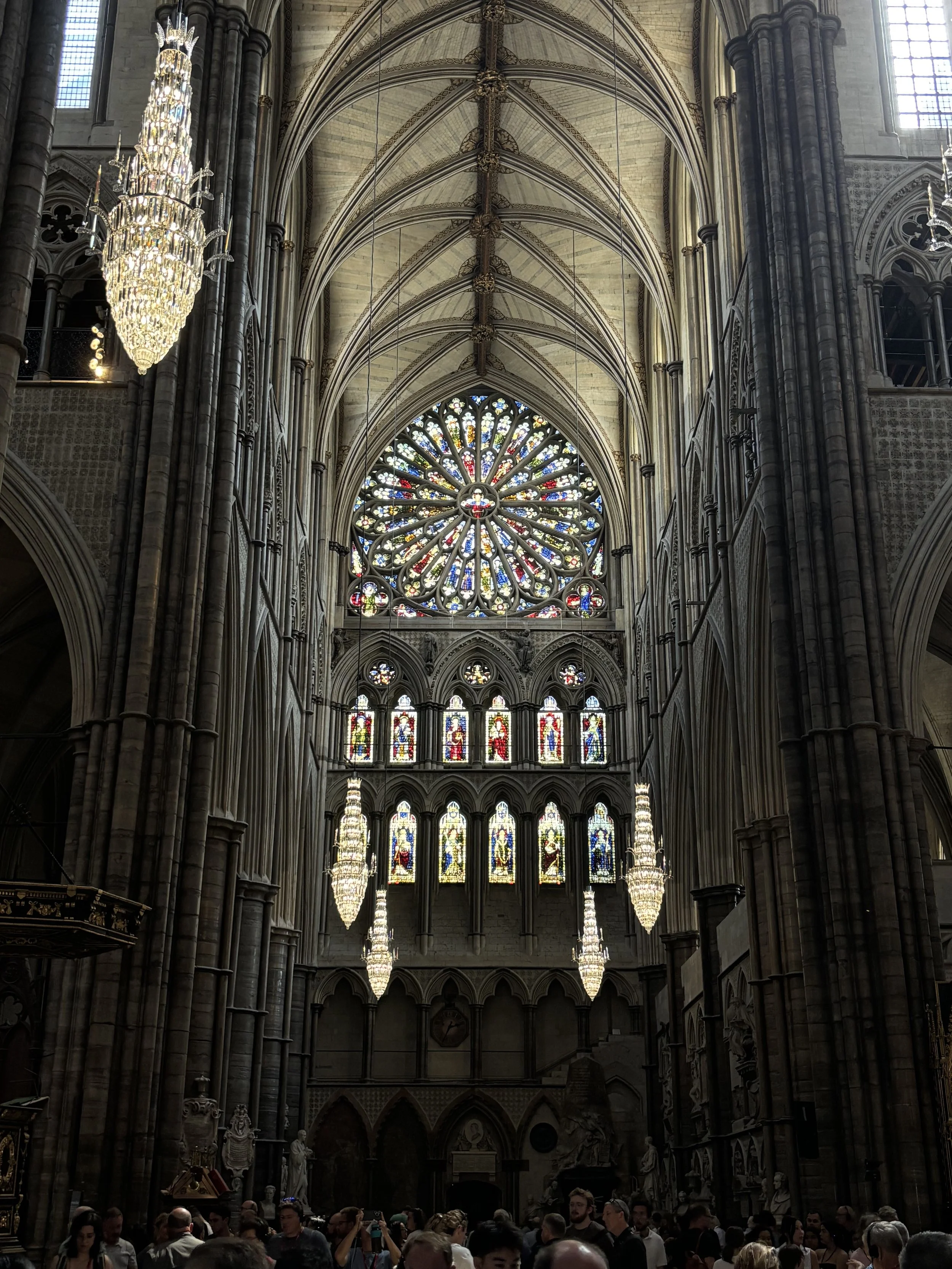
I will admit that I have never believed in a higher force. More accurately, I refuse to deny that such an existence is possible, but without proof, I remain highly skeptical. For the longest time, I avoided fully immersing myself in the grandeur and beauty of religious structures. This avoidance was not intentional, but I couldn’t help feeling like a fraud in these places of worship. As a result, I had also denied myself the chance to connect with spirituality and understand the appeal of faith. I would appreciate the architectural and artistic ingenuity of the yawning corridors and intricate stained glass windows, but I would not look beyond their aesthetics.
Both Hugo and Dickens refer to the healing power of religion through Bishop Myriel’s life-changing forgiveness and Sydney Carton’s Christ-like death. In reading about these transcendent experiences, I became determined to use my time exploring the many, many houses of faith to try and make some progress in changing my rigid atheistic ways, for the sake of Bookpacking™. So I sat and pondered the question of faith. I certainly felt a sense of awe when entering these buildings. I could understand how religion helped people cope with difficult situations, how God gave people hope when they could find no source in their own lives. I wondered if the revolutionaries felt the same religious way about the phantom of a better future. In the peace of my own mind, surrounded by crowds of people, some praying, some taking pictures, I came to a new conclusion. What was so wrong about feeling small? Does feeling small necessarily mean feeling scared, or displaced? All other people in that church, in the present day, and surely in the past, were looking for some way through life. Some seek to find it in the comfort of God. Others find community within these walls. These structures, centuries old, housed stories and watched revolutions come and go. I found a new comfort, then, in the sureness that all people long for brighter days. If religion is the catalyst, the least I could do is try to understand. Watching people close their eyes and pray to the stone saints looking down with loving eyes, I could grasp the gravity a little more.
The first week of travel, though endlessly educational and fascinating in an academic sense, has given me the space to acclimate to the environment and experience literature in a new way that involves both mind and body. The world feels so much bigger when you are standing in it, and so much less lonely when you remember all the people that were and are. I look at the wear and tear of a city and think, I must have made my mark somewhere, too.
We have left London behind. Now, in Paris, I feel no less small. Still, in these books and that weathered corner of the cathedral’s pavement, there is light. With enough of an open mind, this looming shadow will be no more terrifying than the object that cast it.
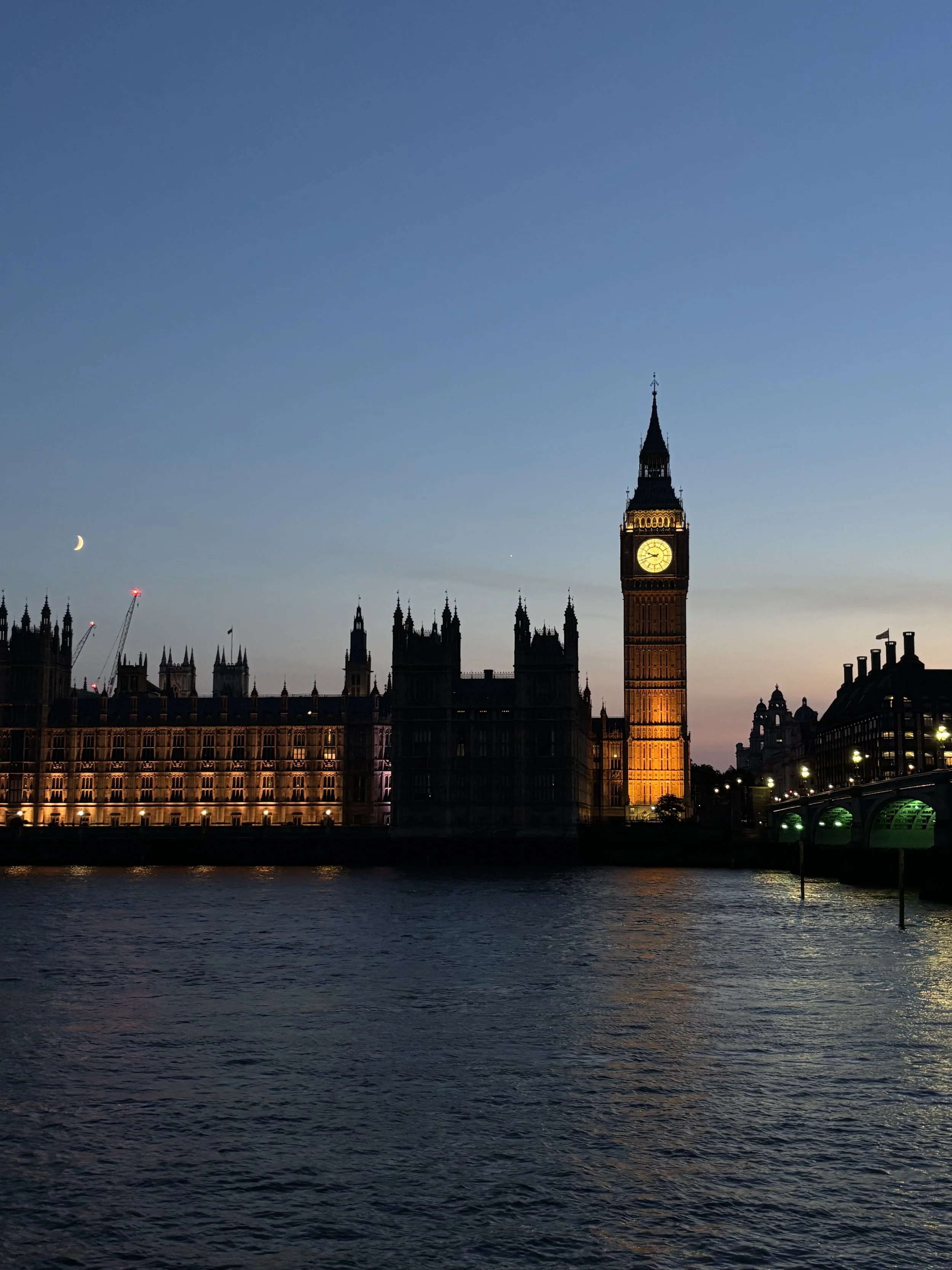
Goodbye, London…
poetry alert
‼
poetry alert ‼
Tower // Blacksmith
a tall world
towers over
me
a blade of grass
in a teeming, impatient field
so much has passed
much more yet to come
the pillar of history
the ever-growing sum
ever-growing
fatal weapons of intellect
for God
for liberty
to wield
for the word
from rag and mouth
cutting down
or raising up
the voice and the flag
as weapon
or as shield
the power of the tower
to crumble or
heal
On a loosely related note, one final crumb for those who are interested (this has to do with Bookpacking! I swear!):
I have been keeping a record of all the activities I’ve partaken in since I arrived in Europe. I hope that it will help me retain all the wonders of this trip past my usual week-long memory limit. I started this journal-fan because I was worried about forgetting what I had done, but upon seeing all the artifacts that have made it through the centuries, I think it will be alright even if I do forget the details of this trip. I will have this fan to analyze upon my return to the States, with the knowledge that no writing (sorry, Hugo and Dickens) or illustration (sorry, Hogarth) can capture the true feeling of being somewhere (though they may come close).
I will add an image of my progress at the end of each blog post, and the amount of blank space that remains will keep my feet on the ground in terms of how much time is left. Maybe part of the anxiety around history is that it’s unclear when it began (depending on who you ask) and when it will end. The past has happened, but at present, we are in limbo. It all depends on what we do next.
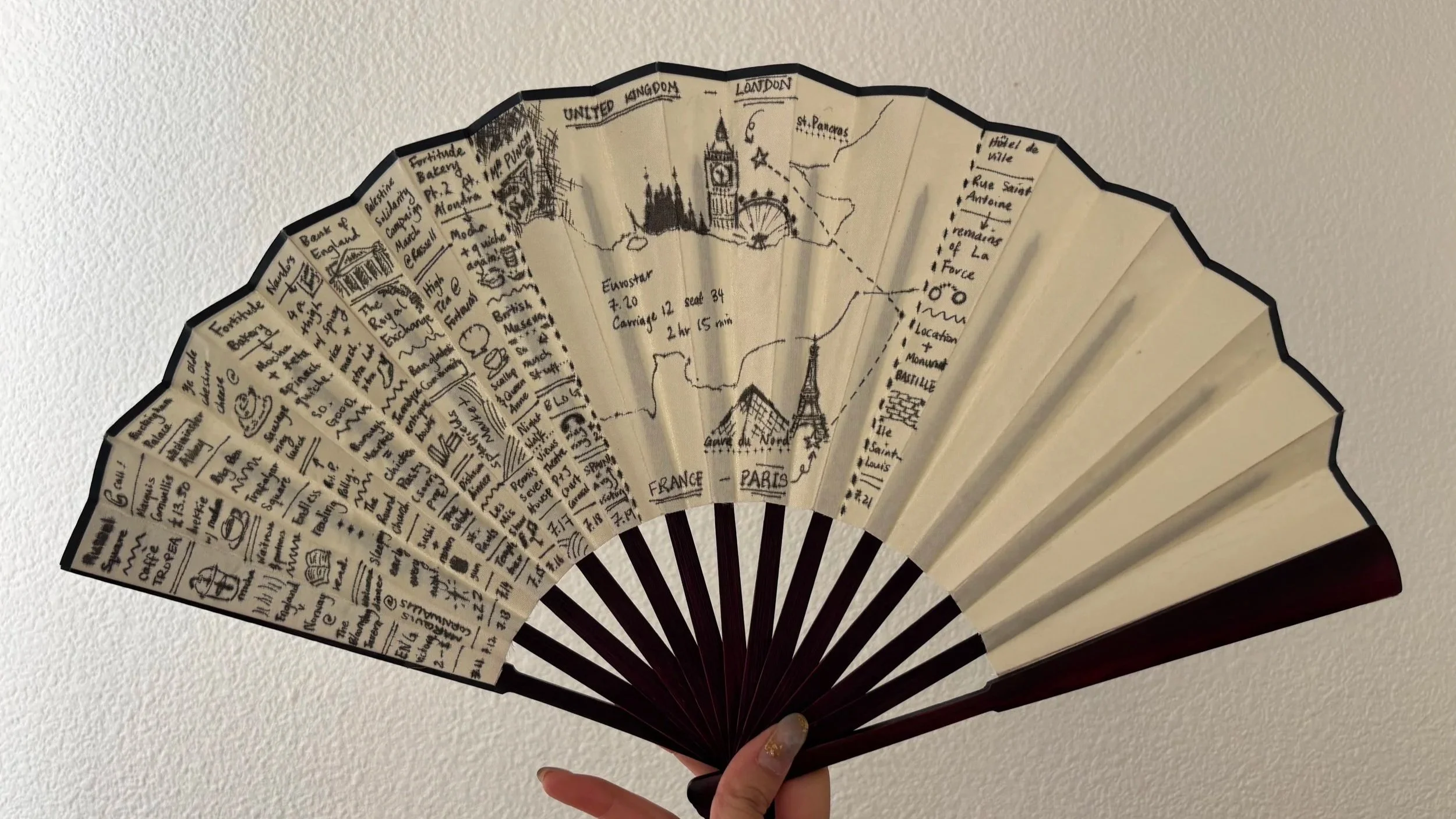
Progress–7.21.