Katherine Zeng

Life | Death

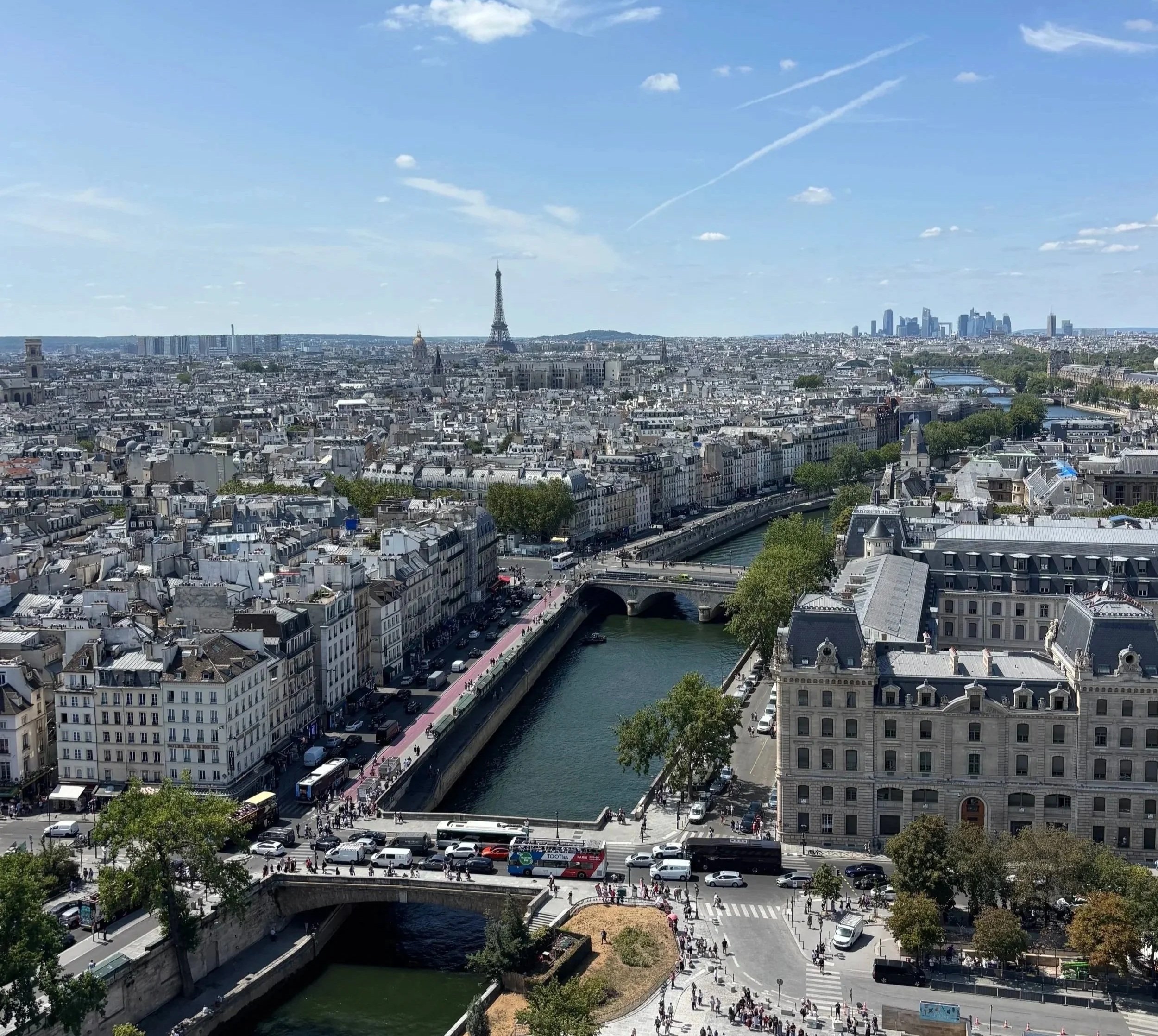
The program has come to an end. I’m so happy to go home to my friends and family, but I am sad to know the excursions and discussions are no more. I have begun to think about other kinds of endings, the big one being death.

Our final outing was a visit to the Catacombs of Paris. Walls of skulls and femurs surrounded us, all of the physical remnants of millions of lives that reached completion centuries ago. The tunnels were eerie but serene. There, I was a drop in the ocean, and I was once again aware of the world that existed before me and would continue to exist beyond my lifetime.
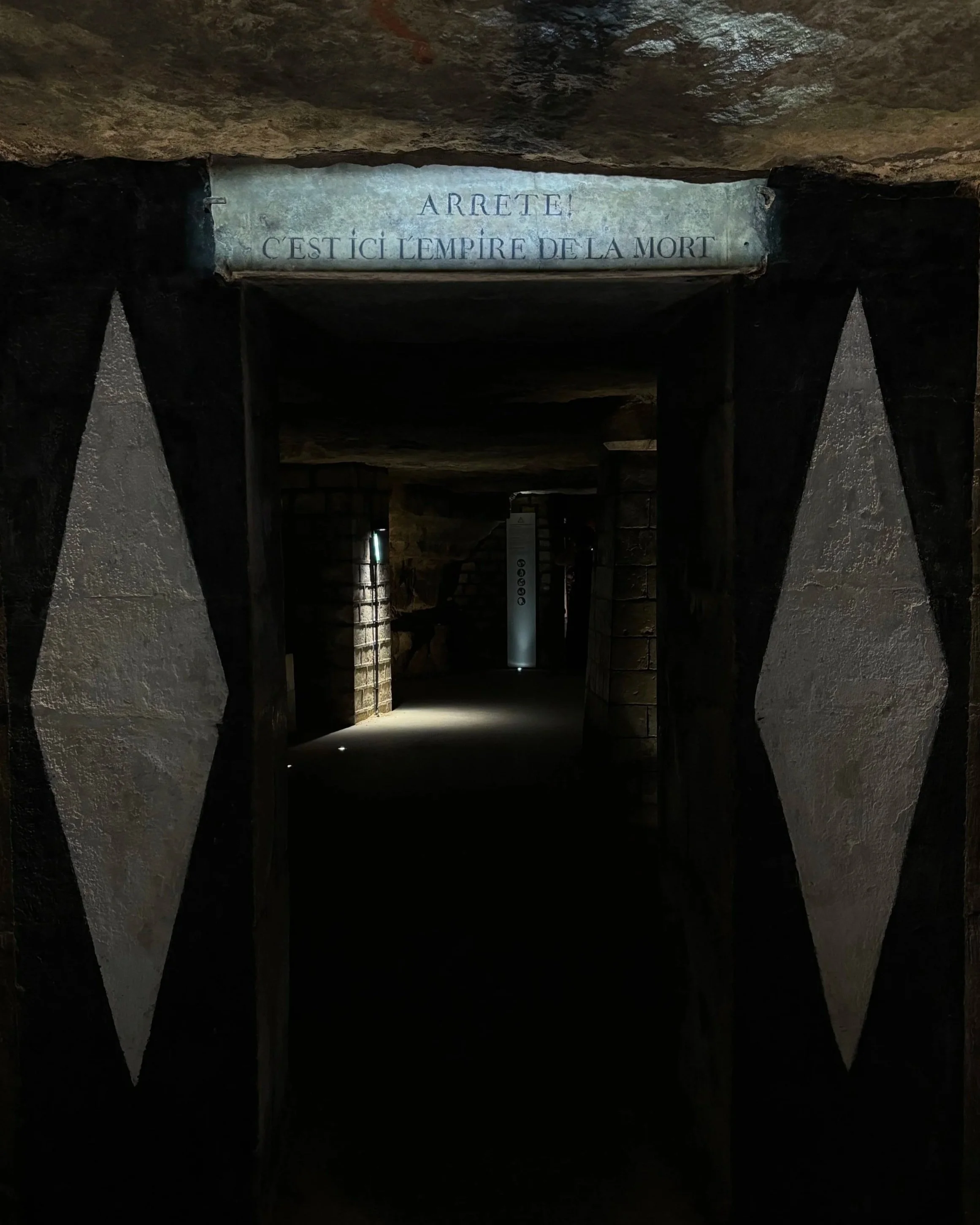
The entrance to the Catacombs–what better reminder of death?

What, then, should we do with the time we have before death?

People, like stars, have the right to go into eclipse.
— Victor Hugo, Les Misérables

Goodbye, Paris…

In the short time we have spent exploring Paris, I have packed one lesson to take home: enjoy life. One of my favorite things about Paris was the slow pace. There is an idea of French life that involves meandering summers and a wandering spirit, and I found this leisurely romance in the city's air. The shops closed for a months-long break. The people strolled down the streets at a snail’s pace, going nowhere. In stark contrast to the fast pace of the American city, Paris seemed to say, "Slow down." Even the bumpy, cuboid pavement stones urged me to take a breath, threatening to break my ankles if I walked too fast. In the chaos of the early 19th century depicted in Les Misérables– with revolutionary thoughts drifting through the streets and nosy police inspectors threatening lives–the weary revolutionaries and fleeing fugitives found tender moments of enjoyment with family and lovers. Jean Valjean and Cosette experience the beauty of Luxembourg Gardens together. Marius and Cosette find time to waste hours in the shade of overgrown greenery, surrendering to their newfound romance.

I have never enjoyed life more than in the moments I have to spend with those I love, free from looming deadlines and ‘real-world’ responsibilities. Instead of the anxiety of work, I can immerse myself in the full experience of being one small soul in a world of endless experience. Ambition is awesome (as Hugo says, let us not forget the importance of progress), but leisure is sublime. With that, I carry this wandering, content fragment of Paris’s spirit with me.


Poetry Alert

!!

Poetry Alert !!


In place of my usual original work, here is my favorite poem by William Henry Davies. I came across it in a poetry book my parents gifted me for my birthday. It perfectly encapsulates my feelings on life and giving oneself the chance to breathe and take it all in.

Leisure

What is this life if, full of care,
We have no time to stand and stare.

No time to stand beneath the boughs
And stare as long as sheep and cows.

No time to see, when woods we pass,
Where squirrels hide their nuts in grass.

No time to see, in broad daylight,
Streams full of stars, like skies at night.

No time to turn at Beauty's glance,
And watch her feet, how they can dance.

No time to wait till her mouth can
Enrich that smile her eyes began.

A poor life this if, full of care,
We have no time to stand and stare.


The final crumb:

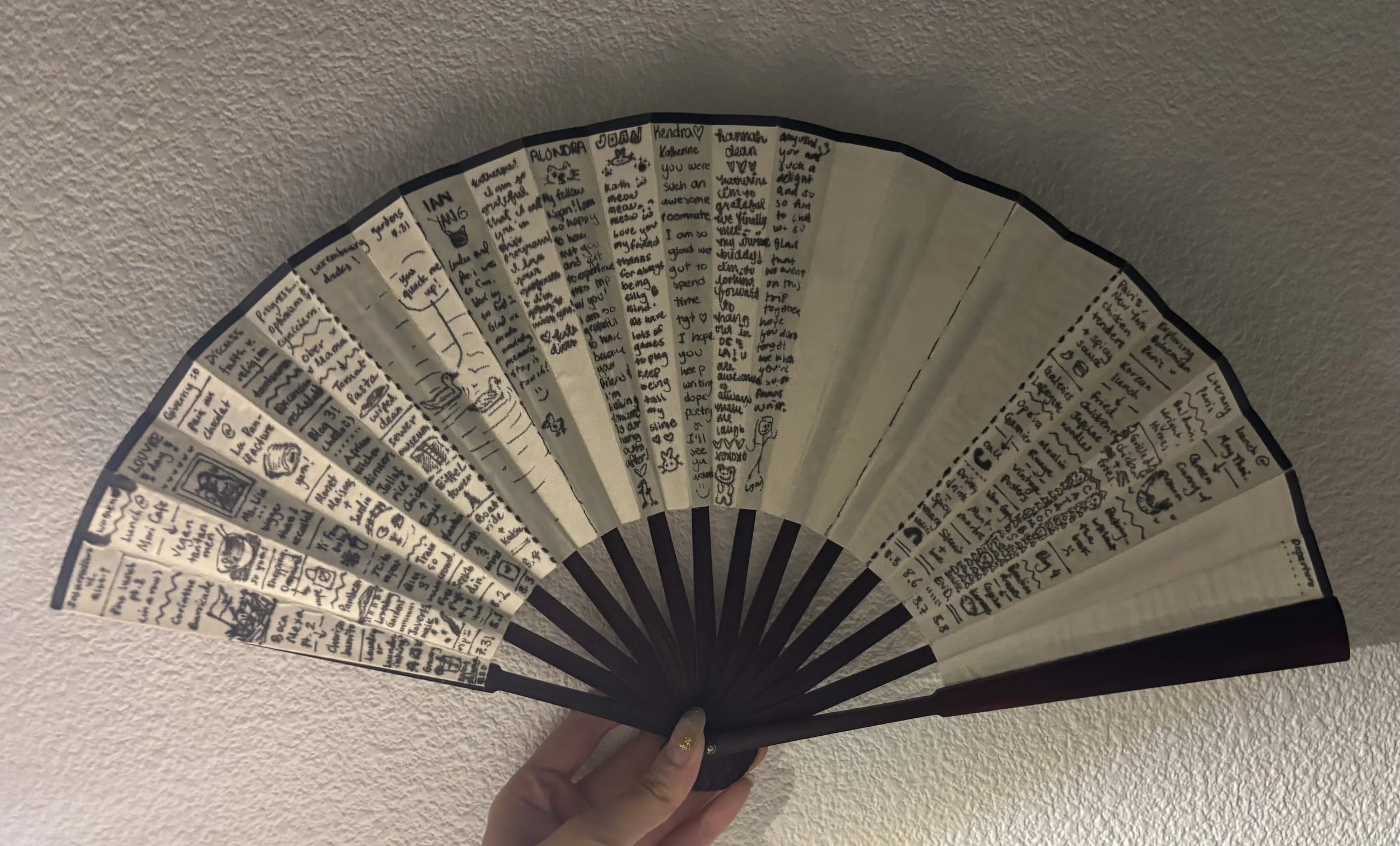
If you have been following this blog, you may be wondering why I haven’t included a final image of the completed fan. The answer is quite simple–it is incomplete. I missed a few classmates’ signatures, as well as Professor Chater’s, and I cannot bring myself to fill in the blank spaces in their place. So, instead, I will wait for our next encounter. Life is a practice of patience, and I will allow myself to be sentimental. What better metaphor for life than an incomplete project? The adventure is not over!

I hope you enjoyed everything between hello and goodbye. If life is by chance and death is inevitable, let us linger on the moments in between.

See you sometime,

Katherine :)

Us and Them

I have been using an old notebook for this class. As a result, I’ve found myself constantly flipping to the wrong pages and catching glimpses of my notes from previous classes. The notes on religion and political violence are not at all unrelated to this Bookpacking program, and the topics have since reemerged in our recent discussions on faith and stereotyping.

I’ve listened to many people talk about their personal experiences with faith. A recurring theme is the community that religion fosters. Community identity like this is not unique to religion–we see communities form from shared ethnic, national, and ideological identities. The Bangladeshi community in London. The righteous revolutionaries of Paris. The unity of the people under the French flag. There is a beauty in commonality. In The Tale of Two Cities, one of Sydney Carton’s final scenes is with the seamstress, in which the two prisoners sentenced to death bless one another in a moment of tender spiritual comforting. The students at the barricade have a moving brotherhood. They face their inevitable deaths together with mutual support and courage. Even our being Americans in Europe has allowed us, Bookpackers, to bond over the cultural distance we feel from the local people.

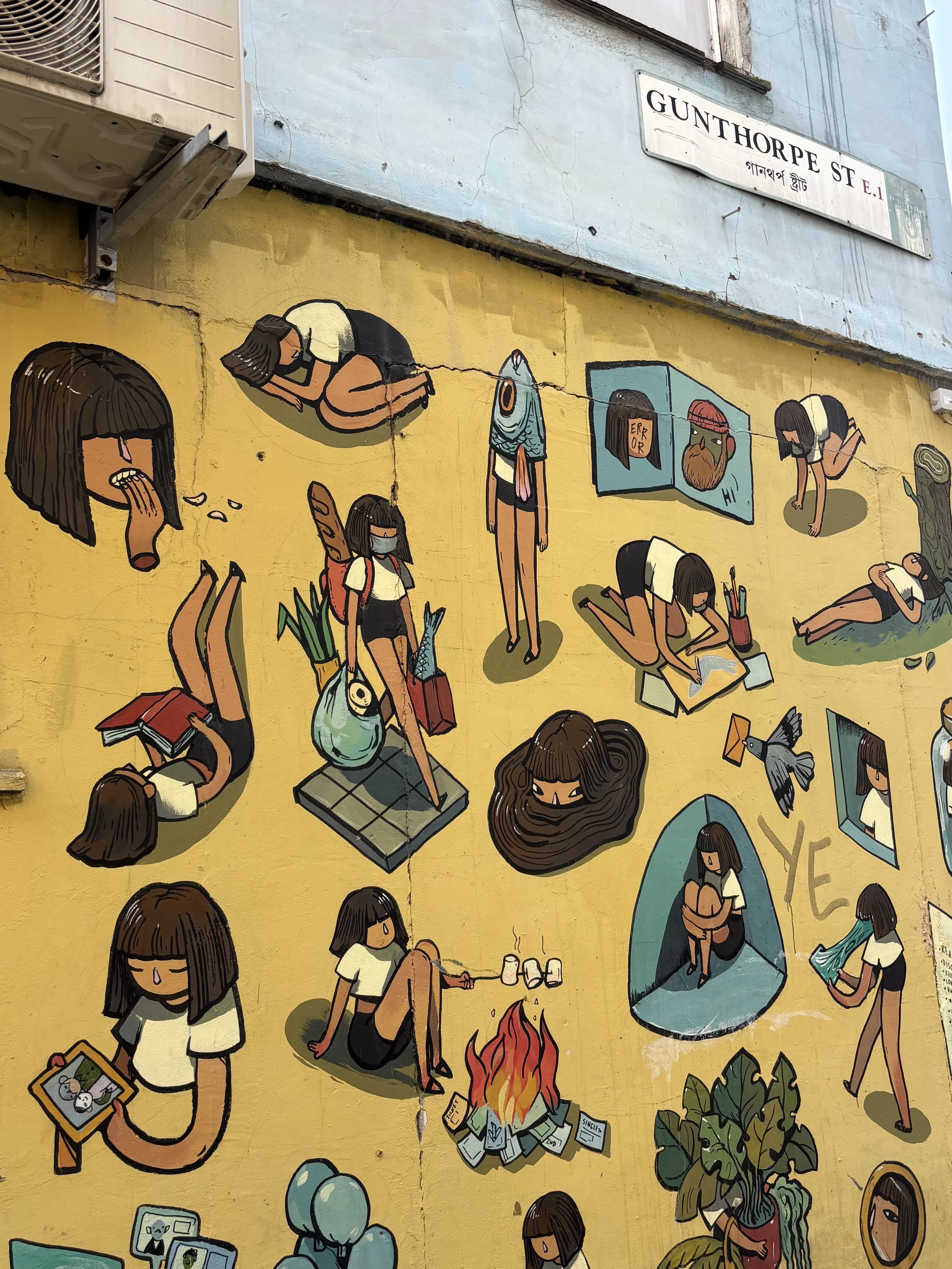
Banglatown Mural.

So, how does shared passion and identity end in bigotry and violence?

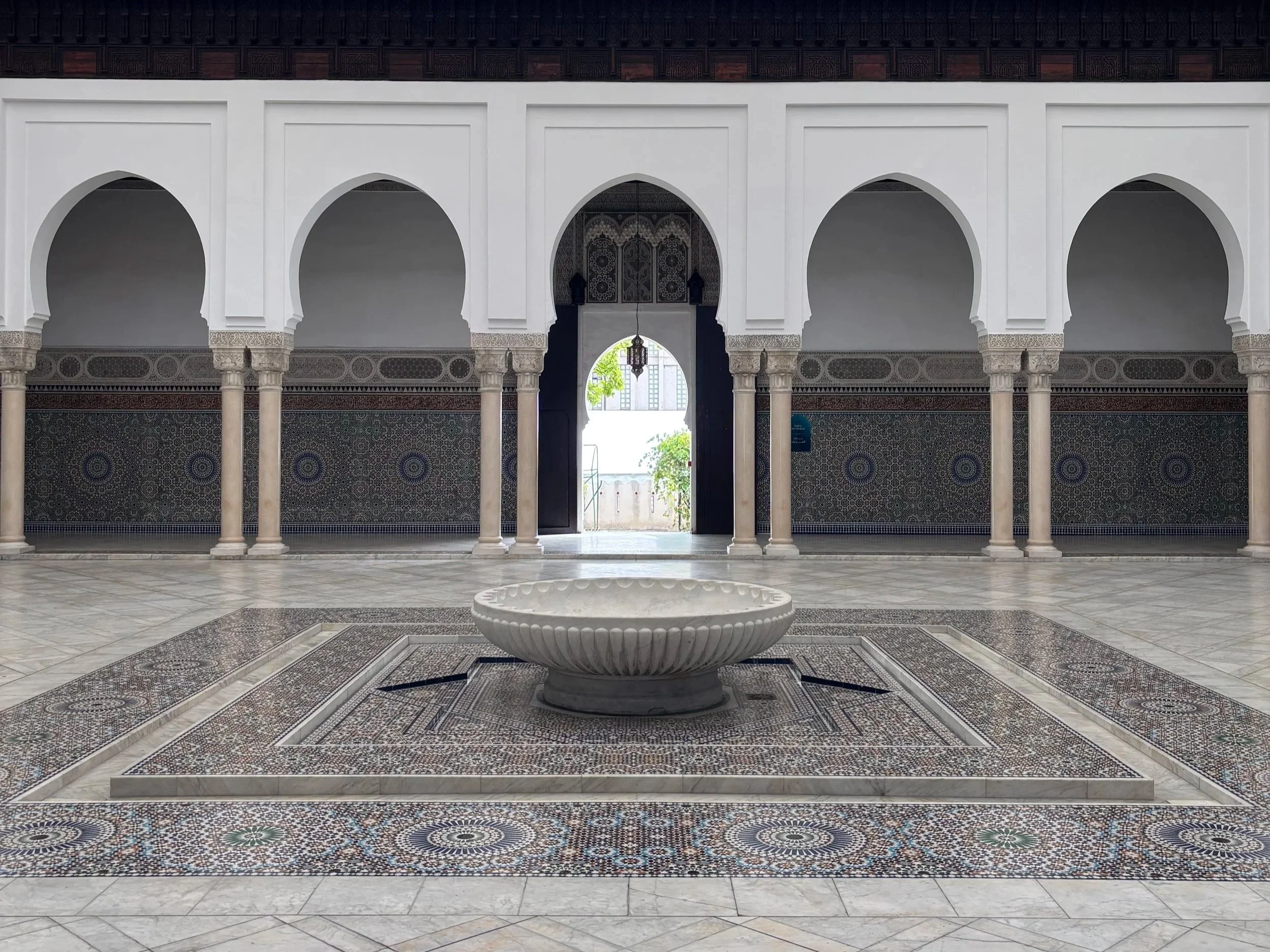
The Grand Mosque.

Community has been a basis for alienation. Massacres based on religious difference are not uncommon. The Terror that followed the French Revolution targeted those perceived as enemies of the revolution, such as the young seamstress. The key here is perception, which is subjective. The bar keeps raising. The criteria for the ingroup and outgroup depend entirely on whoever is most influential. Visiting the Grand Mosque of Paris reminded me of the islamophobia that followed the War on Terror. The enemy is abstract. The War on Terror was used to justify suspicion and attacks on innocent Muslims. The Terror justified both the imprisonment and execution of aristocrats and the Third Estate it claimed to represent. The French flag is stained with examples of violent ethnic and political disunity.

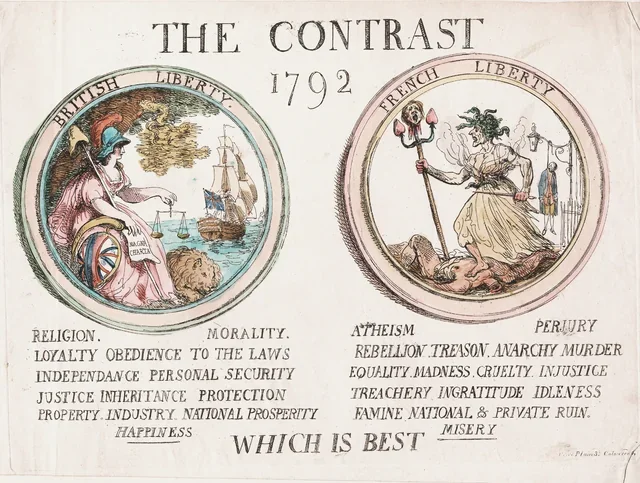
For there to be an us, there must be a them. The more we define the elements of our identity that we require for inclusion, the more people are excluded. But this is our way of life. We cannot seem to help it. We gravitate toward community, friends, and shared ideals, and we relish the support we gain from one another for who we are and who we are not. Here is what it is to be British. Here is what it is to be French.

Us v. Them. British / French Edition.

Now, no sword cuts only one way. Every blade is double-edged. Whoever wounds with one edge wounds himself on the other.
— Victor Hugo, Les Misérabels

Suddenly, categories are formed out of assumptions and prejudices. All aristocrats become evil, and Sydney Carton (as Charles Darnay, who disagreed with the classist actions of the aristocracy) dies by the blade of the guillotine. All prisoners become brutes, and Jean Valjean’s heart grows more hateful as a result of the townsfolk’s discrimination. Only the ingroups remain, then even they chip away. Monsieur Defarge is kept around until he is deemed insufficiently radical. Nobody is safe when the enemy exists only in broad concept.

Not all stereotypes are wrong. As a loud American myself, I’ve felt the disgruntled stares at the Parisian restaurants. Our American joy is far too loud for the French (and now I’ve separated them and us–it’s that easy!). This separation may be a comfort to the little French lady on the bus who points and, laughing, whispers to the bystanders, these Americans do not understand how the buses work; how annoying. It is off-putting for those on the receiving end of that perception. But I understand. Their disdain for us stems from a heritage we do not share, and the security of a community is (allegedly) strengthened by highlighting what we share and what people who aren’t us don’t.

How do we end up so divided, ignoring our shared human identity? We do it to ourselves.


poetry alert

!!

poetry alert !!


Two words

two words

me and you

and the human face


here and there

two words

occasion and place


all it takes is

us and them

two cursed words and


all goes to waste


Crumb:

I rarely feel more like a tourist than I do in Paris. Maybe it’s the sheer volume of tourists in the area that makes people wary. Maybe it’s the fact that I can’t stop laughing and speaking English with my new friends (is that such a crime?!). Having had many conversations with my fellow Bookpackers about the way French folks perceive us as we giggle our way through the streets, I’ve decided (as I do every time I travel out of California) that there is no shame in being a tourist. I would not give up the smiles and train conversations with my fellow Americans or friendly French travelers for the world. The modern world, with all its curiosity and globalization, was not built for isolation.


Progress–8.8.

Musings | Museums

Art is best appreciated in person. Nothing quite compares to stepping into a museum and admiring human artistry with your own eyes. The scale of the piece makes a difference–you come to understand just how much time a piece takes. The raised ridges of dried paint are mesmerizing, each stroke lovingly placed. Marble statues present a different face at every angle.

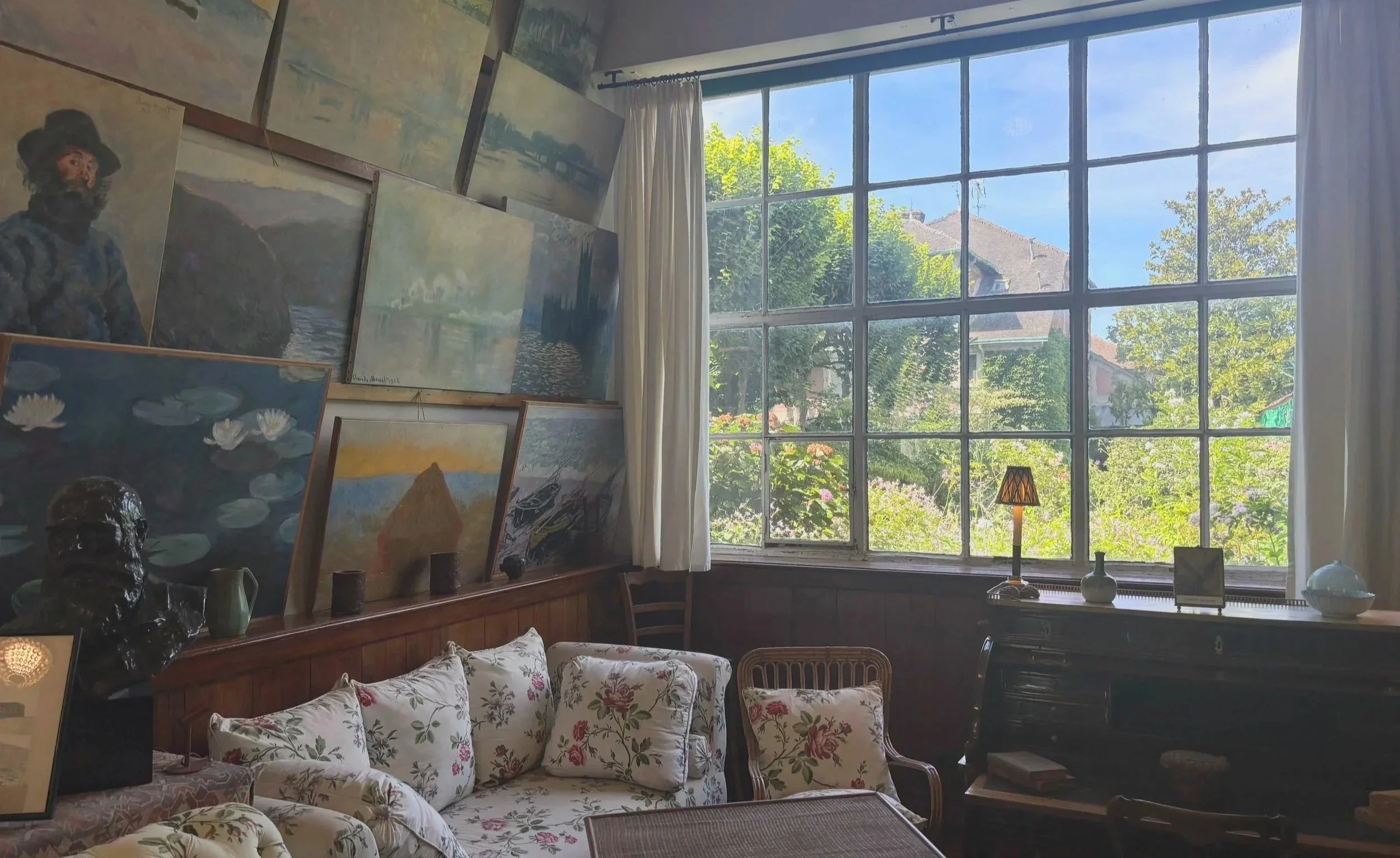
Talk about romantic… Claude Monet’s home in Giverny.

My favorite art movement is Impressionism. There is something so romantic about capturing the feeling of a moment. Of focusing more on perception than actuality. One artist might represent the blur you experience in your vision at the setting sun, or the hazy glow of the fresh dawn. Realism doesn’t necessarily mean a better visual description of the scene. I always say the reason I enjoy impressionist art is that it feels a bit like a memory, fresh enough to recall the impression of it but not the minuscule details you can observe in a photograph. In this way, art (not limited to impressionist art) is like history, where it becomes increasingly difficult to pinpoint the exact realities of an era as time passes, but we can grasp its essence through cultural artifacts and written evidence.

Art allows us a glimpse into the intimate moments of everyday life of the past. Tender portraits depict the fashion of the time. Paintings of fiery revolutionaries draw you in, urging you to rally with the crowd (hello, Delacroix!). Then there is everything else to consider–the symbols, the artist’s intentions, the historical viewer’s thoughts.

To depict a battle, one of those powerful painters with a sense of chaos in their brush-stroke is needed… the hurricane alone is truthful.
— Victor Hugo, Les Misérables

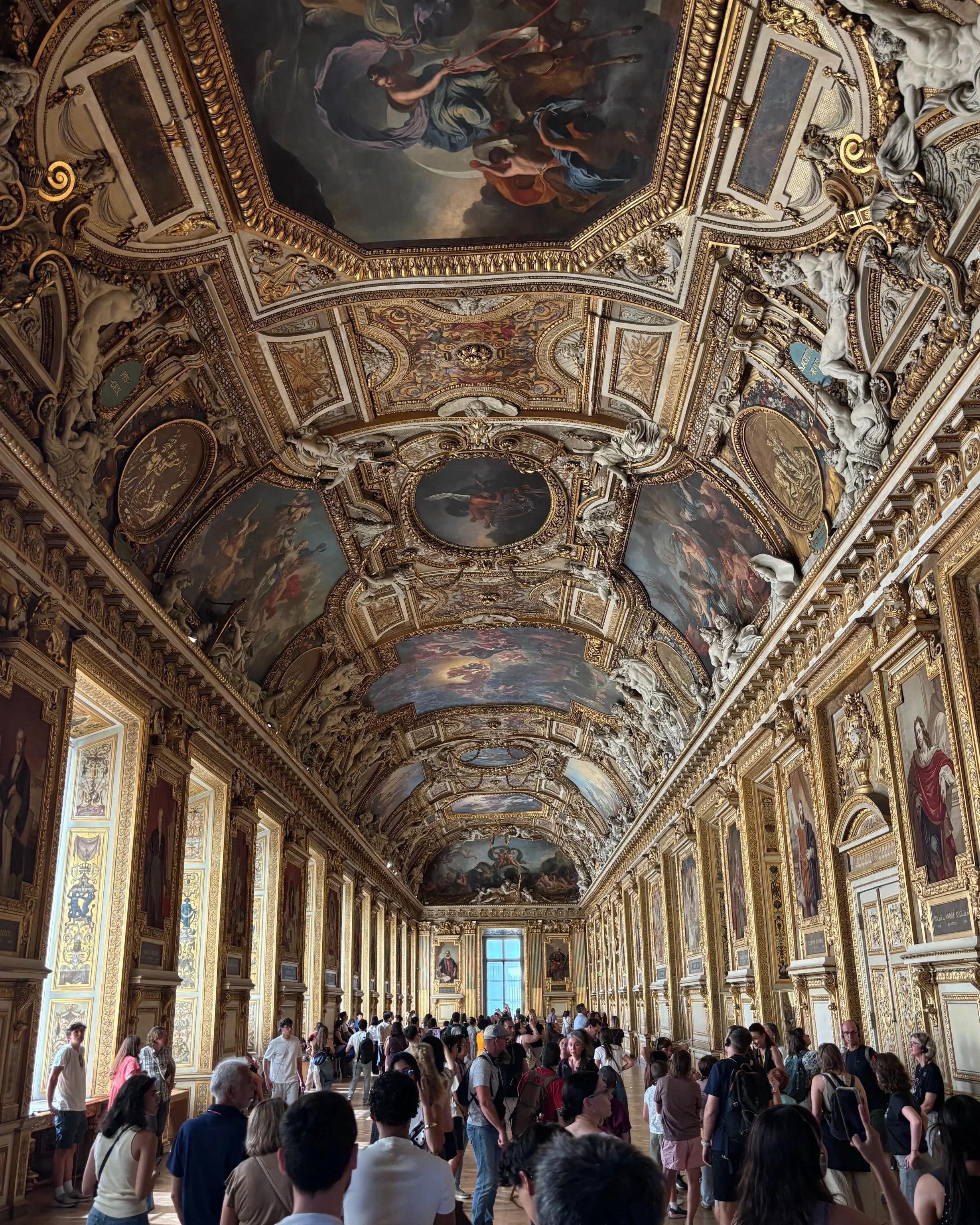
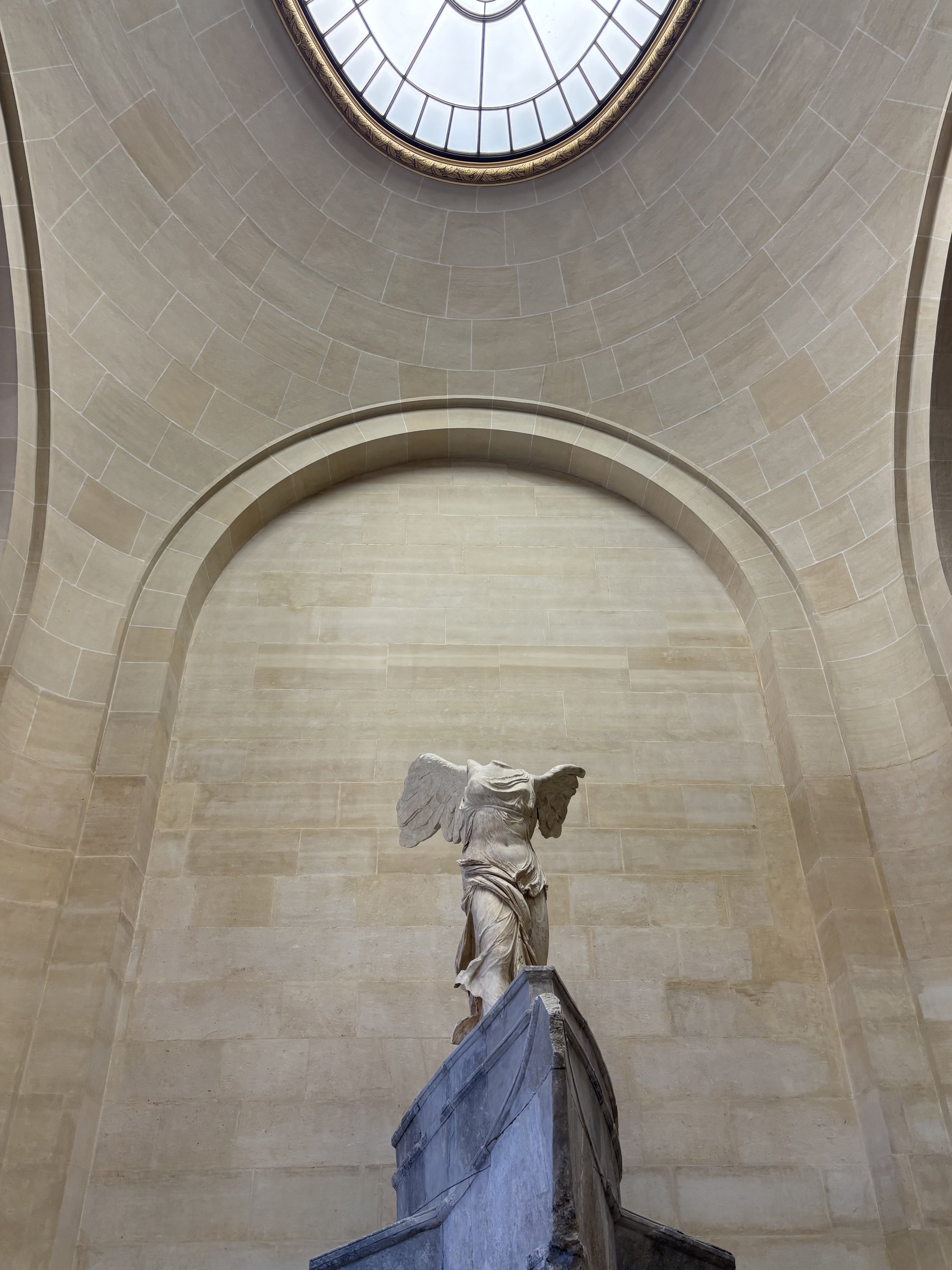
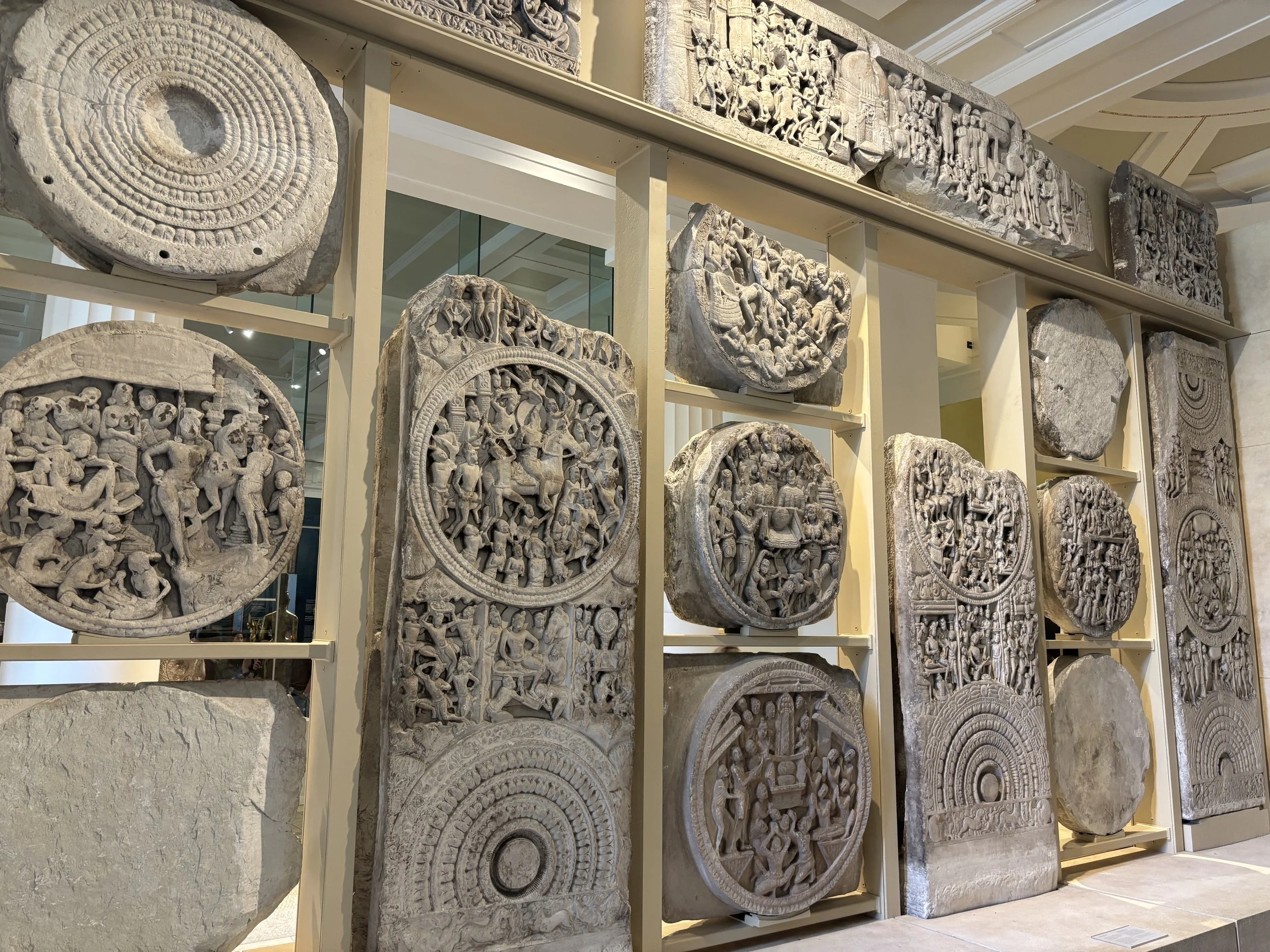
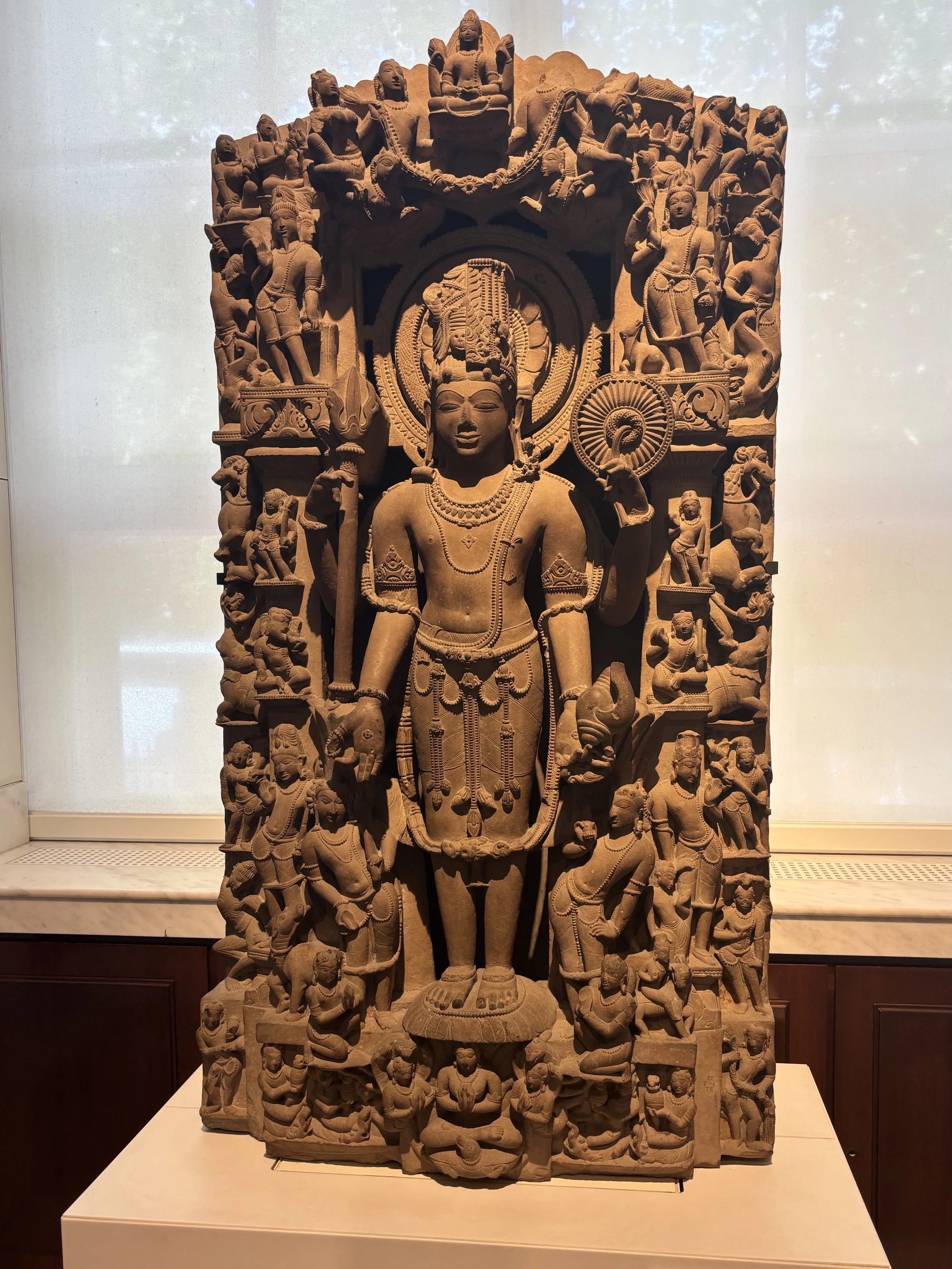
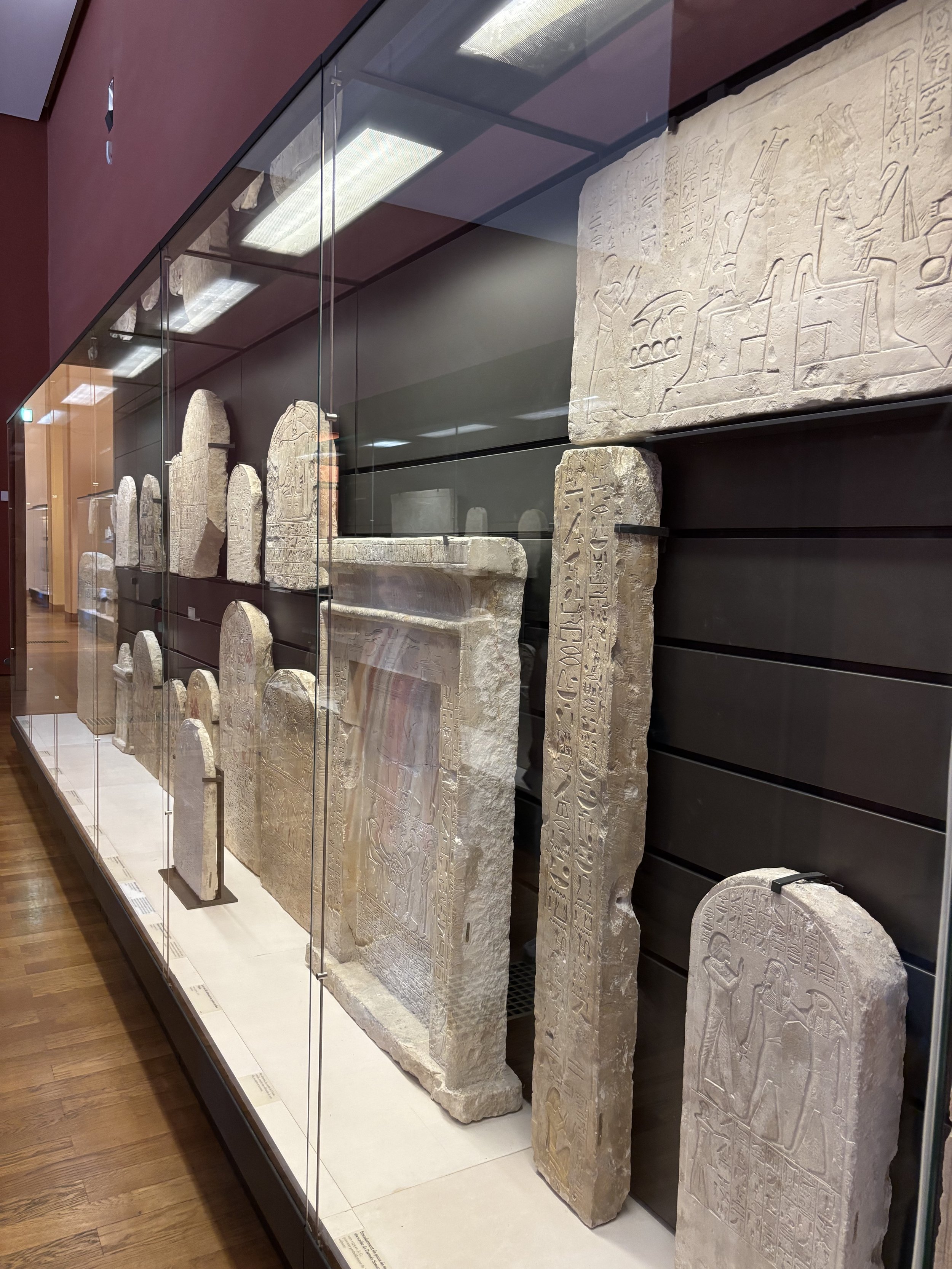
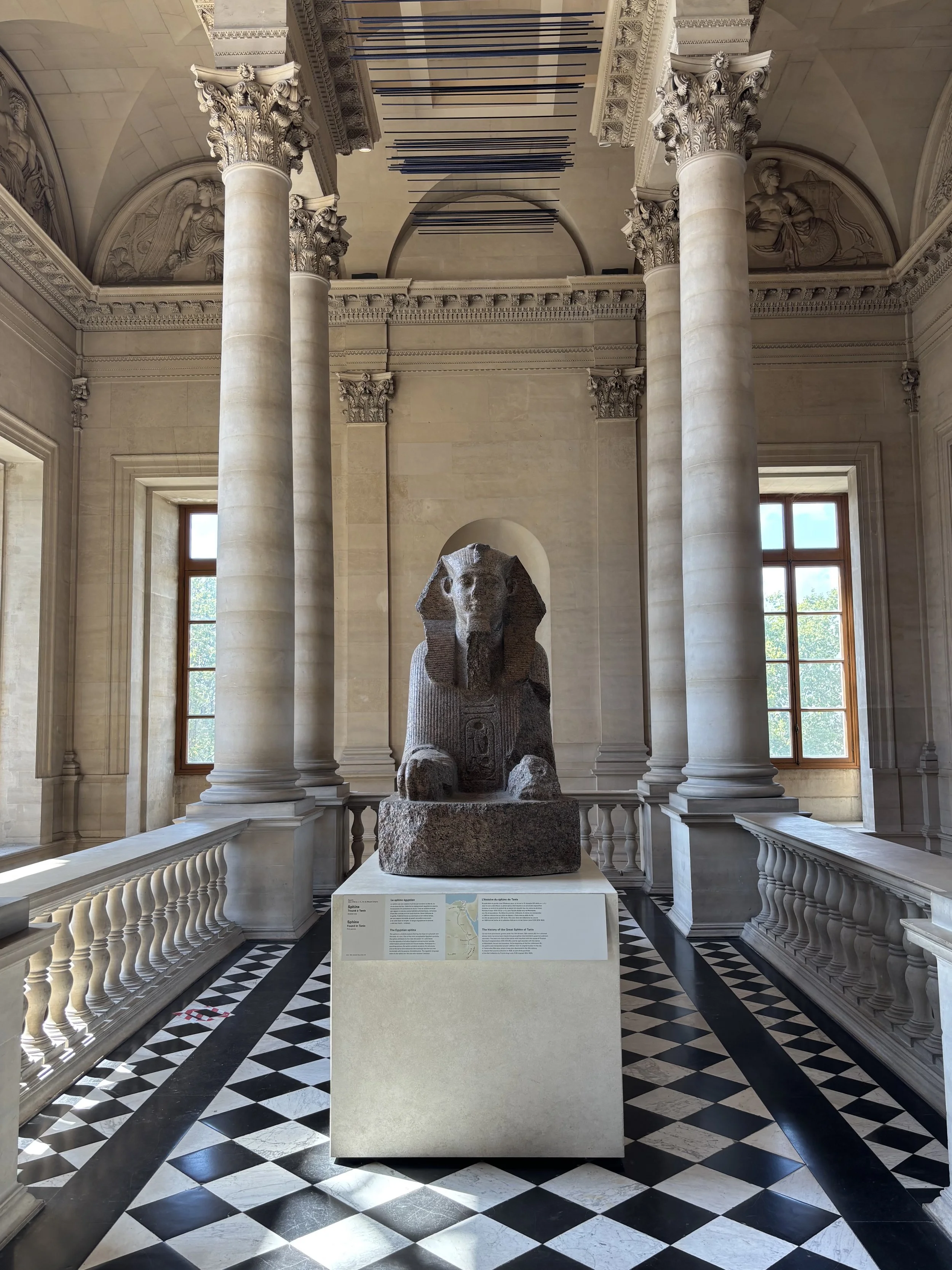
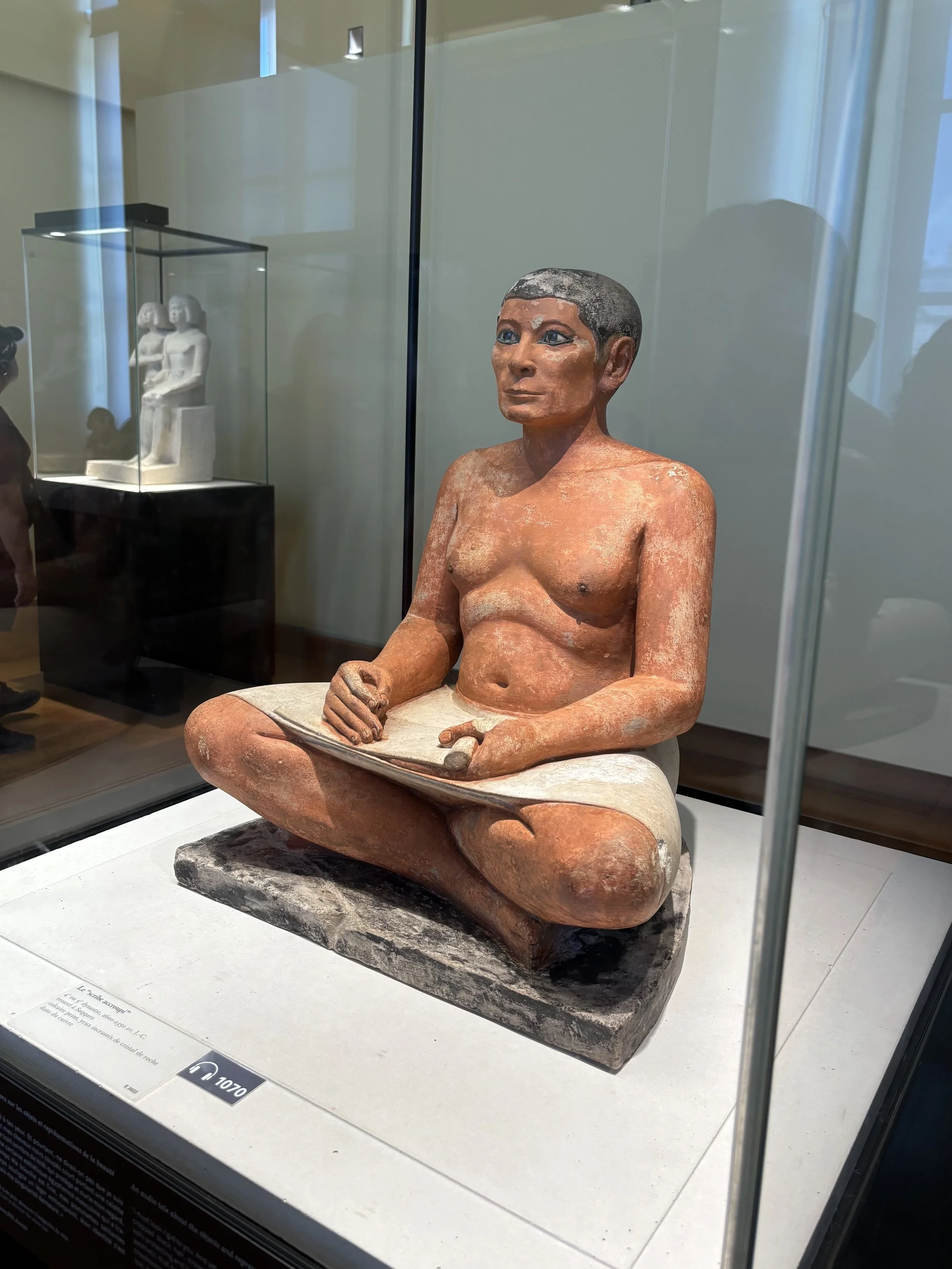
In some ways, the Louvre felt like the palace of Versailles. This makes sense given the structure’s history as a place of royal residence for some time. The milling sea of tour groups certainly helped me feel transported back to last week’s visit. The ceilings and walls in some rooms were lined in gold. In other rooms, artifacts looked out at me from glass cases. I found myself wondering, as I did in the British Museum, how many of the pieces of art were taken as a result of the wars (for the Louvre, Napoleonic) and colonial acquisitions. With pieces like the Amaravati and Parthenon marbles in the British Museum and various Egyptian artifacts in the Louvre, there is the additional consideration of the countries of origin wanting them back.

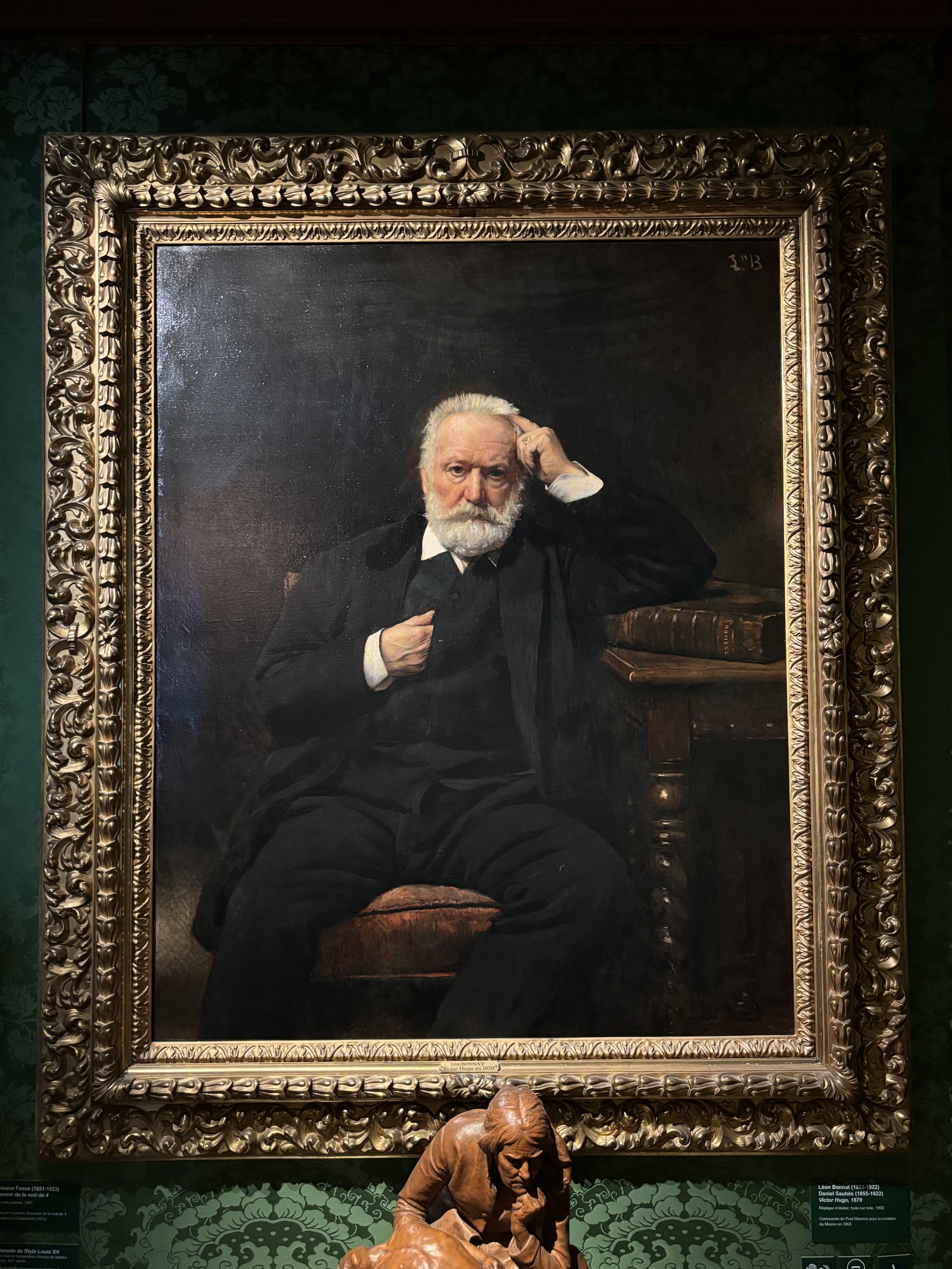
Hall of portraits at the Louvre

Reflecting on the reality that museums are really quite morally complicated has made visiting museums (particularly those that contain more imported historical cultural artifacts) a strange experience.

On the one hand, I adore exploring objects and art created centuries ago. I cannot emphasize enough the love I have for what humanizes ancient societies. So often it’s easy to think about civilizations that have since died out or changed significantly as ones very different from our own. Ancient China and modern China are certainly different. The chiton is no longer fashionable in Greece. Still, looking at the tiny sculptures of dogs and goats, or illustrations of bug-eyed birds and silly cats, I am reminded of some of the persistent charms of humanity–our ability to create, and to love, be it our household pets or the divine figures of our cultures.

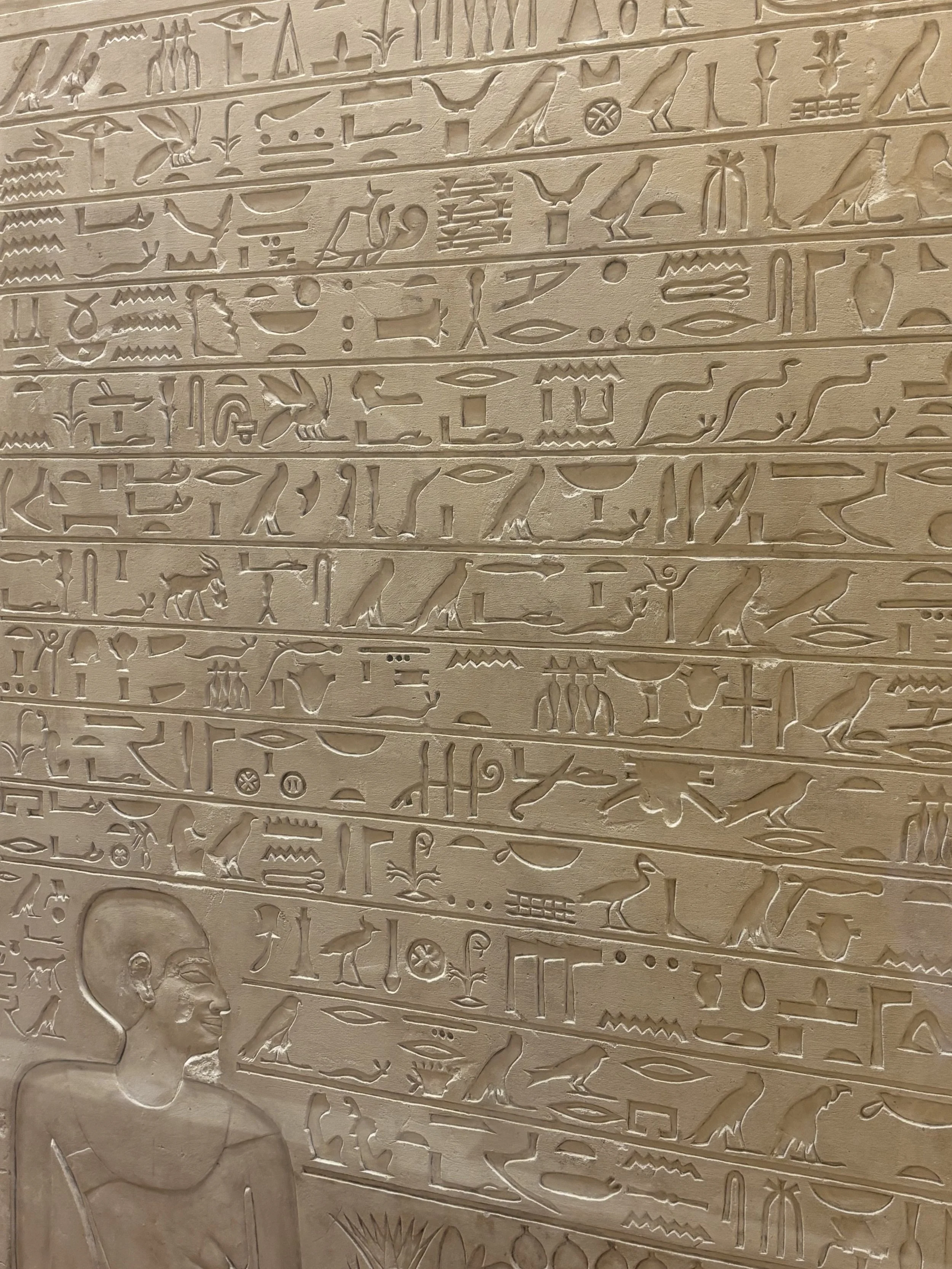
On the other hand, it saddens me to think of these fragments of old, wandering and displaced in various parts of the world, so far from home. I don’t consider myself particularly spiritual, but I am deeply sentimental. There is something about the idea of relief sculptures taken from their original locations that makes my museum-induced heartache especially apparent. The idea of a complete story, lovingly chipped into the stone of a wall, fractured and separated, feels lonely. Does the rest of the relic from which the art was taken cry for the stolen piece of its body?

All roads lead back to the sins of the West.

Victor Hugo definitely not thinking about the racial undertones of his novel.

In this morning’s class, I was distracted from our discussion of religion by echoes of questions I’d encountered in a prior course on religion. How do we define religion? Our very concept of “religion” is influenced by the dominant Western thought. How much does the influence of the West impact our philosophies and experiences?

We can expand this idea to encompass grappling with history. I’ve introduced this idea of “those in power.” In the museums, this is the Western Imperial forces. In the context of our readings, this interaction surfaces in various ways, including the patriarchy (gender dynamics) and the relegation of people of color to antagonistic roles. There are characters like Eponine and Madame Defarge who are examples of nonwhite and female characters in the two books who counter characters like the villanous Thenardier and the virginal Lucie. 

It is always interesting to understand how power dynamics frame the text as they do museum artifacts. The flip side is that our awareness of these contexts also changes the way we percieve things. For the museums, it is a reminder that some of the art I am enjoying is not innocent, and the methods of acquisition are worth considering. For the readings, it encourages me not to judge relationships like Marius (21) and Cosette’s (15) from a modern perspective– which I am guilty of doing quite frequently (every time I think of them…)–and to think about the ways characters adhere to and subvert stereotypes.

The lesson: there is always more to think about, and I don’t know if I would have gone to the British Museum if it wasn’t free…


poetry alert

!!

poetry alert !!


Over and Out

silhouettes and scars,

the outline of

you, out of place

and overseas

me, asking–

when are you coming home?


Today’s crumb is sweet:!

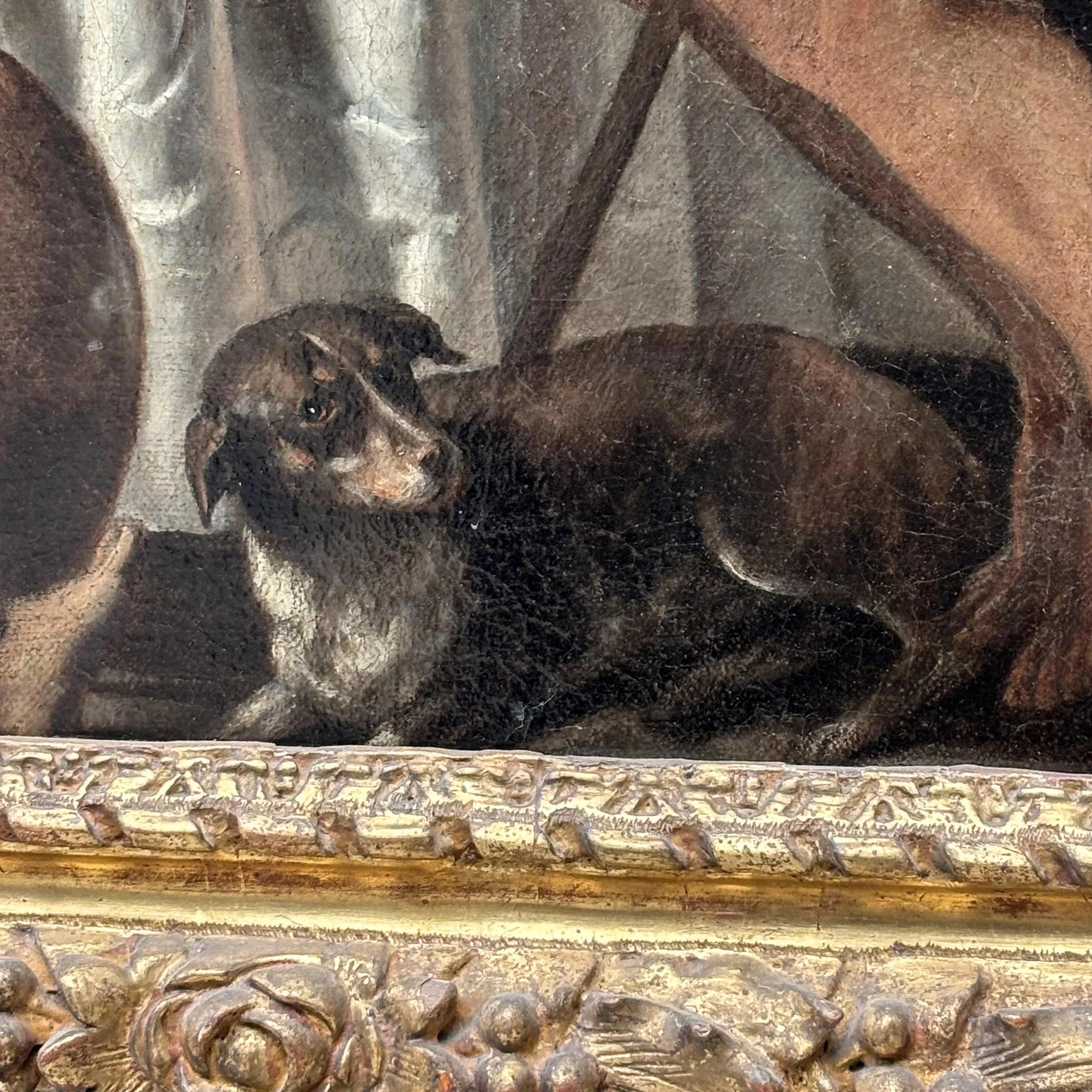
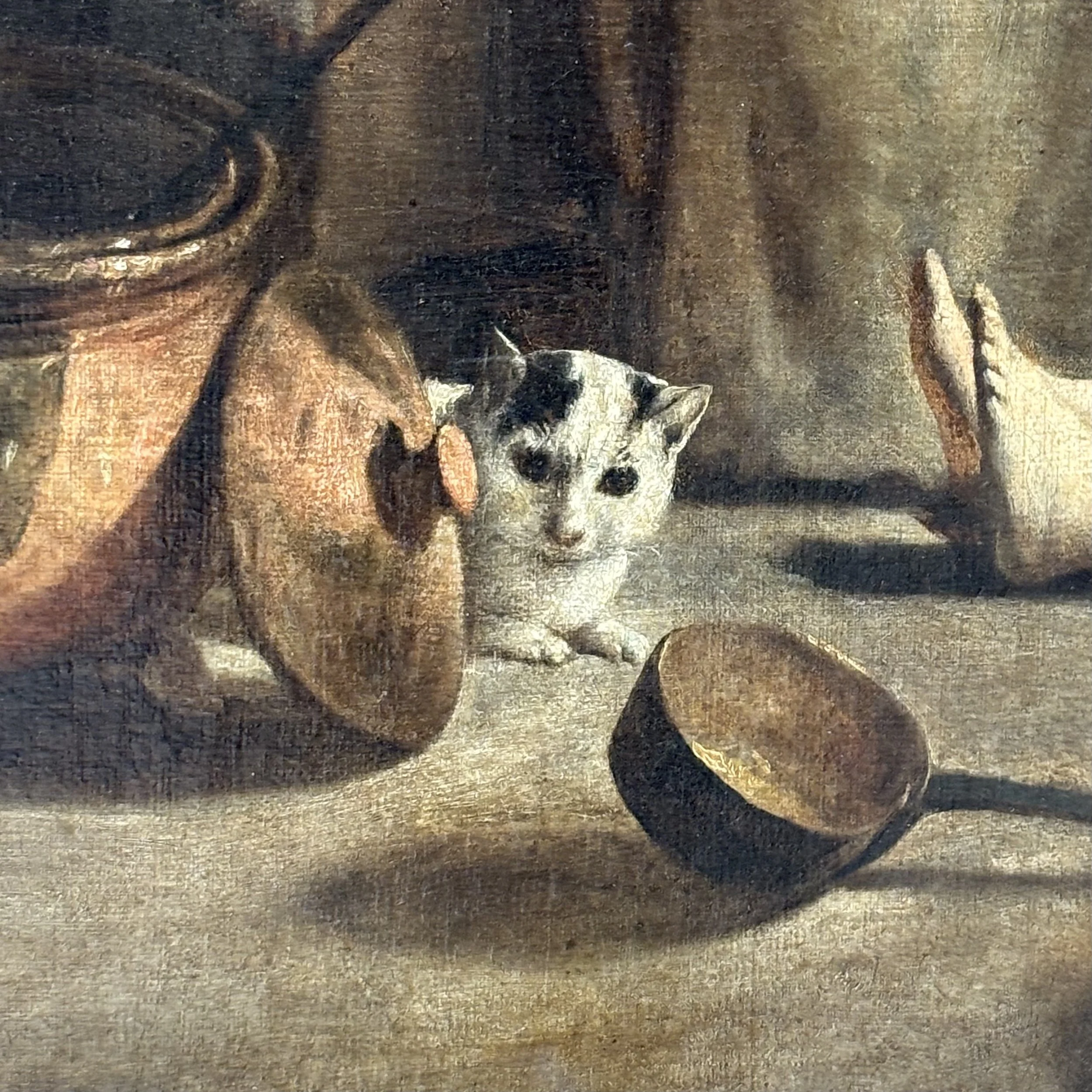
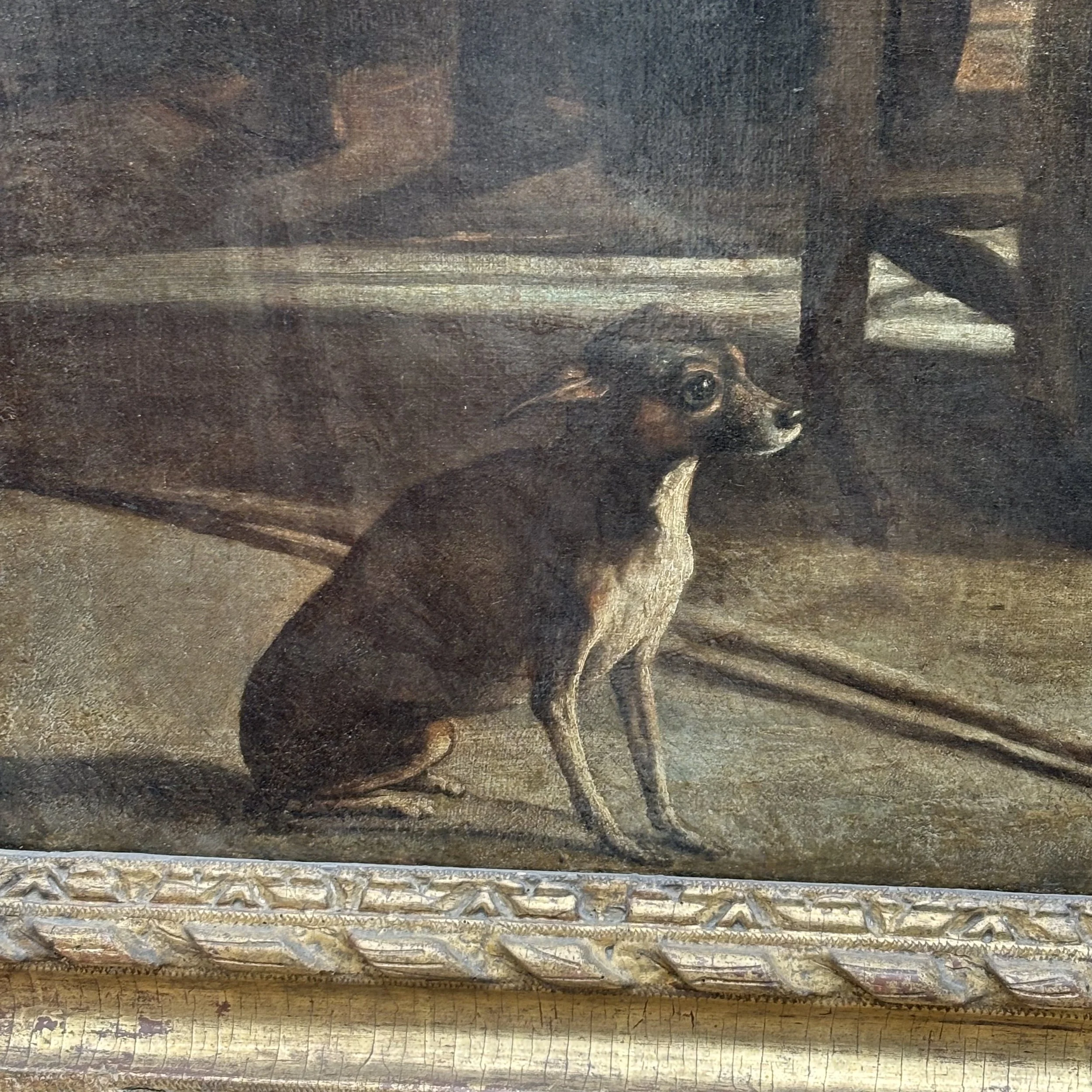
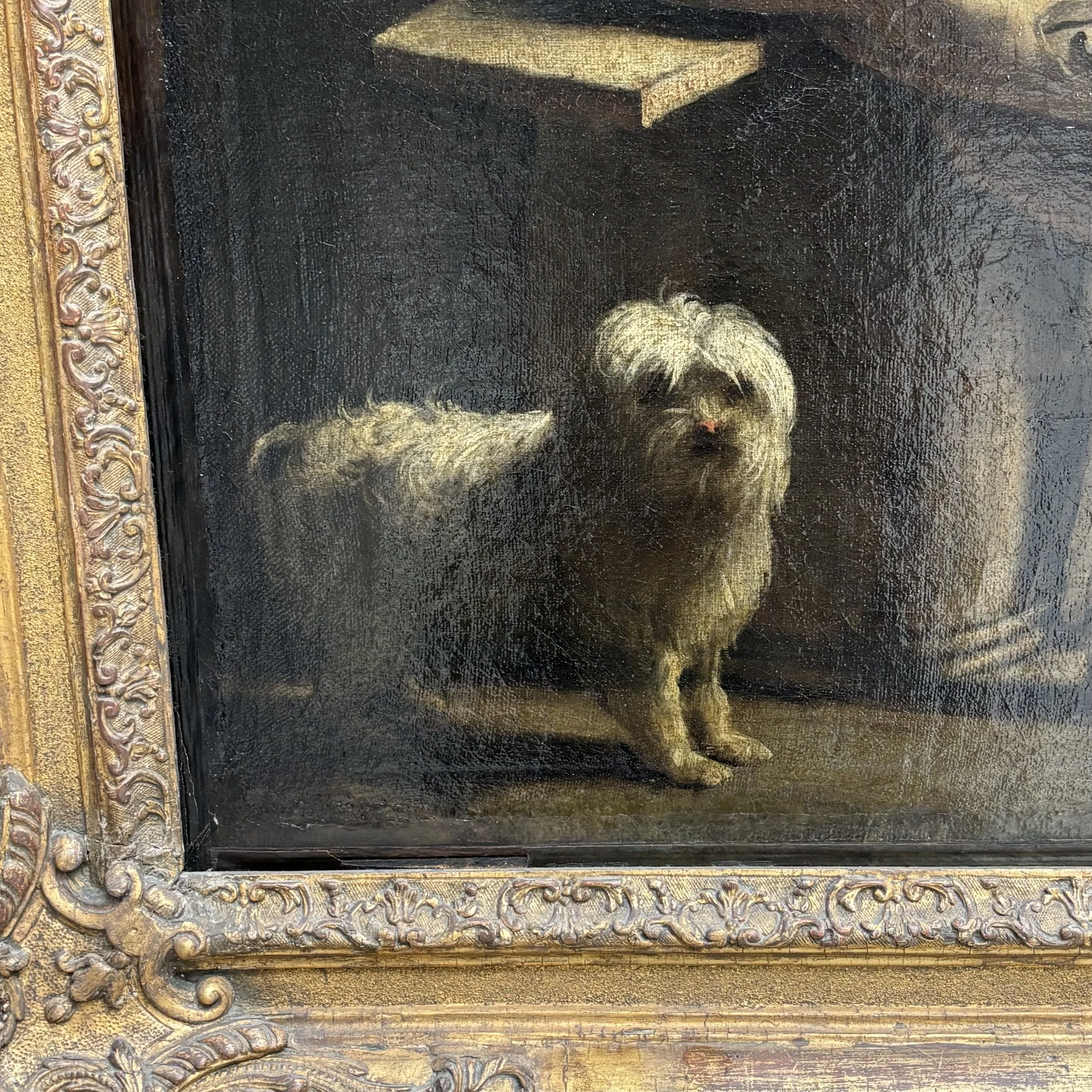
Below are some critters to heal the soul since the last two blog topics have been so dark. When I think about all the ties that connect us to the people of the past, one thing that often comes to mind is how much they also loved their domestic animals. One of my favorite museum activities is to spot all the dogs and cats in works of art. People back then must’ve also seen these fluffy friends and thought awww! so cute!!!


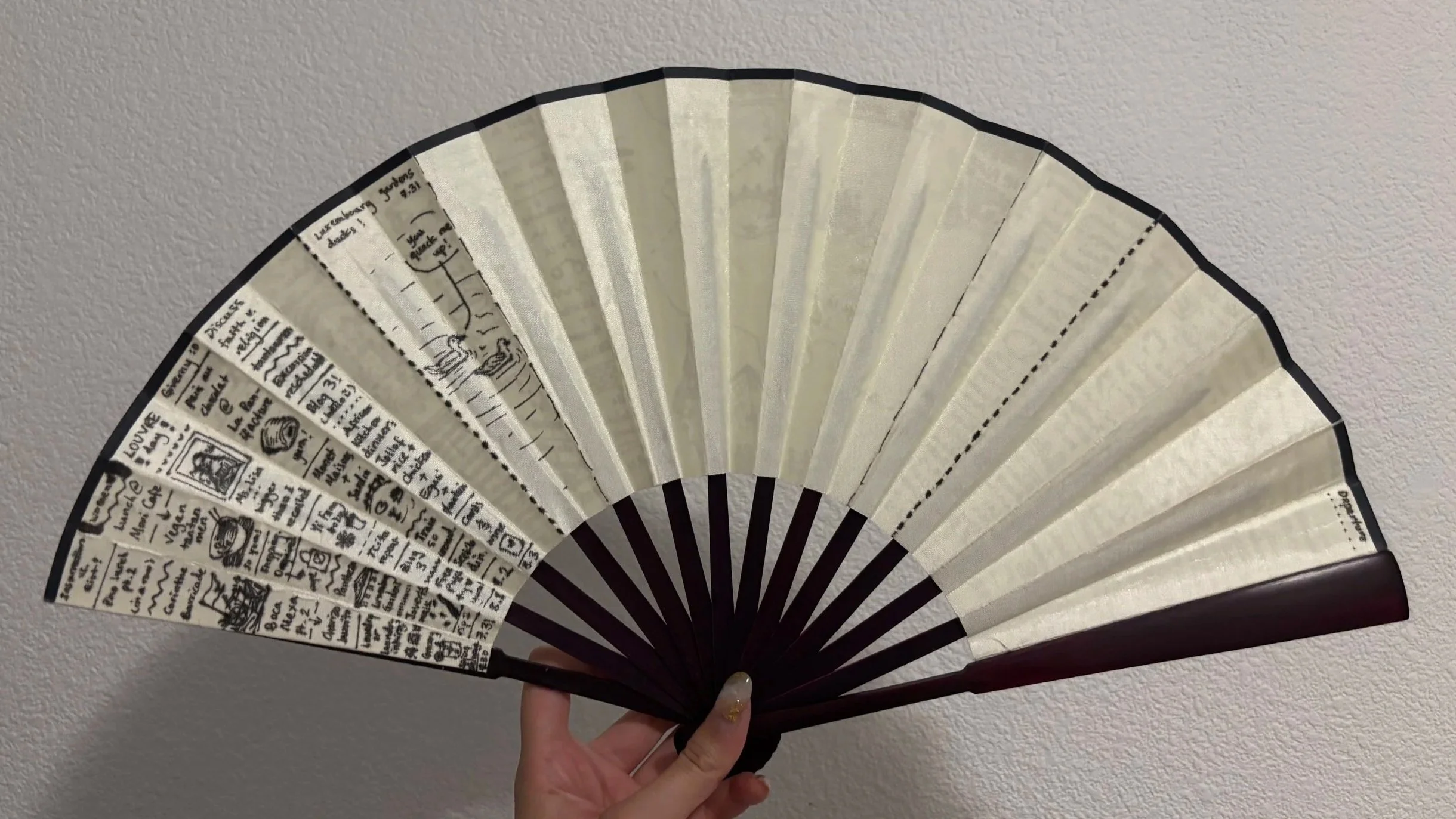
Progress–8.3

This fan is like the opposite of impressionist art–I’ve recorded only the events and not how they make me feel. But how can I do that with so little space and color at my disposal?! Maybe the next course of action is to paint each of these days from my hazy, pastel memories…

Again, Then Again

For those of you who are not students––hello, parents––and have happened upon this blog, we had a paper due yesterday. In it, I wrote briefly about the cycles of history and its tendency to repeat itself. As a result, this word, cycles, has been swirling around in my head (pun intended).

I chose to focus on Les Misérables. The novel has a shocking volume of fantastic quotes:

To put an end to abuses is not enough, attitudes must change. The mill has gone, the wind is still there
— Victor Hugo, Les Misérables

[See the crumb at the bottom of the blog for a tangent.]

There are two main things I’ve been considering in this discussion. First is Charles Dickens’s bloody depiction of the French Revolution of 1789; the gruesome violence of the radical revolutionaries and the paved roads running with blood. We recoil from the grotesque descriptions of beheadings, but find ourselves leaning in because we, too, are entranced by the power of their passion. Madame Defarge, dripping in the blood of the aristocrats, willing to end her own husband’s life, is terrifying but magnetic in her fervor. Reading about the treatment of the starving poor by characters like the Marquis, who kills a child in his speeding carriage and tries to fix the tragedy with a coin, we begin to understand the anger.

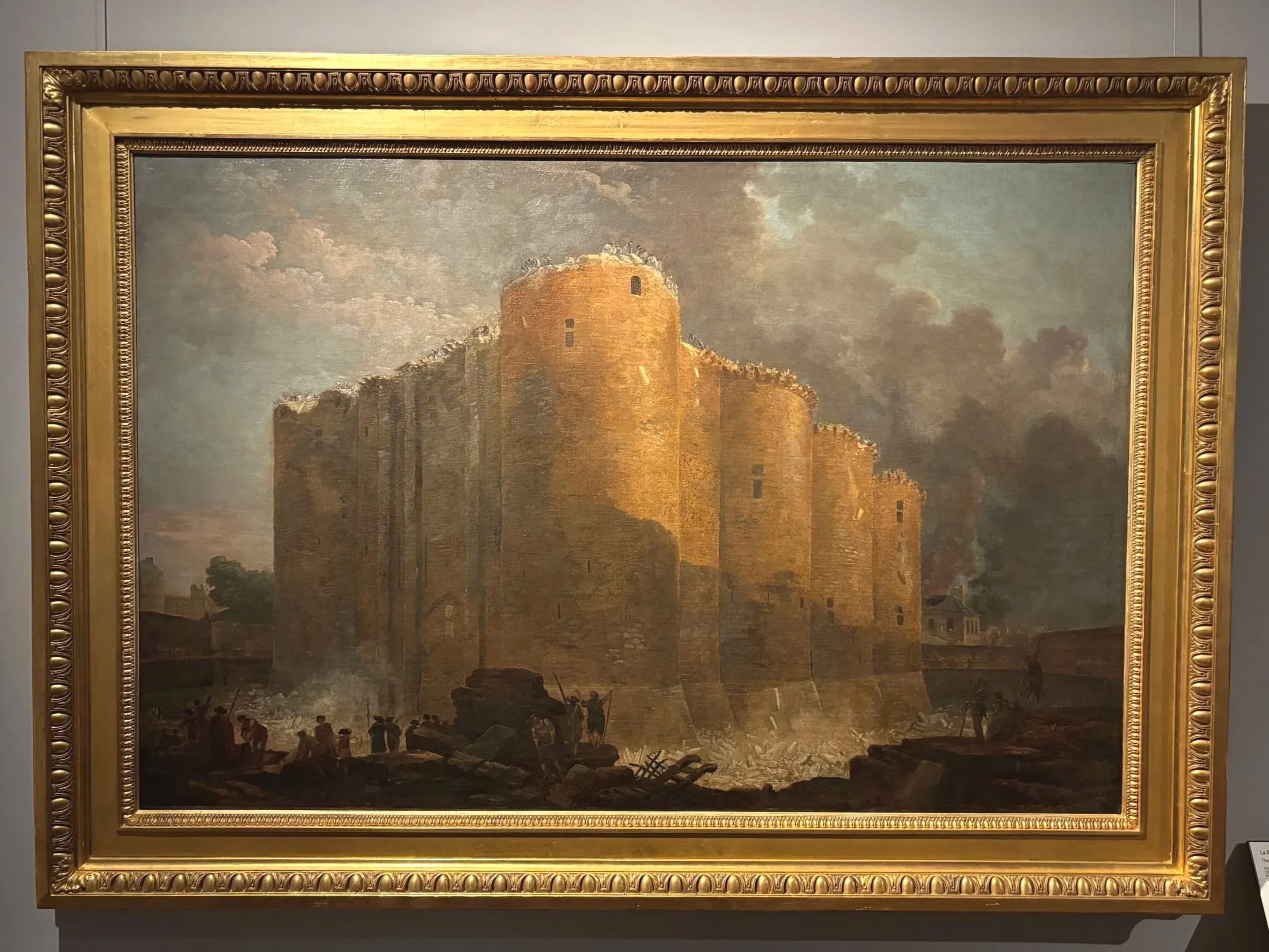
A painting of the demolition of the Bastille.

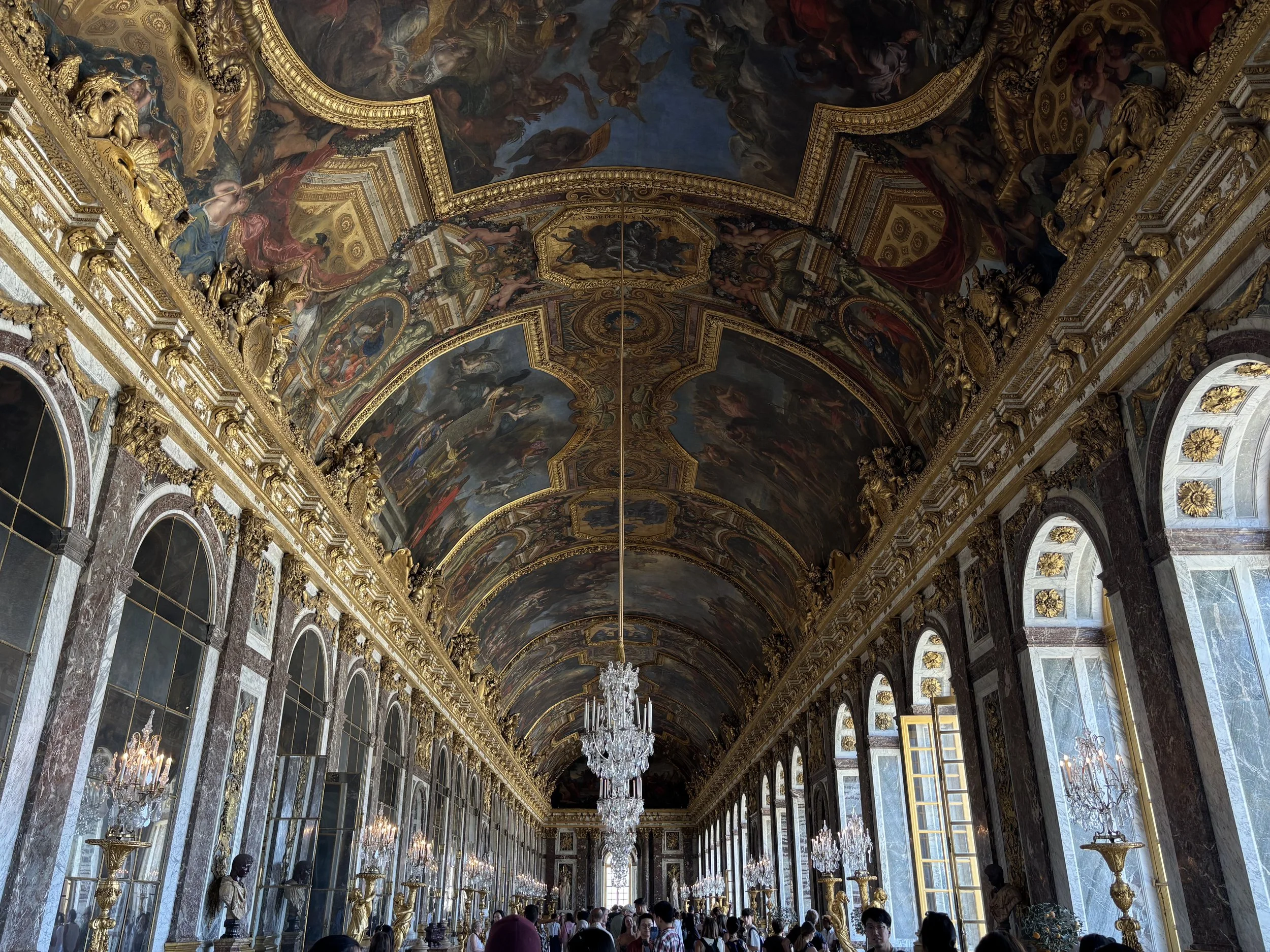
Then, there is Versailles. The harm of the Palace of Versailles is less explicit than the murder of a child or execution by guillotine. Still, it’s quite flashy. The palace itself is a behemoth that had only grown in size over the years. The opulence is absurd. From the roofs dripping in gold to the intricately painted ceilings, every inch of the palace radiates unnecessary luxury. I found the palace beautiful. I found it simultaneously ridiculous. I could not stop joking about the number of people that probably snuck in and made a home in the structure’s unchecked corners. The trek across the palace garden's infinite expanse had my Apple Watch prompting me to record my outdoor workout again and again. Walking down the endless halls, I wondered how the number of people visiting the palace that day compared to the number of residents back in the day. After some Googling, I discovered that the 30,000 or so people who visit the palace on a busy day are, in fact, more than the few thousand who had inhabited the rooms, but the hustle and bustle of the palace would still have been overwhelming. A third of the echoing footsteps. A third of the conversations. A third of the sweaty bodies pushing by in the statue-filled halls. All these people were still but a glittering fraction of the French population, most of which constituted the common third estate. That is to say, the palace was huge, and the people were tired of being trampled on by the rich.

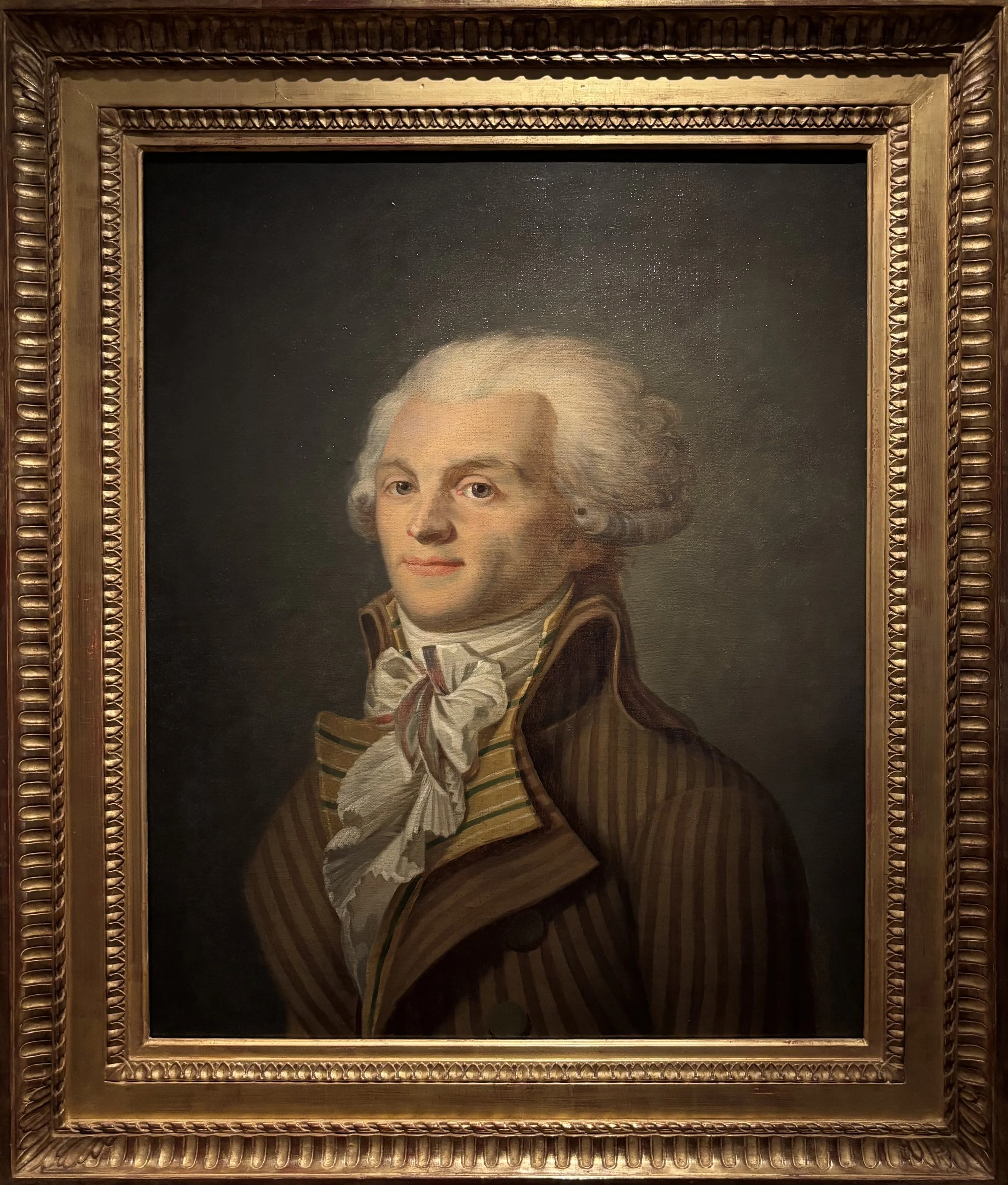
Robespierre. Buckets upon buckets of blood on this guy’s hands.

Still, reading about the gore and bloodshed, I am conflicted. When I see paintings of Marie Antoinette, I understand her role in the revolution, as a symbol of the old system. I cannot help but ask whether execution was really the path of justice. Here are the million-dollar (million-euro?) questions: When is violence justified? How much is too much?

Obviously, I do not have an objective answer to these questions. I have never been a hungry laborer in 18th-century Paris, nor have I been a suspected enemy of the revolution staring at the stone walls of La Force prison awaiting trial. Whether I would be for or against the revolution had I been alive at the time (ignoring the likely case that I would have been in China at the time––whoops) is unclear. However, looking back from my position in the present day, I can’t say I’m keen on the idea of ending someone’s life as a symbol of the previous regime. But again, the passion of the revolutionaries in the 1832 revolution of Les Misérables is truly inspiring, and I have a tender spot in my heart for each of the Café Musain students. I can imagine that people fought for love (sigh… Éponine) or for a better future, and I respect and am moved by their cause. But I find myself returning to the words of Combeferre: “Good must be innocent.”

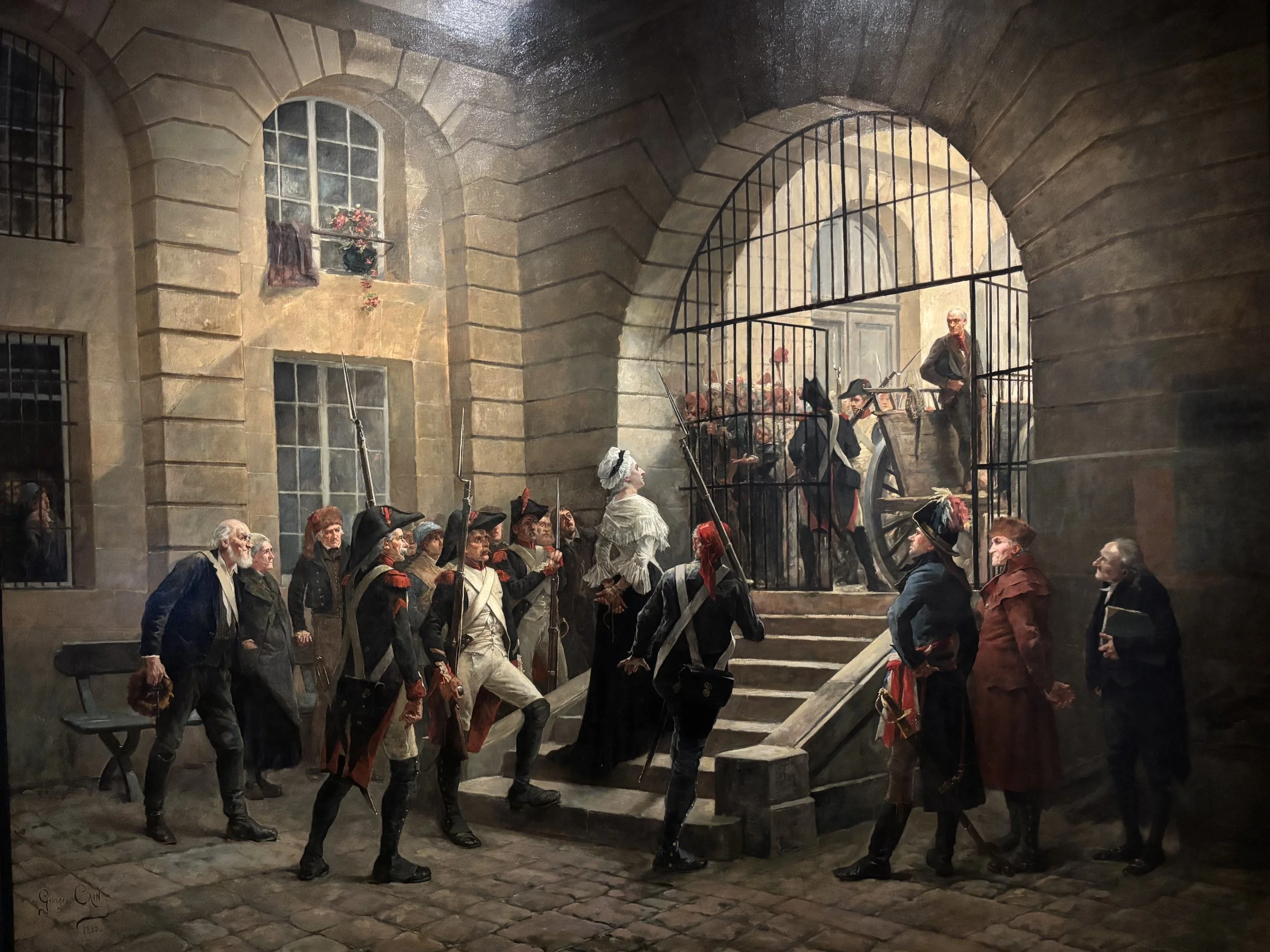
Marie Antoinette and her path to the tumbrils.

Again, it’s more complicated than that. When it comes to taking action against systems so ingrained in our societies, is a peaceful approach effective? Are we justified in responding to violence with violence? Does violence get us closer to addressing the root of the issue? Do we consider it retaliation or self-defense? What else can we expect? Sometimes, it’s not enough to be innocent, and good can exist in violence. Innocence alone could not have broken down the walls of the Bastille, or shielded the common people against the whims of the elite. Where there is oppression, there will be resistance. This is the case time and time again. And it is always more complicated than a choice between violence and peace (Violence for whom? Peace for whom?).

Crush humanity out of shape once more, under similar hammers, and it will twist itself into the same tortured forms. Sow the same seed of rapacious licence and oppression over again, and it will surely yield the same fruit according to its kind.
— Charles Dickens, Tale of Two Cities
 

poetry alert

!!

poetry alert !!


MOUNTING

one rock removed

another tumbles down

relentless avalanche rumbles

tumbrils in the town


The crumb as promised:

Thinking about cycles and revolutions reminded me of the Palestine protests in London. When I was visiting London from Cambridge last year, similar demonstrations were taking place. I observed the passionate masses marching down the streets, standing with the people suffering from the ongoing conflict as well as the historic oppression of Palestinians with the creation of Israel. I could not help but think of the demonstrations on the USC campus my sophomore year.  Free speech zones. Students detained by the LAPD. Students shot with rubber bullets. Not to say that London is some sort of protester’s haven, but, in the moment (I am unsure what happened after, as my parents and I left Trafalgar Square), watching uniformed officers stand aside and let the protesters do their thing, I felt deeply moved.

In relation to the French Revolution, the question here is similar to that of the National Guard's role during civil unrest. Are these forces that claim to protect the people really doing that? When people rise in protest, are the tear gas and muskets really there to keep them safe? Who, or what, are these forces protecting? All of these questions continue and will continue to resurface.


Progress–7.29. Onto the flip side!

Feeling Small

It is difficult not to feel small when faced with circumstances that feel foreign. Little feels more foreign than movement from one country to another––the same social customs no longer bind us, and in some instances, our communication is barred by language. More than that, there is the lack of shared history that one can find at home, be it personal or cultural.

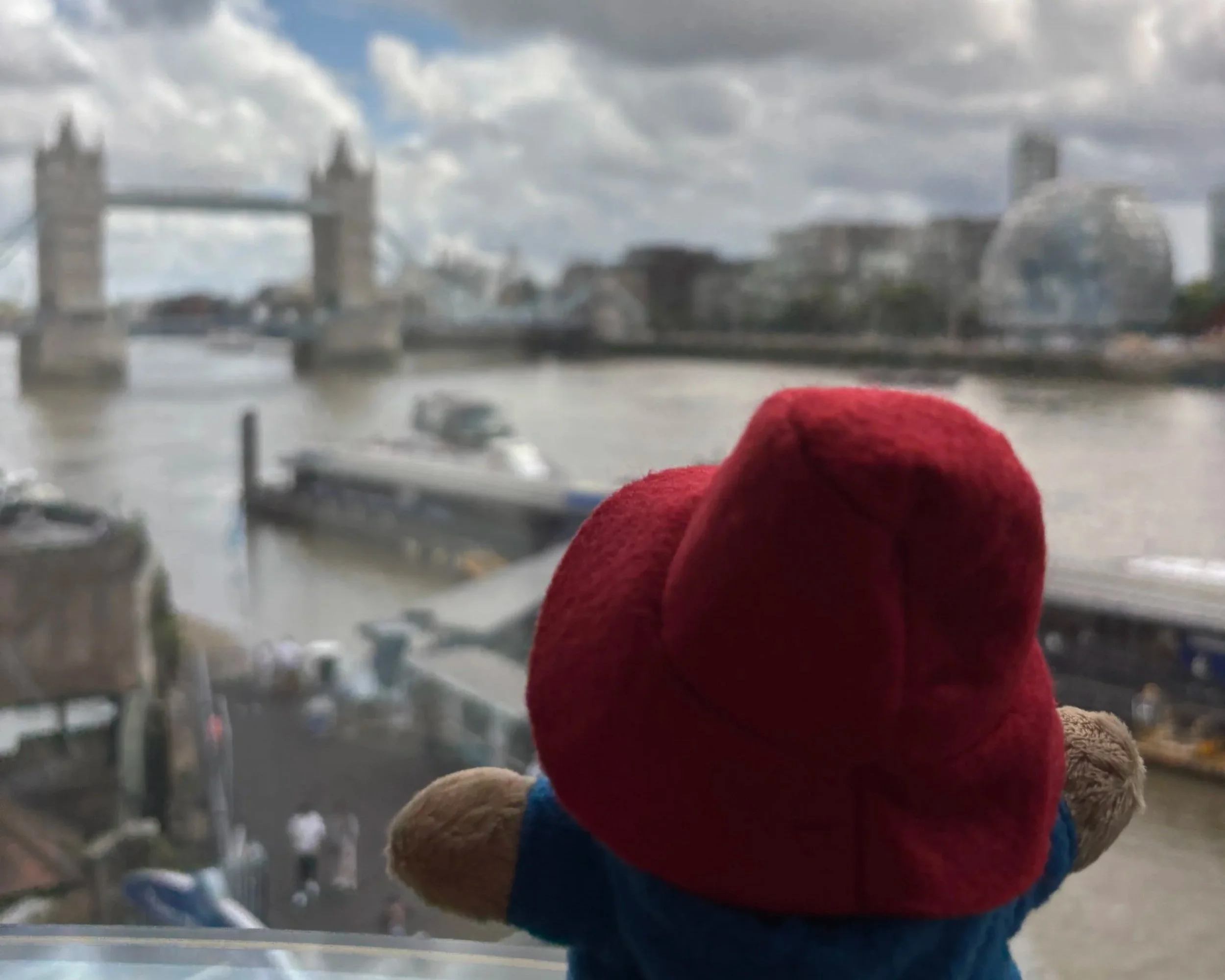
Paddington wonders… how clearly do we see a city without appreciating its history?

I want to preface this by saying that I have spent some time on English soil. Last summer, I spent a month traversing the grounds of Pembroke College and visiting various landmarks in nearby cities. I attempted to decipher the symbols etched on the walls of the Tower of London. I craned my neck at the majesty of the Tower Bridge (not the London Bridge, which is presently just a slab of concrete). I took trains to cities like Norwich and Edinburgh. At that point, just remembering to look right before crossing the street felt daunting. My focus was to enjoy my travels to the fullest, to let the freshness of a new location fill my senses, to create some semblance of familiarity so I wouldn’t lose myself, and to enjoy the present. I neglected to immerse myself in the country’s past and the experience of being beyond the activities, despite reading all the plaques on the walls of every monument, for fear it would overwhelm me. I was living in the here and now, and that was enough.

This time around, I have dedicated myself to the full Bookpacking experience. I do my best to be intentional in the ways I gaze upon each building and street. I did not expect to find myself feeling smaller than usual. I am at once powerless in the tide of Charles Dickens’s fate-fueled history and haunted by the presence of faith in both Les Misérables and The Tale of Two Cities, struggling to understand something that, beyond being an academic subject, was so foreign to me.

With every book and letter I held, I thought of the people who had touched them before me. Had they taken the same care? Did they know these pages would outlive them?

Thus did the year one thousand seven hundred and seventy-five conduct their Greatnesses, and myriads of small creatures–the creatures of this chronicle among the rest–along the roads that lay before them.
— Charles Dickens, Tale of Two Cities

In class, we have dedicated discussions to the various perspectives on history. In The Tale of Two Cities, Dickens implies a degree of predestination. The past is given a direct trajectory to the present, which then reaches an inevitable future that we are, at present, setting up. I have a personal dislike for the idea of fate and destiny, especially as it pertains to historical events. Concepts like manifest destiny are linked to the violence that Native Americans faced at the hands of American settlers. Fate is too easily used to avoid responsibility for the uglier sides of history. I prefer to think of history as more of a chaotic (or, as Professor Andrew would say, higgledy piggledy) series of events. Not to say, of course, that historic events are not linked–it is crucial to remember that actions impact other actions. Oppression leads to revolt. Revolution paves the way for more revolution. The revolutionaries in The Tale of Two Cities are a people who have been exploited and neglected. This was the choice of the wealthy to continue the status quo, and the people to rise in defiance. A history clouded by fate feels less human.

In that stuffy, book-filled room of Jarndyce Antiquarian Booksellers, I became more and more enamored by the idea of humanizing history. The narrative element of literature allows us to see these historic events as more than just forces colliding. There are people behind all things. I thought about how the owners of these books must not have known that collectors would desire their weekend copy of Dickens’s writings. Dickens himself could not have predicted that a group of students from a university in California would chuckle at his correspondence with his friends. There is more than just the evidence that remains. In the writings and the cheeky illustrations of the period, there lingers emotion, passion, and the people who felt those things and decided to act on them. They dipped their pen in the inkwell, or packed their muskets with gunpowder. All things were and are a choice. Let us not relinquish the reins of free will and give credit to the magnetism of some higher force.

The Unknown is an ocean. What is conscience? It is a compass in the Unknown. Thought, imagination, prayer, these are great mysterious radiances. Let us respect them.
— Victor Hugo, Les Misérables

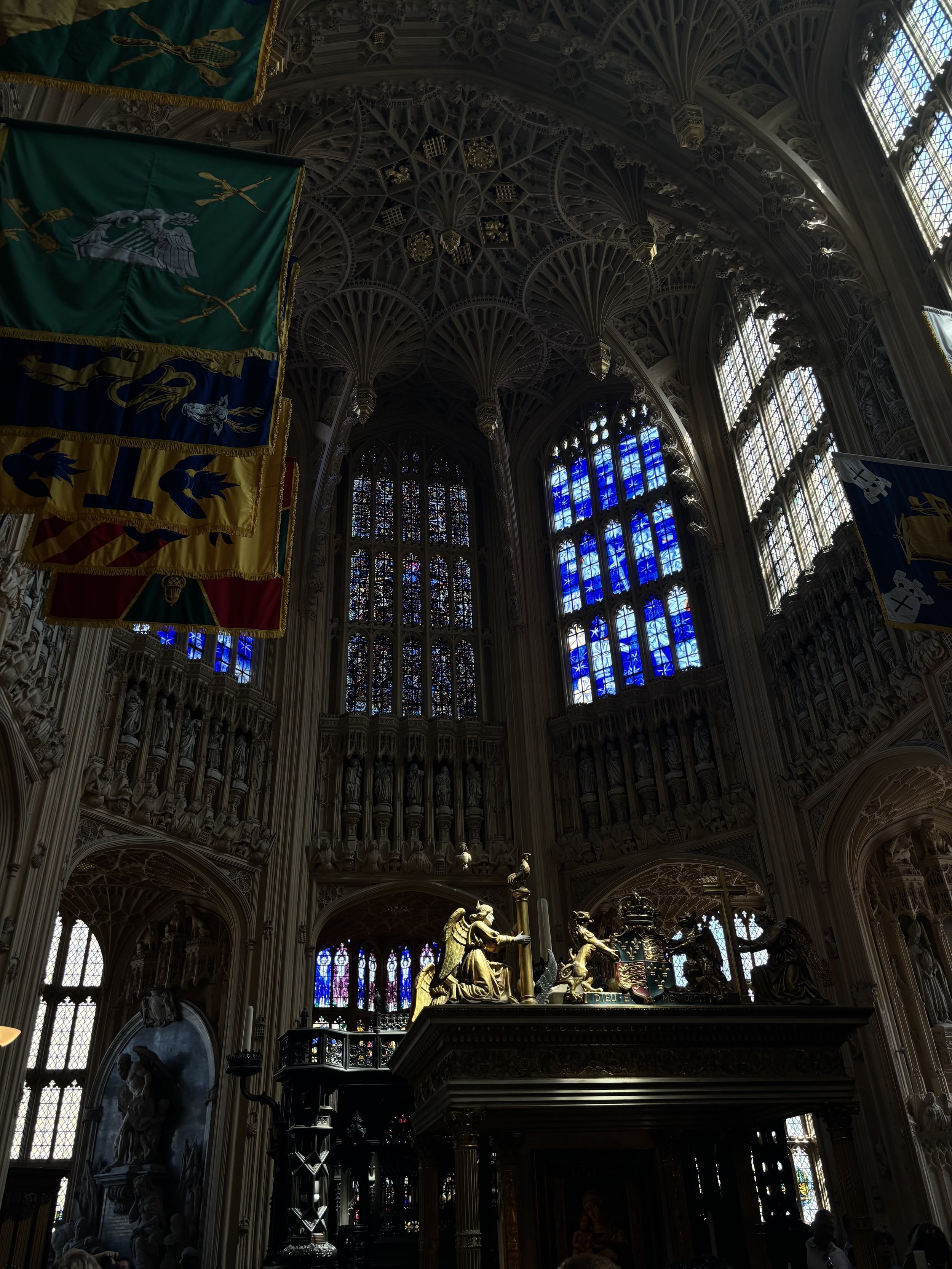
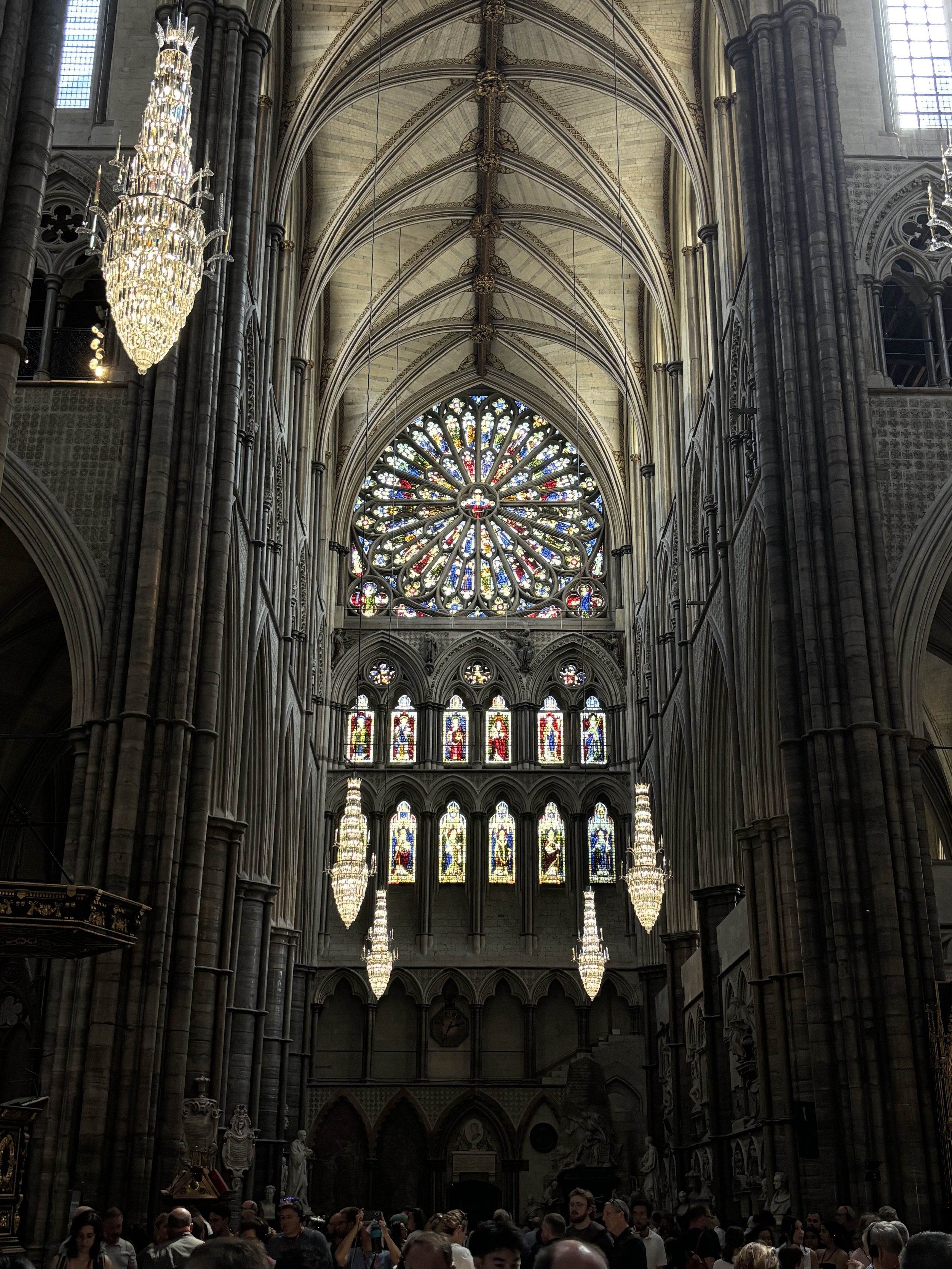
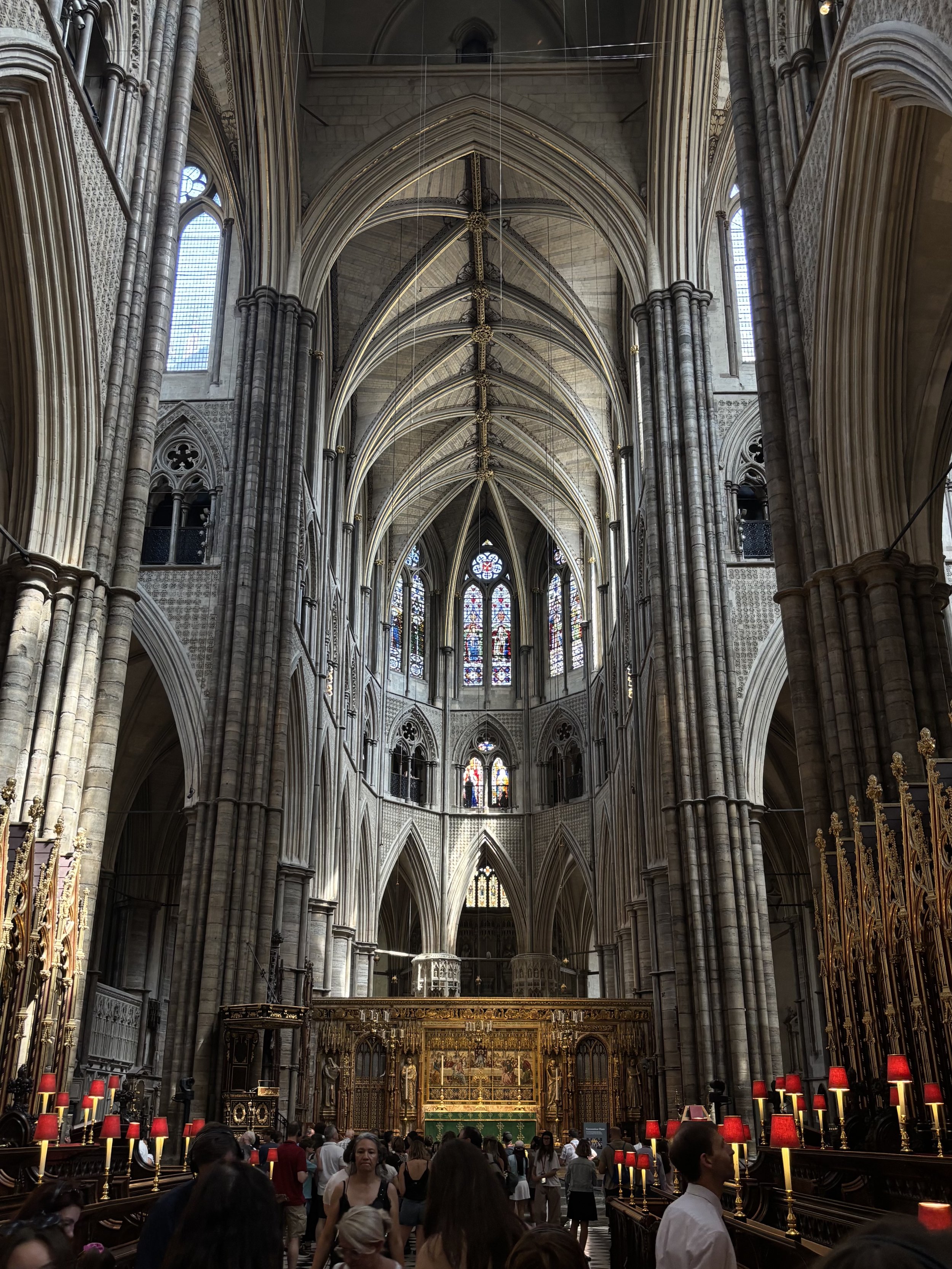
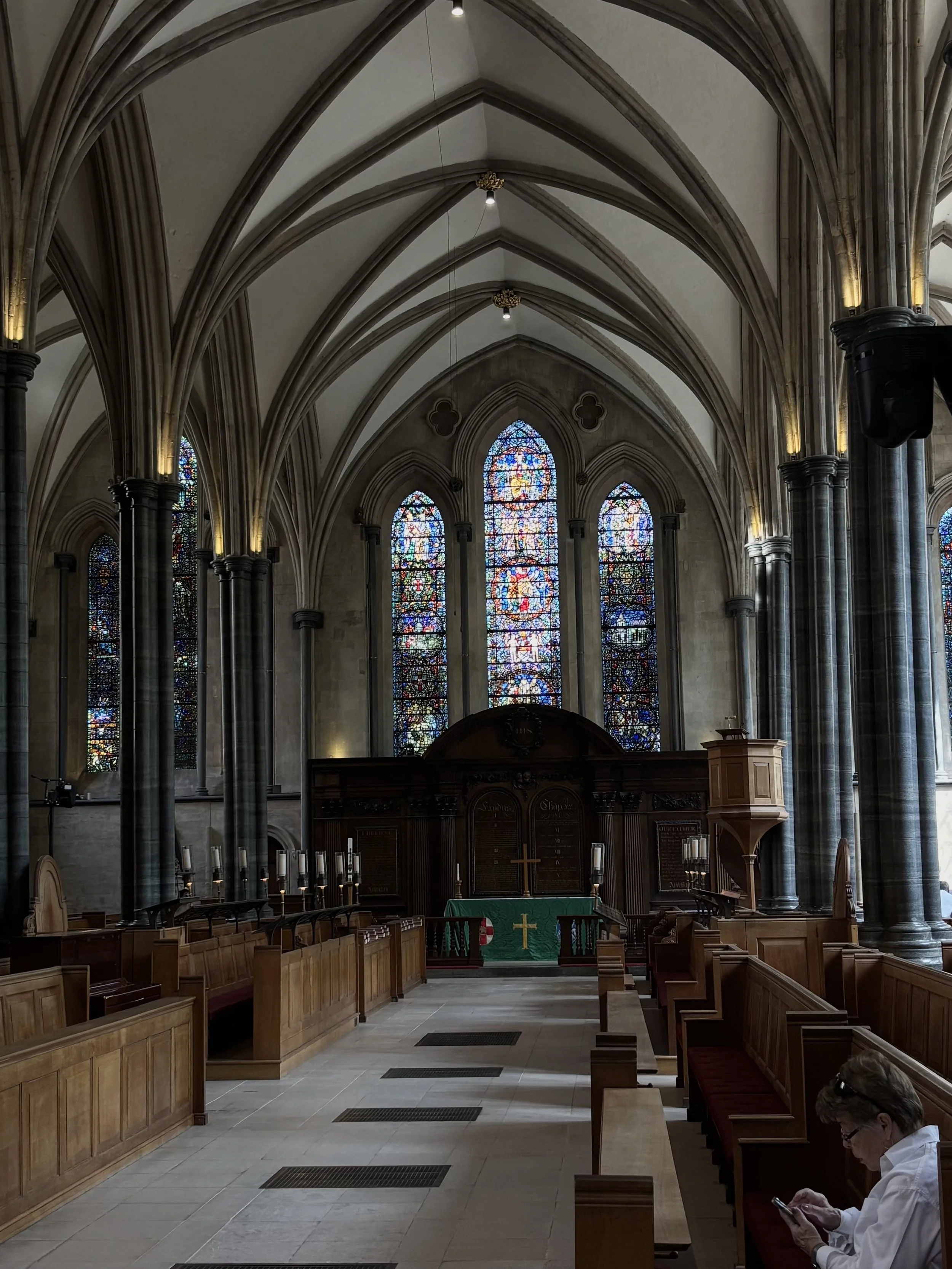
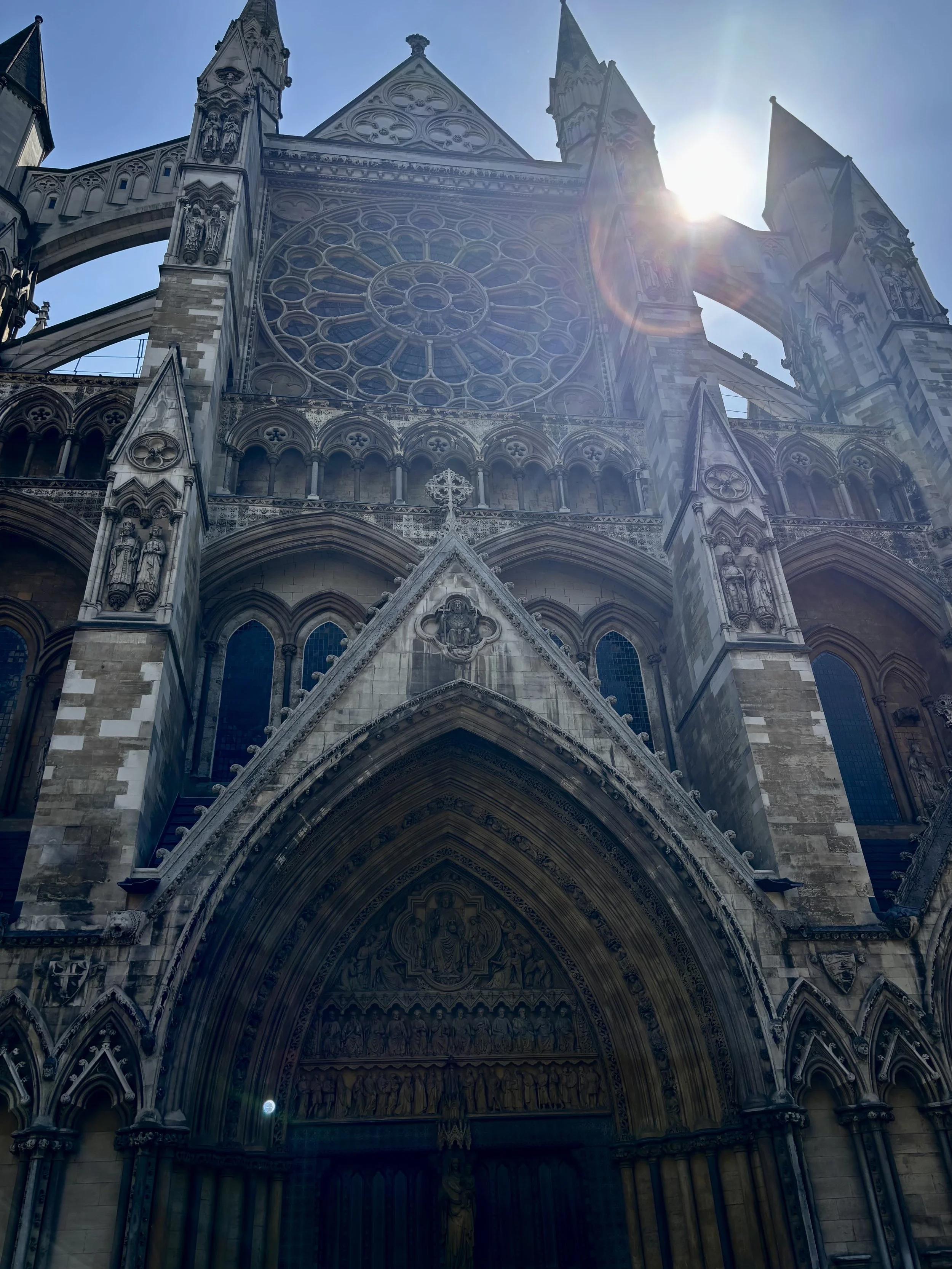
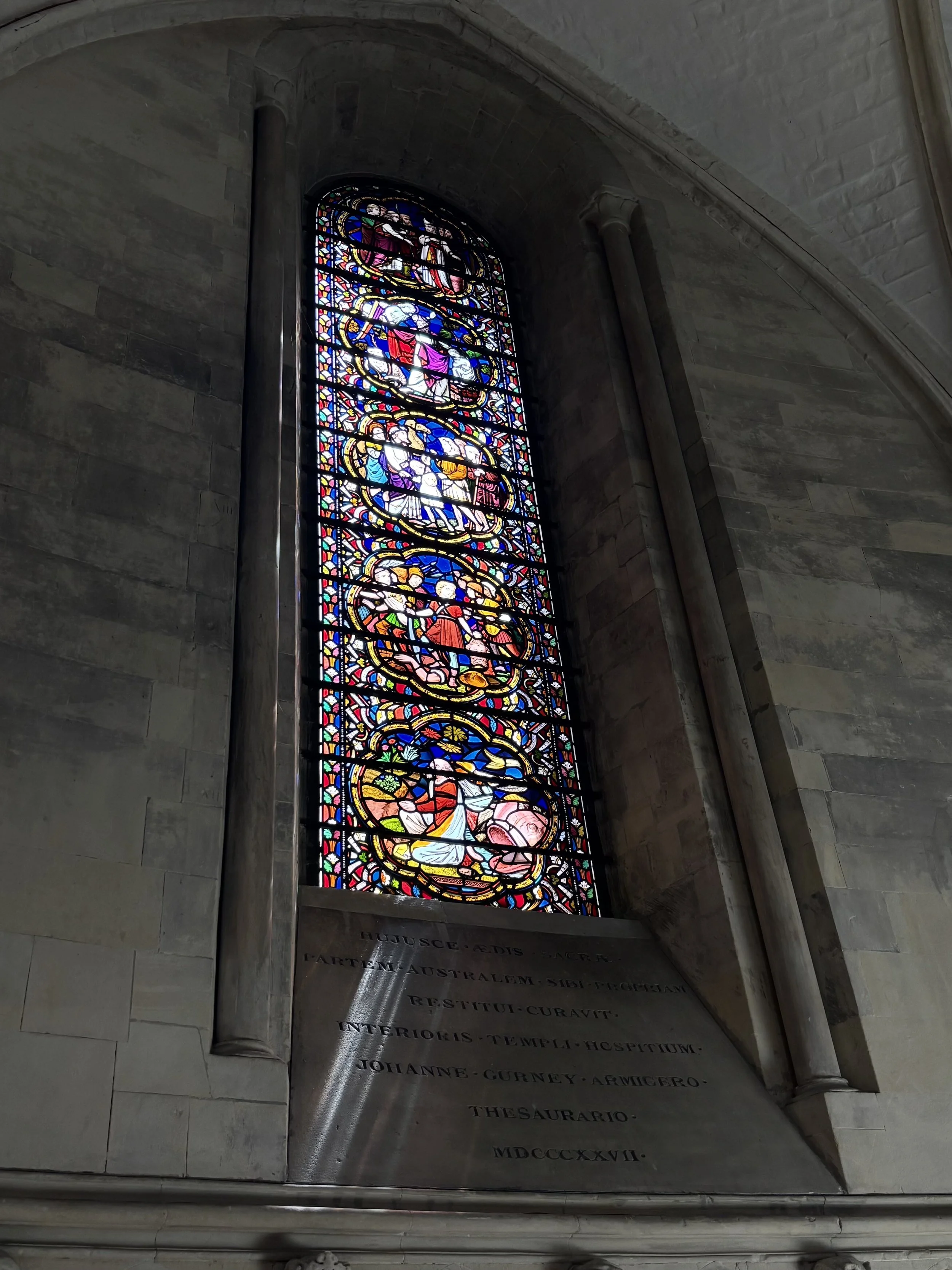
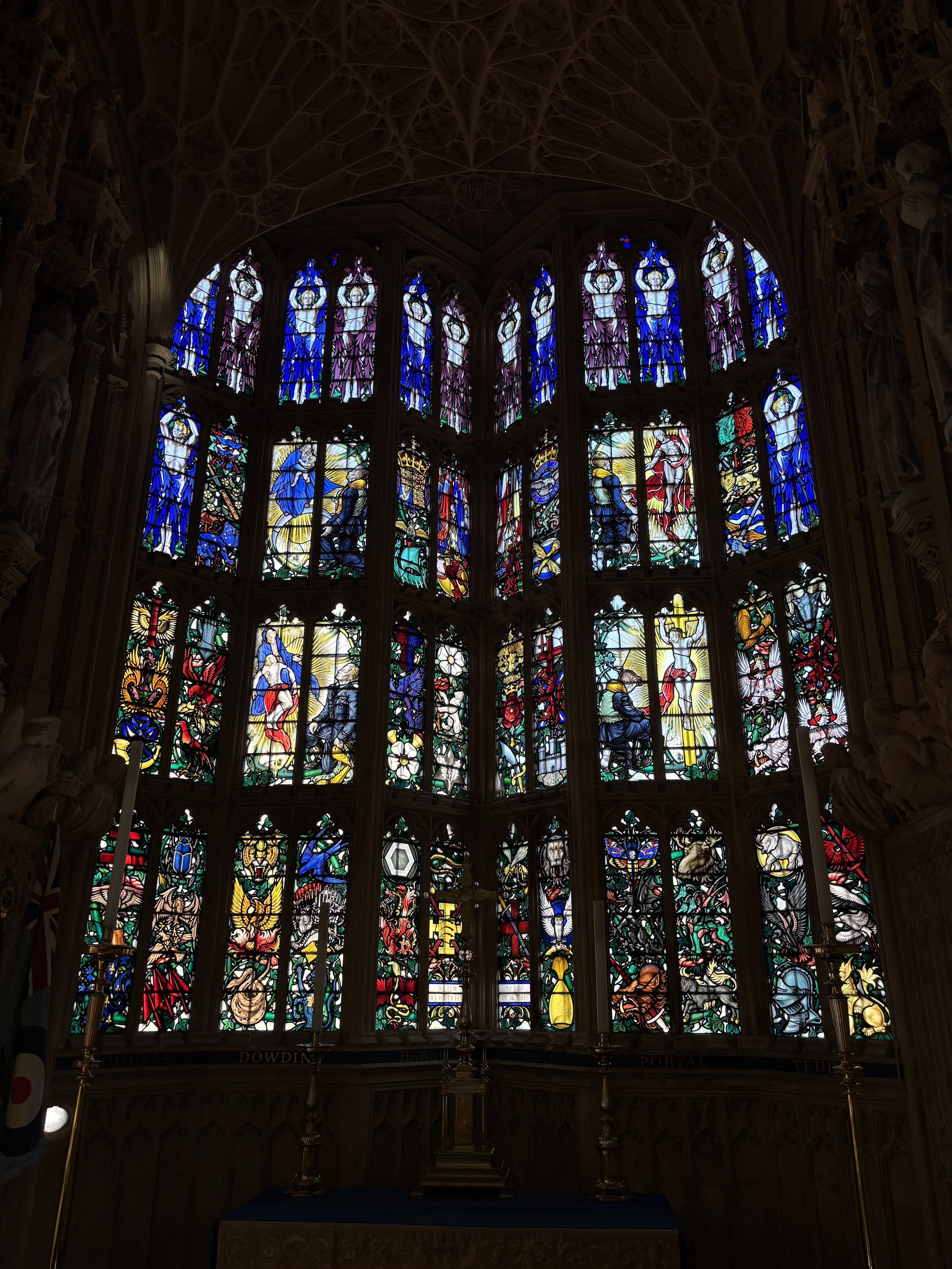
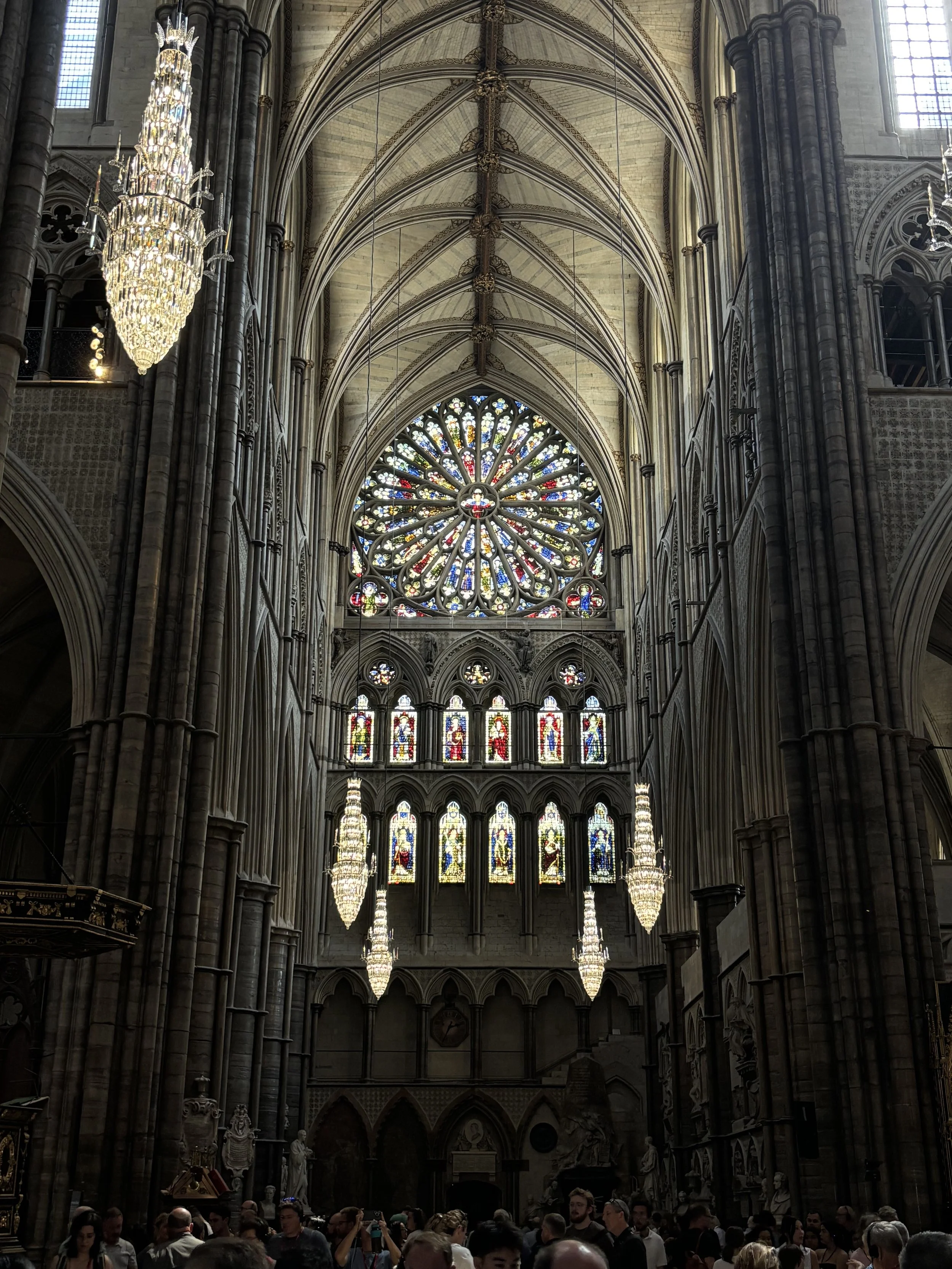
I will admit that I have never believed in a higher force. More accurately, I refuse to deny that such an existence is possible, but without proof, I remain highly skeptical. For the longest time, I avoided fully immersing myself in the grandeur and beauty of religious structures. This avoidance was not intentional, but I couldn’t help feeling like a fraud in these places of worship. As a result, I had also denied myself the chance to connect with spirituality and understand the appeal of faith. I would appreciate the architectural and artistic ingenuity of the yawning corridors and intricate stained glass windows, but I would not look beyond their aesthetics.

Both Hugo and Dickens refer to the healing power of religion through Bishop Myriel’s life-changing forgiveness and Sydney Carton’s Christ-like death. In reading about these transcendent experiences, I became determined to use my time exploring the many, many houses of faith to try and make some progress in changing my rigid atheistic ways, for the sake of Bookpacking. So I sat and pondered the question of faith. I certainly felt a sense of awe when entering these buildings. I could understand how religion helped people cope with difficult situations, how God gave people hope when they could find no source in their own lives. I wondered if the revolutionaries felt the same religious way about the phantom of a better future. In the peace of my own mind, surrounded by crowds of people, some praying, some taking pictures, I came to a new conclusion. What was so wrong about feeling small? Does feeling small necessarily mean feeling scared, or displaced? All other people in that church, in the present day, and surely in the past, were looking for some way through life. Some seek to find it in the comfort of God. Others find community within these walls. These structures, centuries old, housed stories and watched revolutions come and go. I found a new comfort, then, in the sureness that all people long for brighter days. If religion is the catalyst, the least I could do is try to understand. Watching people close their eyes and pray to the stone saints looking down with loving eyes, I could grasp the gravity a little more.

The first week of travel, though endlessly educational and fascinating in an academic sense, has given me the space to acclimate to the environment and experience literature in a new way that involves both mind and body. The world feels so much bigger when you are standing in it, and so much less lonely when you remember all the people that were and are. I look at the wear and tear of a city and think, I must have made my mark somewhere, too.

We have left London behind. Now, in Paris, I feel no less small. Still, in these books and that weathered corner of the cathedral’s pavement, there is light. With enough of an open mind, this looming shadow will be no more terrifying than the object that cast it.

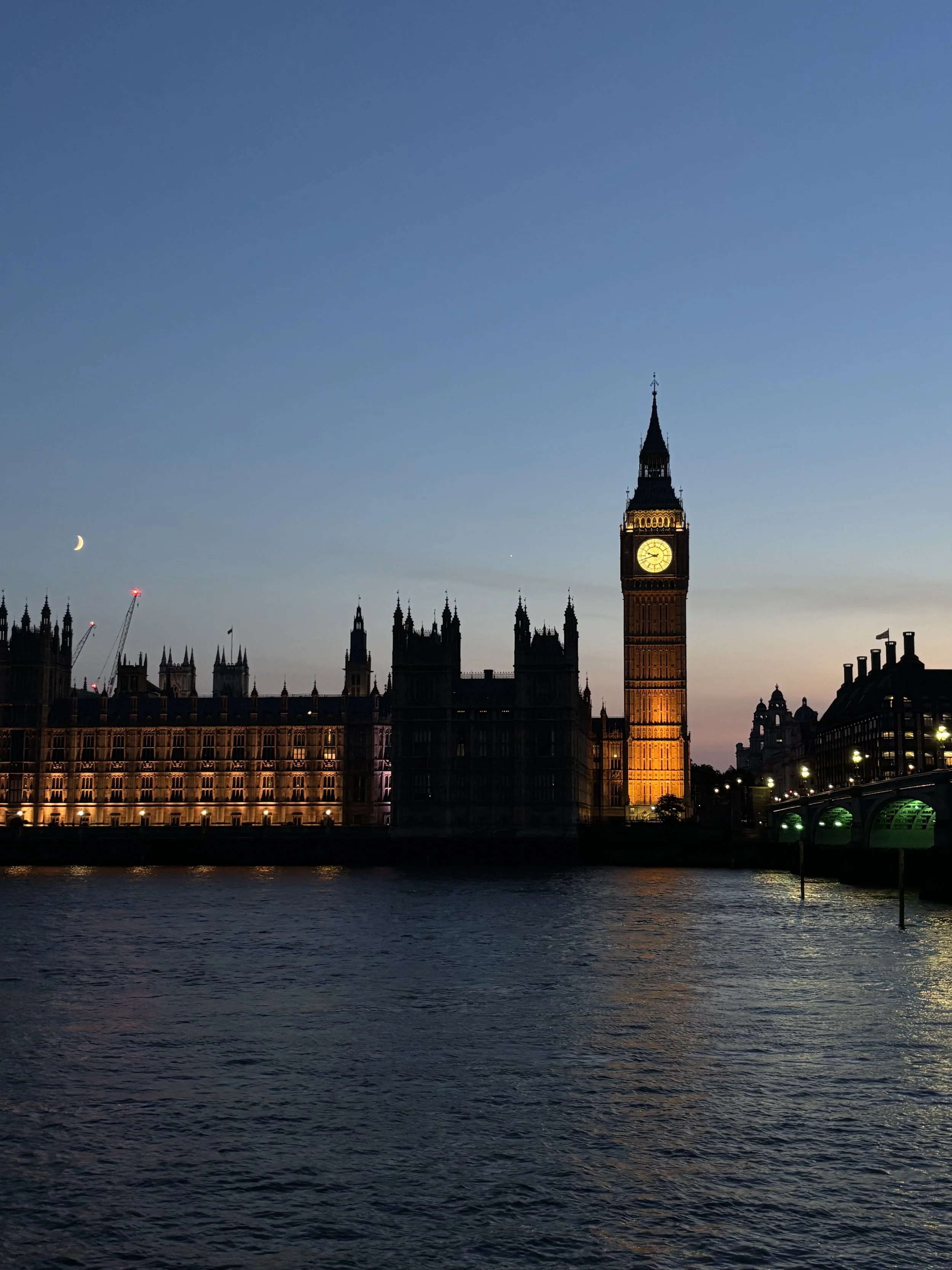
Goodbye, London…


poetry alert

poetry alert ‼


Tower // Blacksmith

a tall world

towers over

me

a blade of grass

in a teeming, impatient field

so much has passed

much more yet to come

the pillar of history

the ever-growing sum

ever-growing

fatal weapons of intellect

for God

for liberty

to wield


for the word

from rag and mouth

cutting down

or raising up

the voice and the flag

as weapon

or as shield


the power of the tower

to crumble or

heal


On a loosely related note, one final crumb for those who are interested (this has to do with Bookpacking! I swear!):

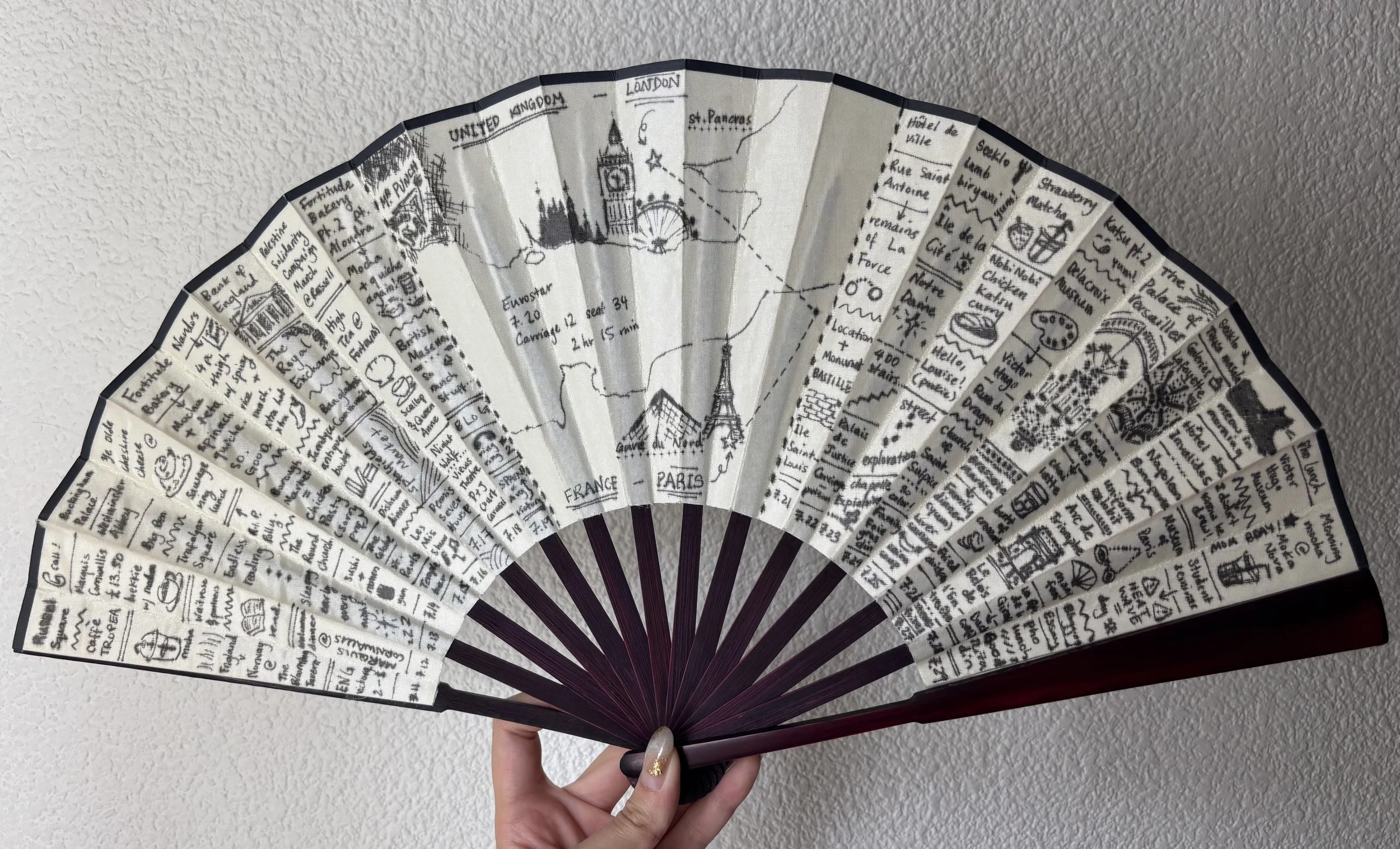
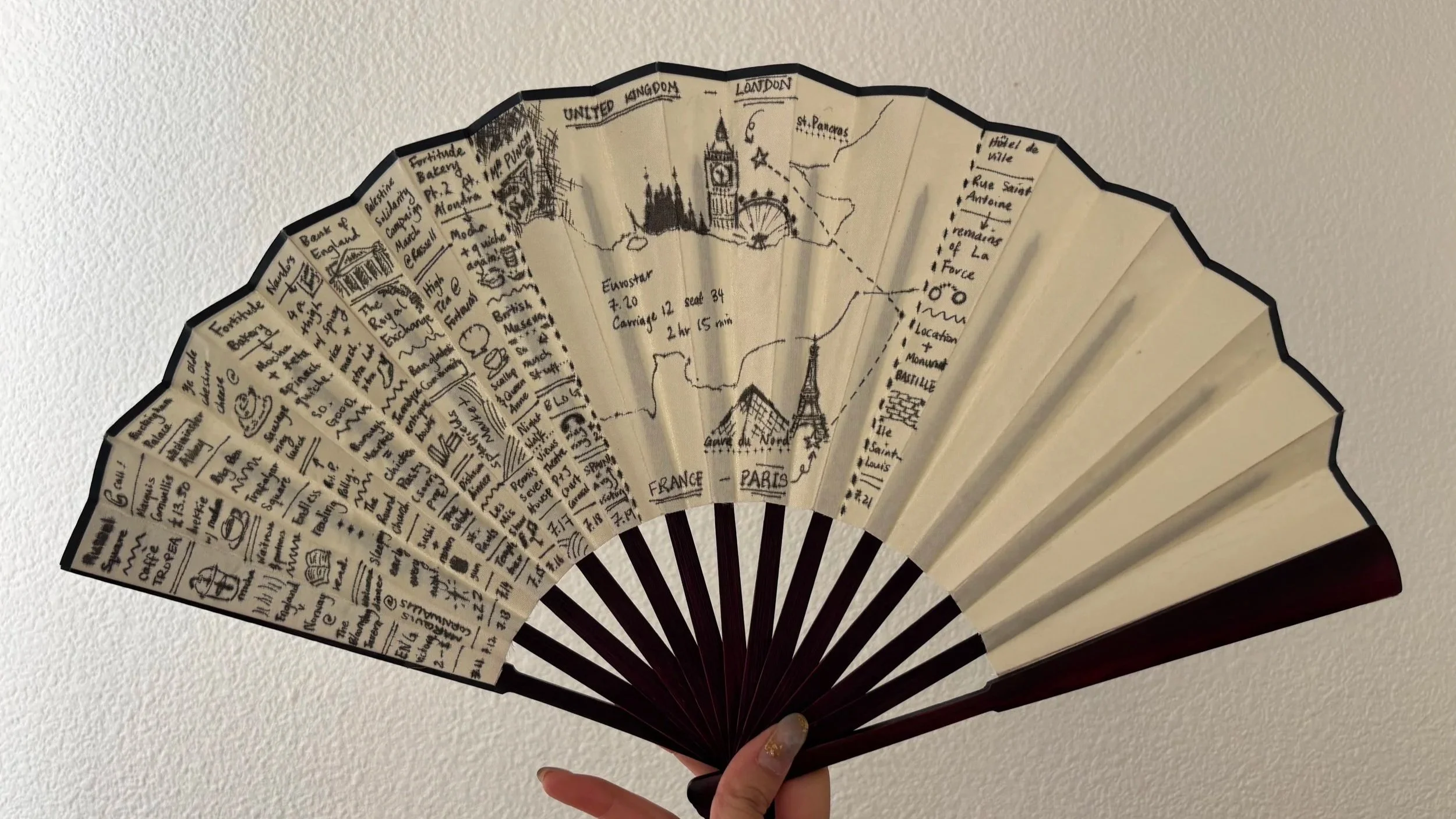
I have been keeping a record of all the activities I’ve partaken in since I arrived in Europe. I hope that it will help me retain all the wonders of this trip past my usual week-long memory limit. I started this journal-fan because I was worried about forgetting what I had done, but upon seeing all the artifacts that have made it through the centuries, I think it will be alright even if I do forget the details of this trip. I will have this fan to analyze upon my return to the States, with the knowledge that no writing (sorry, Hugo and Dickens) or illustration (sorry, Hogarth) can capture the true feeling of being somewhere (though they may come close).

I will add an image of my progress at the end of each blog post, and the amount of blank space that remains will keep my feet on the ground in terms of how much time is left. Maybe part of the anxiety around history is that it’s unclear when it began (depending on who you ask) and when it will end. The past has happened, but at present, we are in limbo. It all depends on what we do next.

Progress–7.21.