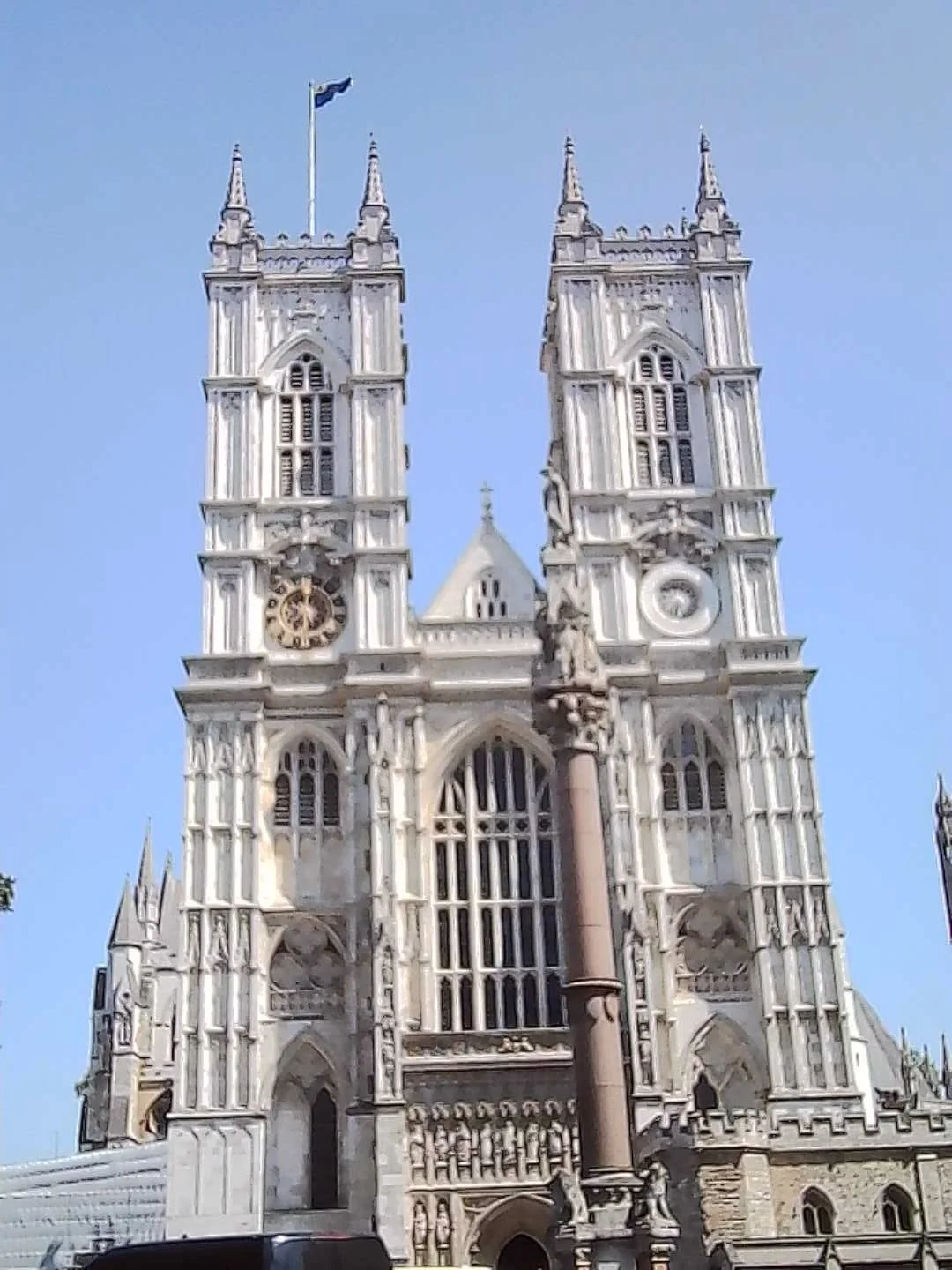
“It was the best of times, it was the worst of times,”
Before arriving in London, I always thought the famous opening line of A Tale of Two Cities referred almost entirely to England and France. Two countries. Two governments. Two completely different responses to revolution. After spending a week bookpacking Dickens's London, I'm convinced he was also describing London itself.
One of the biggest surprises of this class has been realizing that London is a city built on contradictions. You can walk through centuries of history in less than an afternoon, passing from places of music and art to places that tell stories of crime and punishment without ever leaving the same city.
Early in the week, we explored the Westminster Abbey, Buckingham Palace, and Parliament. Everything feels permanent there. Massive stone buildings, ceremonial guards, carefully maintained parks, and traditions that have existed for centuries. Even as tourists filled the sidewalks taking photos, there was still a feeling that these places had stood through wars, political upheaval, and generations of monarchs without ever appearing to lose their composure (which it has).
Only a day later, we found ourselves standing outside the Old Bailey, a criminal courthouse, and the Royal Courts of Justice. Instead of kings and ceremonies, these streets tell stories of trials, executions, and the legal system that Dickens so often criticized. Suddenly the city felt completely different. Yet it was still London.
That pattern kept repeating throughout the week.
Walking through the financial district, we found ourselves surrounded by glass skyscrapers squeezed between churches and buildings hundreds of years older than the country I grew up in. The Gherkin and the Lloyd's Building rise behind narrow streets where Dickens himself once walked. One moment that perfectly captured London's contradictions happened while standing beneath the Gherkin. Looking one direction, I saw steel and glass reaching into the skyline. Looking the other, I saw narrow streets that have existed for centuries (shown in the video at the bottom of this page). There wasn't a clean line dividing old London from new London. They coexist together, each making the other more noticeable. Rather than replacing history, modern London simply builds around it. New buildings compliment and reinforce the old buildings still standing. Every neighborhood feels like a conversation between different centuries. That idea reminded me of Dickens's novel.
Bookpacking isn't only about proving whether Dickens got every location exactly right. Cities change. Buildings disappear. Streets get renamed. Instead, it's about discovering how the places themselves deepen your understanding of why an author wrote the story the way they did. Standing in these locations makes it easier to understand why Dickens fills A Tale of Two Cities with opposites. London constantly presents them to you. Justice and punishment. Tradition and innovation. Old and new. Even the city itself feels like two places existing at once. But one contrast surprised me more than any of those. Despite being one of the busiest cities in the world, London is unexpectedly quiet.
Some of my favorite moments from this week weren't outside Buckingham Palace or in the middle of Trafalgar Square. They happened in places like Middle Temple, Bloomsbury, and the neighborhood surrounding the Dickens Museum. One afternoon, we sat down to read in a relaxing, quiet park. When we stood to leave, as soon as we walked around the block, we were met with the bustling atmosphere of London. Just minutes away from crowded streets, all of these spaces suddenly become peaceful. It's easy to understand why Dickens chose settings like these to give his characters moments to breathe. Amid revolutions, public spectacle, and political conflict, Dickens repeatedly gives his characters places where their personalities survive and can breathe. Walking through those quieter corners made me realize that he was doing the same thing for his readers.
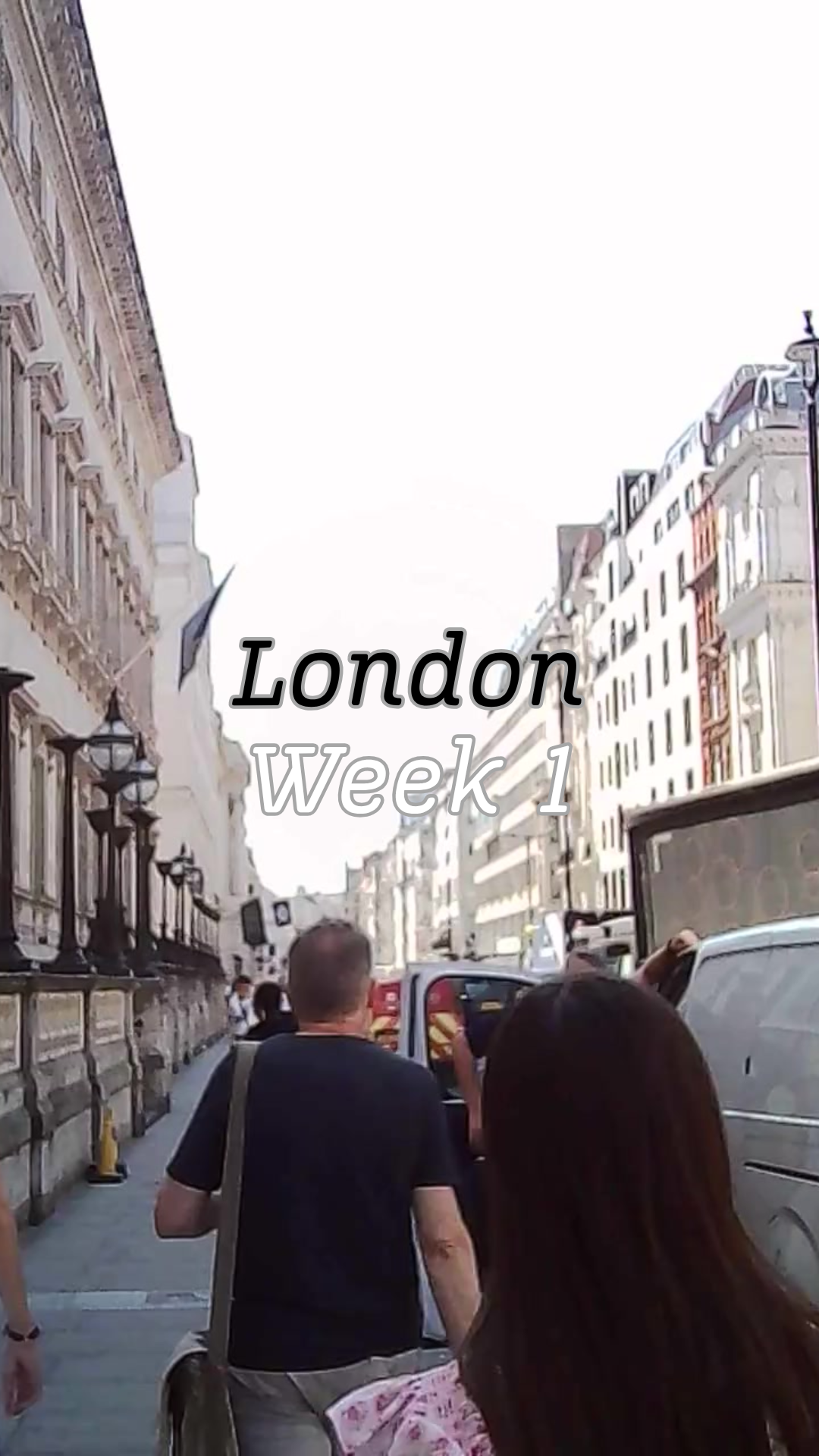
Middle Temple ended up being one of my favorite stops all week. Hidden behind gates and tucked away from London's busiest streets, it almost feels disconnected from the modern city. Walking through its courtyards, it wasn't difficult to imagine Sydney Carton or Stryver hurrying arround. It also reminded me that Dickens didn't always write about grand political events. He understood quieter places too, where ordinary conversations happened and lives unfolded away from the public eye.
Bloomsbury, just outside of our apartment, became one of my favorite parts of London. Every morning we walked through quiet garden squares on our way to class before spending the afternoon exploring one of the busiest cities in the world. Those few peaceful blocks became a kind of reset button. Looking back, it feels fitting that Dickens lived nearby. Even in a city constantly moving, he found pockets of calm.
Visiting Ye Olde Cheshire Cheese was probably one of the easiest places to imagine Dickens himself. Descending into the dimly lit rooms, surrounded by low ceilings and centuries-old woodwork, it felt less like entering a restaurant and more like stepping into one of his novels. It's one thing to read of his characters drinking there; it's another to sit in a space underneath a plaque that read "This was the seat most frequently occupied by Charles Dickens" and has changed remarkably little since Dickens's lifetime.
By the end of the week, I had stopped thinking of London as simply one half of A Tale of Two Cities. Instead, it had become its own collection of "two cities."

Before this class, I assumed bookpacking meant tracing fictional characters through real places. Now I think it's more of a conversation between the place and the story. The novel changes the way you see the city, and the city changes the way you read the novel. And after spending a week walking London's streets, I don't think I'll ever read Dickens's opening line quite the same way again.