
Students. The minds of tomorrow. Young, fierce, and persistent. They have their finger on the pulse and their foot on the gas with nothing short of death a roadblock strong enough to stop them from pursuing greatness. Whether it is revolution or the daily trends we tend to follow, everything starts and ends with the passion of the youth. In Victor Hugo’s Les Miserables, the youth play a vital role in guiding the future. Through general merriment and as catalysts for revolution, they form the heart of society as we know it.
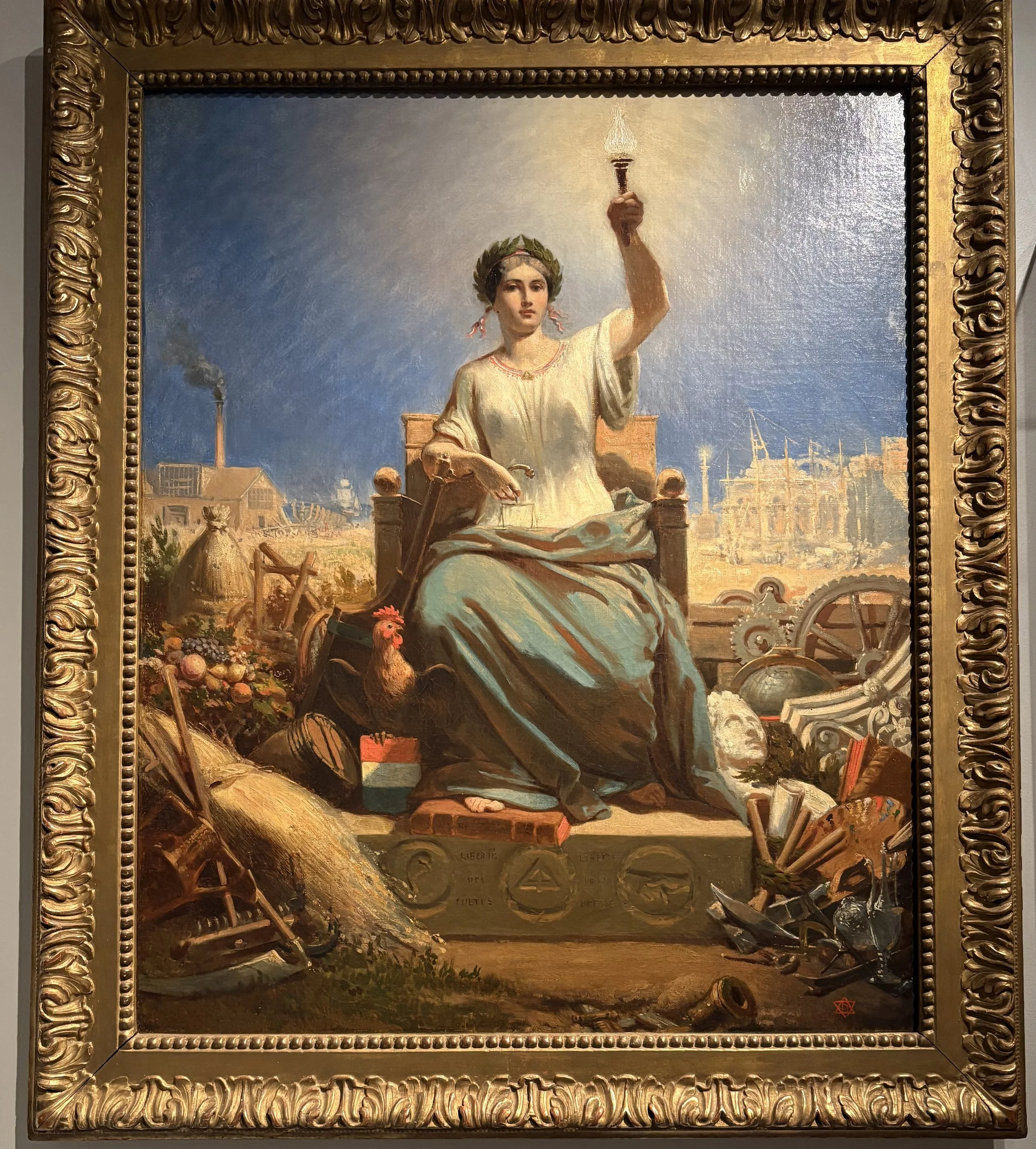
The Republic by Ange-Louis Janet, 1848 in The Carnavalet, Paris.
This portrait of The Republic is the embodiment of France. In the center, there is a small French flag underneath a rooster. On one side of the chair is farming equipment, the other side a hammer and art supplies, and behind the lady is factories and construction sites. The foundations of France, with the woman of freedom and liberty sitting atop. A symbolic image of a republic of the people, not the monarchy.
““They were young. The pure blood of principle ran in their veins.””
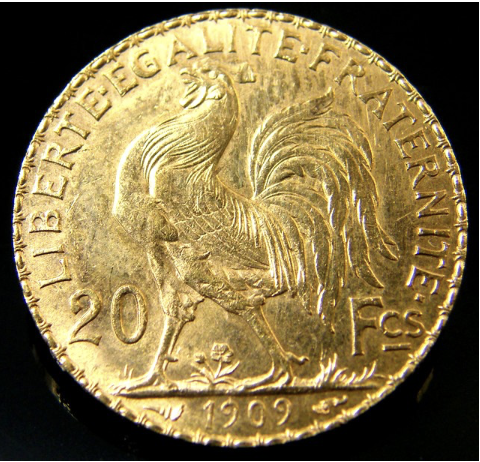
Image of a French coin from Google Images
If you ever visit France, you may be as shocked as I was to discover that their coins have the image of a rooster on them. In fact, there are roosters posted up across the city in subtle ways that you would not notice unless you were to look for them—like hidden Mickeys at Disneyland.
But why a rooster? The connection stems from an origin of mockery, turned to irony, and eventually a symbol of rebellion (and if that does not sum up the youth of every generation in one sentence, I don’t know what does).
The rooster, or more accurately, the Gallic rooster, started as an ancient Roman insult. The Latin word gallus has a double meaning: France, and rooster. The Romans and Germans used this symbol to portray the French as foolish, arrogant, and proud birds—cocks, if you will. During the French Revolutions, this symbol was reclaimed. The standoffish nature of the bird amused Parisians, who then used it as a symbol for the common people standing up to the monarchy. During both World Wars, the rooster stood for French resistance and bravery against invaders.
In short, pettiness turned to pride is the reason this feeble animal has become a symbol of French resistance. Arguably the most French thing I have ever heard.
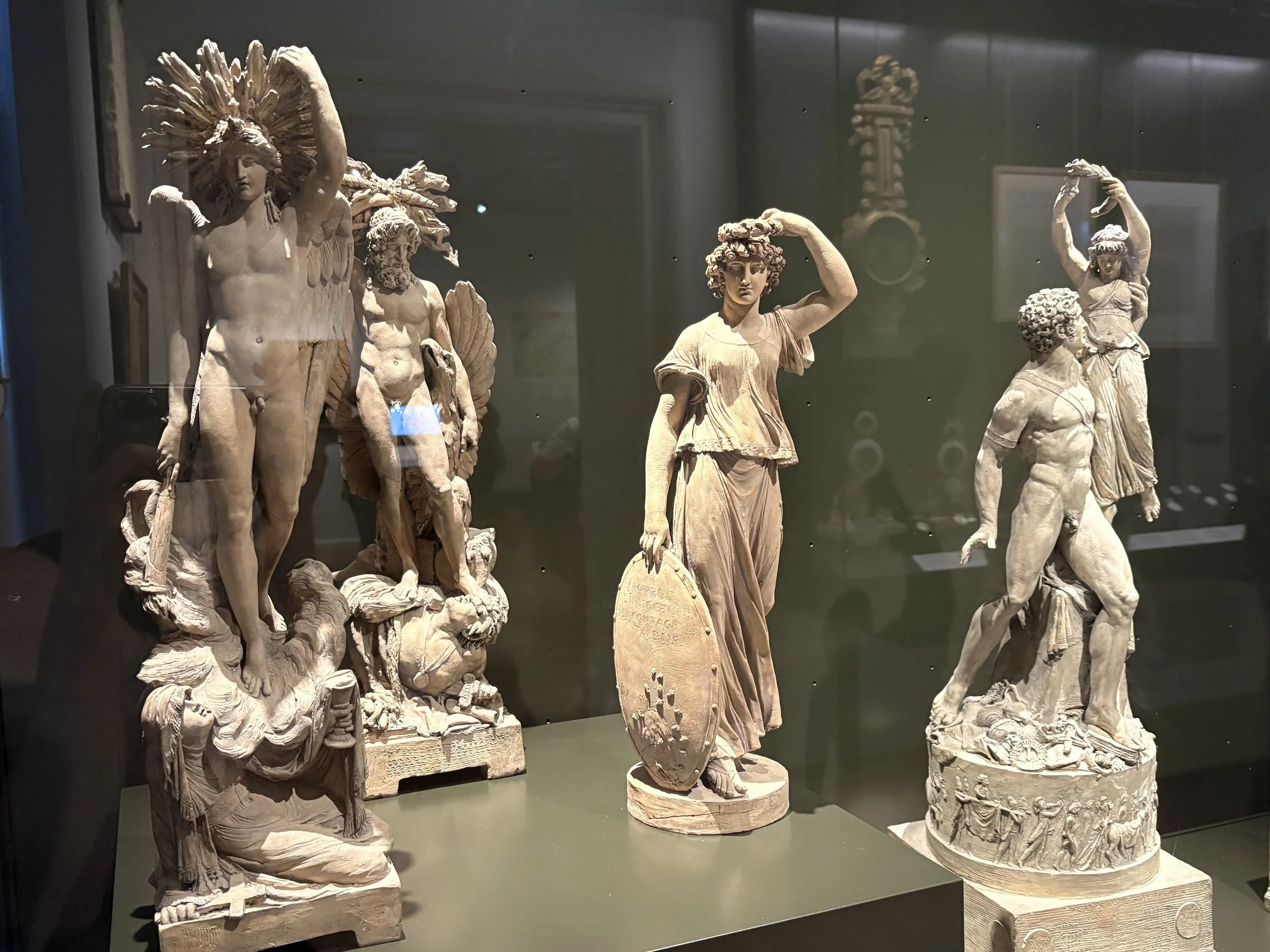
The French People in The Carnavalet, Paris.
Description: A nude, muscled man lifts a woman with his left arm. The woman wears a flowing robe and a laurel crown on her head. The man symbolizes the French people, the woman personifies freedom. In this work, sculptor Joseph Chinard demonstrates his support for the Revolution: the French people support Liberty and Liberty crowns them as victor.
In all honesty, I was drawn to these sculptures because it reminded me of Jean Valjean and Cosette, and quickly after was the thought of my father and I (minus the naked-man part, which immediately made me regret this train of thought). Despite my intimidating stature of 5’2, you will be shocked to know my father is actually 6’3. The imagery of the father figure lifting the small girl onto his shoulders, followed by the description given, reminded me of how both the younger and older generations contribute to the future. The foundation laid by older generations lifts the youth, in all their exuberance, to reach for the stars. In Les Miserables, while the students are aggressive in their tactics for change, the grounds of educational, non-violent debate that they walk on is a luxury that would not exist if the road had not been paved by revolutionaries of the past.
Place des Vosges
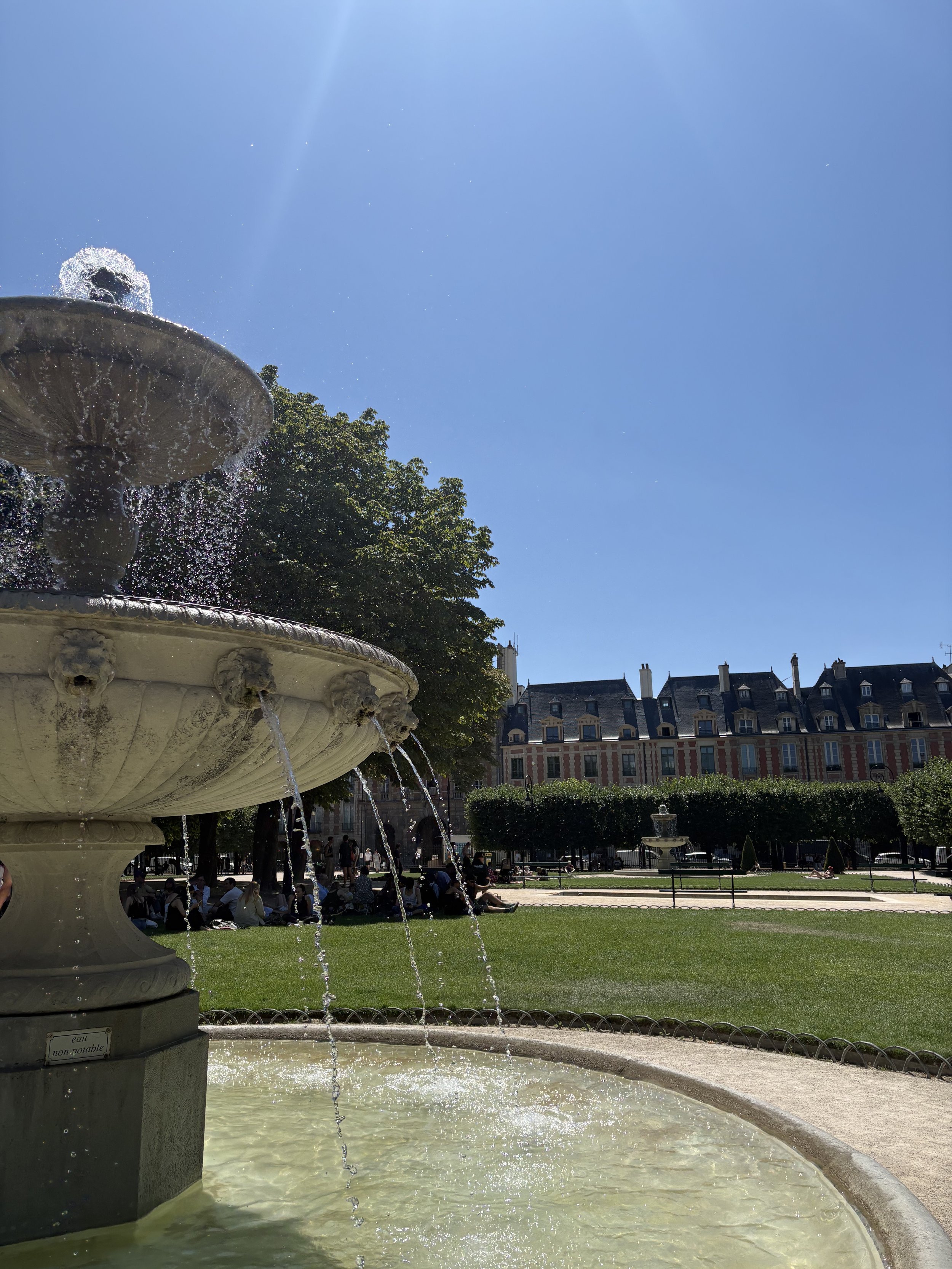
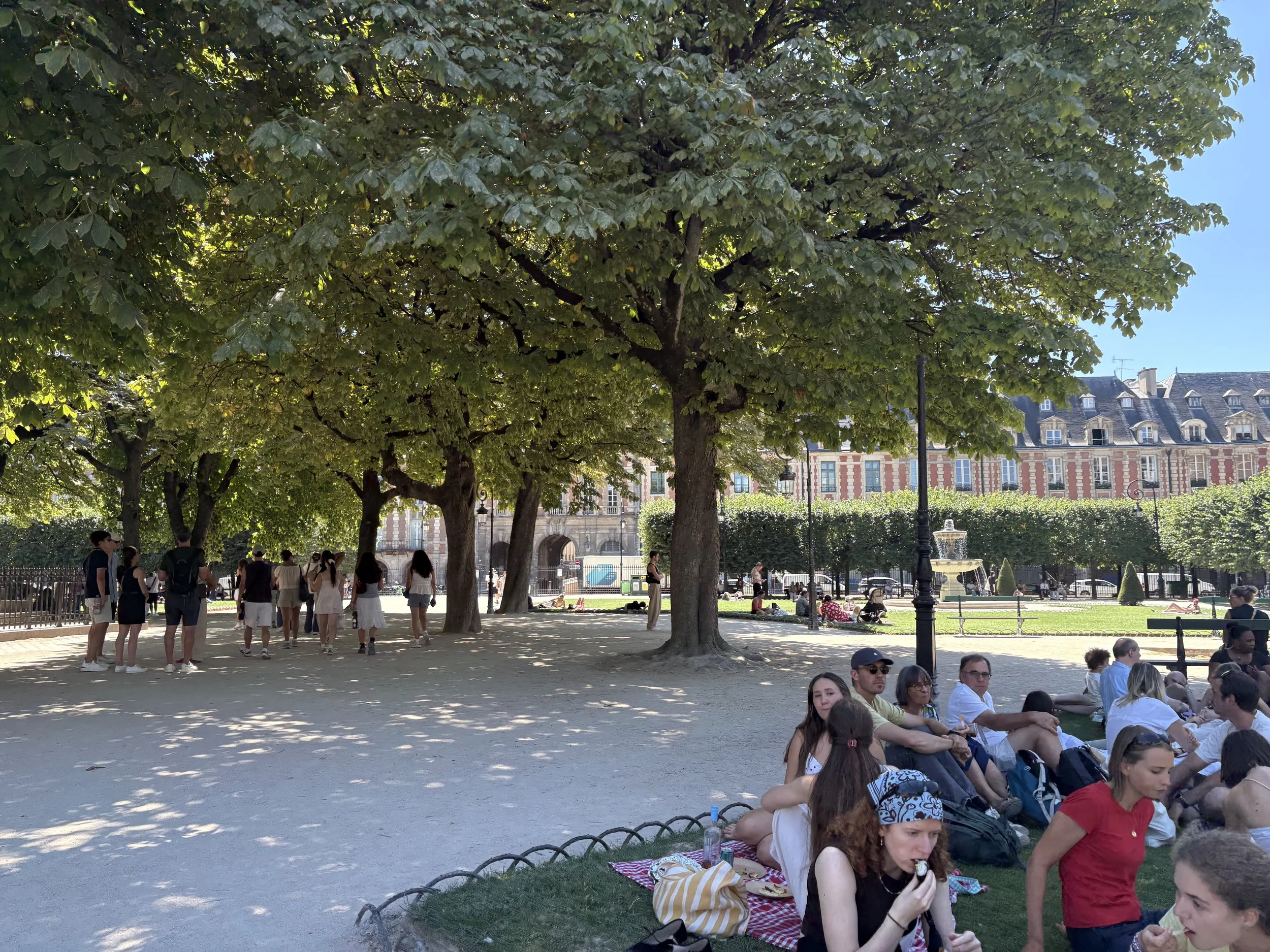
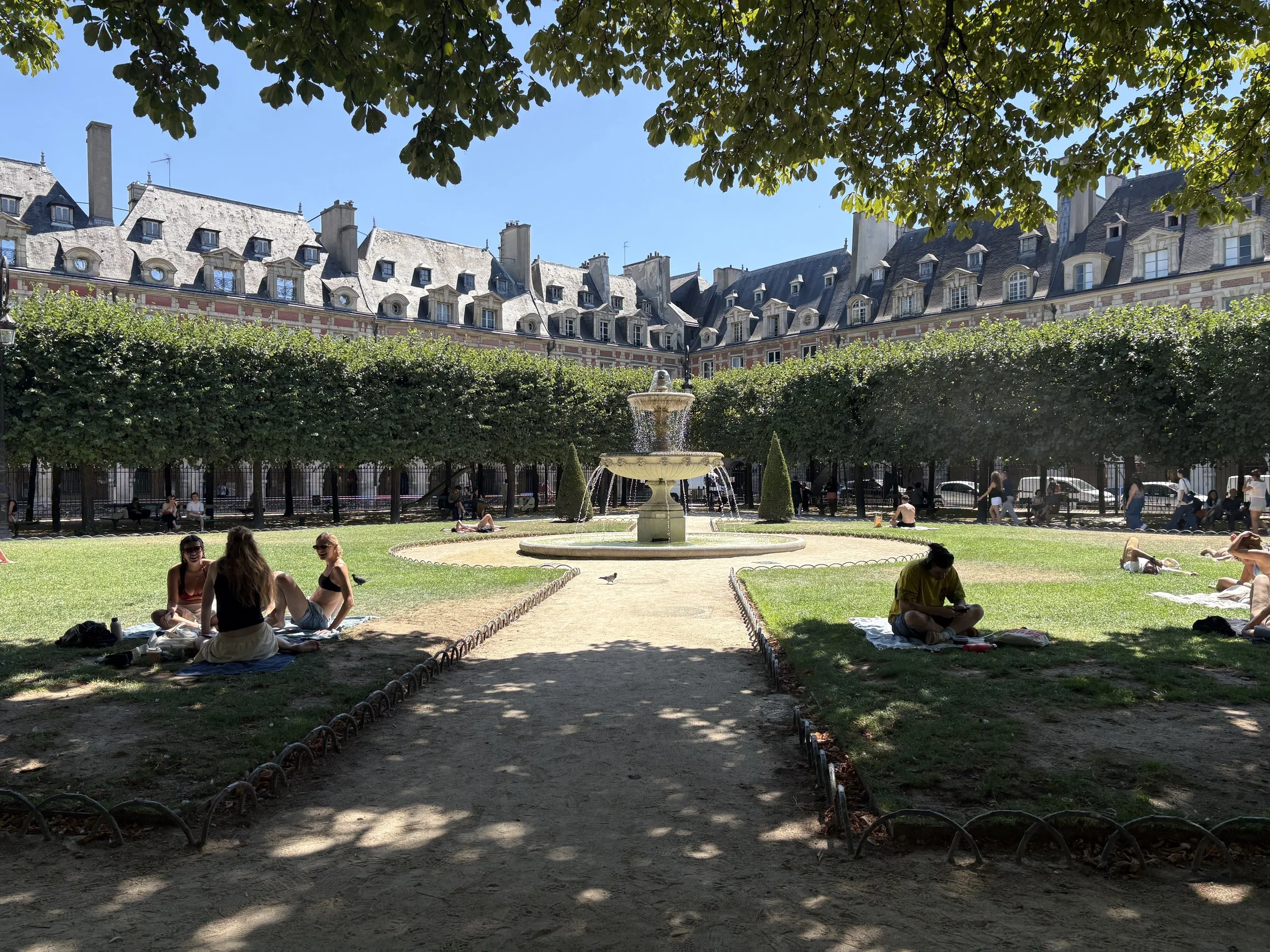
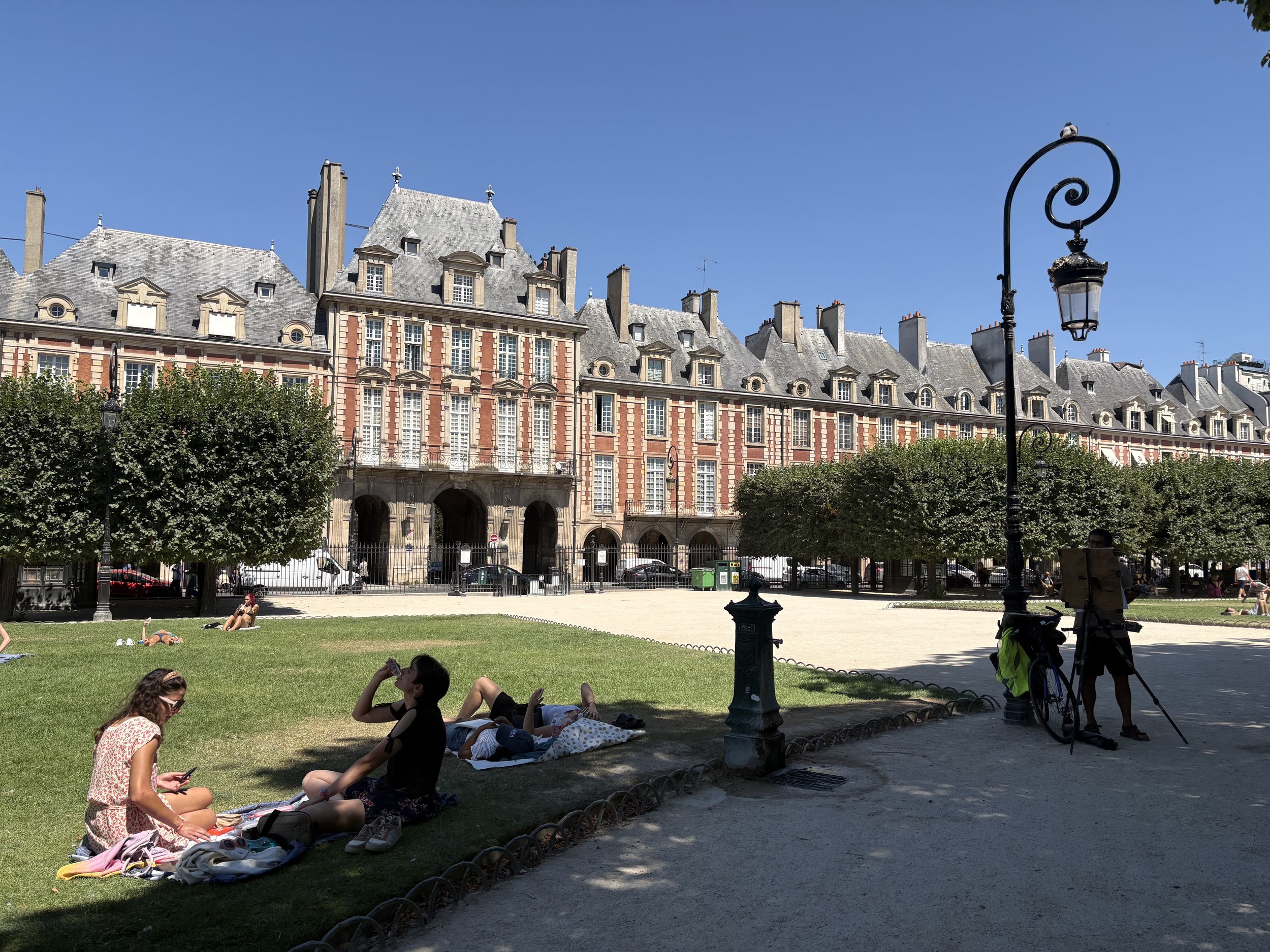
The Places des Vosges is a residential square located just in front of Victor Hugo’s original house. It serves as a hub for casual gathering and community. The surrounding buildings are filled with modern art, ice cream shops, cafes, and other sources of simple pleasure. The park is vast, with gorgeous brick buildings that remind me a lot of USC. Call me nostalgic because I miss home, but the combination of this setting and all the beautiful people tanning in the grass took me right back to freshman year.
I never understood the obsession with tanning—I chalk that up to years of studying genetics and human disease haunting me—but it made me think about how fickle young minds are. We hop on and off trends (such as tanning) in a matter of months. What was cool yesterday is lame today. Radical. Swag. Six-seven. No crumbs. Larping. These phrases alone evoke different emotions to different generations, and I can personally say that half of these phrases are sooo three months ago. Trends of the youth (while sometimes insignificant and frankly, vapid) play a significant part in shaping culture. Who we rally behind, who we vote for, the causes we care about—it all stems from the sense of community that comes from being young. Where older generations may see unruly energy and trashy lingo, there is a communal understanding that when aimed correctly, is a force to be reckoned with.
Due to the fact that we change our minds in the blink of an eye, the youth are often underestimated and seen as vain. This couldn’t be further from the truth. When the youth are passionate, we stand ten toes down on what we believe. When the students in Les Miserables build the barricades, everyone assumes they will fall in a matter of hours. However, they persist for days. The youth are the driving force of the future. Whether it is as big as revolution or as small as the trend of tanning, to understand society, you need to understand the lifeblood of the youth.
“And in this shared paradise, talking, singing, running, dancing, chasing butterflies, gathering bindweed, getting their pink lacy stockings wet in the tall grass, radiant, flighty, meaning no harm… Such is true joy.”