When people ask about Paris, they usually want to hear about the landmarks. The Eiffel Tower. The Louvre. Notre-Dame. Versailles. Those places deserve every bit of their reputation, and after spending three weeks in Paris, I understand why millions of people travel across the world to see them. But when I think back on this trip, those aren't the moments that immediately come to mind. Instead, I think about everything in between.
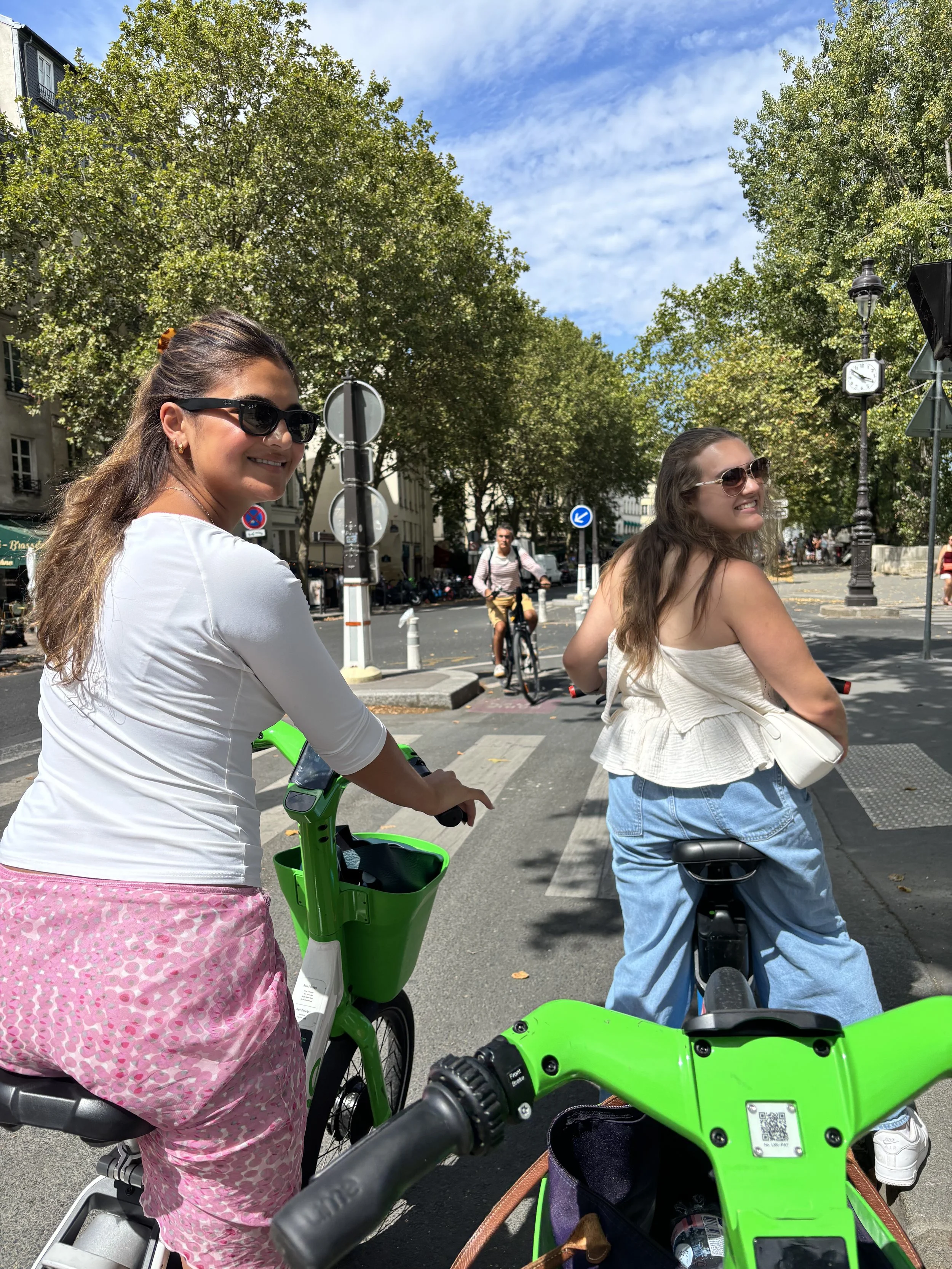
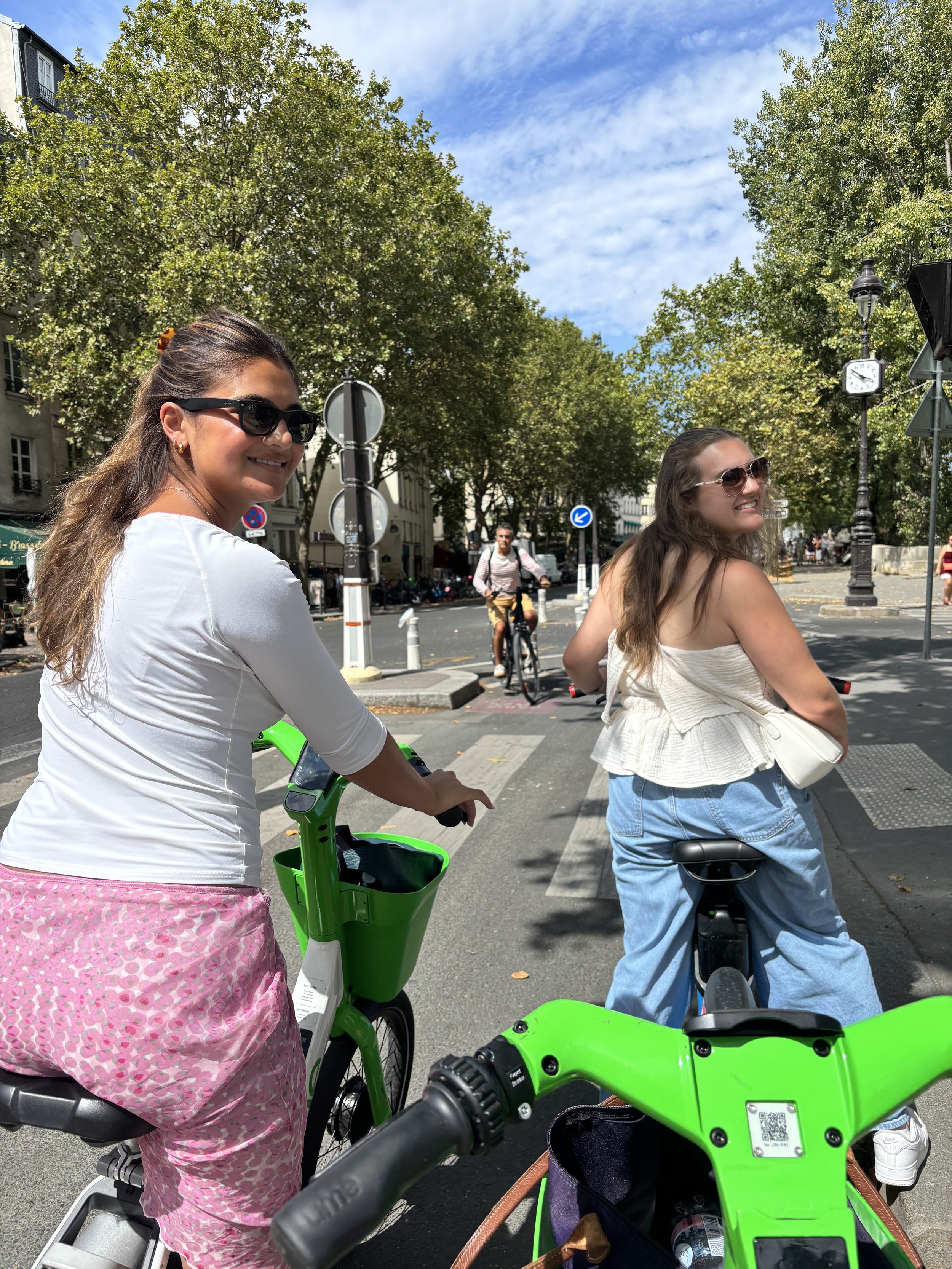
One of my favorite parts of this program became riding the city bikes to and from class and between some destinations. At first, they were simply the fastest way to get across Paris. By the end of the trip, they had become one of my favorite parts of every day. We could have taken the metro almost everywhere. It would have been quicker, cooler, and probably less exhausting after walking several miles each afternoon. But underground, you miss the city itself.
On a bike, Paris unfolds slowly. You hear conversations drifting from cafés as people linger over lunch. You pass the smell of fresh bread escaping from boulangeries before you even see them. You stop at a traffic light and suddenly notice Notre-Dame towering over the rooftops or catch a glimpse of the Seine reflecting the afternoon sun. Every ride became an opportunity to stumble across something unexpected.
The destinations mattered, but so did getting there. That realization made me think about the way Victor Hugo writes Les Misérables. He rarely rushes from one major event to the next. Instead, he lingers. He follows Jean Valjean down ordinary streets, lets Marius wander through the Luxembourg Gardens, and spends pages describing neighborhoods, convents, and even the route someone takes across Paris. Before this class, I sometimes found myself impatient with those digressions. I wanted to get back to the plot. Walking and biking through Paris made me realize that those "detours" are often the point.
One afternoon, we visited the Paris sewers. Throughout Les Mis, Hugo devotes an astonishing amount of time to describing them, transforming what could have been a brief escape scene into one of the novel's longest and most memorable sequences. I'll admit that I didn't linger there nearly as long as Hugo would have liked. The smell alone was enough to encourage me to keep moving. But even while trying to make my way through as quickly as possible, I thought about why Hugo spends so much time underground. The sewers aren't meant to be beautiful. They're meant to remind readers that every magnificent city has another side that most people never see. Paris isn't only its grand boulevards, elegant gardens, and famous monuments. Beneath all of that is another city, hidden from view, doing the unseen work that allows everything above ground to exist.
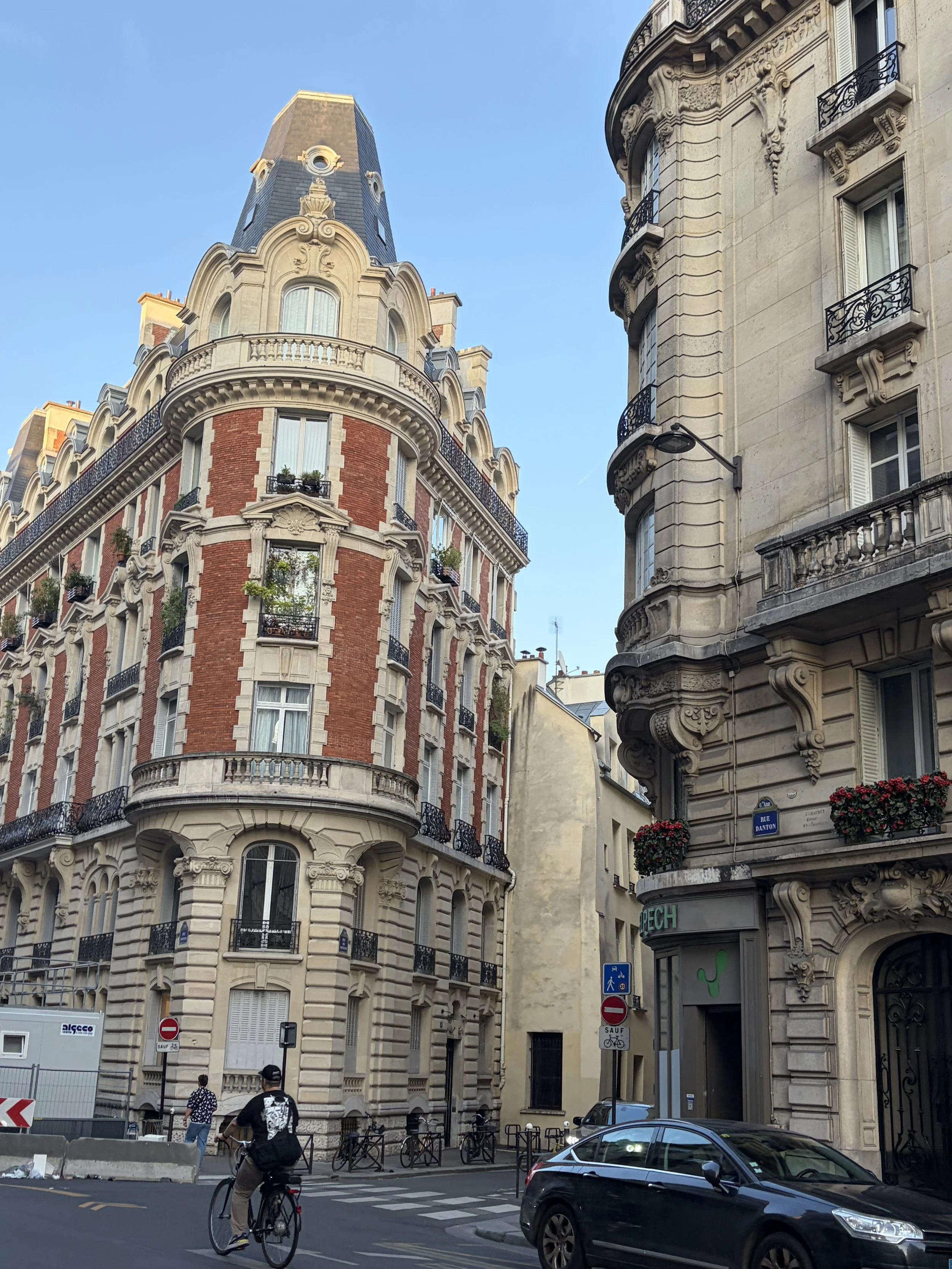
Oddly enough, that felt connected to riding the bikes. Both experiences reminded me to pay attention to parts of the city that are easy to overlook. Sometimes that meant looking up and noticing a church tucked between apartment buildings. Sometimes it meant looking down into the less glamorous parts of Paris that tourists rarely think about. Either way, the city became richer the moment I stopped focusing only on the postcard views.
After a couple of weeks, another realization I had was that bookpacking isn't just about standing in front of famous landmarks or finding the exact location of a fictional barricade. It's about learning to slow down enough that the journey between those places becomes meaningful, too.
Ironically, the moments I'll remember most probably won't be standing in front of the Eiffel Tower or walking through the Louvre. They'll be riding a bike through quiet Parisian streets on the way to class, hearing the city wake up around me, turning a corner, and unexpectedly finding another piece of history hiding in plain sight. Sometimes the best part of the story isn't the destination. It's everything in between.

.