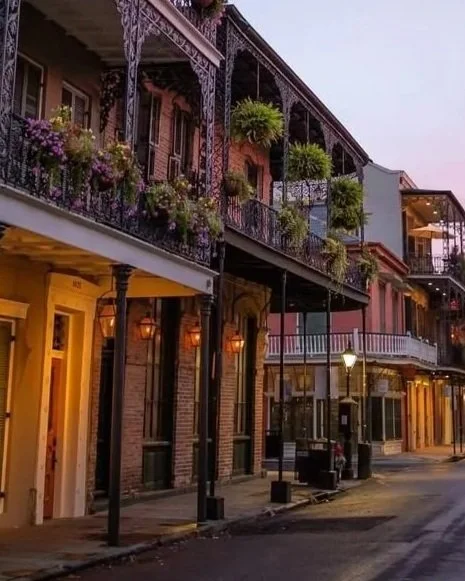
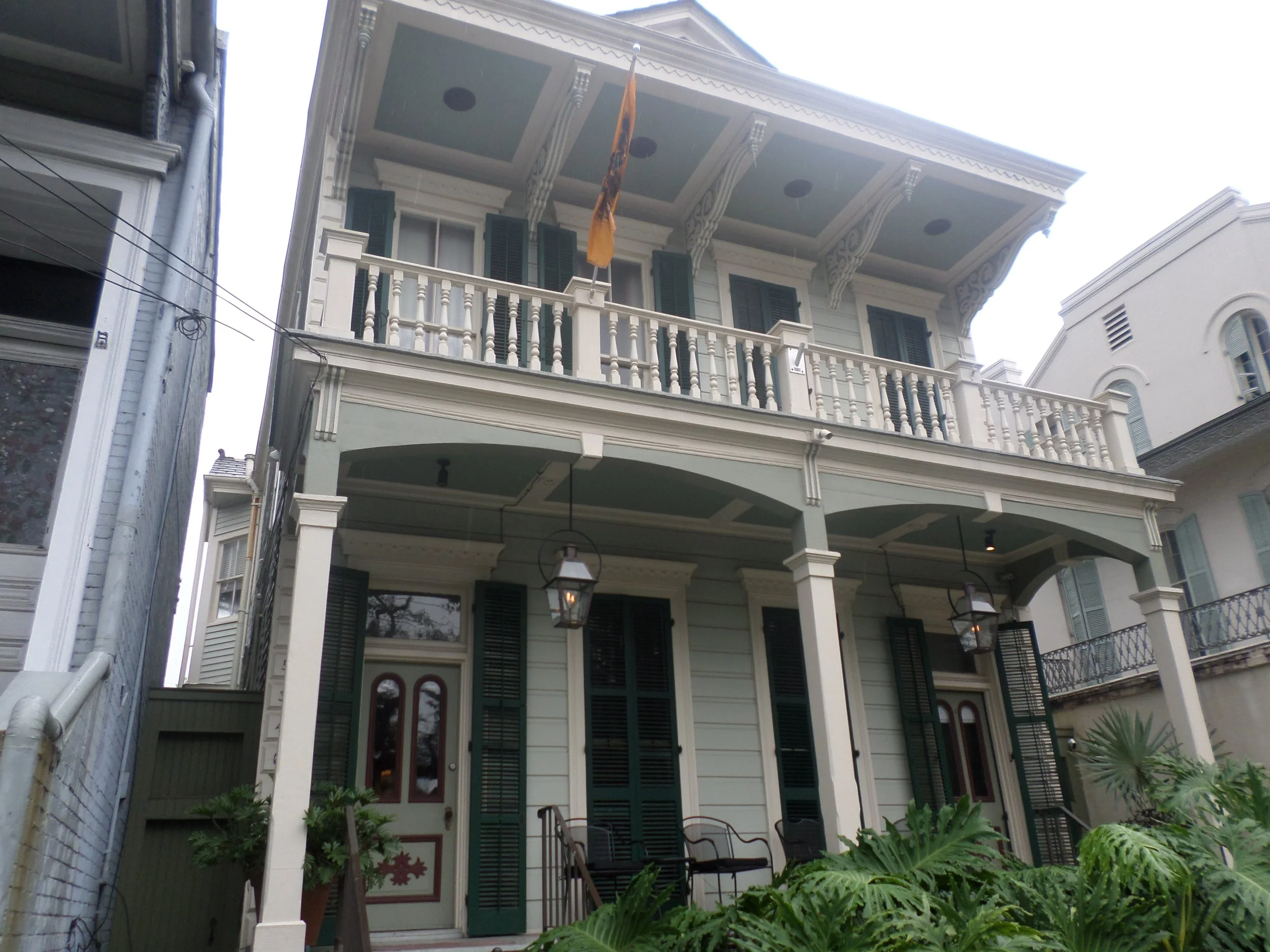
This is my first time visiting New Orleans, and the first glimpse we had of the Business District near the hotel made me realize how much architecture can impact a city's vibe and culture. Buildings in California, especially in Los Angeles, feel newer, more modern, and beautiful in an entirely distinctive way. However, New Orleans feels entirely different, with the city being full of historic buildings that seem to hold incredible stories within them. As I wandered around the French Quarter and Garden District, I became attentive to every detail, including the wrought-iron balconies, the weathered-painted pastel walls, the monumental shuttered windows, and the vines that climbed over the old brick walls.
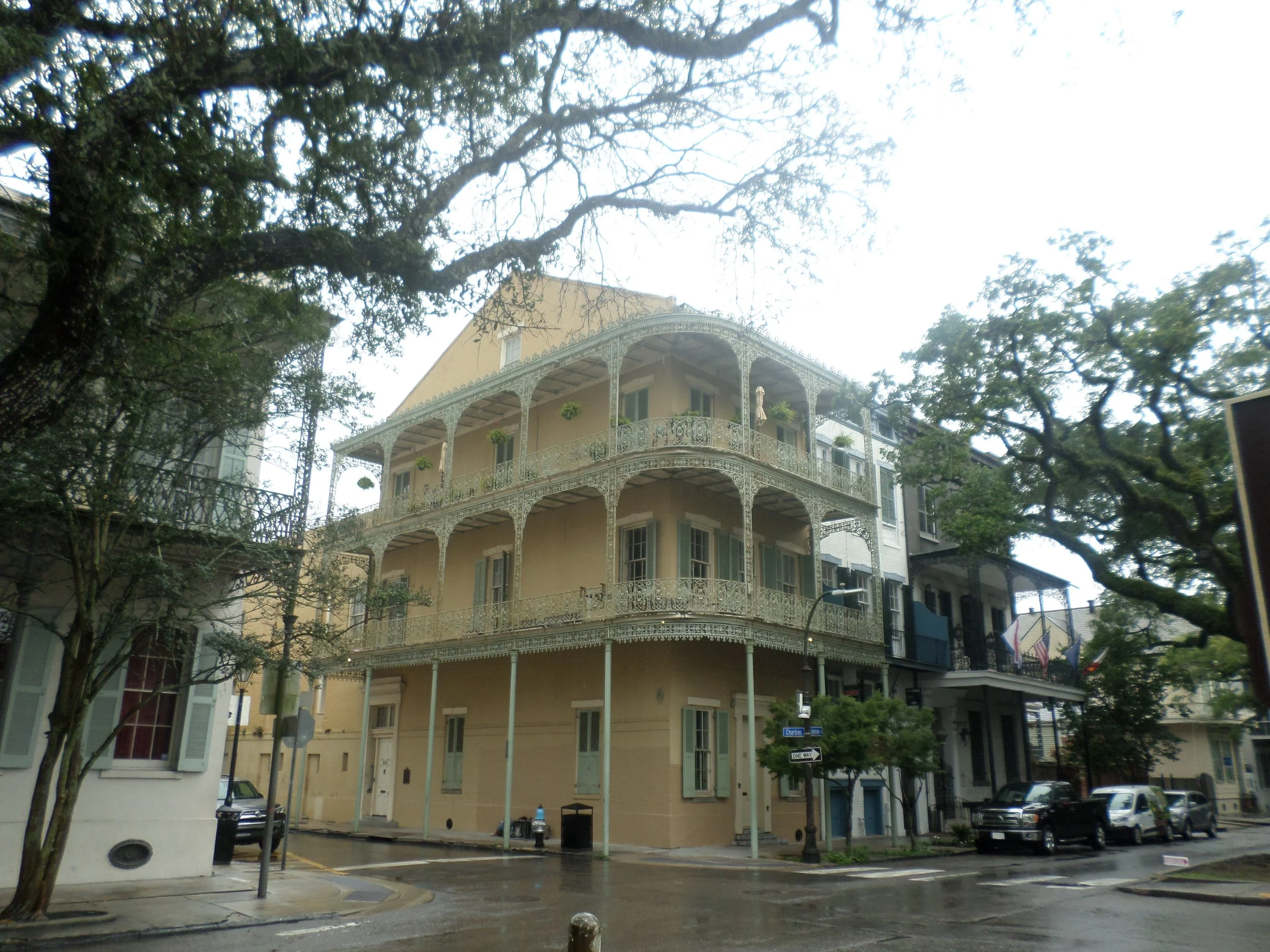
I loved learning about the Creole architectural style since it is not something I see every day. One of the most interesting aspects of it is that, although many people refer to it as “French Colonial,” it actually originated in New Orleans. This style is a blend of French, Spanish, and Caribbean, but also adapts to the city’s hot and rainy weather. I noticed this while exploring the various homes and buildings and seeing how they are designed in ways that feel elegant and practical. The shaded balconies, steep roofs, courtyards, and raised foundations help create airflow to prevent heat, and it also gives the city its popular, recognizable appearance. I think one of the best things about the architecture in New Orleans is the artistic nature, and also the environment and history surrounding it.
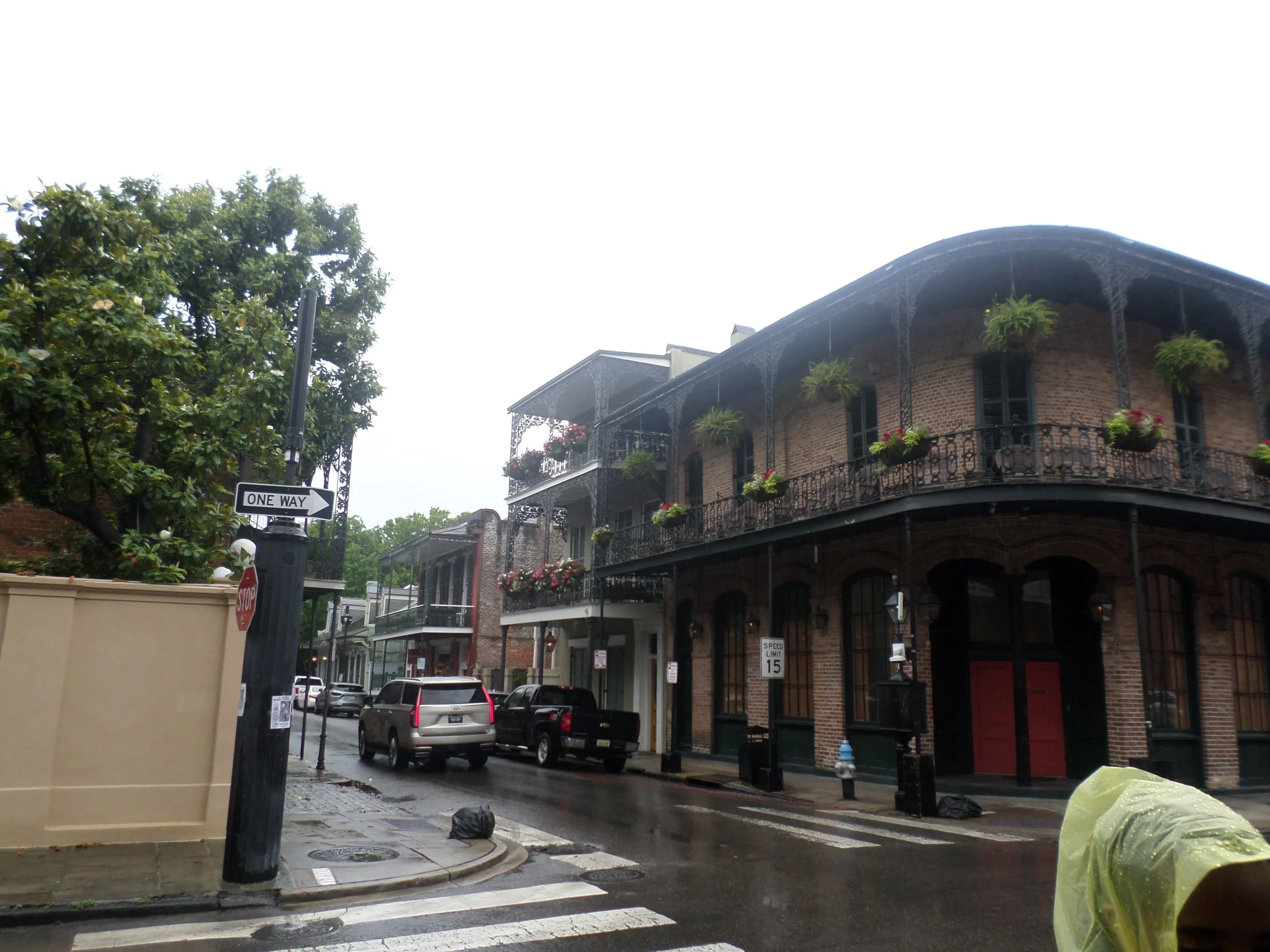
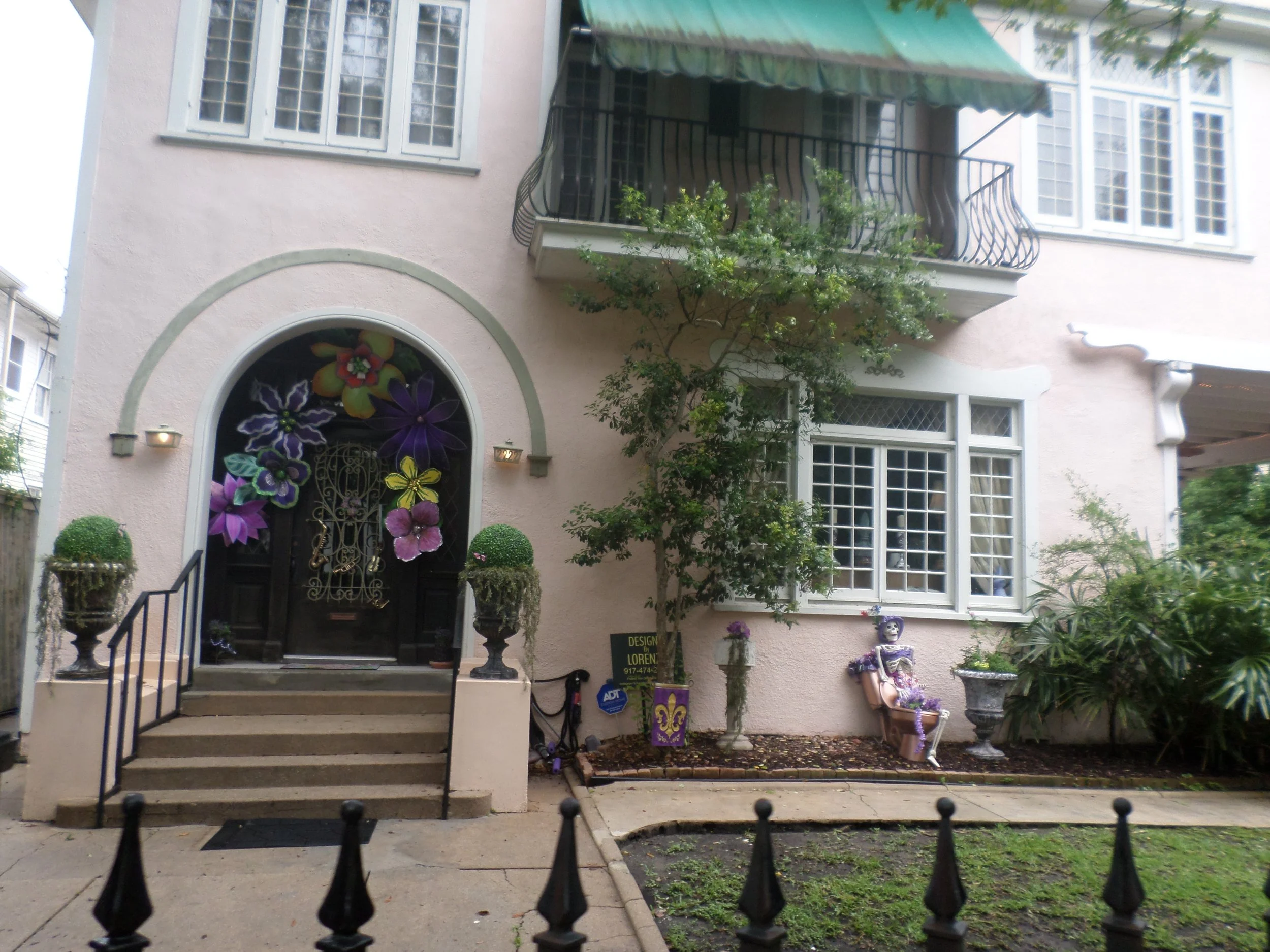
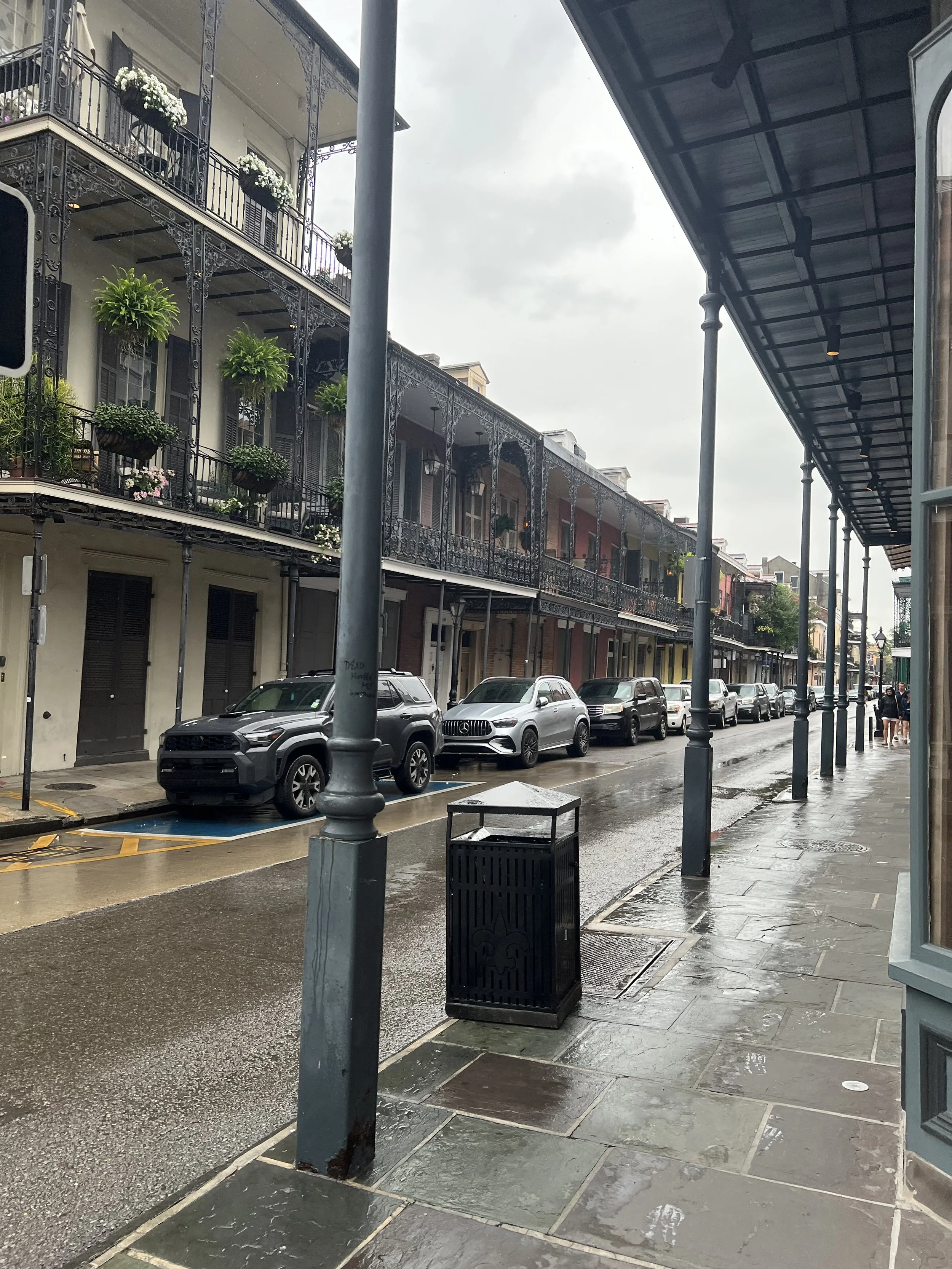
Even though my major does not correlate with architecture, I have always enjoyed learning about home designs. One of my favorite pastimes is playing this game, where I can create home layouts from scratch and design exteriors and interiors. I prefer to look at house designs online and recreate the styles to make them look more authentic. Before the trip, I had already researched and admired New Orleans-style homes because of how detailed and stylish they looked, but actually seeing them in person was such an immersive experience. The buildings felt alive compared to what pictures can capture, and many homes had soft wall colors paired with darker details to create a dramatic yet stunning appearance. Many of the roofs were also steep and sloped, while others were flatter with decorative edges. One of the more obvious details I admire is the narrow balconies stacked above one another, giving the houses a vertical look that feels intricate and full of character.
I also realized how Anne Rice’s novel, Interview with the Vampire, does an amazing job describing the city and its architecture. She portrays New Orleans as a dark, romantic atmosphere that is slightly decayed, and being able to see the city in person made those descriptions feel very accurate. Throughout the story, the city is described with vivid detail that brings the buildings to life and reflects the emotions and darkness that surround the vampires. Reading the novel while wandering through New Orleans allowed me to truly appreciate how carefully Rice uses architecture to shape the mood of the story.
“We passed whitewashed walls and great courtyard gates that revealed distant lamplit courtyard paradises like our own, only each seemed to hold such promise, such sensual mystery.“
- Anne Rice, Interview with the Vampire
Interview with the Vampire intricately talks about the infamous wrought-iron balconies that hang over the streets of the French Quarter, and while walking those streets myself, I understood how the ironwork transforms the city’s atmosphere. Through casting shadows on the sidewalks, the balconies give the streets a dramatic, confined effect. Ironwork and soft lighting, especially at night, give the French Quarter a sense of mystery that is compatible with the tone of Rice's book. I also noticed many secret courtyards concealed behind buildings and gates. From the outside, some streets may appear busy and crowded, but inside the gates are peaceful areas with plants and fountains. These courtyards are often described by Rice as secluded havens, and seeing them for myself increased awareness of their important part in the setting of the novel.
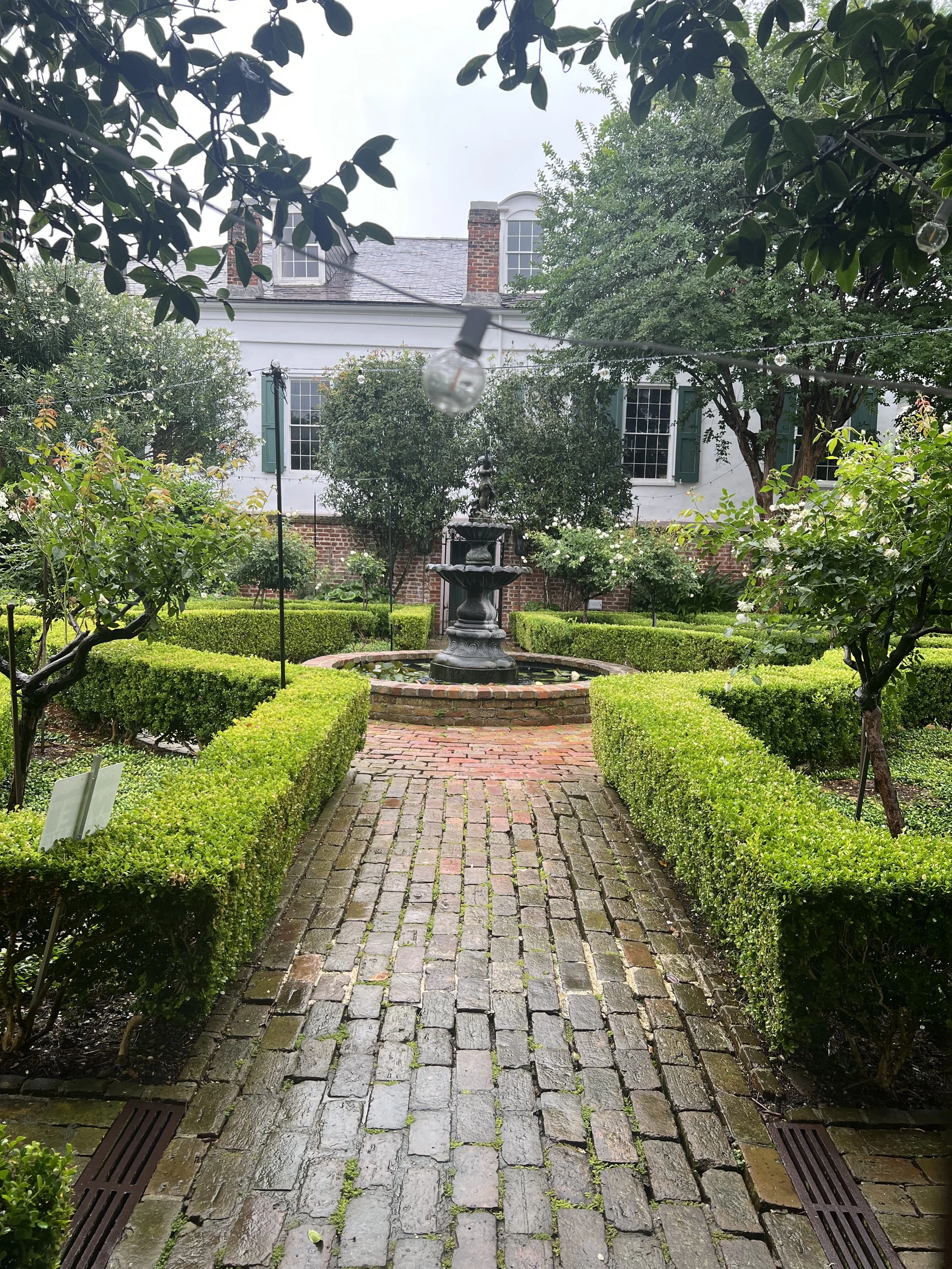
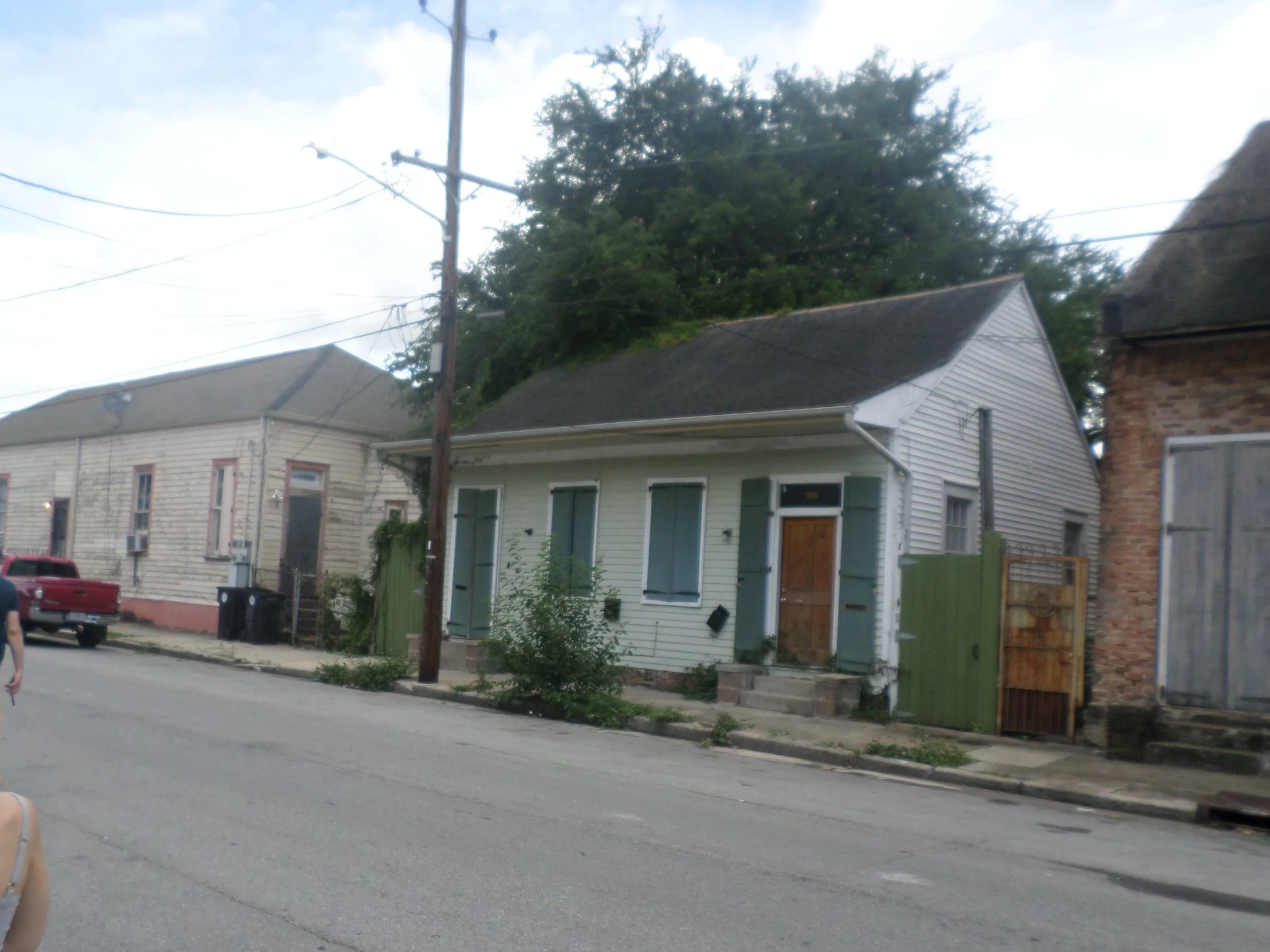
Another detail the book mentions that stands out is how New Orleans embraces decay instead of hiding it. In other cities, various older buildings are renovated to appear brand new, but New Orleans appears to preserve the aging buildings as part of its beauty. The cracked walls, chipped paint, faded colors, and weathered brick contribute to the city’s unique identity. Rice specifically describes the city as elegant, but slowly crumbling under the years and humidity. The story felt more sincere after seeing this in person because the city genuinely embodies that harmony between beauty and decay. Instead of seeming abandoned, the structures have a sense of history, as if each layer of damage contributes to the city's historical narrative.
The nature intertwined with the architecture was another stunning example of New Orleans’ simplicity. The large oak trees would stretch across the streets, vines would climb up the sides of the fences, and the Spanish moss would hang dramatically from the trees’ branches. The greenery softens the city while also giving it an older and secretive vibe.
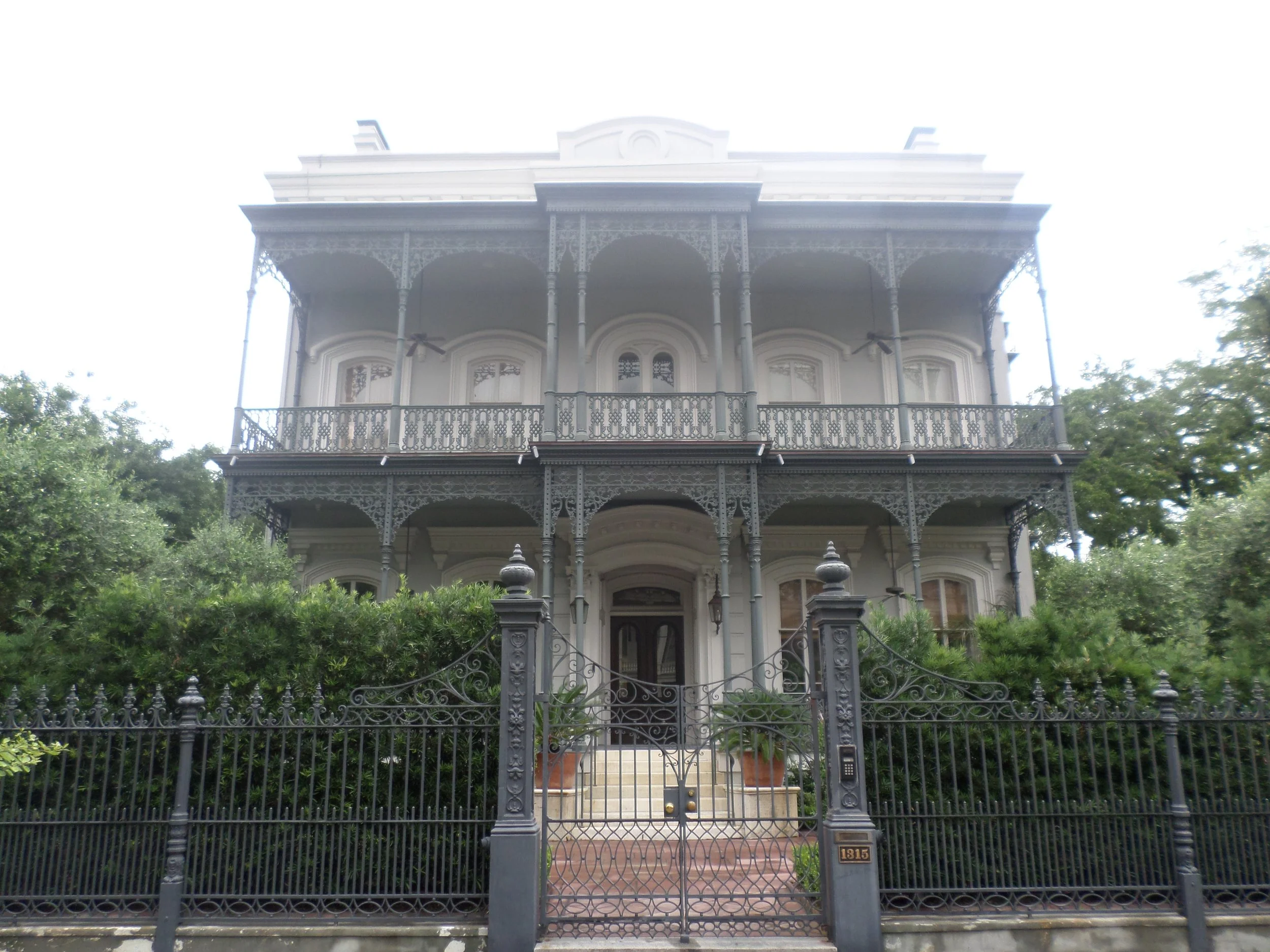
The Garden District is an example of exquisite nature, and it also feels entirely different from the French Quarter. While the Quarter feels more narrow and shadowed, the Garden District appears grand and open. The homes are like mansions, with white columns, wide porches, and taller windows, many reflecting Green Revival architecture, which Rice references in her novel. Wandering through the neighborhoods and seeing these houses helped me understand how architecture can communicate a person’s power, wealth, and history.
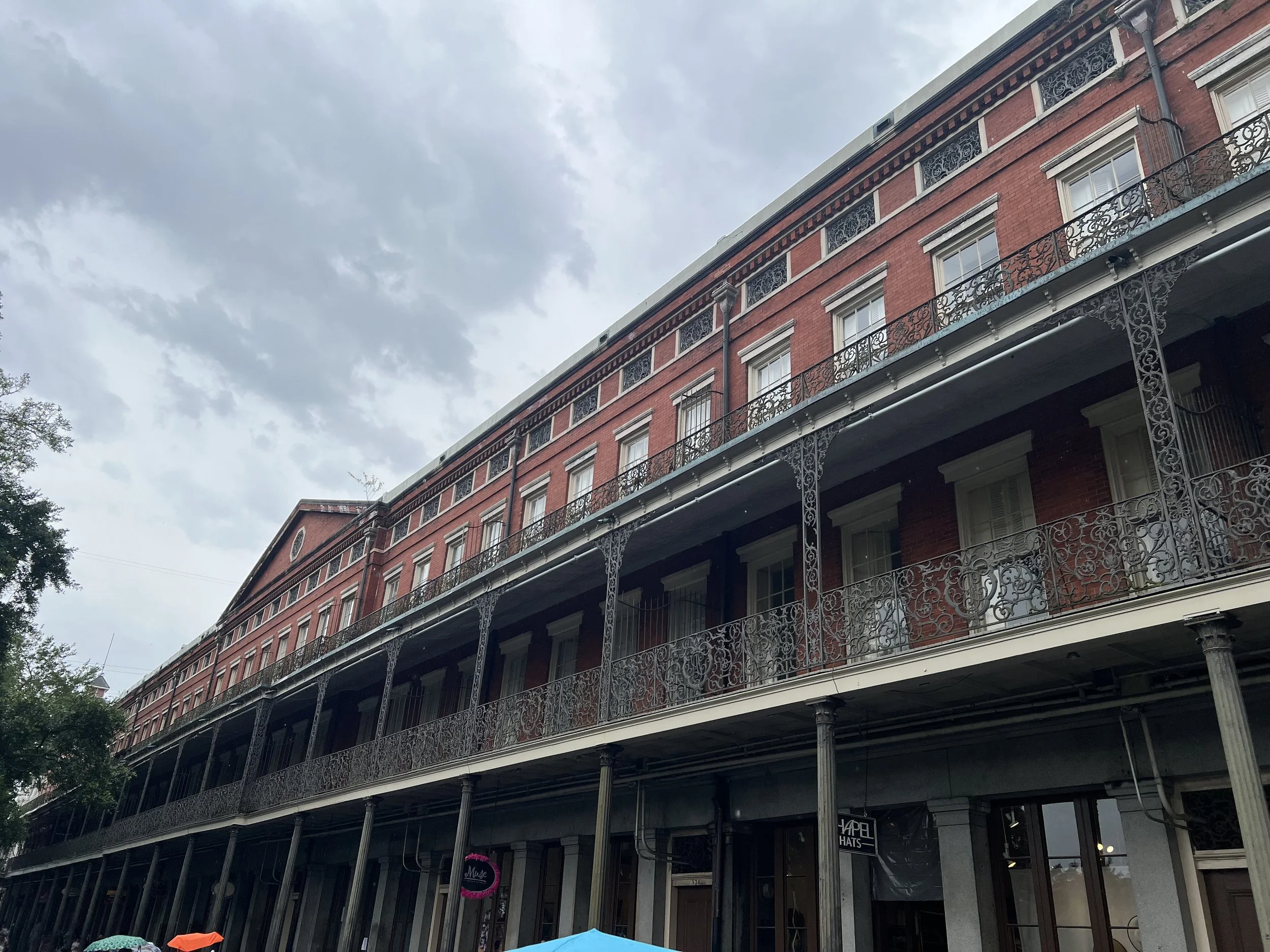
The walking tours I experienced around New Orleans helped me learn more about architecture’s influence on the emotional feelings of a place. Before visiting, I appreciated the construction of the home from a design perspective since I enjoyed recreating and decorating homes through games. However, this trip showed me how frameworks can shape a city’s atmosphere, history, and identity. The buildings in New Orleans reflect the city’s culture and climate, and reading Interview with the Vampire while experiencing this. Anne Rice was using the city to create emotion, tension, and personality through describing the buildings within the novel.
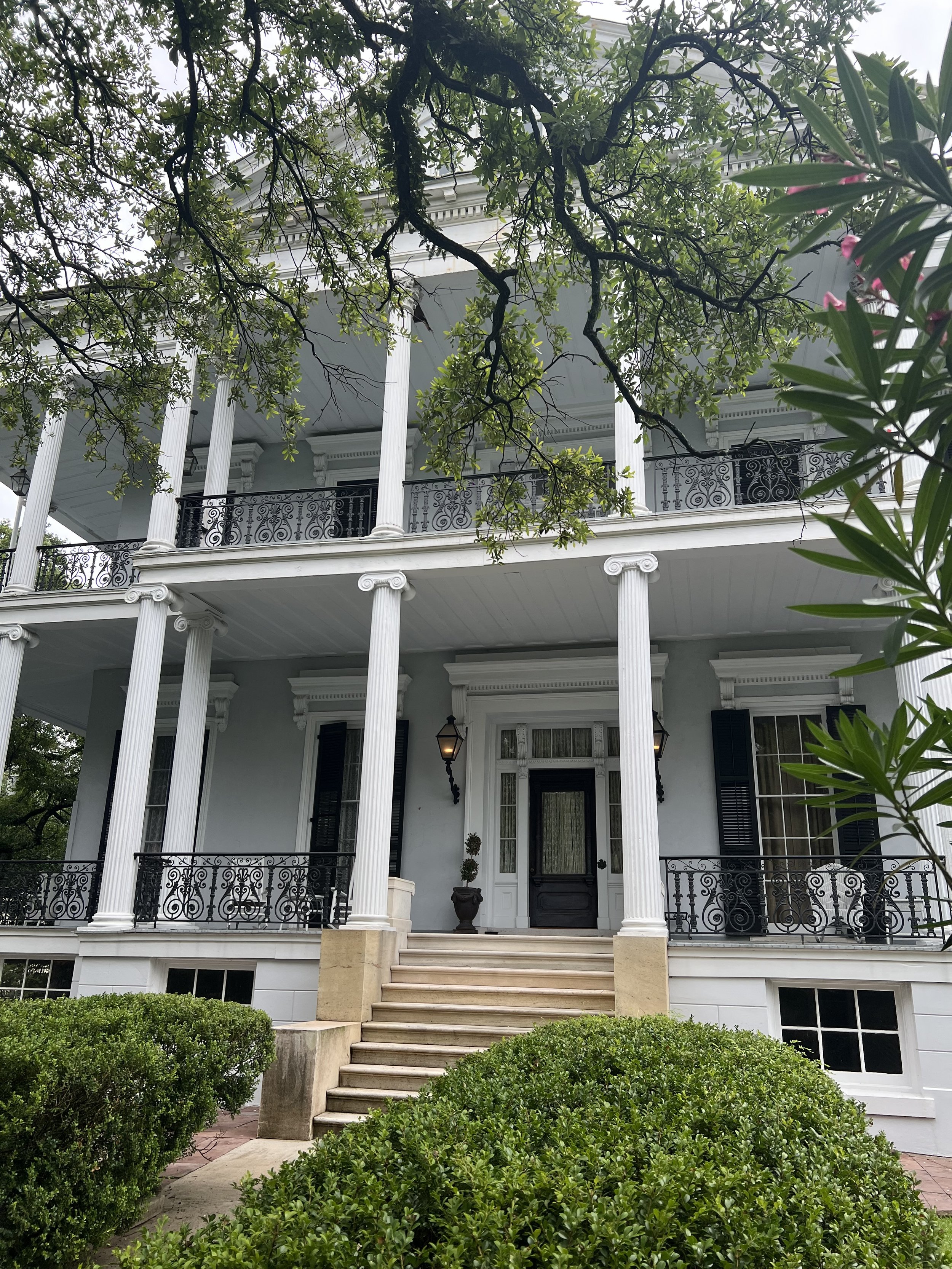
Bookpacking in New Orleans allows me to experience literature in a wonderfully different way because I was able to physically walk through the same streets described in the novel. Seeing the balconies, courtyards, mansions, aging facades, and even the exact house Rice uses for her characters made the book feel more immersive. The setting and the book were far more memorable since I truly experienced the environment rather than just picturing it through words on a page.