Laura Hodges

Moving Forward

This may sound naïve, but I genuinely thought I had everything figured out for my life. I am attending a prestigious university, majoring in a field that will lead to a guaranteed doctorate, strong job prospects, and financial stability. I have a loving family, a close group of friends, and a support system. I have opportunities, connections, and a clear plan for the future. From the outside, and even to me, it seemed as though all the pieces were already in place. I had a solid plan, so I assumed I understood where my life was heading.

But one of the most valuable lessons I took away from the New Orleans trip was realizing that those two things are not the same.
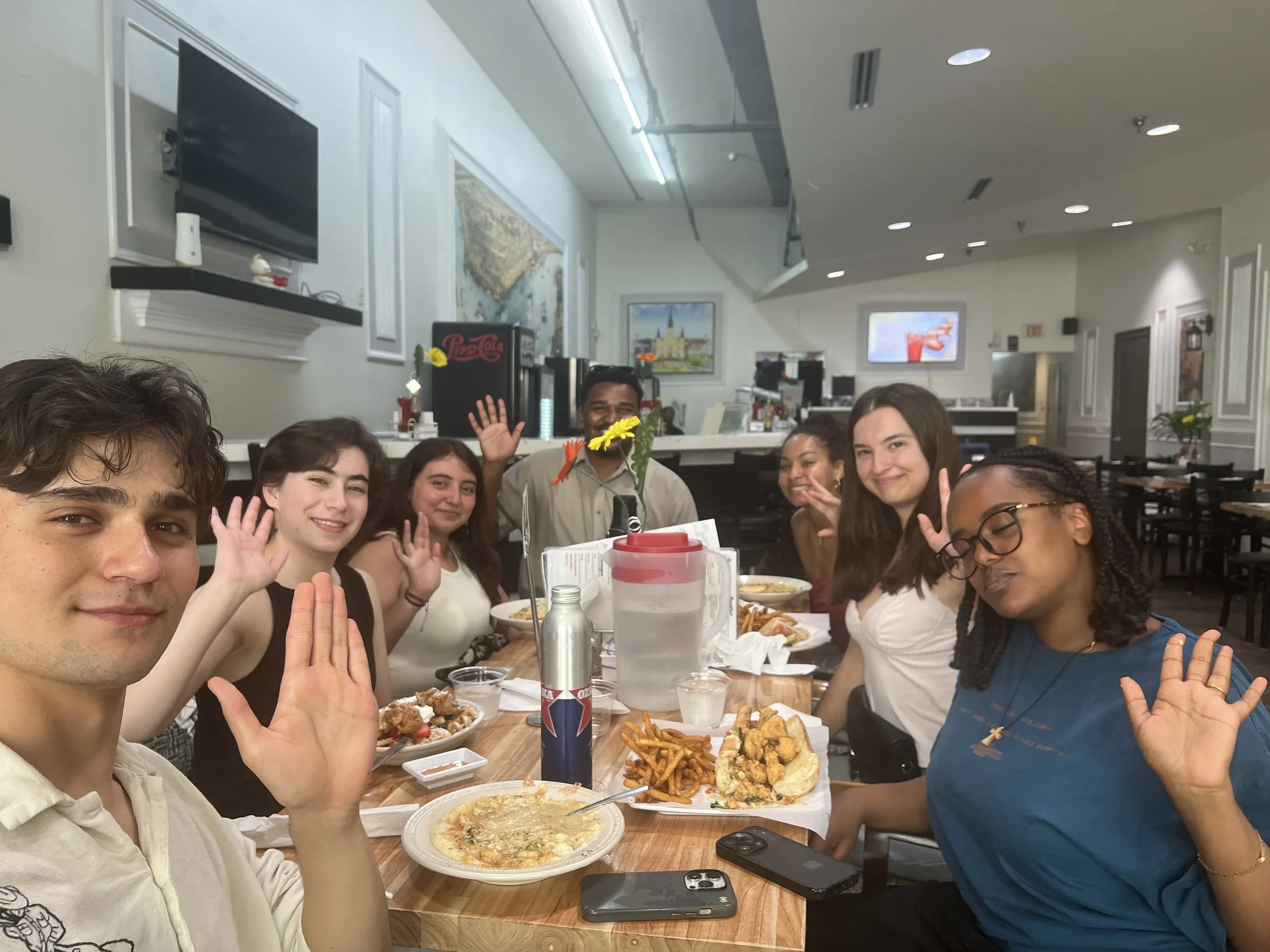
Throughout the trip, I was exposed to new perspectives from both my classmates and my professor. Whether we were discussing a book or historical period in a seminar, talking over meals about our experiences, or reflecting after a long day of exploring the city, I found myself encouraged to think beyond my initial ideas. What surprised me most was how often a conversation would challenge an idea I had been confident in just moments before. I entered many discussions expecting to defend my perspective, but I often left reconsidering it. Rather than weakening my views, those moments forced me to think about them more carefully.
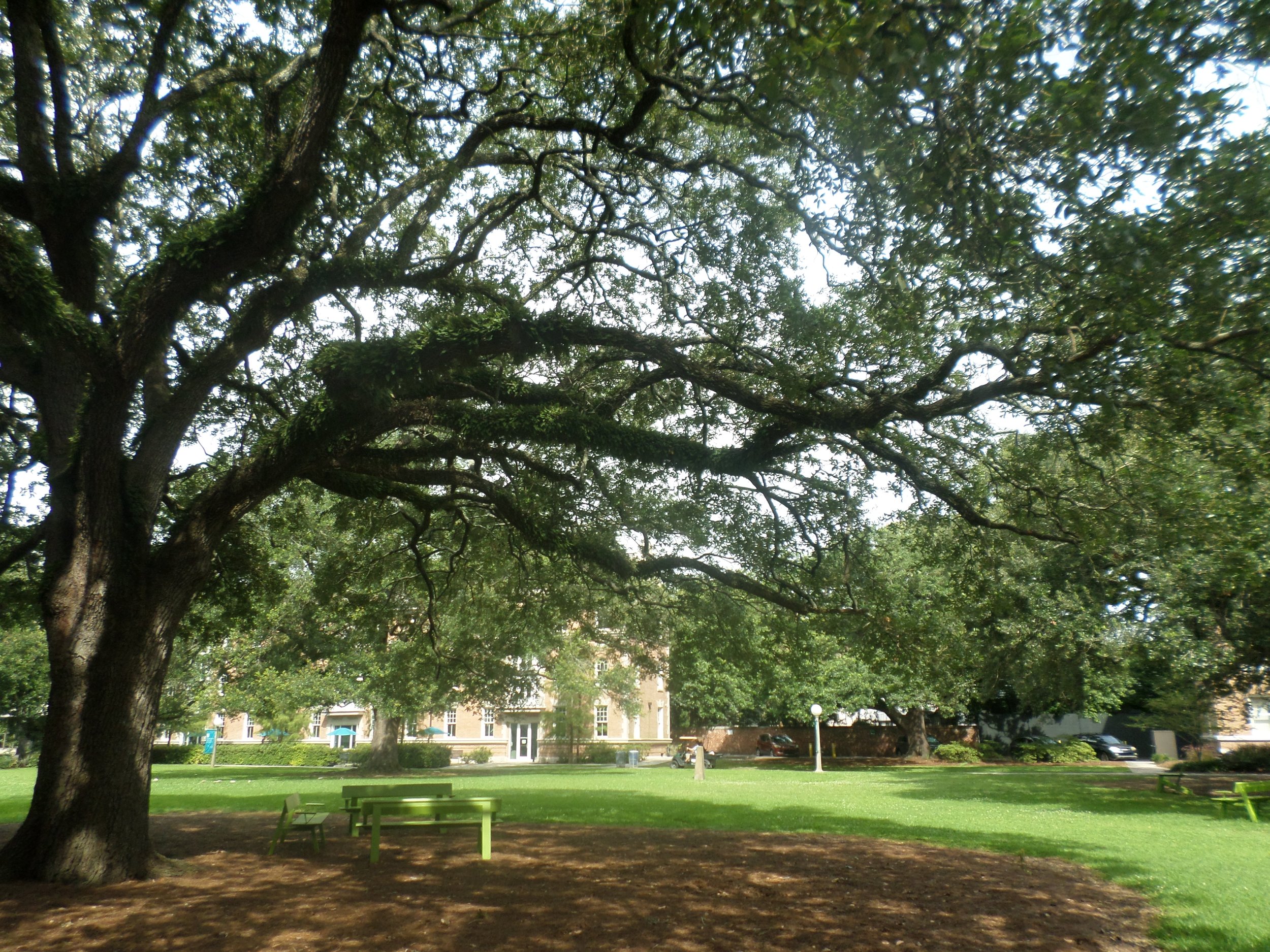
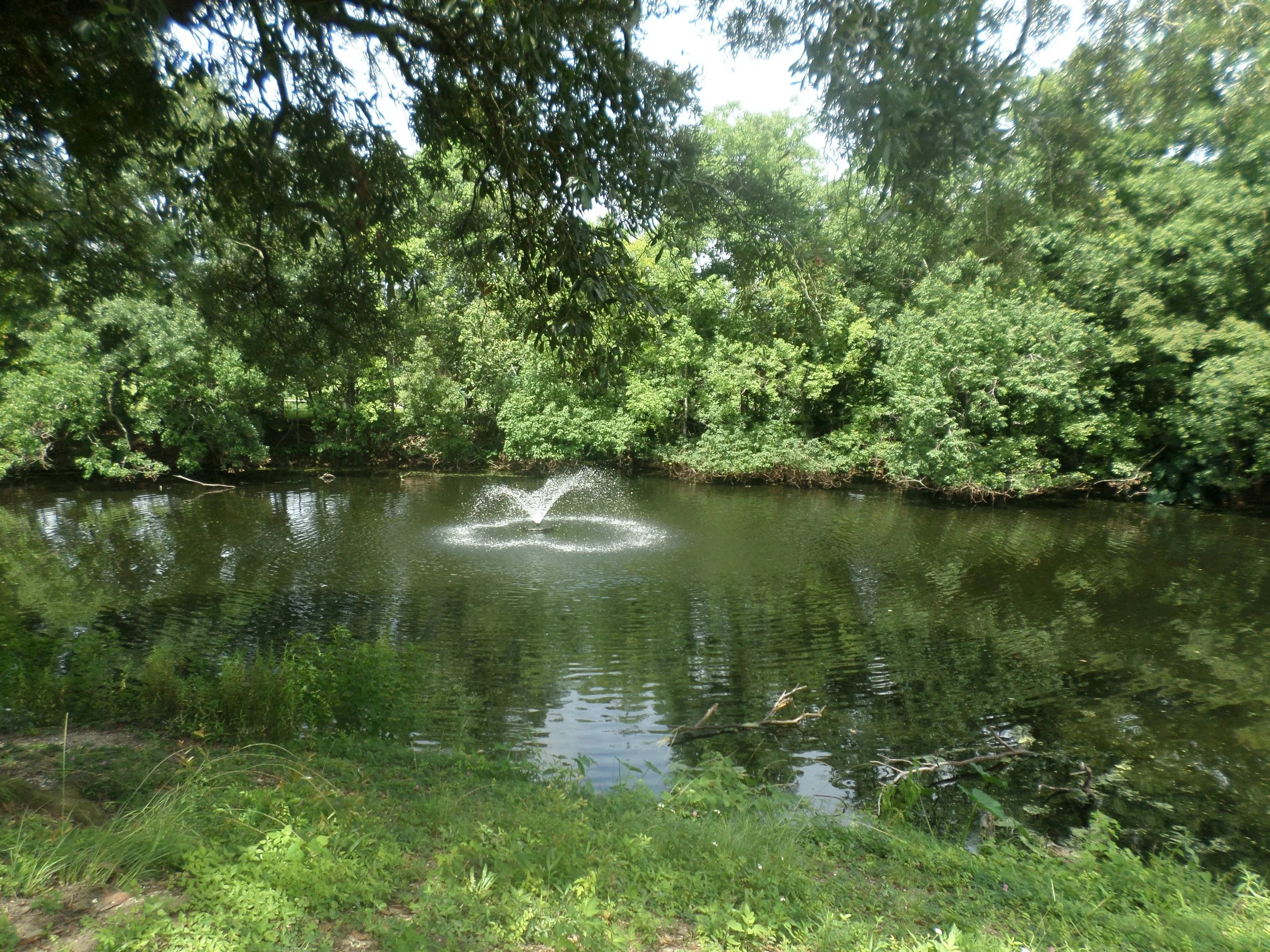
The discussion that stayed with me most centered on Walker Percy’s The Moviegoer, specifically its ending and whether we thought it was ideal or not. When I first finished the novel, I was honestly disappointed. After following Binx Bolling through his existential search, his fascination with movies, and his constant questioning of everyday life, I expected some kind of dramatic revelation. Instead, Binx marries Kate, returns to his faith, and begins medical school. The ending felt anticlimactic, almost as though he had abandoned the very search that made the novel somewhat interesting.

During our group discussion, however, my perspective began to shift. As we talked through the ending together, I realized that my disappointment came from my own expectations rather than the novel itself. I assumed that because Binx spent so much of the story searching, the ending would provide a grand answer. I expected clarity or some profound discovery. Instead, Percy offers something quieter.

“The search is what anyone would undertake if he were not sunk in the everydayness of his own life.”

- Walker Percy, The Moviegoer

When I first read this line, I interpreted it as a justification for searching. It seemed to suggest that ordinary life was insufficient and that meaning existed somewhere beyond routine. After our discussion, I began to see the quote differently. By the end of the novel, Binx does not necessarily reject the search; rather, he learns that searching alone cannot sustain a meaningful life. Meaning is not simply discovered, but it is also created through commitment, relationships, and participation in the world around us. One of the most insightful moments came when Professor Andrew spoke about how Binx ultimately finds what gives his life value. Rather than continuing to drift from experience to experience, Binx chooses a direction. He commits himself to responsibilities and a future. What struck me was not the specifics of those choices, but the idea that a meaningful life does not always look dramatic from the outside. Sometimes fulfillment emerges through ordinary actions rather than extraordinary revelations.

At the same time, I do not completely agree with Binx’s resolution. While I now appreciate the ending much more than I initially did, I am not convinced that the search ever truly ends. People continue to grow and change throughout their lives. New experiences reshape priorities, relationships evolve, and unexpected opportunities arise. The questions that matter at one stage of life may be entirely different at another. In that sense, I think searching is part of being human.
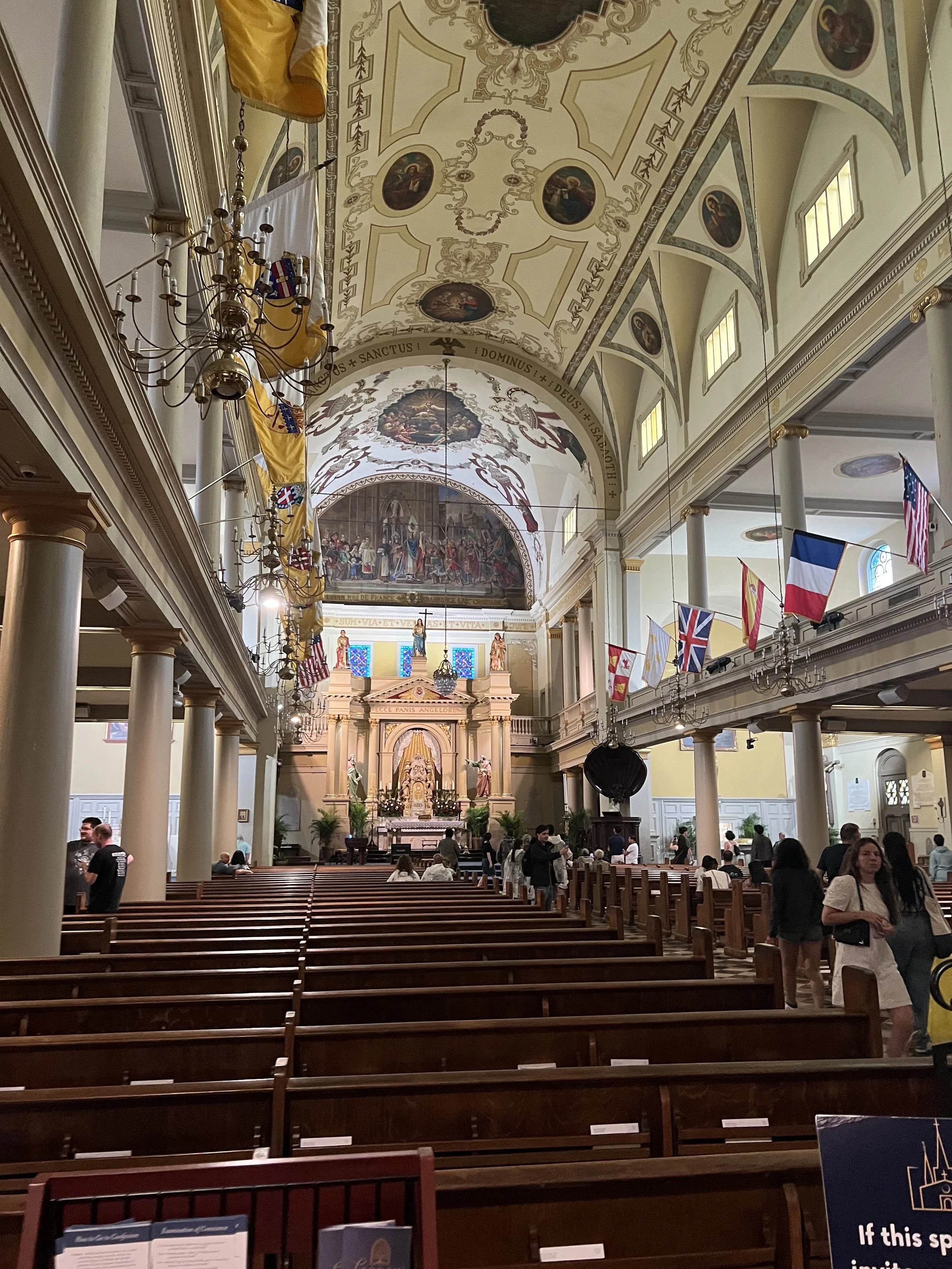
Before this trip, I often felt as though I had already mapped out my future. I knew what degree I wanted, what profession interested me, and what goals I hoped to accomplish. There was comfort in that certainty. Yet our discussions forced me to confront something surprisingly simple. I am only nineteen years old. For the first time, I began to recognize the difference between having a plan and having everything figured out. A plan is valuable because it provides direction, but it cannot predict every possibility. Life has a way of introducing unexpected challenges, opportunities, and changes that no amount of preparation can fully anticipate. The future I imagine today may not be the same future I eventually live, and that is not necessarily a failure. It is simply part of being alive.

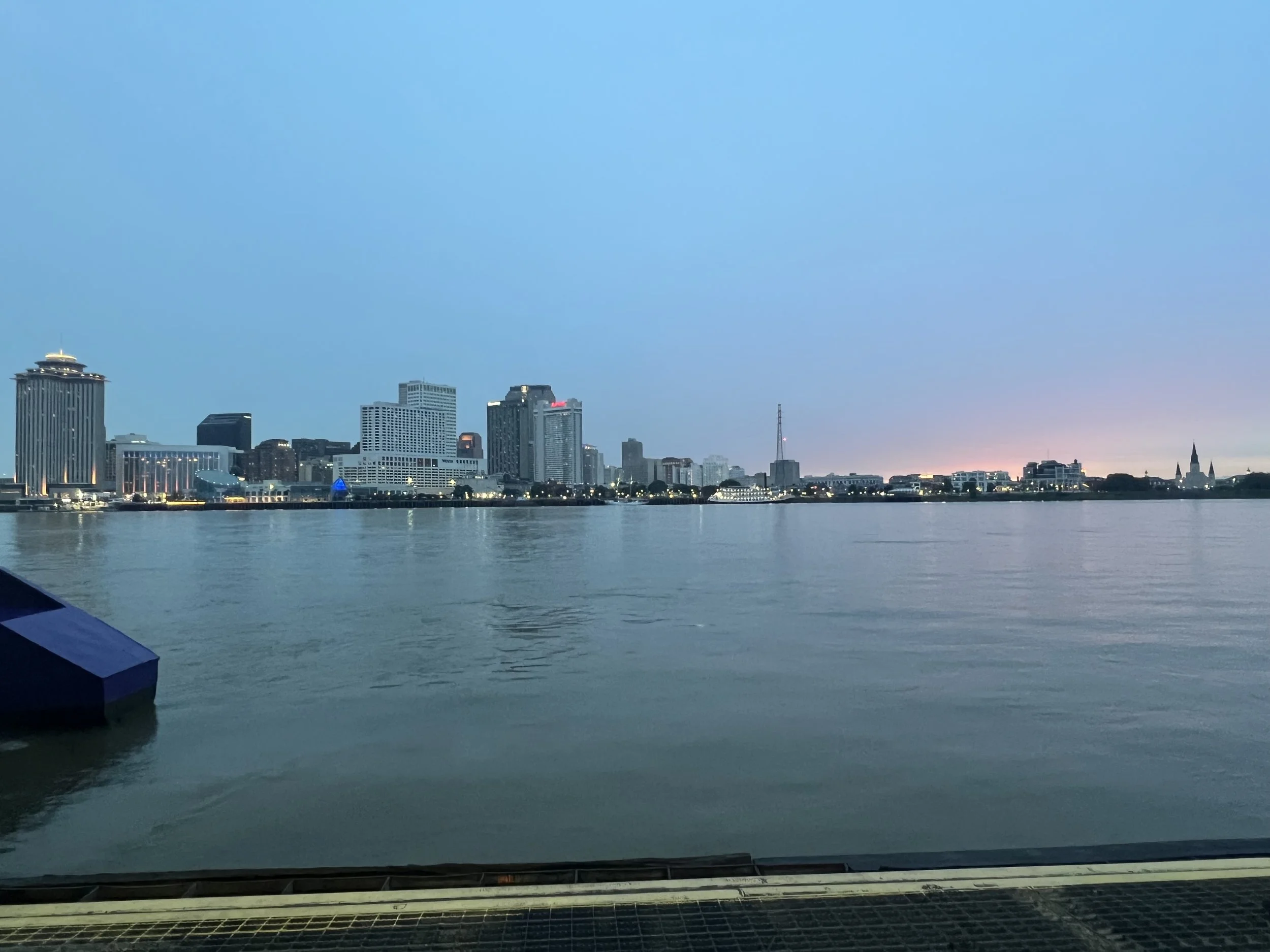
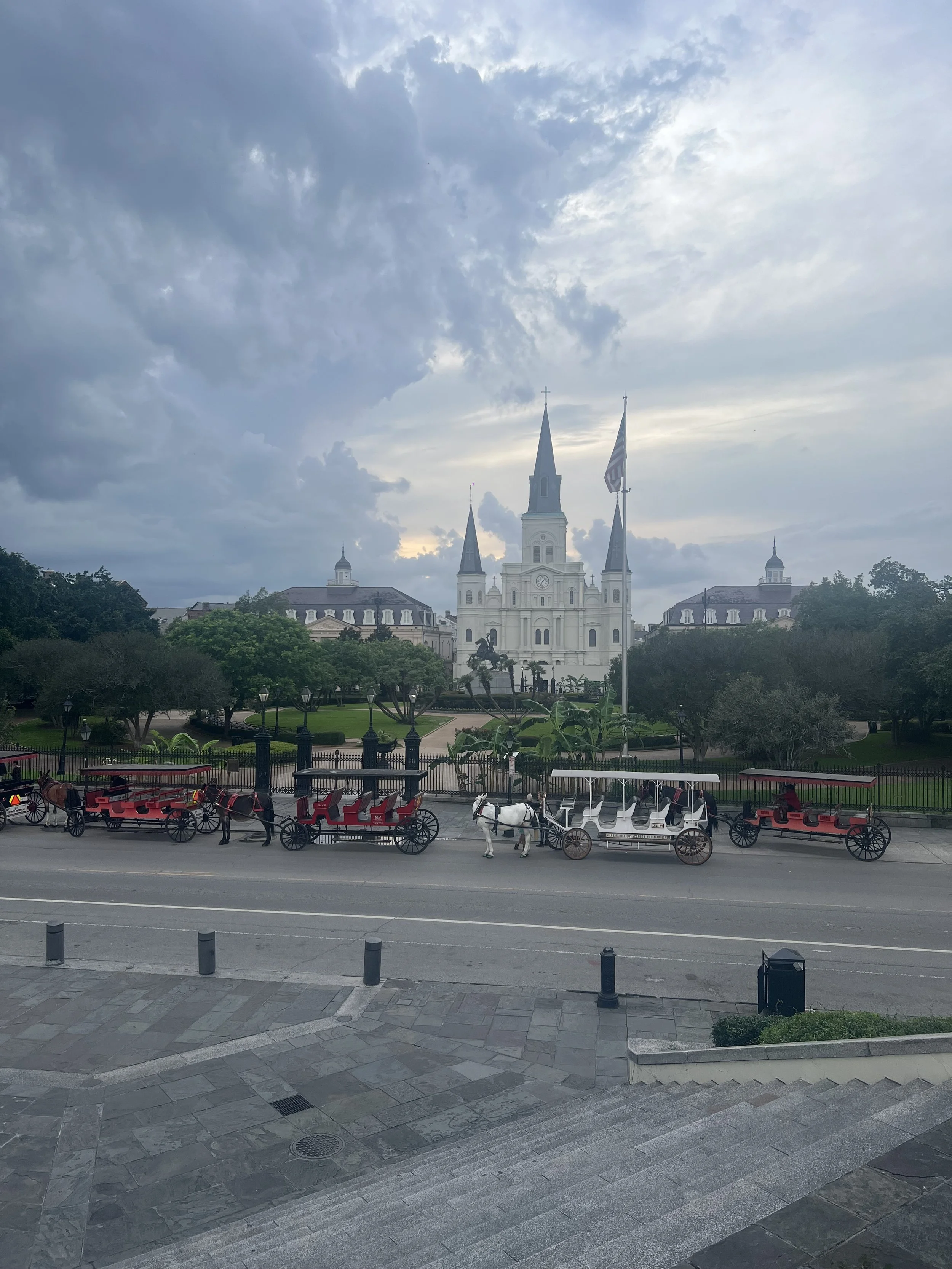
New Orleans provided the perfect setting for these reflections. The city itself feels layered with history, culture, and countless personal stories. Walking through its streets, visiting historic sites, and discussing literature in a place so rich with character helped me to think beyond immediate goals and consider broader questions about identity, purpose, and fulfillment. The trip gave me space to pause and reflect in a way that everyday life often does not.
What I ultimately gained from the experience was not a definitive answer about my future. If anything, I left with more questions than I arrived with. Surprisingly, I now view that as a positive outcome. The purpose of education is not always to provide certainty. Sometimes it is to challenge assumptions, complicate easy answers, and encourage deeper reflection. As I prepare for the next stage of my life, I still have goals, ambitions, and plans. I still hope to pursue occupational therapy and build a future that reflects the values I care about. What has changed is my understanding of certainty. I arrived in New Orleans believing that having a direction meant I understood where my life was going. I left realizing that a direction is only a beginning. The future remains unwritten, and rather than fearing that uncertainty, I have started to appreciate it. After all, if life were completely mapped out at nineteen, there would be very little left to discover.

Family of Music

When I think of New Orleans, the top three things I think of are beignets, Bourbon Street, and most importantly, the magnificent, dance-worthy jazz music. But while growing up, I never thought of jazz as having cultural or historical significance. Honestly, it wasn't really anything to me. It just existed, but not as something I could define or even name at the time. It was more like a background noise that had always been there.

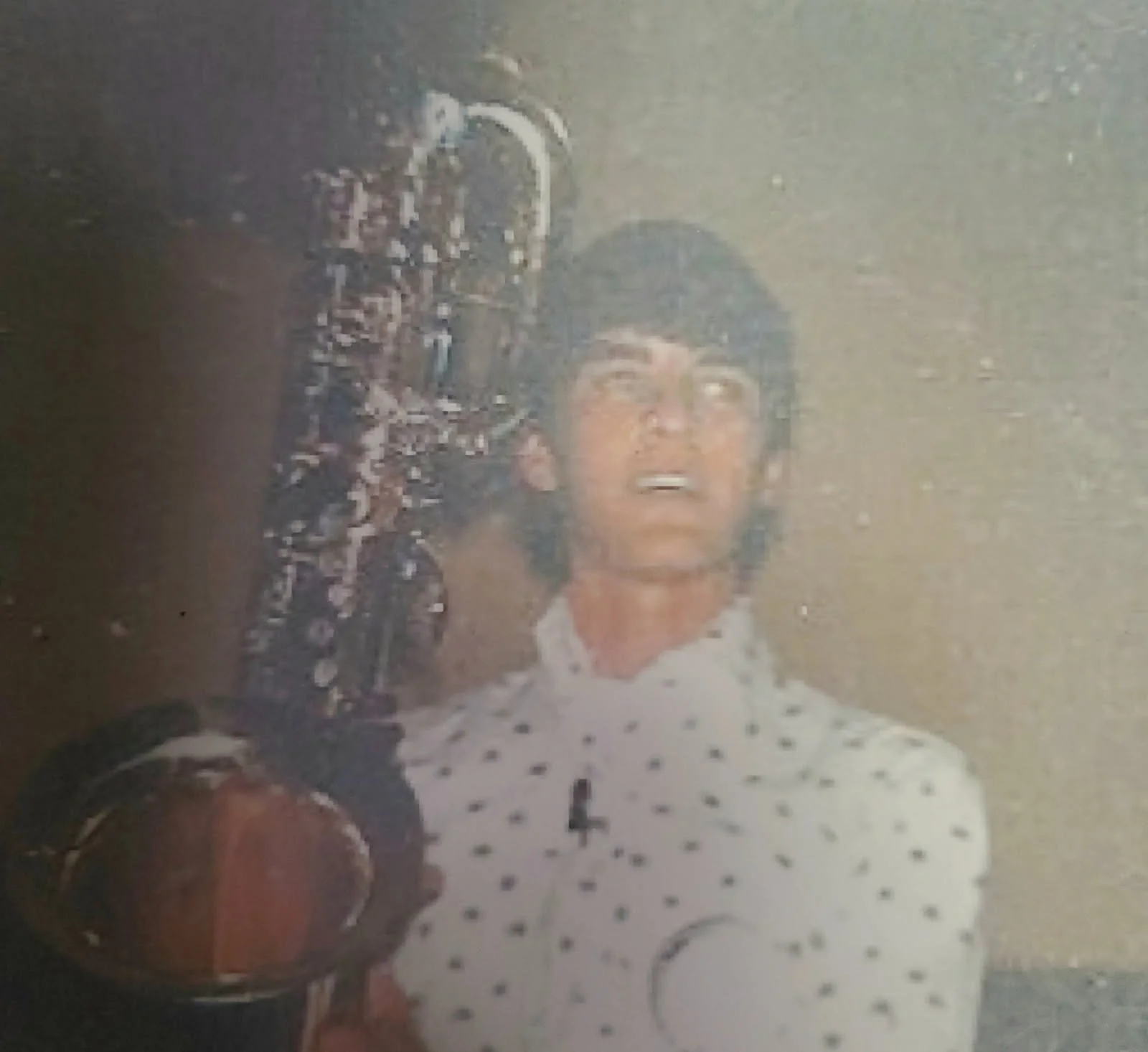
My dad in high school with his saxophone!

This was mainly because of my dad. He played saxophone in high school and majored in music in college before deciding to focus on a different career. Even after graduating, marrying my mom, working since he was a freshman in high school, and raising two daughters, jazz never left him. It shows up in everyday moments, like playing music around the house, casually mentioning songs he likes, and even in the way he reacts to jazz, as if he experiences it physically before ever trying to make sense of it. When I asked him to describe that feeling, he said it is almost instinctive, like it shifts his energy and pulls him into a different rhythm without him even realizing it.

Me peforming in a Christmas musical!

That's probably why I began participating in musical performances growing up. Music had always been present in my life, so getting involved myself and eventually trying to learn an instrument (didn't end well) felt like a natural progression rather than a deliberate decision. Although I never became particularly skilled at playing, those experiences changed the way I listened to music. I became more aware of how performers communicate emotion, how audiences respond to certain sounds, and how the same piece can feel completely different depending on who is performing it. Rather than focusing on technical skill, my experience with music made me appreciate its ability to create a shared emotional experience between performers and listeners.

Looking back, this also made me realize that culture is often absorbed long before it is consciously understood. Some things become familiar not because they are formally taught, but because they are constantly present. Jazz was one of those things for me. I never sat down to study its history or learn how its musical structures developed. Instead, it became associated with specific memories, places, and moments from everyday life. By the time I was old enough to think critically about jazz as a cultural tradition, it already felt familiar. My connection to it was shaped less by education and more by the environment in which I grew up.

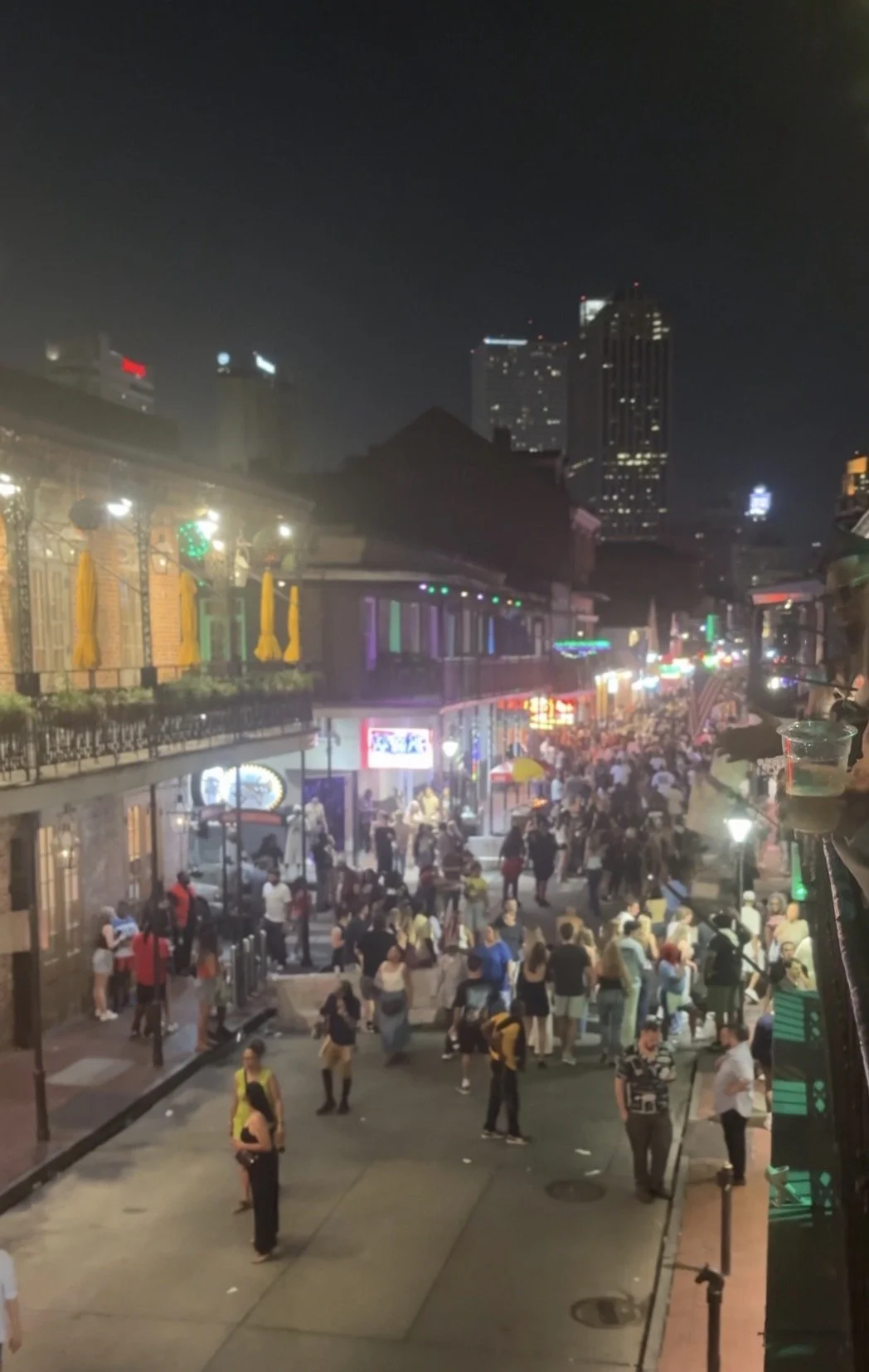
My idea of proximity became more evident while walking around New Orleans. Jazz is not separated from the environment and people. It exists throughout the streets, crowds, and public spaces; anywhere I went, I heard some sort of instrument being played. I love how it is not confined to performance halls or concerts. It just appears throughout the city, whether it's brass instruments playing in the French Quarter, musicians gathering on sidewalks to play unrehearsed, or rhythms shifting as people move to the sound. For New Orleans, jazz is not something people go to watch but something they move through.

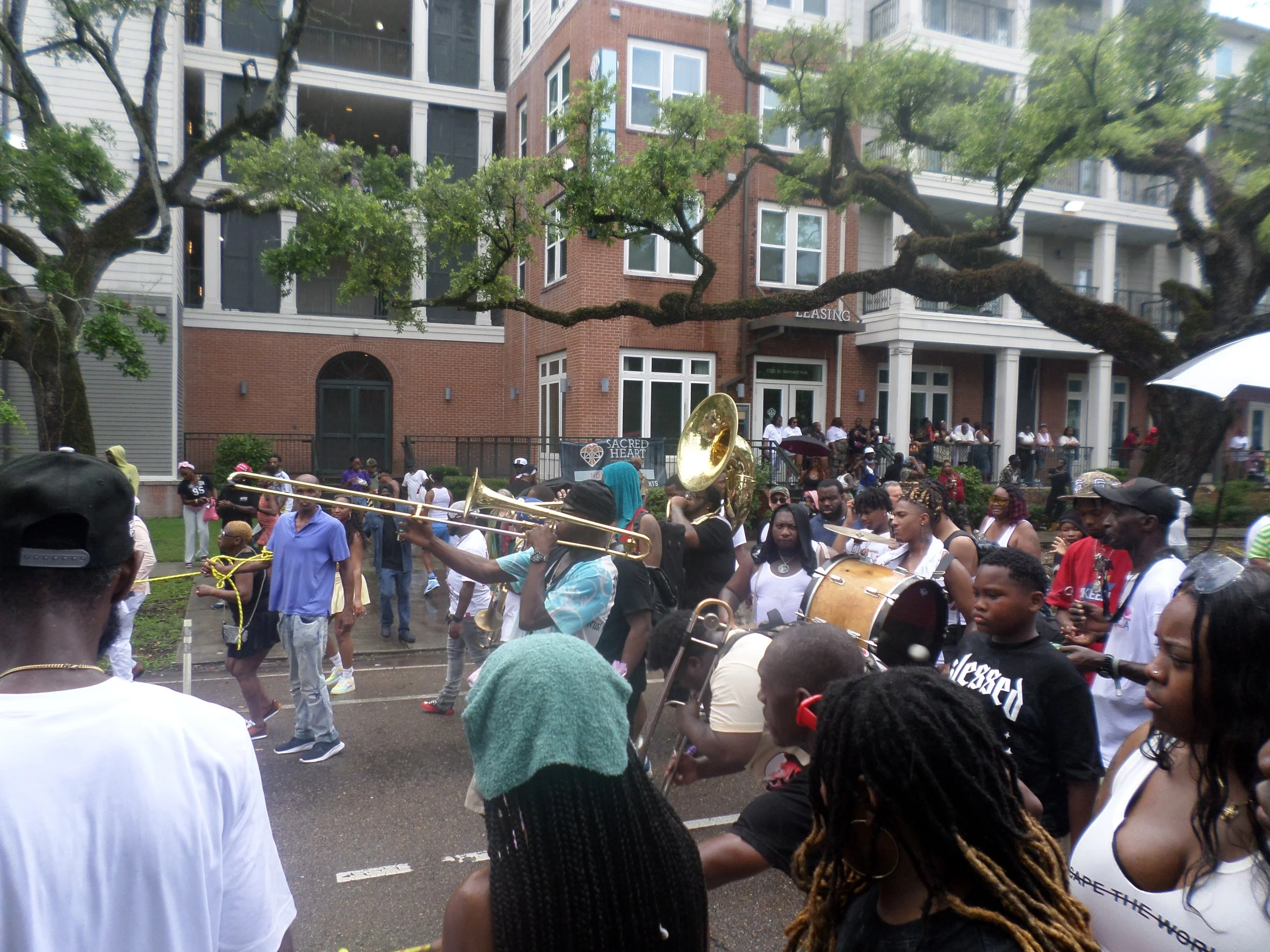
One of the best expressions of this that I had the opportunity to witness is the Second Line Parade. Tourists, like myself, may see it as a musical procession led by a brass band, but I have realized its structure is more participatory than it is performative. After my failed first attempt to see the parade due to heavy rain, I decided to research what the performance meant. I found that the “first line” refers to the main group of musicians and organized participants, while the “second line” is made up of anyone who joins in behind them, including locals, visitors, and community members who follow the music through the streets. What makes this extraordinary is that there is no strict boundary between performer and audience.

The Second Line treats music as something that happens through movement: clapping hands, swaying side to side, and nodding in rhythm as the procession moves forward. The sound itself shifts depending on the crowd, the walking pace, the energy of the moment, and even the weather that shapes how the street feels and responds. Although the tradition has very recognizable musical patterns and historical roots, no two parades are exactly alike. What does stay consistent, though, is the opportunity for people to become involved in it. This may be one of the reasons why the tradition continues to feel relevant across generations.

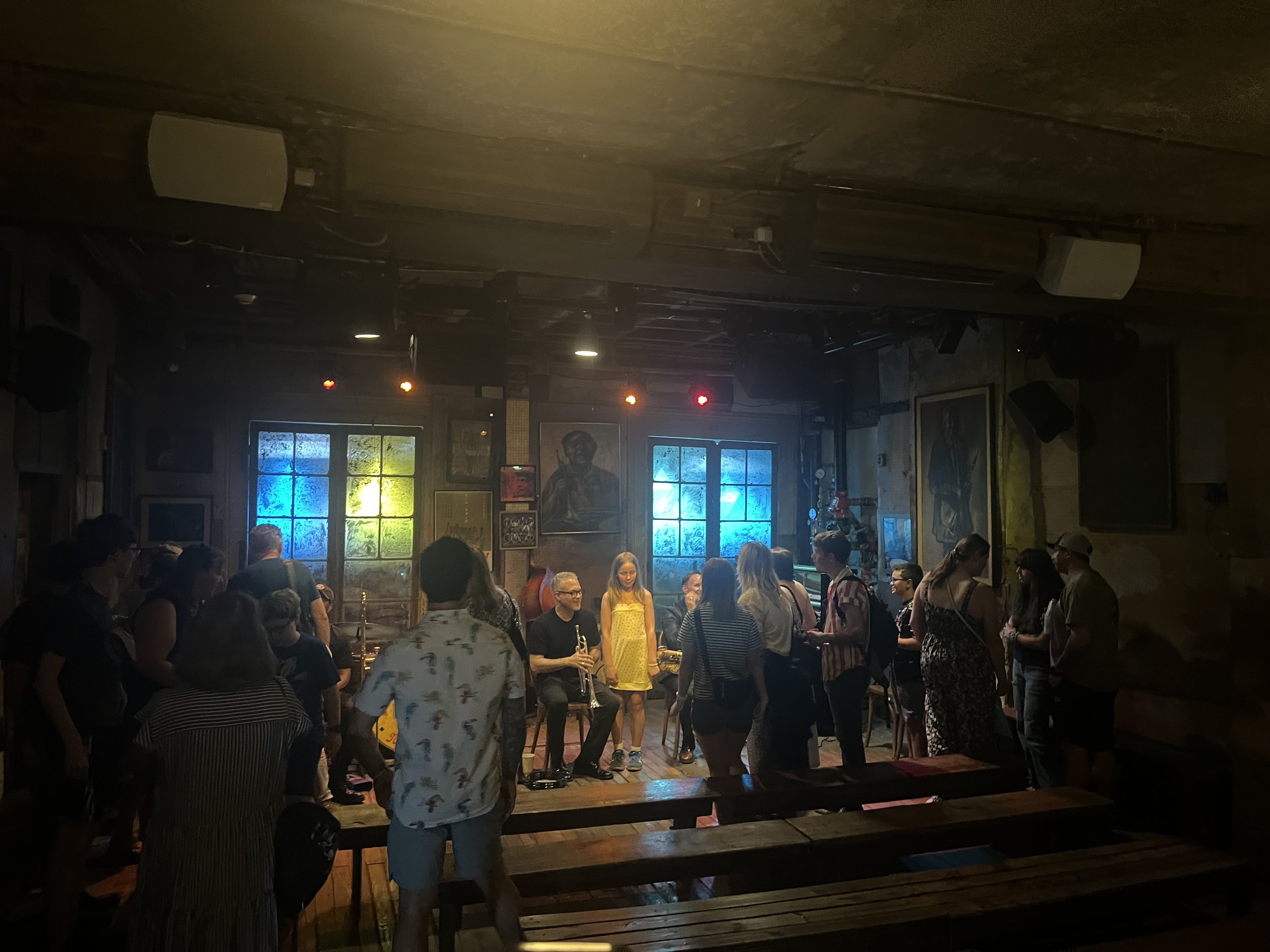
That idea of music existing through movement and participation became even more tangible during my visit to Preservation Hall. Nothing could have prepared me for that performance. It was in a small room, with no elaborate stage effects or technological enhancements that separated the audience from the performers. It was extremely interactive, and the musicians were close enough that the sounds felt immediate, not projected. What I loved the most was seeing how attentive and engaged everyone else was. They did not allow phones or cameras during the performance, so the focus remained entirely on the musicians.

After the performance was over, I began researching the history of Preservation Hall to learn more about why they started the foundation. When I read how it emerged in the mid-20th century, I realized that it was during a time when traditional New Orleans jazz was no longer the center of mainstream music culture. Once newer styles gained popularity, a lot of older musicians were pushed out of major venues and commercial recognition. Preservation Hall then became a place where those musicians could continue performing and share their musical tradition that could have faded from public view. The venue chose to create a space for artists whose contributions continued to be valuable even if they were not commercially dominant.

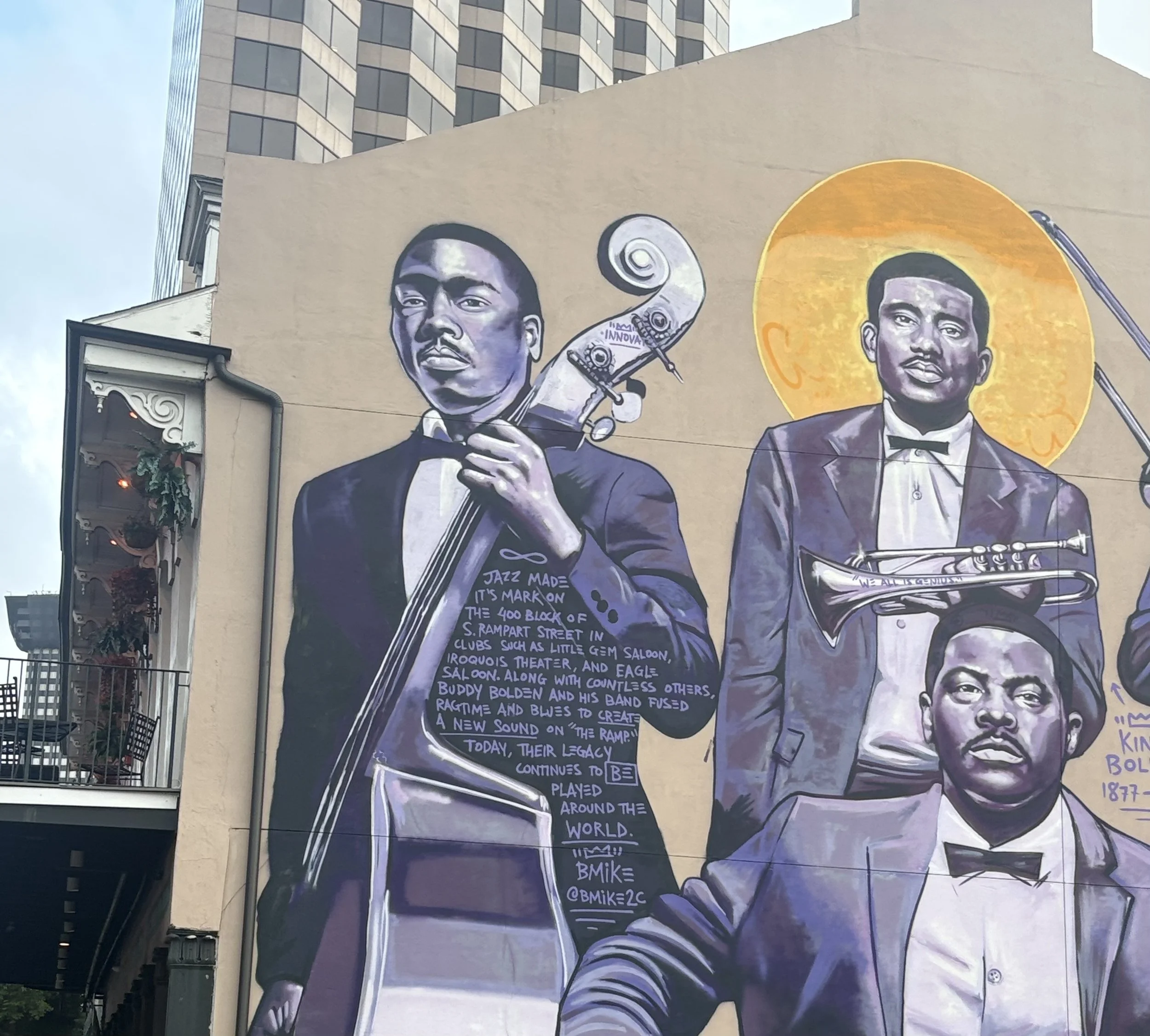
After researching the history behind the parade and venue, I began to understand Michael Ondaatje’s Coming Through Slaughter in an entirely different way. The novel follows an early New Orleans music performer, Buddy Bolden, but the way Ondaatje tells his story suggests something besides biography. What began to stand out to me was the book's structure and how it was written differently compared to the other books I have read on the trip. I remember discussing in a seminar how the novel does not follow traditional linear narratives, and instead is fragmented, shifting between perspectives and impressions. It reflects the uncertainty surrounding Bolden himself. The novel does not try to tell a complete or definitive story of his life. Instead, it implies that Bolden's life and experiences cannot be fully described by a single explanation. Even the fact that there are no recordings of Bolden's music becomes significant. Rather than treating that absence as a problem to solve, Ondaatje builds the novel around it, forcing readers to think about how historical figures are remembered when parts of their stories have been lost.

“This last night we tear into each other, as if to wound, as if to find the key to everything before morning.”

- Michael Ondaatje, Coming Through Slaughter

What stands out in this line is not just the emotion but the urgency. The characters seem aware that whatever understanding they are searching for may be temporary. That tension appears throughout the novel, where moments of clarity emerge briefly before slipping away again.

Looking back, I am surprised by how often similar questions appeared throughout this trip. Whether I was listening to my dad talk about music, following a Second Line through the streets, sitting inside Preservation Hall, or reading Coming Through Slaughter, I kept returning to the relationship between memory and experience. Each encounter approached that idea differently, yet all of them made me think about how culture continues to shape people long after its origins. Jazz survives because people continue finding new ways to engage with it, reinterpret it, and make it meaningful within their own lives. In that sense, what I inherited from my dad was not a specific collection of songs or facts about jazz history. It was a familiarity with a tradition that I only began to fully appreciate after experiencing New Orleans for myself. Jazz, as I came to understand it, is not something that is kept alive by protecting it from change. It is something that stays alive precisely because it cannot remain the same.

Having A Name

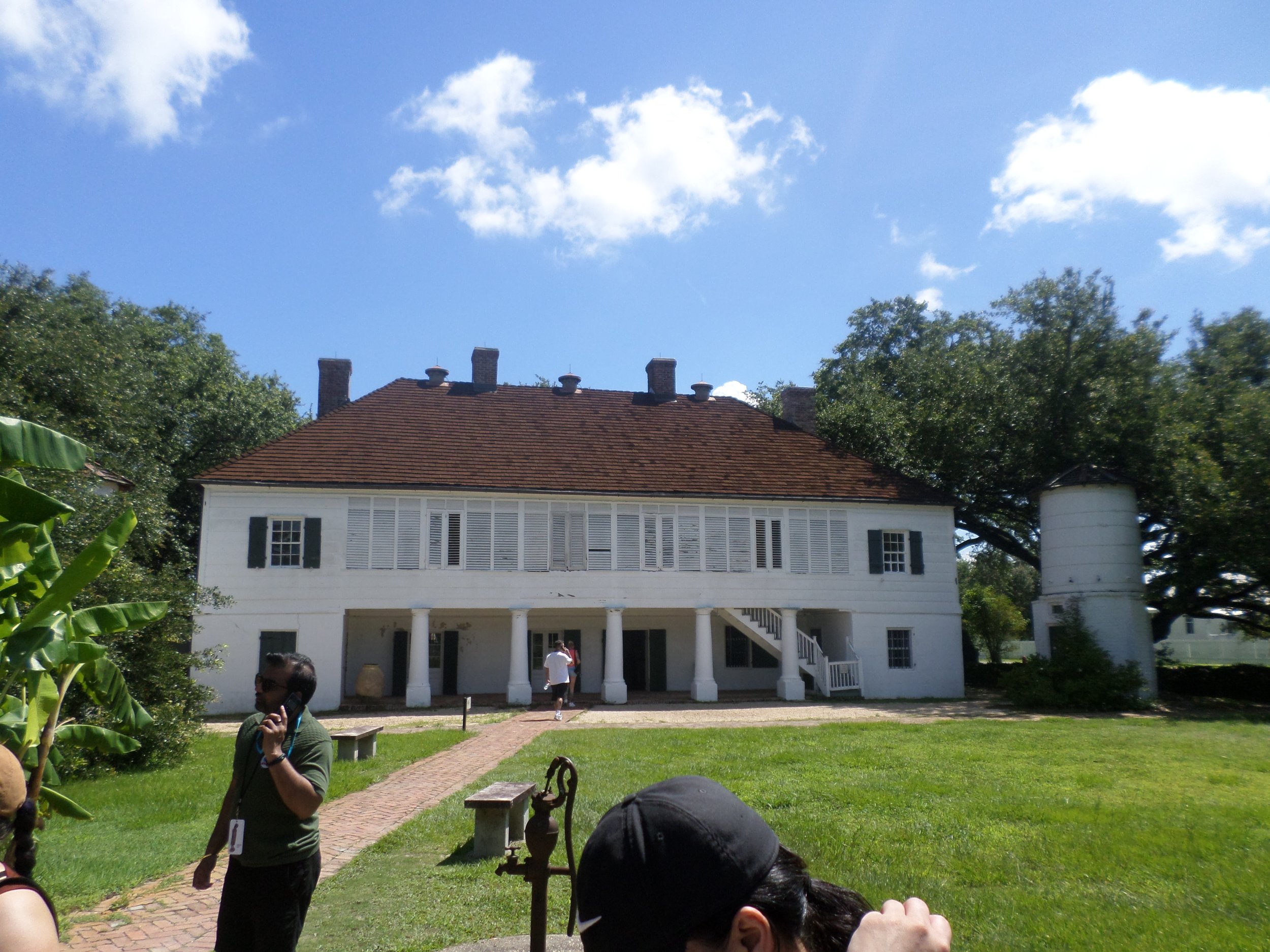
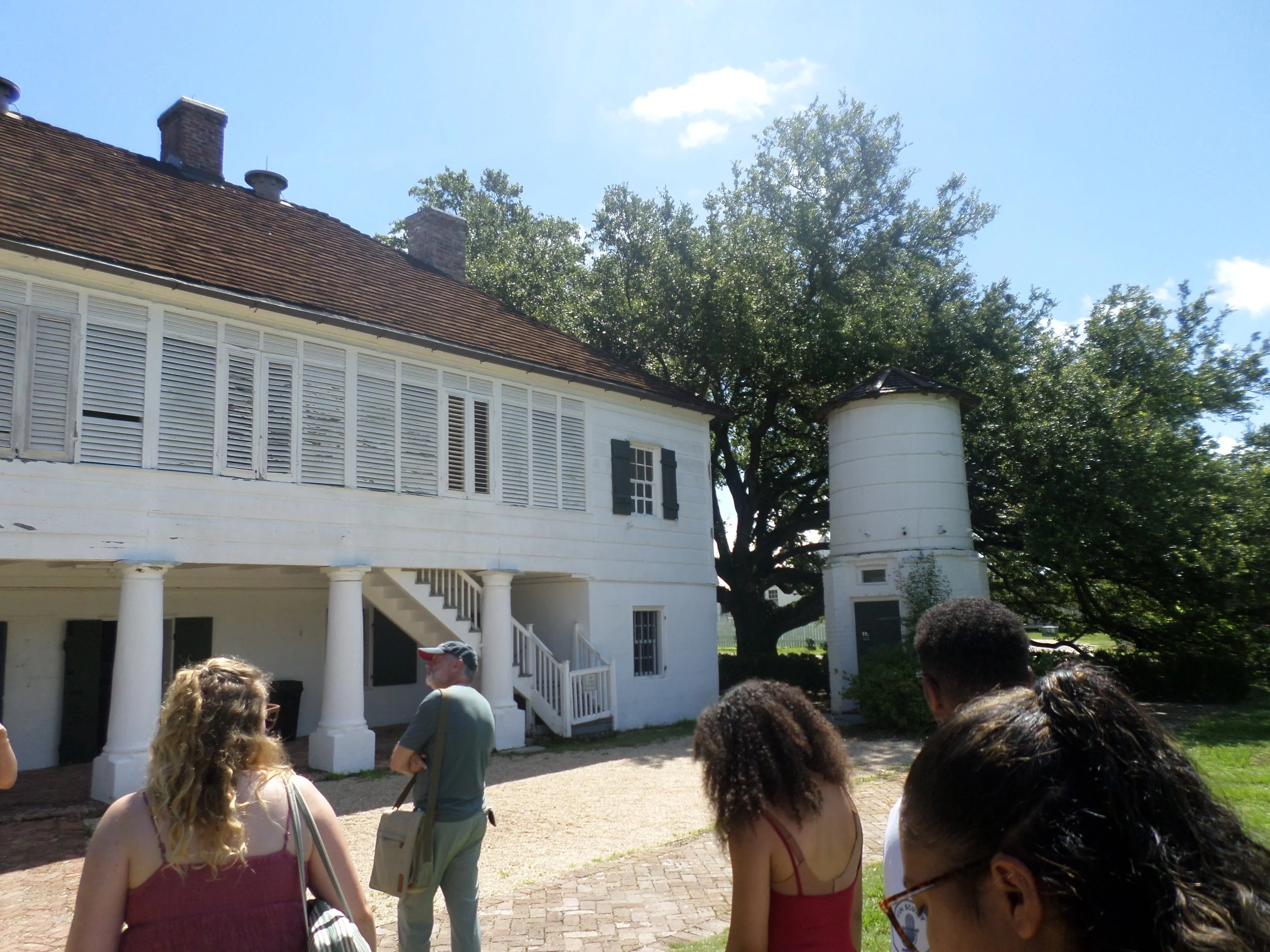
Visiting the Whitney Plantation left a strong impression on me, and it has been one of the most impactful experiences of the trip. I mainly learned about slavery from history classes, textbooks, and videos before my visit. While those sources are valuable, they often focus on historical timelines, statistics, and overall occurrences. The Whitney Plantation offered a new and different perspective, and it is the only plantation museum in the United States that is focused exclusively on the history of slavery. People value it because it actually highlights the experiences of the enslaved rather than those of the plantation owners, considering that throughout the property, visitors are able to confront the realities of slavery through personal stories, names, and preserved spaces. This focus on humans rather than statistics reminded me of the movie 12 Years a Slave, which tells the story of Solomon Northup, a free Black man who was kidnapped and sold into slavery. The film and the plantation setting both emphasize a powerful idea that history becomes more meaningful when it is told through the experiences of real people.

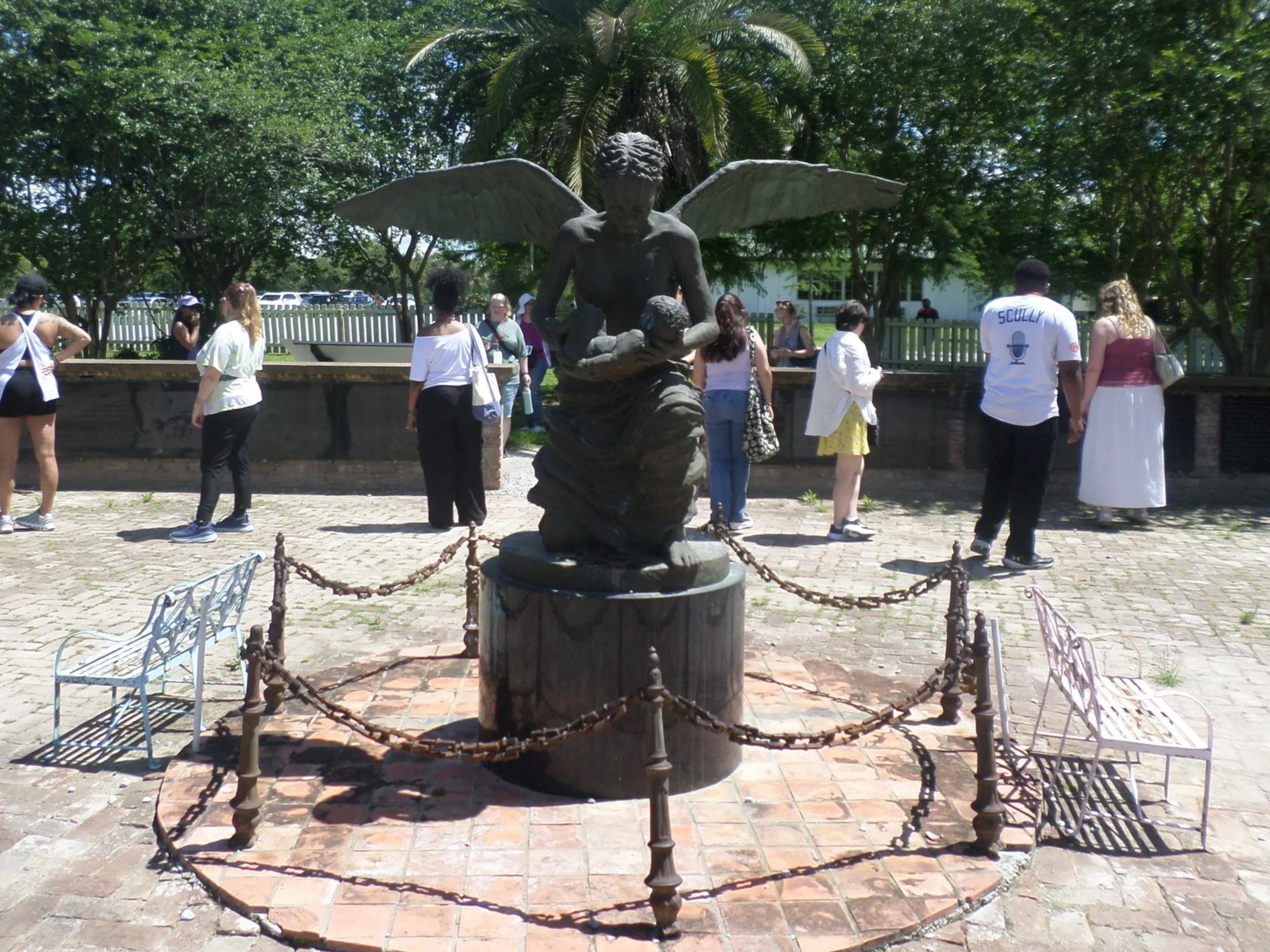
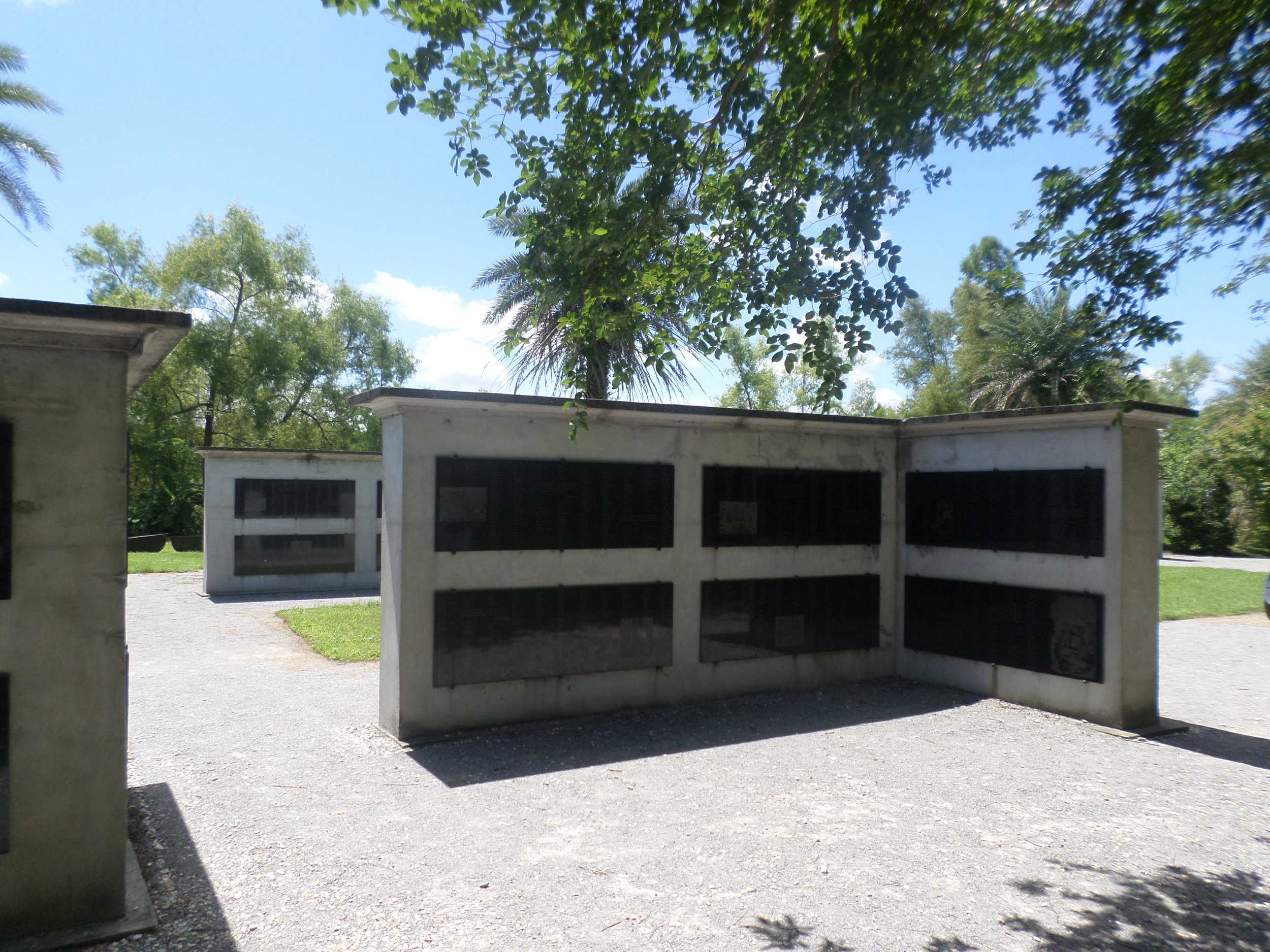
The part of the plantation I found most impactful was the Children's Memorial. At the end of the tour, I walked through it and saw hundreds of dates for children, some even without names, who died; it was heartbreaking. I immediately realized that many of those children had passed away before reaching the age of three. I started thinking about the specific children whose names, families, and lives had been cut far too short. I also saw that many children were born in the same years, suggesting that many mothers were growing families and giving birth while enduring the difficulties of oppression. It is easy to read about death rates in a textbook and move on, but it is much harder to pass hundreds of names without thinking about the lives they were associated with.

This idea also reminded me of a scene from 12 Years a Slave when Eliza was separated from her children, standing out as one of the most difficult scenes in the film. It was devastating to watch her desperate pleas to remain with her family because it highlighted the psychological cruelty of slavery in a way that numbers and statistics are unable to. The scene compels viewers to consider slavery as the devastation of relationships and families in addition to forced labor. While reflecting on the Children's Memorial, I thought about Eliza and the countless other parents who suffered similar tragedies. One of the reasons 12 Years a Slave is such a fantastic movie is that it concentrates on the personal experiences of the enslaved, allowing viewers to experience the loss of freedom, identity, and family from Solomon’s perspective. By doing so, the movie creates a degree of empathy that is challenging to obtain from historical facts alone.

“I don’t want to survive. I want to live.”

— Solomon Northup, 12 Years a Slave

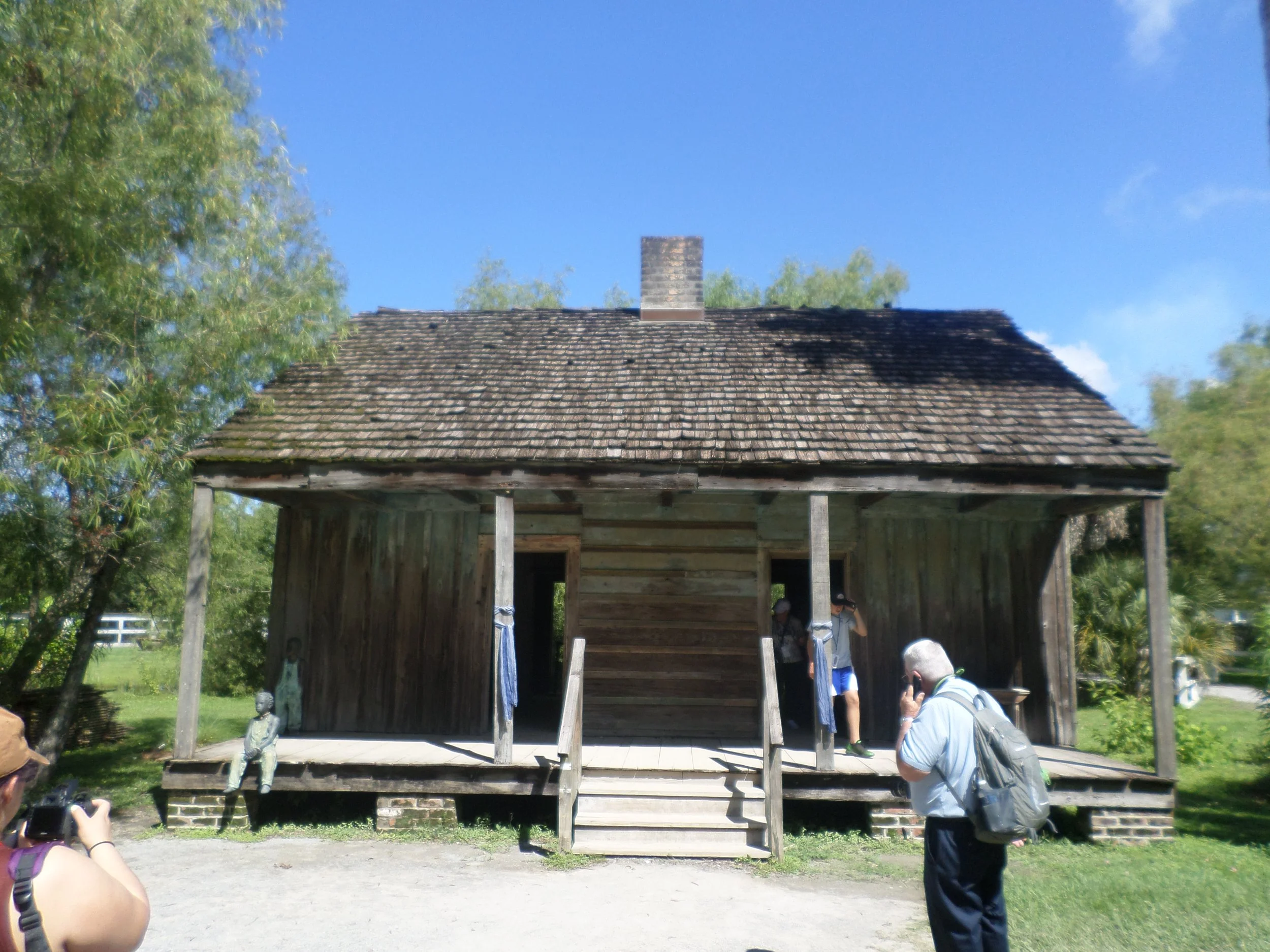
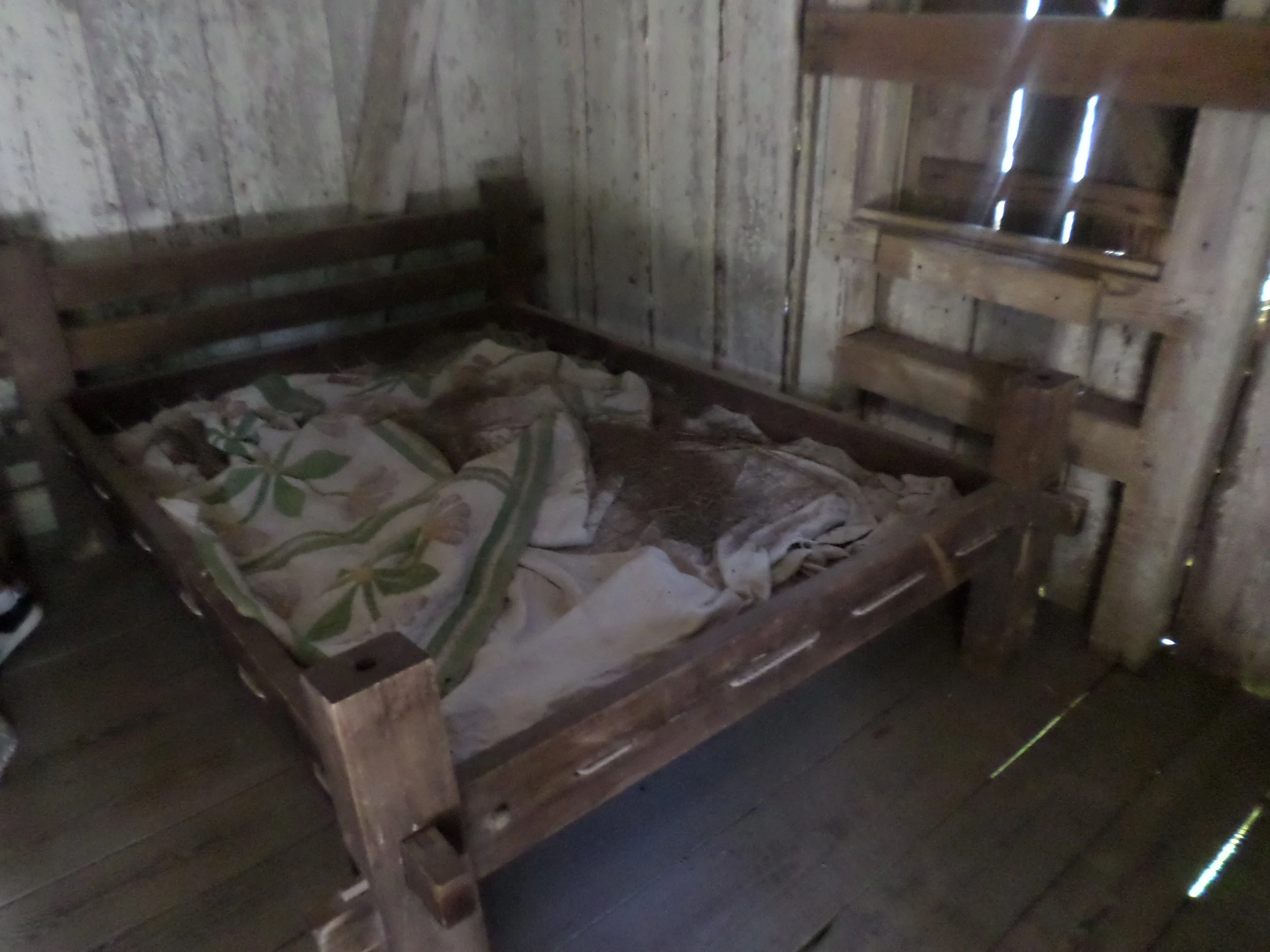
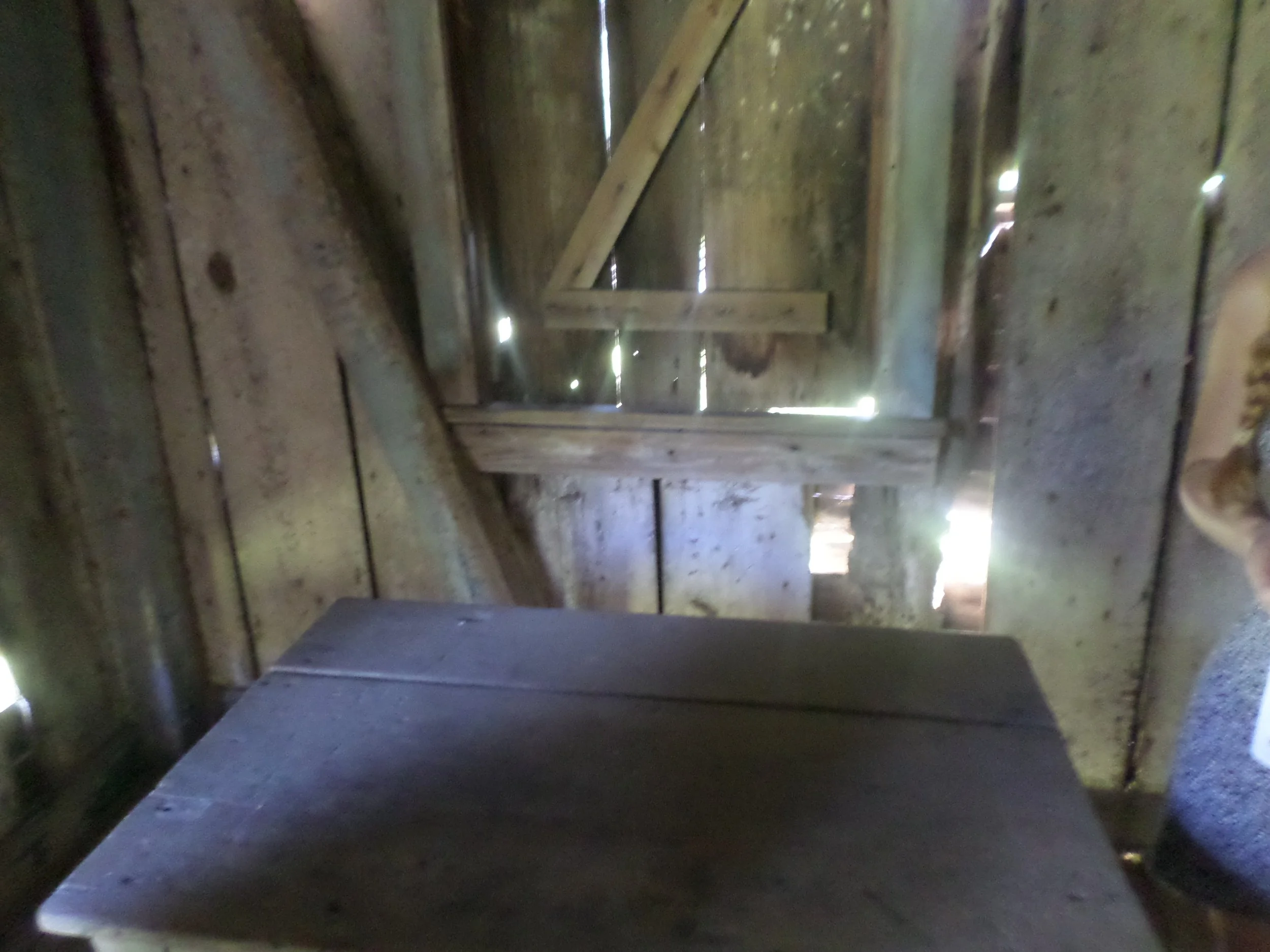
It was also interesting walking through one of the preserved slave cabins. I appreciated how interactive this tour was compared to ones I have been on, since I was able to explore it instead of just audibly learning the information. Standing inside the cabin was entirely different than viewing it because it evoked so many emotions. The structure was small and simple, but it represented the lives of countless people who lived under conditions that are difficult to imagine today. Individuals who once lived in it, the conversations that took place, and what hopes they held for the future. Similar to the Children's Memorial, the cabin shifted my focus away from historical statistics and toward individual lives. It reminded me that history took place in real locations and involved real people.

While reflecting on the plantation and the movie, I started to think about America and its history. In high school, I don’t even remember learning about plantations and how they impacted the lives of so many individuals. When I did hear about those facts, it wasn’t taken seriously or described in full emotional detail. At the Whitney Plantation, I finally saw how separate the history of slavery was from the history of the country as a whole. It demonstrated that wealth, growth, and development of the United States were deeply connected to the labor of enslaved people. Also, it emphasized the hypocrisy of a nation founded on ideals of liberty and equality, while millions of people were denied those very freedoms. Walking through the plantation allowed me to think more critically about how societies remember their past and how historical injustices continue to influence the present. Rather than viewing slavery as something that happened centuries ago, I began to see it as a foundational part of American history whose effects can still be felt today on many families.

It is often easier to focus on accomplishments and successes than on painful chapters of the past, yet places like the Whitney Plantation demonstrate why remembrance matters. The Children's Memorial exists because those children deserve to be remembered, no matter how many years later. What could have been a historical truth became something very personal when looking at the memorial. Long after I have forgotten specific dates or facts from the tour, I know I will remember those names on the placard. More importantly, I will remember the lesson that history is not only about understanding what happened but also about recognizing the people who lived through it and ensuring that their experiences continue to be acknowledged. Whitney Plantation and 12 Years a Slave challenged me to engage with history in a more thoughtful way, and that is what made the experience so meaningful.

Stories in Architecture

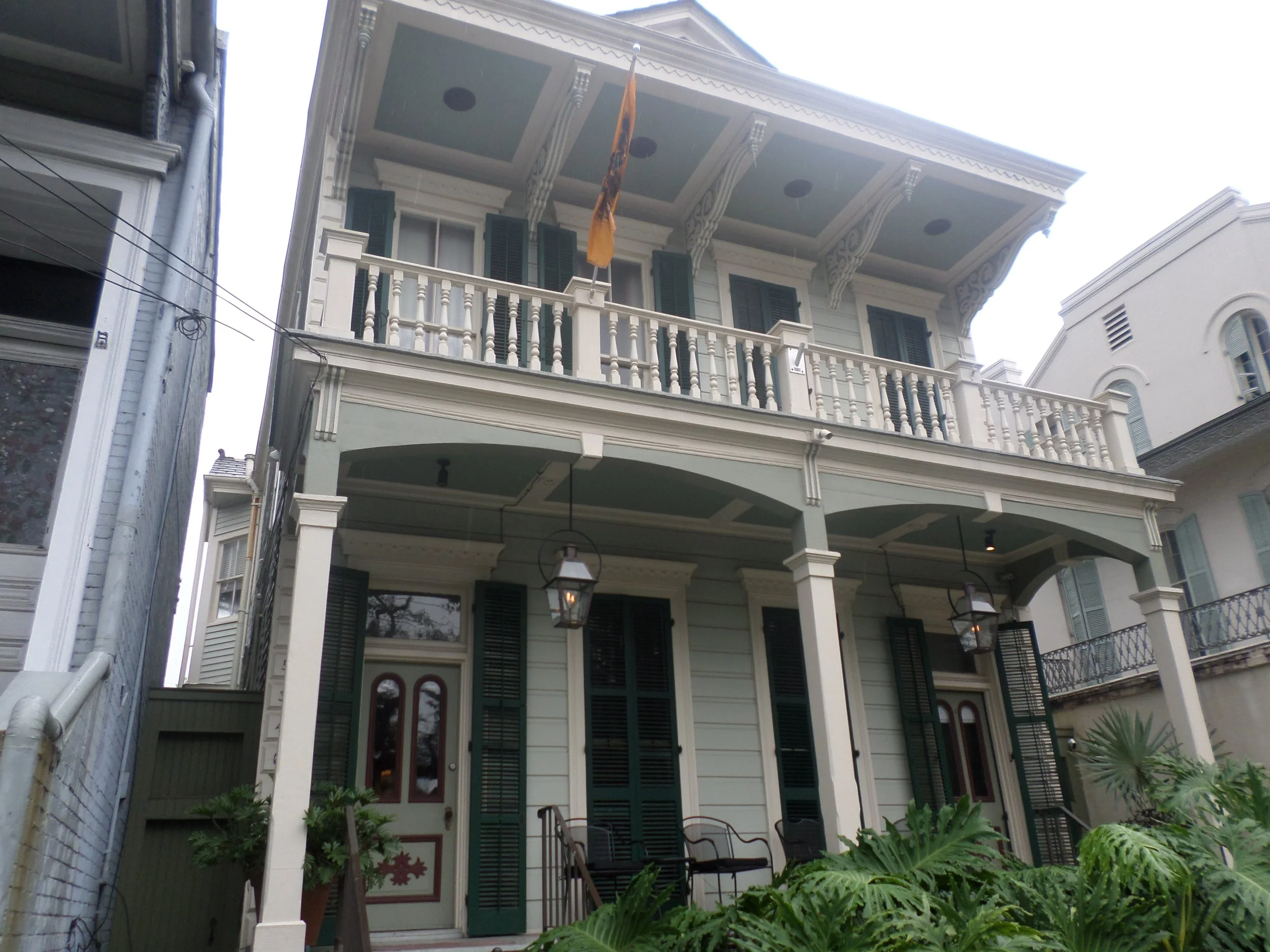
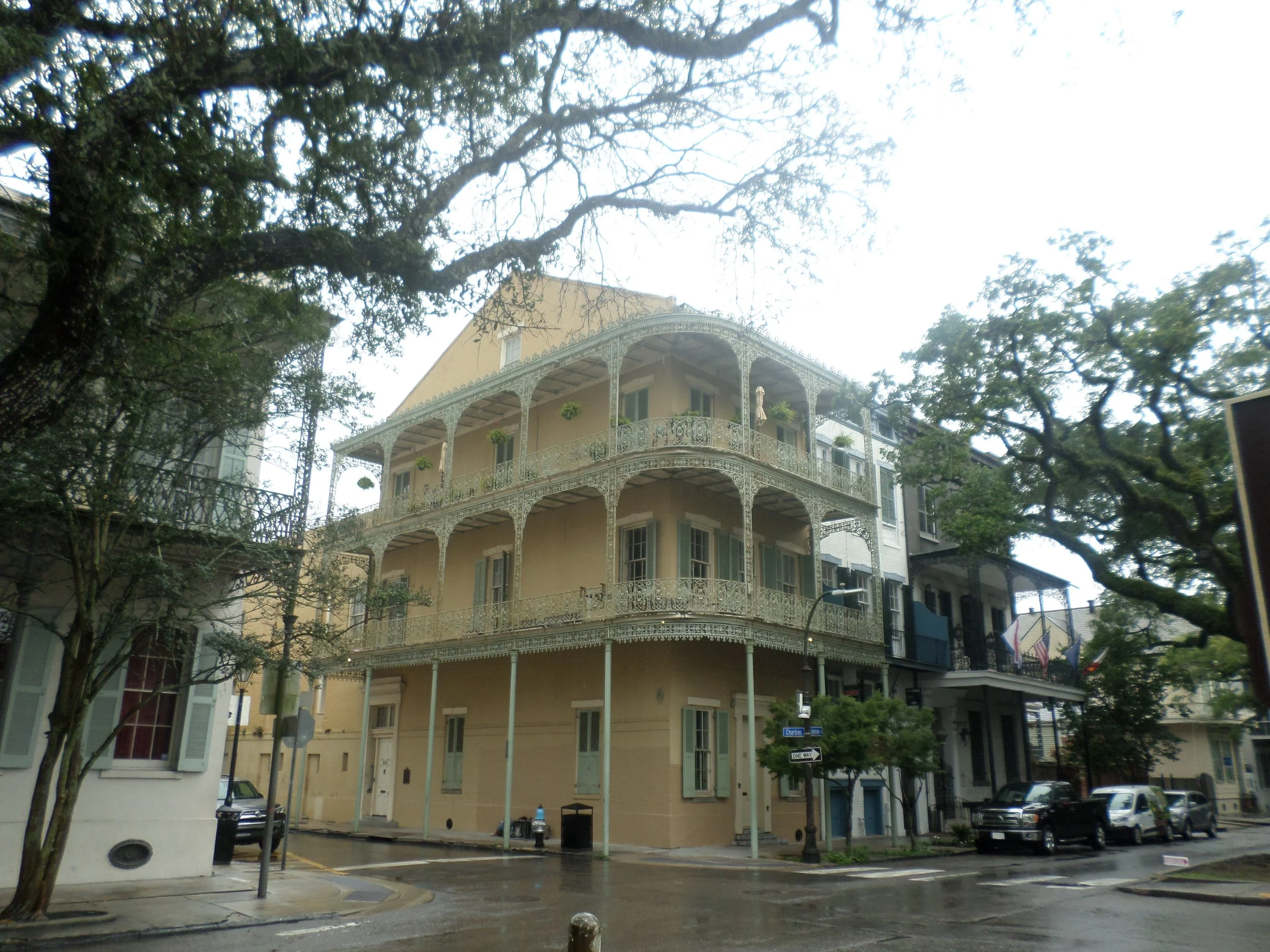
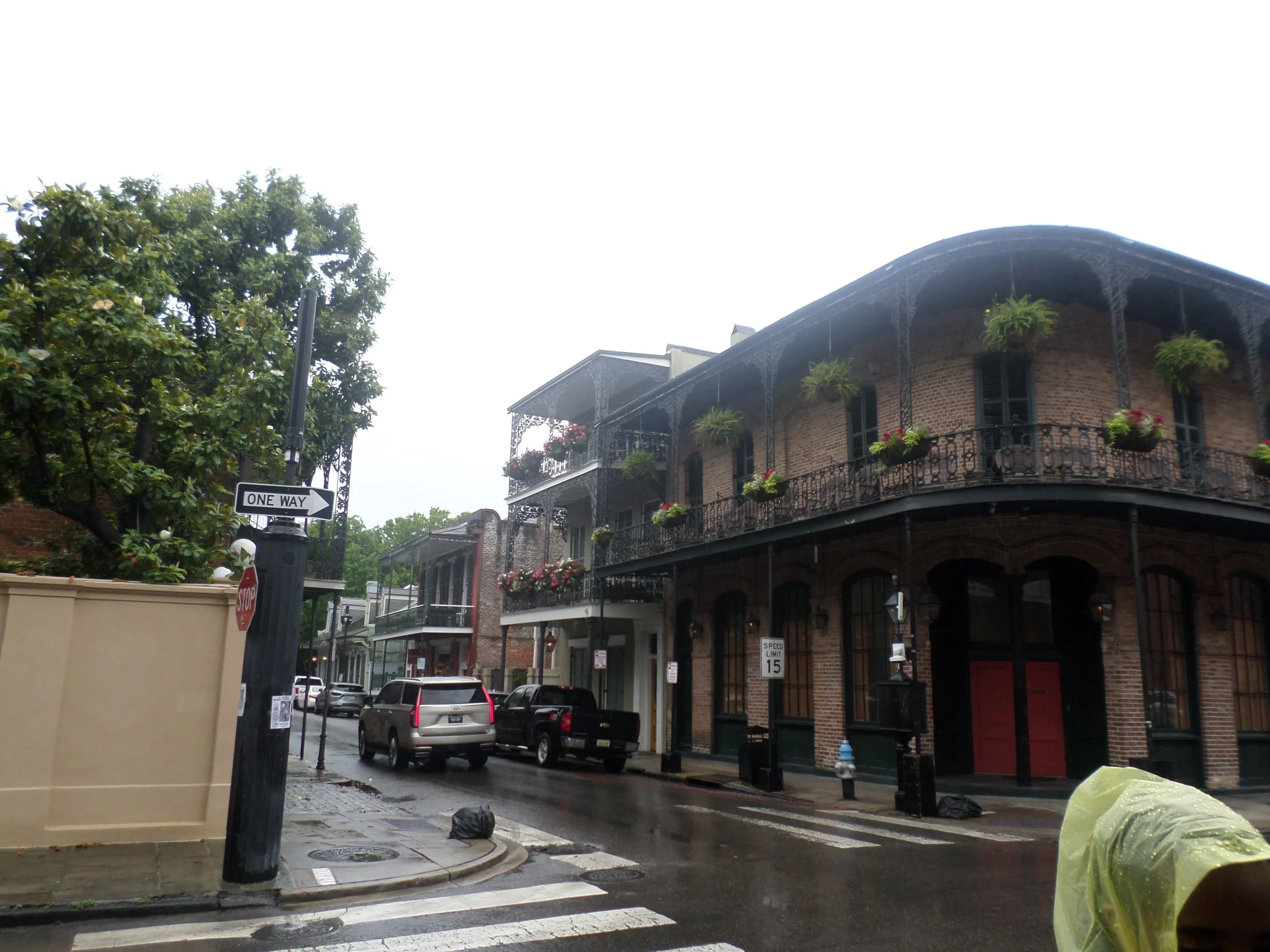
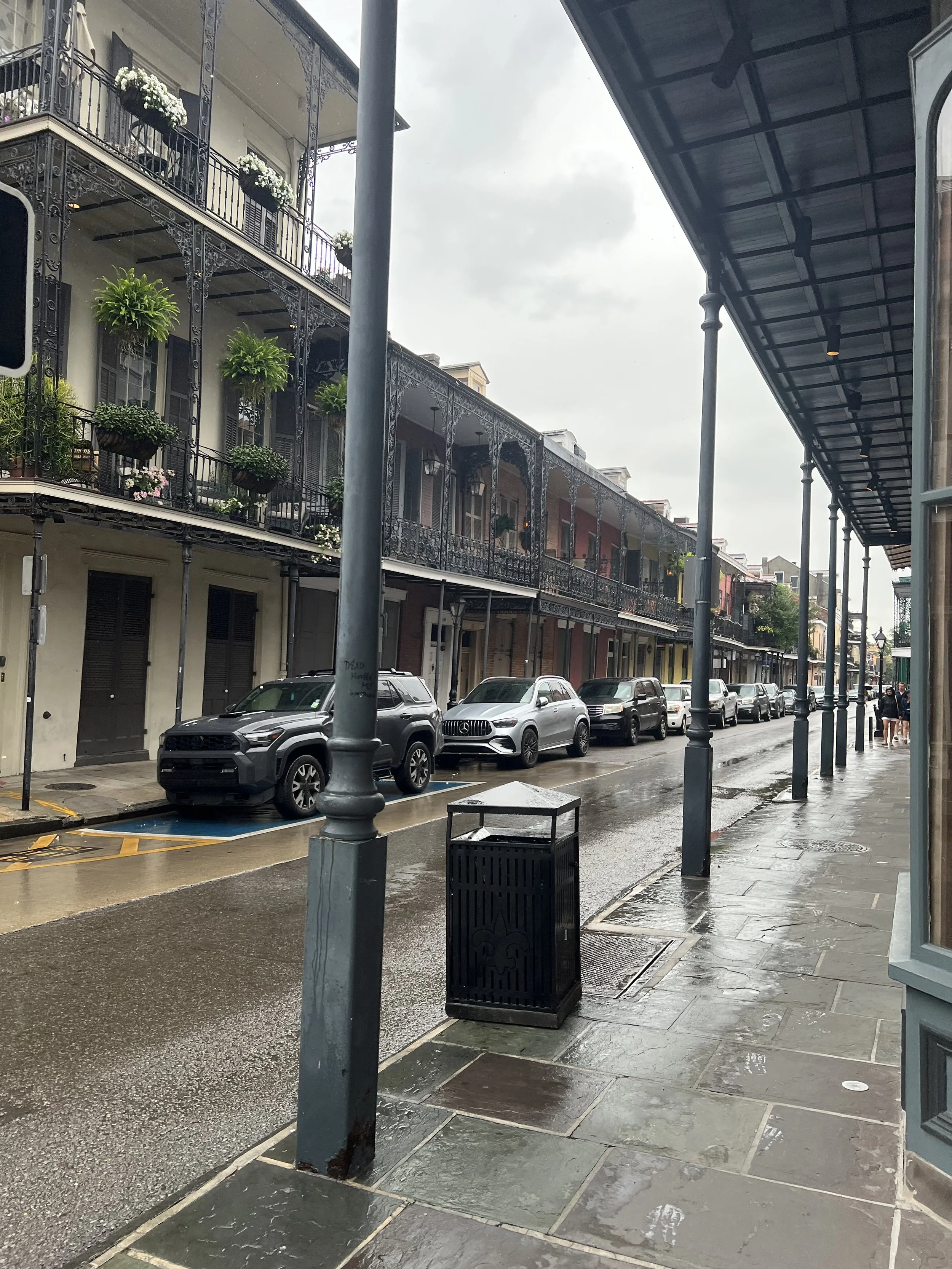
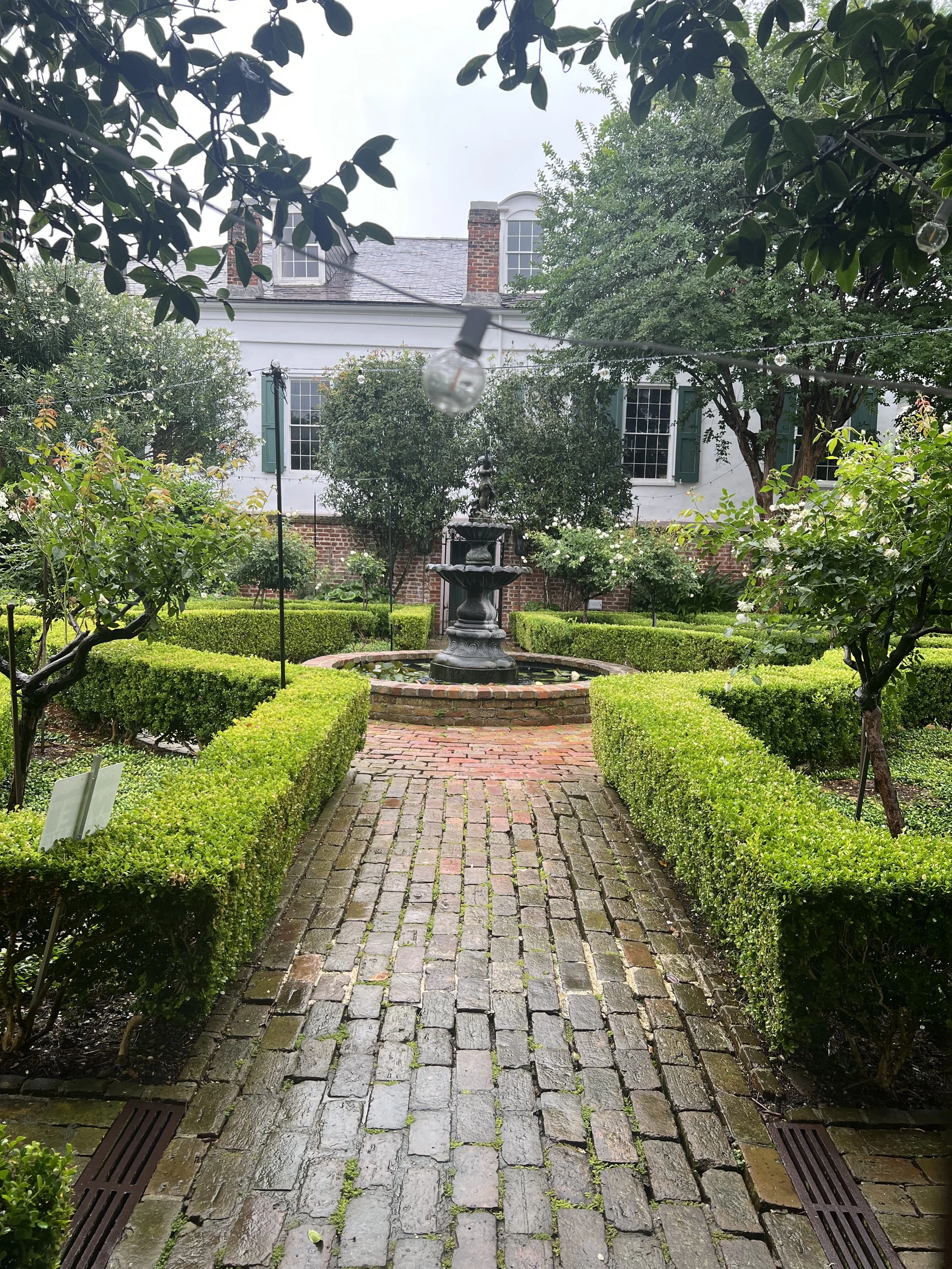
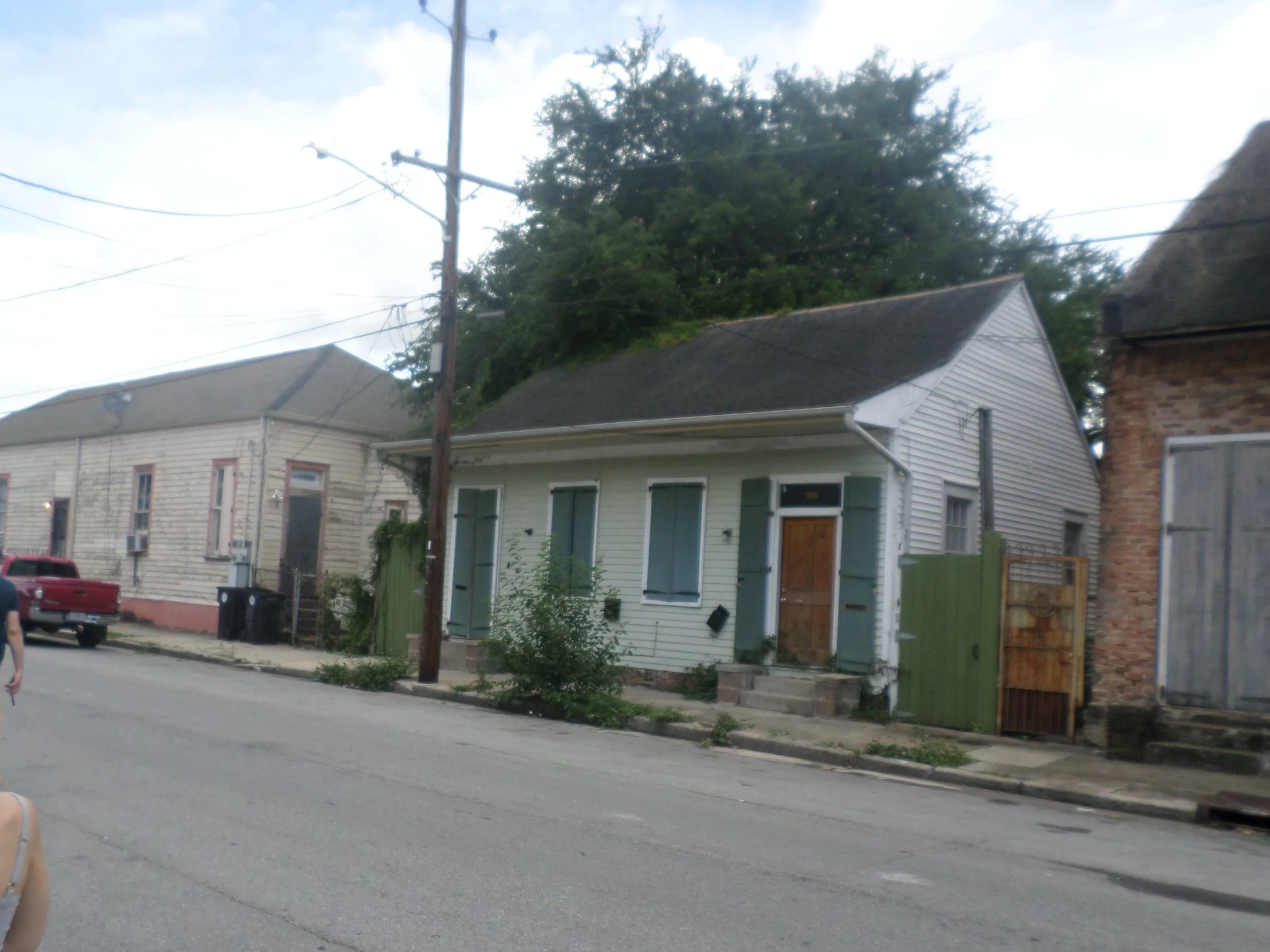
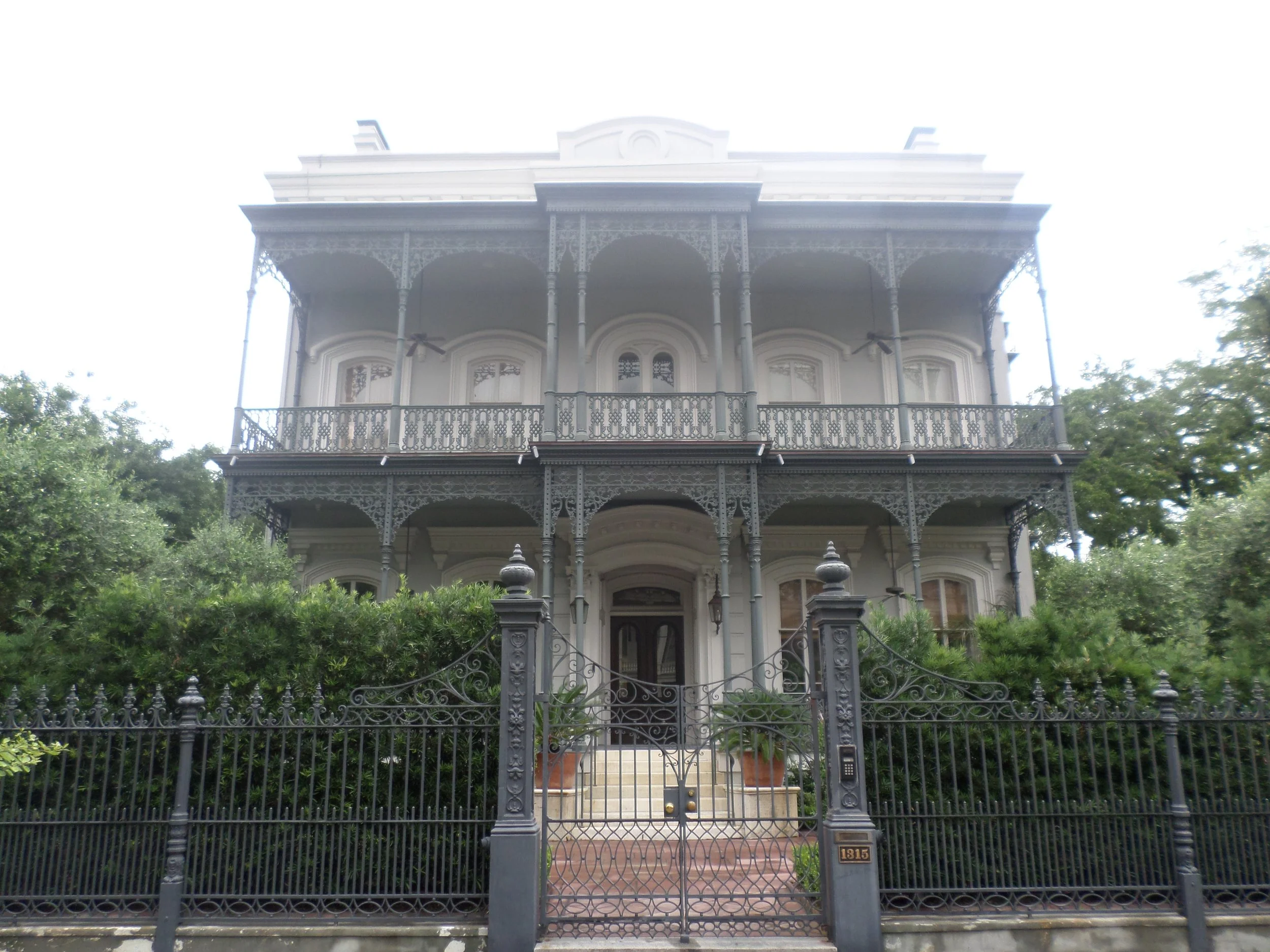
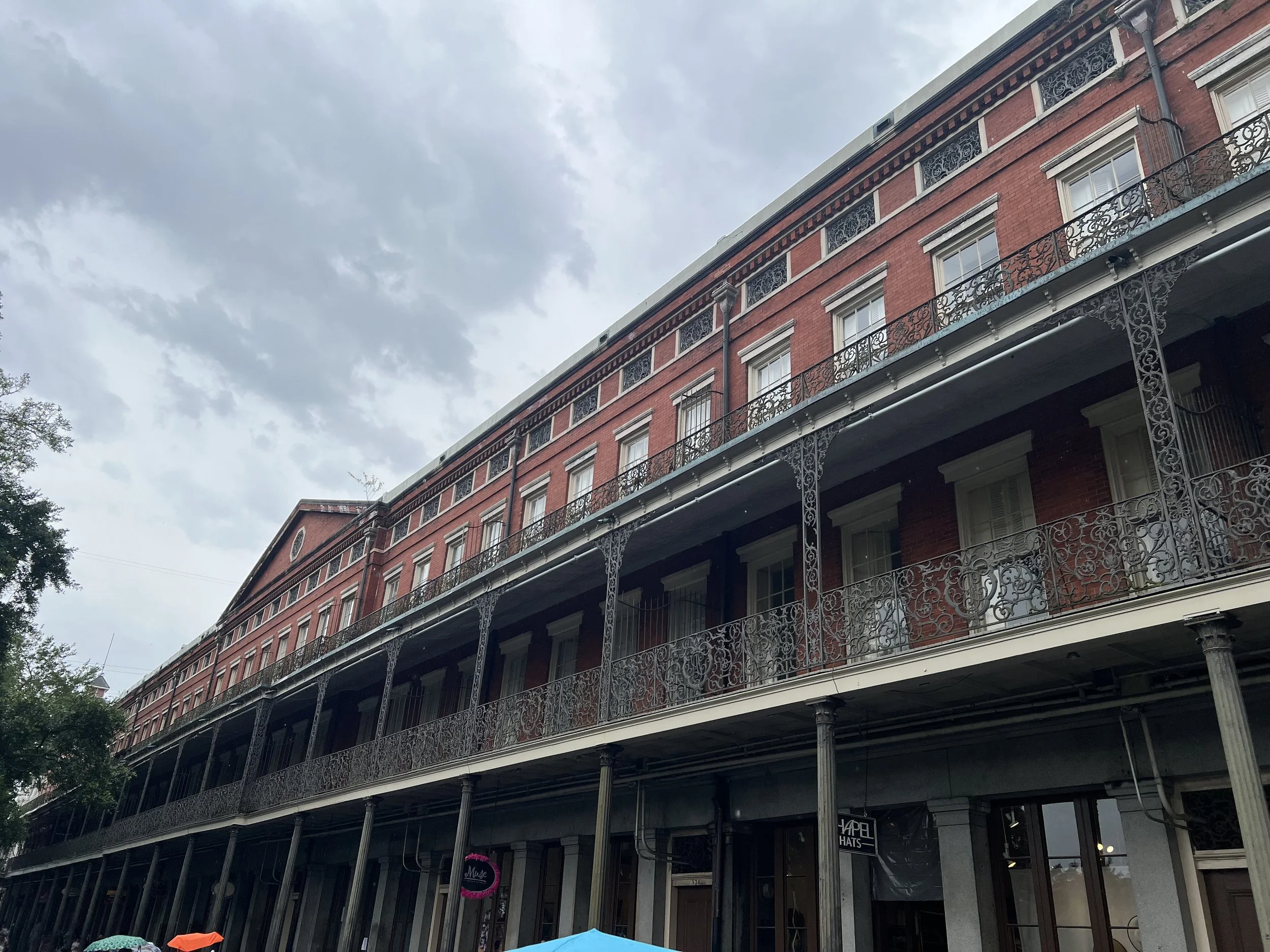
This is my first time visiting New Orleans, and the first glimpse we had of the Business District near the hotel made me realize how much architecture can impact a city's vibe and culture. Buildings in California, especially in Los Angeles, feel newer, more modern, and beautiful in an entirely distinctive way. However, New Orleans feels entirely different, with the city being full of historic buildings that seem to hold incredible stories within them. As I wandered around the French Quarter and Garden District, I became attentive to every detail, including the wrought-iron balconies, the weathered-painted pastel walls, the monumental shuttered windows, and the vines that climbed over the old brick walls.

I loved learning about the Creole architectural style since it is not something I see every day. One of the most interesting aspects of it is that, although many people refer to it as “French Colonial,” it actually originated in New Orleans. This style is a blend of French, Spanish, and Caribbean, but also adapts to the city’s hot and rainy weather. I noticed this while exploring the various homes and buildings and seeing how they are designed in ways that feel elegant and practical. The shaded balconies, steep roofs, courtyards, and raised foundations help create airflow to prevent heat, and it also gives the city its popular, recognizable appearance. I think one of the best things about the architecture in New Orleans is the artistic nature, and also the environment and history surrounding it.

Even though my major does not correlate with architecture, I have always enjoyed learning about home designs. One of my favorite pastimes is playing this game, where I can create home layouts from scratch and design exteriors and interiors. I prefer to look at house designs online and recreate the styles to make them look more authentic. Before the trip, I had already researched and admired New Orleans-style homes because of how detailed and stylish they looked, but actually seeing them in person was such an immersive experience. The buildings felt alive compared to what pictures can capture, and many homes had soft wall colors paired with darker details to create a dramatic yet stunning appearance. Many of the roofs were also steep and sloped, while others were flatter with decorative edges. One of the more obvious details I admire is the narrow balconies stacked above one another, giving the houses a vertical look that feels intricate and full of character.

I also realized how Anne Rice’s novel, Interview with the Vampire, does an amazing job describing the city and its architecture. She portrays New Orleans as a dark, romantic atmosphere that is slightly decayed, and being able to see the city in person made those descriptions feel very accurate. Throughout the story, the city is described with vivid detail that brings the buildings to life and reflects the emotions and darkness that surround the vampires. Reading the novel while wandering through New Orleans allowed me to truly appreciate how carefully Rice uses architecture to shape the mood of the story.

“We passed whitewashed walls and great courtyard gates that revealed distant lamplit courtyard paradises like our own, only each seemed to hold such promise, such sensual mystery.“

- Anne Rice, Interview with the Vampire

Interview with the Vampire intricately talks about the infamous wrought-iron balconies that hang over the streets of the French Quarter, and while walking those streets myself, I understood how the ironwork transforms the city’s atmosphere. Through casting shadows on the sidewalks, the balconies give the streets a dramatic, confined effect. Ironwork and soft lighting, especially at night, give the French Quarter a sense of mystery that is compatible with the tone of Rice's book. I also noticed many secret courtyards concealed behind buildings and gates. From the outside, some streets may appear busy and crowded, but inside the gates are peaceful areas with plants and fountains. These courtyards are often described by Rice as secluded havens, and seeing them for myself increased awareness of their important part in the setting of the novel.

Another detail the book mentions that stands out is how New Orleans embraces decay instead of hiding it. In other cities, various older buildings are renovated to appear brand new, but New Orleans appears to preserve the aging buildings as part of its beauty. The cracked walls, chipped paint, faded colors, and weathered brick contribute to the city’s unique identity. Rice specifically describes the city as elegant, but slowly crumbling under the years and humidity. The story felt more sincere after seeing this in person because the city genuinely embodies that harmony between beauty and decay. Instead of seeming abandoned, the structures have a sense of history, as if each layer of damage contributes to the city's historical narrative.

The nature intertwined with the architecture was another stunning example of New Orleans’ simplicity. The large oak trees would stretch across the streets, vines would climb up the sides of the fences, and the Spanish moss would hang dramatically from the trees’ branches. The greenery softens the city while also giving it an older and secretive vibe.

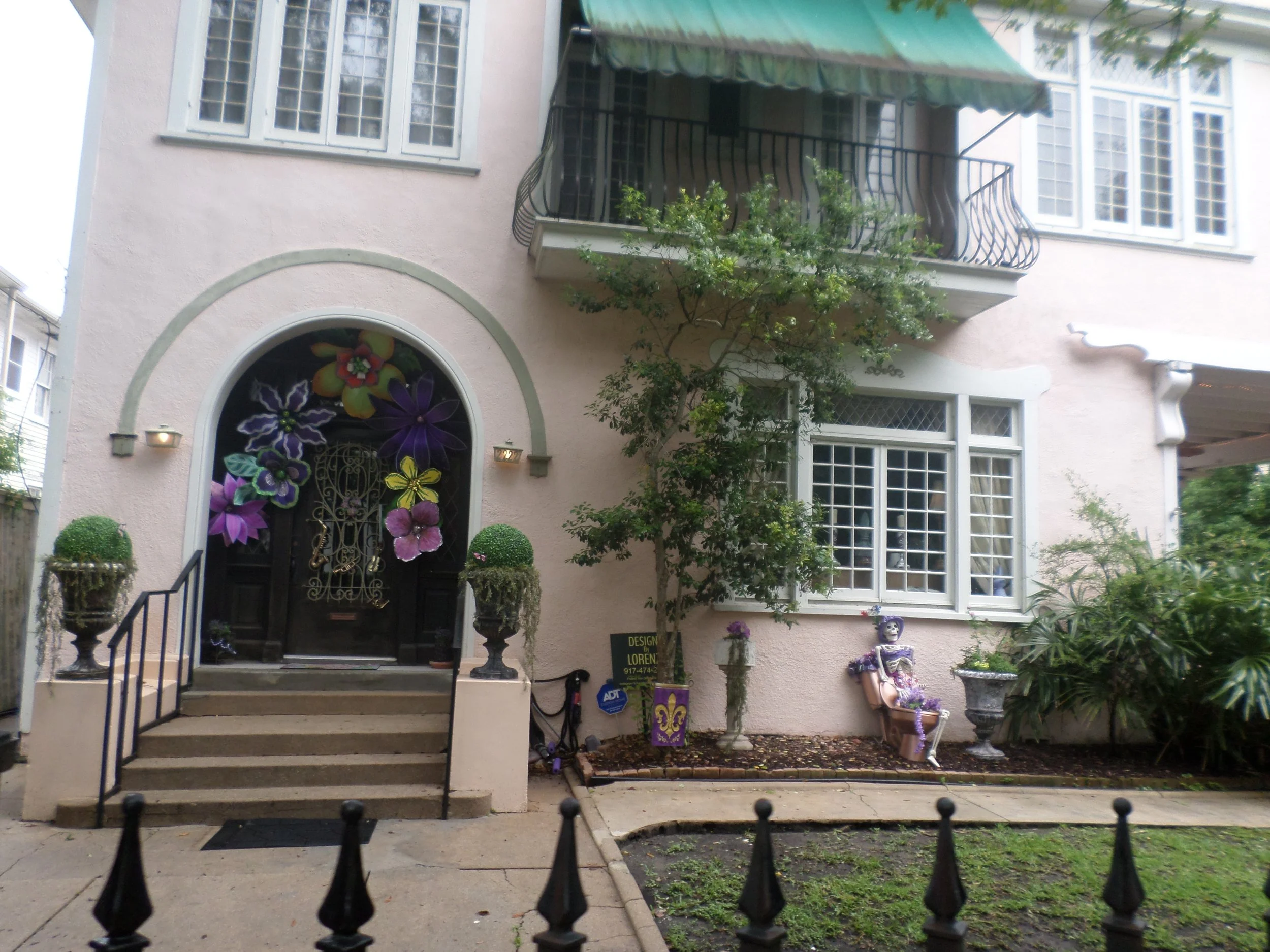
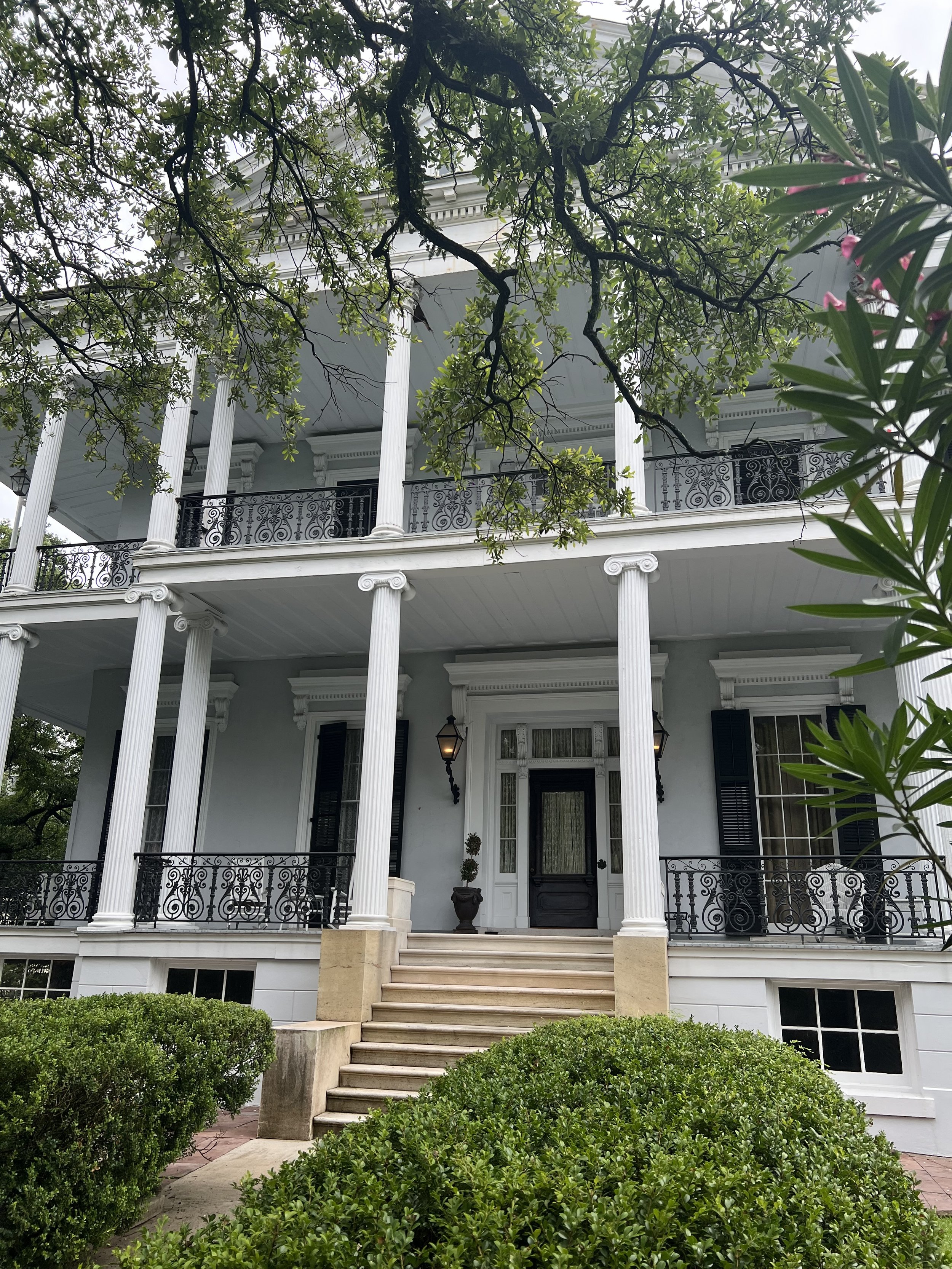
The Garden District is an example of exquisite nature, and it also feels entirely different from the French Quarter. While the Quarter feels more narrow and shadowed, the Garden District appears grand and open. The homes are like mansions, with white columns, wide porches, and taller windows, many reflecting Green Revival architecture, which Rice references in her novel. Wandering through the neighborhoods and seeing these houses helped me understand how architecture can communicate a person’s power, wealth, and history. 

The walking tours I experienced around New Orleans helped me learn more about architecture’s influence on the emotional feelings of a place. Before visiting, I appreciated the construction of the home from a design perspective since I enjoyed recreating and decorating homes through games. However, this trip showed me how frameworks can shape a city’s atmosphere, history, and identity. The buildings in New Orleans reflect the city’s culture and climate, and reading Interview with the Vampire while experiencing this. Anne Rice was using the city to create emotion, tension, and personality through describing the buildings within the novel.

Bookpacking in New Orleans allows me to experience literature in a wonderfully different way because I was able to physically walk through the same streets described in the novel. Seeing the balconies, courtyards, mansions, aging facades, and even the exact house Rice uses for her characters made the book feel more immersive. The setting and the book were far more memorable since I truly experienced the environment rather than just picturing it through words on a page.

Reading by the Beach

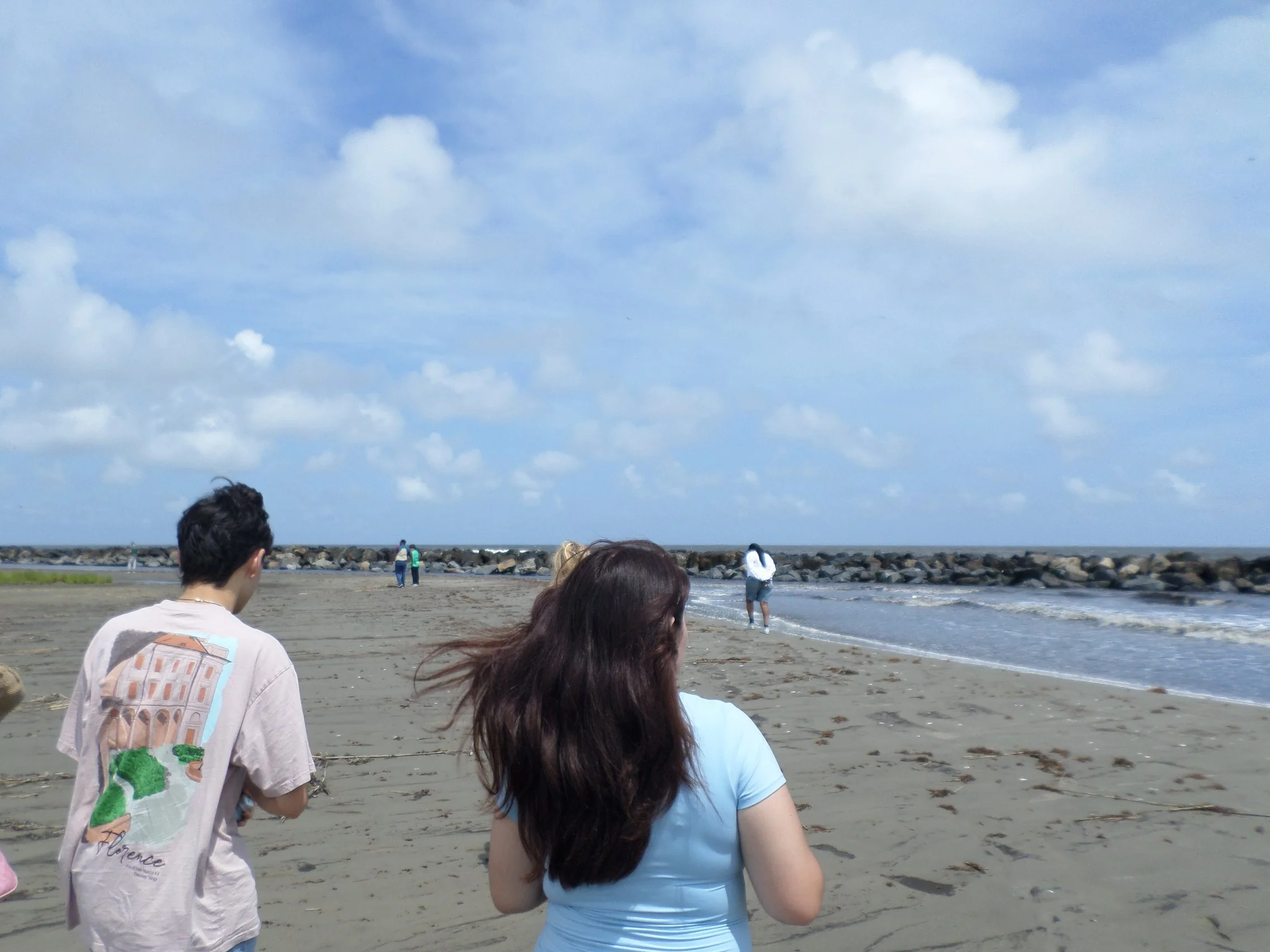
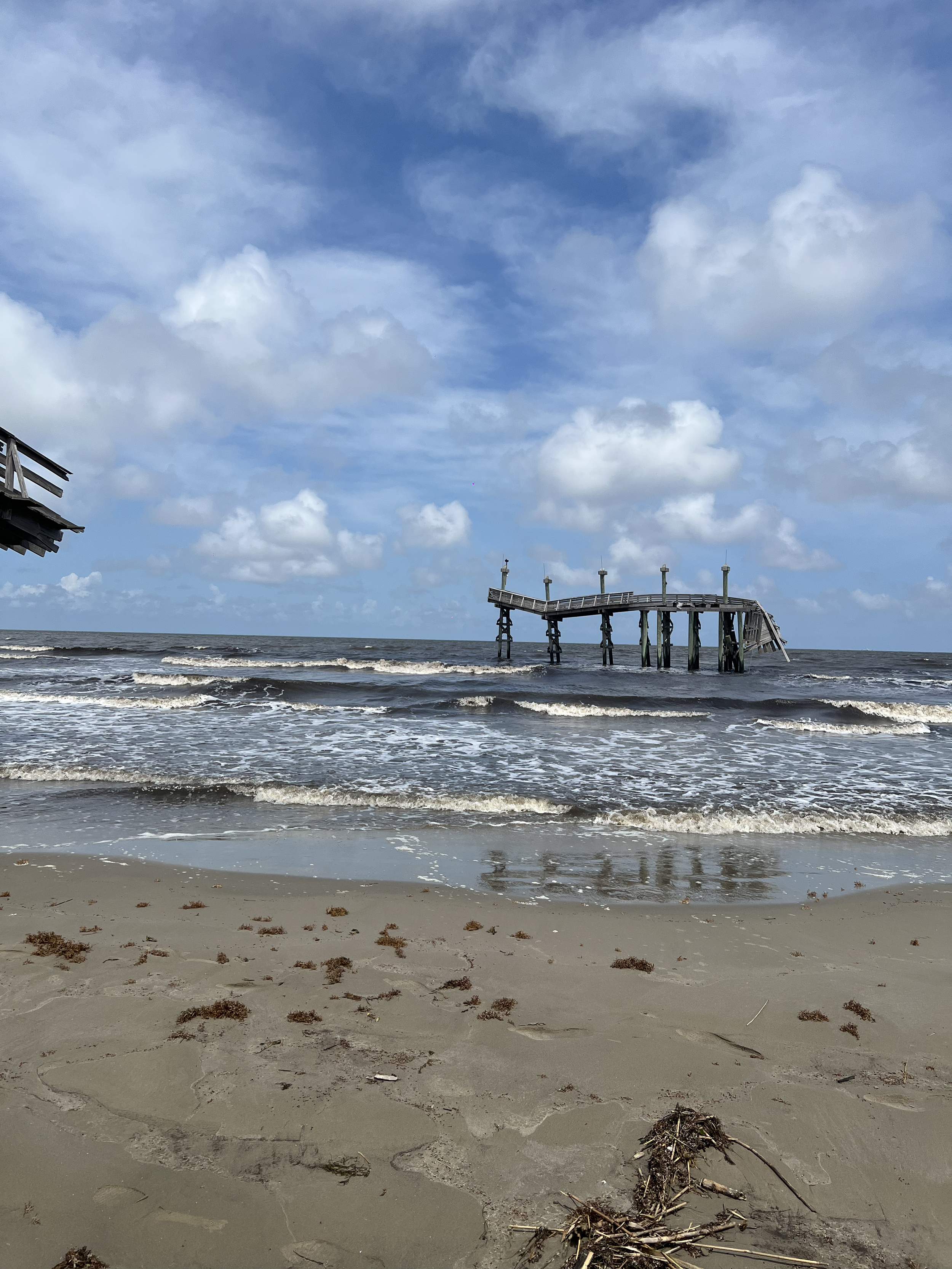
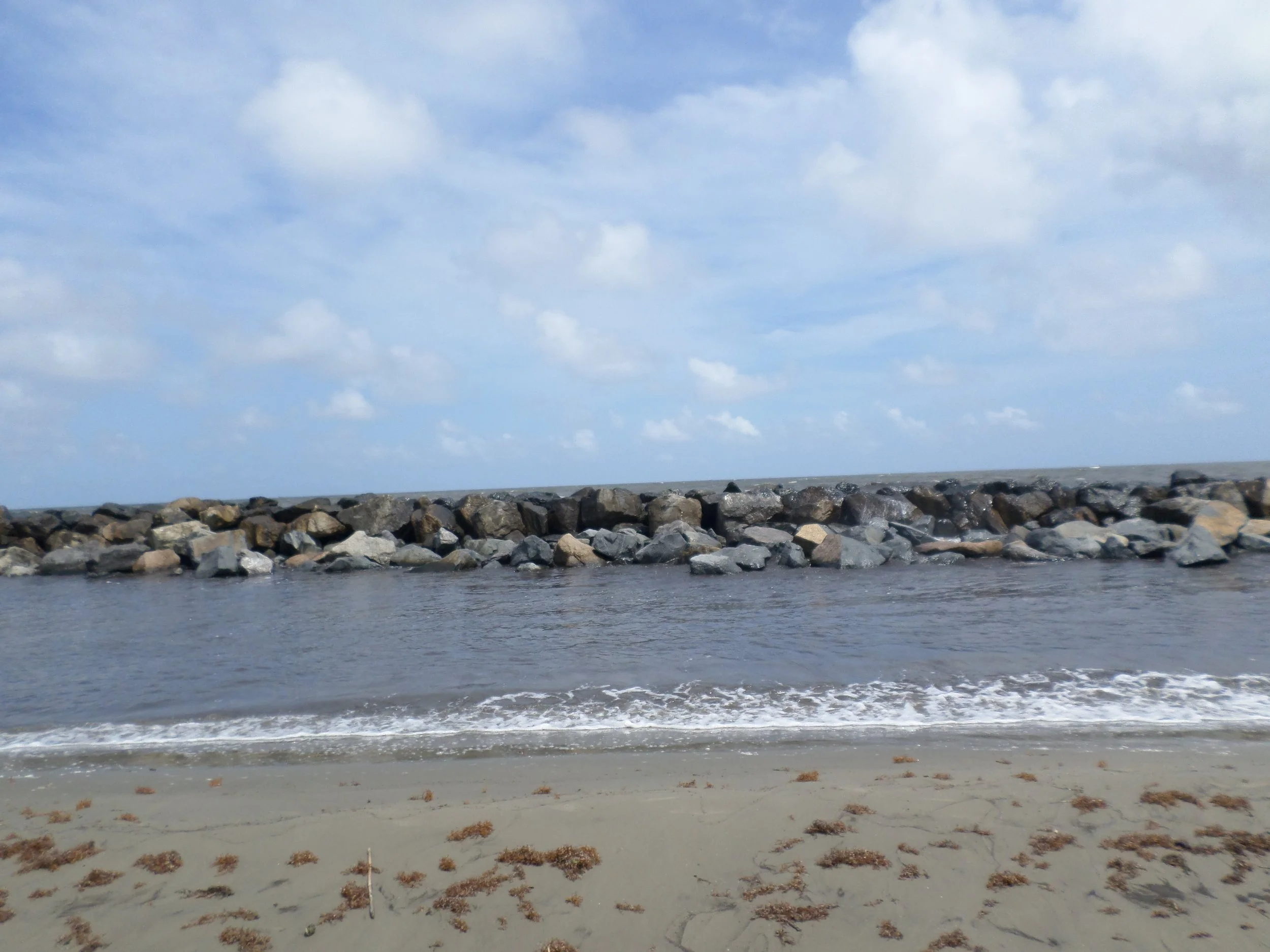
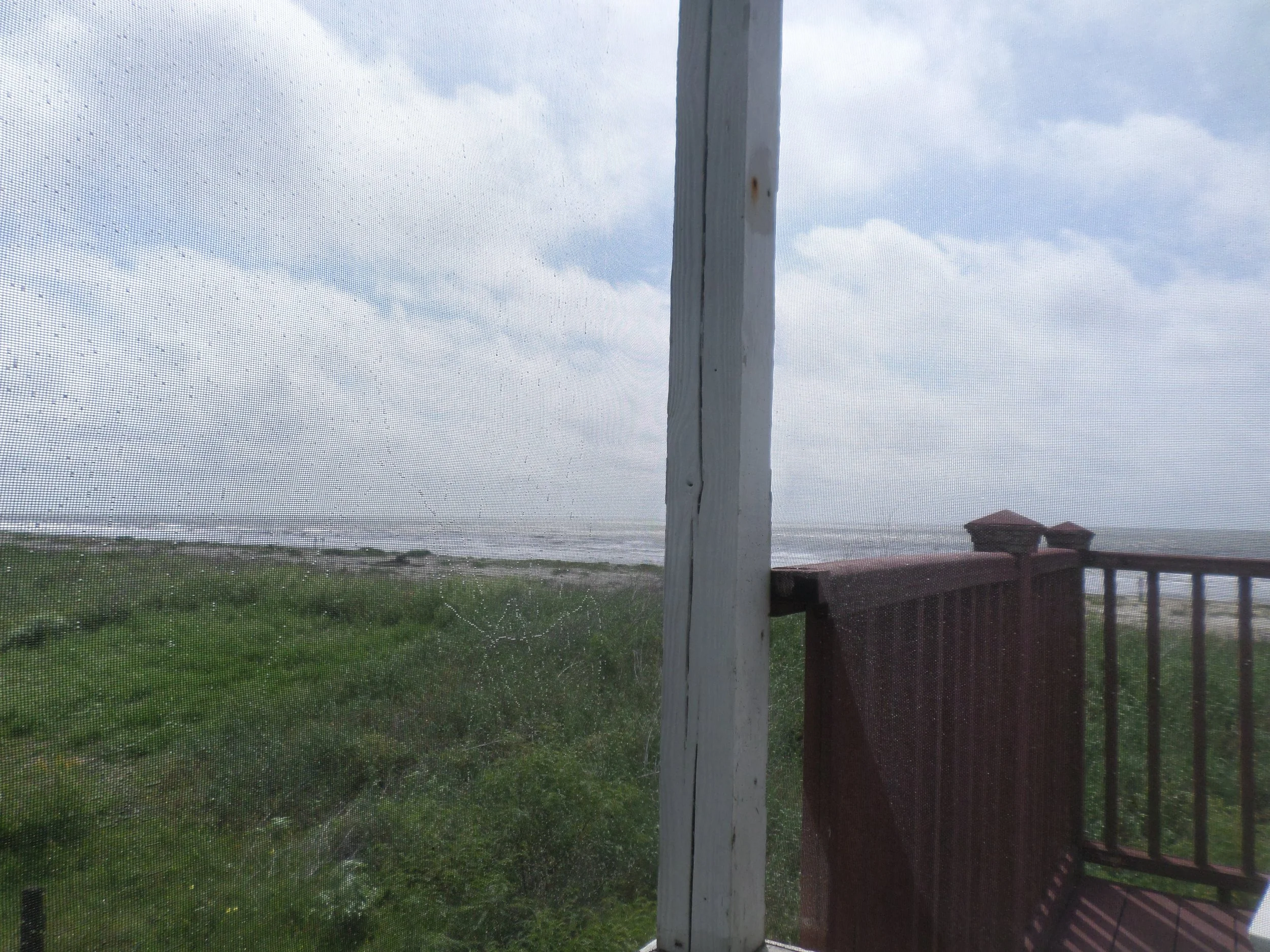
Exploring and relaxing in Grand Isle while reading The Awakening by Kate Chopin created an experience that felt so much deeper than reading a book on my couch. One of the most memorable parts of being there was sitting on the porch swing, looking out toward the ocean, and visualizing the exact setting Chopin recurrently describes throughout her novel. Seeing the water in real life completely transformed the story from words in a book into something tangible. Instead of imagining the scenery through descriptions alone, I was experiencing it firsthand. Looking at the waves made the setting feel alive, and it allowed me to understand the environment that shaped so much of the story. I enjoyed reading this book because it offered new perspectives and a creative journey, and being able to connect its literature with a real place made this moment so much more enjoyable and meaningful. Experiencing Grand Isle firsthand while reading a book that took place there also helped me better understand the emotions and symbolism within the novel, while having the opportunity to appreciate the history and culture connected to the location itself.

Throughout The Awakening, the sea is one of the most important symbols because it represents freedom, Edna’s self-discovery, and her transformation as she begins to question her identity and the expectations she is expected to meet. While reading the descriptions of Grand Isle, I loved being able to look at the beach and imagine the same scenery that inspired the setting of the book. The peaceful atmosphere made it much easier to understand why the sea held such significance for Edna because it created a space for her to be separate from responsibilities, allowing her time for contemplation. The ocean becomes a place where Edna begins reflecting on herself and imagining a life beyond the feminine roles she has been given. During the late nineteenth century, women were expected to dedicate themselves fully to their families and social responsibilities, and throughout the novel, Edna begins struggling with those expectations as she searches for individuality. However, the ocean becomes one of the few places where she feels free from those pressures. Sitting by the water in Grand Isle gave me a better understanding of her emotions because the environment itself felt calming and reflective. The sound of the waves and the openness of the water created a sense of peace that naturally encouraged thought and meditation, making it easier to understand why Edna was so drawn to it.

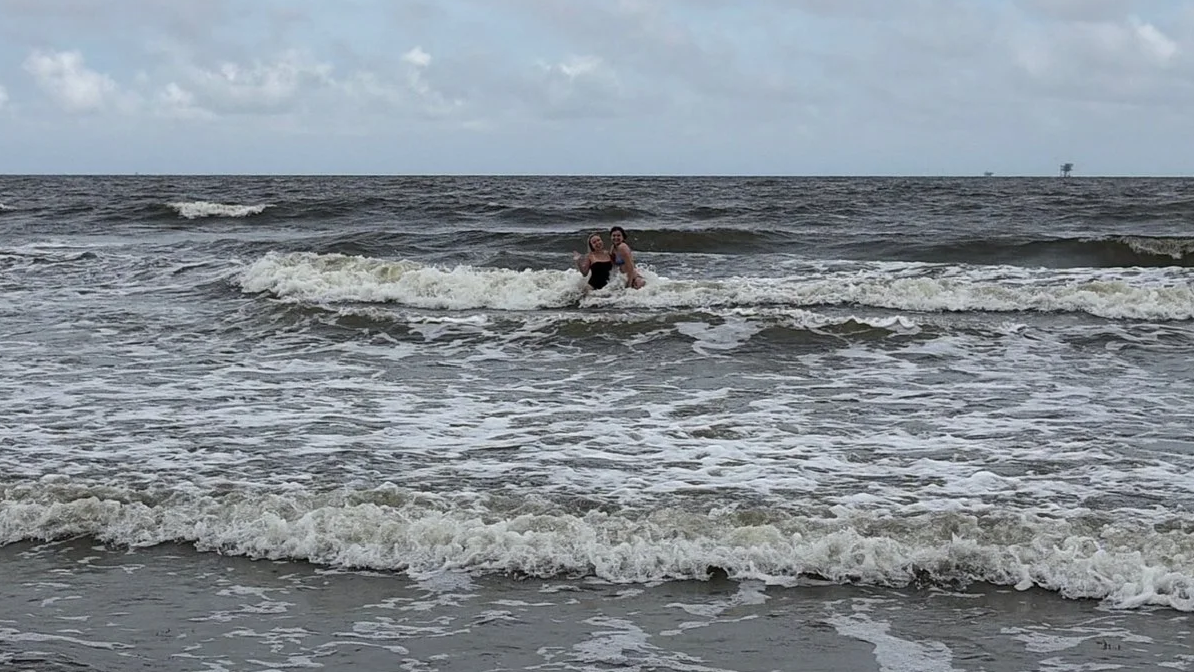
I think one of the most significant moments in The Awakening is when Edna learns to swim because it symbolizes her “awakening” and growing independence away from societal conformity. Learning to swim gives her the possibility of becoming more than what society expects from her. Reading this specific chapter while physically sitting near the ocean made the symbolism feel much stronger because I could actually picture the scene taking place around me. Looking out at the water made me think about how the sea represented possibility for Edna. It became a symbol of freedom and change, but also uncertainty as she continued trying to understand who she was. Swimming has always been special to me because being in the water gives me a sense of excitement and freedom. I especially enjoyed jumping through the waves with friends during the trip because it turned the ocean into a place of joy and connection. Since I am from Salinas, California, I do not often swim in the ocean because the water near home is usually too cold, so being able to fully experience the warm water in Grand Isle made the moment feel even more memorable to me. Being in Grand Isle also helped me realize that the setting itself contributes to her development. This also made me realize that settings in literature can influence characters just as much as people do.

“The voice of the sea is seductive; never ceasing, whispering, clamoring, murmuring, inviting the soul to wander for a spell in abysses of solitude.”

- Kate Chopin, The Awakening

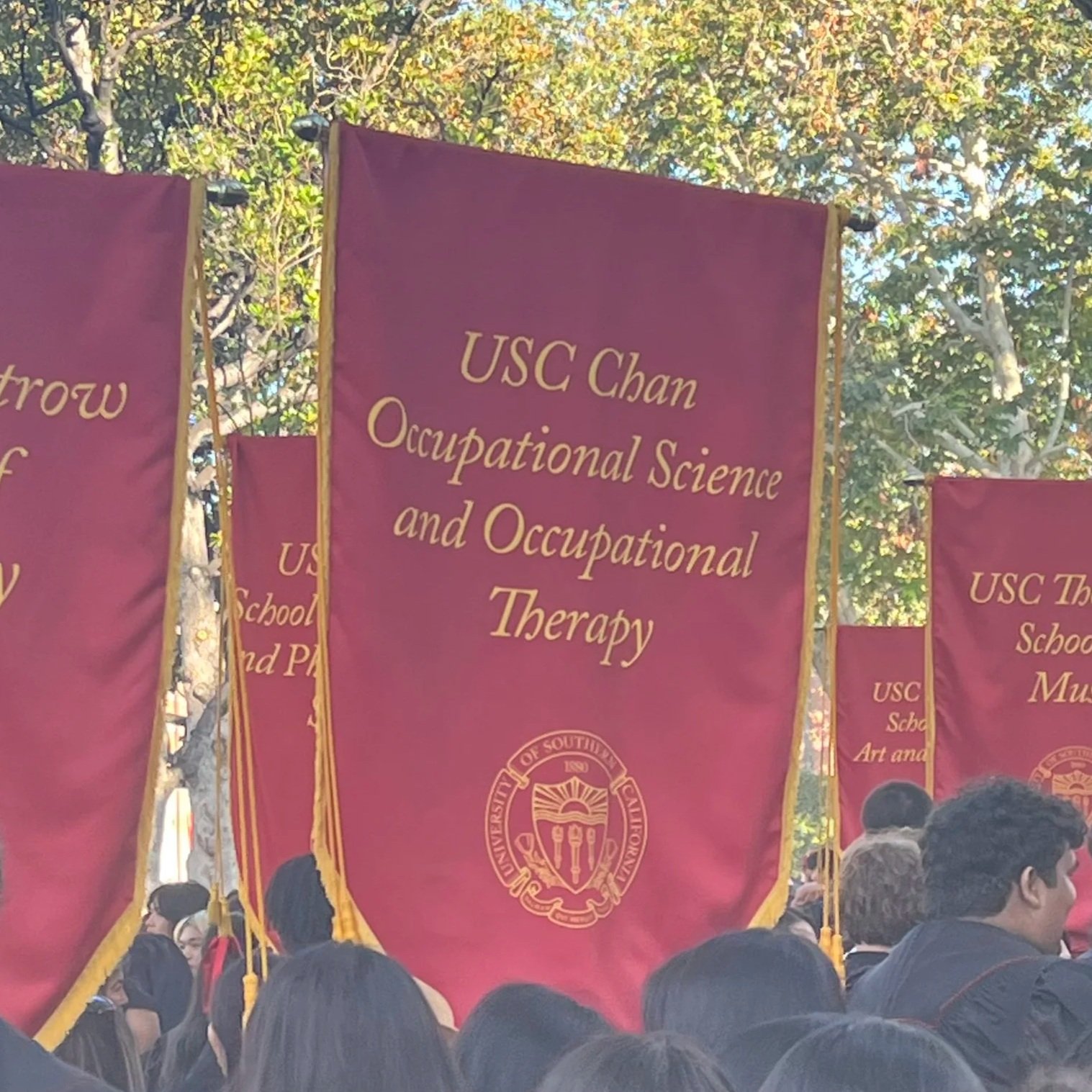
This experience also felt personally meaningful because I recently finished my first year of college and have entered a new stage of life myself. Although my experiences are very different from Edna’s, I connected with the idea of growth and self-discovery. College has brought new responsibilities and opportunities, and it has made me think more about my own future and the type of person I want to grow up to become. As someone studying Occupational Therapy & Science, I am interested in helping people and understanding how experiences shape identity and well-being. Reading Edna’s journey while physically experiencing the environment that influenced her made me think about how powerful places can be in shaping people.

I was also introduced to how powerful bookpacking is. Visiting places connected to a story brings literature to life in a way that reading alone cannot. Before this trip, reading had always been something I experienced through imagination, but bookpacking allowed me to physically step into the world of the novel. I was sitting in the exact setting rather than trying to visualize the details. The water, the atmosphere, and the peaceful environment made the story feel more personal and real. Grand Isle became both a prominent setting of The Awakening and a part of my own experience with the book. Being able to sit by the ocean and visualize the events of the novel showed me how literature and place can strengthen one another, creating an experience far deeper than reading alone.