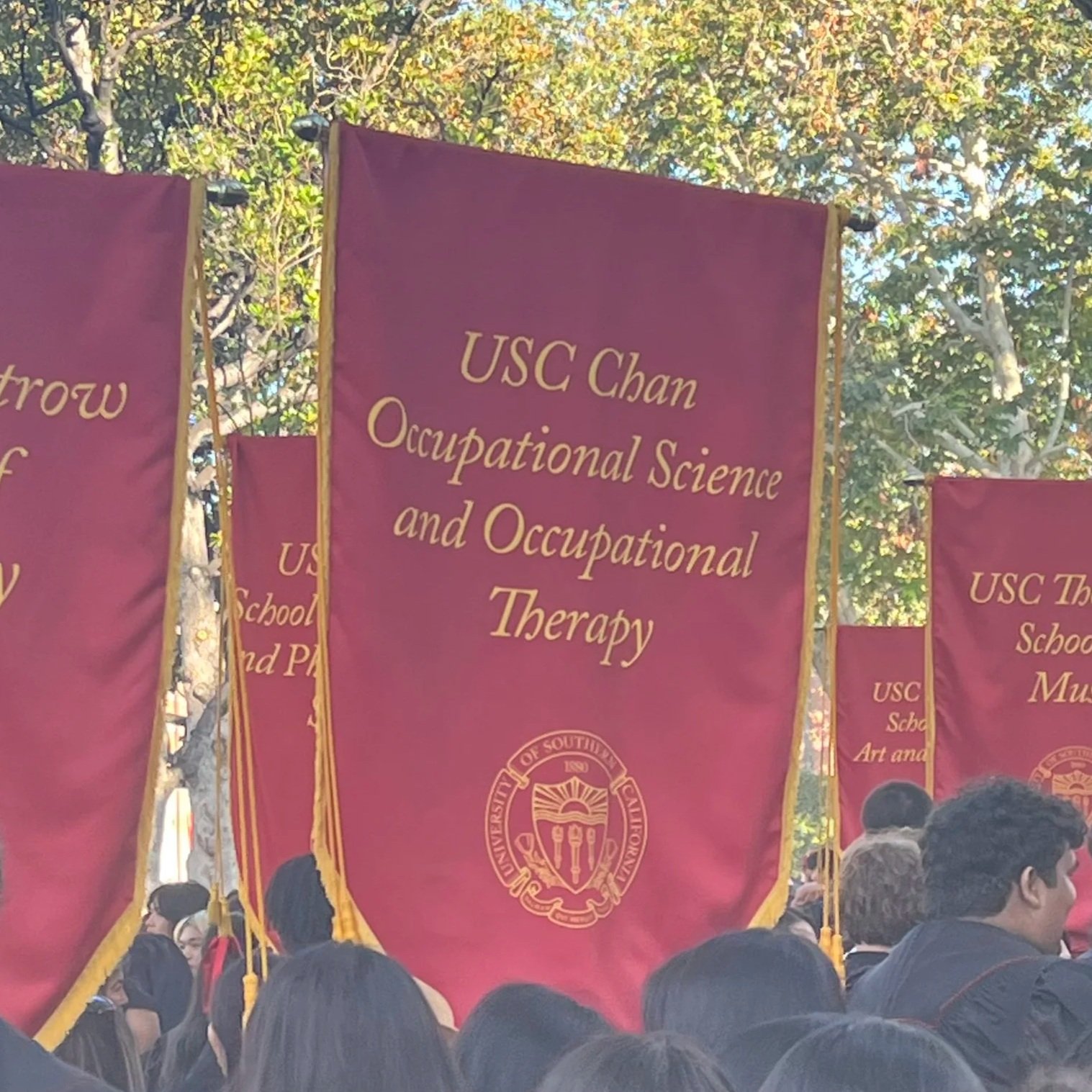
This may sound naïve, but I genuinely thought I had everything figured out for my life. I am attending a prestigious university, majoring in a field that will lead to a guaranteed doctorate, strong job prospects, and financial stability. I have a loving family, a close group of friends, and a support system. I have opportunities, connections, and a clear plan for the future. From the outside, and even to me, it seemed as though all the pieces were already in place. I had a solid plan, so I assumed I understood where my life was heading.
But one of the most valuable lessons I took away from the New Orleans trip was realizing that those two things are not the same.
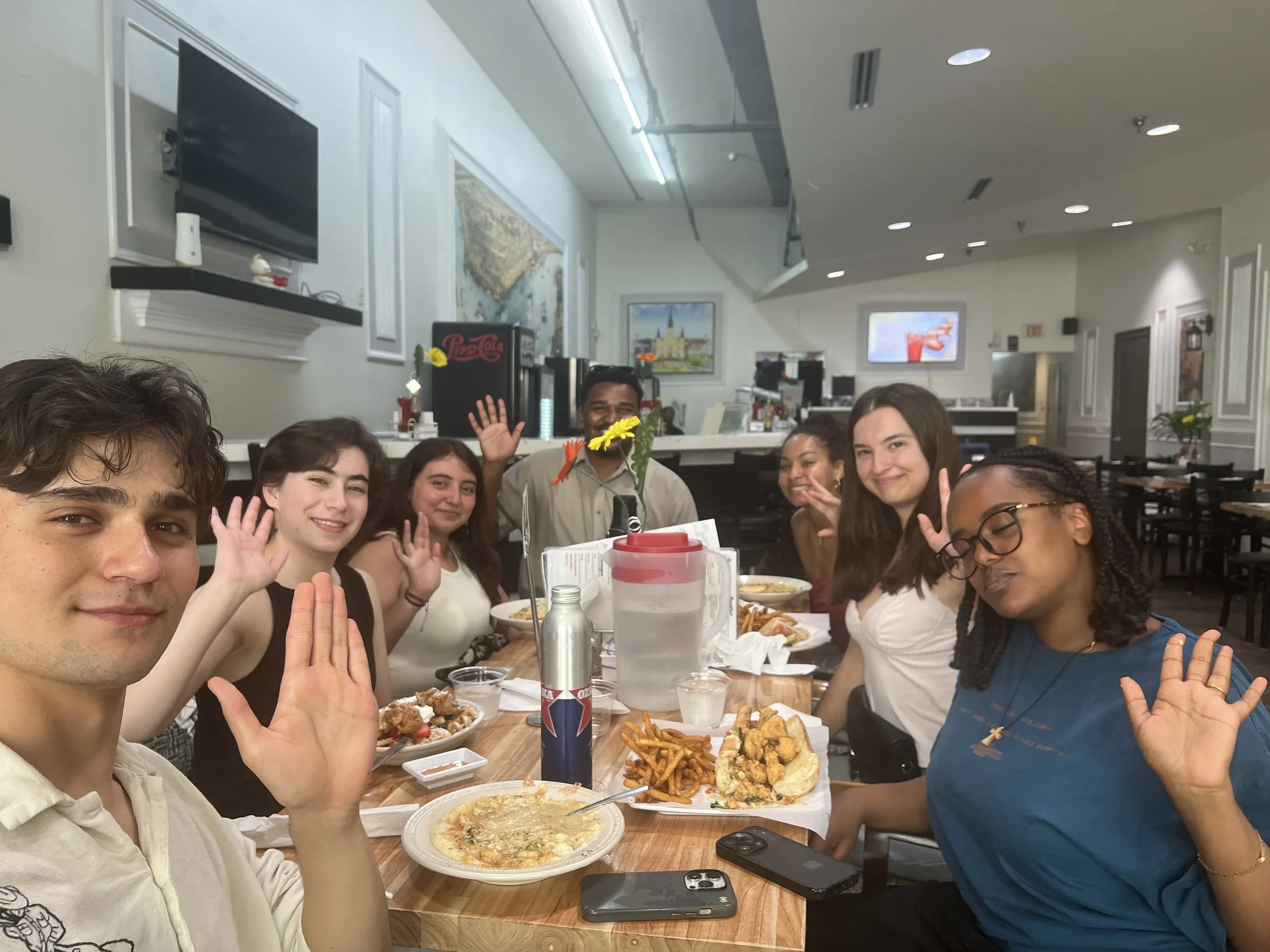
Throughout the trip, I was exposed to new perspectives from both my classmates and my professor. Whether we were discussing a book or historical period in a seminar, talking over meals about our experiences, or reflecting after a long day of exploring the city, I found myself encouraged to think beyond my initial ideas. What surprised me most was how often a conversation would challenge an idea I had been confident in just moments before. I entered many discussions expecting to defend my perspective, but I often left reconsidering it. Rather than weakening my views, those moments forced me to think about them more carefully.
The discussion that stayed with me most centered on Walker Percy’s The Moviegoer, specifically its ending and whether we thought it was ideal or not. When I first finished the novel, I was honestly disappointed. After following Binx Bolling through his existential search, his fascination with movies, and his constant questioning of everyday life, I expected some kind of dramatic revelation. Instead, Binx marries Kate, returns to his faith, and begins medical school. The ending felt anticlimactic, almost as though he had abandoned the very search that made the novel somewhat interesting.
During our group discussion, however, my perspective began to shift. As we talked through the ending together, I realized that my disappointment came from my own expectations rather than the novel itself. I assumed that because Binx spent so much of the story searching, the ending would provide a grand answer. I expected clarity or some profound discovery. Instead, Percy offers something quieter.
“The search is what anyone would undertake if he were not sunk in the everydayness of his own life.”
- Walker Percy, The Moviegoer
When I first read this line, I interpreted it as a justification for searching. It seemed to suggest that ordinary life was insufficient and that meaning existed somewhere beyond routine. After our discussion, I began to see the quote differently. By the end of the novel, Binx does not necessarily reject the search; rather, he learns that searching alone cannot sustain a meaningful life. Meaning is not simply discovered, but it is also created through commitment, relationships, and participation in the world around us. One of the most insightful moments came when Professor Andrew spoke about how Binx ultimately finds what gives his life value. Rather than continuing to drift from experience to experience, Binx chooses a direction. He commits himself to responsibilities and a future. What struck me was not the specifics of those choices, but the idea that a meaningful life does not always look dramatic from the outside. Sometimes fulfillment emerges through ordinary actions rather than extraordinary revelations.
At the same time, I do not completely agree with Binx’s resolution. While I now appreciate the ending much more than I initially did, I am not convinced that the search ever truly ends. People continue to grow and change throughout their lives. New experiences reshape priorities, relationships evolve, and unexpected opportunities arise. The questions that matter at one stage of life may be entirely different at another. In that sense, I think searching is part of being human.
Before this trip, I often felt as though I had already mapped out my future. I knew what degree I wanted, what profession interested me, and what goals I hoped to accomplish. There was comfort in that certainty. Yet our discussions forced me to confront something surprisingly simple. I am only nineteen years old. For the first time, I began to recognize the difference between having a plan and having everything figured out. A plan is valuable because it provides direction, but it cannot predict every possibility. Life has a way of introducing unexpected challenges, opportunities, and changes that no amount of preparation can fully anticipate. The future I imagine today may not be the same future I eventually live, and that is not necessarily a failure. It is simply part of being alive.
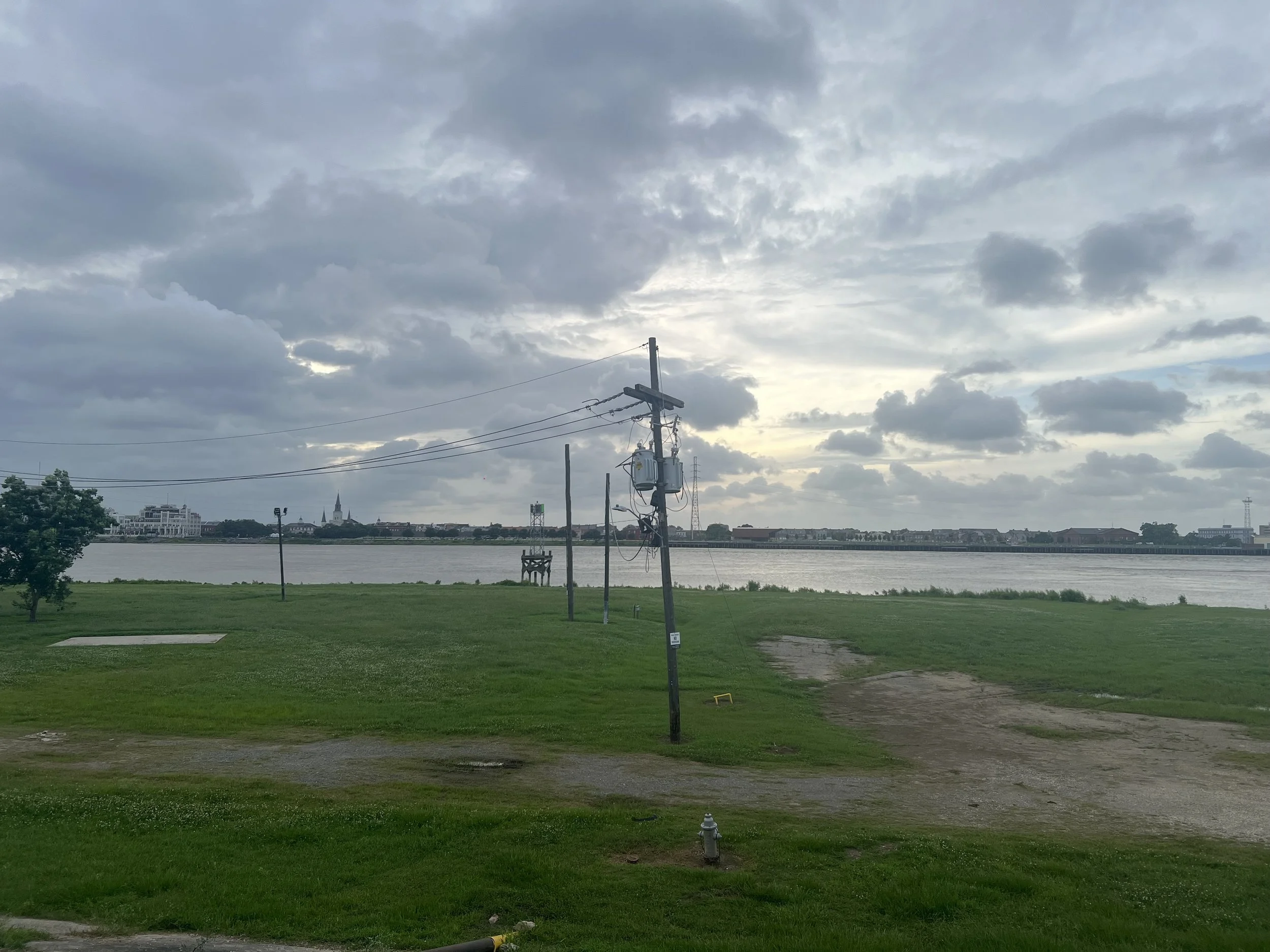
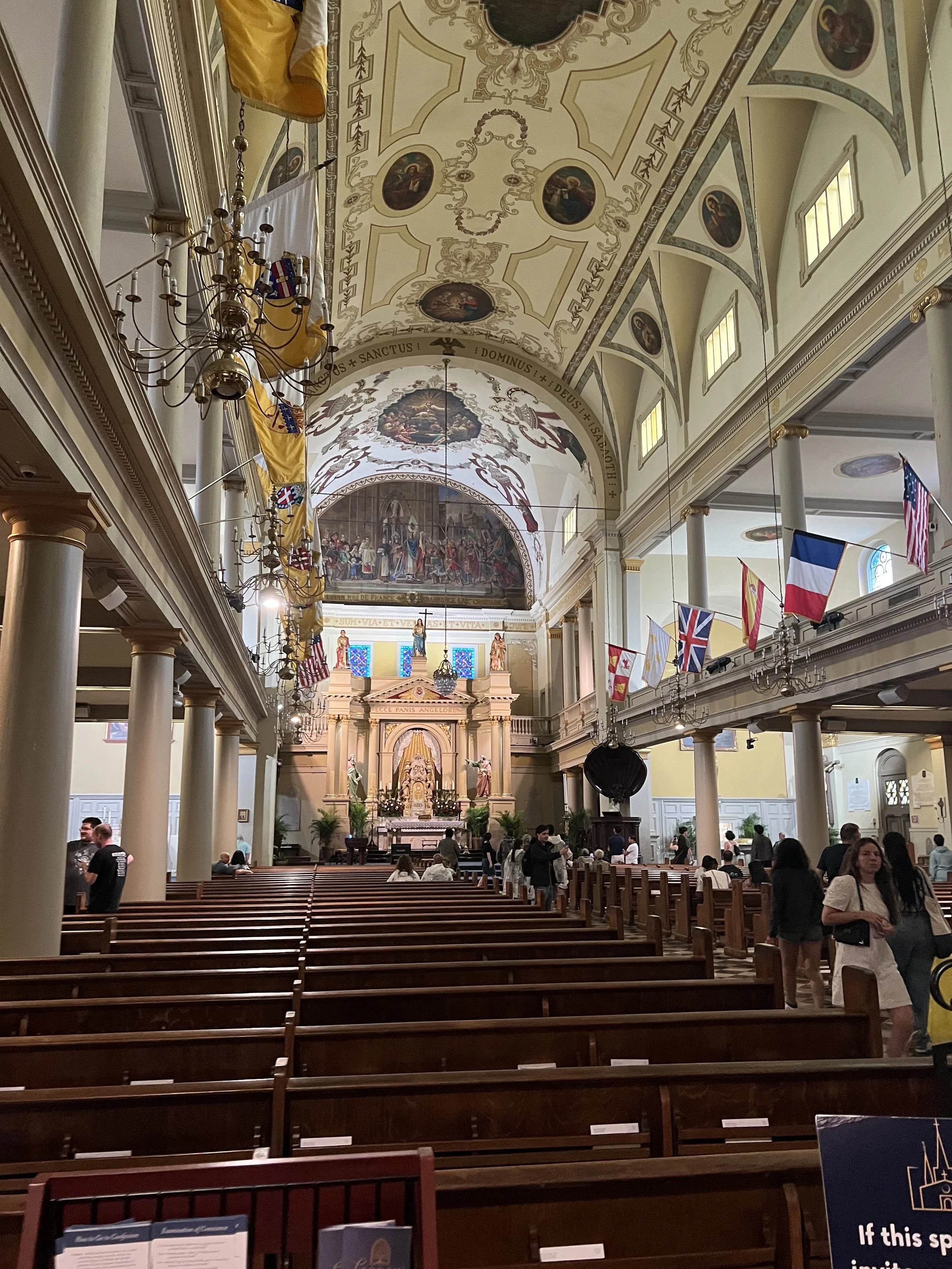
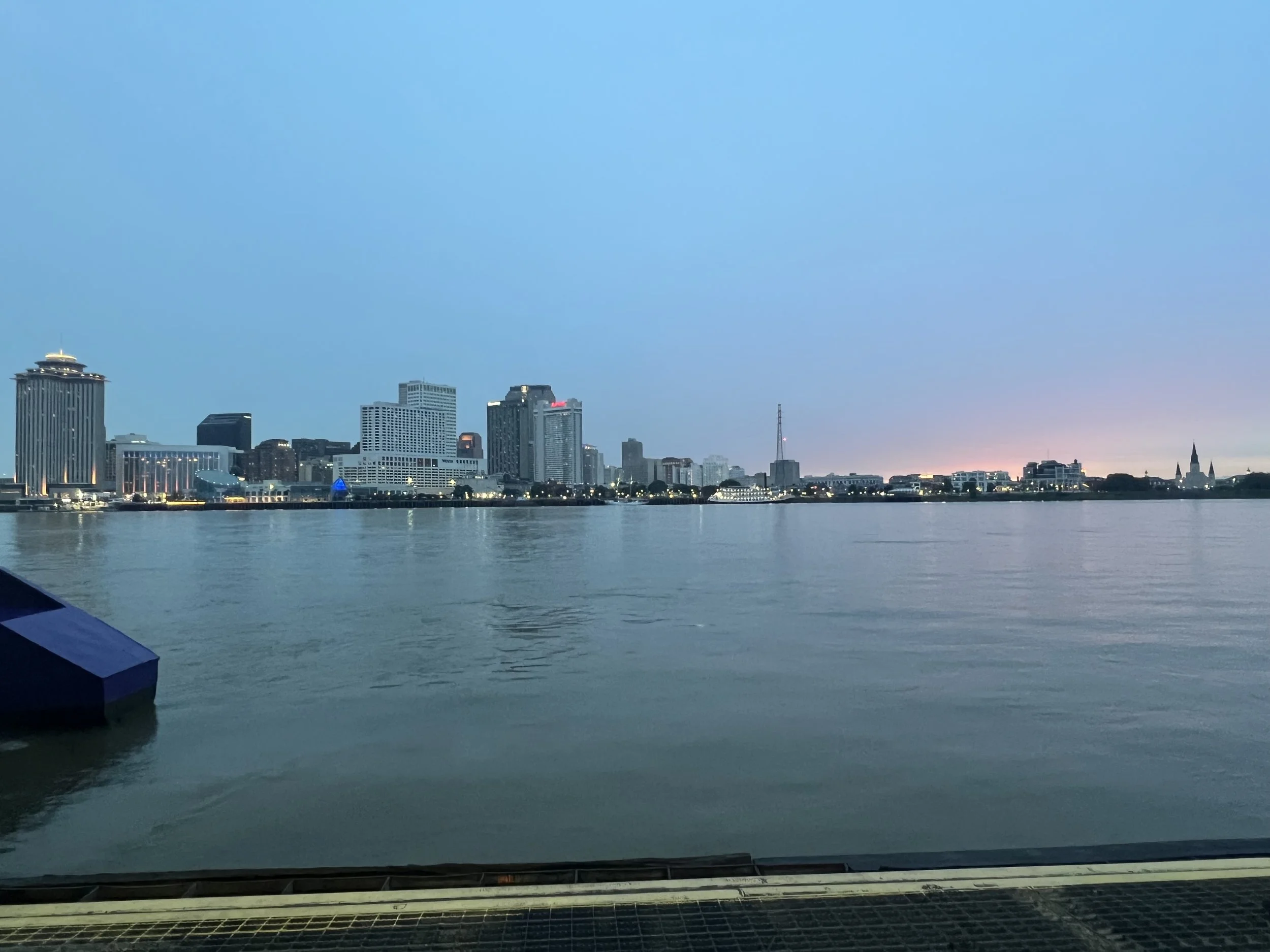
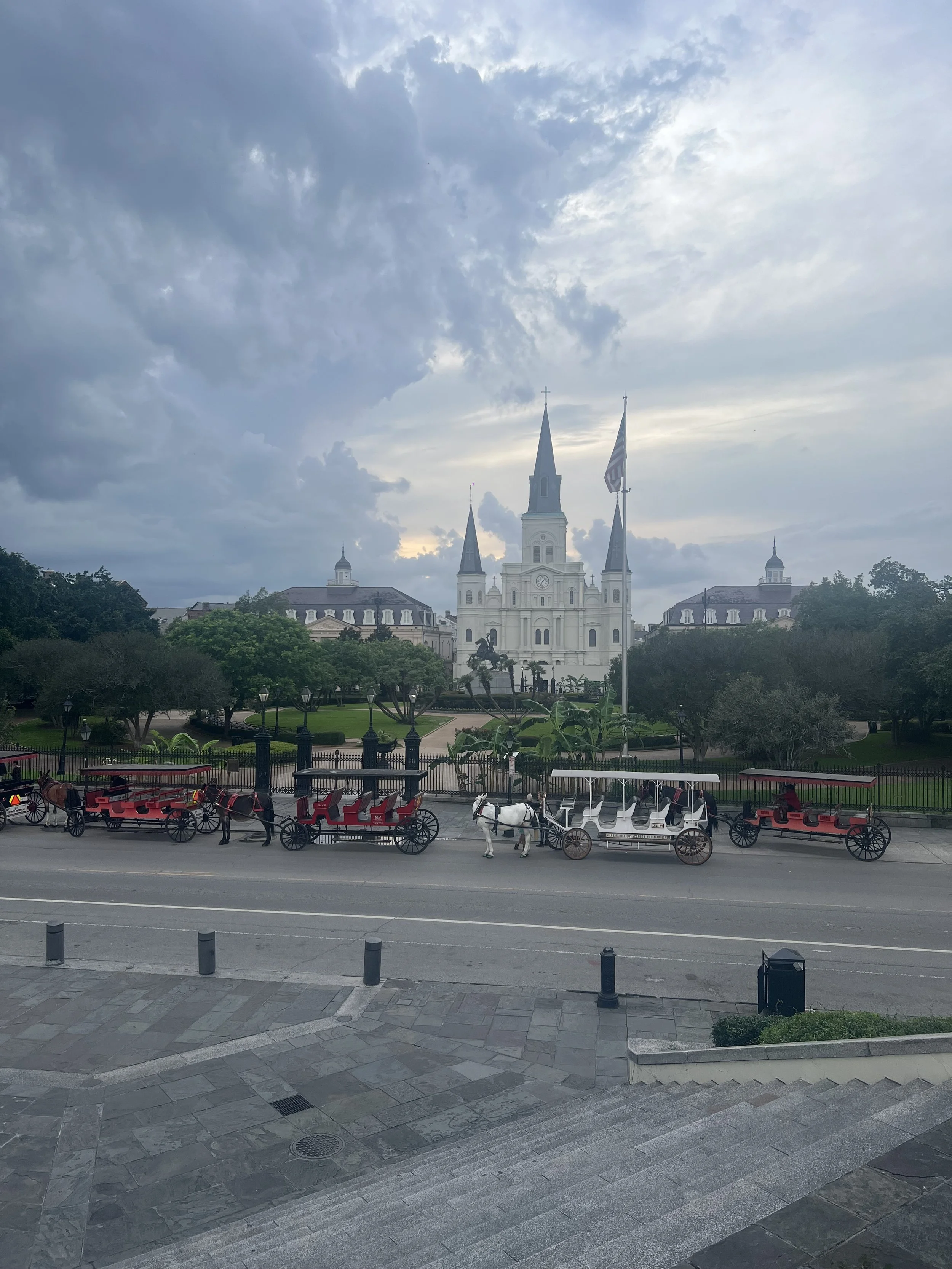
New Orleans provided the perfect setting for these reflections. The city itself feels layered with history, culture, and countless personal stories. Walking through its streets, visiting historic sites, and discussing literature in a place so rich with character helped me to think beyond immediate goals and consider broader questions about identity, purpose, and fulfillment. The trip gave me space to pause and reflect in a way that everyday life often does not.
What I ultimately gained from the experience was not a definitive answer about my future. If anything, I left with more questions than I arrived with. Surprisingly, I now view that as a positive outcome. The purpose of education is not always to provide certainty. Sometimes it is to challenge assumptions, complicate easy answers, and encourage deeper reflection. As I prepare for the next stage of my life, I still have goals, ambitions, and plans. I still hope to pursue occupational therapy and build a future that reflects the values I care about. What has changed is my understanding of certainty. I arrived in New Orleans believing that having a direction meant I understood where my life was going. I left realizing that a direction is only a beginning. The future remains unwritten, and rather than fearing that uncertainty, I have started to appreciate it. After all, if life were completely mapped out at nineteen, there would be very little left to discover.