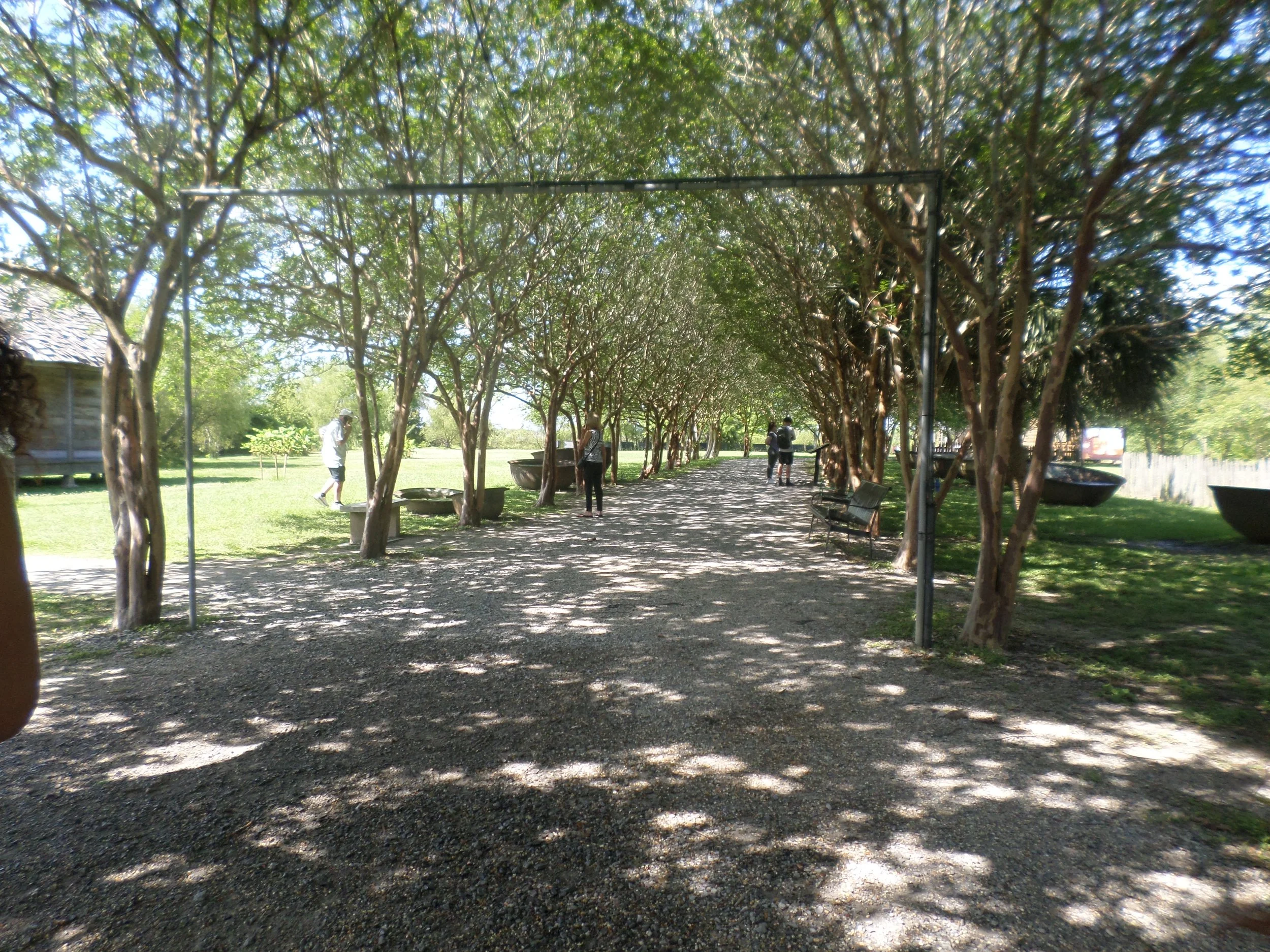
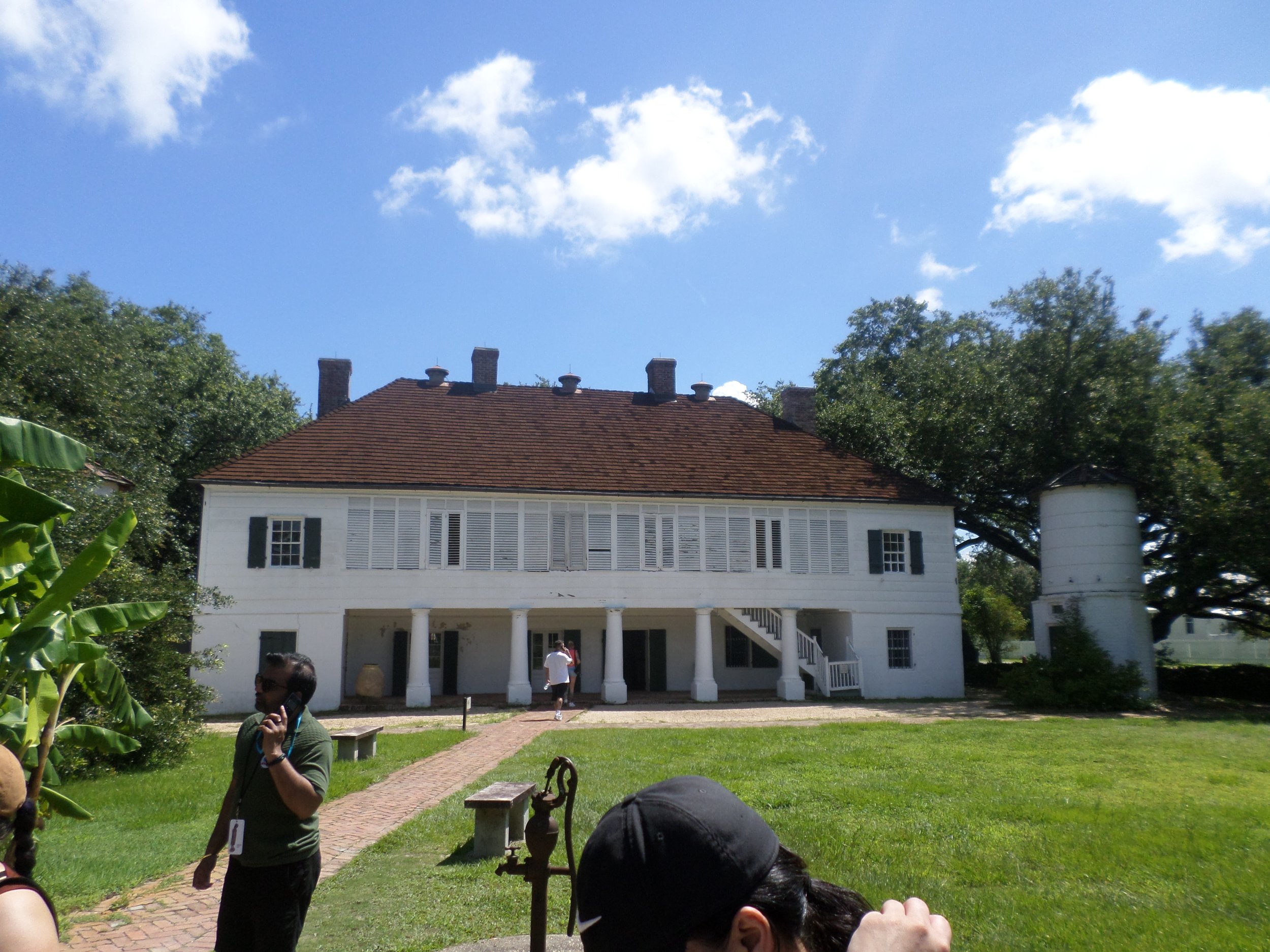
Visiting the Whitney Plantation left a strong impression on me, and it has been one of the most impactful experiences of the trip. I mainly learned about slavery from history classes, textbooks, and videos before my visit. While those sources are valuable, they often focus on historical timelines, statistics, and overall occurrences. The Whitney Plantation offered a new and different perspective, and it is the only plantation museum in the United States that is focused exclusively on the history of slavery. People value it because it actually highlights the experiences of the enslaved rather than those of the plantation owners, considering that throughout the property, visitors are able to confront the realities of slavery through personal stories, names, and preserved spaces. This focus on humans rather than statistics reminded me of the movie 12 Years a Slave, which tells the story of Solomon Northup, a free Black man who was kidnapped and sold into slavery. The film and the plantation setting both emphasize a powerful idea that history becomes more meaningful when it is told through the experiences of real people.
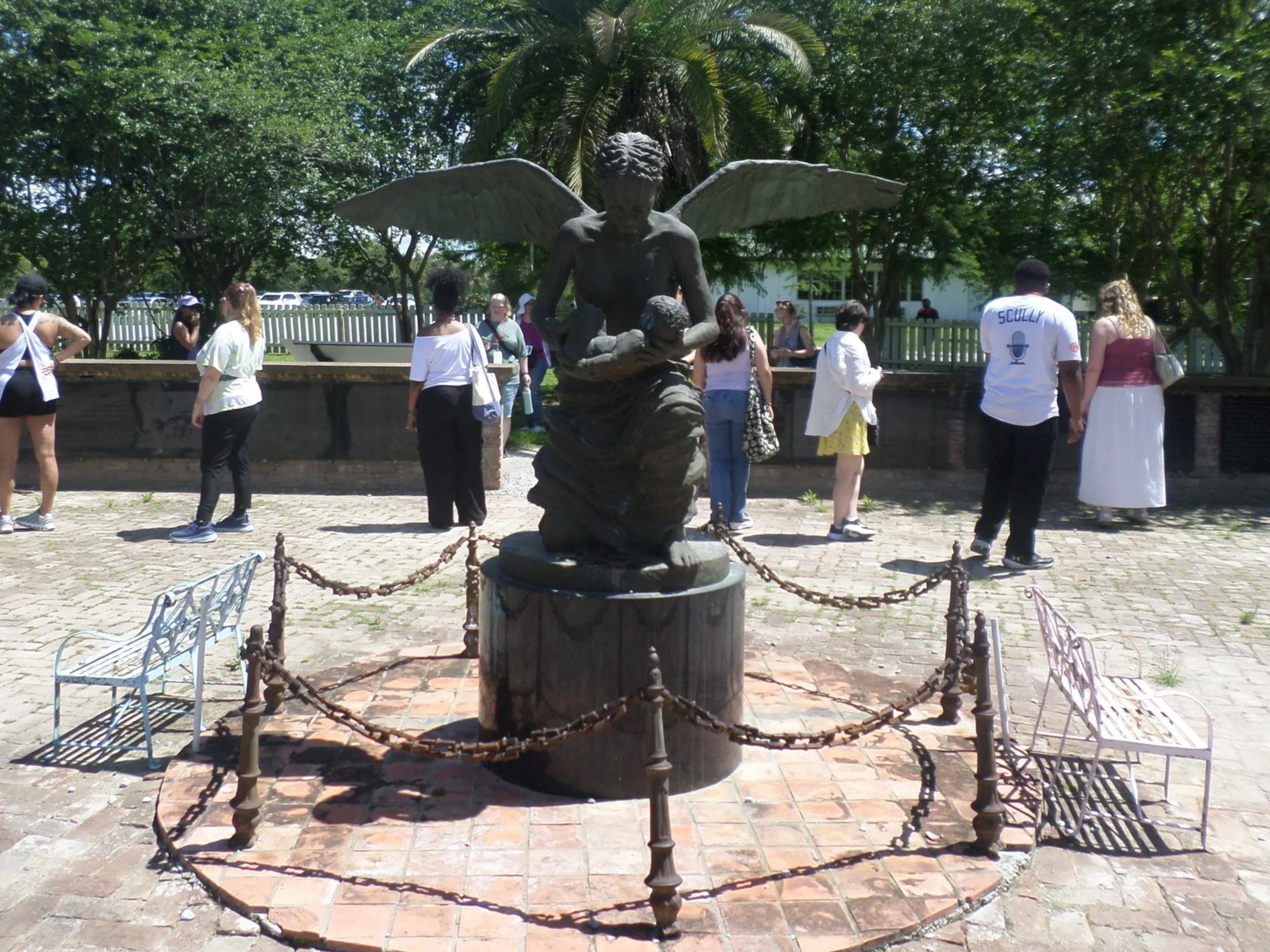
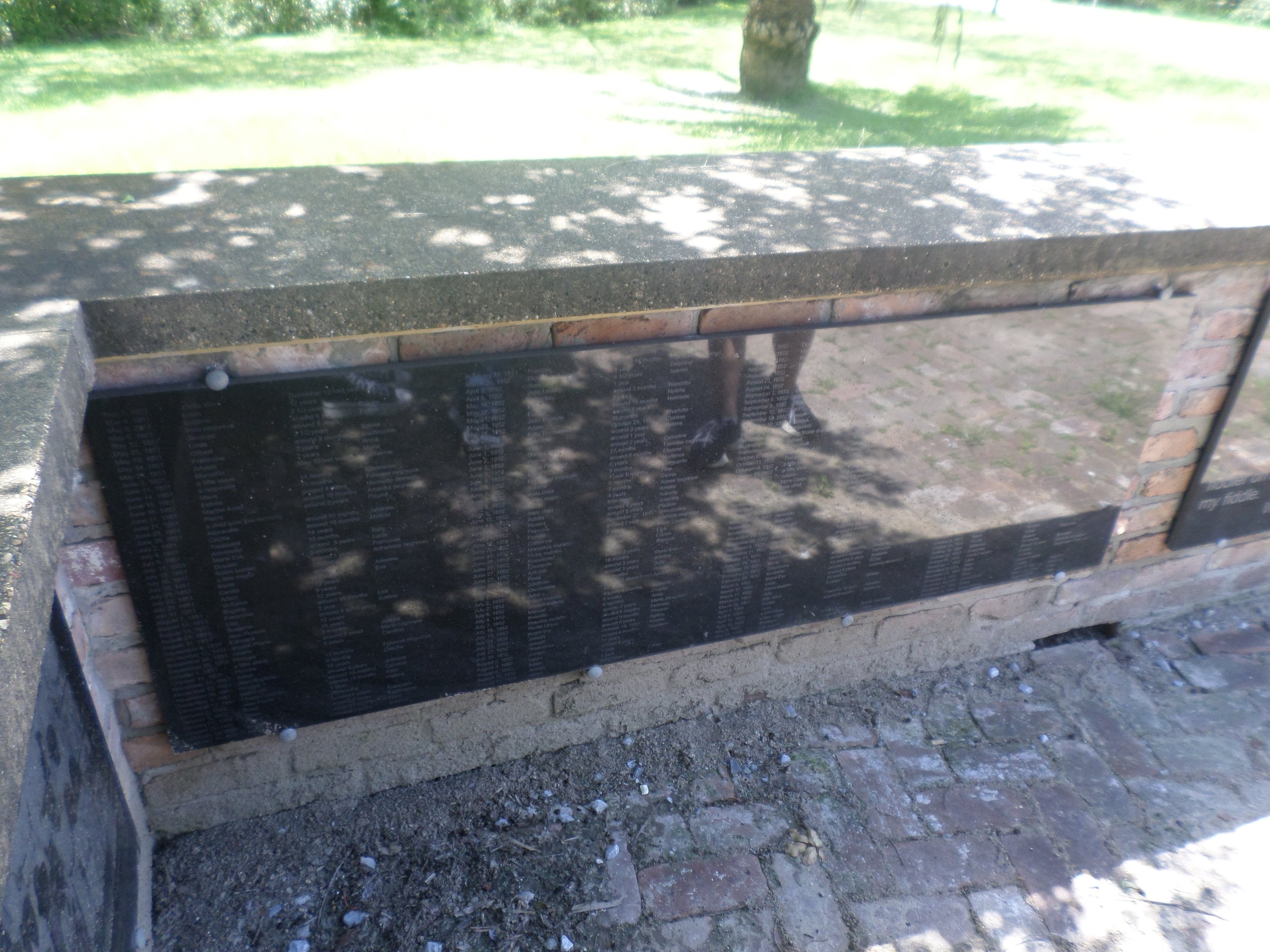
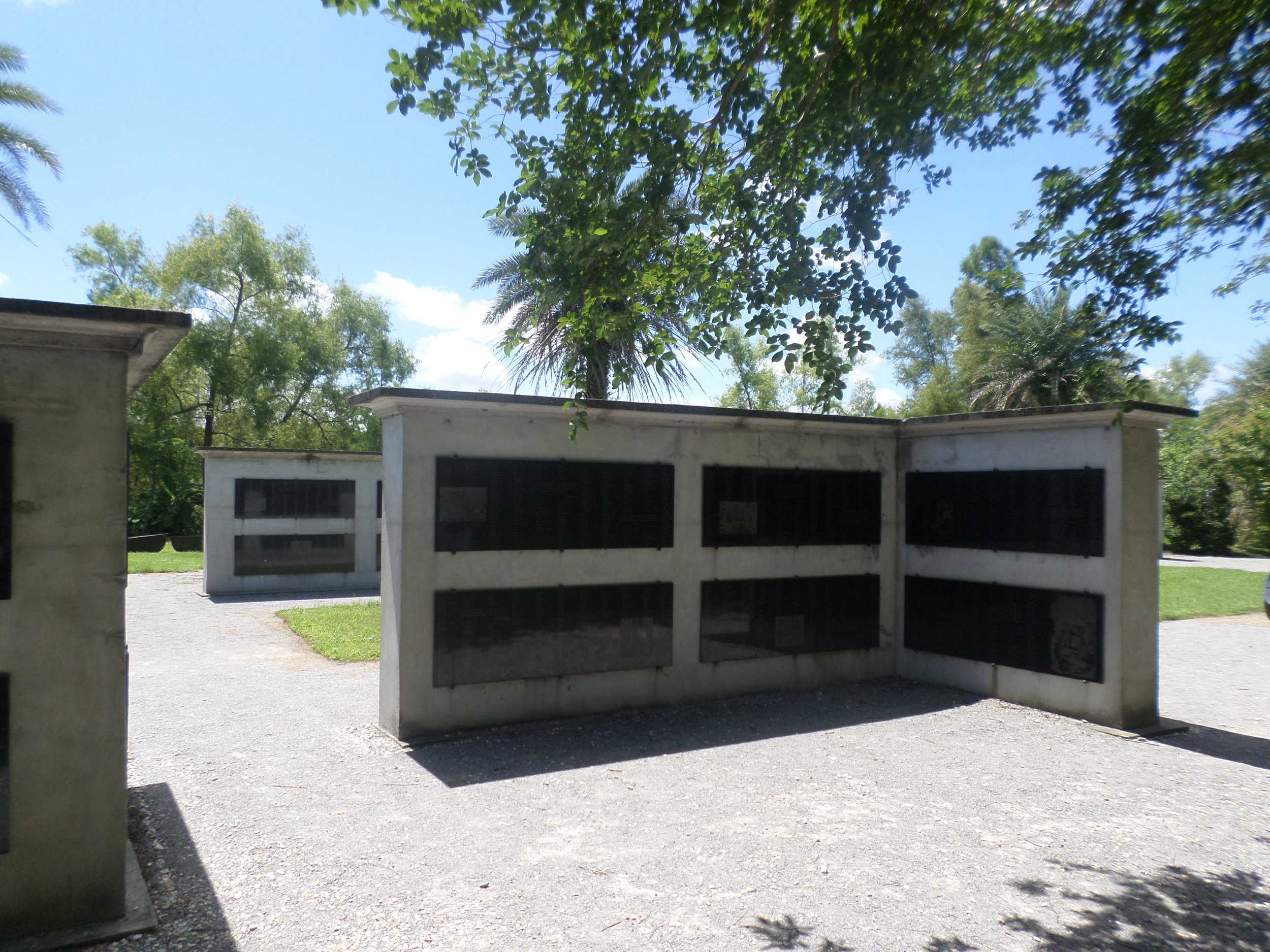
The part of the plantation I found most impactful was the Children's Memorial. At the end of the tour, I walked through it and saw hundreds of dates for children, some even without names, who died; it was heartbreaking. I immediately realized that many of those children had passed away before reaching the age of three. I started thinking about the specific children whose names, families, and lives had been cut far too short. I also saw that many children were born in the same years, suggesting that many mothers were growing families and giving birth while enduring the difficulties of oppression. It is easy to read about death rates in a textbook and move on, but it is much harder to pass hundreds of names without thinking about the lives they were associated with.
This idea also reminded me of a scene from 12 Years a Slave when Eliza was separated from her children, standing out as one of the most difficult scenes in the film. It was devastating to watch her desperate pleas to remain with her family because it highlighted the psychological cruelty of slavery in a way that numbers and statistics are unable to. The scene compels viewers to consider slavery as the devastation of relationships and families in addition to forced labor. While reflecting on the Children's Memorial, I thought about Eliza and the countless other parents who suffered similar tragedies. One of the reasons 12 Years a Slave is such a fantastic movie is that it concentrates on the personal experiences of the enslaved, allowing viewers to experience the loss of freedom, identity, and family from Solomon’s perspective. By doing so, the movie creates a degree of empathy that is challenging to obtain from historical facts alone.
“I don’t want to survive. I want to live.”
— Solomon Northup, 12 Years a Slave
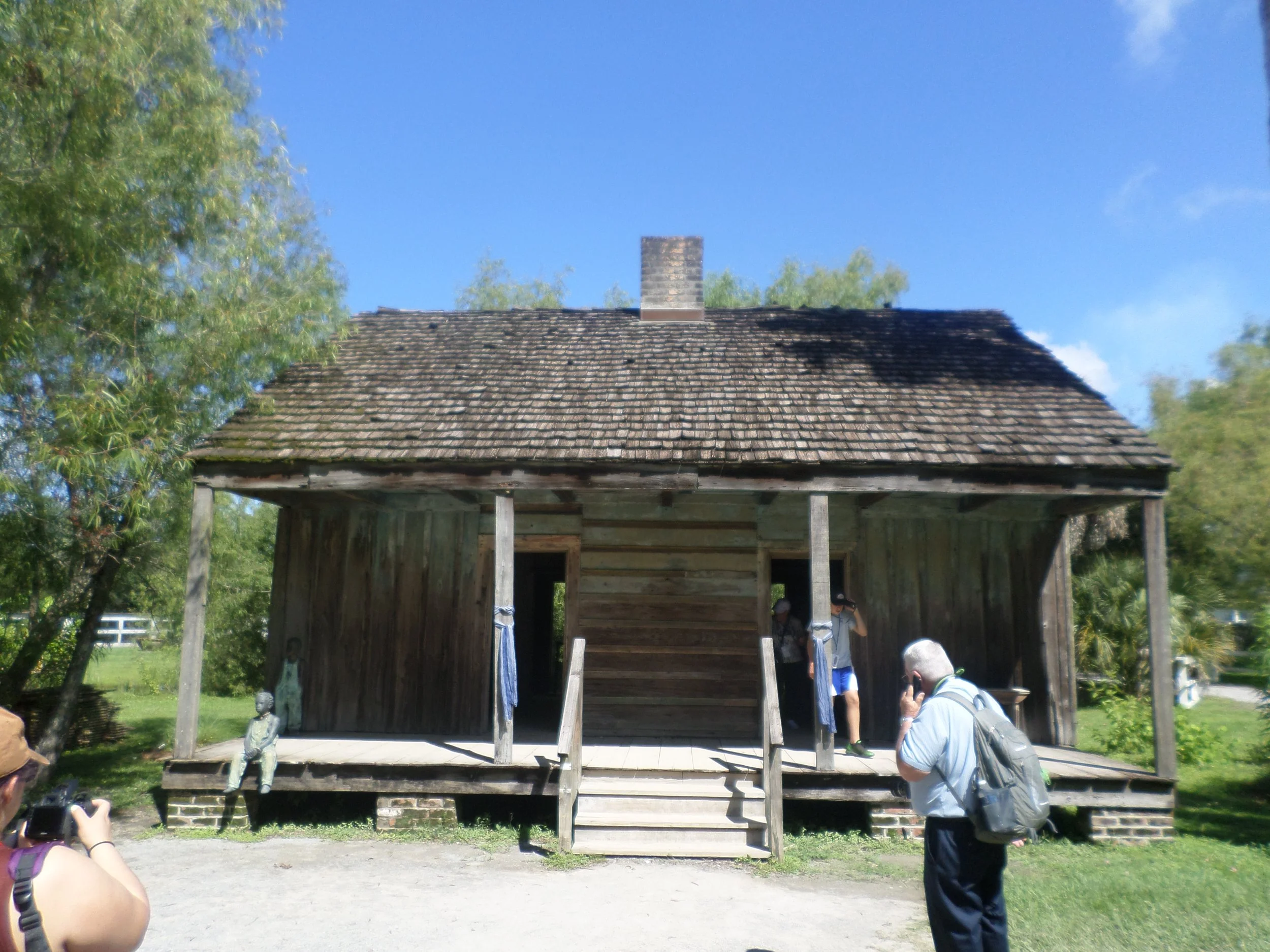
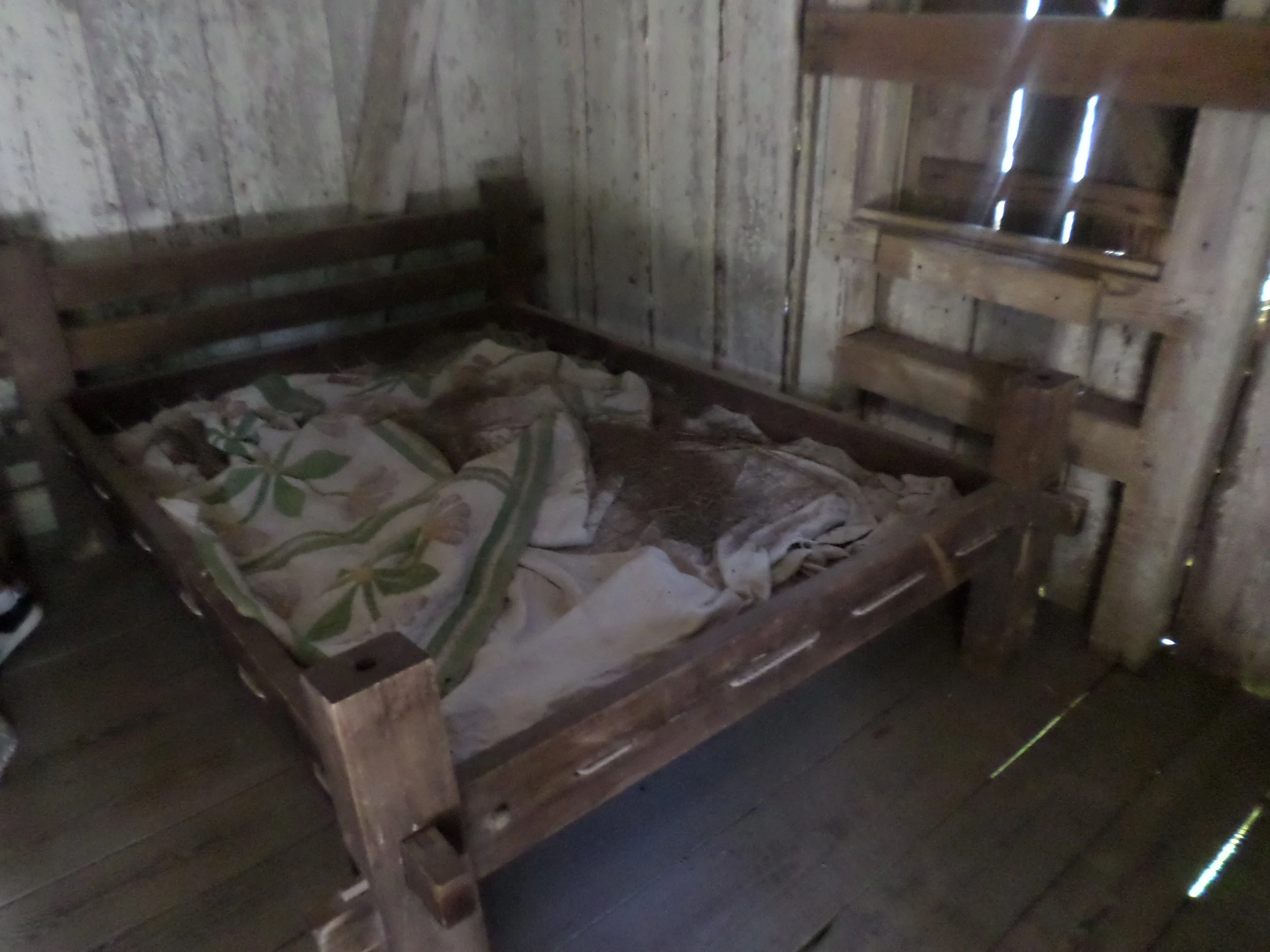
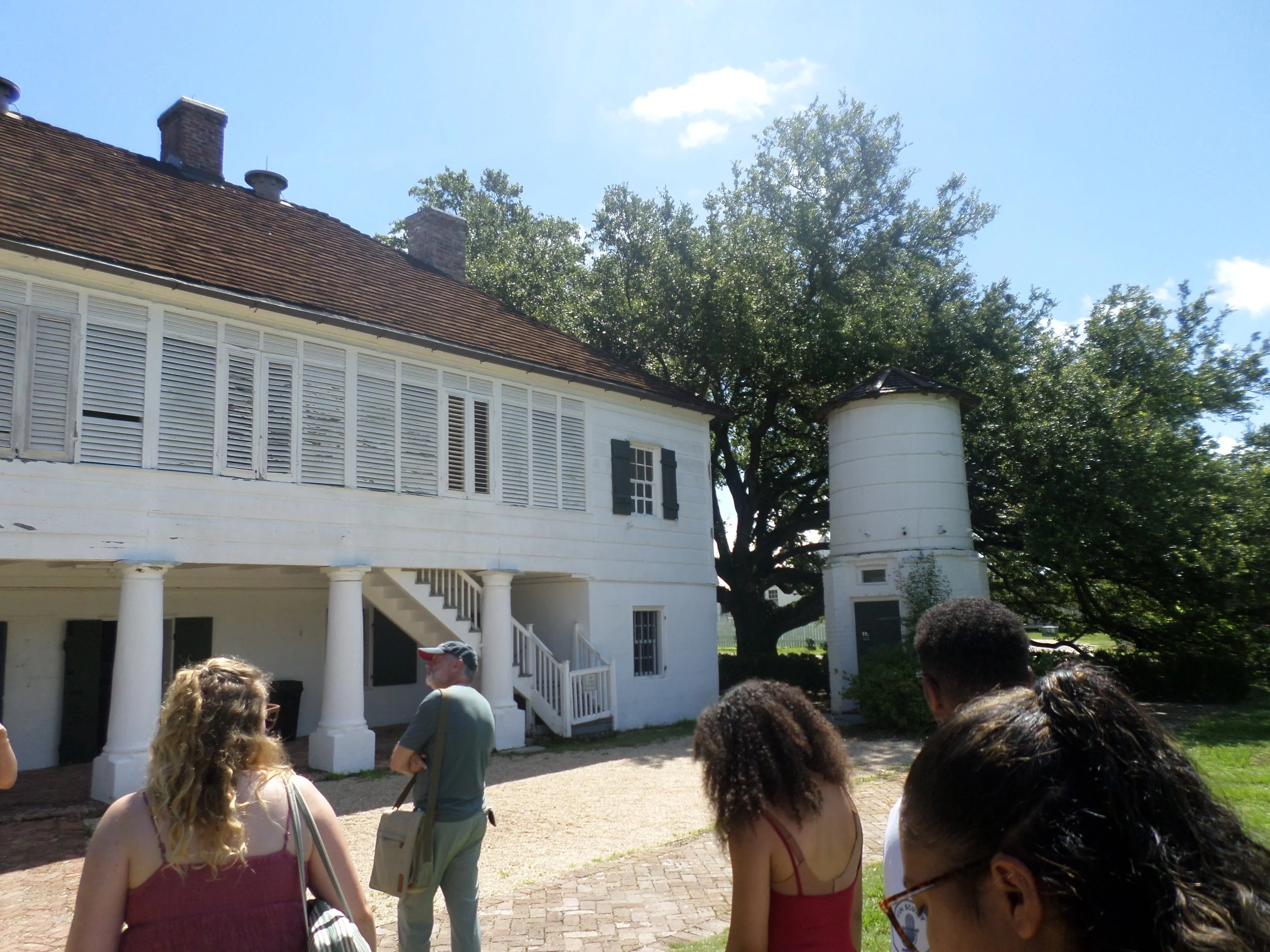
It was also interesting walking through one of the preserved slave cabins. I appreciated how interactive this tour was compared to ones I have been on, since I was able to explore it instead of just audibly learning the information. Standing inside the cabin was entirely different than viewing it because it evoked so many emotions. The structure was small and simple, but it represented the lives of countless people who lived under conditions that are difficult to imagine today. Individuals who once lived in it, the conversations that took place, and what hopes they held for the future. Similar to the Children's Memorial, the cabin shifted my focus away from historical statistics and toward individual lives. It reminded me that history took place in real locations and involved real people.
While reflecting on the plantation and the movie, I started to think about America and its history. In high school, I don’t even remember learning about plantations and how they impacted the lives of so many individuals. When I did hear about those facts, it wasn’t taken seriously or described in full emotional detail. At the Whitney Plantation, I finally saw how separate the history of slavery was from the history of the country as a whole. It demonstrated that wealth, growth, and development of the United States were deeply connected to the labor of enslaved people. Also, it emphasized the hypocrisy of a nation founded on ideals of liberty and equality, while millions of people were denied those very freedoms. Walking through the plantation allowed me to think more critically about how societies remember their past and how historical injustices continue to influence the present. Rather than viewing slavery as something that happened centuries ago, I began to see it as a foundational part of American history whose effects can still be felt today on many families.
It is often easier to focus on accomplishments and successes than on painful chapters of the past, yet places like the Whitney Plantation demonstrate why remembrance matters. The Children's Memorial exists because those children deserve to be remembered, no matter how many years later. What could have been a historical truth became something very personal when looking at the memorial. Long after I have forgotten specific dates or facts from the tour, I know I will remember those names on the placard. More importantly, I will remember the lesson that history is not only about understanding what happened but also about recognizing the people who lived through it and ensuring that their experiences continue to be acknowledged. Whitney Plantation and 12 Years a Slave challenged me to engage with history in a more thoughtful way, and that is what made the experience so meaningful.