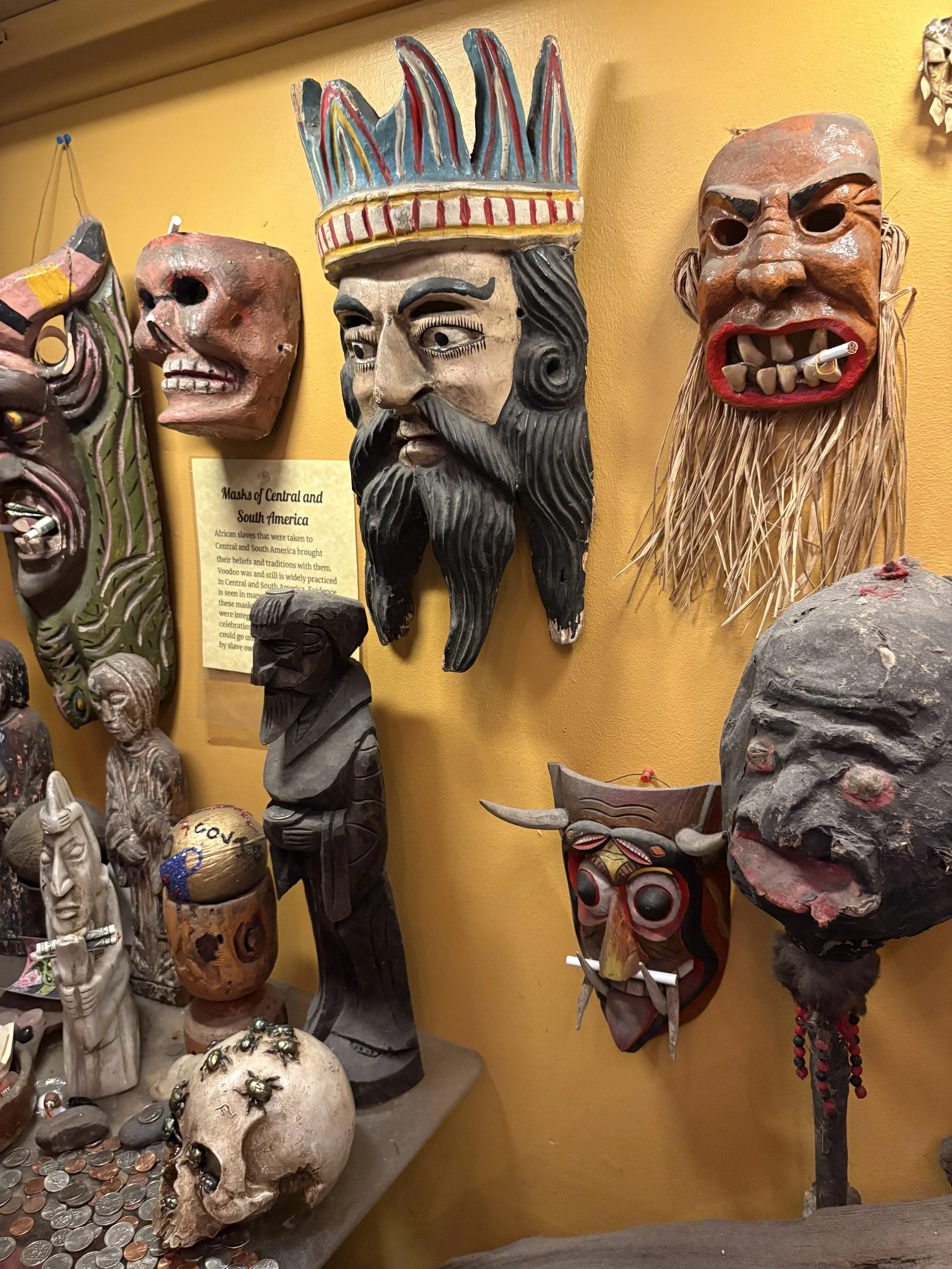
Masks from the Voodoo Museum
This blog post was supposed to be about Anne Rice’s Interview with a Vampire. That was my intention, at least. I planned to talk about the gothic elements of the city, how the book interweaves New Orleans folklore and truth into something new and distinct. I planned to talk about what parts I thought were accurate versus what was overdone, or worse, exoticizing. I wanted to talk about our visit to the New Orleans Voodoo Museum and the ghost tour we went on. And I might still write that blog post eventually. However, this is not that blog. Every time I went to write about Interview With a Vampire, my mind ended up somewhere else. To the true dark side of this city, not the supernatural, not the folklore, but the history of violence and cruelty.
The main character of Interview With a Vampire, Louis, is a wealthy plantation owner in his mortal life. Throughout the first section of the novel, Rice paints a picture of the plantation's scenery:
“Luxurious and primitive... the vision of the swamp rising beyond her, the moss-hung cypresses floating against the sky. And there were the sounds of the swamp, a chorus of creatures, the cry of the birds. I think we loved it.”
Louis mentions the people he enslaved on his property as a mere afterthought. They are relevant only in their ‘exoticism,’ in what they offer Louis, and to their impact on his life. They are never discussed in their own right. Any nuance, any centering of their experience is completely erased.
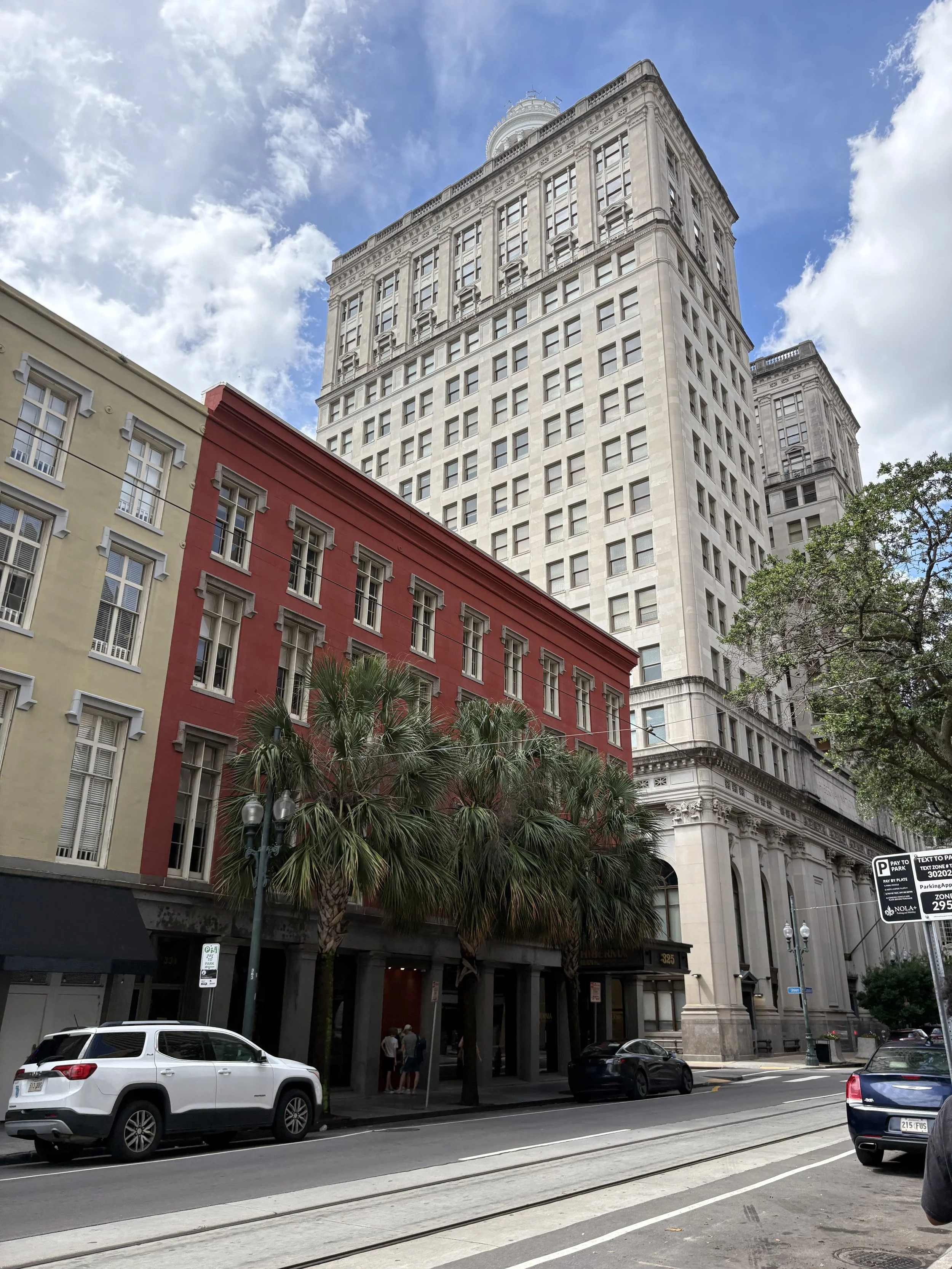
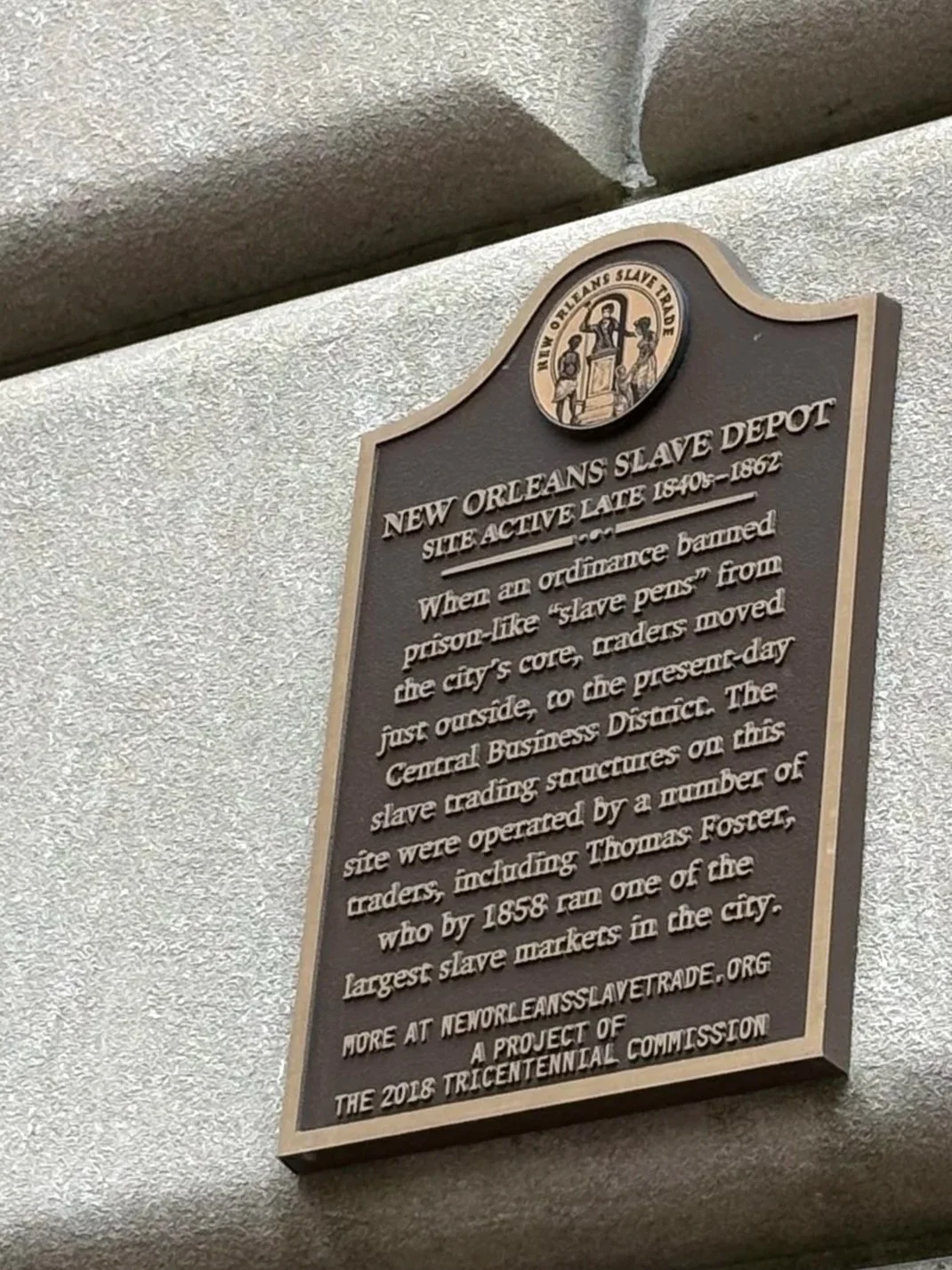
A few days after finishing Interview With a Vampire, the group walked around the Central Business District. That’s not the interesting part, we walk around the CBD every time we step out of the hotel. This time though we weren’t trying to see the 2026 version of the neighborhood but rather the Central Business District as it would have been in the Antebellum period. Andrew led us around the area, stopping every block or so to point out the site of what had once been a slave pen, where enslaved people were held in awful conditions to await their ‘sale,’ now home to a hotel or apartments or a pizza chain. It felt so strange to reconcile the two – was I really standing in front of a scene of such horror? There were almost no signs mentioning slavery, so from first glance it’s hard to believe. It’s a sobering experience to learn about cruelty that happened right under your feet. ‘Why aren’t there more signs?’ I kept wondering to myself. ‘Why are people able to just go about their daily lives without knowing this history?’
I guess the answer is that they don’t want to. It’s easier to go to the grocery store when you’re not thinking about whether or not someone was killed or tortured across the street. Even while this period in history was occurring people turned a blind eye. There was a church across the street from multiple of these slave pens, a church led by a minister named Theodore Clapp, who preached Unitarian Universalist ideals while simultaneously defending slavery. Wealthy white people of the era could hop in for a church service and then go see a show at the Varieties Theatre across the street. Did they know what was going on a street away? Did they simply not care?
After our tour, we returned to our workspace to screen the movie Twelve Years A Slave. I had never seen the movie before, though I had some vague knowledge about it beforehand. The film was based on a true story and received critical acclaim, but I had also heard it discussed in relation to the term ‘trauma porn.’ I wasn’t sure what to expect – would this film be exploitative? Would the violence be gratuitous? Would this depiction serve a purpose, or would it just retraumatize anyone whose ancestors experienced this?
The movie was… intense to say the least. Honestly, I don’t even know how to begin to talk about it except to say it didn't flinch in its portrayal of slavery and racism. The film pulled no punches. There were multiple scenes I had to turn away from, like one depicting Patsy’s sexual assault and the other showing Solomon being forced to whip Patsy. The entire time the camera directly faces Patsy, showing blood spraying from her back as she is beaten, her screams piercing the silent room where we were watching. It’s a sign of my privilege that I was able to turn away like that. This movie wasn’t depicting anything that hadn’t happened. This was reality for thousands of people. They didn’t get to turn away when things got too upsetting.
I think it would have been easy to write this film off as trauma porn or a white-savior movie if not for the real life it was based upon. Solomon Northup, the film’s protagonist, was a real person. He was a free Black man who was kidnapped, trafficked, and sold into slavery, eventually becoming free again but losing over a decade of his life trapped. His writings of his time enslaved were followed almost to the letter in the film adaptation. It’s difficult to critique a narrative when it’s so grounded in fact. While the film was hard to watch, I think it was necessary to truly convey something as horrible as chattel slavery.
That being said, I understand why people can see this film and find it gratuitously violent. I’m not by any means an expert on this, nor should I try to be as a white woman, but I have heard the phrase ‘trauma porn’ be used a lot, especially in reference to onscreen depictions of Black experience in America. A lot of the stories we hear are ones centered around pain and suffering, from slavery to the KKK to Jim Crow. I don’t mean to underplay the importance of those stories. They need to be told. But there are other stories there that don’t appear as often — stories of survival, of resilience, of joy, love, and community. People love media in large part for the escapism. Why is it that it’s so often only white characters who get to lead a romance or get transported into a fantasy land?
I’m not sure how well I explained that. Again, I can’t exactly speak to this experience, but this is just where my mind took me after watching the film. There was such a huge disparity between these two experiences I just had — walking through the Central Business District, where it seemed like slavery had been completely forgotten, and Twelve Years a Slave, which might as well have hit you with a sledgehammer. Was there an in between? Where was the line between ignoring history and exploiting it?
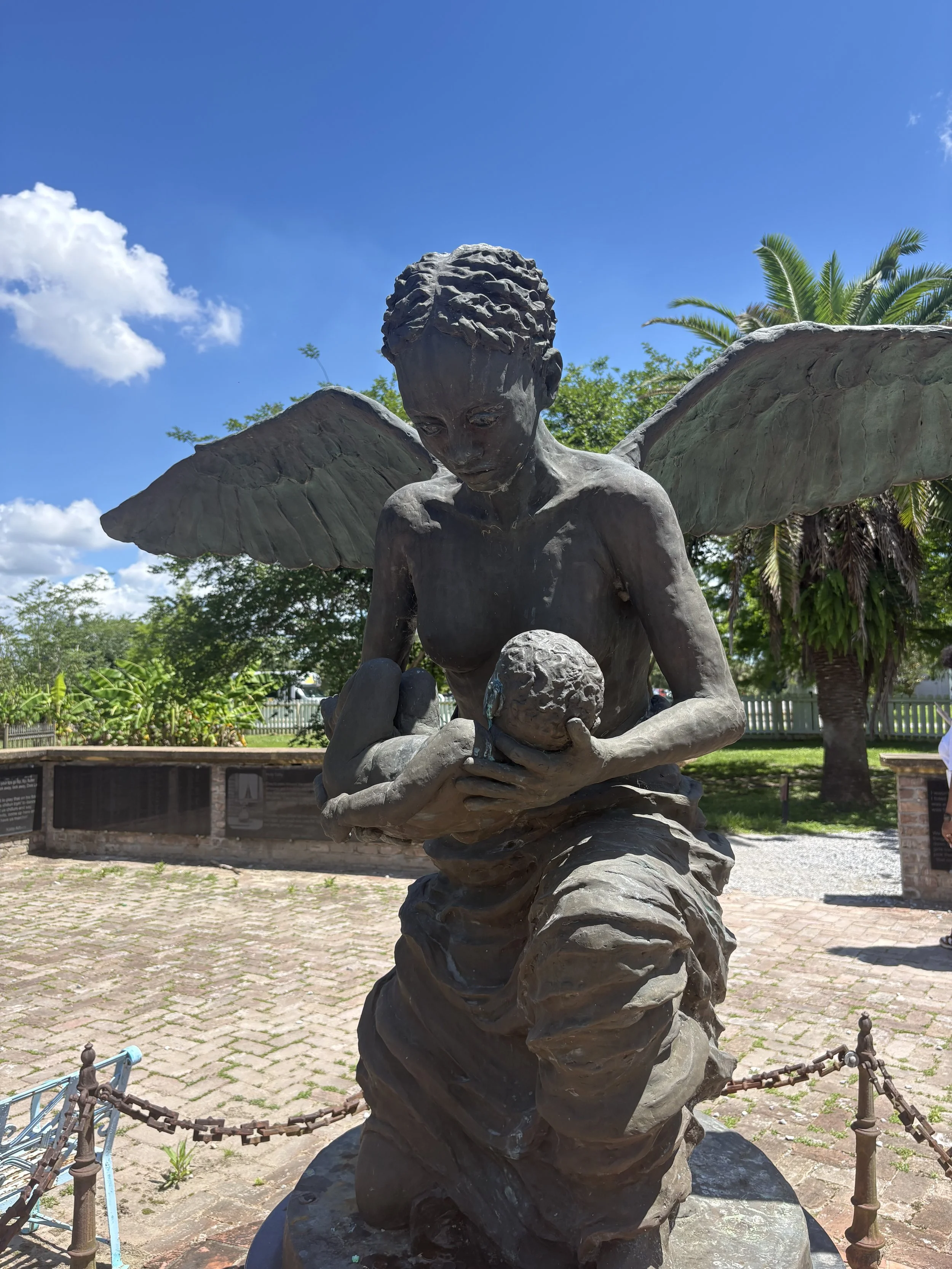
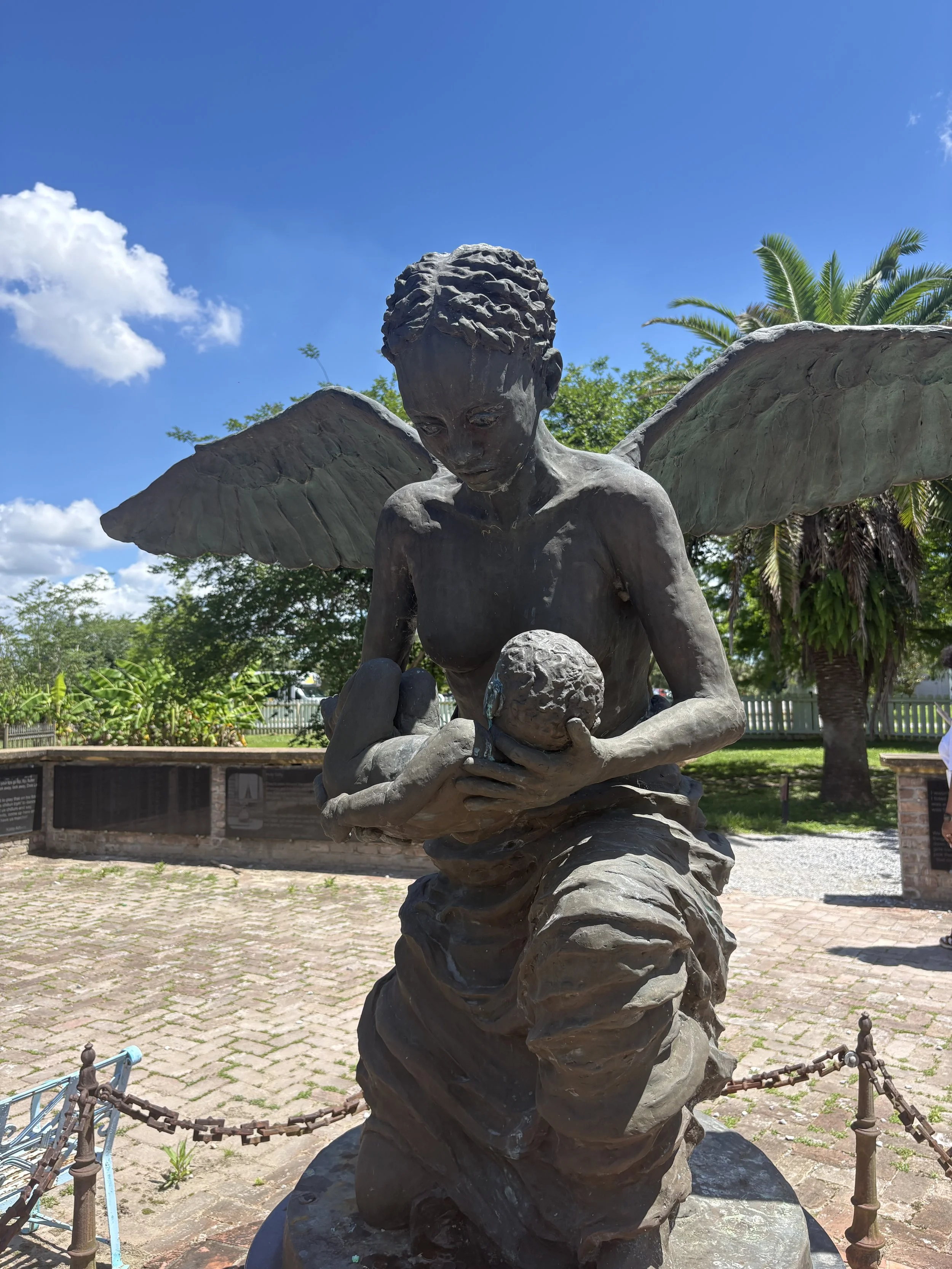
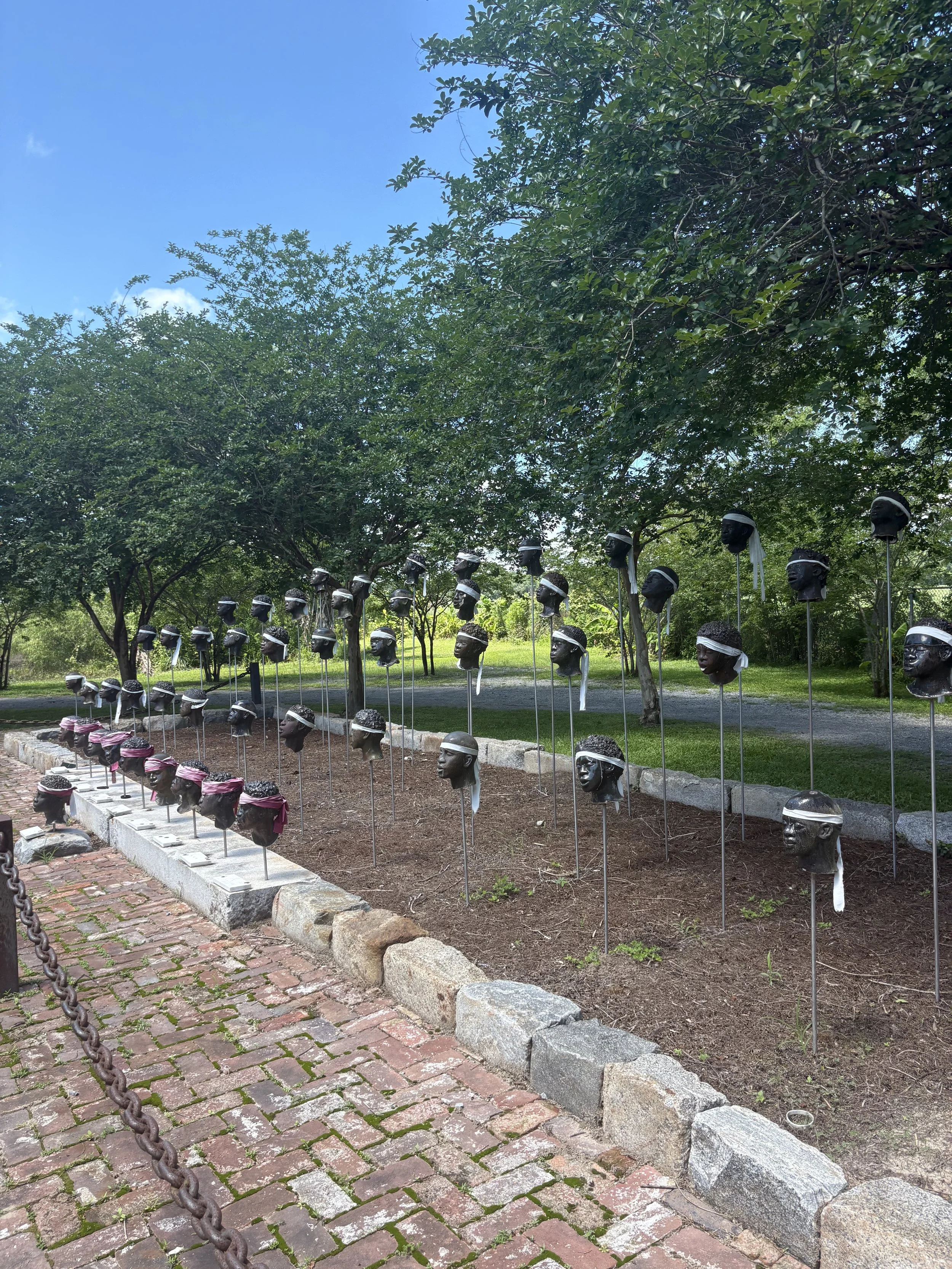
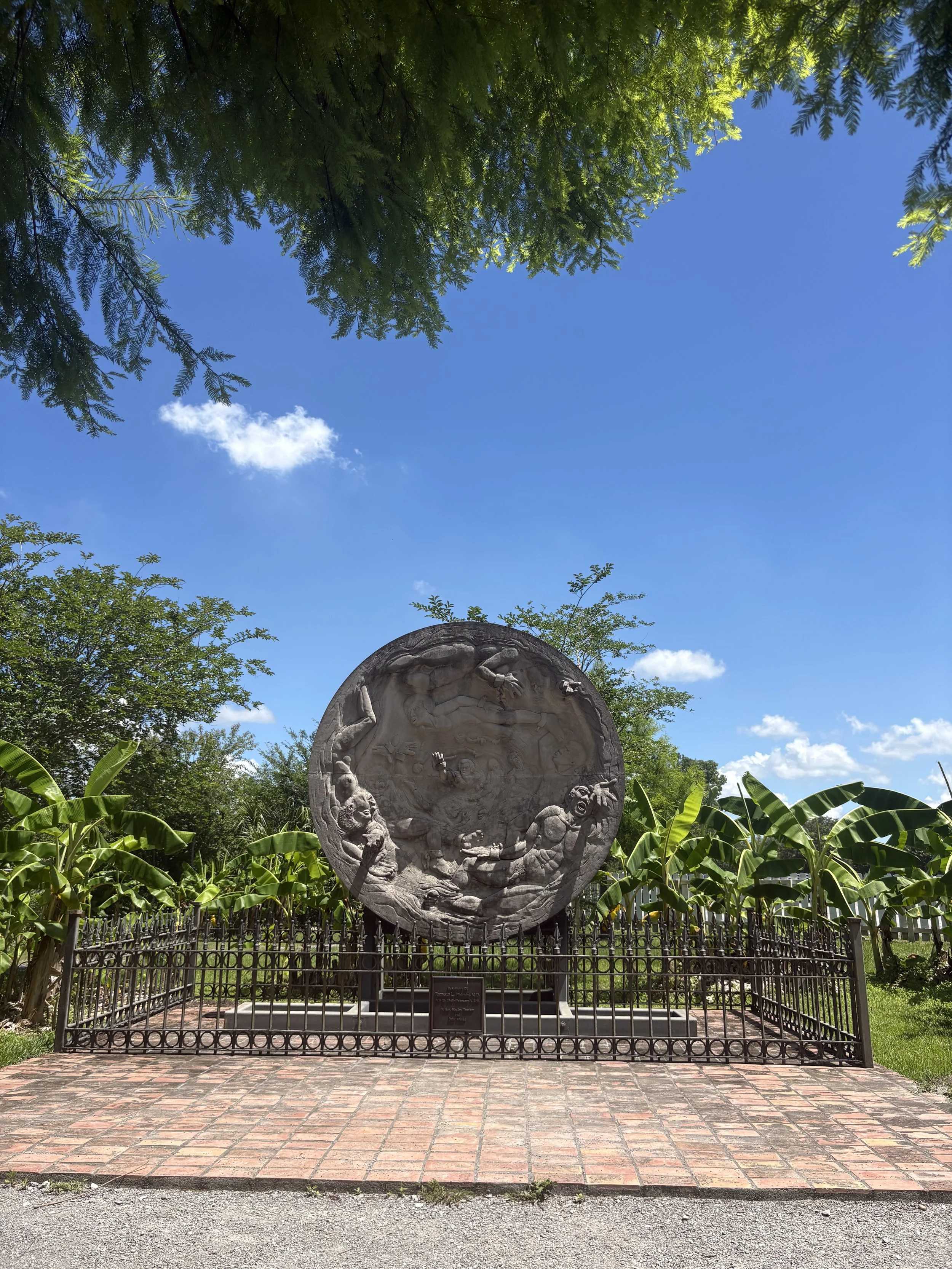
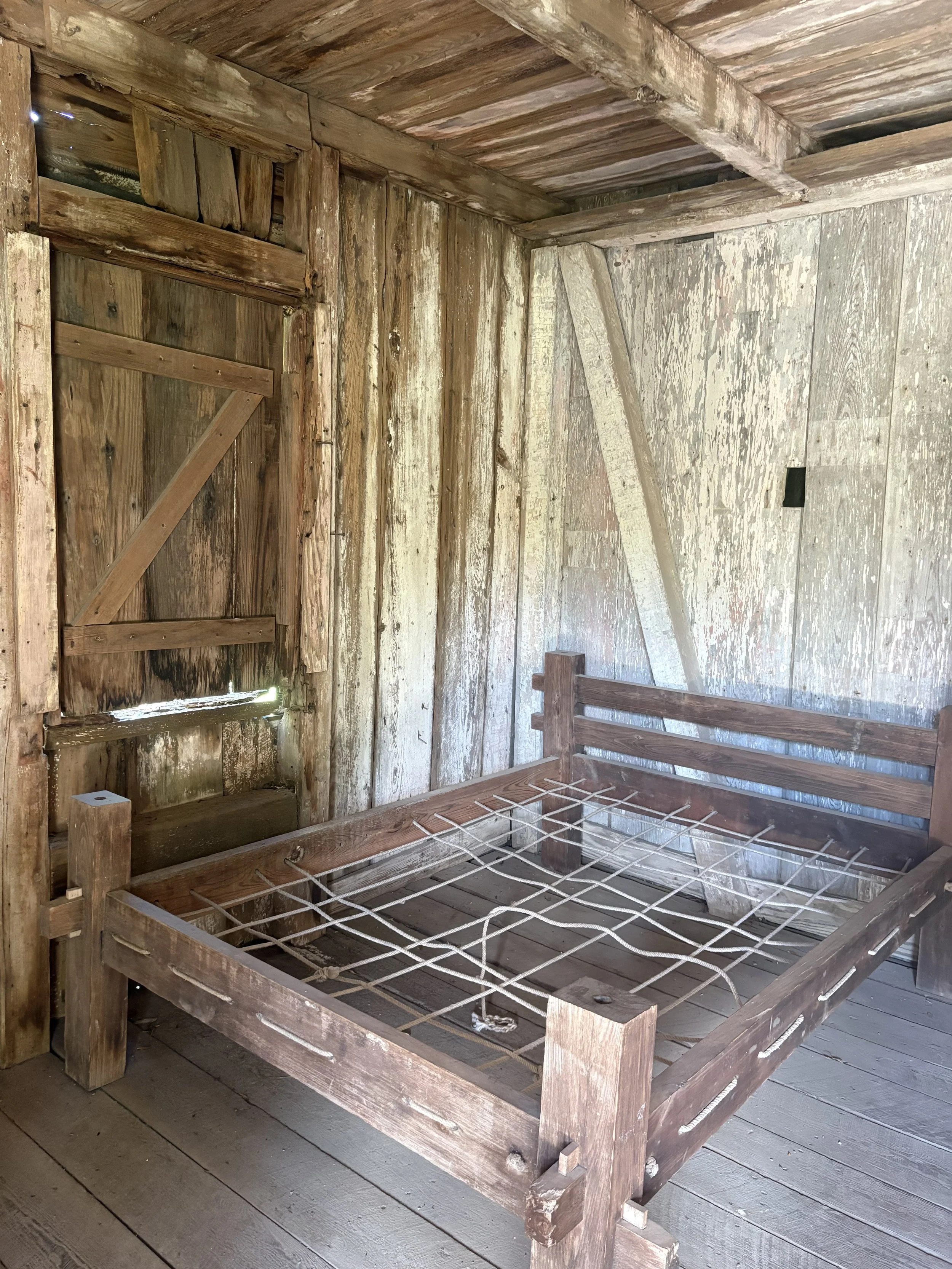
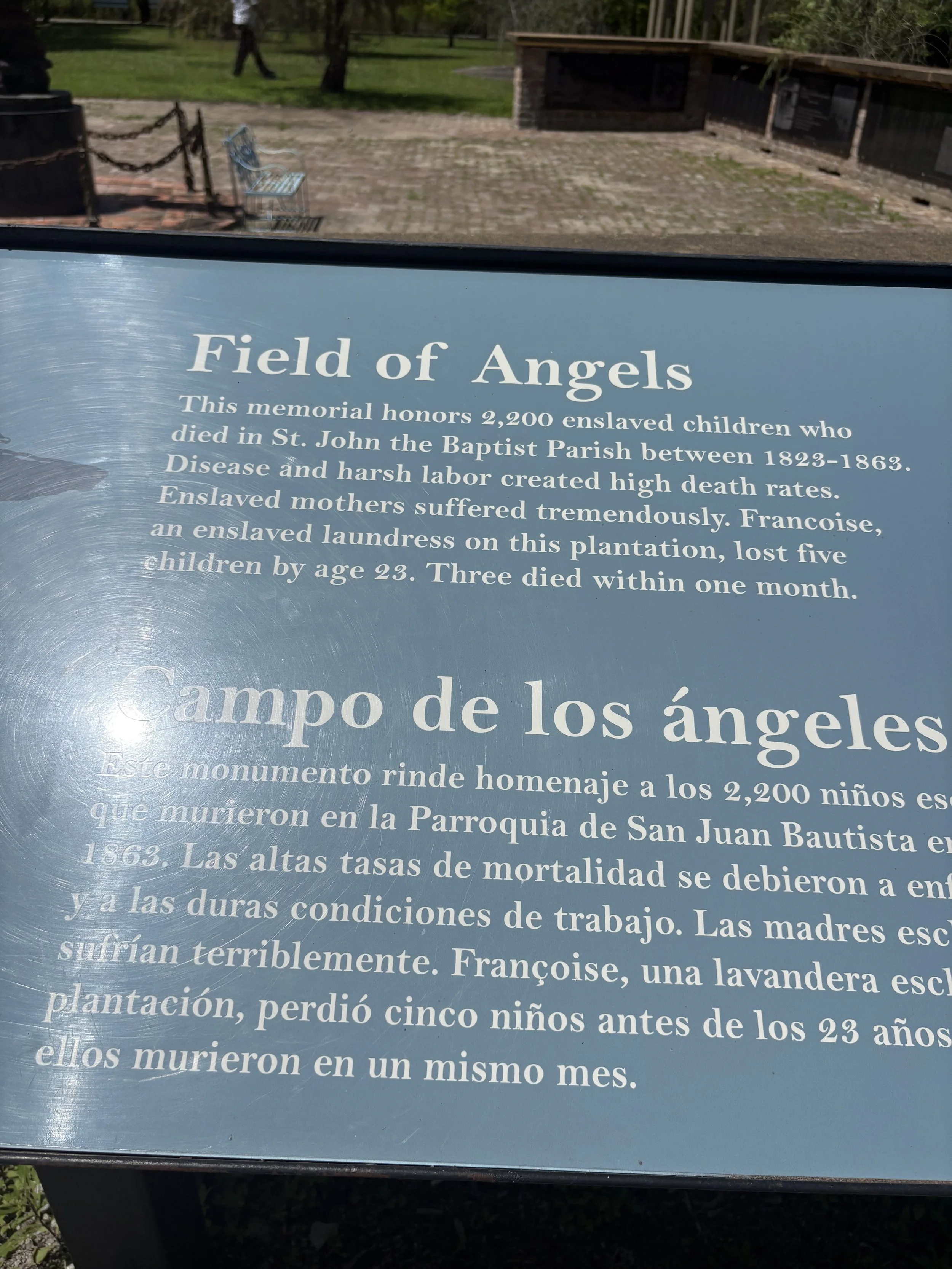
The next day we went to the Whitney Plantation where I think they struck that balance. Our tour guide Ashton told us all about the daily lives of the enslaved people on the plantation, from their work to their homes to the specific food they would grow to supplement their inadequate rations. We stood on the balcony of the ‘Big House,’ looking out at lines of oak trees that could have been straight out of Twelve Years a Slave while Ashton told us that the trees hadn’t yet been planted when the enslaved people lived there. Some of what we learned was horrible, like cutting an enslaved person’s hamstring so they wouldn’t run away, or killing their whole family if they did. We learned about the slave uprising of 1811, the bravery and strategy of the participants, as well as the horror of their heads being stuck on pikes after they were caught. However, some things were mundane too. We saw the vegetables enslaved people would often grow, yucca and yams and okra, went into the church on the property, and heard about the process of refining sugarcane into sugar. It didn’t feel like we were being shown tragedy for the sake of tragedy. Rather, I felt like I had an insight into the actual lives and experiences of the enslaved people who lived on the Whitney Plantation. It felt like their story rather than a story about their pain. It wasn’t performative, it wasn’t exploitative, it wasn’t glossed over; it was just honest.
I’m still not sure where the line is. How much pain is too much pain? When is something too graphic to show, and when does it need to be acknowledged? I wish I knew how to fully answer those questions, but I don’t. It’s not for me to decide.