Celeste

Sun Sets on New Orleans

This is the last piece of writing I will submit in college. Possibly ever, if I decide against pursuing more degrees. Sixteen years, millions of words written, and my journey ends just how it began: me staring at a blank page. I’m not sure what to write for this final blog. How exactly do I begin to synthesize the experience I’ve had the last month in New Orleans? How do I come to terms with the fact that this incredible experience is ending? That college is ending? That the days of following a clear path are over?
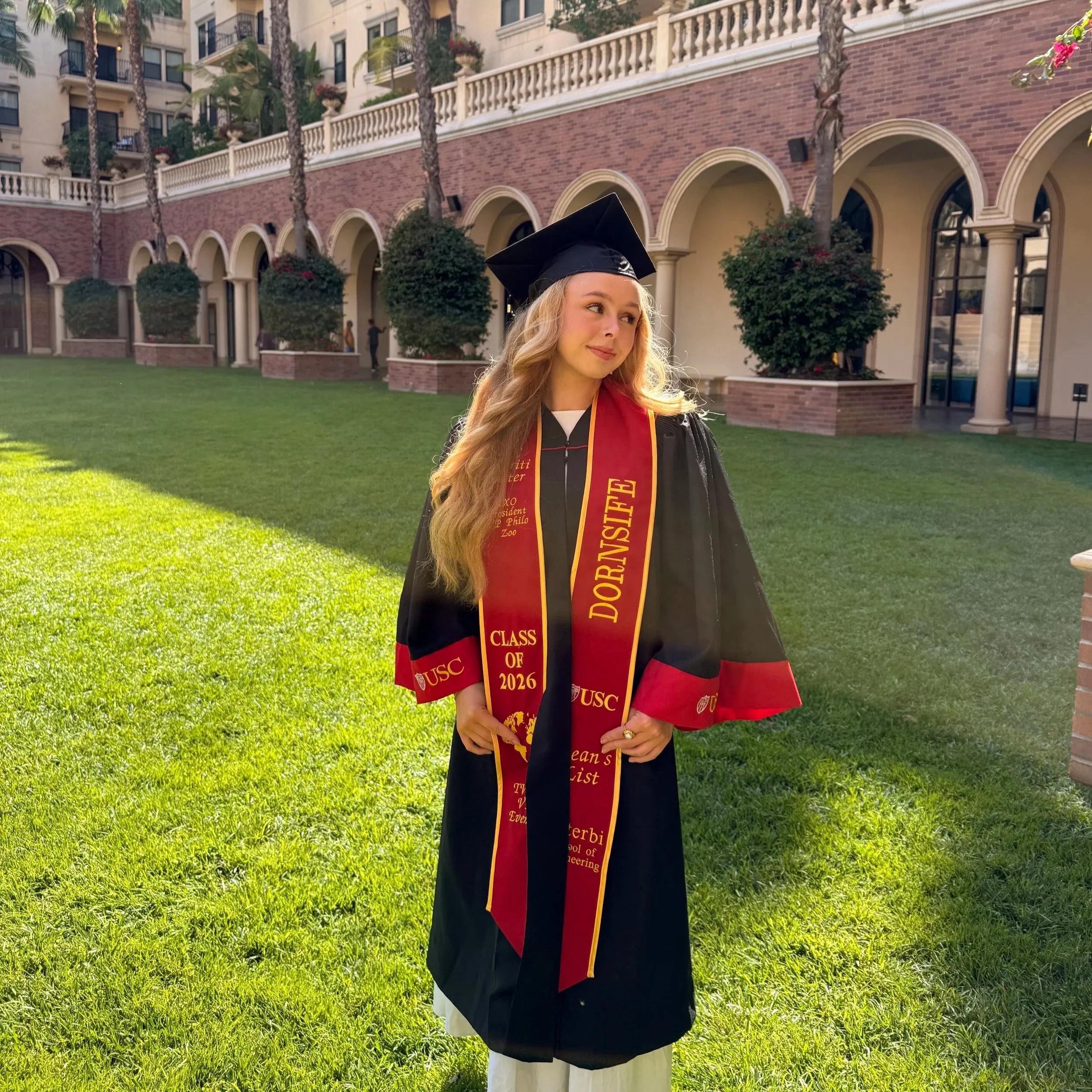
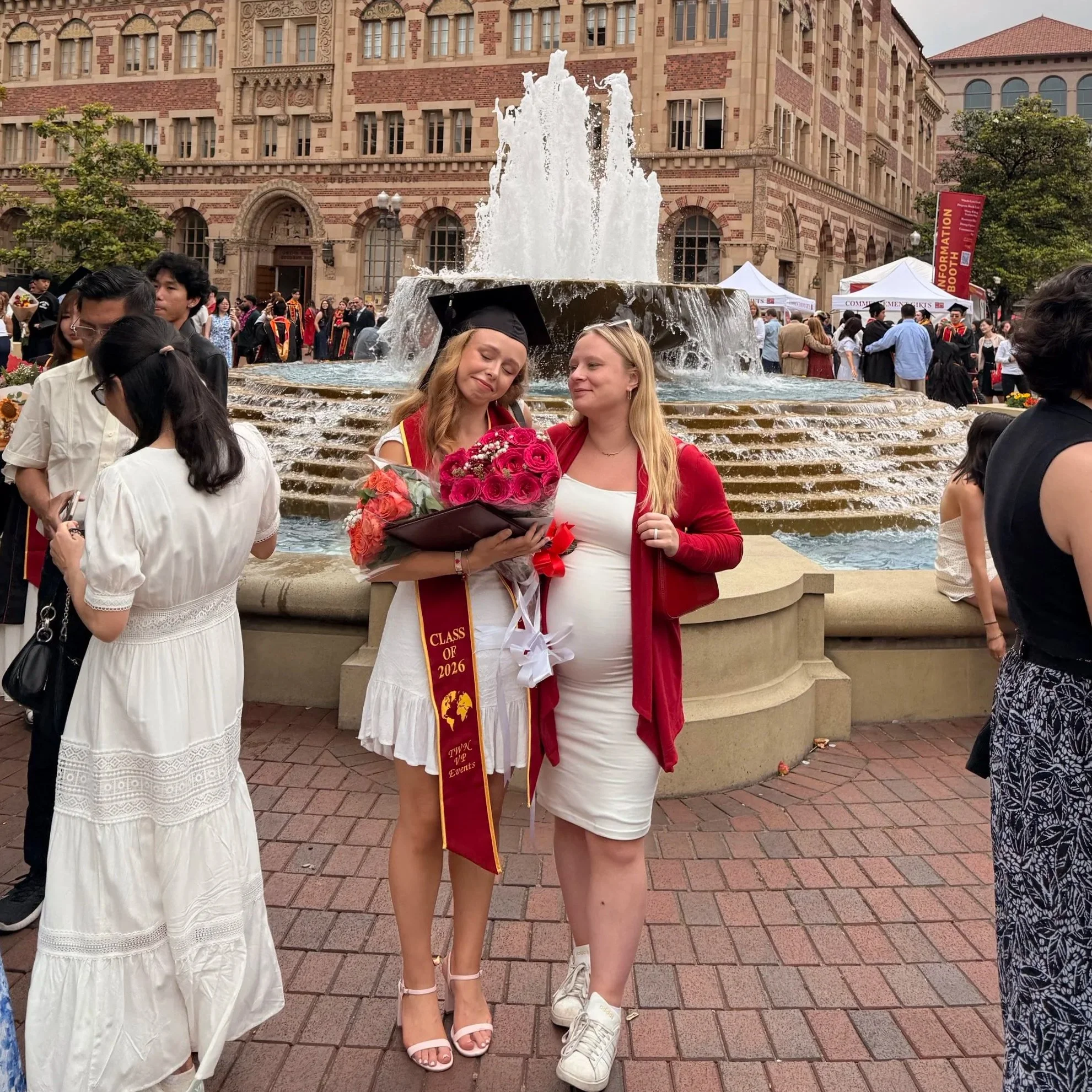
Photos from my graduation!

I don’t know where to start.

In case you somehow couldn’t tell, I haven’t outlined a single one of these blogs. I’ve gone into each with a vague idea of what I want to talk about, but from there I’ve just let my thoughts lead me. I thought this one would be the same. In fact, I thought it would be the easiest to write because it’s just going to be me summing up my experiences over the past month. It seems as though I was wrong, but I’m going to try to do my best.

While The Moviegoer mentions it specifically, almost all the books we read for this class contained some element of ‘searching.’ Every character, from Edna all the way to Ignatius, was looking for something, either internally or externally. We’ve discussed in class many times what it is about New Orleans that brings up all these philosophical and existential questions, how the collision of cultures mixed with the Deep South ‘lost cause’ myth converge to create a city that is still searching for its own identity.
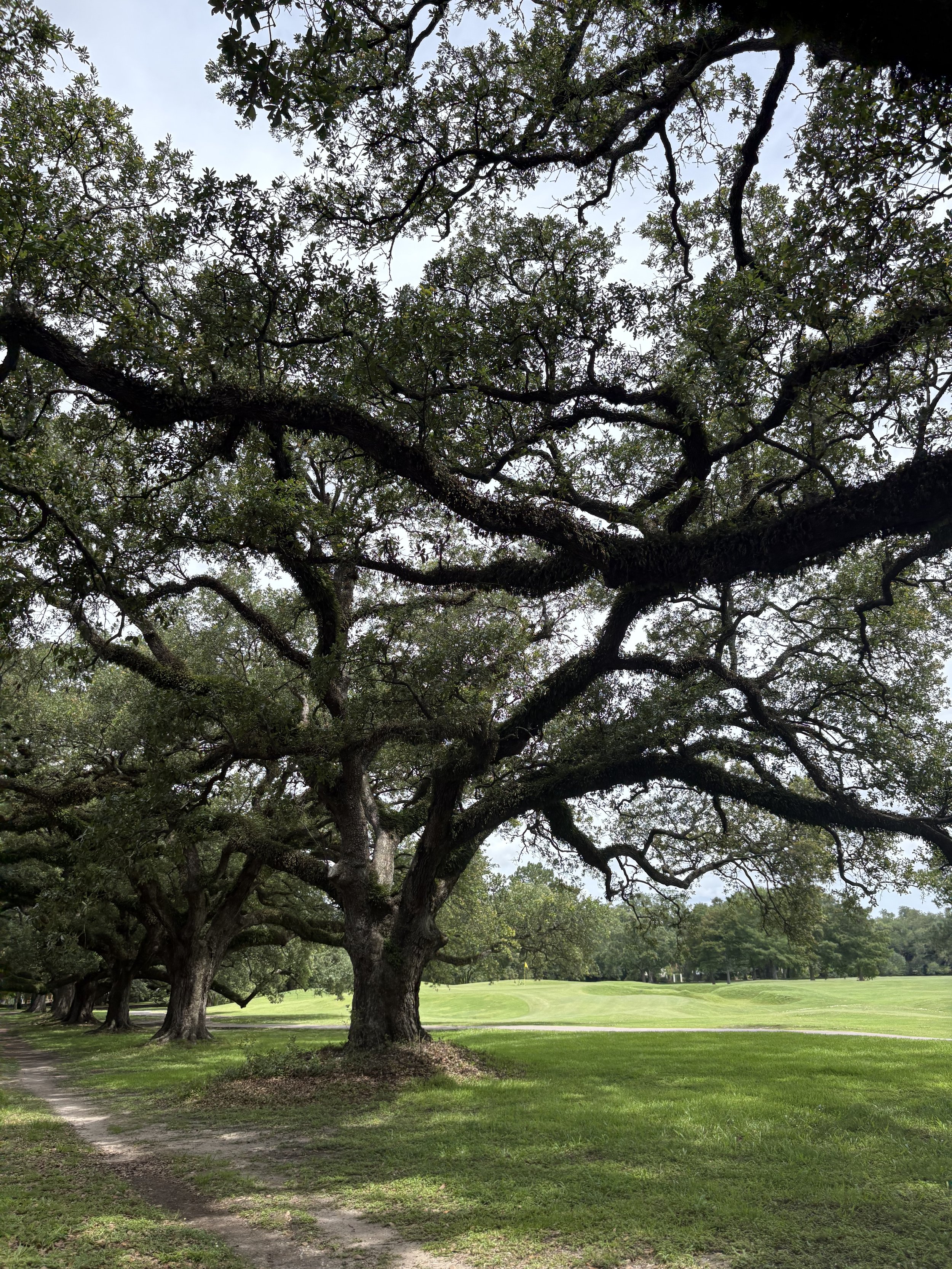
I came to New Orleans searching for something too, though I didn’t know it at the time. I’ve loved to read since I was three years old. In fact, the book People We Meet on Vacation is what originally sparked my desire to go to New Orleans. It felt very romantic to me, very inspiring. Because beyond reading, I have always harbored a calling to be a writer one day. As early as I started reading, I also began filling notebook upon notebook with writing. My brain felt like it was exploding with ideas. Writing to me seemed as natural as breathing, and imagining stories in my head became my primary source of entertainment in a no-TV home.

That calling to write has never gone away, but, as many childhood dreams, it’s been stamped down by the crushing realities of adult life. Writing is difficult. It’s scary. The words in my mind never come out the same way on paper, and even if they do, can I really handle baring my soul to someone else like that? Both my inner critic and my fear of people reading my work have tainted the process of writing for me. I put so much pressure on myself that all that creativity I once had gets extinguished.

Writing is also just, objectively, not the most financially sound career decision. I have never desired this whole ‘starving artist’ thing. There is nothing enjoyable, I have learned from experience, in not knowing how you’re going to pay your rent this month or eat anything other than instant ramen and sunflower seeds for the foreseeable future. I crave financial stability. So as much as I would have loved to major in literature or history or classics, I chose to study economics. That isn’t to say that I don’t enjoy what I do. I have quite an analytical streak that takes well to studying patterns and predicting trends. It’s only that for every bit of practicality I have, it is matched equally in creativity. I don’t have the chance to nurture both parts of myself, and so my imagination has withered from lack of care.
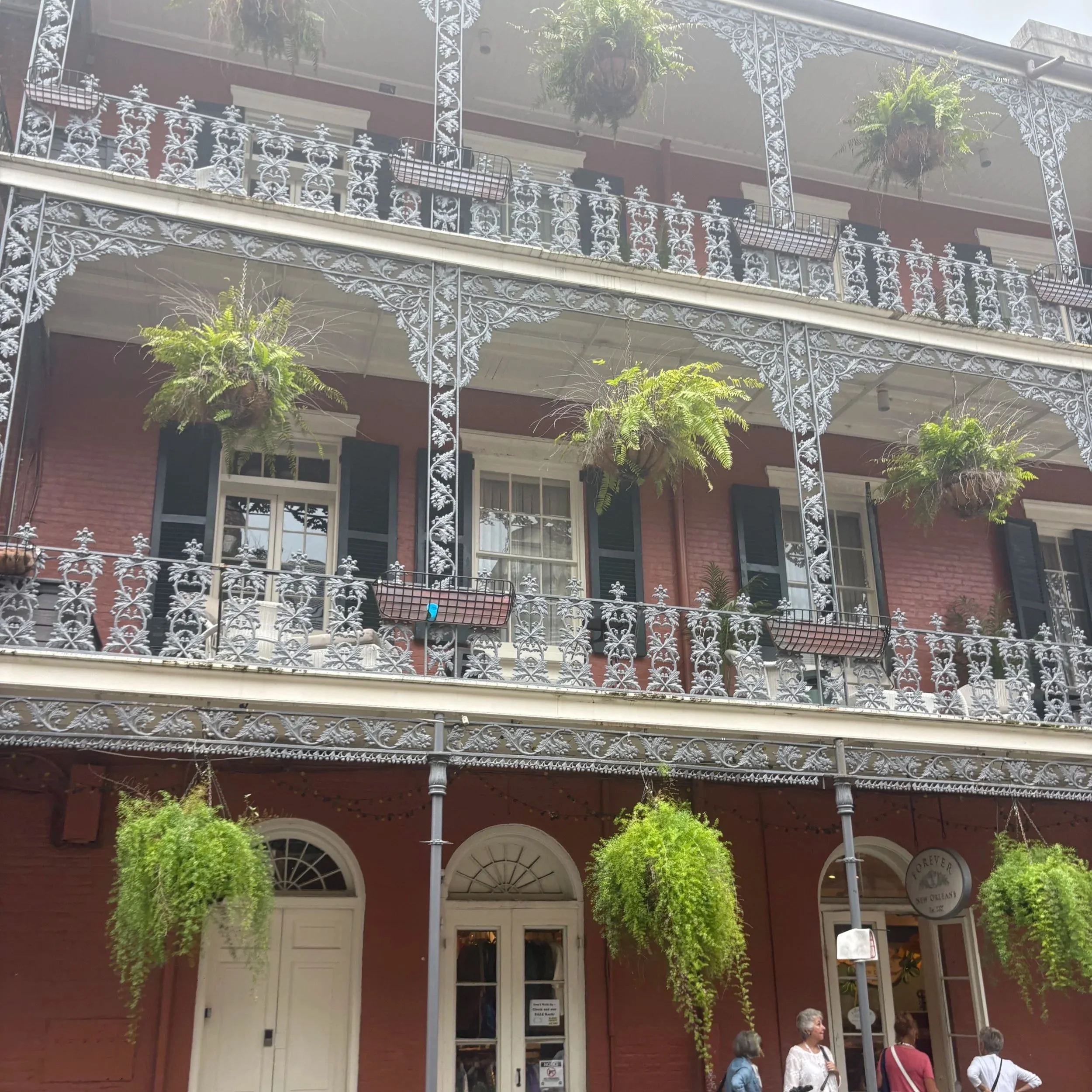
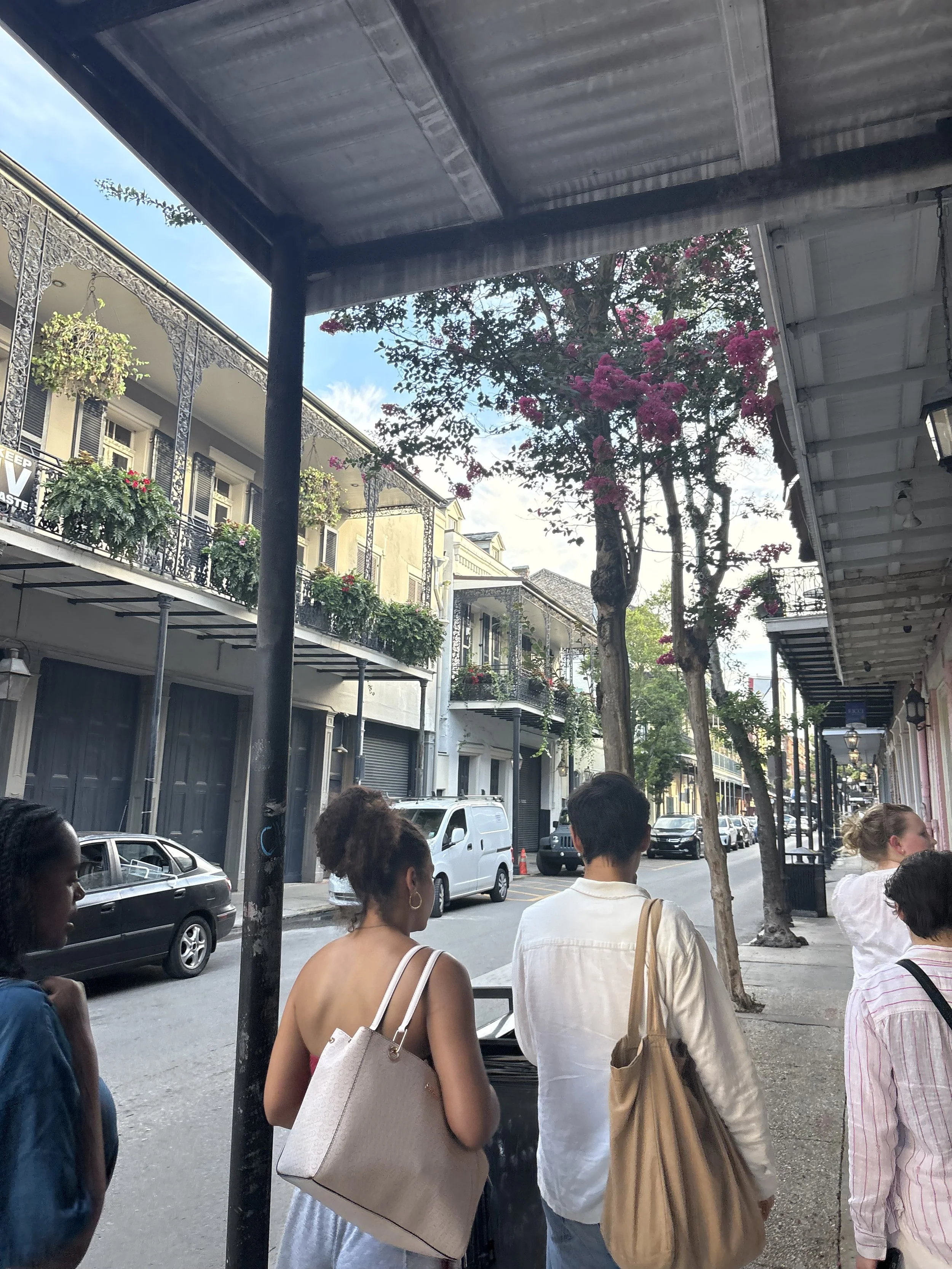
Essentially, that was just my long-winded way of saying that I’ve been feeling a little… uninspired recently. Between that, a breakup of my long-term relationship, graduation, there has been a yawning crater of absence in my life. I felt drawn to New Orleans because of the sense of romance and individuality in this city. There seemed to be so many stories, so much rich history. To quote Andrew, this city is quite fecund. It teems with abundance in every direction, from the different cultural influences to the extravagance of Mardi Gras to the French quarter houses resplendent with wrought-iron leaf, bright colors, and lush bougainvillea. There is something a little bit magical about this city. To go back to my first blog post, New Orleans feels like nowhere else I have ever been. Being here sparks my curiosity, not comparison. I haven’t ranked it against the other cities I’ve been to in my lifetime. It doesn’t feel necessary — all my energy is spent learning the history and imagining the stories that could have taken place here over the centuries. It feels like New Orleans is a mystery, and if I pop into the right bar at just the right time or stumble upon the right novel in a bookstore then I will unlock the key to understanding more about this place.

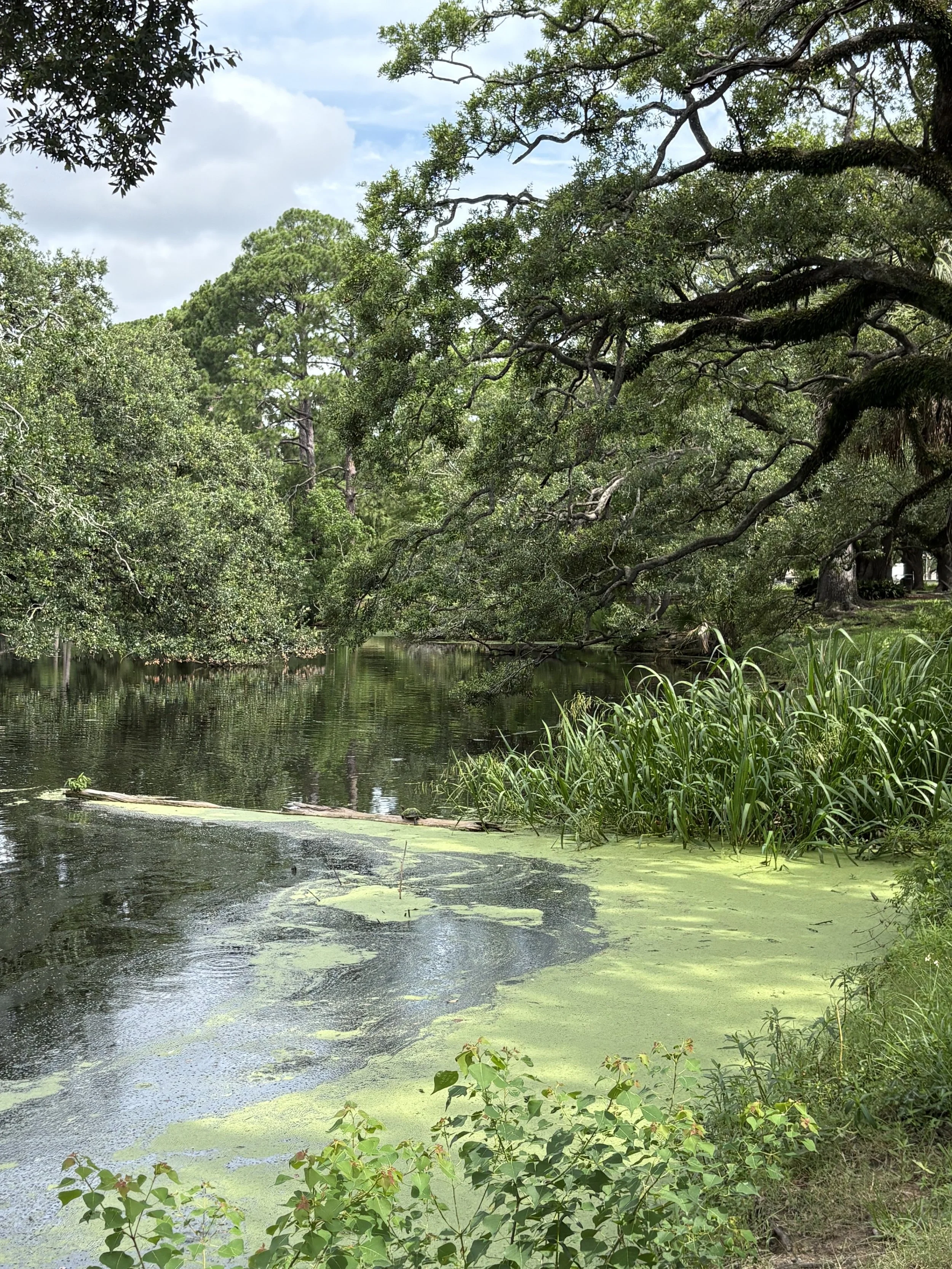
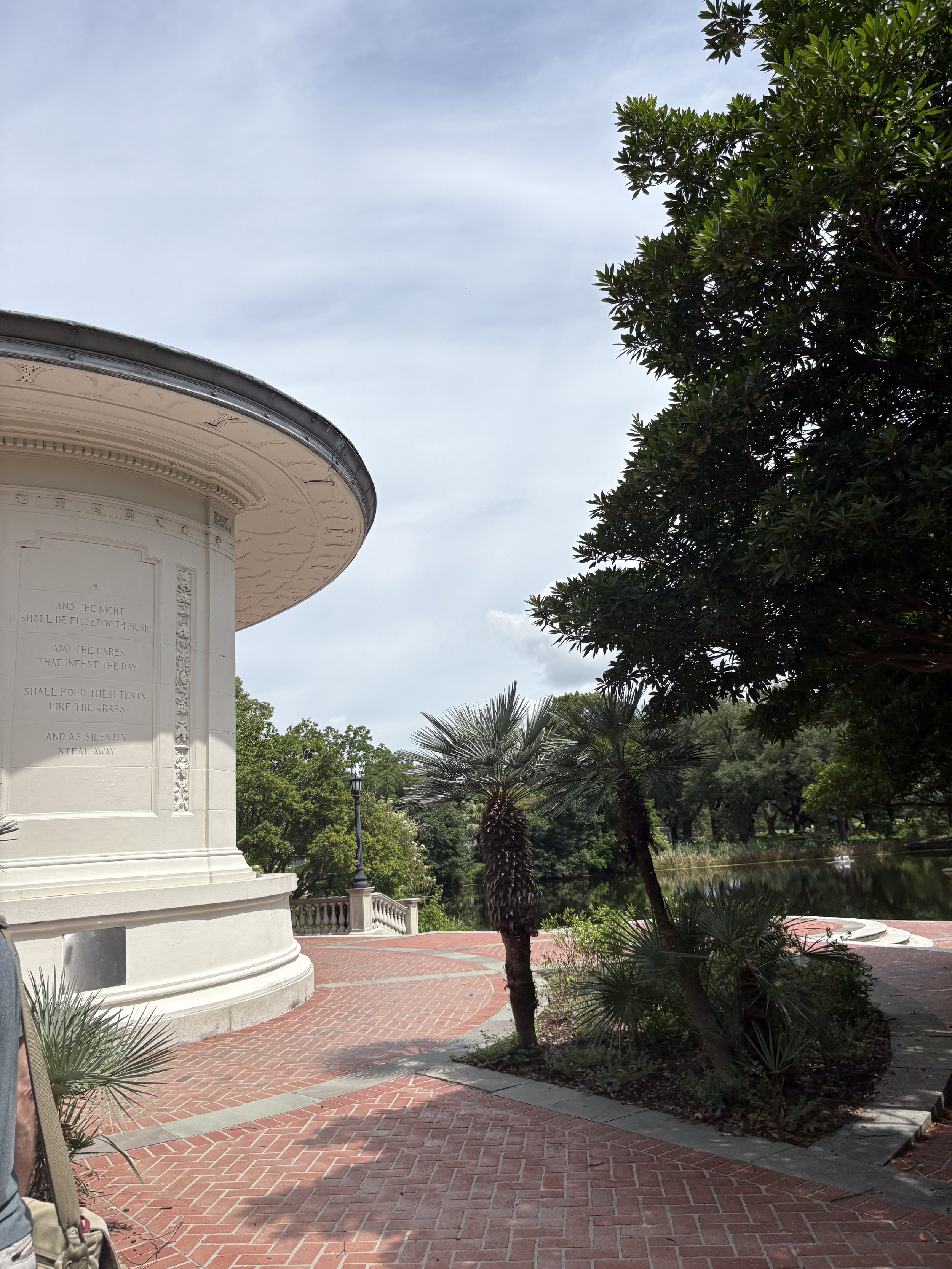
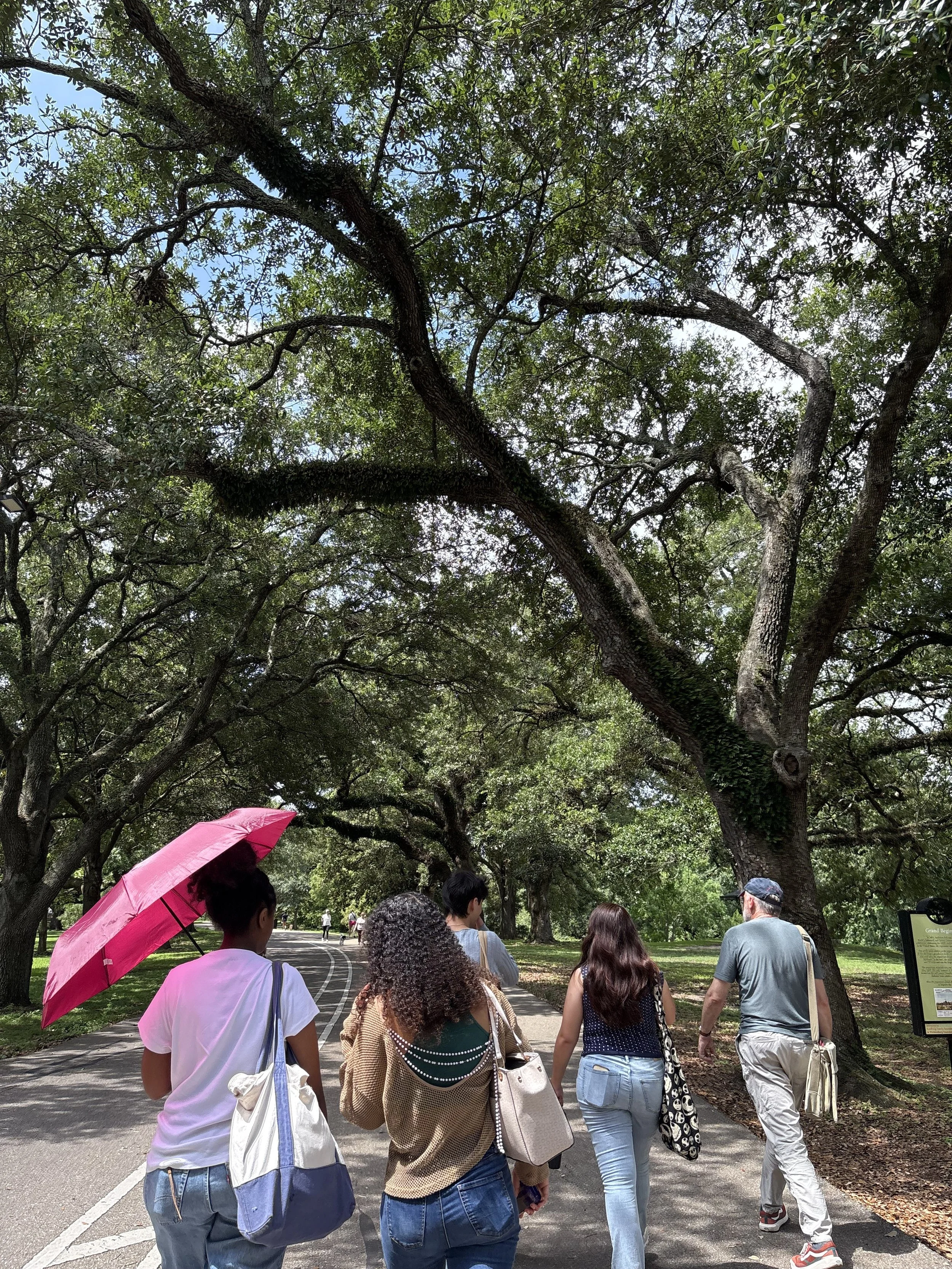
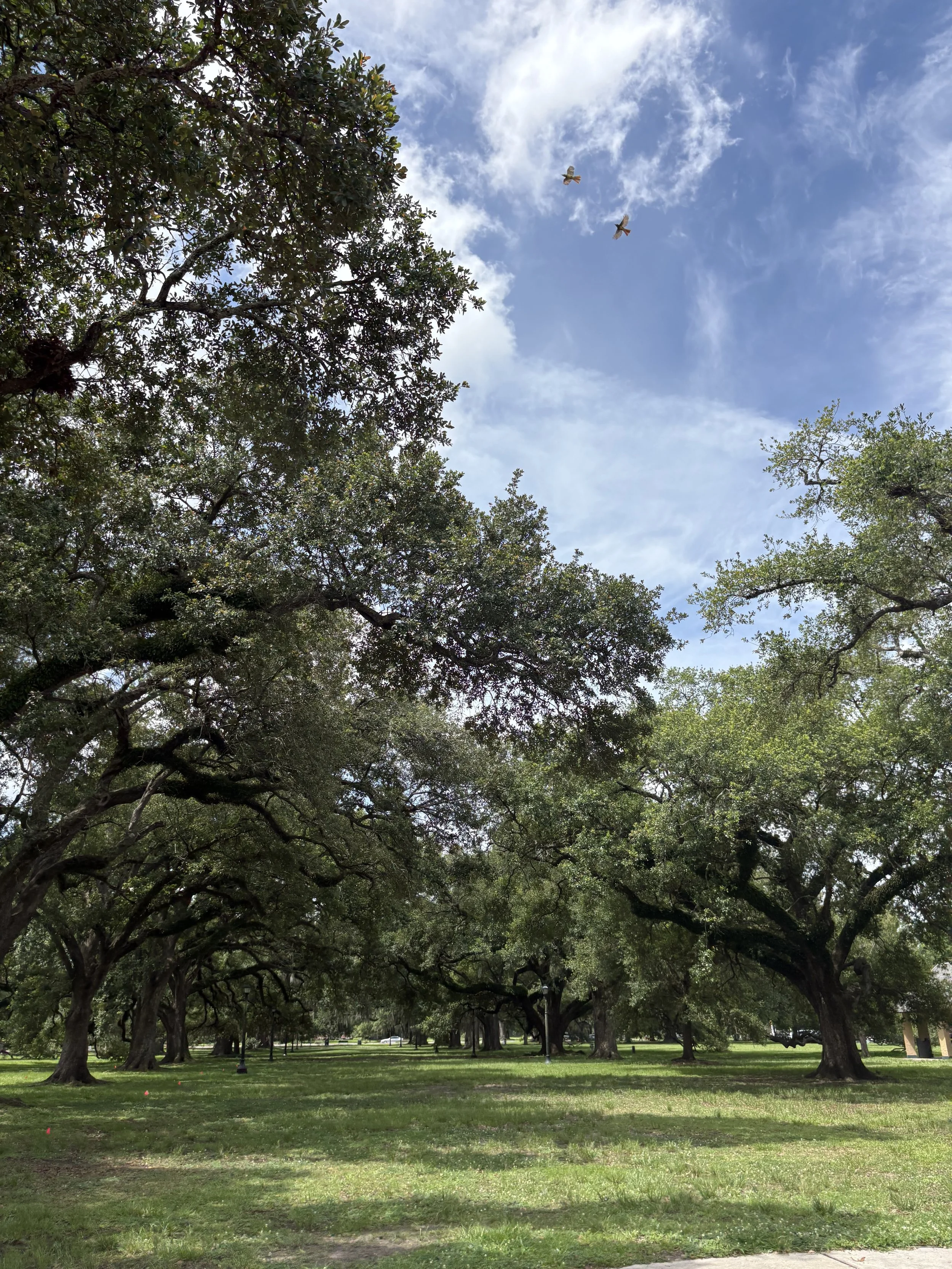
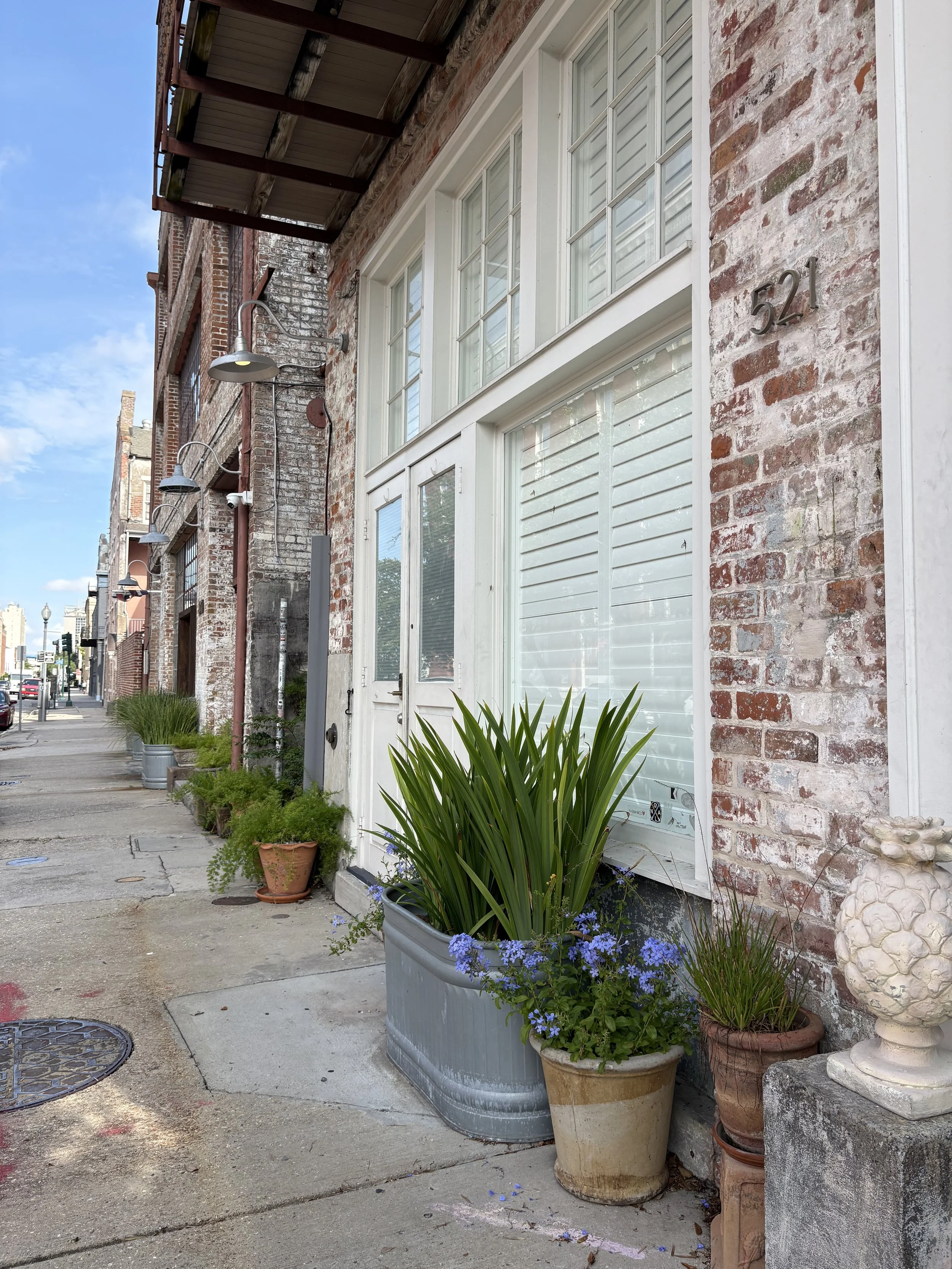
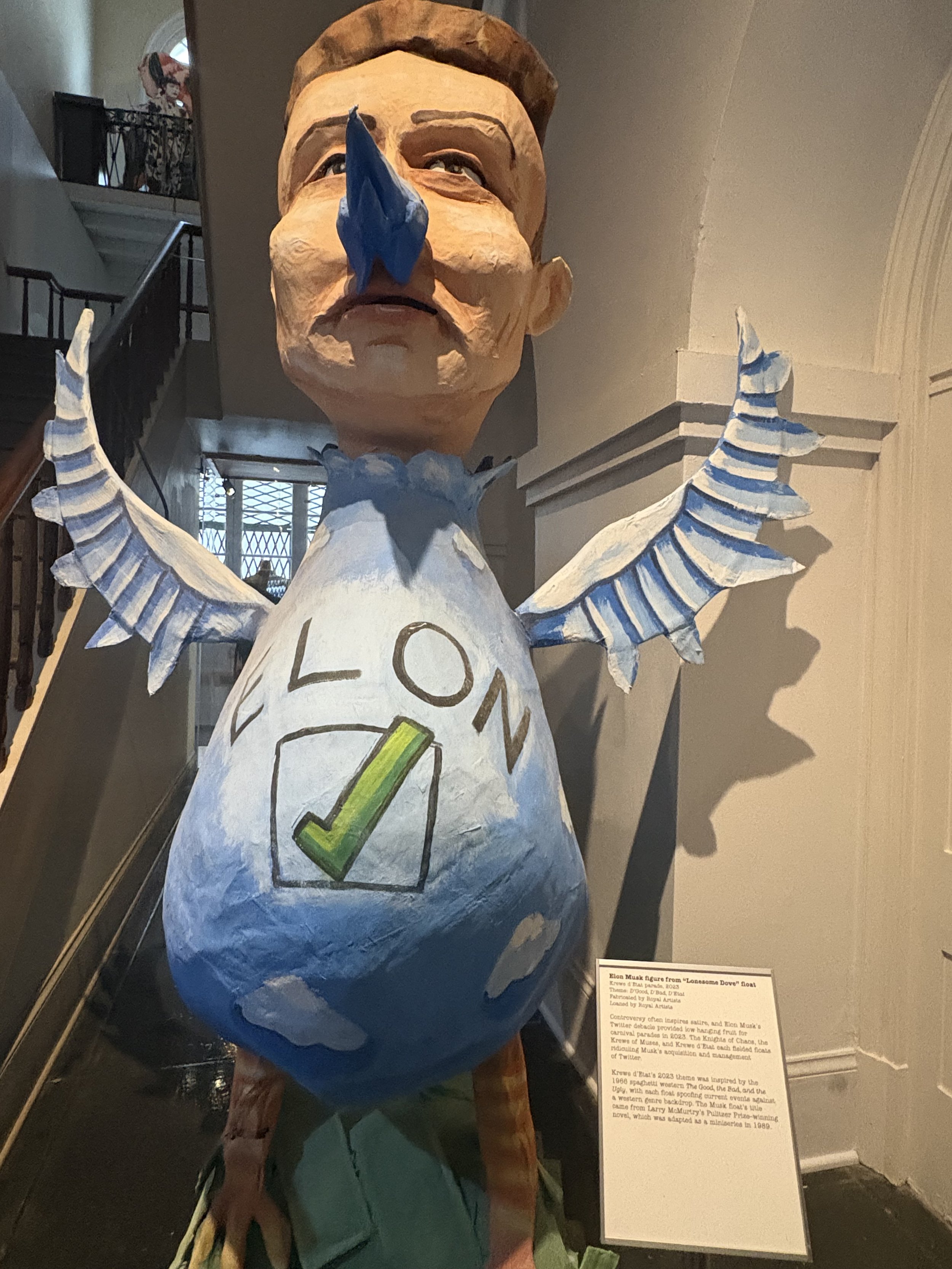
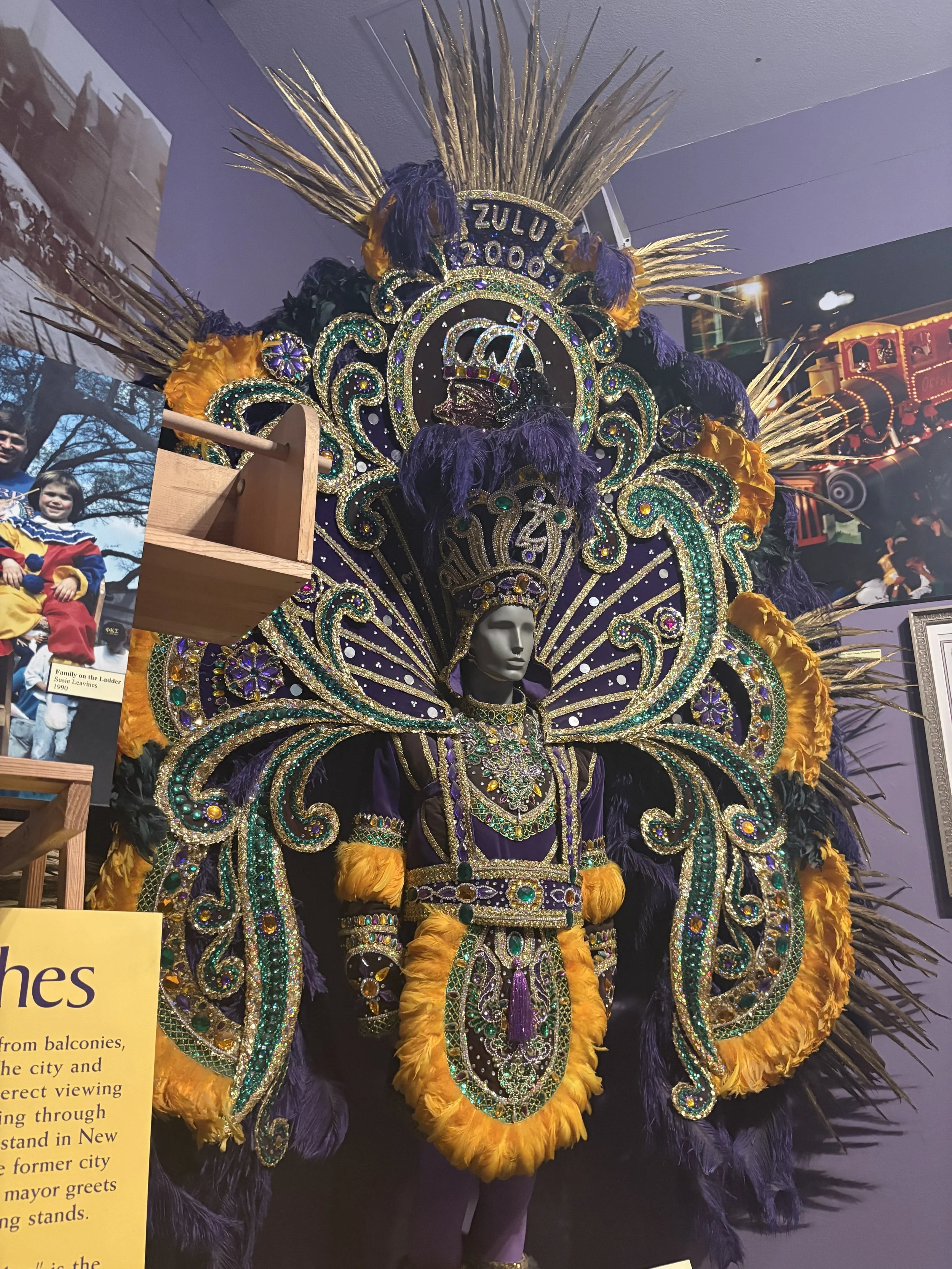
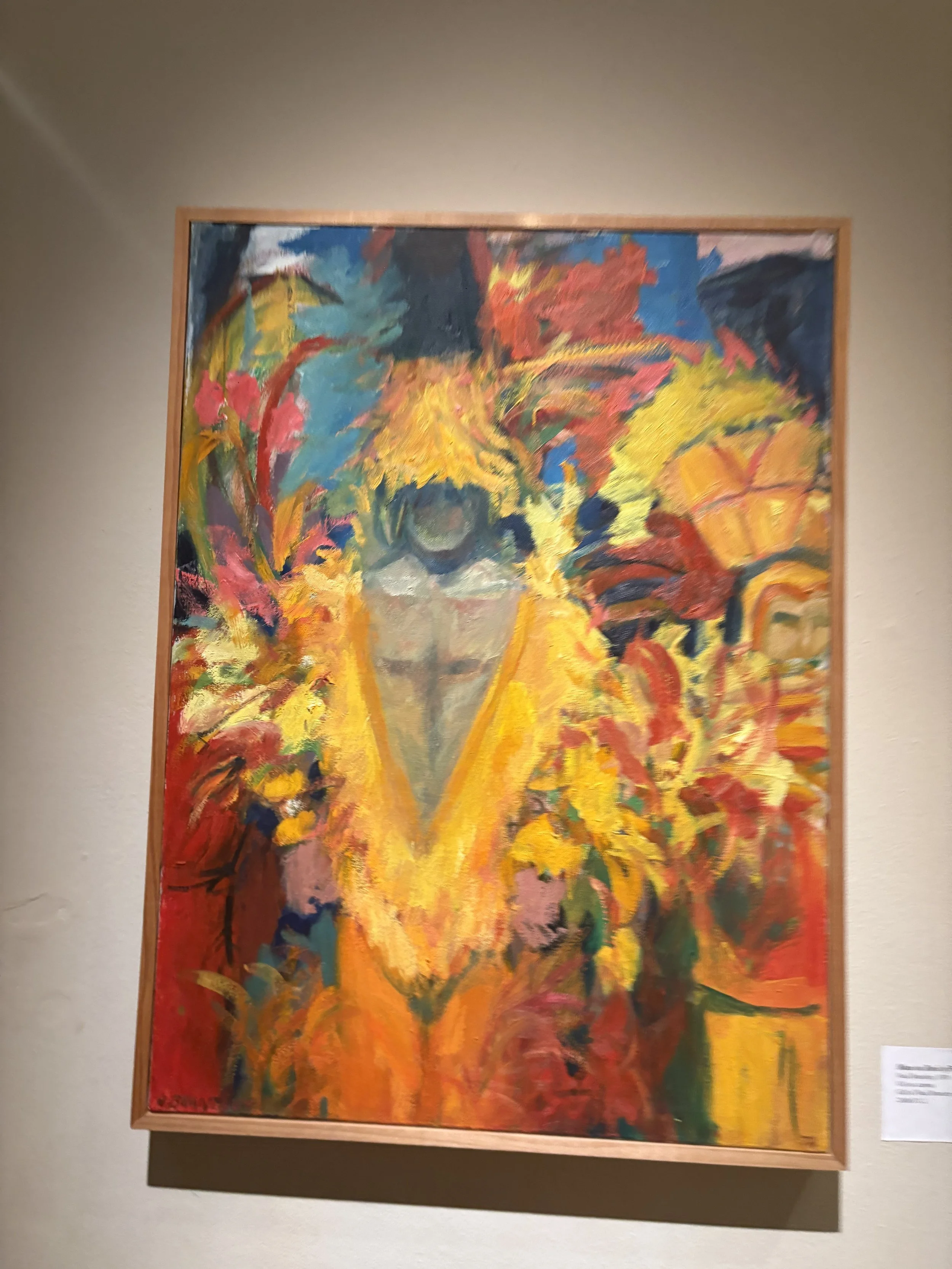
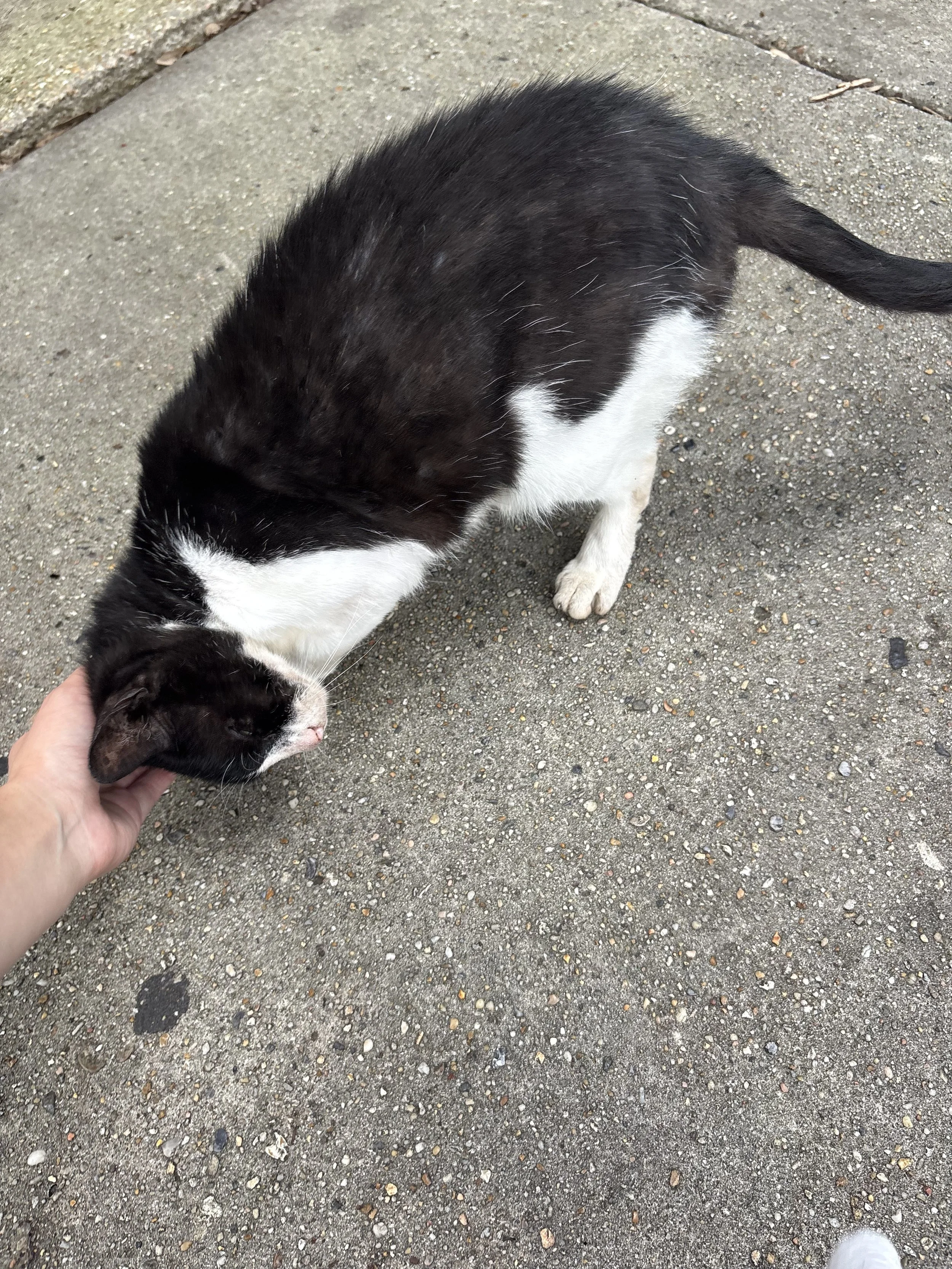
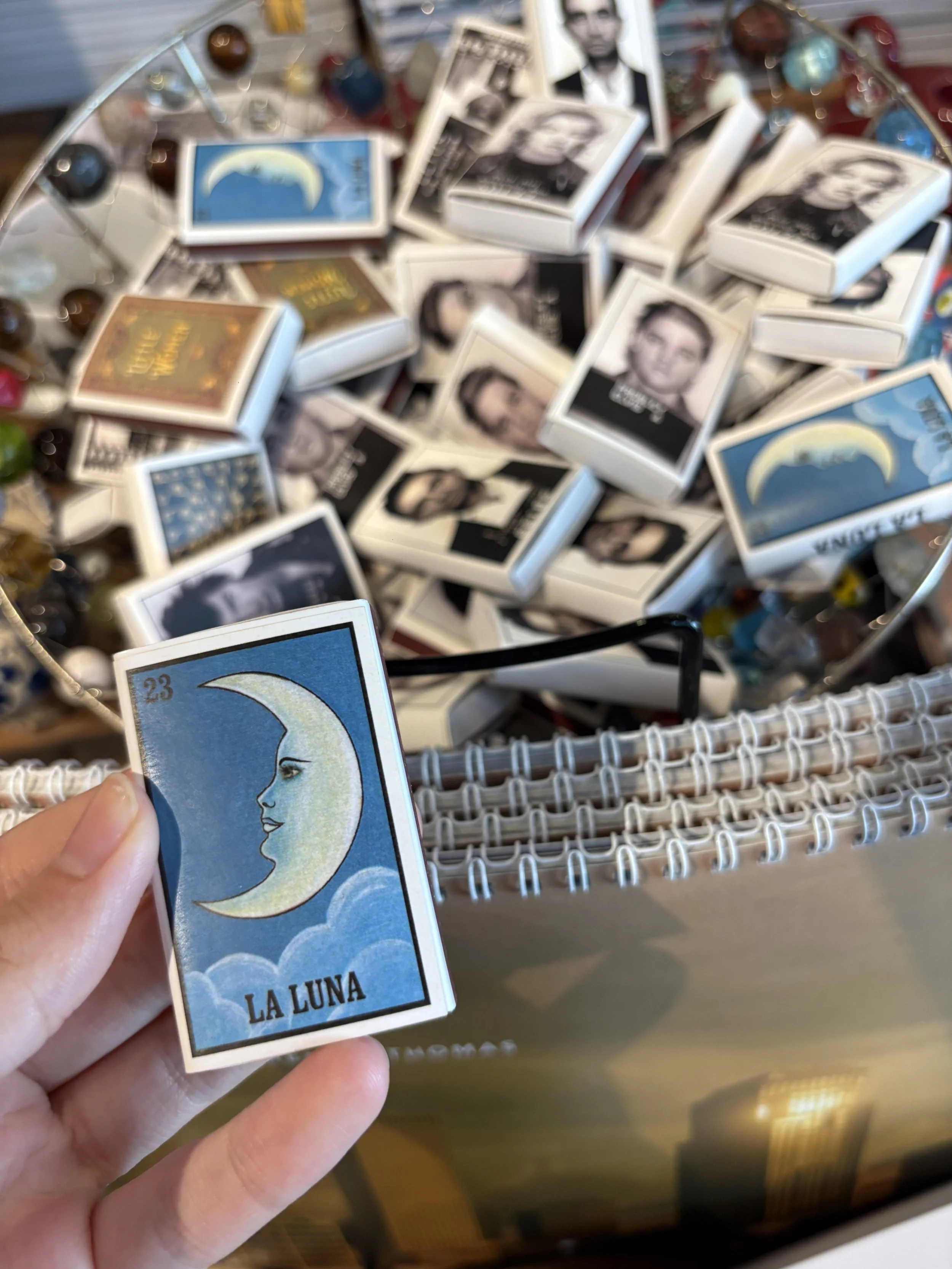
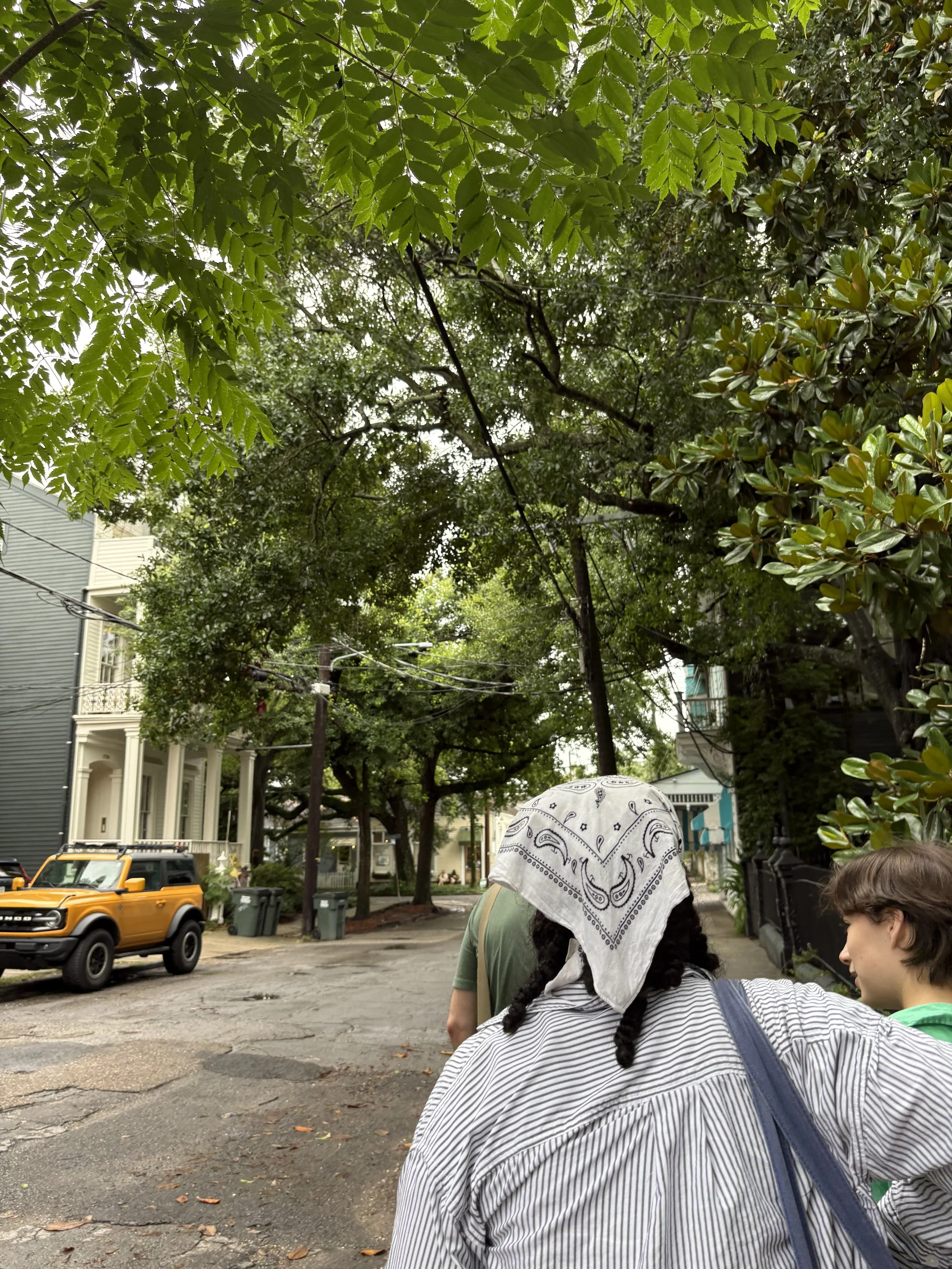
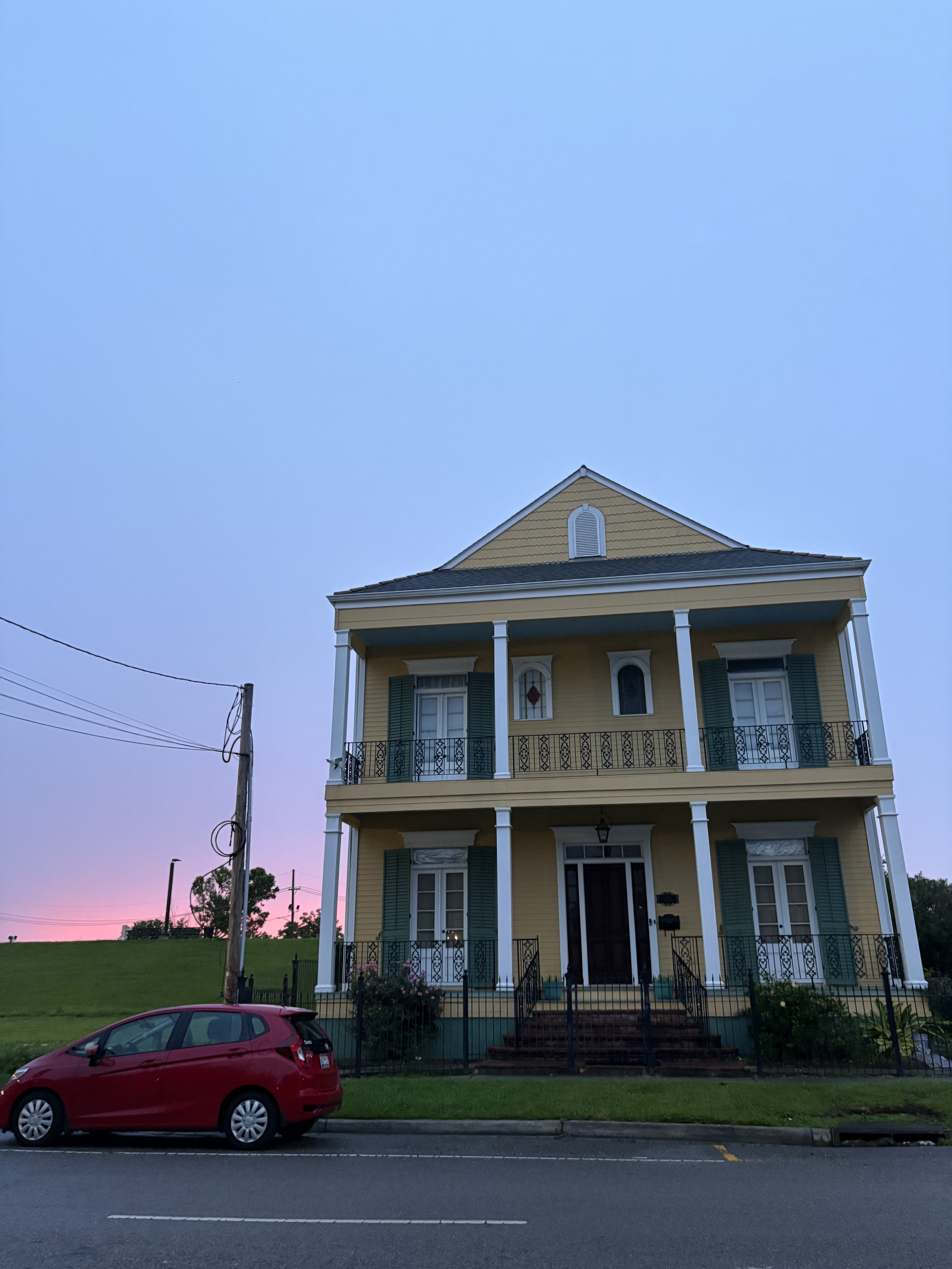
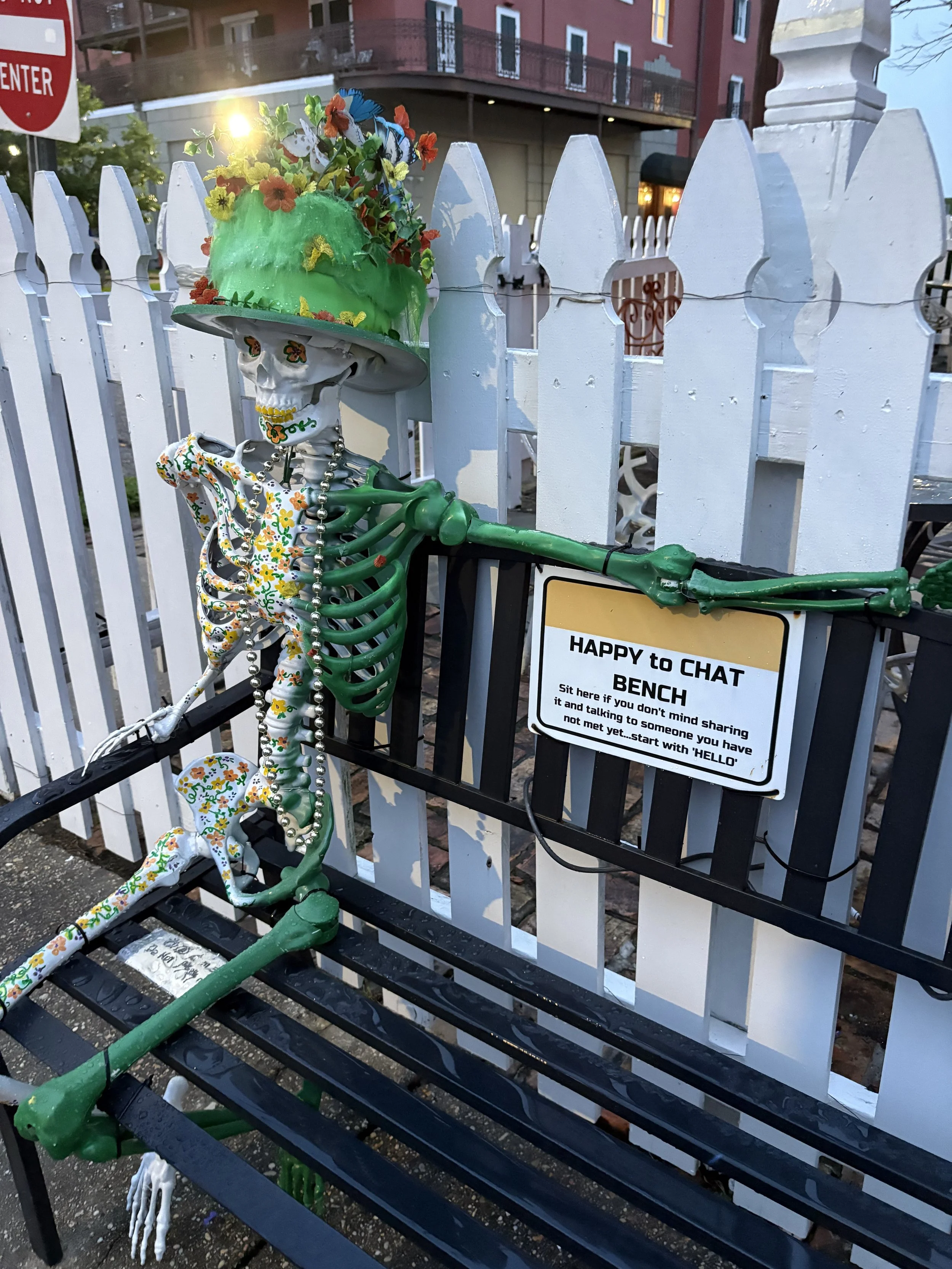
A collection of photos that I hope encapsulates the vibe of this city better than I could explain it in words:
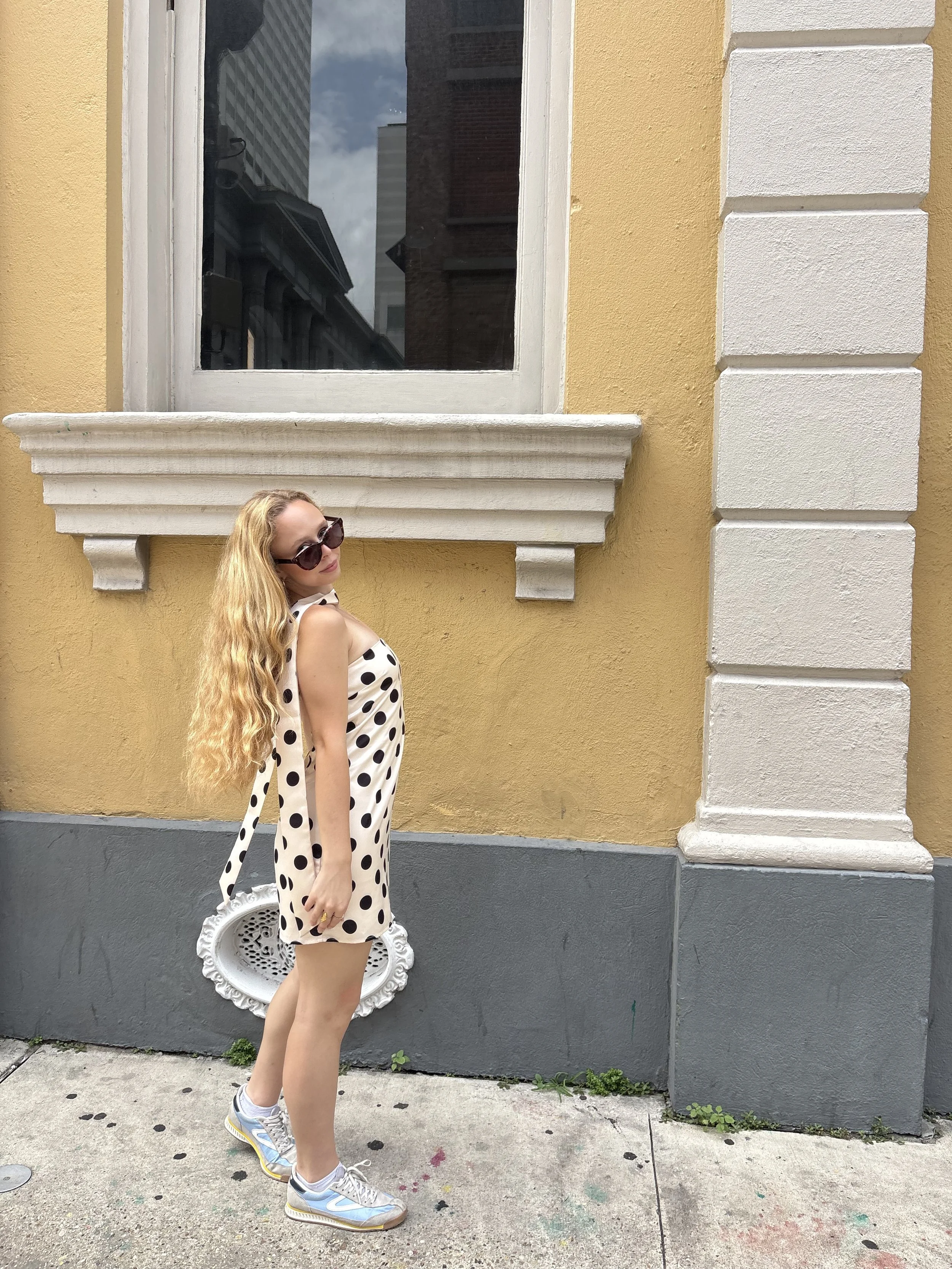
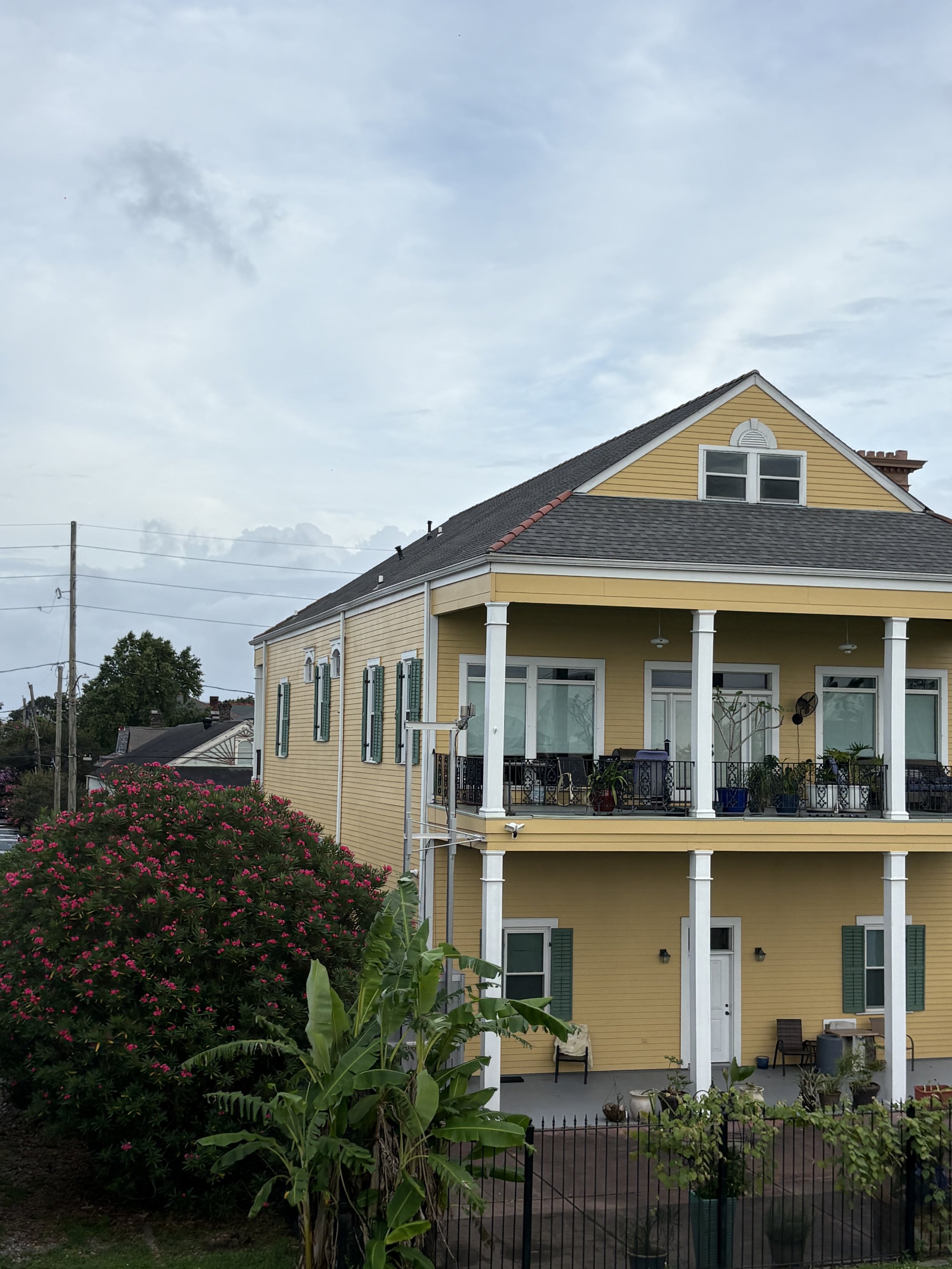
So. Did this trip singlehandedly reignite my passion for writing? Did I find what I was searching for? I don’t know. I don’t think it’s quite a fair ask of one city, to totally change your life in a month. I think I’ve spent the last month so inundated with experiences, history, perspectives, people, food, and novels that it will take some time to fully sort through and reflect upon everything in full. What I will say is that in this city so teeming with life, I felt as though I was able to collect some of that energy for myself. Everyone and everything here is alive. That’s the best way of describing New Orleans. Alive. Through this experience, through seeing and doing and learning and thinking and laughing and crying and talking and eating and drinking and sweating in the heat and running in the rain,

I’ve been able to feel.

I’ve been able to connect with the piece of myself from which my creativity and my humanity stem. I’ve been able to remind myself that the world moves on even when it feels like it’s ending. I’ve been able to watch the sun set over the Mississippi River, marveling in the beauty of my surroundings, at how so many paths for so many people could have led them right here.

Anyways, there is much more I could say on this topic, but I fear it devolving into a sappy and nonsensical ramble which is not the point here. TLDR: New Orleans was really cool and I’m thankful for this experience. Let’s just leave it at that.

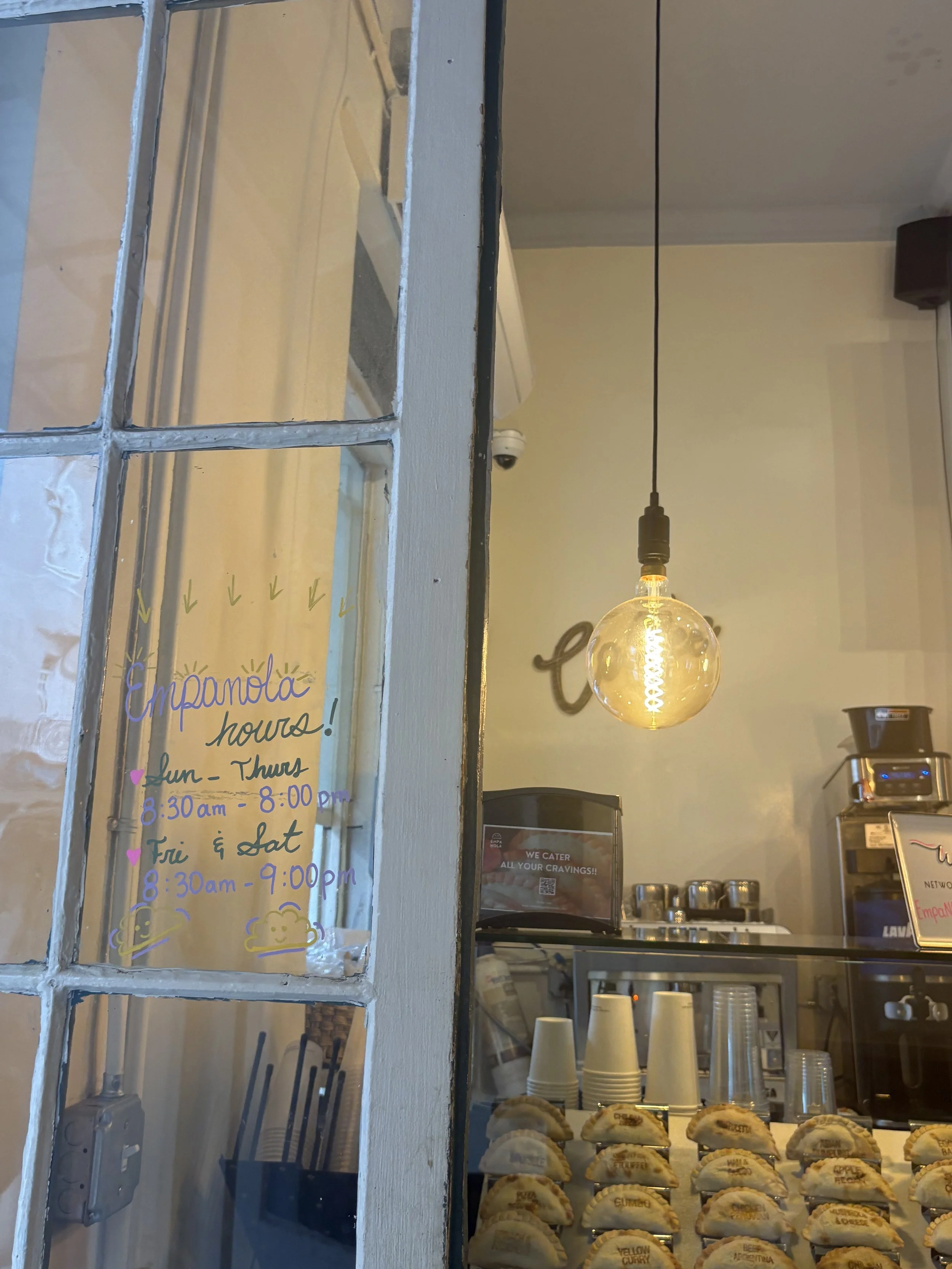
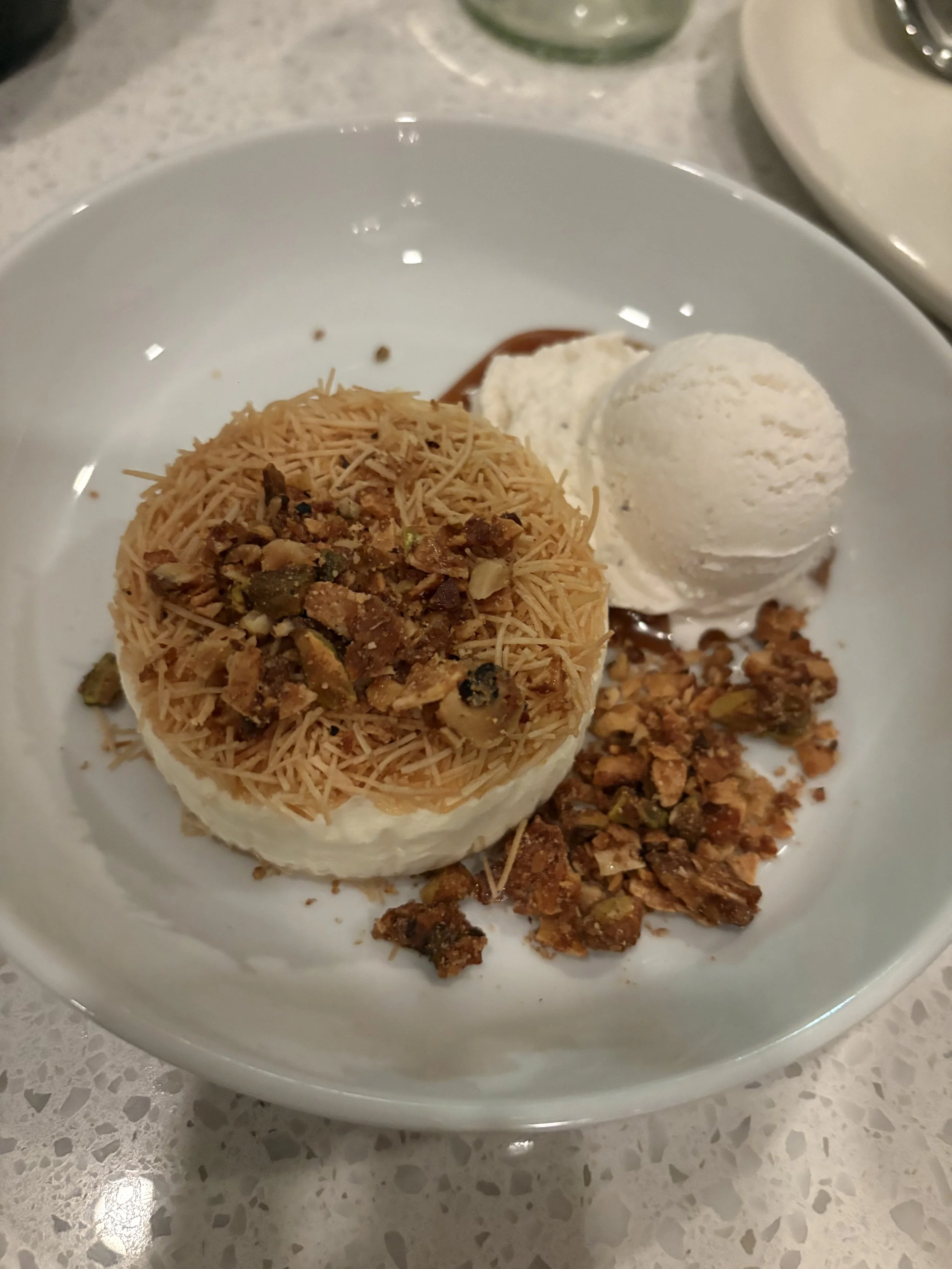
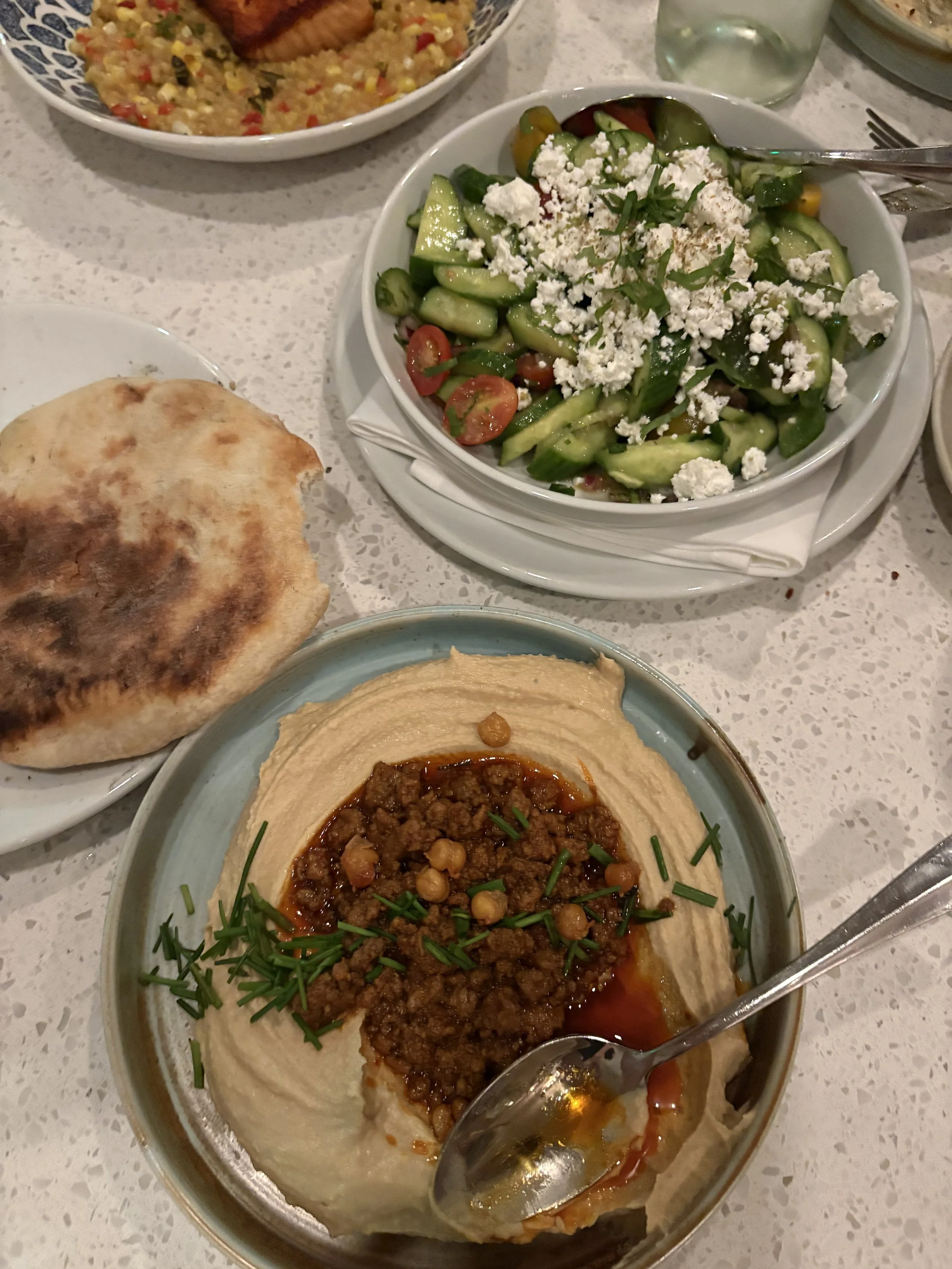
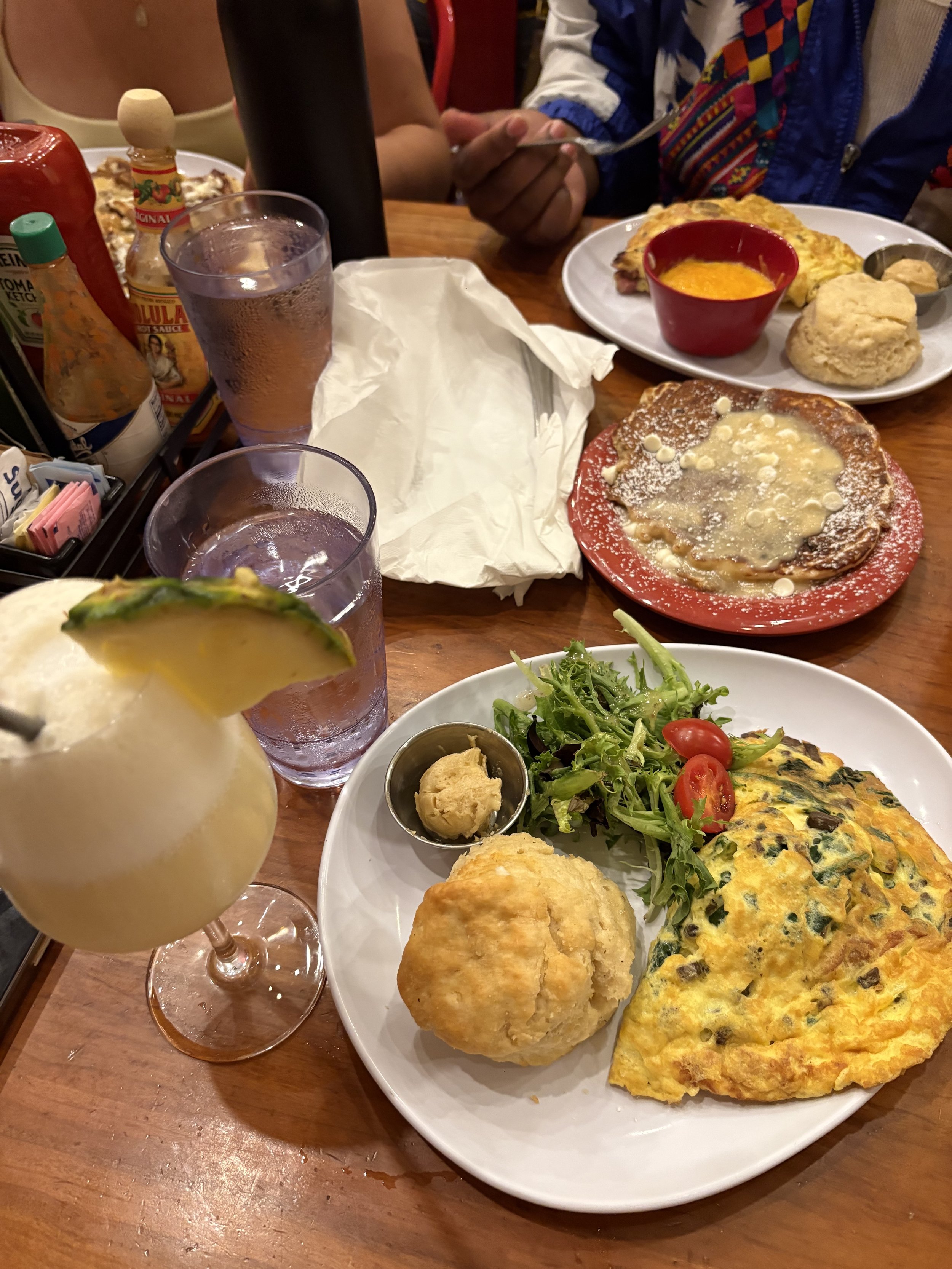
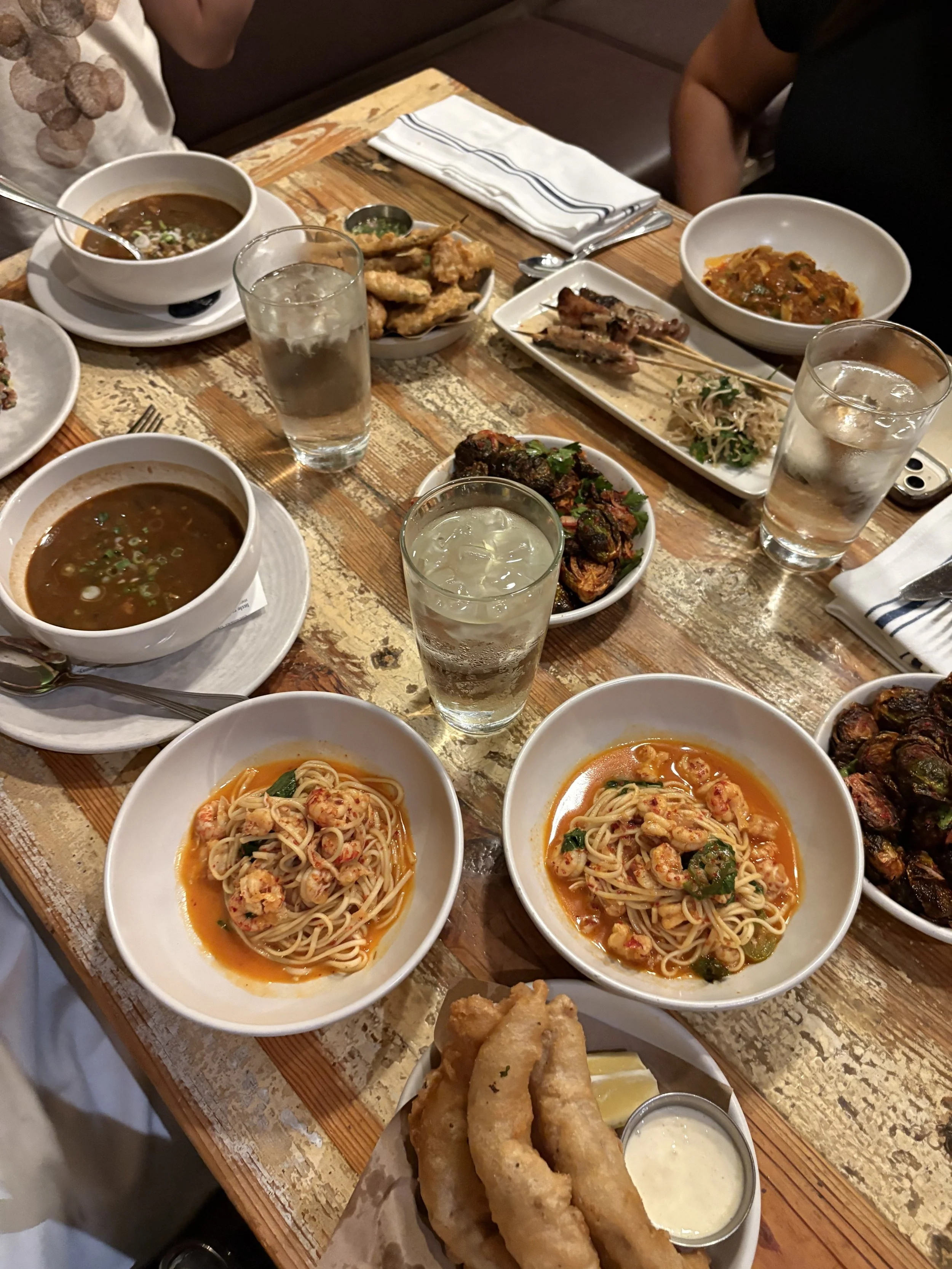
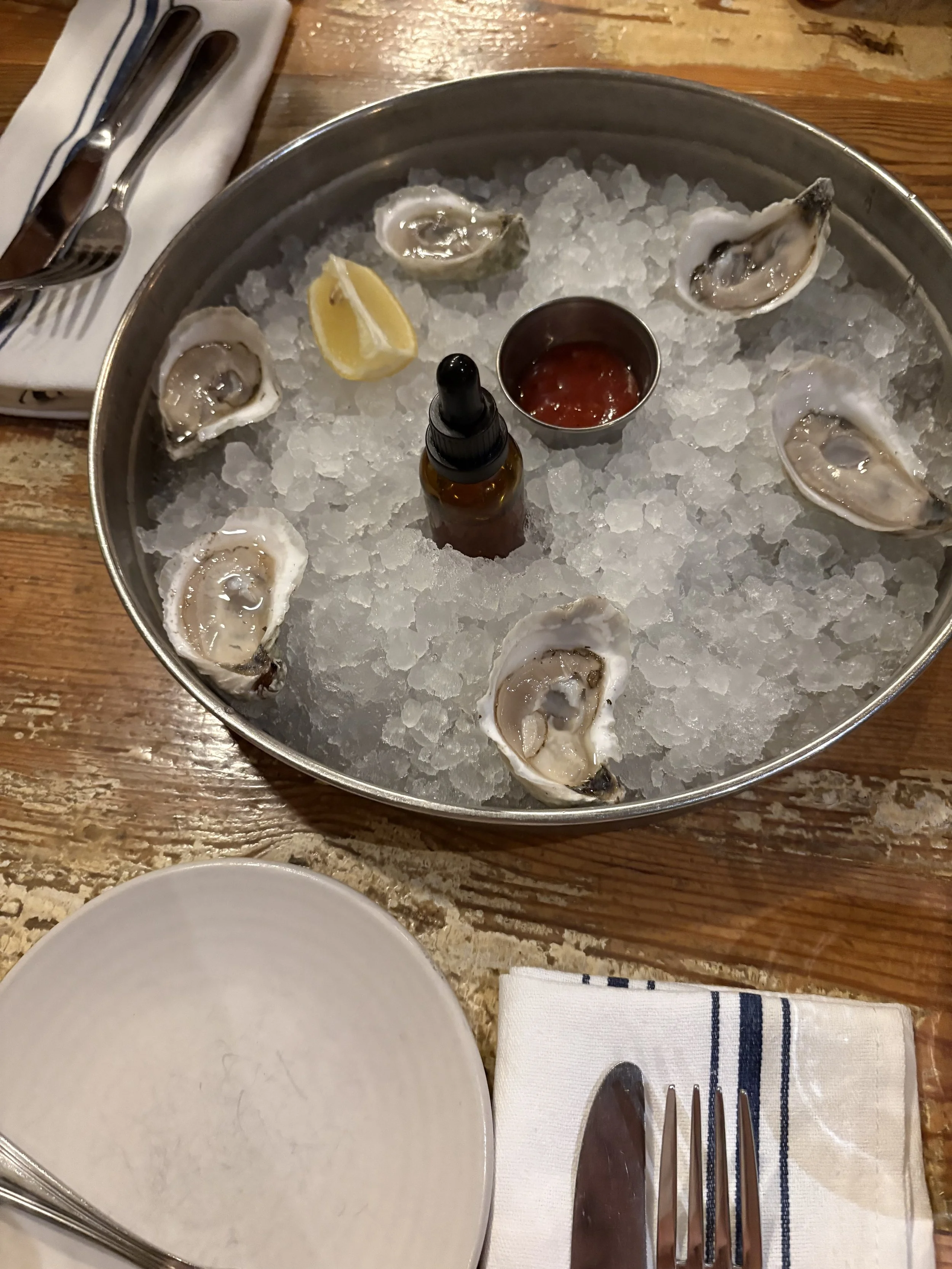
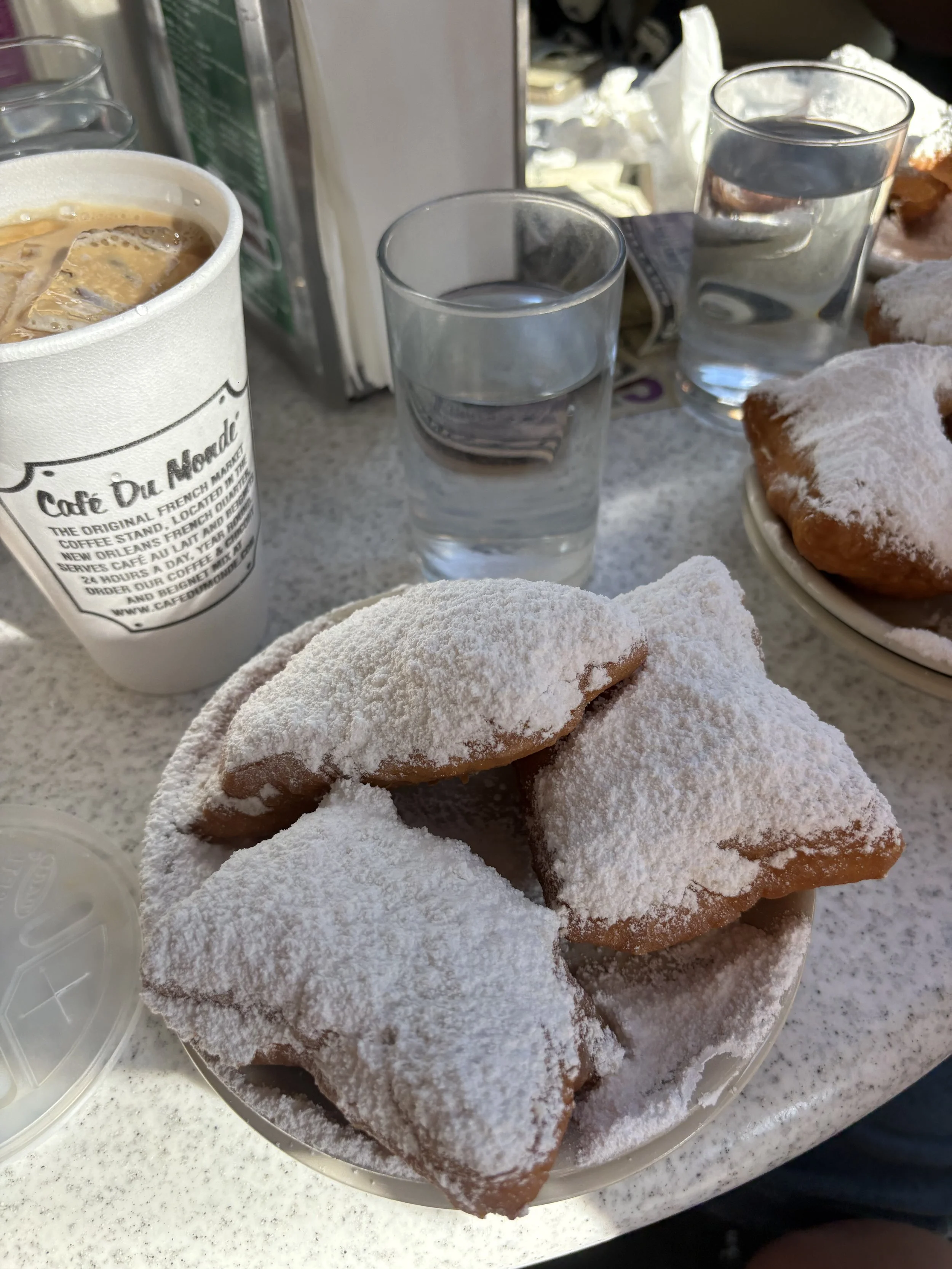
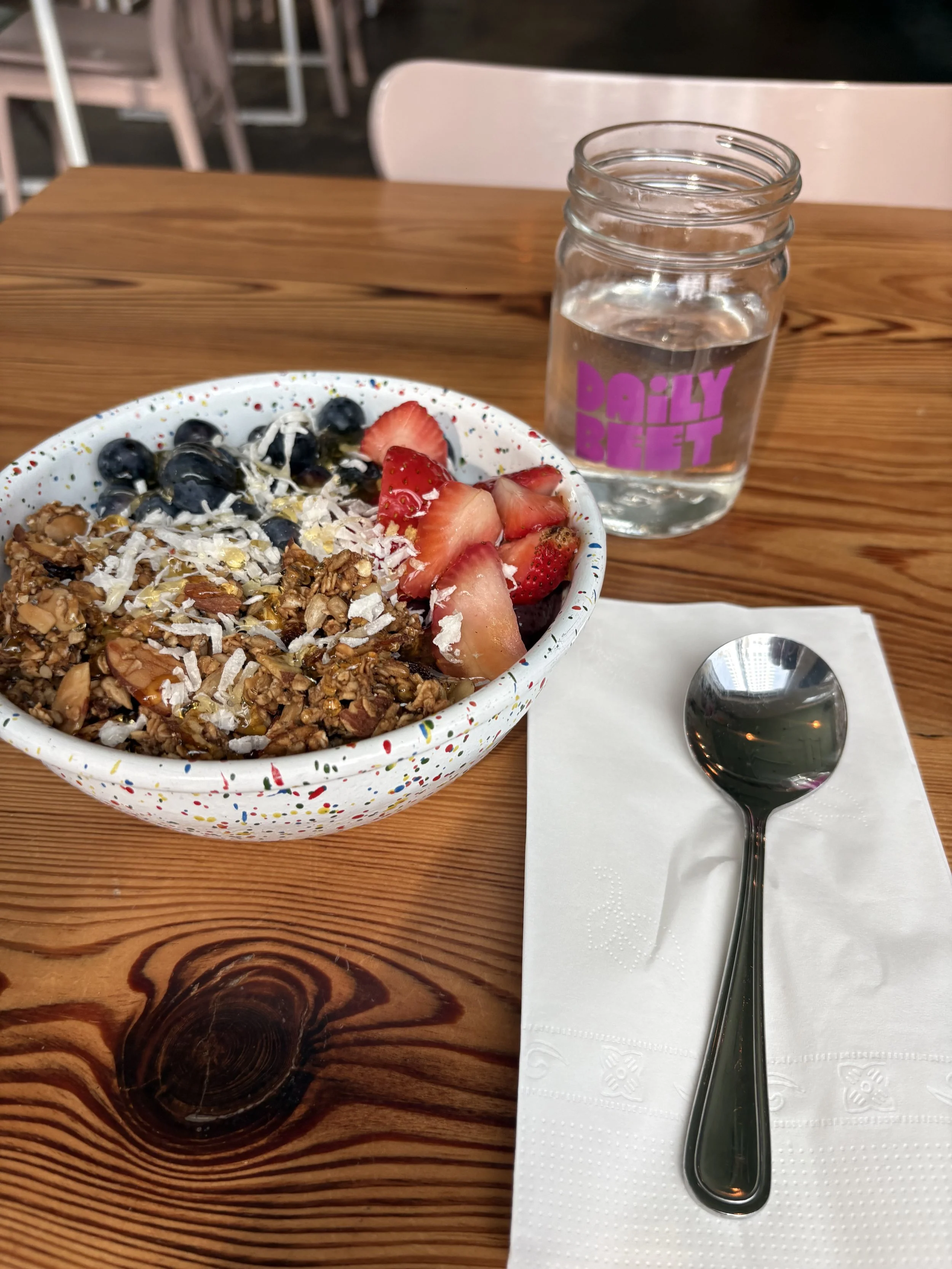
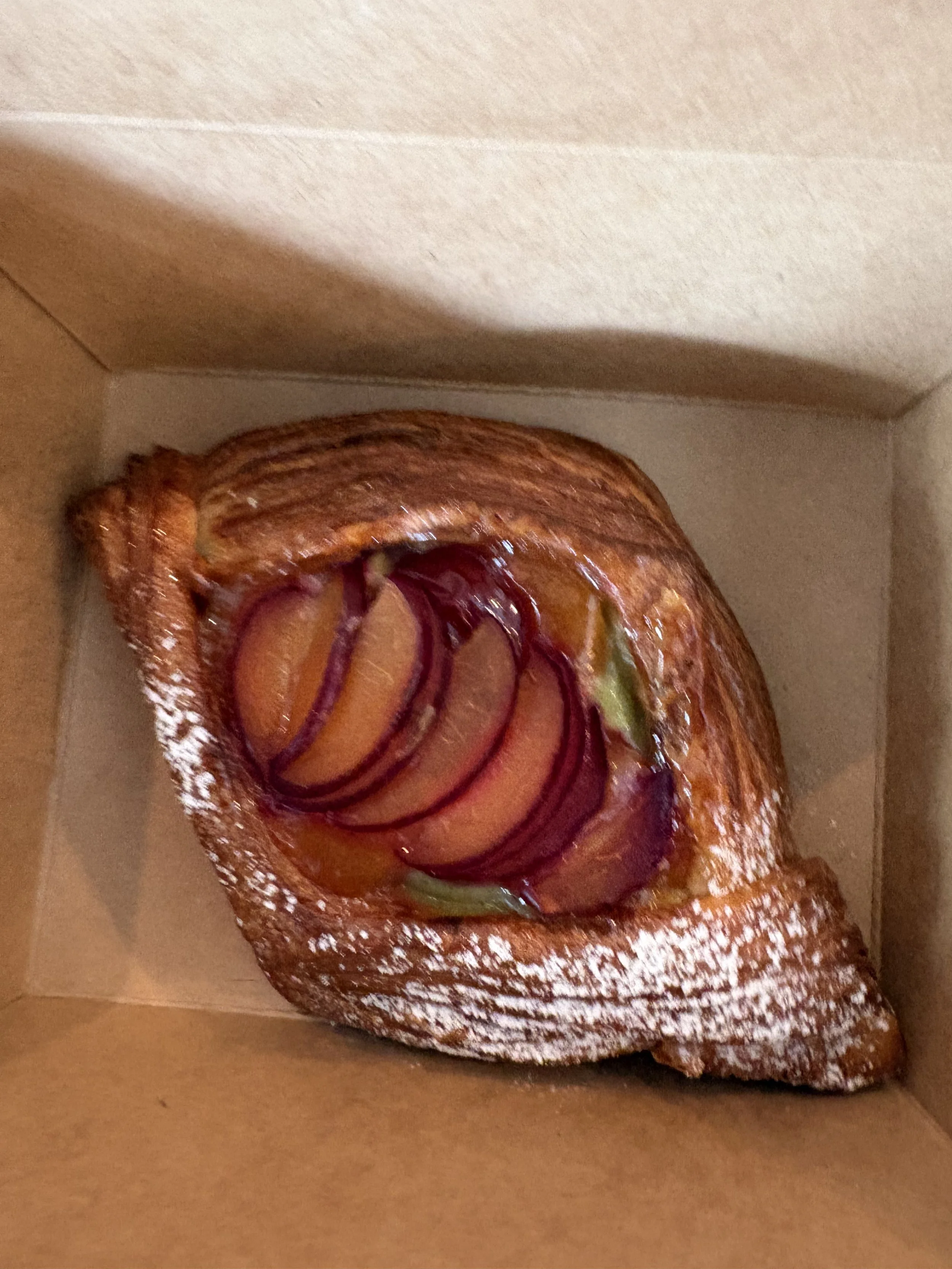
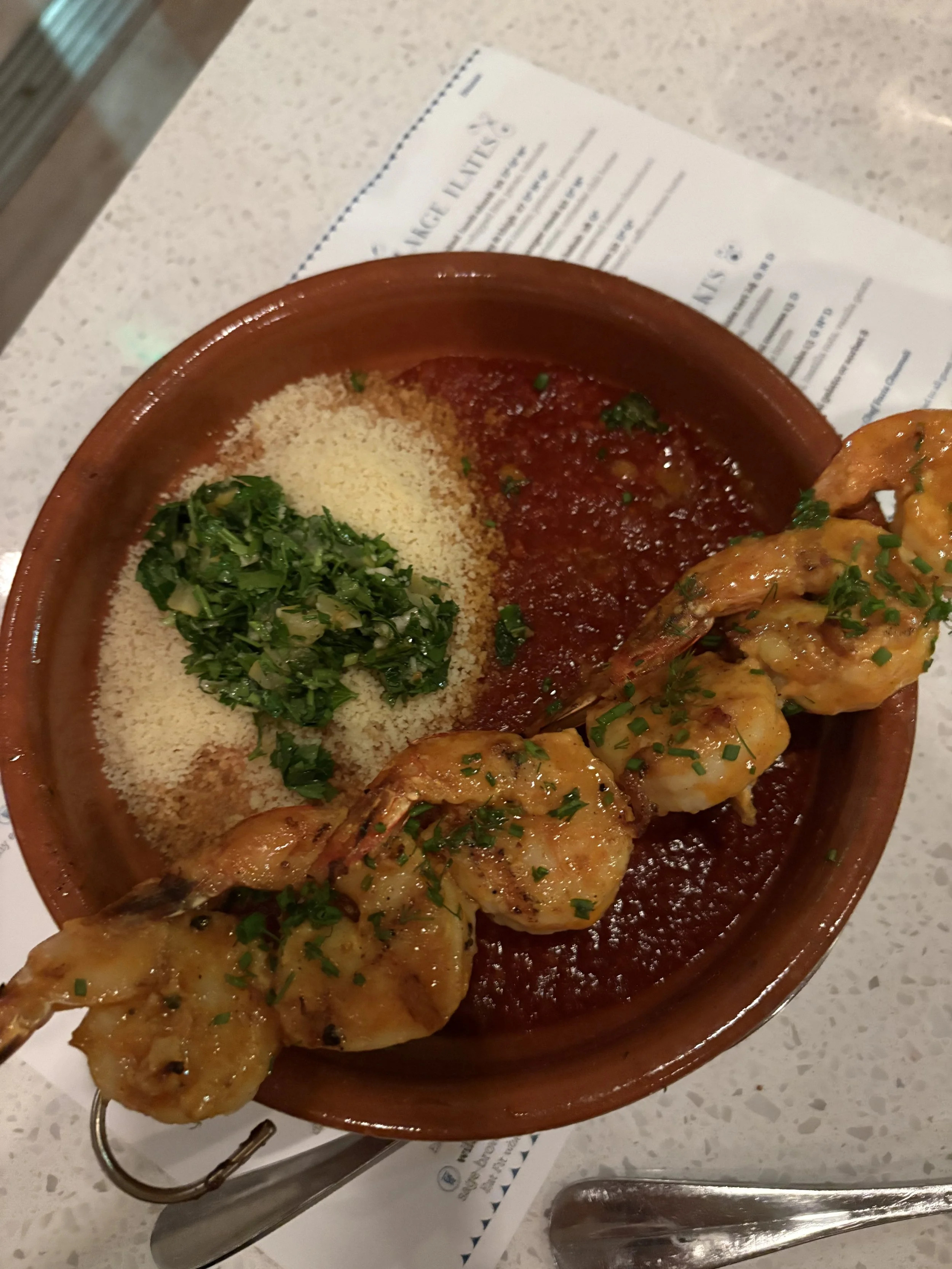
FOOD

!

FOOD !
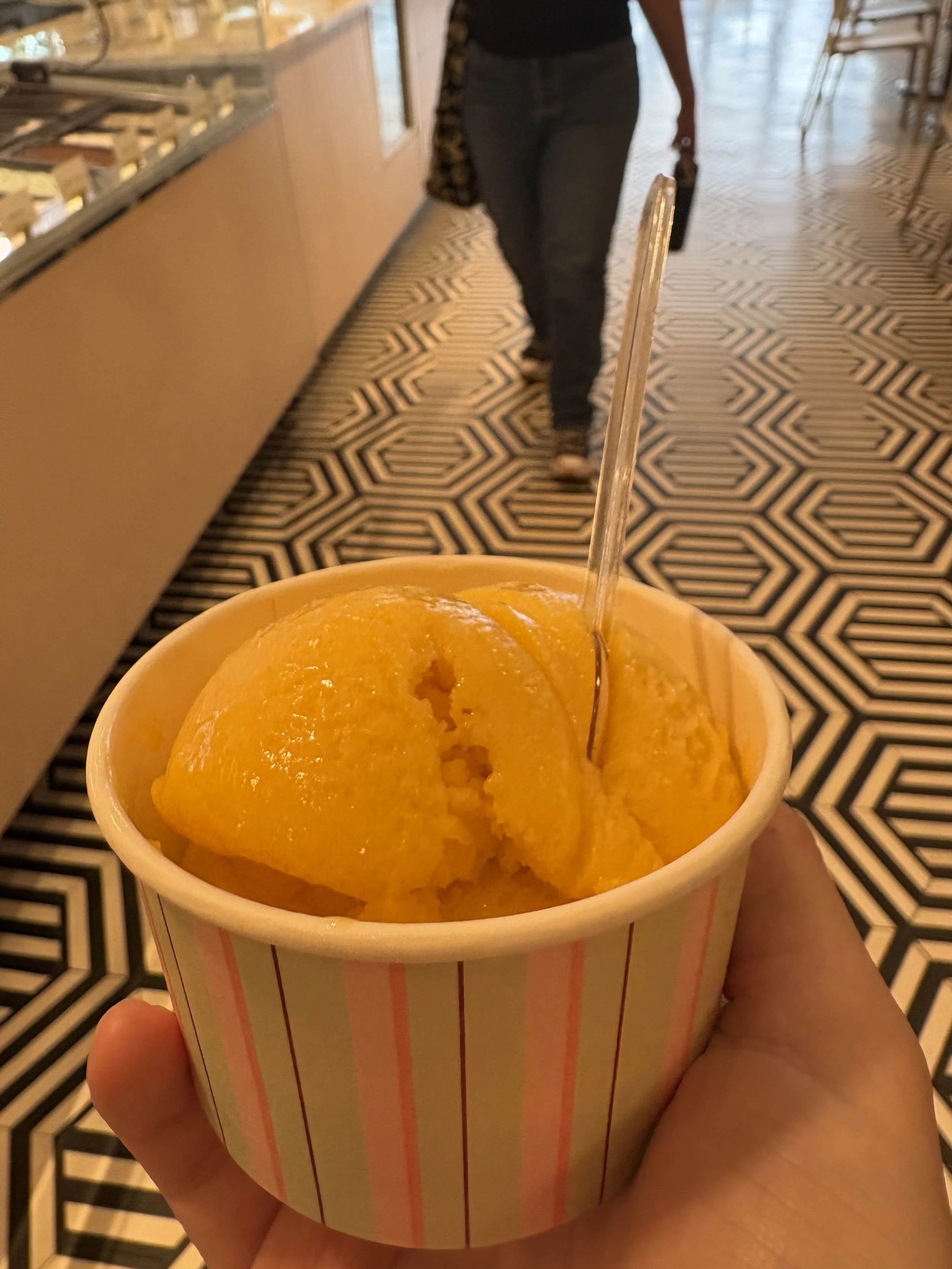
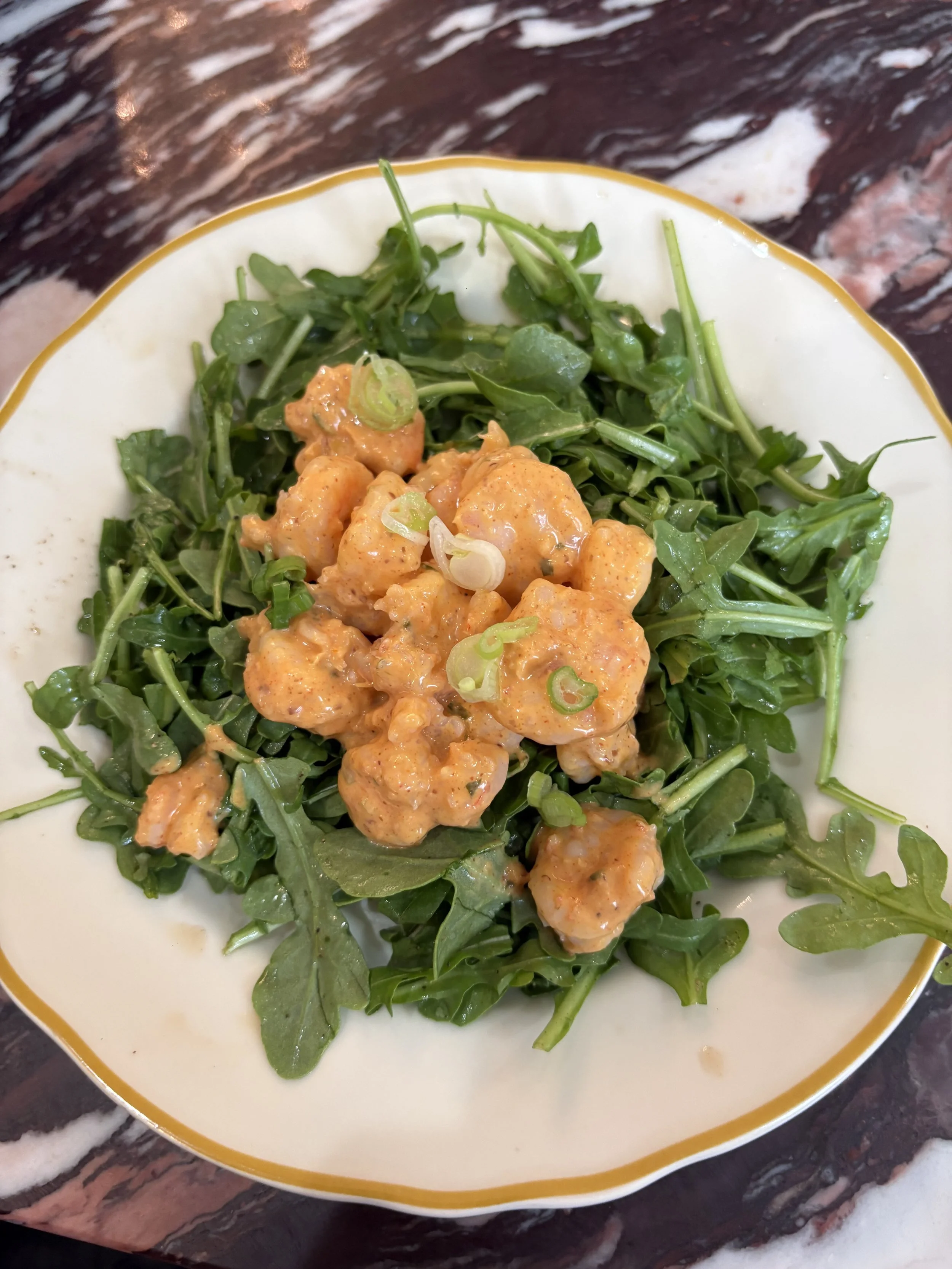
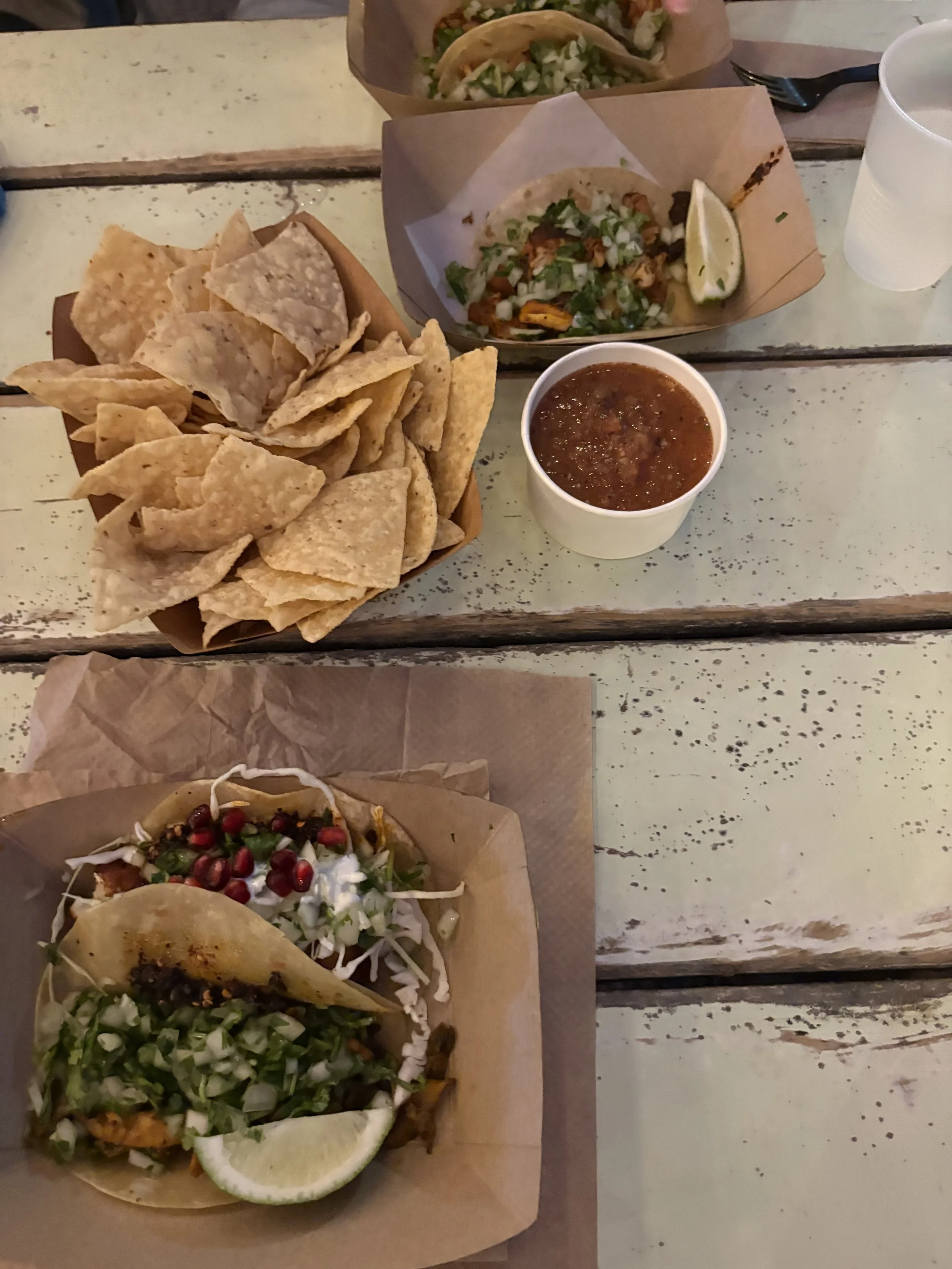
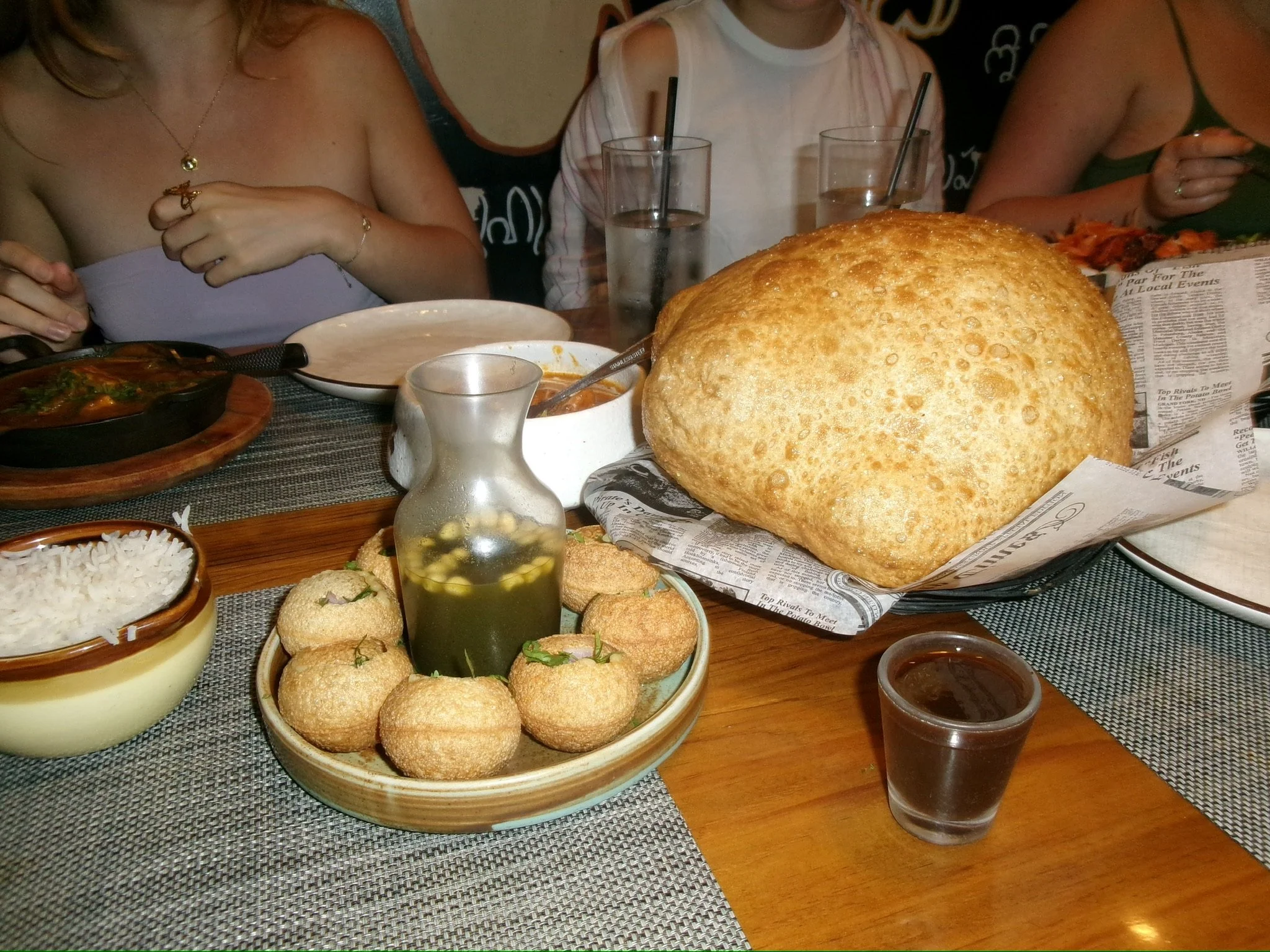
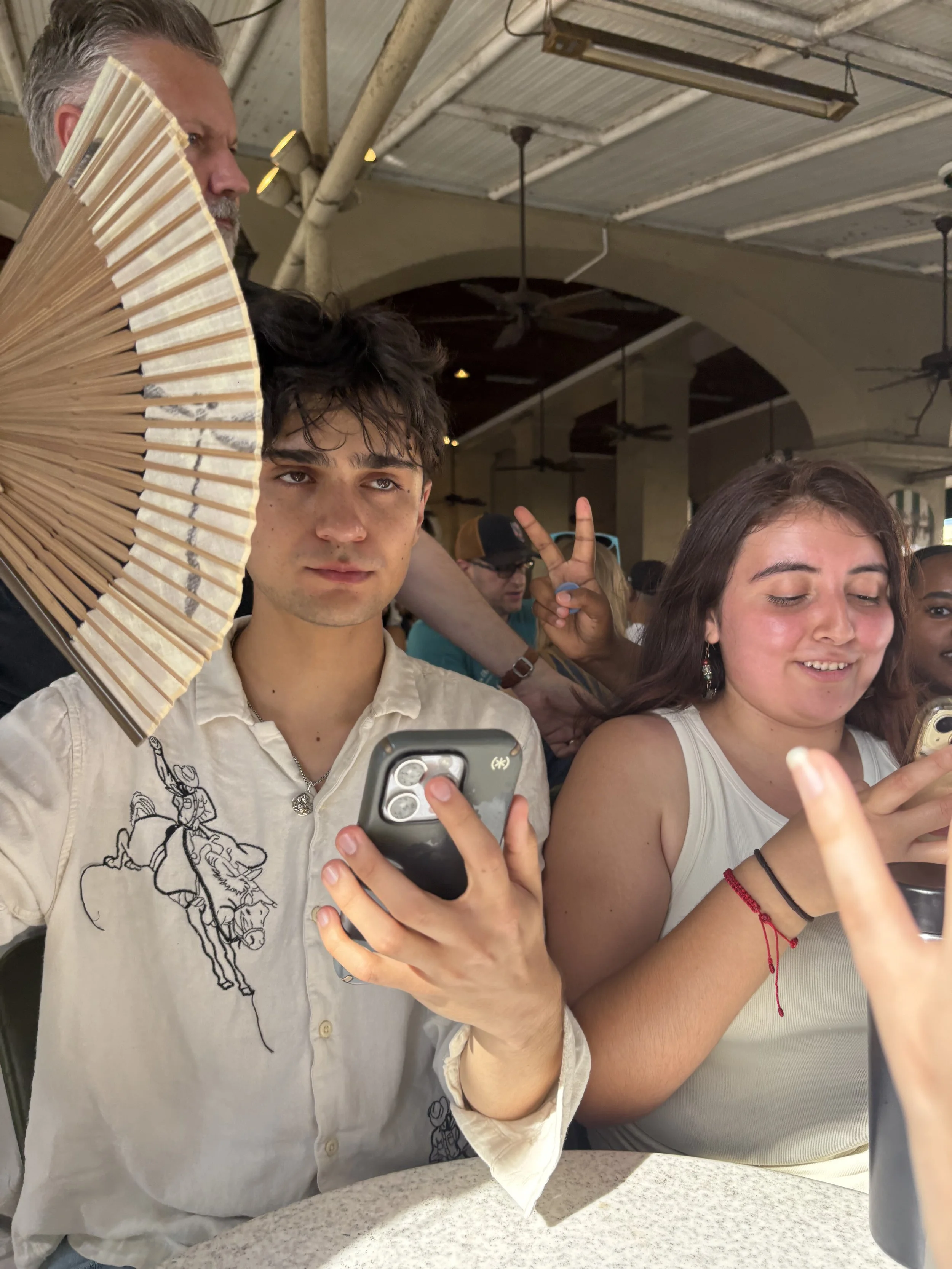
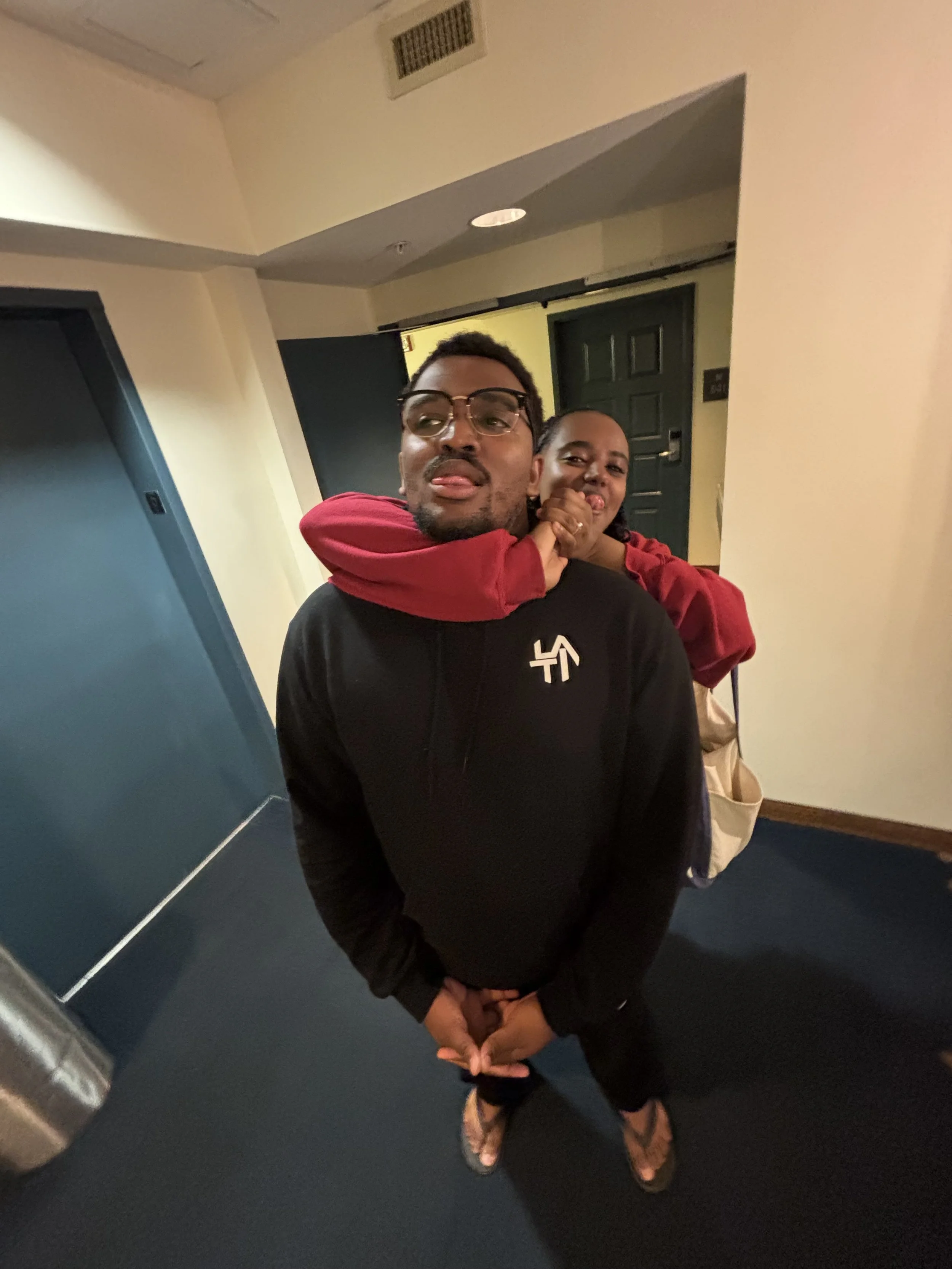
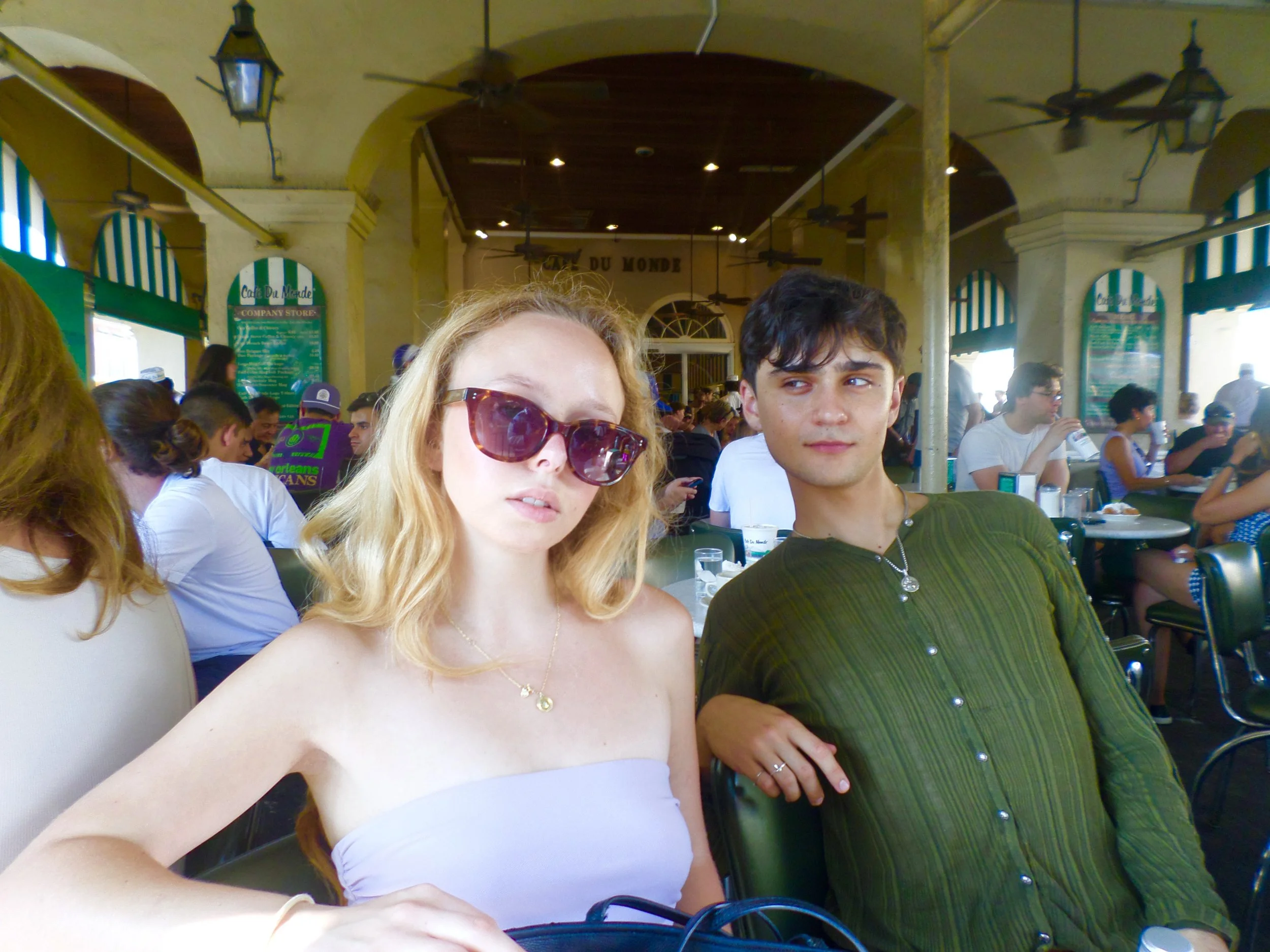
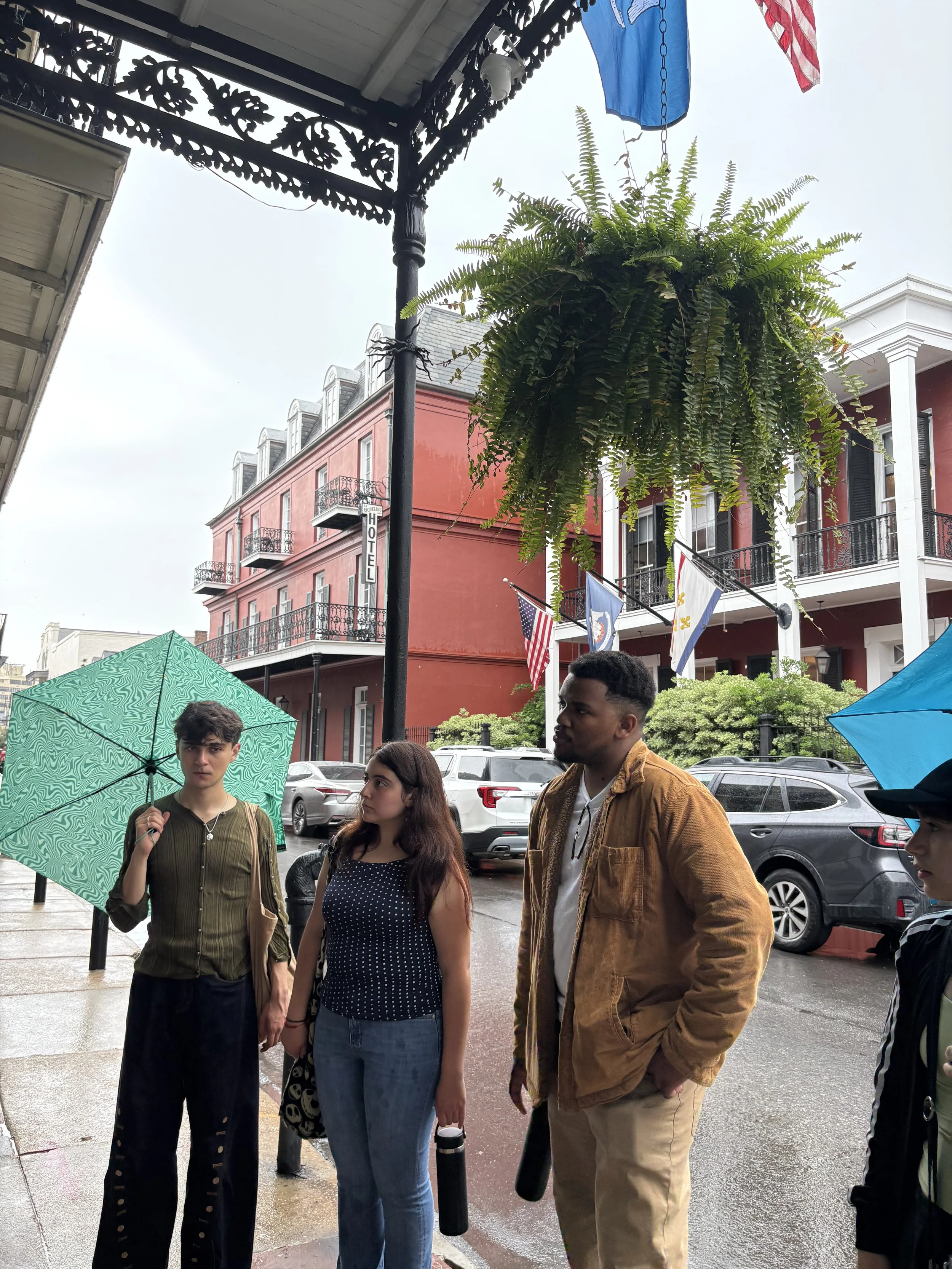
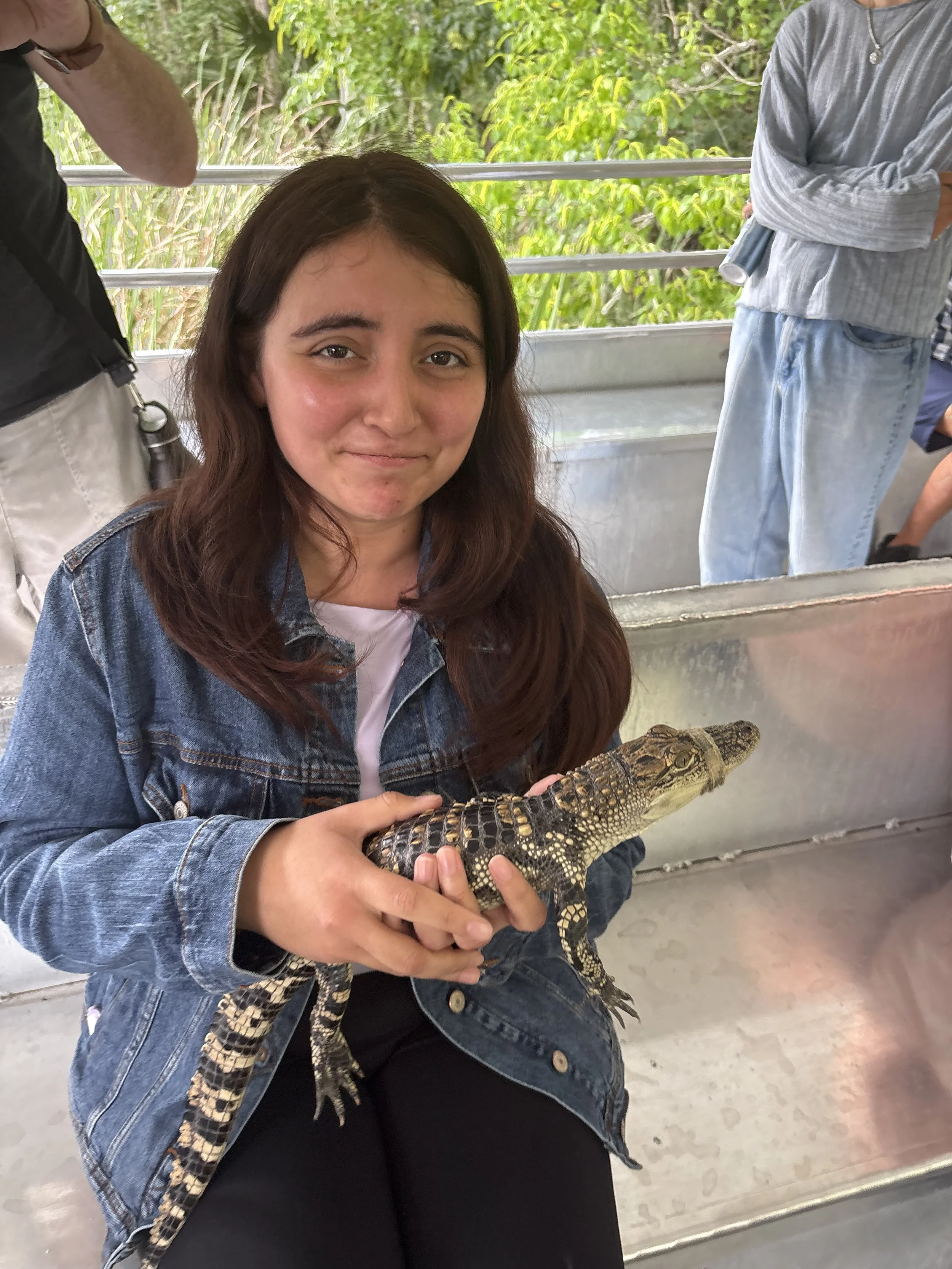
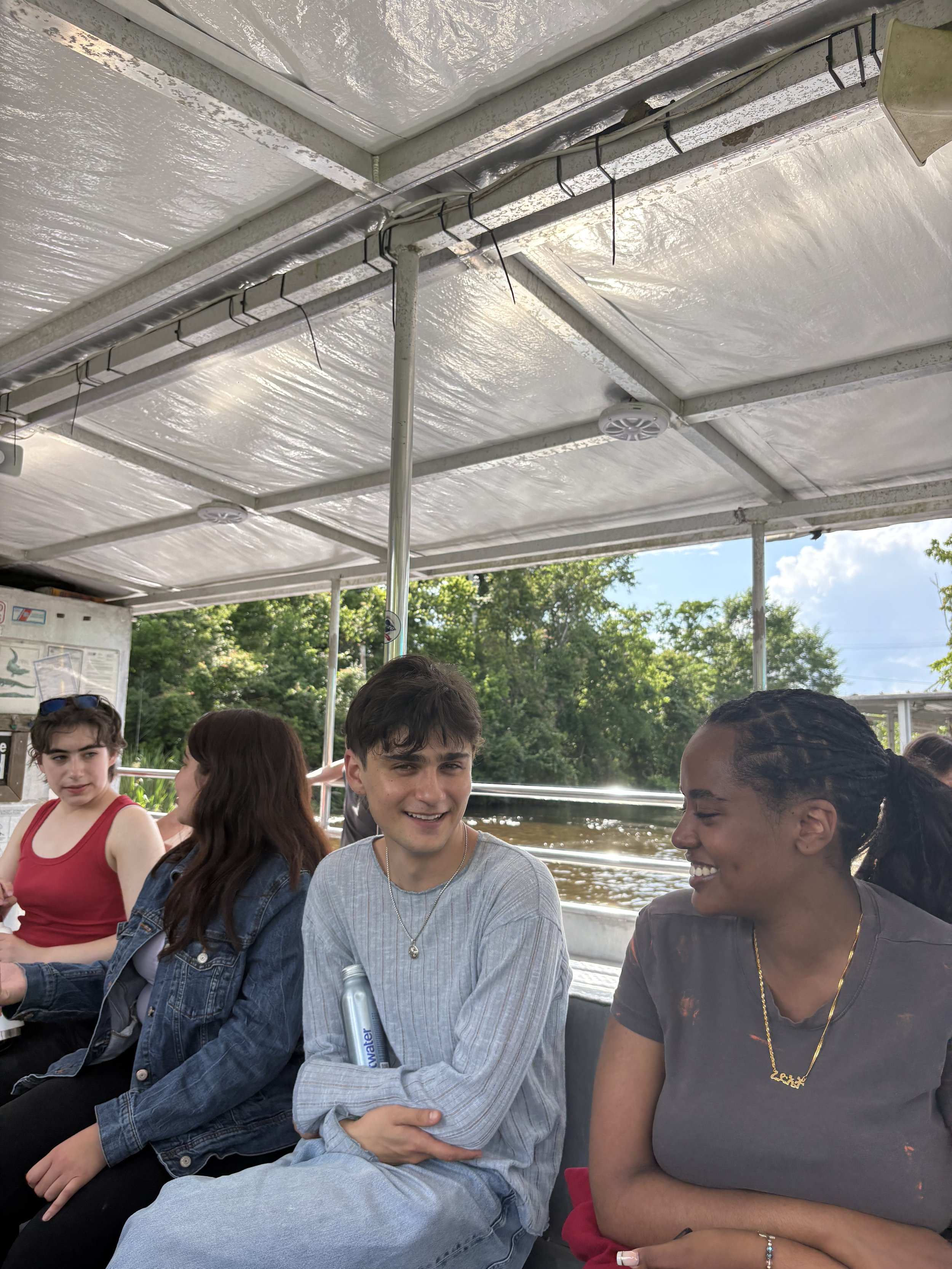
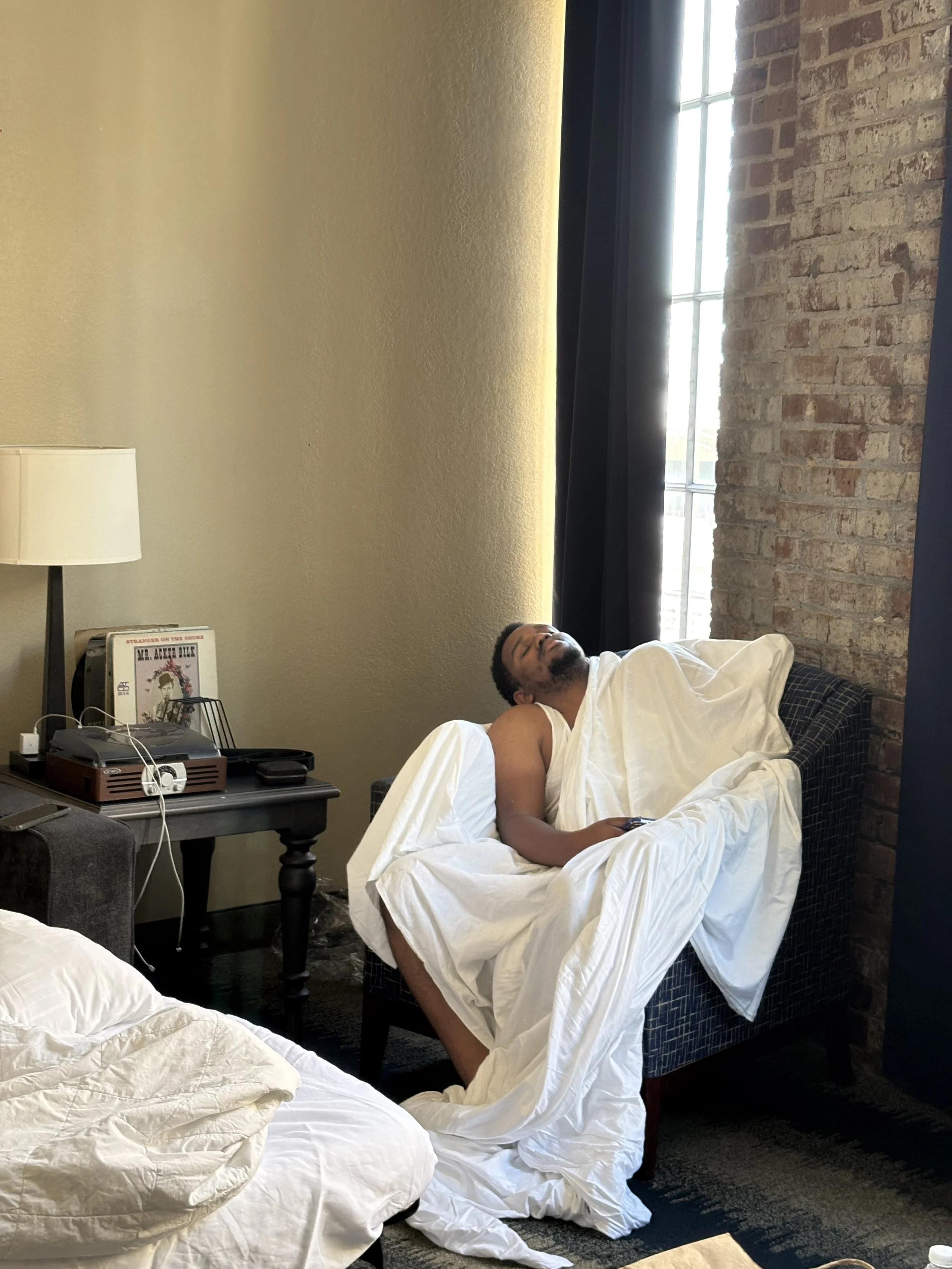
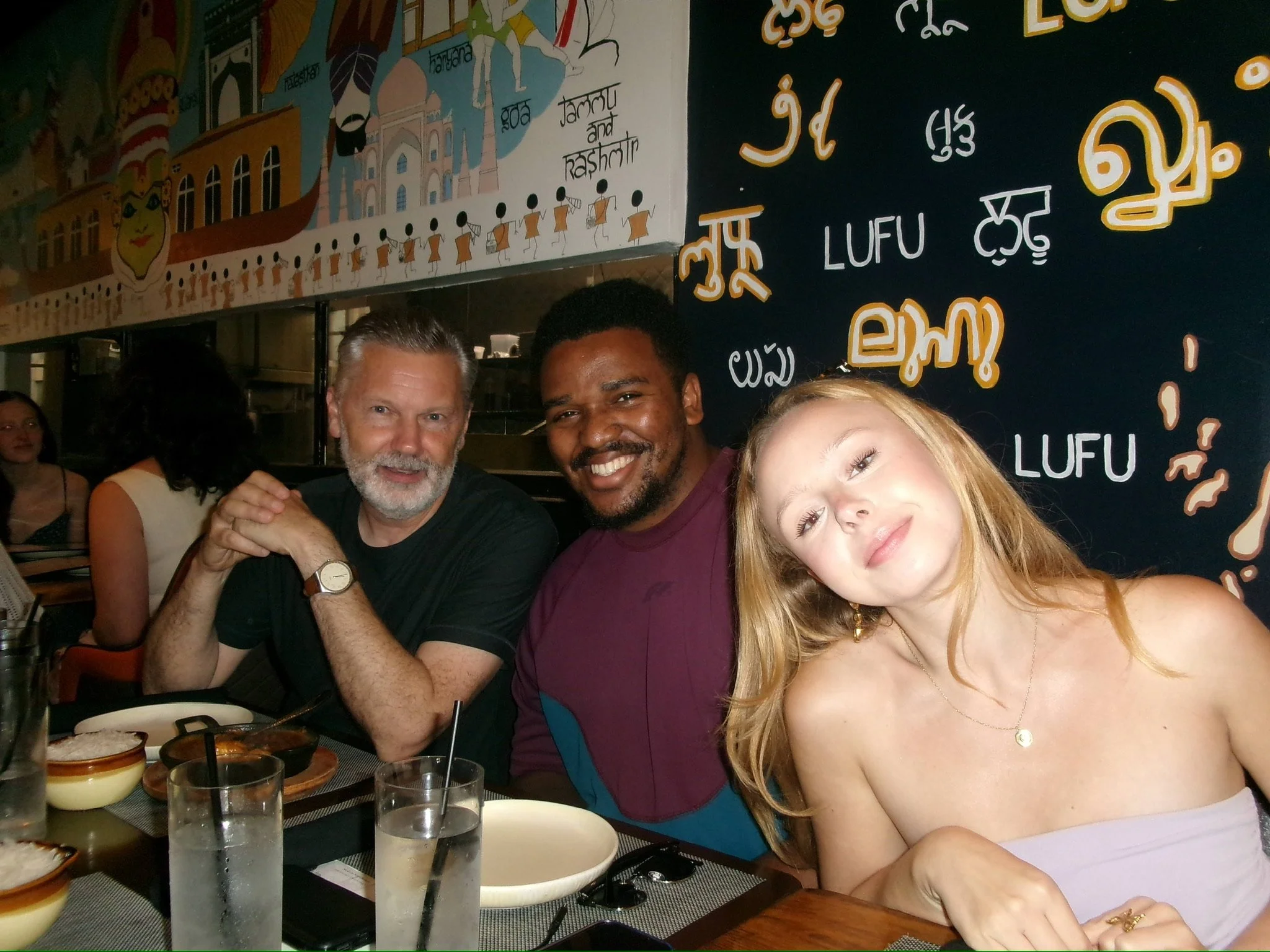
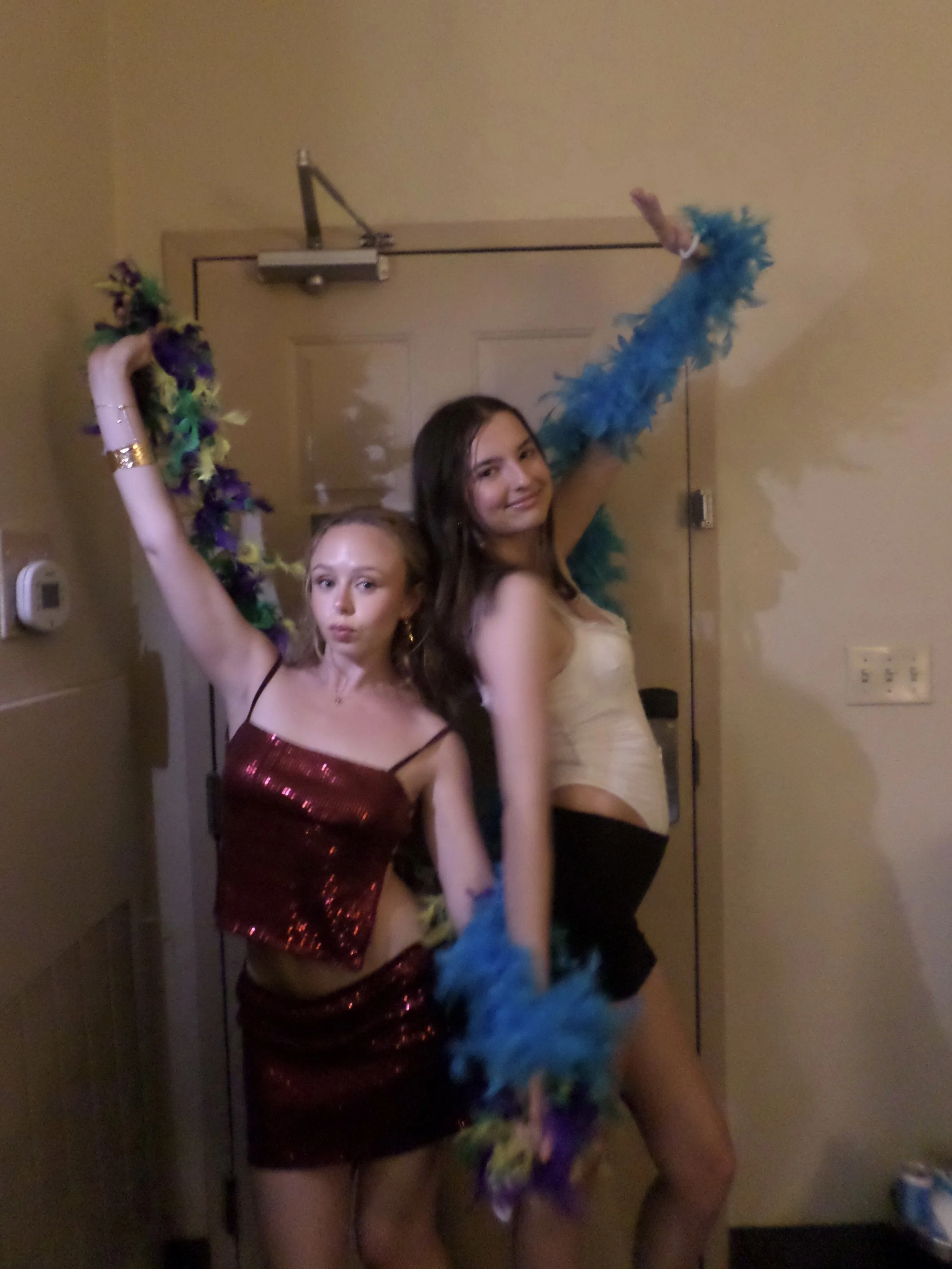
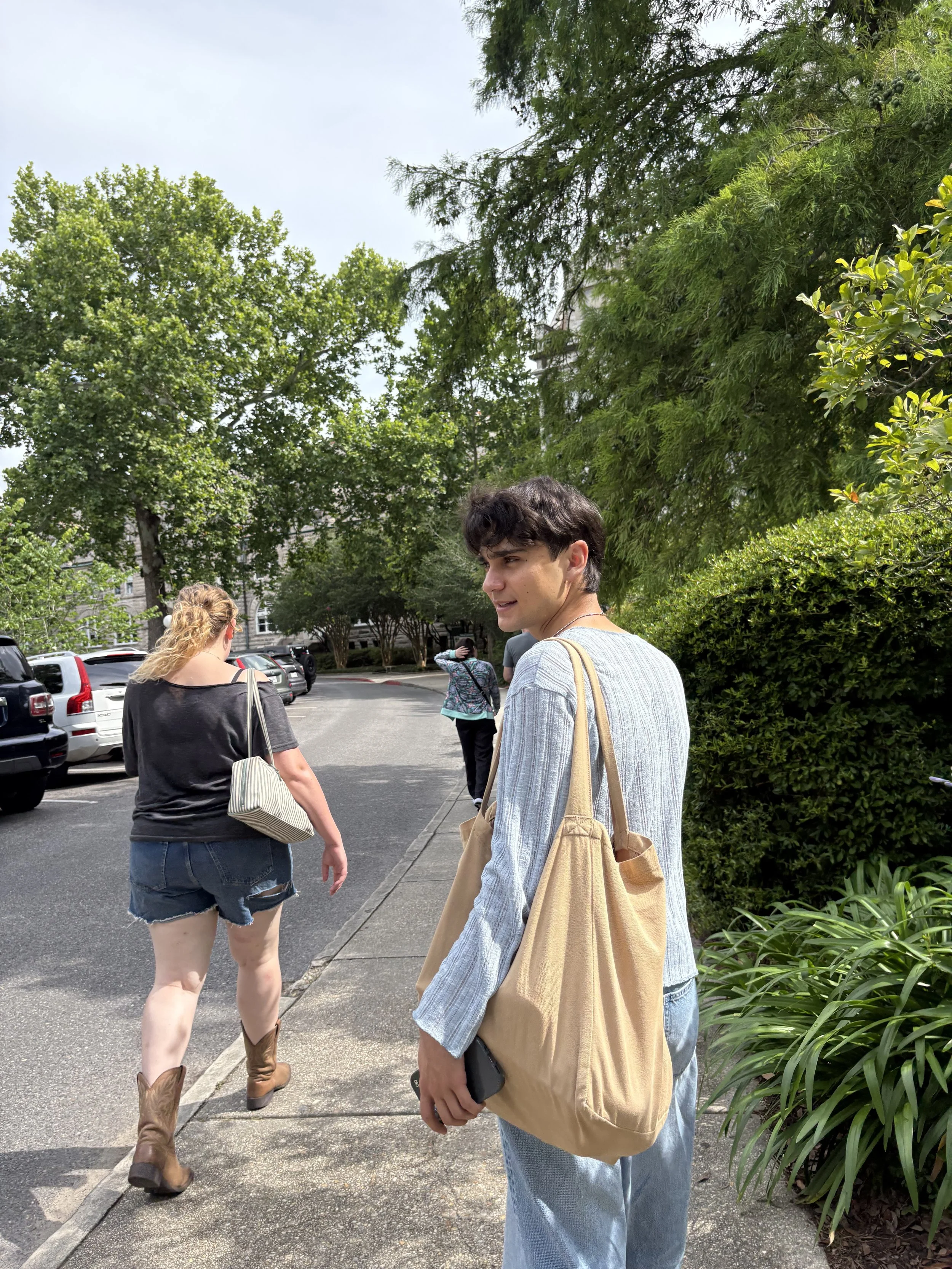
This experience wouldn’t have been what it was without all the people that made it so fun. Missing you guys already, enjoy these photos (though you might like some more than others tehe)
Music, Memory, and Mortality

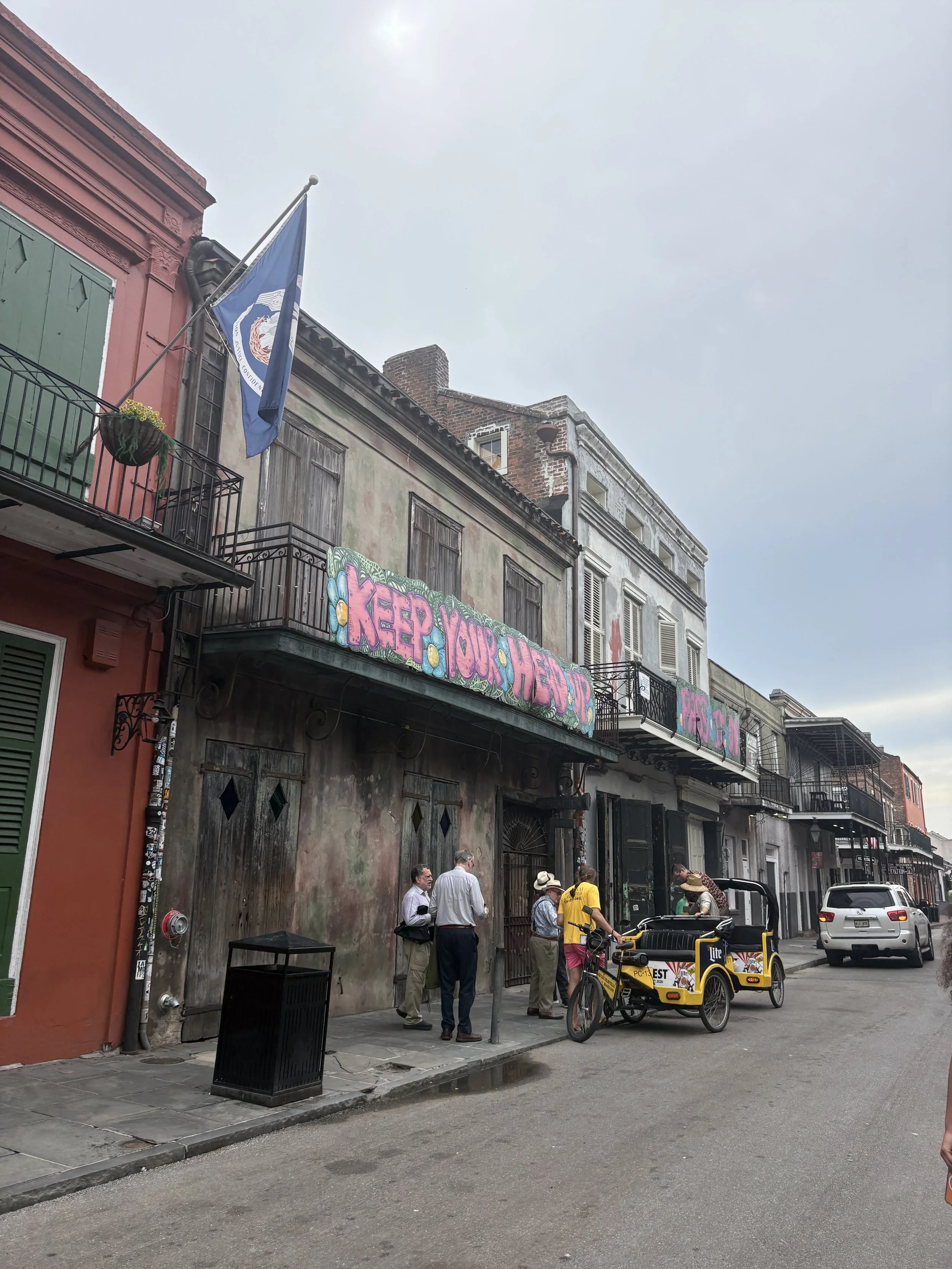
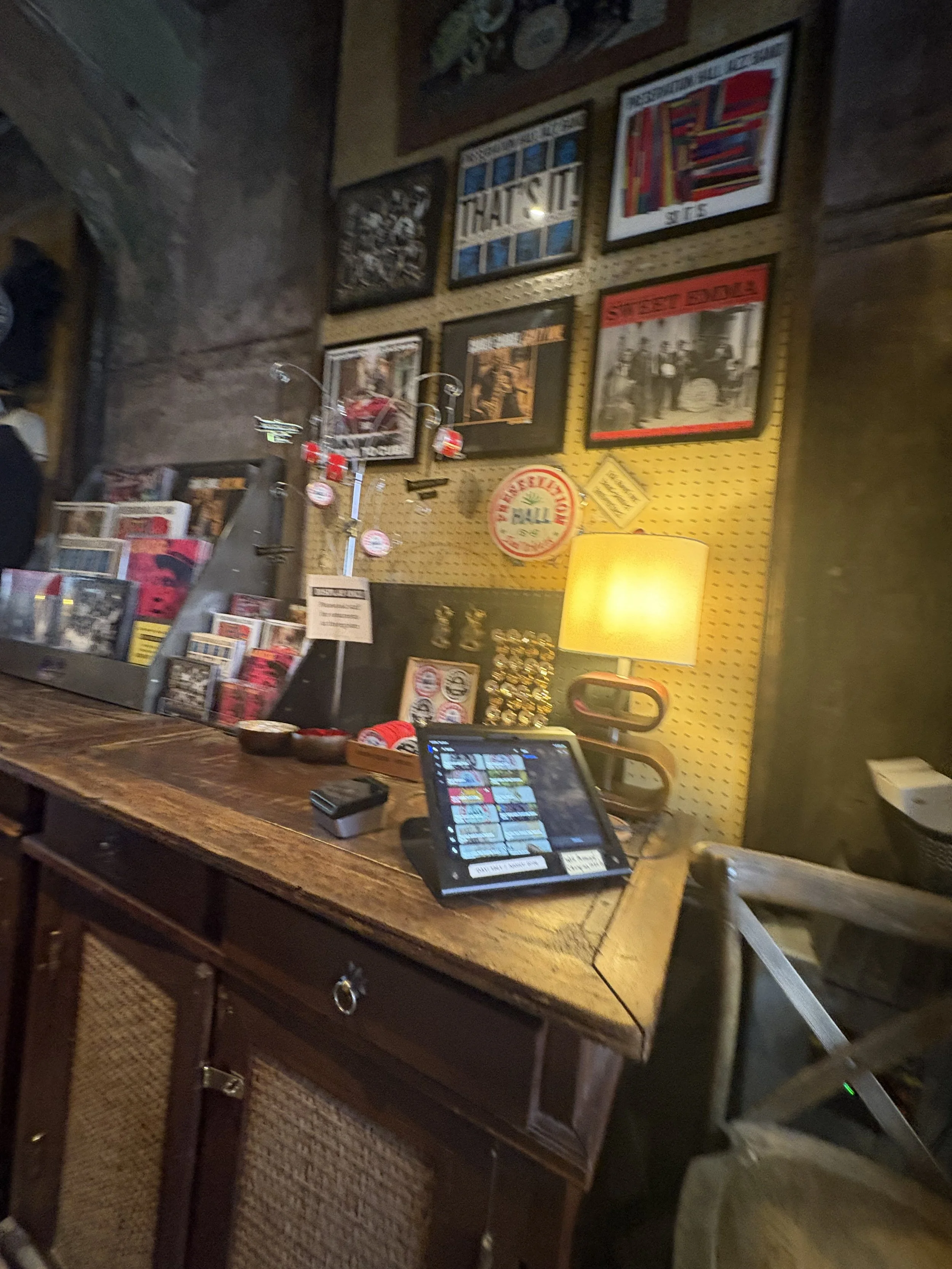
I’m not sure what I expected from Preservation Hall. I suppose I thought that one of jazz music’s most iconic venues would be a bit… grander. But there it was, tucked into the French quarter across from a bar with hand-drawn signs advertising $4 tequila shots. The building was an unassuming dove grey, only revealing its history through age spots and faded graffiti.

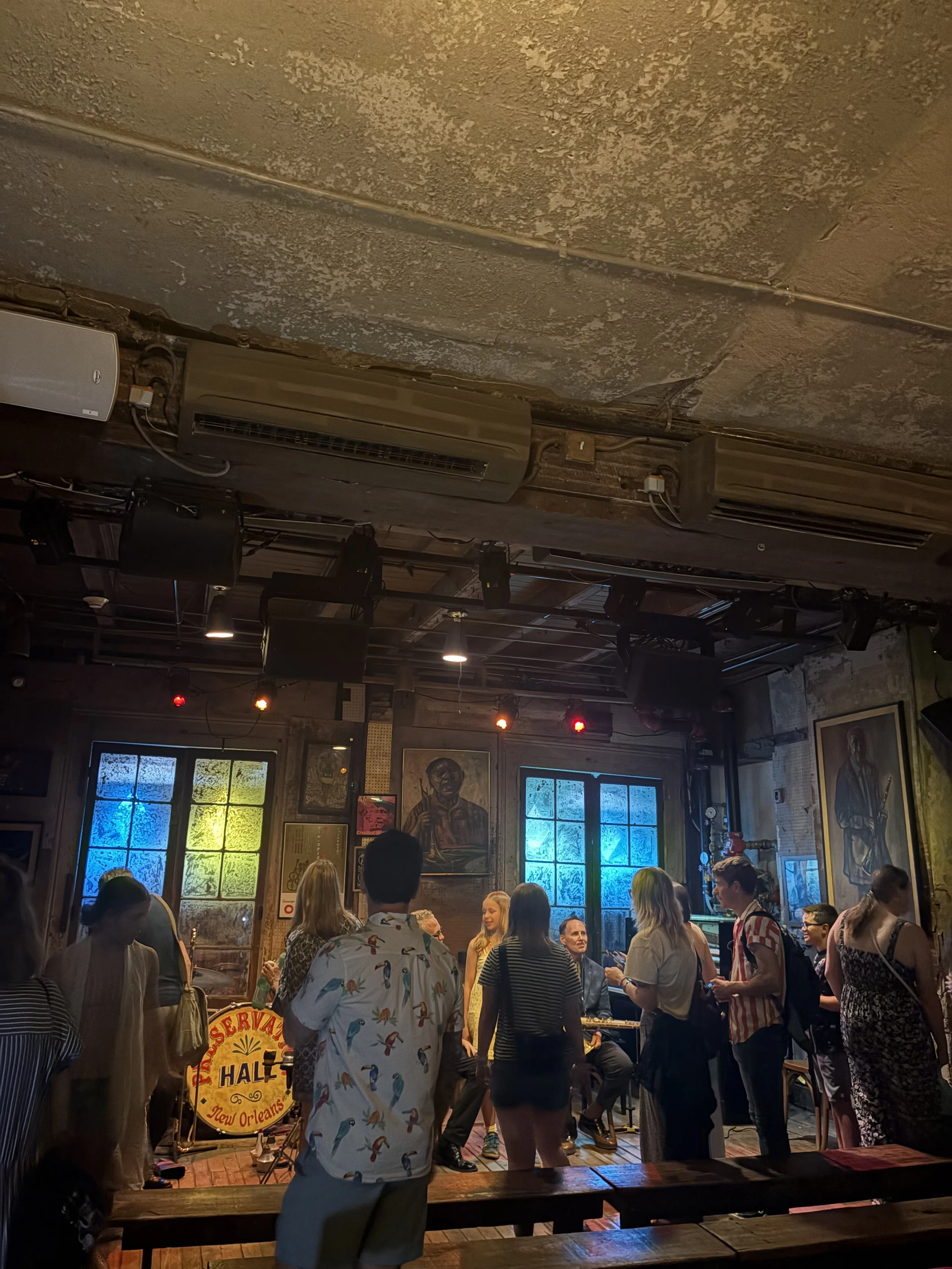
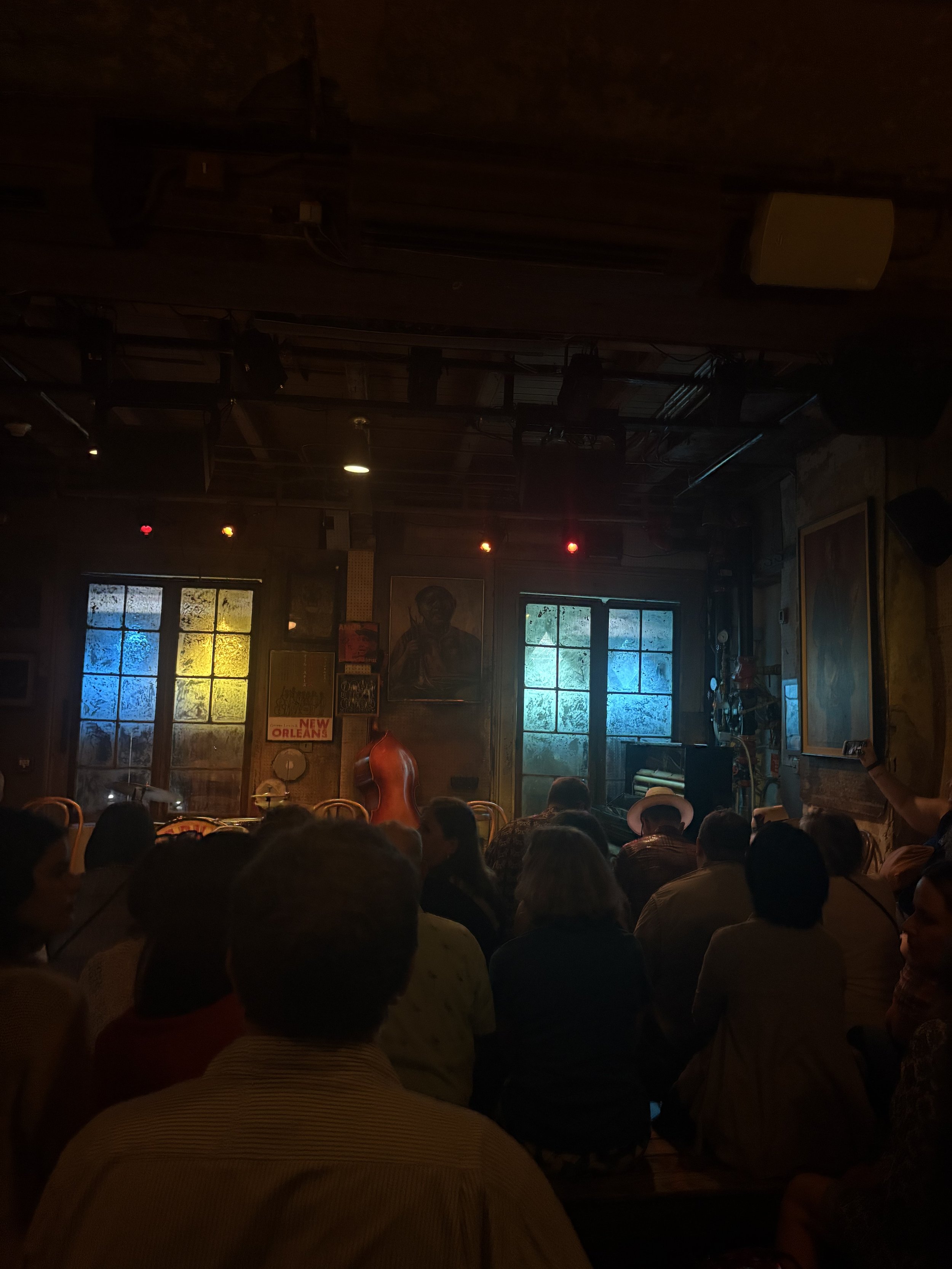
Inside was just as understated. The venue was one room with rows of wooden benches and a small area in the back where we stood. The stage was reminiscent of the ‘Whammy Bar,’ a place in rural Vermont that would sometimes have live music (and also really great truffle fries). I felt immediately transported back to my childhood. When we were told to put our phones away for the performance, there was a part of me that internally panicked. Even though I’m an adult now, I will always on some level be the ADHD ten-year-old trying to sit through a two-hour classical music performance. The idea of being stuck in a room with just my thoughts, (mostly) instrumental music, and strangers made me feel almost trapped.
I needn’t have worried, however. From the moment the trumpet blew the first note, I was entranced. Almost spellbound. I watched the band play song after song, from a hilarious rendition of Sweet Emma Barrett’s ‘None of My Jelly Roll’ to rolling bluegrass tunes to slower, deeper melodies. I felt truly immersed in the music. People always talk about jazz being about emotions, like being able to hear the sadness in a trombone or the anxiety of a syncopated beat. I don’t think I entirely understood that idea until this performance, being able to fully focus on the sounds with no phones, no distractions, a lot of the time not even lyrics. I could hear a sweeping melancholy in some of the songs, or the blatant joy in other melodies. Throughout it all ran a sense of abruptness, spontaneity, as though these musicians didn’t take themselves too seriously. Learning afterwards that the performance wasn’t rehearsed but was instead mostly improvised was wild because of the quality, but almost made a strange sort of sense.

In fact, reading Michael Ondaatje’s Coming Through Slaughter about jazz pioneer Buddy Bolden felt almost like being at Preservation Hall all over again. Bolden’s music, though it’s been lauded as fundamental in the creation of modern jazz, was never recorded. His music only exists now through memory, through re-creation. Though we’ll never know how accurate Ondaatje’s portrayal of Bolden is, I do believe he was able to breathe life into the character the same way a skilled musician is able to breathe life into a piece of sheet music by sight. The story of the book is messy, told in bits and pieces. It’s nearly impossible to tell at some points when things switch from one timeline to the next, from Buddy’s narration to another character searching for him. This style is reminiscent of Bolden’s jazz music itself, which was often spontaneous, jumping around. “He was the best and the loudest and most loved jazzman of his time, but never professional in the brain,” Ondaatje writes (pg 14).

“Unconcerned with the crack of the lip he threw out and held immense notes, could reach a force on the first note that attacked the ear.”
— Michael Ondaatje

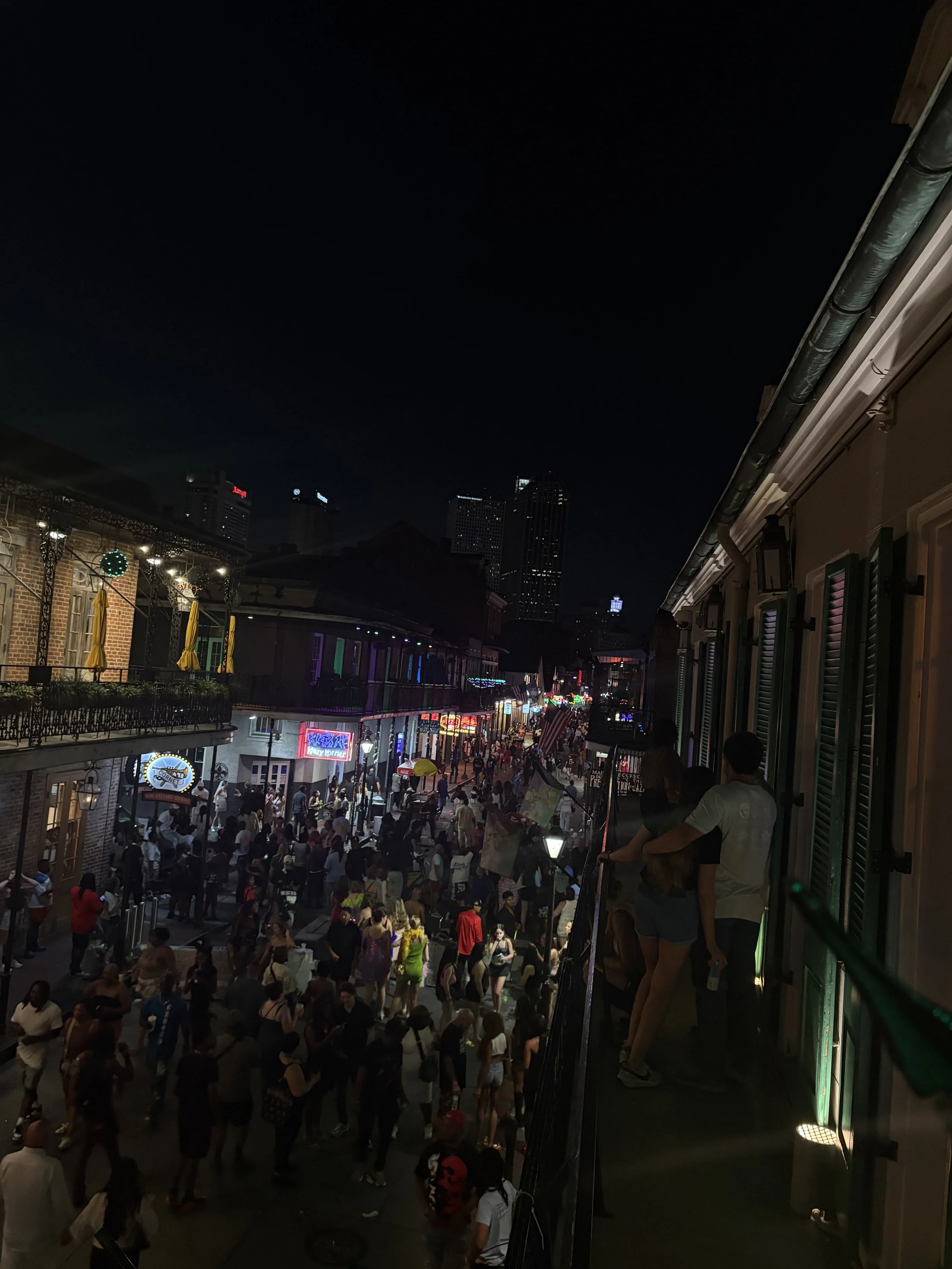
Bourbon St. at night — I can fully imagine dipping into one of these bars and finding Buddy Bolden playing for a rapt crowd.

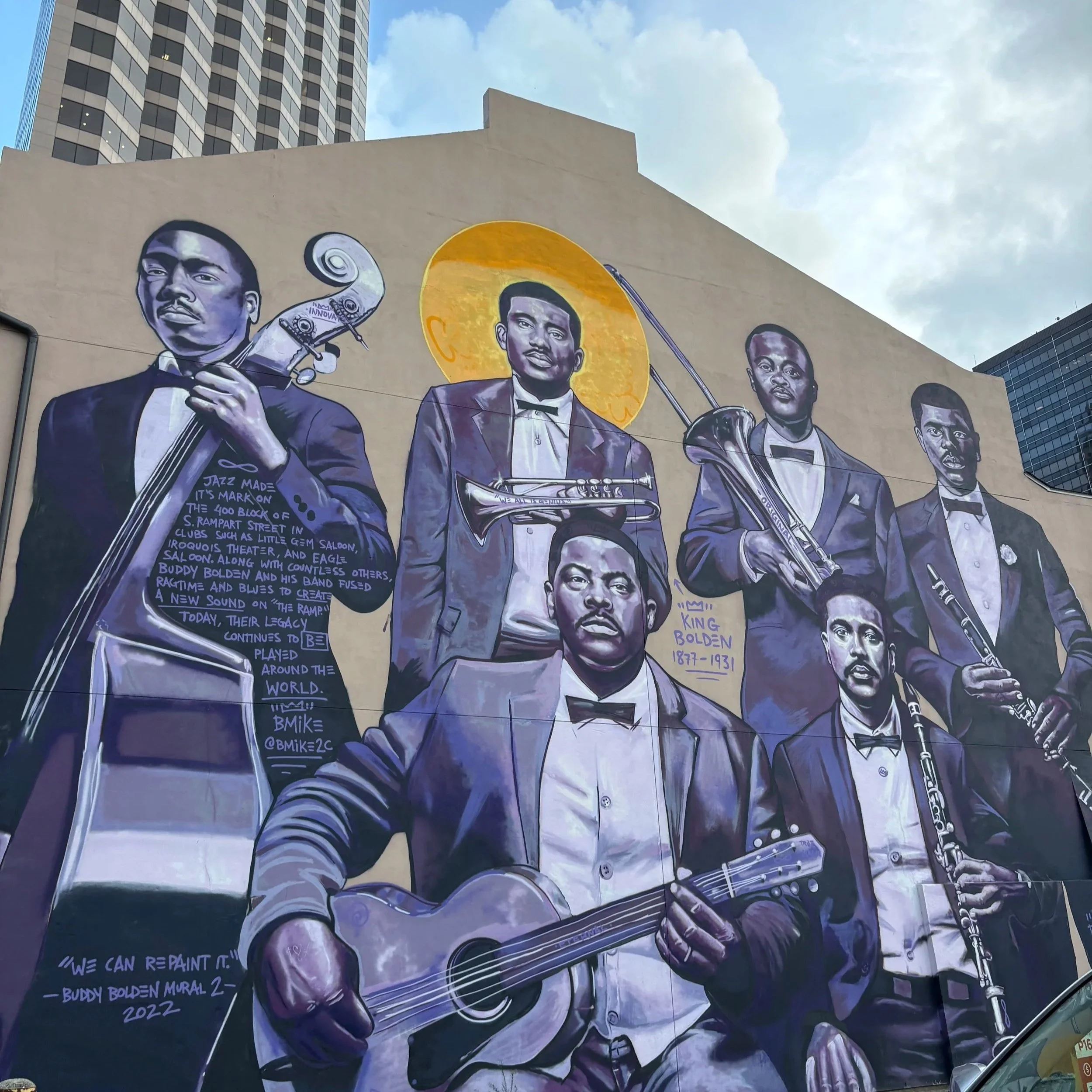
Mural of Buddy Bolden’s band that Laura, Trey, and I came across while getting pizza.

Bolden was a genius, but in a way he was almost more impressive for his lack of genius, of planning and strategy. Reading the book gave me the distinct impression that within Bolden was jazz; as though the music came straight from his soul and one could not exist without the other. No wonder Bolden didn’t have to rehearse in order to play incredibly. He already was talented. He just had to be.

As I stood in that bare bones room of Preservation Hall, heels of my feet almost numb from standing so long, it was as though I could sense Buddy Bolden’s ghost within the walls. Preservation Hall was built after Bolden’s time, and yet I could almost picture him standing on stage playing his cornet, whether a century ago or today.

With all the spontaneity and improvisation I’ve discussed also comes a dark side. It’s risky to play in such a way. For every time you get something right, you also run the risk of getting it wrong. Such is the thesis of Buddy’s life — as much as he’s a musical genius, he’s also an abusive alcoholic going through a mental health crisis that consumes him until he is ultimately taken to a psychiatric hospital where he spends the rest of his life. You can say that the book’s structure (or lack thereof) is meant to represent jazz music, but you can just as easily make a case for it being the disorganization of Bolden’s mind. The book reads like a fever dream with memories flying at you, not separated by time or distance or even narrator. The story is beautiful, but ultimately haunting. It’s one that has stayed with me in my own memory, just as Buddy’s music has lived on through memory, much like Preservation Hall has been kept alive through recollection and word of mouth as there is no recording allowed. I feel as though I hadn’t fully been able to dive into jazz and its influence on New Orleans, and this book really put me in the thick of it. Every time I see a brass band or a street performer singing Ella Fitzgerald, I find myself thinking back to Buddy. I have no way of knowing what his life really felt like, what his music really sounded like, just as Michael Ondaatje didn’t when he wrote the book. But through memory, through imagination, his ghost is kept alive.

Resilience

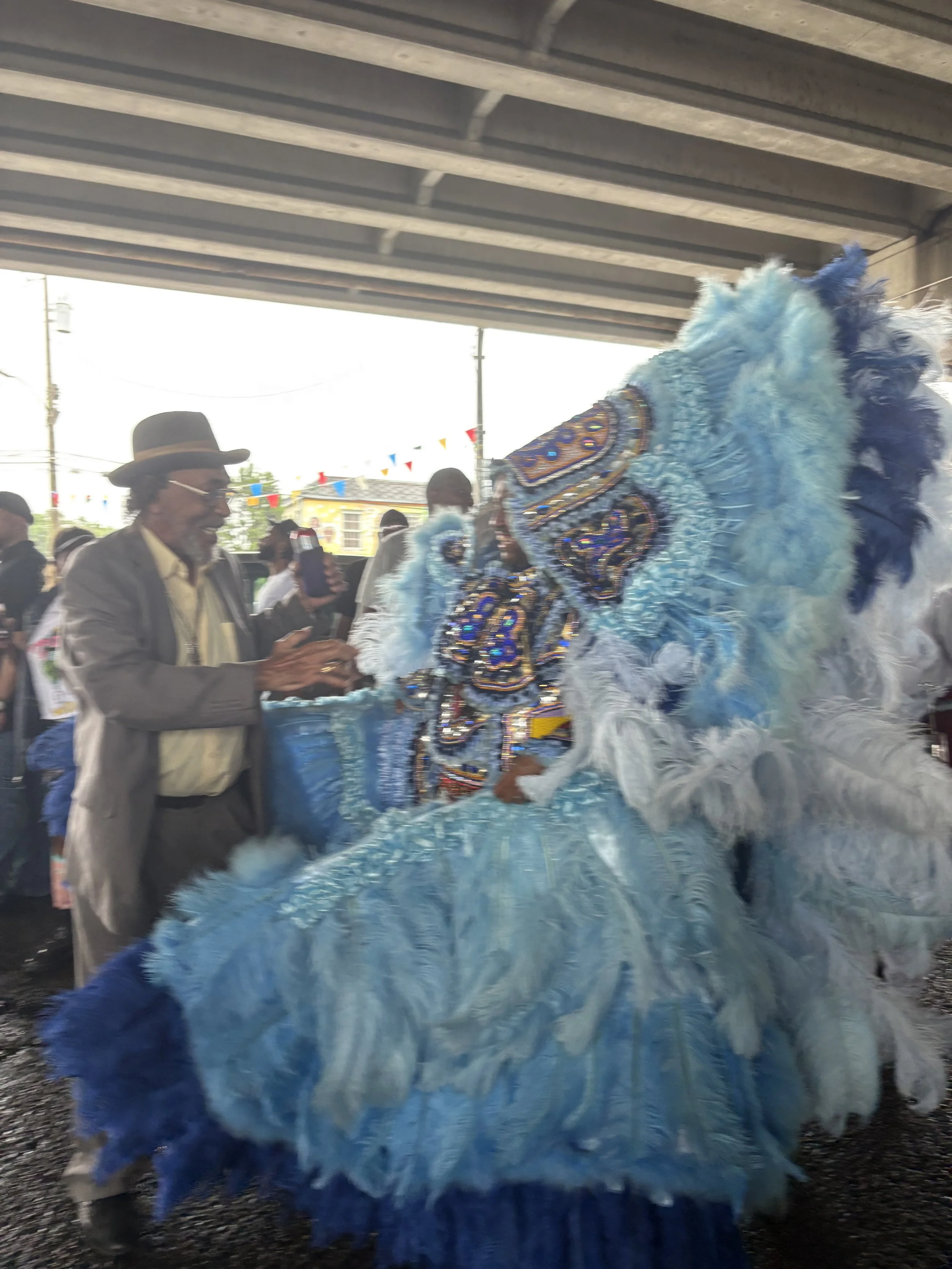
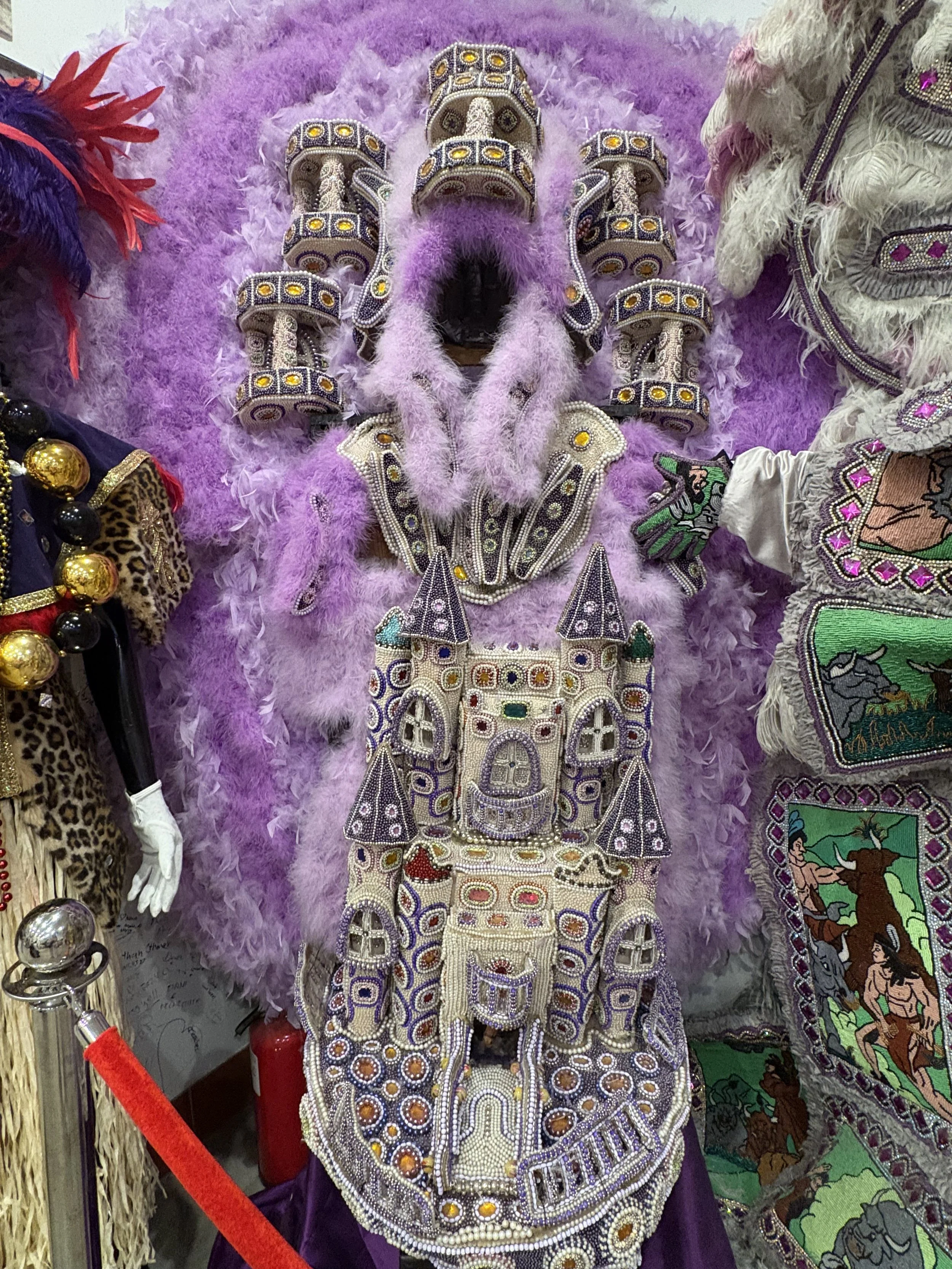
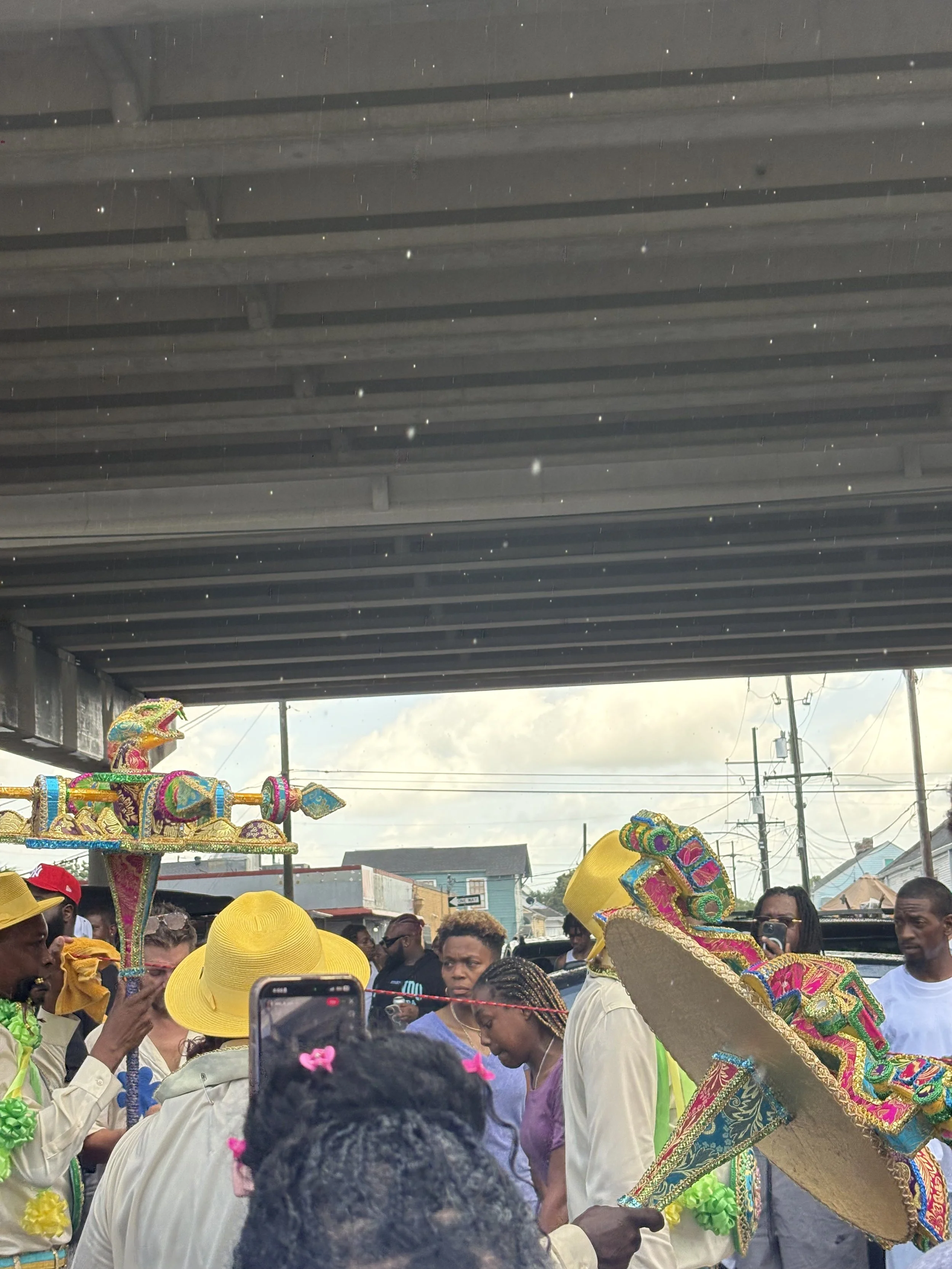
I’m damp from the rain, sweat sticking my hair to the back of my neck. It’s been a long day. I’m looking forward to going back to the hotel, showering, and rotting in my bed with a cup of tea — but we still have one stop left. Little did I know that this would end up being one of my favorite stops of the trip. We’re at the Backstreet Cultural Museum, an unassuming building that stands on the corner of two residential blocks. You wouldn’t suspect such a plain building of housing the most colorful, spectacular clothes you’ve ever seen. In fact, as I looked up at the parade outfits of the Mardi Gras Indians (as they’re primarily known, though our museum guide said they actually call themselves Black Masking Indians), I felt less like I was looking at clothing and more that I was witnessing some brilliant work of art. I do believe that clothing can be inherently artistic, but this was something entirely beyond. These outfits clearly weren’t created for function. The joy was in the process, in spending hours and hours meticulously crafting something new every single year. I’m getting ahead of myself, but I just found the entire thing so cool. Every year, the Mardi Gras Indians make a brand new suit for themselves, always homemade, always more intricate than the last. They wear these outfits in parades throughout the year – which I had the pleasure of actually seeing in person too. The entire thing just felt like such a celebration of culture and so fun and just cool, for lack of a better word.

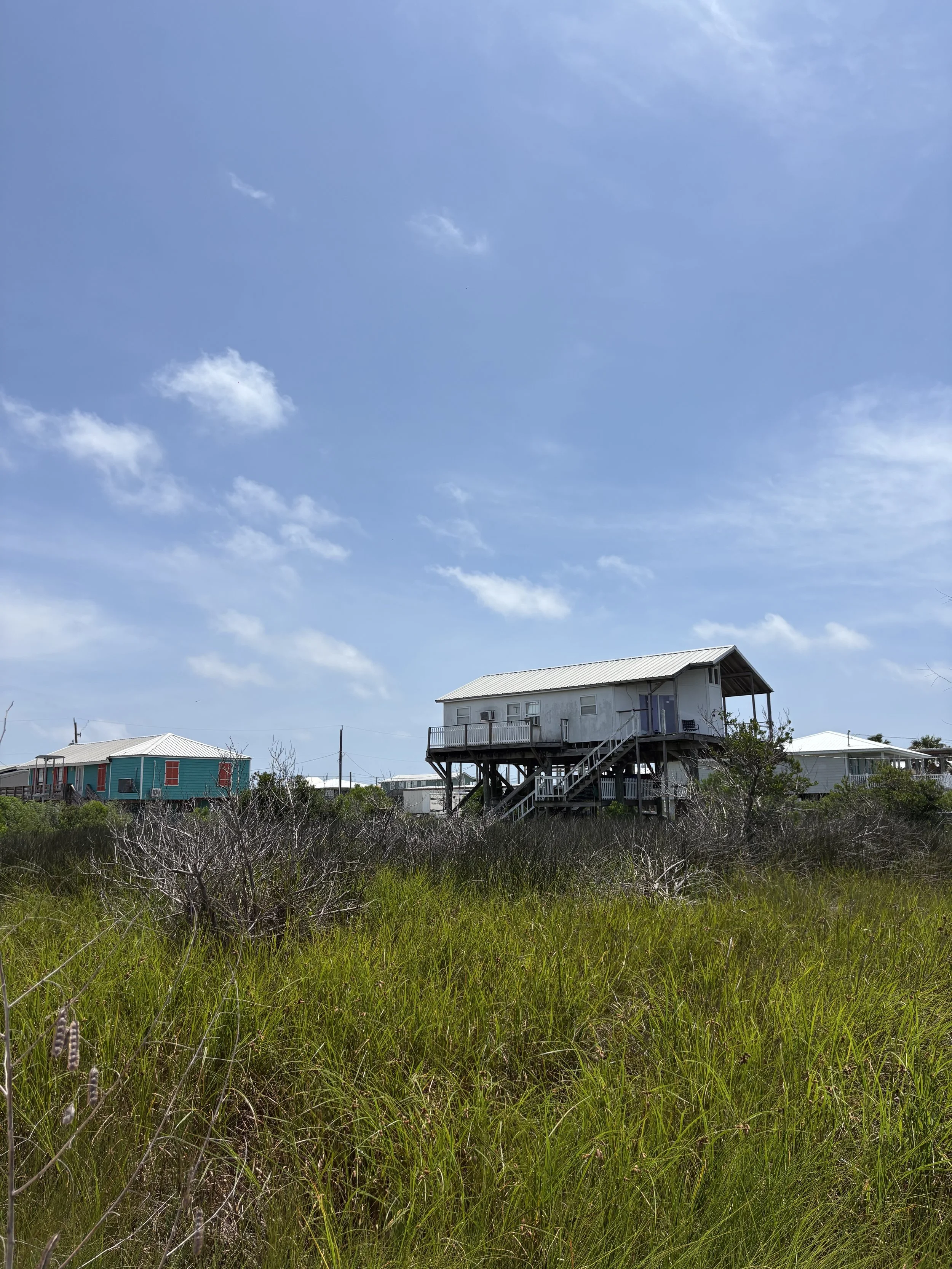
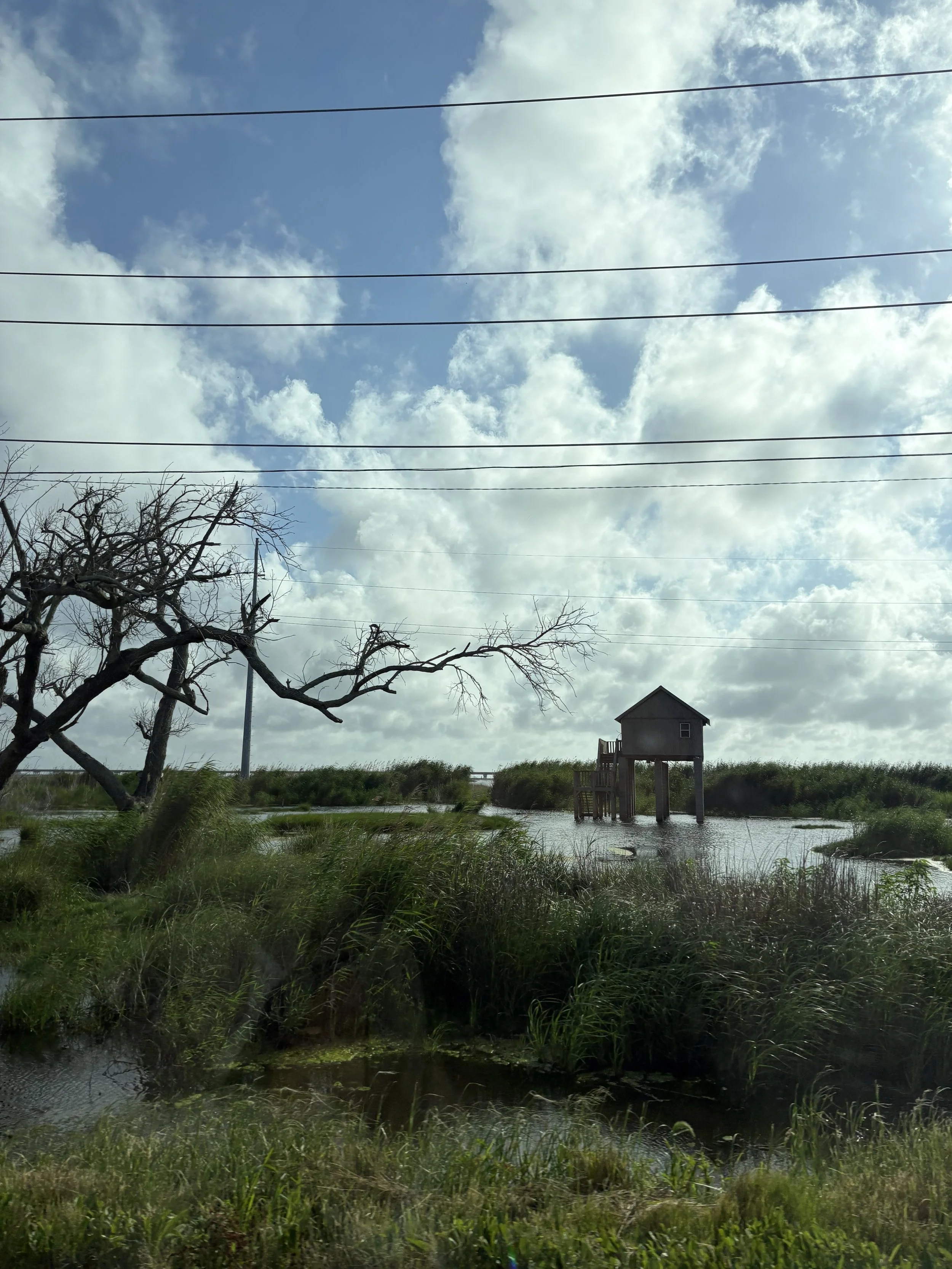
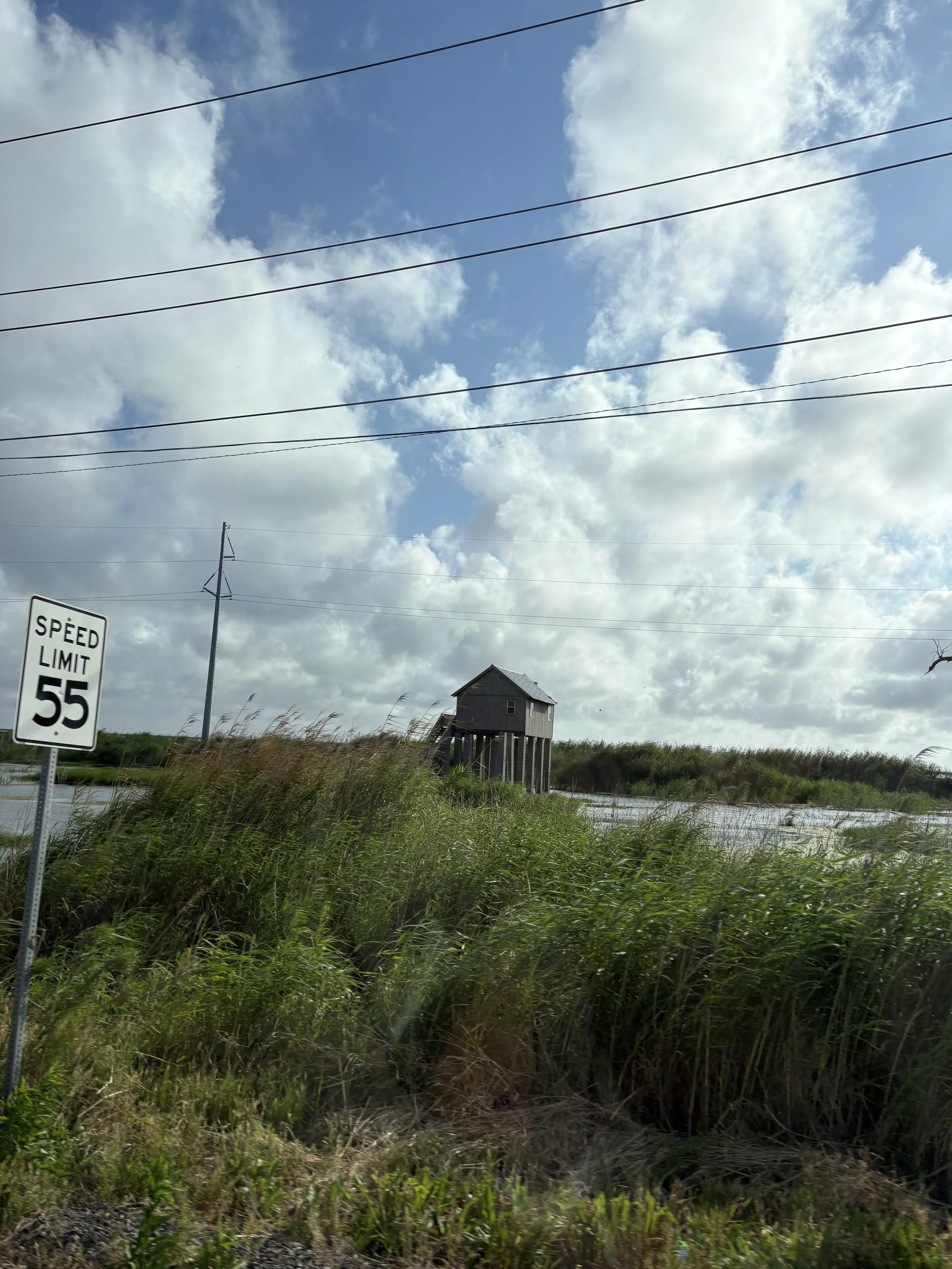
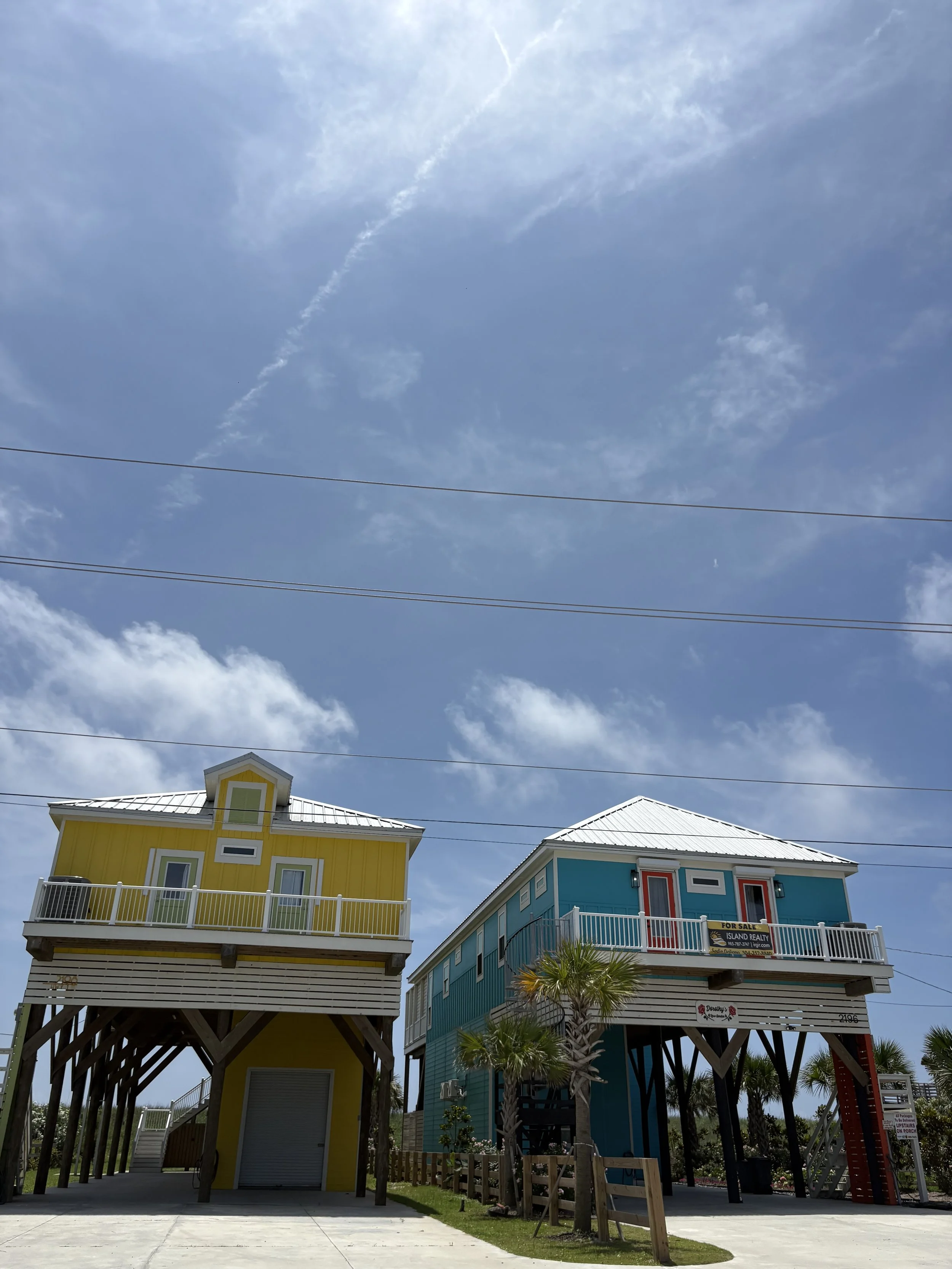
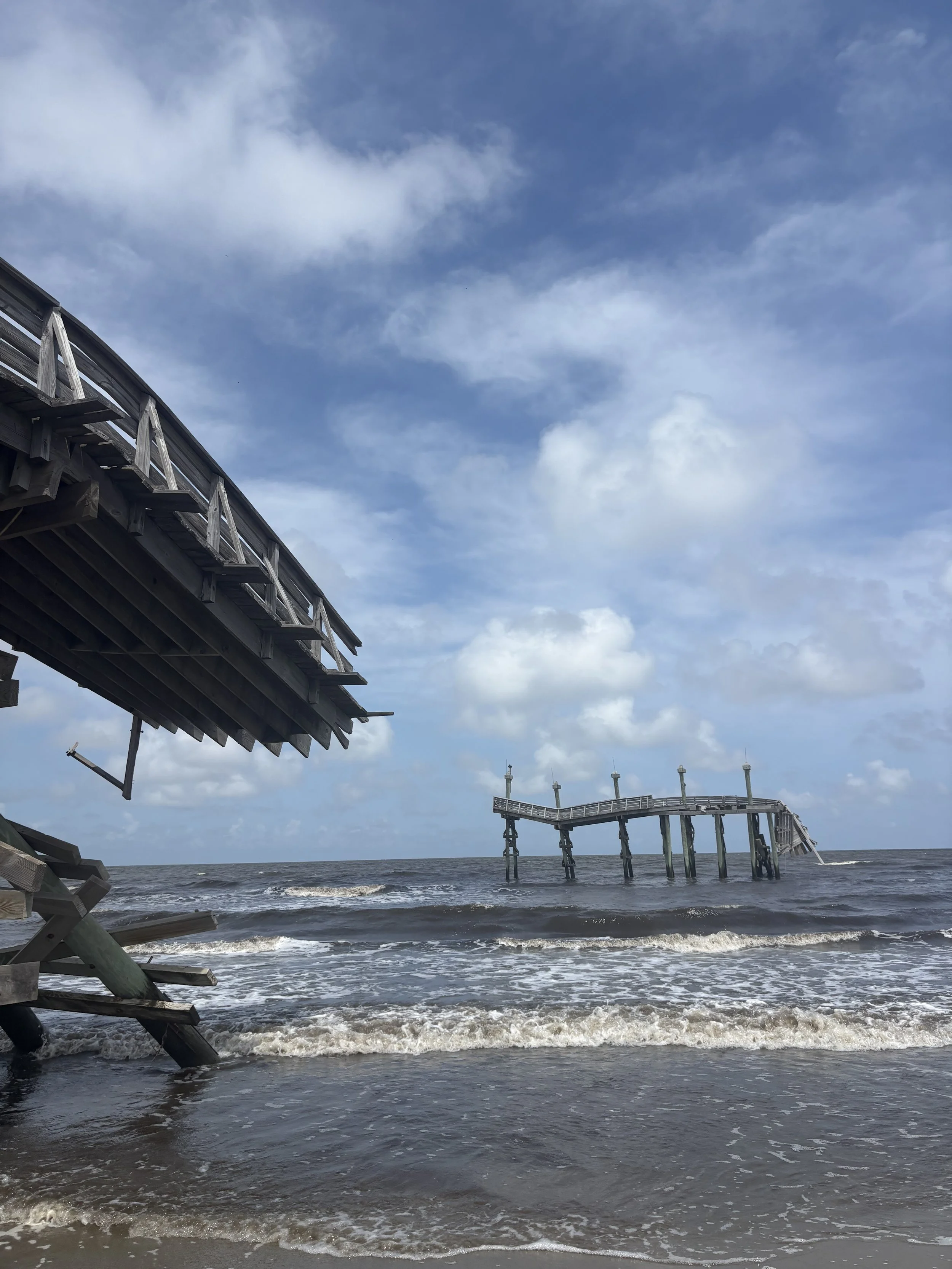
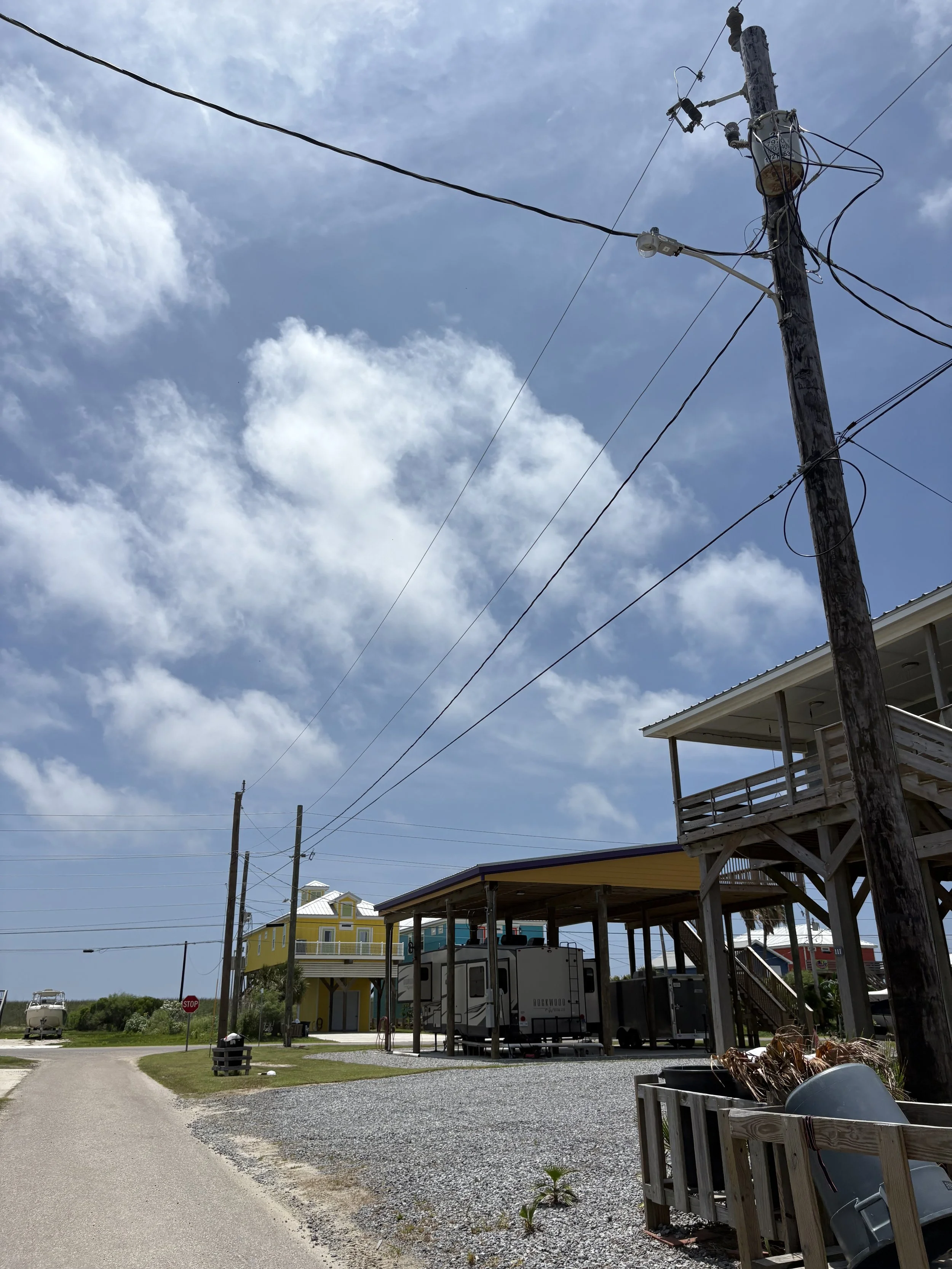
I guess after learning about all of the trauma and horrors inflicted on Black Americans, it is so cool to see a museum dedicated not just to suffering, but to joy and resilience. Its founder, the late Sylvester “Hawk” Francis, dedicated so much in order to create this museum and maintain it, and after visiting I could see why. I guess New Orleans has just got me thinking about resilience a lot. It’s been happening since we first got here, driving into Grand Isle and seeing all those colorful houses on stilts like a cluster of oddly shaped tropical birds. The homes were, of course, built this way to withstand hurricanes and flooding. Some houses clearly had done a better job than others — there were several that had fallen into disrepair — but I liked to think about all the houses that must have been built and rebuilt. Instead of just giving up and going somewhere else, the locals on Grand Isle, and the general Southern Louisiana region, recognized they had something worth fighting for. They rebuilt. The houses now are stronger than the ones before.

All across New Orleans, I have seen this same resilience. The ten of us piled into a van earlier this week to go on a tour of the Lower Ninth Ward and New Orleans East to map out The Yellow House. On the way, Andrew pointed out the Caesar Superdome, where thousands of New Orleans residents had sheltered for days in abysmal conditions. We drove past swaths of greenery interspersed with shotgun-style homes, some new, some that definitely had been victims of hurricanes past. All that nature hadn’t always been there, our professor explained. It was as a result of hurricane damage that many homes had been demolished, owners unable to pay for repairs or rebuilding, leaving these lots empty for months, years, even decades. The lush greenery was the earth finally winning the battle that had been waged against it for years, but it’s not only nature that rebuilt itself. The people of these communities managed to survive through the devastation. Physical destruction is different than the destruction of memory. The communities that were destroyed were part of why Katrina was such a tragedy, but it also created a memory worth rebuilding. Those memories didn't leave, as The Yellow House makes clear, just because people had to cross state lines or leave their homes. Broom remarks that only her grandmother, an Alzheimers patient, is able to truly let go.

Is this the only condition, this unknowing, under which one should cross over state lines, leaving your familiarity behind? Is this the only way to properly leave home? - The Yellow House, pg 293

What I'm about to say might sound like a frivolous comparison. In fact, it definitely is. However, it’s been on my mind, so I’m going to compare it anyway. While this is nothing like losing my home, community, potentially even loved ones, I’ve been going through a breakup while on this trip. A pretty rough one – the kind that shakes your entire sense of self, your entire future, leaves you grieving. Memories become the only thing left. While it’s silly to compare the death of my relationship to the genuine devastation and horror caused by Hurricane Katrina, I will say that seeing the amount of resilience here has made me reflect. People who have been through horrible experiences and traumas have been able to rebuild. Not always easily, especially at first. Broom's entire family essentially moves in with her brother right after Katrina. After surviving the destruction, the family must be in discomfort while they figure out what to do next. However, there are small moments of joy that intersperse this tragedy in this time, such as when their neighbor Herman raced a track star for everyone's amusement.

We were all tickled by how seriously he had been, to believe he might actually win! His performance brought levity to a grave, sinking reality. For the time it took Justin to beat Herman, no one thought about the Water. - The Yellow House, pg 296

In both The Yellow House and what I saw with my own eyes, I was struck by people's adaptability. They have found a way to create community and joy, to celebrate and not only survive but thrive. In the grand scheme of things, no matter how impossible my own life seems at the moment, people have been through so much worse and gotten through it. The human spirit is so capable of resilience, of joy, as I witnessed in the Backstreet Cultural Museum, the Second Line parades, books like The Yellow House and the real communities they are part of. There is something so inherently beautiful about that, something comforting and almost a bit hopeful.

This probably (definitely) isn’t my best blog post. It’s a bit all over the place honestly. My thoughts are still fractured when it comes to this topic, and I have difficulty distilling all of the reflections and feelings I’ve had into actual words. I guess, long story short, New Orleans has shown me so much — it has shown me some of the worst of the worst of human cruelty, of oppression and destruction and heartbreak. But it has also shown me resilience. It has shown me how revolutionary joy is and how strong the human spirit can truly be. I wish I had some grander conclusion to arrive at here, but I don’t. For now, I'm just thinking.

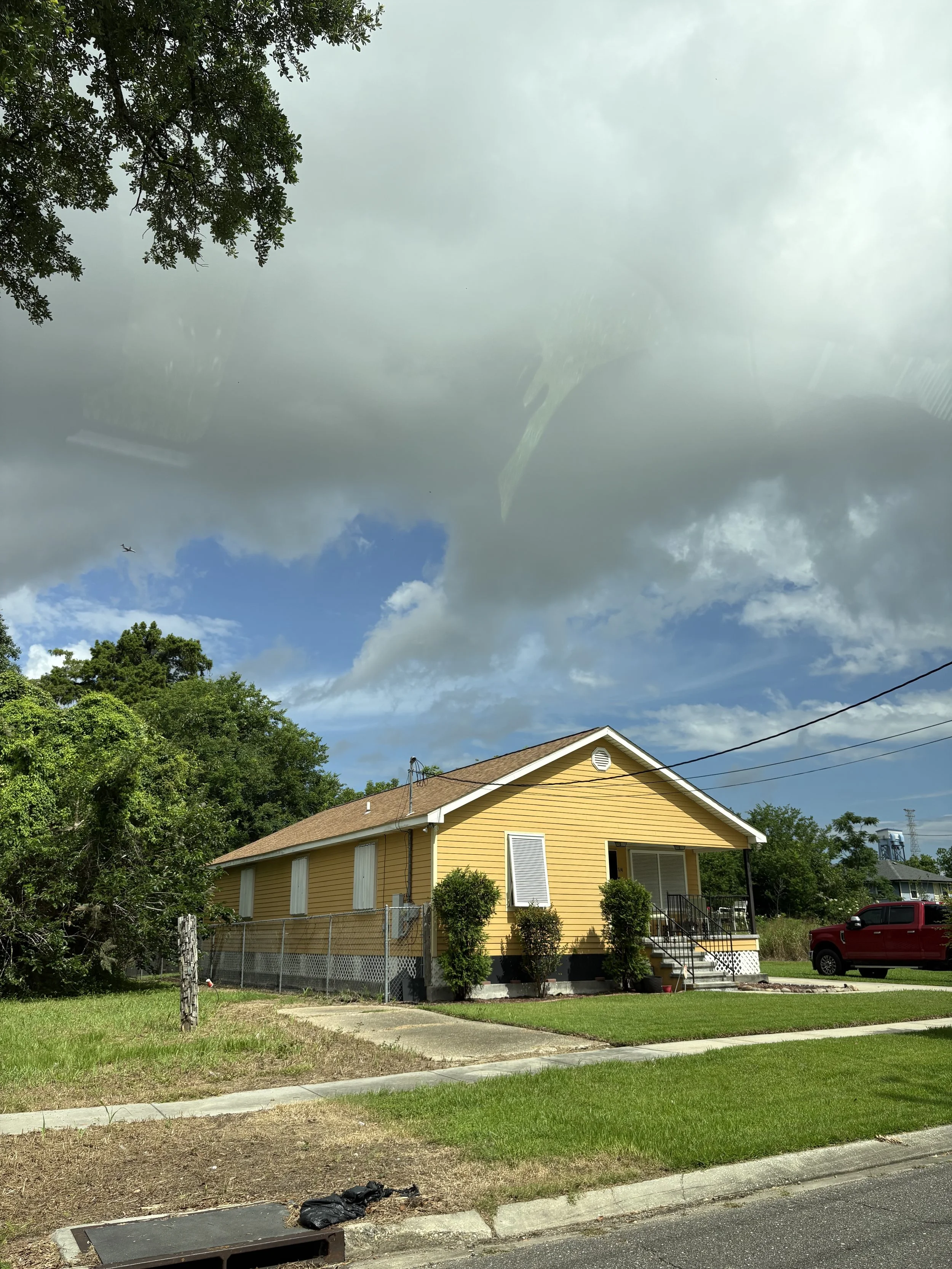
One of the houses in the Lower Ninth Ward surrounded by this lush greenery.

A moment from the Second Line Parade we went to.

The Line

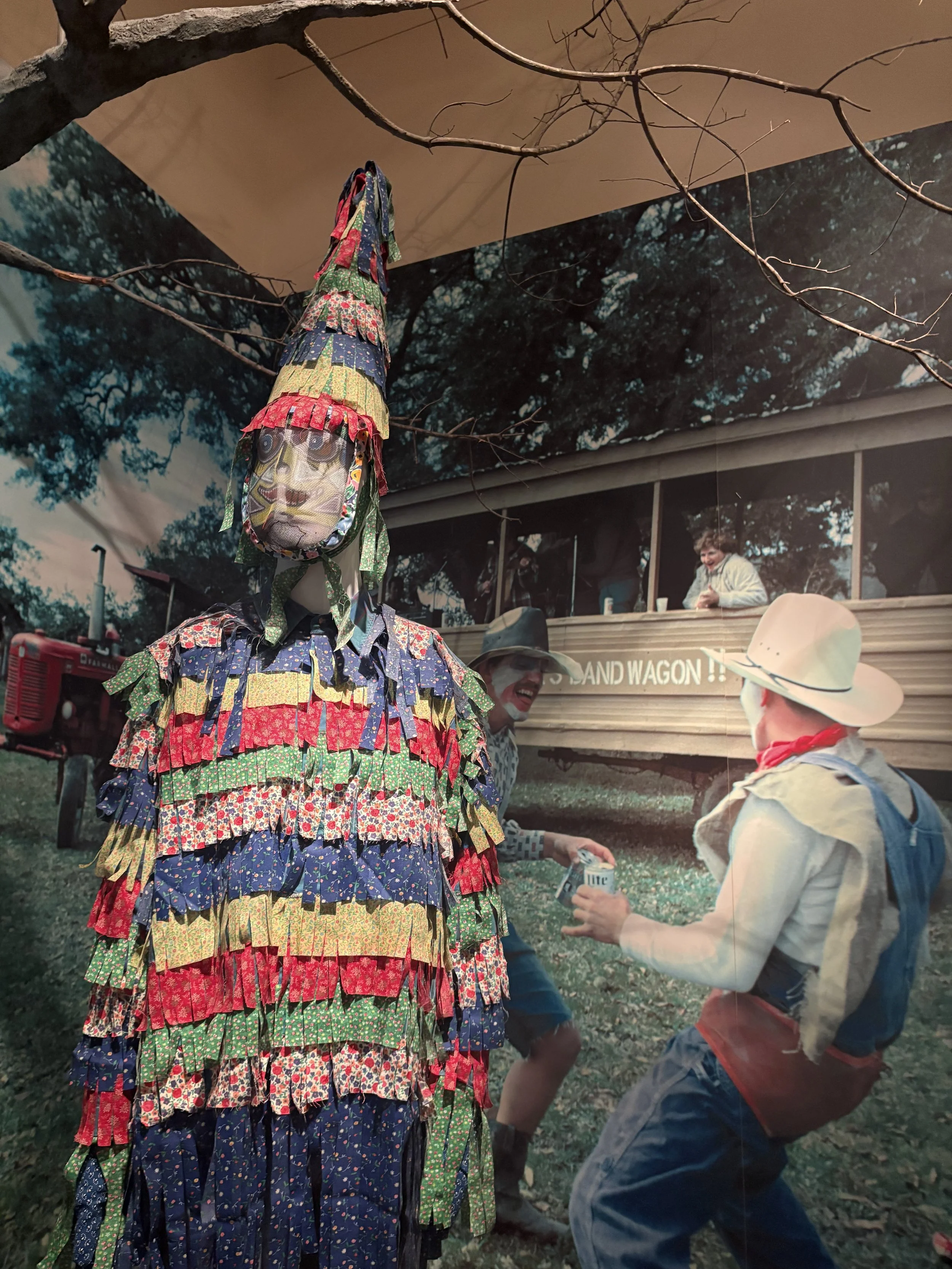
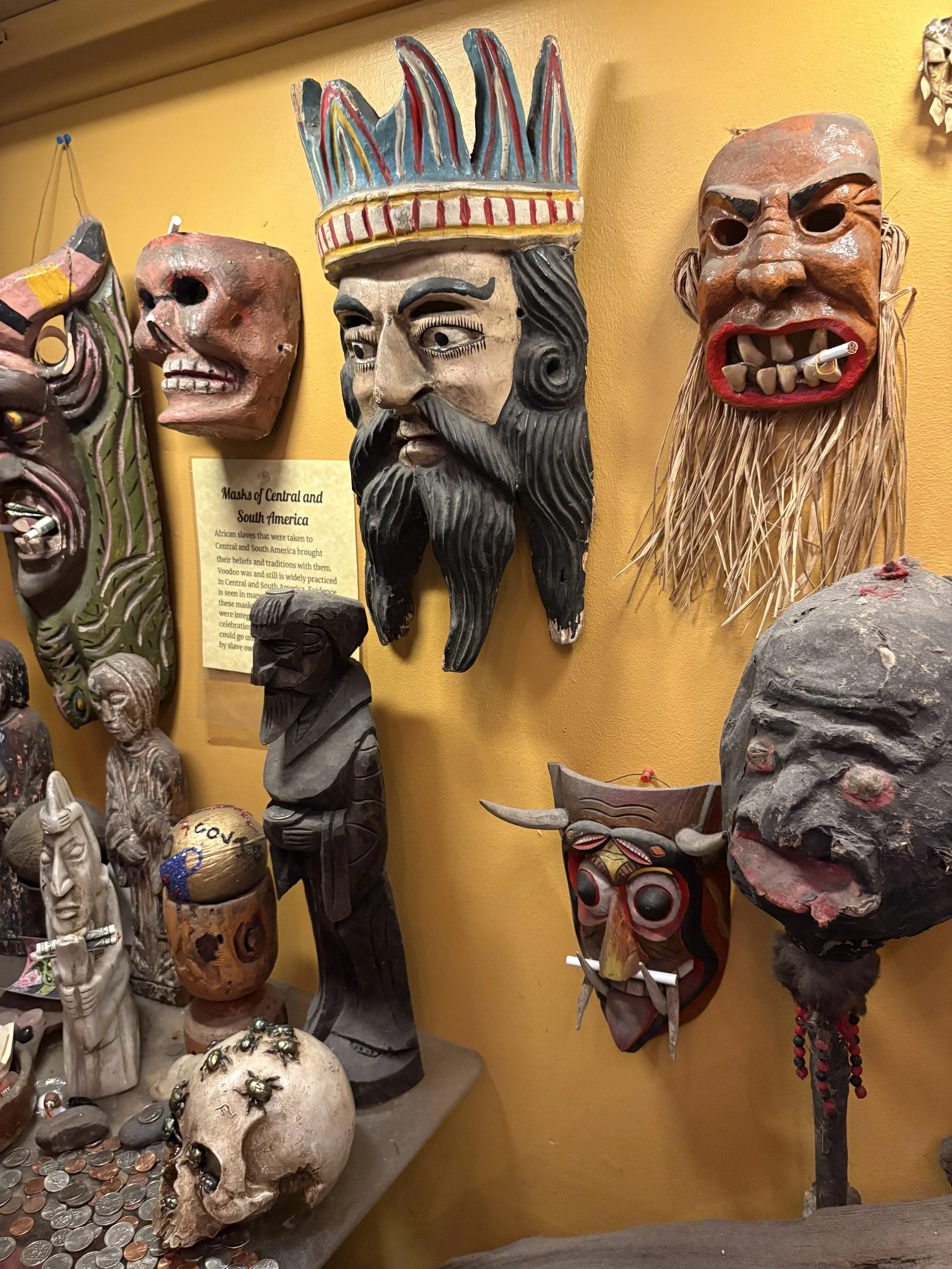
Masks from the Voodoo Museum

This blog post was supposed to be about Anne Rice’s Interview with a Vampire. That was my intention, at least. I planned to talk about the gothic elements of the city, how the book interweaves New Orleans folklore and truth into something new and distinct. I planned to talk about what parts I thought were accurate versus what was overdone, or worse, exoticizing. I wanted to talk about our visit to the New Orleans Voodoo Museum and the ghost tour we went on. And I might still write that blog post eventually. However, this is not that blog. Every time I went to write about Interview With a Vampire, my mind ended up somewhere else. To the true dark side of this city, not the supernatural, not the folklore, but the history of violence and cruelty.

The main character of Interview With a Vampire, Louis, is a wealthy plantation owner in his mortal life. Throughout the first section of the novel, Rice paints a picture of the plantation's scenery:

Luxurious and primitive... the vision of the swamp rising beyond her, the moss-hung cypresses floating against the sky. And there were the sounds of the swamp, a chorus of creatures, the cry of the birds. I think we loved it.
— Interview With a Vampire, pg 6

Louis mentions the people he enslaved on his property as a mere afterthought. They are relevant only in their ‘exoticism,’ in what they offer Louis, and to their impact on his life. They are never discussed in their own right. Any nuance, any centering of their experience is completely erased.

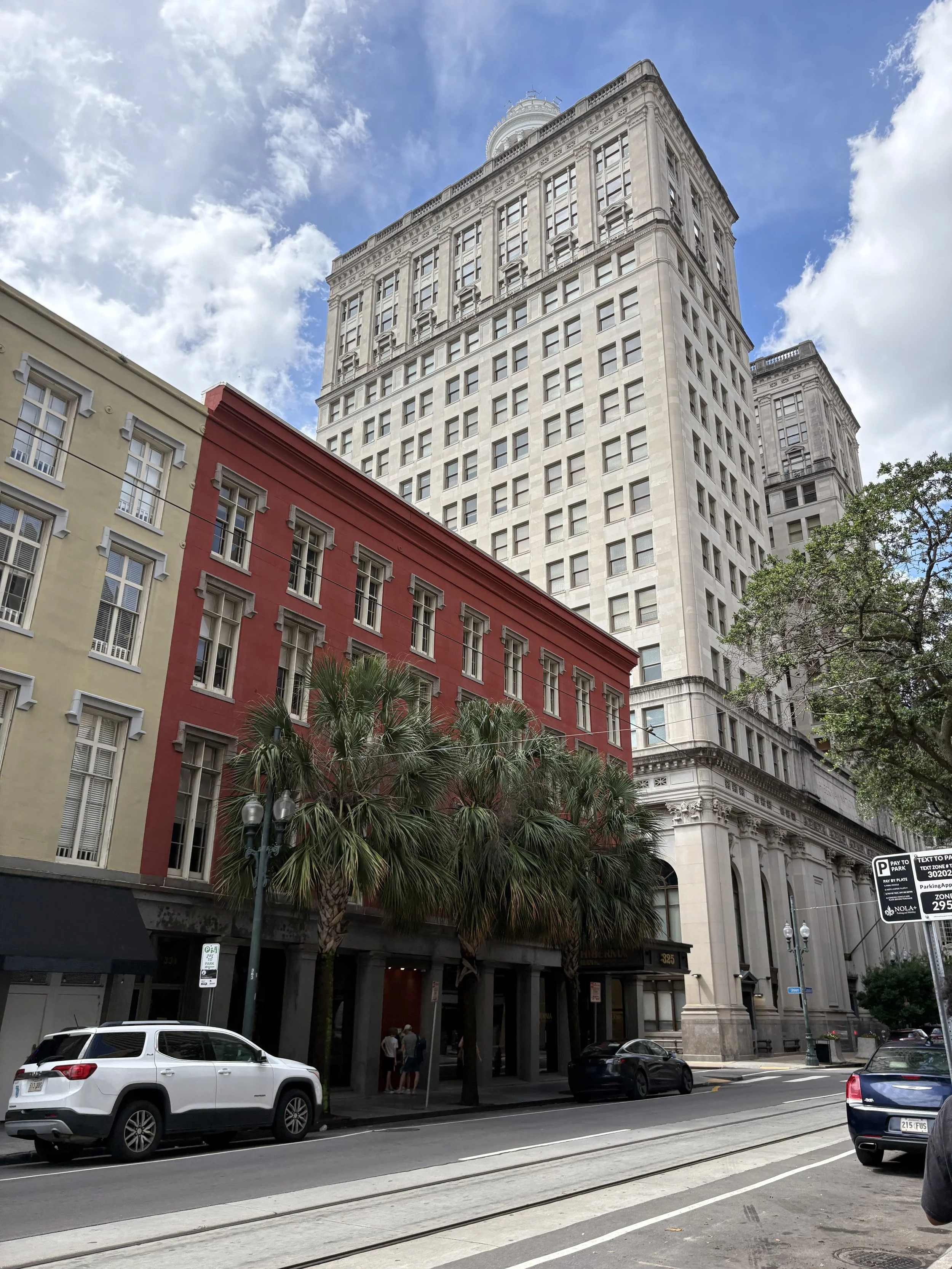
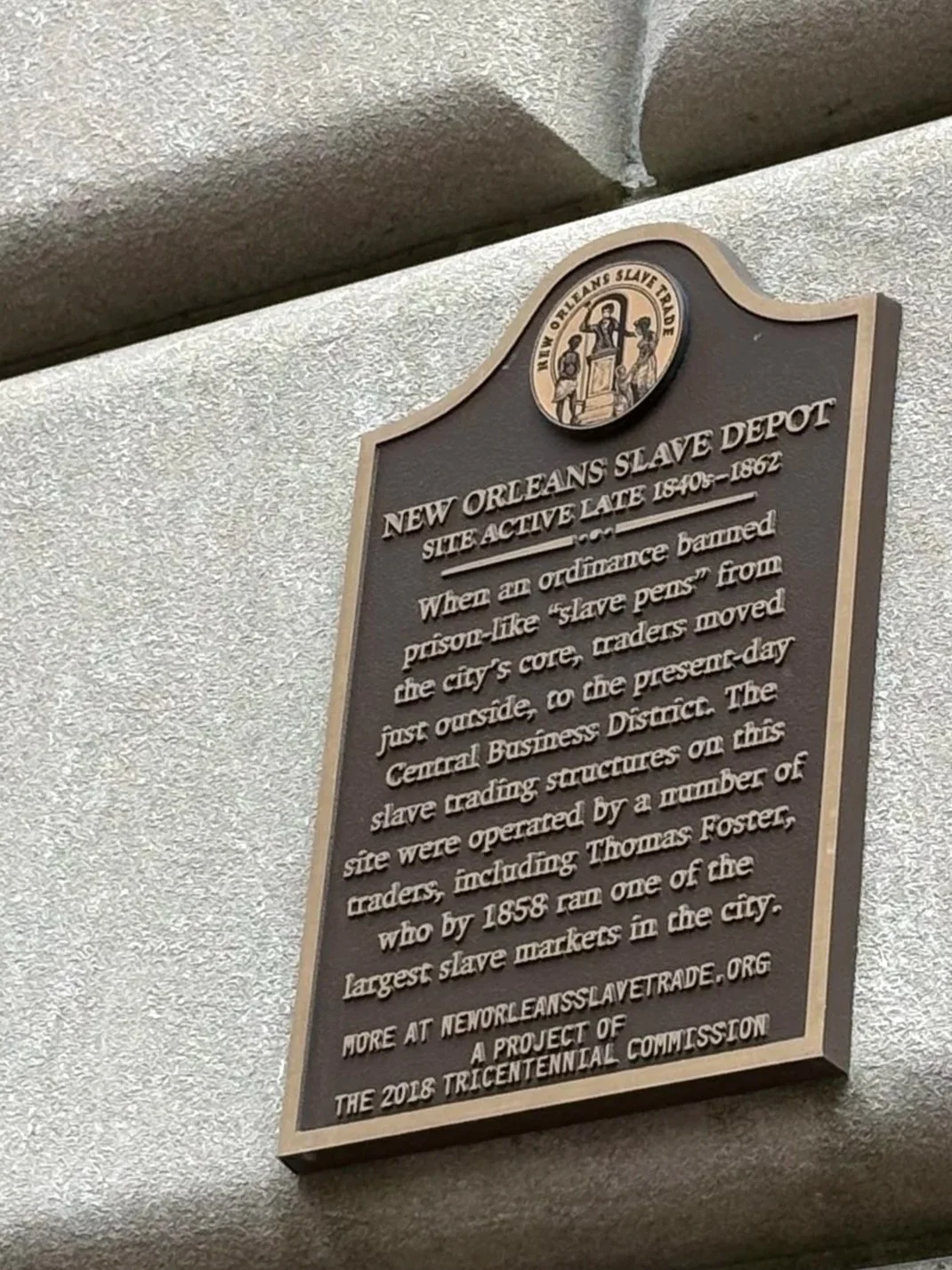
A few days after finishing Interview With a Vampire, the group walked around the Central Business District. That’s not the interesting part, we walk around the CBD every time we step out of the hotel. This time though we weren’t trying to see the 2026 version of the neighborhood but rather the Central Business District as it would have been in the Antebellum period. Andrew led us around the area, stopping every block or so to point out the site of what had once been a slave pen, where enslaved people were held in awful conditions to await their ‘sale,’ now home to a hotel or apartments or a pizza chain. It felt so strange to reconcile the two – was I really standing in front of a scene of such horror? There were almost no signs mentioning slavery, so from first glance it’s hard to believe. It’s a sobering experience to learn about cruelty that happened right under your feet. ‘Why aren’t there more signs?’ I kept wondering to myself. ‘Why are people able to just go about their daily lives without knowing this history?’

I guess the answer is that they don’t want to. It’s easier to go to the grocery store when you’re not thinking about whether or not someone was killed or tortured across the street. Even while this period in history was occurring people turned a blind eye. There was a church across the street from multiple of these slave pens, a church led by a minister named Theodore Clapp, who preached Unitarian Universalist ideals while simultaneously defending slavery. Wealthy white people of the era could hop in for a church service and then go see a show at the Varieties Theatre across the street. Did they know what was going on a street away? Did they simply not care?

After our tour, we returned to our workspace to screen the movie Twelve Years A Slave. I had never seen the movie before, though I had some vague knowledge about it beforehand. The film was based on a true story and received critical acclaim, but I had also heard it discussed in relation to the term ‘trauma porn.’ I wasn’t sure what to expect – would this film be exploitative? Would the violence be gratuitous? Would this depiction serve a purpose, or would it just retraumatize anyone whose ancestors experienced this?

The movie was… intense to say the least. Honestly, I don’t even know how to begin to talk about it except to say it didn't flinch in its portrayal of slavery and racism. The film pulled no punches. There were multiple scenes I had to turn away from, like one depicting Patsy’s sexual assault and the other showing Solomon being forced to whip Patsy. The entire time the camera directly faces Patsy, showing blood spraying from her back as she is beaten, her screams piercing the silent room where we were watching. It’s a sign of my privilege that I was able to turn away like that. This movie wasn’t depicting anything that hadn’t happened. This was reality for thousands of people. They didn’t get to turn away when things got too upsetting.

I think it would have been easy to write this film off as trauma porn or a white-savior movie if not for the real life it was based upon. Solomon Northup, the film’s protagonist, was a real person. He was a free Black man who was kidnapped, trafficked, and sold into slavery, eventually becoming free again but losing over a decade of his life trapped. His writings of his time enslaved were followed almost to the letter in the film adaptation. It’s difficult to critique a narrative when it’s so grounded in fact. While the film was hard to watch, I think it was necessary to truly convey something as horrible as chattel slavery.

That being said, I understand why people can see this film and find it gratuitously violent. I’m not by any means an expert on this, nor should I try to be as a white woman, but I have heard the phrase ‘trauma porn’ be used a lot, especially in reference to onscreen depictions of Black experience in America. A lot of the stories we hear are ones centered around pain and suffering, from slavery to the KKK to Jim Crow. I don’t mean to underplay the importance of those stories. They need to be told. But there are other stories there that don’t appear as often — stories of survival, of resilience, of joy, love, and community. People love media in large part for the escapism. Why is it that it’s so often only white characters who get to lead a romance or get transported into a fantasy land?

I’m not sure how well I explained that. Again, I can’t exactly speak to this experience, but this is just where my mind took me after watching the film. There was such a huge disparity between these two experiences I just had — walking through the Central Business District, where it seemed like slavery had been completely forgotten, and Twelve Years a Slave, which might as well have hit you with a sledgehammer. Was there an in between? Where was the line between ignoring history and exploiting it?

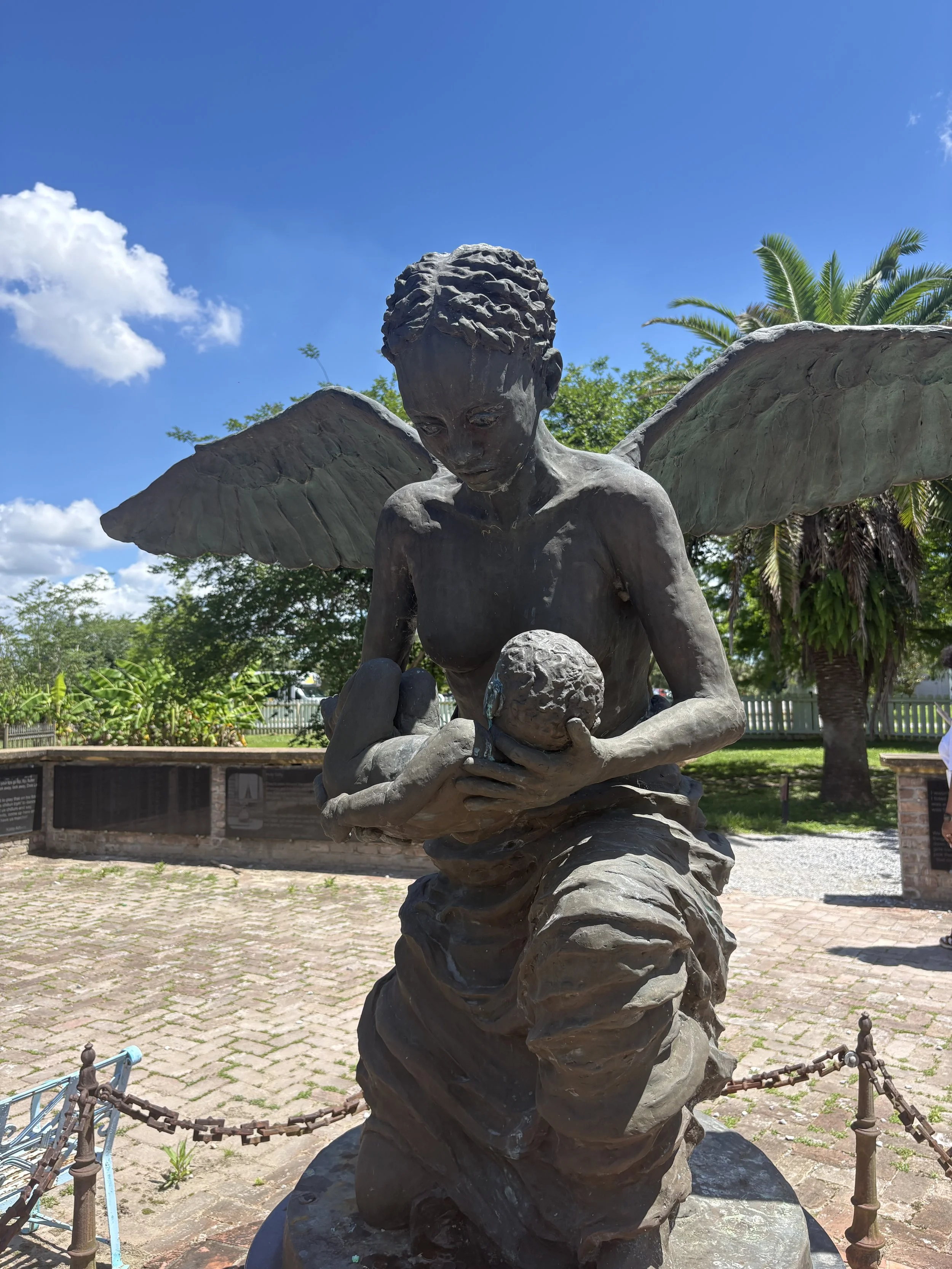
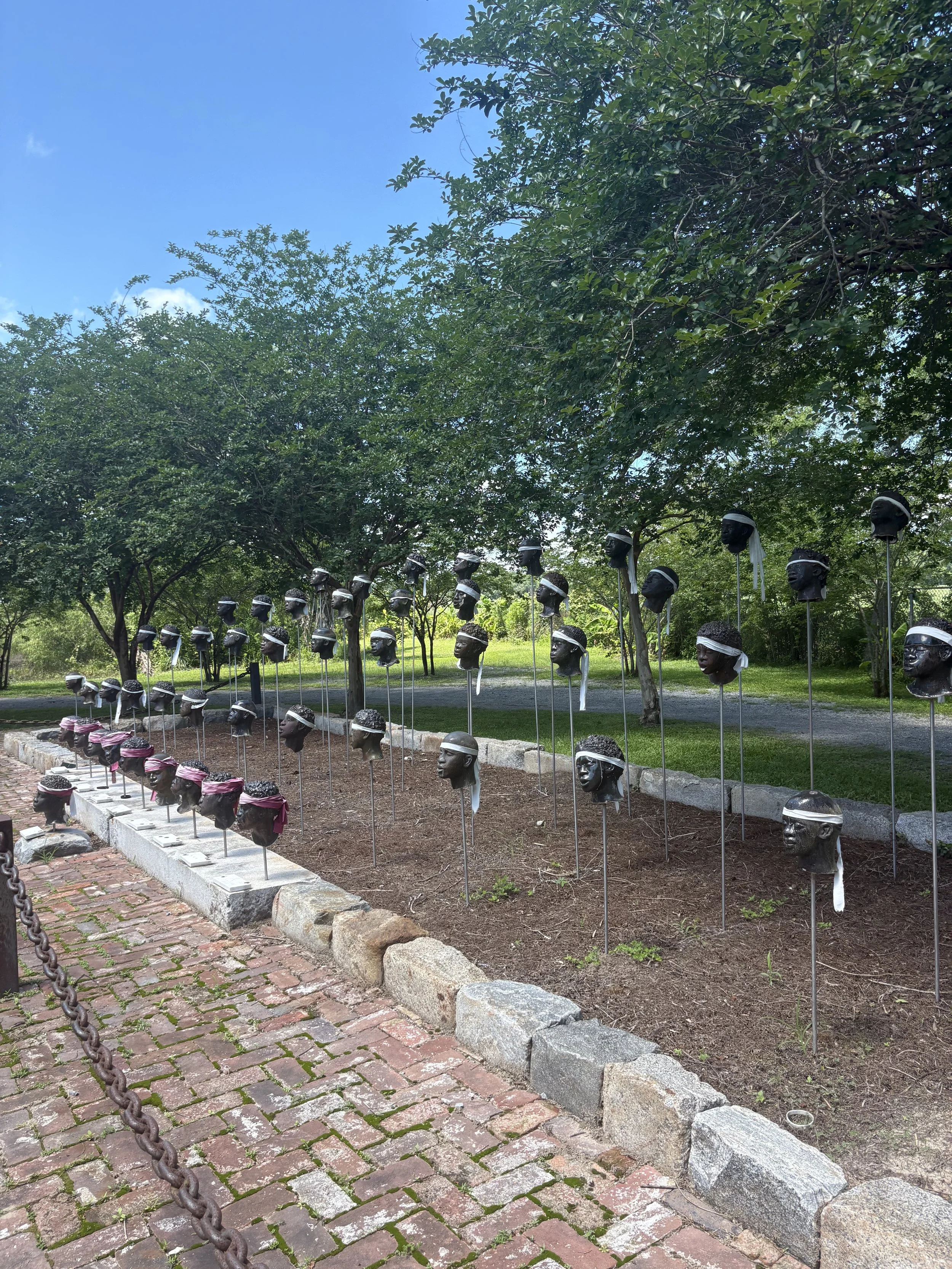
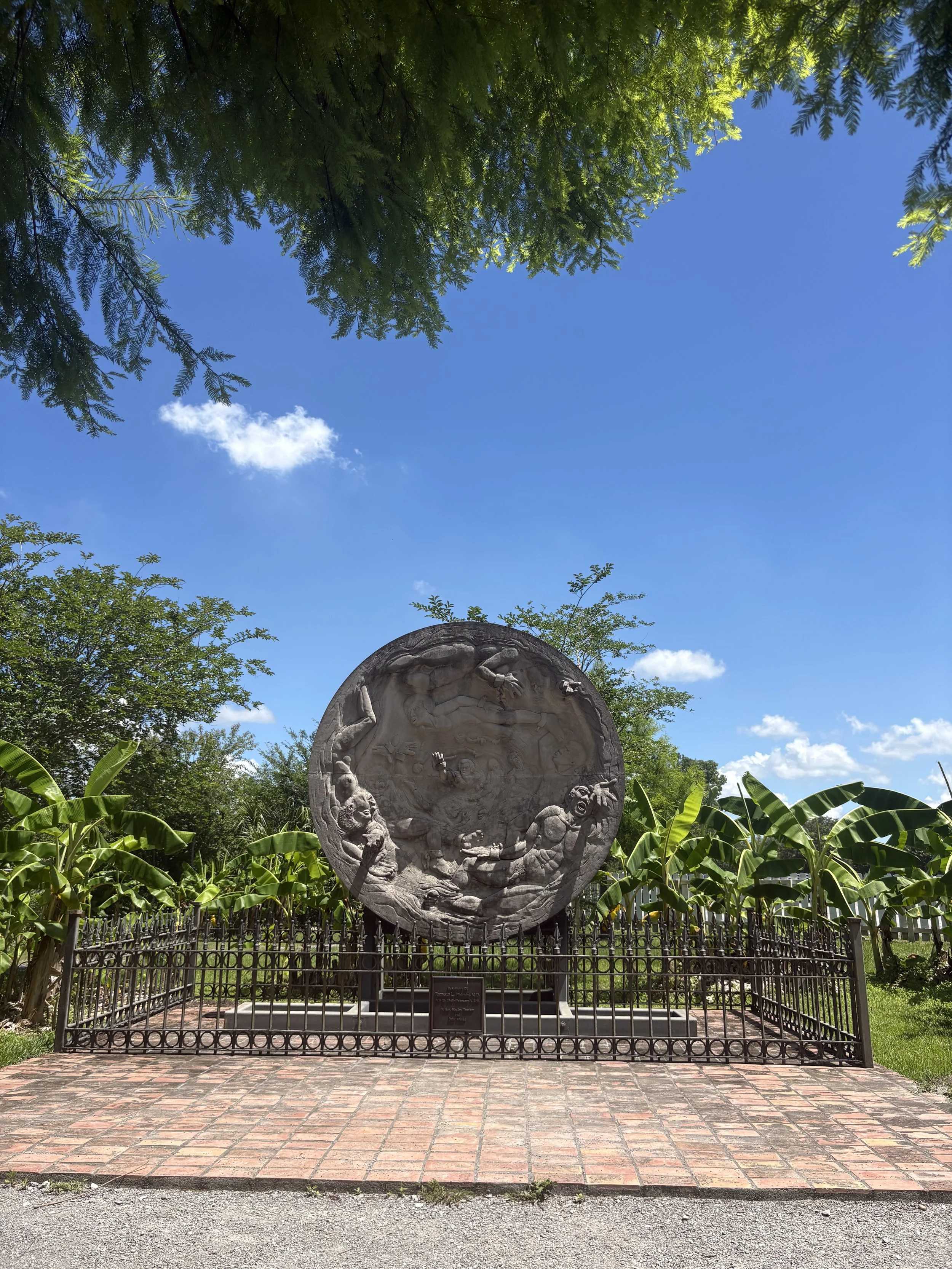
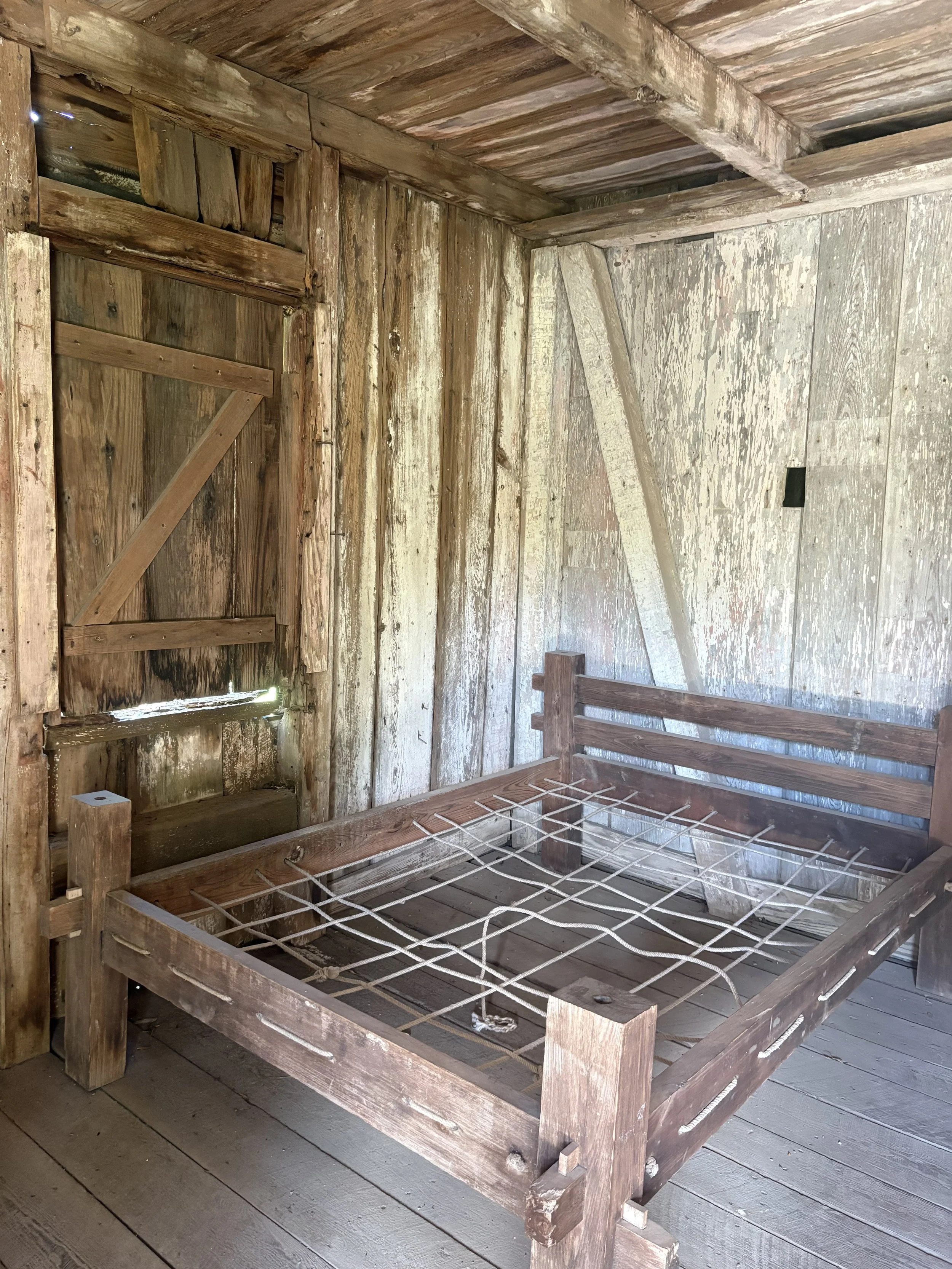
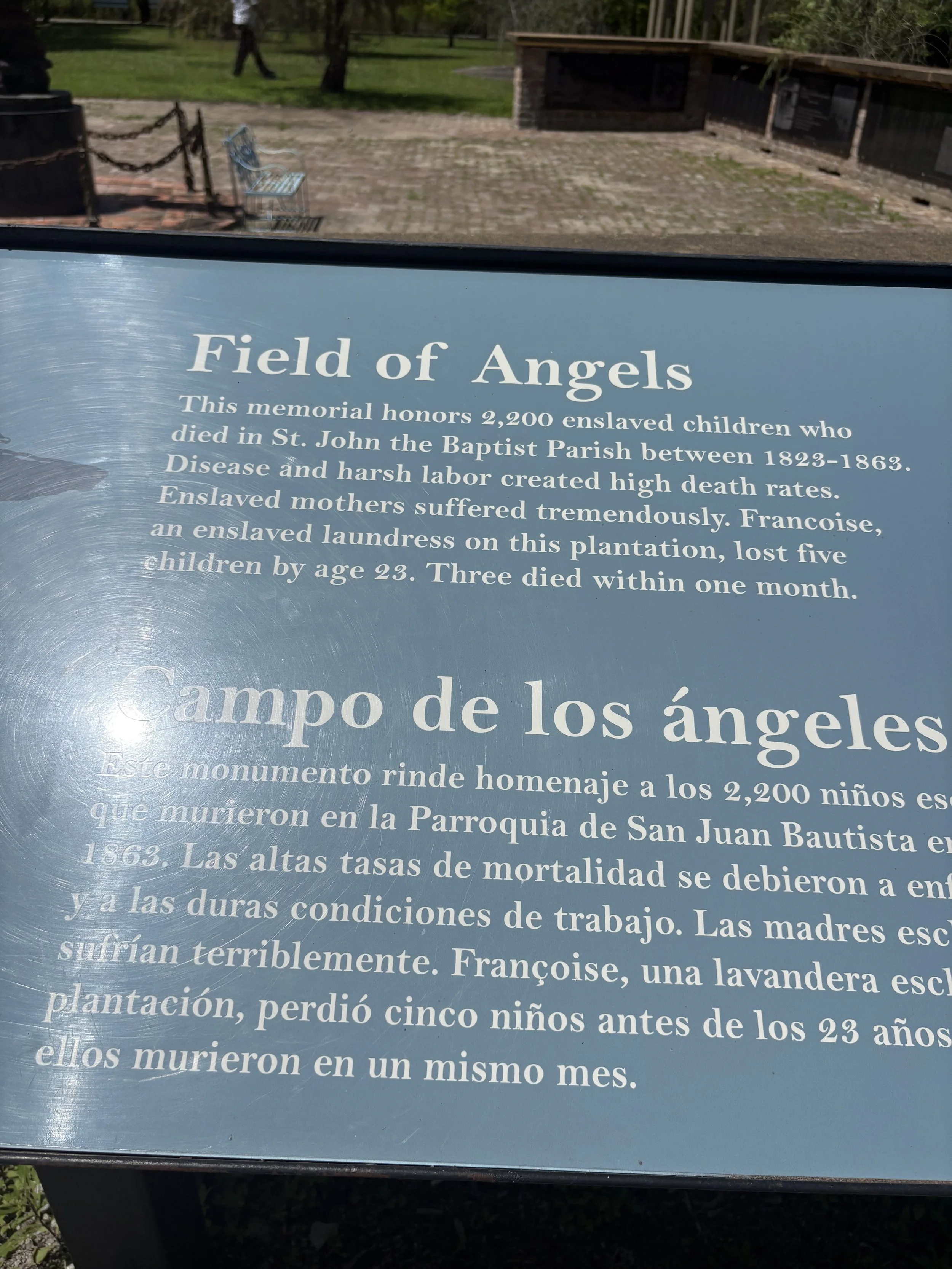
The next day we went to the Whitney Plantation where I think they struck that balance. Our tour guide Ashton told us all about the daily lives of the enslaved people on the plantation, from their work to their homes to the specific food they would grow to supplement their inadequate rations. We stood on the balcony of the ‘Big House,’ looking out at lines of oak trees that could have been straight out of Twelve Years a Slave while Ashton told us that the trees hadn’t yet been planted when the enslaved people lived there. Some of what we learned was horrible, like cutting an enslaved person’s hamstring so they wouldn’t run away, or killing their whole family if they did. We learned about the slave uprising of 1811, the bravery and strategy of the participants, as well as the horror of their heads being stuck on pikes after they were caught. However, some things were mundane too. We saw the vegetables enslaved people would often grow, yucca and yams and okra, went into the church on the property, and heard about the process of refining sugarcane into sugar. It didn’t feel like we were being shown tragedy for the sake of tragedy. Rather, I felt like I had an insight into the actual lives and experiences of the enslaved people who lived on the Whitney Plantation. It felt like their story rather than a story about their pain. It wasn’t performative, it wasn’t exploitative, it wasn’t glossed over; it was just honest.

I’m still not sure where the line is. How much pain is too much pain? When is something too graphic to show, and when does it need to be acknowledged? I wish I knew how to fully answer those questions, but I don’t. It’s not for me to decide.

Have I Been Here Before?

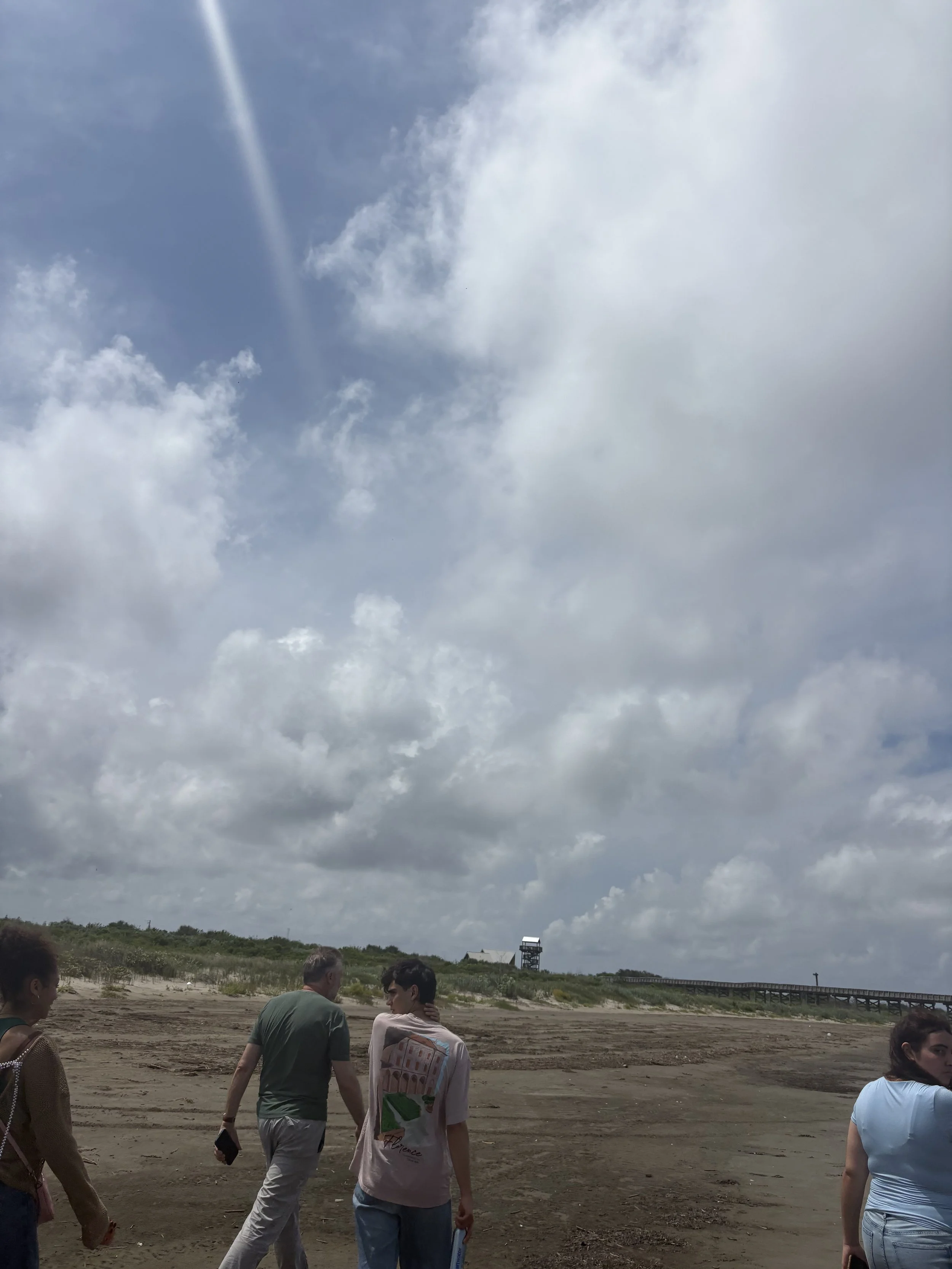
The funny thing about travel is that a new place never feels like you expect. Touching down at MSY wasn’t some magical experience. It felt exactly like landing at LAX, or Newark, or any of the other array of beige American airports in which I’ve had the pleasure of spending time. It wasn’t until we all met up and stepped outside into the 92-degree Louisiana heat and humidity that I truly felt like I had left Los Angeles. After somehow fitting ten people, lots of very big suitcases (including mine), and an excessive amount of groceries into a white sprinter van reminiscent of every kidnapping movie I’ve ever seen, we were off to Grand Isle.

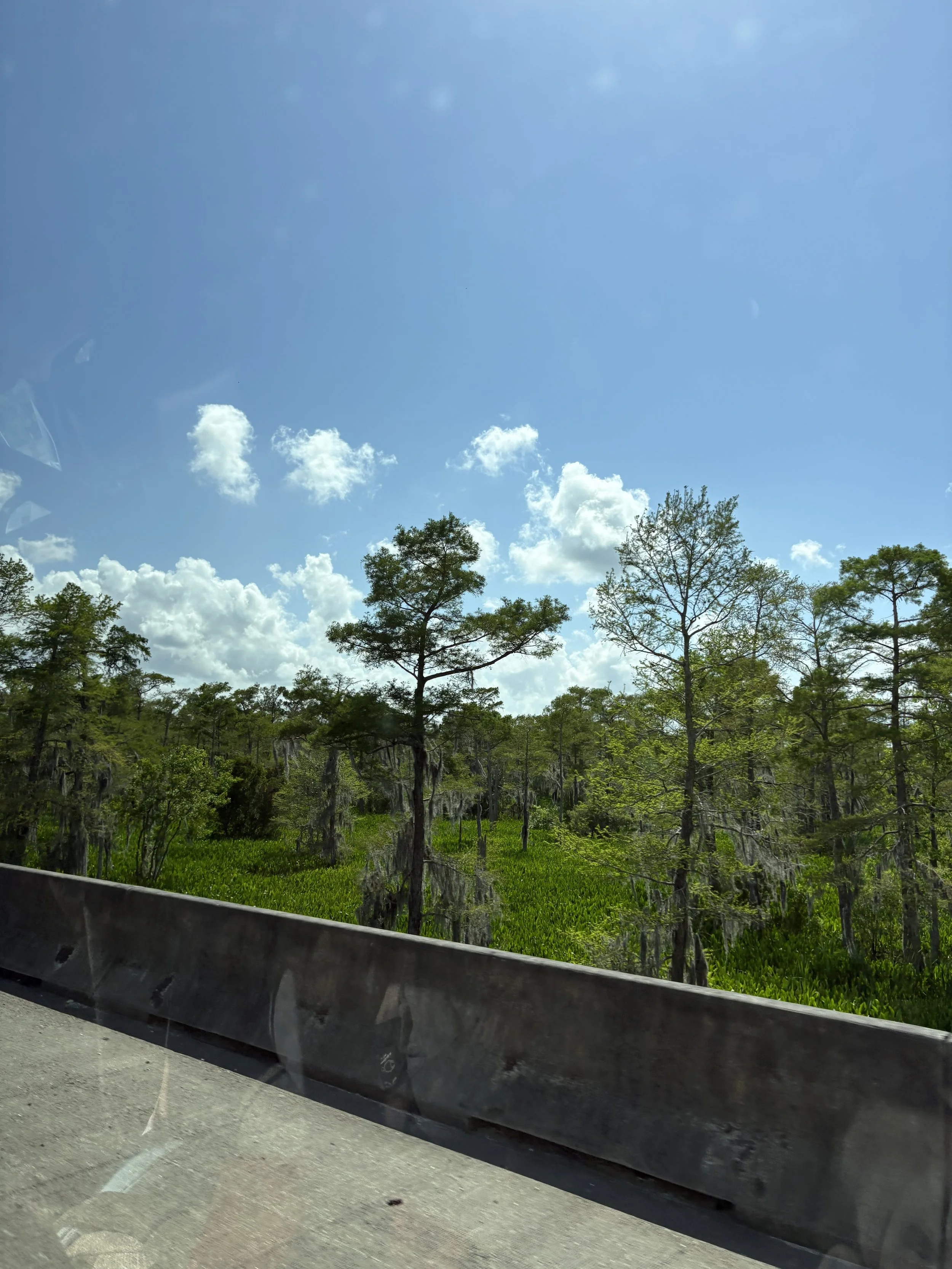
We drove through strips of marsh, swampland, and seemingly endless sugar fields. Cyprus trees were draped in swaths of Spanish moss, giving the entire scenery a distinctly eerie (albeit beautiful) air. I was once again struck by the desire to compare this drive to places I’ve been before. The swamps were like the road trips I had done from Vermont to the Maine coast, always keeping my eyes peeled for moose (though now it was alligators I was trying to find). The palm trees brought back Los Angeles and the Spanish moss a childhood trip to Florida. As we drove further and the trees began to become more sparse, the water more expansive, roads level with the marsh around us. Once again, I was reminded of somewhere else – driving through the Netherlands, a country where I’ve spent a significant amount of time, a flat expanse of canals and farmland. If not for the lack of windmills, southern Louisiana might as well have been the A4 highway. 

This habit of comparing went on and on and on as the first day passed. Everywhere I turned in Grand Isle, I was reminded of areas in New England — Maine here, rural New Hampshire there, the town in Vermont in which I used to take violin lessons. It began to grate at my nerves. Why was everything a reminder of something else? I wanted to enjoy this experience, feel grounded in this place and time, yet everywhere I looked I was reminded of the past. 

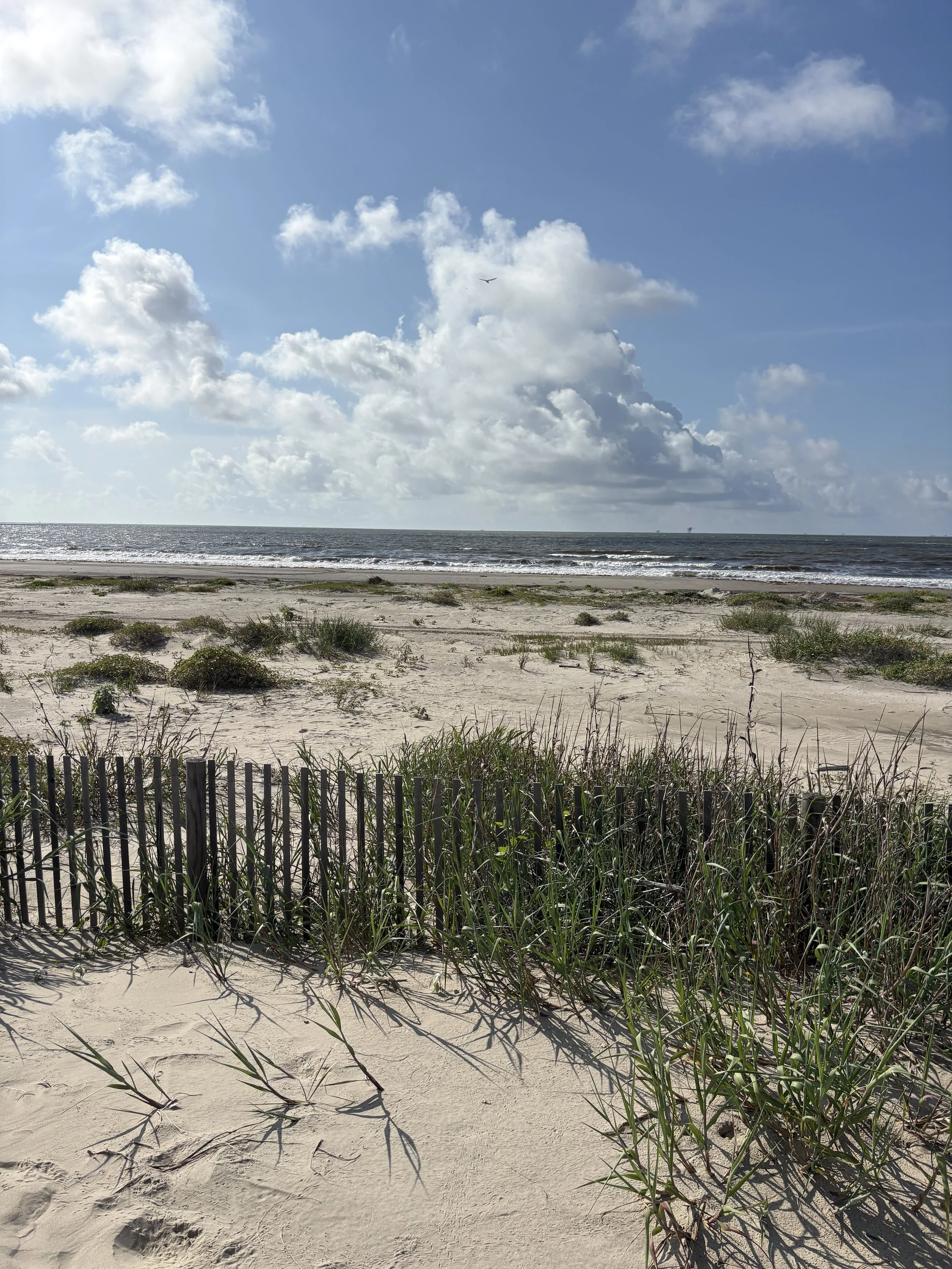
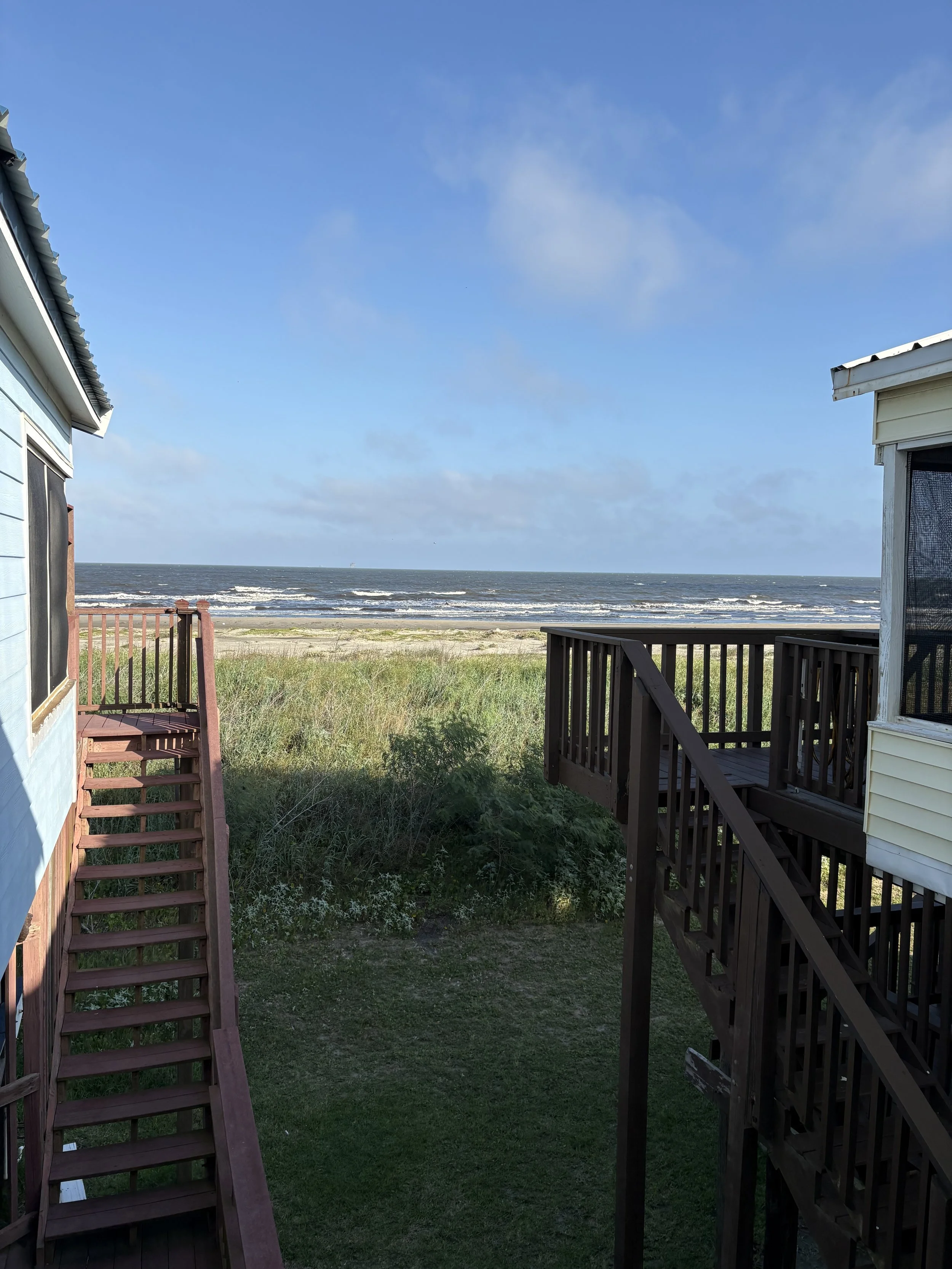
Time itself seems to move differently on a place like Grand Isle. It doesn’t run a straight path – it swells, stretches, and congeals again into a sticky haze. The first day bled into the second and the third, and most of my memories muddy together. I do remember, however, my first time on the beach. It was evening, which meant the humidity that had so intensely permeated the air before had lessened, replaced by a refreshing warm breeze coming off of the sea. It was picturesque by any definition, and yet once again I felt in the back of my mind something missing, a certain lack of satisfaction that comes from a completely new experience.

This changed, however, once I began to read Kate Chopin’s The Awakening. Set in Grand Isle in the 1870s, the book describes the atmosphere of the island with the same reverence Chopin attributes to her characters. 

The sea was quiet now, and swelled lazily in broad billows that melted into one another and did not break except upon the beach in little foamy crests that coiled back like slow, white serpents.
— The Awakening, Kate Chopin (pg 70)

Chopin describes the island as “a delicious picture I just wanted to sit and look at (pg 41).” If I had been reading this book from my apartment in LA, I would have pictured something completely different from the isle I was now on — clear skies, cerulean water, colonial-style beach houses lining the streets, cypress trees swaying in a cooling breeze. It was interesting to reconcile this mental image with what I was actually seeing: houses raised on stilts, buildings still wrecked from hurricane Ida, tractors and ATVs as common as cars, swampy mosquito-infested marshlands. Nor was this mental image similar to the original comparisons I’d made of the island, not to Maine, rural Vermont, or California beach towns. While reading the book, I went out to the porch of our house (nicknamed, for some inexplicable reason, ‘H2O Psycho’) and sat facing the waves. Every time I came to a description of the island, especially the ocean, I would look up and try to recognize Kate Chopin’s novel in my field of vision. While significantly slowing down my reading process, I found myself enjoying the experience of understanding a book this way. I was no longer seeing Grand Isle through my own eyes, through every place I’d ever seen before in my life. I was seeing through the eyes of Edna Pontellier, and the place I was seeing was the same one that changed her fundamentally, ‘woke her up.’ I began to sense the “seductive odor of the sea… the sight of the water stretching so far away, those motionless sails against the blue sky.” This wasn’t the past, or if it was, it certainly wasn’t my past. Reading through Edna’s eyes helped to ground me in the present moment, something I desperately craved after my chaotic last month in LA. Like Edna, I was here on this island at this moment. When I went swimming again in the sea, my arms outstretched in the direction of the horizon, I thought about Edna’s experience with the water in the book, the desire she has to go further and keep swimming, and then I thought about my own. I felt the warm water, the sand underneath my feet, and finally, I felt like I was truly there.