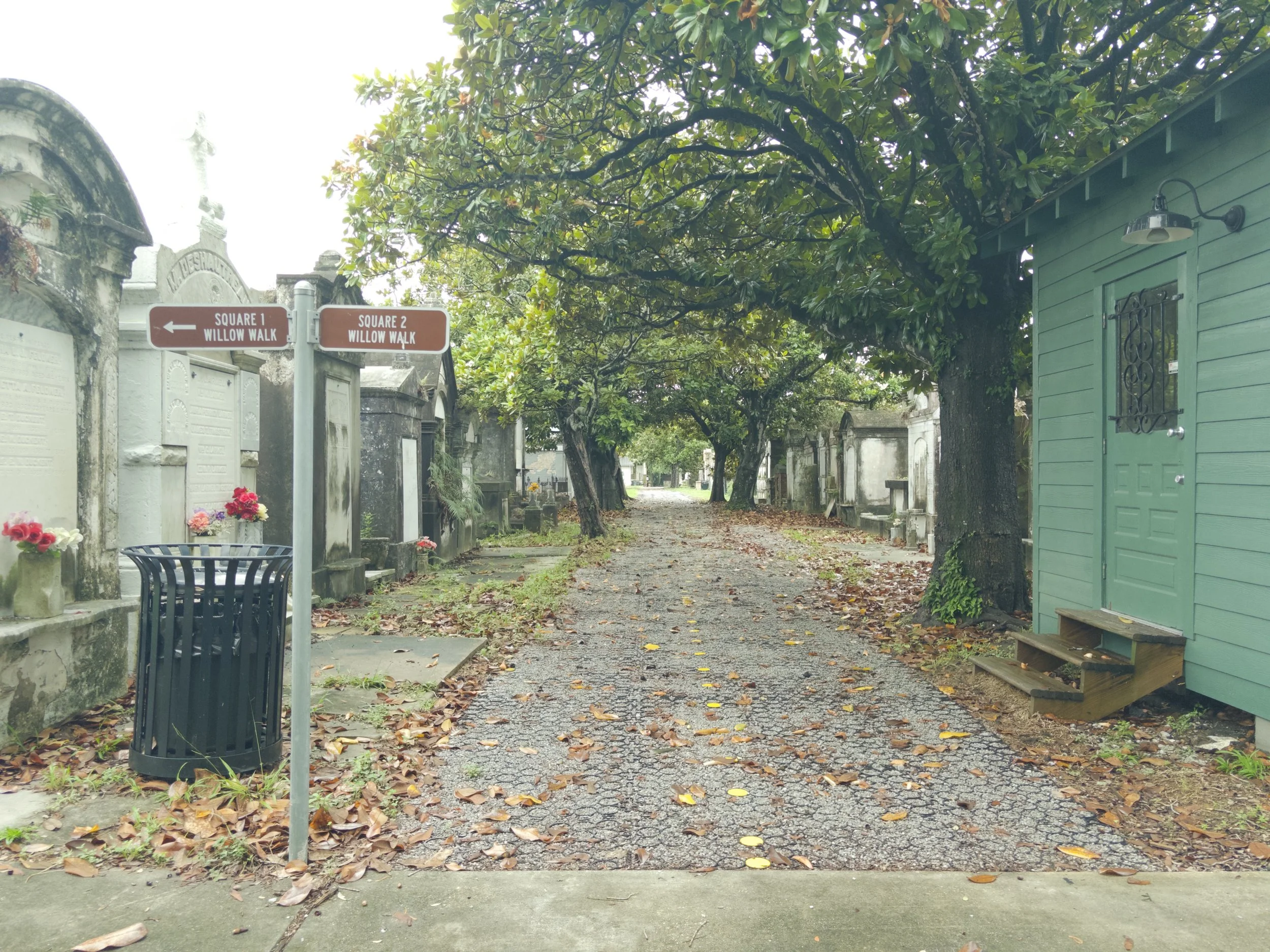
Death was always daunting to me. I can recall countless late night conversations with my brother, dwelling on the idea that our life here is only temporary, that the people we love will not always be here, and so what do we make of these connections, these experiences? And what lies after life? What comes with death? Death scares me, but it also tempts my curiosity, which is why I was both wary of and intrigued by the supernatural history of New Orleans.
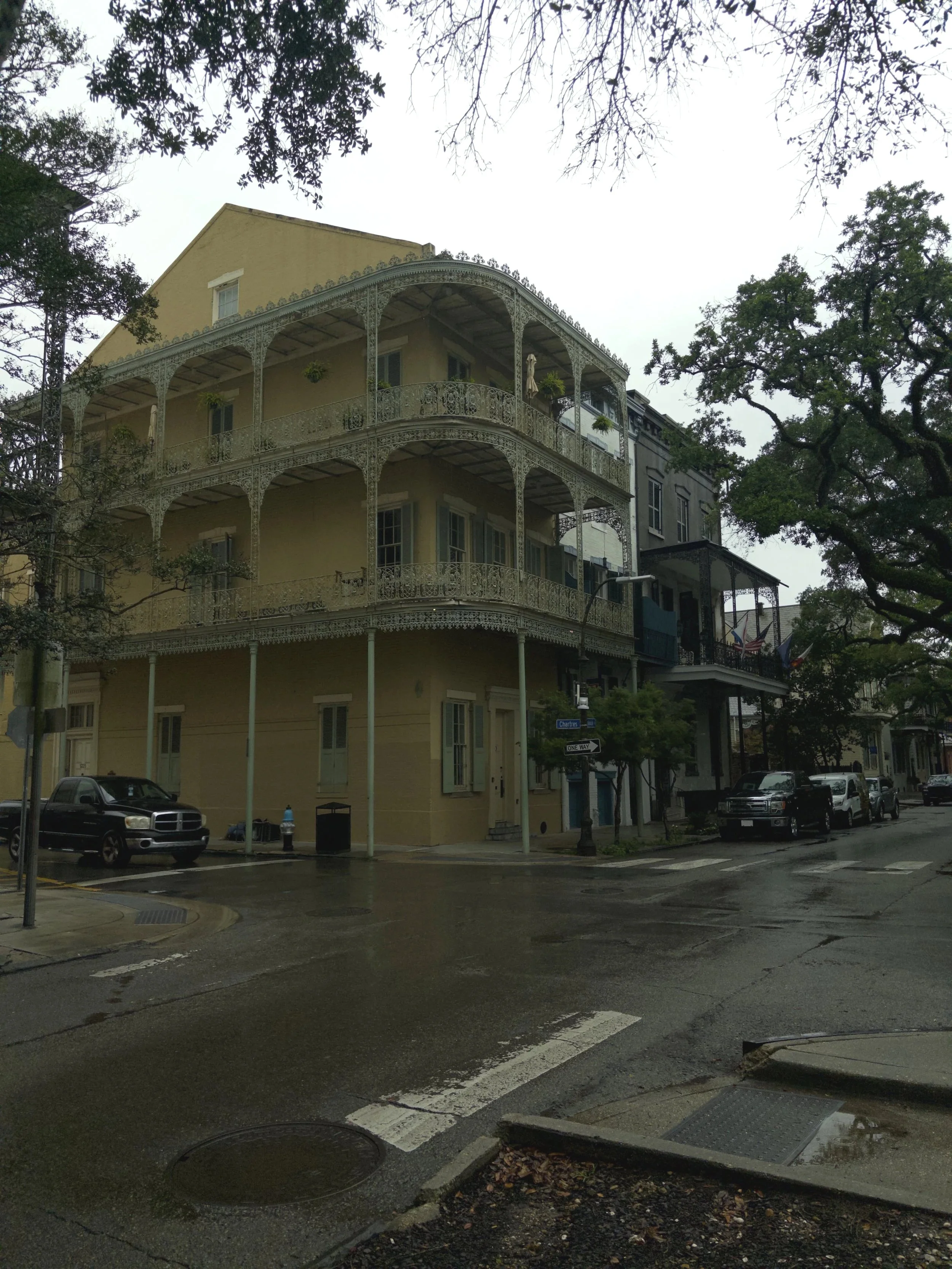
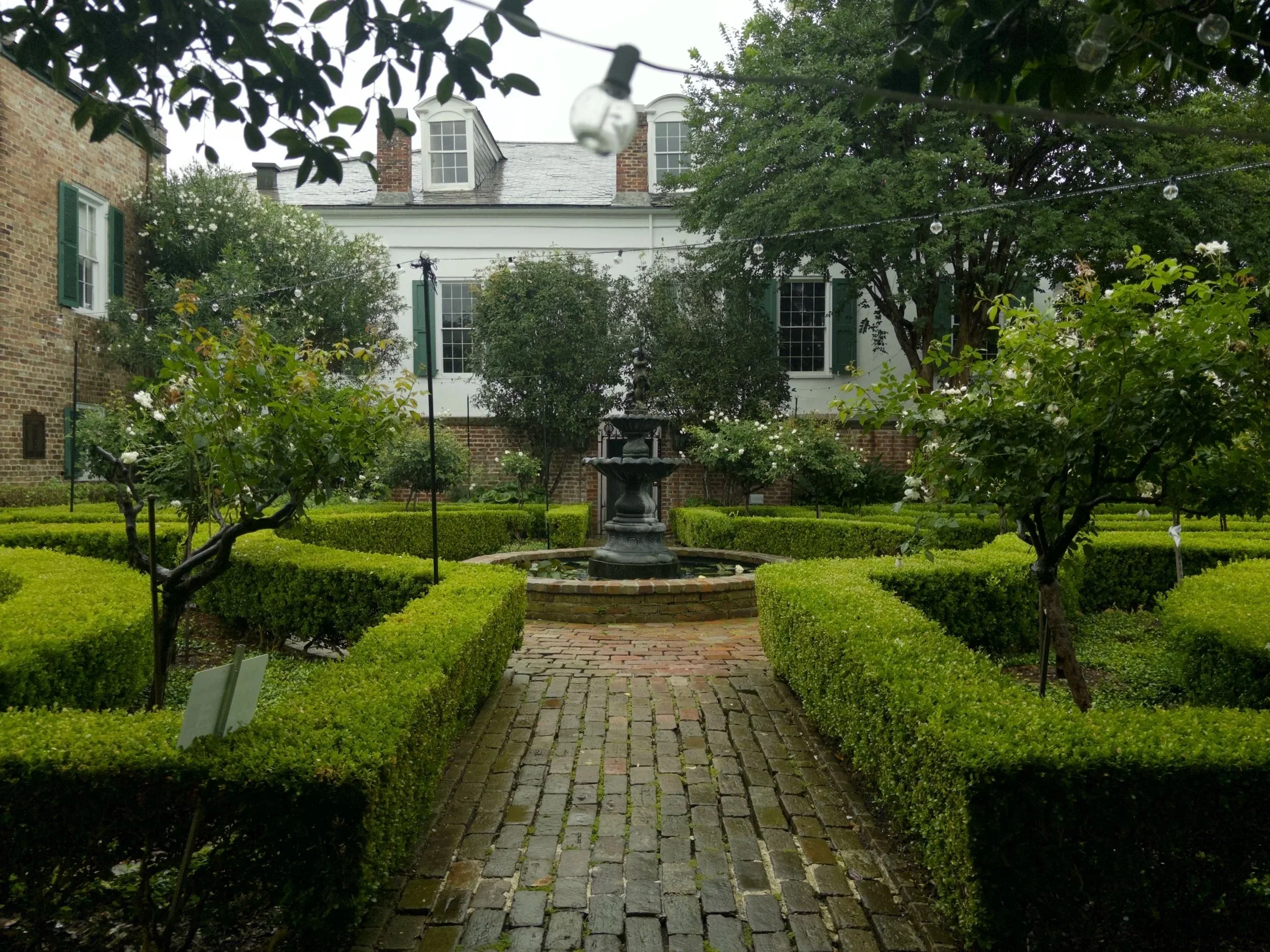
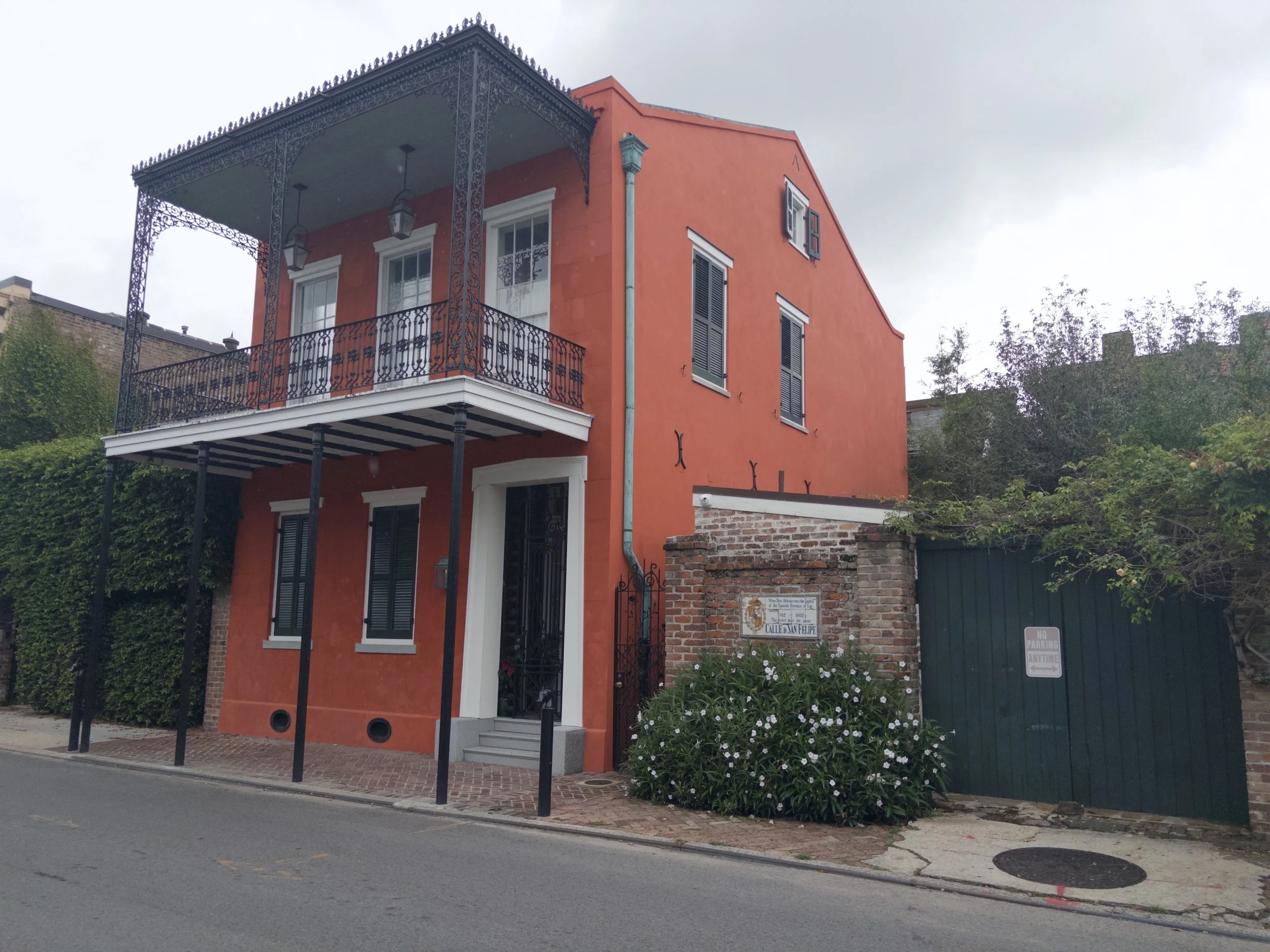
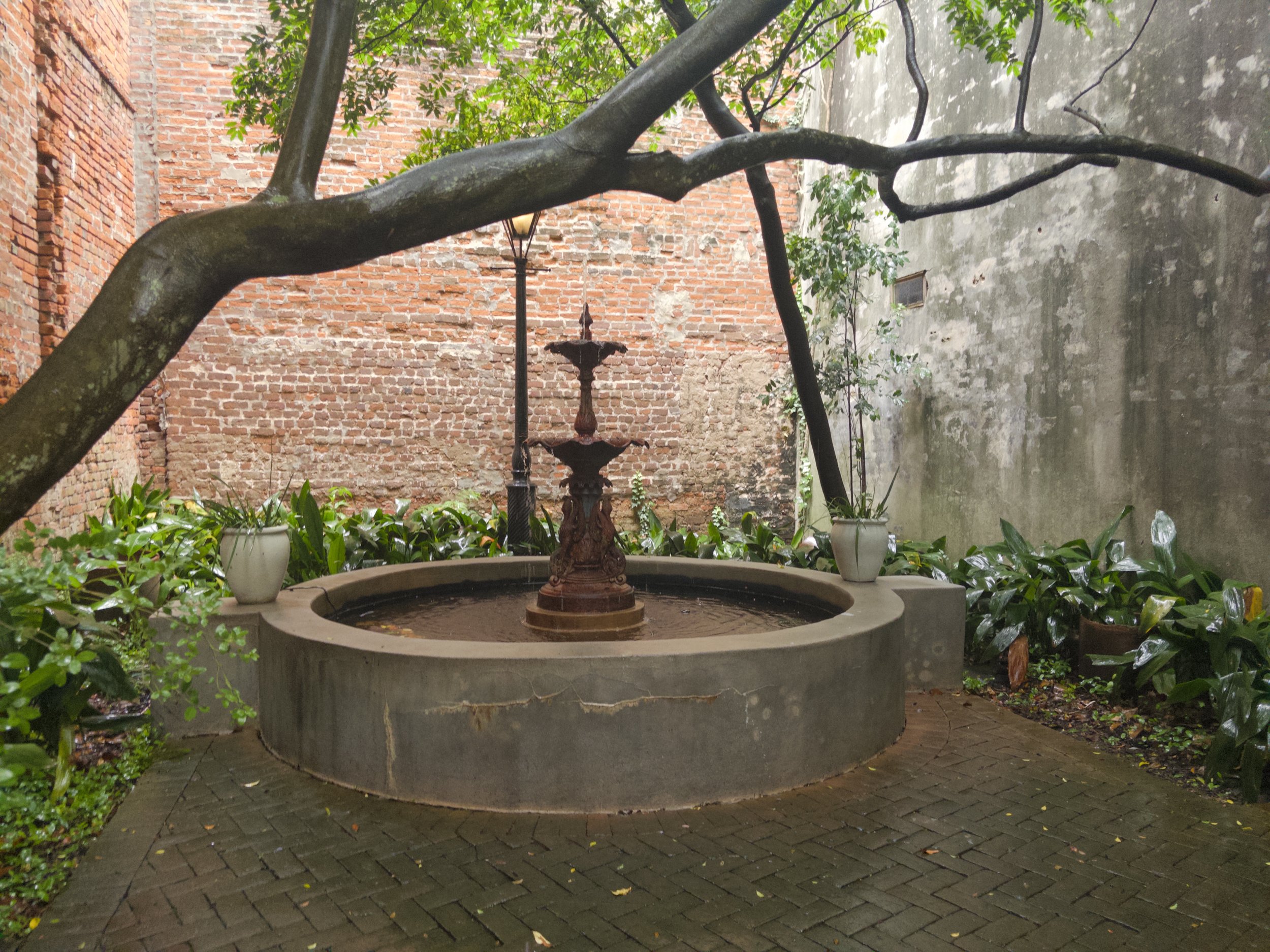
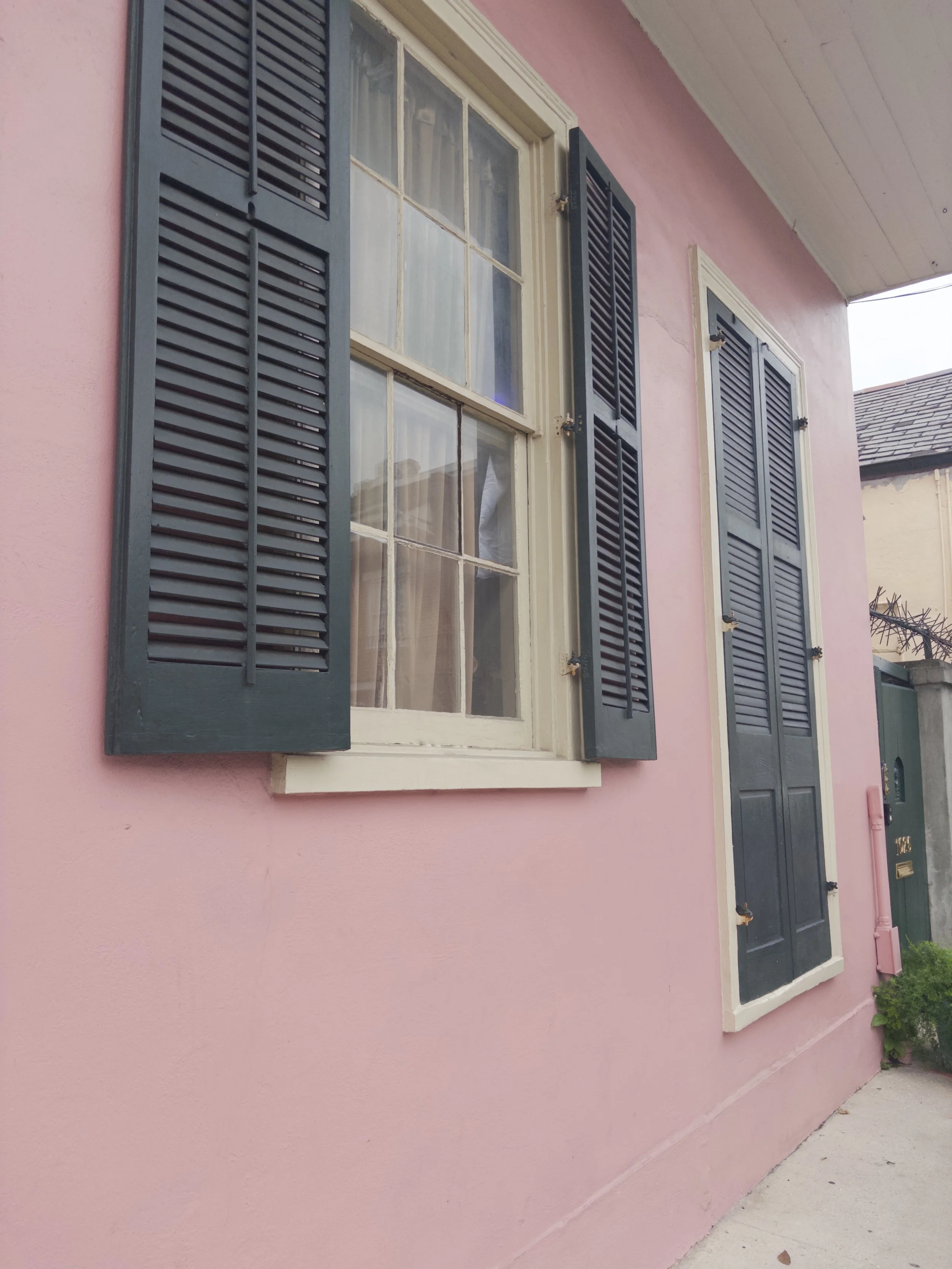
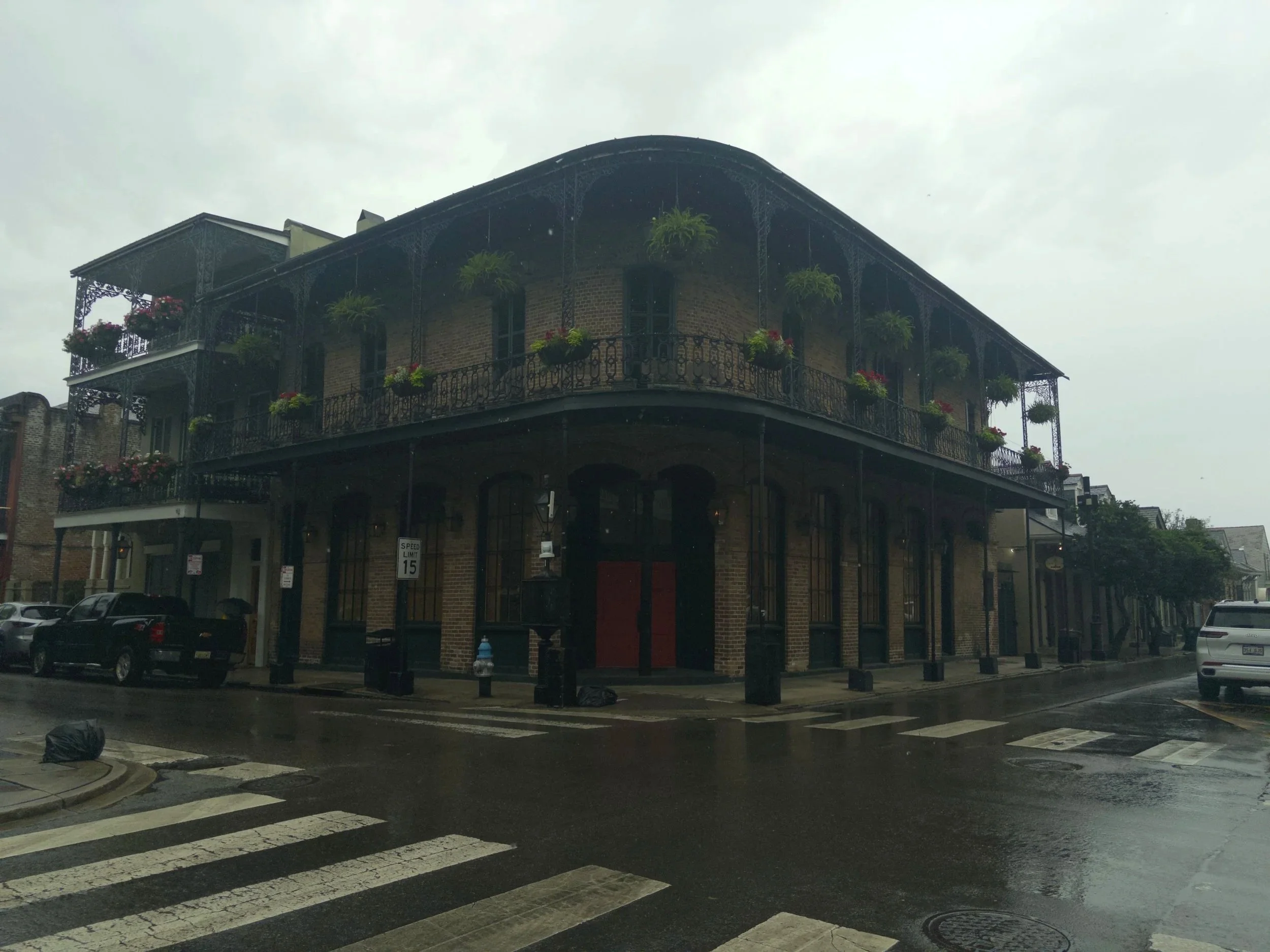
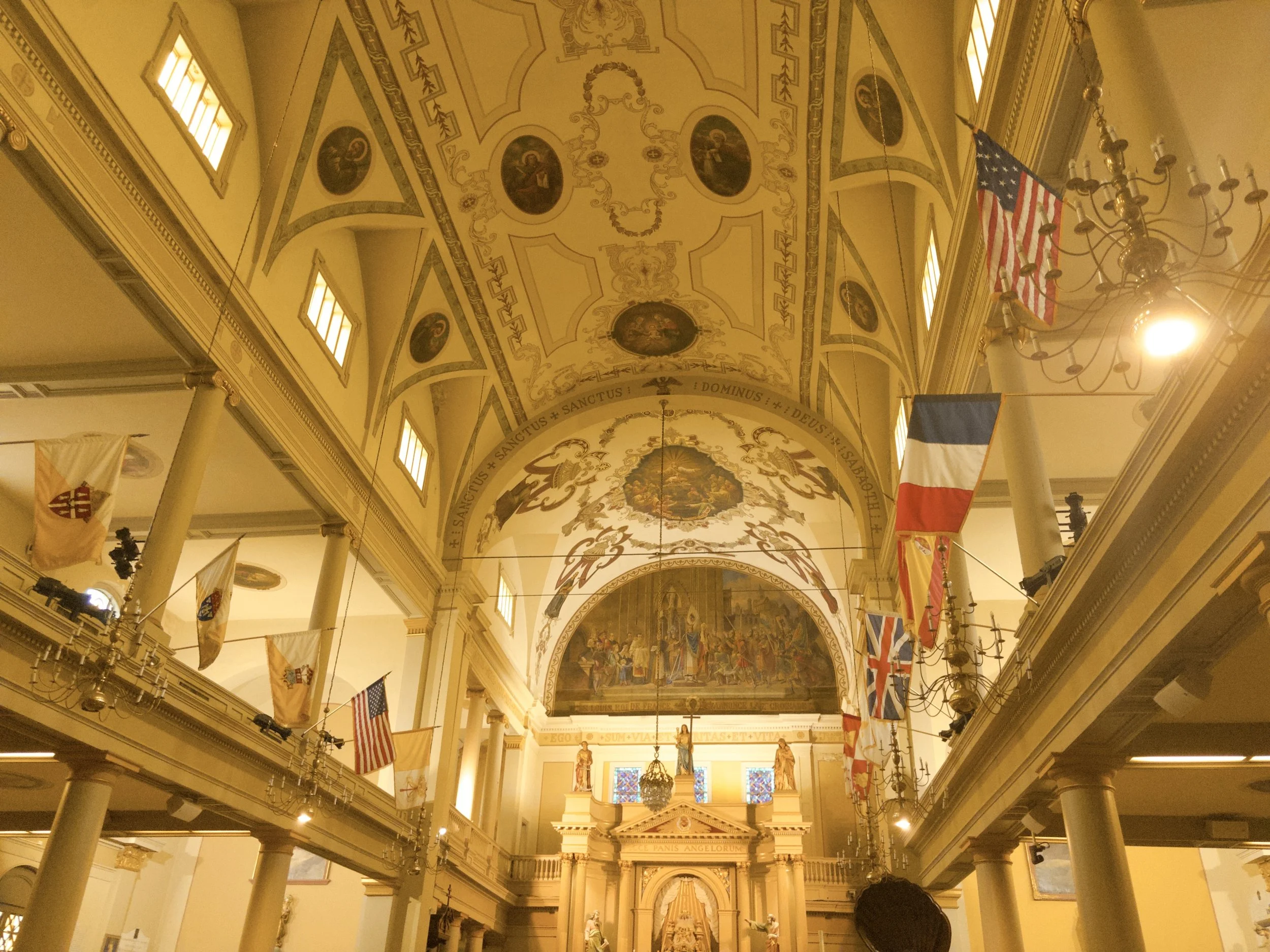
Surrounded by the consuming humidity of the rain, as we walked down the French Quarter I admired the French and Spanish architecture engrained in the city. The wrought iron galleries adorned by beautiful greenery, the rich, bright or moody colors of each building, the calming courtyards, and the lanterns that lit our path along the Quarter. It’s stunning. Sprinkled within such beauty are all things vampires, Voodoo, and death. Skeletons hang over the galleries of varied homes, while bars, cafes, and restaurants monetize off the myth of vampires and the spirituality of Voodoo. Down the block is St. Louis Cathedral in front of Jackson Square, the heart of the French Quarter. Sitting on the church pew, I take in the image above me: God and the Holy Spirit looking over Jesus and his apostles. I can’t help but think I’d love to attend a mass here alongside my mom. The quiet atmosphere of the church is a strange contrast to the noise of the supernatural tourist attractions just steps away from its walls. It’s a unique mix you won’t quite find in Los Angeles, which makes it the perfect setting for Anne Rice’s Interview with the Vampire.
“Evil is always possible. And goodness is eternally difficult.”
— Anne Rice, Interview with the Vampire
In Anne Rice’s Interview with the Vampire, what caught my attention most was not the spectacle of vampires, but its themes of morality and faith upon immortality. In an interview, Louis recounts how he became a vampire and his experiences as an immortal being. Prior to his transformation, Louis’s Catholic faith was weakened by the guilt he felt for his brother’s death, whose religious visions were dismissed. In this moment of weakness, the vampire Lestat enters the picture, tempting and transforming Louis into a vampire. Now immortal and relying upon the flesh of humans, Louis fights to maintain his mortality amongst his vampirism, purity amongst sin. He finds himself questioning his relationship with Catholicism and the existence of God.
I see reflected in my mortality, the moral and religious challenges Louis faces in his death. I am a practicing Catholic, I was baptized as a child, I’ve received my communion, and completed my confirmation. I’m on the “right” track, yet sitting in the Cathedral, while admiring its beauty and faith, I feel like an imposter within my own place of worship. I haven’t been to church since April and even then I hardly go throughout the year. I haven’t prayed and when I do, it's cut short by a selfish eagerness to sleep. I haven’t confessed nor have I dedicated time to read my Bible, a book I haven’t picked up since it was gifted. Instead, I’m consistently overcome with temptation, I fall into the same unhealthy habits that leave me estranged from my faith.
Similar to Louis, I feel as if there is an evil that surrounds me. However this evil does not stem from fictitious ruthless vampires, like those Louis tries to distinguish himself from, but the evil of our national and world leaders whose actions intend to suppress and eliminate groups of people they so immorally see as subhuman. An evil that I admit does drain my faith, that tires my mind and makes me question if indeed things will get better. Despite all these feelings, I walk out of the Cathedral with the red bracelet I wear every day, carrying the medal of Saint Benedict, unwilling to let my faith go, despite my flawed relationship with it.
“God kills, and so shall we… for no creatures under God are as we are, none so like Him as ourselves, dark angels not confined to the stinking limits of hell but wandering His earth and all its kingdoms.”
— Anne Rice, Interview with the Vampire
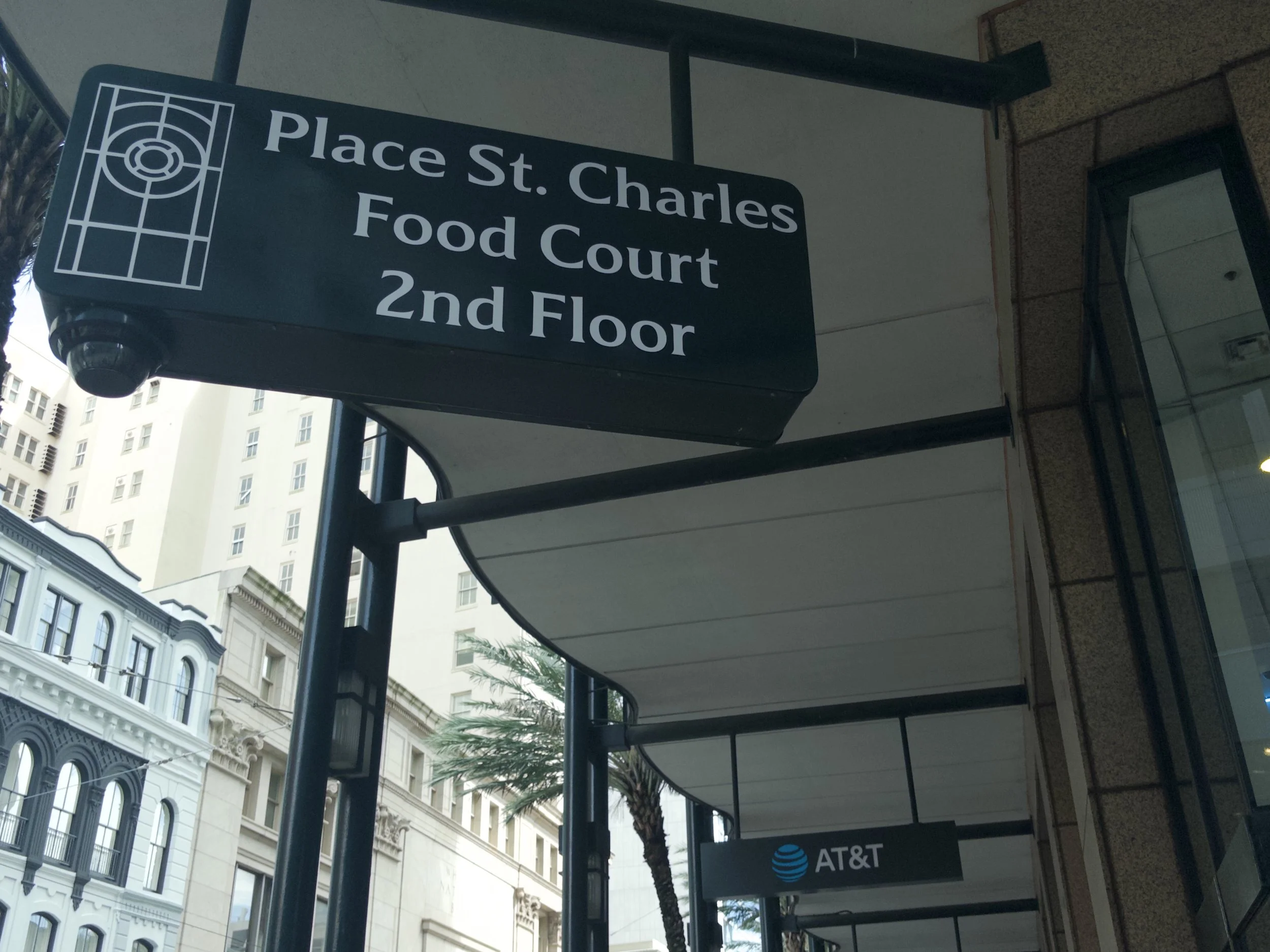
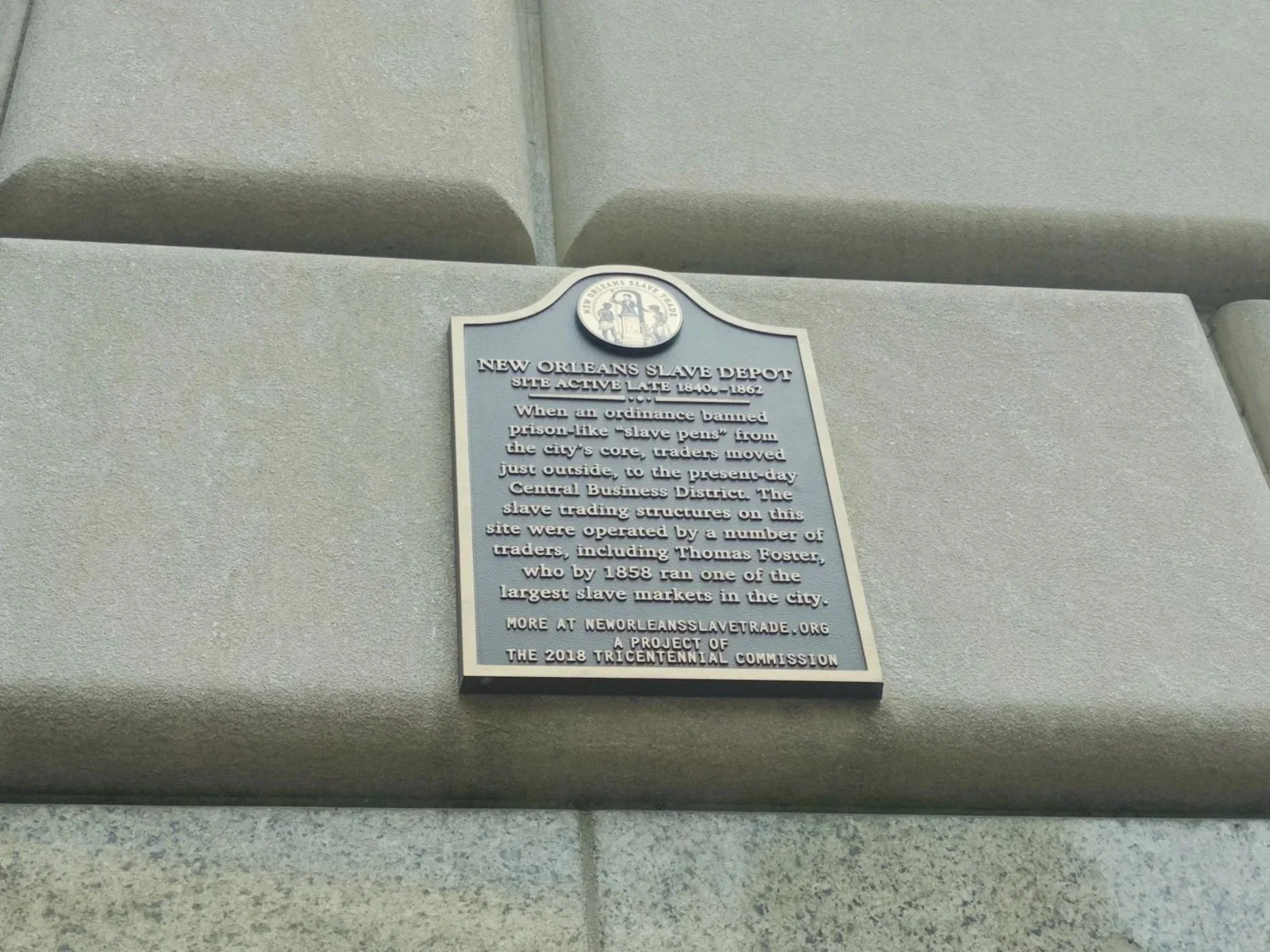
In contrast to Louis, Lestat doesn’t dwell on questions of morality. Instead, he embraces his vampirism and the evil that comes with it. When Louis raises questions of God, Lestat manipulates God’s power and bestows it upon himself to justify his acts of evil. In the midst of the Central Business District of New Orleans lies St. Charles street, now packed with a mixture of banks, hotels, and restaurants. The same street Theodore Clapp walked down in the 1800s, passing the grand St. Charles Hotel, to preach Unitarian beliefs in the Stranger’s Church, whose preachings attracted visitors all over America and Europe. Along our walk, Andrew points out the locations where enslaved people were held in horrific prison-like pens that Clapp would have walked past every day. In spite of his liberal religious beliefs, Clapp believed slavery was warranted under the Bible. And just as Lestat, Clapp uses the word of God as a means of justifying the evil around him and maintaining his power, privilege, and assumed “purity” as a white individual.
Characters like Clapp are not just those of the past, but of the present. For years and years, religion has been manipulated to establish norms of white supremacy, heteronormativity, and male dominance. In recent times, we’ve seen our very own president assume the role of Jesus through an AI generated photo on Truth Social to push his agenda of a White America. Meanwhile mistranslated and stubborn interpretations of Leviticus 18:22 are used to excuse persistent attacks on the LGBTQ+ community. And even in my family, certain members who claim to be devoted Catholics preach the word of God, while calling for the deportation of peoples whose backgrounds aren’t far off from their own.
Written in the late 20th century, Rice’s novel still reflects the tensions between morality and faith today, beyond a supernatural context, in the grounds of New Orleans and the United States as a whole. Perhaps the death I feared in the beginning is not the one I fear now. Maybe what is most scary, is not death itself nor the possibility of supernatural beings like vampires. What scares me most is the death of morality amongst the liveliness of faith.
“It is your consciousness, your will, which must keep you alive.”
— Anne Rice, Interview with the Vampire