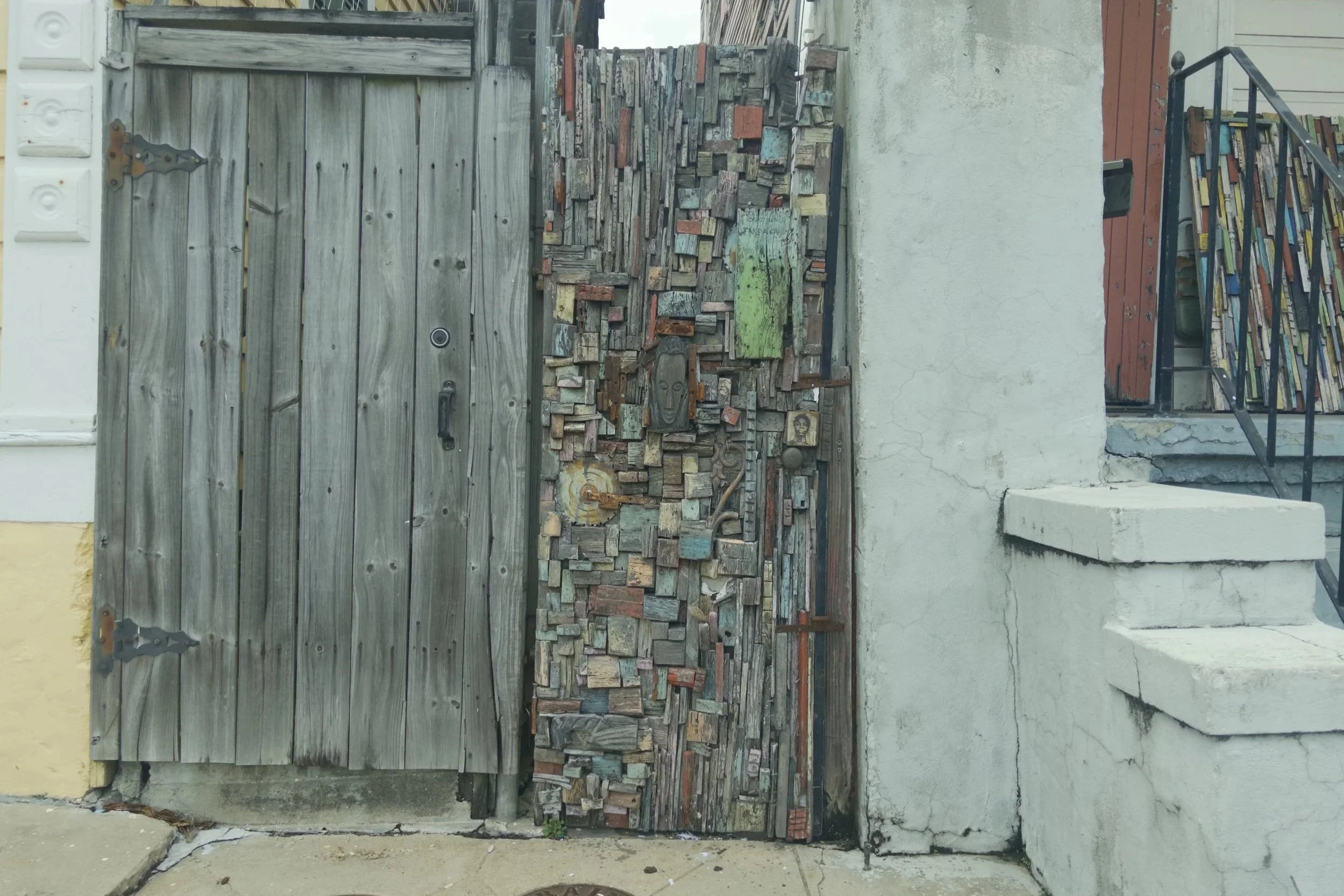
I have 26,074 photos saved on my phone. 26,074 photos to my name. Far too many. I can make the excuse that I’m simply too lazy to clear my camera roll, but I wouldn’t be addressing the root of the problem. How did these photos end up there in the first place?
I took them.
I took many.
I spam my phone with images in hopes of capturing fleeting moments, but in the very act I lose them. It’s a problem, but how could I resist it? With phones, you capture an image almost instantly. In seconds, I can preserve what I deem as valuable. But does a moment left uncaptured make it less valuable than one that is? Although I have 26,074 moments captured on my phone, I have a million more captured through what I’ve seen, smelled, touched, tasted, and heard.
Memory is invaluable.
Inquire about my grandfather and you’ll get a different response from each Raygoza. He loved pistachios. He smoked. He drank. He was quiet. He was calm. He was loving. He was abusive. He was caring. He was distant. He was a musician. He played the saxophone.
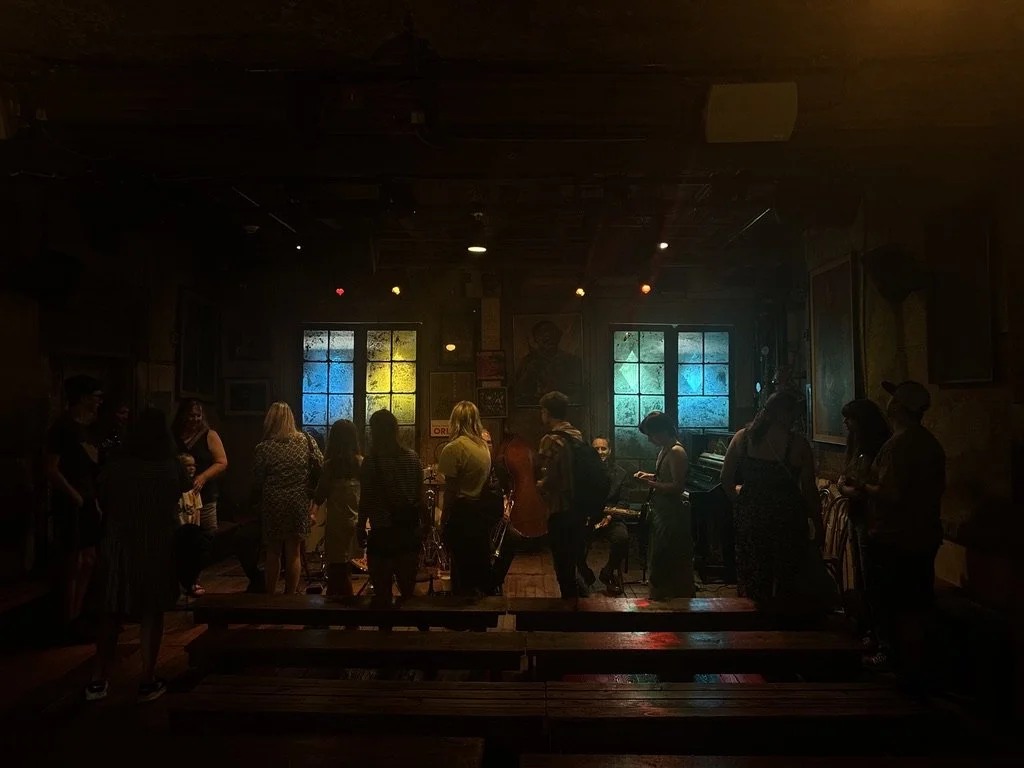
Before we head to Preservation Hall, Andrew speaks of what the experience will look like. He says that sometimes they play the clarinet, but today it’s the saxophone. Phones are not to be used during the performance. There are no images, no videos. When the sax solo begins, my still feet break into a rhythm, each step recalling a memory of my grandfather that isn’t mine. I had never met him. He passed away before I was born. My memory of him is composed of perspectives that are not all one in the same. Still, they create a connection I otherwise wouldn’t have. A connection between me and him, between the music and me.
Memory is imperfect.
It’s built from perspective. Perspective shapes memory and memory shapes connection. In Michael Ondaatje’s Coming Through Slaughter, Ondaatje intertwines his creative mind with the historical perspective of Buddy Bolden, often referred to as the Father of Jazz. In doing so, my remembrance of Bolden is forged by the perspective of Ondaatje. It’s inherently flawed and it prompts the questions: Whose memory gets to be preserved? How is it preserved? And who gets to preserve it?
I think back to the statue of John McDonogh, a wealthy slave owner who willed 2 million dollars to New Orleans public schools, now replaced by a potted plant in Lafayette Square. Down Lafayette Square on Saint Charles Ave and above eye level lies the small plaque acknowledging the New Orleans Slave Depot. Although the McDonogh statue is no longer there, having been toppled by protesters in 2020, I dwell on the question of how a slave owner gets a larger memorial than the suffering of enslaved people in these slave markets? It’s upsetting, but not surprising. America has long been selective in the memory it chooses to tell. The white perspective, the white story, has long dominated avenues of remembrance from memorials to film to the history books we read in class.
Memory is power.
And the protestors who tore down McDonogh’s statue resist a memory, a power that is abusive (to say the least). Instead, individuals like Sylvester Francis, preserve a memory rooted in resilience, love, joy, community and culture. A memory rooted in Black Power.
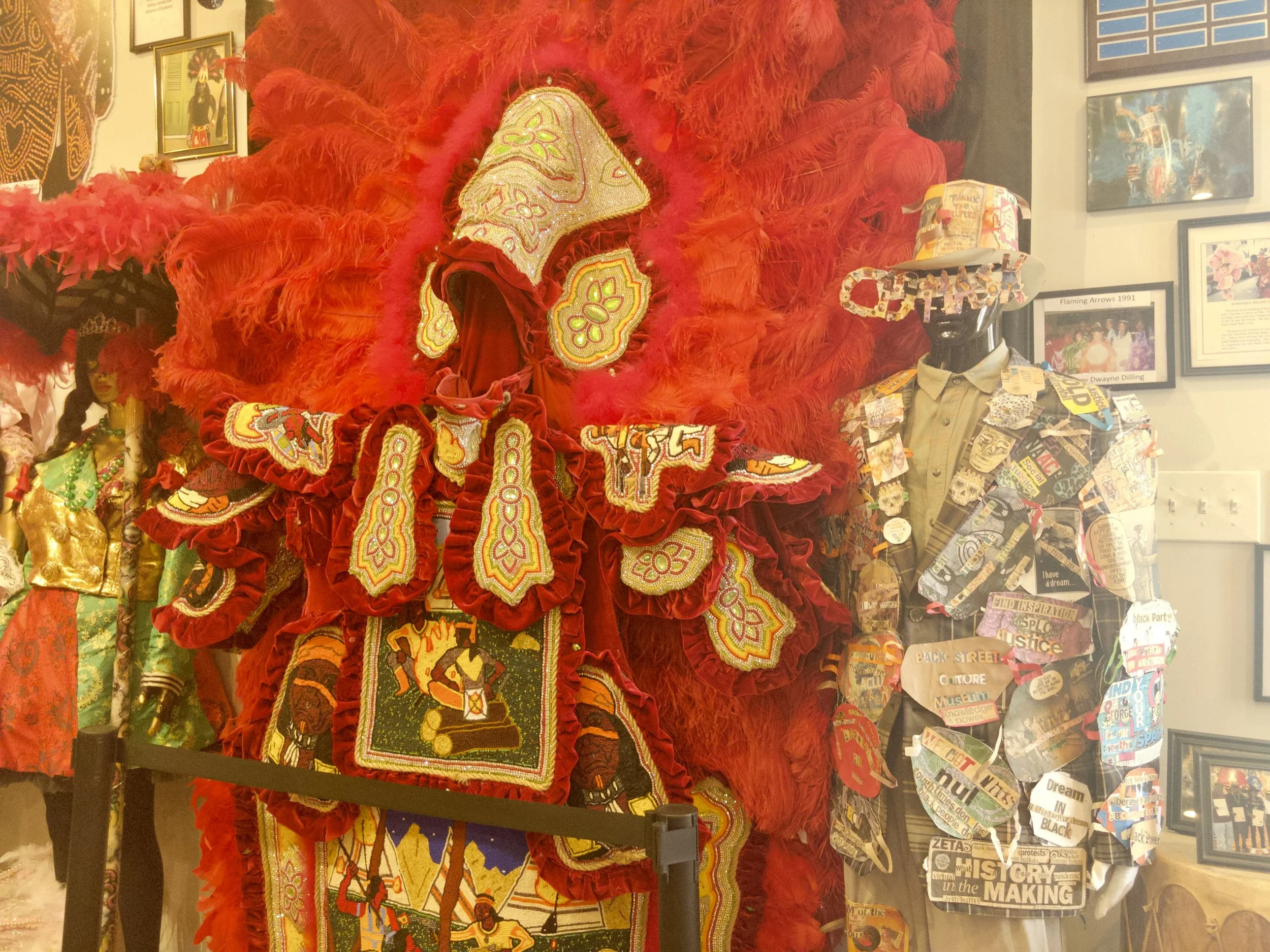
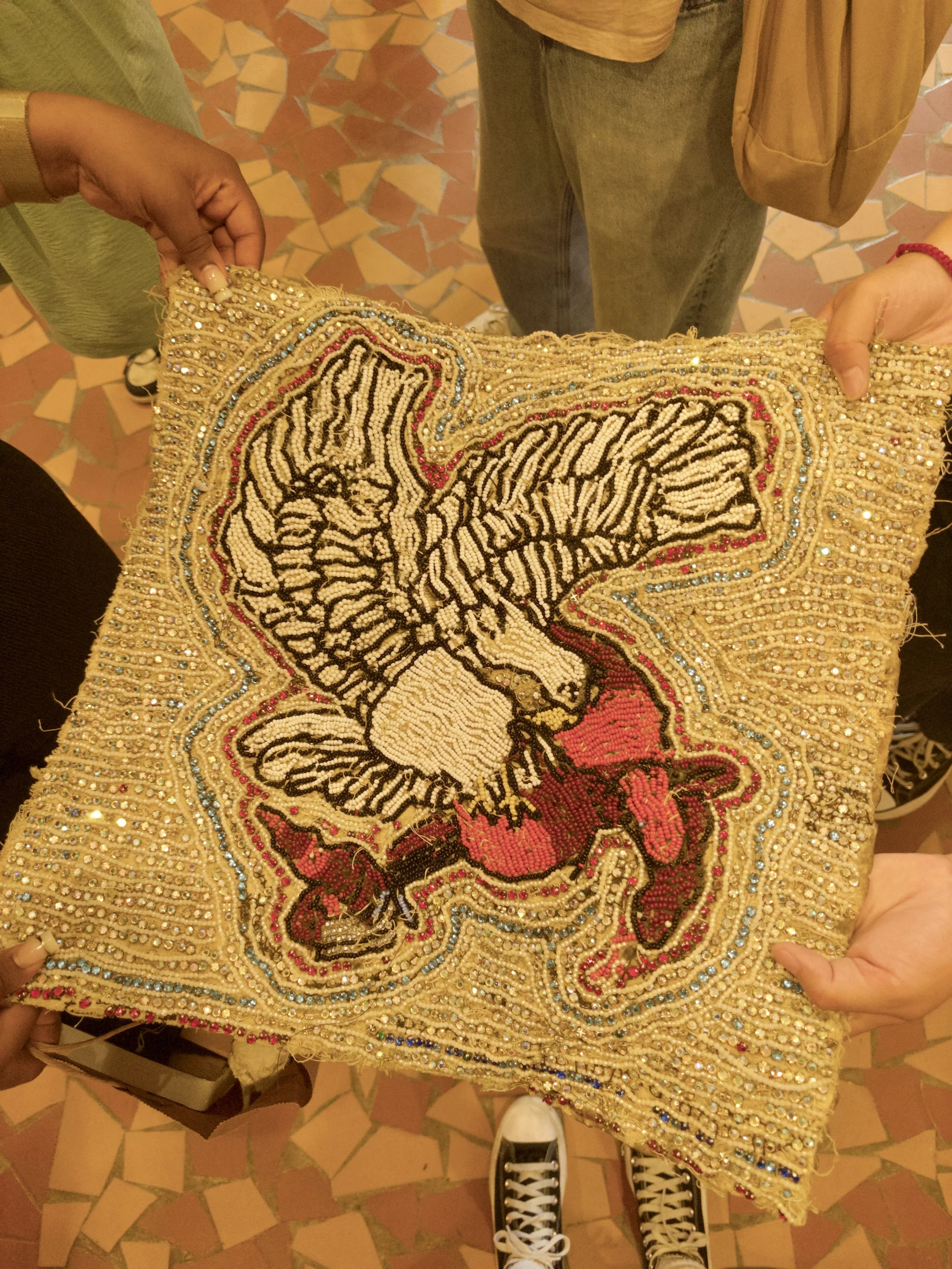
At the Backstreet Cultural Museum, my eyes wouldn’t dare to look away from the brilliance of beads. Each bead strings a story together. It radiates a legacy of Black resistance and pays respect to the Native Americans who assisted Africans escaping enslavement. Each bead, each feather, each plume is brought together through a year’s long labor at the hand of those who choose to wear them and no suit is the same nor reworn. Each suit remains dedicated to the year in which it is made, preserving its history while continuing its legacy. These are the suits of the Mardi Gras Indians.
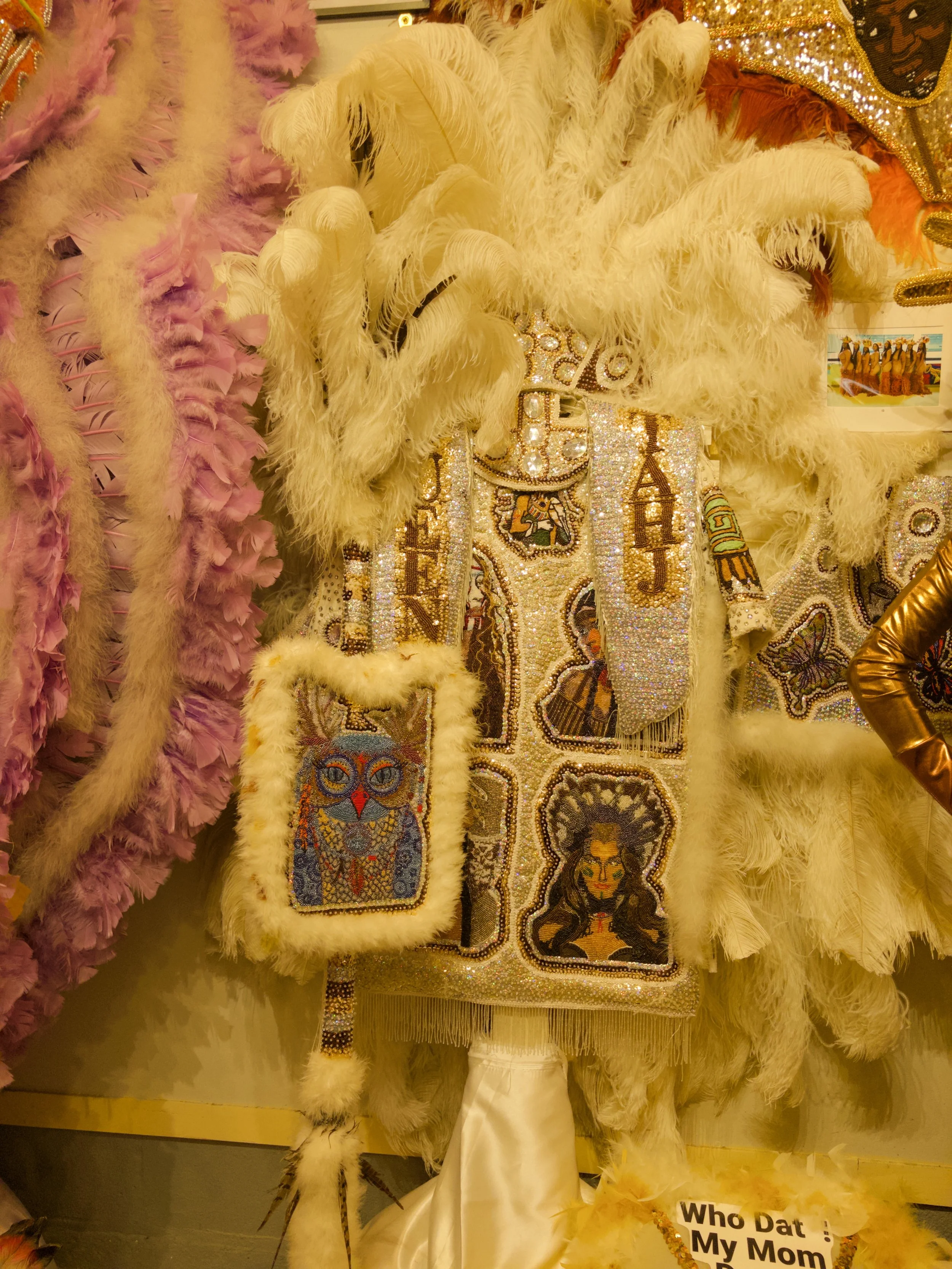
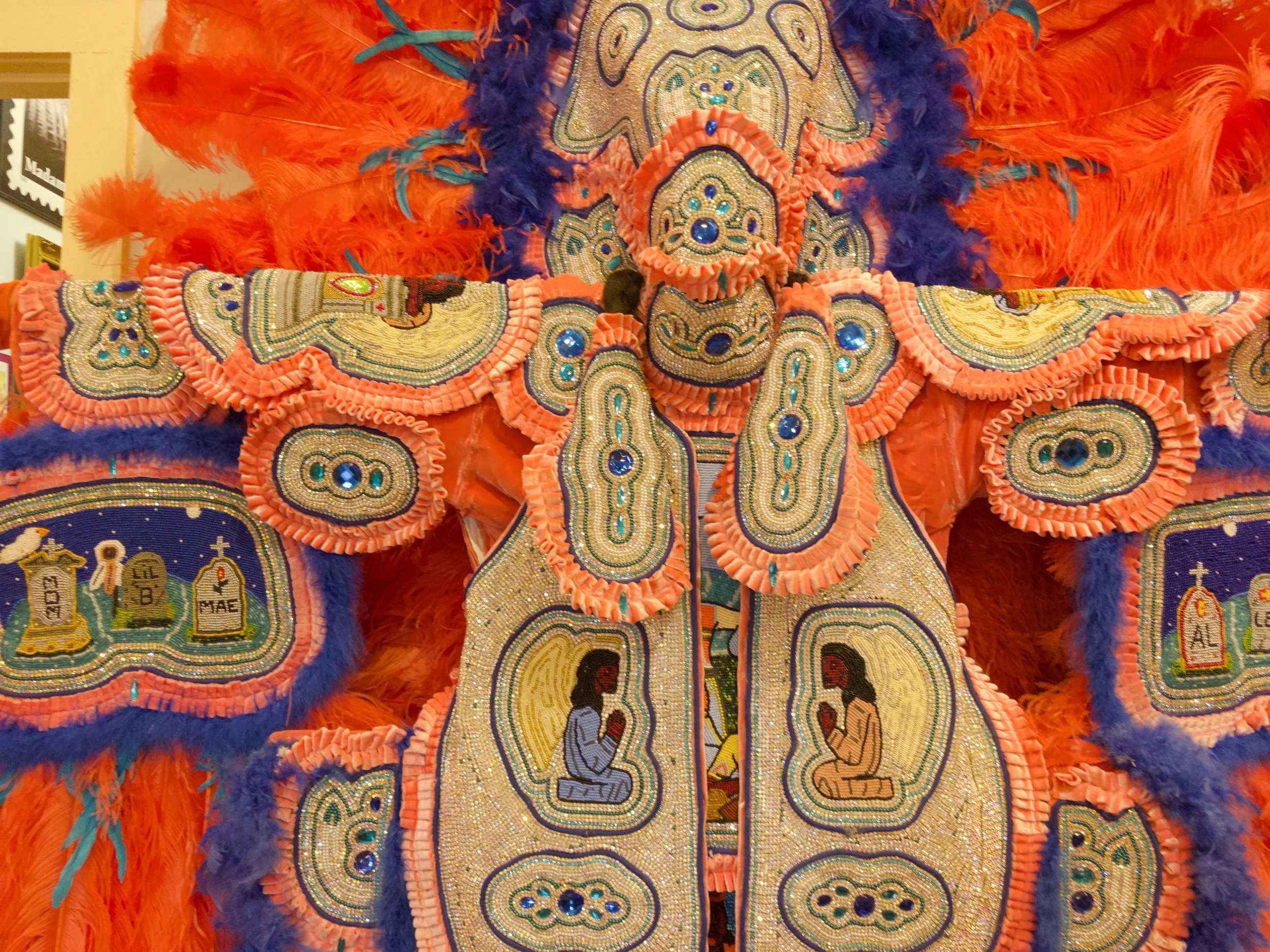
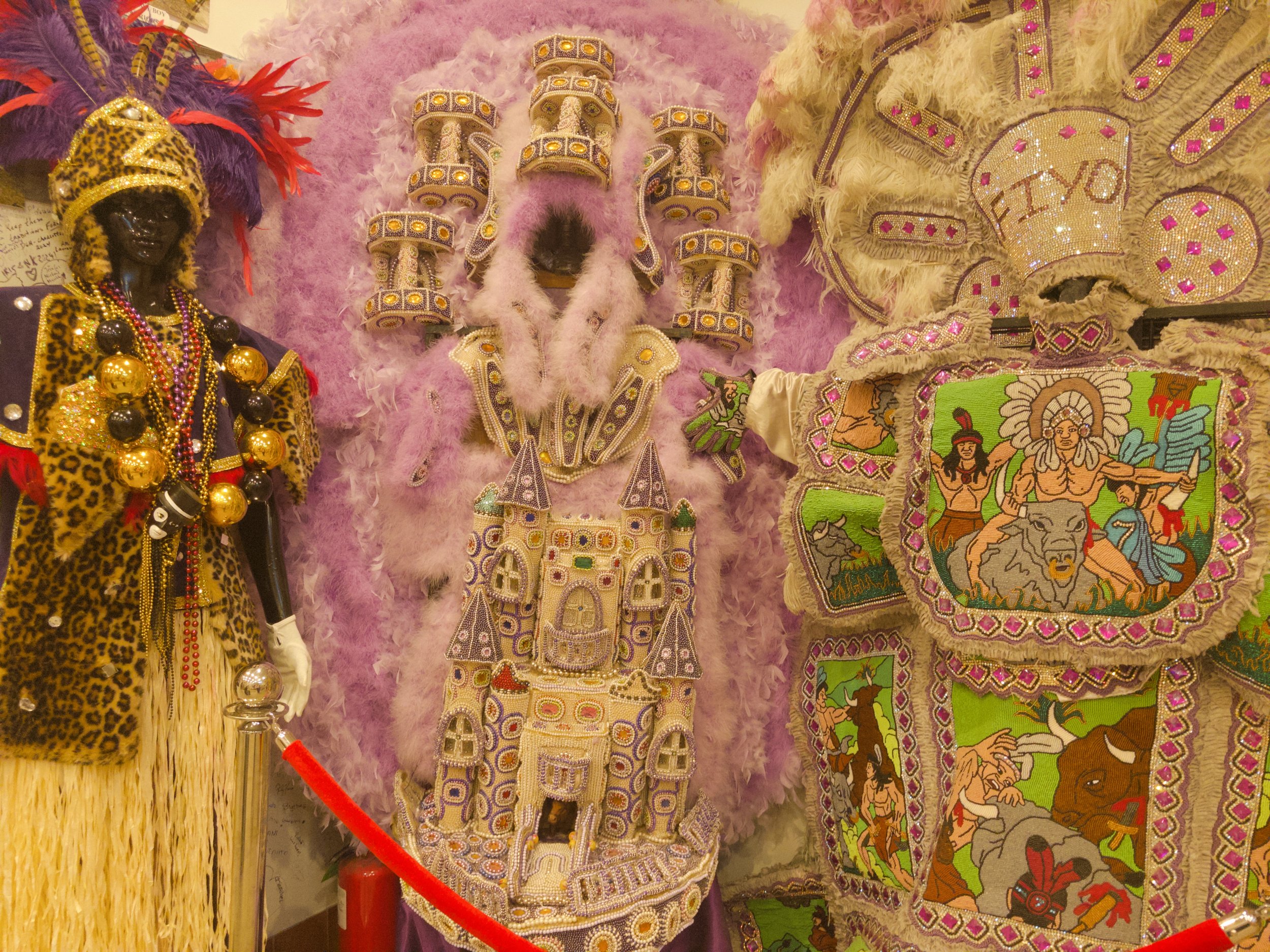
“On my tombstone, you’ll be able to see a man had his dream and the dream was to open up a museum.”
– Sylvester Francis
Sylvester Francis is the founder of the Backstreet Cultural Museum, who dedicated immense time and money to recognize the traditions, the celebrations, and the memories engrained in his own community, the memories that make New Orleans what it is. That is power. And this power transcends beyond its walls and onto the streets, vibrating through the vibrant sounds and sensations of the Second Line Parade.
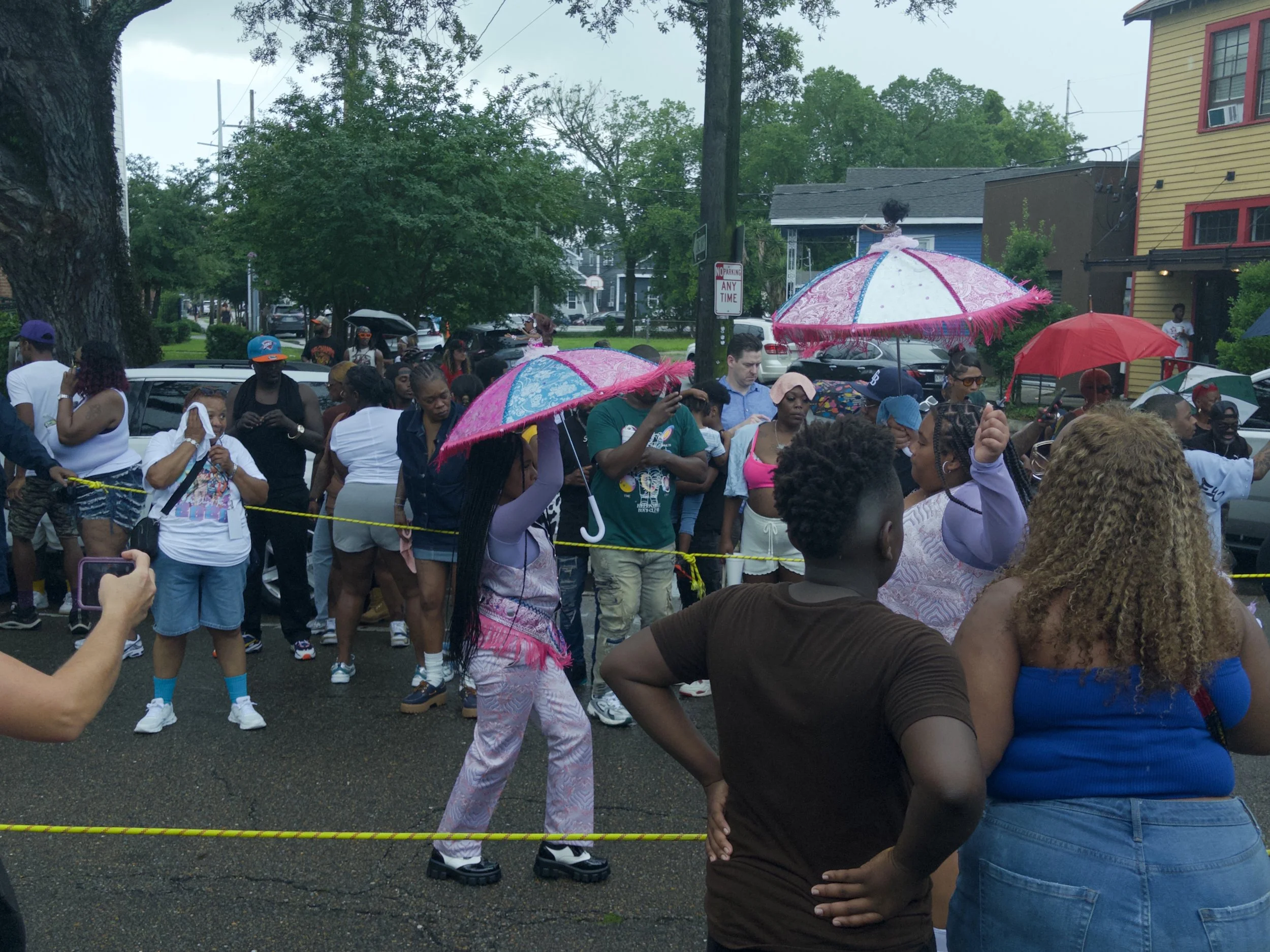
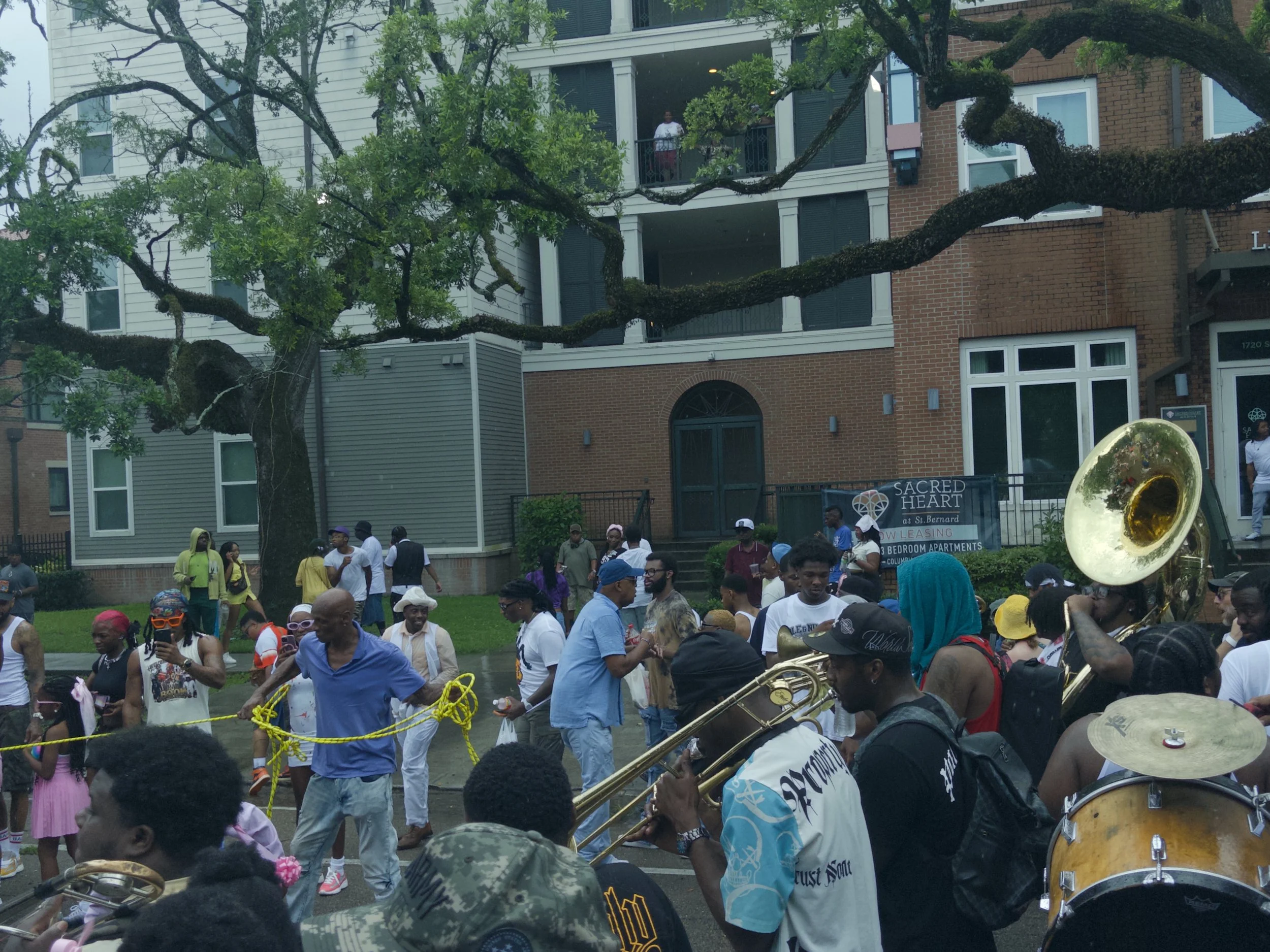
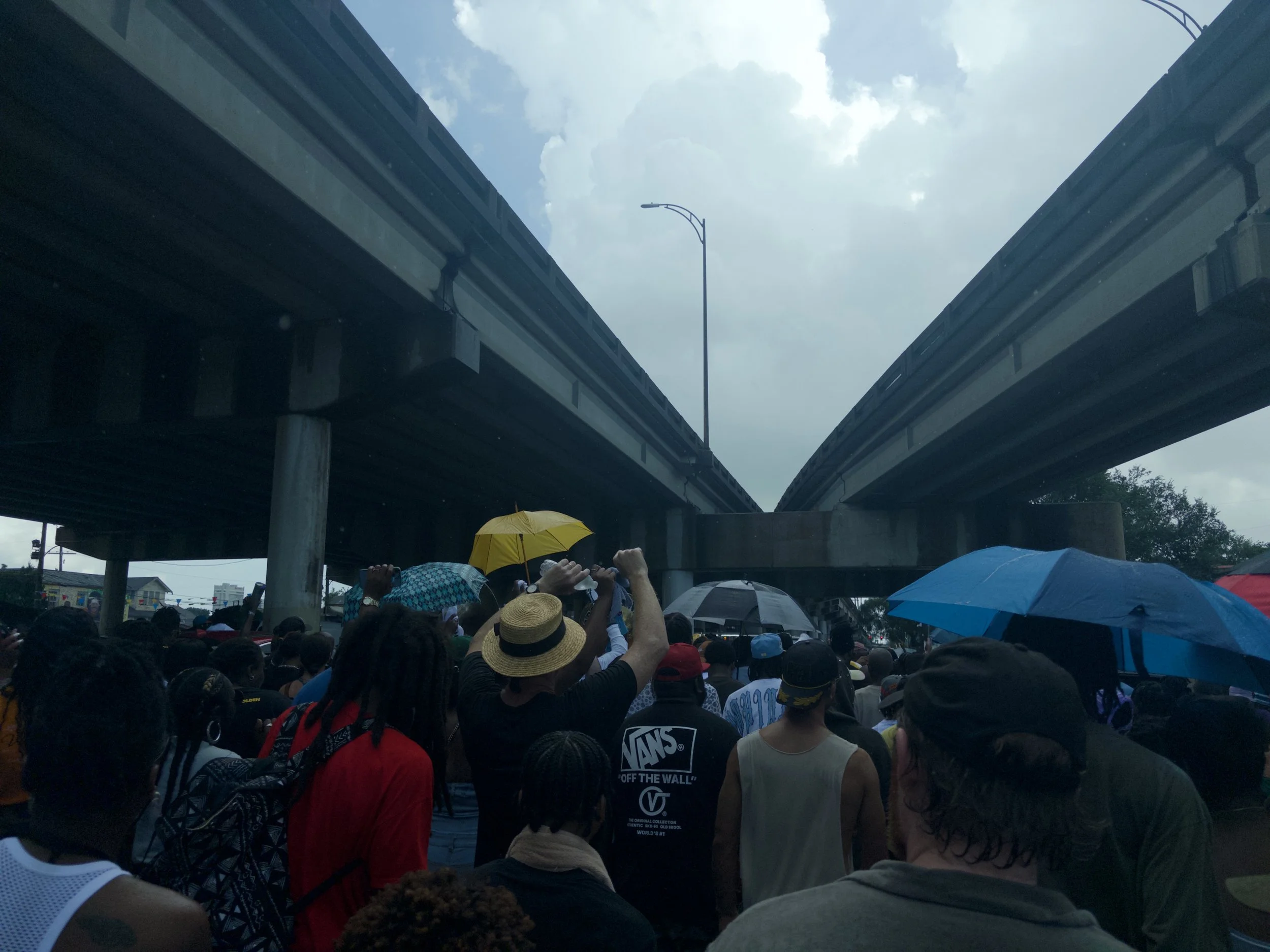
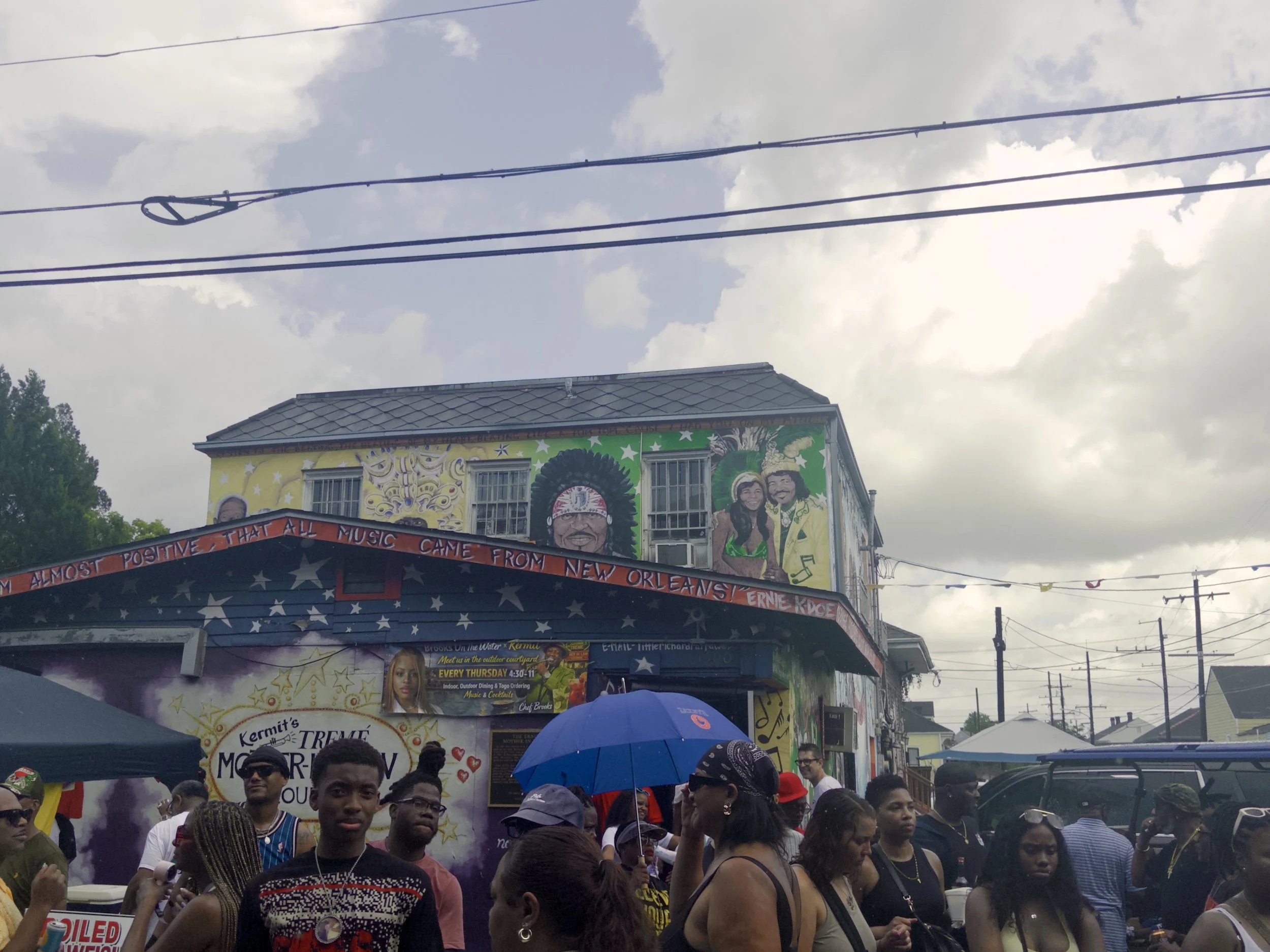
To be honest, I don’t think my picture taking problem will stop. Or maybe my storage will stop it. But this trip has reminded me of what memory is and it is much more than an image.