
I’ve had the privilege of visiting seven of the fifty states of the United States of America: Nevada, Rhode Island, Massachusetts, New York, Connecticut, New Jersey, Illinois, and now Louisiana. Most of which have been for educational purposes. Of course, my experiences in each of these locations aren’t the same. Their landscapes, histories, cuisines, populations, and cultures differ, some more greatly from others based on regional differences. Each state is indeed unique, yet they are still united under not only the same (troubling) governance, but shared history, shared triumphs and losses, and the shared identity as “Americans.” This blend of cultural, historical, and regional differences is what makes the American experience so beautiful in my eyes, yet tragic in those whose definition is limited to that of one perspective.
The United States was not built upon the sole identity of the white man. The United States was colonized by Europeans who terrorized the Indigenous Peoples of the Americas, stealing the same resources, land, and knowledge they deemed “uncivilized” to form their own civilization in North America. For nearly four centuries, the transatlantic slave trade fueled the economy of the United States, extracting labor, blood, and life from enslaved African people for wealth. And today, the United States is hunting down and concentrating people into detention centers, stripping them of their communities, their homes, their families, their humanity, for they believe their immigration status, the same act of immigration that forged America, is what makes them unAmerican.
America contradicts itself.
It prides itself on being a country for “liberty and justice for all” and it's often seen as the country for opportunity. And to some extent it is. As an American, I have greater access and opportunity to pursue my education, various career paths, as well as greater access to medical resources, food, water, and to travel if I wanted to. Yet this access wasn’t simply given, it was often fought for and still today this access is limited and being diminished, from the end of affirmative action to SNAP and Medicaid budget cuts and policy changes. America prides itself on being a leader of justice and opportunity, yet it deprives not only its people, but people of other countries from those same rights. Other countries don’t have the same opportunities and justice not purely from their own doing, but from the interference, manipulation, and imperialism of the United States. We see this with Trump claiming to liberate Iran from oppression by threatening to make it a living hell on Truth Social or with our tax dollars being used to fund the bombs that have damaged and destroyed 97 percent of schools in Gaza, furthering Israel’s genocide on the Palestinian people as reported by the UN Independent International Commission of Inquiry in September 2025.
America contradicts itself and as a result, my experience here feels contradictory. To be an American feels both right and wrong. Admiration for my experiences here, and disgust for the foundation they were found upon and those they continue to support.
Why do I mention this?
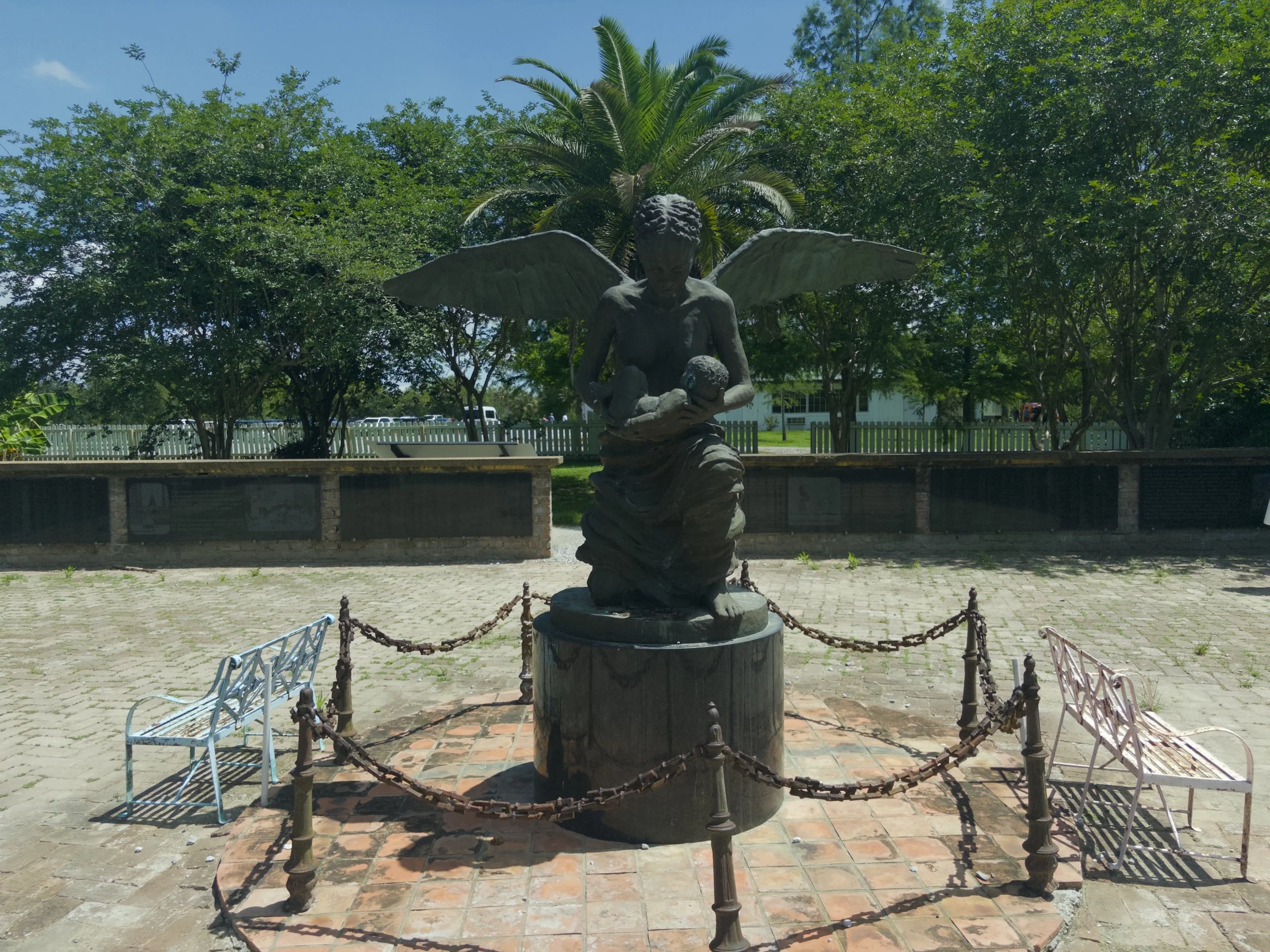
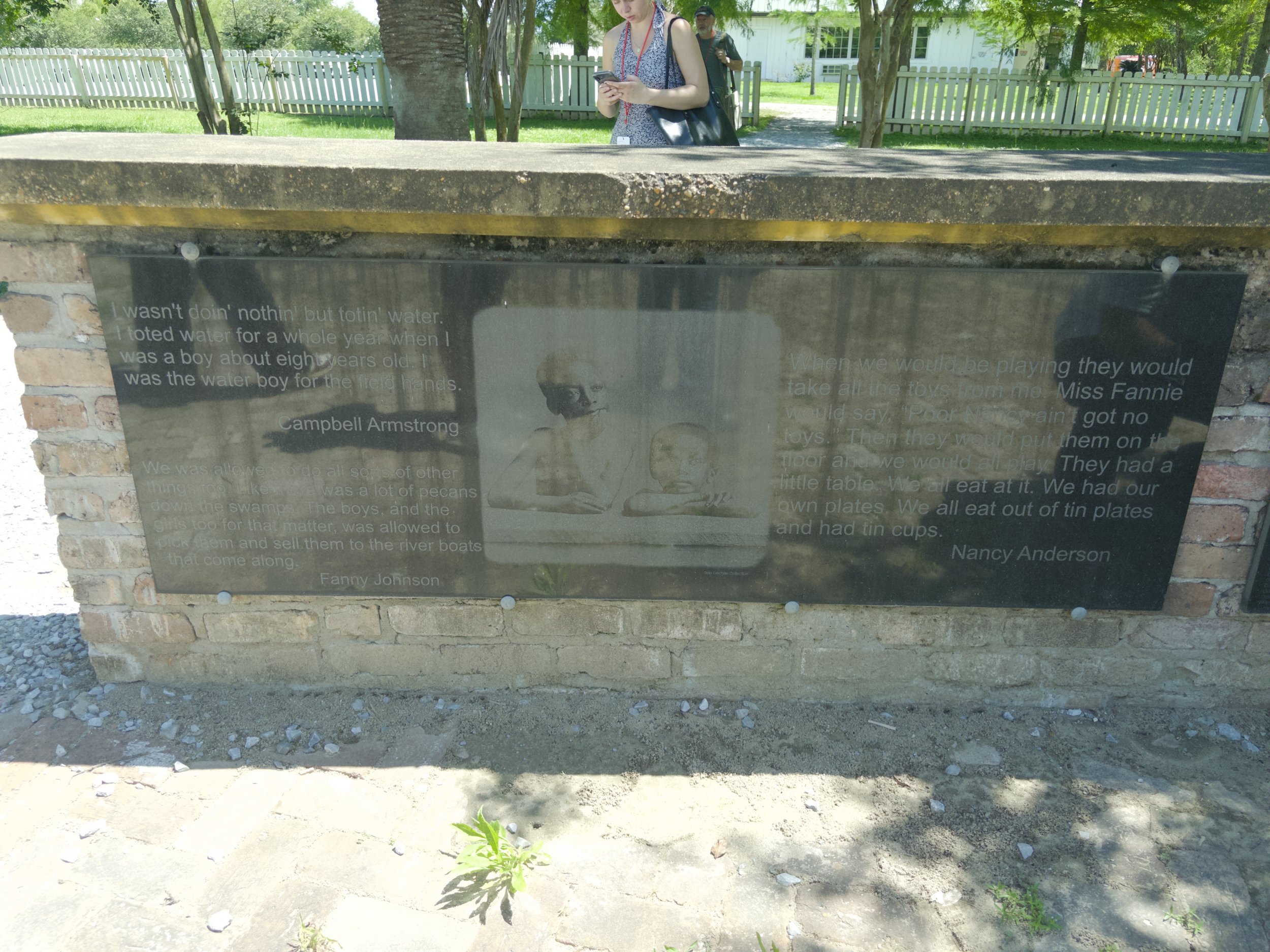
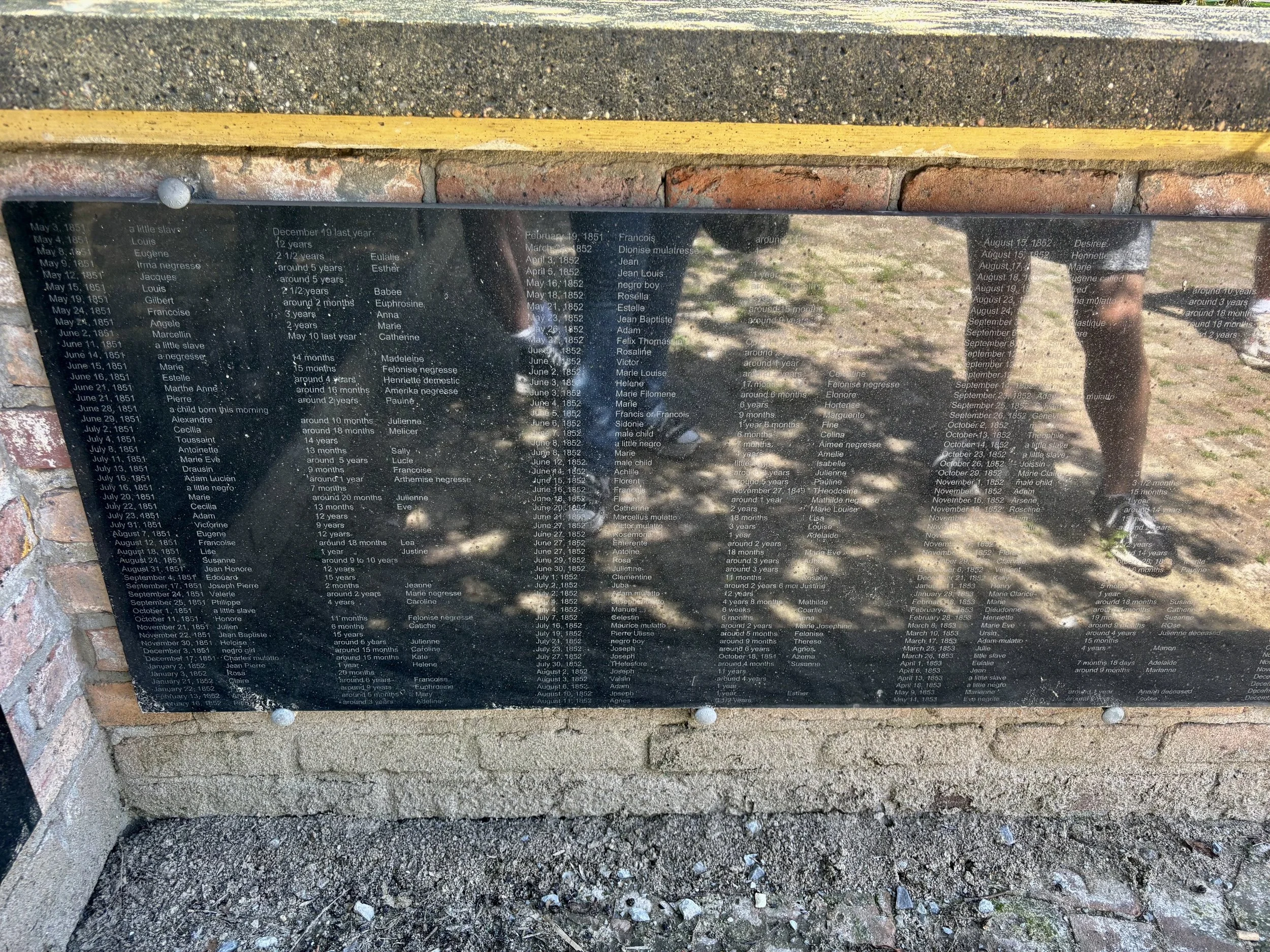
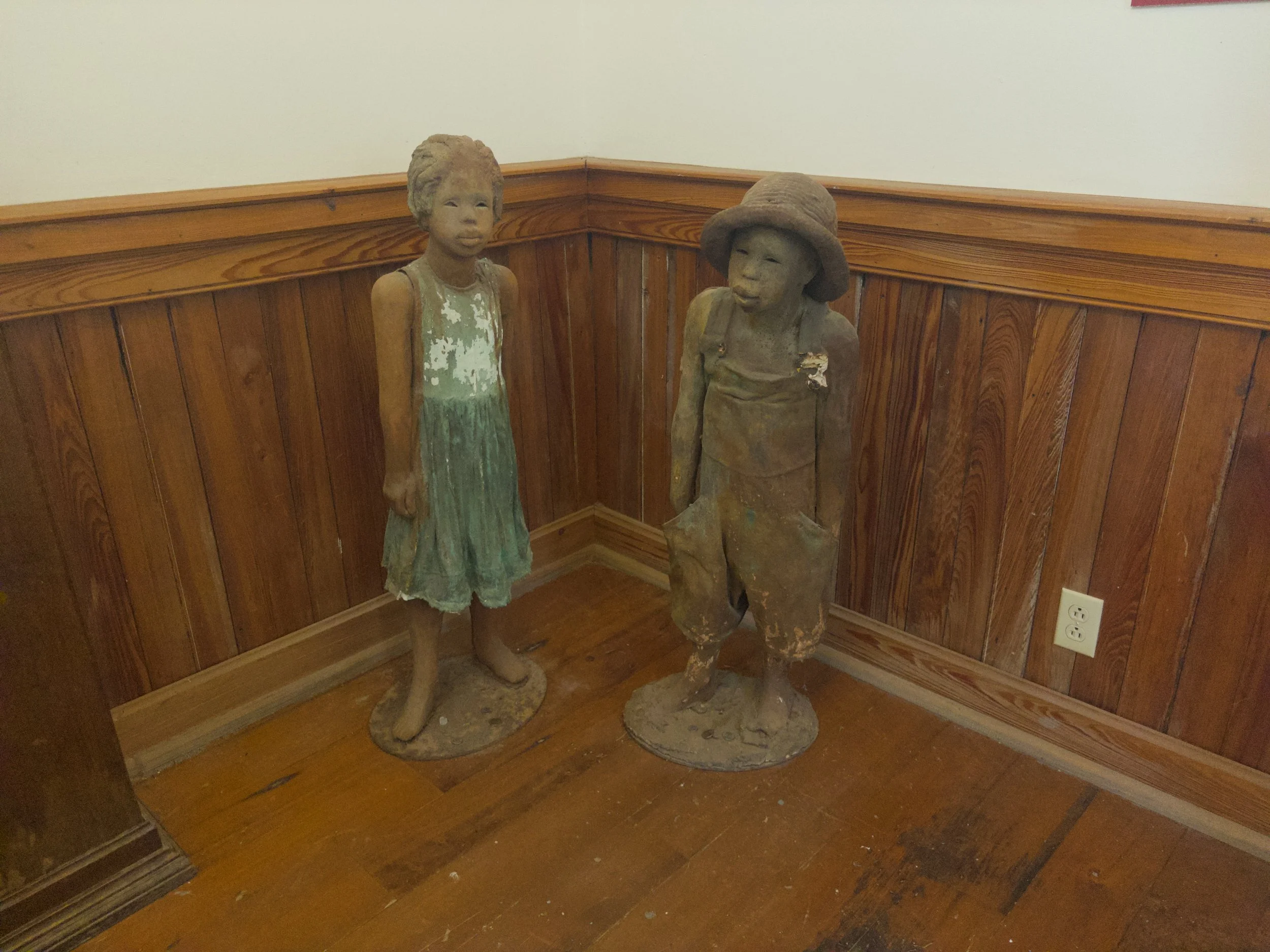
Well, this contradiction has become ever so present in my experience here in Louisiana, in New Orleans. As I walk along the streets of the French Quarter, the Garden District, and the Central Business District, I can’t help but romanticize the experience of being in a new city. I’m a tourist in this city. I’ve gone on a ghost tour, visited the most popular beignet chains like Cafe Beignet and Cafe Du Monde, entered tourist shops, and taken countless pictures for the aesthetic. Yet the same streets I admire carry the history of harrowing enslavement and oppression. They are the same streets that met enslaved people with immense uncertainty for where their lives would lead. They are the same streets where one of the largest slave markets were located, where human beings were viewed and sold like livestock for their Blackness, where mothers were auctioned off from their children, where freed men like Solomon Northup were imprisoned, severely tortured, and torn away from the liberty the white man’s ego could not bear. They were the streets whose liveliness was sustained by the labor of people enslaved to the plantations of Louisiana. Liveliness sustained by 20 hour shifts on plantations like the Whitney, during the most extreme climates, plagued with the most brutal punishments and disease, where death was grace and life was pain. The same streets where the bodies of enslaved people, who led the largest slave uprising in the United States, were severed and placed on spikes down the Mississippi River and in New Orleans.
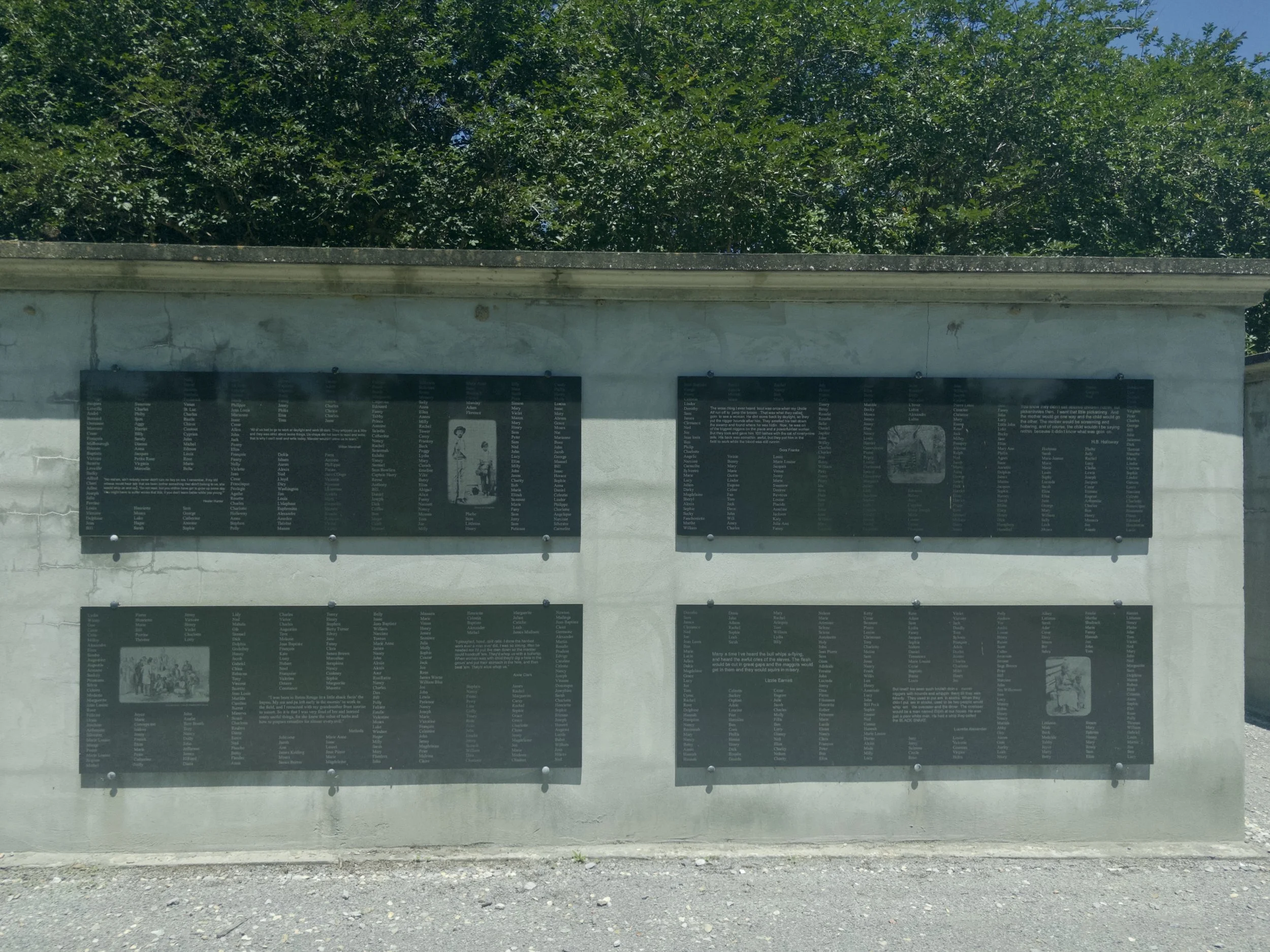
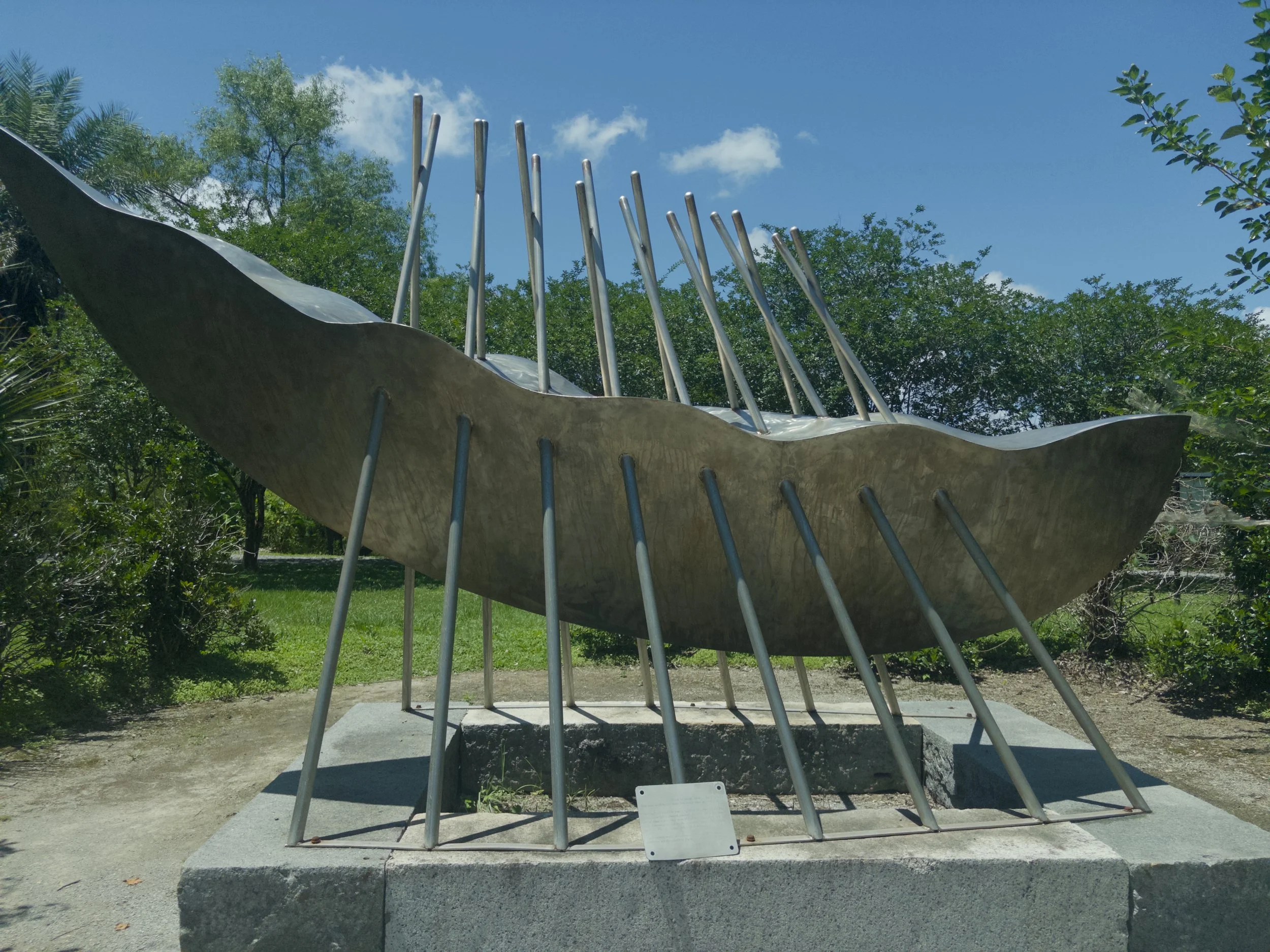
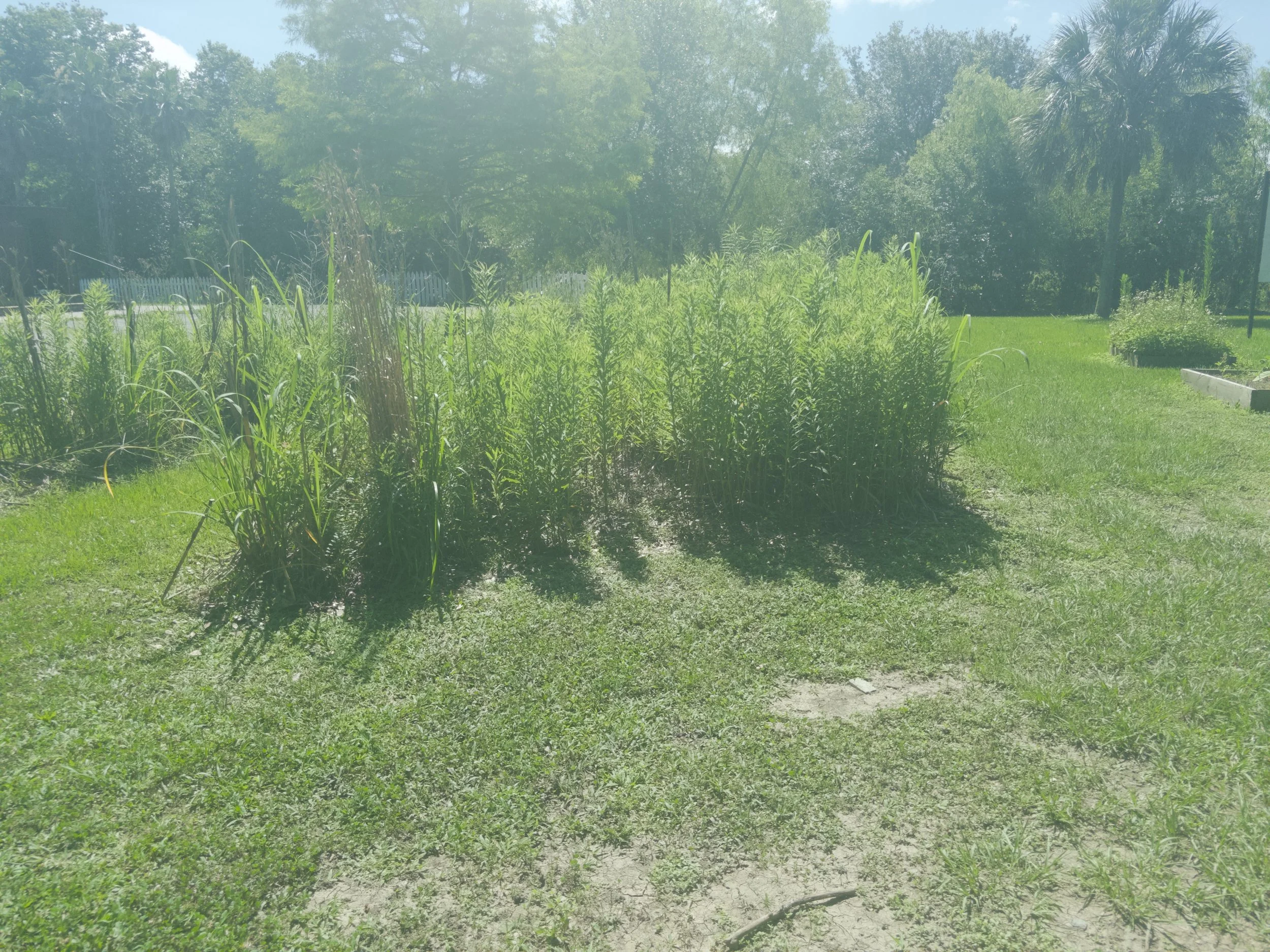
“Distance lends perspective, but it can also shade, misinterpret.”
– Sarah M. Broom, The Yellow House
I am a tourist in New Orleans, my lens was and still is distant, but as a bookpacker, I’ve been able to sit with the history of this place for much longer. This history sticks with me as I walk the French Quarter, as I read our next book, and as I write this very blog. It guides the pen that maps my experience here, an ink saturated with this contradiction. The contradiction of the past and the present. The wrong and the right that saturates American soil.
In The Yellow House by Sarah M. Broom, Broom introduces us to her home in New Orleans East through a map. She mentions New Orleans East is hardly mentioned in any history books about New Orleans nor maps of the city. Broom says perhaps the city was excluded from these maps for “a practical matter” being that New Orleans is, “fifty times the size of the French Quarter.” So she’s made one of her own. We used this map to guide our experience in New Orleans East. Where the Yellow House once was, were now two cars abandoned on a plot of overgrown grass. Yet, after reading Broom’s memoir, all I could see was the memory of her life here.
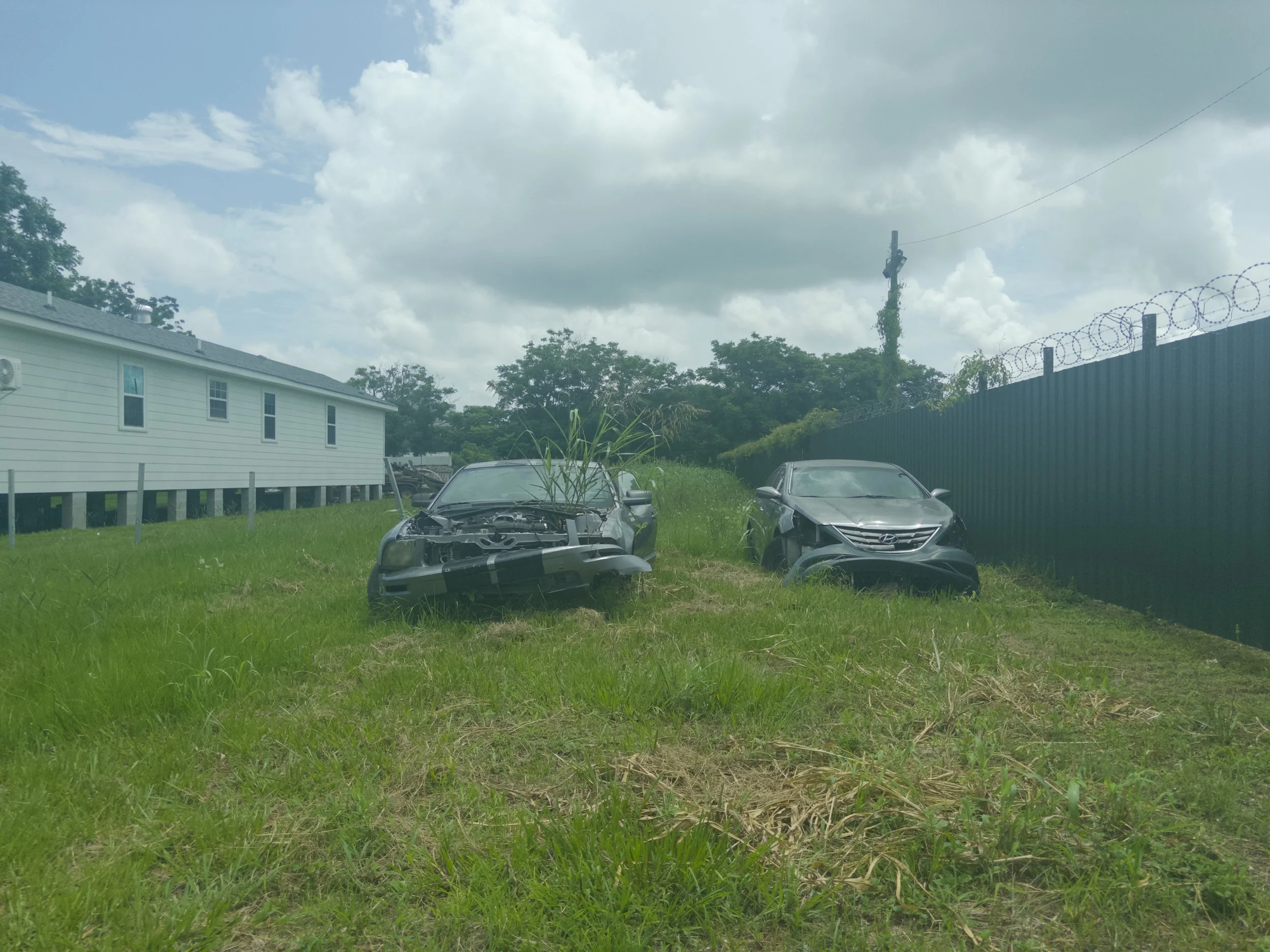
On our drive back to the Central Business District, I dwelled on what my map would look like. My map would not include New Orleans East, instead it’d include East LA. My map would not include the luxury of Beverly Hills or the waves of Santa Monica, but the endless line of beautifully detailed low riders cruising down the Whittier Blvd as my mom and I rushed to get home. It would include what was once the Golden Gate Theatre, now a CVS, I’d sometimes visit after being picked up from my middle school behind it. It’d include a view of the Evergreen Cemetery where my Dad and I passed by on our way to drop off my best friend at her home in Boyle Heights. It’d include several late night concerts in downtown LA, that my Dad would buy us tickets to without us knowing. And it’d include South Central and USC. But this is where my map becomes blurred. I don’t know how to define it, how to handle this contradiction.
Although USC is located in South Central, one can say I don’t live in South Central because I live in the USC bubble. I’ve lived on campus at Parkside and have recently moved out from the USC Village. For around 9 months a year, for two years, I’m almost always walking on the red bricks of campus. Crossing Jefferson Blvd down to USC Watt Way, walking to class or work, grabbing lunch at TCC, attending club meetings, or taking late night strolls around campus or to Illy with my roommates. USC has been the home of so many opportunities for me, to learn from amazing academics, to work on film sets for the first time, to pursue my own research, and to build a wonderful community. In the same way I admire New Orleans for its beauty, for the new experiences, independence, and knowledge it has brought me, I admire USC. But in that same light, I must acknowledge its destructive history AND its present.
What I called home my sophomore year, the USC Village, has replaced local businesses with pricier corporate restaurants and stores that are not as affordable and accessible to the local community. Projects such as the USC Village increase the value of the surrounding area and as a result increase the price of rent for multi-generational residents of the community, forcing them to move elsewhere. Additionally, investors, seeking to build housing for the USC community, have bought out the homes of local residents with cheap cash offers. When speaking with a friend who lives in South Central, she told me how the apartment complex she lived in was at risk of getting bought out by USC but her landlord thankfully refused. My university is the beast of gentrification in the South Central community, the same issue of gentrification present within the region of East Los Angeles. Apart from housing, Annenberg Media recently reported on USC’s sale of cadavers to the U.S. Navy used to train the Israeli Defense Forces at the Los Angeles General Medical Center, just feet away from the high school I went to. It’s disgusting.
In The Yellow House, Broom mentions the destruction of Hurricane Katrina amongst her community of New Orleans East, along with the tourism it attracts. These tourists can distance themselves from this destruction, but Broom cannot. The students of USC can distance themselves from South Central, but the residents of South Central cannot distance themselves from USC. Americans can neglect the truth, bury it away for their own comfort, but unattended history only resurrects in the present.
As I create my own map, I can choose to live in the USC bubble or other bubbles of comfortability and privilege, but I find living in these bubbles more disturbing than popping it.