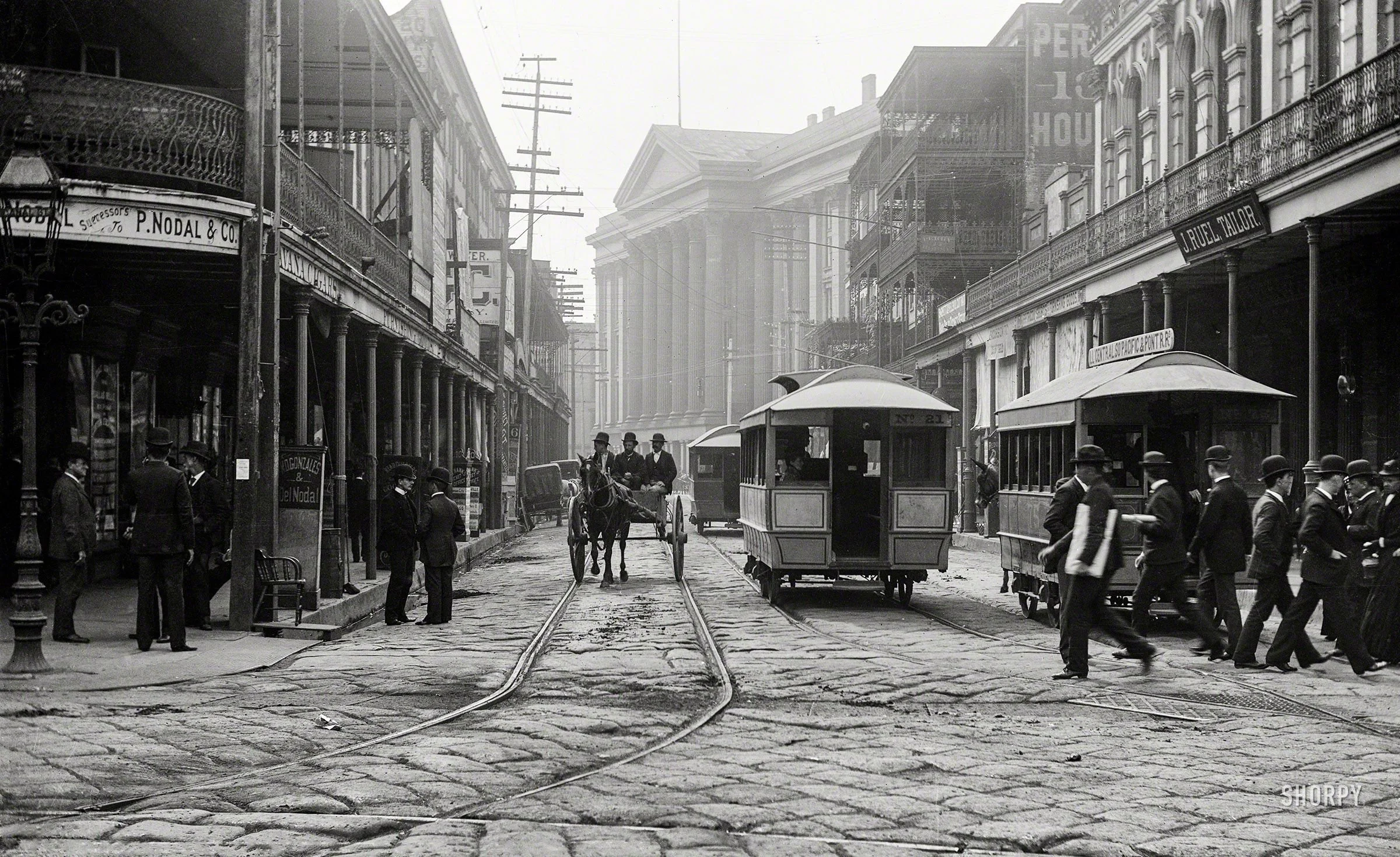
Canal Street
I have a couple of thoughts about the Moviegoer, a novel written in 1961. A recurring thing I’ve noticed actually for these novels, set in a time long, long ago. Something I’ve actually had to get used to now, that objectifying of the black male to just that, the “Negro”. “Negro this” and “Negro that”. The Negro being minimized or reduced to just someones plaything. It’s obviously symptomatic of that time and era, clearly. But it catches me off guard when every protagonist written in this past century possesses this higher sense of self or standing in relation to the Black Man. This is not something plaguing novels set in New Orleans specifically, this is just emblematic of that time and place. I understand that. But hearing Mercer's sad tale of inhabiting this small space between usefulness and non-belonging. It's quite disturbing and it's like he possesses this dumb aloofness where we all silently pity him and point and laugh because he is this ‘other’ (courtesy of Andonis) and is beneath Binx, as if a sad circus animal. Rings true when I see something like…
“He liked to think that Negroes have a sixth sense and that his Negro had an extra good one.”
Moving on. How is it that every novel we have read has featured some aimless, existentialist, confused protagonist who wants to upend the societal expectations set upon them since birth but still end up becoming almost entirely resigned to their fate? If I had a nickel for every time it happened in the books we’ve read thus far, I’d have like 3 nickels I think. But this is the most existentialist and middle-aged crisis of them all. But it really intrigues me as to why New Orleans seems to be the safe haven for both the eccentric and depressed. So much so I even took a screenshot of something I read because it was just so morose and saddening to hear.
“For years now, I have had no friends. I spend my entire time working, making money, going to movies and seeking the company of women.”
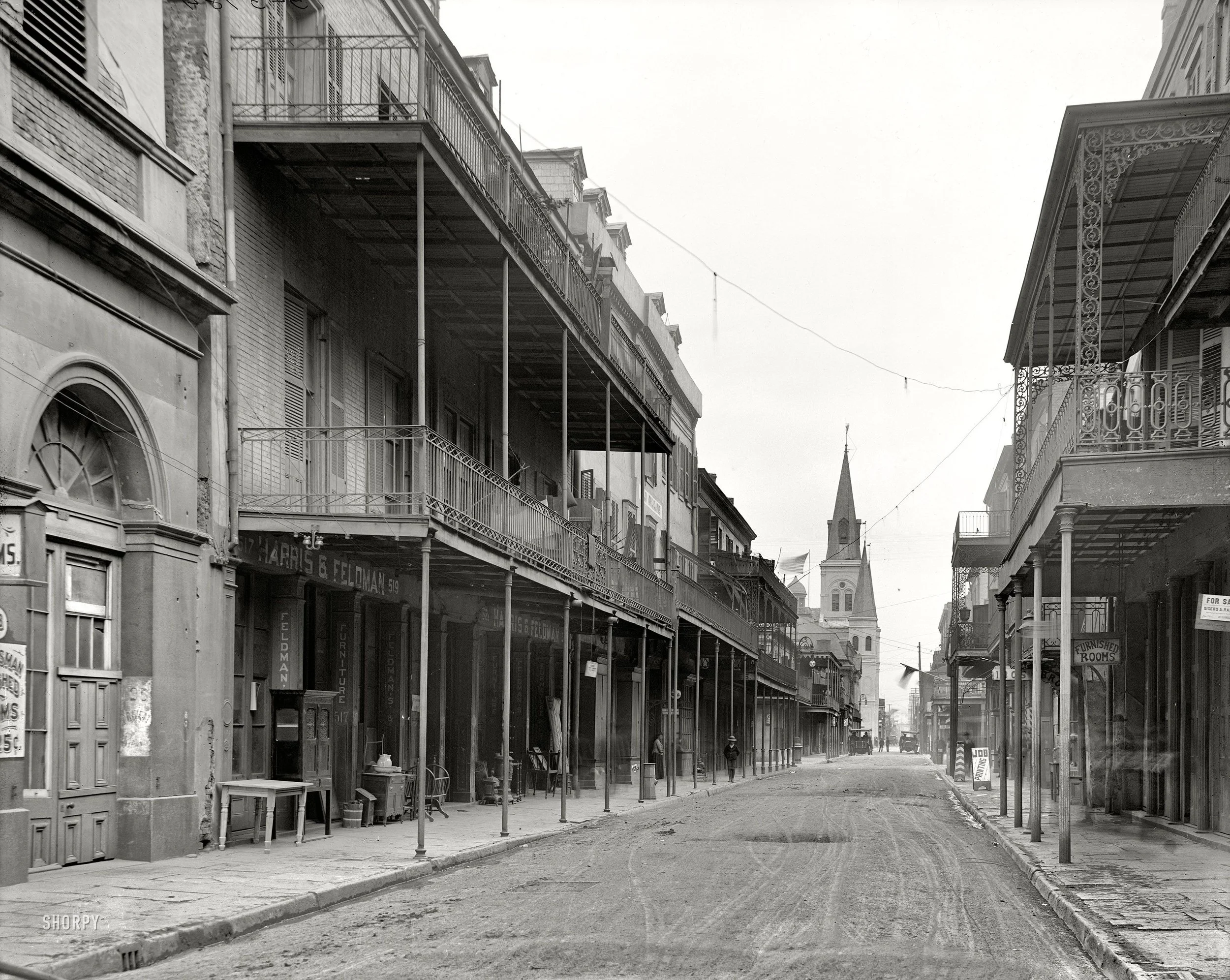
There is no bright light in this statement. I sense no positivity or any hint of life and this goes on for a great majority of the novel. This leering and noting every woman's physical stature and whether or not they had a sizable caboose or not. I kid you not, he comments on so many women’s hips in this novel that I couldn’t help but feel as if I was reading through the eyes of the author himself. (I think I know what his bodily preferences were…..) But, my god, what a drab and boring way to view life and I couldn’t help but feel such immense pity for this Binx. Who has no sort of purpose or possesses any bout of inner happiness. He begins the novel exactly where he ends the novel. Sort of just….there. In the streets of Prytania, passing down Canal Street, going through Lake Pontchartrain, living in Gentilly and visiting Elysian Fields forever, it seems. But rather than the calming, drowsy nature of Grand Isle, this time there’s this droning, gray, everydayness to New Orleans or Elysian that will clearly drive you insane from utter monotony.
Which is utterly fascinating. Because the backdrop of New Orleans is actually quite the opposite to Binx’s morbid depiction of life and how the everydayness of routine seeps into one’s livelihood and wreaks havoc to all that comes near. And it's this that paves the way for the ever so close search of life? A search, “anyone would undertake if he were not sunk in the everydayness of his own life.” This search to avoid the mundaneness of his own life, but why in the city of New Orleans? Why does this continue to happen? Edna suffered a similar fate. Always tiptoeing the edge between livelihood and eternal peace or life on land and life beneath the water (suicide). What is it about this culturally dense, culturally abundant city that renders people confused about the purpose of life? You’d think that you’d never encounter a problem or find issue with life if you were strolling down the streets of Canal or living in the Garden District. But Binx taps into this concept that I actually found to be quite profound. That this ‘search’, being aware of it, allows for the possibility of the search to be successful, for you to ‘be onto something’. Whereas not being aware or onto anything at all means falling into despair. You are the everyday man, someone who is dead. You are so sunk into everydayness that the possibility or an idea of a search is simply preposterous and is never once conjured up in your brain to be something worthy of thinking about.
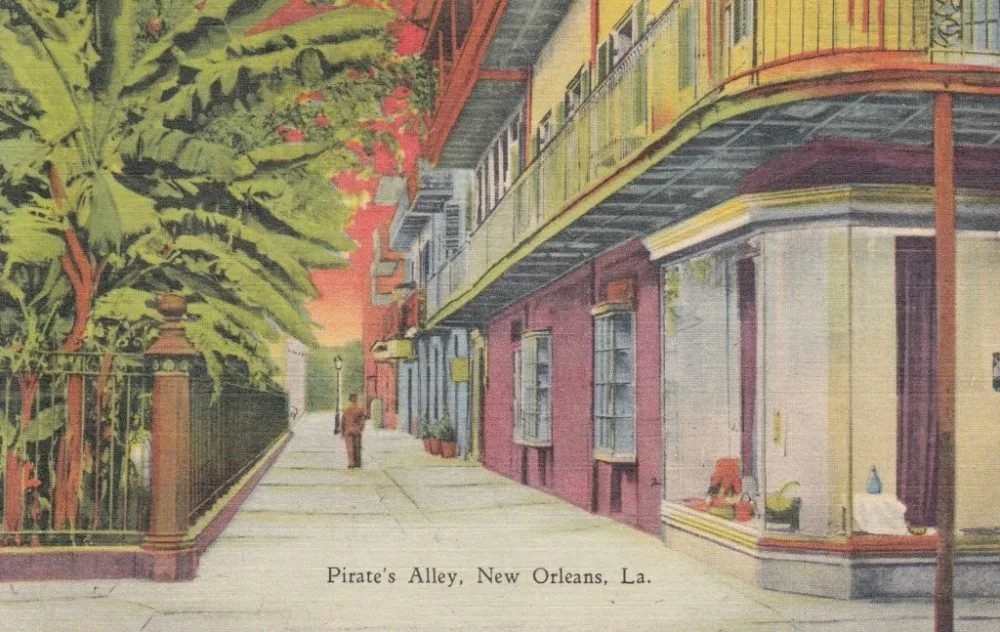
Pirates Alley
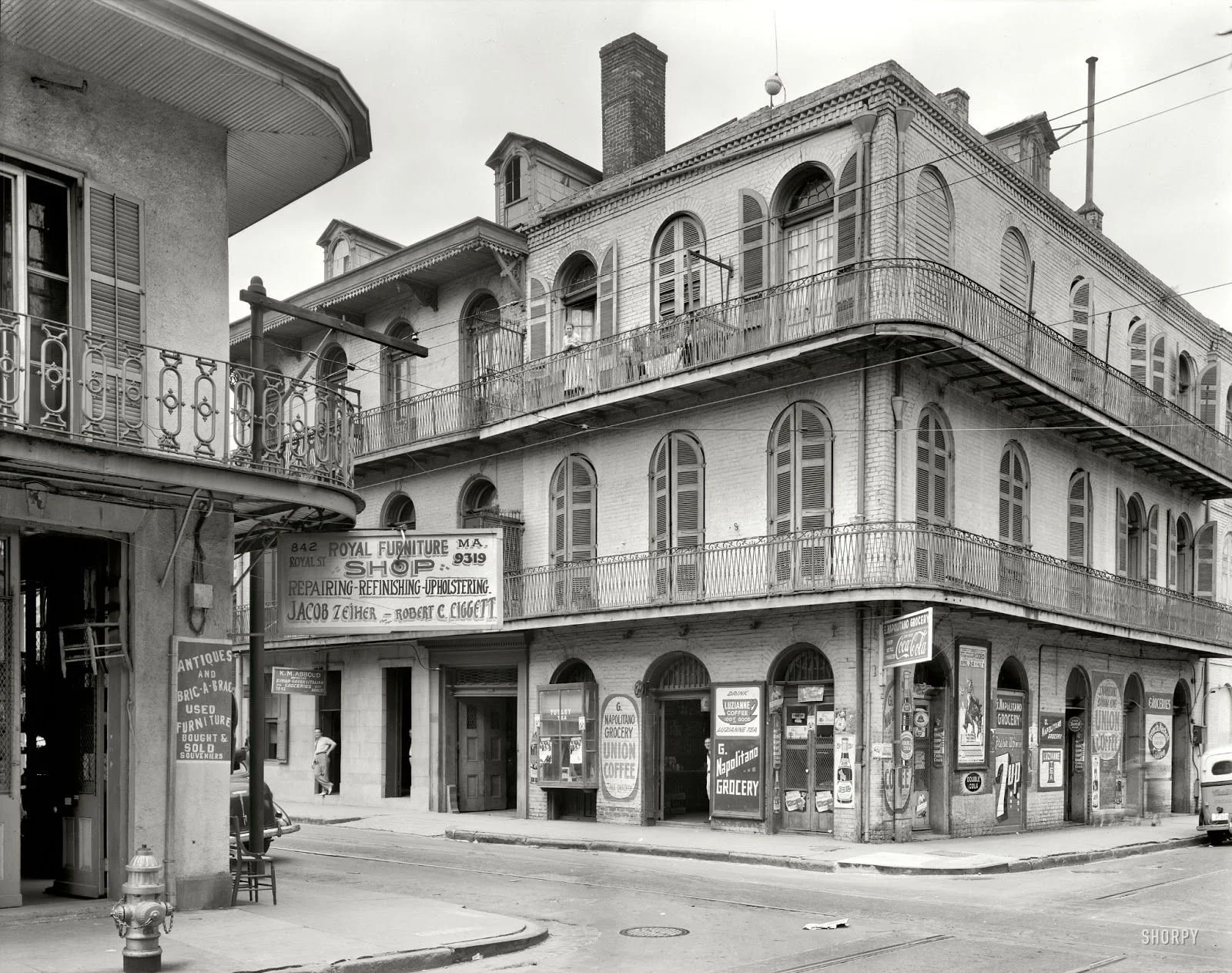
Case in point, this sort of interaction that Binx recounts about William Holden and this young fellow he runs into. But let me remind you, we are bookpacking. To be reading a passage and suddenly you're able to stick an image with a corresponding landmark or name. It’s a wonderful feeling. To read about Binx traveling up Esplanade, passing through Pirates Alley, towards Canal but then being able to visualize a map in your mind of where he may be, is second to none. I know the cobblestone they are stepping on, the awnings that lay overheard, the wrought iron railings that decorate the sky almost. I can hear the conversations that are being had in open passageways, the passersby on trolleys down Canal Street and otherwise. So imagine all of this while the interaction is underway. Hearing this young man size himself against Holden only to believe himself inept, undeserving and worthless. Only to have “....won title to his own existence…by refusing to be stampeded like the ladies from Hattiesburg.” I just thought it stunning that we all try so much to validate our existence be it through social media, one’s physical presence or in being perceived positively. It’s something we all tend to do subconsciously and it truly can’t be helped. But for it to be described so effortlessly, in that “....he is a citizen like Holden; two men of the world they are. All at once the world is open to him.” I freaking love that. It’s just so accurate. Something as simple as an interaction from someone we deem superior somehow validates us and makes us feel that we finally have a right to live? How enlivening but simultaneously saddening that is. To feel we NEED that validation from someone, ANYONE. I feel Edna needed this as well? To an extent, Louis too.
This malaise that Binx is so mortally afraid of ONLY to fully submit himself over to that same damn fate at the end of the novel having completely done away with his ‘search’? Much like Edna who herself gives up and willingly. I just don’t understand it.