Andonis Daneilas

Hello Mr. Capote

Edna and Adèle never did anything more than cuddle, Buddy and Bellocque never buddied up, and Binx, the guy who pays more attention to movies than his female dates, was adamantly heterosexual. Don’t get me started on Louis and Lestat. All these 19th and 20th century writers allow raunchy sex, but apparently everyone drew the line at being friends with Dorothy. Despicable. On my last day here, I decide to take matters into my own hands. 


Hello Mr. Capote.


Per various sources, when Truman Capote lived in New Orleans he rented an apartment on 811 Royal Street. I approach the building, and I see Ghost City Tours of New Orleans. I get tense, and frankly annoyed. I got it wrong, that was 809. I walk into 811 and a wave of relief comes over me. 
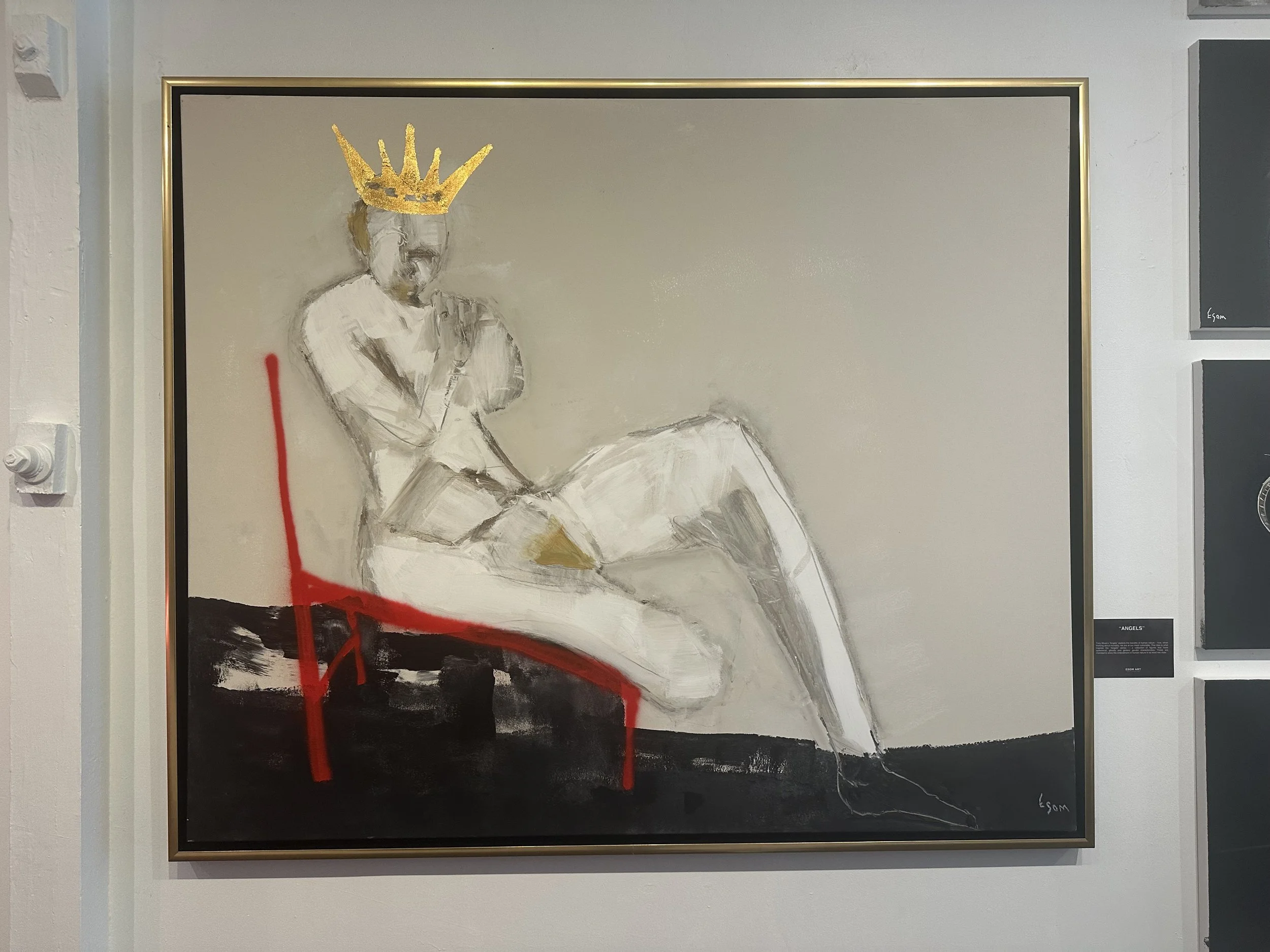


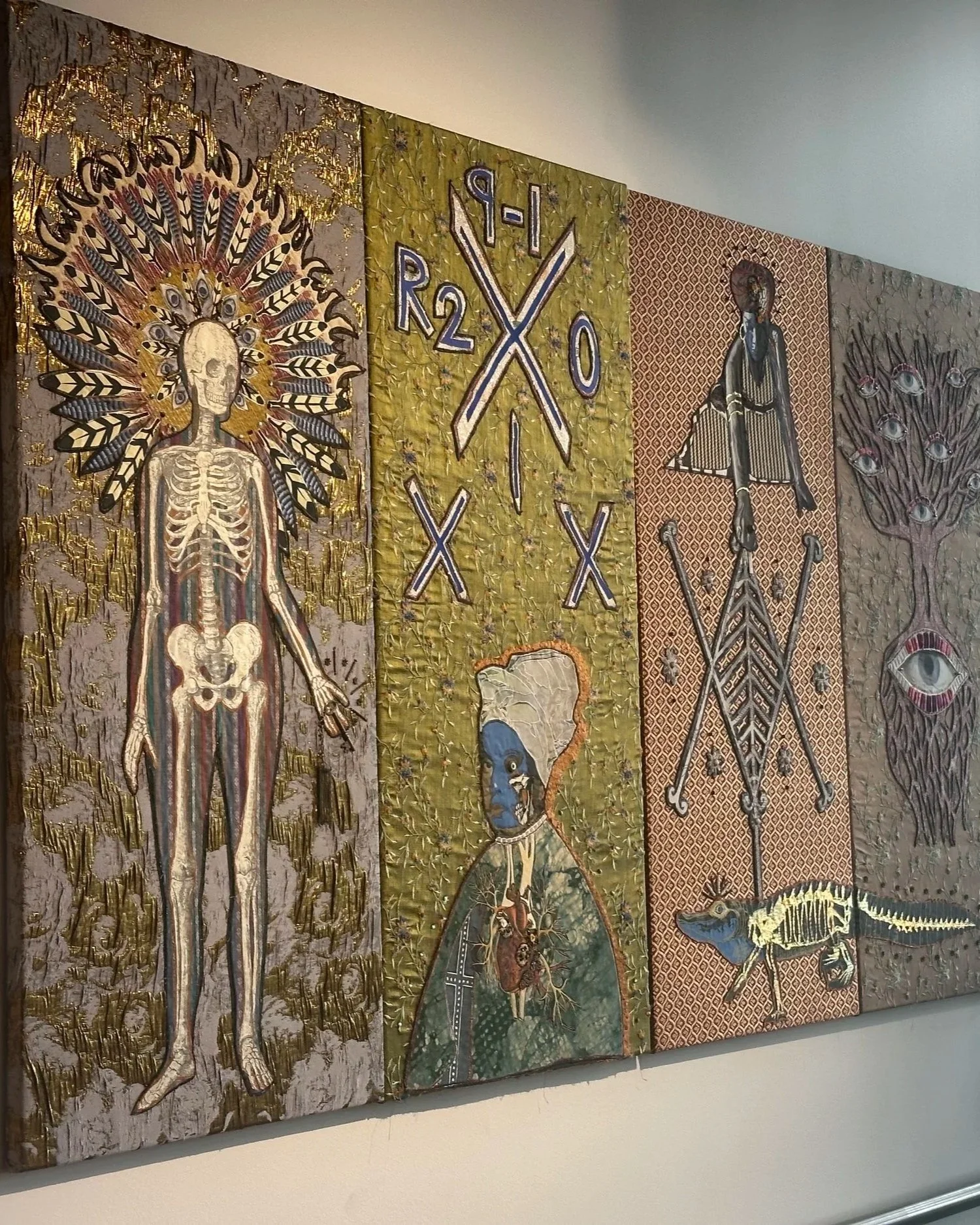
Truman’s past apartment is now Esom Art. I start chatting with the guy in front and tell him I’m in New Orleans reading books. I ask him if he knew Truman Capote used to live here. He says no, but that doesn’t matter to me. Swans, erotic and bizarre poses, the naked body as a foreground; the art is still queer. Truman’s presence is still here. We crack a few jokes and then I continue to examine the art. One piece really speaks to me, and it turns out to be his favorite too. Gay guy taste is universal. 
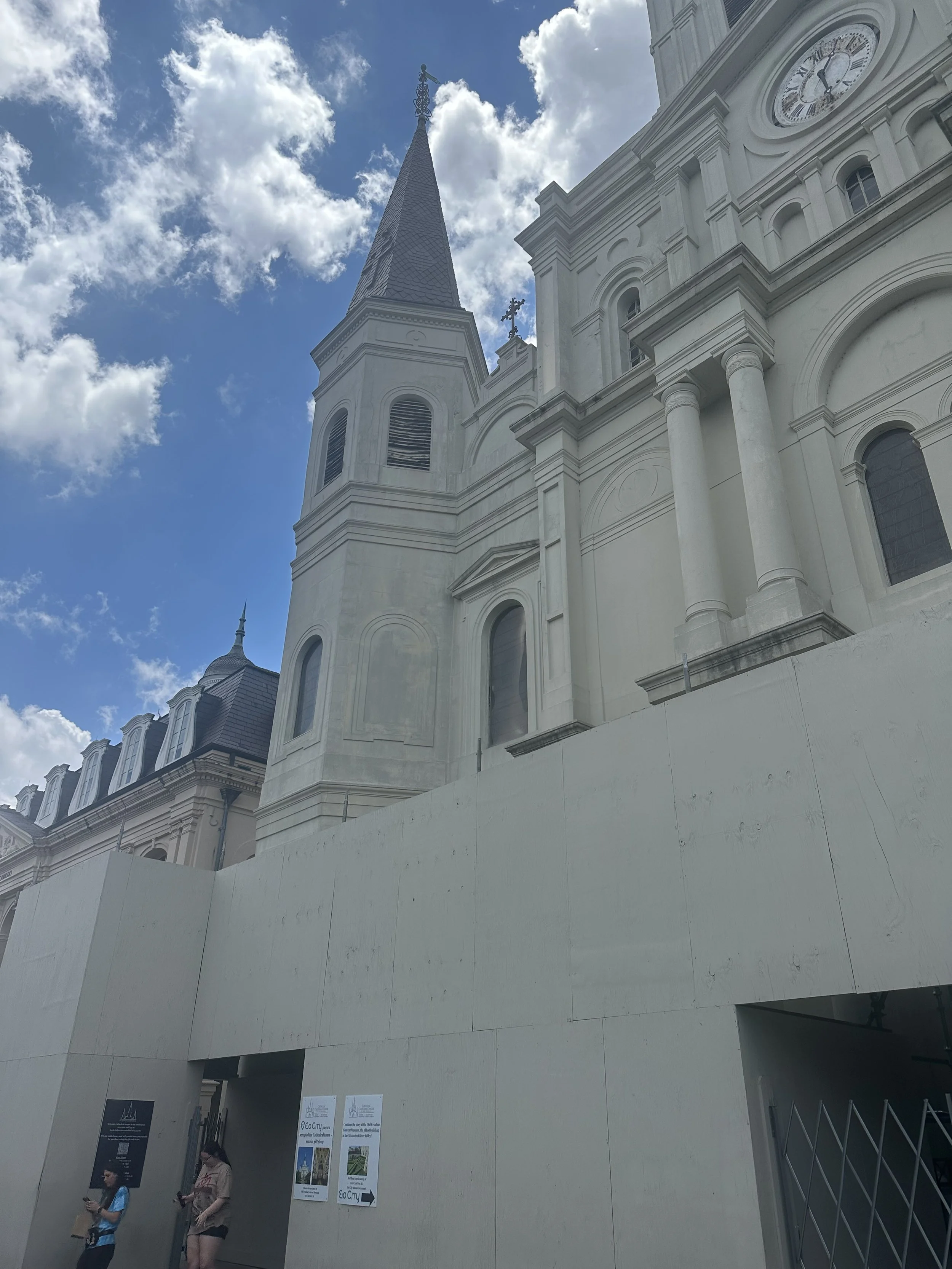


Truman apparently also liked loitering around the Saint Louis Cathedral. I ponder my bittersweet relationship with religion. I never ever believed in any God. I still don’t. I am really pondering religious people. I couldn’t stand them, and then when I tried to take queerness out of the emotional equation I ended up feeling disdain. I can’t say I’ve had a full change of heart throughout my life, but I am more open now. In New Orleans I have seen more and more religion as a community and culture rather than homophobic bible thumpers. After visiting the Katrina exhibit and the Whitney Plantation, I realized the church went from a place forced onto Black America to one of its strongest assets during hard times. Again my relationship is bittersweet; its origins in the U.S. are disgusting but it has turned into something so powerful. Should this be celebrated? I don’t know. 


Truman might have just liked the aesthetics of the church. I’ll admit it, I do too. I love the iconography, I also love when the seven deadly sins or ten commandments are personified in fiction. I love how my grandma prays to remove the evil eye from me over FaceTime when she hears I have a headache: xematiasma. Even the most atheist queer people have their own special relationship with religion. 


I later walk through the Marigny and see more queerness. An alternative queerness that I’m not sure resonates with my image of Capote. It is less elitist and overt, and rather presents itself in community. It is less loud. I stop at a cafe, and see more community. The baristas recognize couples, the bakers in the back keep extra pastries for regulars. I sense I prefer this more than Breakfast at Tiffany's.
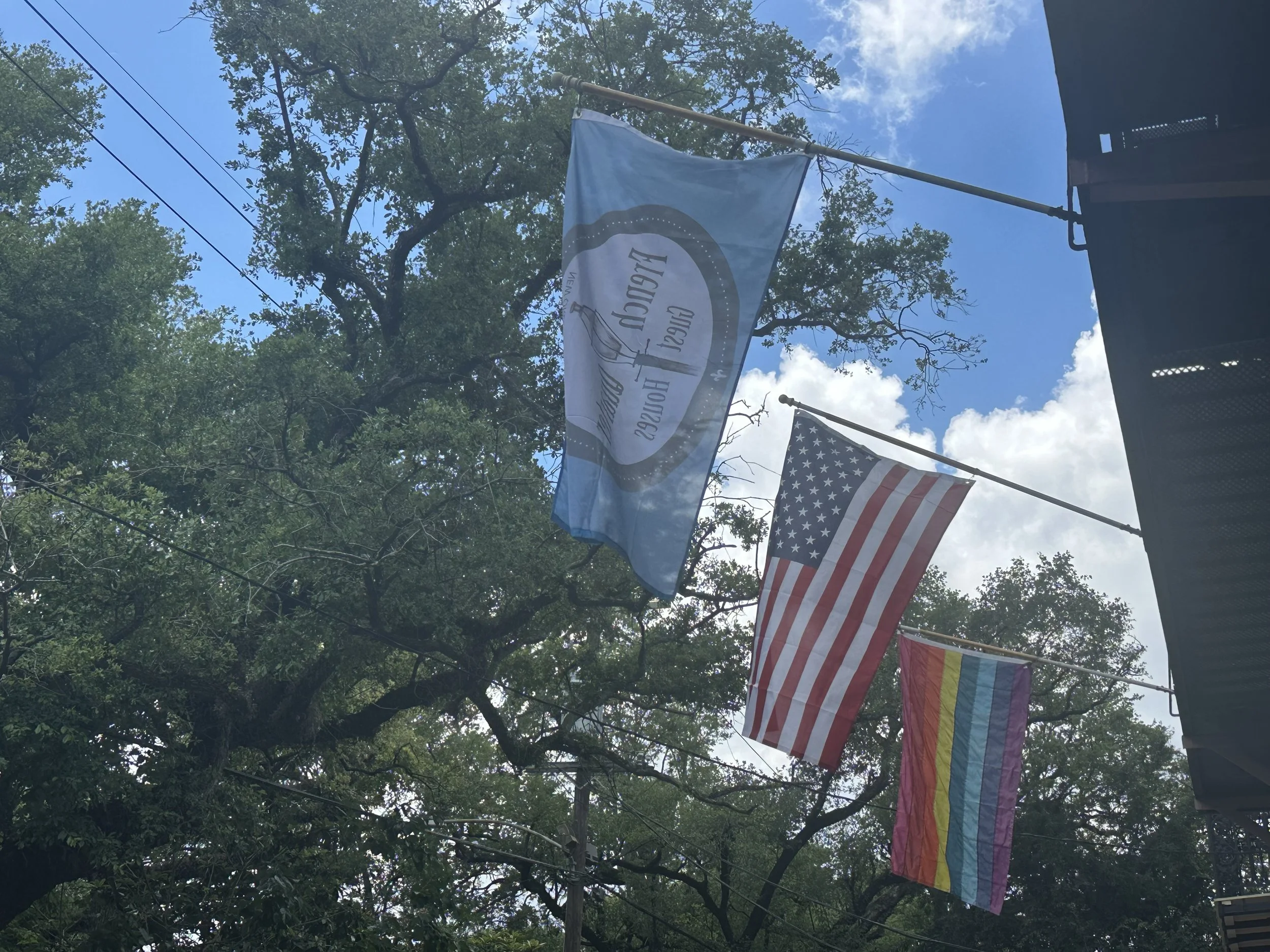
Arcadians are not Cajuns, we do not Dance Macabre

*

I know it’s not politically correct or sensitive to say stuff like “I’m so OCD” when you are just feeling particularly irked about something not being organized. With that said, the past week I have felt like Buddy. I don’t want to have an overarching blog opinion on a novel that is anything but comprehensive. The novel made me feel a million different twisted ways so I will write about it like so.


*

I can’t stop thinking about death. The concept breaks into shards and then starts piercing me. The constant morbid iconography attacking me from every building wall doesn’t help. It doesn’t help that Andrew decides to stop by a graveyard either. My grandma has been hospitalized twice in the past two days and we are now walking through a graveyard. No biggie, she is fine right now and I am having fun cracking jokes with the group. I’m good. 

We stop by another graveyard. 


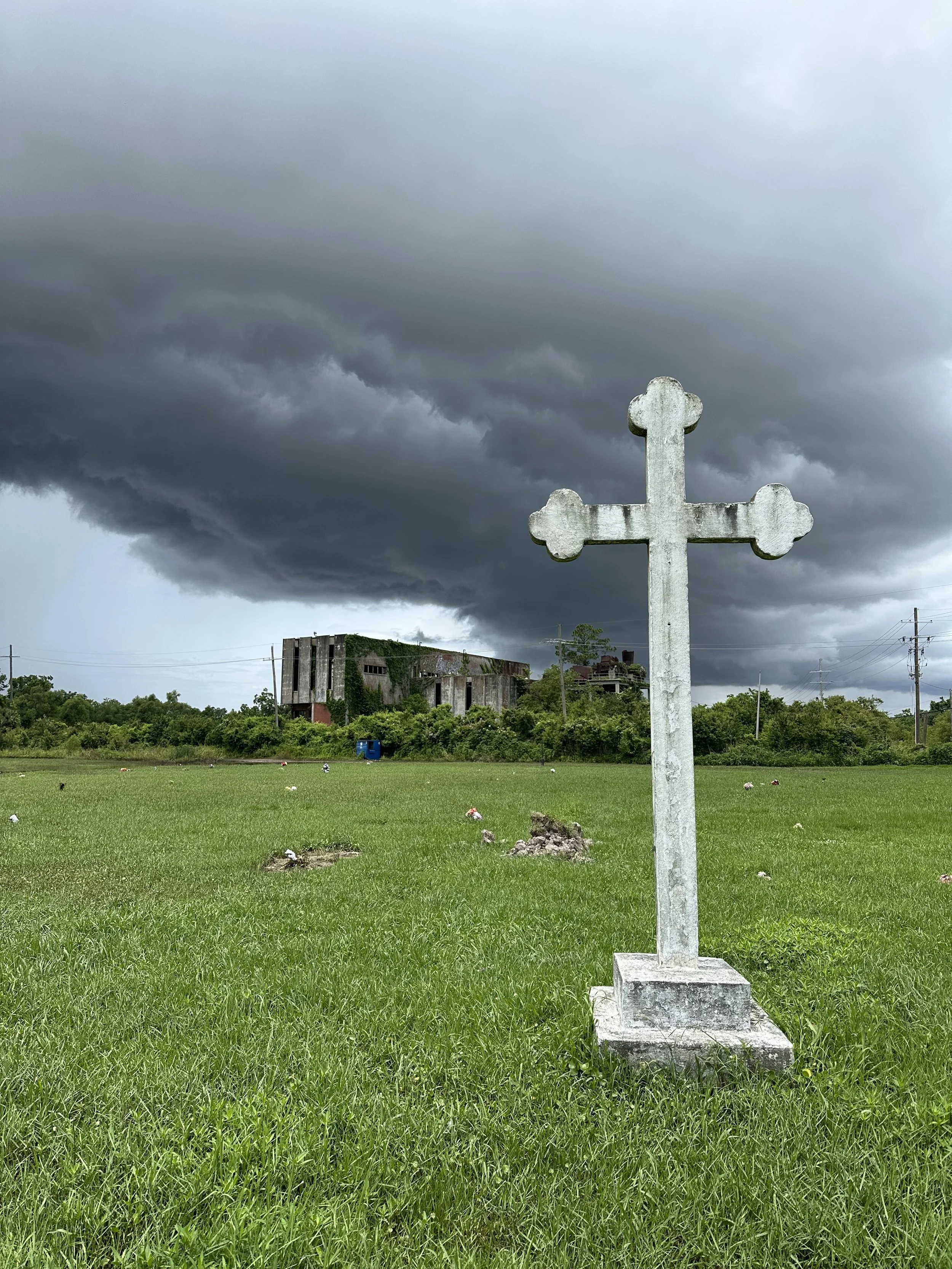
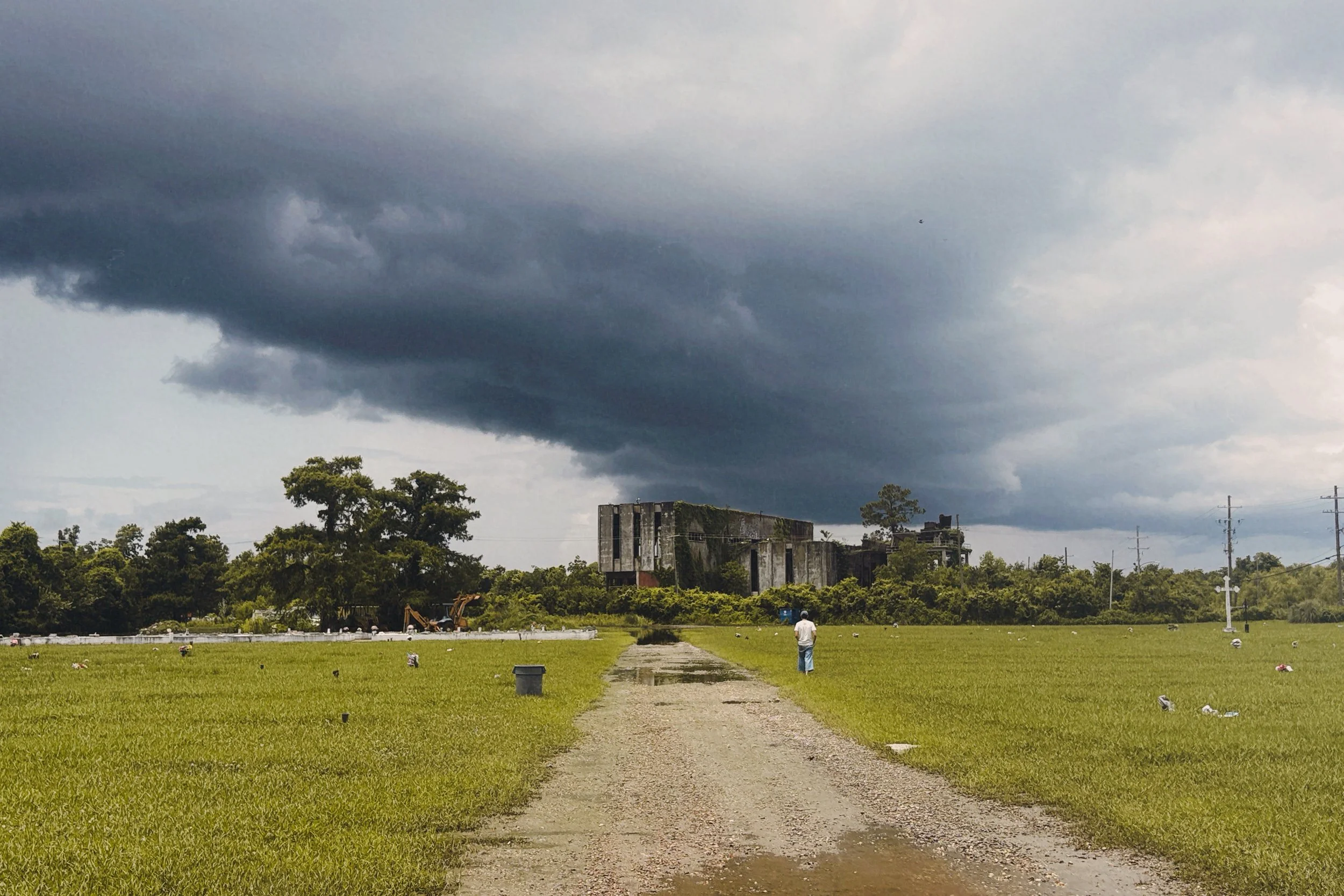
It's all flat, sunken. The mosquitos immediately begin their sickening assault on us. The ones here seem to love the ankles. The group continues making jokes. The noise starts to muffle out as I stare at the giant cross across the grass. It's so misplaced and beautiful. I walk towards it without a thought in my head, despite the mosquitos, lack of sunscreen, and rotted mud. I almost trip about ten-thousand times and get bitten by mosquitos about ten-thousand more, but I make it…I don’t feel much here, and forget why I came. I snap a picture, a thunderous video, and leave.


*

I am having an amazing time! I parade around the CBD constantly with music blasting in my ears. The way Buddy Bolden speaks about music towards the beginning of the book saturates my psyche. I love the way Coming Through Slaughter is written. I relish in its sporadicity. You, the reader, are already supposed to feel confused so I never feel confused. This book comforts me even more than The Awakening. I just finished the first chapter! I play some Alannah Miles while I leave The Shop. I observe many mentions of death in the first part, but they can all be romanticized through the New Orleans eye. Jessica Lange’s final scene in American Horror Story: Coven, Erte’s Symphony in Black, pomegranates and spider lilies. That’s how I will think about death in New Orleans. I know the book is about a descent into madness, but I ignore it.


*

I walk down Bourbon and hear a snippet of the most intense and invigorating music, and then it fades out. Life and death. New Orleans is easily America’s city of death. It is also one of America’s most alive cities. Jazz encompasses both. 


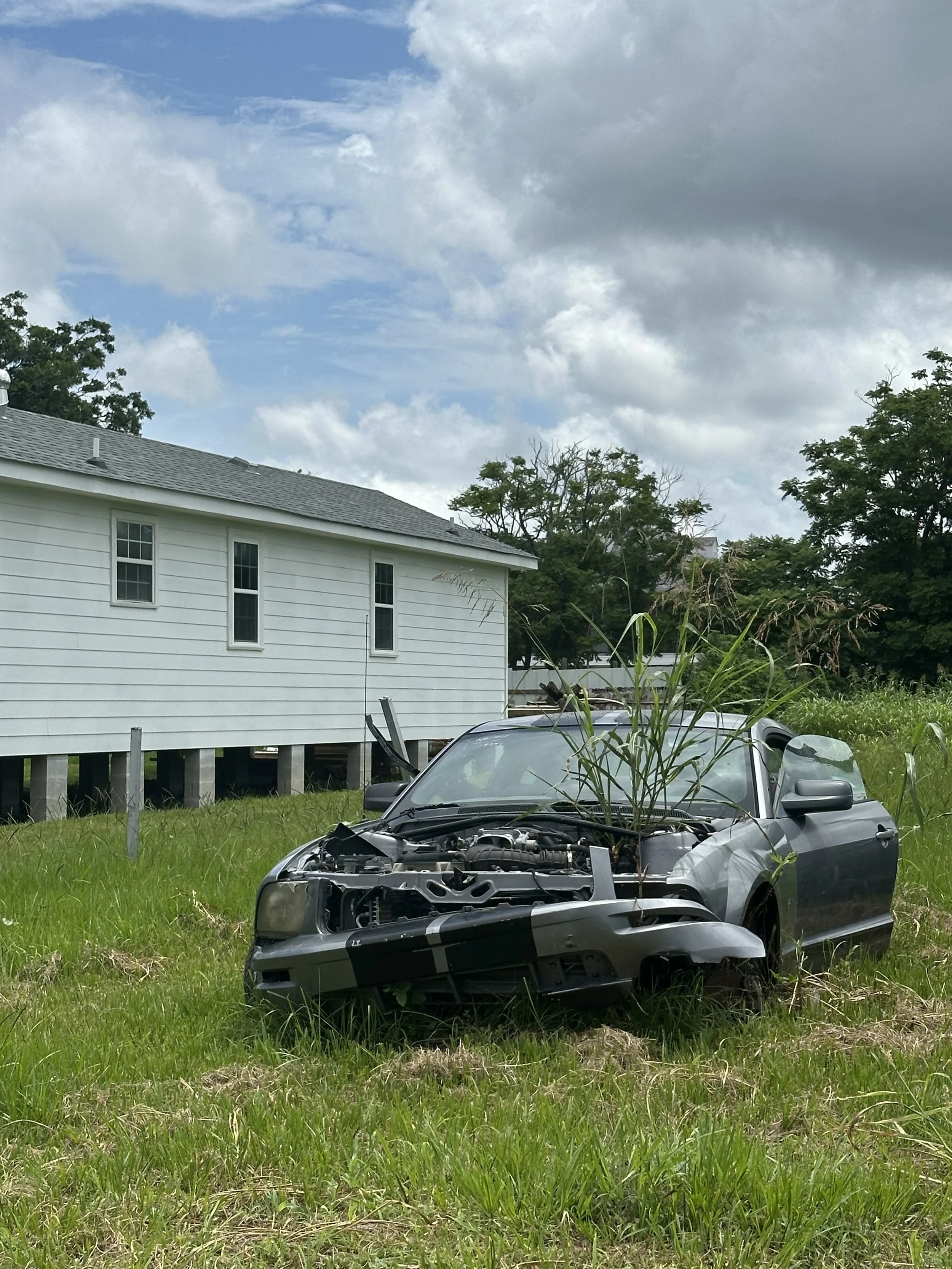
We pass by the yellow house. In its place is a car. Junk yard. But there is a plant growing from it. It is growing from its dead engine. It grew from the dead engine and is now higher than the hood, higher than the roof. It will die. What will grow from its corpse? I play “In a Sentimental Mood” when I get back in the van. New Orleans arose from life and death. New Orleans is sinking.


Voices said goodnight several times and the orchestra playing in the background collapsed into buzz again, a few yards away from me in your bedroom.”

Buddy loathes Robichaux because he forces the audience to listen to his planned symphonies. For Buddy, music should collapse into a buzz. For the audience, it has an unplanned start and an unplanned finish. You are forced into existence and then it fades out. Ondaatje argues jazz is the reality of life, especially for Black Americans in New Orleans, and that the formally trained violinist John Robichaux’s “waltzes,” are an idealized and pristine imagination. 

*

Above ground coffins. We walk through them again. The first few I saw were in Grande Isle, where Andrew explained that the major reason for the tombs being above ground is not actually the frequent flooding, but rather the religious influence. He continues to remind us of this in New Orleans. But he has made a point to justify the French and British ways of life, work to live versus live to work, as a result of their fertile versus harsh land. He has also made a point to say that New Orleans is America’s literary playground because of the city’s natural, swampy landscape. I find it funny that he strays from his repeated cultural ecology to be so adamant about debunking the tombs’ weather origins. I believe him though. I believe him without a second thought because he also mentions the family burials. I see this is religious because Greek Orthodox do just the same. Why does Greece have to be part of this? I’m not French, West African, Spanish, German, Irish, Native American. My identity should not be here. Each time I pass a tombstone with too many names on it I picture my grandfather’s grave in Afantou. Αντώνης Δανεήλας (Andonis Daneilas). It is below Sabbas Daneilas, who is below Andonis Daneilas. Another Sabbas Daneilas will be below my grandfather when my dad passes. Will another Andonis Daneilas be below him? I envision the comfort of resting with family, whatever that means. But I am not religious or spiritual, I don’t believe in a soul’s resting place. I can sign over my body for medical practices. I’ll be a good person. But what if I meet the fate of one of the USC cadavers sent to the IDF? They don’t deserve my body, they disgust me. I don’t want to be tested on by anyone. No one deserves my body. My family deserves my body. I’m a bit nauseous.


*

Mississippi in the middle of a dry spell

Jimmy Rodgers on the Victrola up high

Mama’s dancin’ with the baby on her shoulder

The sun is settin’ like molasses in the sky


*

Edna and Buddy are similar. They both get consumed by New Orleans and slide down into madness. Edna’s decline had represented the inability for a woman to both live freely and be viewed as sane in a restrictive society. The French lifestyle taunted her, tossing vulgar books around, making her feel like she could be free with her sex and her time. But we know she couldn’t. Buddy’s is more literal and physical. He is debilitating. The city gets to him, with its heat, its alcohol, and above all its inescapable lust. Bellocque takes photos of Buddy, Bellocque takes photos of the Storyville whores. Buddy describes these mattress whores. Buddy describes himself.

And the ones not caught yet carrying their disease like coy girls into and among the rocks…those who are lame thrusting their fat foot at you, immune from the swinging stick that has already got them swelled and fixed in a deformed walk, gypsy foot gypsy foot…their bodies murdered and my brain suicided…my brain tonight has a mattress strapped to its back”

Buddy views sex as harmonious. Its musical physicality combines both the brain and body. So viewing the women he has experienced he sees the present and future for himself in them. Their body and his brain.

I previously came to the conclusion that I would not revel in my connection to Edna. I saw our flaws and decided to work on myself. I do the same with Buddy. I will confront the part of this trip that scares me and why I walked over to that cross. 

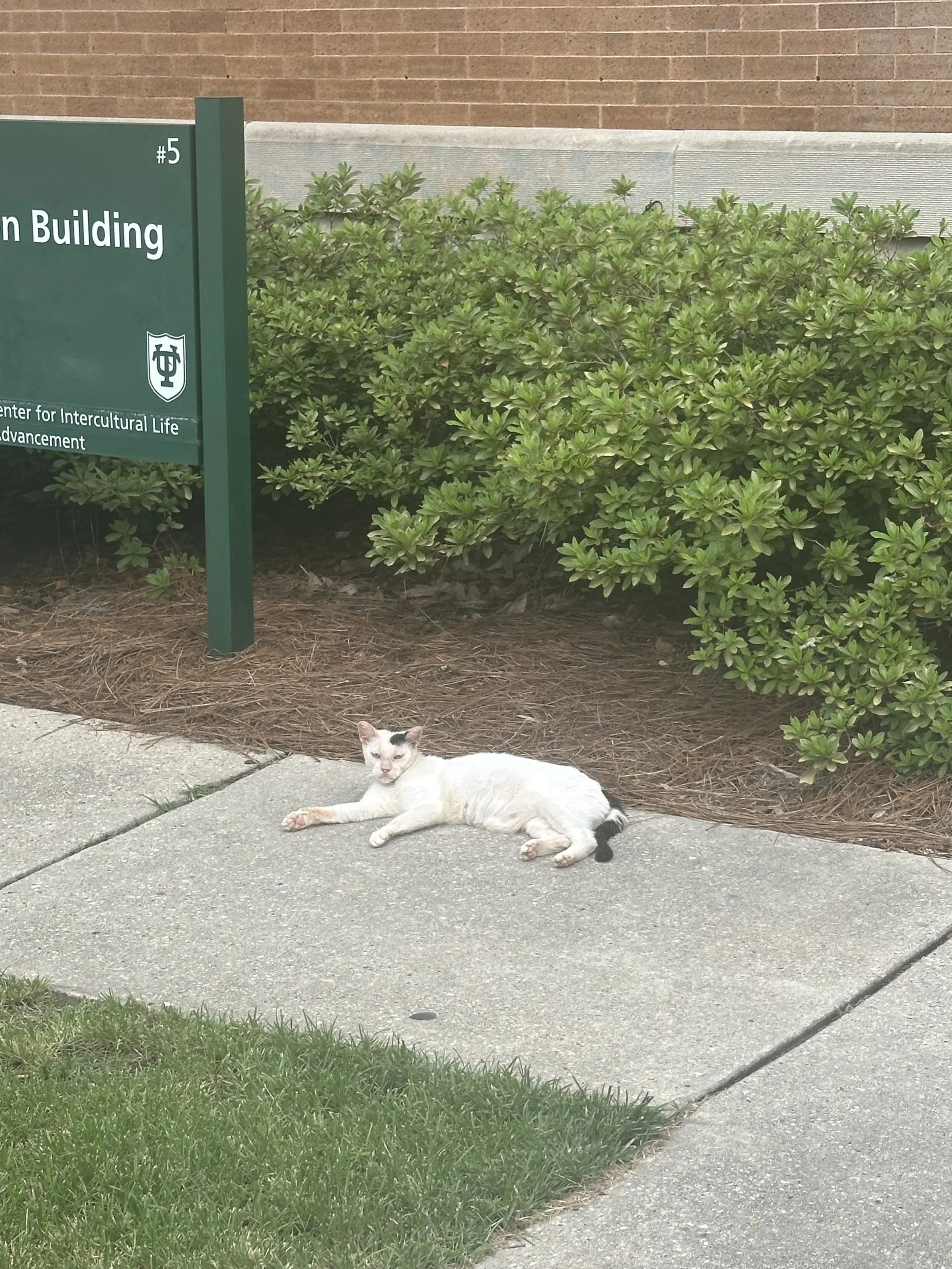
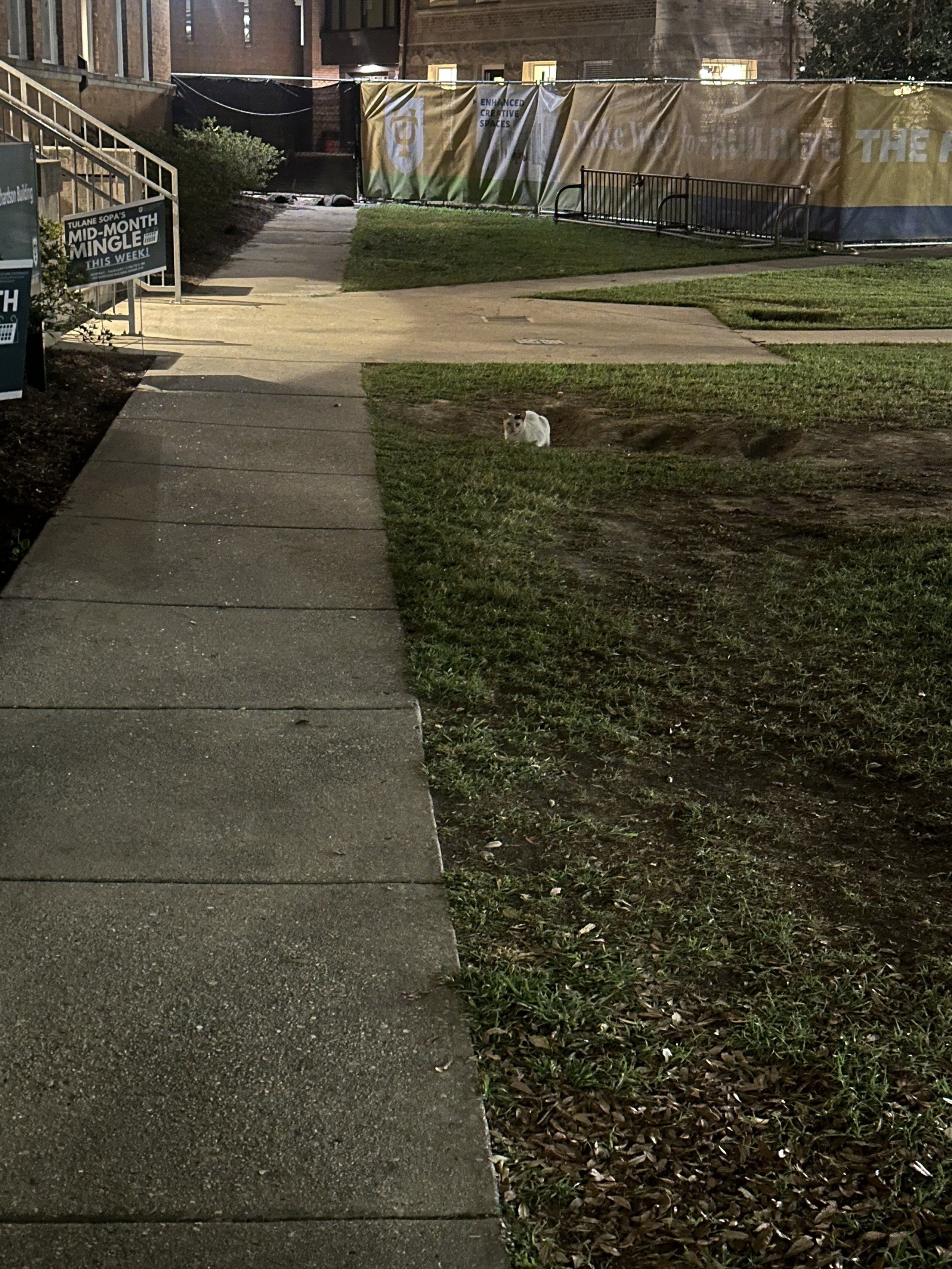
I see a dead racoon on my walk to Tulane. An eighty-minute walk. St. Charles and Calhoon is the entrance to Tulane for those taking the streetcar. This was my exit. This part of Tulane was where I grieved my friend. “Baile Inolvidable” plays in my head, as it did when I walked around sniffling about him a year ago. I just keep dancing, don't I? My heart starts beating faster and I tremble a bit entering the school. A few tears start welling but I brush them off because an old lady smiles at me. He was studying to be a vet at UC Irvine. We were close when he first came to my high school, but by the time of graduation we had just drifted off. We were supposed to meet up two summers ago, but I flaked. I don’t remember the last conversation we had. I do remember walking around the Richardson Building at night, seven days after I heard he passed away. I was gonna write him a letter. I remember the cat I saw after writing the letter. It was laying down, could have used a vet. I see the same cat. It's in the same spot it was that night. The tears do more than well up. 


I sit on the bench I wrote to him, and finish my fourth blog post. 

June 6, 2026

October 17, 2024

*

I attempt to recite thanaptosis in the southern Necropolis. Θέλω την ηρεμία μου. I instead get devoured by the macabre.


The Circles

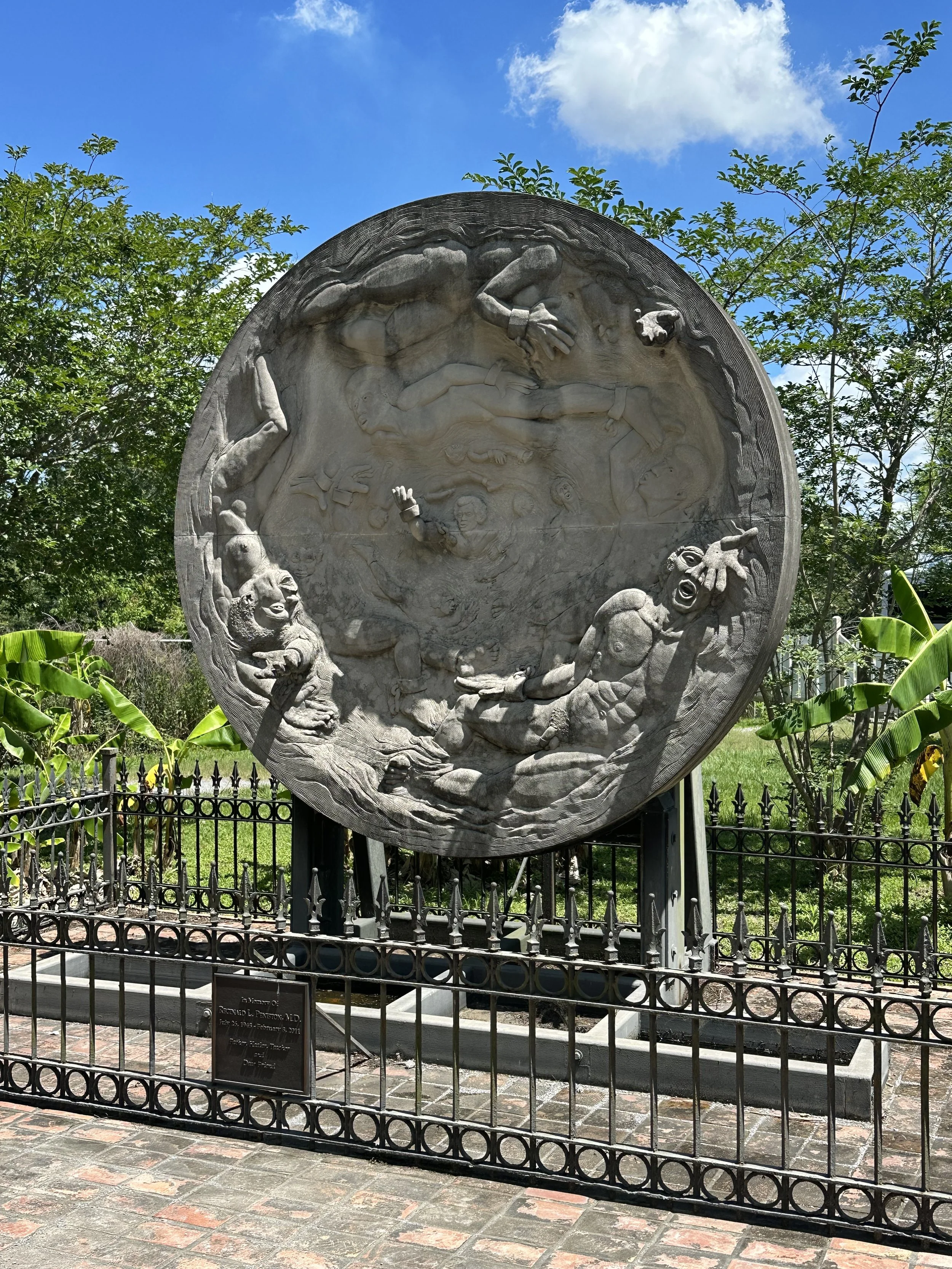
I stare into the circle. Its gray carvings grip people in such agony, contorting and spiraling into themselves. A spiral is almost never a sign of growth and optimism. It is an infinite pessimism and confusion. I suddenly remember the feeling of reading Junji Ito’s Uzumaki. I feel the same now. It is the perfect vessel for horror. Inescapable. Grotesque. Deceiving. 

The Circle of Labor

Neither slavery nor involuntary servitude…shall exist within the United States, or any place subject to their jurisdiction.

The 13th amendment has outlawed slavery! On the illegal side, plantation owners continued to have slaves. On the legal side, the enslaved people were kept through cruel schemes. I hear the docent at the Whitney Plantation explain one of these schemes: the “workers” were now paid, in the lowest possible legal value for minimum wage, or lower illegally, and necessities were sold at the very plantation. To eat your food for the day and buy any other necessities, you would have to use your entire pay. The only free part was rent. When the wage finally went up, the price of goods just went up with it. When the free rent went away, the enslaved people finally started leaving as there had to be better options someplace else. In that someplace else, Black Americans were met with the cruelest scheme of all.

Neither slavery nor involuntary servitude, except as a punishment for crime whereof the party shall have been duly convicted, shall exist within the United States, or any place subject to their jurisdiction.

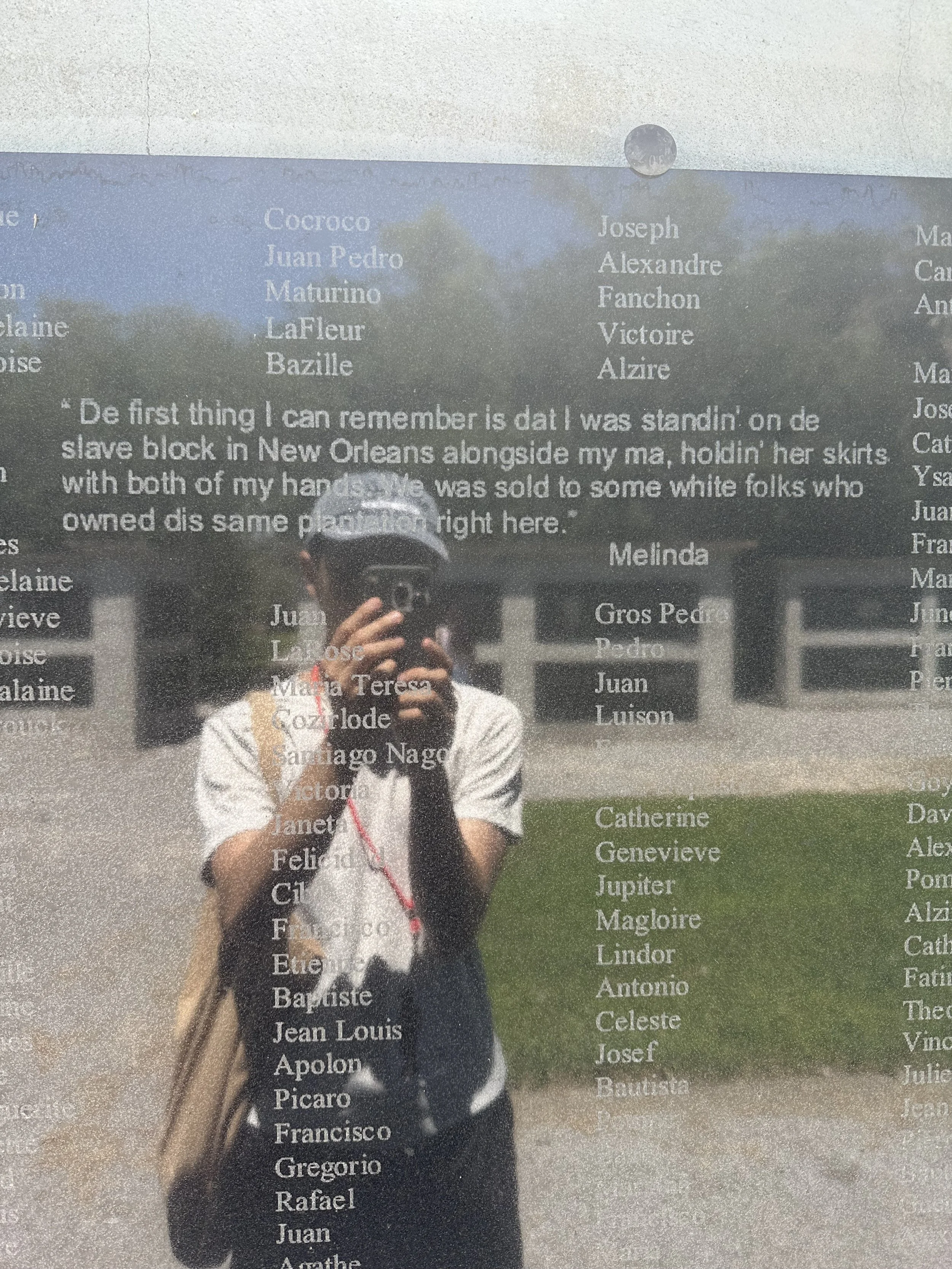
The slave catchers turned to policemen, and business continued as usual. The South could not fathom black people as a non-commodity. After the tour of the Whitney Plantation, while walking through the memorial I came across a very moving quote. 

“De first thing I can remember is dat I was standin’ on de slave block in New Orleans alongside my ma, holdin’ her skirts with both of my hands. We was sold to some white folks who owned dis same plantation right here.”
— Melinda

At its inception the South had put this into the minds of black and white people. So when slavery was abolished there had to be an exception, a loophole. So the prison system started, and never ended. Angola. Louisiana State Penitentiary, previously a plantation, is still up and running with approximately 5,000 inmates. The inmates make $0.02 to $0.40 an hour, possibly including three years of unpaid labor. Nevermind, not “previously,” a plantation, Louisiana State Penitentiary is a 18,000 acre slave plantation. Seventy-three percent black. Countless life sentences.


Melinda’s first memory was being sold as a commodity, to then be tortured and have her physical capabilities sucked dry. This will be the Angola prisoners' last.

I see people often compare the struggle of their minority sexualities or ethnicities or whatever to the black struggle, and while intersectionality and finding common ground is important, there is no experience in the world like the black american experience. Many minorities have been fetishised, demonized, oppressed, and used for cheaper labor. But to be commodified, is something horrific and inescapable.  


The Circle of Disease

In movies and books I have seen the death of an enslaved person depicted in many ways. Punishment for running from the plantation owner. Suicide praying to go to heaven after. Bleeding out from whipping. But the overarching reality of slavery is disease. The vast majority of death, eighty to ninety percent, was disease. 

I had heard the docent explain more about Cancer Alley. Containing a quarter of American petrochemical processing, it kills. The rates of cancer and other diseases are drastically higher than the rest of America, which is an awful baseline. And of course, a drastically higher effect on Black Americans. Aside from Cancer Alley, heart disease, diabetes, cancer, asthma, and so many other illnesses are disproportionately higher in Black Americans today. This legacy is not a genetic one but a systematic one. 

The data centers around the U.S. cause intense air pollution, especially to the communities around them. These have also affected black communities disproportionately. And then we have the newest legacy version of these, continuing the spiral, GPU centers. These AI data centers do an amazing job of torturing the people around them. Supposedly raising the temperatures 15-20+ degrees depending on ventilation and cooling, with locals describing a non-stop unsettling rumble or hum and most chronic illnesses escalating. I was thinking about this while staring at a different circle.

Coming back in time to the plantation, I am reminded of Minamata Bay: the bay in Kumamoto Prefecture, Japan where Nippon Chisso dumped industrial waste. This waste included an organic mercury intermediate, resulting in at least 2,300 deaths. Although the company and government were well aware of the effects on organic mercury poisoning, they understood the economic benefit of the plant post WWII. This is a tragedy I have studied repeatedly, because of its level of atrocity. Yet, Cancer Alley is more despicable for me. Although the deaths were more excruciating, Minamata Bay does not carry an ongoing legacy. The Japanese people are not continuously commodified and left to die.

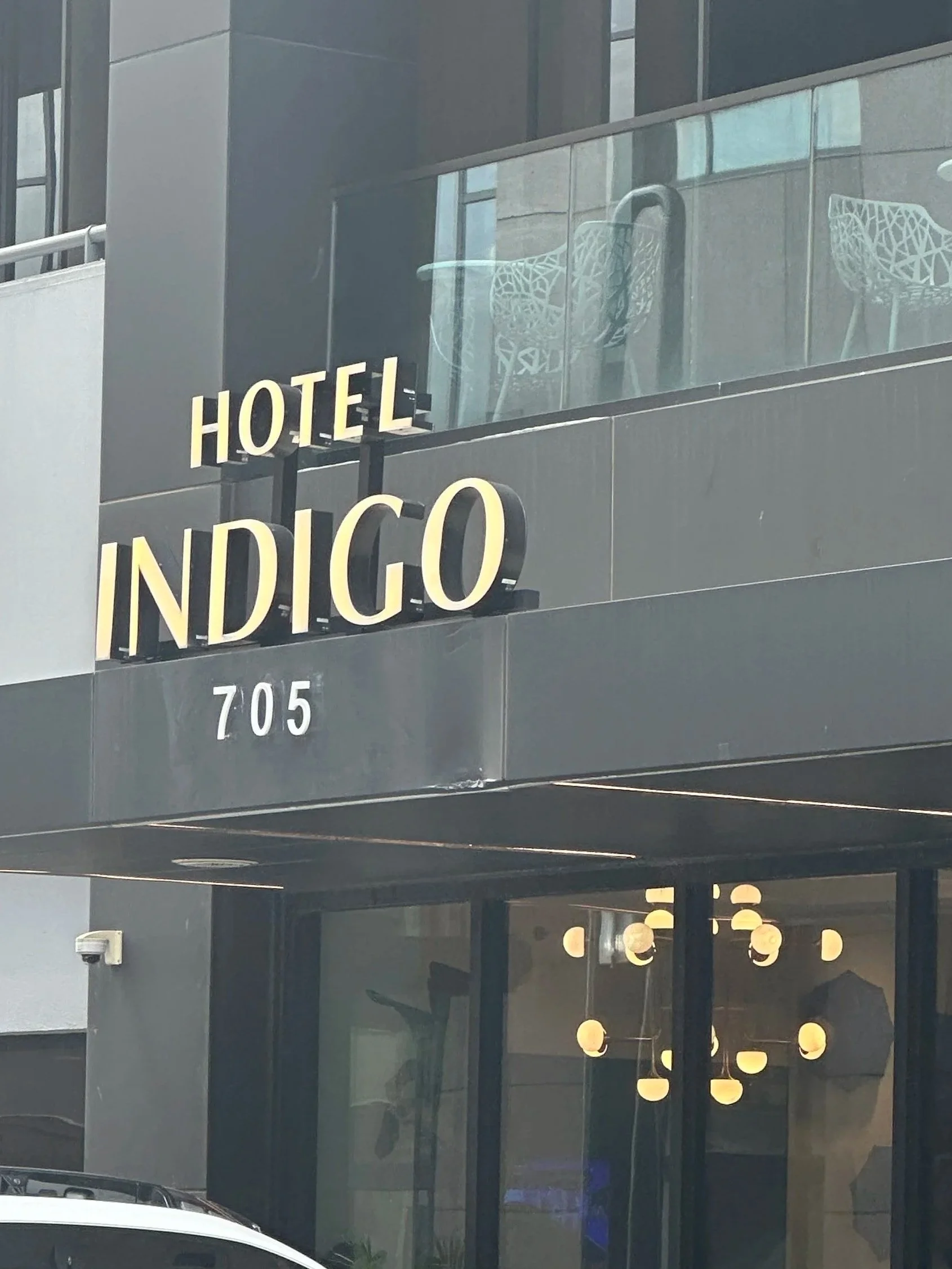
I stop staring at the circle. I don’t believe it is fair to say nothing has changed. Black people have fought for so much in this country, and the conditions are indisputably better than they were in the 19th century. But I do not want to act as if the spiral holds no weight today. The legacies are right there in front of me. But there is another key part of the circle: it is three dimensional. There are hands reaching out. Whether this is a sign of hope or an added level of despair I do not know. I come back to the hotel. Hotel Indigo is around the corner.


The Other

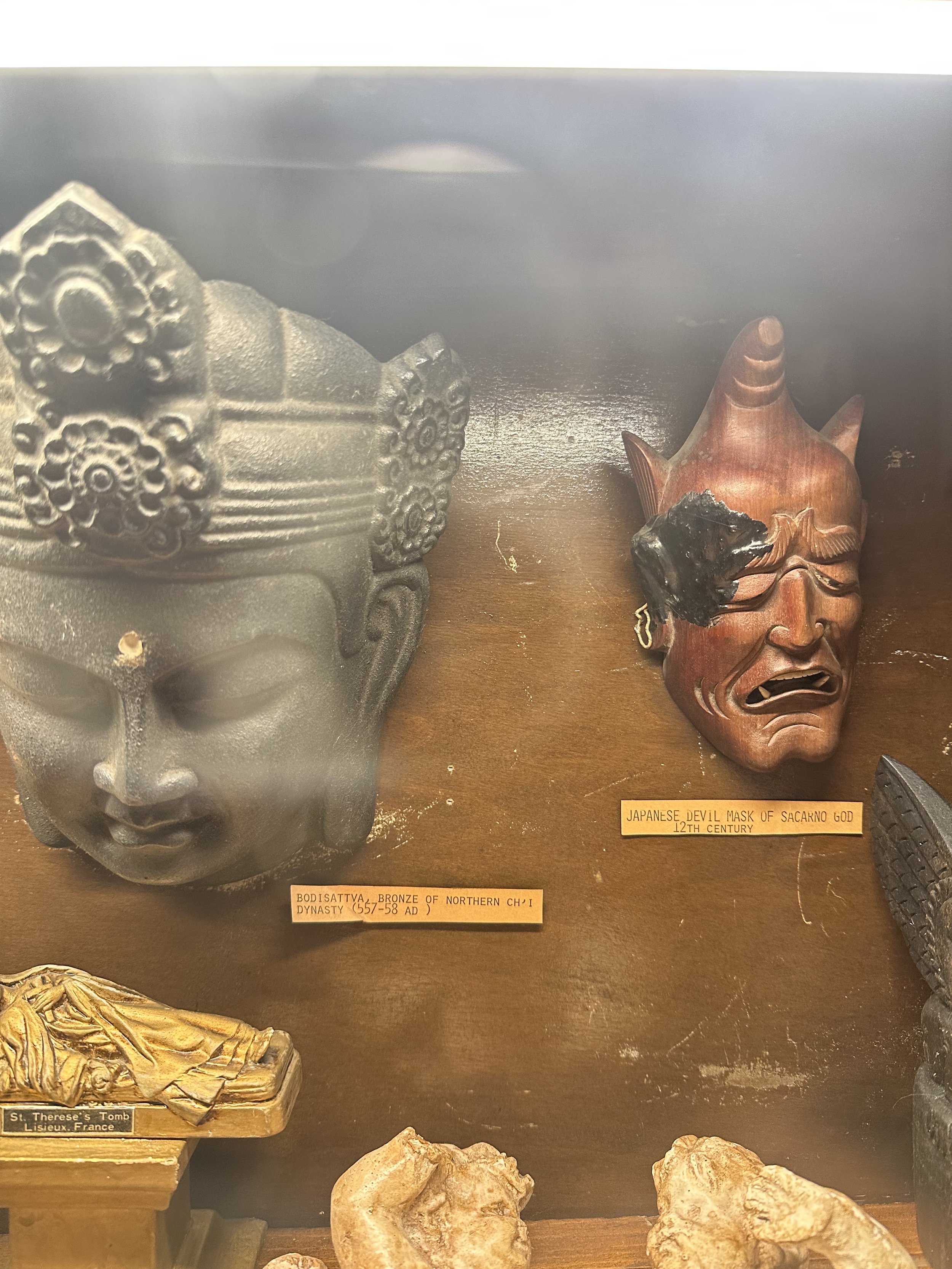
In the first room of the New Orleans Voodoo Museum, I see the Bodhisattva of the Northern Ch '1 Dynasty and a Japanese devil mask of the Sacarno God of the 12th century. I love and study both East Asian and New Orlean’s culture, so I want to find the connection between the two or the influences one had on the other. However in this context I could find more overlap between fire and ice. 


From what I can understand, New Orleans is special not solely in its diversity but because of its history of diversity giving rise to an amalgamation of cultures. Not just a mixture. Most densely populated cities around the U.S. can boast diversity. As a matter of fact, several cities beat New Orleans statistically in that respect. But New Orleans has an edge on them because of identity as a whole. When I eat the gumbo here I taste several components of Spanish and French cuisine, along with the Southern touch. It has become its own. The same cannot be said about the other diverse cities. No one craves San Francisco food, it's not a thing.


I started realizing not fully understanding the culture of this place results in a demeaning and over simplification of its culture. Anne Rice describes late 18th century New Orleans with detail and care, but everything is the other. Everything is exciting, erotic, and exotic. New Orleans is the exotic other. 

“There was no city in America like New Orleans…there were not only black slaves, yet unhomogenized and fantastical in their different tribal garb and manners…those marvelous people of our mixed blood…a magnificent and unique caste of craftsmen, artists, poets, and renowned feminine beauty…magnificent Grecian houses which gleamed in the moonlight.”
— Louis de Pointe du Lac

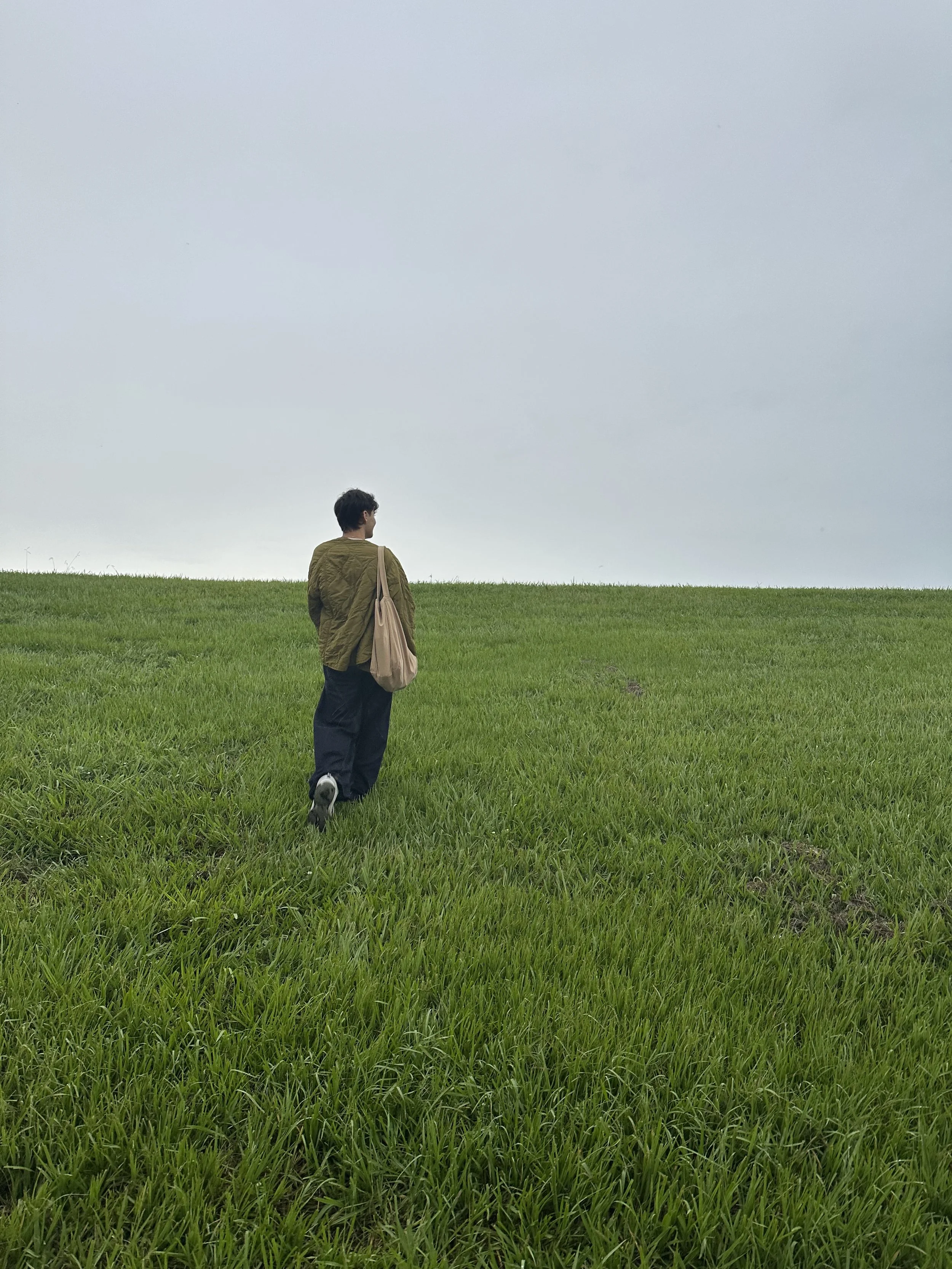
Setting Interview with a Vampire in New Orleans and utilizing, if not generating its exoticism in the public eye allows Rice to make daring choices. Choosing vampires as the main characters intensifies this freedom. If Anne Rice depicted two priests in Oklahoma showing the same levels of homoeroticism that Lestat and Louis showed, one sucking on the other’s neck, sacrilegious would not begin to describe the accusations. But showing two already unholy beings doing unholy things is to be expected. This weirdness has served people in New Orleans for decades. New Orleans has been labeled the weird other, so it is now a sanctuary for oddities and freedom. As I walk through the French Quarter, specifically coming up Canal Street, I remember Red Dress Day, where I saw men and women of any age wearing all red dresses and skirts. People dress and act however they please because New Orleans has become an environment to do so. I start wearing the clothes I wouldn’t even consider in Grand Isle, including my dark, vivid sapphire-blue button pants and tight fitting green shirt. 

Getting mixed up in the festivities and blend of cultures, New Orleans has become to Anne Rice and many today, the other. But bunching up everything that isn't normal for the rest of America and labeling it the other means demeaning the identity of New Orleans and its people. It leads to random asian artifacts in a Voodoo museum with no correlation, and more so the general mistreatment of voodoo as a whole. Islam and Judaism has spread through America enough for it to not to be treated as the other, but perhaps “an” other. Voodoo as an animistic religion or spiritual practice has not yet been converted to that sphere of American consciousness, and thus is still not seen as anything but the other. Being the other to America means voodoo is anti-catholic, anti-christian, anti-god and nothing more. Although New Orleans being labeled this other has lended itself to being a haven, this foolish approach leads to more foolish and disrespectful thoughts. I think New Orleans can be thought of as special. It is special in regards to cuisine, special in regards to slavery in the South, and special in regards to architecture and landscape. 


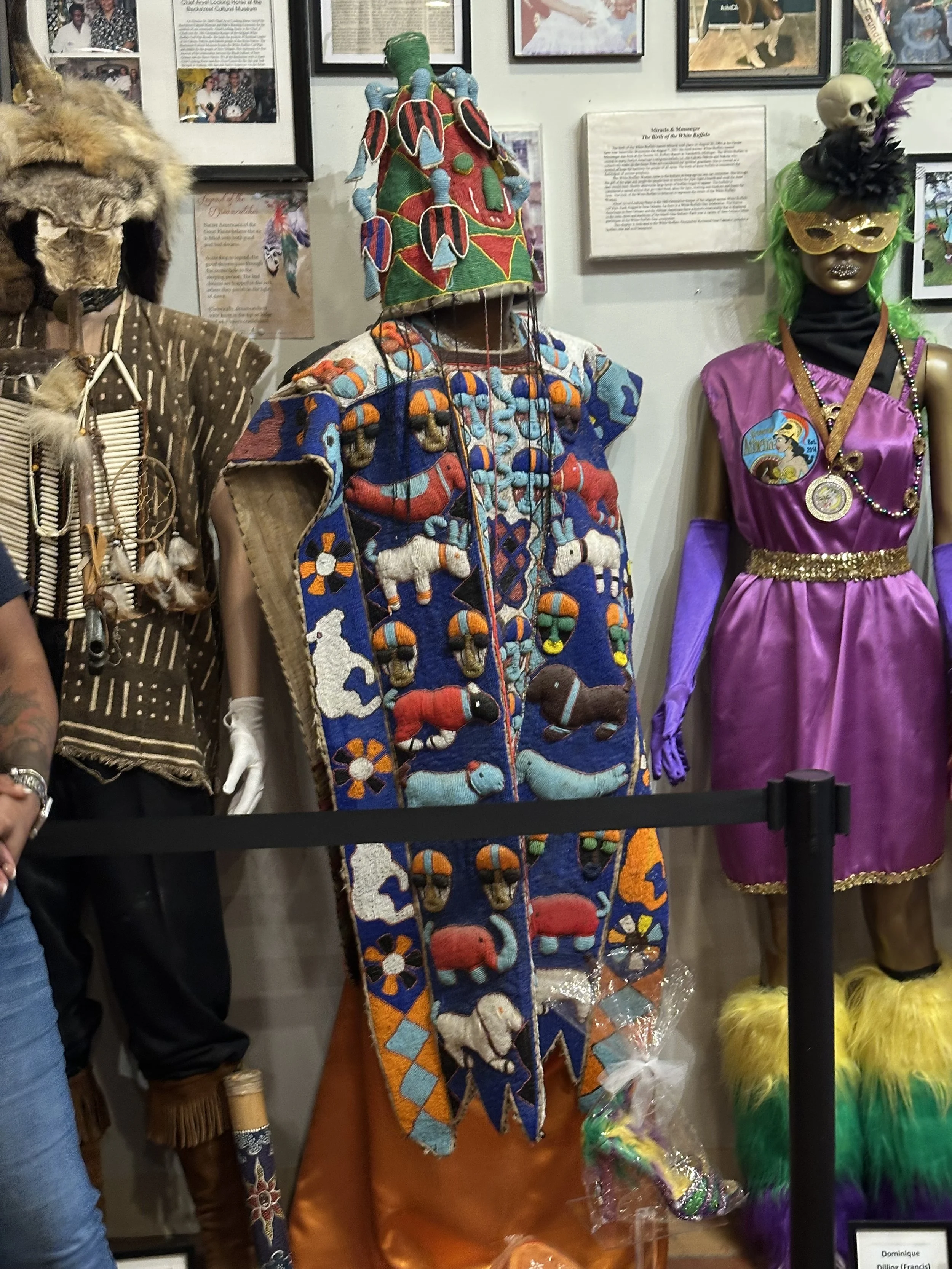
Walking into the Backstreet Cultural Museum is the opposite. No exoticism, no silliness. The story of every artist is explained in great detail. And there is no disrespectful bunching up of cultures. 


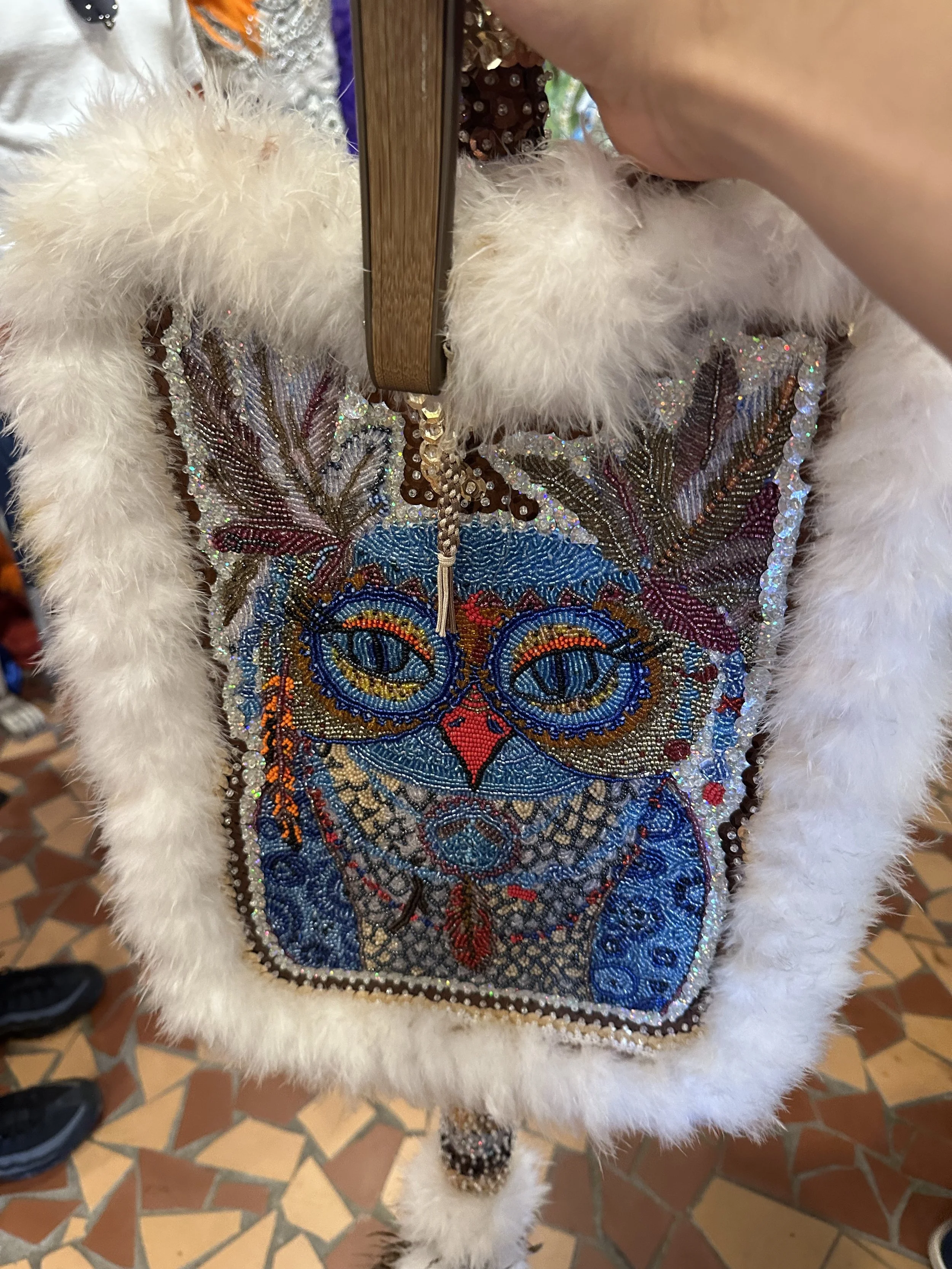
Most people see feathers so they think it's Indian. It's not. 


The costumes from Native and African influence are described as such, and those of only African American creation are described as such. The work put into the owl makes a big impression on me. I follow every bead with my index finger. Looking up, the artwork on the costumes is so meticulous and precise. Everytime the museum guide says some people think this is thread but its actual bead, I had thought it was thread. I slowly come to understand the intense work and creativity, considering every year you had to outdo yourself, and reusing was not an option. Unlike the voodoo museum and Anne Rice’s flawed explanations, there is such a thoroughness to every display and word. I have no comments or questions during the tour, despite the guide's comical frustration. The fashion, culture, and stories are told through such precision. Immediately after leaving, I turn to Trey and tell him that this was and will be my favorite activity we do on the entire trip. 


Of course, one of the only informational places in New Orleans I have visited that did not treat it like the other was self funded. There are donations from locals for the Backstreet Cultural Museum, but no government assistance according to the guide. From what I can tell in the infrastructure, the pollution, the cultural conservation, the supermarket food quality, and a million other things, there is little to no government assistance in anything here. I joke with everyone that the sidewalks are like a maze, and I have seen Vanessa trip more times than I can count. But for locals in a wheelchair there is no comical aspect to not being able to easily cross the street. New Orleans, and Louisiana as a whole is treated like the other not just culturally but politically and economically as well. I realize this, and the people of New Orleans realize this. The welfare and cultural preservation of New Orleans is important, and I wonder how I can support it from California. I’ve voted here once, but my registered district is now in Historic South Central. But just like how the cultures intertwine in New Orleans, I believe America is intertwined. I can still talk with friends from Louisiana, and support the institutions I believe will help. I will do what I can for New Orleans because it is not the other.


Feeling Flawed

Andrew tells us we are leaving to take golden hour photos for the blog in about ten minutes. We have just finished talking about The Awakening, and all I could think of during that was how intensely I relate to the 19th century protagonist. This schedule reminder brings me right back to reality. Edna never had to worry about looking good for a close-up iPhone picture. 

I put on my light sky blue shirt with a gold silver necklace and fix up my hair before getting into the car. Andrew gives us another reminder: we are stopping by the grocery store before pictures. A short panic ensues. I remember how I have been harassed about my feminine clothing choices in even San Francisco, a much, much gayer city than Grand Isle. I hope nothing will happen. Nothing does. I just got my zucchini and left. But after exiting, I can’t discern whether the stares directed at me were curious about what a group of college students were doing shopping at the local grocery store, or hateful. I leave with a tingle of lingering anxiety, but excited to take some cute photos. 

In both Kate Chopin’s world and in mine, freedom and security are treated like limited commodities to be traded for each other. Throughout The Awakening, Chopin pours freedom and autonomy into the protagonist, so much so that it permeates into the writing style of the book itself. General references in the beginning of the book of a Mrs. Pontellier becomes a strict first name basis of Edna to the reader, despite other well known characters adhering to their last. The third-person omniscient narrator becomes more limited with every page I flipped. This is a trade off. Edna loses her sense of security and gets judged by the men around her. Her father is angry with her for not attending her sister’s wedding, and her husband and doctor believe she is mad. While bookpacking in Grand Isle I find myself blending, or perhaps conflating Edna’s feminine freedom with my own queerness. 


Robert is all Edna talks about, but when Mademoiselle Reisz asks her why she loves him, she replies with a description of his facial features and pinky. I don’t believe this is a quirky message that contains a deeper connection between the two. I don’t believe Edna loves him at all. 


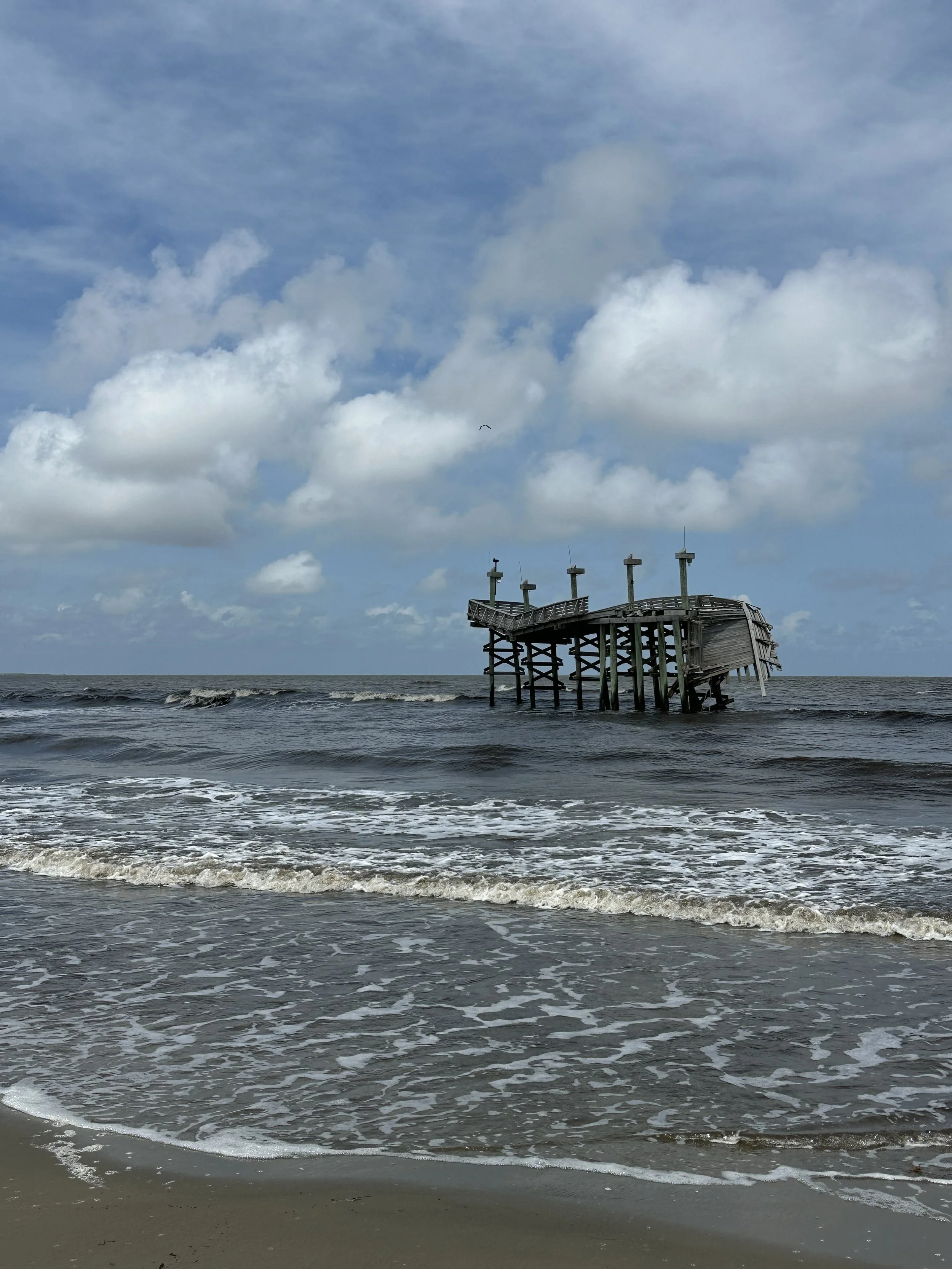
I walk across the Grand Isle beach pondering the previous men in my life, and contemplate my past through the same perspective I judge Edna with. 

I see my flaws and her flaws as the same. Like Edna, I don't understand what I like because I truly like, and what I like because it makes me feel free. Do I actually like the area this tee crops, or does it just feel transgressive for a guy to wear it? Do I feel sparks and love for the person in front of me, or is it just gratification I missed via exclusion from the American heteronormative sphere? I think this has caused me and Edna both to exist selfishly. I experience men immaturely, seeing romantic partners as experiences related to myself and my own growth, and not fully realizing its dual nature. Like Edna, because of an unfair world I have become flawed and selfish. 

This is not just a self centered view of men, but a willful ignorance as a privileged westerner. In the same way Edna gets to complain about her tedious husband or absent lover while taking for granted an unnamed girl holding the leftover thread from the sewing machine or cleaning her house, I can take for granted the world I live in everyday. I think it would be silly to view this piece as solely in the past and the current world as a utopia. I am insanely privileged, more so than Edna, there is just a bigger disconnect between the unethical labor practices that supply my consumption in the modern day. Her actions in the book bother me because they remind me of myself.

I feel this in Grand Isle. The west and east coast are quick to judge the south and speak about it with a sense of superiority, brought about by a political and educational advantage. The way I and others from the west coast have spoken about the south like some odd and inferior other is bothering me. I find comfort in Edna because I relate to her, but this is helping me realize my many flaws. I can’t just empathize with her sadness and leave it at that. 

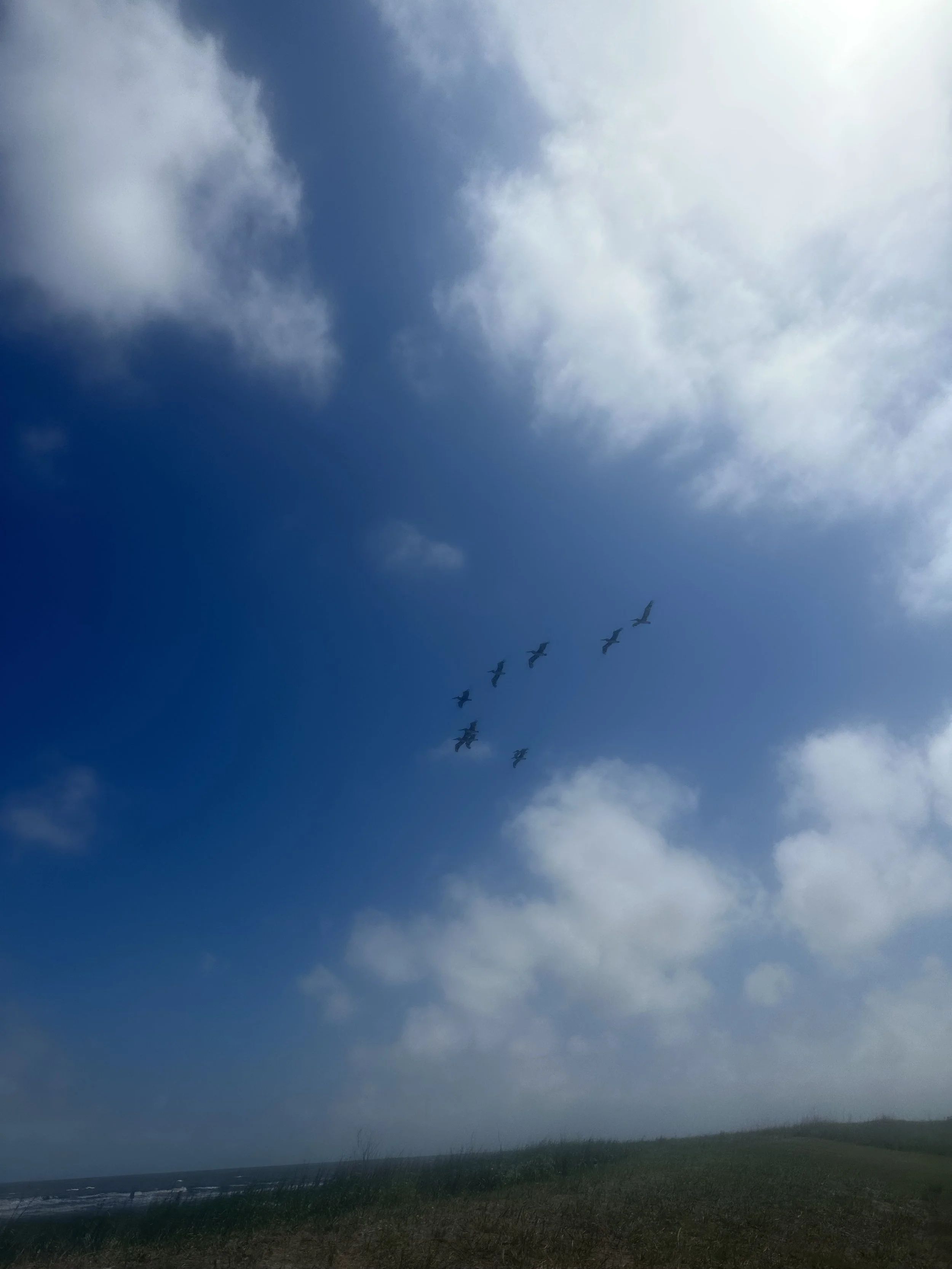
The birds on the beach start flying towards me, either from hate for me strolling near their eggs or curiosity and friendliness towards an outsider, just like the grocery store stares. Maybe the birds don’t like my cute mushroom ring and long sleeve cowboy shirt. 

During my walk back to the H2O Psycho House prompted by the fierce birds, I look back towards the ocean. Edna sees the ocean as an infinite body of azure freedom. To submerge herself in it is scary, but it's the ultimate release. 

I want the ultimate release too. I contemplate a nice and long swim. But Edna’s world and my world is after all different, and we are not one in the same. I don’t want to live in selfishness. I don’t want to live where freedom and security are finite and forced to be traded. I will care for those around me while also finding spaces in the 21st century where I can be free. I will work towards romantic empathy, and not settle with then cheat on my eventual husband. I am done contemplating a nice and long swim.

The water looks a little murky anyways.