Sadie Perlman

The Original Sin City

When people talk about going to Sin City, they picture Las Vegas, but there was a time when Sin City in North America was New Orleans. During the early French Colonial period, New Orleans was a penal colony, which immediately made the city a breeding ground for vice. Despite efforts to eliminate this behavior, the free and loose culture of sin still lingers to this day.

This culture is synonymous with Bourbon Street, a place where you can drink, dance, go to strip clubs, see live music, buy beads, and eat from hot dog carts all within a historic setting. This is exactly why Ignatius Reilly from A Confederacy of Dunces by John Kennedy Toole feels the need to take up arms against the vice of New Orleans. In fact, New Orleans is the only place where a story and a character like Ingatius works. On Bourbon Street, there are people everywhere, some drunk, some even more drunk, and some who should have gone home a couple of hours ago.
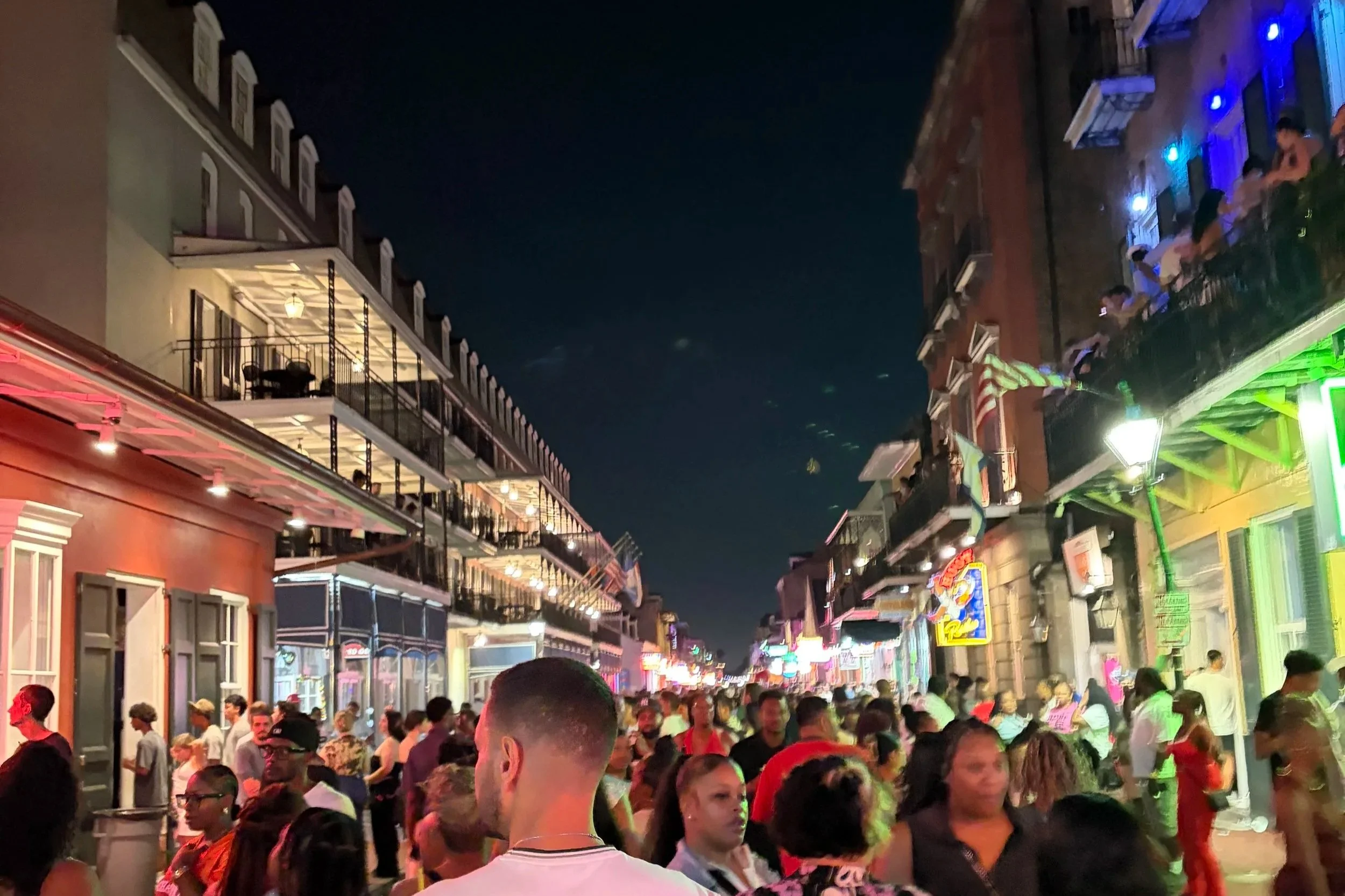
Section Bourbon Street


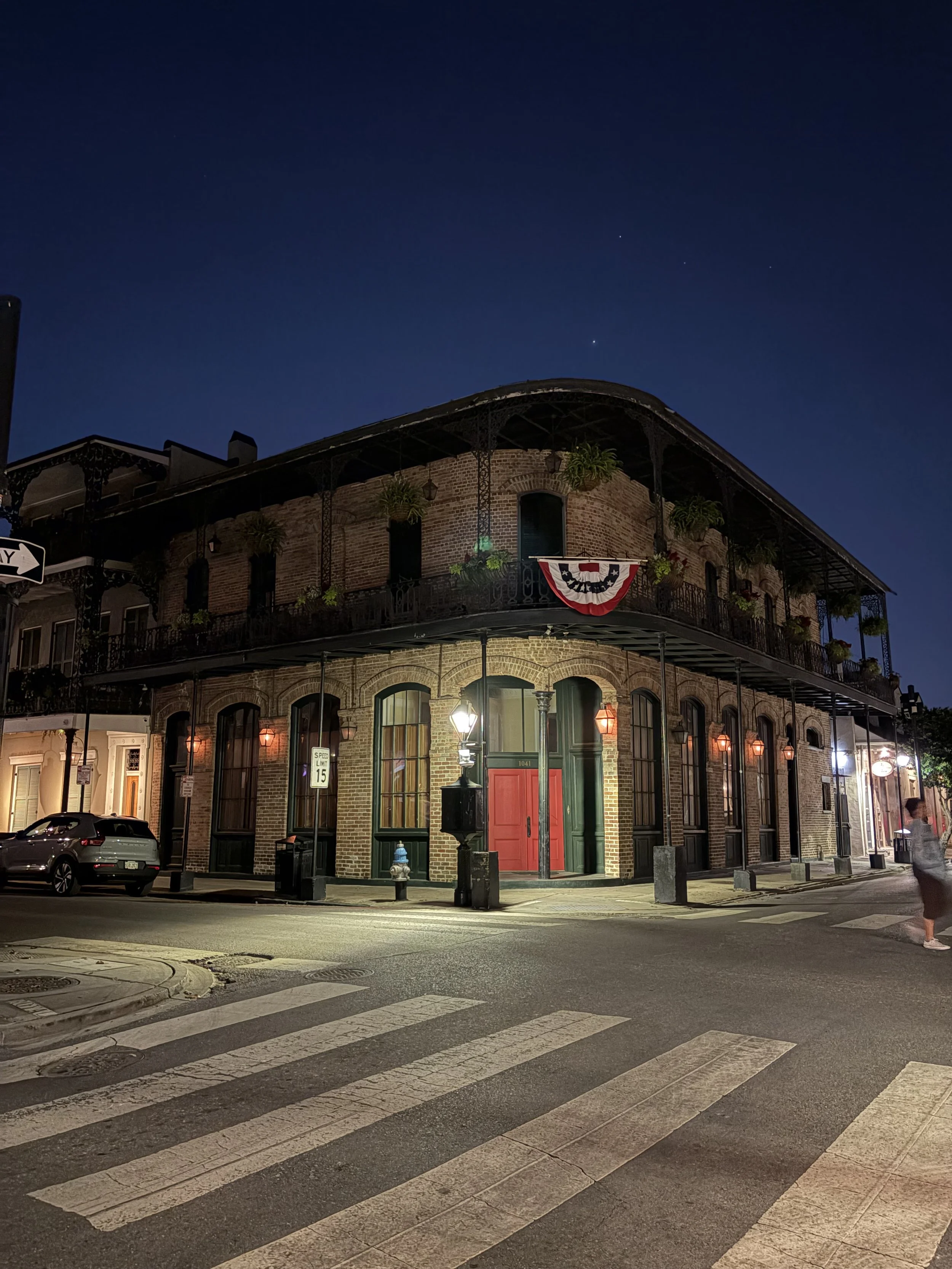
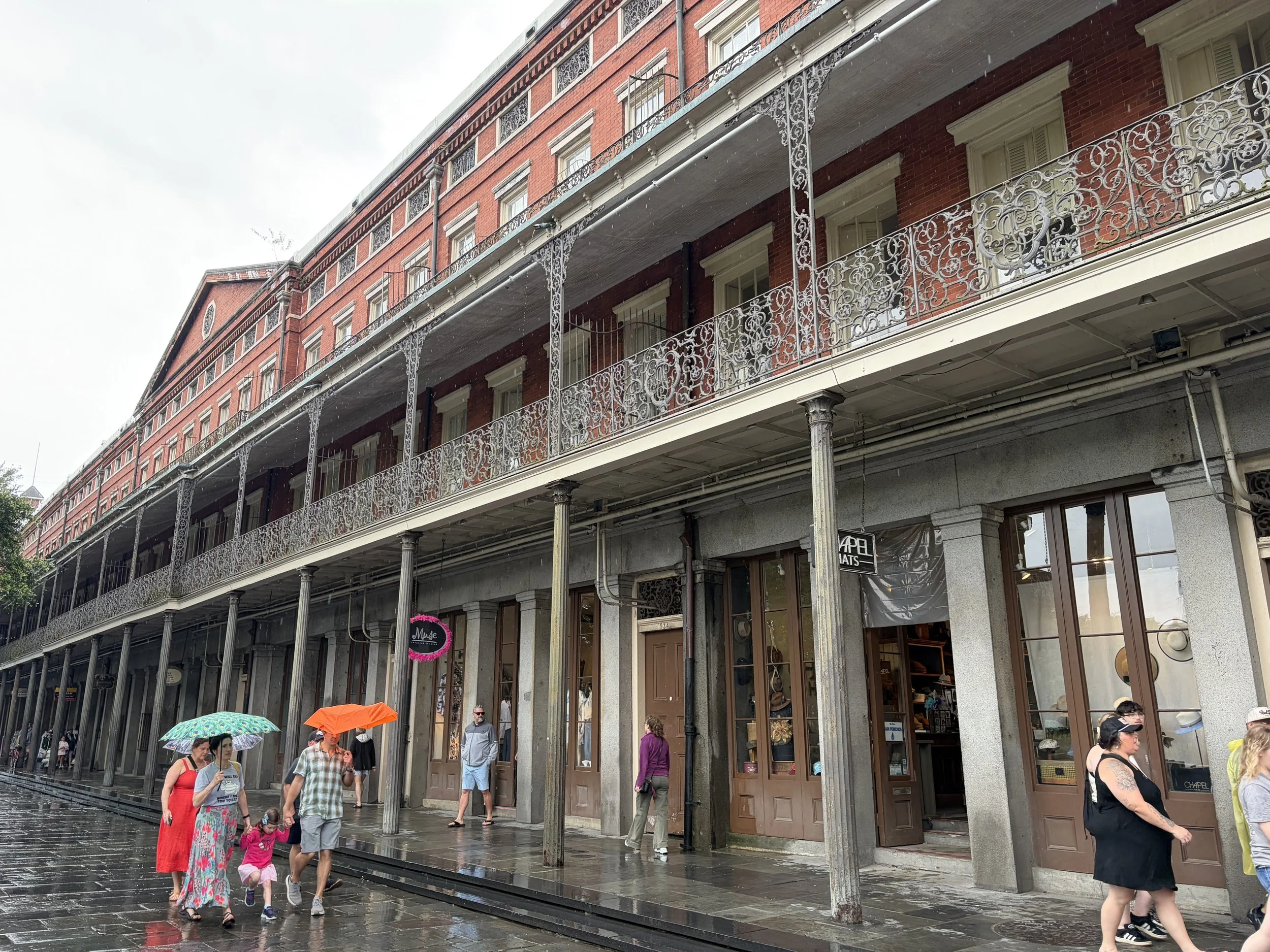
Bourbon Street is in the heart of the French Quarter

In all seriousness, there is something beautiful about the activities that go on on Bourbon on a backdrop of historical, colonial buildings in the French Quarter. The relics of a time of the Calviers, art, philosophy, manners, and the gentility of white Southern culture. Ignatius is a part of these relics; he believes in chivalry, kings, religion, morals, and crusades. It might seem like he was born at the wrong time, but he was born exactly where he belongs. He is like the buildings on Bourbon, with their elegant facades forced to be used as bars and clubs, similar to how he has these morals that get directly in the way of his work as an office worker or hot dog vendor.

The irony of the stories of Ignatius is where the book gets its humor, as Ignatius constantly tries and fails horrifically to fight against immorality in New Orleans. I personally could understand why a person would find this book funny, but I had a hard time enjoying it myself. However, once I was in the place and walking around the places mentioned in A Confederacy of Dunces, and I learned more about New Orleans history and culture, the humor and stories made more sense. Once I was able to experience firsthand the touristy Pirate’s Alley, the clubs in the French Quarter, and the different areas where I saw actual hot dog vendors with questionable ingredients and hygiene, the more I felt “in” on the jokes and humor of the book.

I also relate in a way to Ingastius as someone who doesn’t drink and doesn’t like to go on dates. Like him, I can be a little prudish, but unlike him, I have social awareness and don’t push my beliefs on others. This is why I thought I would have a similar reaction to Bourbon Street as Ignatius does with all the people, places, or things he deems as vulgar or obscene. I originally didn’t want to go down there at all, but I felt like I should at least try it once while I’m here. However, I was pleasantly surprised; there is something about Bourbon Street that feels authentic. Although I wasn’t a fan of the smoke, the people, and how loud the music was, it didn’t feel like it was a tourist attraction, oddly enough. I knew it was, but to an extent is a tradition from when New Orleans was a penal colony for only a couple of years. For literal centuries, it has been a place for people to party and a place of acceptance. I mean it when I say I do not see such a high concentration of pride flags on one street on a regular basis. It helped me realize just how futile Ignatius’ attempts to “save” the people of New Orleans were, because if someone like me (who doesn’t really go out) enjoyed the crazy environment of Bourbon Street, Ignatius stands no chance.

I have sought to escape in the Prytania on more than one occasion, pulled by the attractions of some techincolored horrors, filmed abortions that were offenses against any criteria of taste and decency, reels and reels of perversion and blasphemy that stunned my disbelieving eyes, that shocked my virginal mind, and sealed my valve.
— Ignatius Reilly, A Confederacy of Dunces by John Kennedy Toole

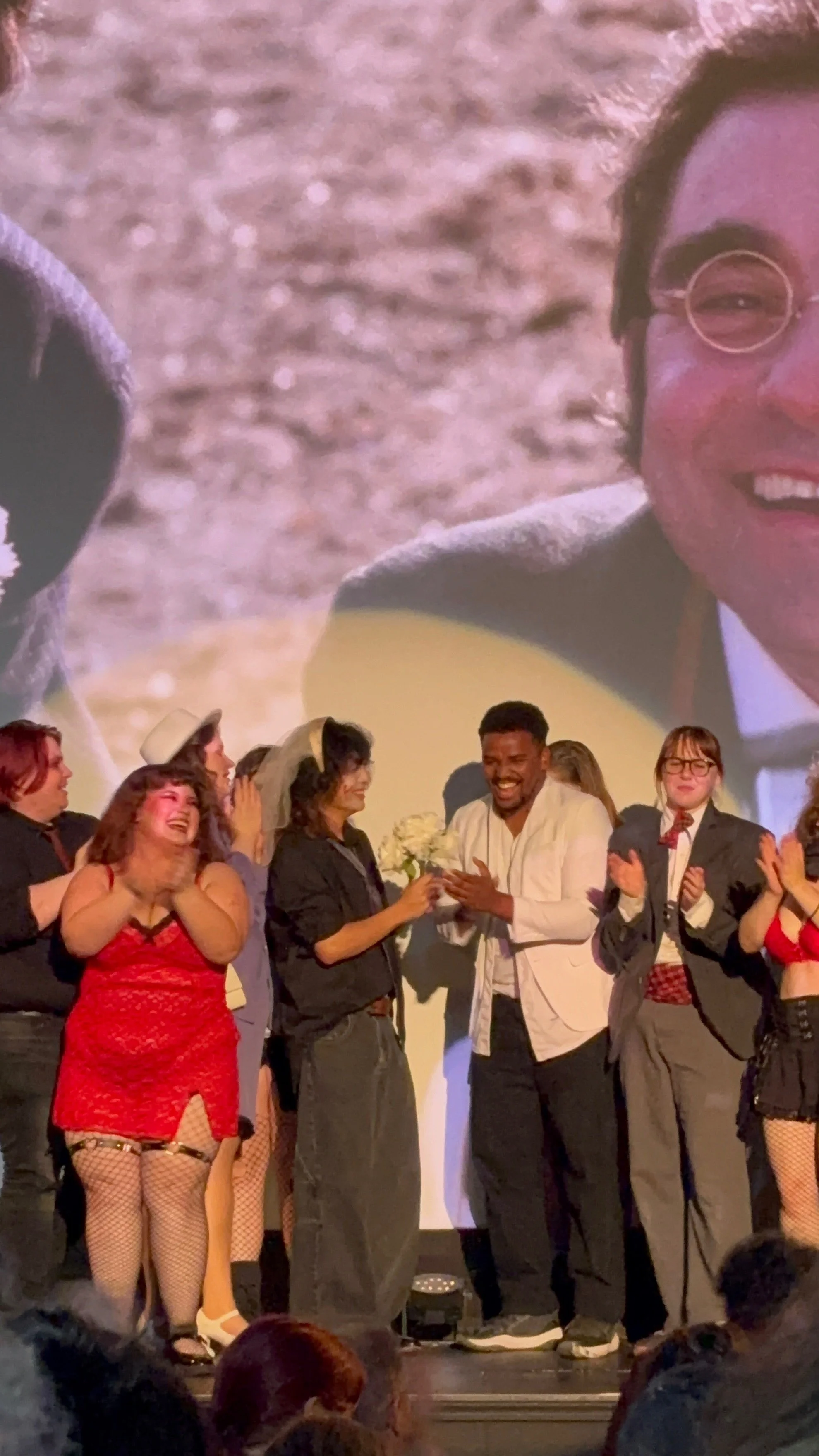
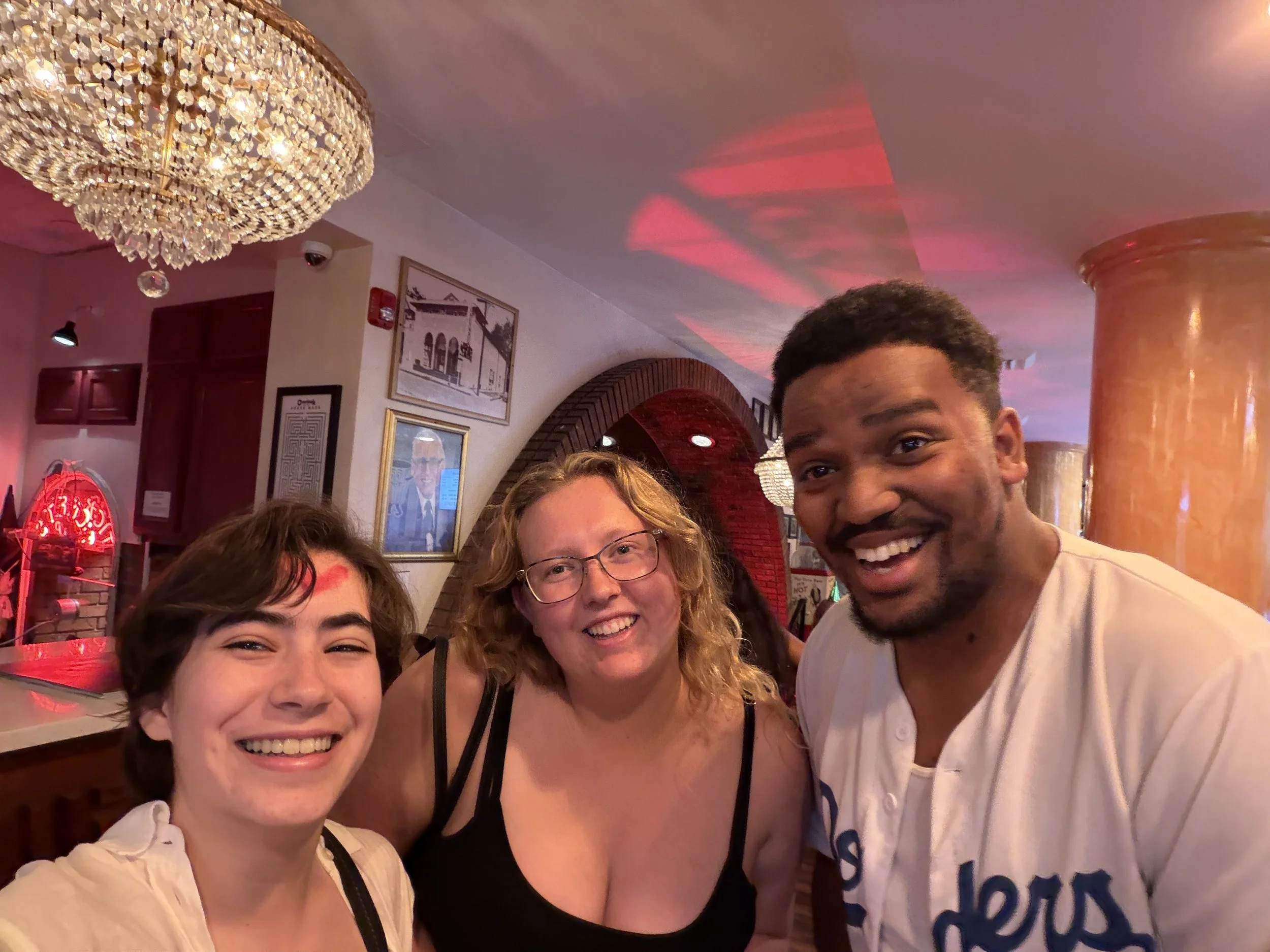
However, there was one moment during my stay in New Orleans that made me feel like I was Ignatius. I went to the Prytania theater, the same theater that Binx from The Moviegoer and Ignatius go to, to see a midnight screening and live shadow cast of Rocky Horror Picture Show. I had not seen the movie in over 2 years and didn’t realise that there was going to be a shadow cast, which is when actors reenact the movie live in front of the screen, so I went in underprepared and didn’t set expectations well for Isabel and Trey, who went with me. To say what we experienced was obscene would be an understatement; every inappropriate thing you could think of happened in some capacity. I was Ignatius in that theater, was shocked and appalled at what I was seeing, but once it was over, I wished I could see it again. The only difference between the two of us was that I stayed silent most of the movie and threw rice, while he made his presence known and threw popcorn.
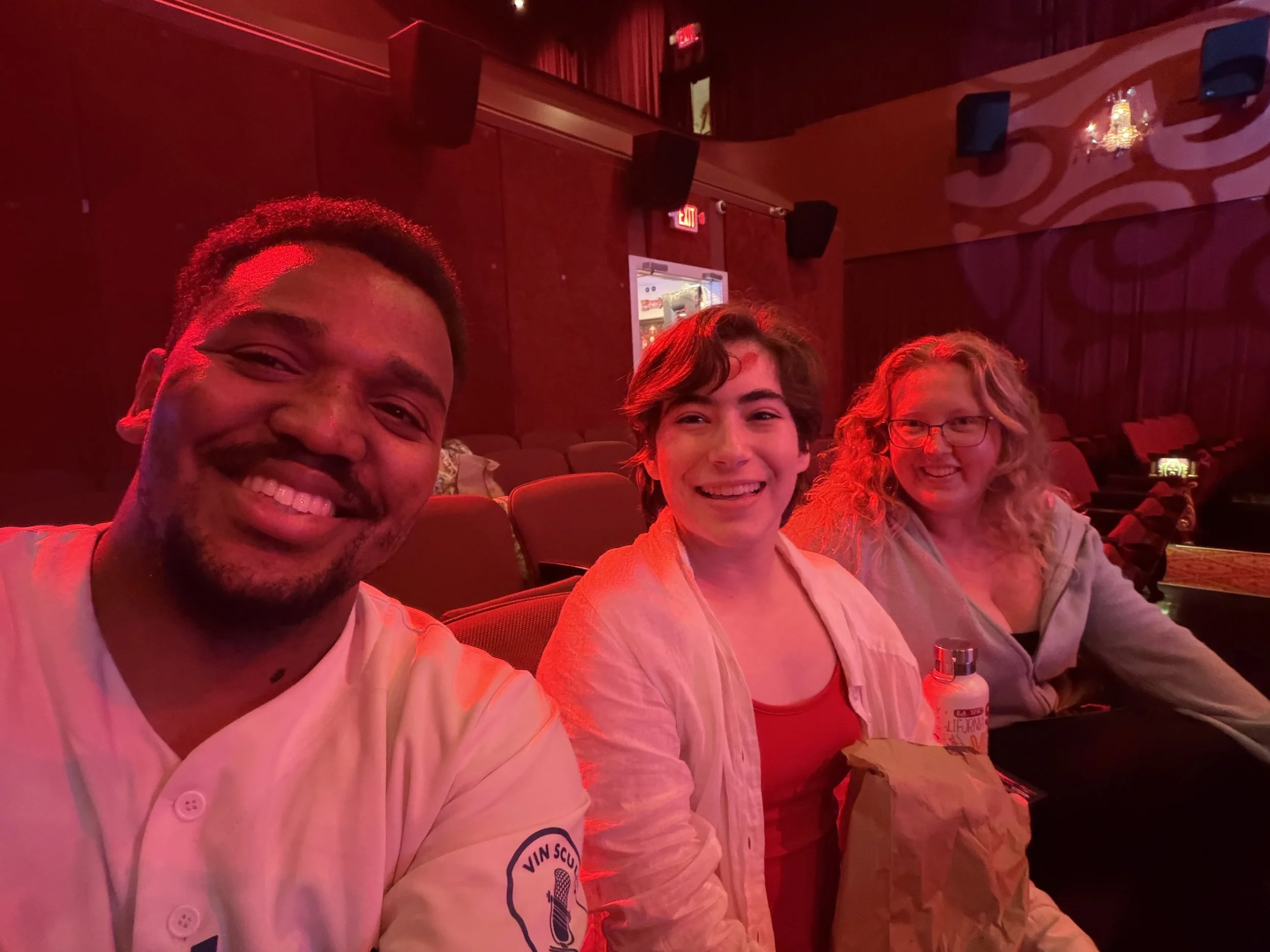
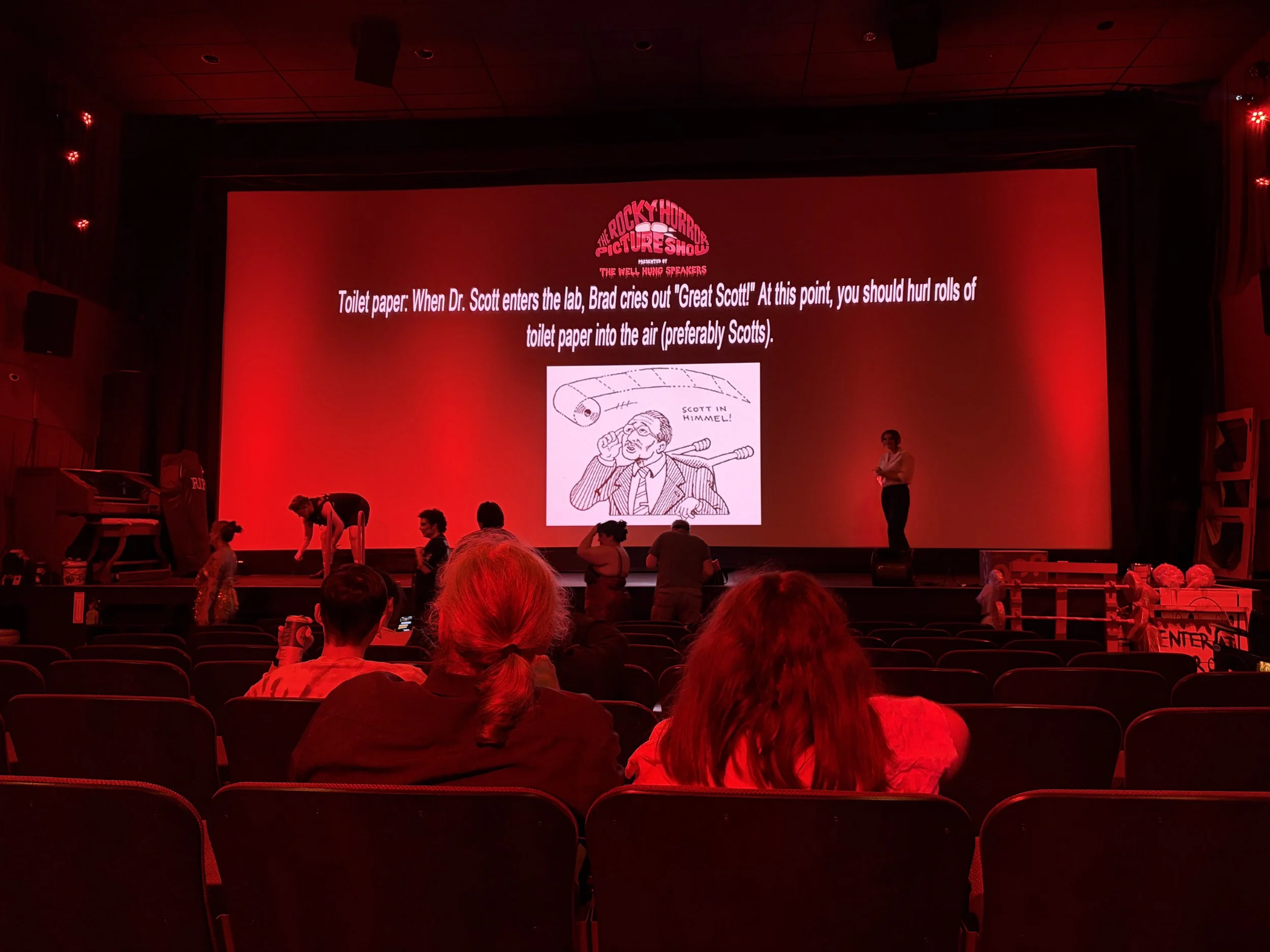
Whatever happens in New Orleans can only happen in New Orleans. It is the only place that has made my jaw drop while feeling real and authentic. It is the only place where such a large character like Ignatius Reilly could make sense. From its long history of vice in a beautiful backdrop. The contradictions of New Orleans just work, and I’m going to miss them.
Bonus Content!

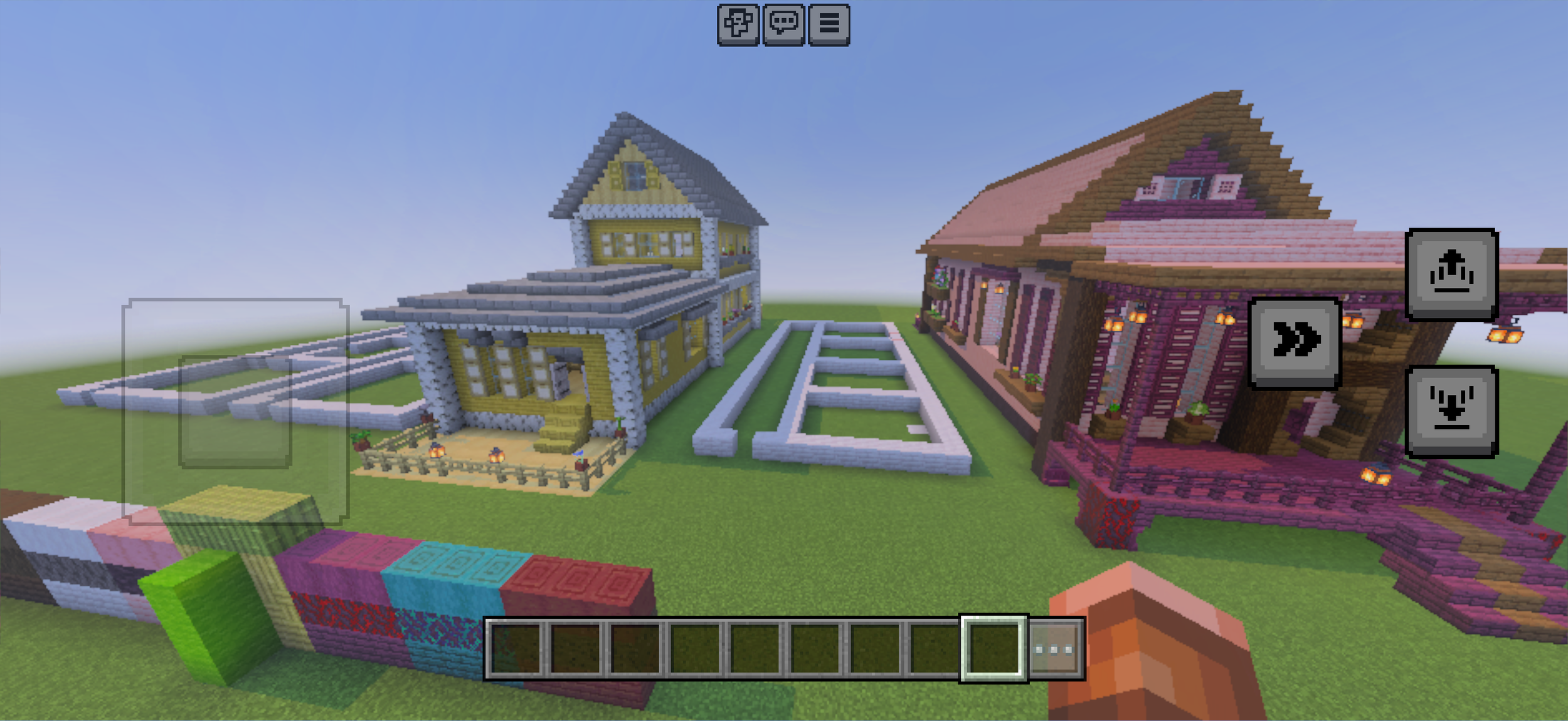
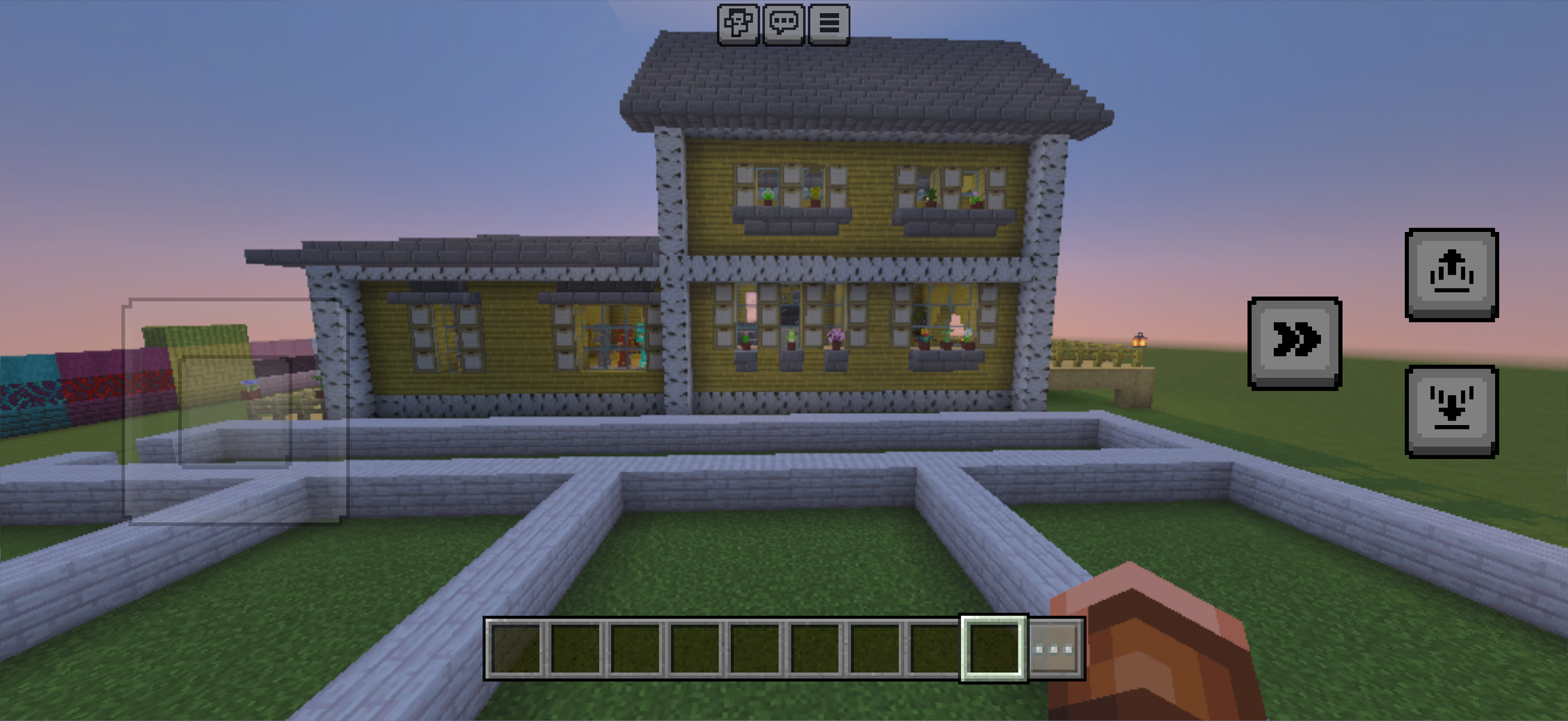
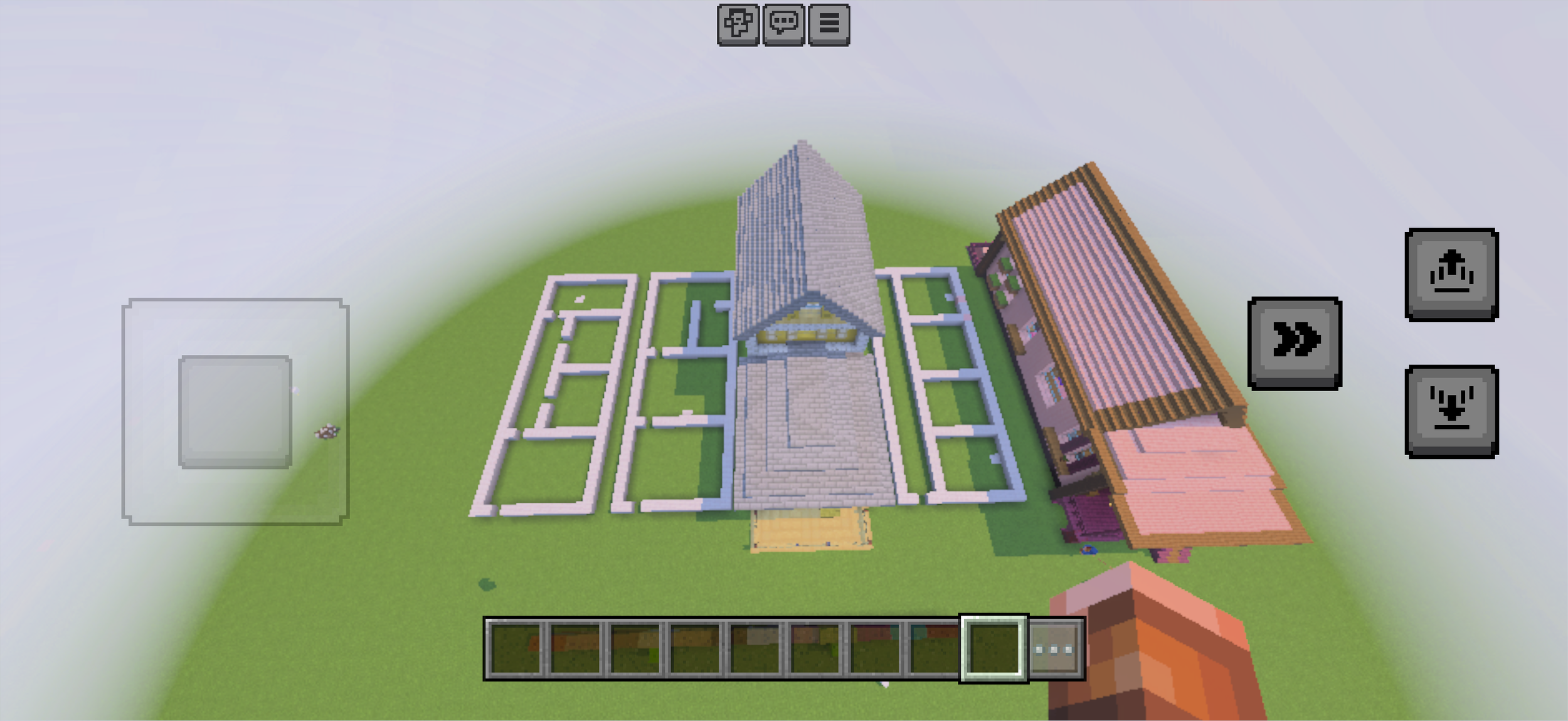
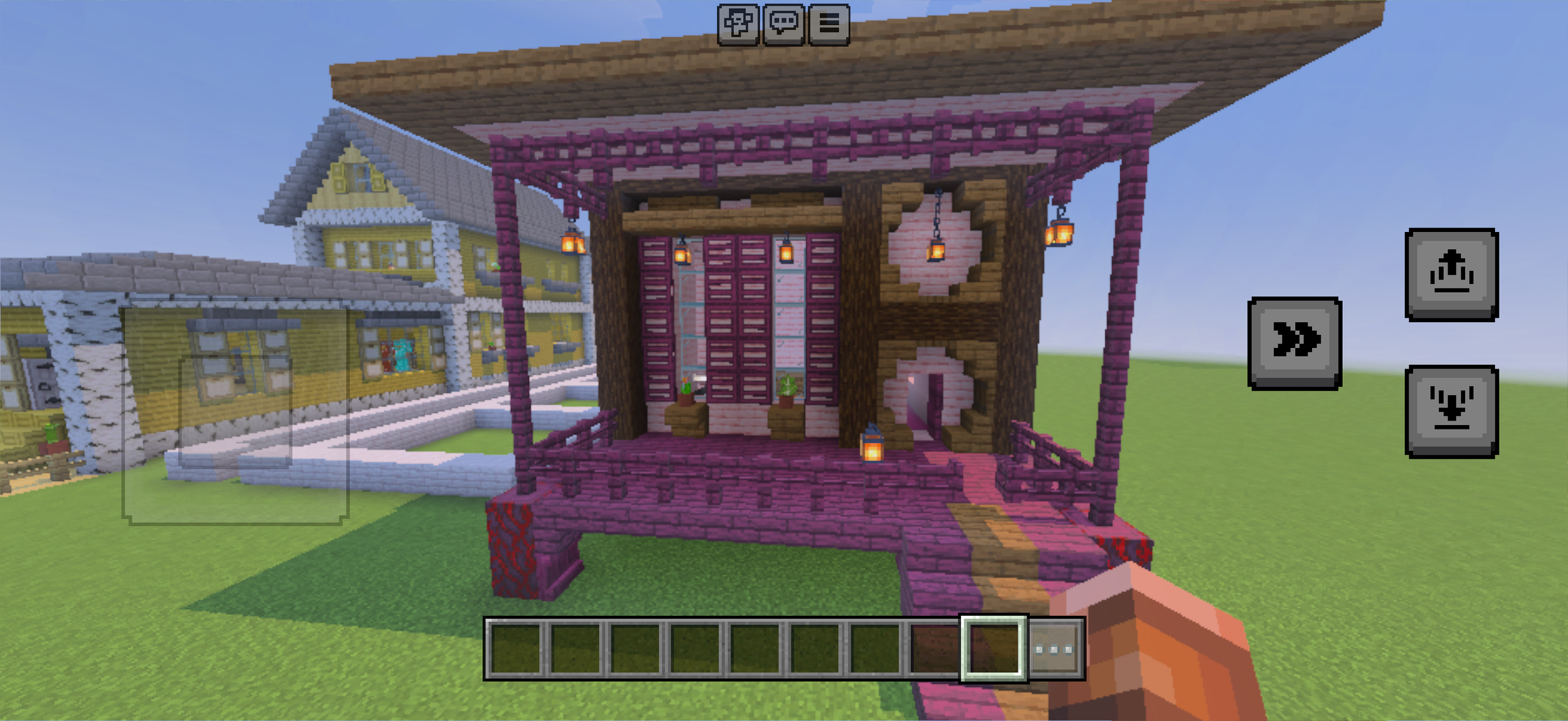
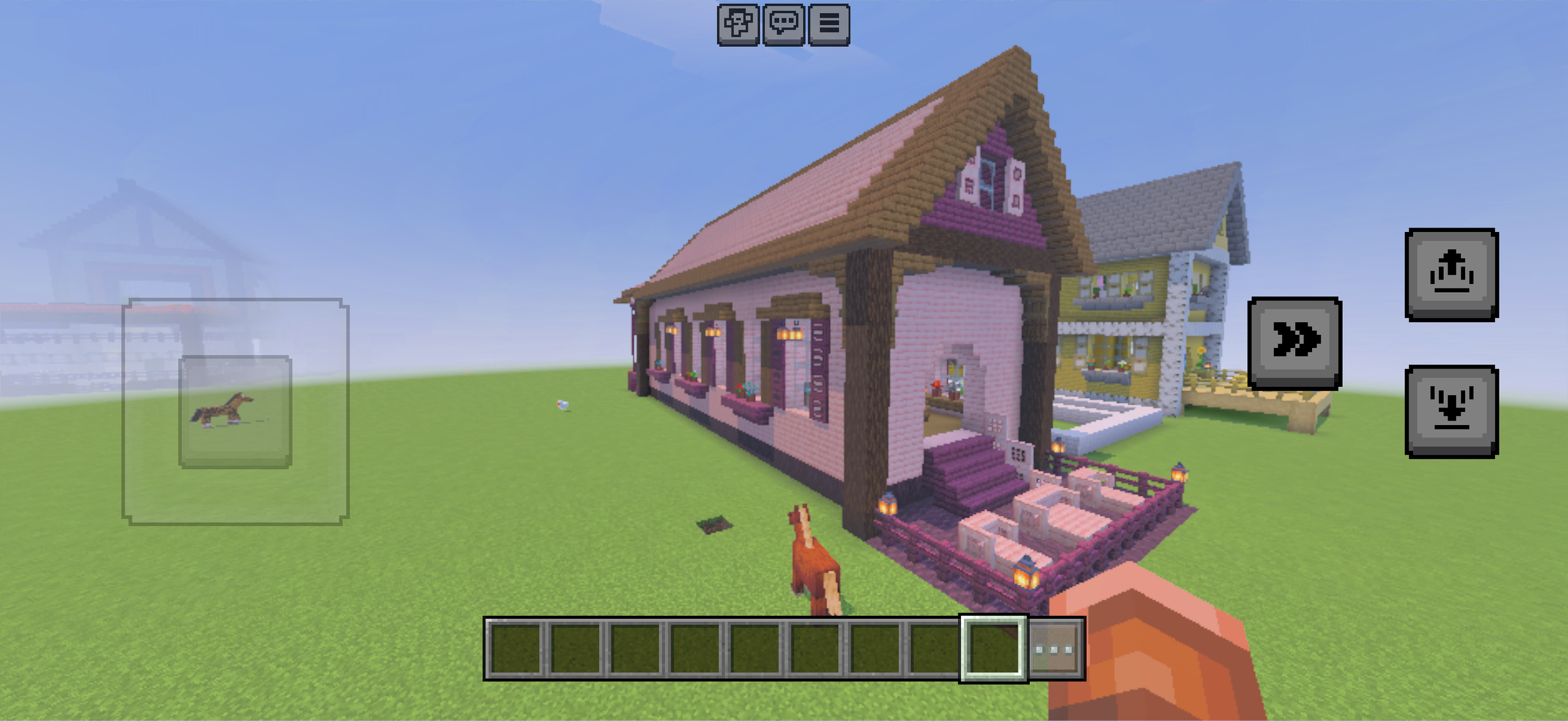
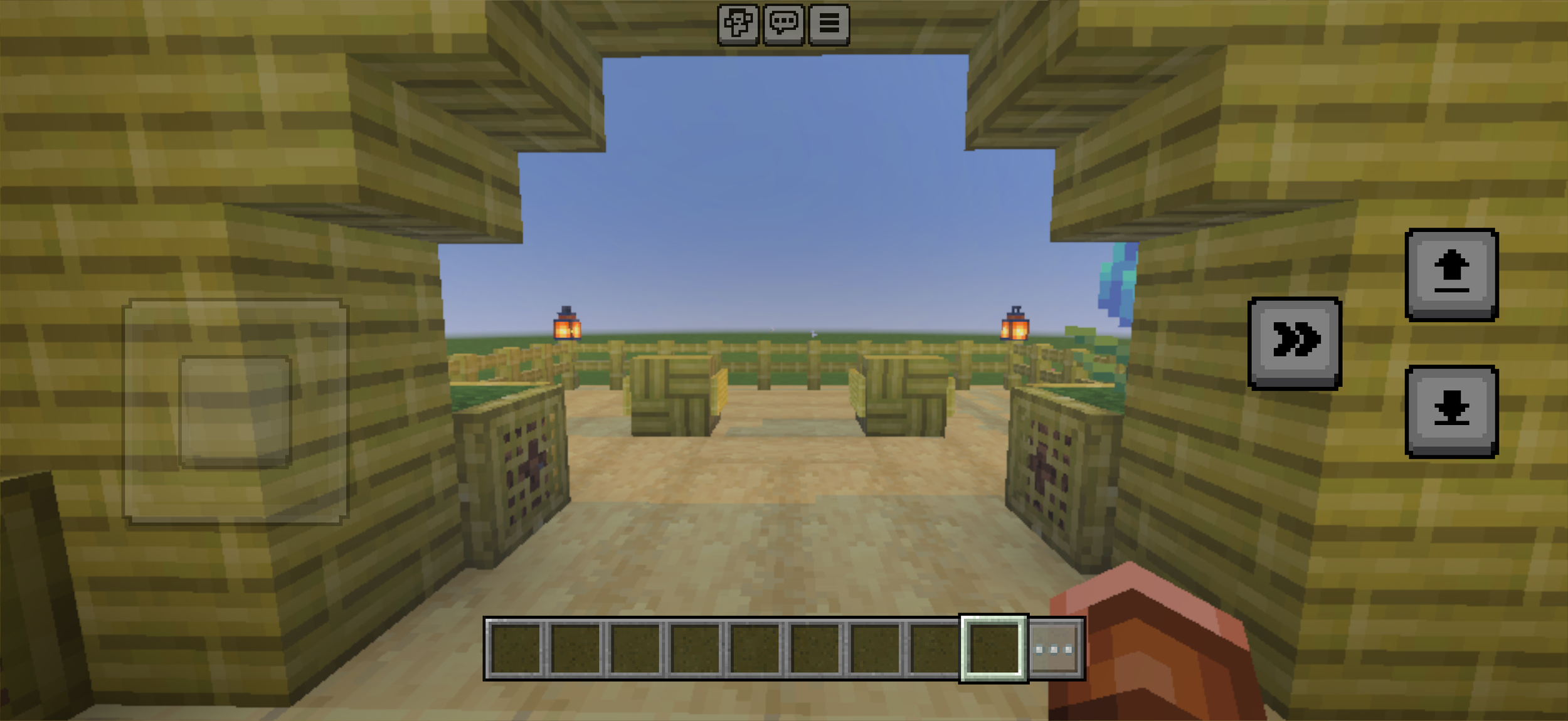
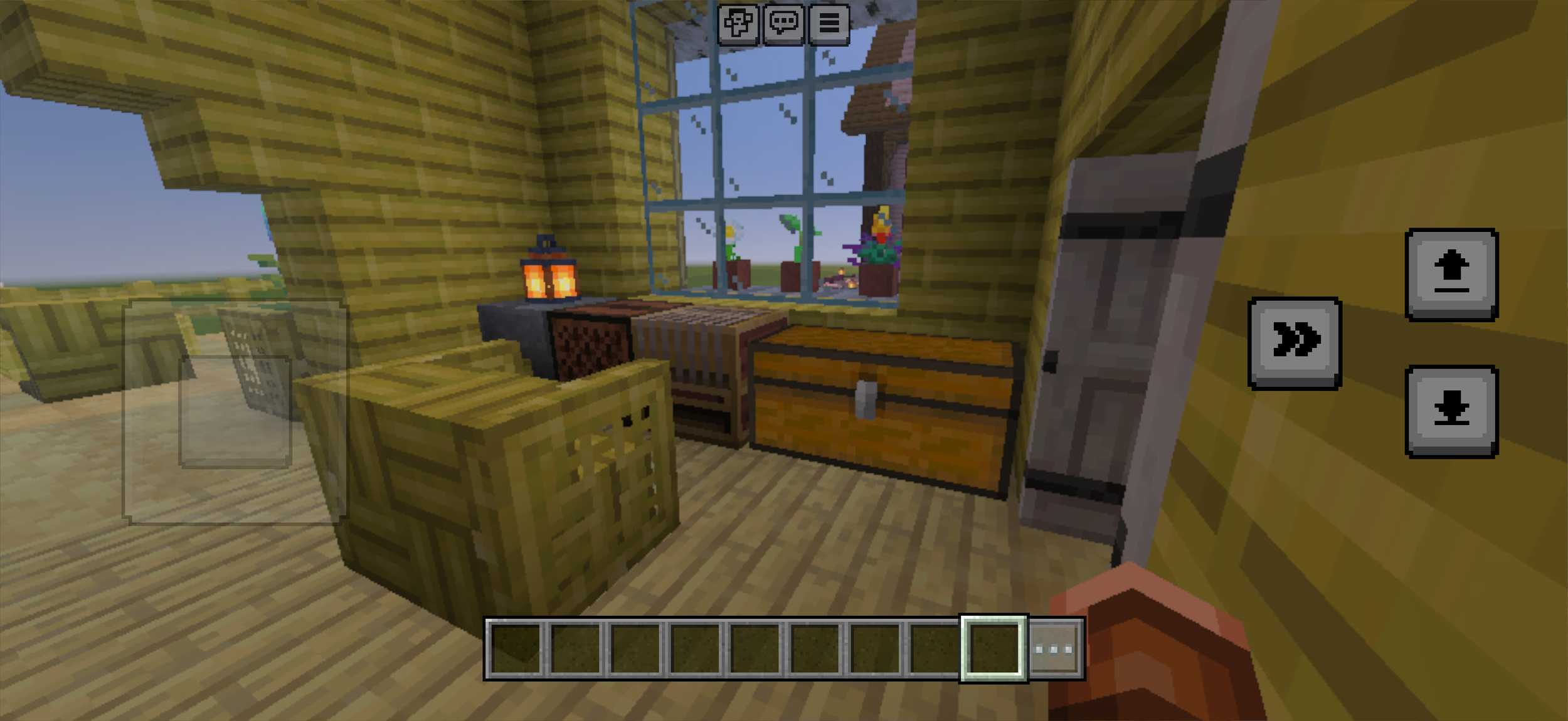
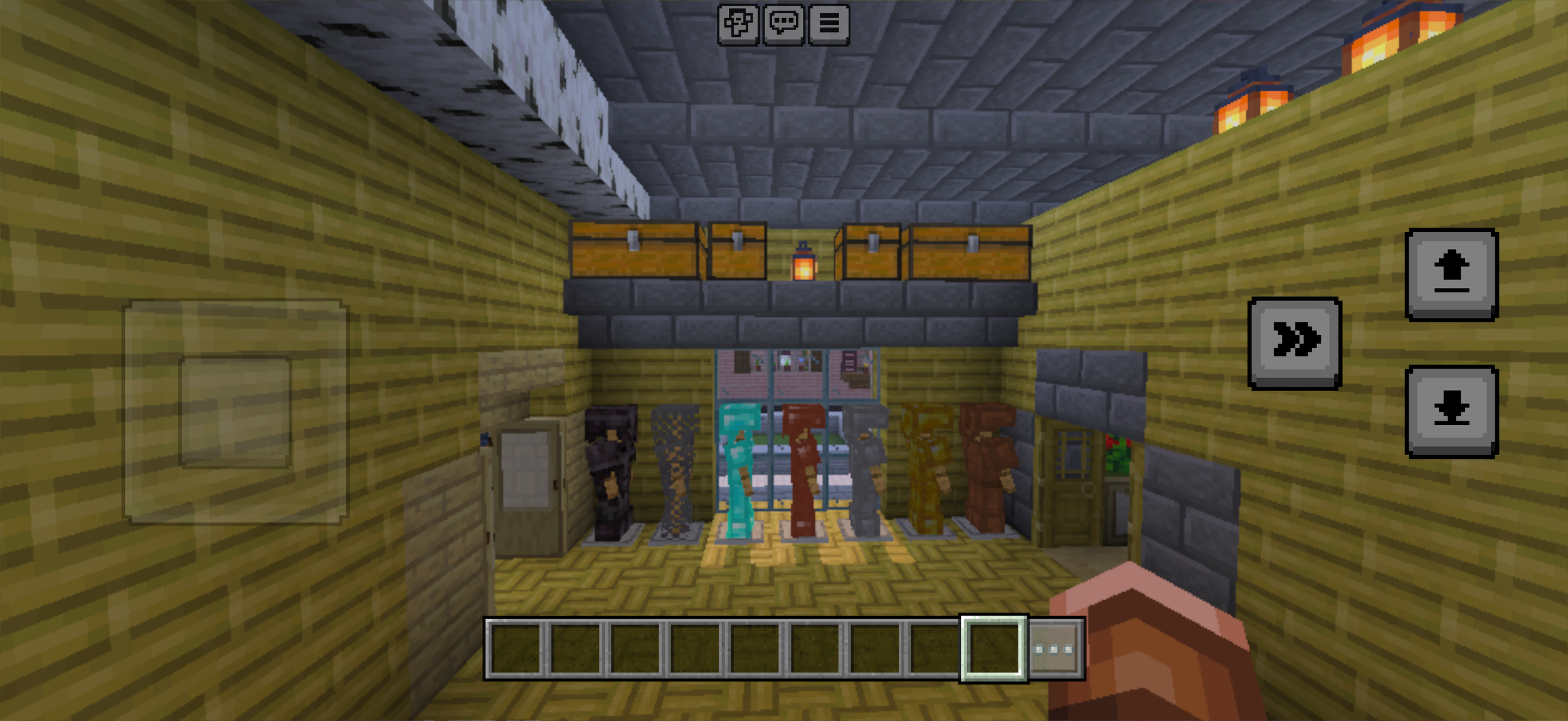
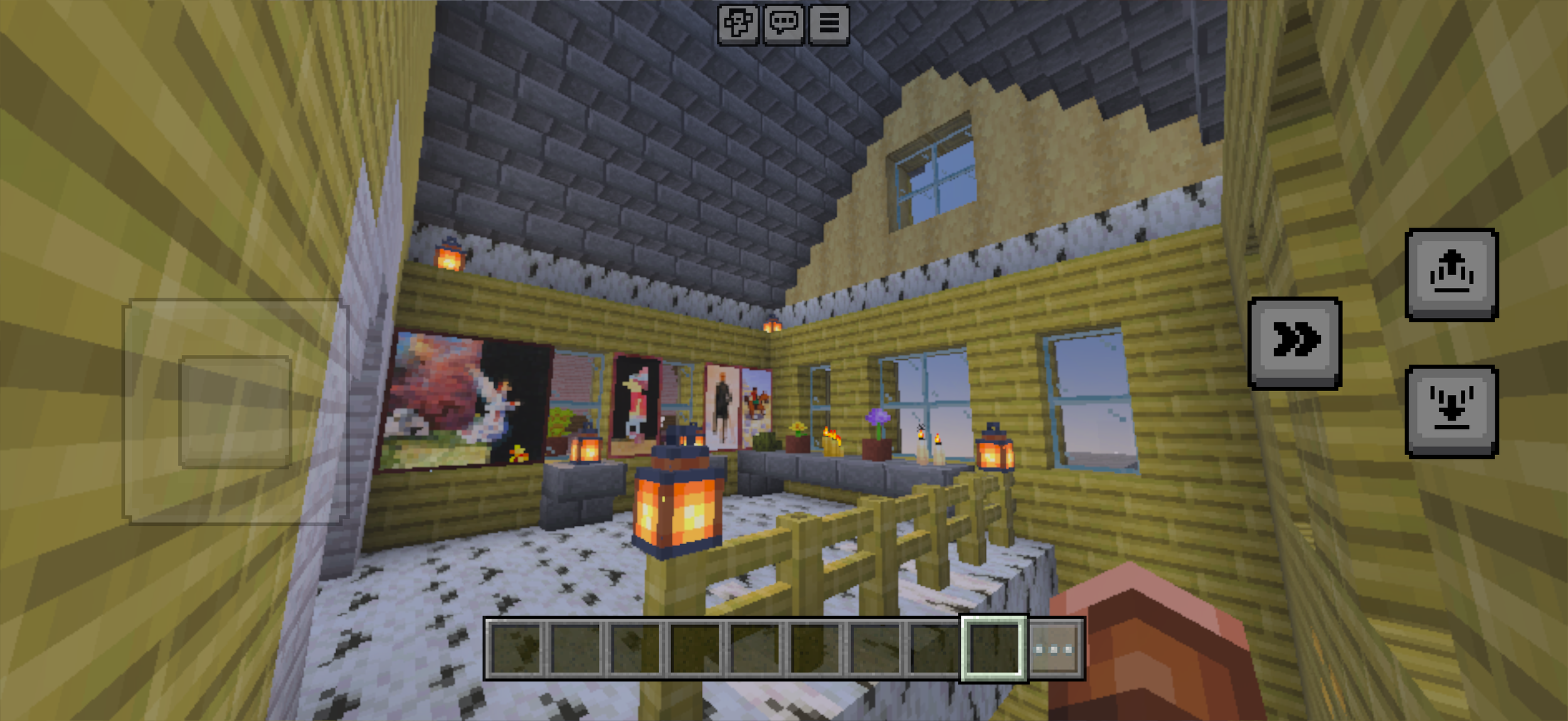
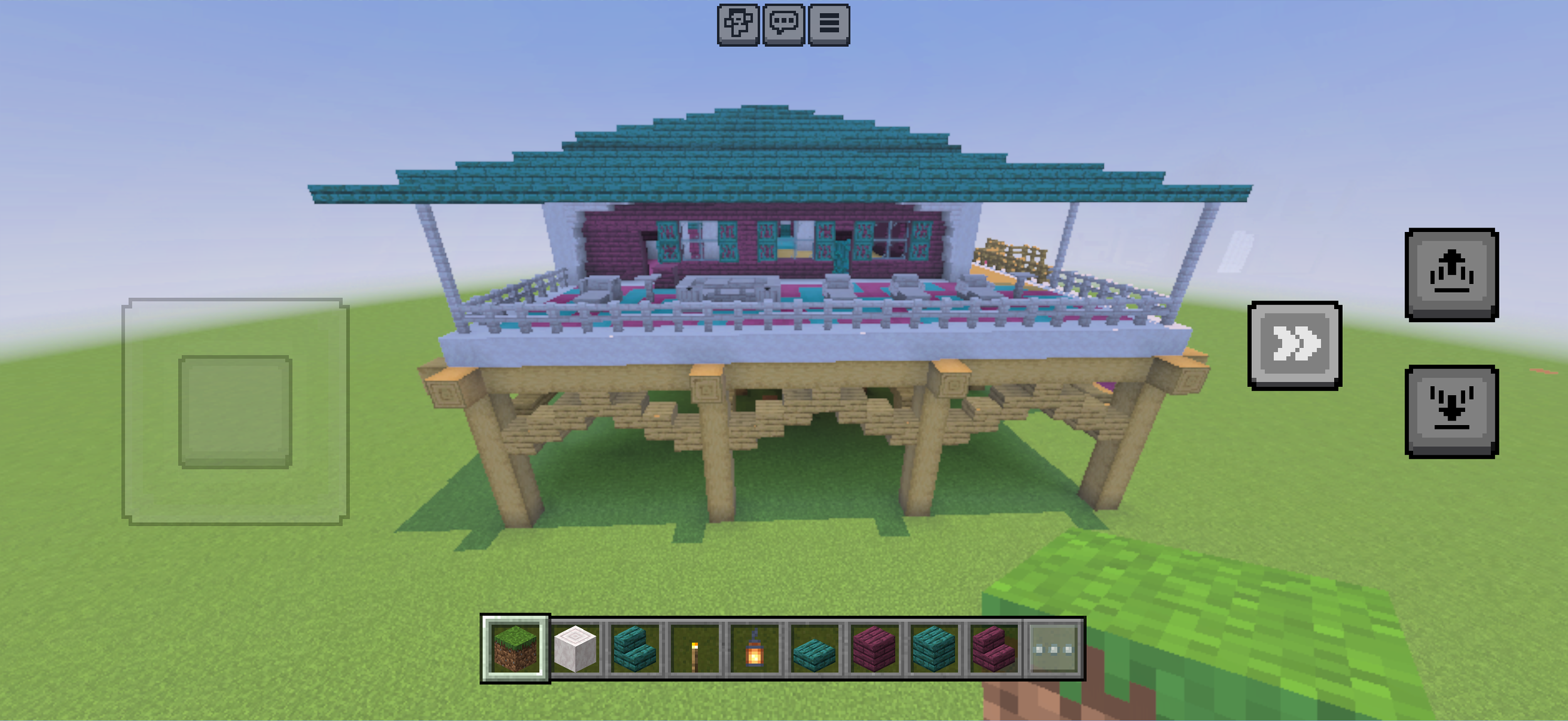
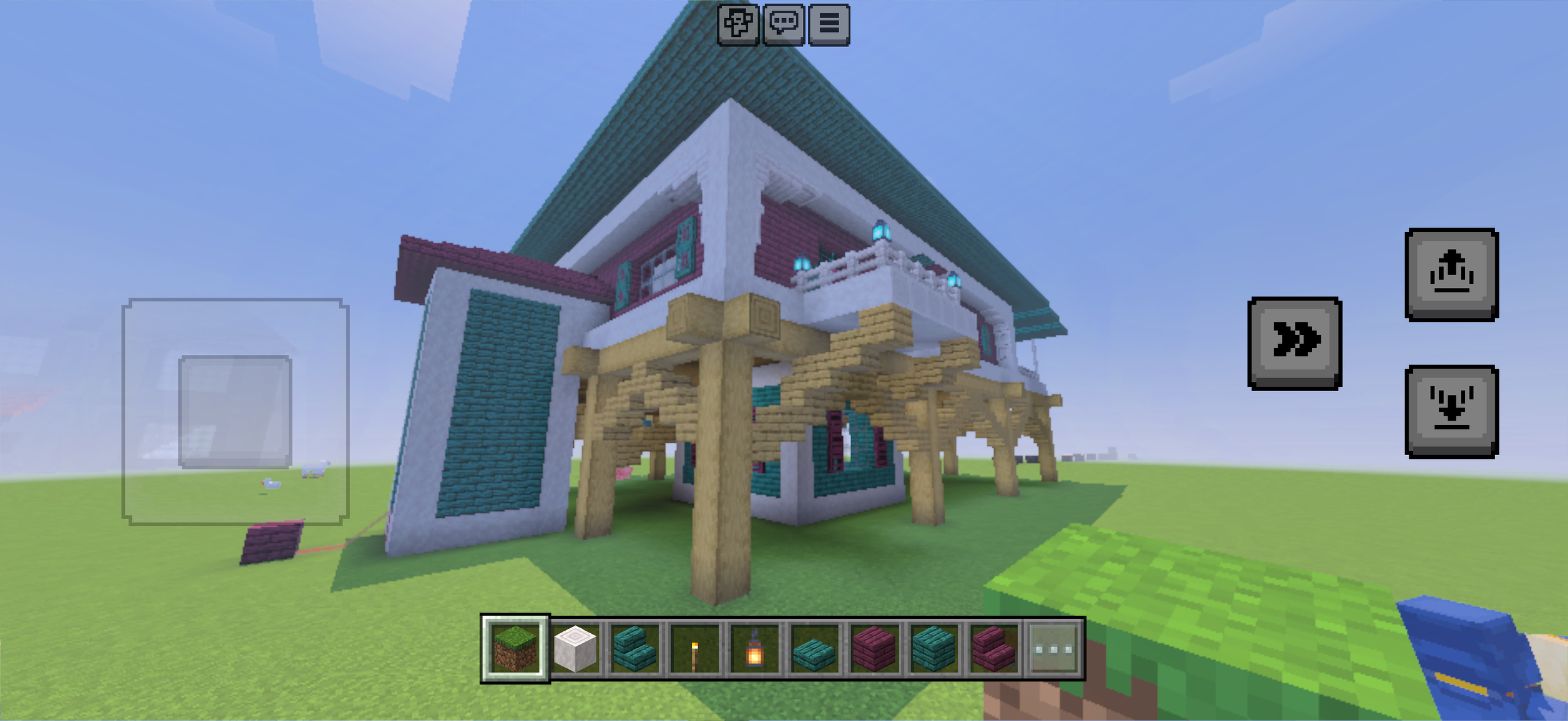
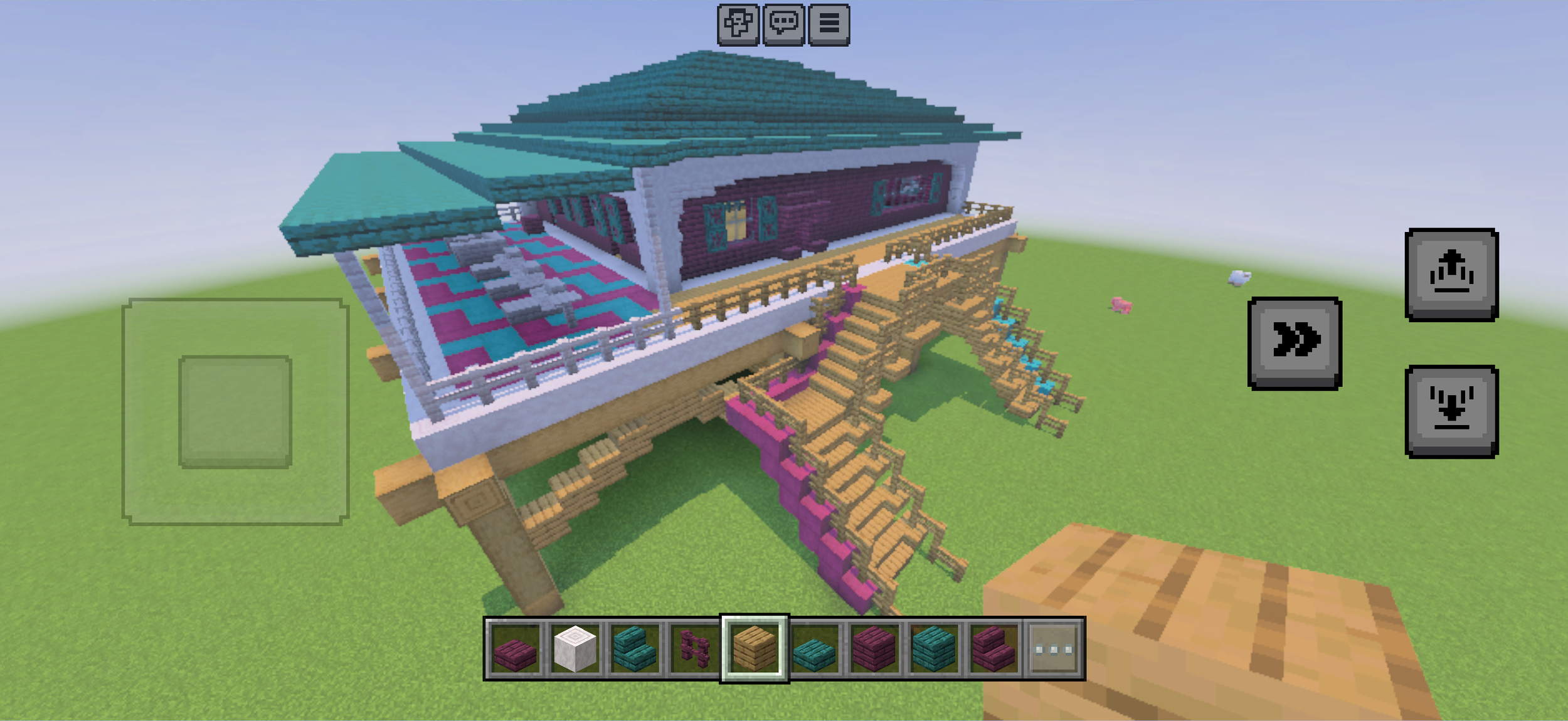
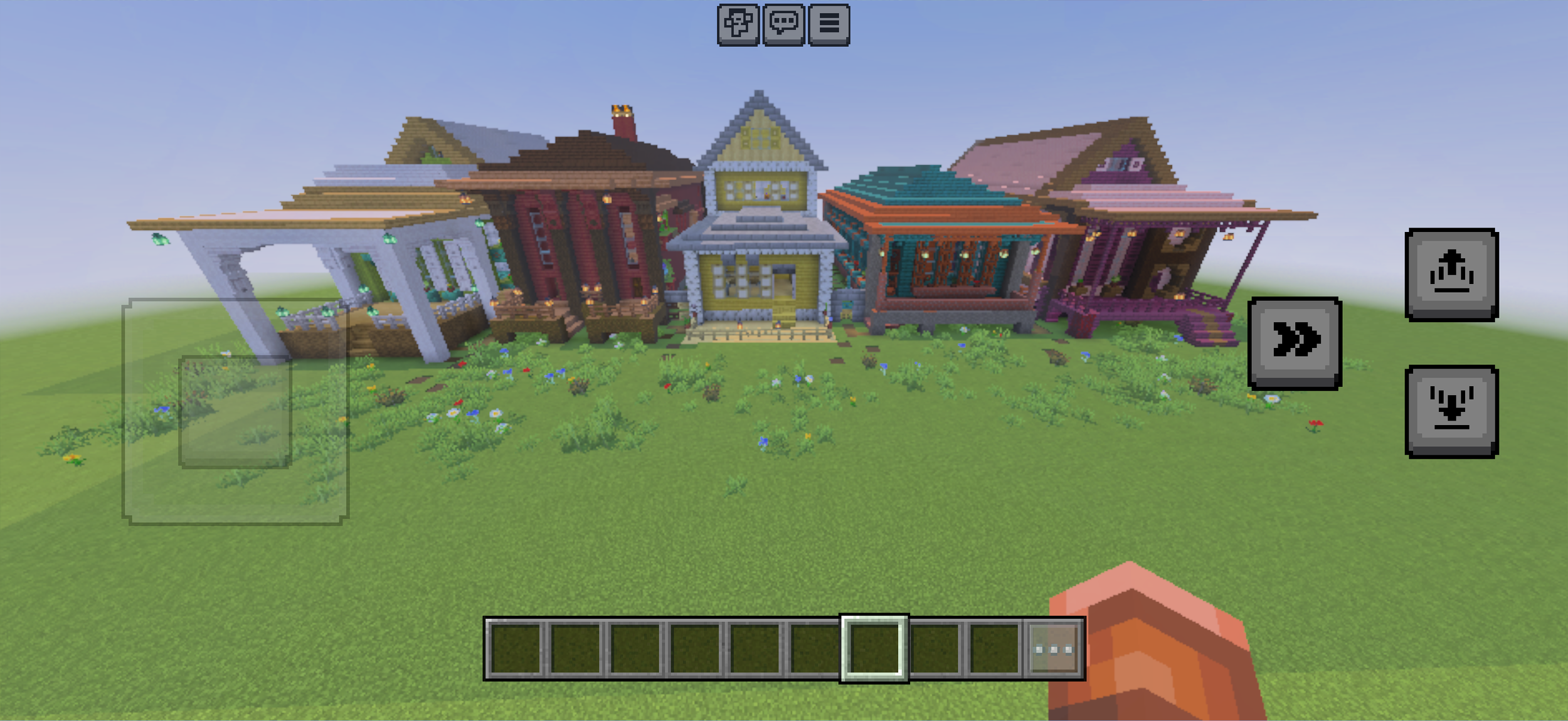
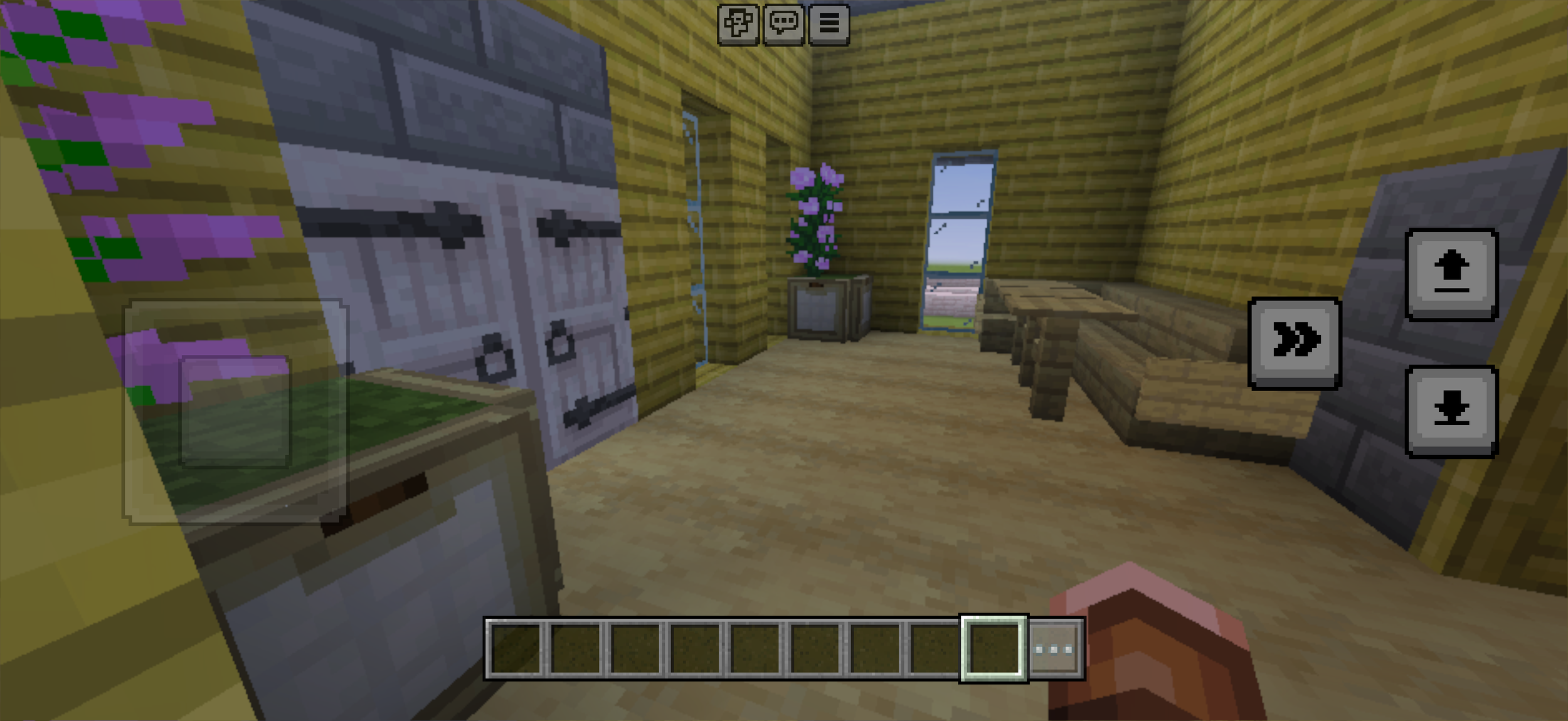
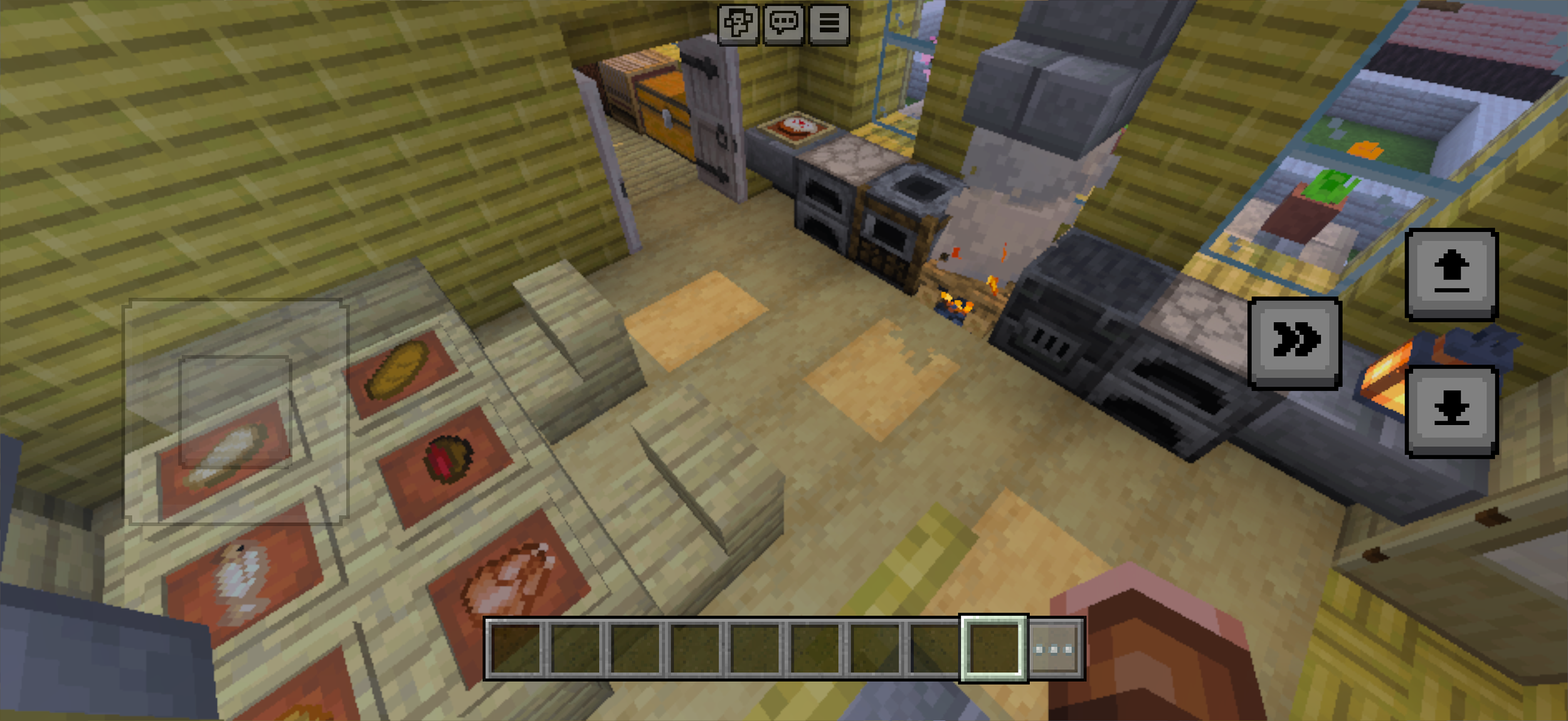
In case you were wondering, here’s what the finished product of my Minecraft shotgun houses looks like.
A City Passed Its Prime, Still Searching

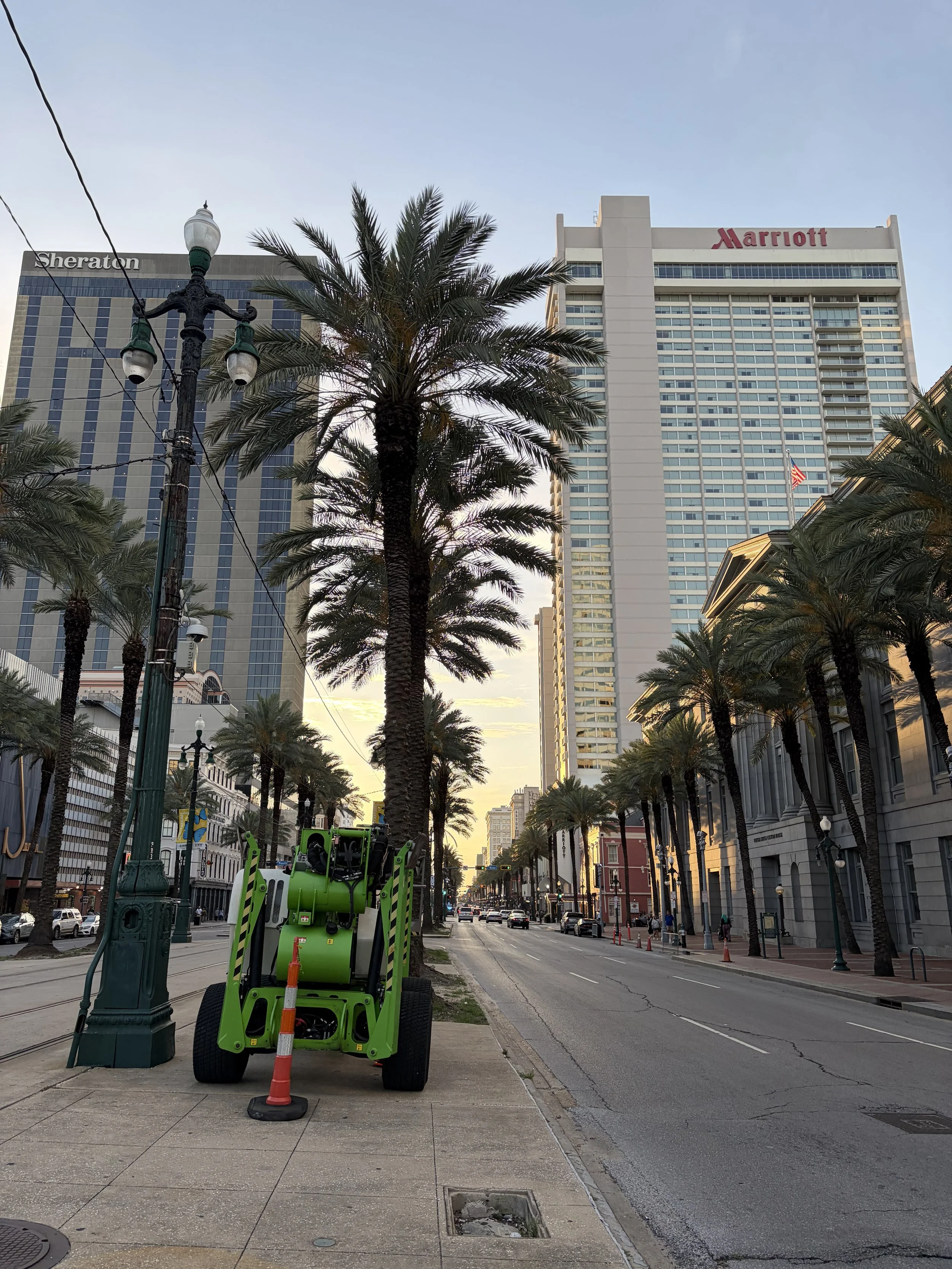
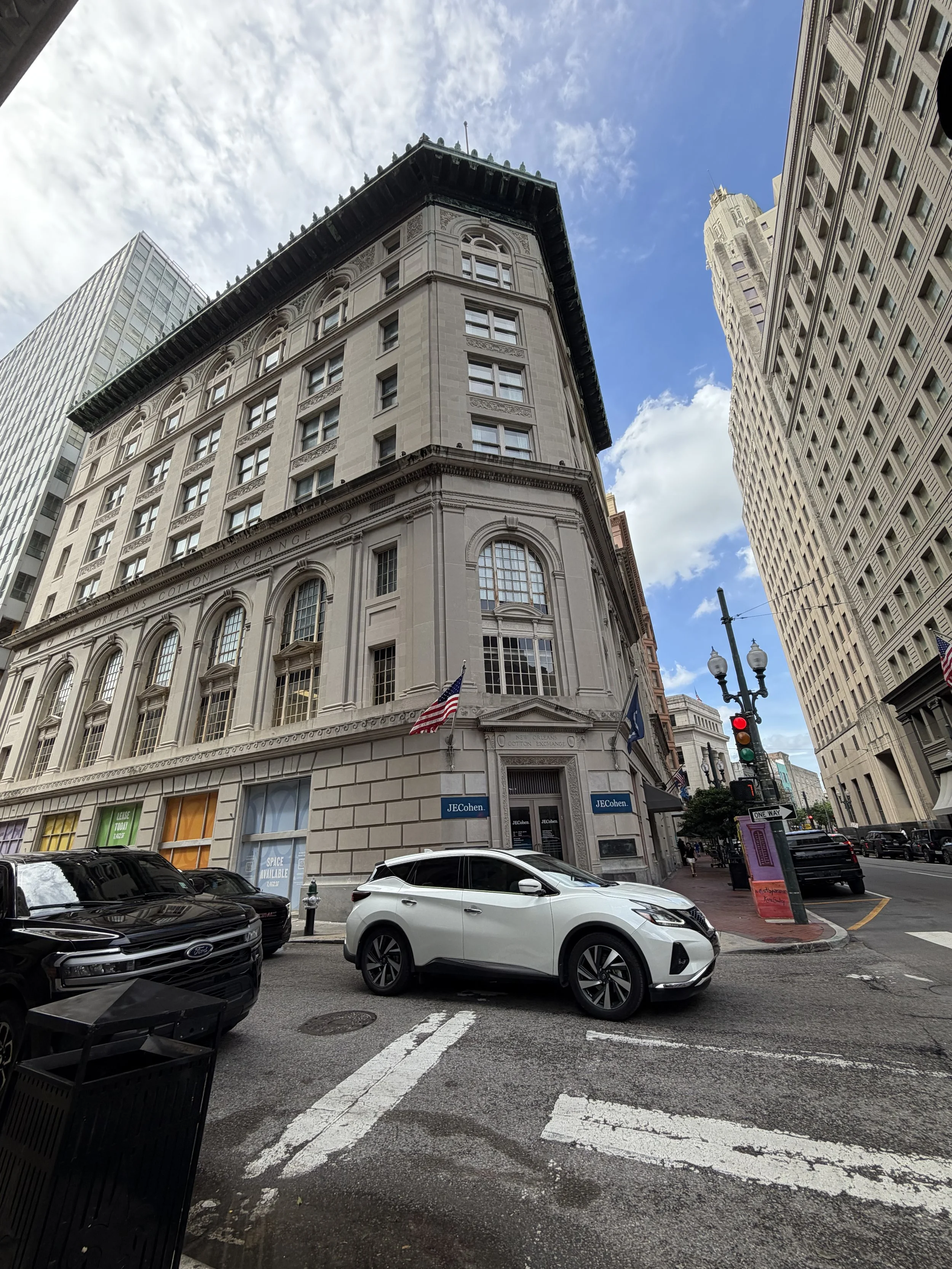
Learning about the history of New Orleans, the city has had its peaks and valleys. From being a military fort full of undeveloped swamp land, to one of the most visited places in the United States. However, I believe that its prime has long since passed. It is evident walking along the Mississippi River starting in the oldest part of city, The French Quarter with its iconic iron railings and historic homes, through Canal Street buzzing with life, to the Central Business District full of tall (by historical standards) buildings with engravings that label a building as a cotton trade center for example, and passing to the Lower Garden District full of colorful Mansions. Yet, as you keep going forward in time, the neighborhoods become less recognizable and less important to the history of the world. New Orleans, in its prime, was a wealthy city, one of the most important cities geographically, as the end of the Mississippi, it was packed with steamboats and tradeships, and it exported indigo and later cotton. Yet, this peak was brought about by taking advantage of others, first the Native Americans, and lastly the enslaved people. The massive wealth from the indigo and cotton plantations built the French Quarter and the Garden District. The Central Business District was the epicenter of the Slave trade until the Civil War. Once Slavery was abolished, New Orleans faced a blow that it still hasn’t recovered from. Today, the city still doesn’t have a diverse economy, relying heavily on tourism and entertainment to keep the economy running. These older, wealthy areas are living in the shadow of what they used to be.
The city has felt like it has been searching for itself since the Civil War, with a desire to hold on to the past and what is familiar while also trying to make a new identity of progress and rebuilding. This is why so many novels of self-discovery and searching seem to take place in New Orleans. The Moviegoer follows the main character and narrator, Binx, who is on a mission of self-discovery. Binx is from the historic Garden District but chooses to live away in Gentilly to escape the “old atmosphere”. The search, as Binx calls it, is him having a kind of existential crisis where he is comfortable but doesn’t know how to deal with his life. He tries to break up the everyday mundanity of his life by going to the movies, talking to other people, and taking advantage of his female secretaries. Still, he connected to his past, the scar in his shoulder from the Korean War, his visits to his aunt, and the privilege that is given to him because of the historical importance of being high-class and white. He lives in the shadow of what the white, wealthy class should be: polite, stoic, and respectable. By the end of the novel, he decides to abandon his search slightly by settling down with his cousin (not blood related), Kate, but he still has some direction and ambition, deciding to go to medical school to help with Kate’s condition, which felt like bipolar disorder to me.

Am I, in my search, a hundred miles ahead of my fellow Americans or a hundred miles behind them?... On my honor, I do not know the answer.
— The Moviegoer by Walker Percy

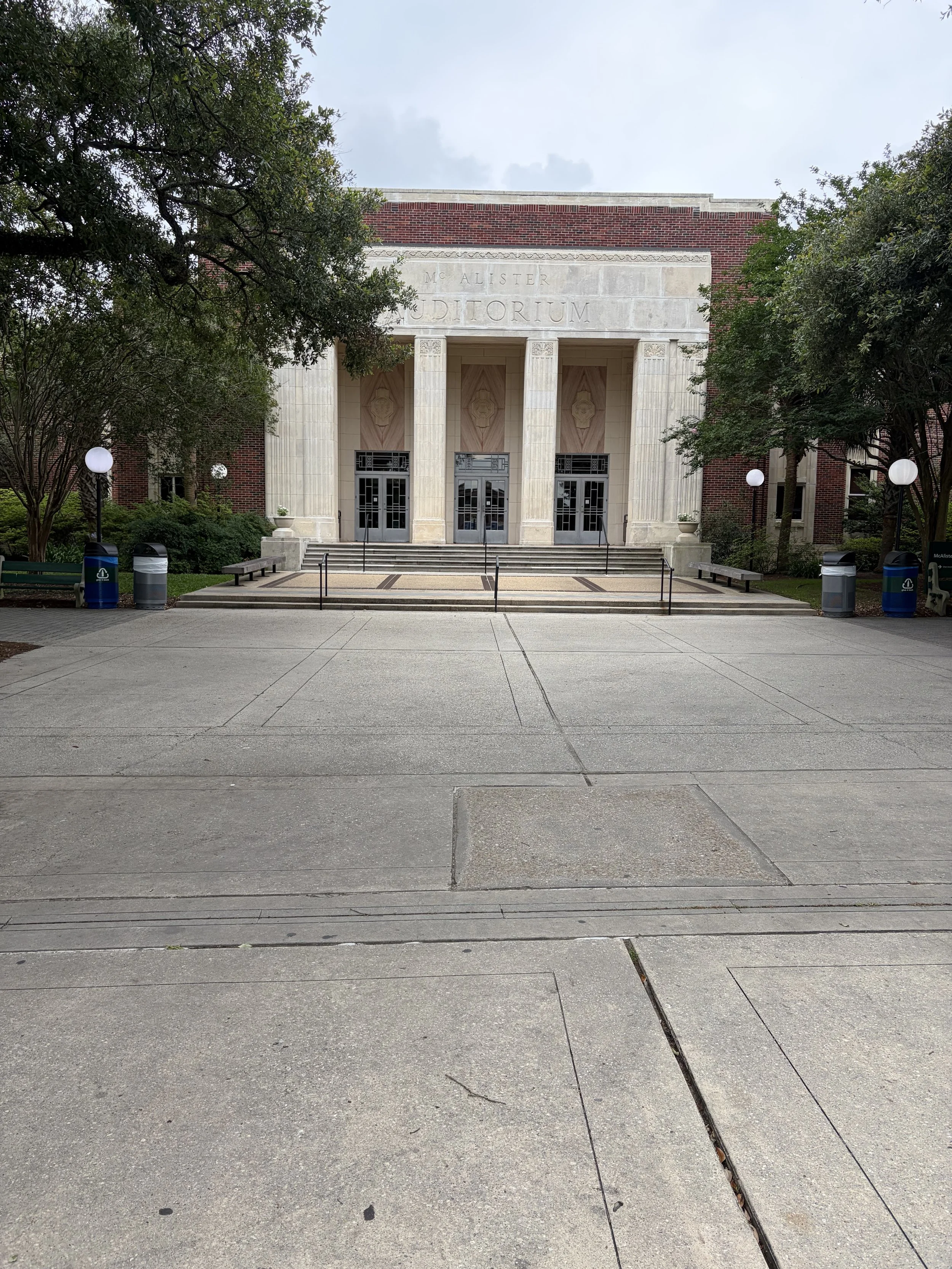
Tulane University

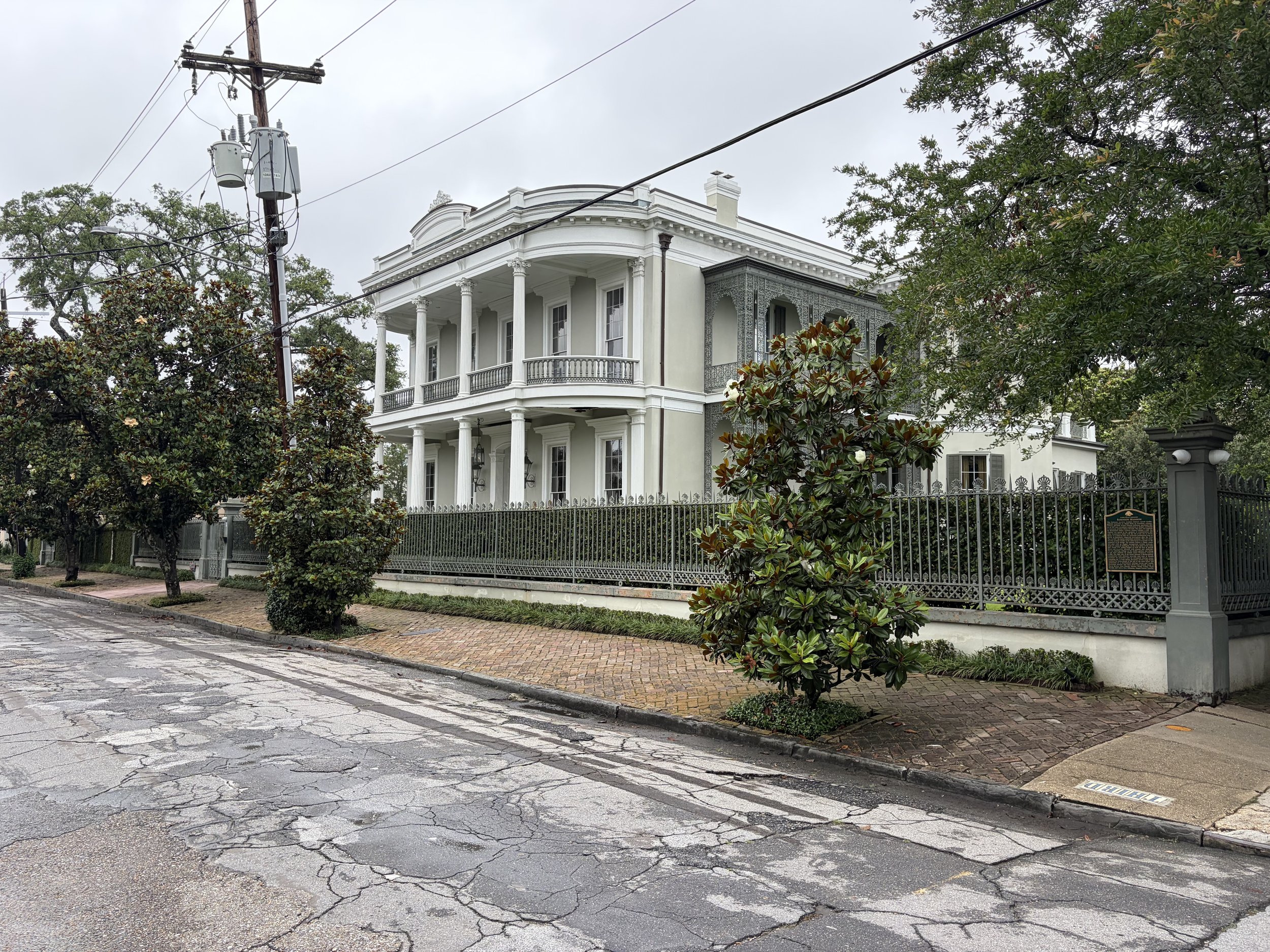
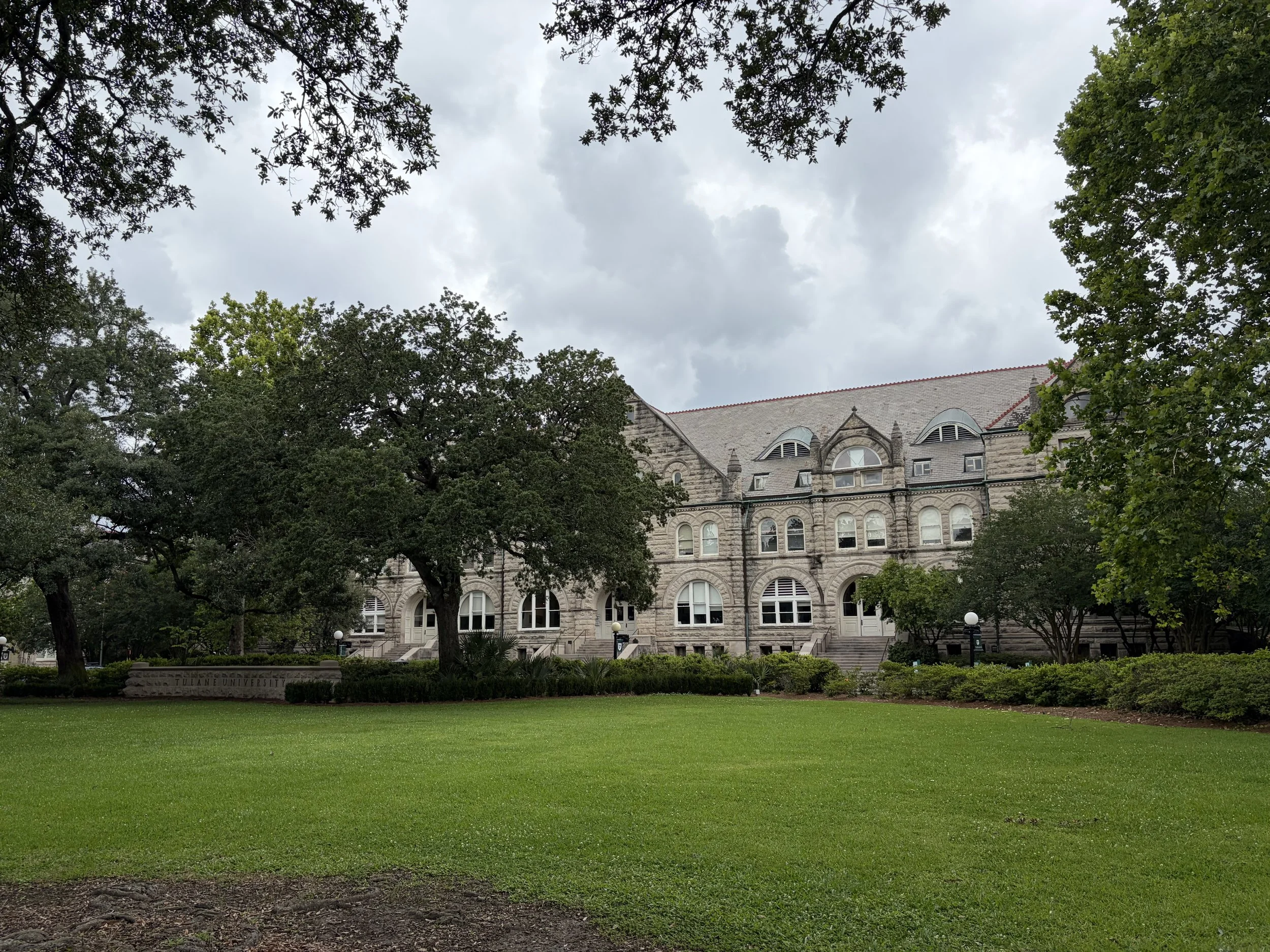
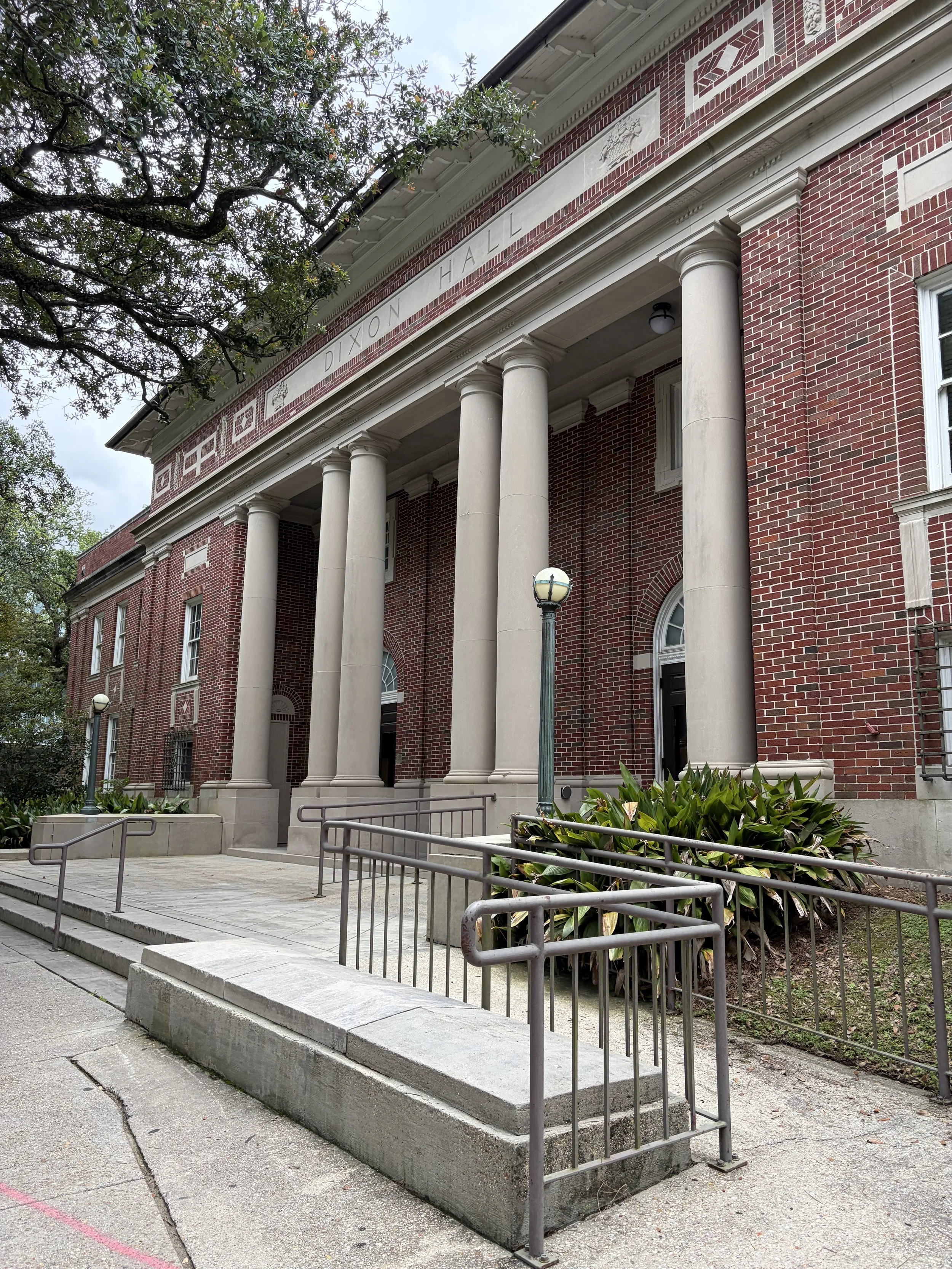
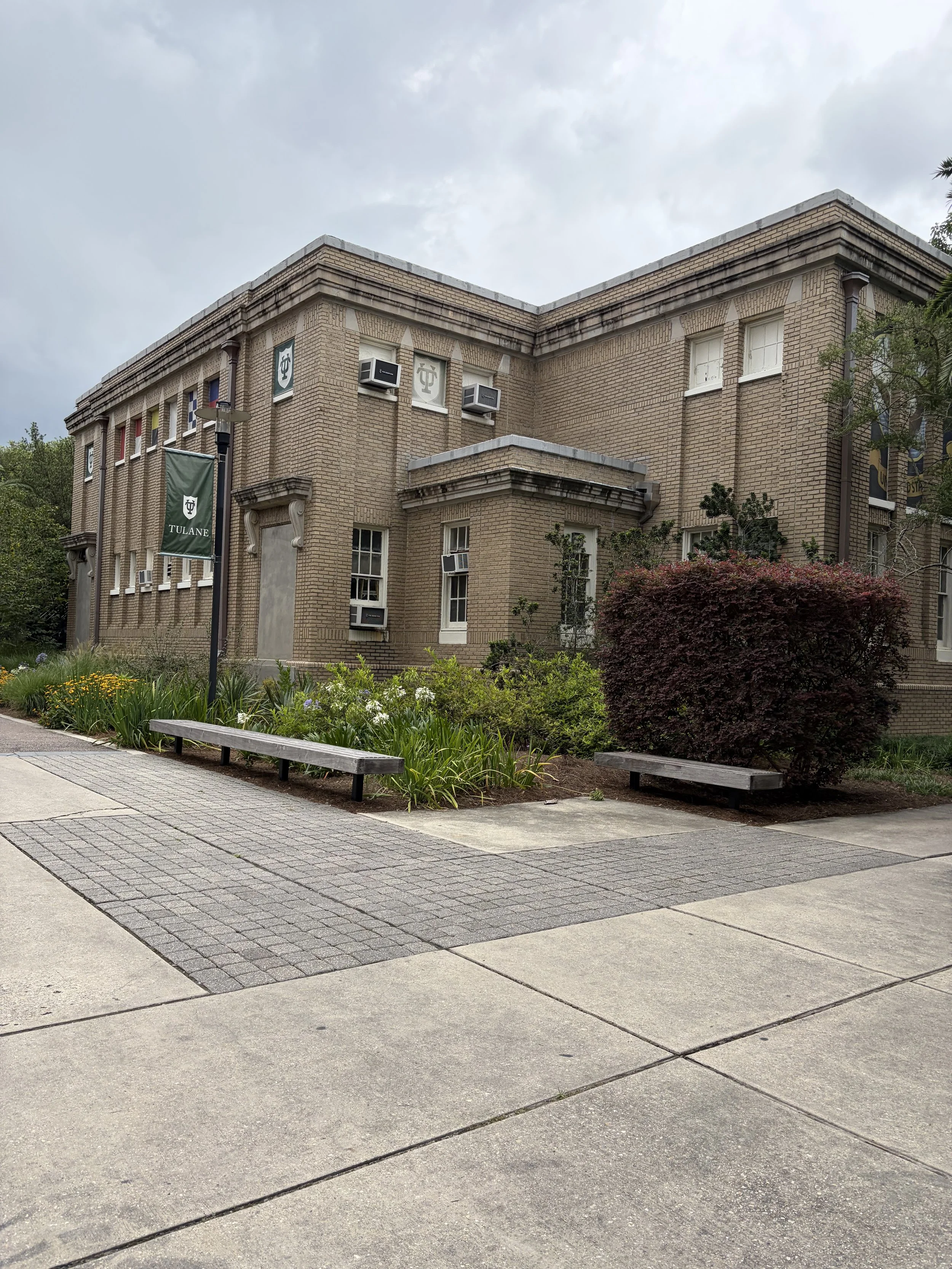
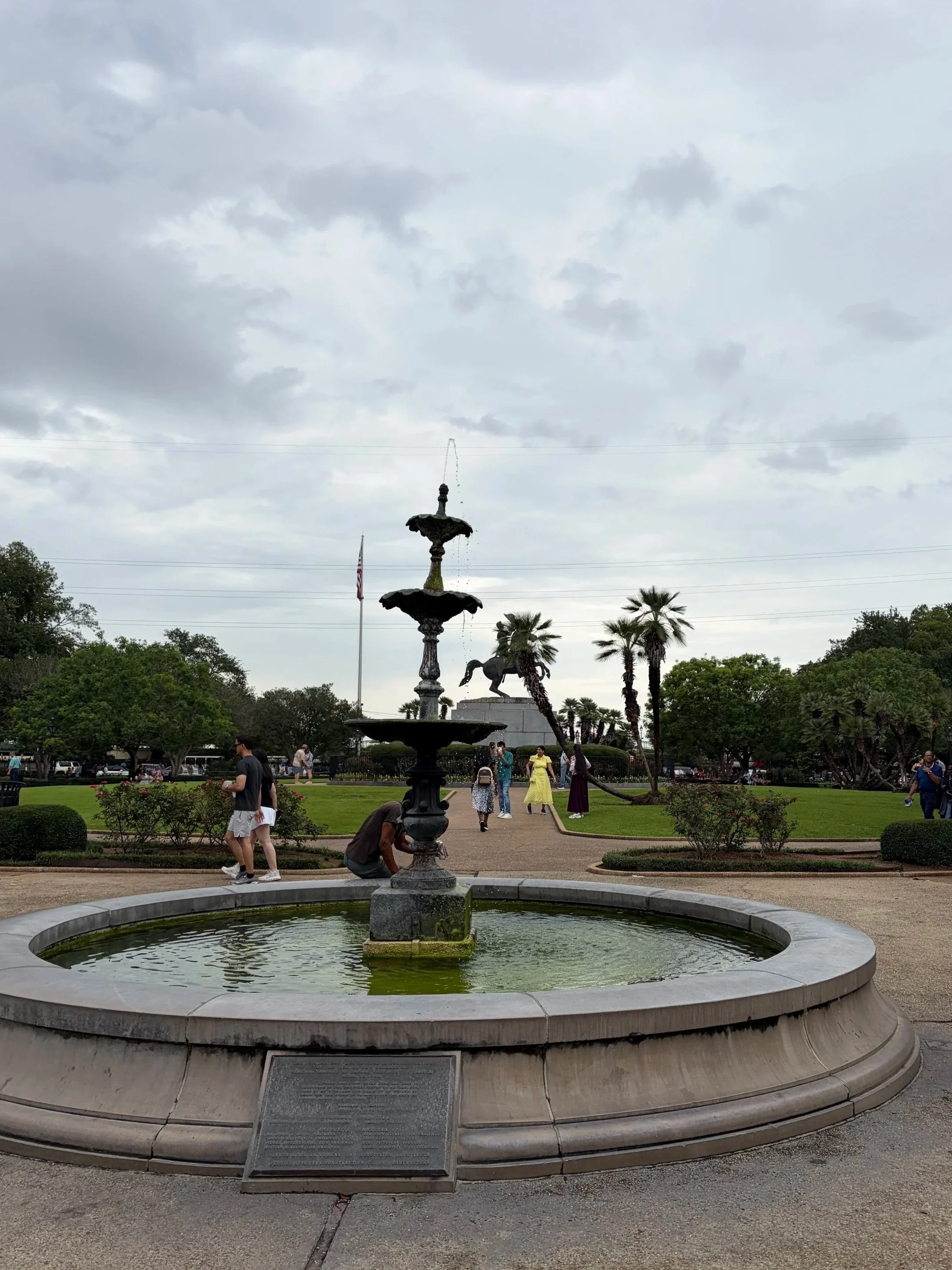
In a way, Binx’s search is extremely intertwined with the search of New Orleans. The city started in the historic cities of the French Quarter but has grown outward in all directions to Lake Pontchartrain, Algiers, New Orleans East, etc. Always moving away from The Quarter but still connected to it as the city enters. New Orleans tries to be more than just the French Quarter with places like The Superdome, college campuses like LSU and Tulane, and industrial space where NASA and oil refineries are located. Like how Binx has failed relationships with his female secretaries, New Orleans has many failed ventures like Jazzland, rebuild attempts after Katrina, and Cancer Alley. Both lost their prime to war, Binx with the Korean War and New Orleans with the Civil War. New Orleans also has its own version of periliage, being one of the only US cities to have strong ties to France, Spain, and historic America, and full of rich culture and historical significance. It is also built on the back of taking advantage of enslaved people, similar to how Binx openly admits to interacting with people for purely selfish reasons. Today, New Orleans has settled down into its tourist image with tag lines like “Beinget, done that”, tourist traps lining Canal Street, people busking for money, and self-proclaimed psychics charging absurd prices near Jackson Square. But the scars of the past aren’t forgotten.

These two existential explorations connect to my own existential questions and search that I still struggle to tackle. My search is for what to do with myself after college. I have no idea. I know that I would like to try my hand at stand-up more professionally and audition for community theater, but you need a steady day job before that’s financially possible. Although I don’t watch movies or build concert venues to broaden my search, I bury myself in academics and extracurricular activities. I don’t believe normal people double major, practice Taekwondo, audition for plays, do open mics, choreograph dances, work a student office job, and work security over the summer. I think the reason I pack my schedule to the brim is that I don’t want to have time to think about the future because the next day requires my full attention. I don’t believe I passed my prime, but I am living in the privilege and shadow of my parents. My parents are the reason I don’t have to worry about paying tuition; they will make sure I always have a home to come back to. If I become a full-time comic and I fail miserably, I don’t have to worry about my next meal because I have the privilege of parents who are emotionally and financially supportive. Like Binx moving out of the Garden District and New Orleans expanding, I don’t want to live under the shadow of my family as someone who peaked in college. Also, if I do become successful as an artist, it will happen because I don’t have to worry about when my next paycheck is.

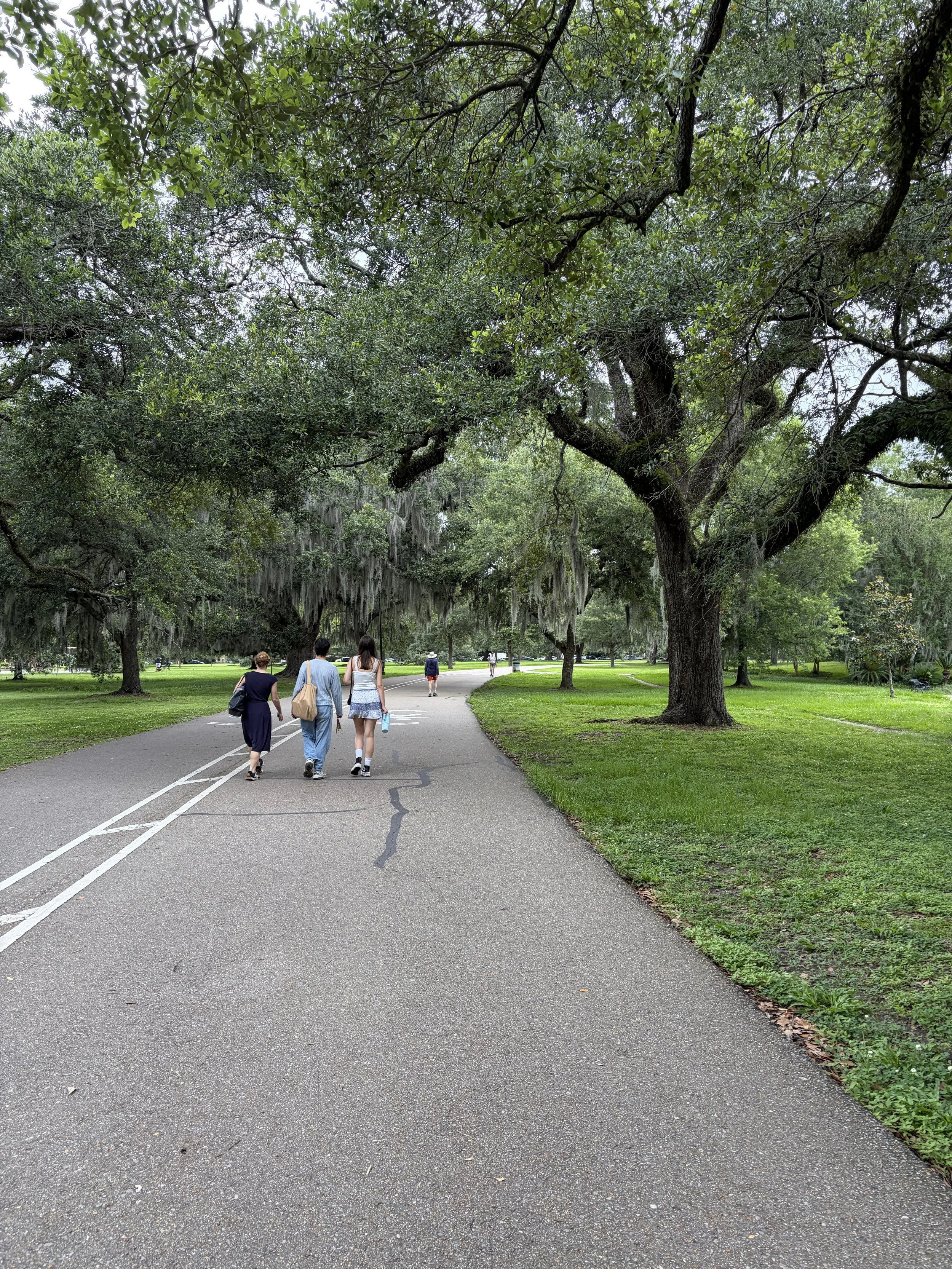
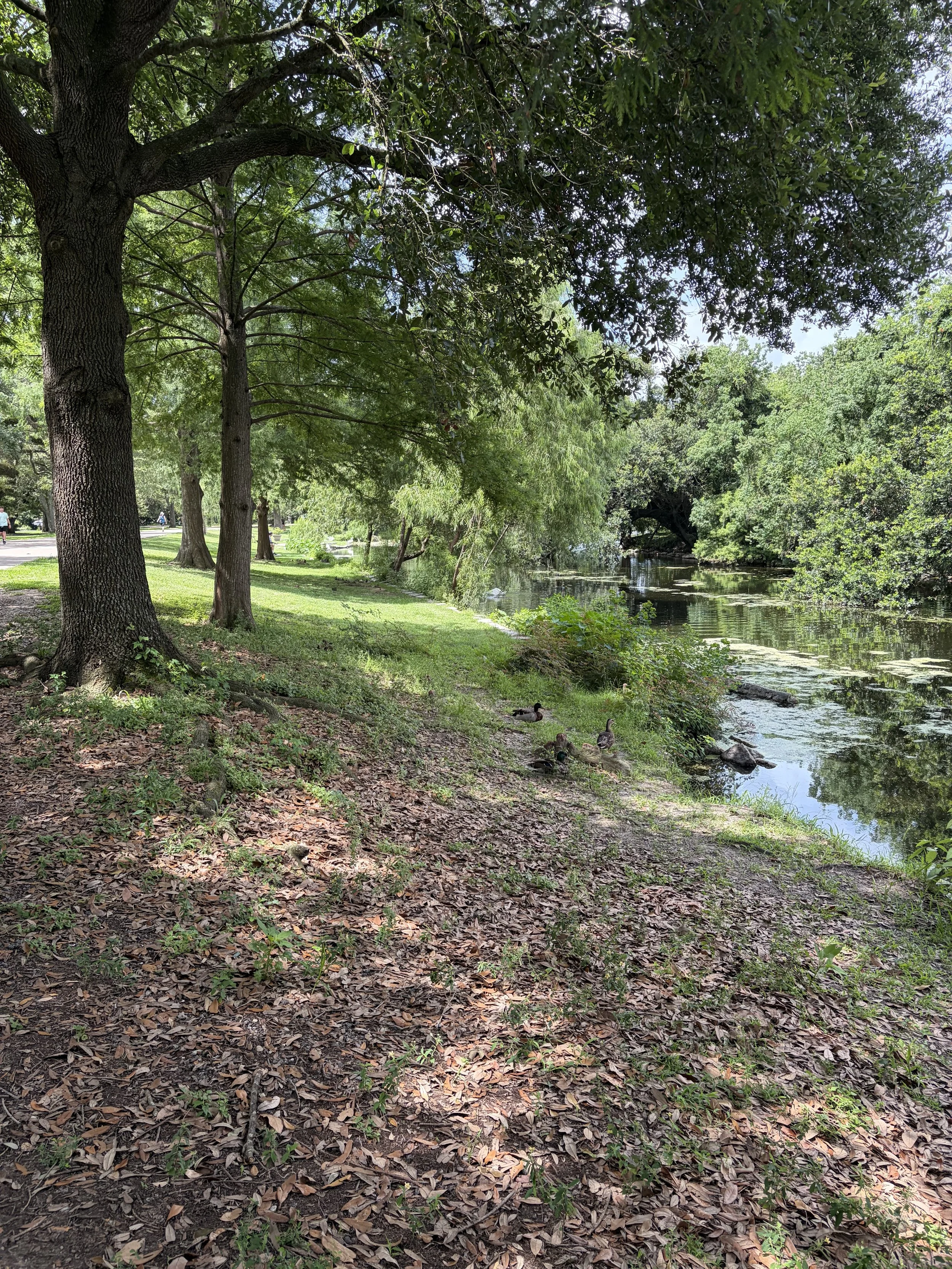
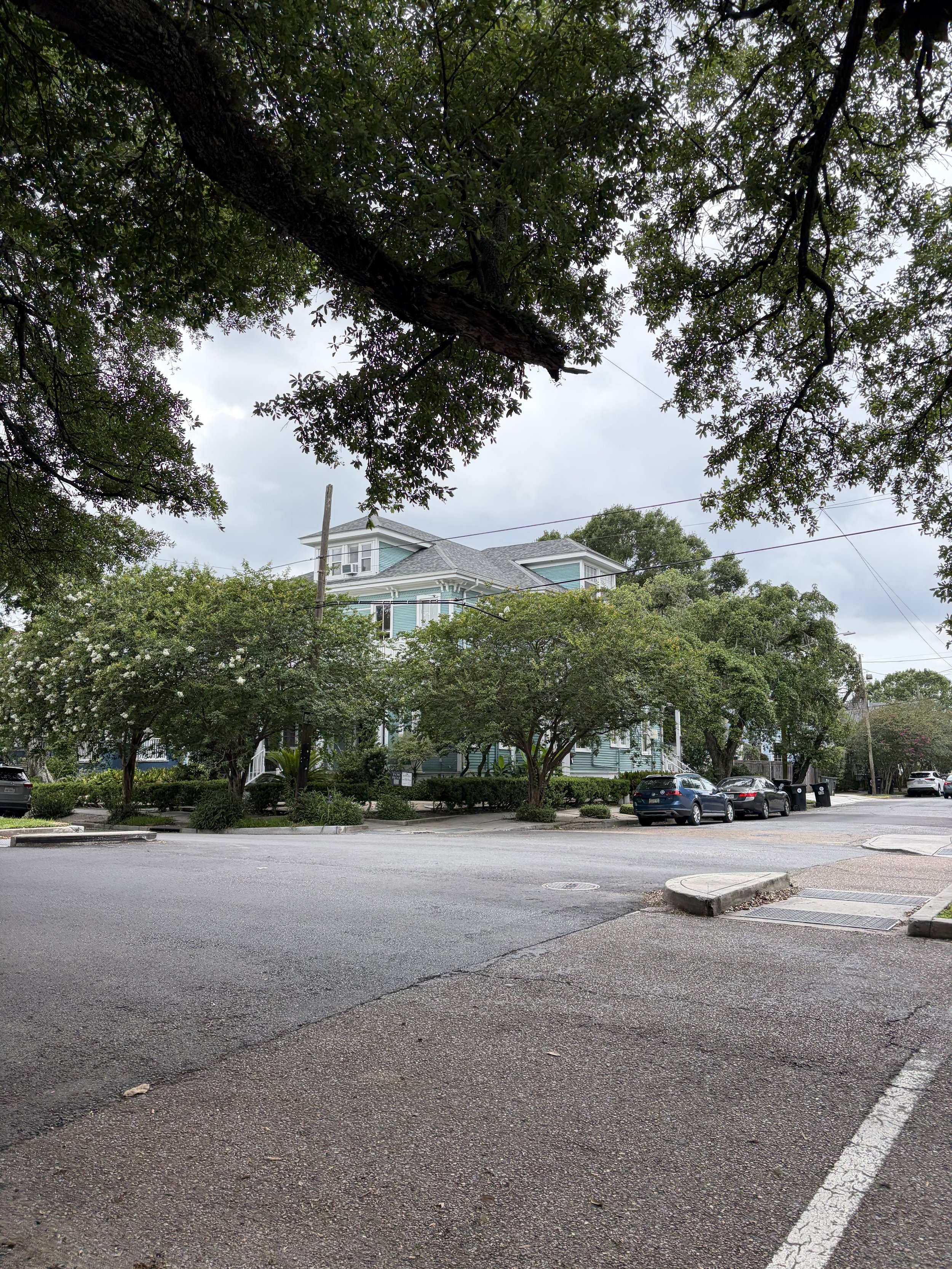
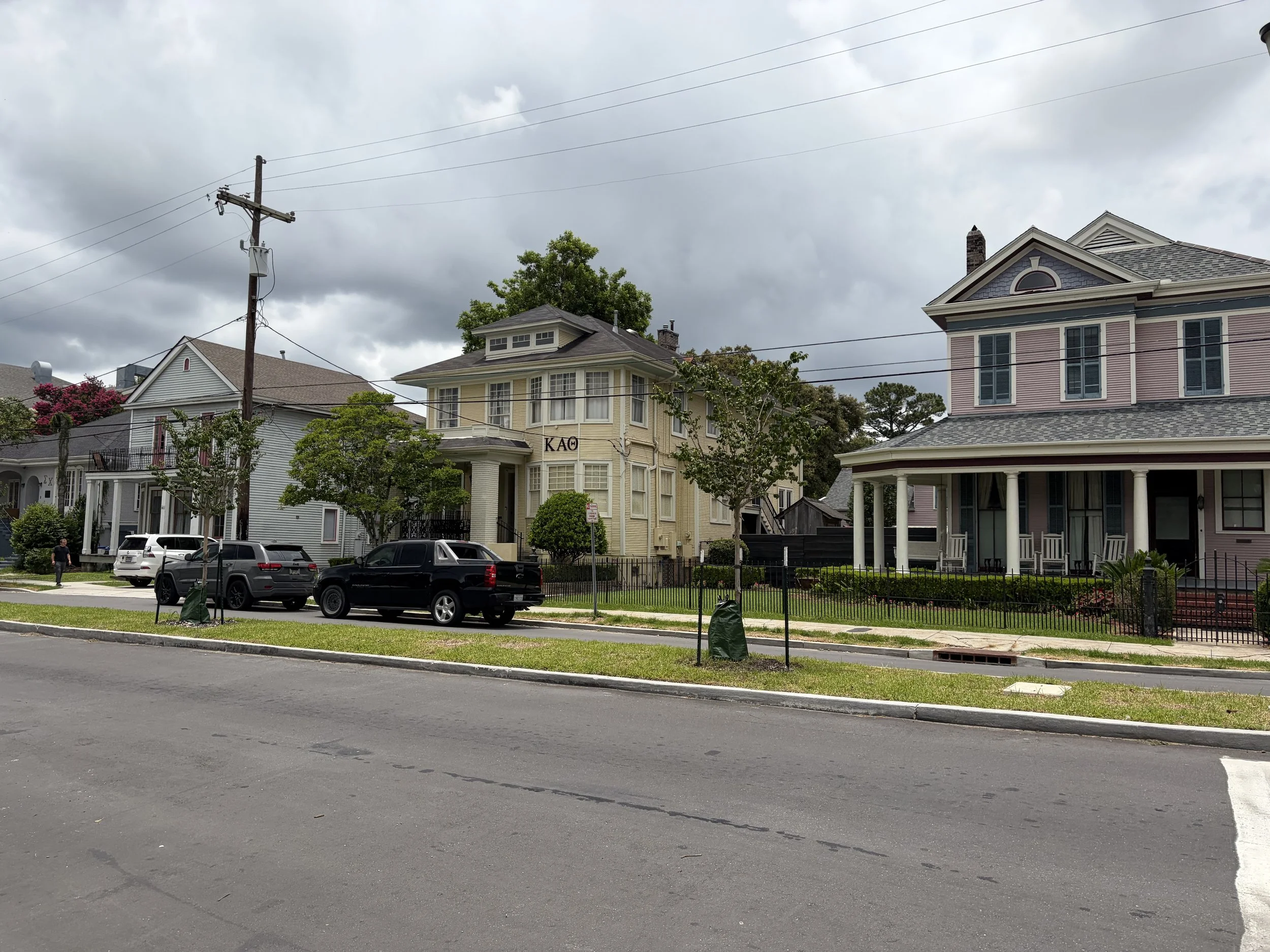
Pictures Taken in the Audubon Area, Where Part of The Moviegoer Takes Place


Binx and I both have the privilege of being comfortable in life, but we both struggle with ourselves and search for ourselves in other places, only for life to be the best option. New Orleans and I are both still searching and using what’s best of the past to move forward in the future.

Literature, Travel, and…Minecraft?

When going on an academic trip to read and explore a city like New Orleans, the video game Minecraft is not what comes to mind as part of the experience. However, what started as a way to escape the heat and decompress became part of the trip for me. Before exploring the connection between bookpacking and Minecraft, I’ll explain how I play Minecraft. 

Minecraft is considered a sandbox video game, which means that, like a real sandbox, you can create anything you want with enough skill and imagination. Except, instead of sand castles, it’s castles made out of pixilated blocks. There are literally hundreds and possibly thousands of different ways to play Minecraft, so instead of trying to describe all the different ways to play, I’ll go over how I play. Despite my undying love for video games, I am pretty bad at them. To compensate for this, I play Minecraft on peaceful mode, which means there are no hostile mobs (which is short for mobile entity) that can threaten to kill you, causing you to lose all the resources in your inventory. I do play survival mode every now and then, but I tend to stick to creative mode. In creative, you can’t die; you can fly as well as have access to unlimited resources to build and create with. Normally, I would create a new world and fly around until I found a cool-looking area to build a house or structure in. However, I recently decided that I wanted to practice my building skills since some of the buildings people have created show just how much is possible in a world made entirely of cubes. I watched a couple of YouTube videos and learned some tips on how to make more interesting or realistic builds. Currently, I am playing on what is called a Super Flat World, which generates a world that is completely flat and covered in grass. This makes building much easier because you aren’t fighting the natural terrain of the normal worlds, which can be tedious to clear out.

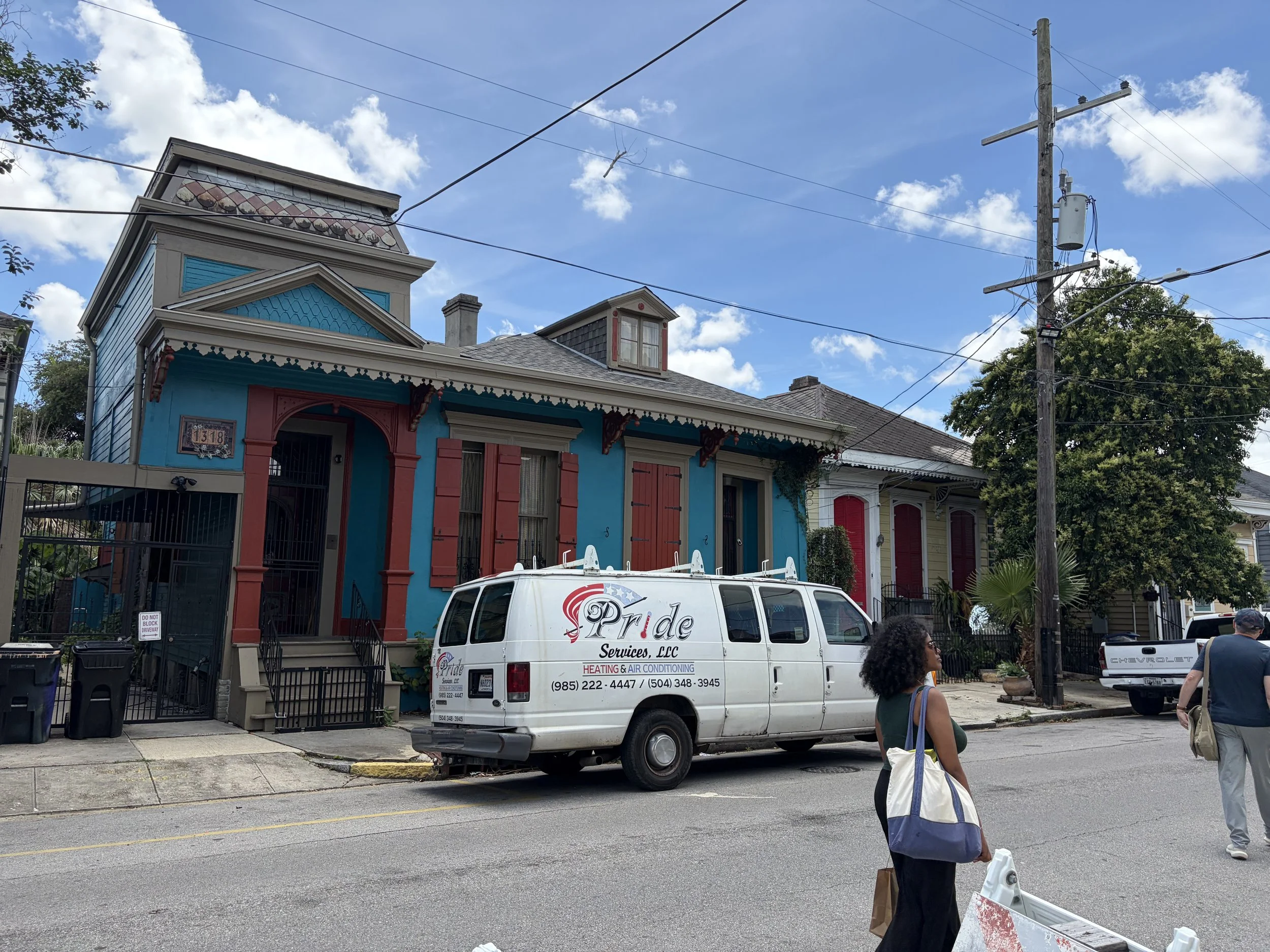
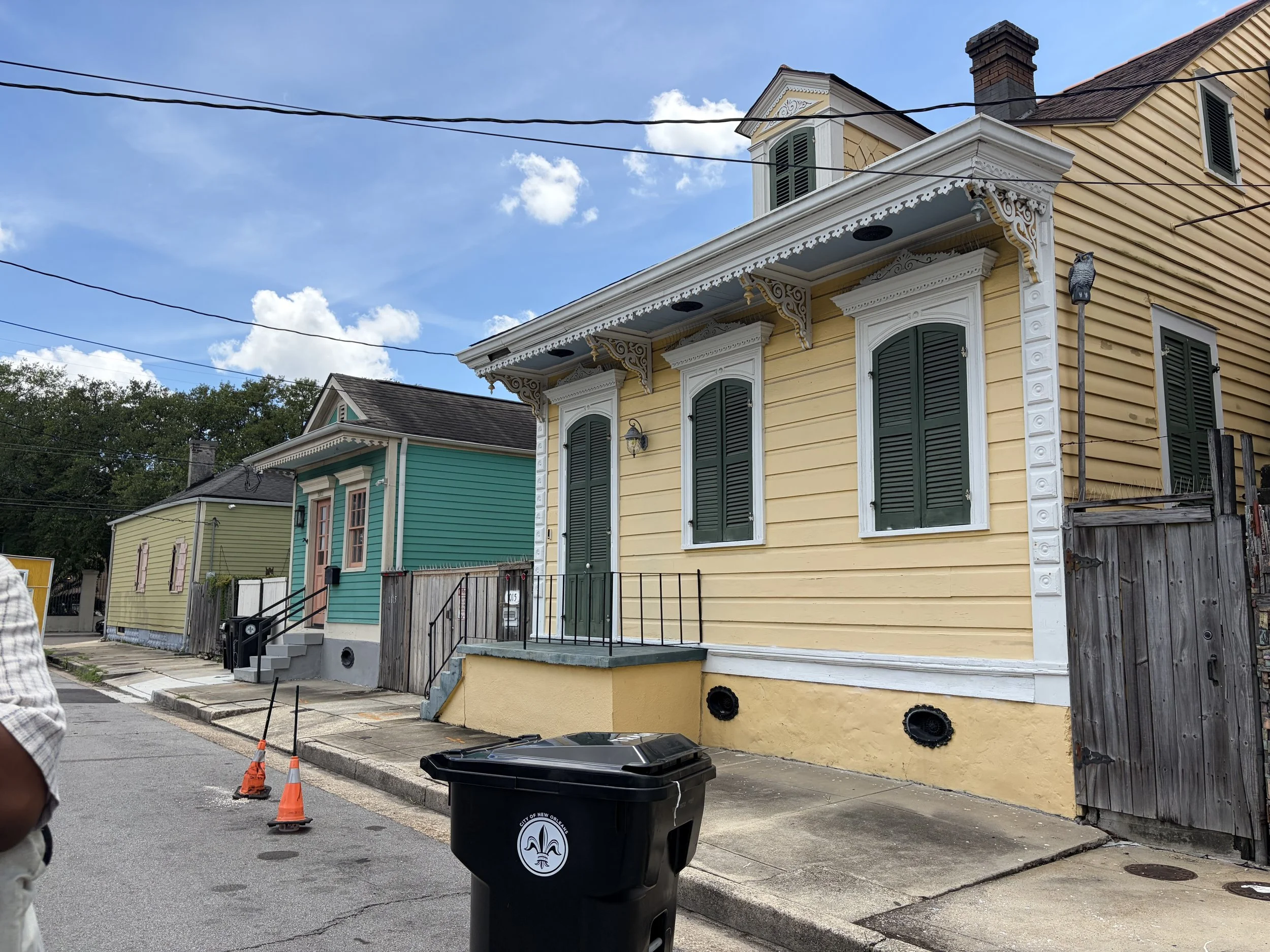
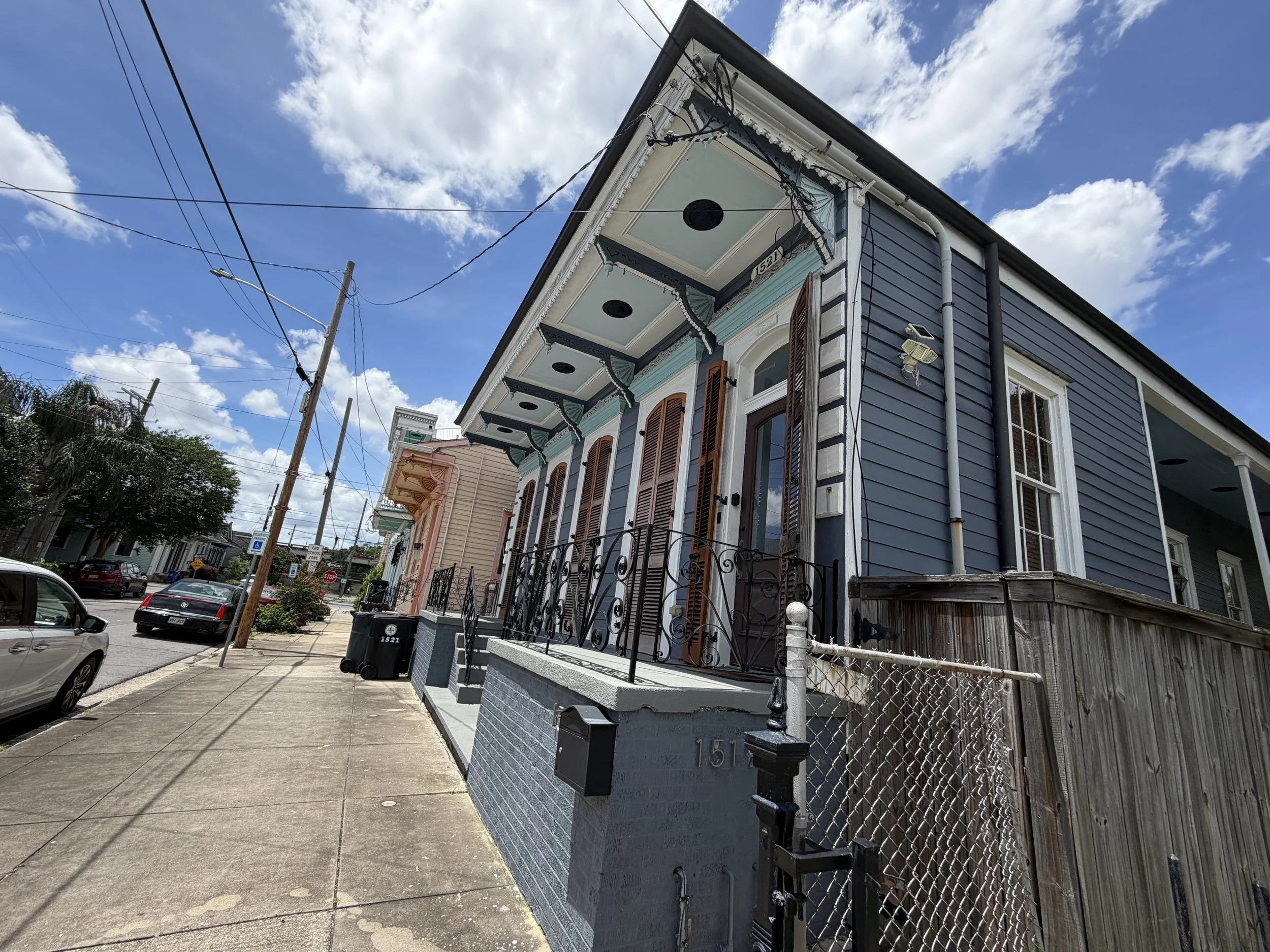
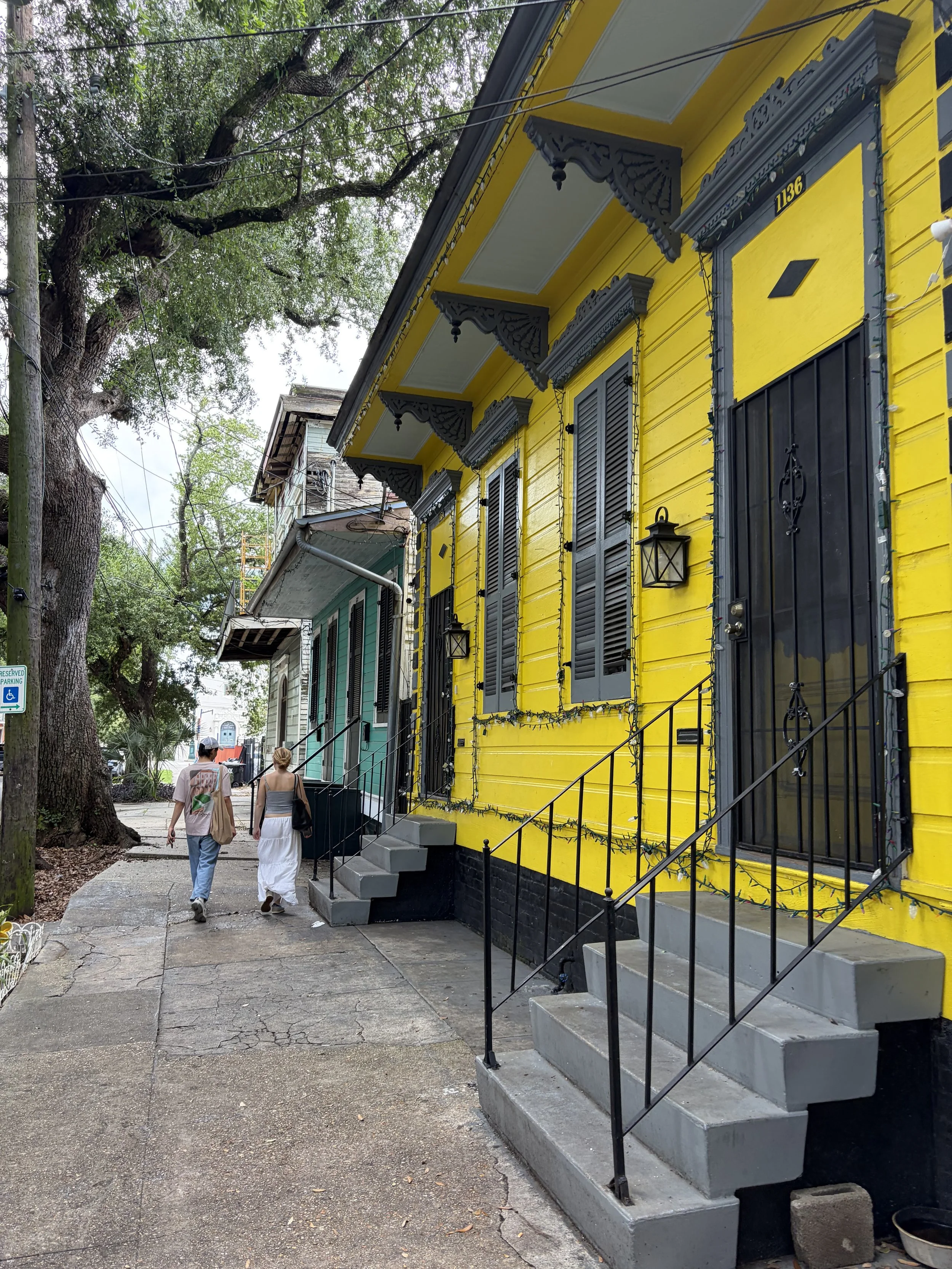
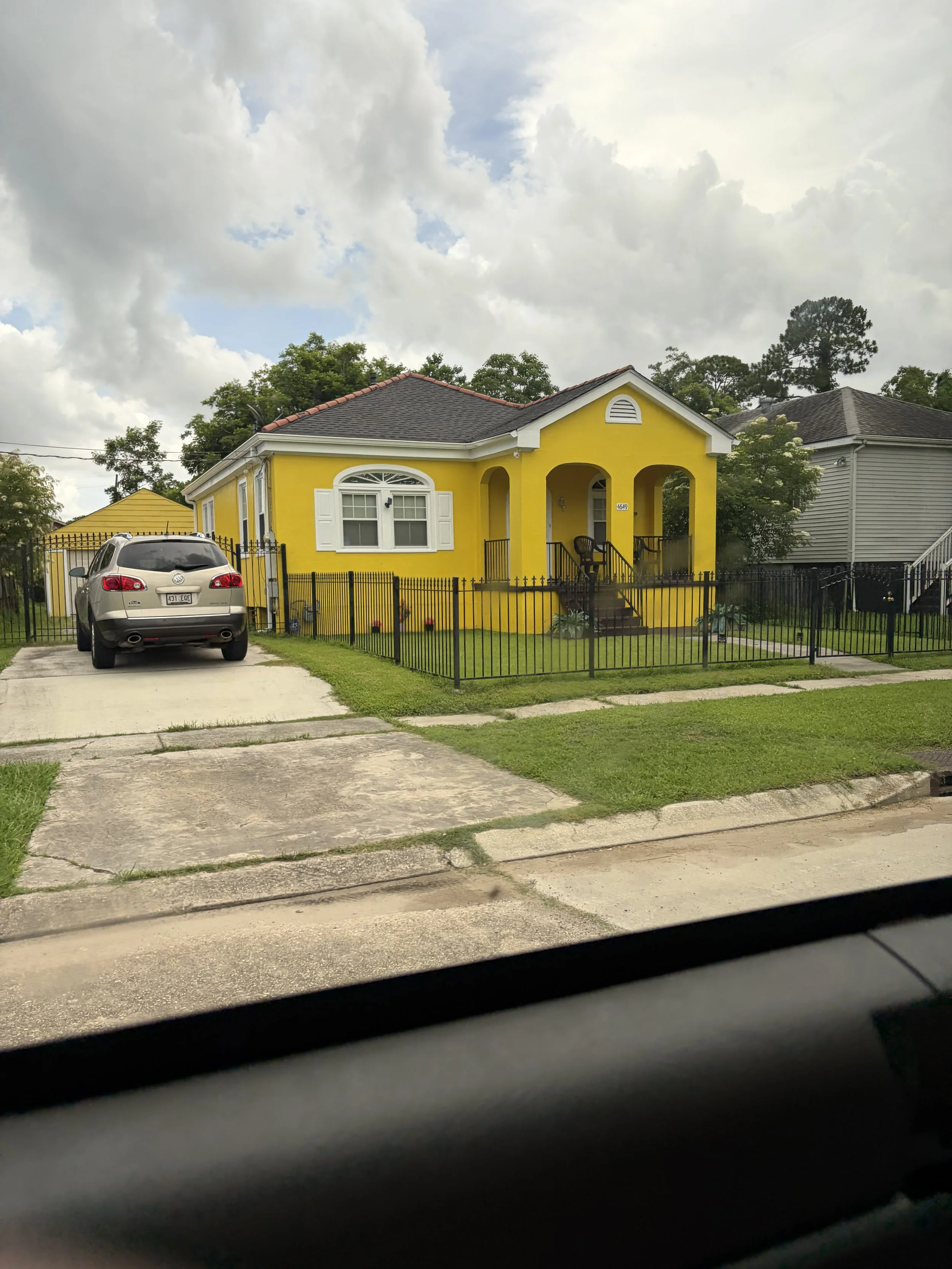
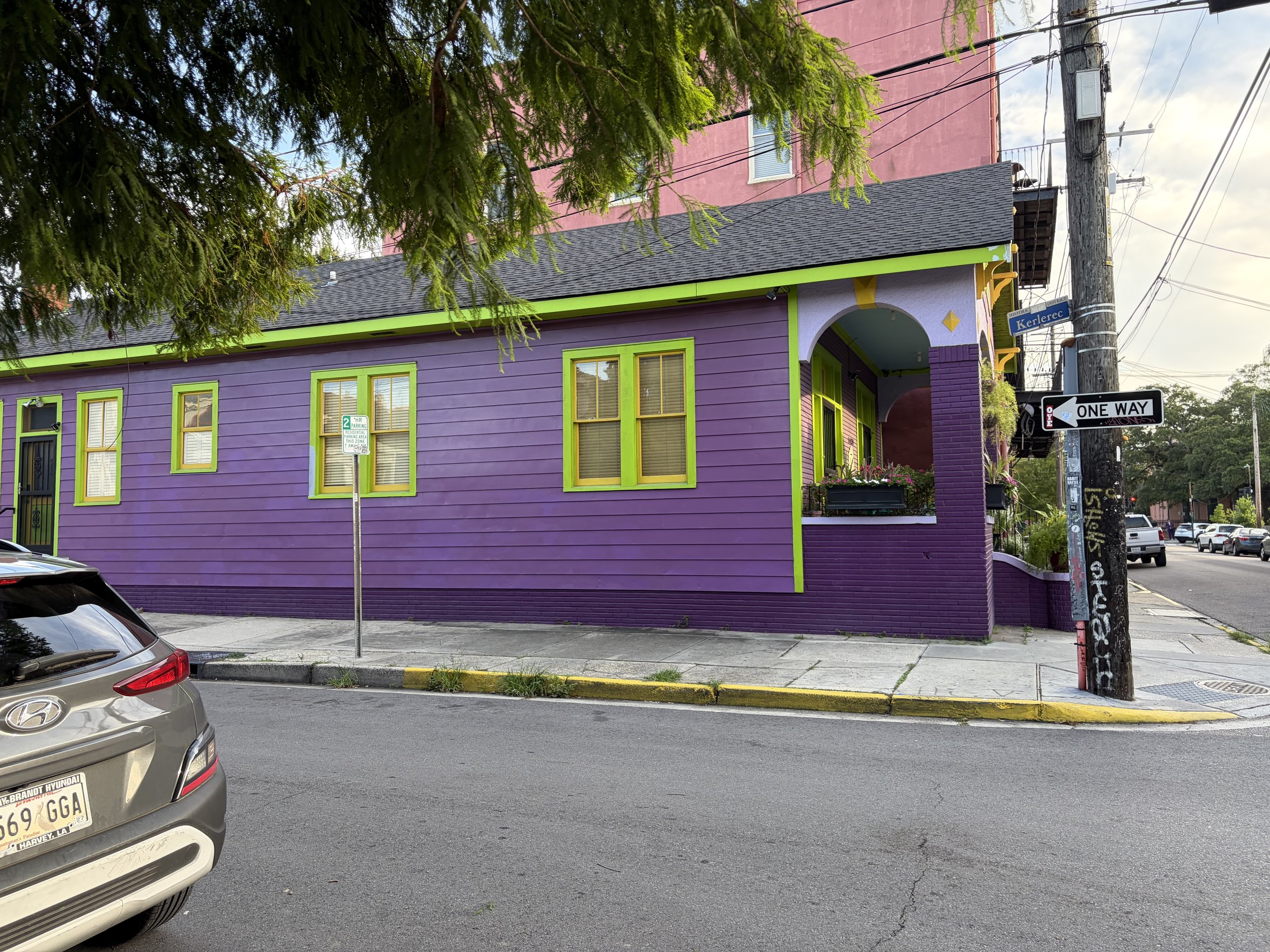
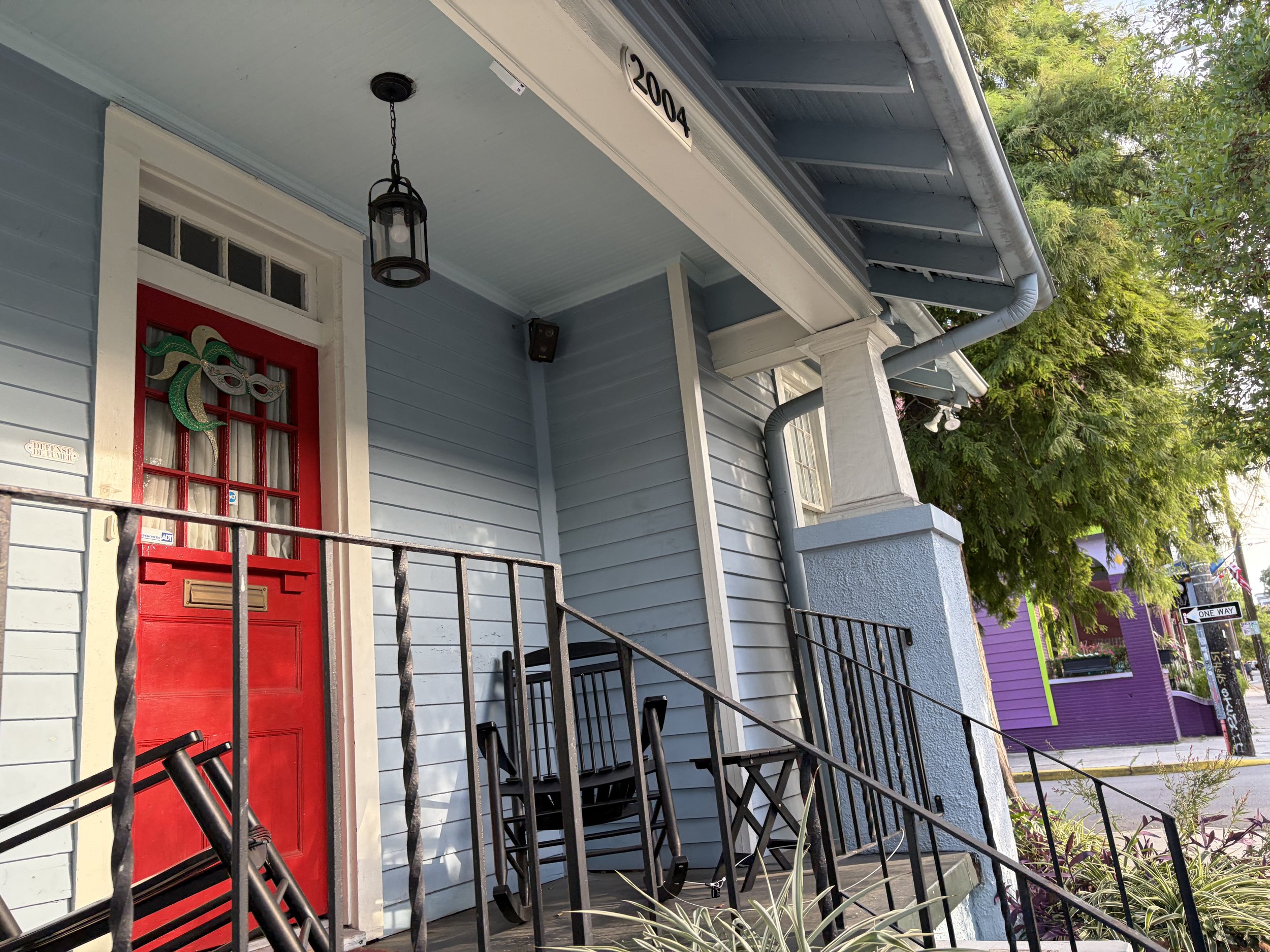
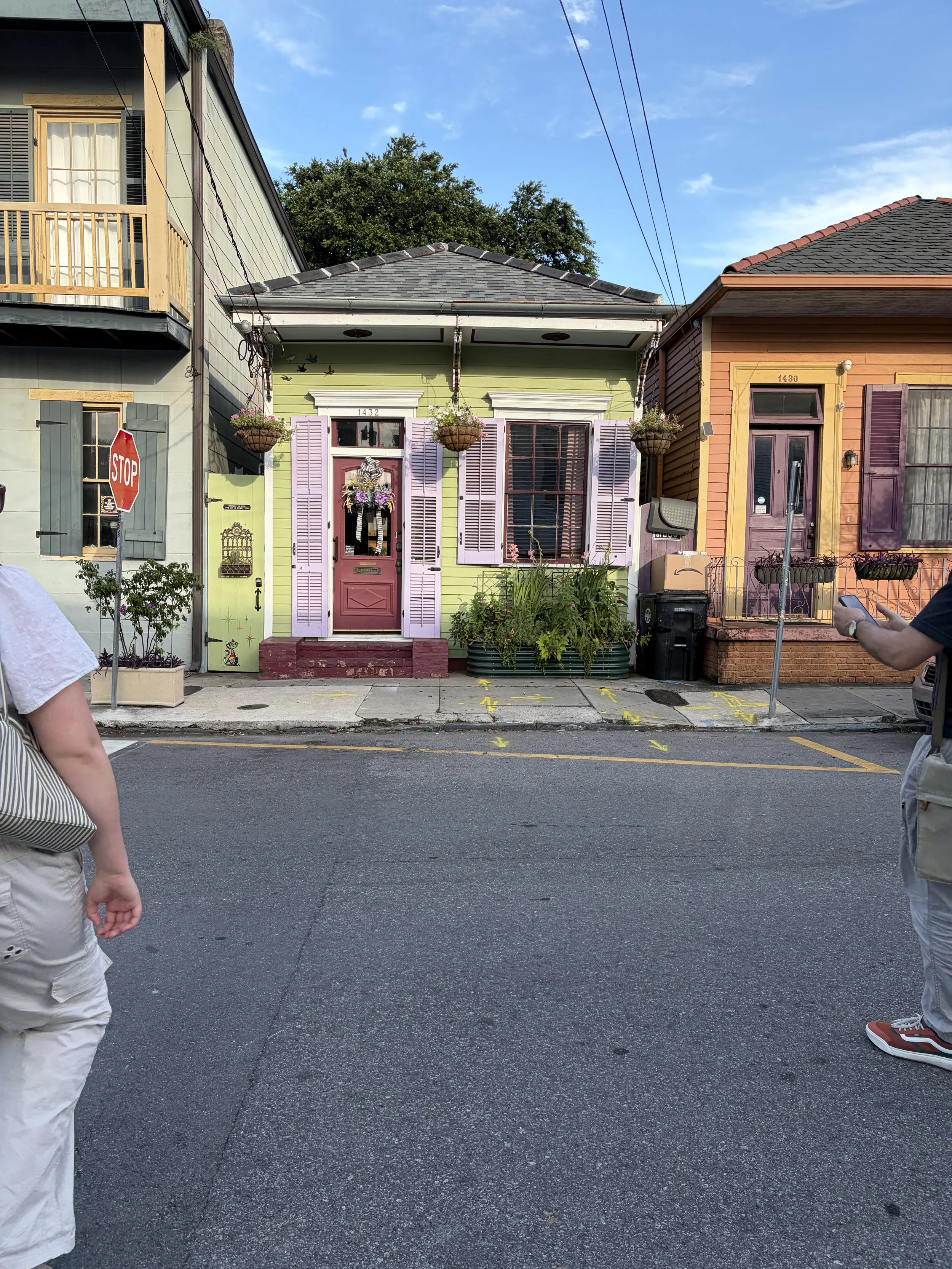
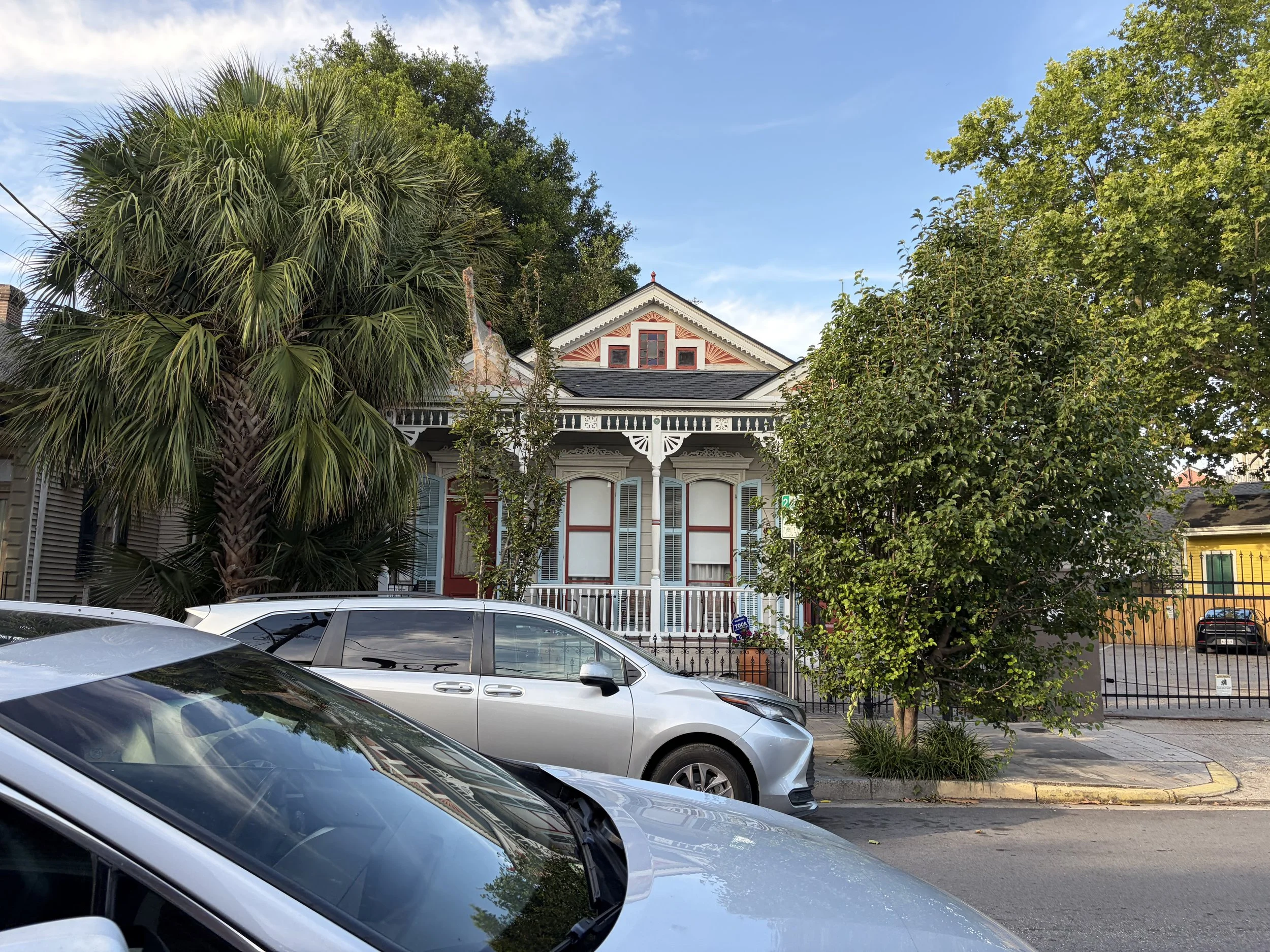
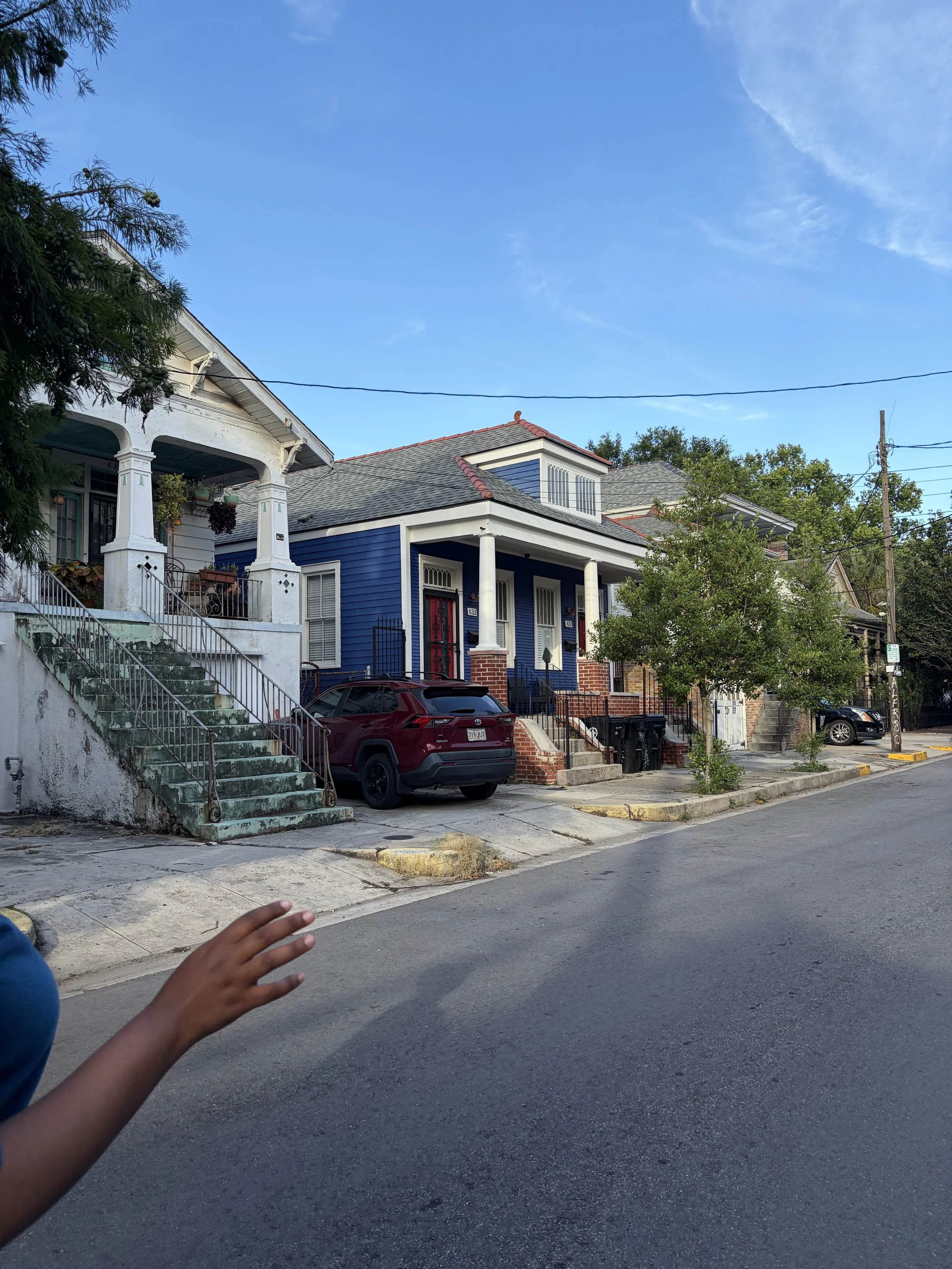
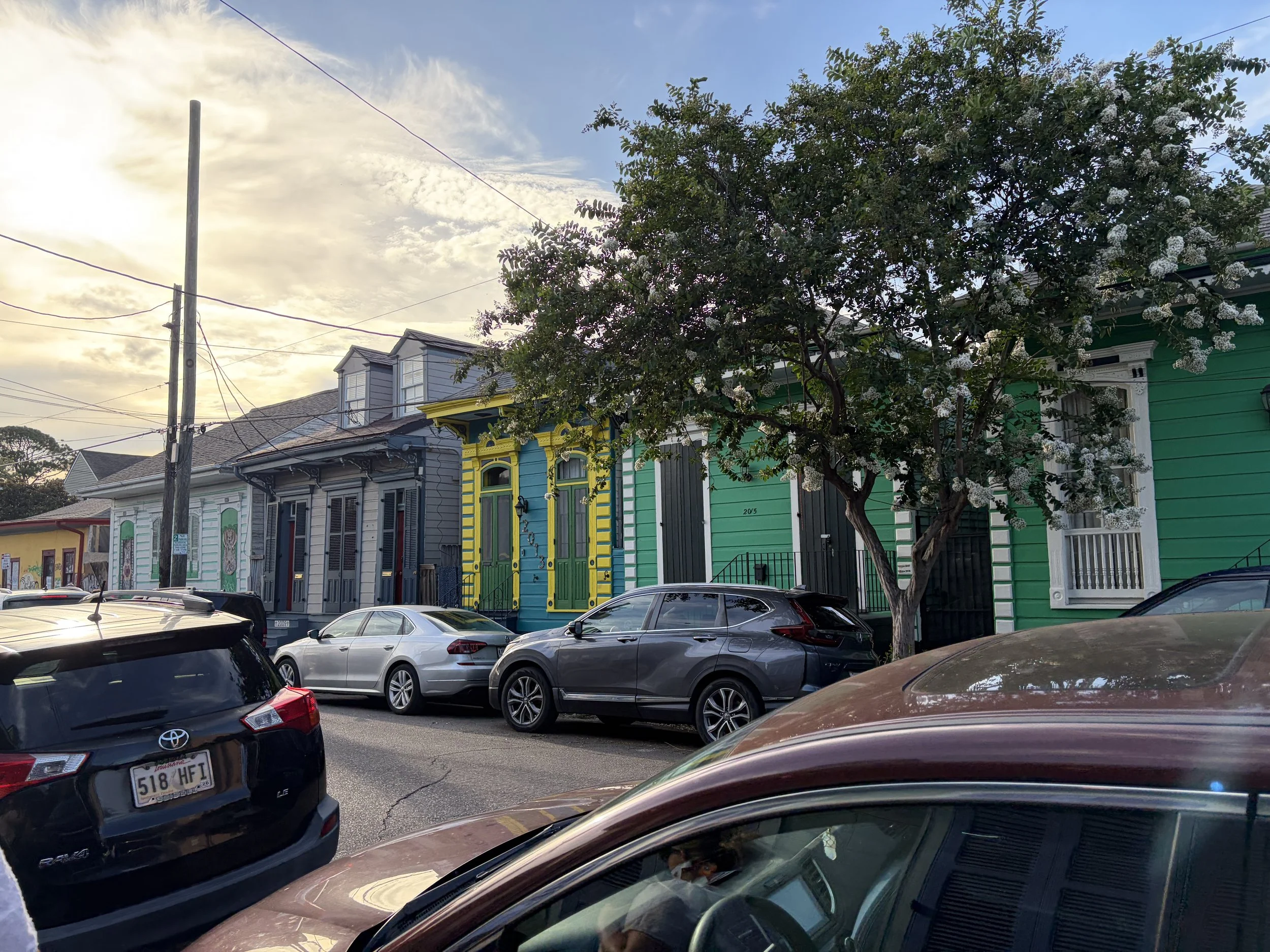
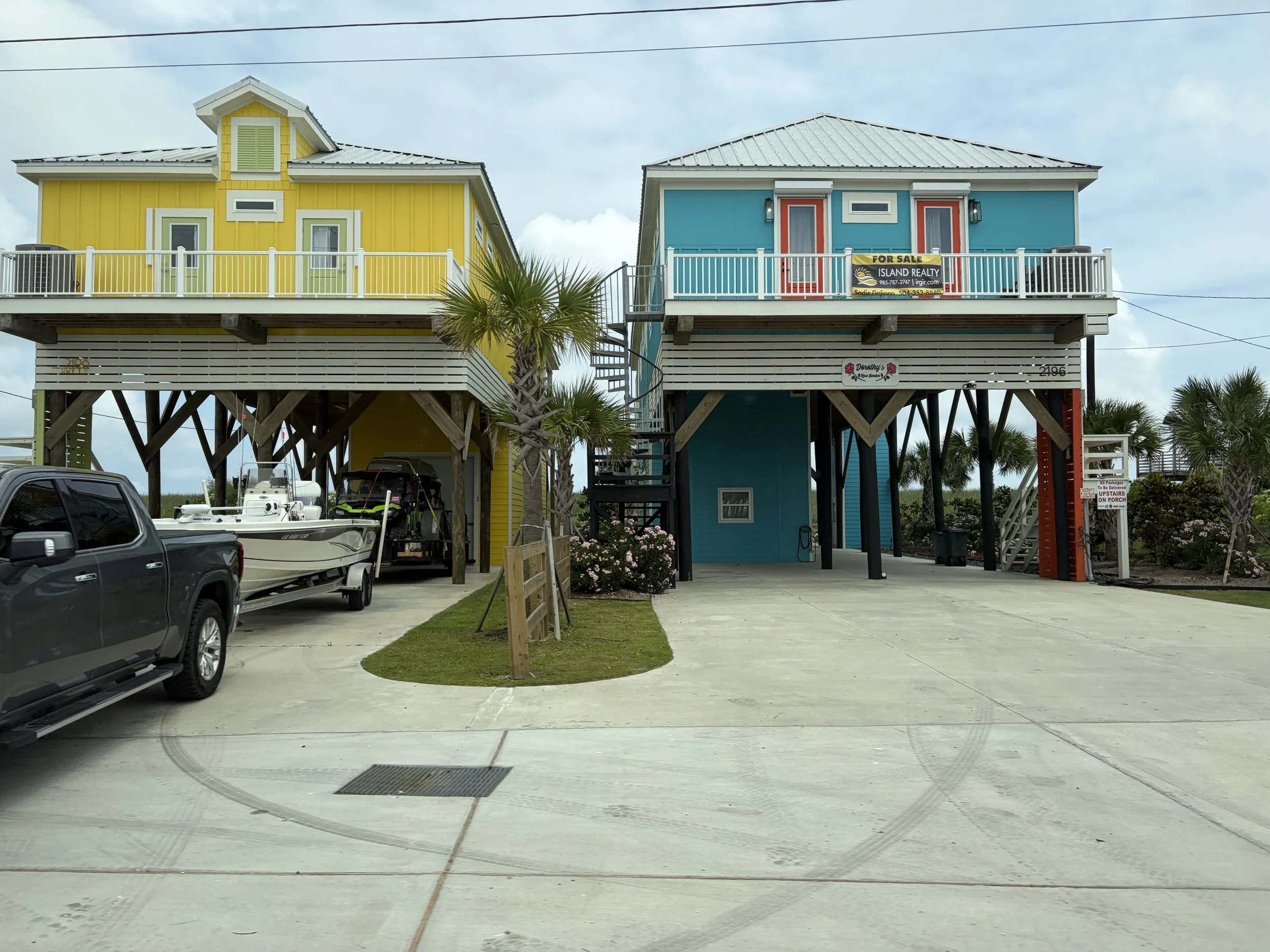
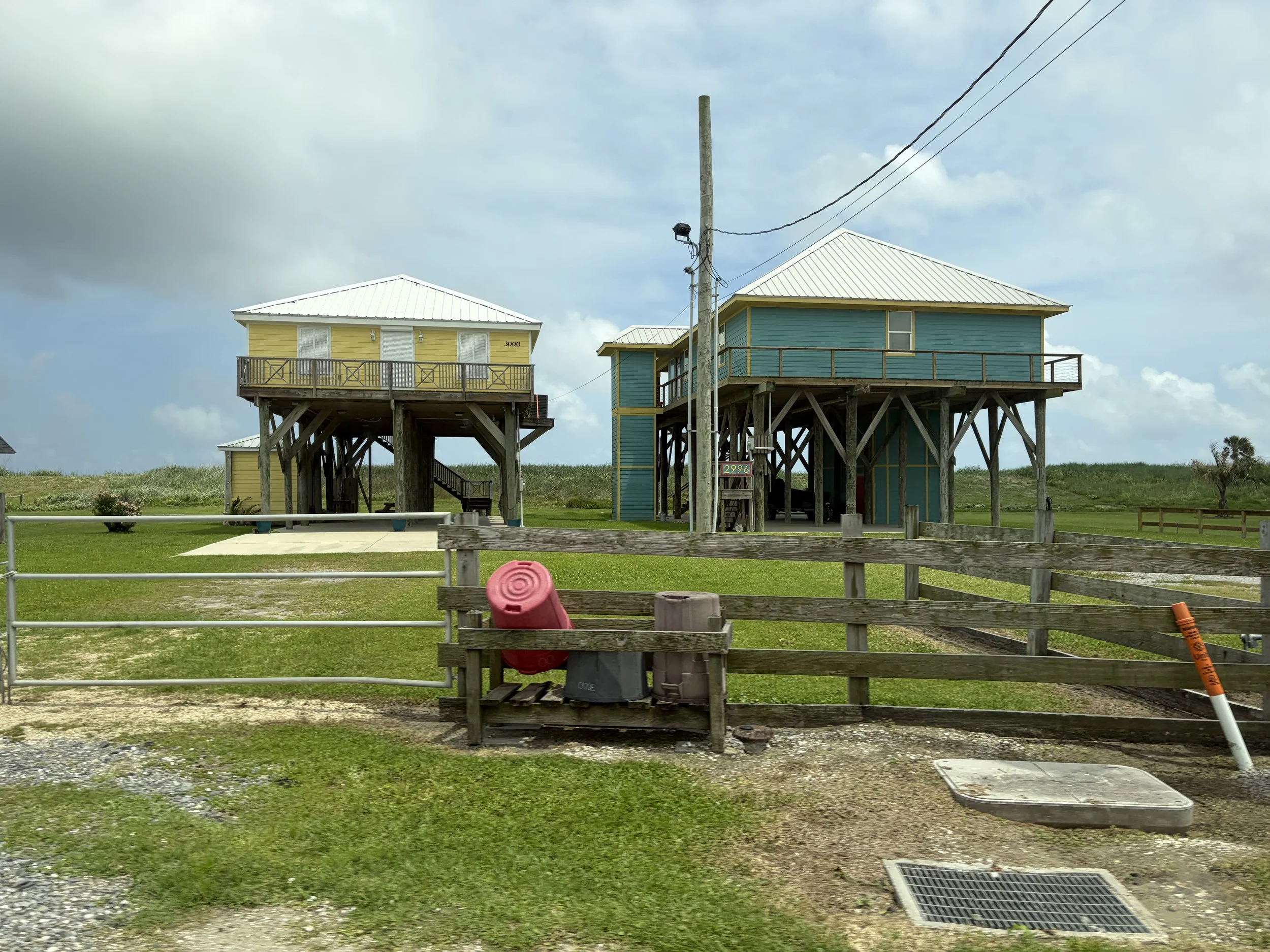
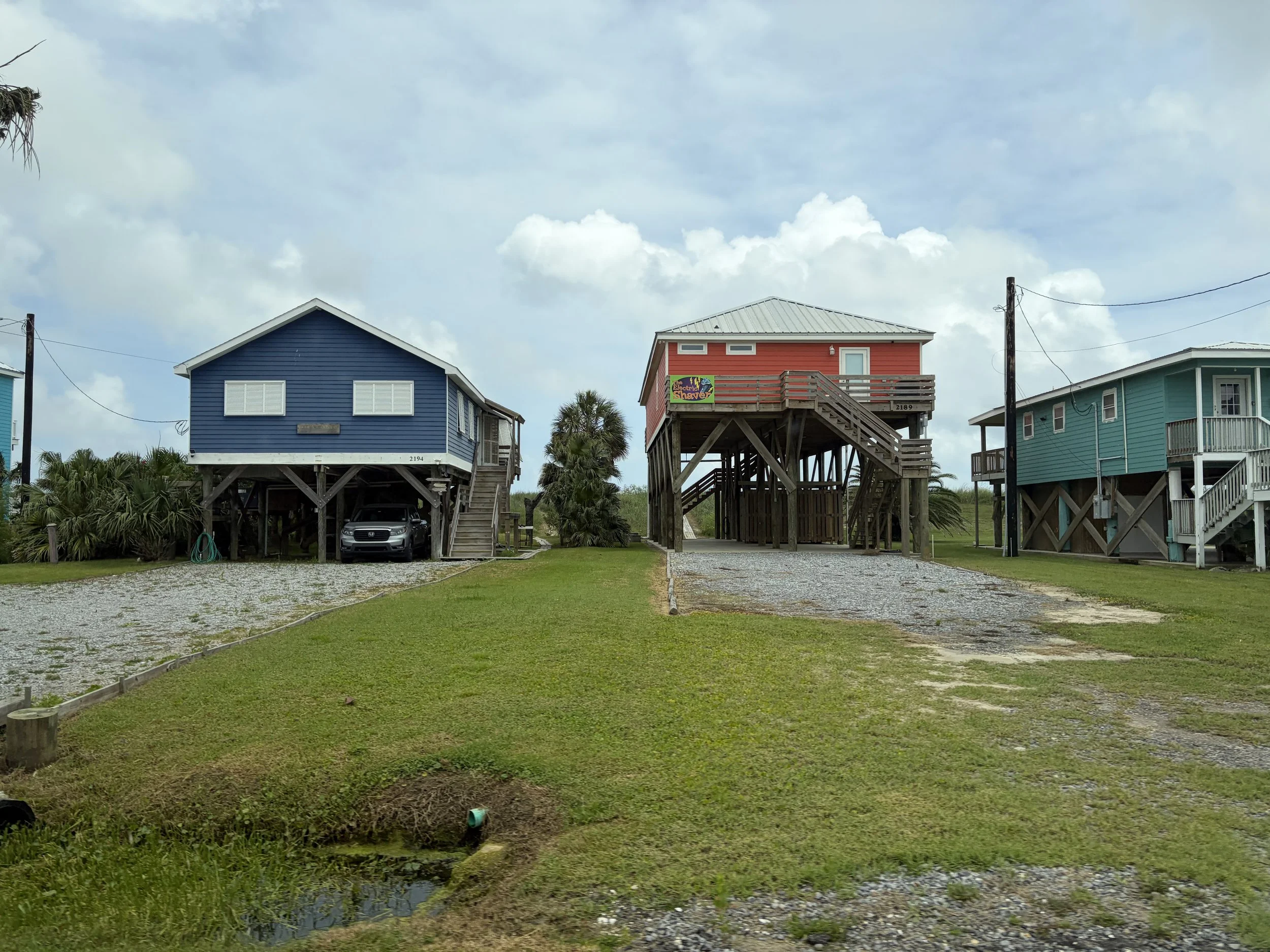
It’s on my Super Flat World named Cortona (I can’t remember why I named it that) that I probably created sometime back in 2019, but only returned to recently, when Bookpacking starts to come into the picture. I upgraded my phone after having my iPhone SE for almost 6 years to the new iPhone, and I was able to play Minecraft on my phone without it destroying my storage space. I rediscovered my love for Minecraft and building houses. This is why, during our trip to Grand Isle, I was so inspired by the architecture I was seeing that I made my own version of the houses in my world, Cortona. Once we arrived in New Orleans and walked around the French Quarter, and later the Seventh Ward, Treme, Lower Ninth, New Orleans East, and Marigny I felt the same excitement about building a shotgun-style house with all the beautiful colors and detailing. However, I didn’t want to create just one shotgun house; I planned to make five using all the different wood types in Minecraft to reflect the different colored houses all lined up next to each other. I got started on my research, taking pictures of different houses I saw on the street, looking up floor plans, and searching for interior images on the internet. I started laying out different foundations that still rang true to the saying of being able to shoot a shotgun through the house; however, in Minecraft, that would be a crossbow.

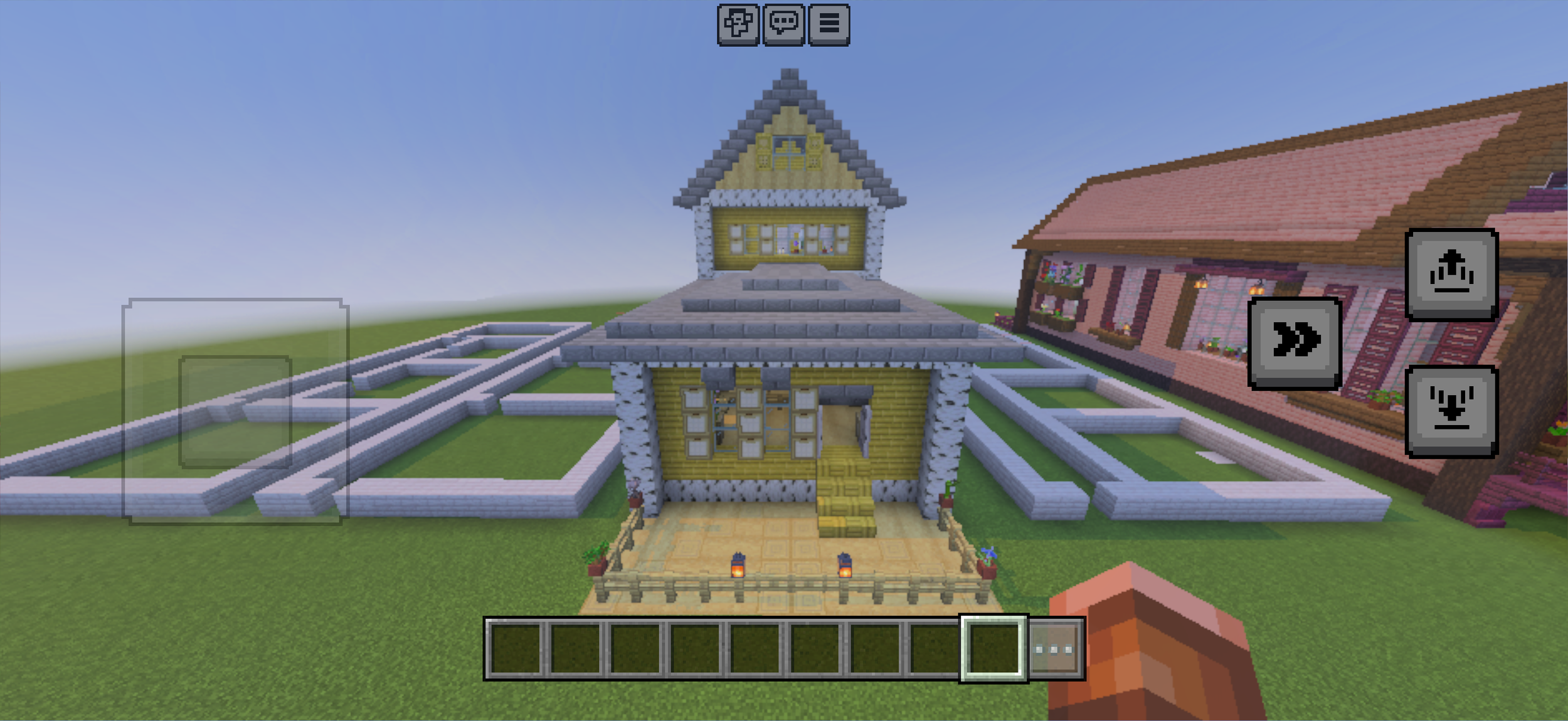
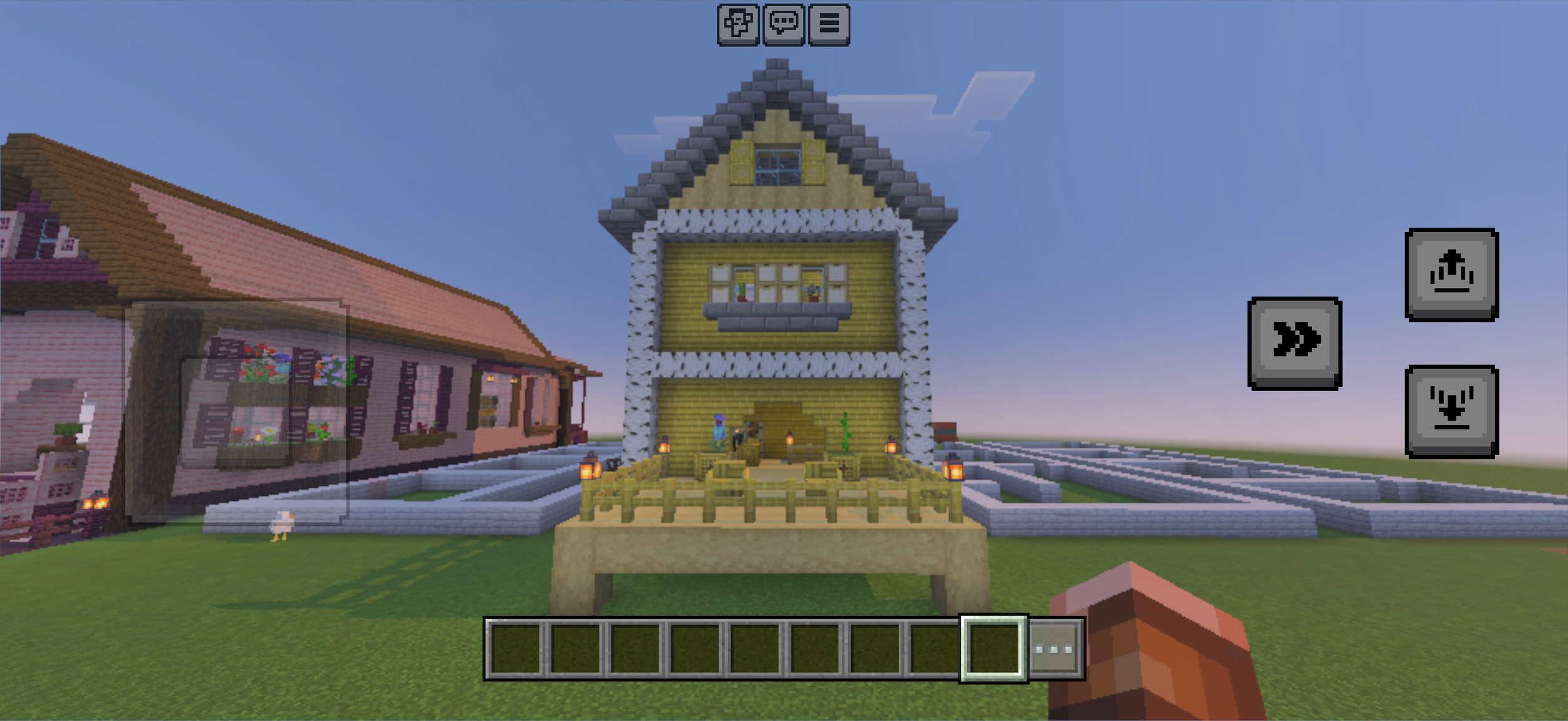
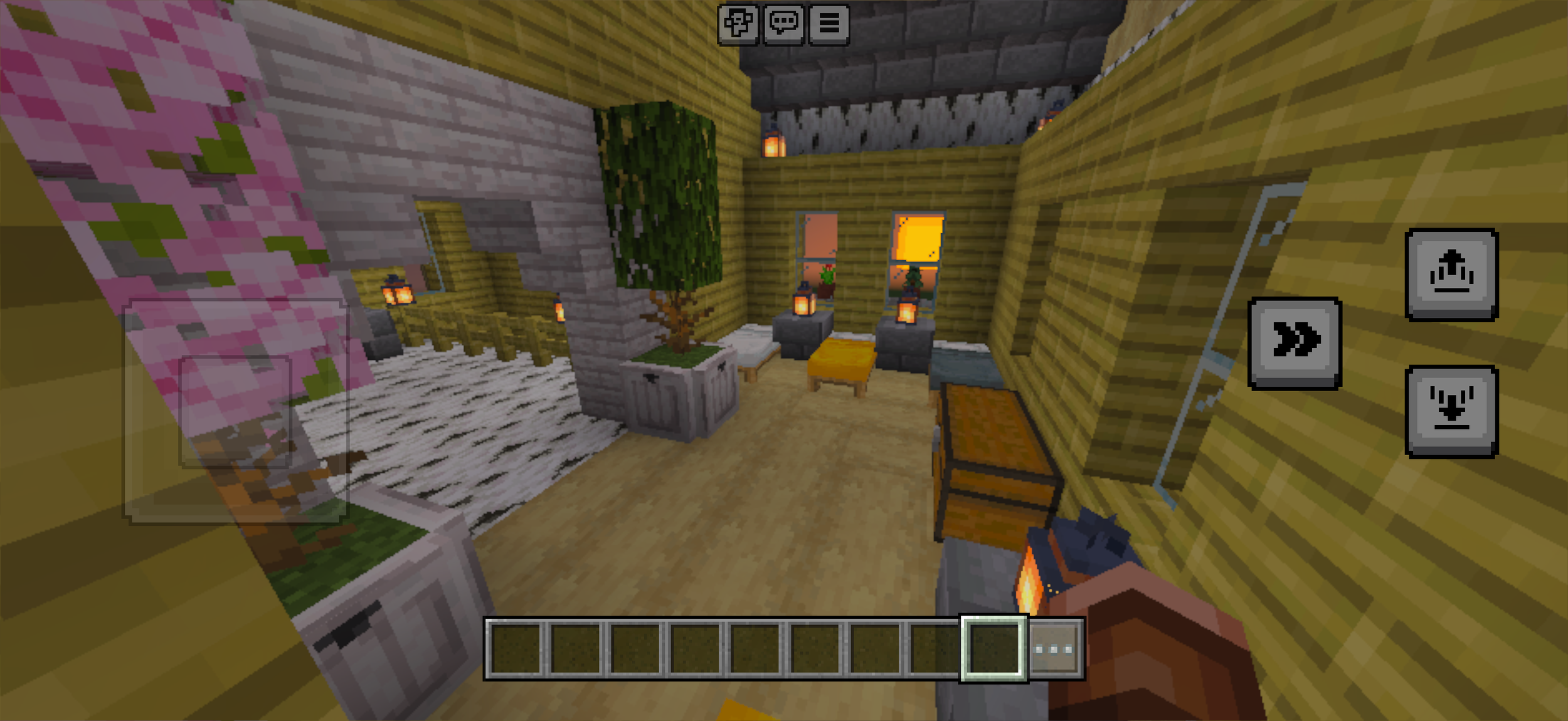
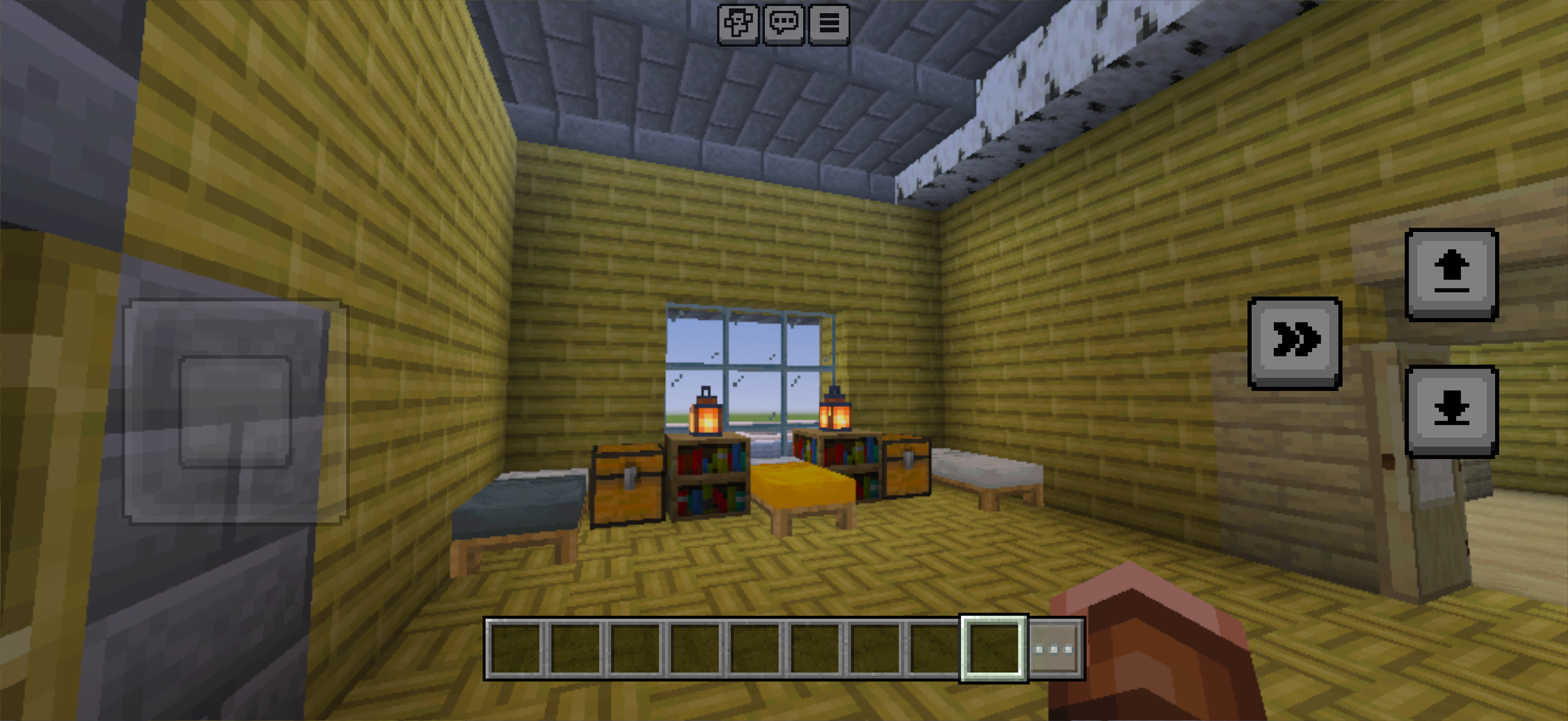
When we began reading The Yellow House by Sarah M. Broom, I got the idea to make the yellow house in Minecraft using the descriptions from the book to help me better visualize the house. At first, this seemed simple, but as I kept reading and playing, I realized that there was going to be some creative liberties with my interpretation of the house. Because the yellow house has gone through several transformations over the years, originally being green, having a crown attached to the top, and constant work being started but never fully finished, the house never looked the same for too long. There is also the issue of what you put in a real house versus a Minecraft house. For example, it is normal for a Minecraft house to have an anvil, crafting tables, and enchantment tables, which can make your tools stronger, and other items that don’t belong in the average American home. Additionally, most Minecraft houses don’t have bathrooms, dining rooms, curtains, and other common household items unless they are there for aesthetic reasons. At first, I was going to build the house like a Minecraft house; however, while reading The Yellow House, all the descriptions of the interior of the house, I realized that I would compromise and do a combination of what is said in the book and what is common in a Minecraft house. 

Exterior of the yellow house and the shotgun house inspried by local architecture.

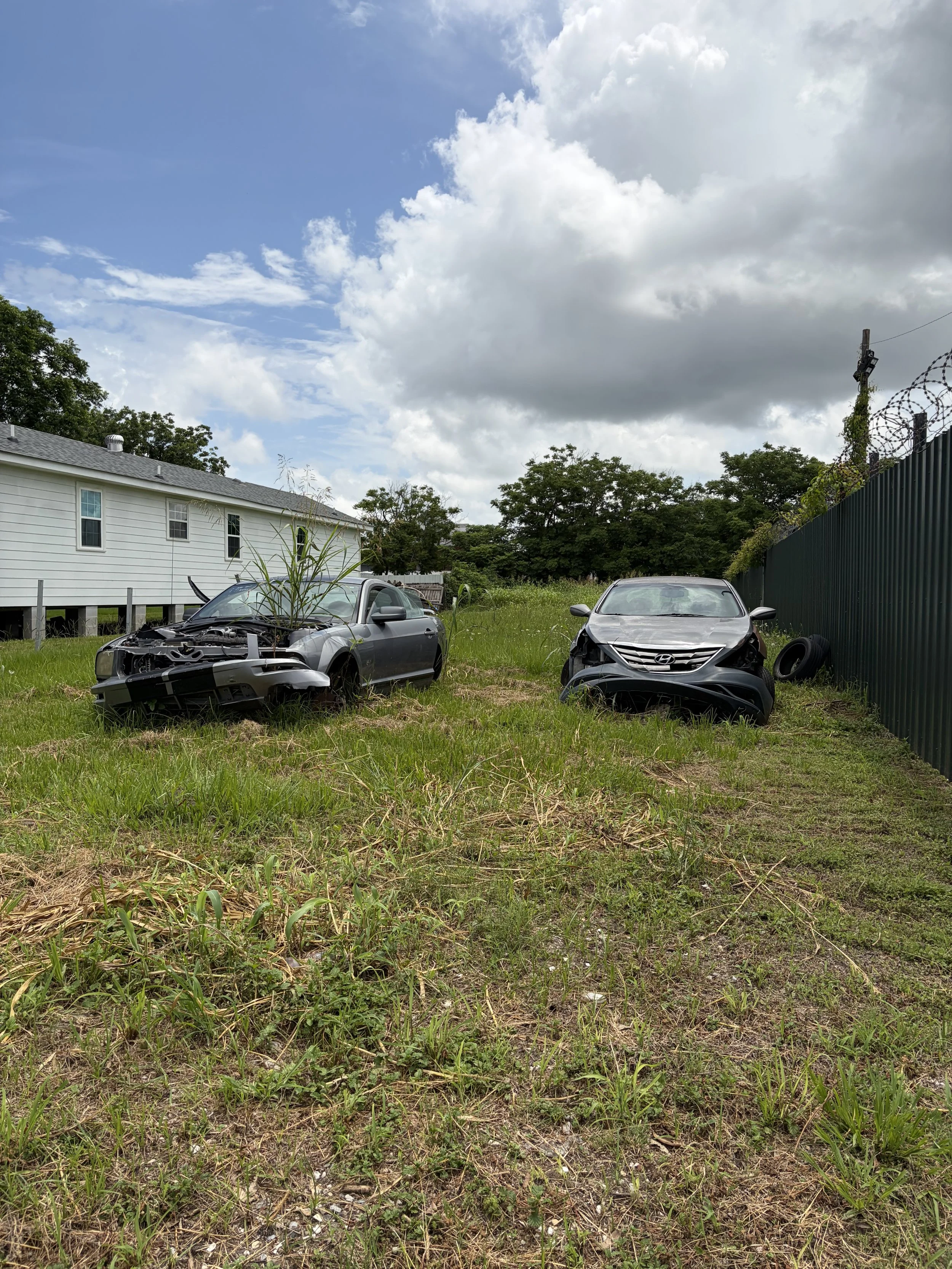
The yellow house lot today, with the white house on the left side.

There was one thing I couldn’t achieve in Minecraft when recreating the yellow house, and that was the wear and tear it had been through. Now, if I were a more experienced builder and had more time, maybe it would have been possible to achieve what was described in the book. However, despite how hard I try, I’m still just ok at Minecraft (I’m getting much better at it!). After completing the exterior of the house, I realized that what I had built wasn’t the yellow house from the book, but instead what the yellow house could have been. A pristine, well-built house that felt uniform, connected, and strong, because there are no yellow blocks that naturally look like they are in disrepair. In a way, when the house was completed, I felt sad. It felt like I was seeing a version of what the house should have been, but instead, it was bulldozed after Katrina and is slowly being taken over by junk. The Minecraft yellow house is like a picture you put of a loved one after they passed, a picture of them in their prime. The building outlines of the shotgun houses that I still need to work on look a little like the concrete foundations left over in the empty plots because of Katrina. This wasn’t my intention, but it felt like maybe the yellow house could have survived like the white colored one that stands next to its plot today if it just had the resources to be repaired. I did not bulid the yellow house, I bulit what Ivory Mae thought the house would become.

I always dreamt I would have this house that was so pretty. It was gonna have a nice front yard, a big backyard. Three bedrooms. A sewing room. I always pictured a front room that had a window with a little seat running across it...It wasn’t a big ole house, just a nice house
— A quote from Ivory in The Yellow House by Sarah M. Broom

Interior of the Minecraft yellow house.

In a weird way, my escape from the heat and how I take breaks between reading has become just as much a part of this bookpacking experience as the travel and reading. Minecraft has added this fun yet impactful layer to an already layered trip. I currently have only the two shotgun houses fully built, and I hope to post all five finished before my last blog.

Learning How To Read Like Visual Learner

I remember some time during elementary school, one of my friends said that she didn’t like movie adaptations of books because they never pick actors that look like the characters she pictured in her head. This, at the time, confused me. When I read, all that is happening in my head when reading is just my inner monologue speaking the words in my head. I have to make a conscious effort to picture what is being described in a book, and most of the time, it looks more like what I see in my life than what’s actually being described in the text. When I’m listening to an audiobook, I can visualize the story a little, but it is mostly vague images that lack details, or I can picture certain characters in detail, but the rest of the mental image is blurry or missing. 

Years later, I would learn that people experience visuals and inner monologues on a spectrum. Where I stand on the spectrum is that I have a strong inner monologue and a weak visual mind. This means that words come to me naturally, while images take effort to create in my mind. 

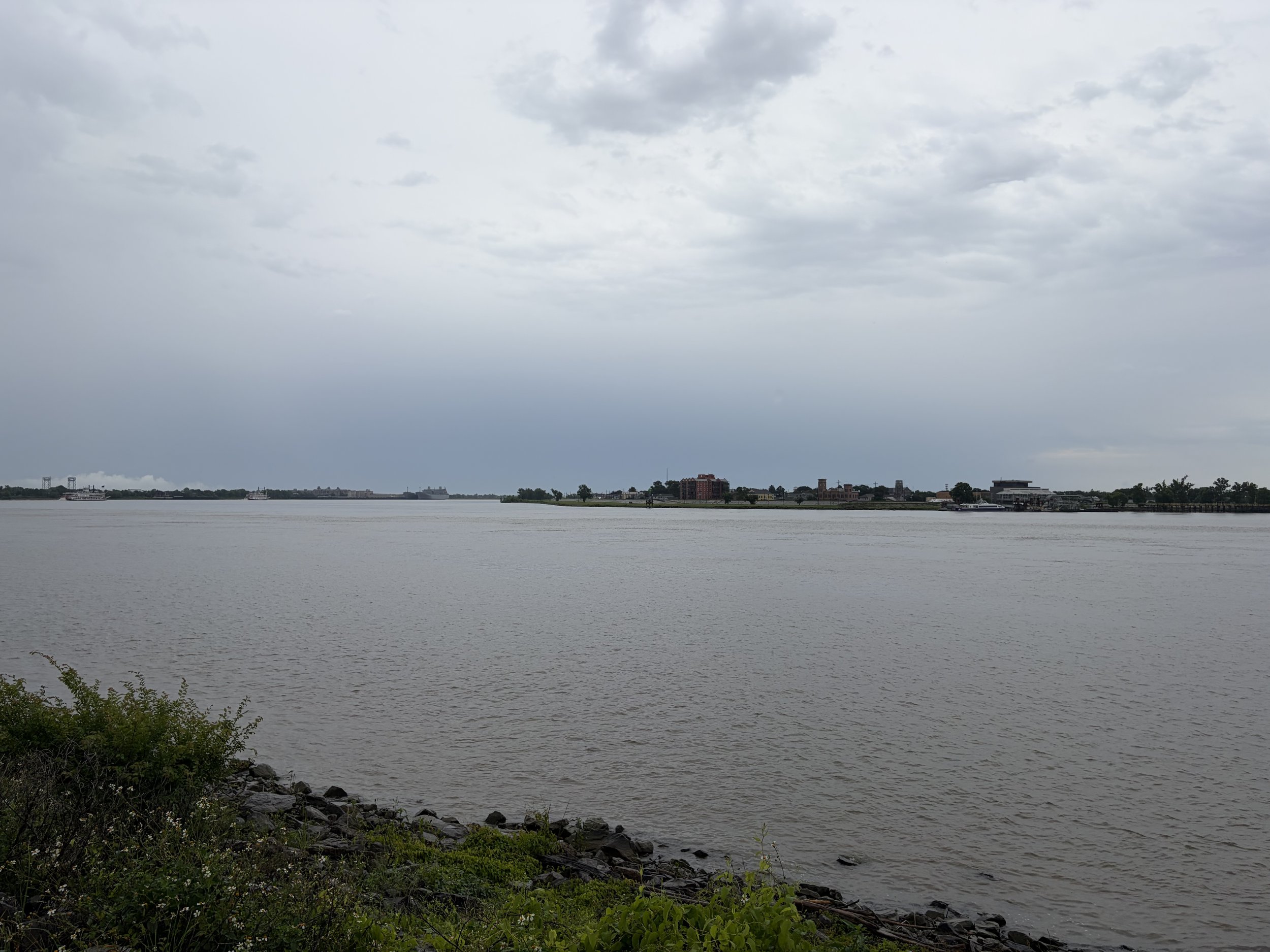
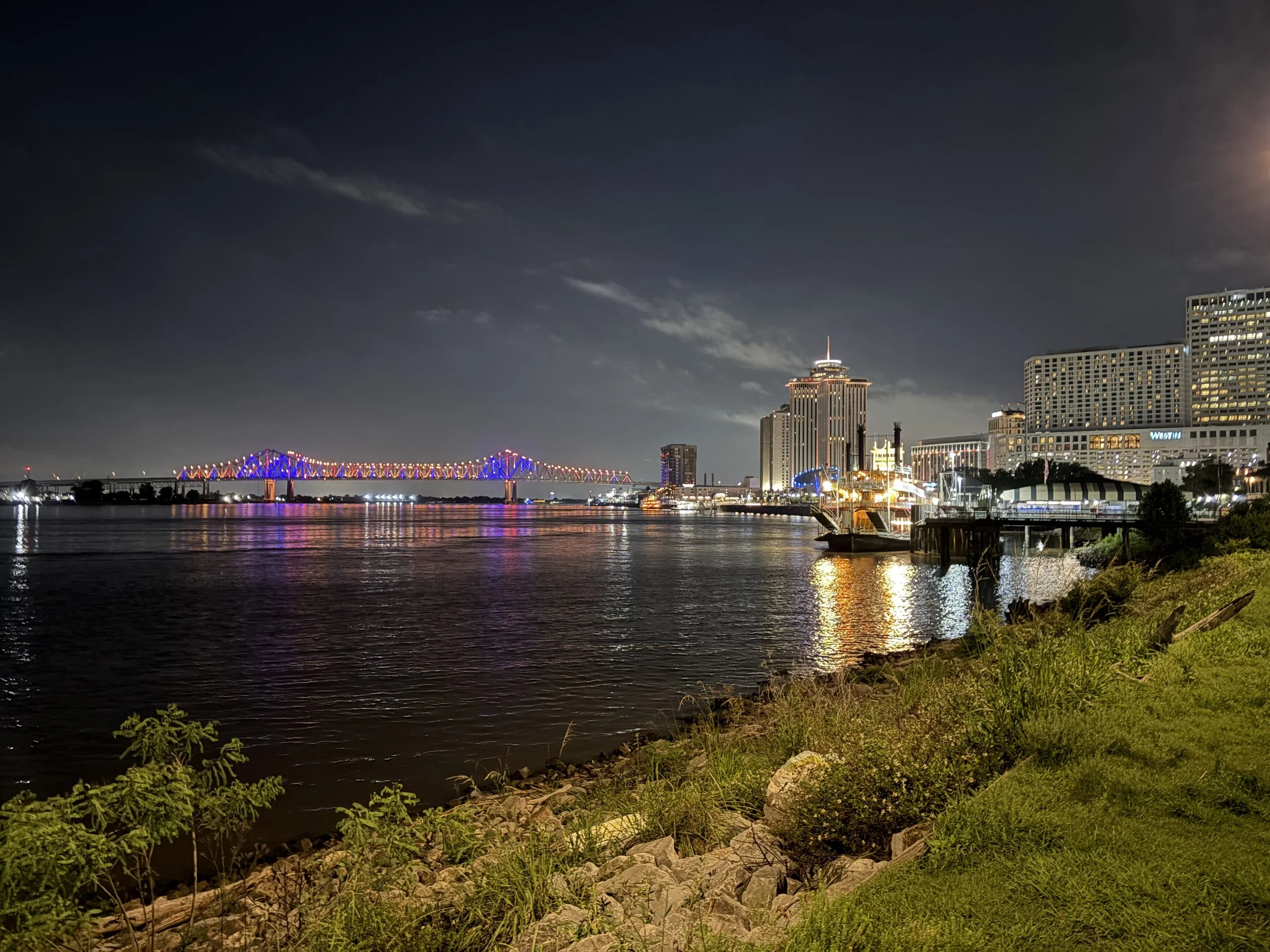
The Mississippi, Which Would Have Been Full of Steamboats Throughout Louis’ Life

However, there is one way I can better picture things in my head while reading. That is, I have seen that person or place in my life. This means that if I watch a movie adaptation of a book, when I read the book, I will picture the actors and sets that were used in the movie instead of what’s actually described, with some variations. 

In the case of Anne Rice’s Interview With The Vampire, bookpacking made the story much more engaging and made sense. Rice has long, lush, and vivid descriptions of the world she is building in this story. In fact, one of the best parts of this book is her description of New Orleans over the years and through the lens of this Vampire, Louis, who views the world differently than everyone else. To be able to take in these descriptions would normally be very mentally taxing. Also, I would not have the time to fully picture everything described with the packed schedule that this bookpacking trip has. 

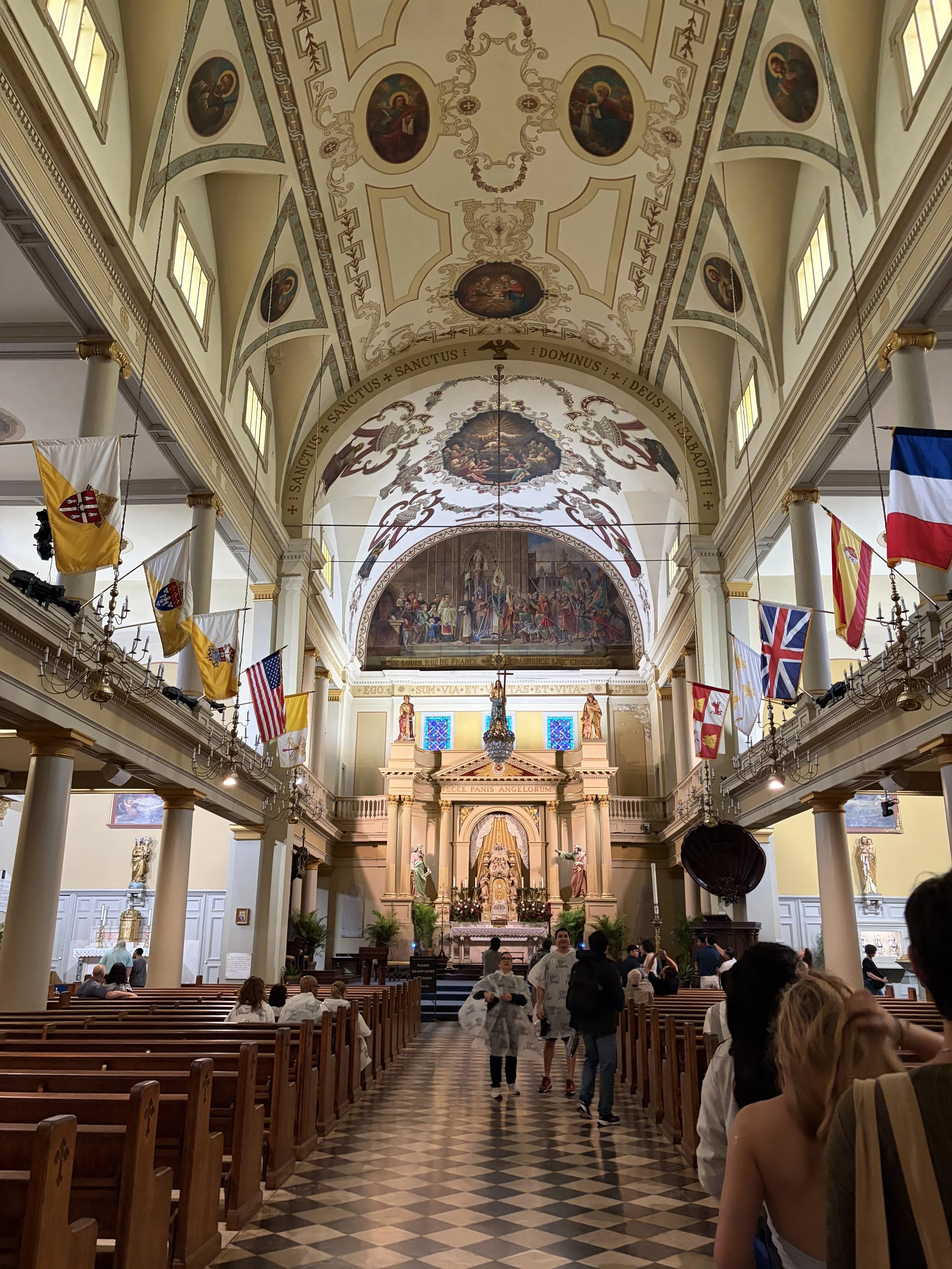
The great facade of the cathedral rose in a dark mass opposite the square, but the doors were open and I could see a soft, flickering light within...The gold candlesticks shimmered on the altar; a rich white chrysanthemum bent suddenly on its stem, droplets glistening on the crowded petals, a sour fragrance rising from a score of vases, from altars and side altars, from statues of Virgins and Christs and saints.
— Interview With The Vampire by Anne Rice

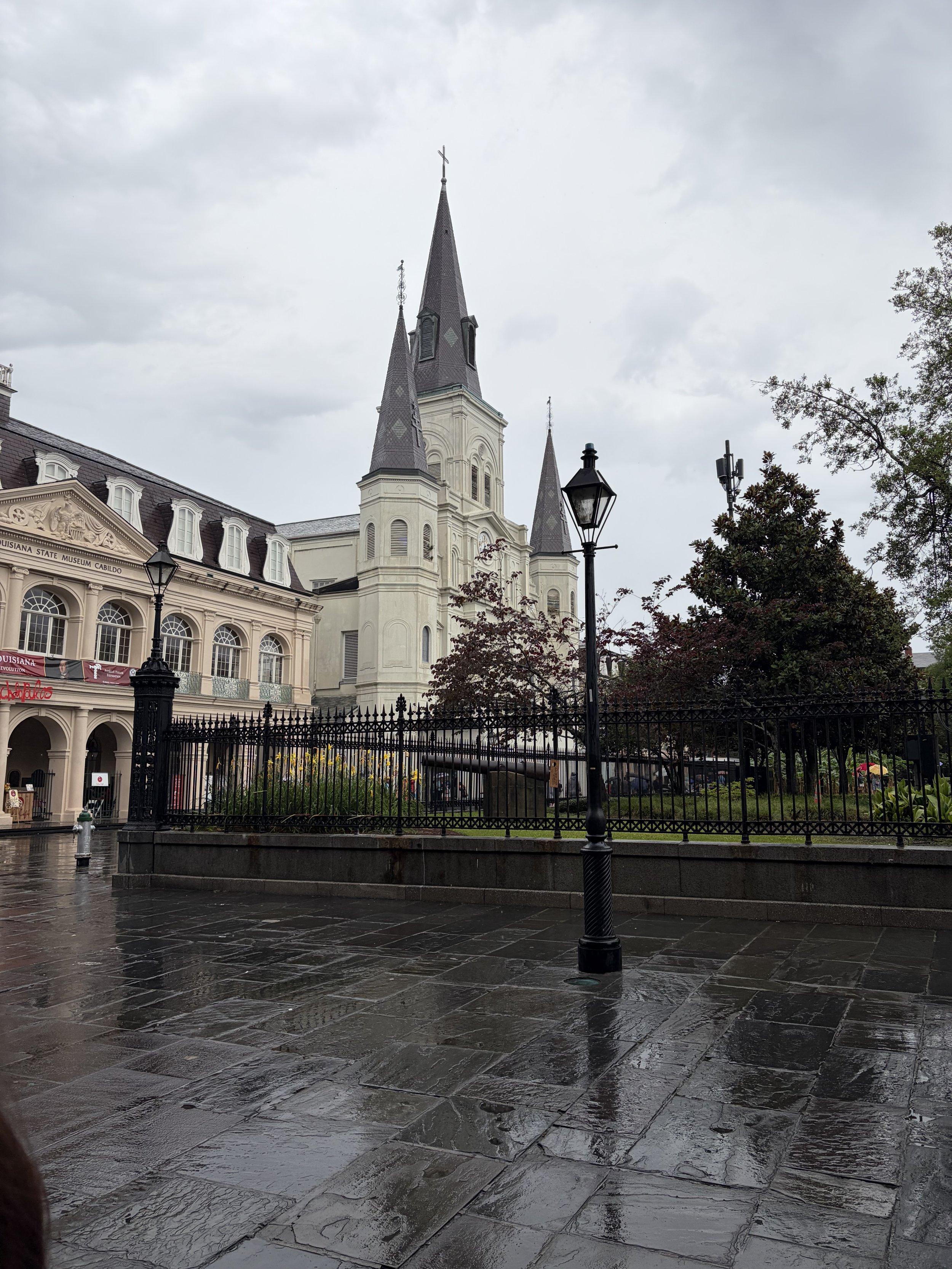
Being able to see and know the places being mentioned in the book added a whole new dimension to my reading experience that I rarely get to have. Funnily enough, I was a little glad that I wasn’t too far into reading Interview With The Vampire when arriving in New Orleans, because it allowed me to see the city, especially the French Quarter, in person sooner rather than later in terms of where I was in the book. When Louis mentions Jackson Square, the cathedral, the Mississippi River, the gas lamps, the flowers, and the colonial-style homes and apartments, I can not only picture them in my head while reading, but I’m envisioning a place that I was in, just a different time. This may not seem like the biggest deal, since the majority of the population are visual learners, but for an auditory learner like myself, it feels like Disneyland. I’m walking into a world that is based on stories, history, and myth, except instead of Aurora’s Castle, it’s a historical building on Royal Street. 

Picture From the Cathedral Described in the Quote

Furthermore, Interview With The Vampire is the book, I believe, that benefits the most from bookpacking. This is because Interview With The Vampire is not the greatest book ever written, and it does suffer from certain issues and flaws. Some examples are how long it can drag on at times, and the interview format, making it so that 95% (this is a guess and not a real statistic, but if it turns out that I’m right, I would not be surprised) of the text is written in quotes, causing unnecessary punctuation. Still, what Interview With The Vampire, and to a greater extent, Anne Rice does really well is the description of places, especially New Orleans. Although it can run a bit long, I admire her for her beautiful ability to describe New Orleans in the past and over the years while still being authentic. Due to how rewarding it is to follow Louis through History and the changing, yet still familiar, places in New Orleans, it makes for a real treat and one of the best books for bookpacking in particular.

This made me want to go back to all the books I read and enjoyed in the past and mark down the places where they are set and bookpack with them. This bookpacking experience made me realize just how much of the book I can be missing out on (and why I get so excited when a book has pictures). I am not afraid to say that I do not believe I would have liked Interview With The Vampire as much as I did if I weren’t reading it after exploring New Orleans. Because long descriptions of places or characters can often feel like a mental chore for me, bookpacking has turned it into a fun Easter Egg hunt of all the places or things I’ve visited or seen.

I do feel that, at times, the auditory learning community is unintentionally ignored in literature because describing places and people and how they look can open the door for beautiful and rich writing. However, getting that little extra help from bookpacking in the space made me feel more included in the Interview With The Vampire club. Although it is not the only reason (or main reason, for that matter), the description of New Orleans through the years is a major factor as to what made this book so successful. Because it does not matter how good or bad you might think the book is, it is impossible to deny the cultural impact it had and how it changed Vampires in the public mind for good. Being in the city where it happens makes not only the book much more enjoyable and interesting, but also the experience of the city itself. For me, that is what bookpacking is about.

Exchanging Sunset for Sunrise

I can not remember any other time I felt like this. I do not remember the last time I sat outside in the sun and read a book. The sun and I have a complicated relationship. As someone who could rival Anne Rice’s Vampire in terms of having pale skin, the sun has always been to me the inconvenient cause of sunburn. I love the sun’s beauty at golden hour, and I love being outdoors, but my goodness, putting on sunscreen and intense heat can get annoying. Yet, there I was reading The Confederacy of Dunces, The Awakening, and writing this post on the porch of the house as the sun rose.

For the first time I can remember, it felt like I wasn’t reading for a class, but for fun. I do find it incredibly humorous that I am a Narrative Studies major (which falls under the English department) who doesn’t often read for fun. That’s why I love taking classes with assigned reading, it gives me the motivation to read books I otherwise would not. But as I’m reading Kate Chopin’s The Awakening, I feel motivated to keep reading, not because we have to discuss the story in a seminar later, but because I want to know what happens. I am interested in Enda’s journey, and above all else, I am having fun.

This discovery felt like I was in my own sort of awakening. However, unlike the main character Enda, who discovers love and liberation, ultimately to realise that she can’t live the life she wants in 1870s society, my awakening was much less life-or-death. Still, both our awakenings happen in a similar way, at the beaches of Grand Isle, in a slow, unceremonious way.

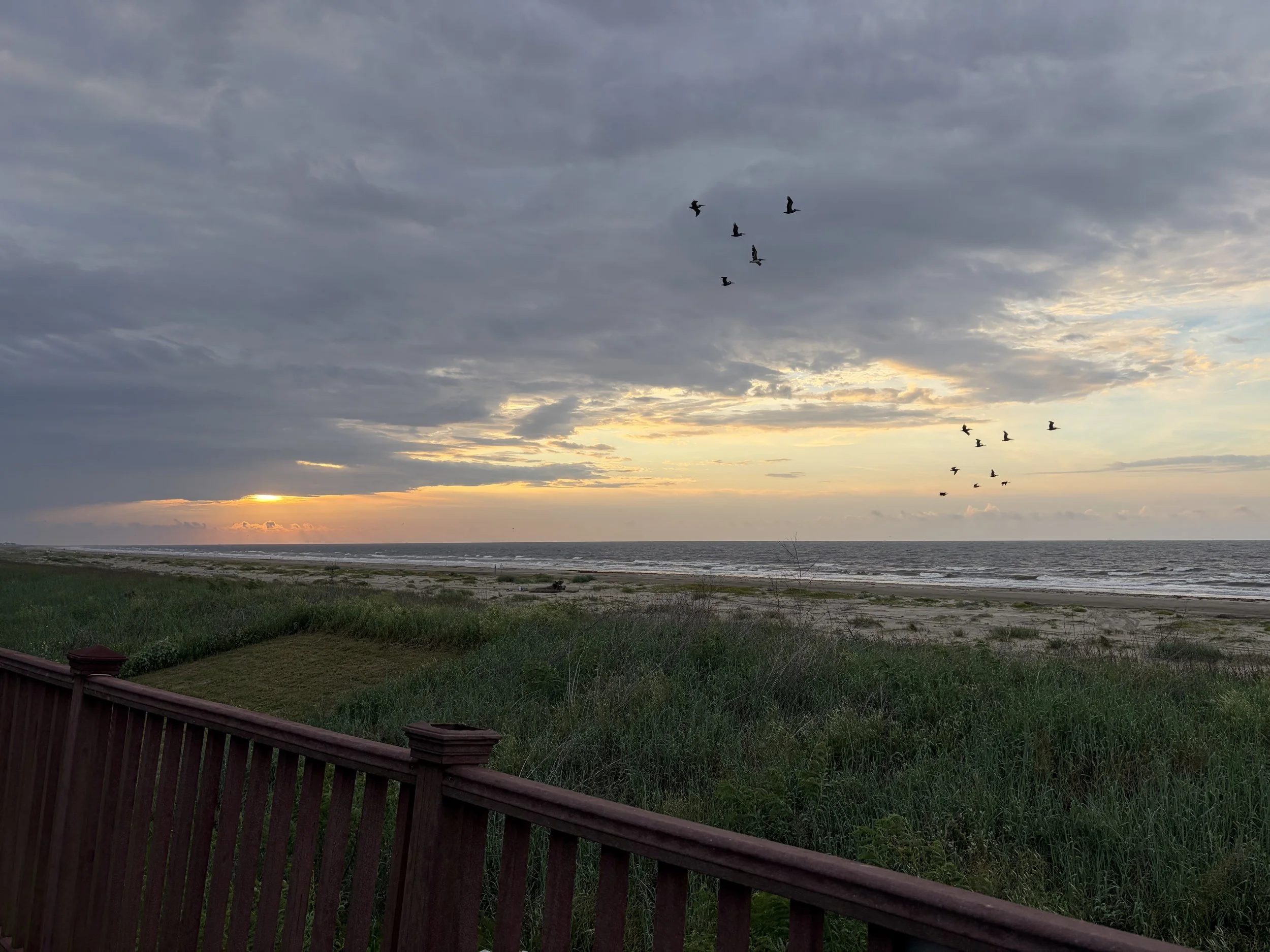
Image of sunrise at Grand Isle

While Edna swam to discover freedom, I read the book outside and on a couch. I made myself comfortable, I listened to the audiobook as I read along, and I became so relaxed that I needed to sit up to prevent myself from falling asleep. These actions are what led me to my awakening, but it wasn’t until the last day at Grand Isle that I made my full discovery.

If there is one thing you should know about me, it is that I am not a morning person; I am a night owl through and through. Yet, when someone suggested waking up early to watch the sunrise, I woke up at way too early o’clock to find that I was the only student sitting outside on the porch watching the sun rise. This is when I fully realized my awakening. The first part of this bookingpacking trip was about relaxing, and for the first time since last summer, I was fully and truly relaxed. And for the first time in recent memory, I was relaxed while doing work for a class. It is something about the bookpacking experience that allowed me to read with a sense of freedom and fun that Edna finds in the ocean. 

[Edna] turned her face seaward to gather in an impression of space and solitude, which the vast expanse of water, meeting and melting with the moonlit sky, conveyed to her excited fancy. As she swam, she seemed to be reaching out for the unlimited in which to lose herself.
— The Awakening by Kate Chopin

I have ADHD, Dyslexia, and Dyscalculia, which makes reading feel slightly daunting and draining at times. But there I was staying up late to read and waking up early to see the sun. Something that would never have happened without bookpacking. Bookpacking also improved my relationship with the sun. Because of how exciting travel can be, I don’t mind putting on sunscreen as much, and the ocean breeze helps with the heat.

Similarly to when Enda feels rushes of joy when she learns how to swim, she begins drawing again, and she buys her new cottage. I felt excitement and joy for our trips to the different spots on the island, even the drive was fun because of all the colorful houses. I was eager to hear what my classmates thought of the stories we were reading and excited to watch TV with them at night (even though horror is not my genre of choice). I became so in love with Grand Isle that I started building a home in Minecraft that was inspired by the beautiful and colorful architecture of the raised houses. I even started taking pictures of houses I liked on the way to the supermarket to use as reference photos.

There was a short moment when I became a little sad. It wasn’t because we were leaving Grand Isle, because I am more than excited to see New Orleans, but because I realized that I have been stressed and overloaded with things to do for so long. Like how Edna feels ennui, I felt that I had unintentionally been hurting myself by working on too many things, leading to massive burnout. I felt guilty because I had forgotten how to relax while also working on assignments. Although it is true that this semester I may have bit off more than I can chew, I have to give myself grace. Grand Isle has let me take a step back and reflect on my life, and at the end of the day, I’m a rising Junior who is still trying to master what is a manageable workload and discover what I want to do with my life. I may have a bit of guilt for pushing myself to the limit, but I am glad I am pursuing different paths to find what I like, love, and hate. And if it wasn’t for my adventurous attitude, I might have never gone bookpacking.

As someone who comes from a family of travelers and loves to travel, we have a saying: traveling changes you. I always assumed that the farther you were from home, the more you would learn and change. However, as I sit here in Grand Isle, still in the United States. I learned that it is not as much the distance that ushers change, but the experience. It is my first time bookpacking or doing anything like it. It has taught me to relax and to enjoy reading more than a normal trip to Grand Isle ever would.