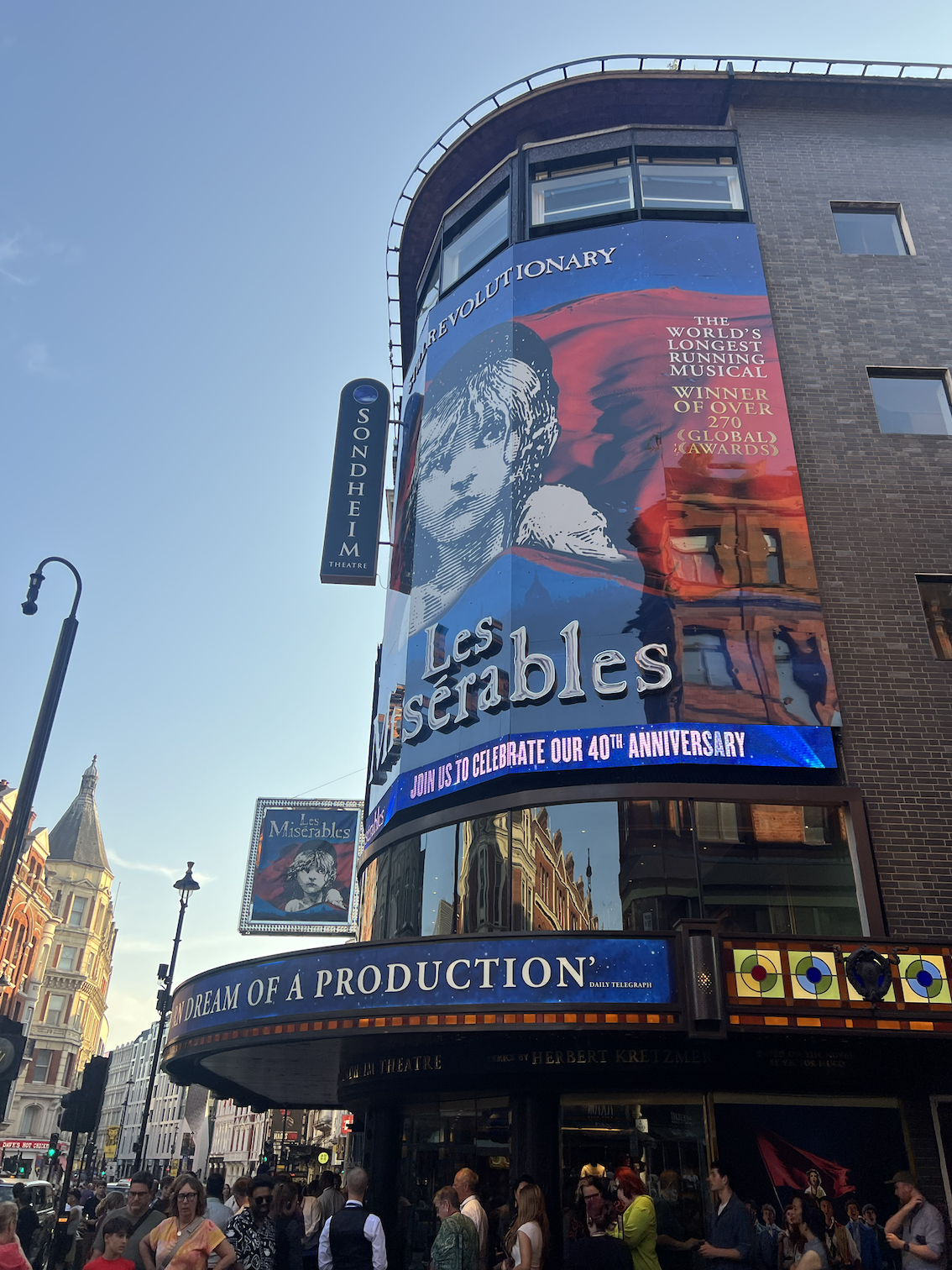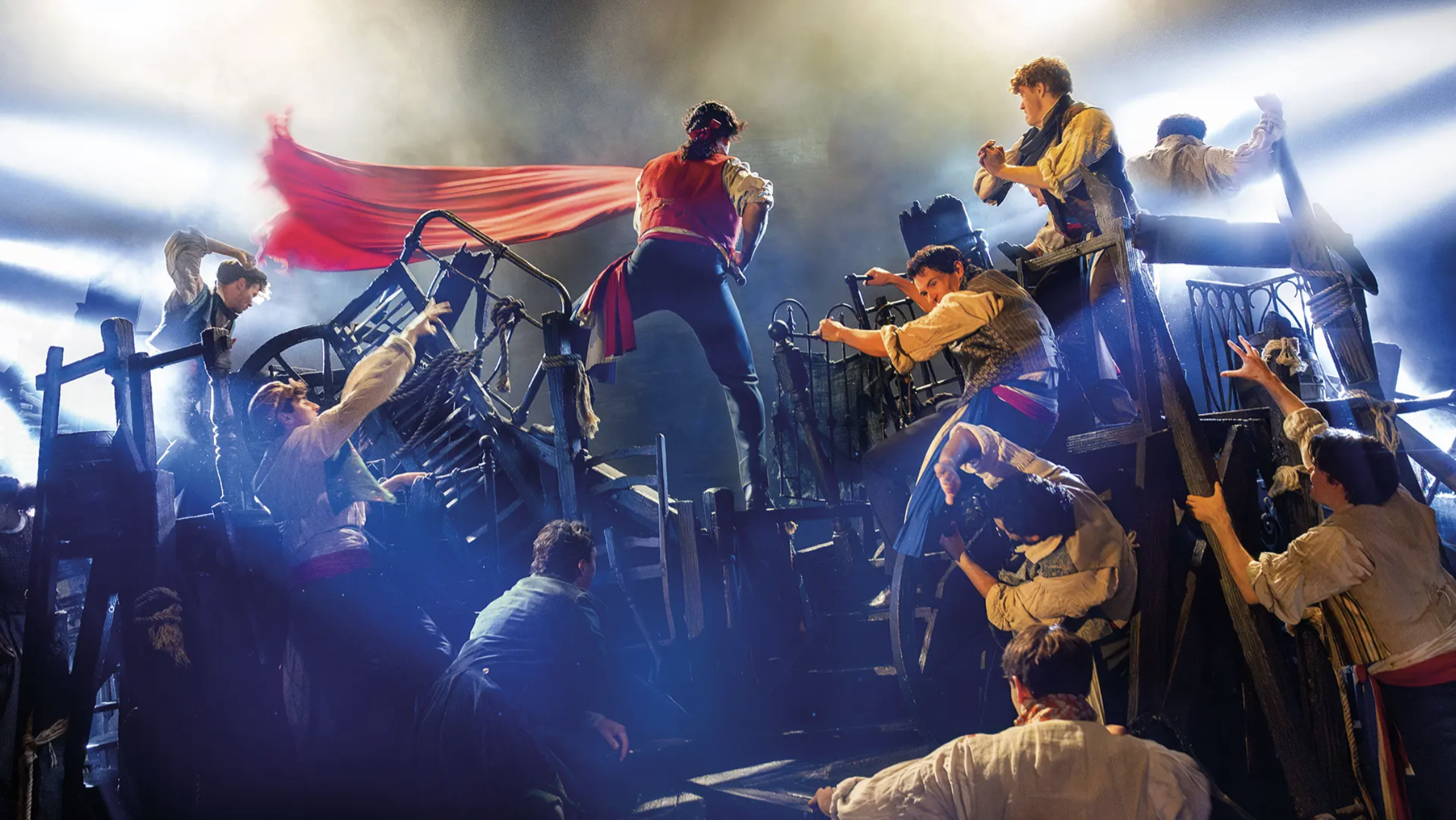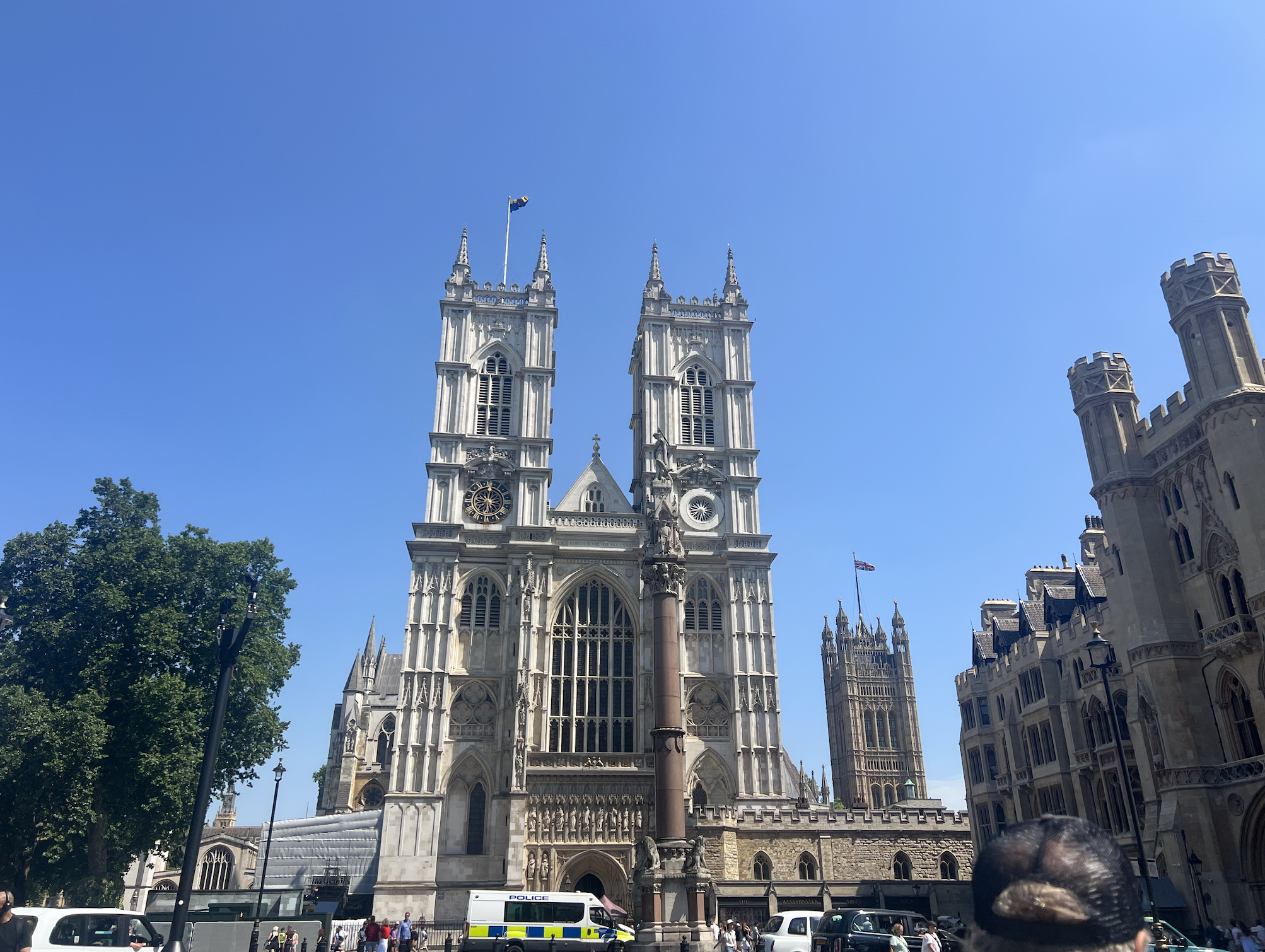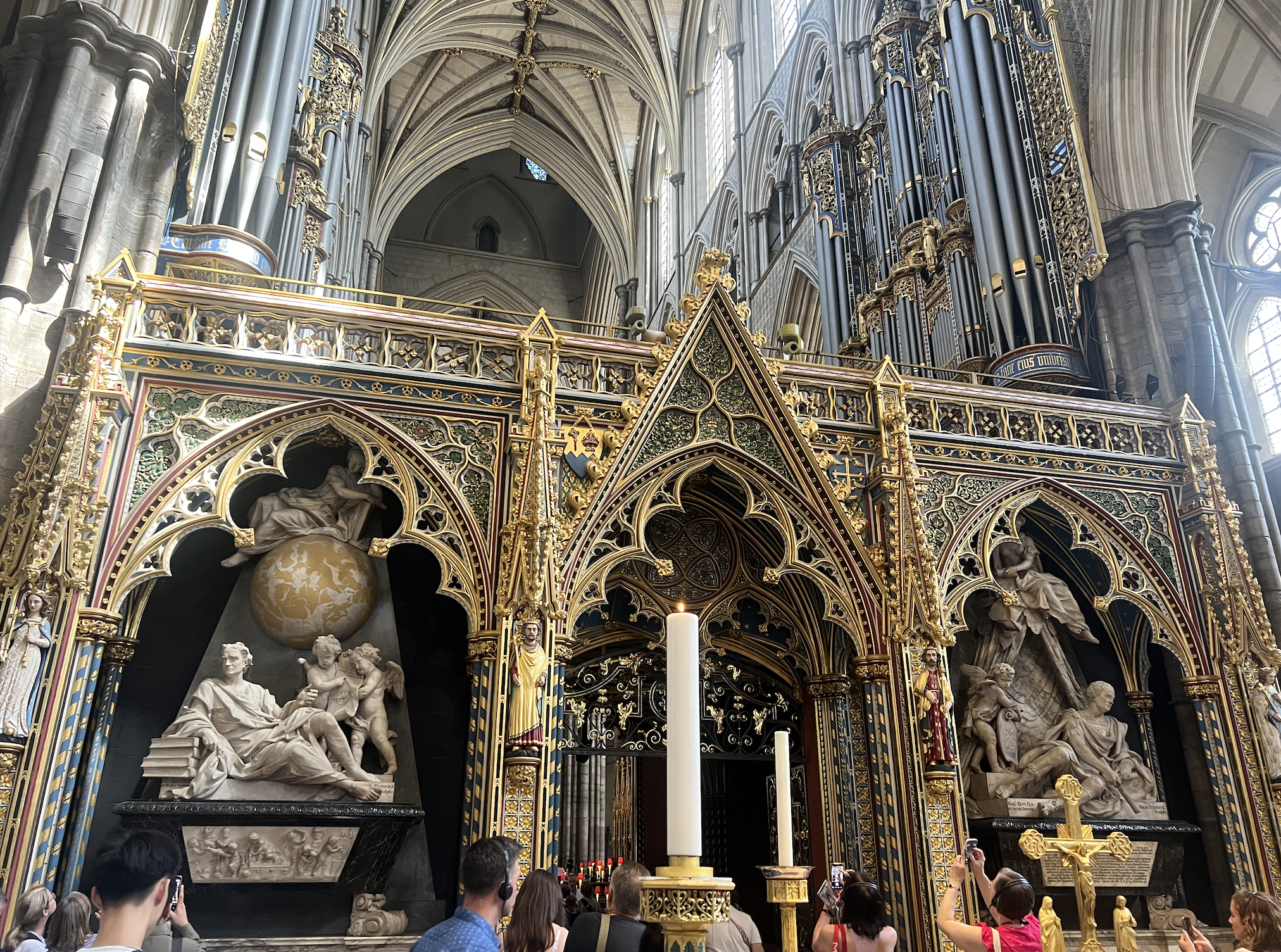
As we wrap up our bookpacking experience, I am writing this blog with a bittersweet feeling. It has been such an incredible adventure that must come to an end, but I am able to carry away the knowledge and memories of this class. There have been so many things that I have learned through reading and walking through the words of Victor Hugo and Charles Dickens, and through the minds of their novels characters. I have learned how to approach classic novels, learned about the history of France and how it impacts the present, and have learned so much about the ideas and beliefs of society. Everything that I have learned has been so meaningful, though I would like to highlight one topic in this short blog which I found particularly impactful, which is that of human connection, relationships, and love for one another.
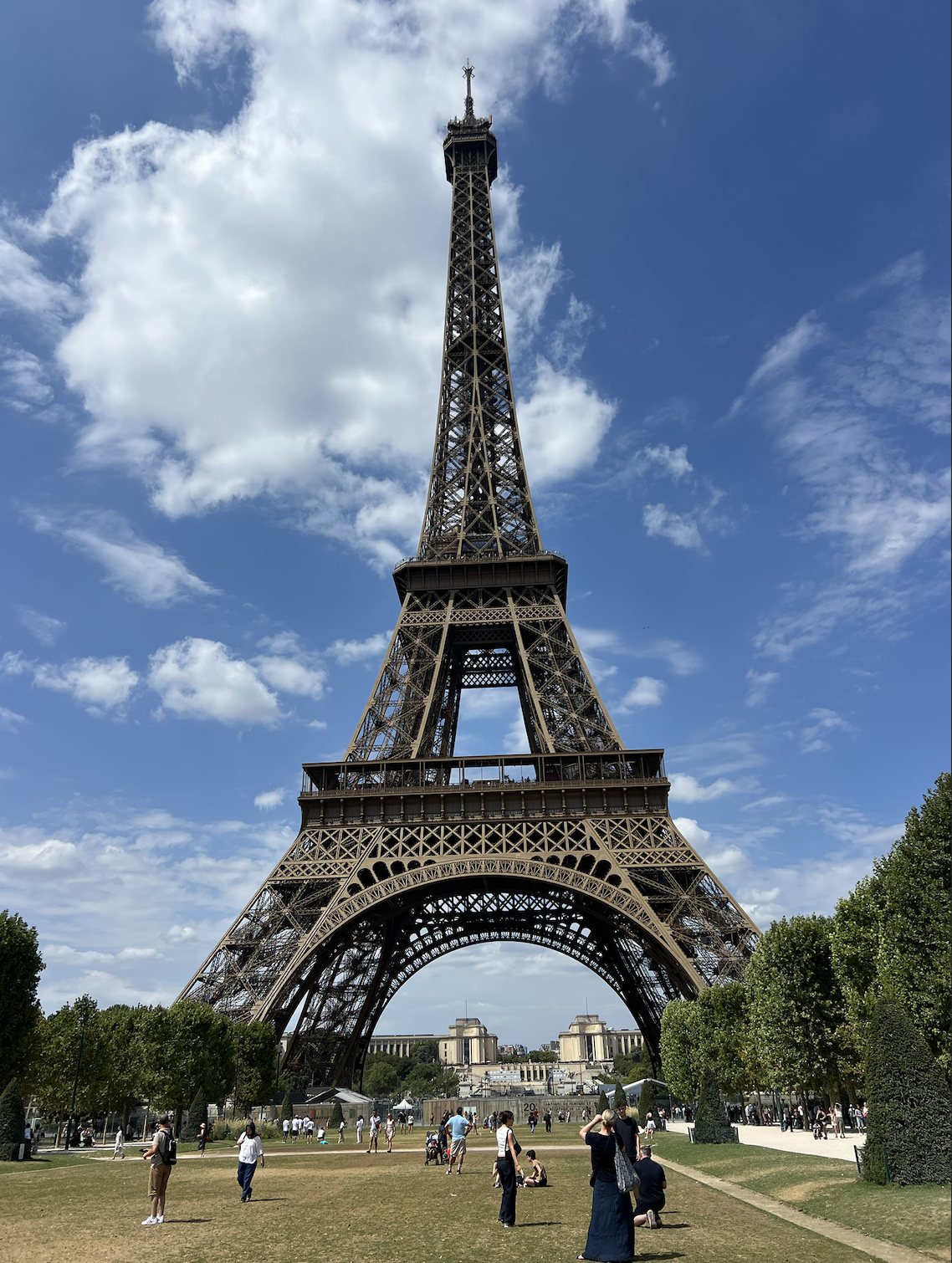
Eiffel Tower
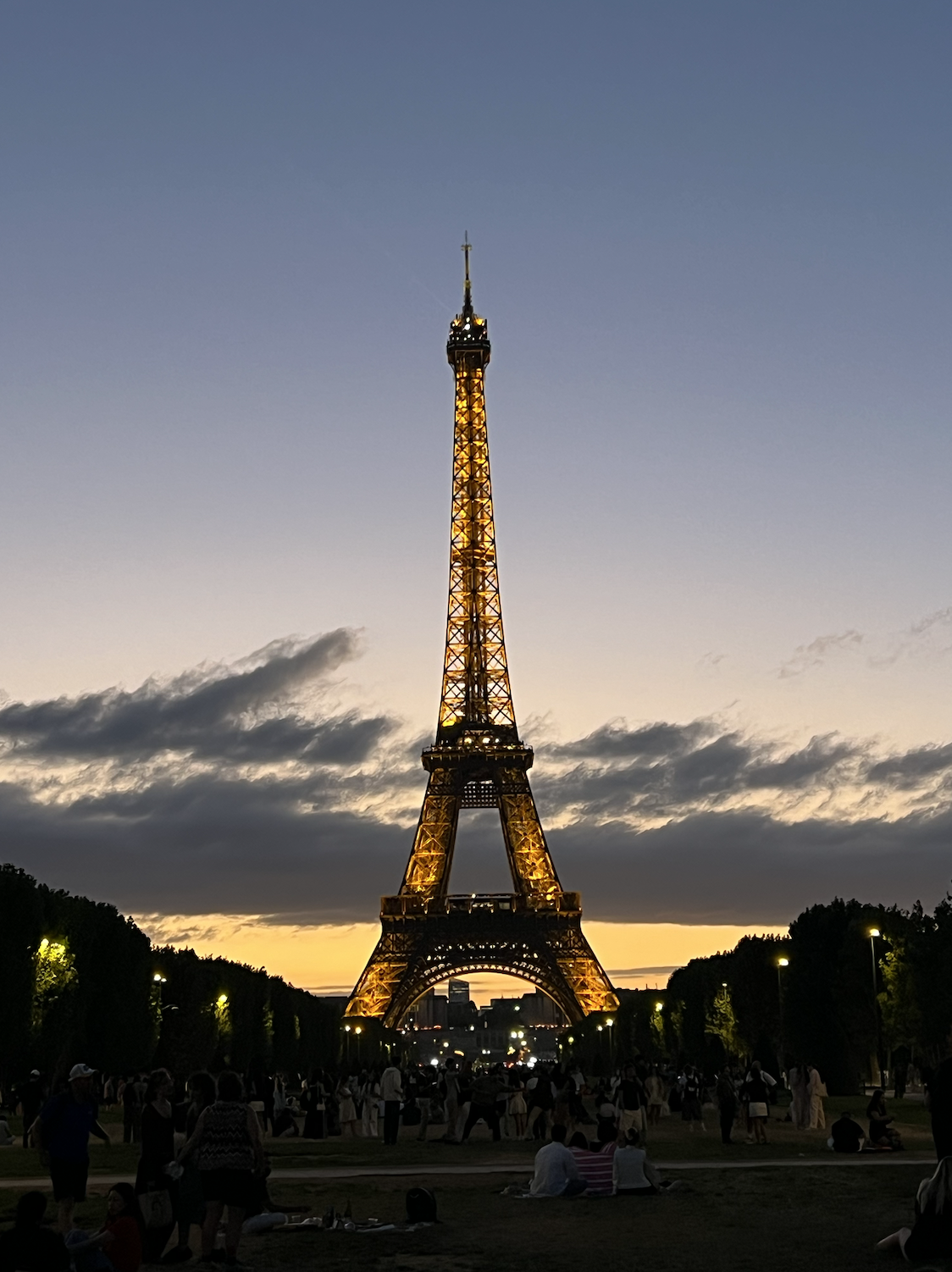
Eiffel Tower
Les Miserables I found significantly discusses this topic of connection and love. Victor Hugo’s writing on this struck me in such a way that he was portraying these things as what being human is about, and that they are the strongest forces in times of both darkness and light. Having spent three weeks in Paris, I found that this city speaks to me similarly. When I visited the Eiffel Tower was when this idea came all together, which I know is just so extremely cliche, but looking around me I was surrounded by this as I could see all the various types of relationships and love that fill the space. A couple sitting in front of me, a child running in circles around their parents who watched with amusement, and when I looked closer I was lucky enough to be surrounded by the laughter and smiles of friends. In Les Miserables we are also shown various forms of love and connection. Romantic love through Cosette and Marius, familial love through Jean Valjean and Fantine's care for Cosette, and also friendship through the ABC. Through these connections between one another we saw how it can influence change in one's person, allow forgiveness, bring happiness, and change one's life.
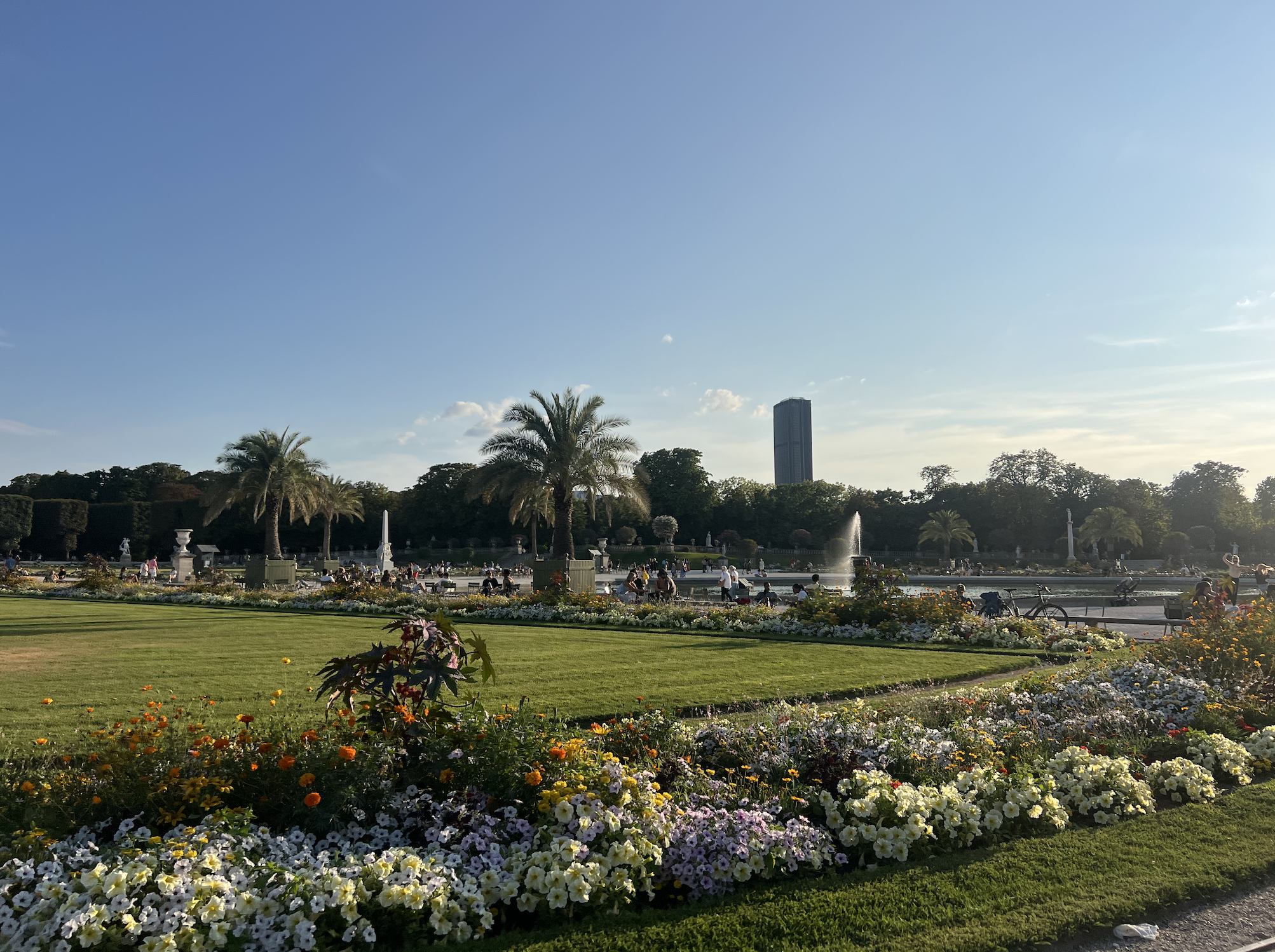
Luxembourg Garden
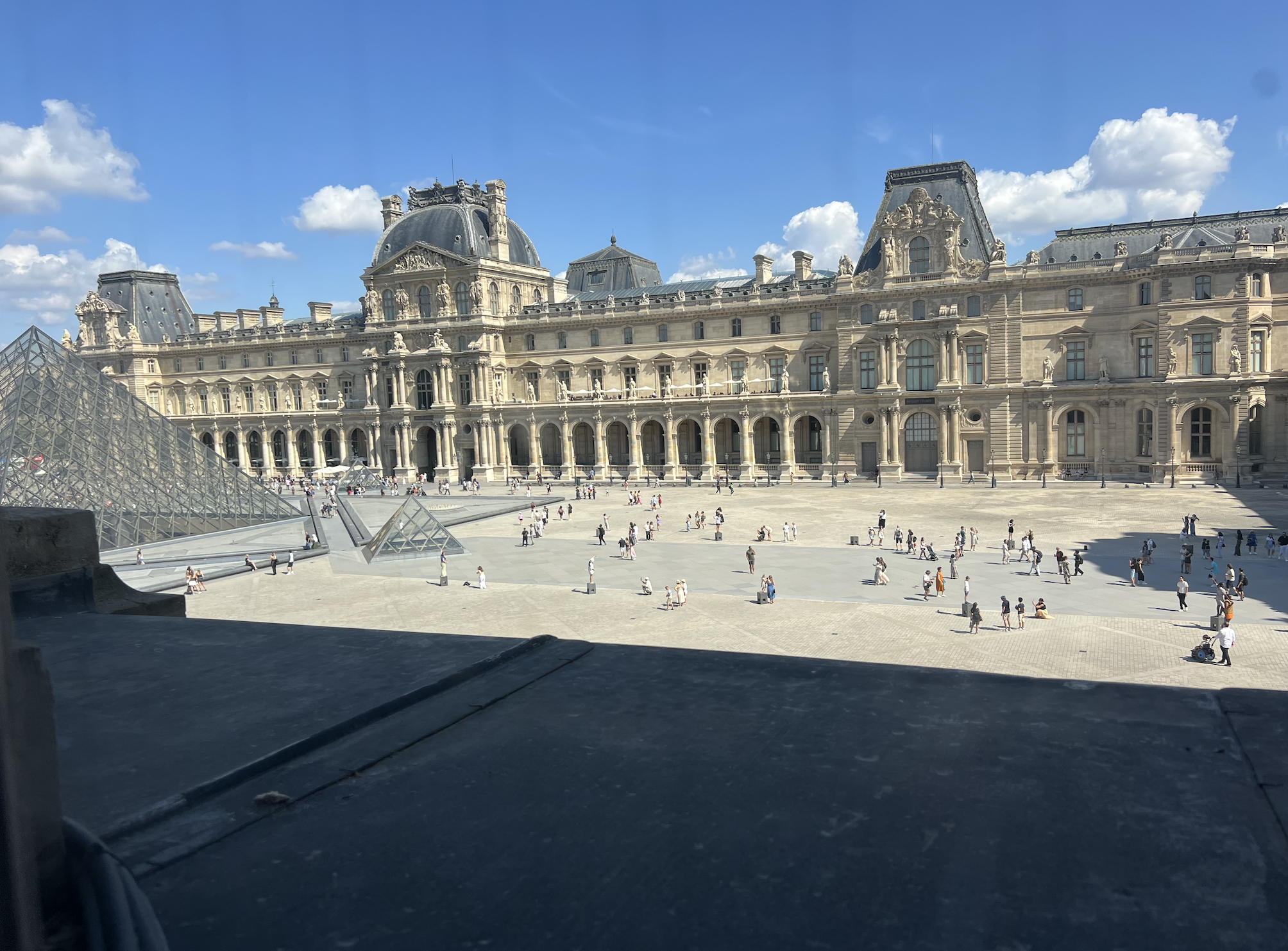
The Eiffel Tower wasn't the only place I found this, it is all around this city. The Luxembourg Garden carries an ambience of peacefulness and beauty in a way that creates this sense of romance as one walks through the paths, past the fountains and flowers. Art was plentiful in showing these connections as well. The Louvre contained many paintings portraying love. For instance, maternal love, the relationship between mother and daughter was seen through Self-Portrait with Her Daughter, Julie by Élisabeth Louise Vigée Le Brun. I found portrayals of romantic love and youthful love through Daphnis and Chloé by François Gérard, and The Loves of Paris and Helen by Jacques-Louis David.
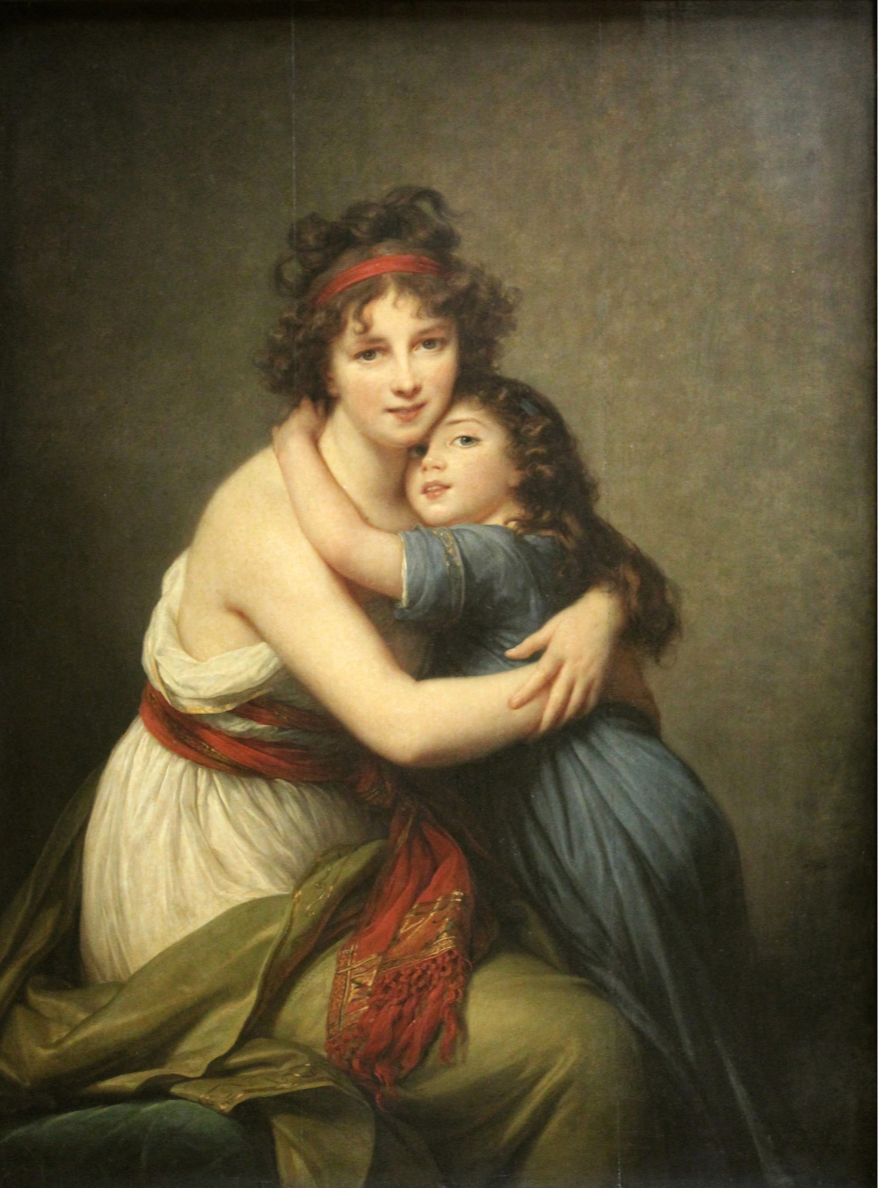
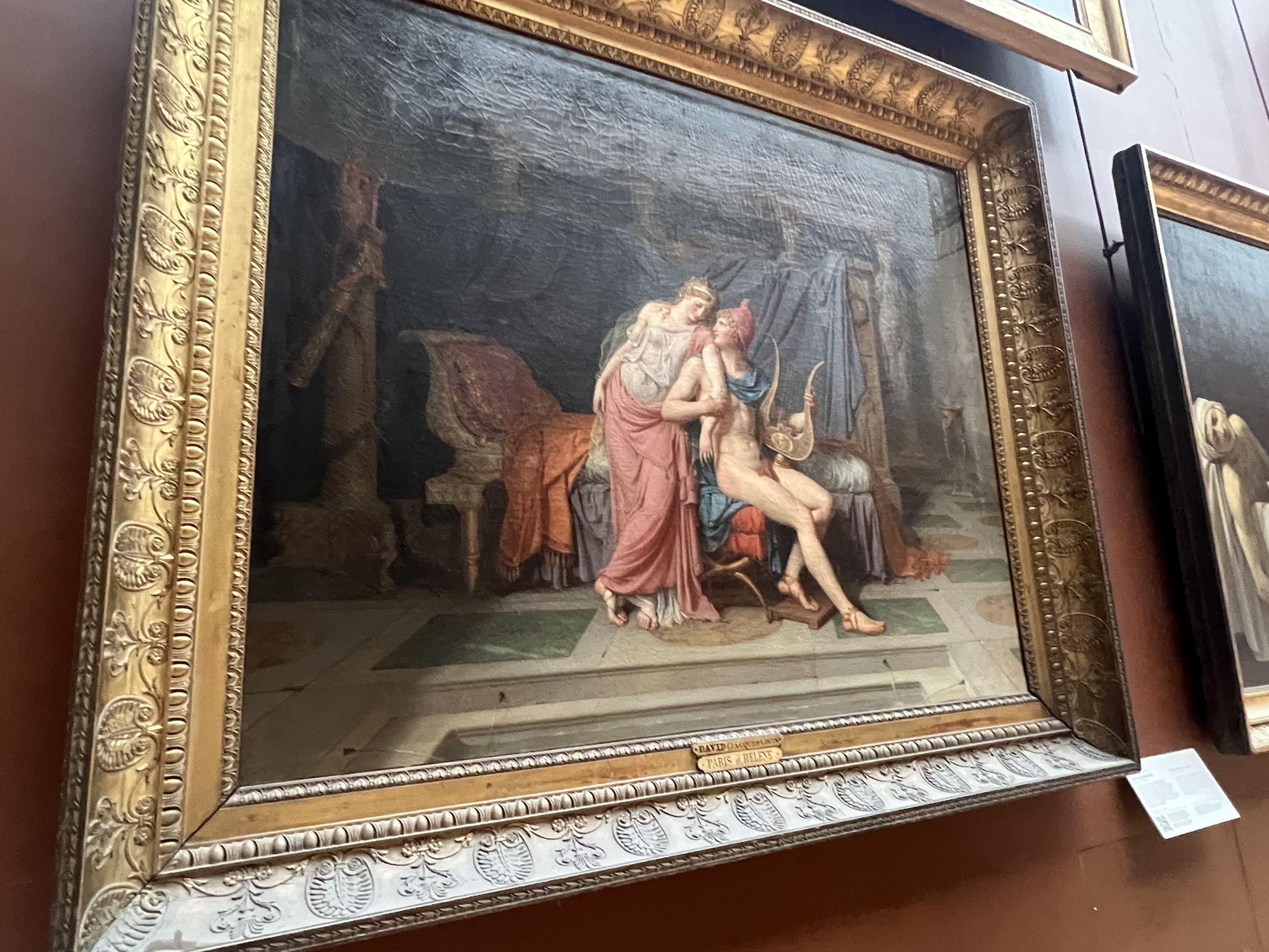
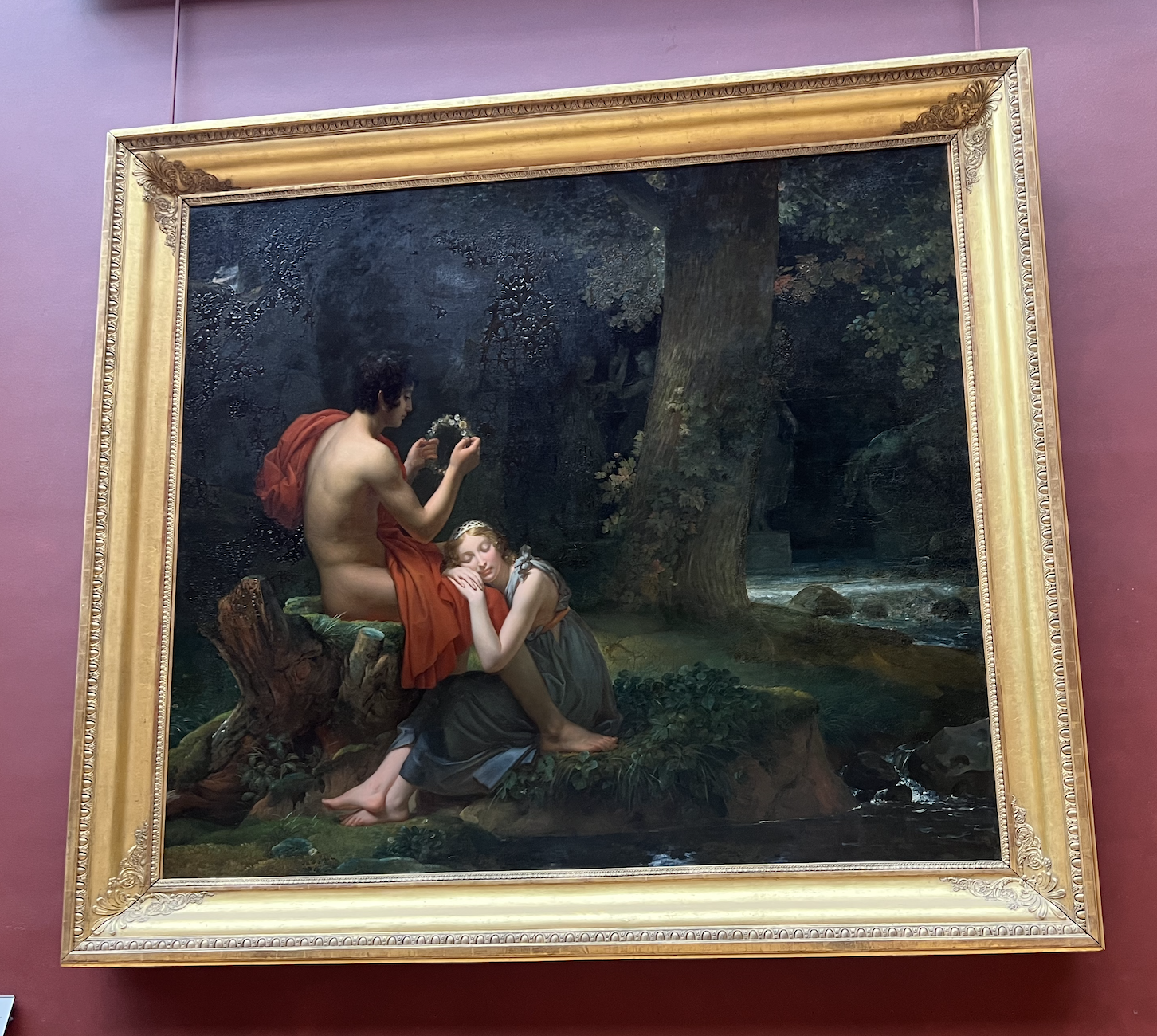
Looking back at what I have mentioned above I have gained an evolved perspective on what connection and love in society can be. As I walk away from this time I want to carry the idea of love shared by Hugo which is that love, kindness and compassion are what allow us to fight against the darkness that surrounds our society. Importantly, this must be shared to all individuals of society, including people who society has shunned and marked as undeserving of these. By sharing love, compassion, and kindness we can stand alongside all and allow opportunity for redemption, turn around, healing, and ultimately happiness and love for all.
I would like to end my blogs with a thank you to Professor Andrew, my amazing classmates, and the cities of London and Paris for this incredible experience.