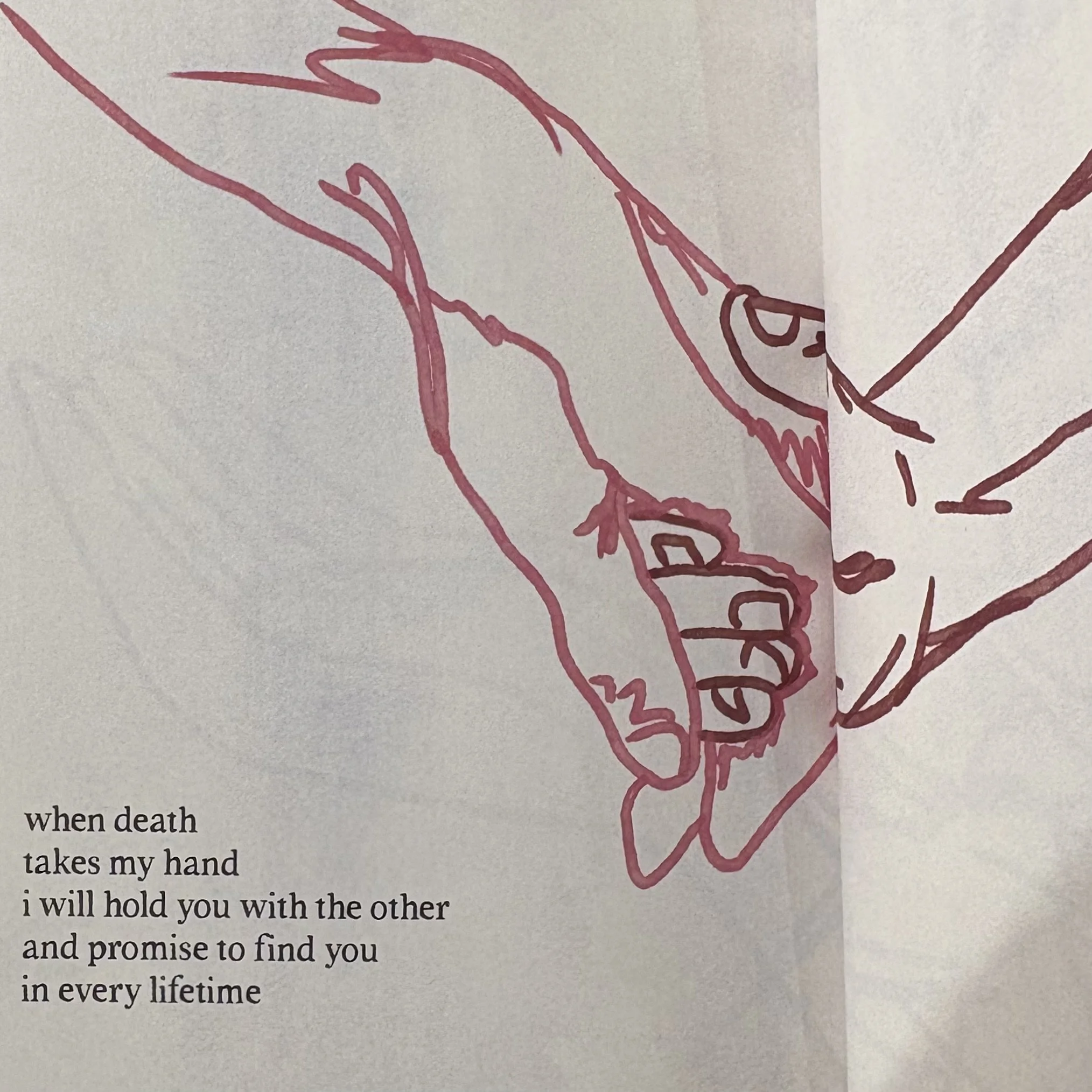
I’ve been debating how to open this blog. I thought maybe a rhetorical question could be good, real solid English class stuff y’know? I’ll list a few potential openings. Why do bad things happen to good people? Can a single person make a difference? What is the point of life? You can see why these are perhaps not the best openers. They’re a little much for a student travel blog…
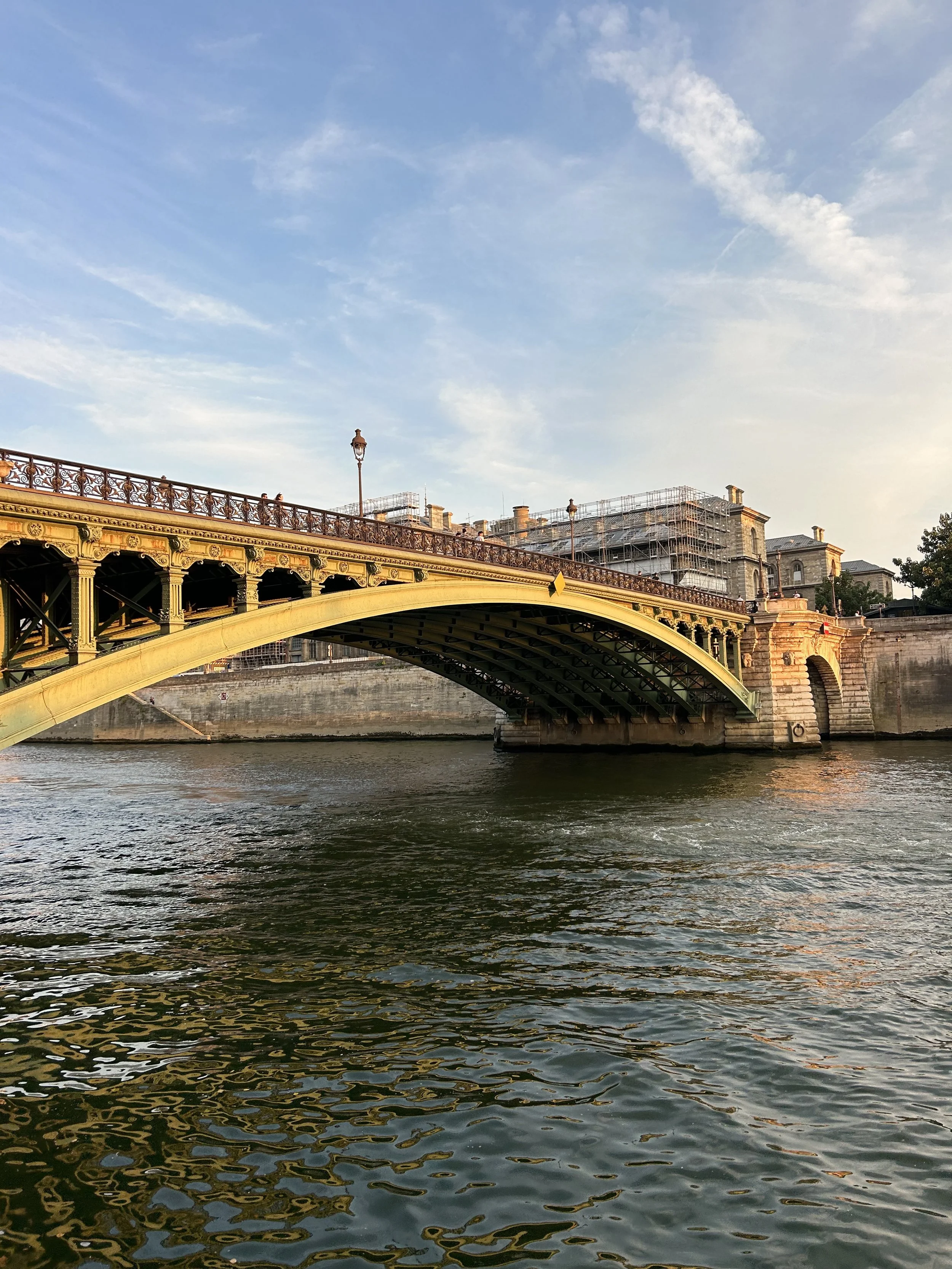
The Seine, where Javert takes his fatal jump.
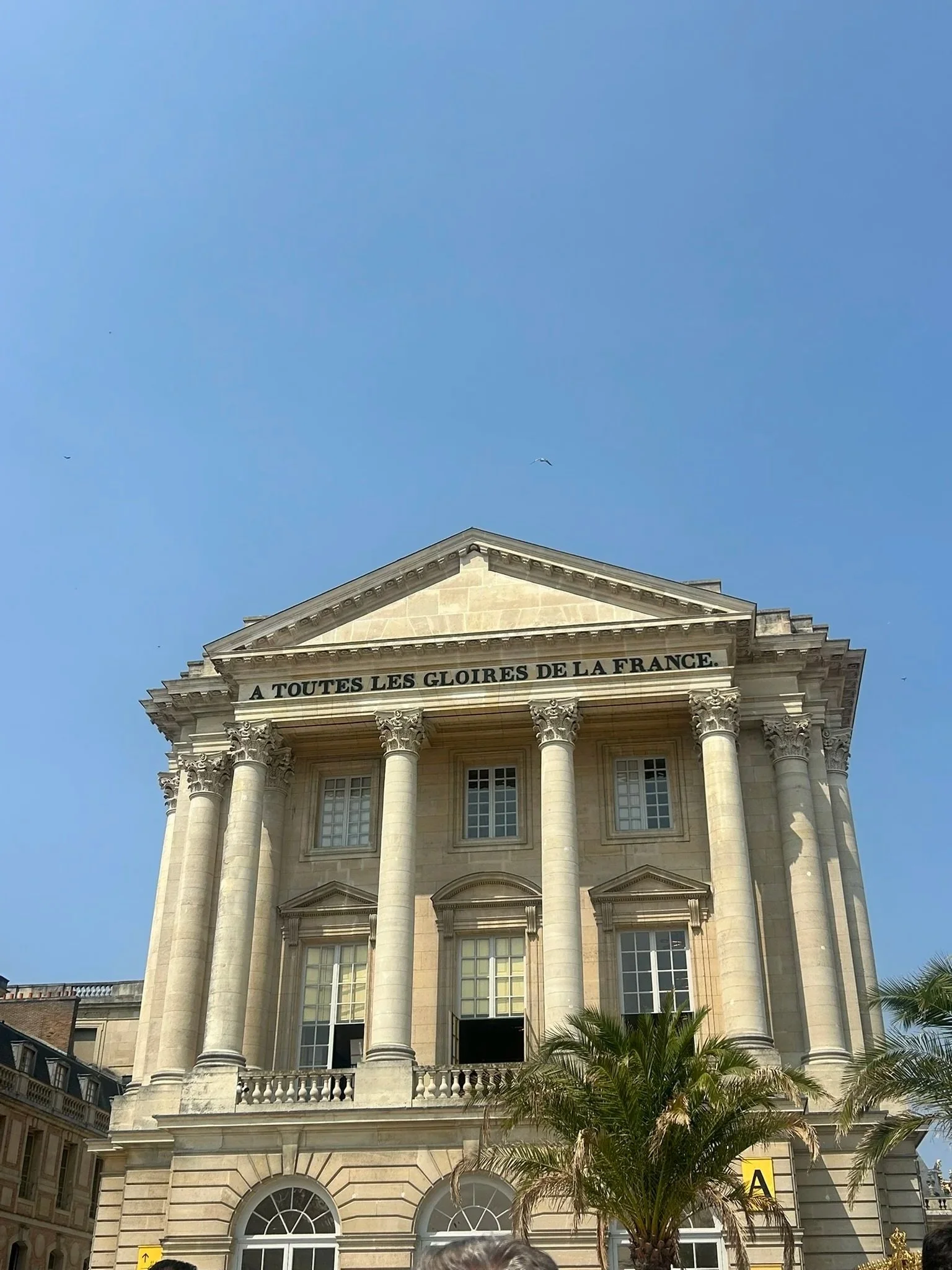
Truthfully though, during our time bookpacking I've asked myself more questions than I’ve answered. Getting an entire month to unpack (bookpack some might say) A Tale of Two Cities by Charles Dickens and Les Misérables by Victor Hugo has been wonderful. It has been a gift to be able to take time and sit with the texts. To walk the streets as the characters did and try to place ourselves in their shoes. To imagine a Paris in the midst of revolution and domestic bliss.
A Tale of Two Cities was published in 1859, with Les Misérables published shortly after in 1862. That’s 167 years ago. Yet here we are, meeting outside the Sephora searching for traces of the higgledy-piggledy (a beloved phrase within our class) Paris of the past. So, here’s another loaded rhetorical question– why are we still reading books from 1859 and 1862 today?
I’ll give you my long-winded answer.
I knew, vaguely, that these were notable books before reading them and the titles were largely the reason I wanted to take the class. Both books have been on my “To Read” list for a while now, probably having been added after looking up classic literature lists. And yet, I knew, if I was not incentivised, I was never going to finish Les Misérables. When I was 8 my voice teacher showed me her copy in preparation of doing the musical. I looked at “the brick” as we call it and decided right then I could never do that. So, to spite myself I decided I could and I would. I’m grateful I did.
So, what makes us want to read these books today? Even when I was young, I understood there was something moving about Les Misérables. My sister was playing “a lady of the night” in the junior production of Les Misérables, so naturally we were front row for all 8 shows. I cried every single time. I don’t think I even understood what had upset me so much. I’m sure I hadn’t picked up on any of the plot, I just knew that people were experiencing great hardships that I could never have imagined. This was probably one of my first exposures to art exploring both the highs and lows of the human experience. As I read Les Misérables in preparation for the class, I once again found myself with tears in my eyes, but this time I was able to take in the work in its original, full, unabridged glory.
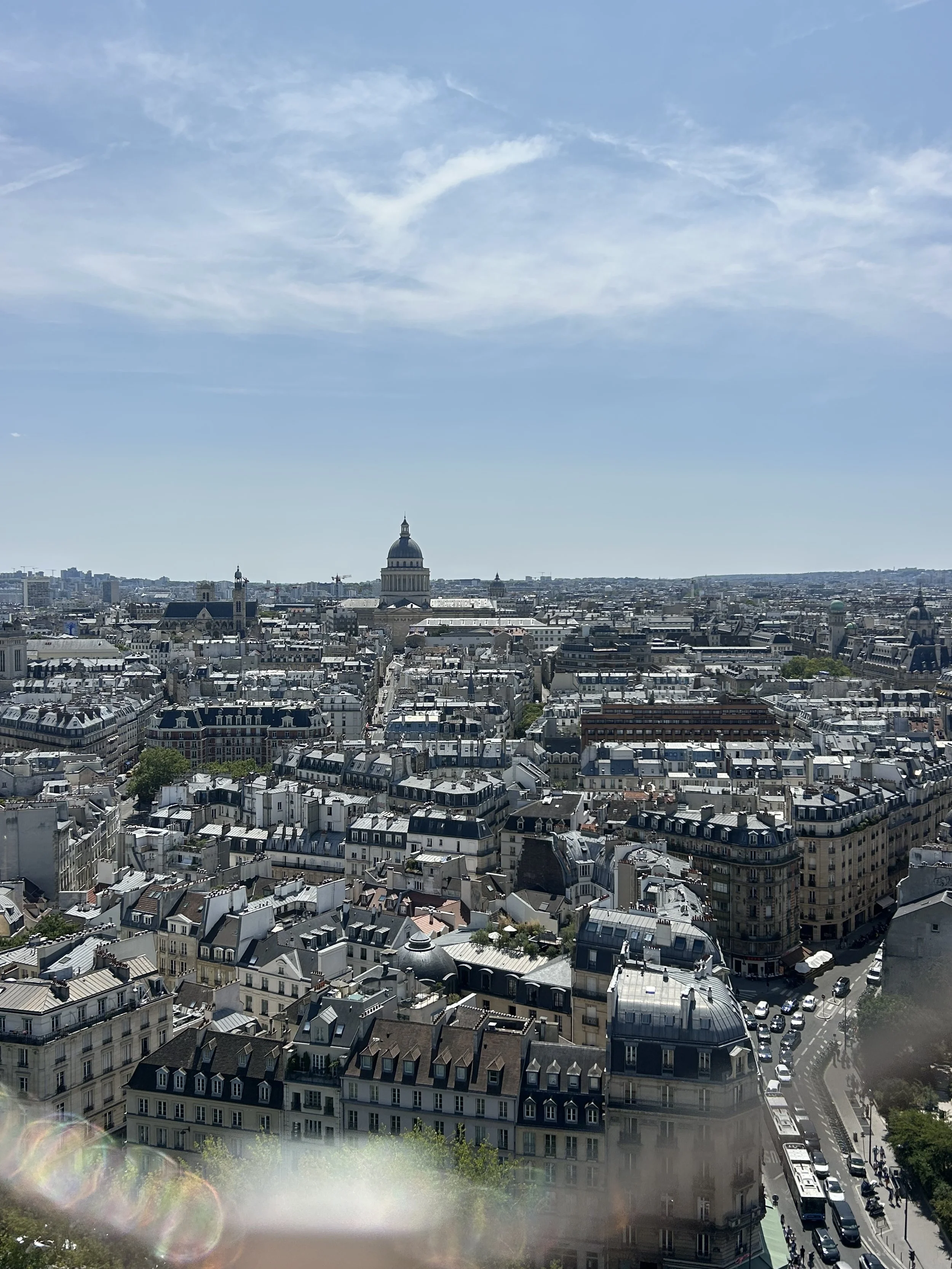
The view from a tower In Notre Dame.
Hugo’s work is so reminiscent of Paris itself. When we trace Jean Valjean and Cosette’s escape from Javert, you get a sense of how one can disappear amongst the diagonal streets and alleyways. When reading the book back home, it often felt so sprawling yet specific that it was hard to make sense of, but when you stand at the students’ barricade of 1832, you get a sense of the people over the individual. The book does a marvelous job of helping modern readers understand the political state and tension of the time. It covers important historic moments with a degree of detail not found in most academic materials. But even with the Waterloo tangent being delightfully entertaining, the most memorable moments for me, were tied to the personal journeys of characters. These moments are why I believe we still care so much about this text. Detached recountings of the July Monarchy and June Rebellion are plentiful, but heart wrenching tales of friends standing beside each other before the National Guard are more rare and to me, more valuable.
In my screenwriting courses at USC, we talk a lot about the personal being the universal. I find this to hold true for Les Misérables. The French Revolution, and the following cycles that Les Misérables follows, are incredibly important in human history’s march toward democracy. But numbers and facts can only tell you so much. It’s the characters and relationships that impart a sense of scale, cost, and purpose to such events. Through characters like Marius and his grandfather, we get to understand how different political beliefs interacted with each other. Marius being cast out of his own home by his royalist grandfather for his initial admiration for Napoleon speaks to the political tension of the time. Beyond this, Hugo can dive deeper than many academic works, he is not constricted by what we deem important enough to be remembered.
“History neglects nearly all these details, and cannot do otherwise: it would be overwhelmed by their infinitude. Yet these details, wrongly called trivial - there is no trivial fact in the affairs of man, no trivial leaf in the vegetable world - do serve a purpose. The features of the years are what the face of the century is composed of.”
With this in mind, it makes sense why Hugo covered the students’ barricade of 1832. There was no great change as a result of the fight, and the students are brought down in a horrific, beautiful ending. Its lack of place in textbooks does not make it insignificant. Real people’s lives were lost, real lasting damage was done.
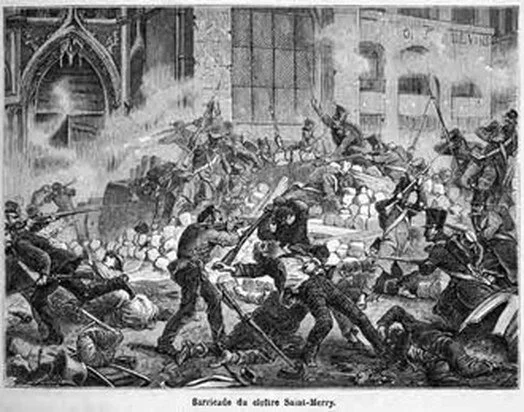
Depiction of the barricade from Les Misérables.
Les Misérables does not let you separate yourself from the past, it puts you in it. And once you are in it, it can feel an awful lot like today. And for me, that’s why it is still moving. Circumstances change, but grief and pain are a human truth that 167 years cannot change. There are many ways in which you could draw comparisons between modern day and Les Misérables. Parallels are plentiful for the inequality and injustice of life, and these instances are best felt through the experiences of characters. The unfairness of Jean Valjean's punishment evokes the same anger within me that cases of oppression do today. This is a gift. Hugo reminds readers,
“The counterfeits of the past assume false names, and gladly call themselves the future. This specter, this past, is given to falsifying its own passport. Let us inform ourselves of the trap. Let us be on our guard. The past has a visage, superstition, and a mask, hypocrisy. Let us denounce the visage and let us tear off the mask.” ”
Here lies one of the great importances of connecting to our past. Hugo provides a wonderful opportunity to fulfill our great duty.
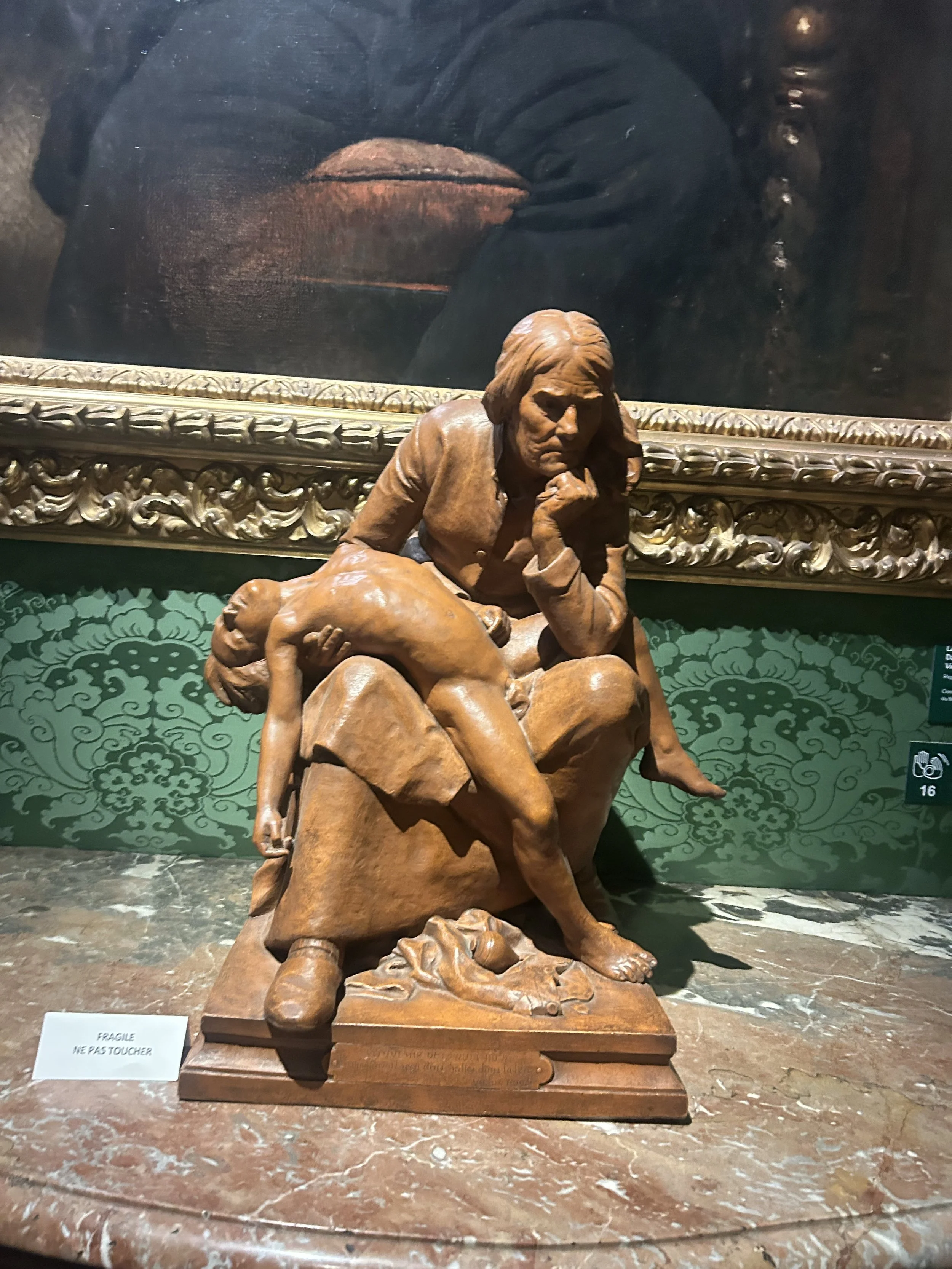
Sculpture from Victor Hugo’s Paris residence. The piece was inspired by imagery from Hugo’s political poem Souvenir de la nuit du 4 ("Memory of the Night of the 4th").
Honestly though, the most special part of reading this book had nothing to do with recognizing that we are constantly writing the history of tomorrow. To me, I cried while reading this because it reminded me that while there will always be darkness, there will always be light. Les Misérables does not sound like a happy book, but happy is a strong word. Les Misérables does not shy away from the hard and horrible truths of life. The world and the society we have created is unfair and unequal. Circumstance is not always under your control. Bad things will happen to good people.
I lie awake a lot thinking about this. Why? Why do bad things happen to good people? I haven’t got an answer and Les Misérables does not try to offer one. Instead, it offers time to grieve and a reason to hope. Marius loses the friends that had become his brothers. Hugo does not try to diminish or distract from that grief. He acknowledges it and holds your hand. He says to find joy and happiness not in spite of pain, but because of it. Life is as horrible as it is incredible. During Marius and Cosette’s wedding Hugo writes,
“To have suffered, how good it is! Their grief made a halo around their happiness.”
I’m not sure I have quite as much conviction, but I can appreciate the sentiment. Hugo provides hope where he cannot provide answers. Monseigneur Bienvenu, the bishop who sets Jean Valjean on his path to goodness, is a testament to the change a single person can create. He wasn’t like Napoleon, deliberately deciding the fates of so many men. Monseigneur Bienvenue lived his life with compassion and kindness, and even if it had only reached one person, he still would’ve changed the world. In just Jean Valjean’s story, the lives of many were improved and so much love was born. And is that not the point of it all? To love others and be loved in return? Death is an unchangeable facet of life and what it takes cannot be returned. This is the hardest truth I’ve ever had to reckon with. In my life I’ve been trying to figure out how to go on living while those that I love cannot. I tried to cry quietly as we watched the musical adaptation of Les Misérables. The haunting loneliness and pain of “Empty Chairs at Empty Tables” seemed to speak to my grief so profoundly I didn’t know what to do myself. So I cling to Hugo’s closing reflections, the one that reminds me why the book mattered then, today, and tomorrow.
“To love or have loved, that is enough. Ask nothing further. There is no other pearl to be found in the dark folds of life.”