The City of New Orleans

As I spend my time reflecting on my time here in New Orleans, I have come to some revelations. It's hard, really, to write more — I think I've covered a lot surrounding my sentiments of the city covering different topics and backgrounds. So I think I'll just take some time to appreciate the city for what it is. I guess I could talk a bit about the difference between Louis and Lestat, or I could talk about Binx. But ultimately, I think what I want to say is something those books already know, and that I've also caught up to.
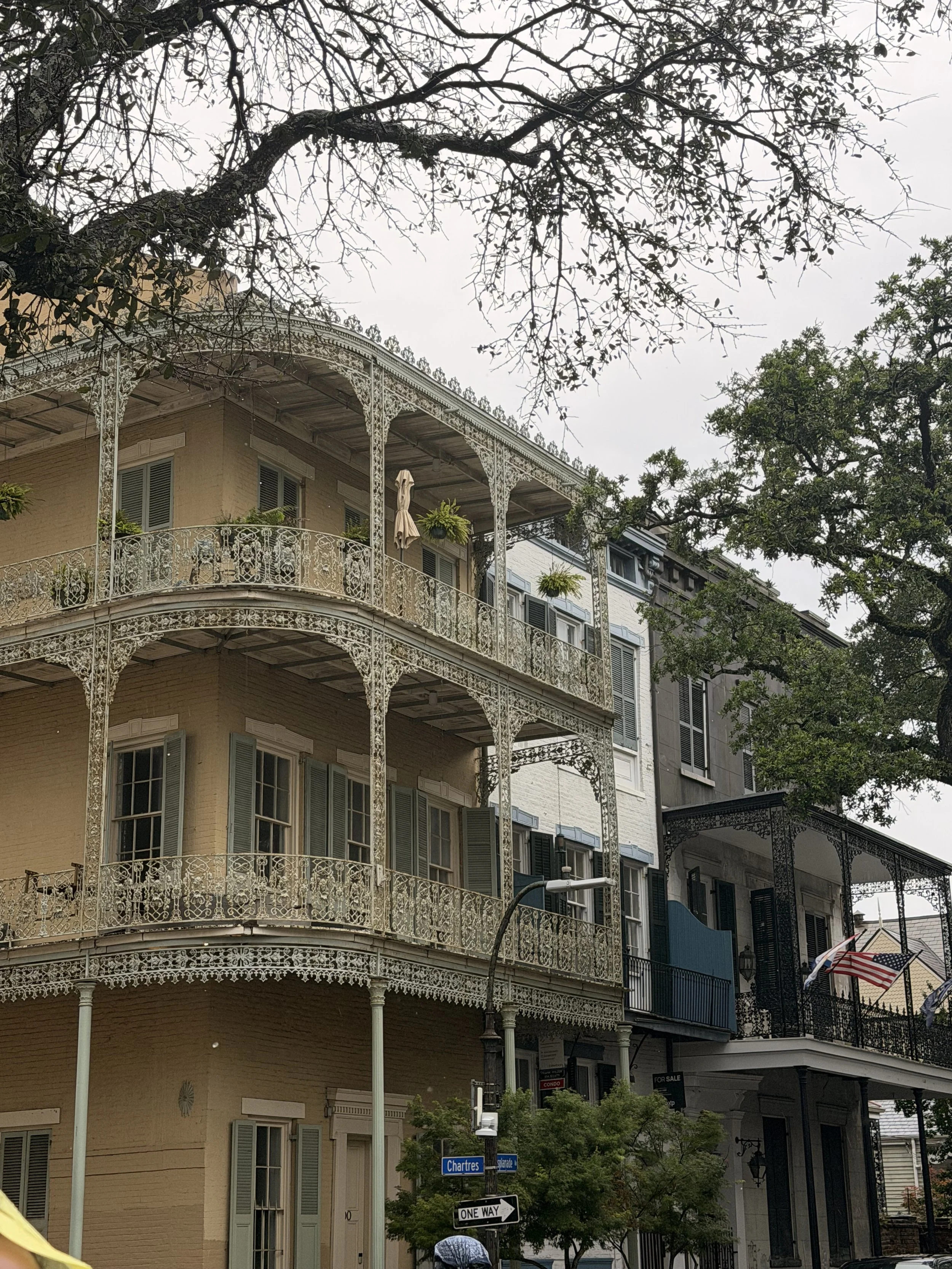
There is a reason writers come here. Not just to set their stories here, but to actually be here, to sit in the humidity and let the humidity work through them. Tennessee Williams wrote A Streetcar Named Desire in the French Quarter. Truman Capote grew up in these streets. Anne Rice built an entire mythology out of the specific moral architecture of this place, the way licentiousness and grief share a face here – as shown through Lestat and Louis, which is something you feel the moment you walk outside at night and find the city fully, unapologetically alive in a way that makes you feel like the rest of America has been doing something wrong.
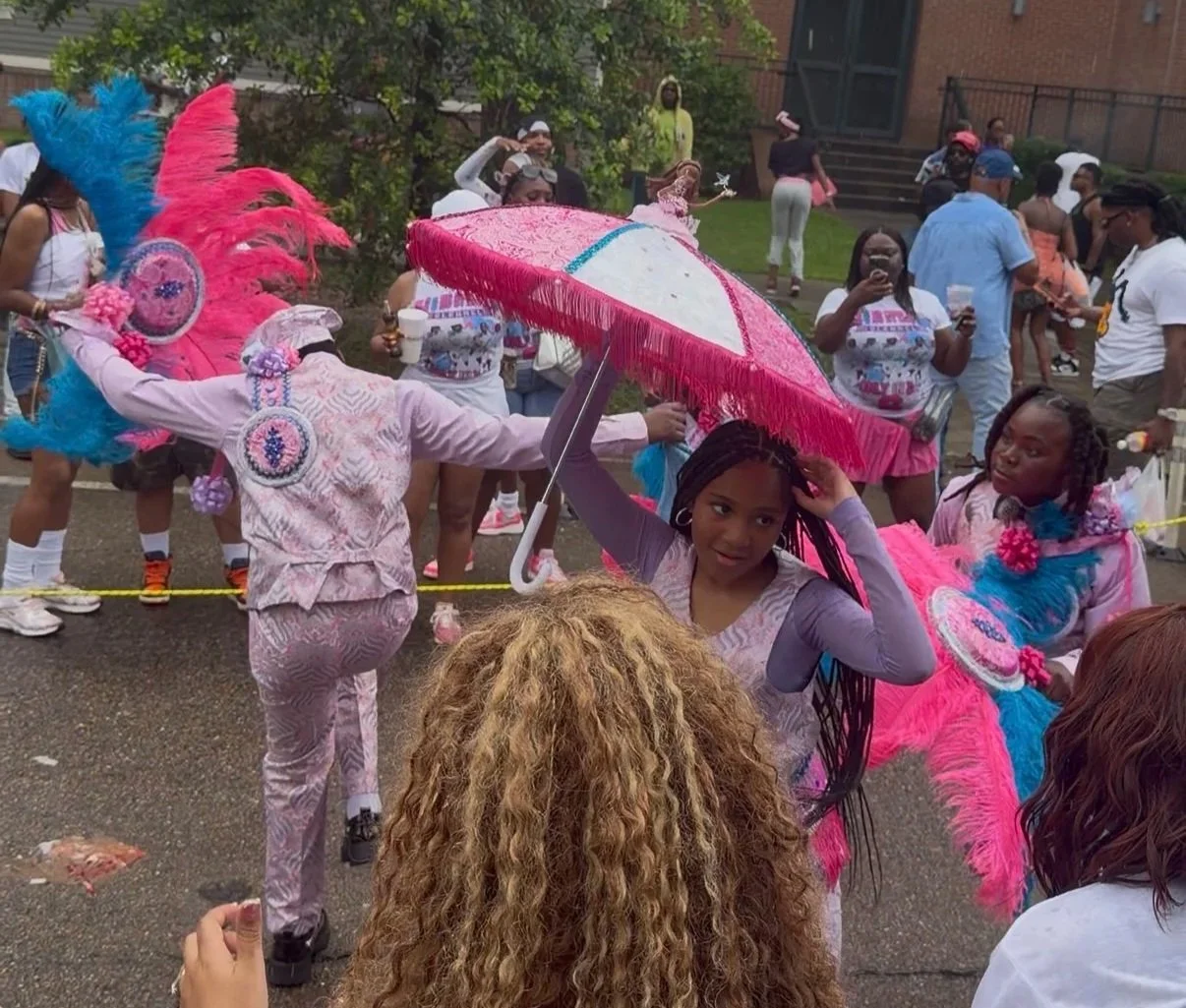
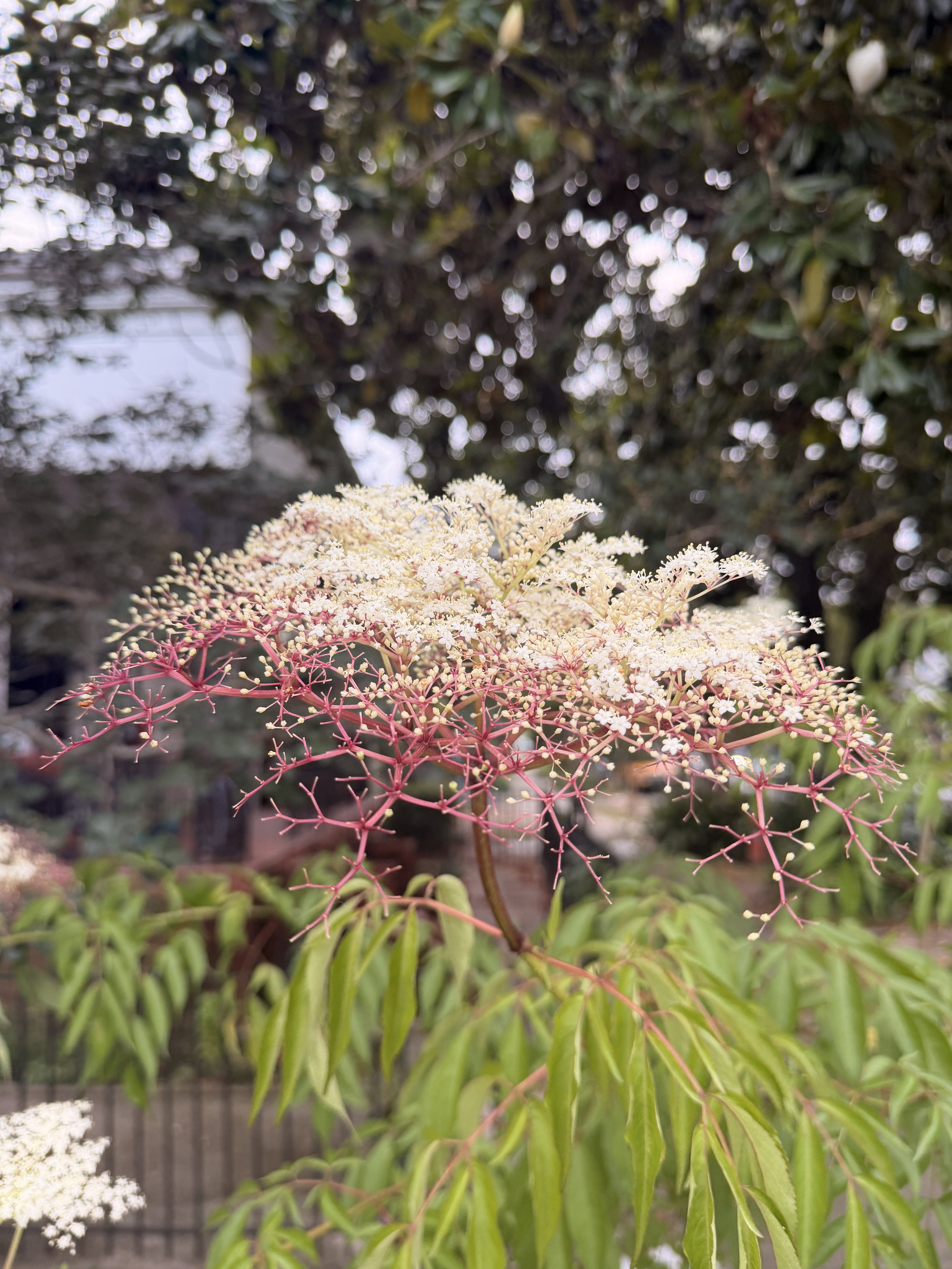
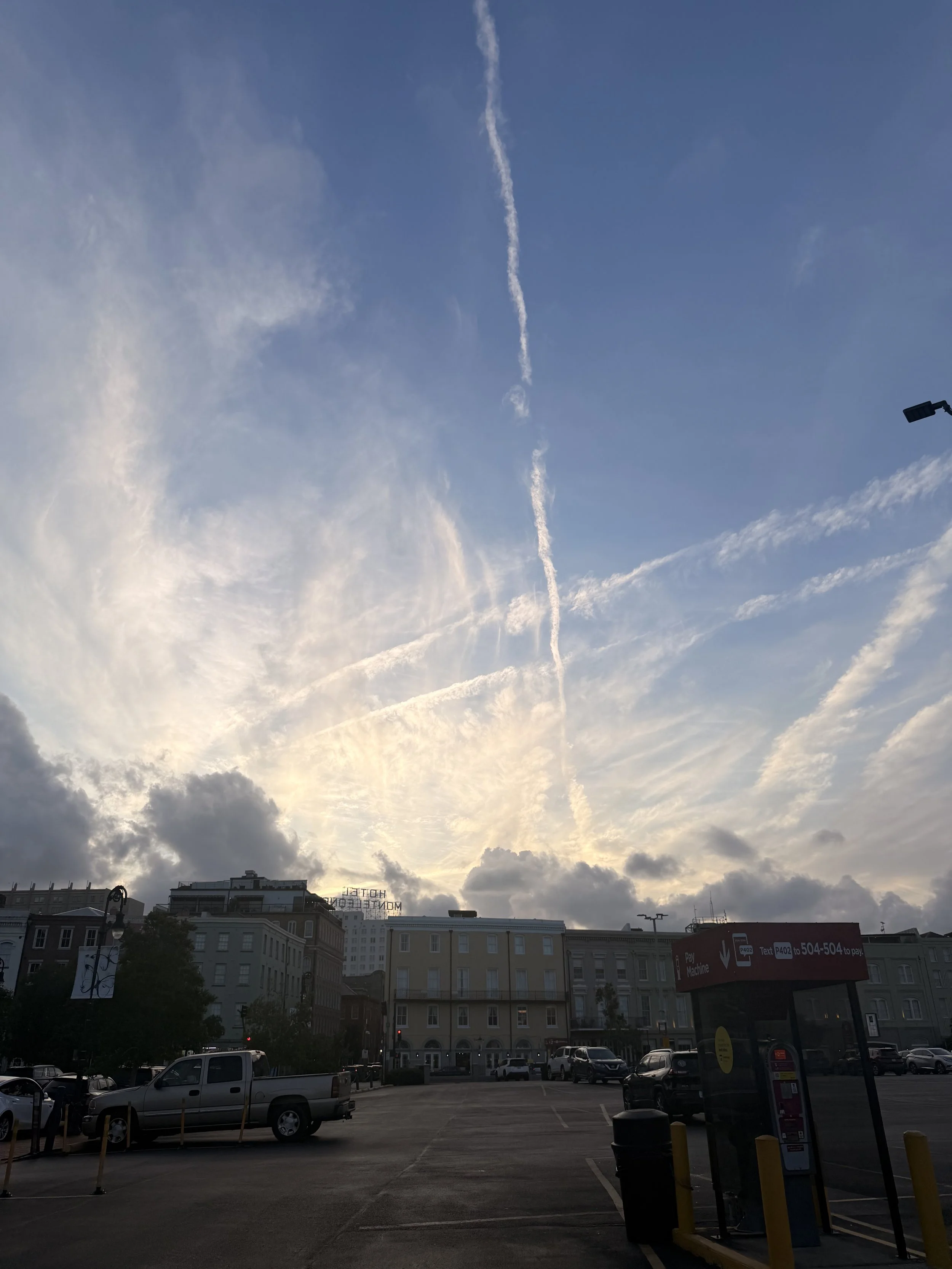
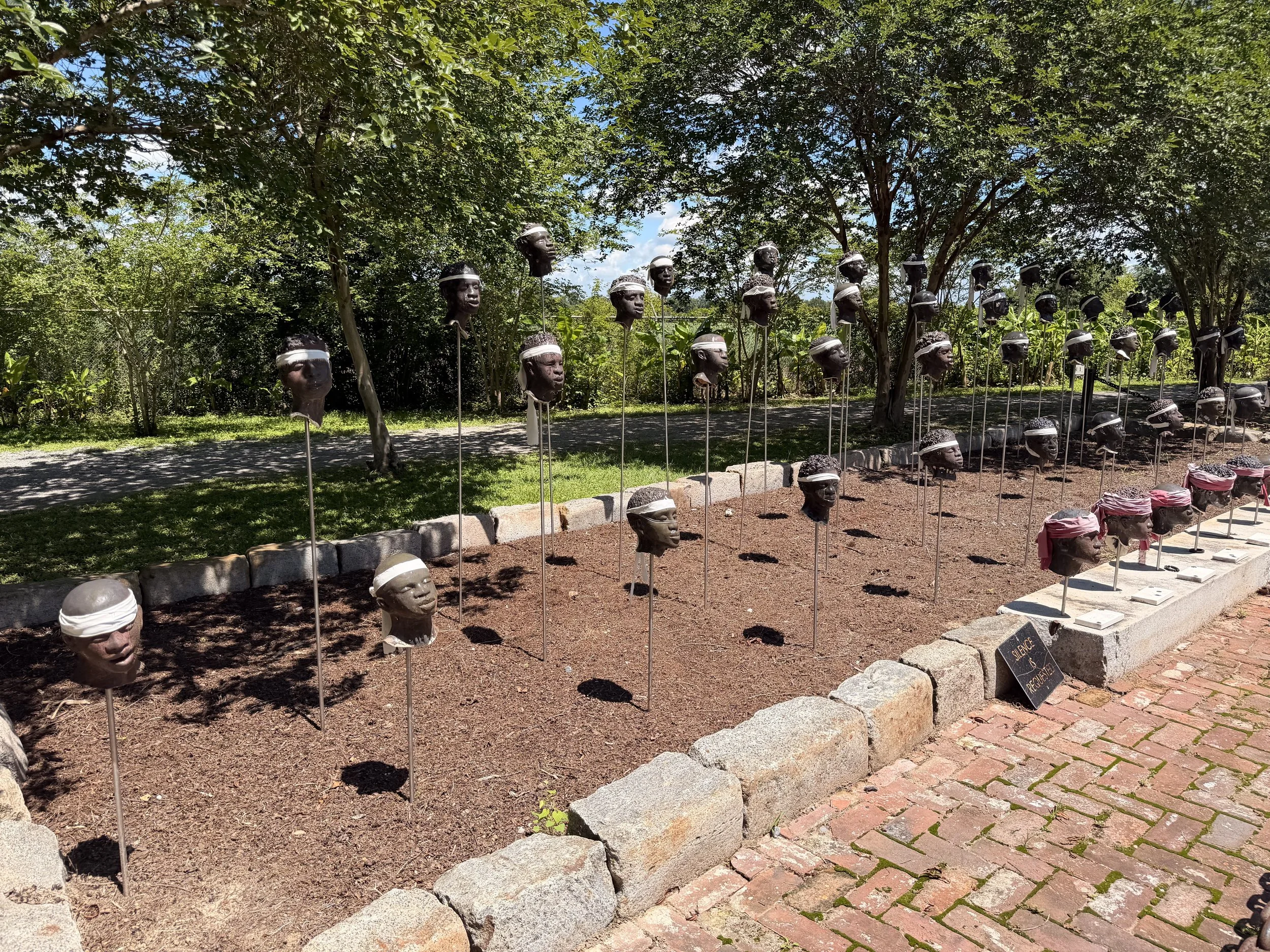
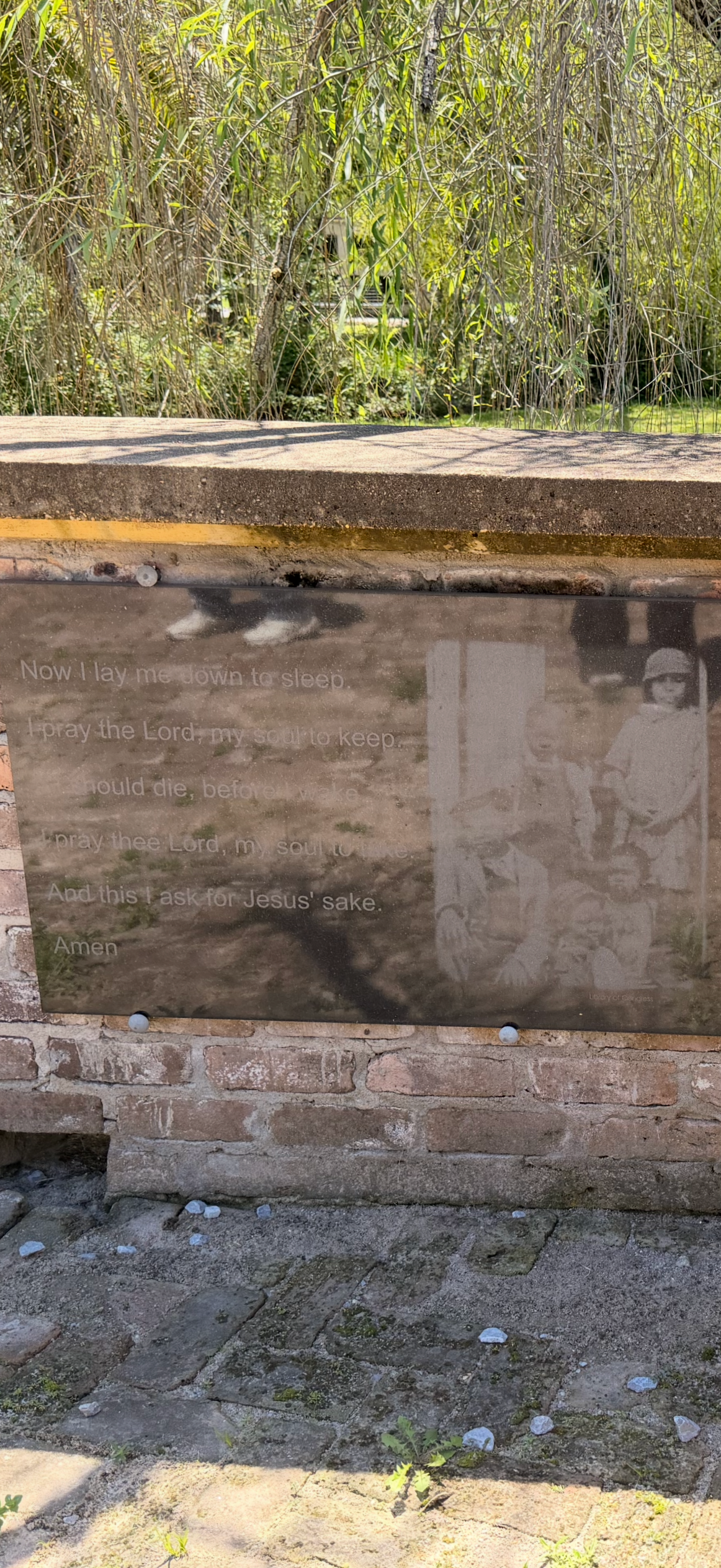
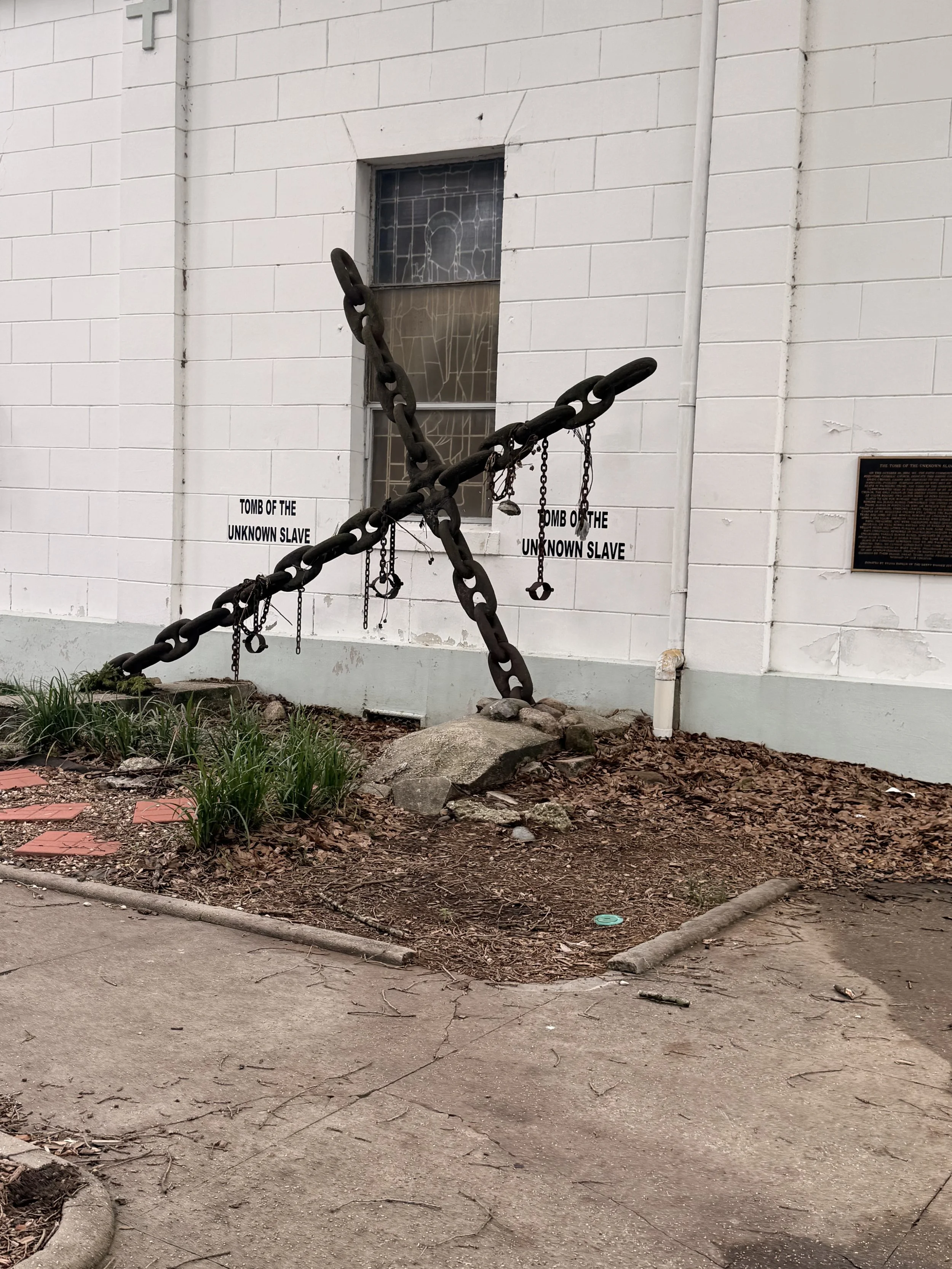
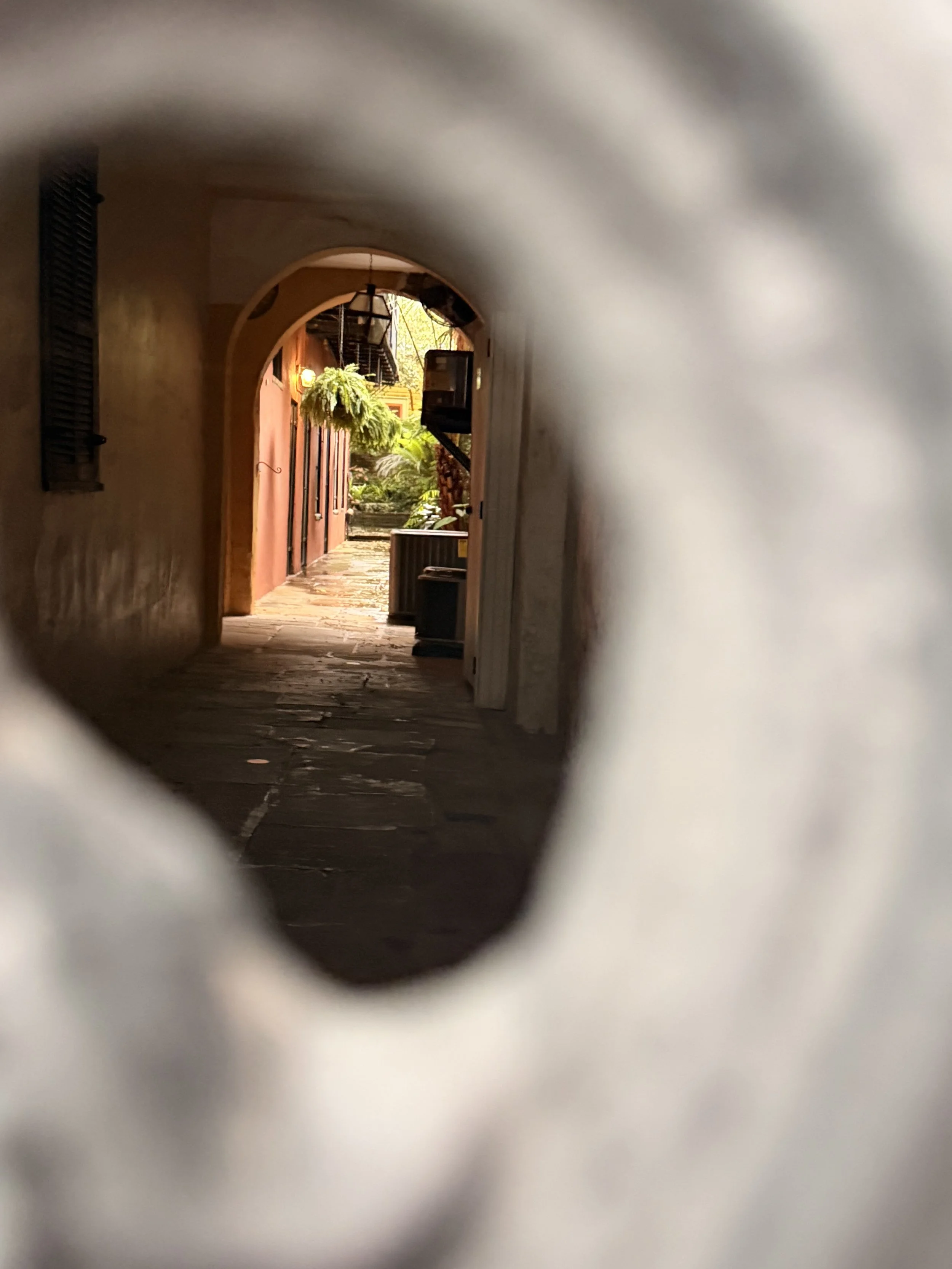
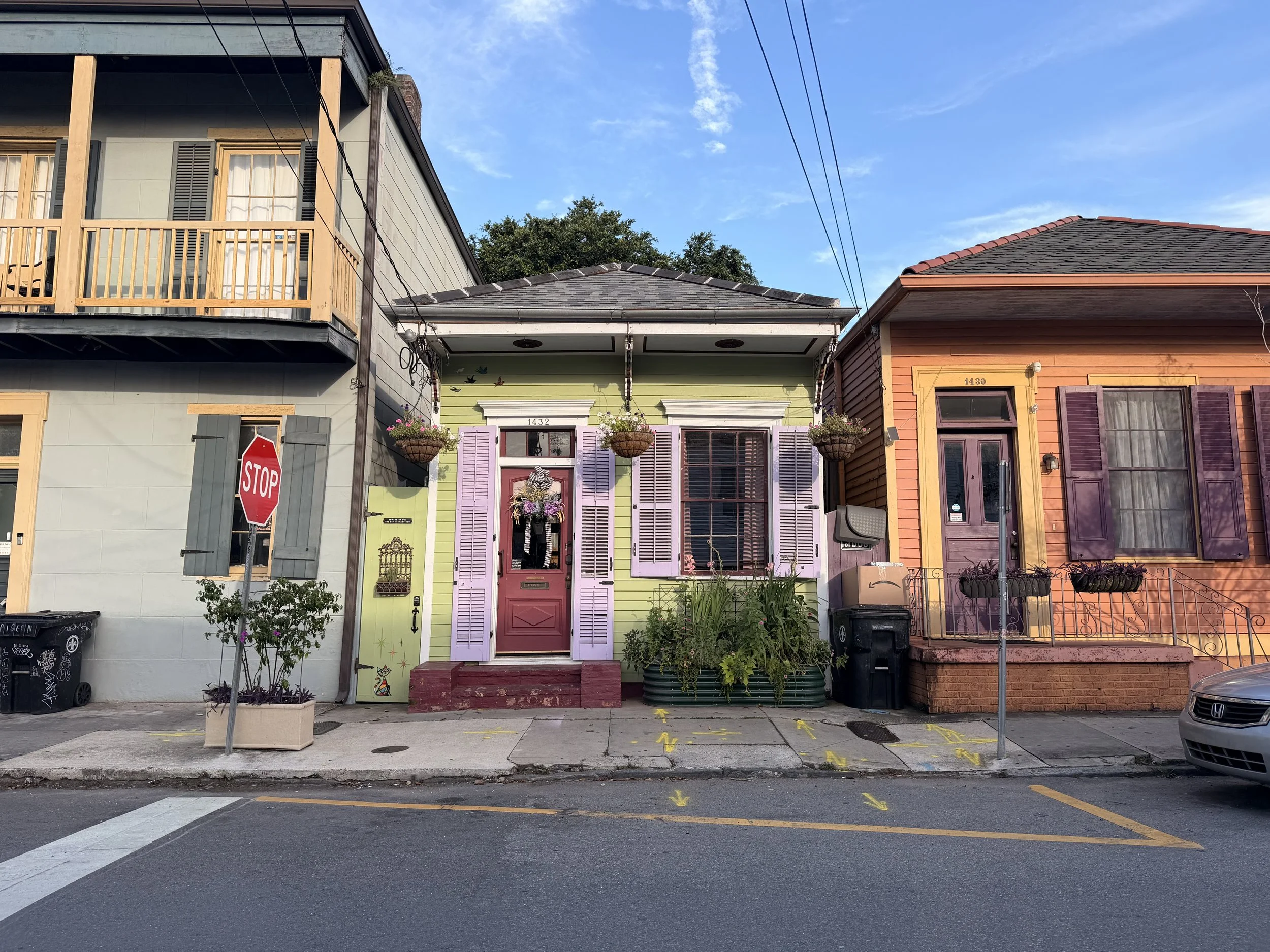
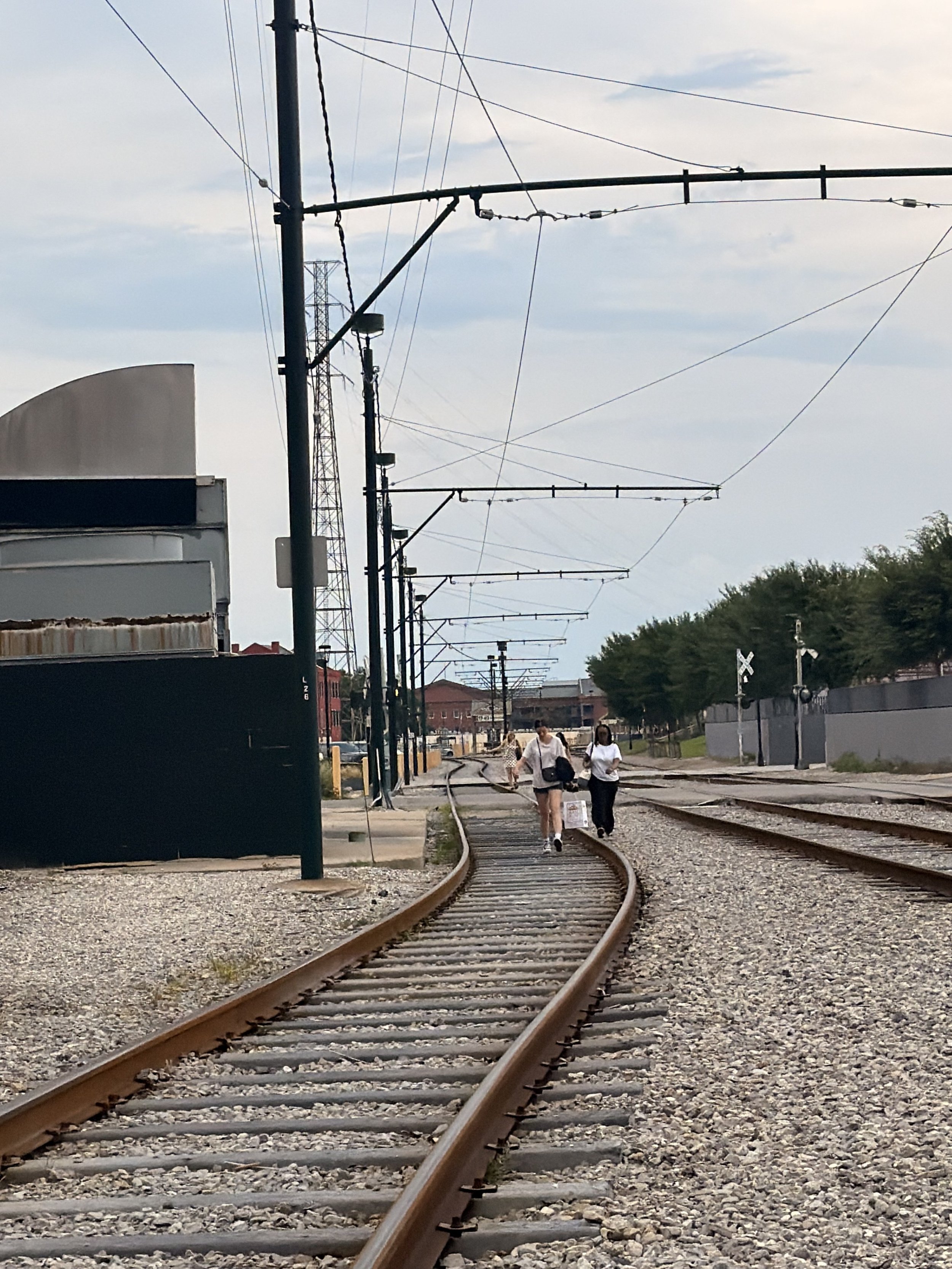
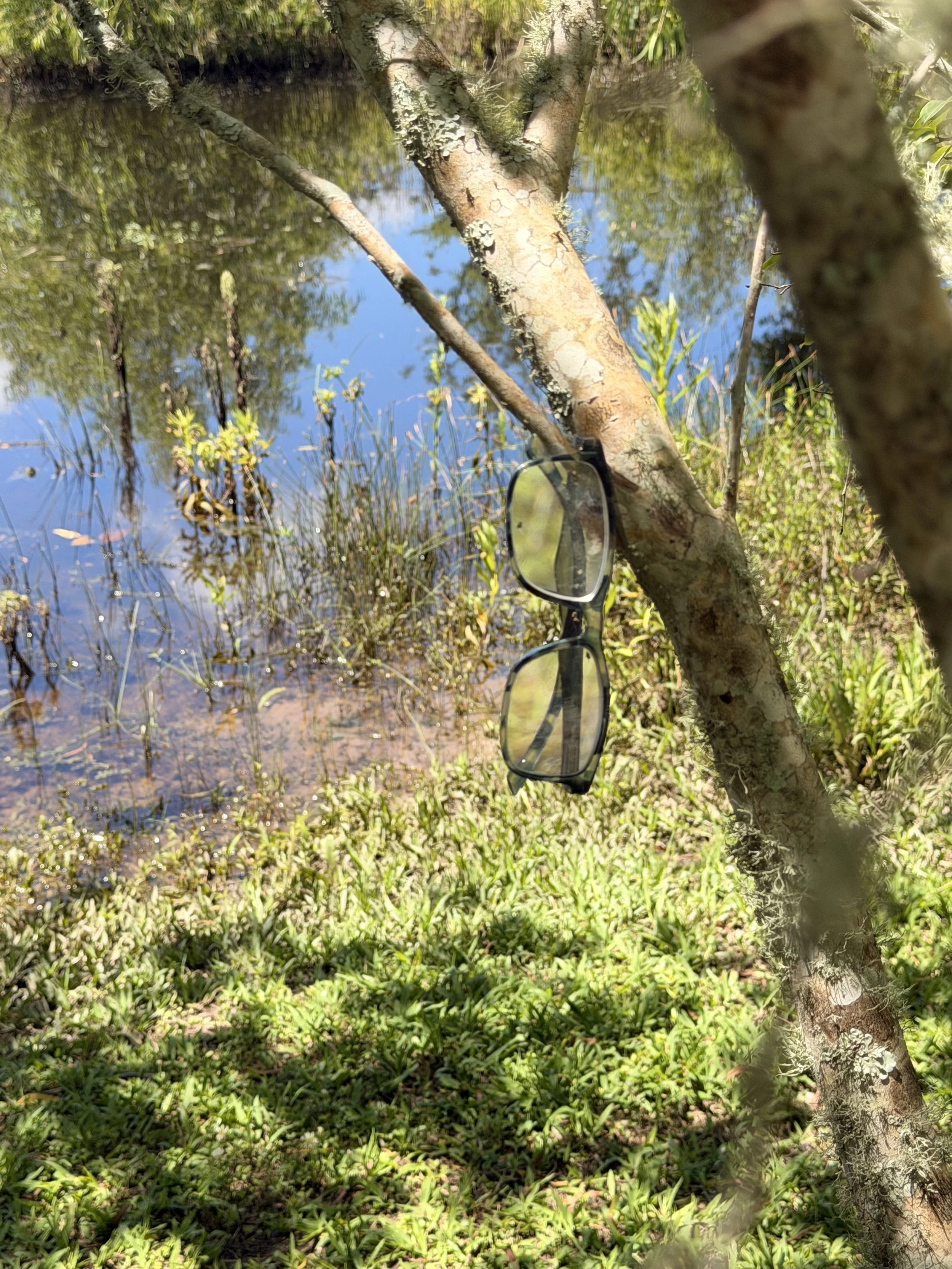
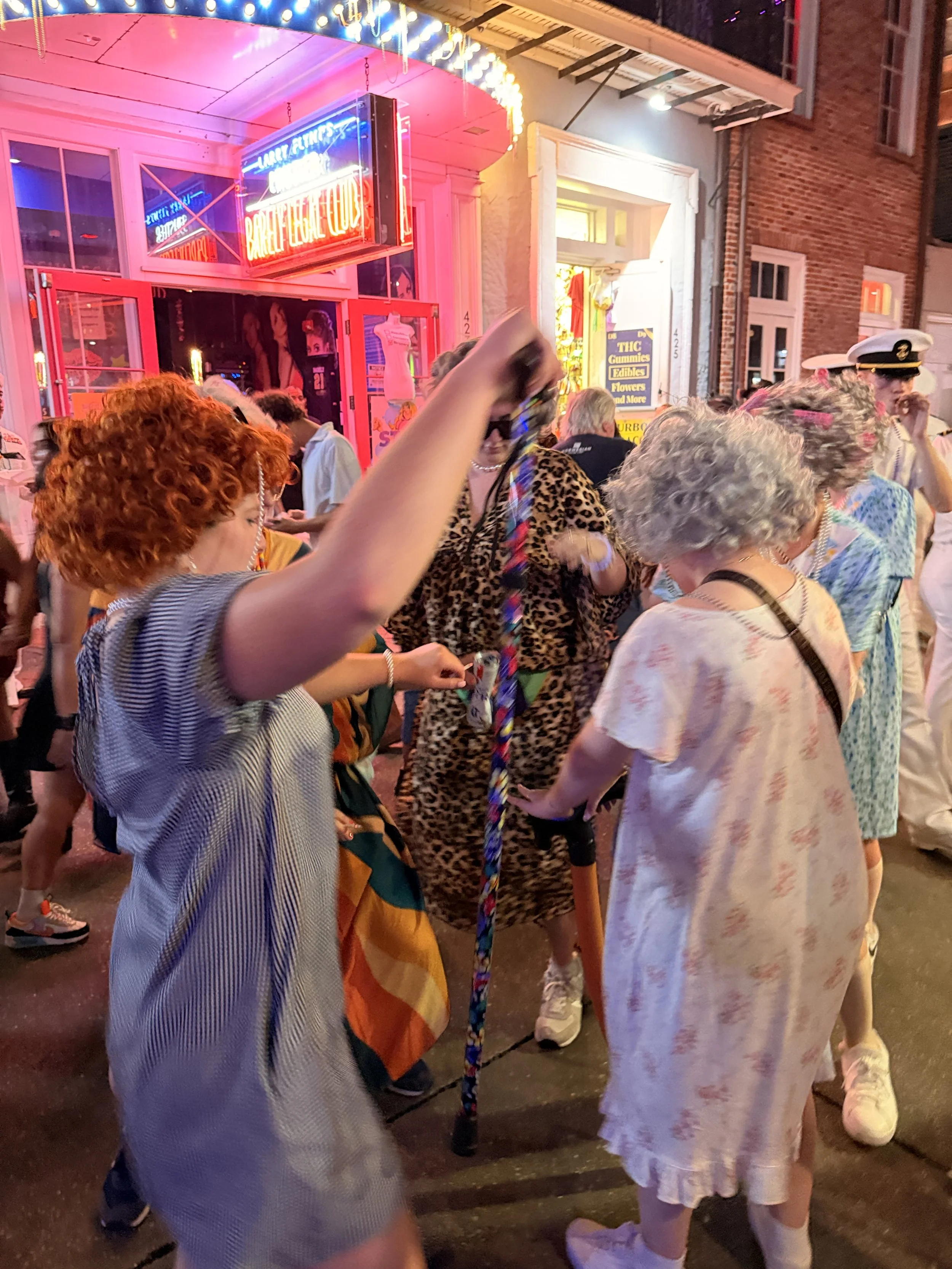
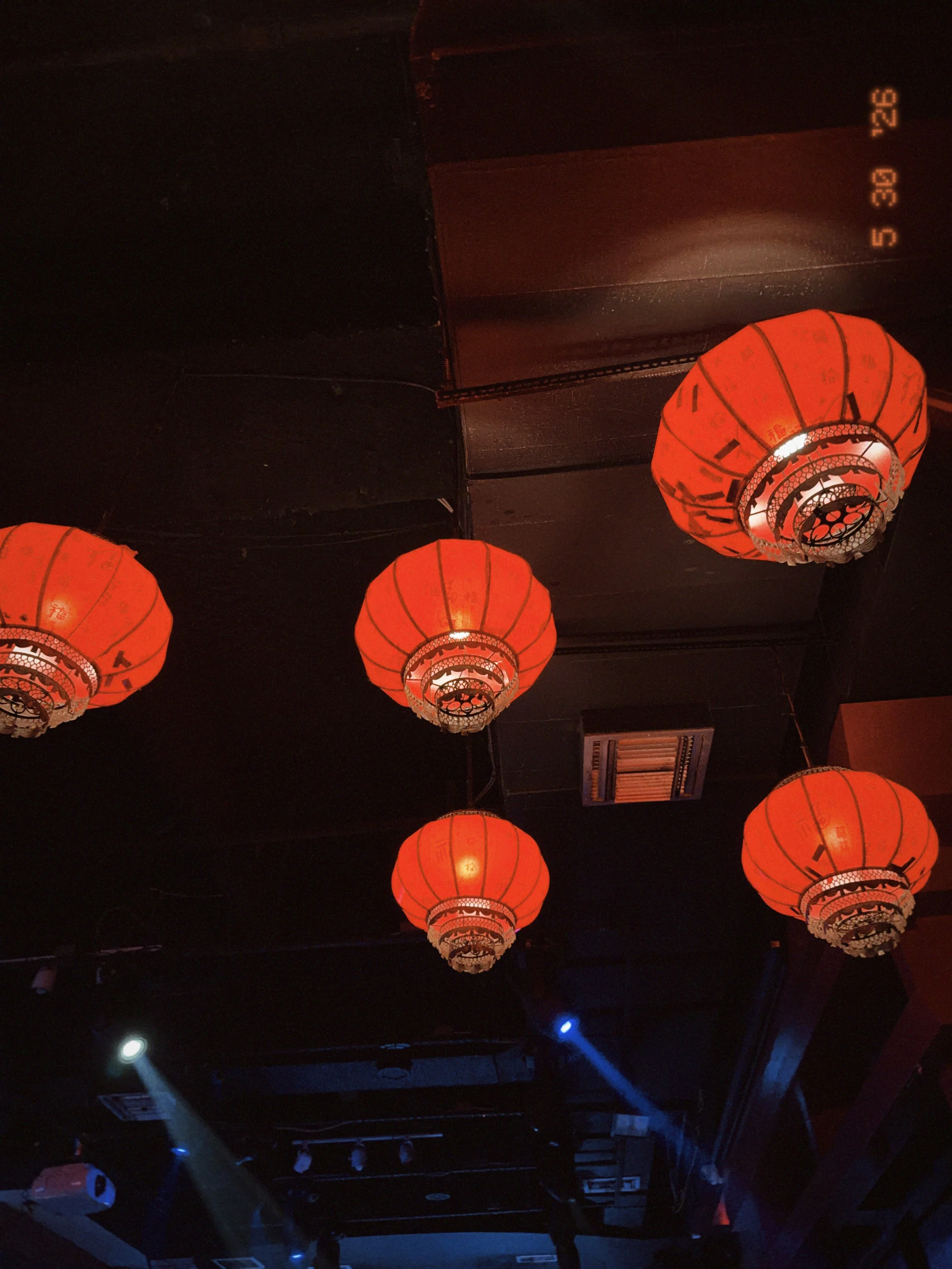
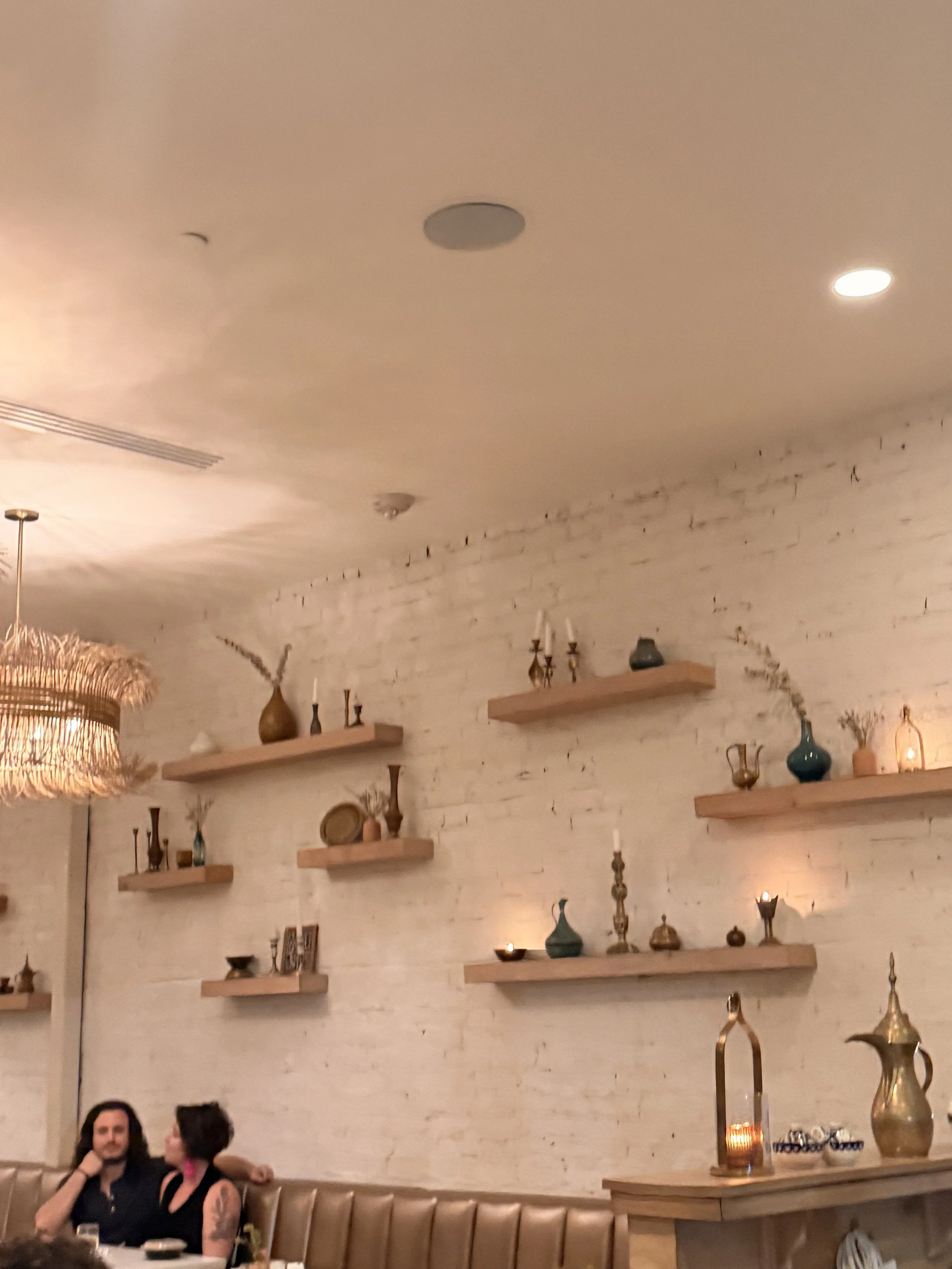
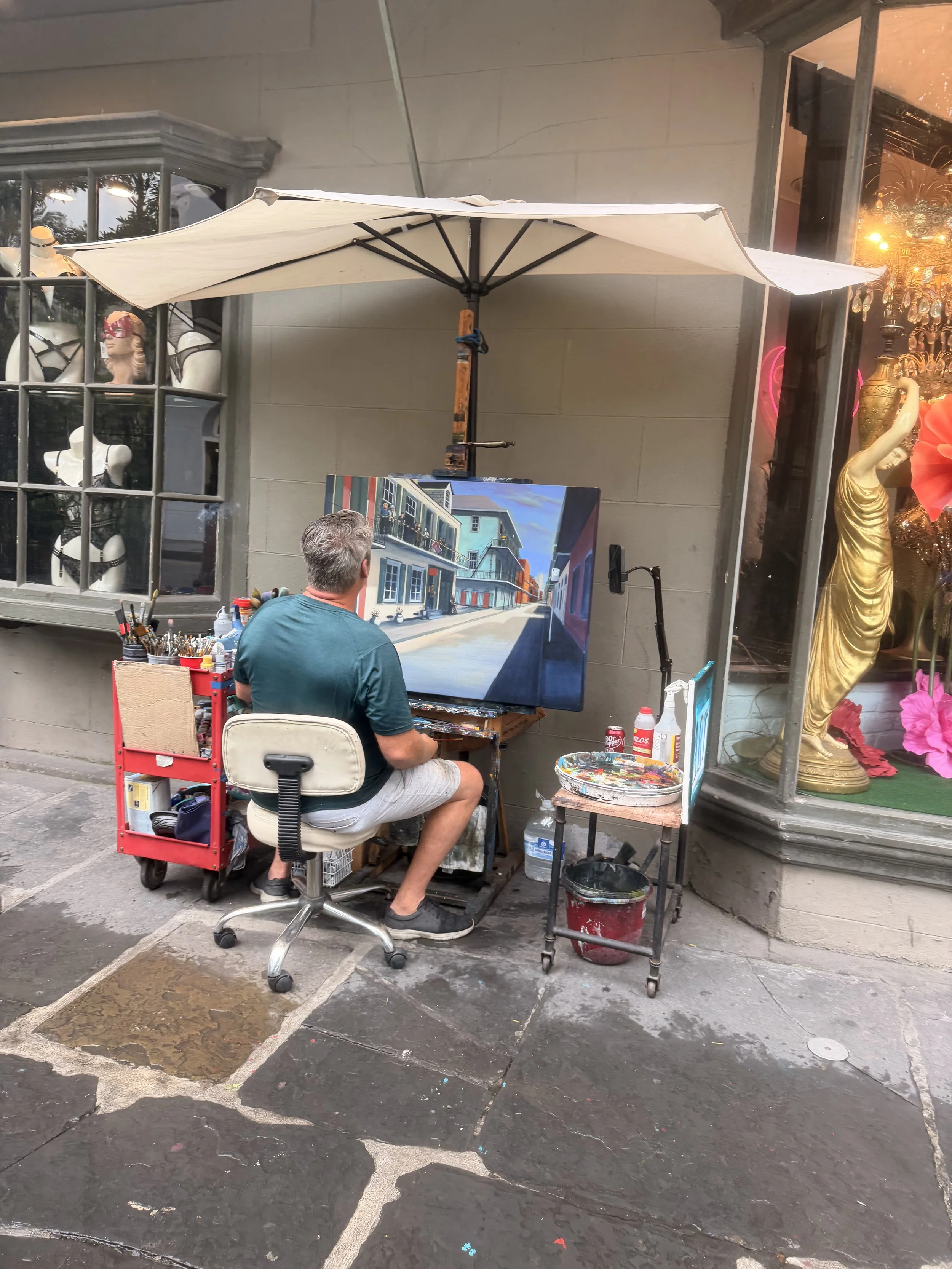
What strikes me is how extraordinary the city manages to be. How it takes such a mundane things and turns it into something interesting. Take this picture of Mallards waddling through Audubon Park for example. I could have sworn they were gossiping about us walking their space. Shotgun houses painted lime green and lavender in the Marigny, sitting shoulder to shoulder, hanging baskets of flowers over red doors, the whole block looking like someone chose joy very deliberately whilst being in a place where much of the time there’s none. Aesthetic restaurants — warm candlelit rooms with brass pitchers on white brick shelves. Greek food in a place where Greekness isn’t a first thought. I loved walking on the rail tracks cutting through flat afternoon heat with the city spreading in every direction, but just for a second, let me be a kid. Chinese-inspired red lanterns glowing from dark ceilings in the club. And of course the swamp light at the edge of still water where the reflection of thought through some hanging sunglasses and the sky's reflection become the same thing, especially in such a heavy place as the Whitney Plantation. None of these images feel separate from each other here. They accumulate into something that is harder to name than beauty, closer to truth, but imbued with immense horror in the same breath.
““America has only three cities: New York, San Francisco, and New Orleans. Everywhere else is Cleveland.””
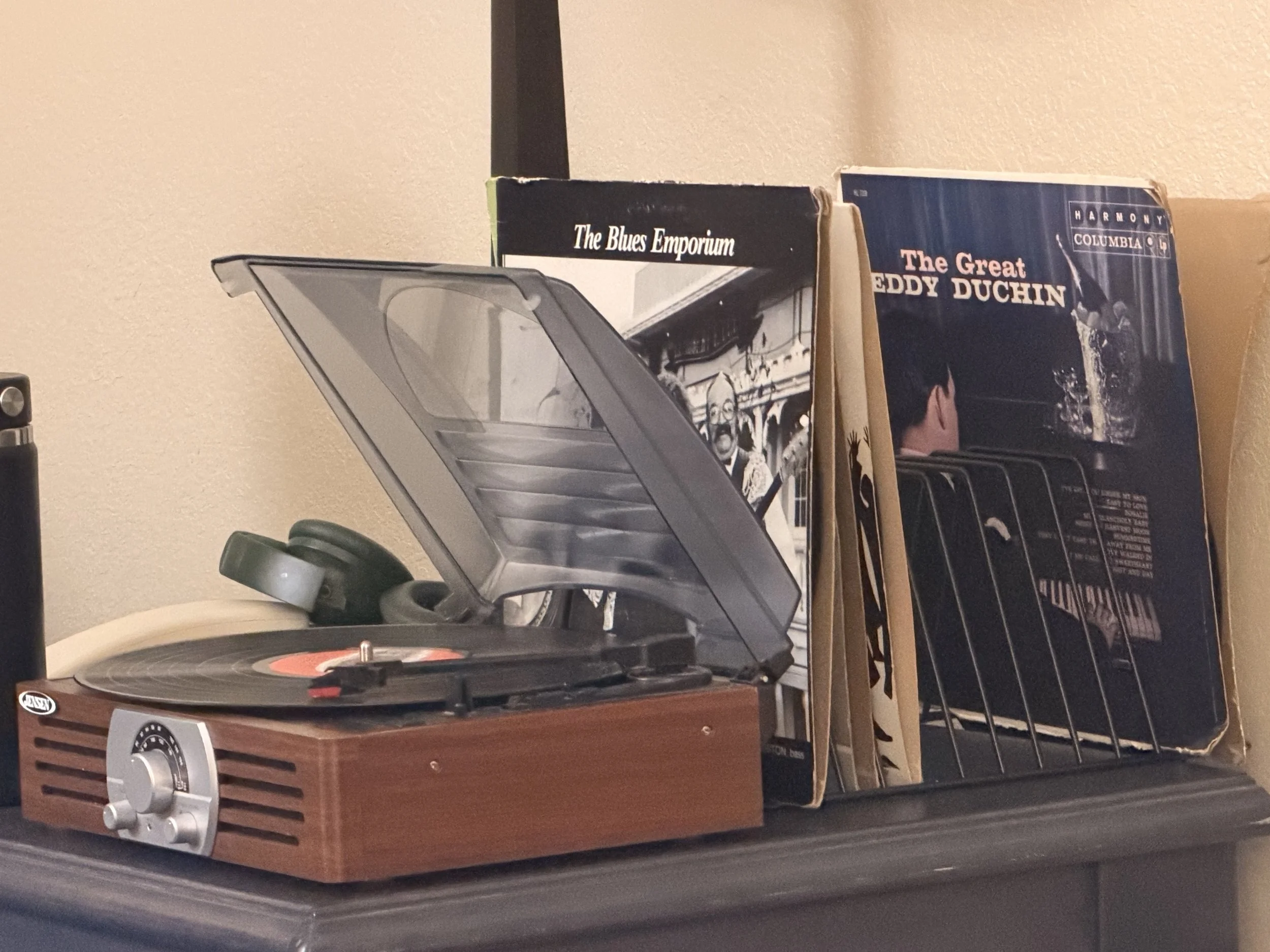
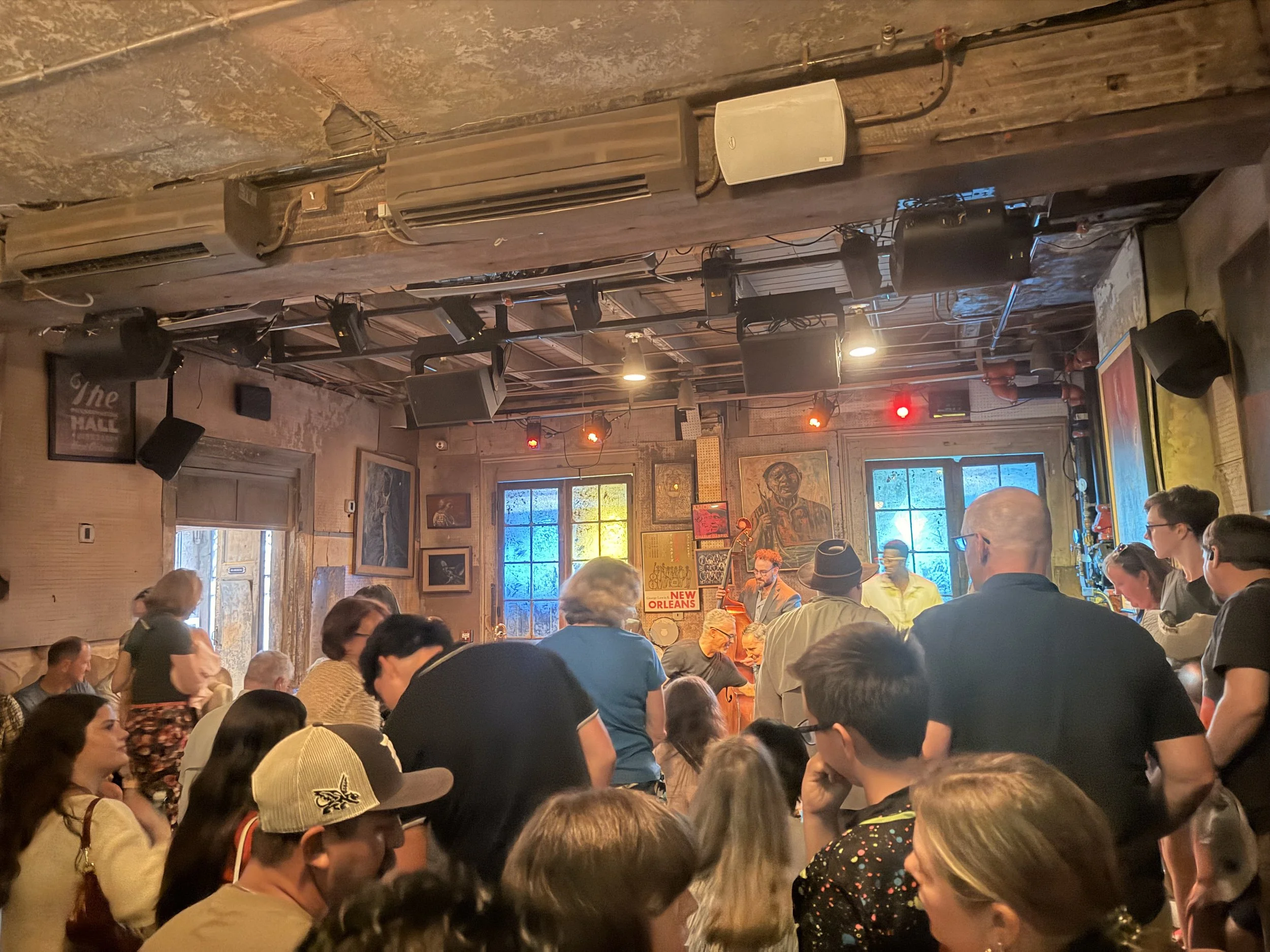
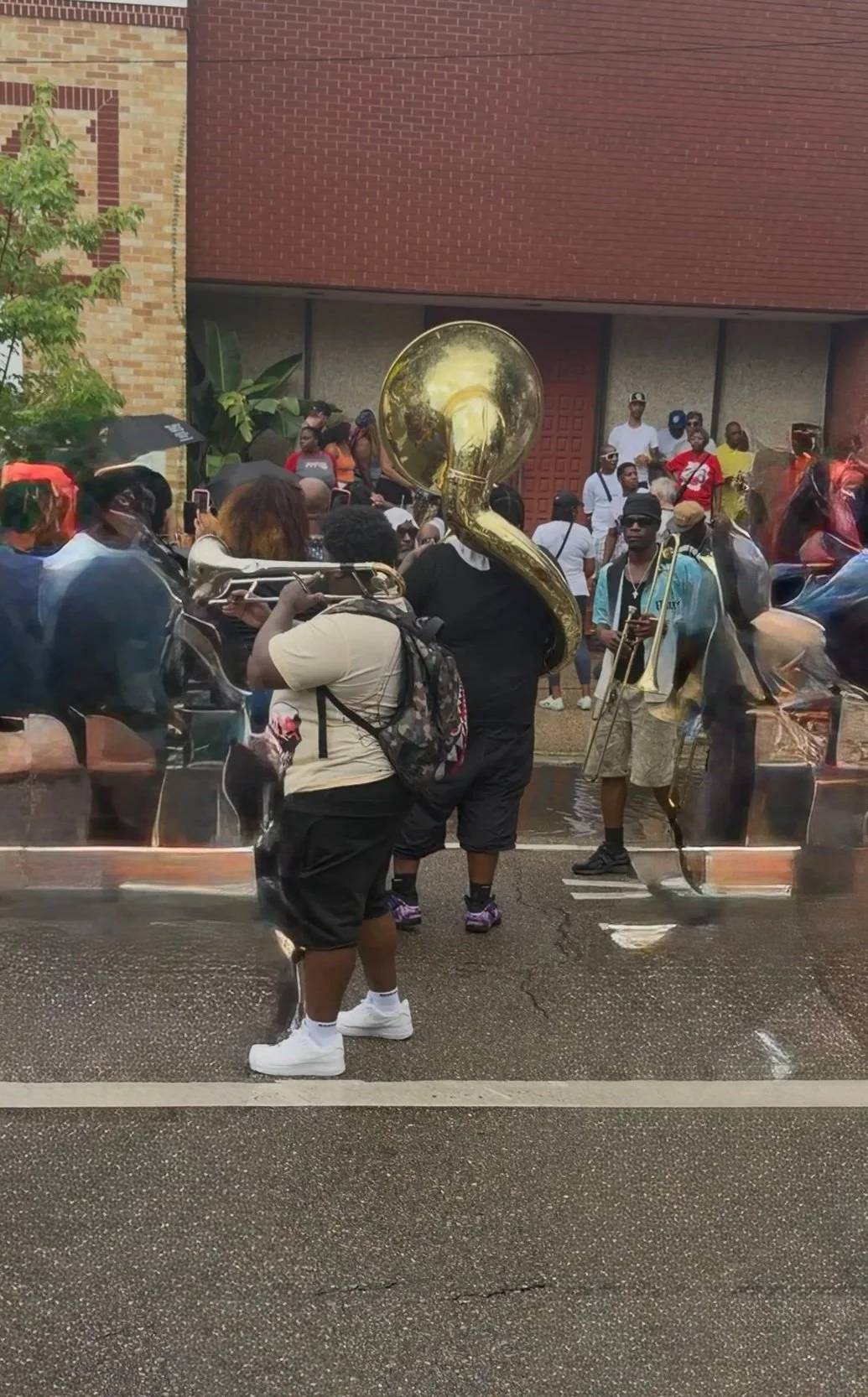
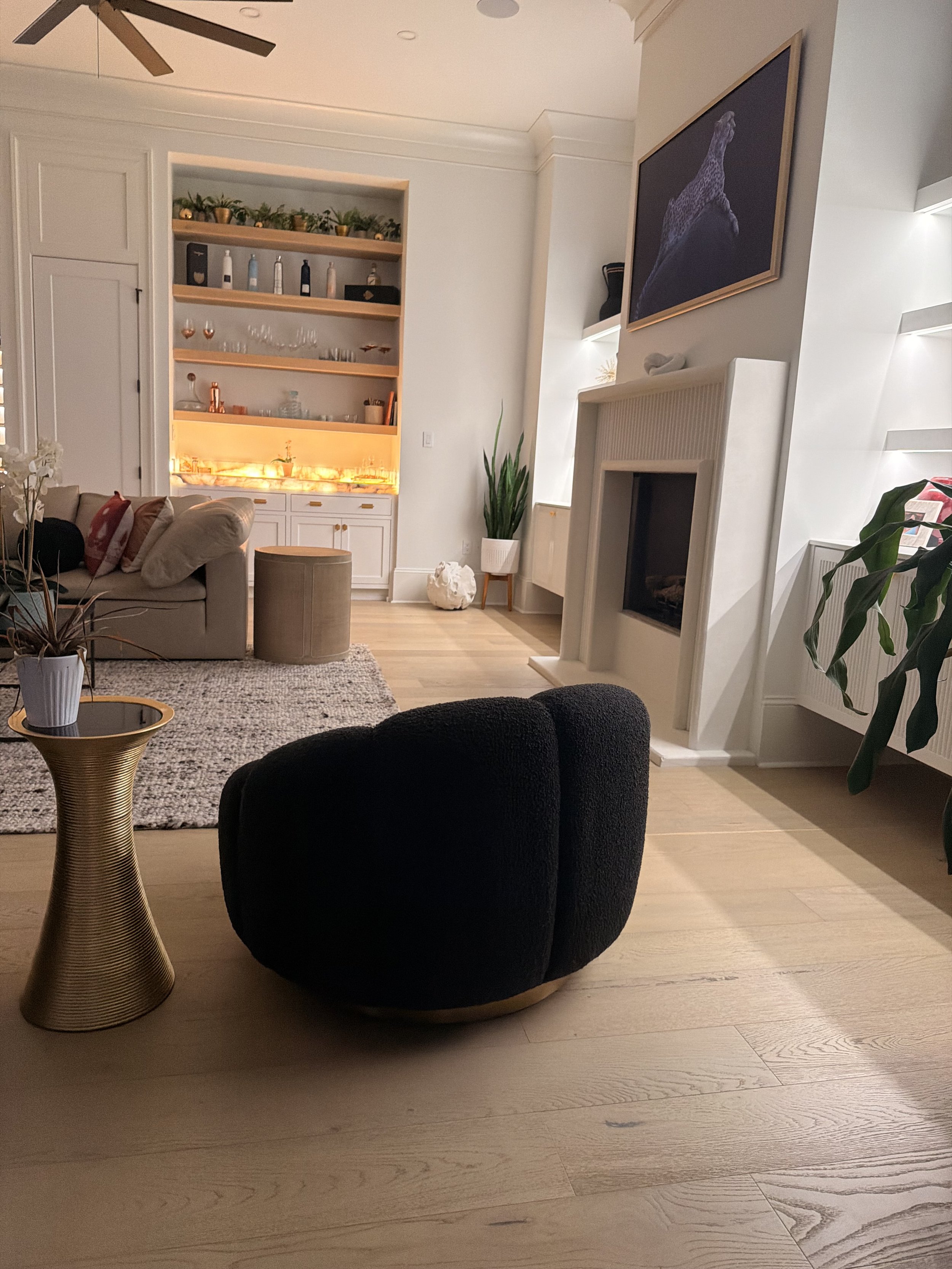
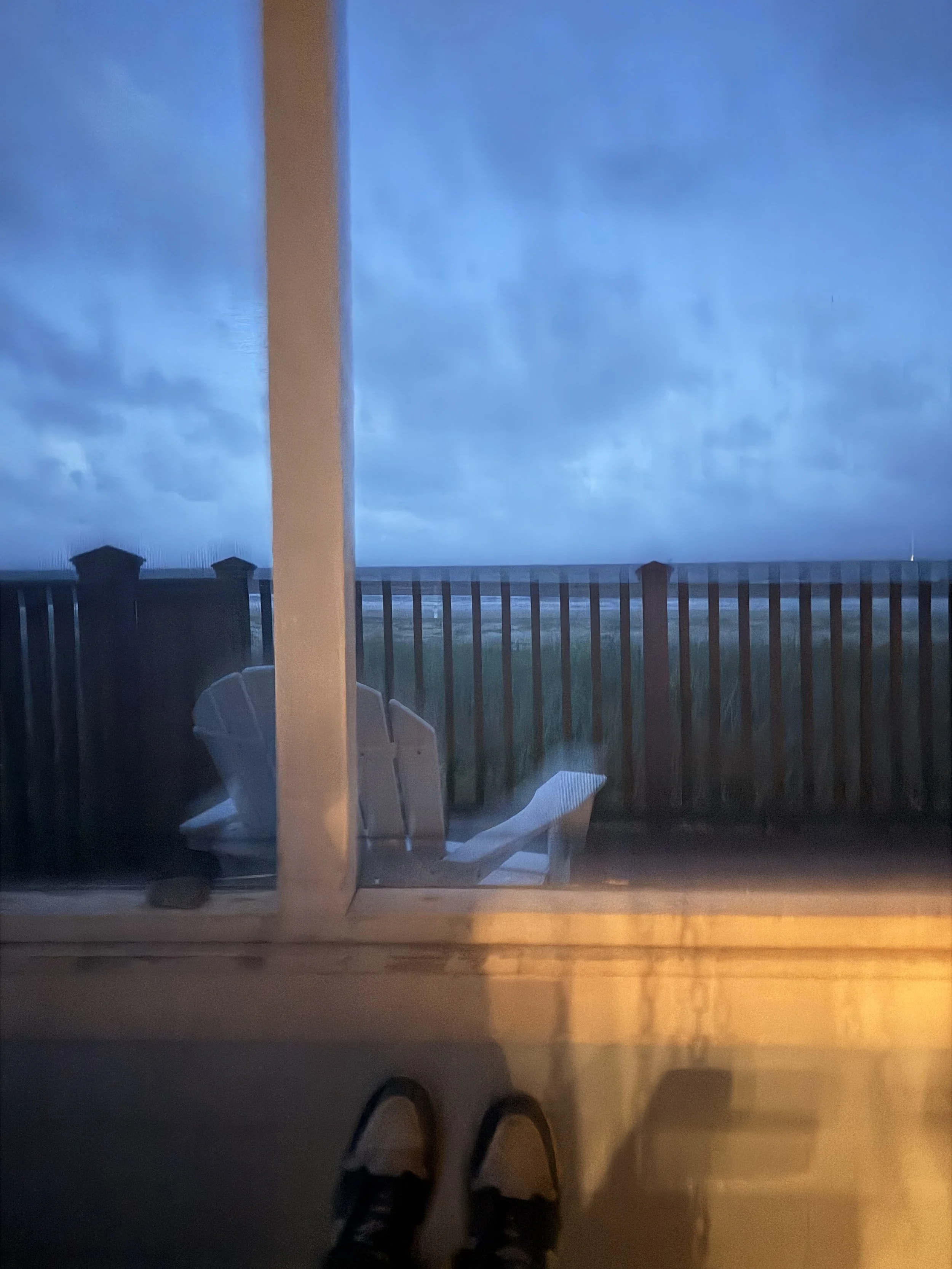
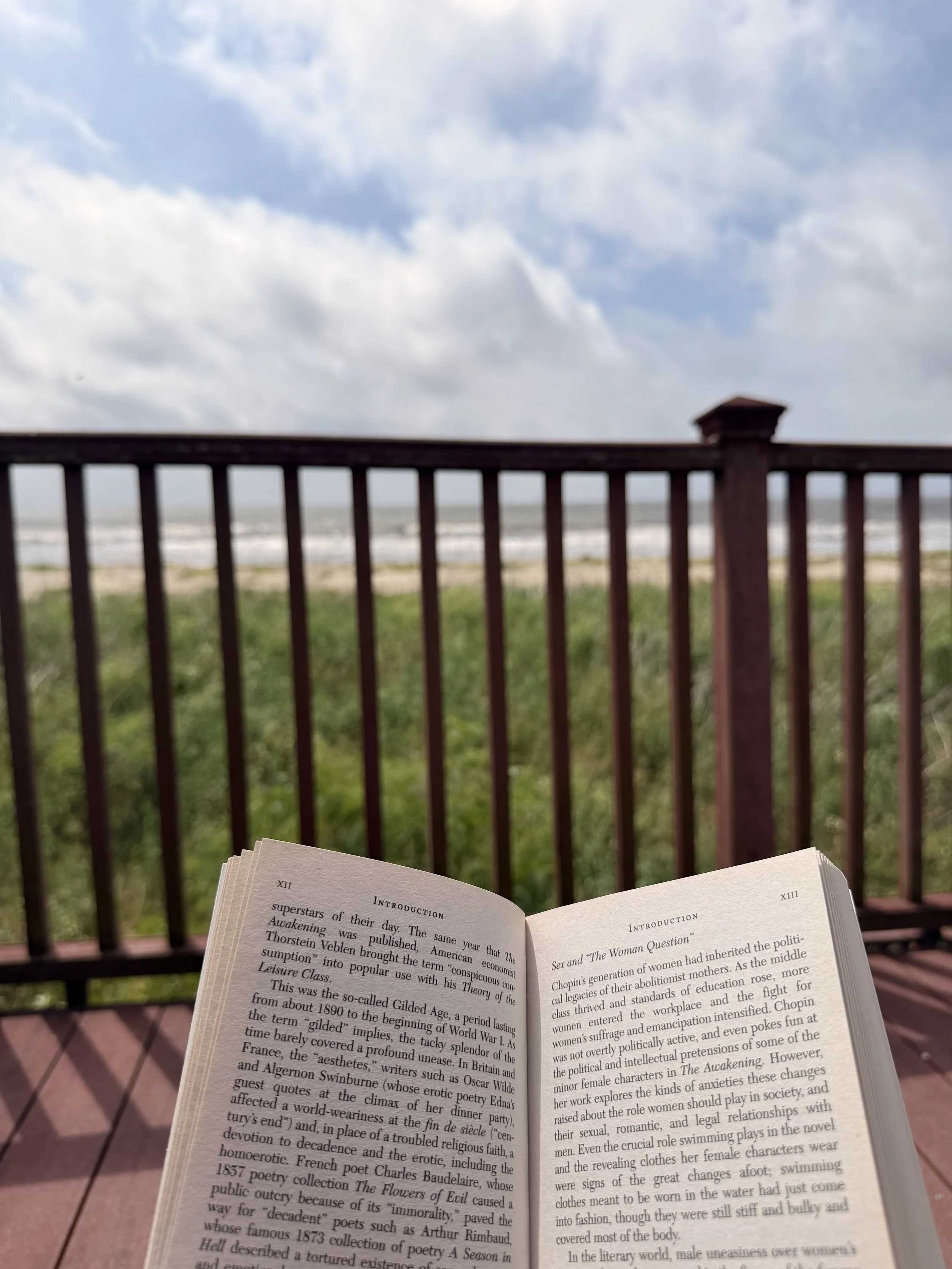
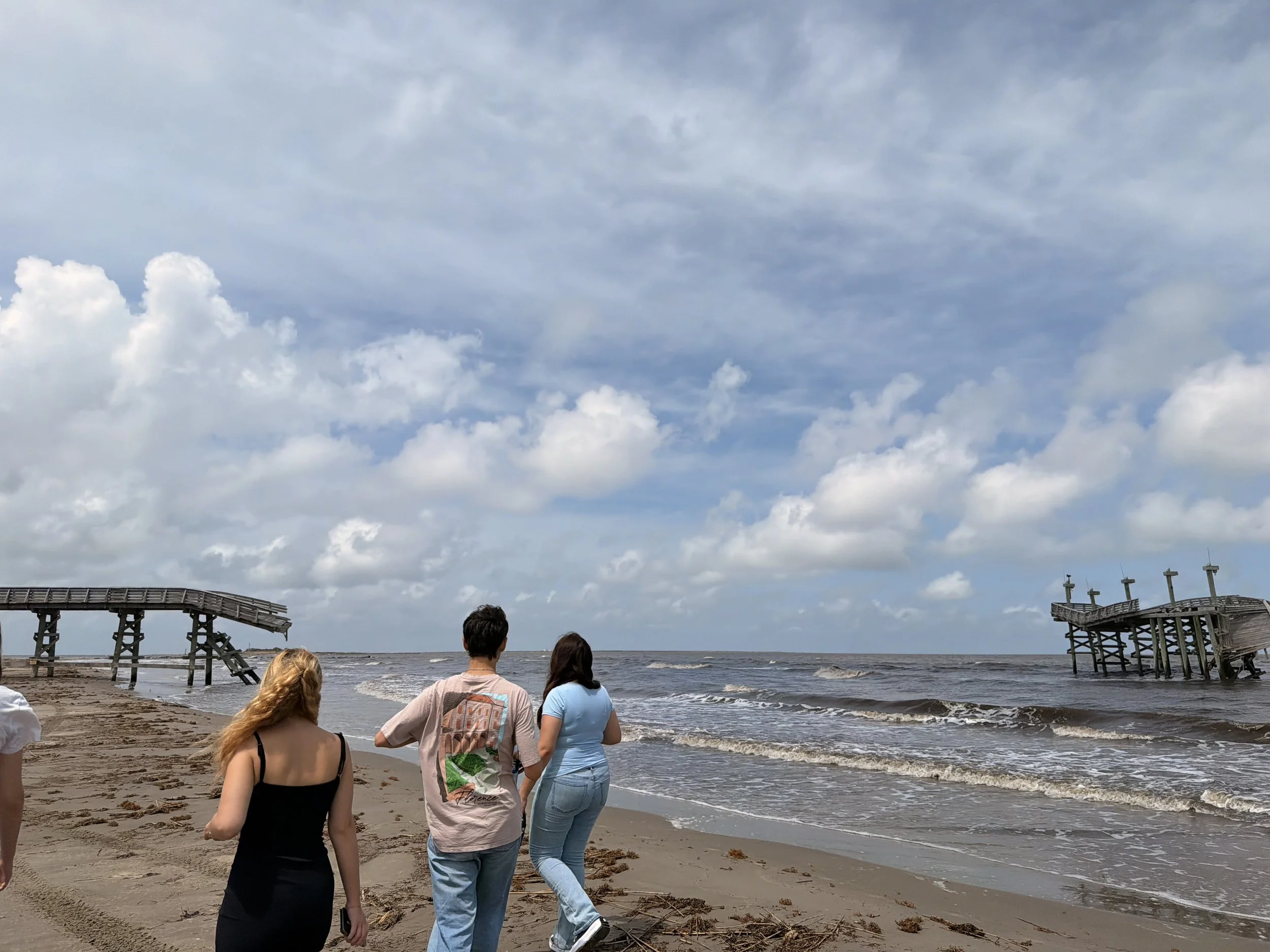
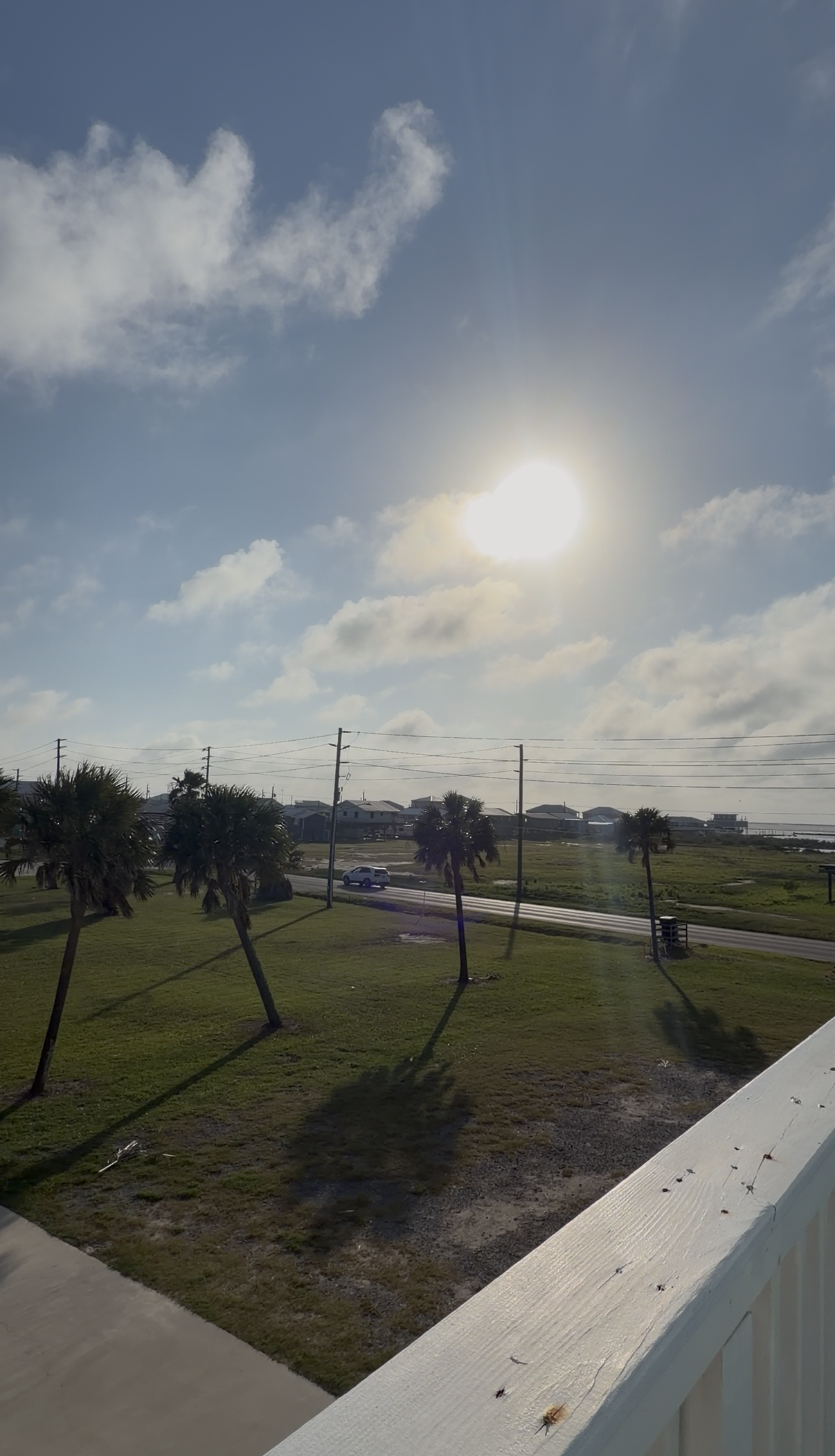
Underneath all of it, I will continue to remember the hands that built New Orleans. What I want to keep returning to though, is the immense peace I’ve felt while being here. Of course, nothing here is resolved, but the peace of a city that has survived this much and still insists on the table being set, the food being extraordinary, the music going while rain comes and goes contains an enormous positive weight. There is a sovereignty in the way people move through New Orleans, like they have learned something about the relationship between pleasure and survival that the rest of the world is unaware of. I felt it eating in that house on Lake Shore, I felt it standing in Preservation Hall with the sound moving through the room like water, I felt it in the small, quiet moments, listening to the waves and the cries of Edna on Grand Isle, and watching the bridge light up at night on the levee. I have felt that peace in every moment I’ve been here and I will cherish that feeling until the day I die.
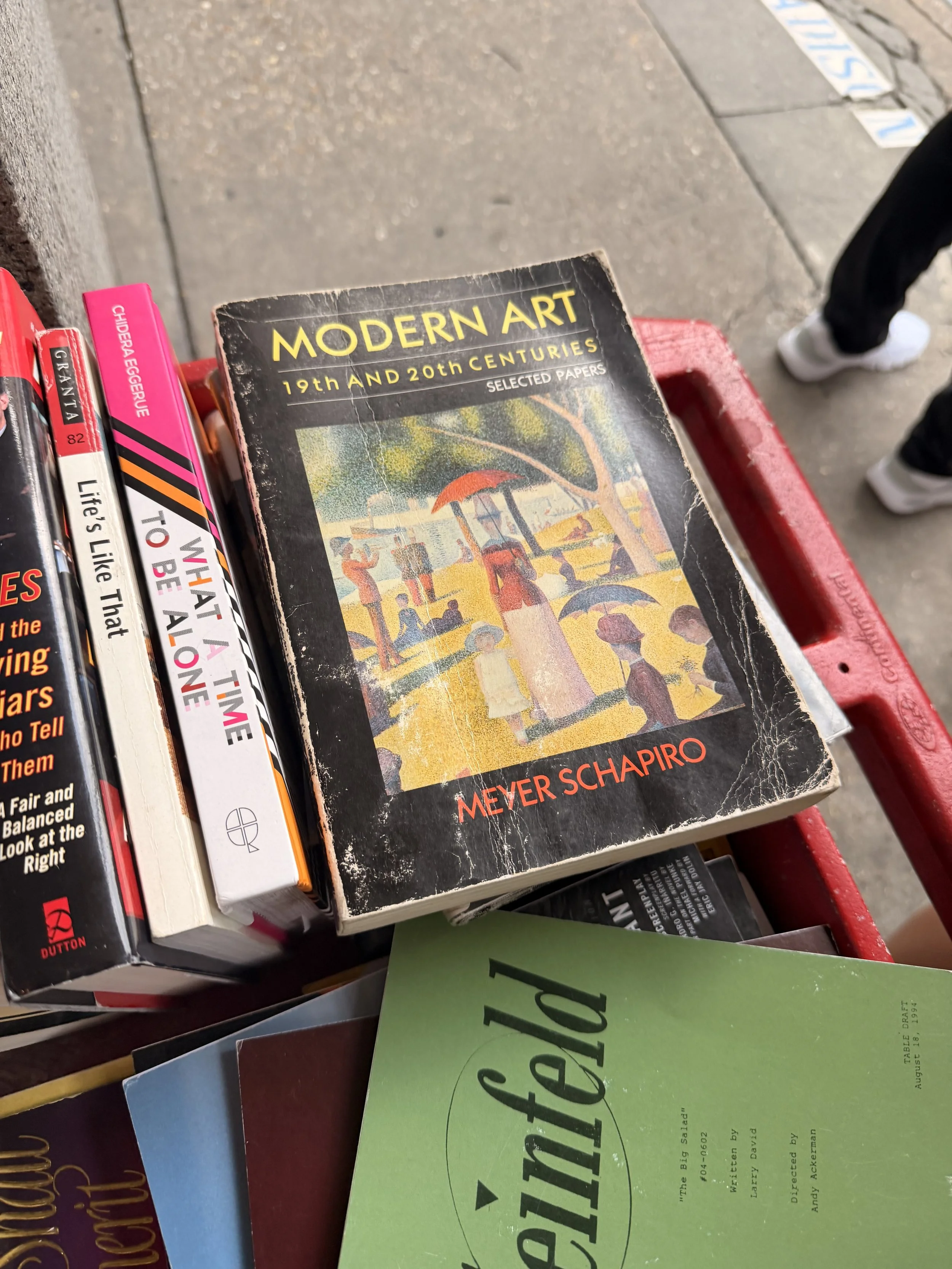
I came here with books, for the books. But now, I leave here having walked through them. And with a profound understanding for why the books were written here in the first place. New Orleans is a city that’s been imposed upon those humans that were forced to make meaning out of the absolute circumstance of limitations. And sure, maybe I am reaping the benefits of those limitations. But having absorbed the history I am happy that I am finally able to understand what makes this city an amazing city. And the truth is, it really just is itself. The city of New Orleans.
Double-click to edit...