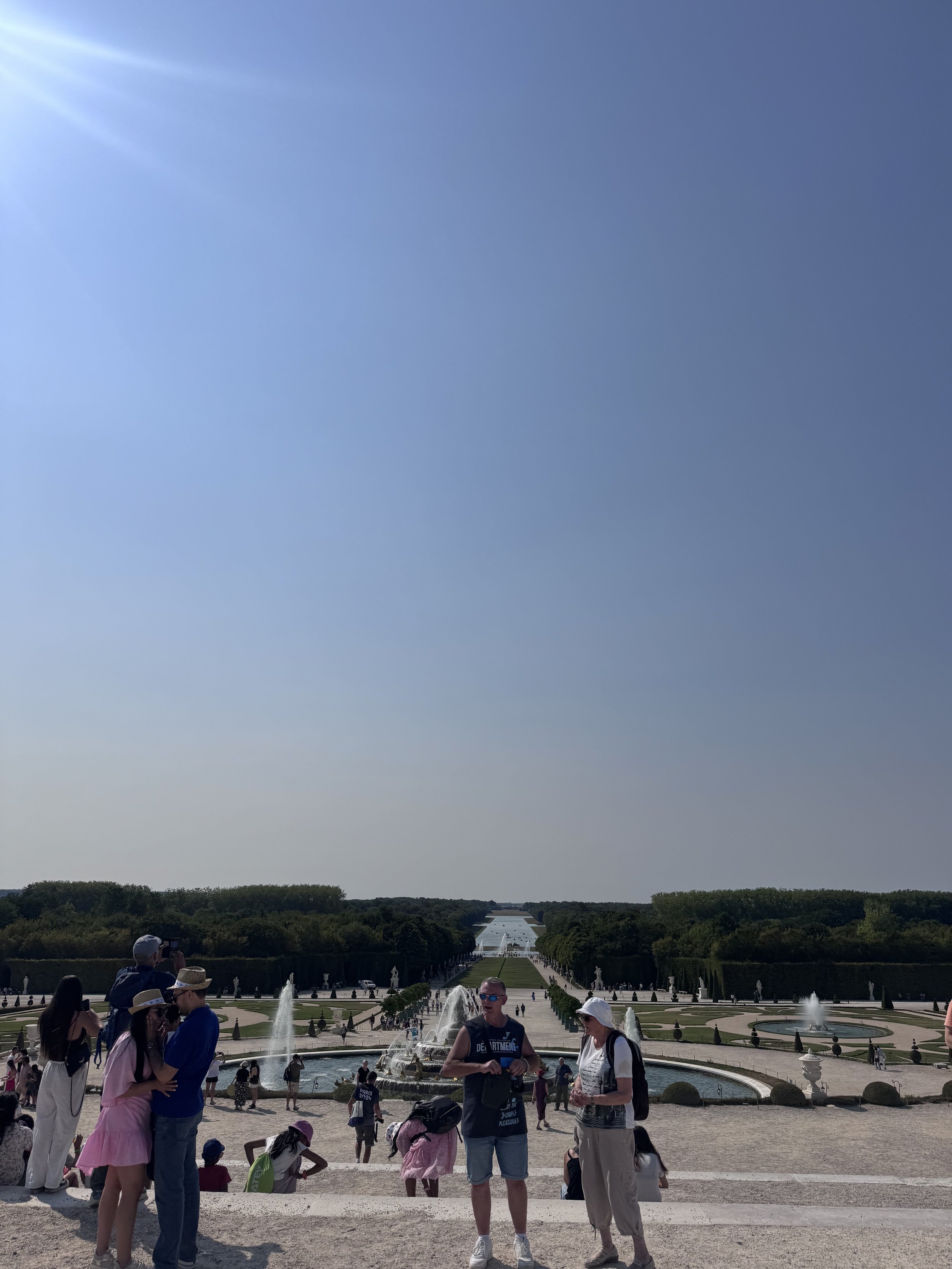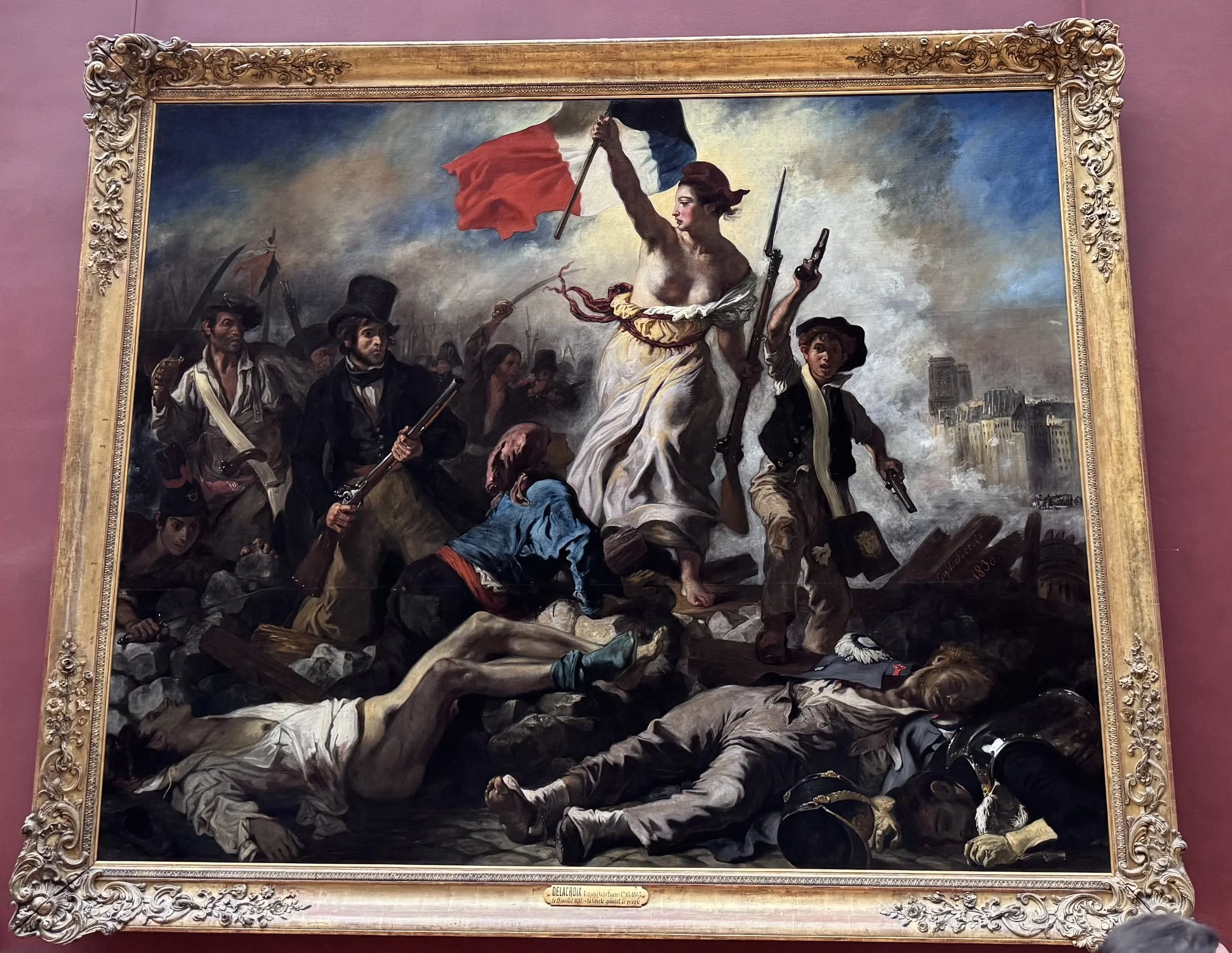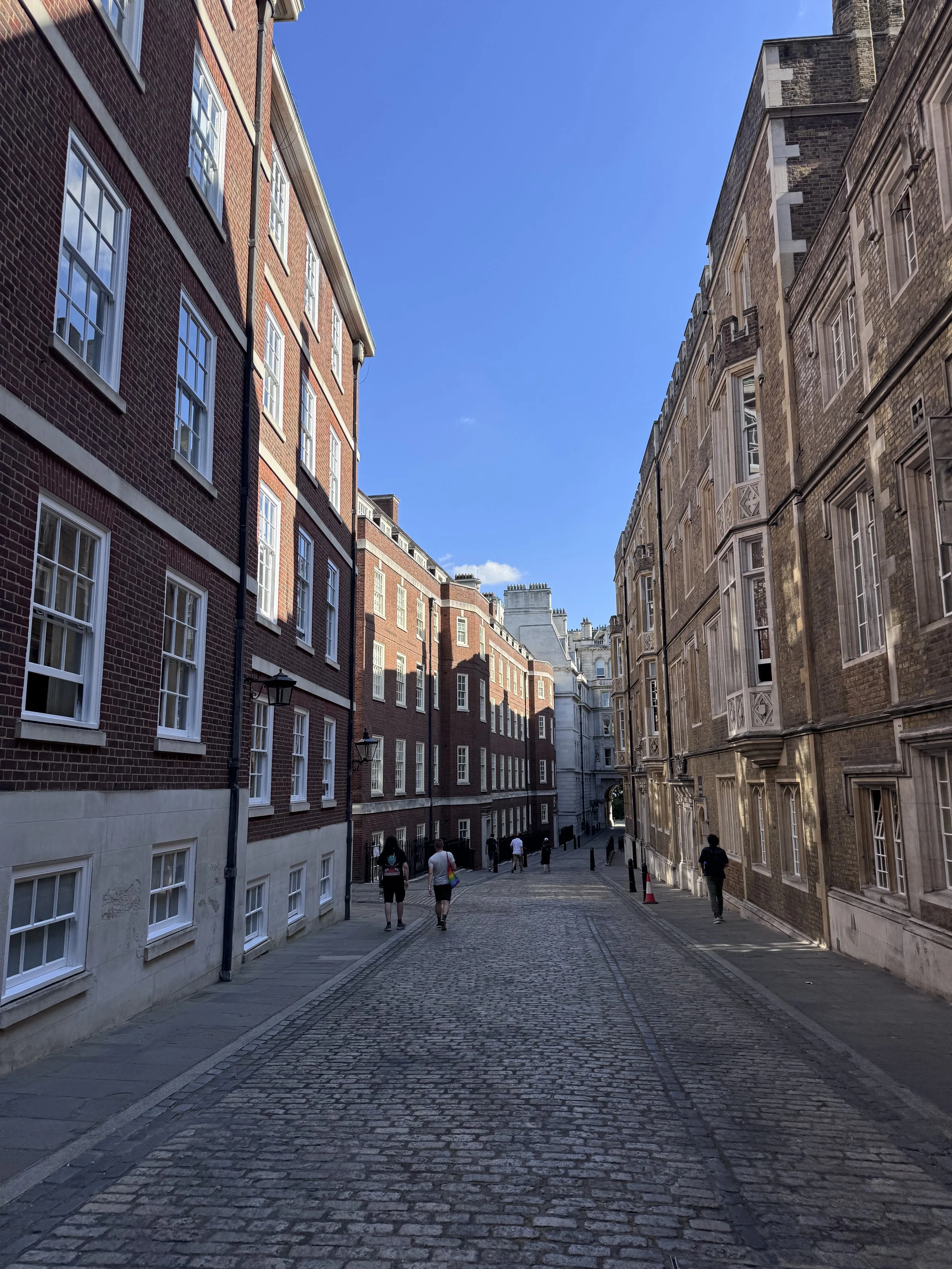
When I first got to Paris, I opened the window in my accommodation, which was facing the courtyard where I could see everyone else’s windows. It felt kind of romantic in a way. It reminded me of Beauty and the Beast where people would just open their windows in the morning and say “Bonjour!” to each other. I got excited about exploring Paris, as I was very eager to understand one of the most important cities in Europe.
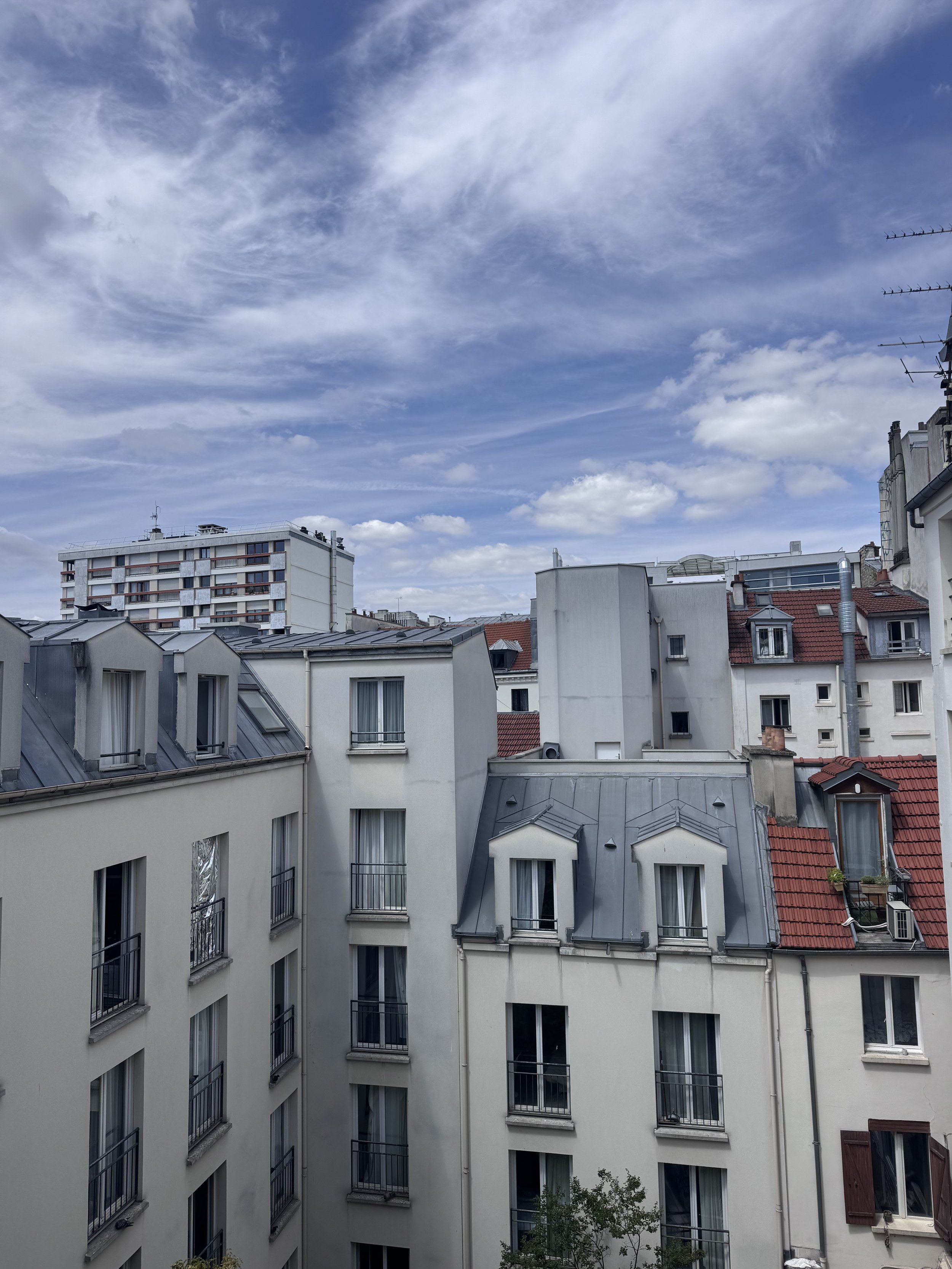
The accommodation
Honestly, my expectations were not very high before coming to Paris. I had obviously heard about how people fall in love with the city and how Paris was so romantic, but I had also heard that it was overrated, dirty, and that the people were rude.
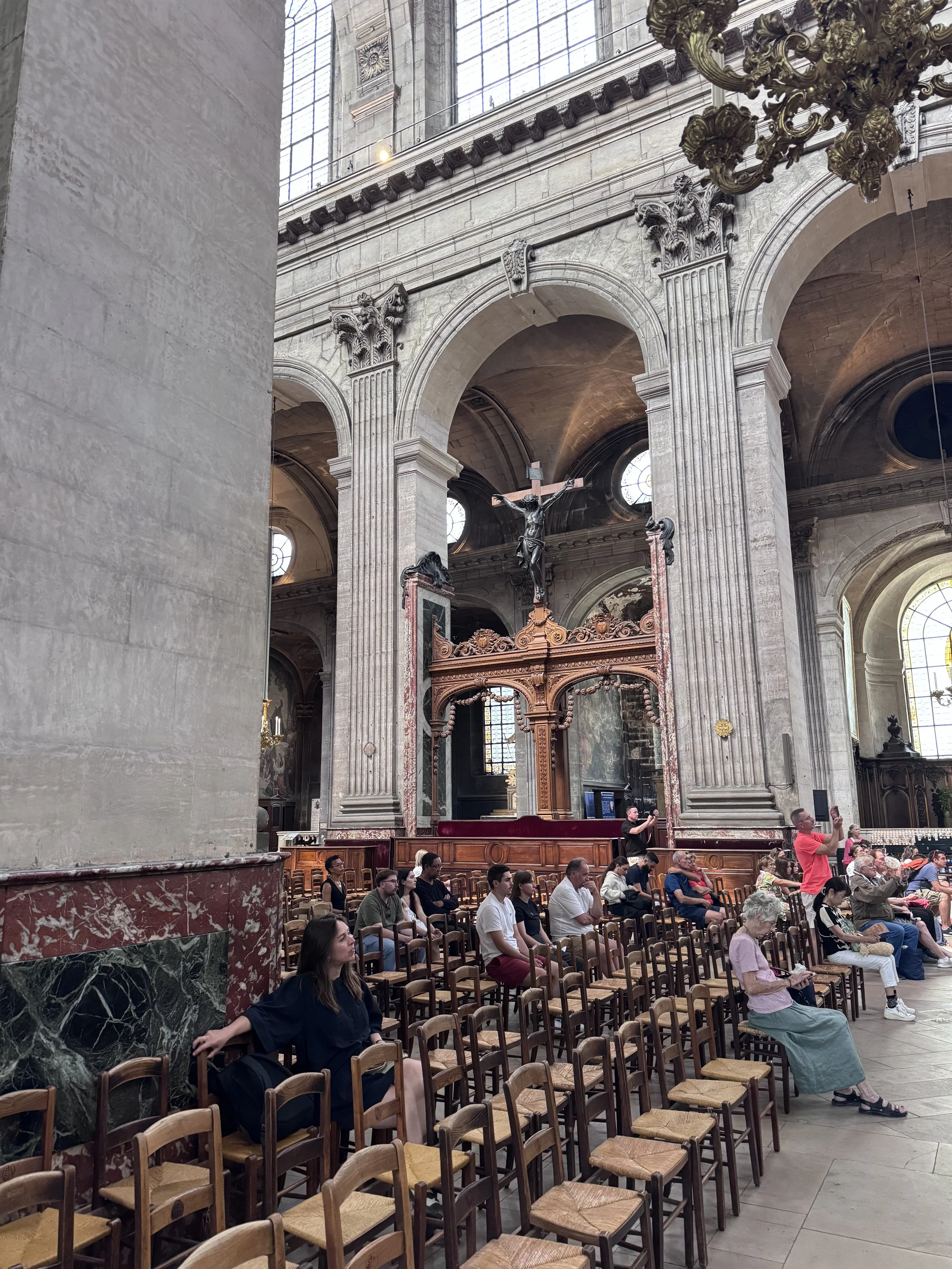
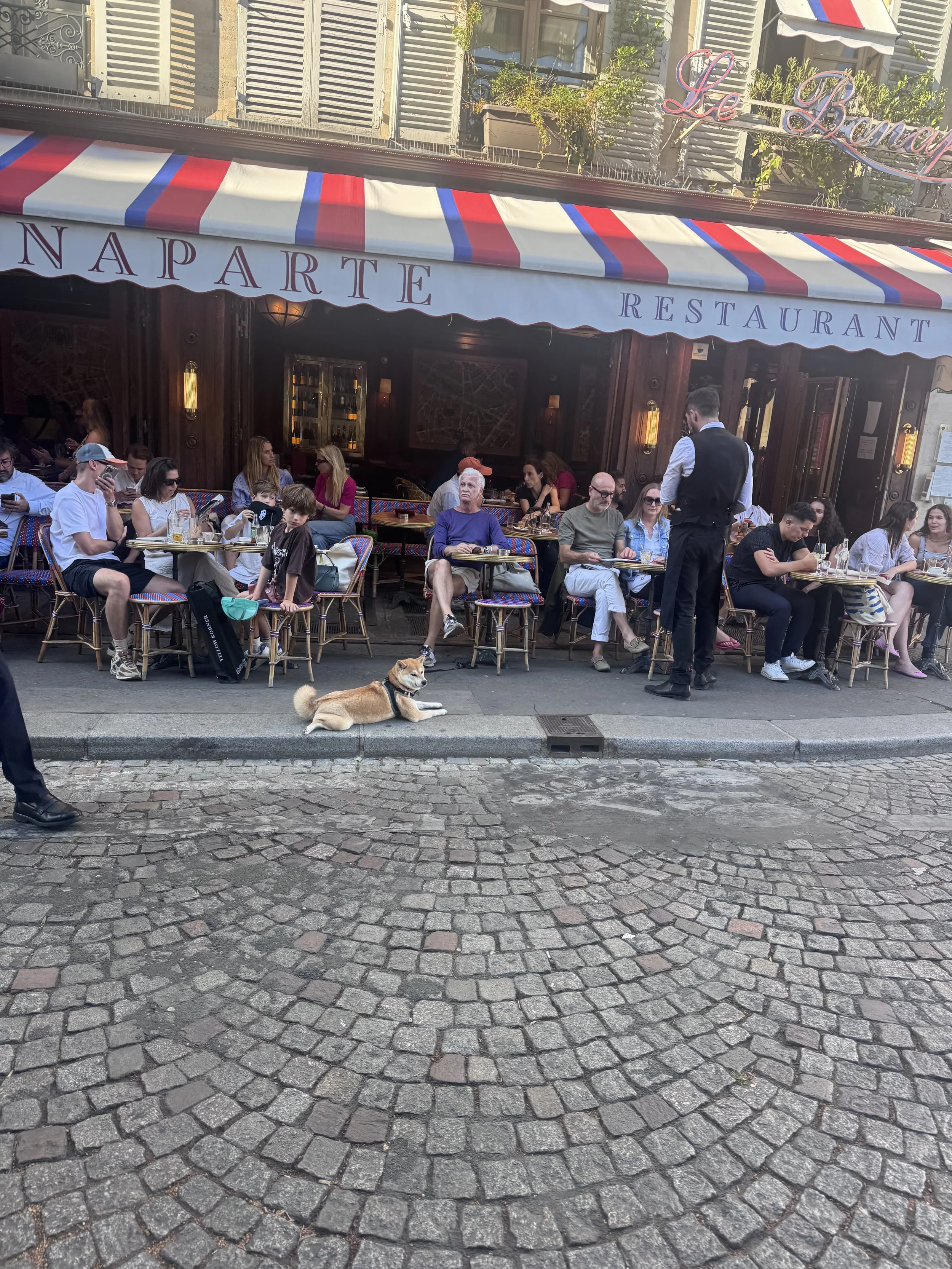
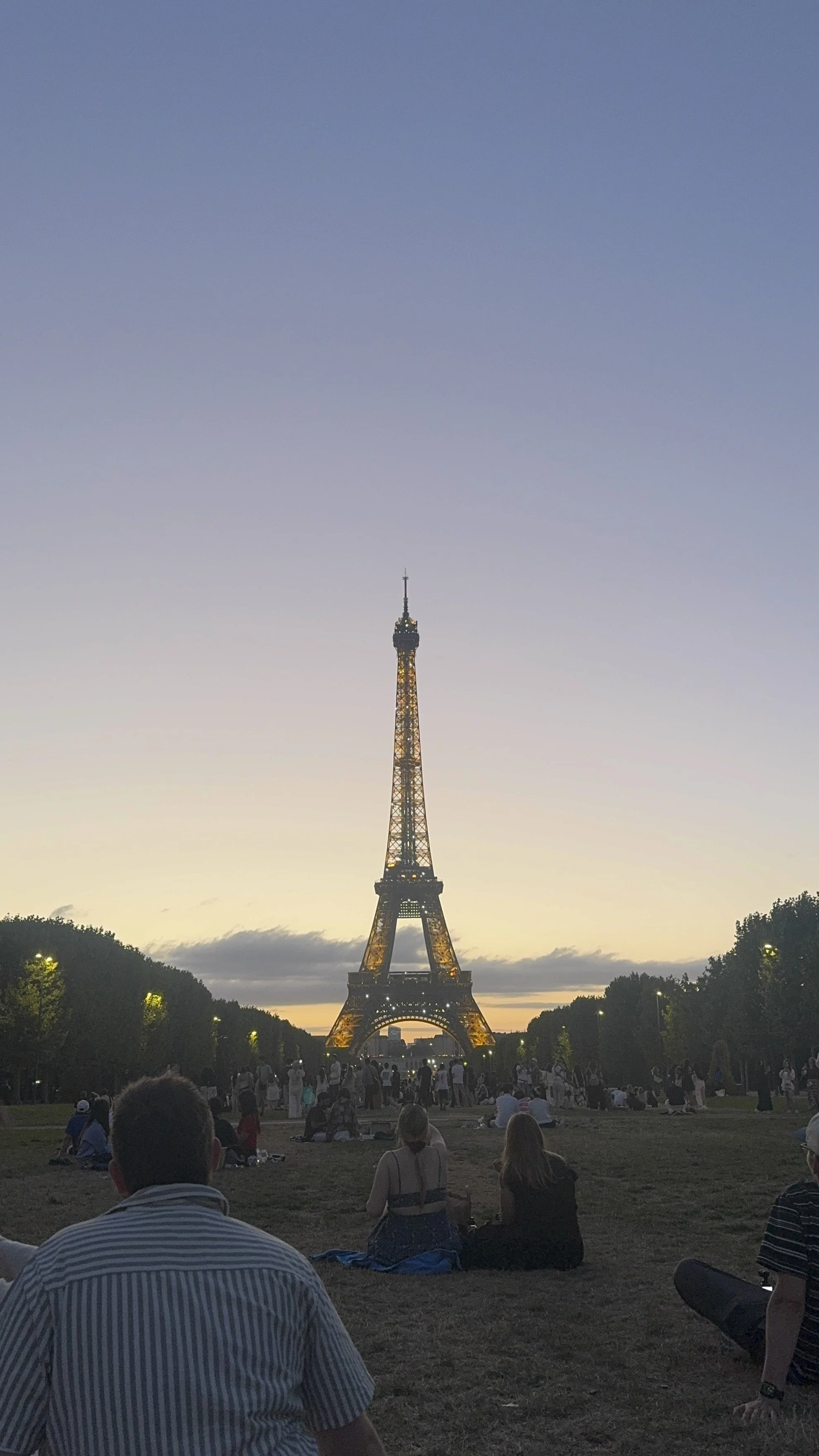
To me personally, I loved my time in Paris. It was a city full of life, beauty, and soul. It is extremely diverse and the amount of culture and history within the city fascinates me. I enjoyed walking past cafes with people chatting over a cup of coffee, a croissant, and a cigarette. I enjoyed exploring beautiful churches that reflect the French’s attention to beauty; it really reflected France’s commitment to preserving their culture and how longstanding their art is. And I especially loved bookpacking and going to locations mentioned in A Tale of Two Cities and Les Miserables, as it made my experience more immersive. It wasn’t as dirty as I expected, but compared to many other Asian cities that I’ve been to, it definitely wasn’t the cleanest.
Yet the fact that Paris isn’t squeaky clean and extremely organized was tolerable to me because it represented the freedom that it has. Perhaps it was also because it was balanced out by the beautiful architecture and streets. But the point of a city isn’t just to be a museum display. It’s a place where people work, live, and explore. It’s a place where people experience both their highest and lowest points in life. I can accept the fact that sometimes it’s okay for a city to be a bit more rugged; it displays what humanity truly is.
Victor Hugo mentions how he believes that Paris is a “summation”, and “the greatest achievement of the human race.” I honestly can see his point. I believe Paris represents a society that represents multiple facets of human nature, or a “summation” of humanity. It’s a city that appreciates the beauty of the arts, including fashion, food, music, and visuals. But it’s also a city where people feel free to flaneur around, smoke cigarettes, and push and shove to squeeze onto an already packed train… It represents the extent of humans and what we can achieve. I completely appreciate this about Paris.
At the same time, I’m not sure if Paris is necessarily “the greatest achievement of the human race” nowadays. I can understand that back then, it definitely was one of the greatest cities in the world due to France’s domination and imperialism on the world stage. However, cities all across the world are developing into global and diverse hubs. I especially believe that many major cities in the United States, such as New York City, are just as much of an achievement as Paris, as the U.S. was founded on exploring “new” lands and searching for liberty. In America, there is a different sense of freedom, one that is newer and more individualistic. The idea of America to me, is just as great as the idea of Paris. While I recognize its ugly past, I can appreciate the idea and values of America. It’s a nation where so many people have flocked to in order to chase their dreams. It’s a nation that has built itself up from a few British colonies to the most powerful nation in the world. It’s a nation where people are able to go out in their pajamas without being judged.
This is just one example of another great human achievement. You could also talk about how Nordic countries have built social democracies that have placed them in the position of the happiest countries in the world. Or you could talk about how Singapore built itself from the ground up after years of British colonization. But in my eyes, Paris is a city of neverending exploration. While Paris does have many flaws, it is an extremely unique, accomplished, and beautiful city that I will definitely return to. The beauty, culture, and freedom of the city have appealed to me, and allowed me to understand not only French society, but also the possibilities of what our global society can achieve.
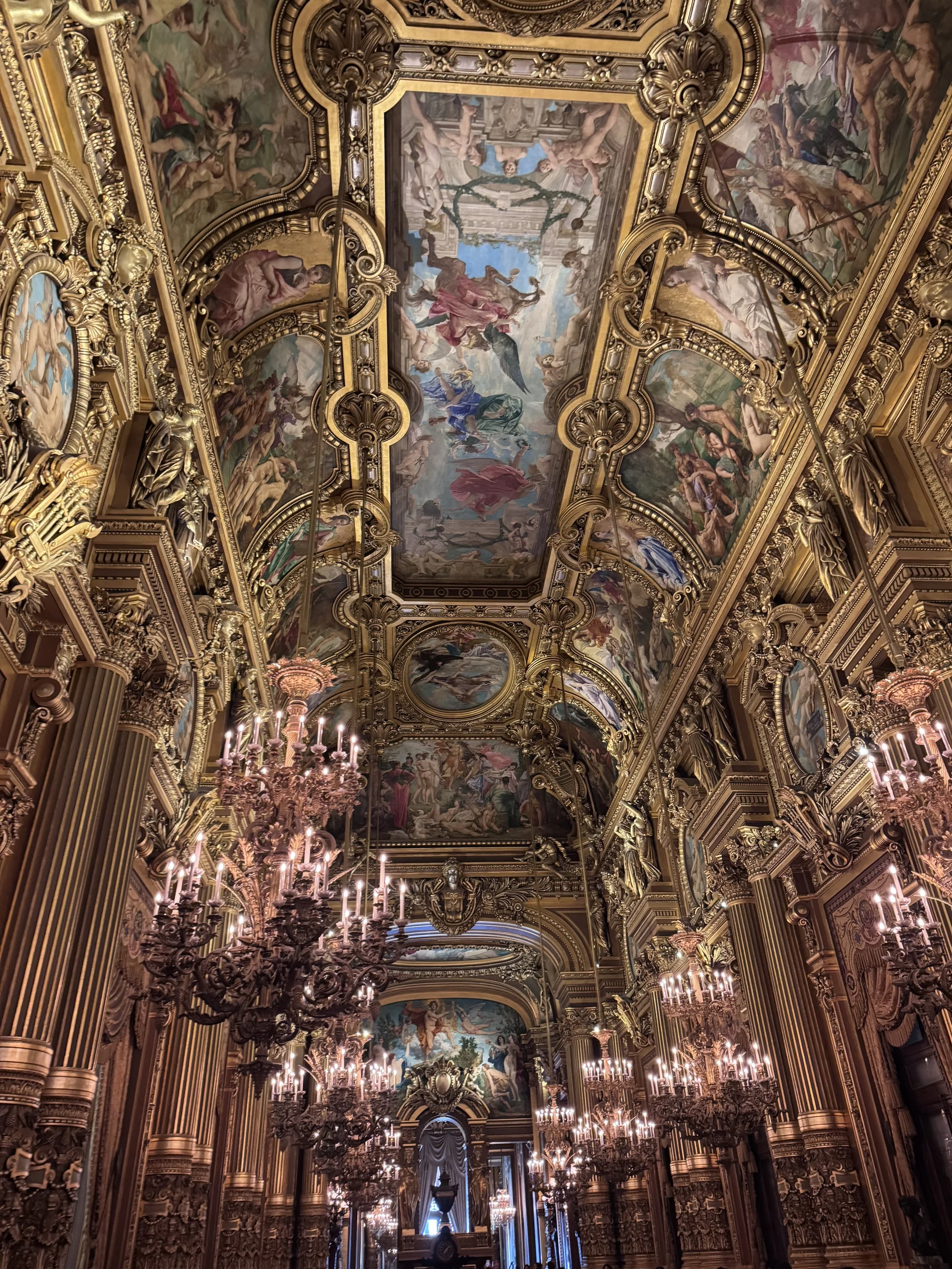
Palais Garnier
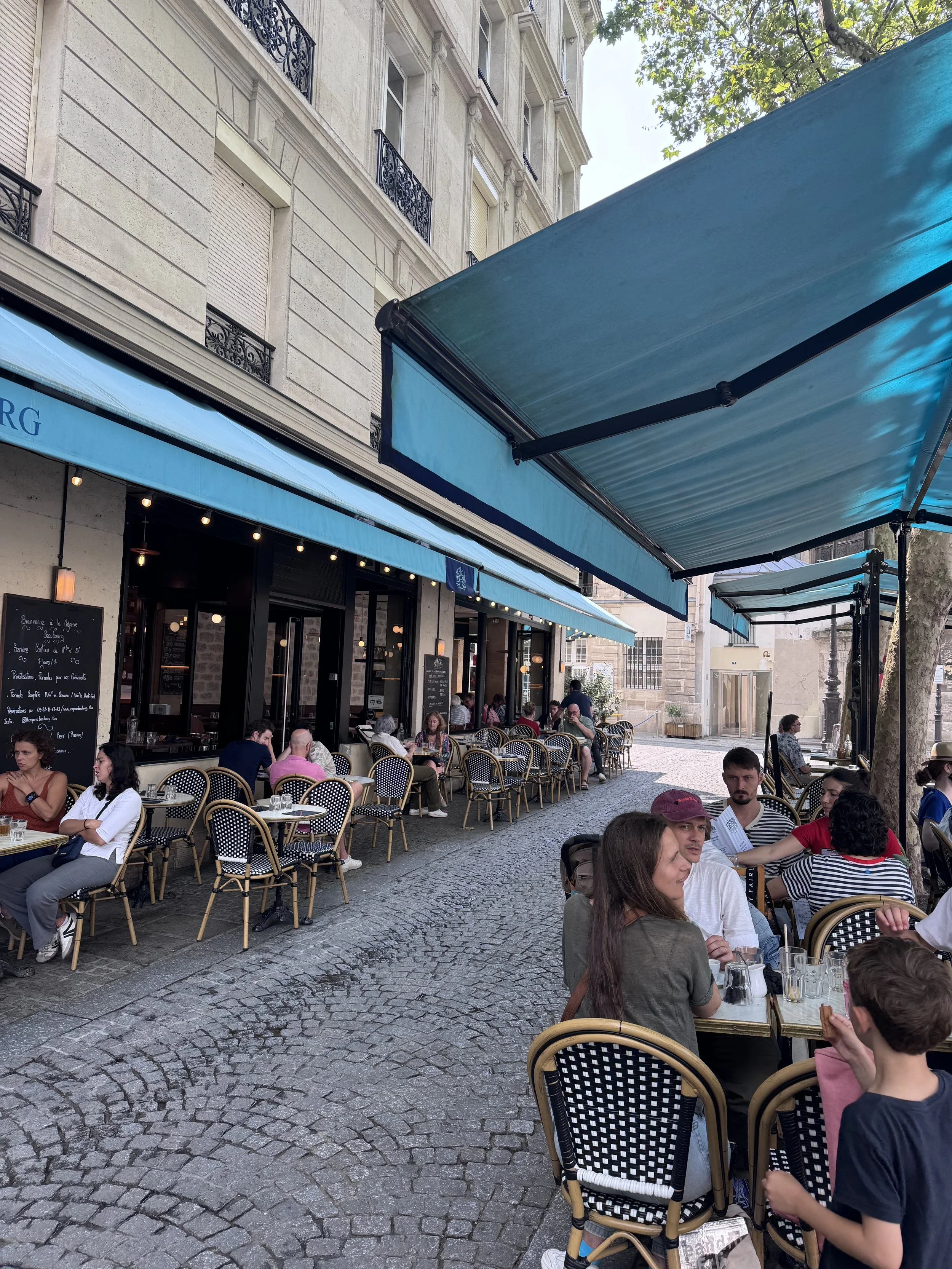
“For Paris is a summation. Paris is the greatest achievement of the human race. This whole marvellous city is a compendium of ways of life past and present.”