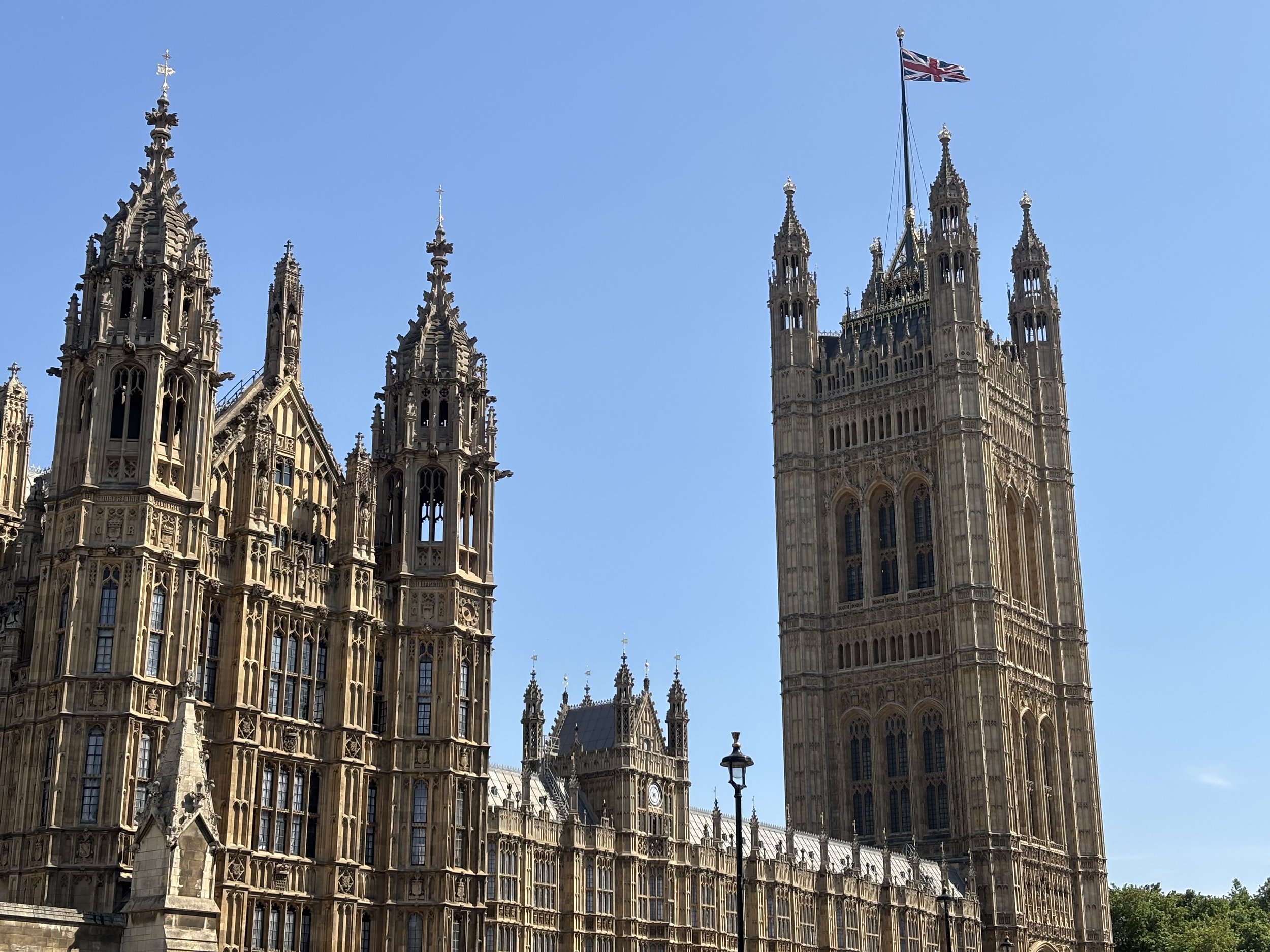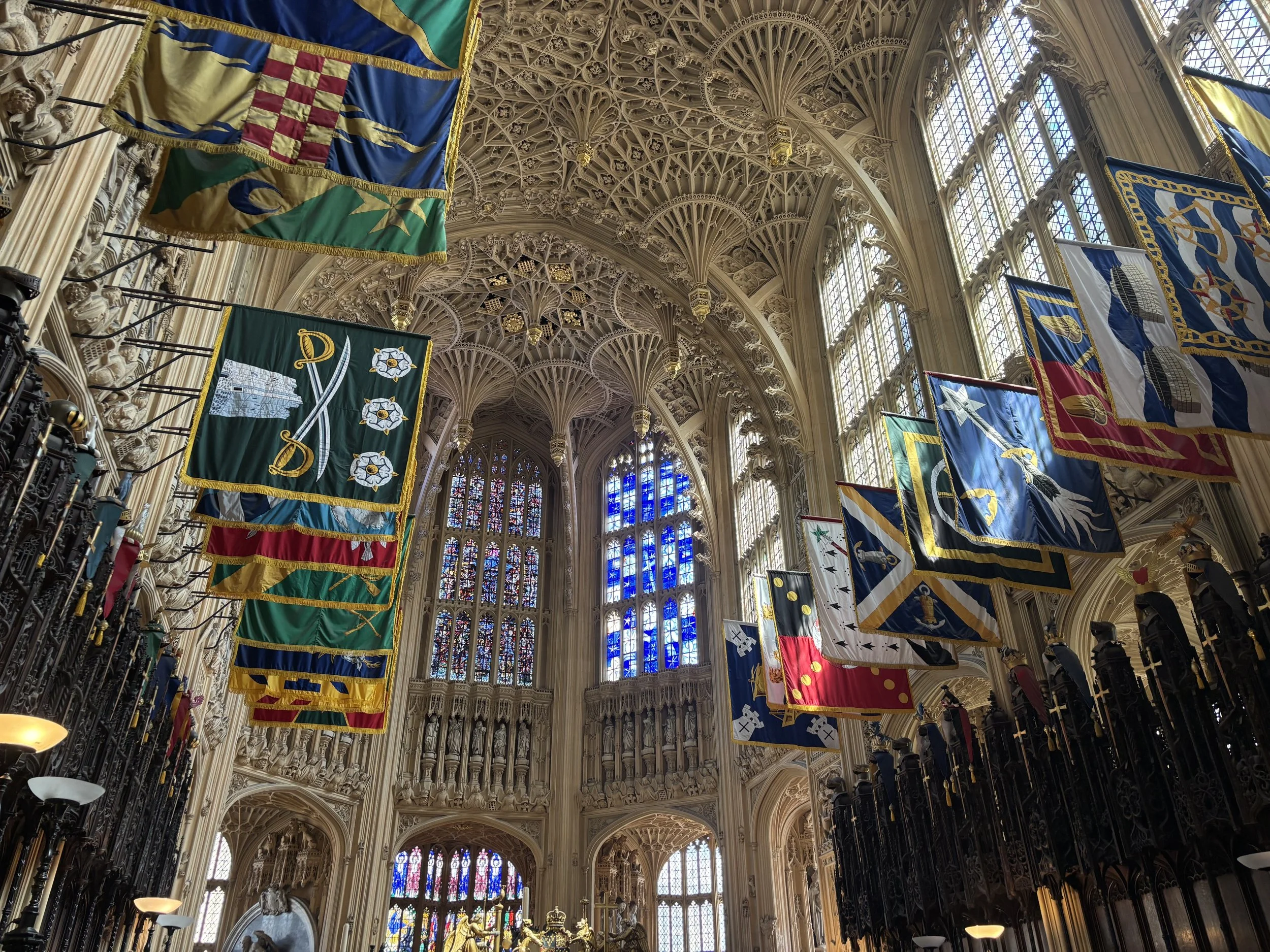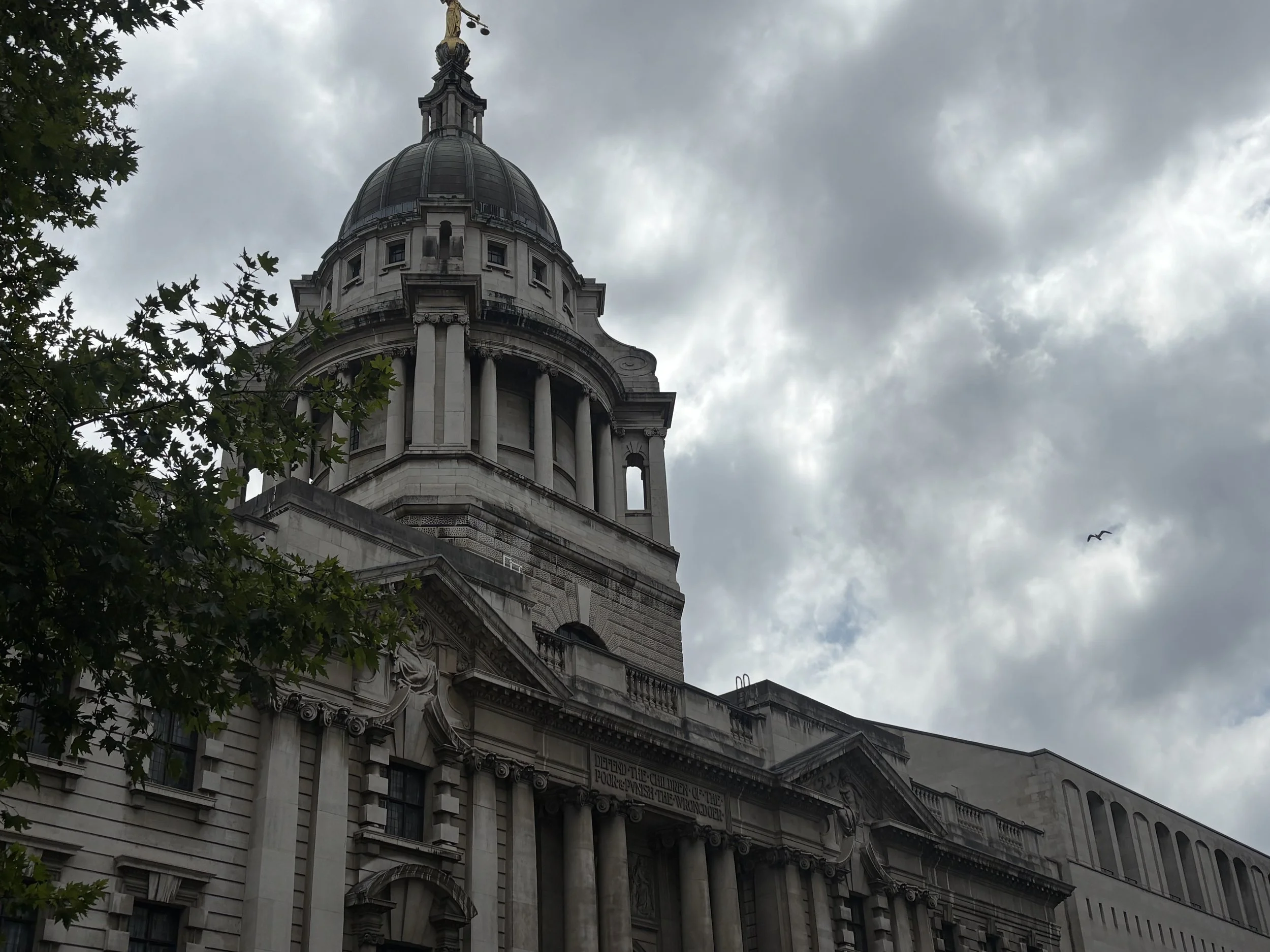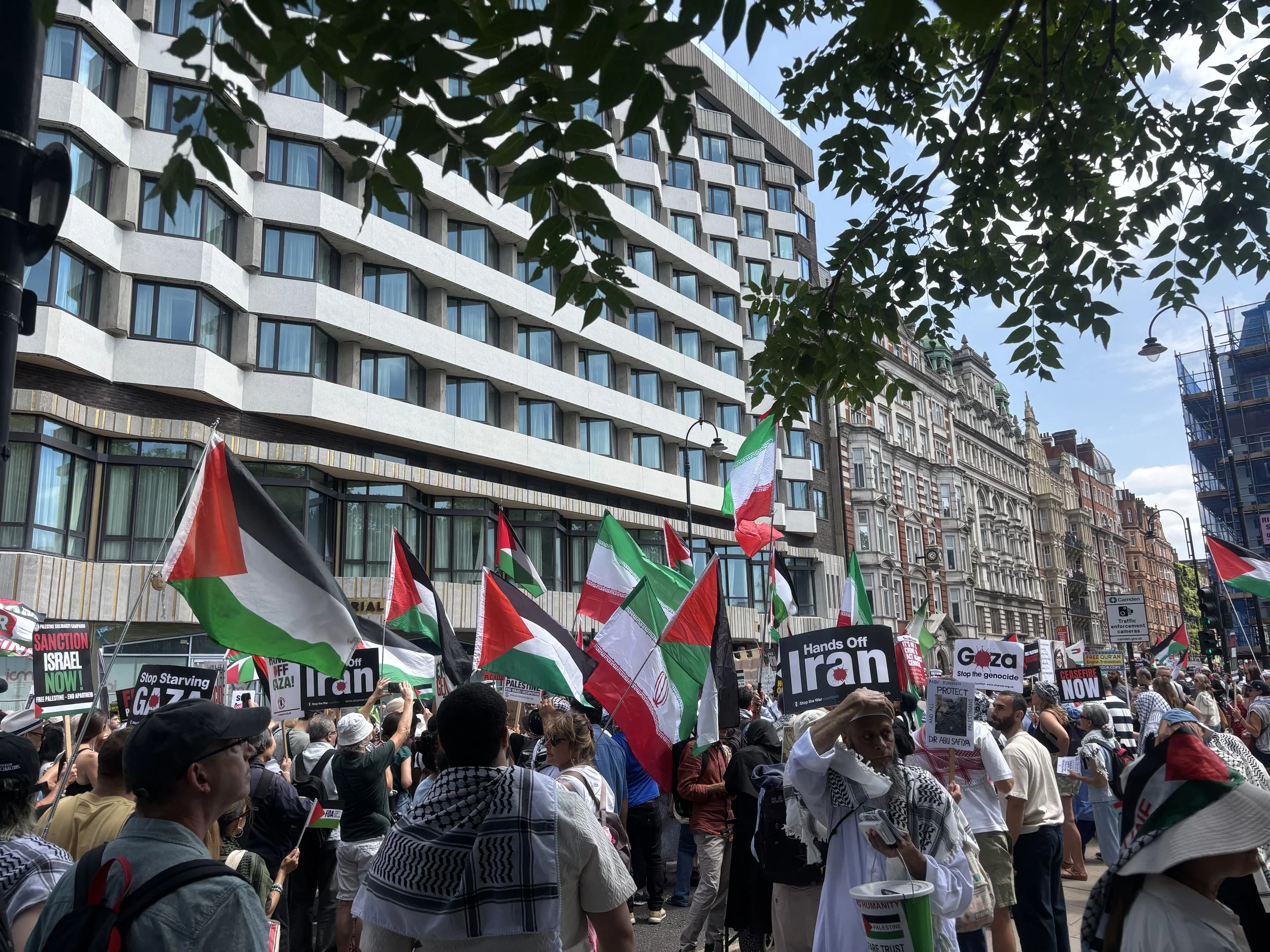
Every city shows you its best angle and hides the rest. That's not an accident. It's a choice, the same way a highlight reel is a choice — you never see the footage that got cut, and you rarely think to ask who's holding the camera. Every skyline is a magic trick: look here, at the spires and the gilded domes, and please, whatever you do, don't look down.
I spent a week doing exactly that in Paris. Then I went underground, and the trick stopped working.
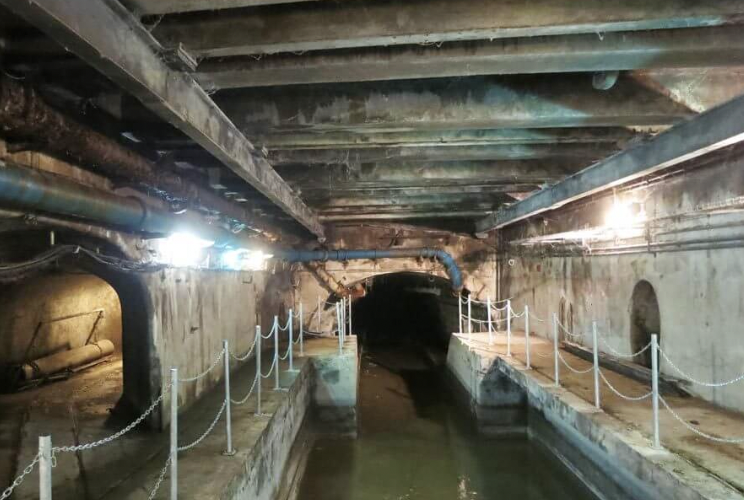
The Paris sewers, courtesy of the internet, because the smell was so bad that taking a photo was genuinely the last thing on my mind. I was focused on one thing: finding the exit.
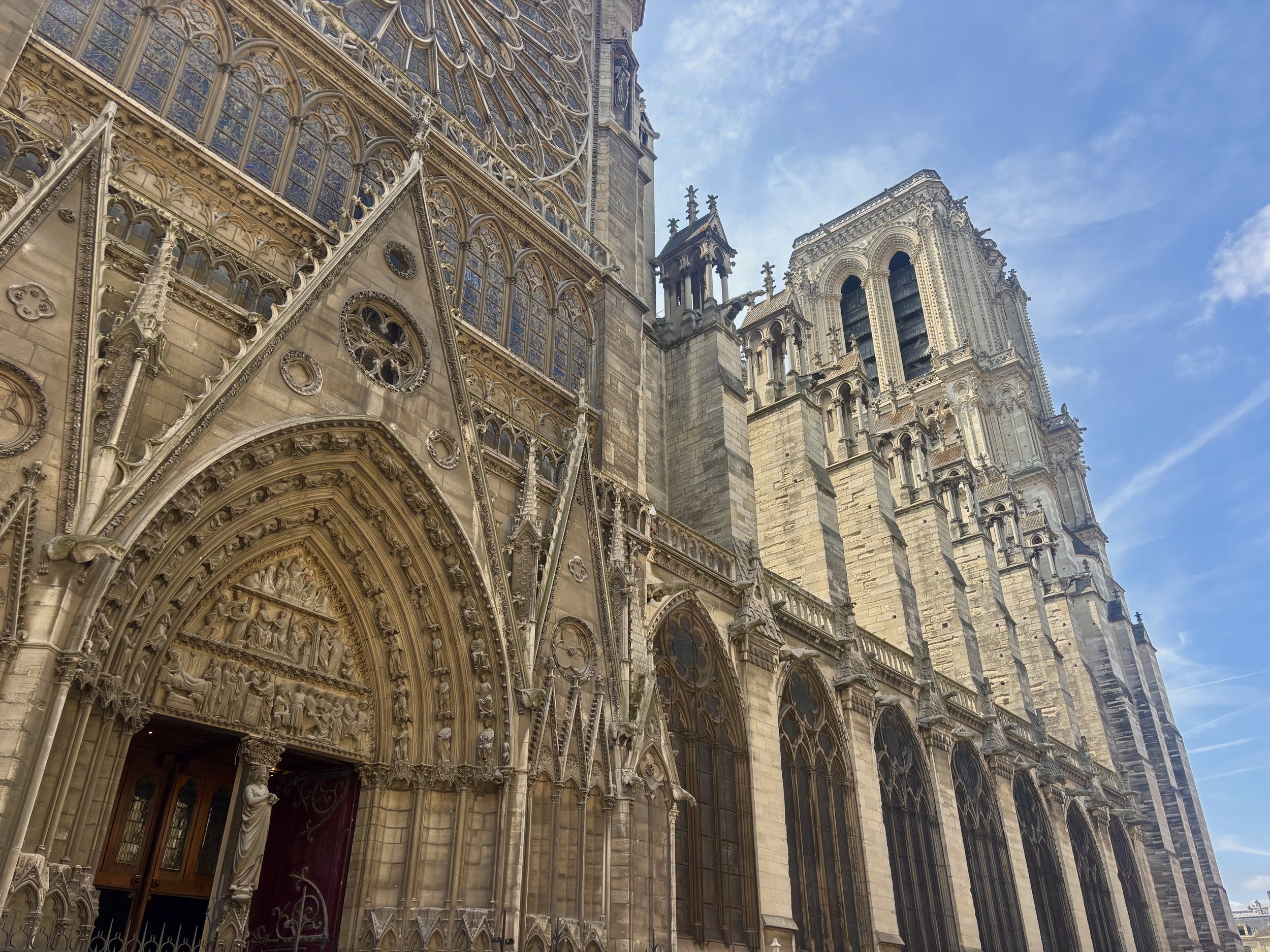
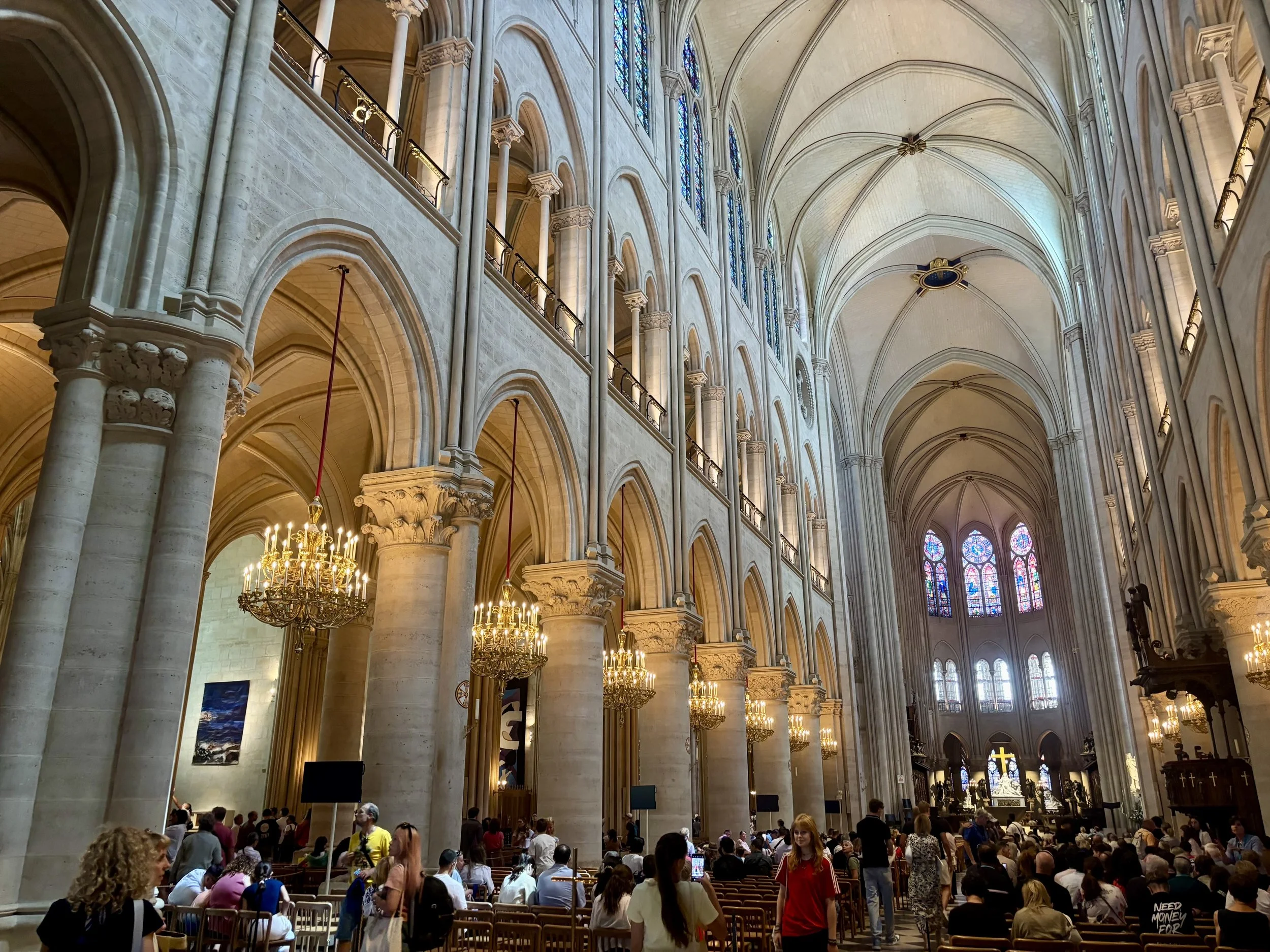
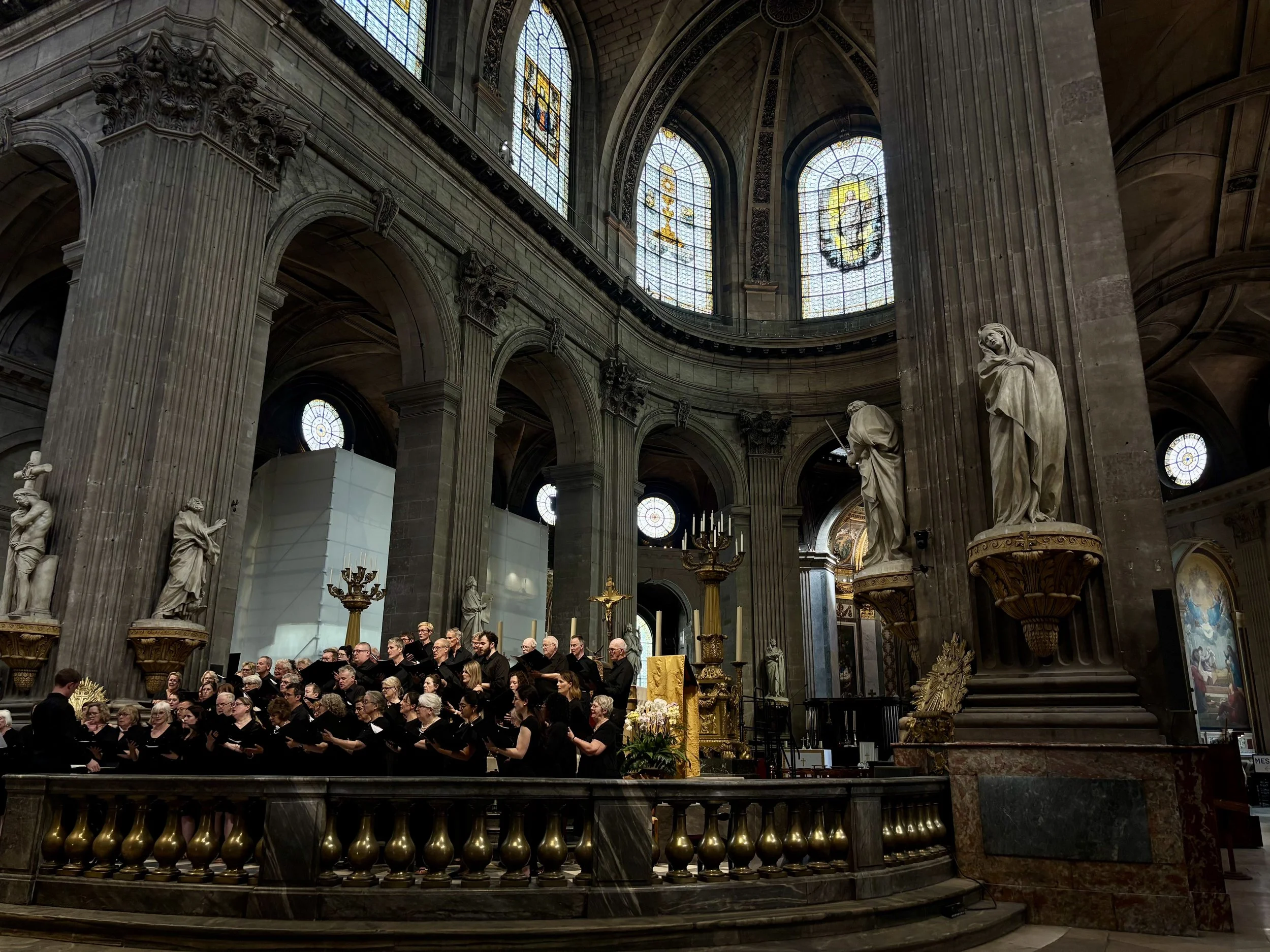
Our class visited Notre-Dame on a Tuesday, all craned necks and cathedral light, the kind of morning that photographs itself. A few days later we descended into the Paris sewers. On paper these are two unrelated field trips — one a pilgrimage to human genius, the other a tour of human plumbing. Victor Hugo, who apparently could not write a single chapter of Les Misérables without detouring into a meditation on the soul of civilization, insisted they were the same story told from opposite directions. I used to think this was one of his more indulgent digressions. Barricades are exciting. Sewage infrastructure is not. Why interrupt Jean Valjean's escape to give the reader a guided tour of Parisian drainage history?
Because he wasn't writing about tunnels. He was writing about the parts of ourselves we flush and never think about again. Notre-Dame had asked nothing of my body. The sewers asked immediately. The ceiling dropped low enough that I ducked out of instinct before I'd even registered why, and the air changed in a way no photograph of a cathedral has ever prepared you for — not the postcard stench you brace for, but something mineral and old, like a basement that has been wet for two hundred years and stopped apologizing for it.
Somewhere below the walkway, water moved with a sound I felt more than heard. Down here we walked in a single file without anyone organizing it, the tunnel deciding our formation for us. Nobody photographed anything. I don't think it occurred to a single person in the group to try.
One line from the novel followed me down into that tunnel and hasn't quite left since:
“Humanity is identity. All men are made of the same clay… But ignorance, mingled with the human paste, blackens it.”
I'd underlined this weeks earlier, back home, where it read as a tidy observation about morality — the kind of sentence you nod at and move past. Standing in the dark beneath the Rue de Rivoli, ducking under stone with water running somewhere I couldn't see, it read as something closer to an indictment.
Hugo isn't saying some people are born saints and others born villains. He's saying we start identical, and then circumstance gets its hands on us. Ignorance is the sculptor. Poverty is the sculptor. Indifference — maybe the most patient sculptor of all — works slowly, over generations, until the shape it leaves behind gets mistaken for someone's nature, rather than what it actually is: the residue of everything a city declined to fix.
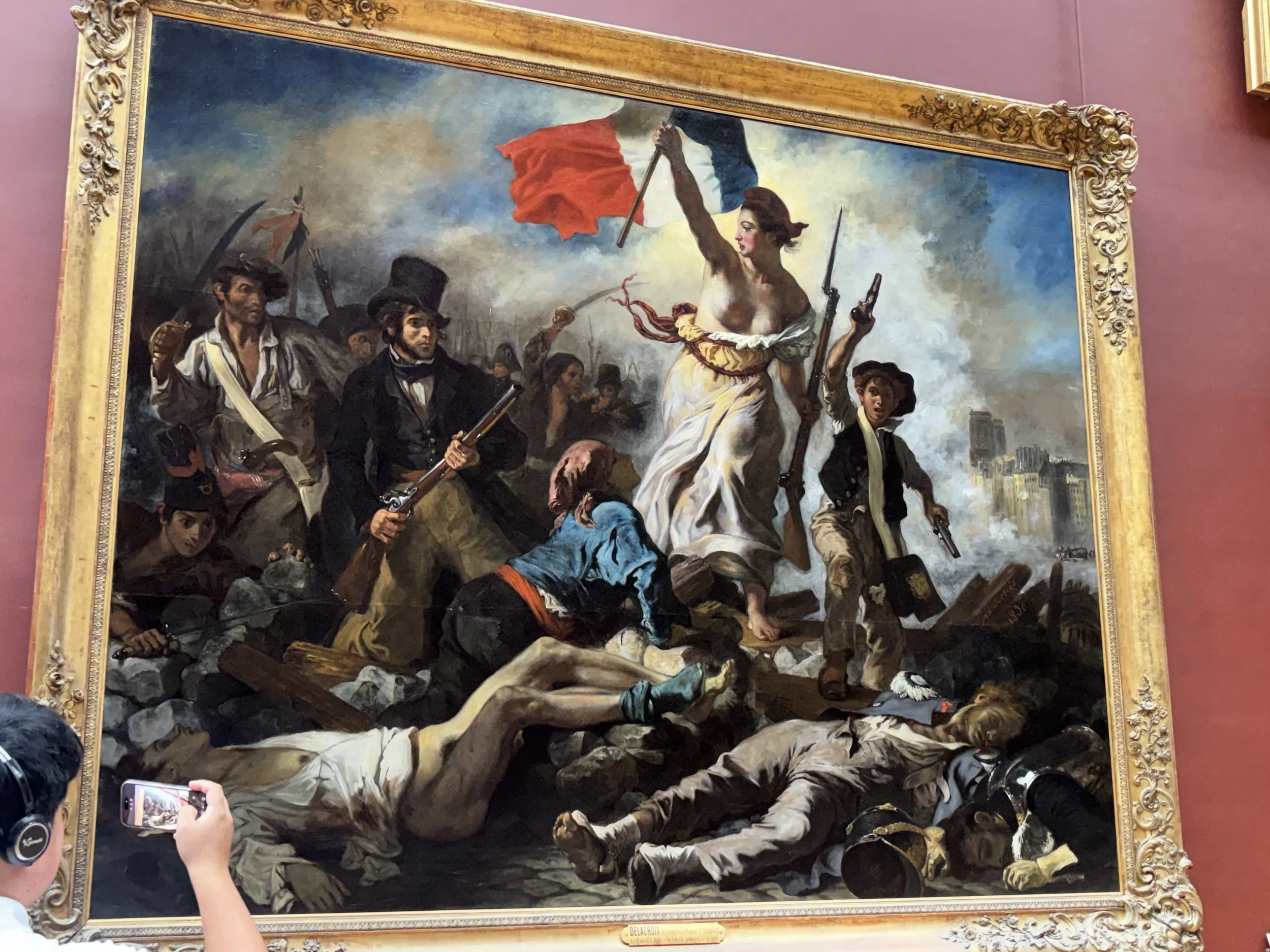
It would be easy to say Hugo believed in inevitable moral progress — light wins, justice arrives, the arc bends — and to say I don't. But that flattens him into something less interesting than what's actually on the page. Hugo doesn't write like a man who thinks improvement is automatic. He writes like a man holding onto hope with both hands, in a country that had just finished eating itself in revolution after revolution, fully aware of how easily the barricade could go the other way. His optimism isn't naivety. It's a decision he keeps making, book after book, against a mountain of evidence that should have talked him out of it.
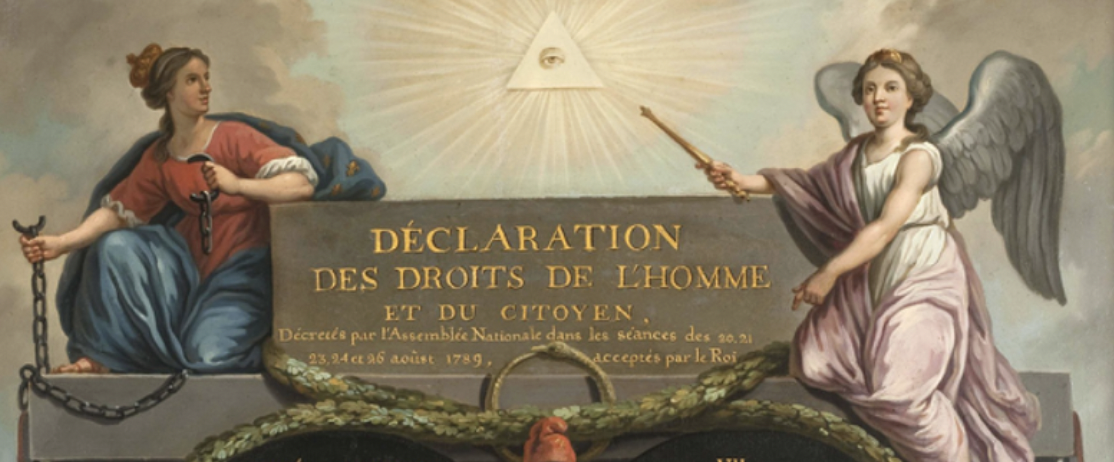
So the disagreement, once I take him seriously, gets smaller and sharper. Hugo believes humanity can move toward justice. I believe it can too — I just don't believe anything guarantees that it will. The sewer is a useful place to think about the difference because a sewer makes the point brutally well: something can exist beneath your feet for years without you ever choosing to look at it. Infrastructure for seeing clearly is not the same thing as the will to see.
That gap — between the capacity for progress and the choice to exercise it — is where I think modern history becomes difficult to romanticize. We learned to split the atom and almost immediately learned how to turn that knowledge against entire cities. We built technologies capable of connecting billions of people and discovered they could distribute cruelty as efficiently as solidarity. We became extraordinarily good at changing the world without becoming equally good at deciding what kind of world deserved to replace it.
None of that proves progress is a myth. It proves progress is not a law of physics. It is closer to a door left unlocked: nothing stops us from walking through it, and nothing makes us.
Hugo, I think, would agree with more of this than I first gave him credit for. He just never stopped believing people would eventually choose to walk through the door. I'm less sure.Not because I think we’re worse than he thought, but because every generation gets handed the same unlocked door and has to decide, from scratch, whether to open it, armed with nothing but whatever wisdom the previous generation bothered to leave behind.
The names change. The architecture changes. The people standing comfortably aboveground change. The question underneath does not: who gets left in the tunnels, and who decided that was acceptable?
Before this trip I experienced places the way most people do: as a checklist. Notre-Dame was architecture. The sewers were engineering. A prison was history. A slum, if I noticed one at all, was scenery on the way to somewhere prettier. Hugo ruins this way of seeing, and I mean that as a compliment. Once you accept that a civilization’s underside and its overside belong to the same civilization — built from the same money, the same labor, the same century of decisions — you can’t un-accept it. Now, when I walk into a museum, I wonder what paid for it. I wonder who wasn’t allowed inside when it opened. I wonder whose labor made the beauty possible, and what else that money might have built. It is an exhausting way to tour a city. I suspect it's also the only honest one.
A civilization's museums tell you its favorite story about itself. Its sewers, its shelters, its underfunded hospitals — those tell you what actually happened while the story was being written. Both are true. Only one gets marketed. The other has to be walked into, on purpose.
There's a reason, I think, that Jean Valjean's last great act of heroism — carrying a half-dead Marius to safety — happens not on a mountaintop or a barricade but in a sewer. He wades through the exact filth the rest of Paris has paid good money to forget exists. Hugo could have staged that rescue anywhere. He chose the drain. For most of the novel, Valjean is trying to escape what society has decided he is: prisoner, criminal, irredeemable man. But underground, stripped of witnesses and recognition, none of those categories matter. There is no audience in the sewer. No institution tells him what the right thing is. No monument will be built to the decision he is about to make. There is only another human being who will die if Valjean stops carrying him. And he doesn’t.
Maybe that is where Hugo’s faith in progress actually lives—not in the belief that history naturally improves, but in the stubborn possibility that a person can encounter everything designed to make him indifferent and refuse to become indifferent anyway.
That is harder for me to argue with.
I had spent much of Les Misérables looking for Hugo’s answer in revolutions, laws, barricades, and declarations about humanity. Paris put the answer somewhere less impressive. Beneath the monuments. Beneath the politics. Beneath even the streets.
A man is carrying another man through the dark. Nobody is watching. He carries him anyway.