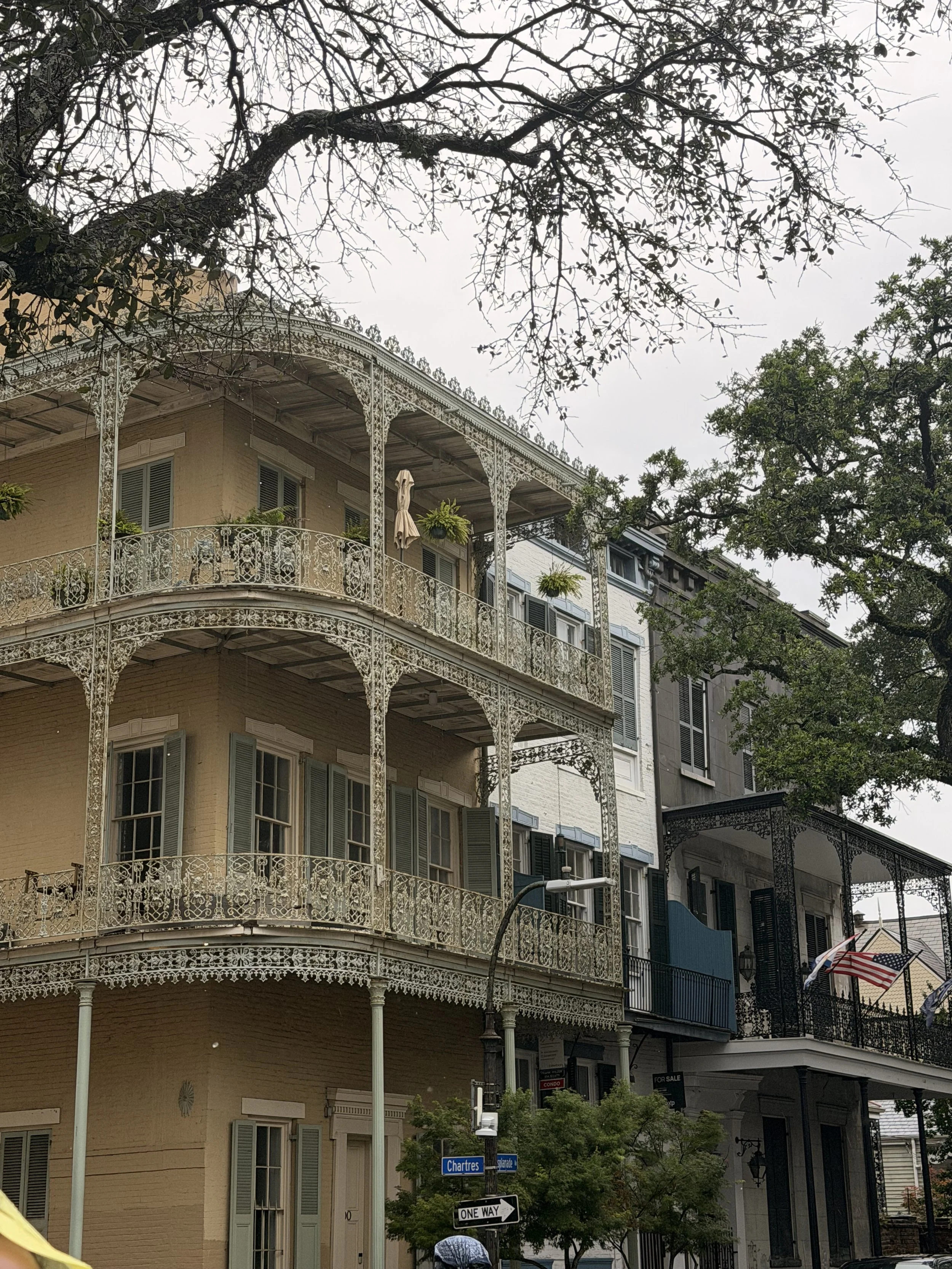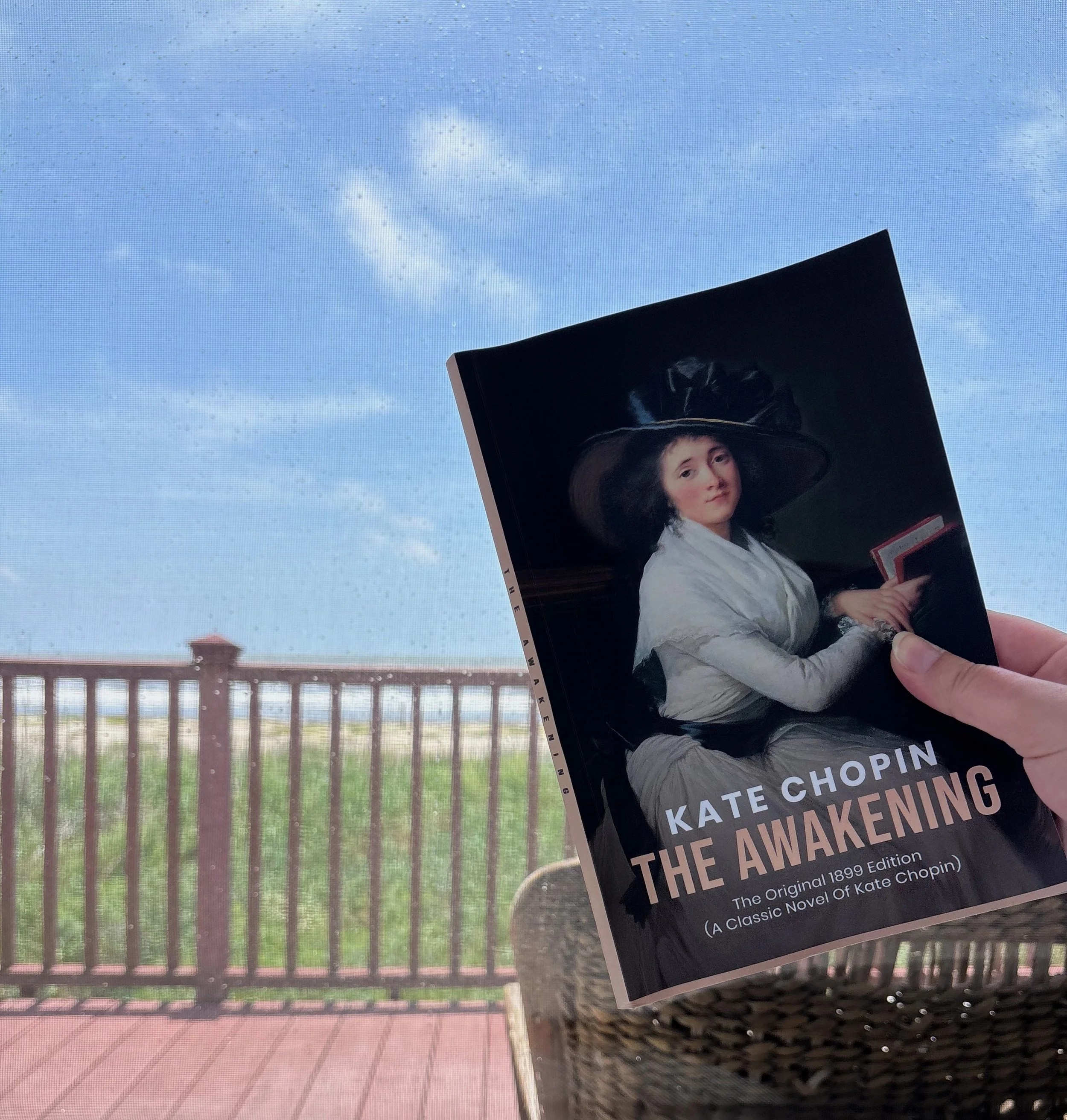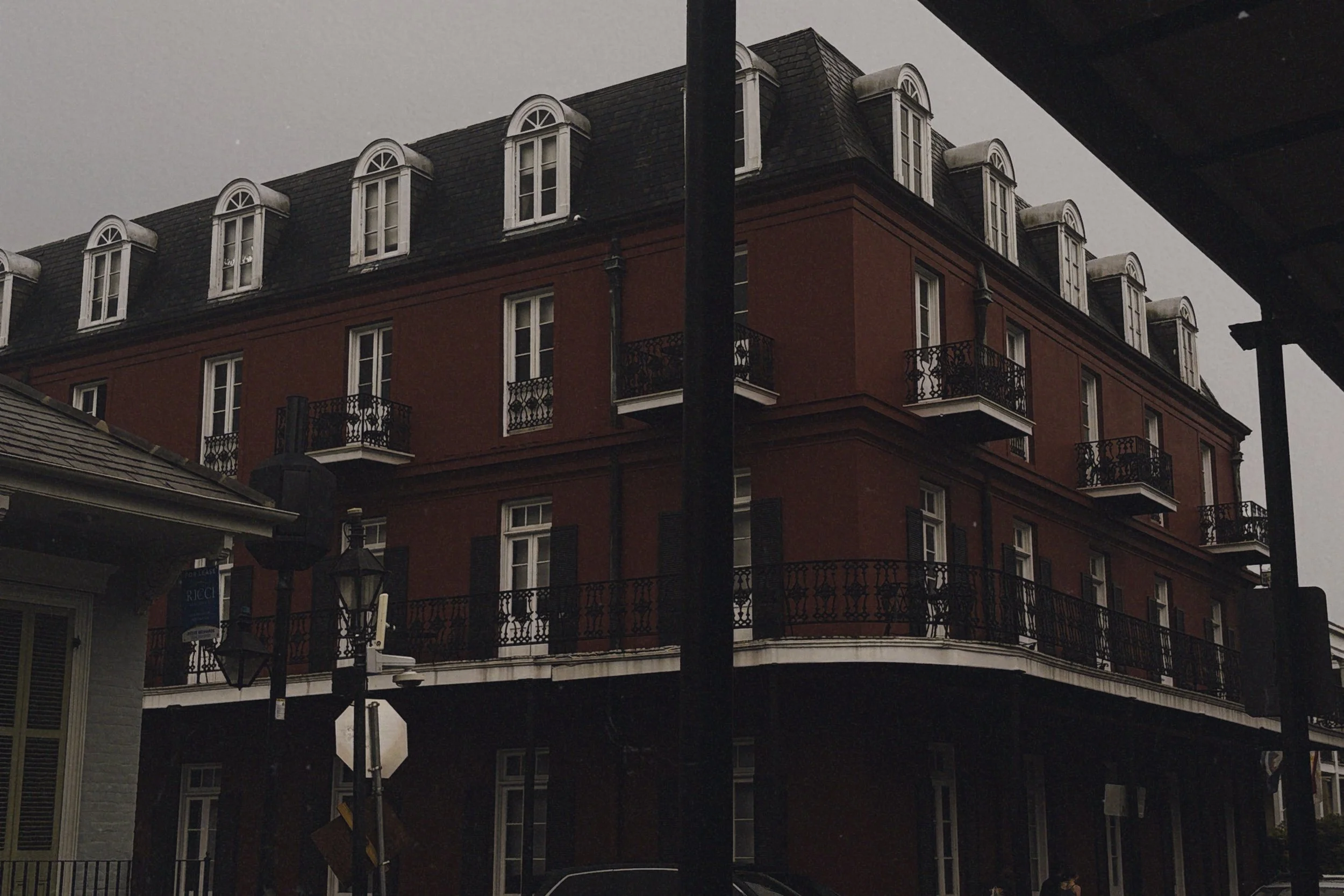
If I’m being completely honest, I’d be lying if I didn’t tell you Interview With A Vampire was my most anticipated novel of the entire bookpacking program. If I think of New Orleans, my mind immediately goes to that gothic, French and Spanish Creole architecture that pervades throughout the French Quarter. The heart of the city, truly. The sort of city that you end up walking throughout constantly to get to and fro just for the sake of doing it. With its mixture of broken-down, shoddy locations and sudden modernistic highrises through Canal Street. And then the gorgeous awnings that lay overhead as you step through a portal, almost, of 18th and 19th century New Orleans. Two to four story brick buildings, often stucco with gorgeous courtyards, both cast-iron and wrought iron railings (stunning) lacing these many balconies with gorgeous, intricate designs. A lot of long, narrow homes with a wide door facing into the street or mini front yards filled to the brim with plants, decorations left over from mardi gras, or decorations that’d fit quite nicely into a Halloween celebration. It’s a stunning city overflowing with personality and this unique energy that reveals itself in its populace. A city that's proud, that's loud and rambunctious and quite eccentric. I freaking love it.
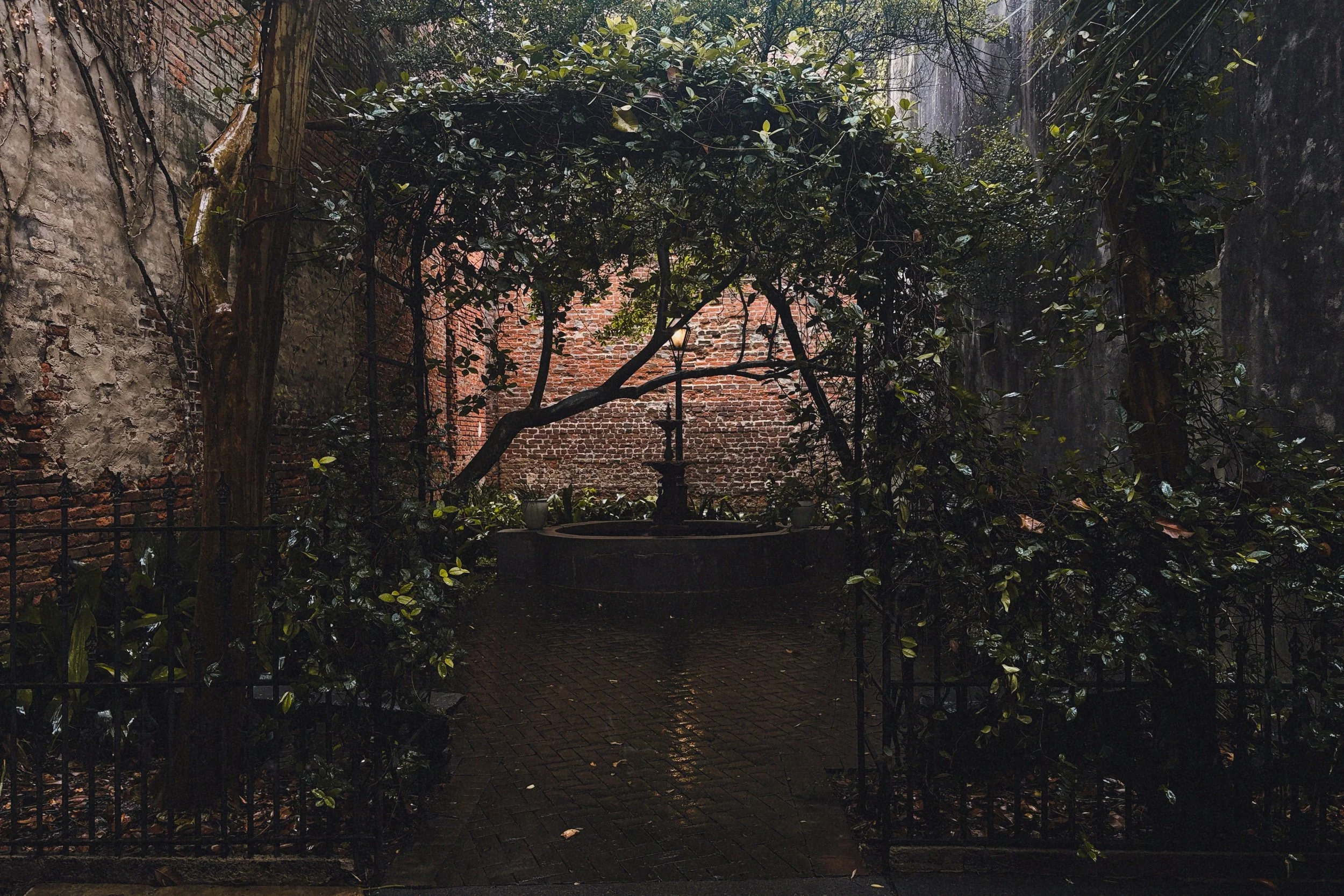
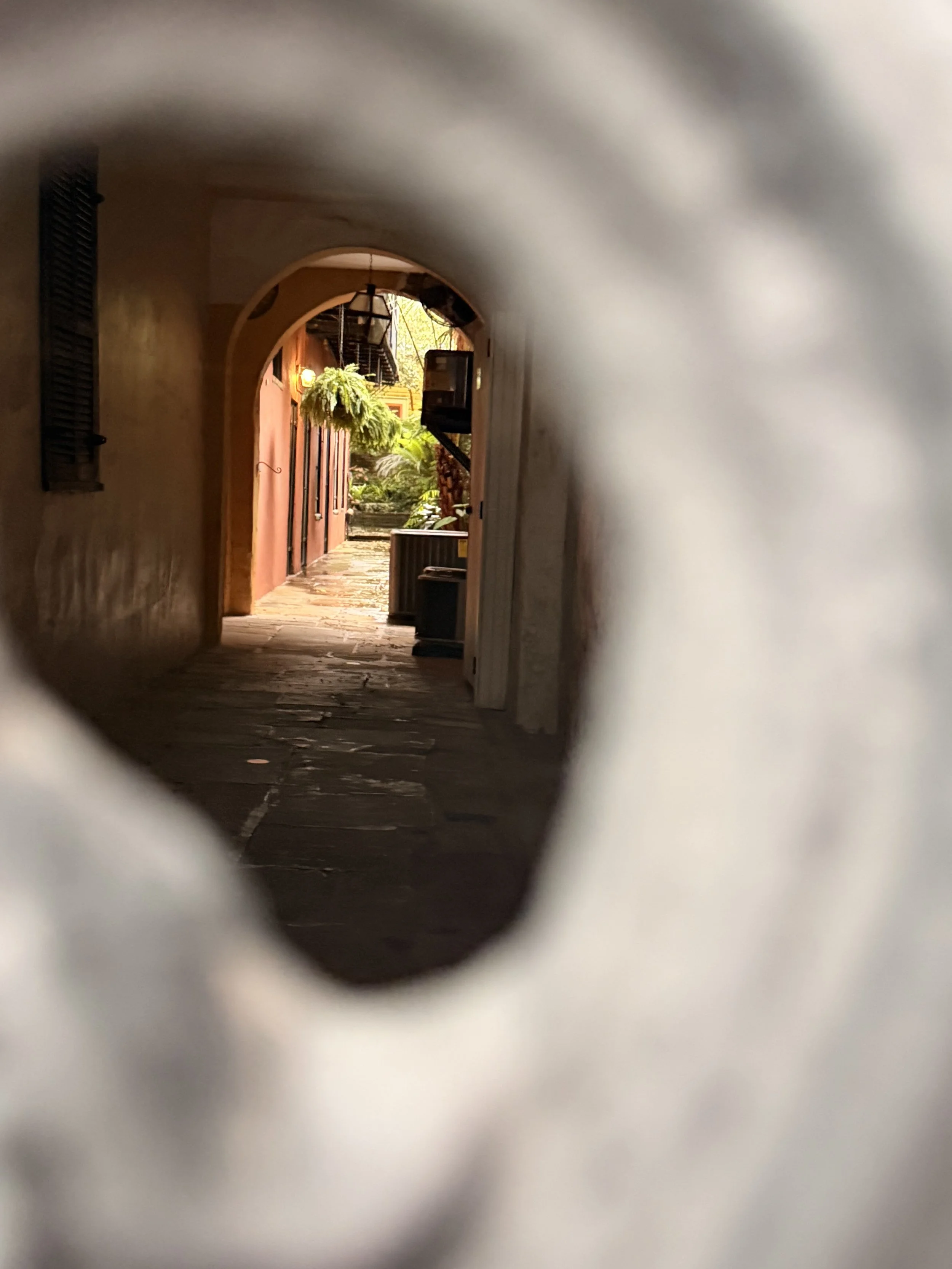
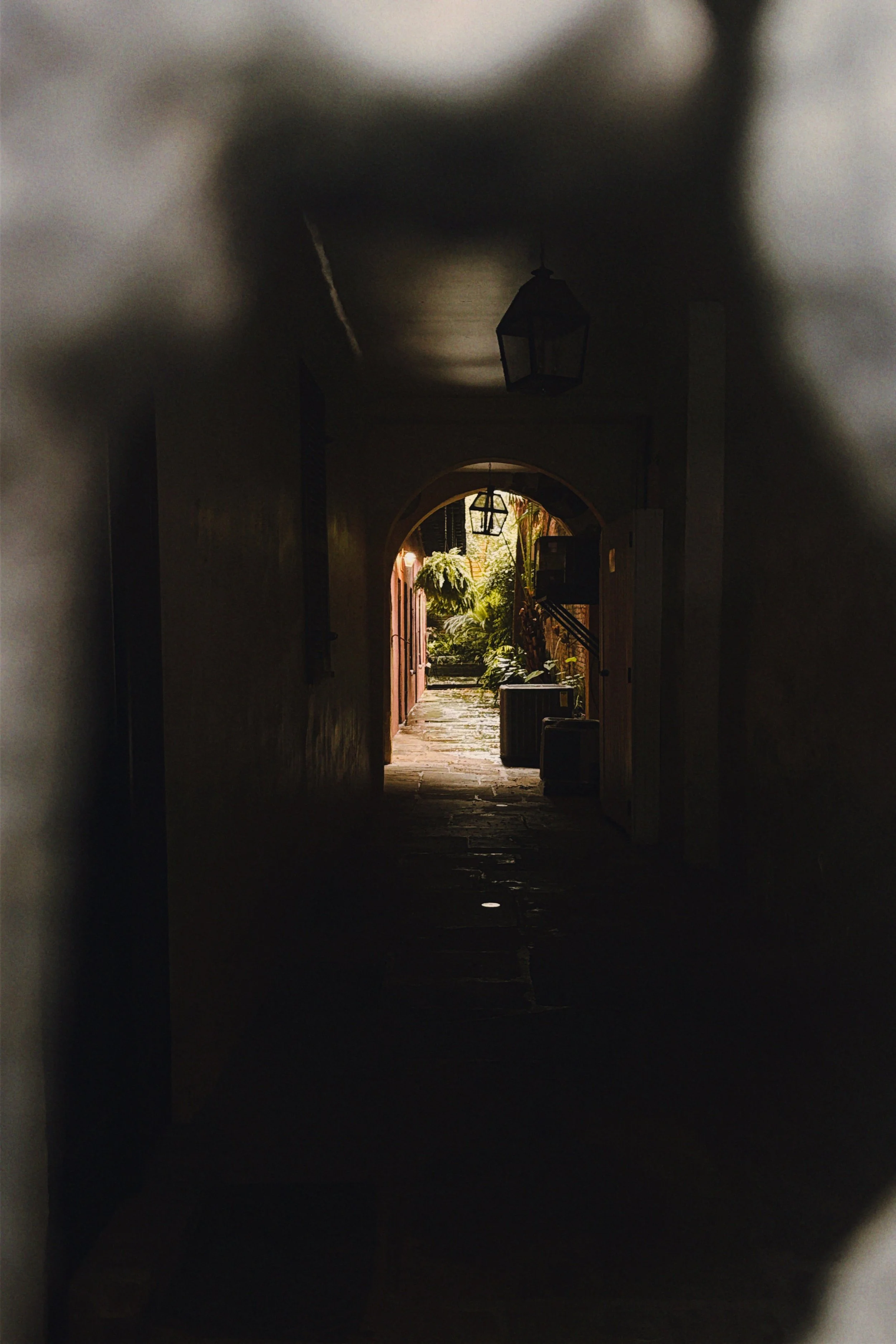
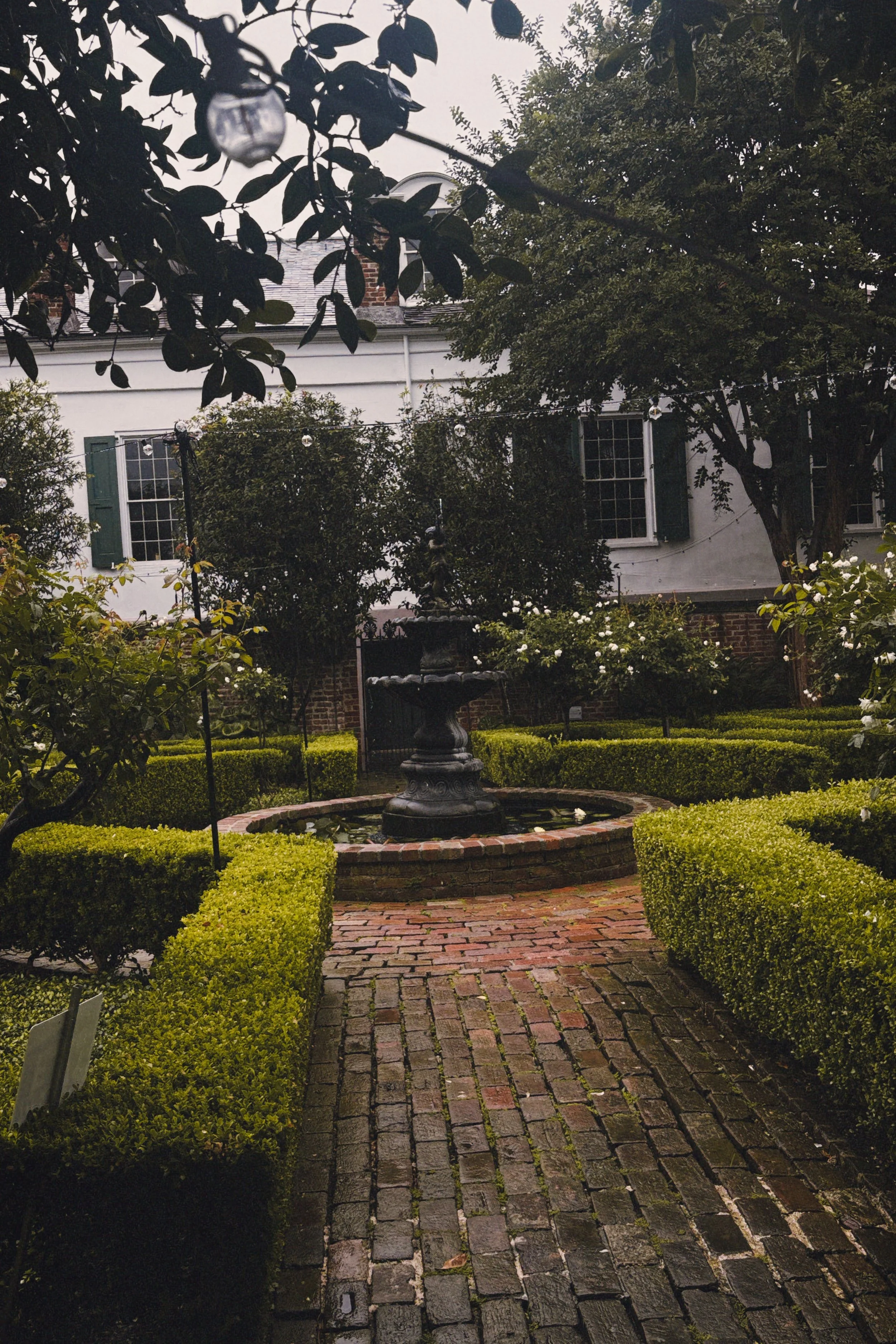
And it’s so visually distinctive that I had no problem visualizing New Orleans throughout its many historical eras from the 18th century to the 20th. I can put myself in that Spanish-style townhouse that they occupy for a great chunk of the novel and return to for Part 4. I could see the streets of the French Square from their balcony overlooking the streets. Even the hidden courtyard that's squared away. I saw something quite similar in the Pharmacy Museum that we visited earlier on the trip, a little courtyard across the way from the museum that had a gorgeous fountain behind a metal arch and these luscious trees. I’ve been able to sort of substitute locations and landmarks into this novel that I otherwise wouldn’t have been able to do without the help of Bookpacking and that is an amazing feat. Even the Gallier House that the house is modelled after, seeing that landmark in person was surreal. And all I needed to sort of flesh out the details in my mind as I’m reading Louis' and Lestat’s ventures with Claudia. Anytime they returned to their vampiric hangout, I sort of fell into this comforting feeling of being right at home in that Gallier House.
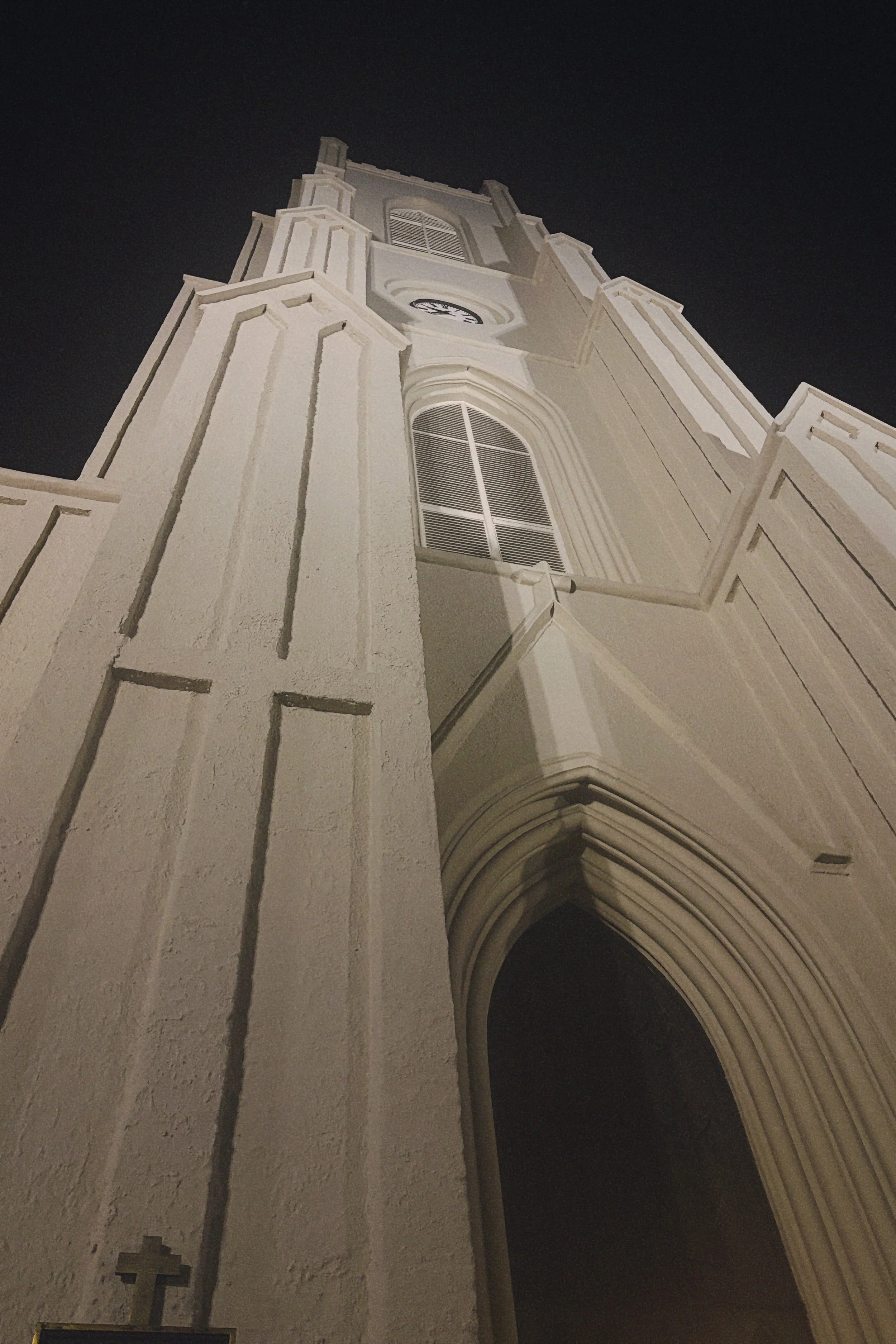
And just the idea of Victorian-era New Orleans being a hunting ground of sorts, I could see myself envisioning this world or playground of sorts where they are constantly searching for their merciless victims. I got this odd sense of New Orleans, not necessarily being a background character but a driving force in the going ons of this novel. In my mind, it made so much sense that New Orleans would be a place strife with death and misfortune (especially, in the case of Claudia and her mother) at the hands of these supernatural beings. It just makes so much sense that this gothic setting would be the playground for vampires, I think it was a brilliant match made in heaven especially considering the taboo that is voodoo that infiltrates and remains a central concept integral to New Orleans at its core.
New Orleans is a character in and of itself which is so necessary for this story being told. As Louis says in the novel…..
“This was New Orleans, a magical and magnificent place to live. In which a vampire, richly dressed and gracefully walking through the pools of light of one gas lamp after another might attract no more notice in the evening than hundreds of other exotic creatures—if he attracted any at all, if anyone stopped to whisper behind a fan, ‘That man… how pale, how he gleams… how he moves. It’s not Natural!’”
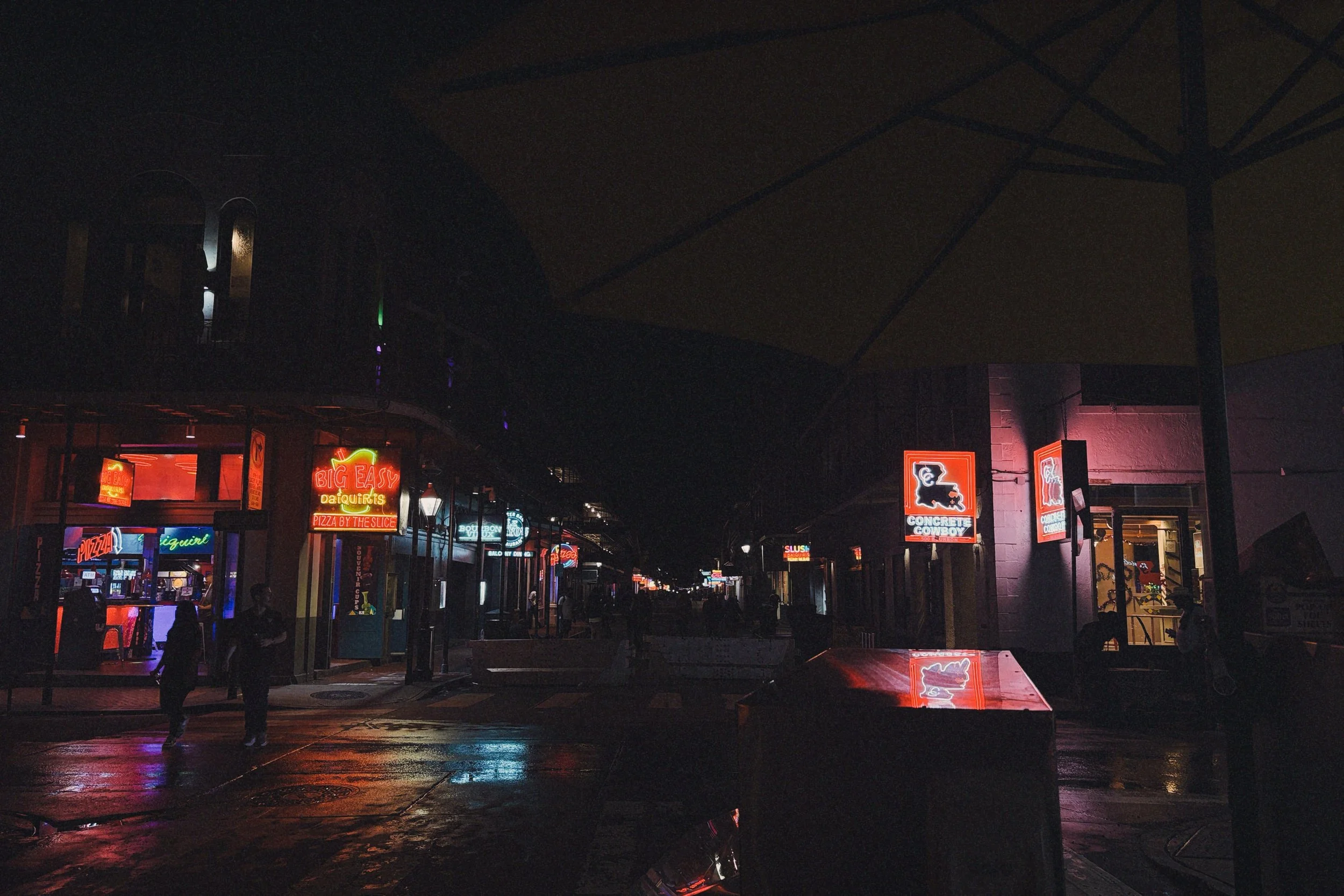
Considering how nearly every exhibit or museum we have gone to has had this underlying creepy theme or horror aesthetic to it, I can understand how 18th century New Orleans was dark and creepy in its ‘behavior’ if you will. Its depiction seems to be wholly accurate and not at all exaggerated, honestly. And as I reread certain paragraphs as I write this blog, I see a little one-off sentence saying ‘in which sailors slept with their heads on the tables.’ Which is actually quite stunning and a bit of a coincidence (I guess not) as quite recently, we’ve had a large endless supply of Navy sailors? They have invaded the city, it seems, but have arrived on a beautiful boat called the USS Kearsarge. You can imagine the bouts of fun they’ve had since, infiltrating Bourbon Street late at night, no doubt. But I thought that such a loving coincidence and it further settled the sentiment that bookpacking in the city that a novel was set in, an extremely cool feeling. Quite necessary actually.
This is rather off the mark quite a bit but I would love to discuss something that came out of an accident I made while first reading this beautiful novel. I came into this novel knowing absolutely nothing besides its TV show counterpart of the same name. All I knew were these random tiktok edits of these white and black men, these two seemingly intermingled and involved in a certainly sexual relationship of sorts. The black men I inferred to be Louis, of course. So as I started reading, I didn’t have the foresight to imagine that maybe the novel actually featured a caucasian version of Louis or that the character itself was actually race-swapped in the conversion from novel to TV. So I am reading the novel imagining Louis to be this Black man and imagine my slow descent into confusion as I encounter several paragraphs or instances of Louis referring to what I thought were his people as ‘slaves’. On one hand, I’m imagining what Anne Rice was attempting to accomplish depicting this black man as having an elevated status to the extent that he was so far removed from his own people. I knew that black people had owned slaves as well but the sensitivity in writing that kind of fiction, I didn’t think Anne Rice had the capacity to do so.
“Then there were not only the black slaves, yet unhomogenized and fantastical in their different tribal garb and manners, but the great growing class of the free people of color, those marvellous people of our mixed blood and that of the islands, who produced a magnificent and unique caste of craftsmen, artists, poets, and renowned feminine beauty.”
And then the descriptions of ‘black slaves, yet unhomogenized and fantastical’ completely threw me off because I didn’t understand how someone could see their own race as fantastical, regardless of their rich, privileged upbringing. But obviously, I made the connection, connected the dots and understood through the seminar that Louis was a white man just like his vampire counterpart and suddenly everything clicked into place. How disappointing it is that once I made the distinction, I suddenly understood the reason for why these Africans were being characterized in a piss-poor way. Anyways….
Gave me pause and really forced me to reframe the narrative and the goingons of that plantation in the first third of the novel. But it would be remiss of me to say I didn’t enjoy the novel because I very much did, especially the third act of the novel which in my opinion was the emotional core of the book. The point in which the novel truly unlocks itself and pretty much resets the narrative to be much more action-heavy rather than be so introspective and expository. To me, any novel that really has me wanting to explore and dissect its every aspect. To me, that is the makings of a great novel. I want to talk about framing the narrative as an interview, what the hell was with that? I want to speak on the entire third act, truly my favorite and just written at a breakneck pace. But also the sexualization of Claudia (wtf?) and this attempt at domestic life with the dynamic that is Louis and Lestat at the helm of Claudia. So much to explore, so much to think about. And just think, I’m on episode 2 of its TV counterpart and I think the show is already going about things in a fantastically, improved way.
How about that.