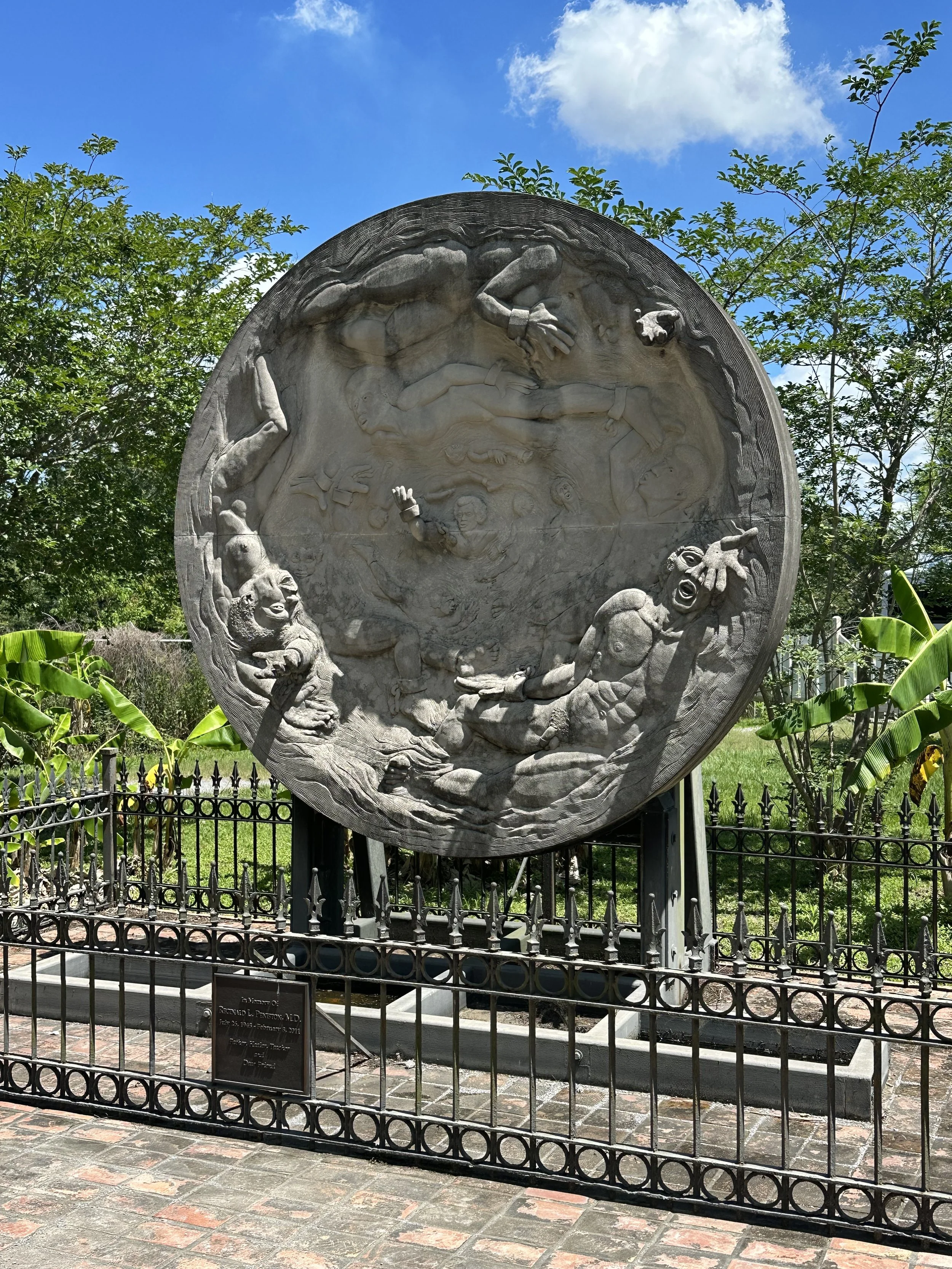
The Circles

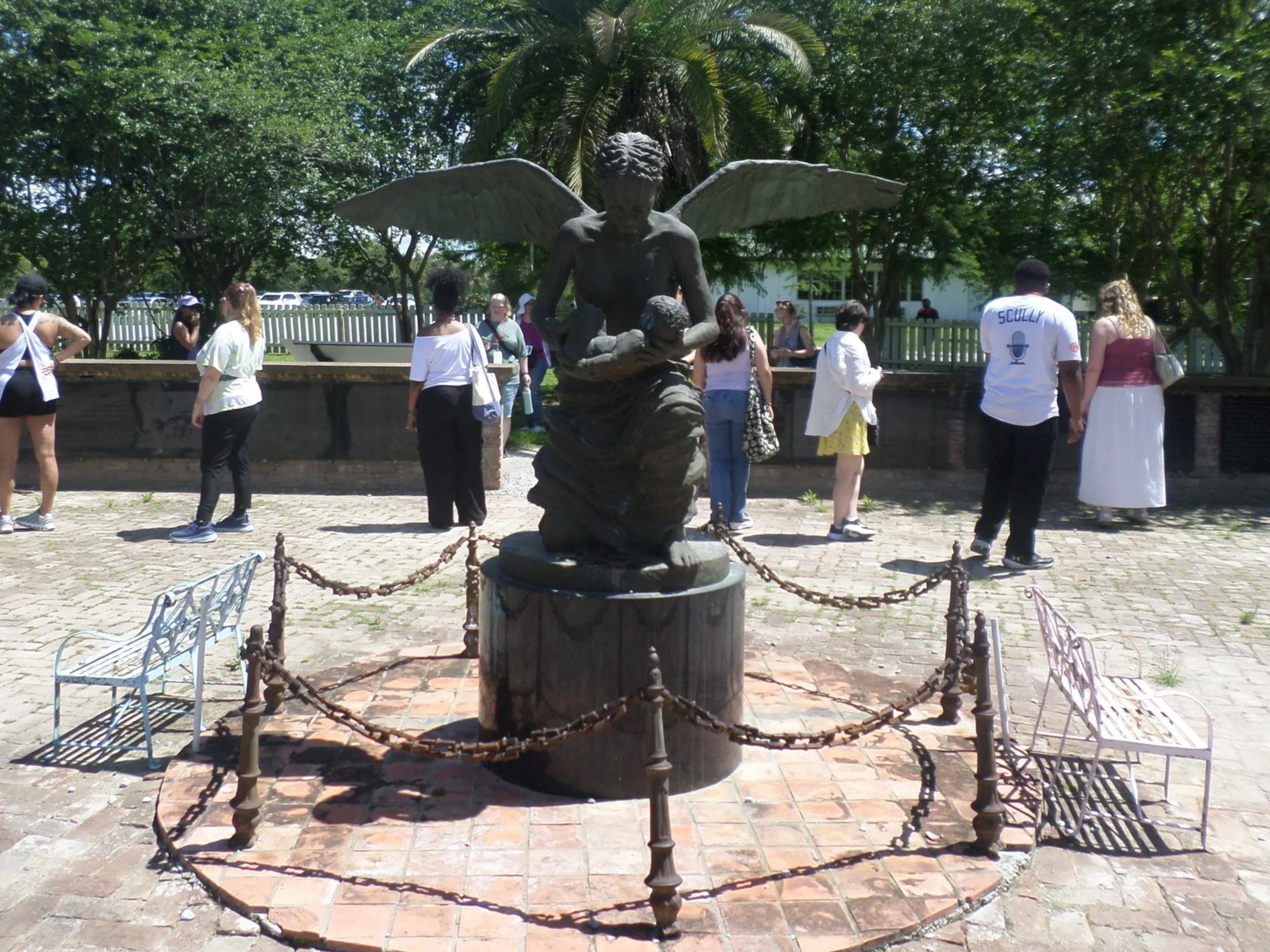
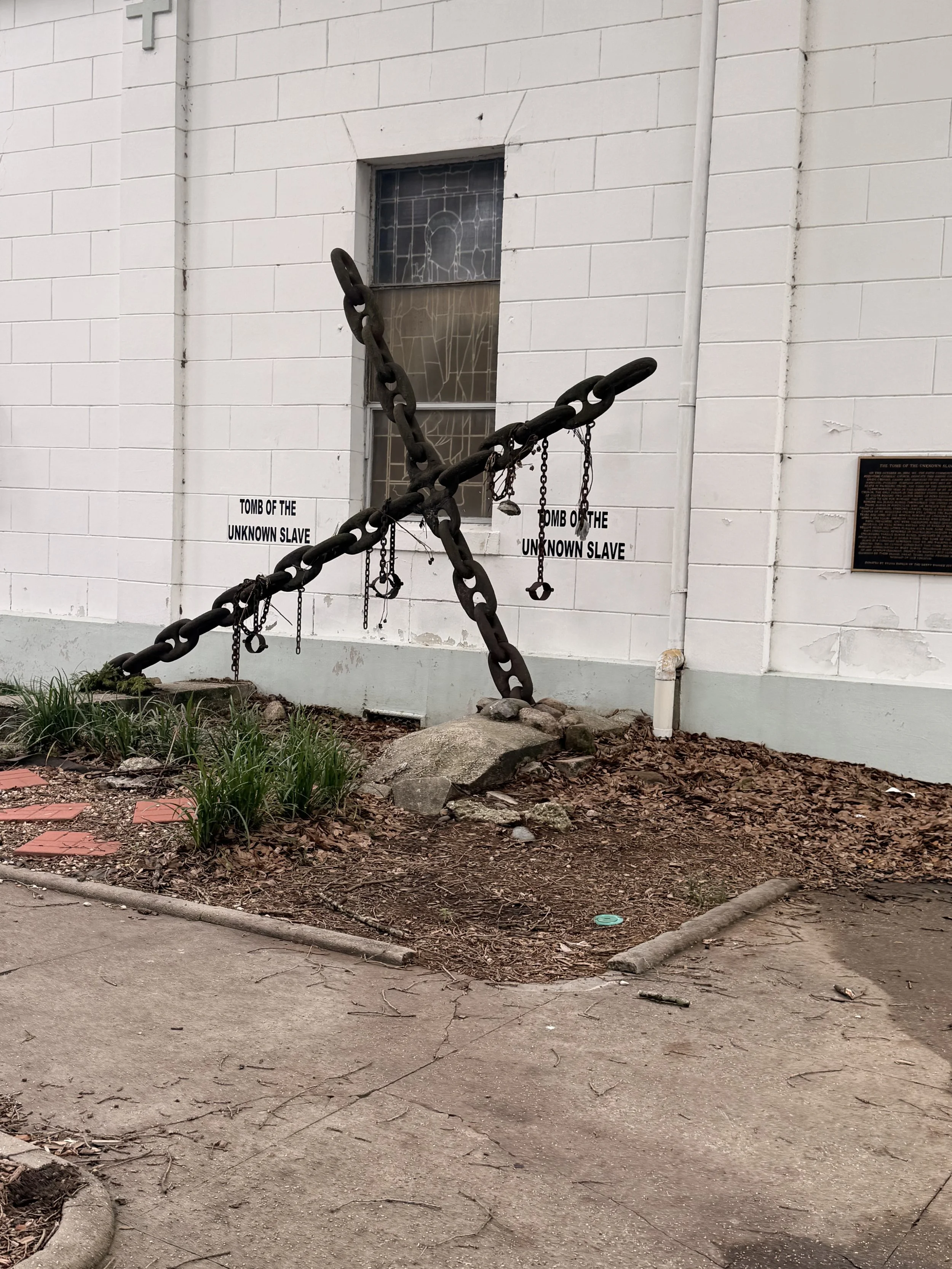
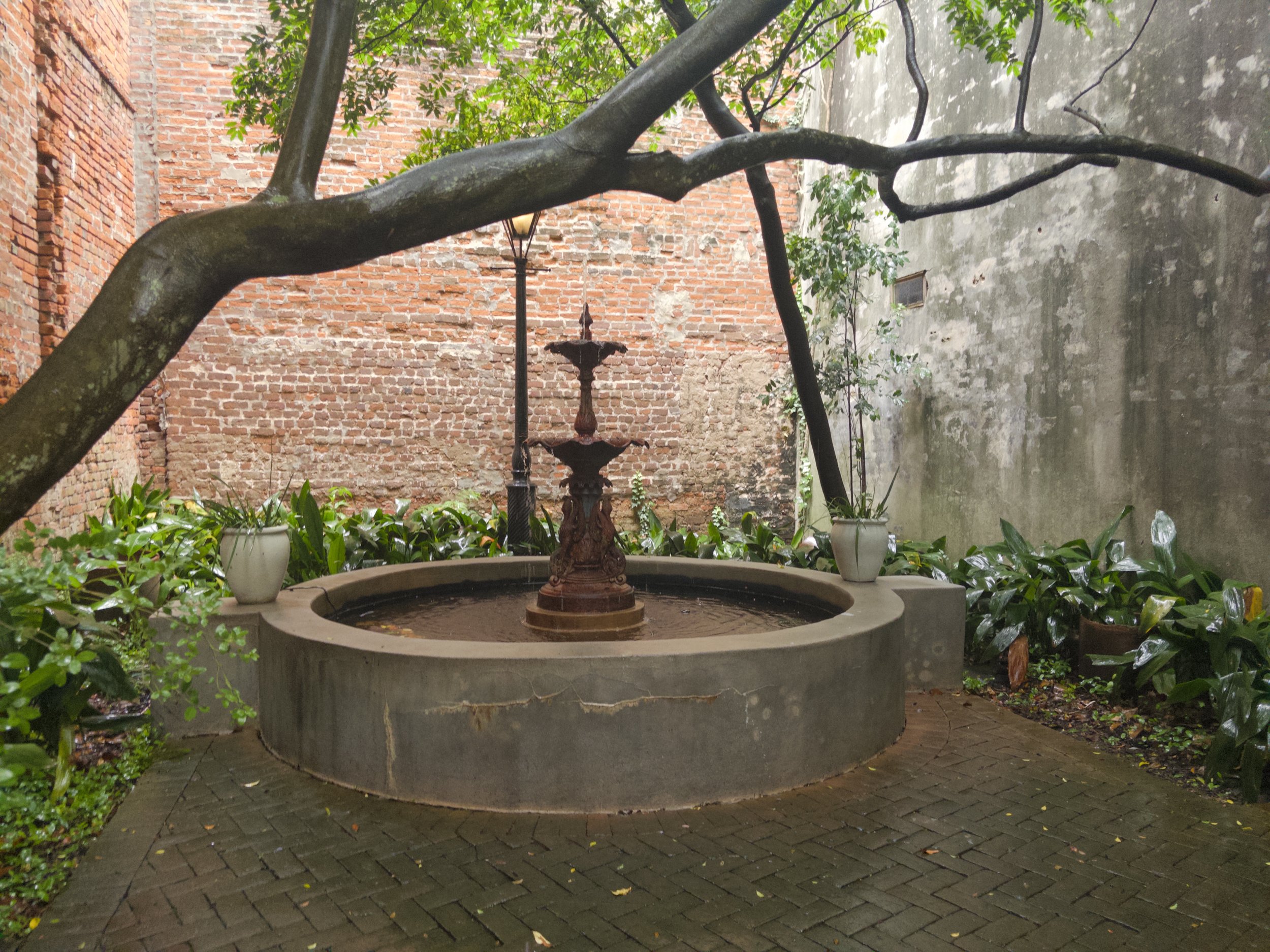
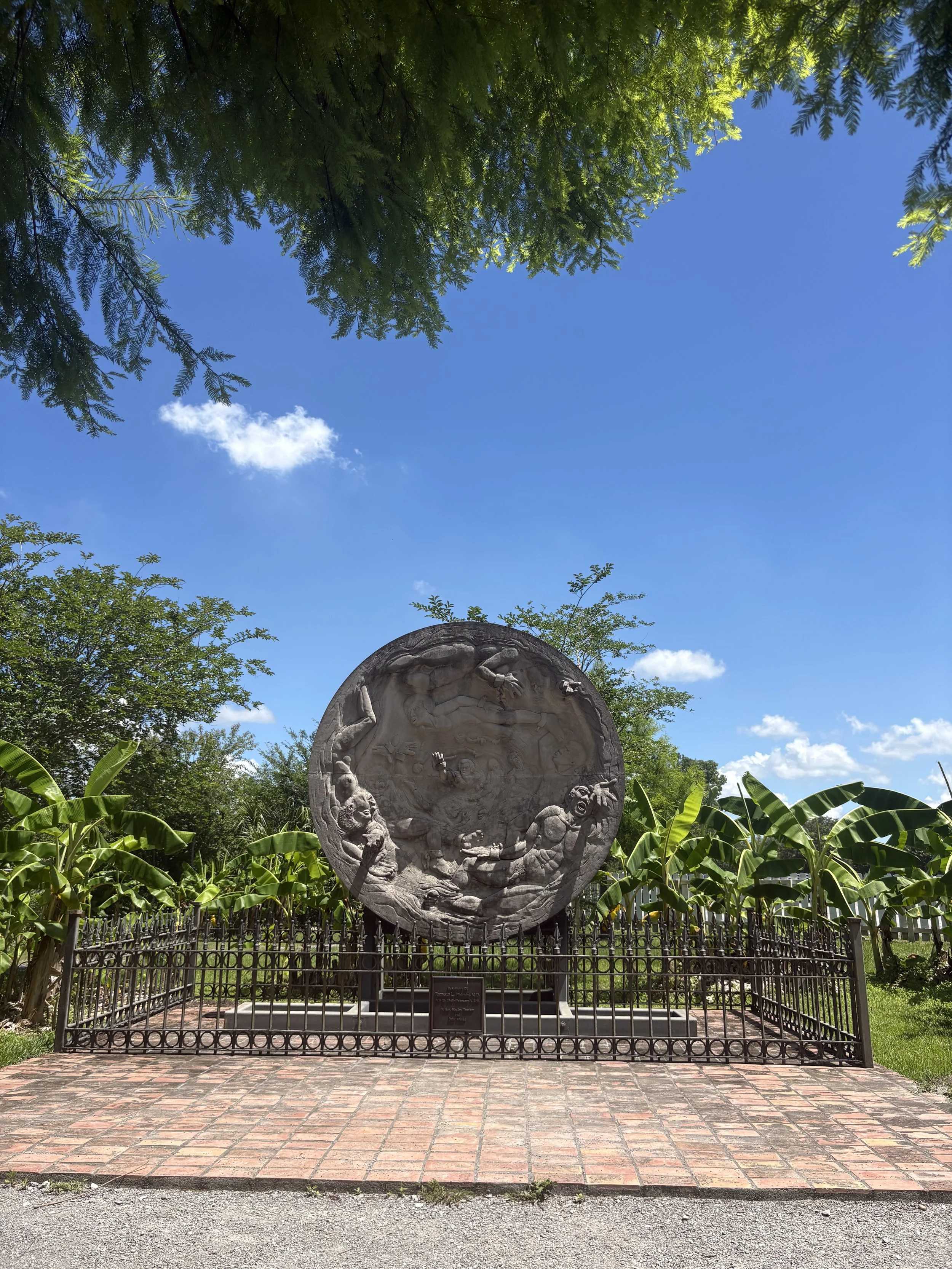
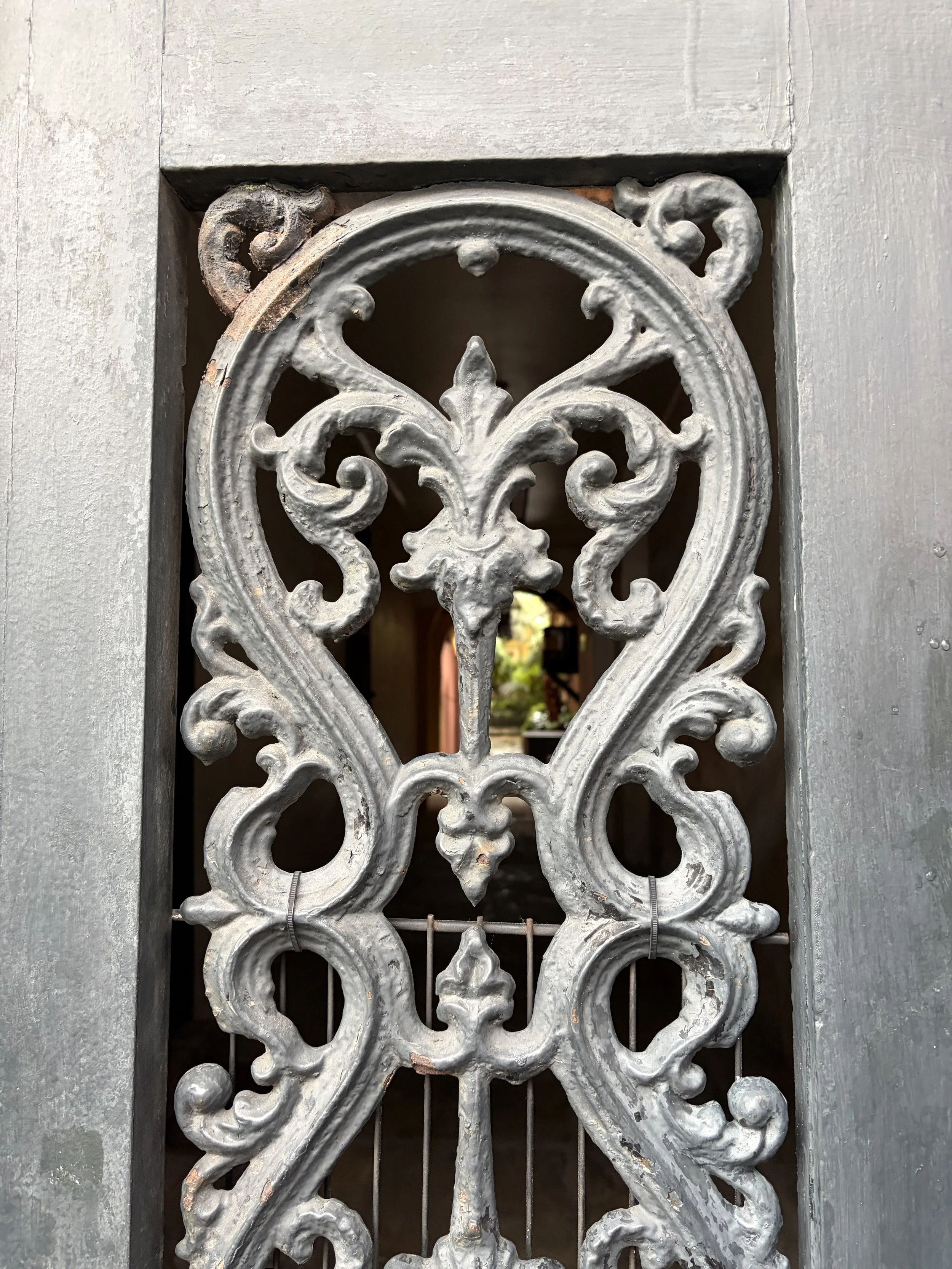
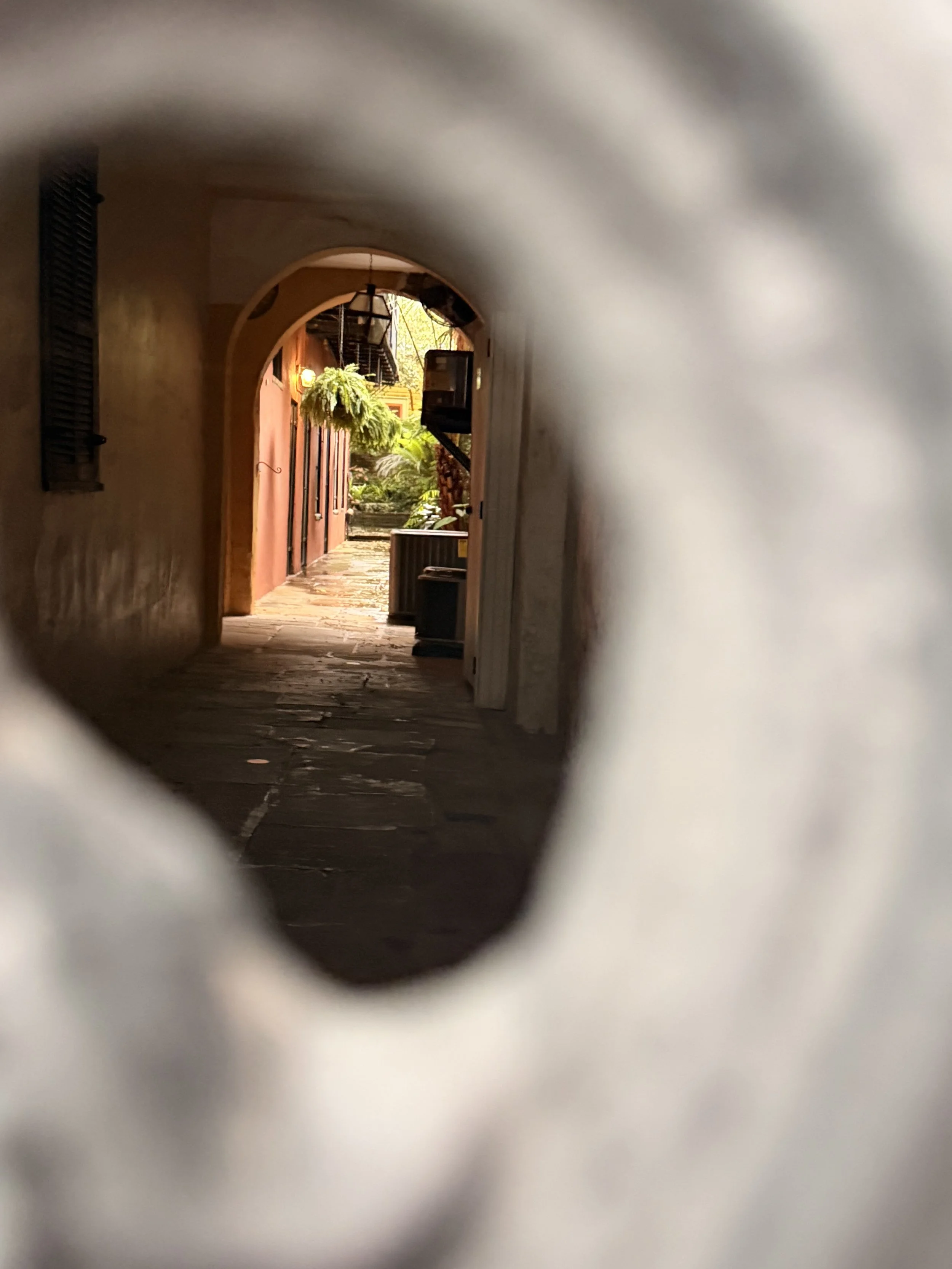
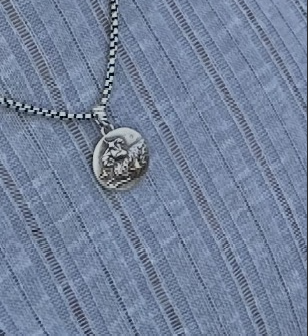
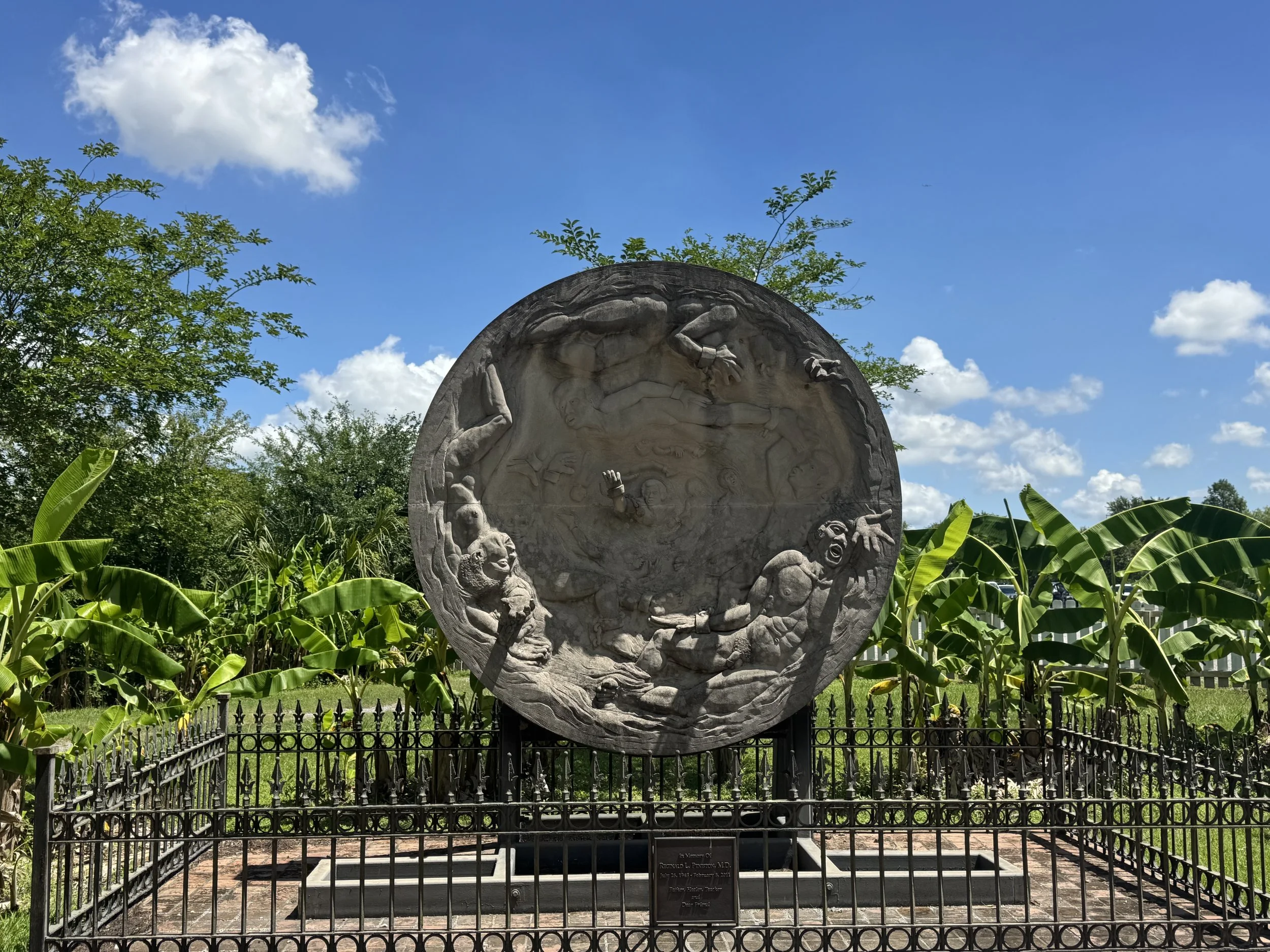
I stare into the circle. Its gray carvings grip people in such agony, contorting and spiraling into themselves. A spiral is almost never a sign of growth and optimism. It is an infinite pessimism and confusion. I suddenly remember the feeling of reading Junji Ito’s Uzumaki. I feel the same now. It is the perfect vessel for horror. Inescapable. Grotesque. Deceiving. 

The Circle of Labor

Neither slavery nor involuntary servitude…shall exist within the United States, or any place subject to their jurisdiction.

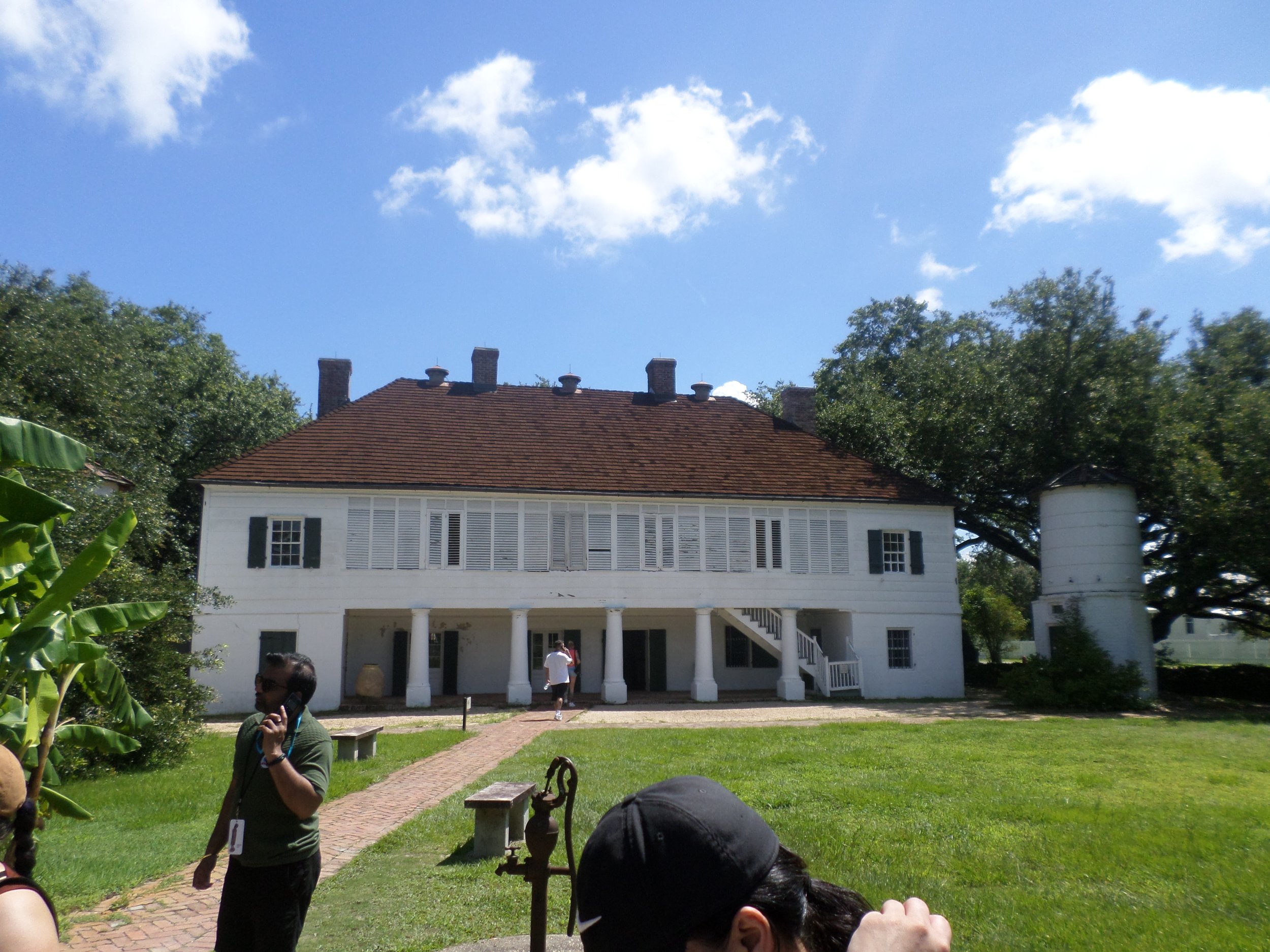
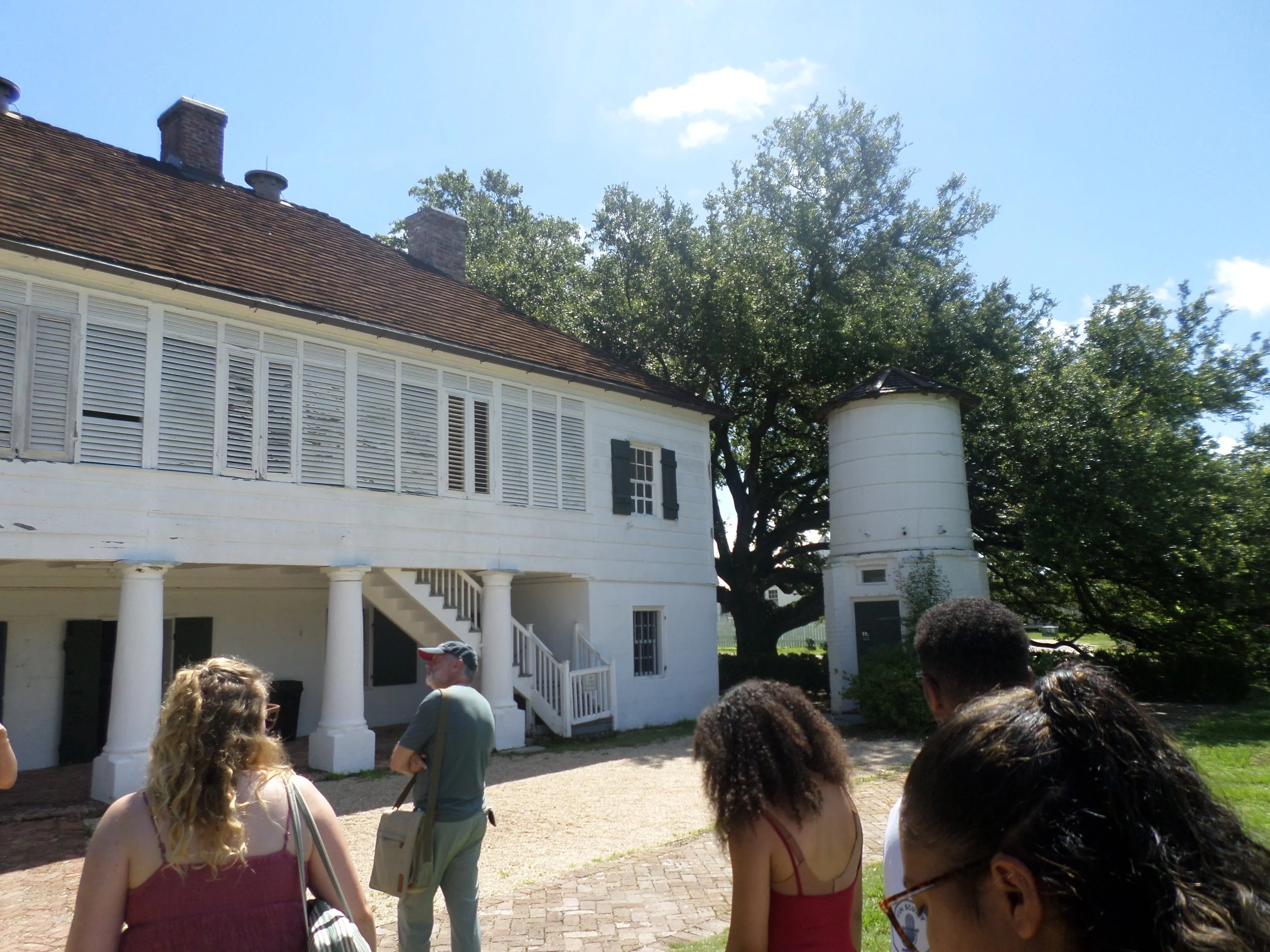
The 13th amendment has outlawed slavery! On the illegal side, plantation owners continued to have slaves. On the legal side, the enslaved people were kept through cruel schemes. I hear the docent at the Whitney Plantation explain one of these schemes: the “workers” were now paid, in the lowest possible legal value for minimum wage, or lower illegally, and necessities were sold at the very plantation. To eat your food for the day and buy any other necessities, you would have to use your entire pay. The only free part was rent. When the wage finally went up, the price of goods just went up with it. When the free rent went away, the enslaved people finally started leaving as there had to be better options someplace else. In that someplace else, Black Americans were met with the cruelest scheme of all.

Neither slavery nor involuntary servitude, except as a punishment for crime whereof the party shall have been duly convicted, shall exist within the United States, or any place subject to their jurisdiction.

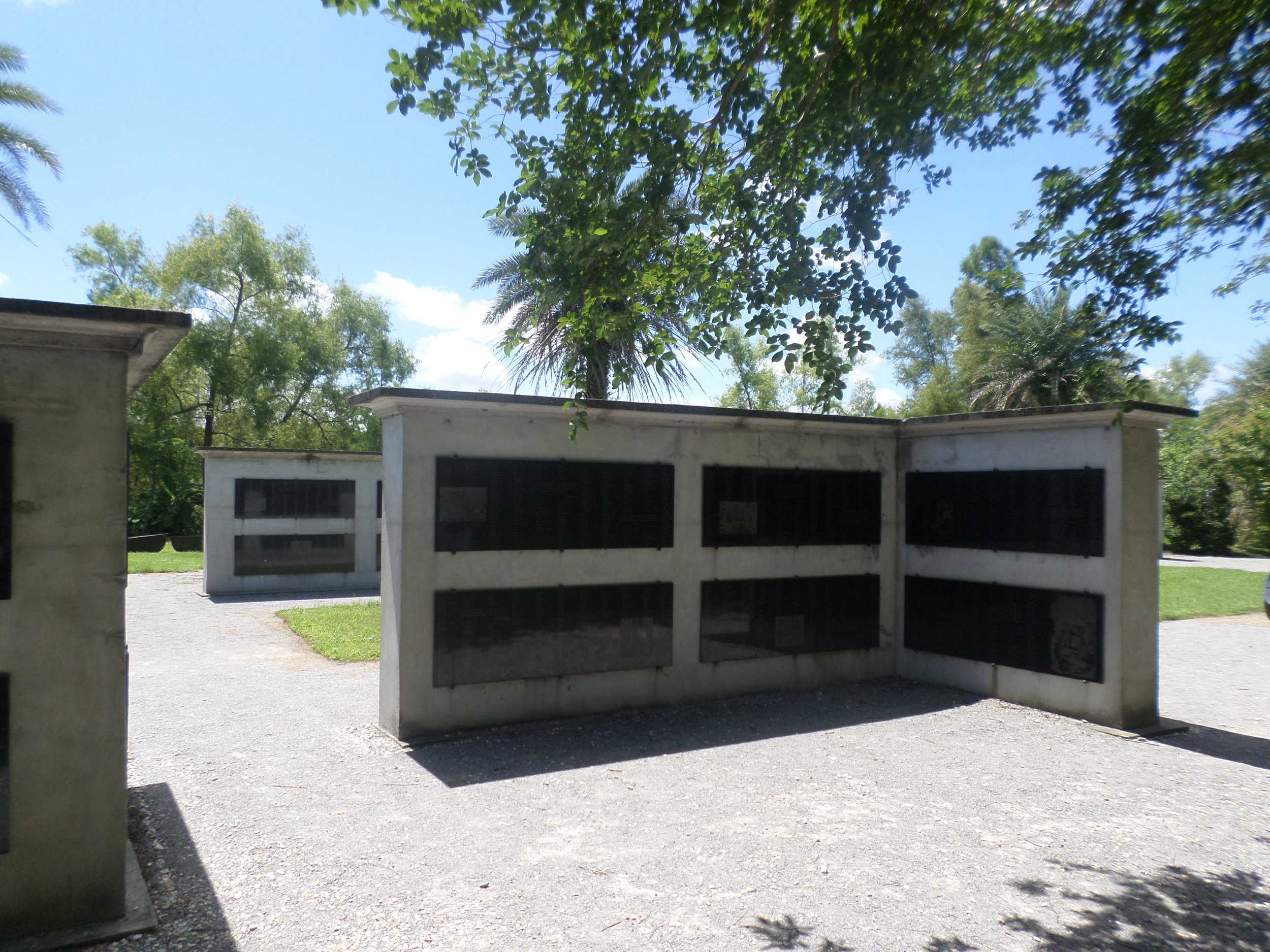
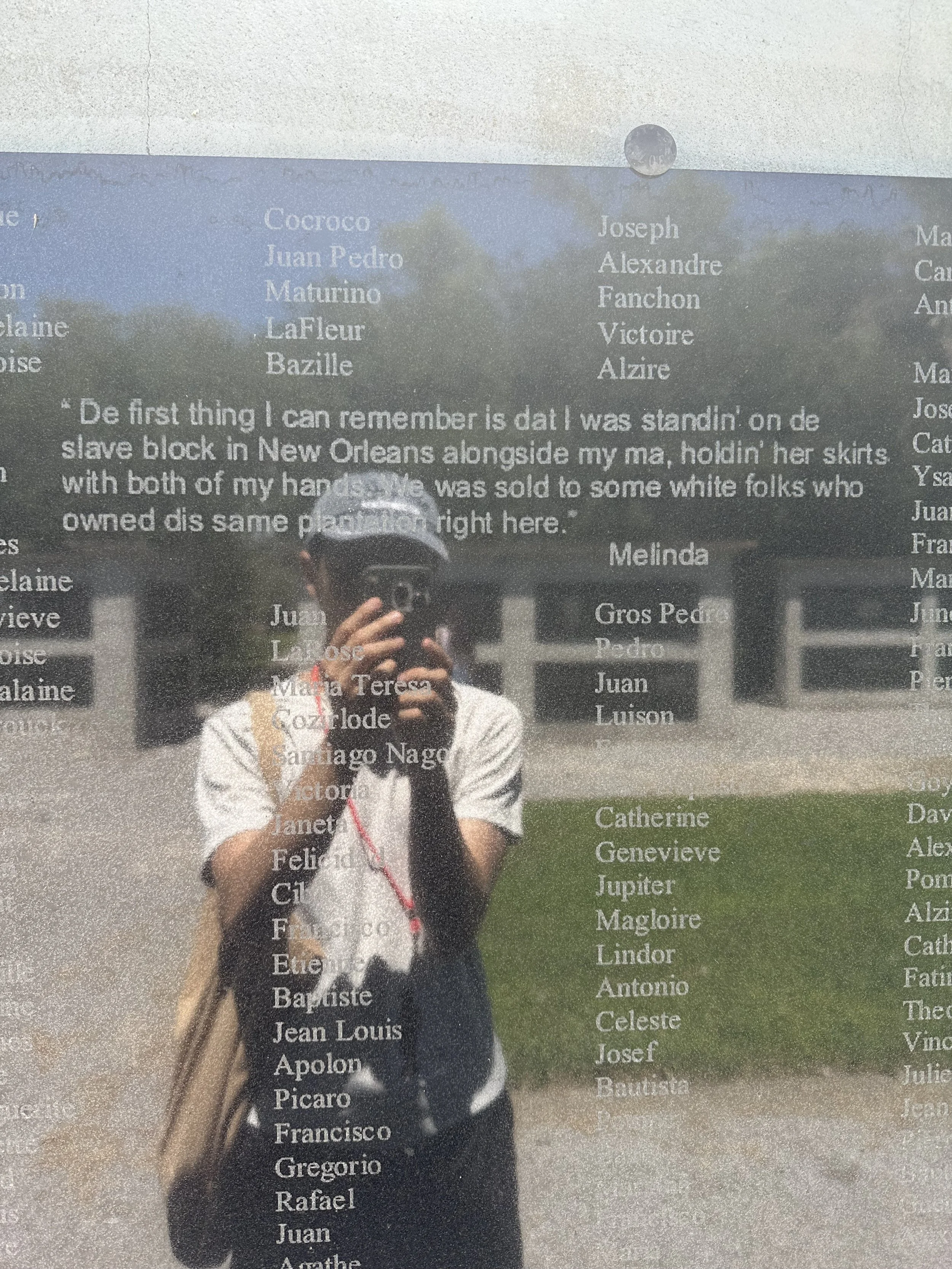
The slave catchers turned to policemen, and business continued as usual. The South could not fathom black people as a non-commodity. After the tour of the Whitney Plantation, while walking through the memorial I came across a very moving quote. 

“De first thing I can remember is dat I was standin’ on de slave block in New Orleans alongside my ma, holdin’ her skirts with both of my hands. We was sold to some white folks who owned dis same plantation right here.”
— Melinda

At its inception the South had put this into the minds of black and white people. So when slavery was abolished there had to be an exception, a loophole. So the prison system started, and never ended. Angola. Louisiana State Penitentiary, previously a plantation, is still up and running with approximately 5,000 inmates. The inmates make $0.02 to $0.40 an hour, possibly including three years of unpaid labor. Nevermind, not “previously,” a plantation, Louisiana State Penitentiary is a 18,000 acre slave plantation. Seventy-three percent black. Countless life sentences.


Melinda’s first memory was being sold as a commodity, to then be tortured and have her physical capabilities sucked dry. This will be the Angola prisoners' last.
I see people often compare the struggle of their minority sexualities or ethnicities or whatever to the black struggle, and while intersectionality and finding common ground is important, there is no experience in the world like the black american experience. Many minorities have been fetishised, demonized, oppressed, and used for cheaper labor. But to be commodified, is something horrific and inescapable.  


The Circle of Disease

In movies and books I have seen the death of an enslaved person depicted in many ways. Punishment for running from the plantation owner. Suicide praying to go to heaven after. Bleeding out from whipping. But the overarching reality of slavery is disease. The vast majority of death, eighty to ninety percent, was disease. 

I had heard the docent explain more about Cancer Alley. Containing a quarter of American petrochemical processing, it kills. The rates of cancer and other diseases are drastically higher than the rest of America, which is an awful baseline. And of course, a drastically higher effect on Black Americans. Aside from Cancer Alley, heart disease, diabetes, cancer, asthma, and so many other illnesses are disproportionately higher in Black Americans today. This legacy is not a genetic one but a systematic one. 

The data centers around the U.S. cause intense air pollution, especially to the communities around them. These have also affected black communities disproportionately. And then we have the newest legacy version of these, continuing the spiral, GPU centers. These AI data centers do an amazing job of torturing the people around them. Supposedly raising the temperatures 15-20+ degrees depending on ventilation and cooling, with locals describing a non-stop unsettling rumble or hum and most chronic illnesses escalating. I was thinking about this while staring at a different circle.
Coming back in time to the plantation, I am reminded of Minamata Bay: the bay in Kumamoto Prefecture, Japan where Nippon Chisso dumped industrial waste. This waste included an organic mercury intermediate, resulting in at least 2,300 deaths. Although the company and government were well aware of the effects on organic mercury poisoning, they understood the economic benefit of the plant post WWII. This is a tragedy I have studied repeatedly, because of its level of atrocity. Yet, Cancer Alley is more despicable for me. Although the deaths were more excruciating, Minamata Bay does not carry an ongoing legacy. The Japanese people are not continuously commodified and left to die.

I stop staring at the circle. I don’t believe it is fair to say nothing has changed. Black people have fought for so much in this country, and the conditions are indisputably better than they were in the 19th century. But I do not want to act as if the spiral holds no weight today. The legacies are right there in front of me. But there is another key part of the circle: it is three dimensional. There are hands reaching out. Whether this is a sign of hope or an added level of despair I do not know. I come back to the hotel. Hotel Indigo is around the corner.
Weep for the living

I have always avoided watching movies like 12 Years of Slave, not because I didn't care or wasn't interested, but because I don’t find joy in watching painful history. Now that I have watched it, I can say it is an important film to see in order to have some understanding of the psychological and physical torture enslaved people endured.

The film follows Solomon Northup, a free man from New York who is kidnapped by people he trusted, colleagues and professionals and sold into slavery and shipped from Washington D.C. to New Orleans. What is most striking is not just the physical brutality but also the deliberate psychological conditioning he is subjected to from the very beginning.

After being drugged and captured in Washington, Solomon tried to tell the slave trader that he was a free man. The trader responded with “Produce your papers then” in a condescending tone, knowing well enough he couldn't in a situation he was in. The trader then declares Solomon a runaway slave from Georgia. When Solomon pushes back, insisting on this identity, the trader first beats him with a wooden paddle, then with a whip. Which shows the resistance isn’t promoted and an identity is something that can be stripped away by force.

On our Ghost Tour, we visited the home of Madame Delphine LaLaurie, who tortured the enslaved people under her house, as did her husband. It’s reported they had a torture chamber where the husband practiced experiential surgeries on the enslaved people. During this tour one of my peers said I couldn't possibly understand how someone can do this to another human being. Well, all of this didn’t happen in a vacuum. Slavery was made possible by years and years of propaganda, the deliberate assertion that people with darker skin were less intelligent, felt less pain and needed to be “liberated”. This kind of thinking is what they used to justify any cruelty committed against Black people.

Once Solomon arrives in New Orleans, we see enslaved people being bought and sold like livestock at an auction. In the scene, we see a young boy is made to perform knee-high jumps so buyers can assess his fitness. Buyers check the enslaved people's teeth the way one inspects an animal. This is a clever illustration of dehumanization.

This pattern of dehumanization repeats throughout history. We see echoes of it today, in the way the American government demonizes immigrants — reducing them to threats, stripping them of humanity through language and policy, and placing them in places that are basically modern-day concentration camps.

We have a saying in my home country. It goes like this: "ይብላኝ ለከራሚው ሟቹስ ረፍቱ ነው።", which roughly translates to weep for the living; the dead are resting.

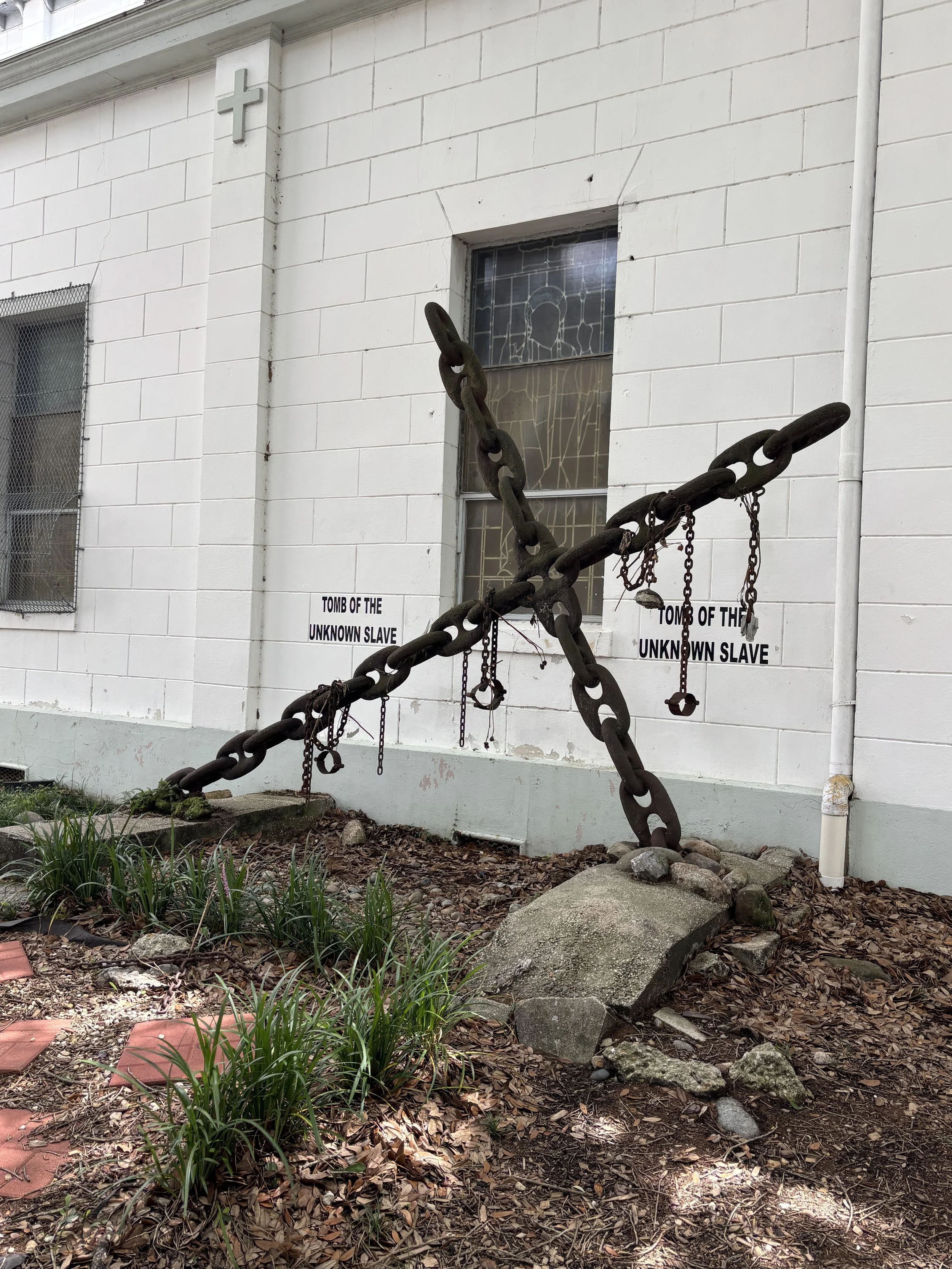
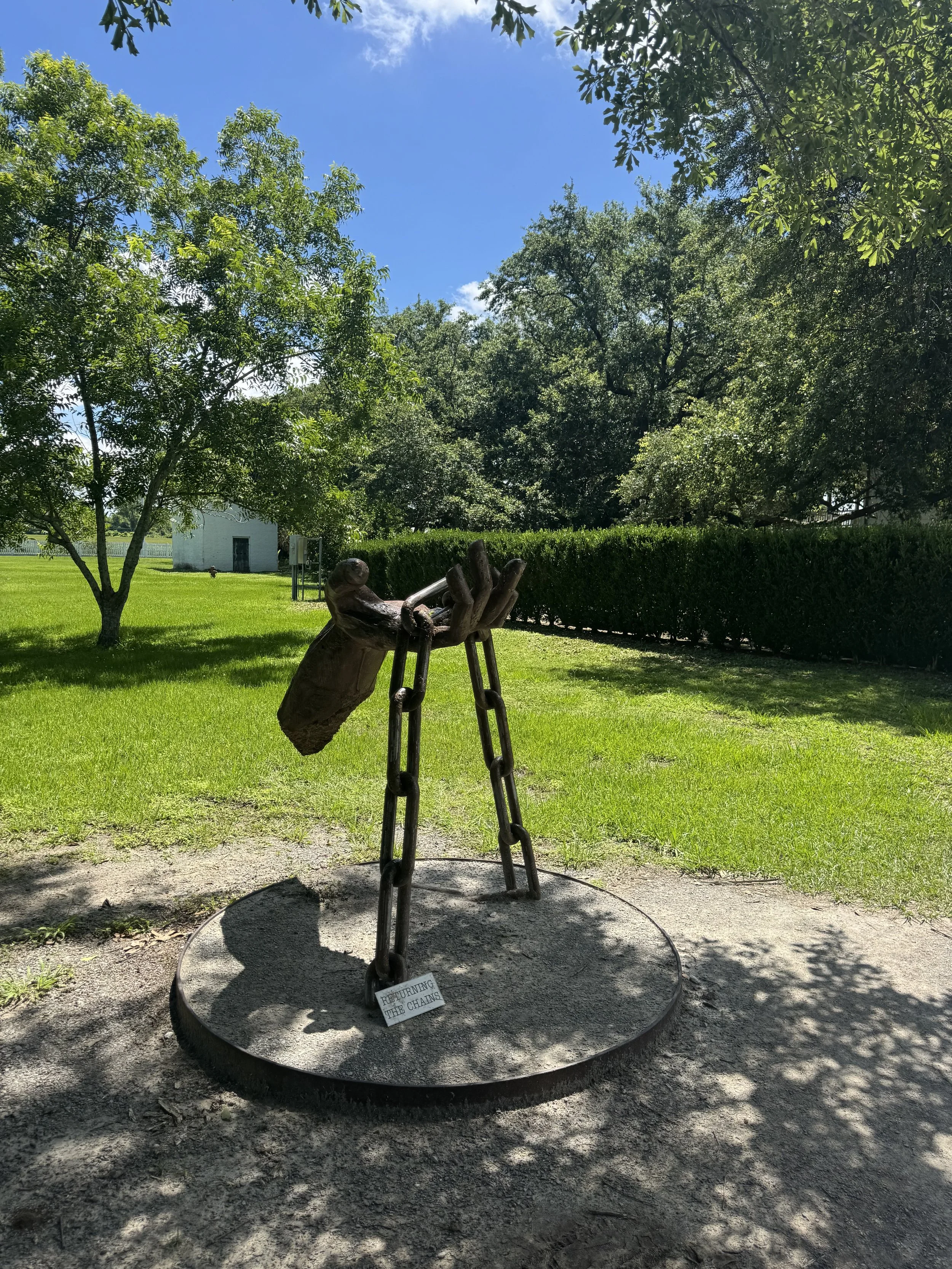
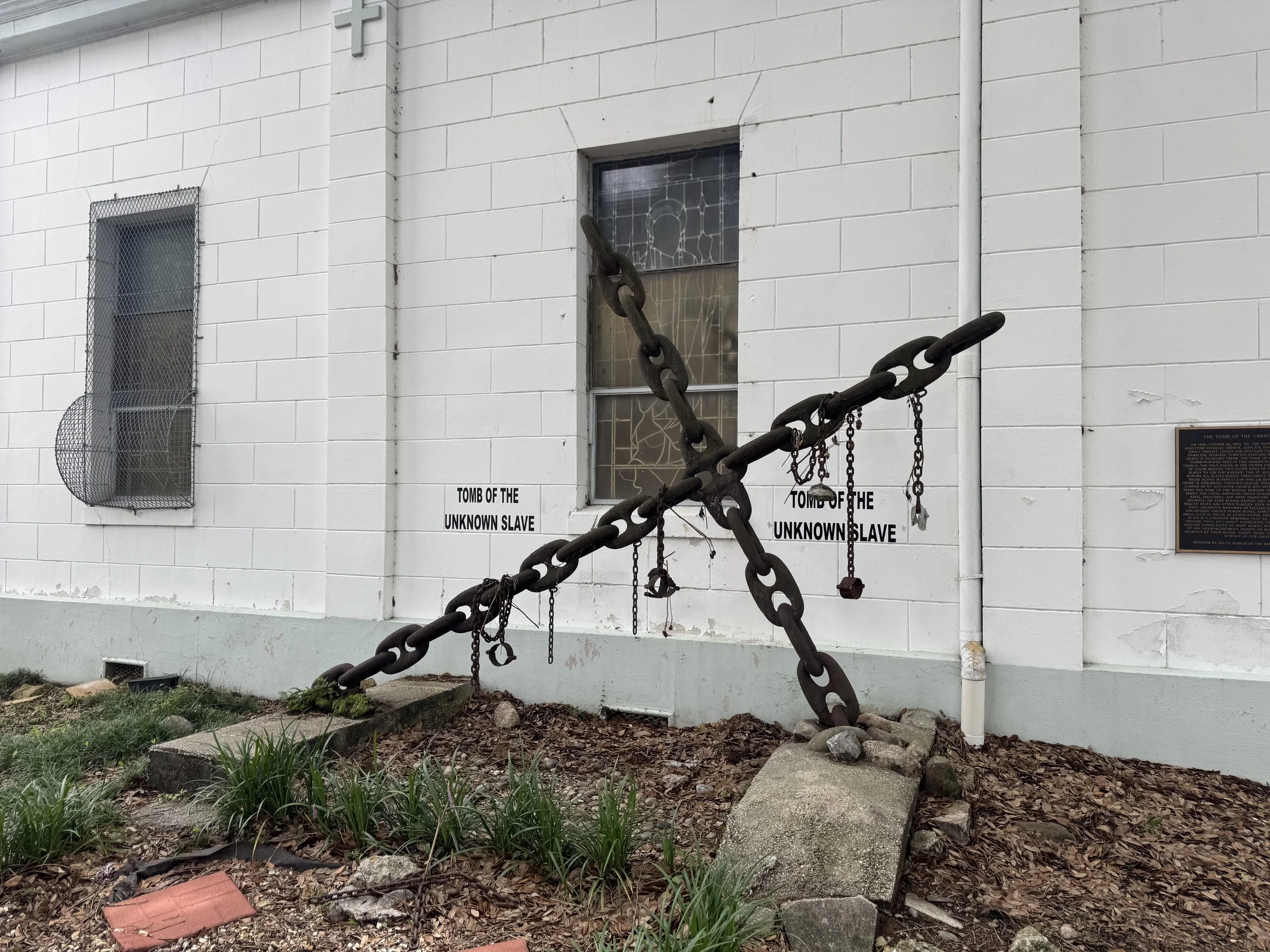
On the journey to New Orleans, Solomon also witnessed the death of a fellow captive and was forced to throw his body into the river. Another man remarks that the dead man is in a better place, suggesting that death is mercy compared to the life that awaits them. I saw something similar that reminded me of this scene at the Whitney Plantation. It was an art installation representing the people who threw themselves into the Atlantic Ocean rather than be subjected to a life of slavery.

Death is mercy.

The water mists

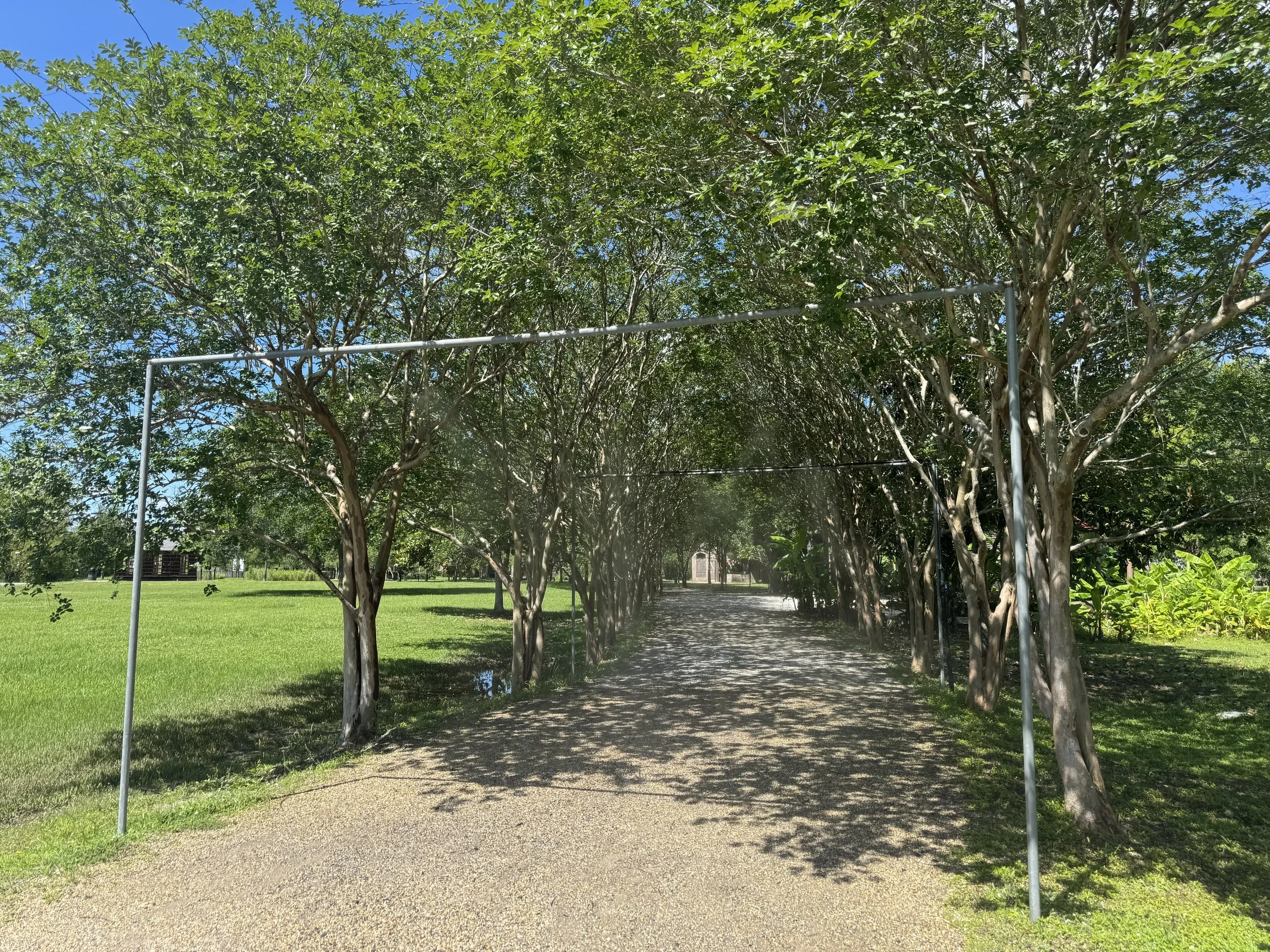
While walking through the Whitney Plantation, I also noticed the mist machines set up along the path to keep visitors cool. There’s a painful irony in that. It’s almost unbearable for people to stand in the sun for ten to fifteen minutes while the tour guide speaks. Imagine the enslaved people who had to work the fields for up to twenty hours at a time, in the worst conditions imaginable.

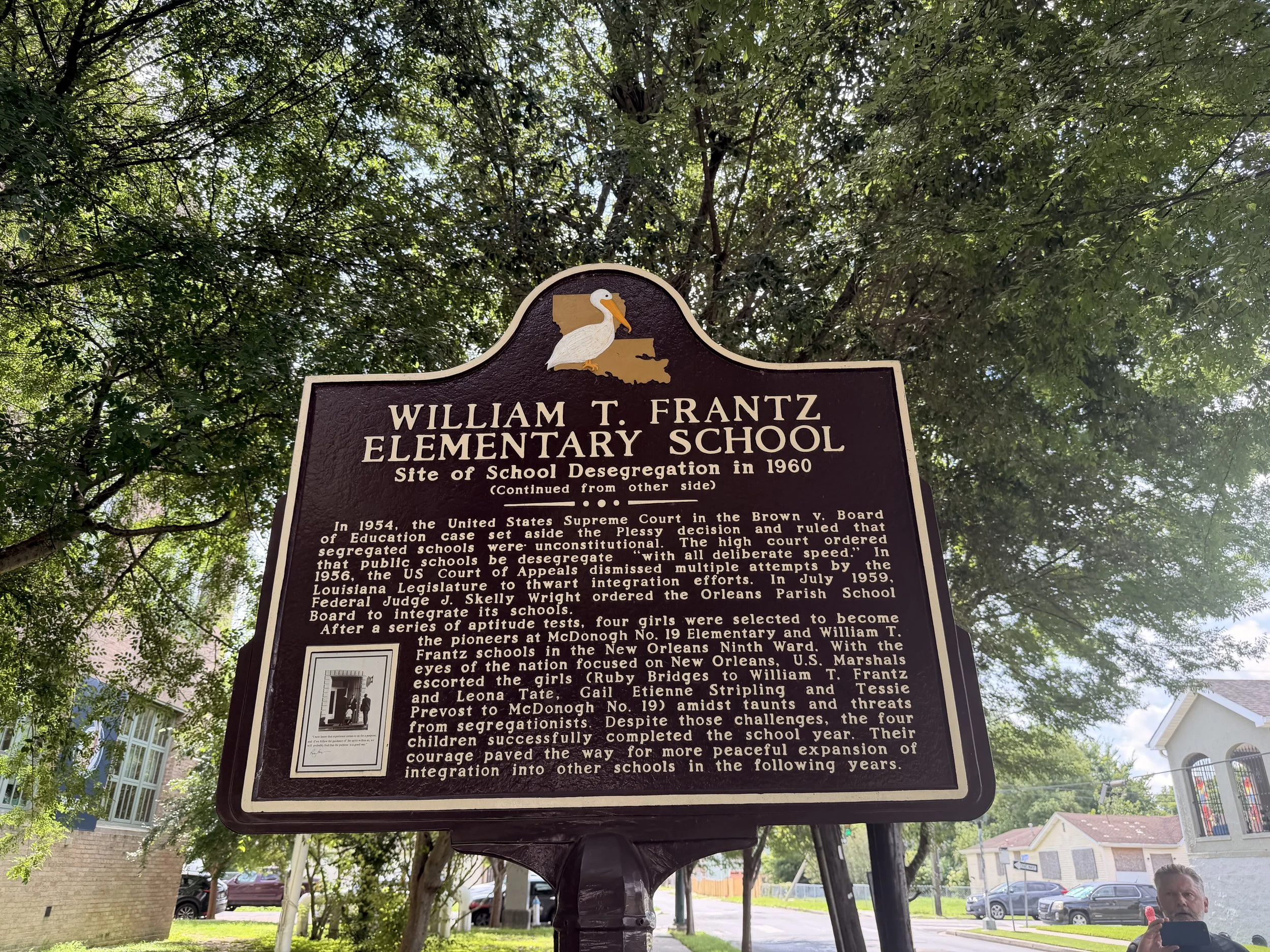
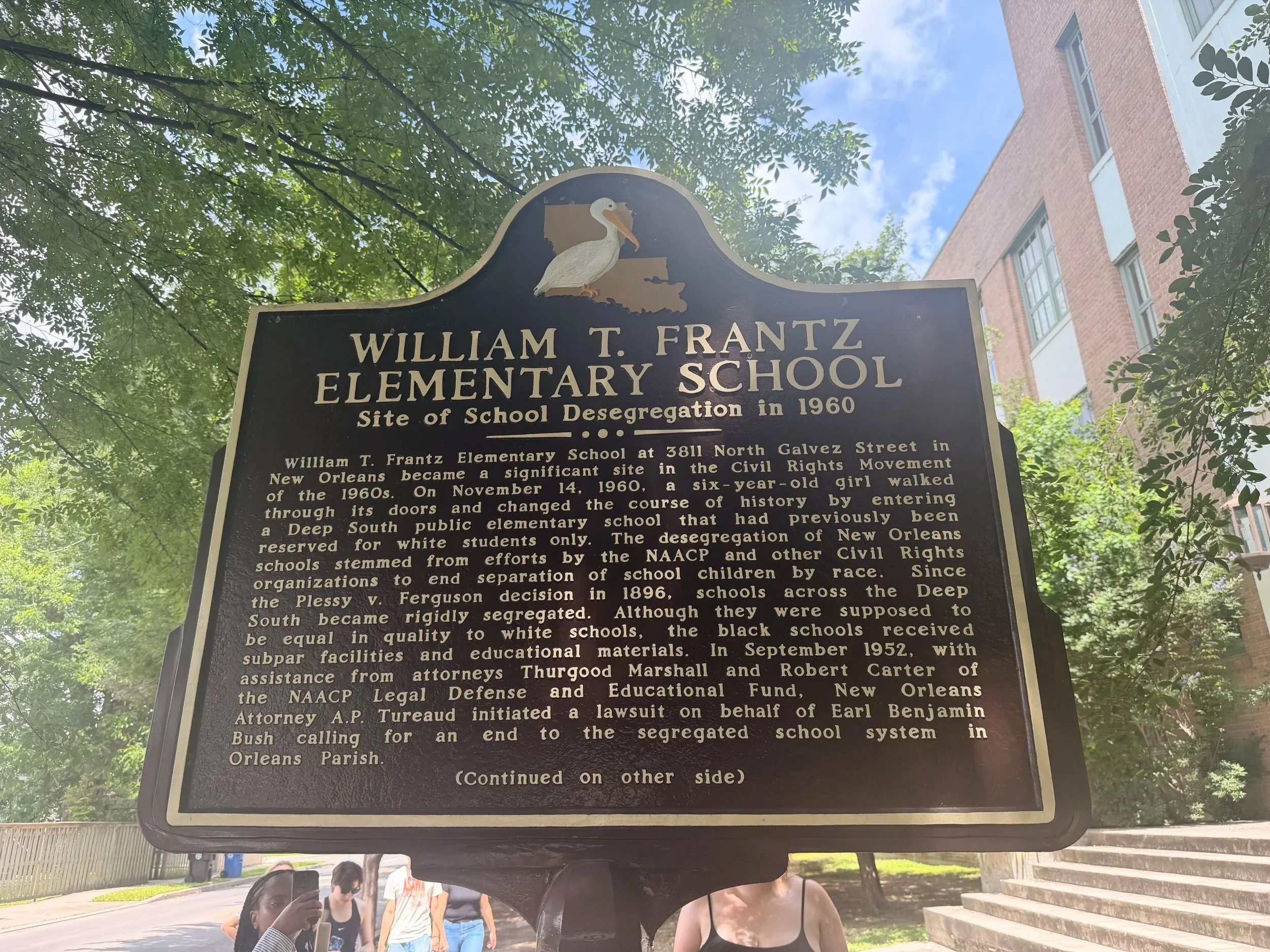
The violence of slavery didn't just live in the labor, people we applaud in American history participated in this act of violence. One of the founding fathers of America, George Washington, had the teeth of enslaved people. The Emancipation Proclamation didn't pass not only because they wanted to free the enslaved people but also to crumble the southern economy, while making forced labor legal as punishment for a crime. We learned something similar in one of the seminars. A man set right here in New Orleans, John McDonogh. A wealthy slave owner who freed some of the enslaved people under his control and donated his money for the educational system. The money was used to further segregate the educational system in New Orleans, and the people he freed, he freed them based on his condition of whether they were “ready” or had the necessary skills to be free. Misguided good deeds that aren’t really good.

In the movie we also see the misinterpretation of the Bible. There is a scene that stood out to me where Epps reads aloud from the Bible to justify the abuse inflicted on enslaved people. One specific verse – Luke 12:47, to be exact. Which they took literally, while it meant something completely different. It talks about the priesthood, church leaders, and spiritually mature Christians. Patristic tradition dictates that the "stripes" or beatings are not physical punishments inflicted by man but the self-inflicted spiritual consequences of sin and the loss of God's grace at the Judgement. The Church Fathers note an important principle of spiritual proportionality, meaning greater spiritual knowledge equals greater accountability. If an enlightened person such as a bishop, priest, or mature believer knowingly sins or misleads others, their spiritual fall is deeper and more severe than someone who sinned out of ignorance. It is dangerous to lean on one's understanding while reading a complex book like the Bible; this kind of misunderstanding gets people gravely hurt.

“And that servant, which knew his lord’s will, and prepared not himself, neither did according to his will, shall be beaten with many stripes.”
— Luke 12:47

Even after the enslaved people were free, systems were put in place to ensure that Black people remained as disadvantaged as possible. Whether it’s literacy tests to surpass voting, really cheap wages, or redlining certain parts of a city so Black and brown families won’t be able to get loans or any kind of funding, for that matter.

People talk about generational wealth as though it were equally available to everyone. The majority of generational wealth was built on the backs of enslaved people.

People talk about the American dream, but who exactly gets to have it? Who has access to it?

I often think about one scene from one of my favourite shows, Scandal. A character named Eli Pope, also known as Papa Pope, talks about how people of colour have to be twice as good to have half of what others have. People of color also deal with having to prove themselves over and over again. People of color, specifically women of color, are given far less room to fail. There is always someone out there ready to whisper that you are only here because of affirmative action or just to fill a diversity quota.

You have to be twice as good as them to get half of what they have.
— Eli Pope from Scandal

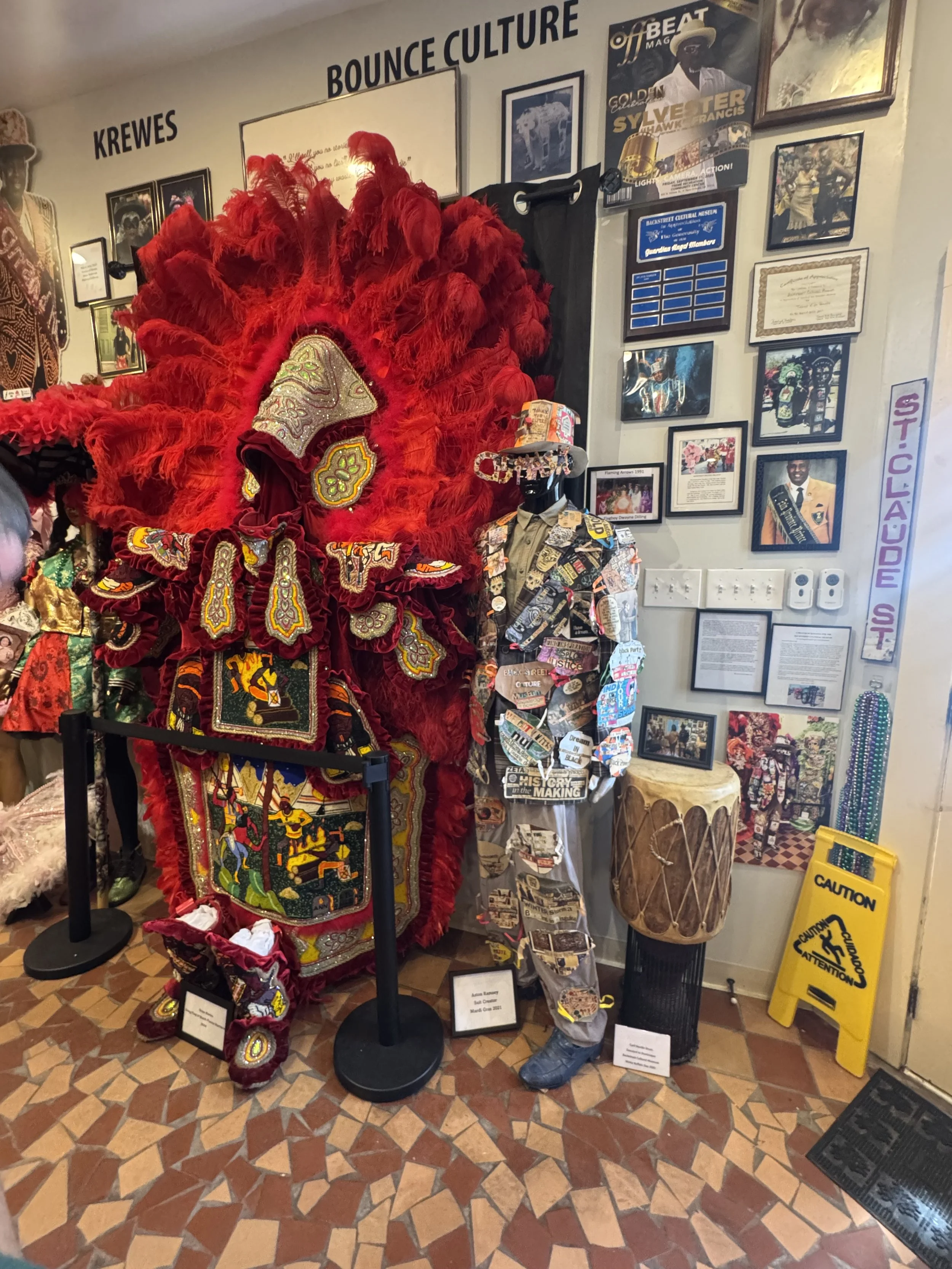
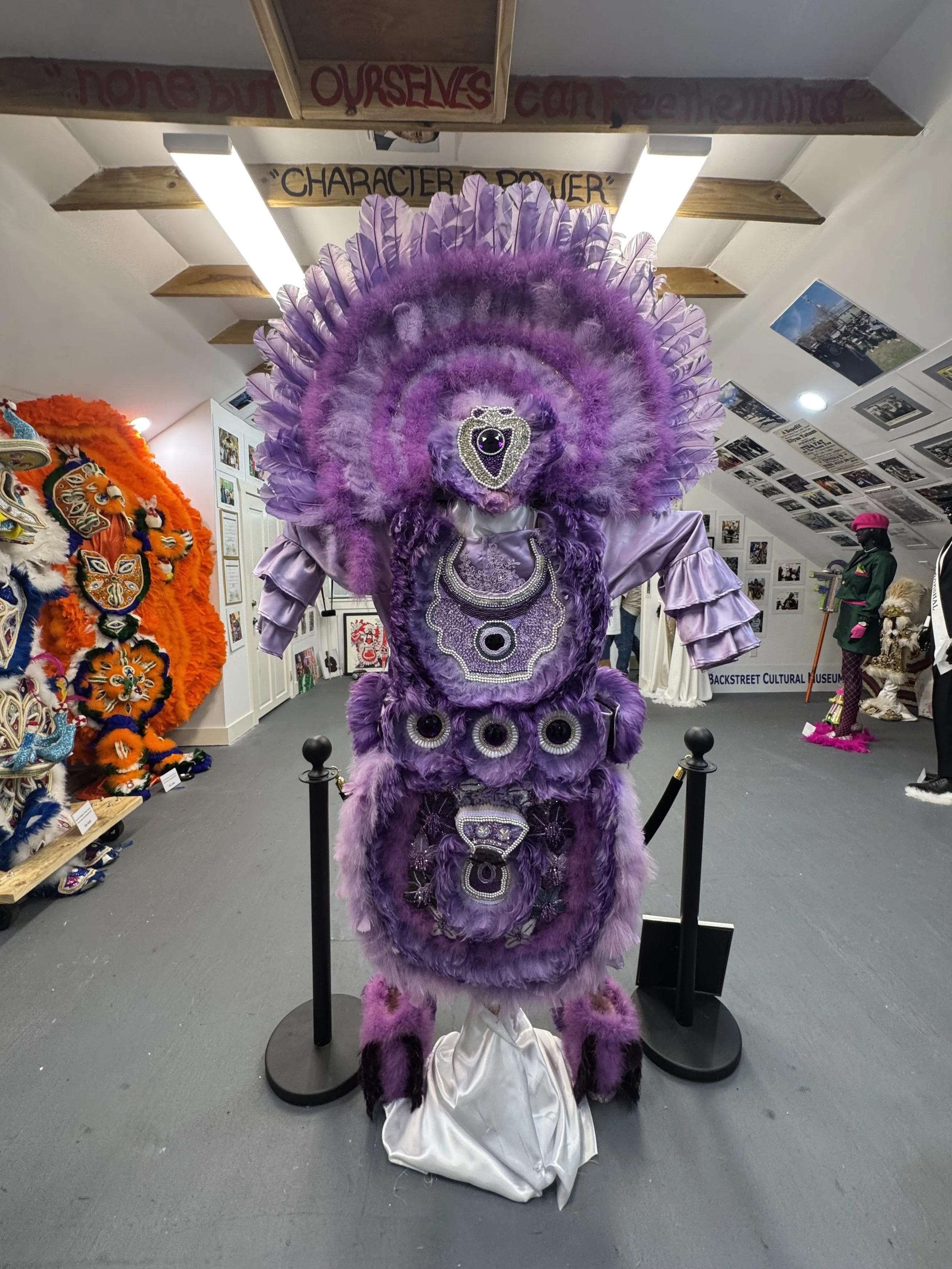
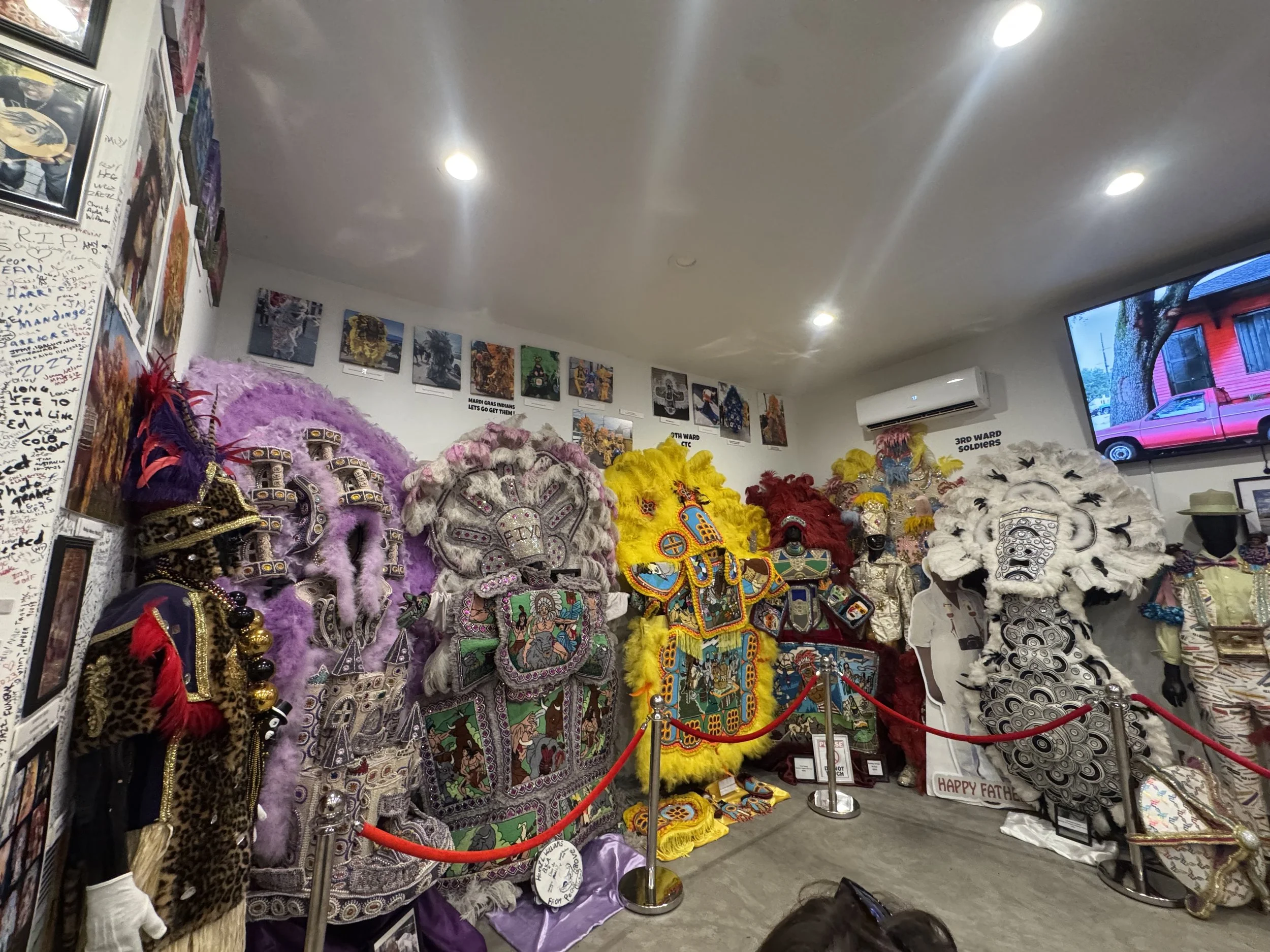
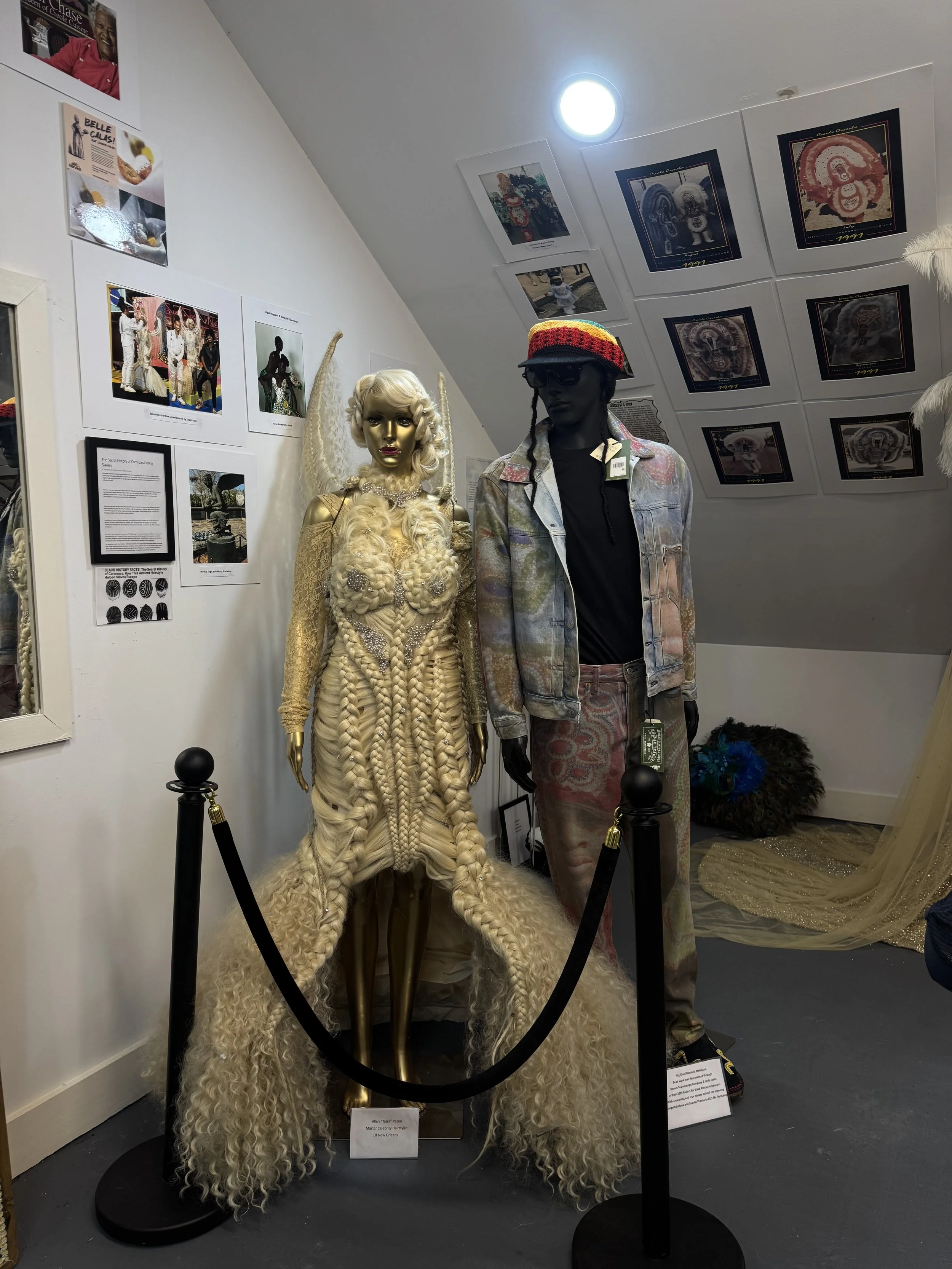
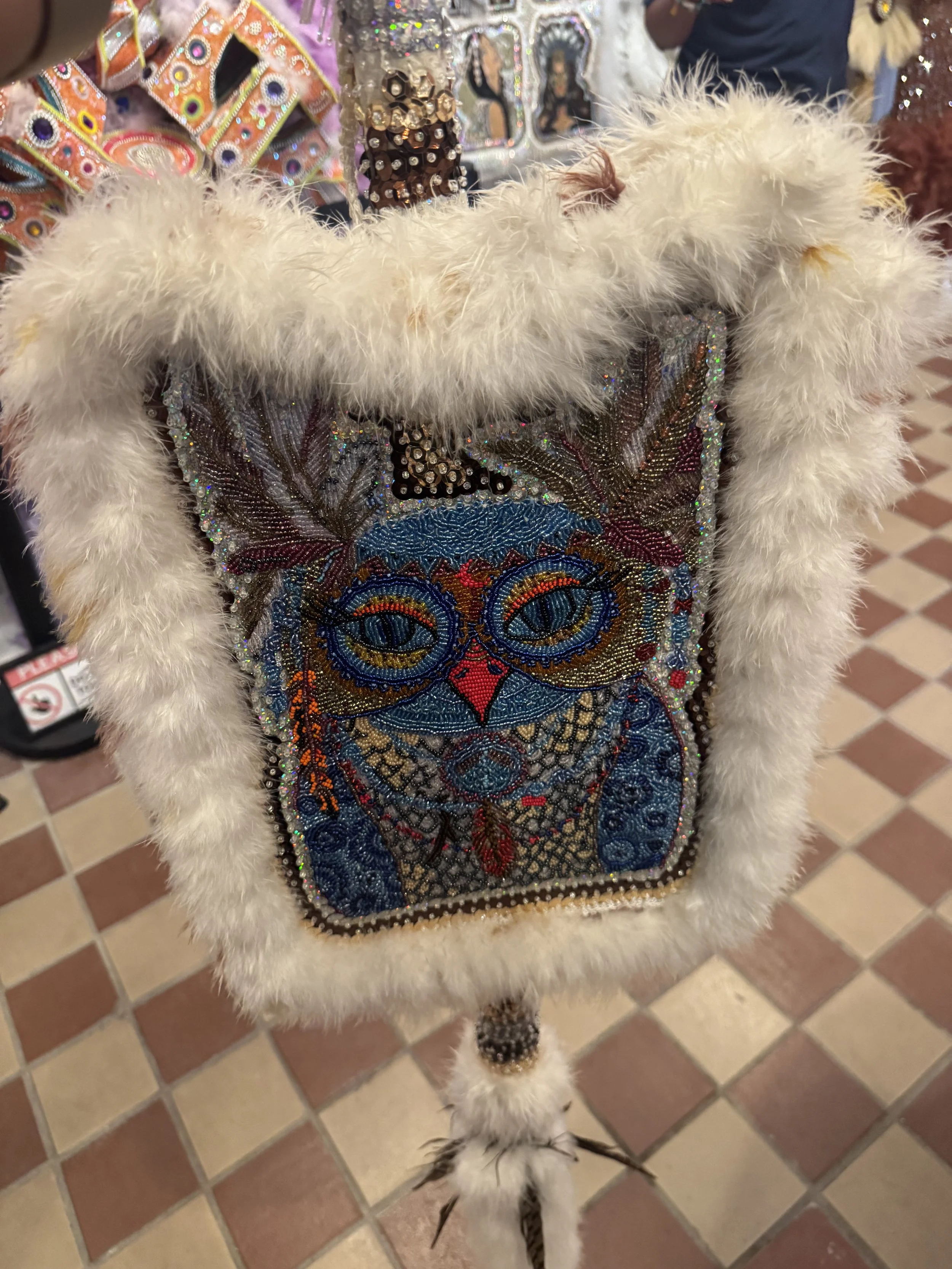
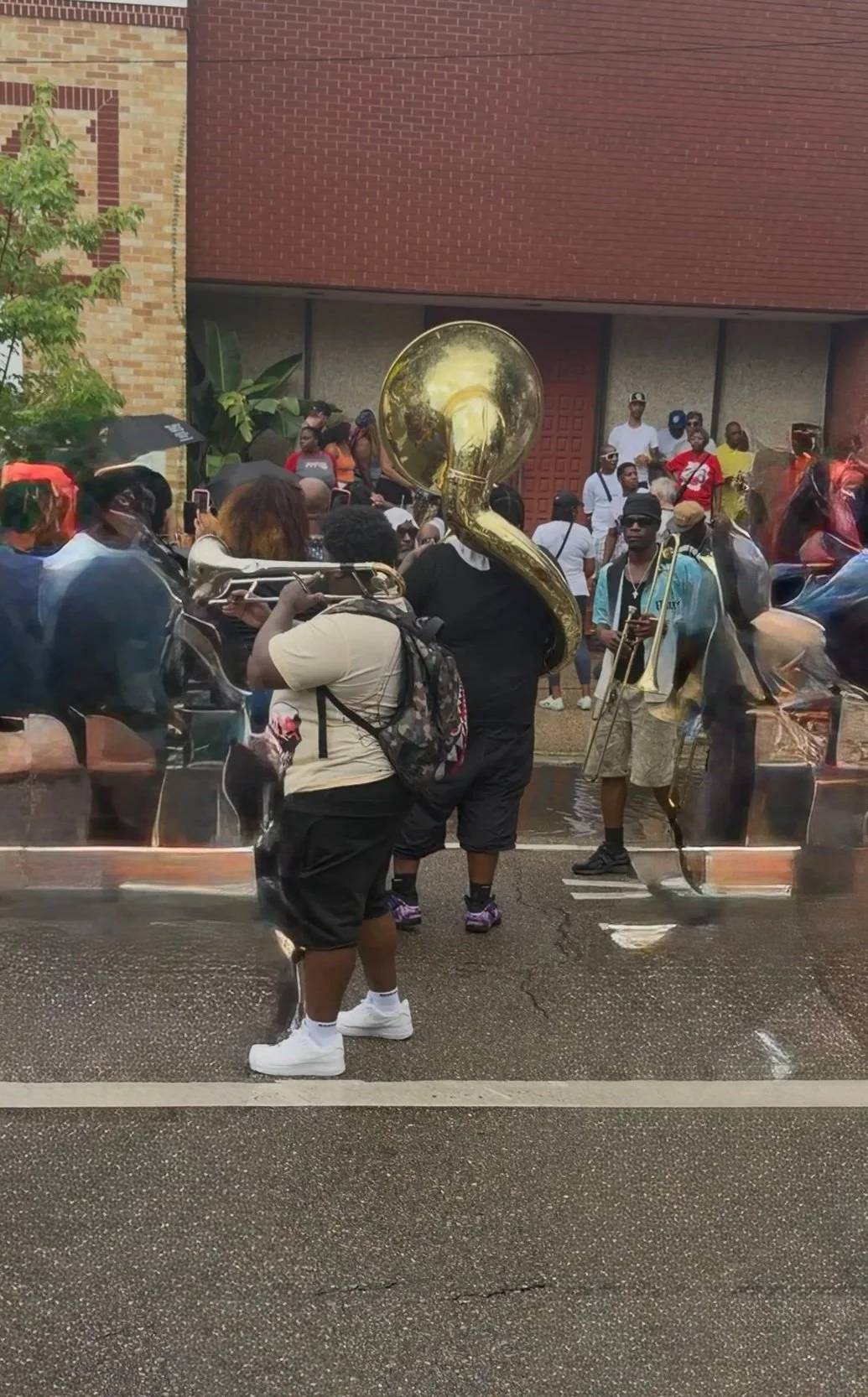
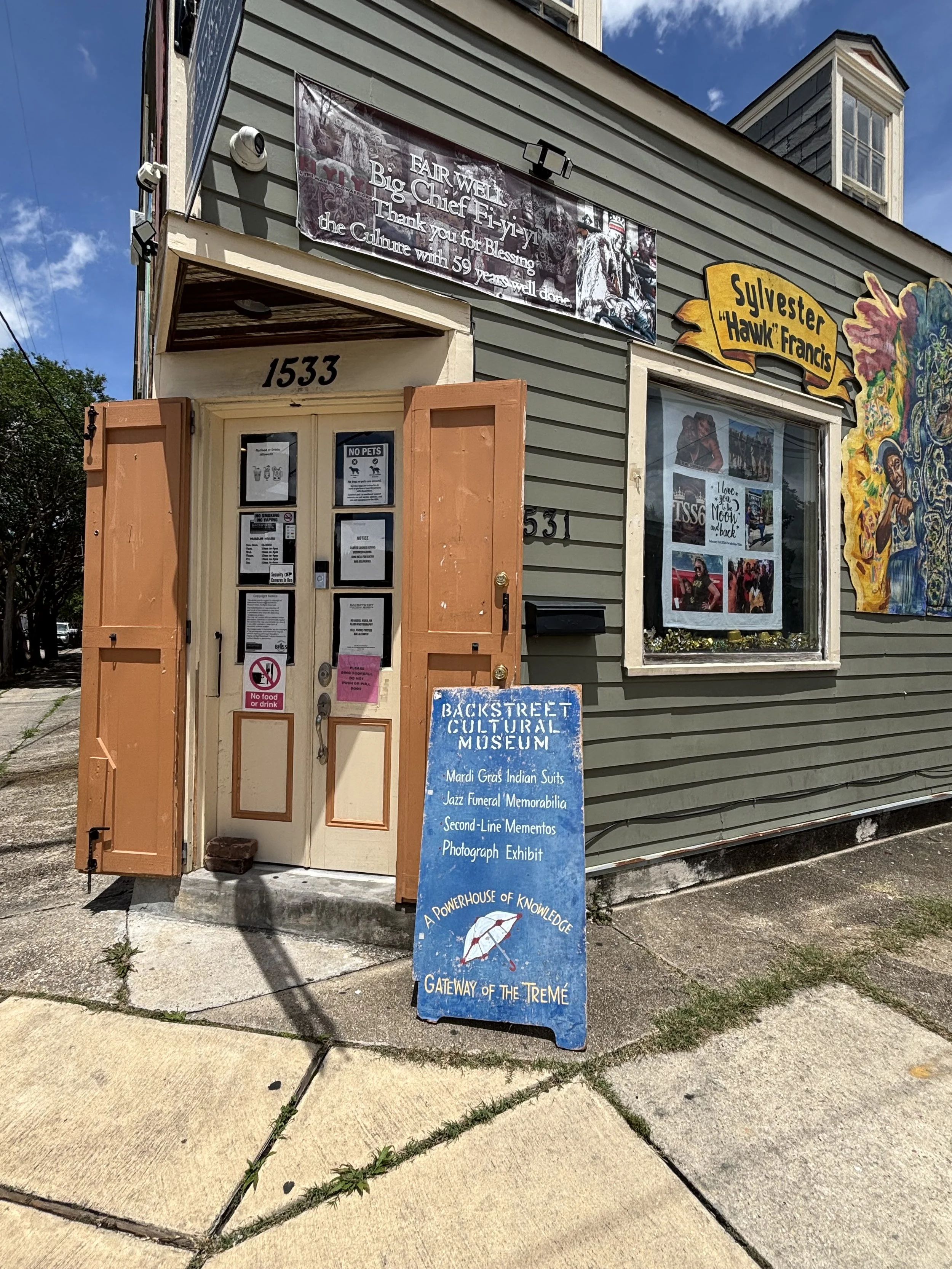
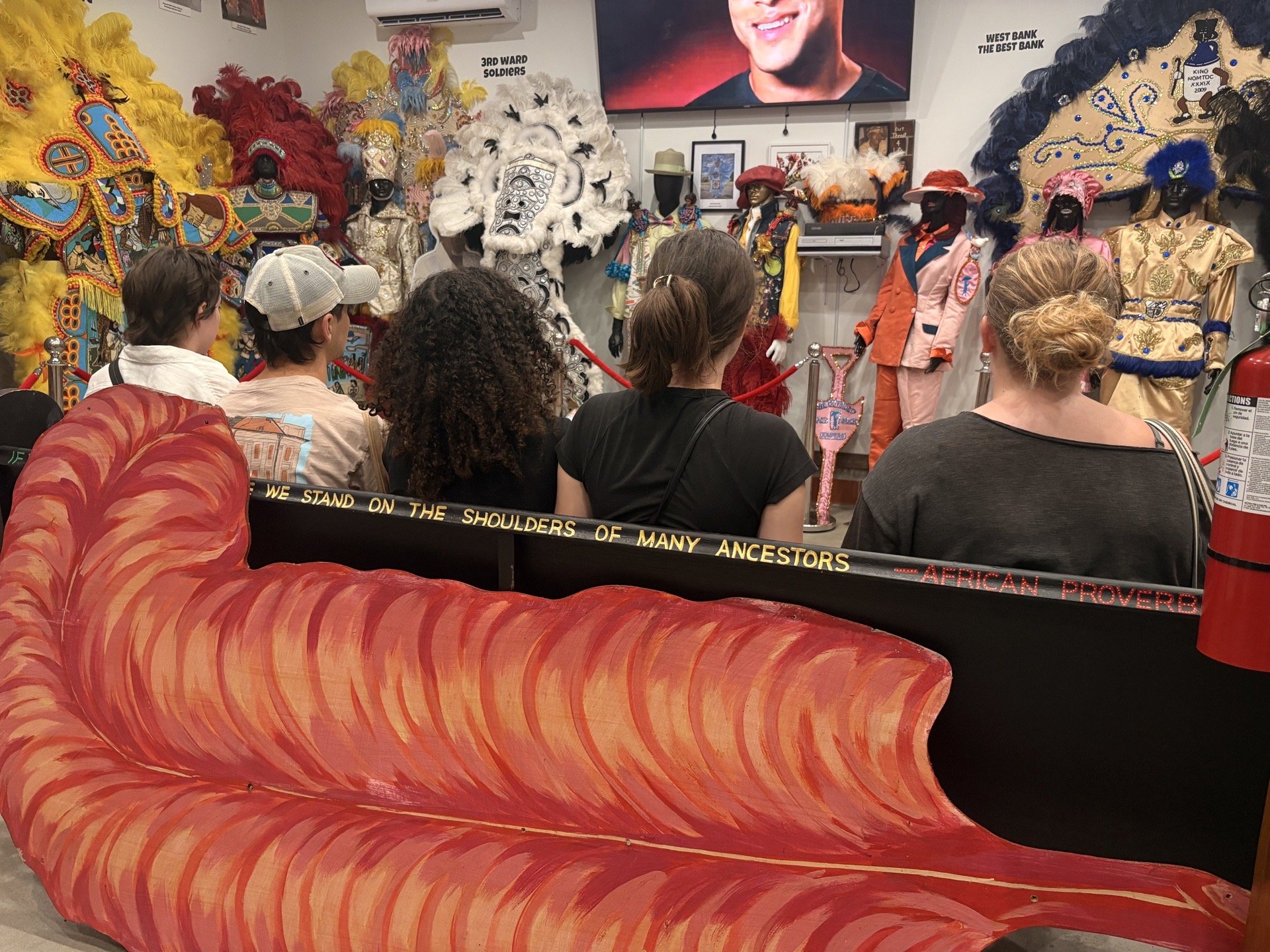
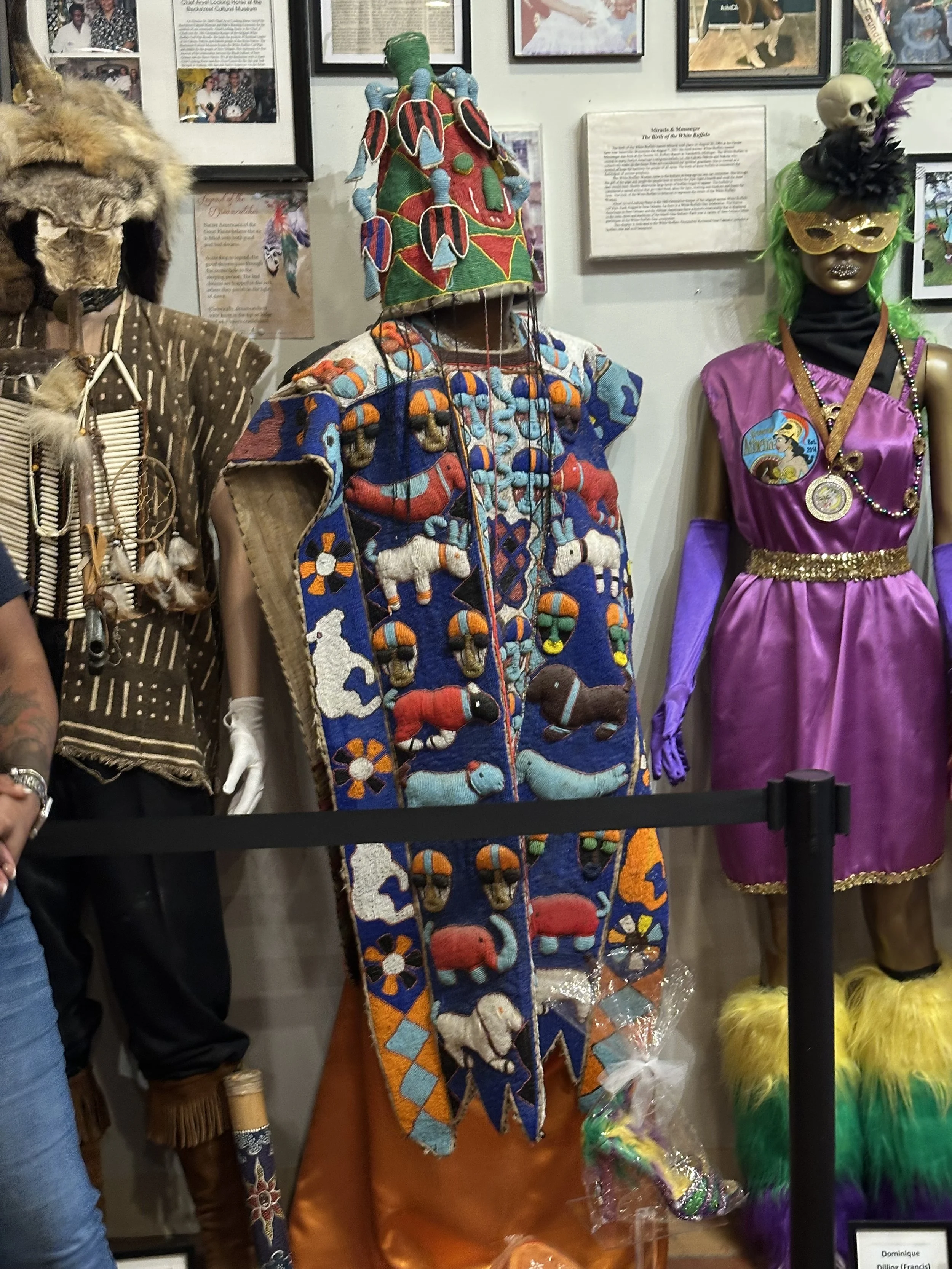
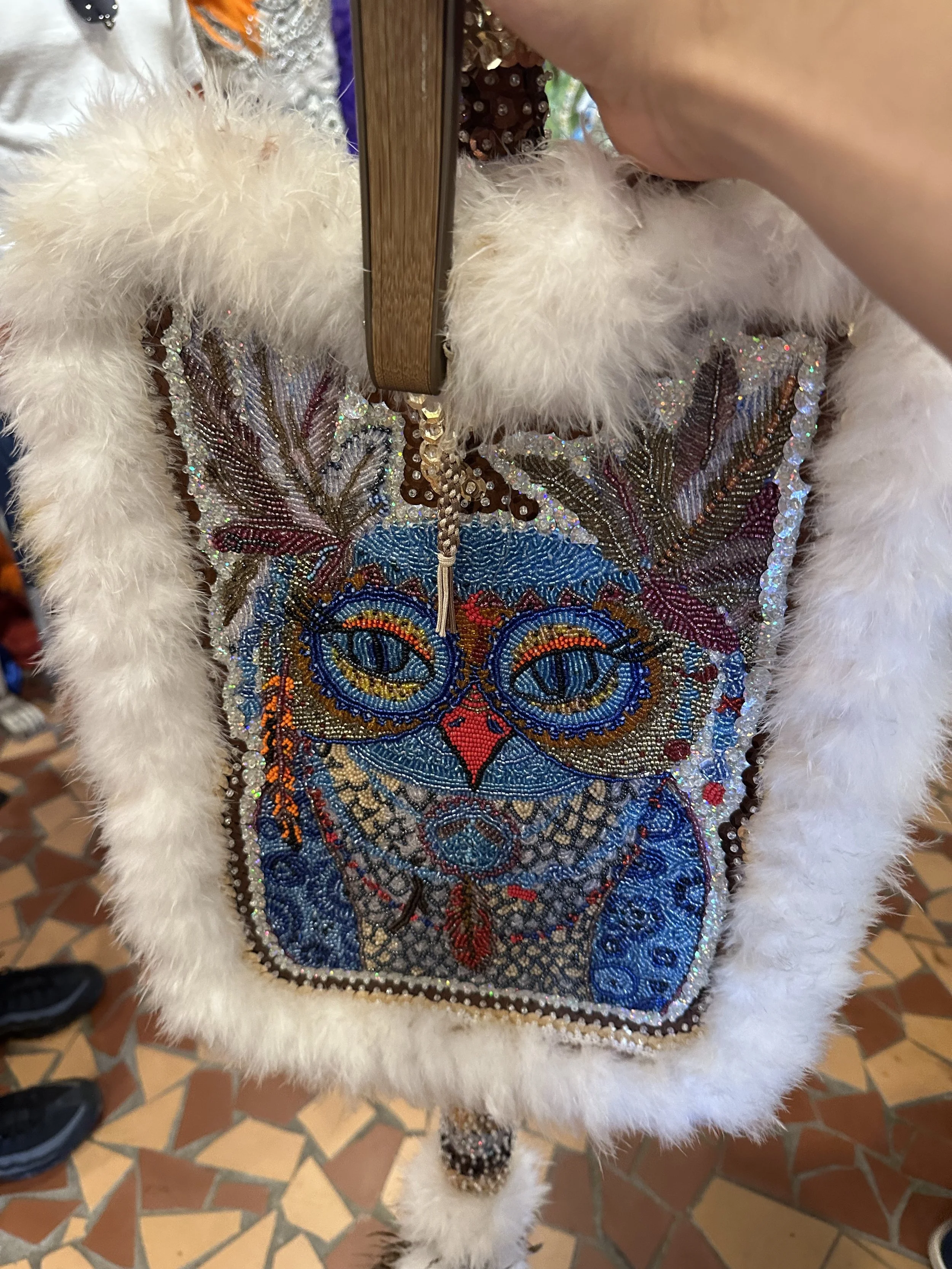
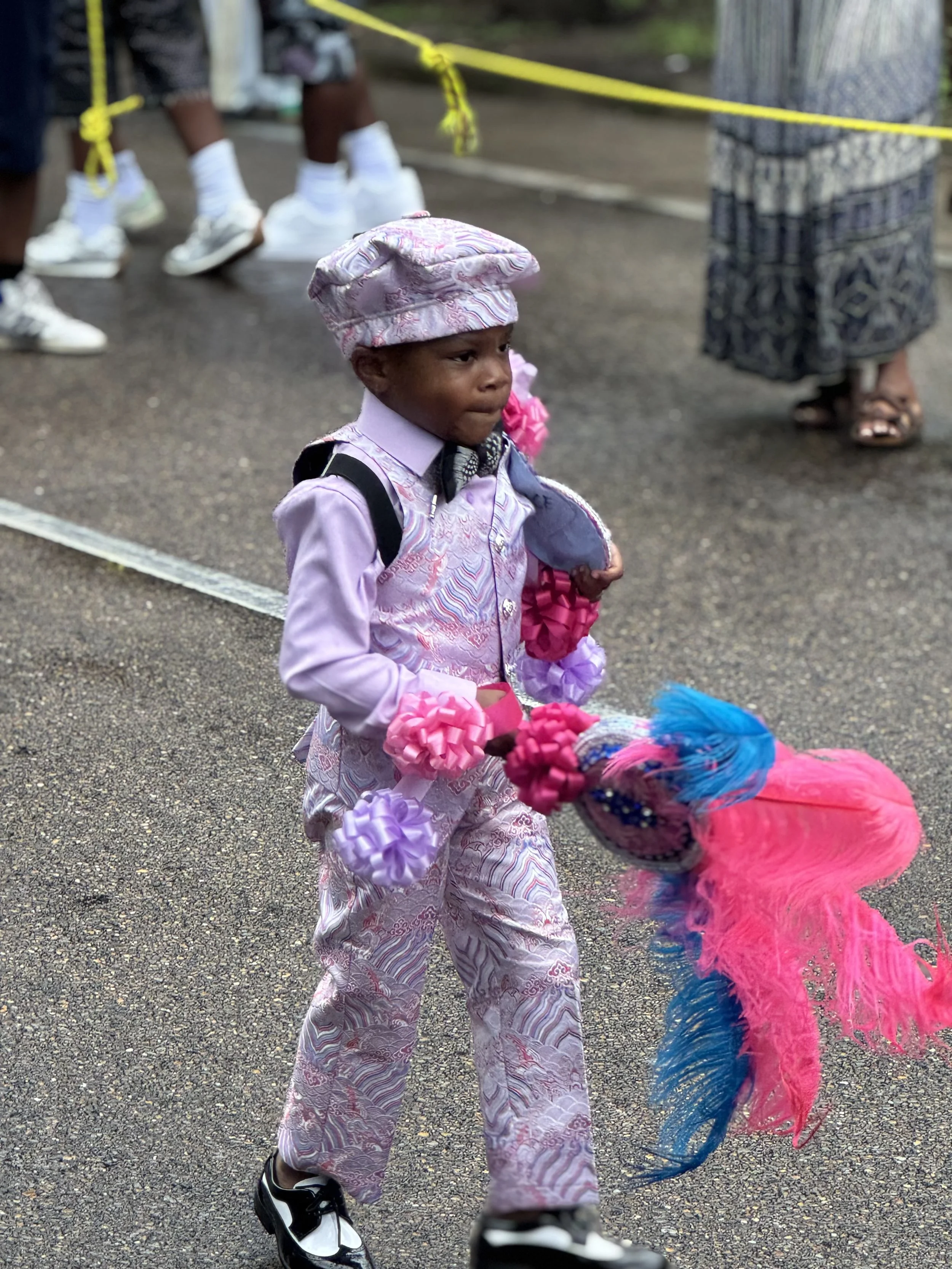
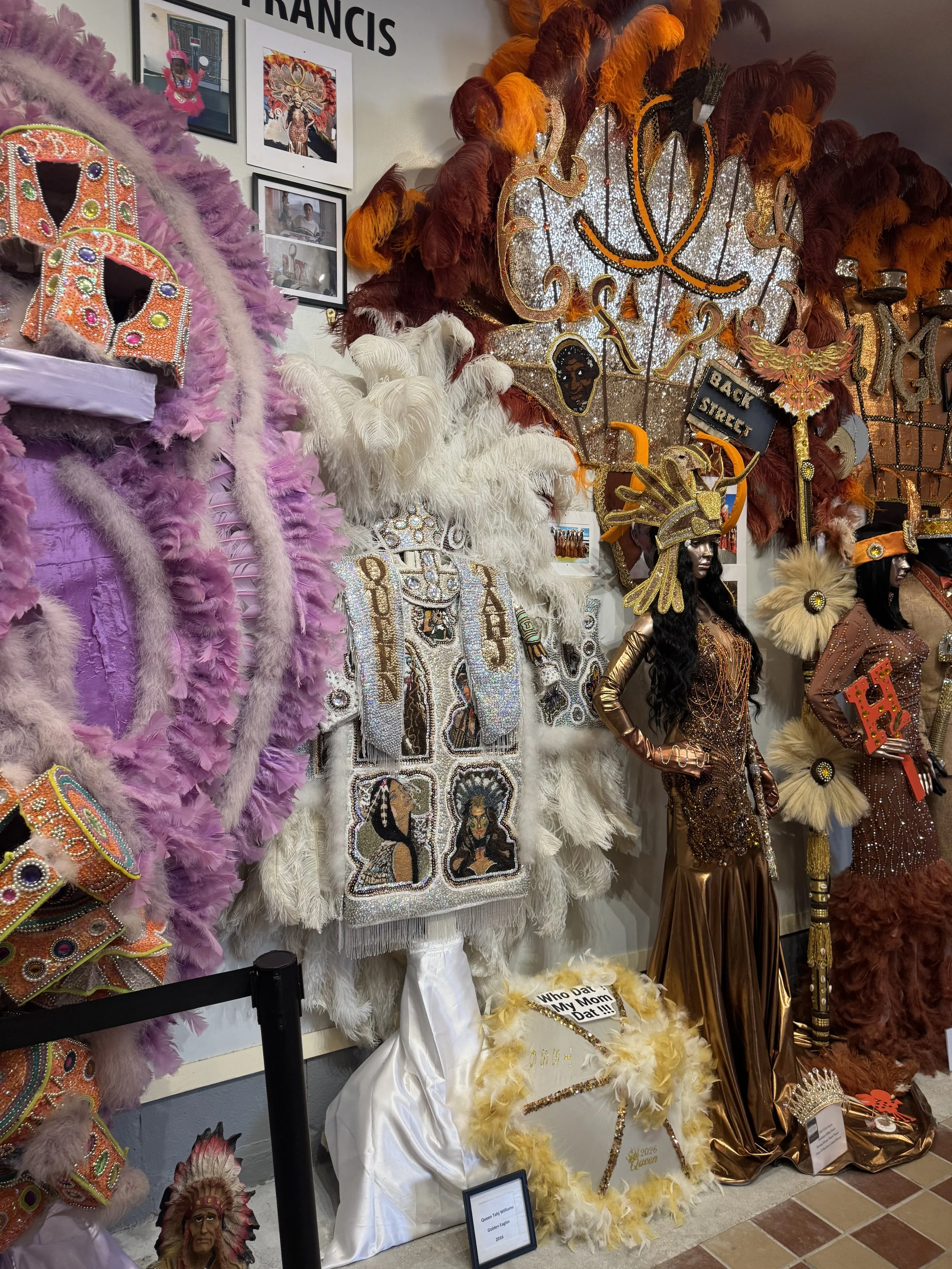
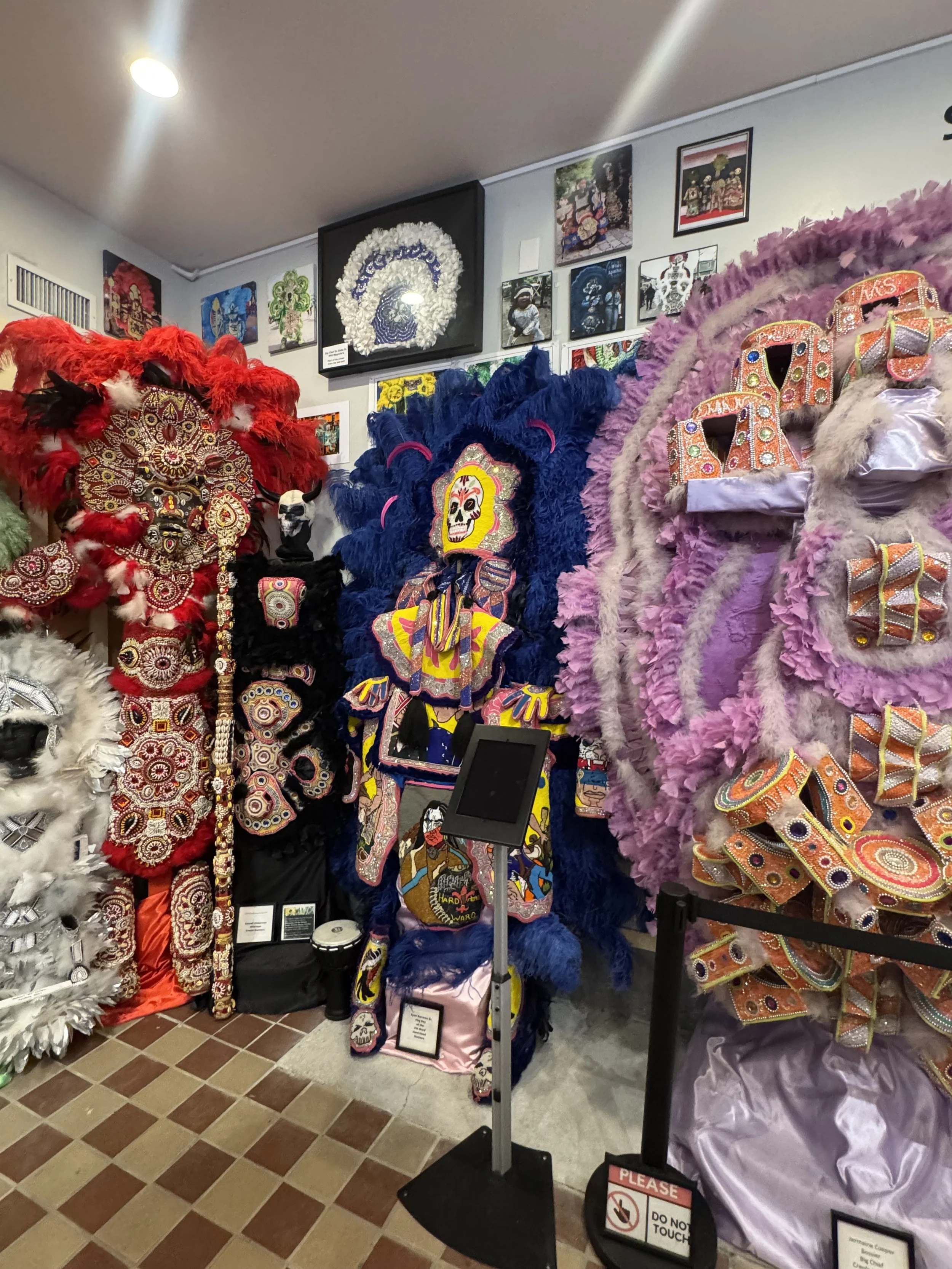
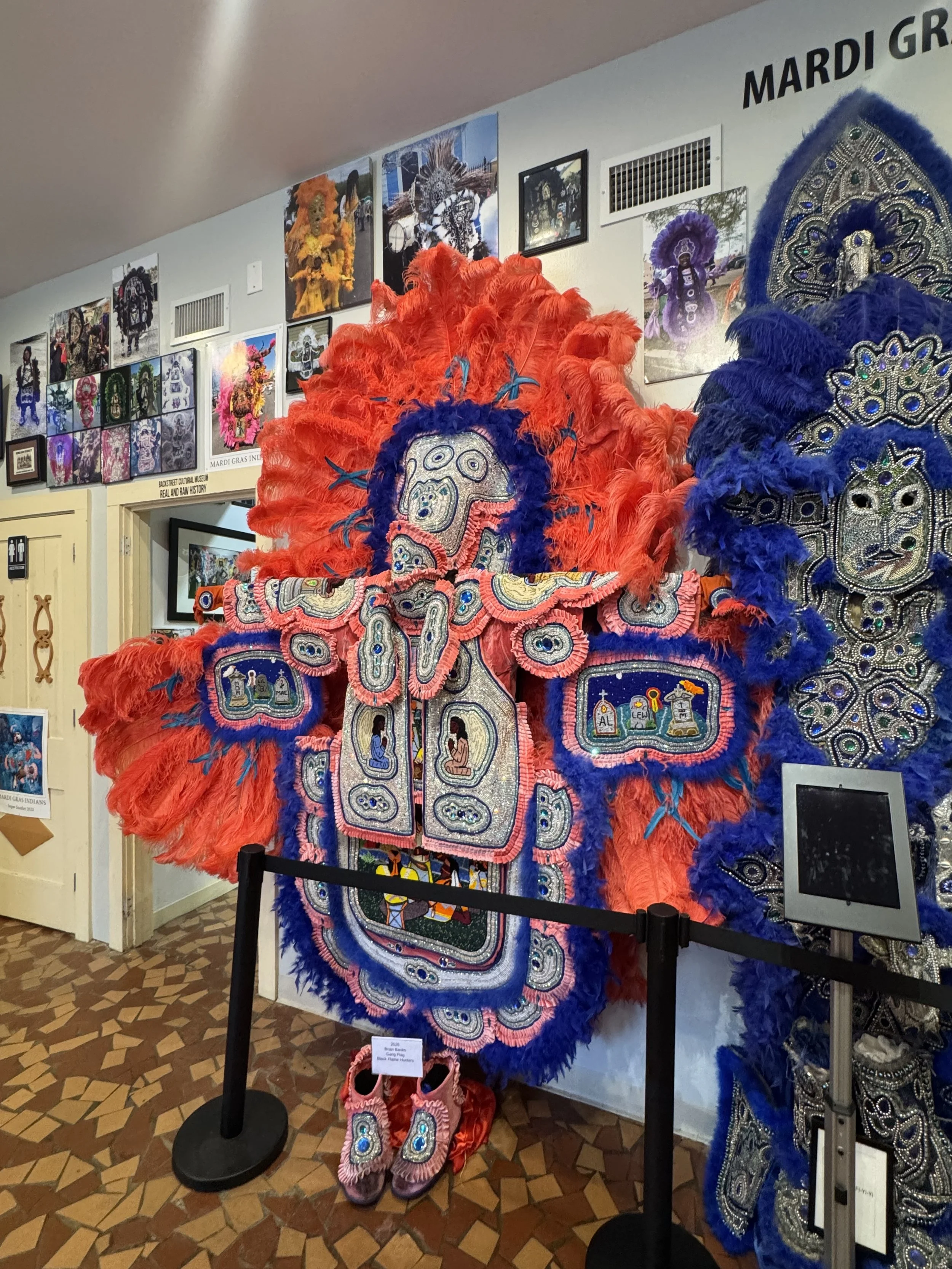
Regardless of this, Black people found ways to hold onto joy. Whether it’s in their hymns, their prayers, their food, or their community. We had the opportunity to visit the Backstreet Cultural Museum, where we saw different expressions of African American culture. Extraordinary handmade costumes, each one telling a story, not a single bead out of place. We also got to experience a second line parade, and it was AMAZING. The people that dressed up in custom-made costumes with their colorful matching accessories were just dancing in the rain and having fun. In the famous words of Beyoncé, it’s just so much damn swag.

The huge barbecue that was going under the highway, the little kids that were dancing along, and even the people that were not walking along the parade were dancing along. It was contagious and really hard to resist dancing along. What we got to see at the parade was Black joy at its finest, and I love it. As important as it is to speak honestly about the pain inflicted in this country, it is equally as important to highlight and celebrate the joy—because the people at the parade are the fulfillment of their ancestors’ wildest dreams.

Literature, Travel, and…Minecraft?

When going on an academic trip to read and explore a city like New Orleans, the video game Minecraft is not what comes to mind as part of the experience. However, what started as a way to escape the heat and decompress became part of the trip for me. Before exploring the connection between bookpacking and Minecraft, I’ll explain how I play Minecraft. 

Minecraft is considered a sandbox video game, which means that, like a real sandbox, you can create anything you want with enough skill and imagination. Except, instead of sand castles, it’s castles made out of pixilated blocks. There are literally hundreds and possibly thousands of different ways to play Minecraft, so instead of trying to describe all the different ways to play, I’ll go over how I play. Despite my undying love for video games, I am pretty bad at them. To compensate for this, I play Minecraft on peaceful mode, which means there are no hostile mobs (which is short for mobile entity) that can threaten to kill you, causing you to lose all the resources in your inventory. I do play survival mode every now and then, but I tend to stick to creative mode. In creative, you can’t die; you can fly as well as have access to unlimited resources to build and create with. Normally, I would create a new world and fly around until I found a cool-looking area to build a house or structure in. However, I recently decided that I wanted to practice my building skills since some of the buildings people have created show just how much is possible in a world made entirely of cubes. I watched a couple of YouTube videos and learned some tips on how to make more interesting or realistic builds. Currently, I am playing on what is called a Super Flat World, which generates a world that is completely flat and covered in grass. This makes building much easier because you aren’t fighting the natural terrain of the normal worlds, which can be tedious to clear out.

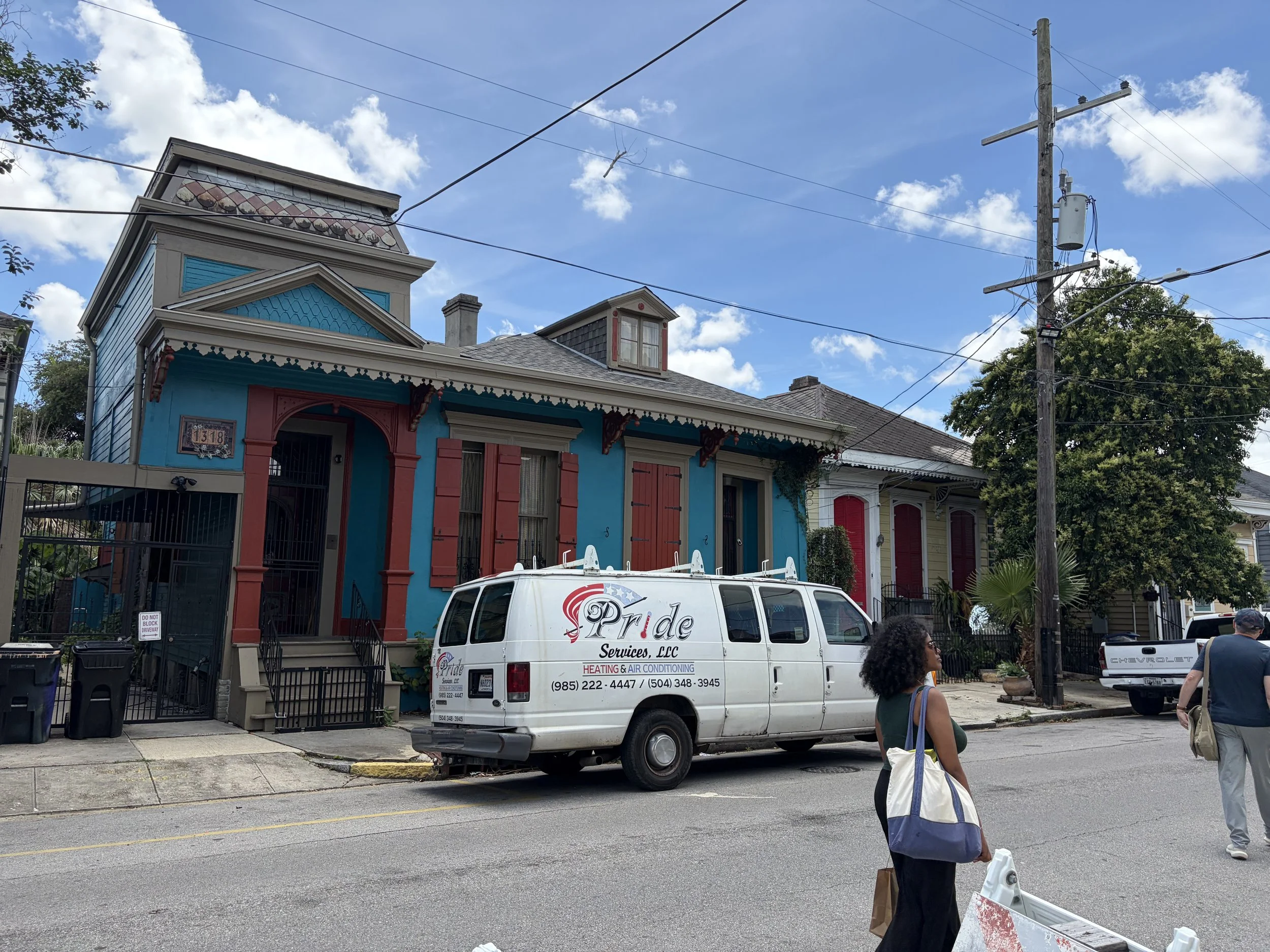
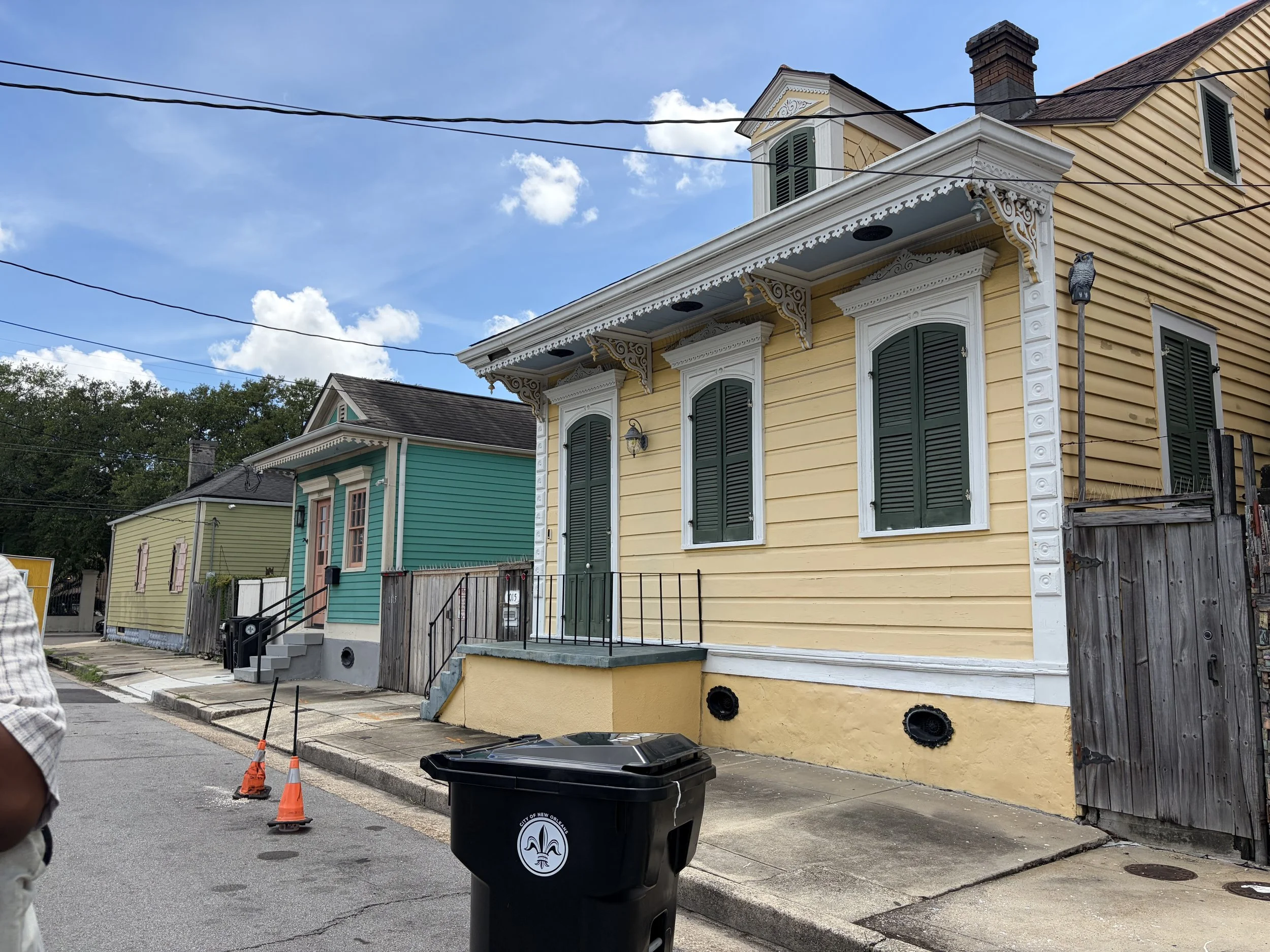
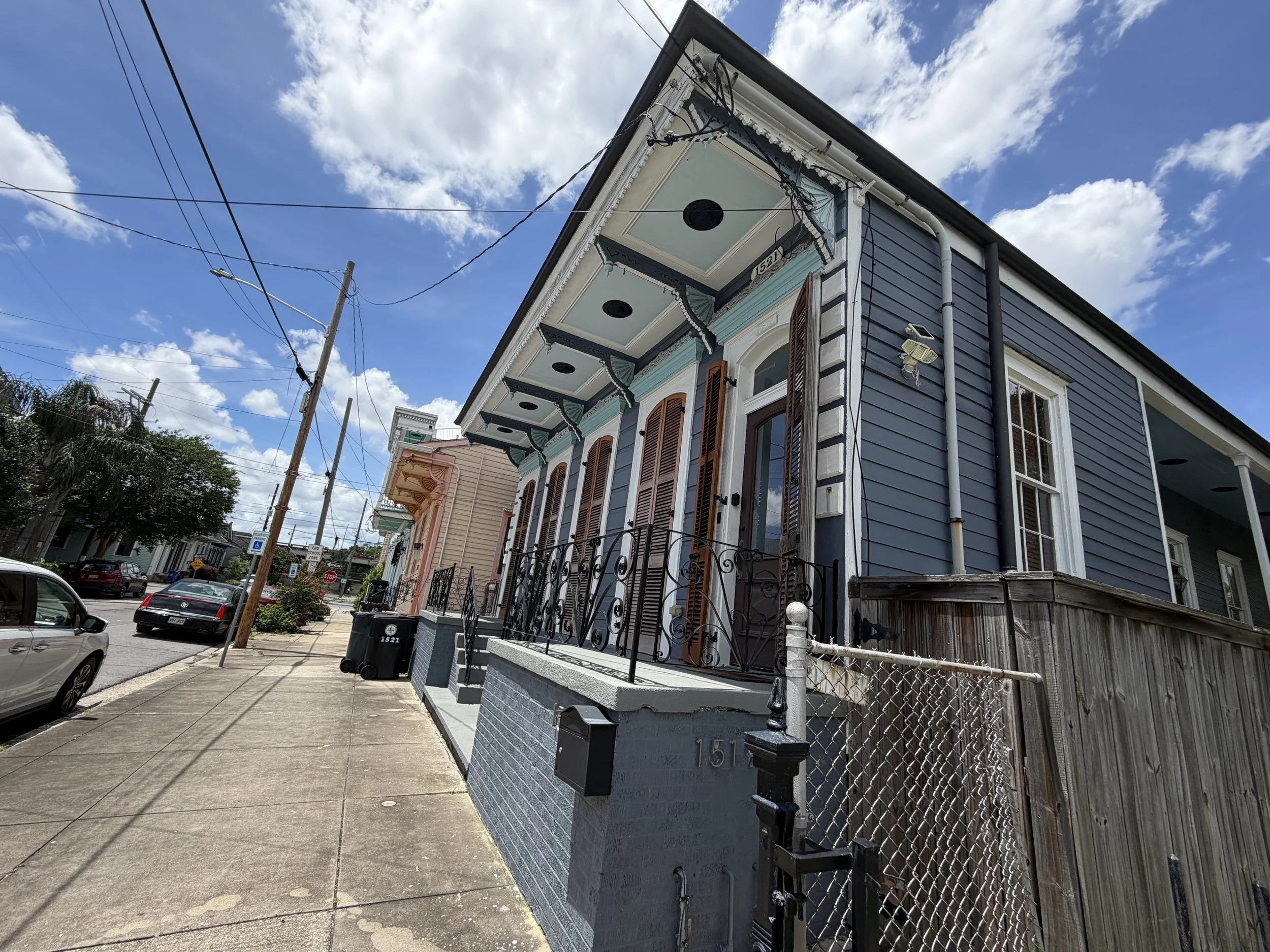
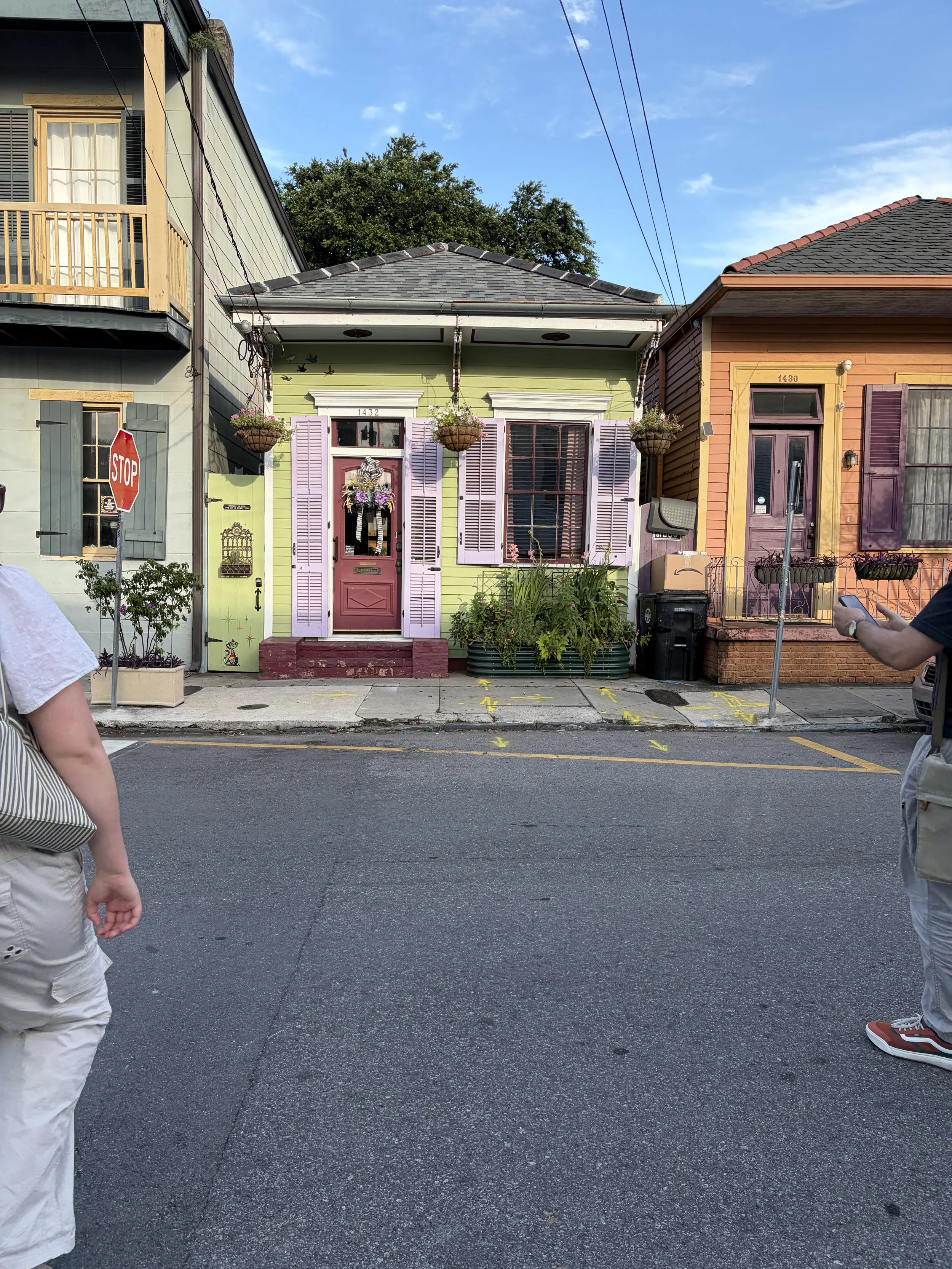
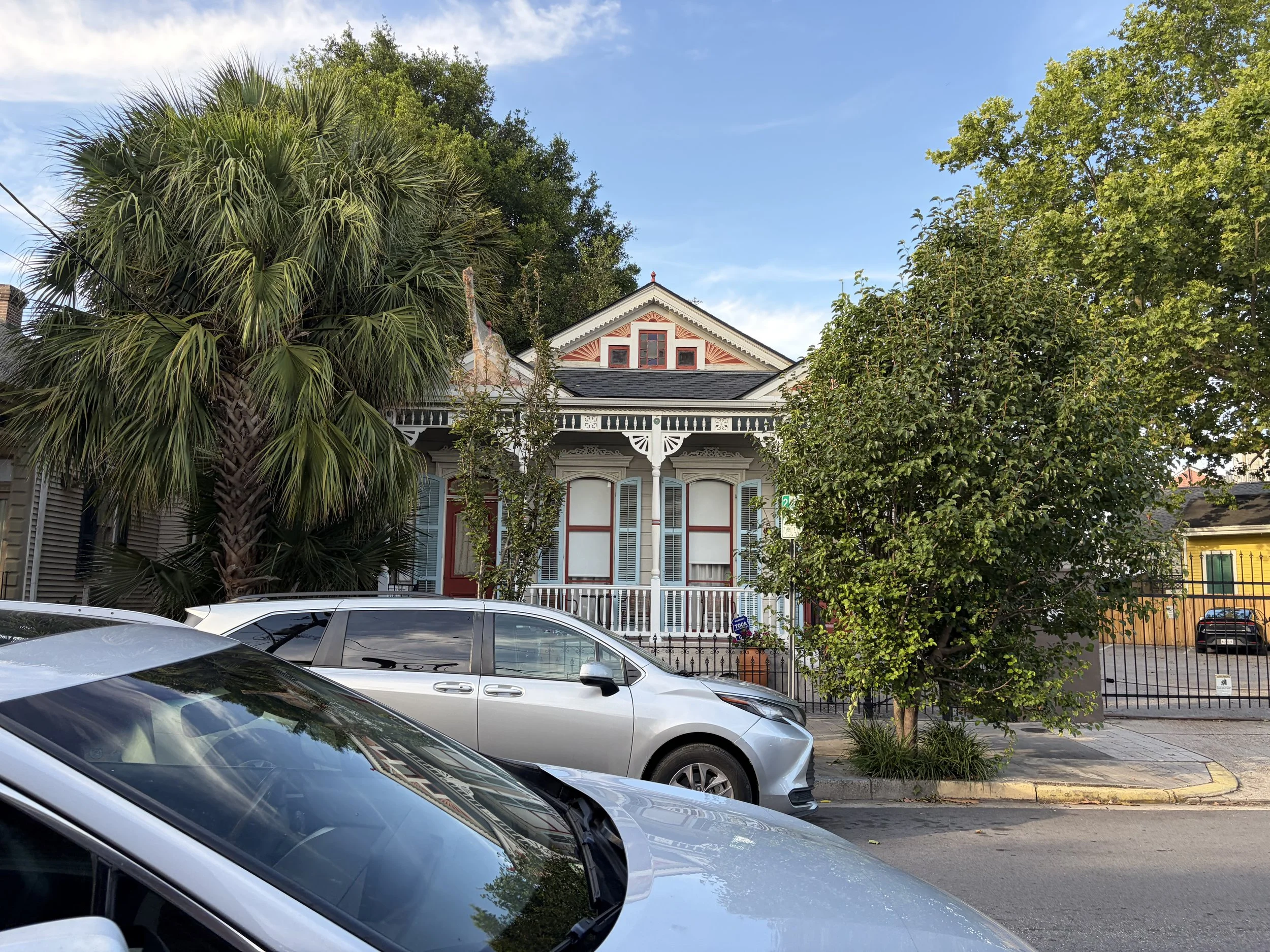
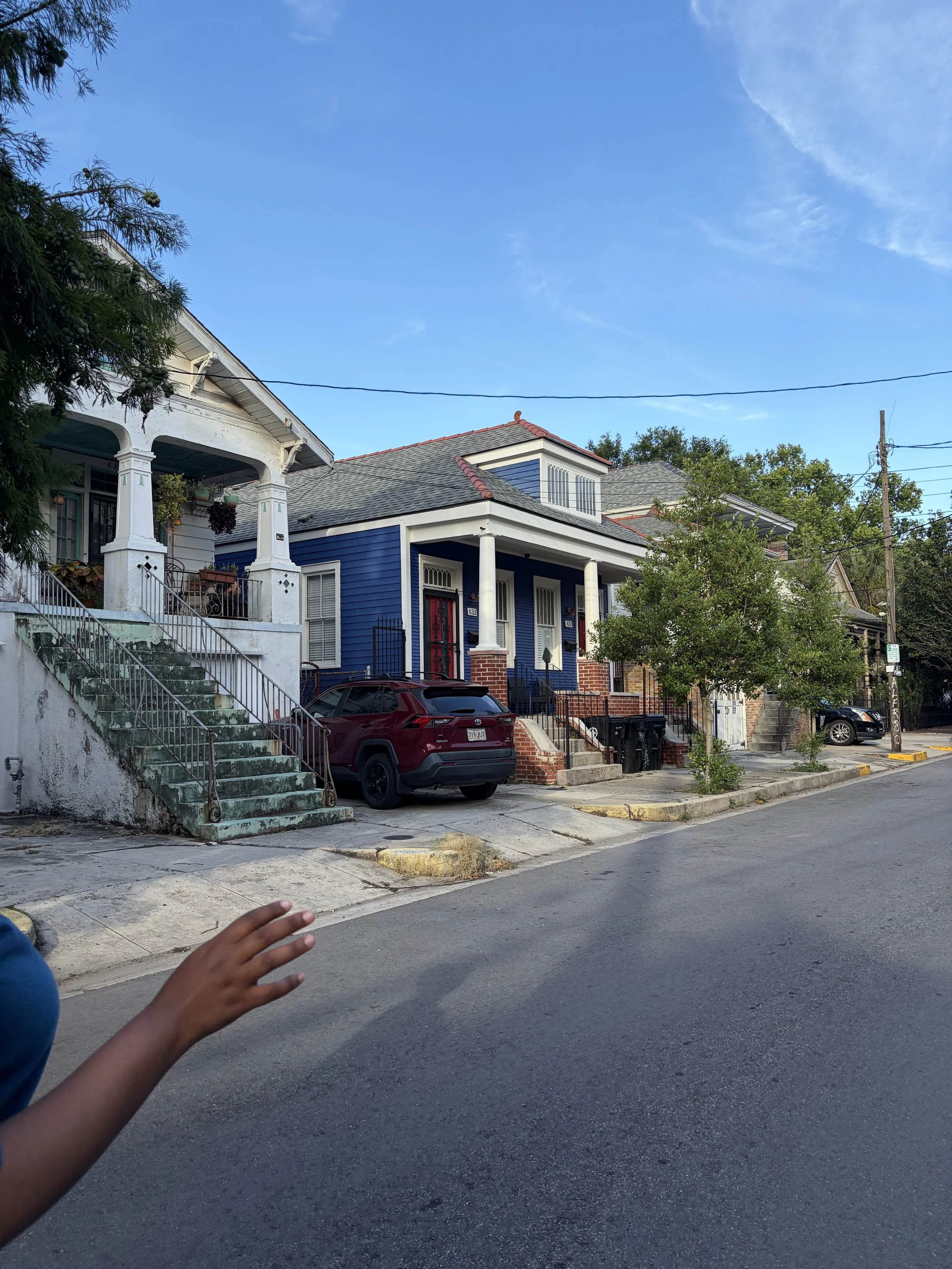
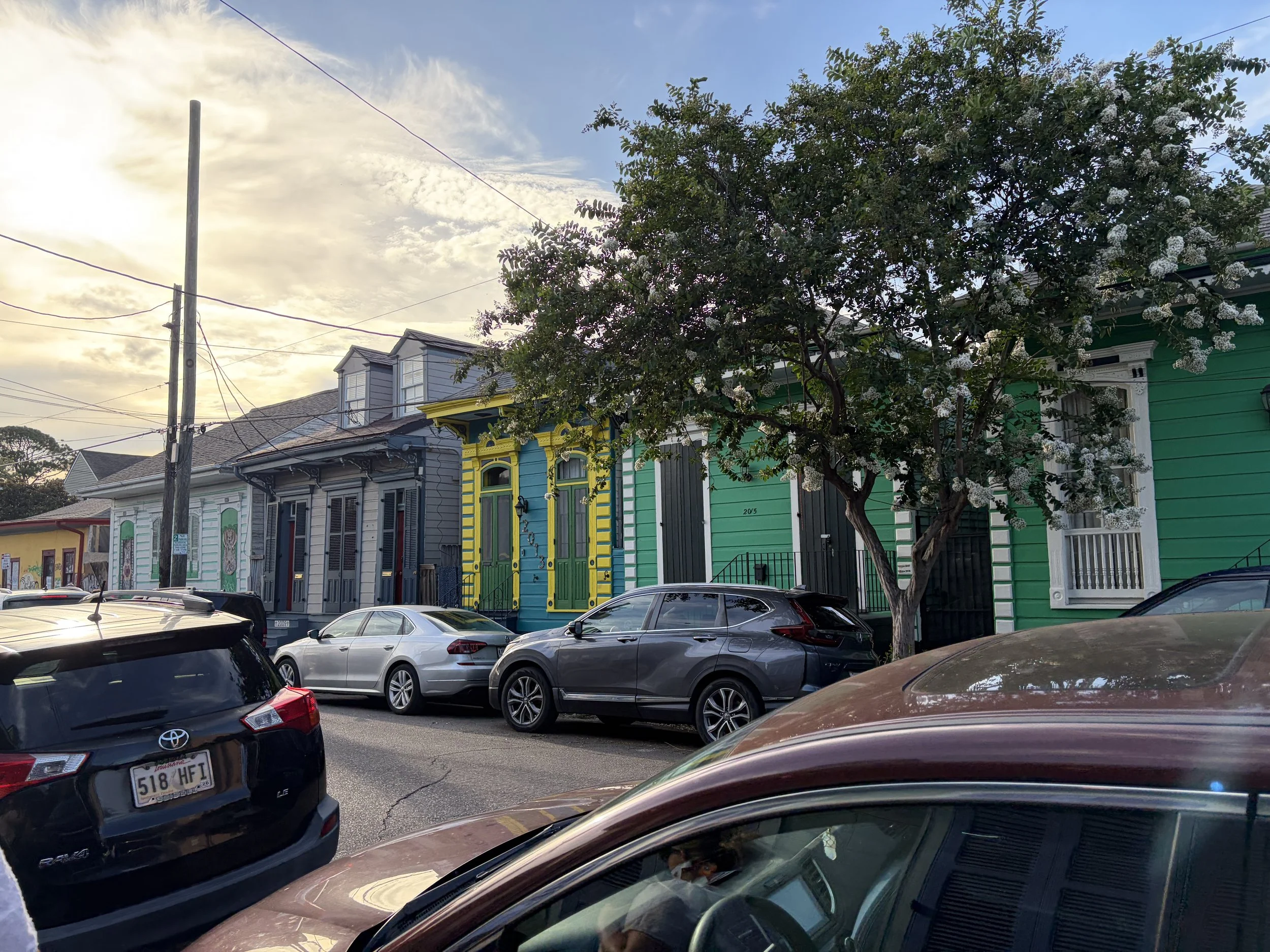
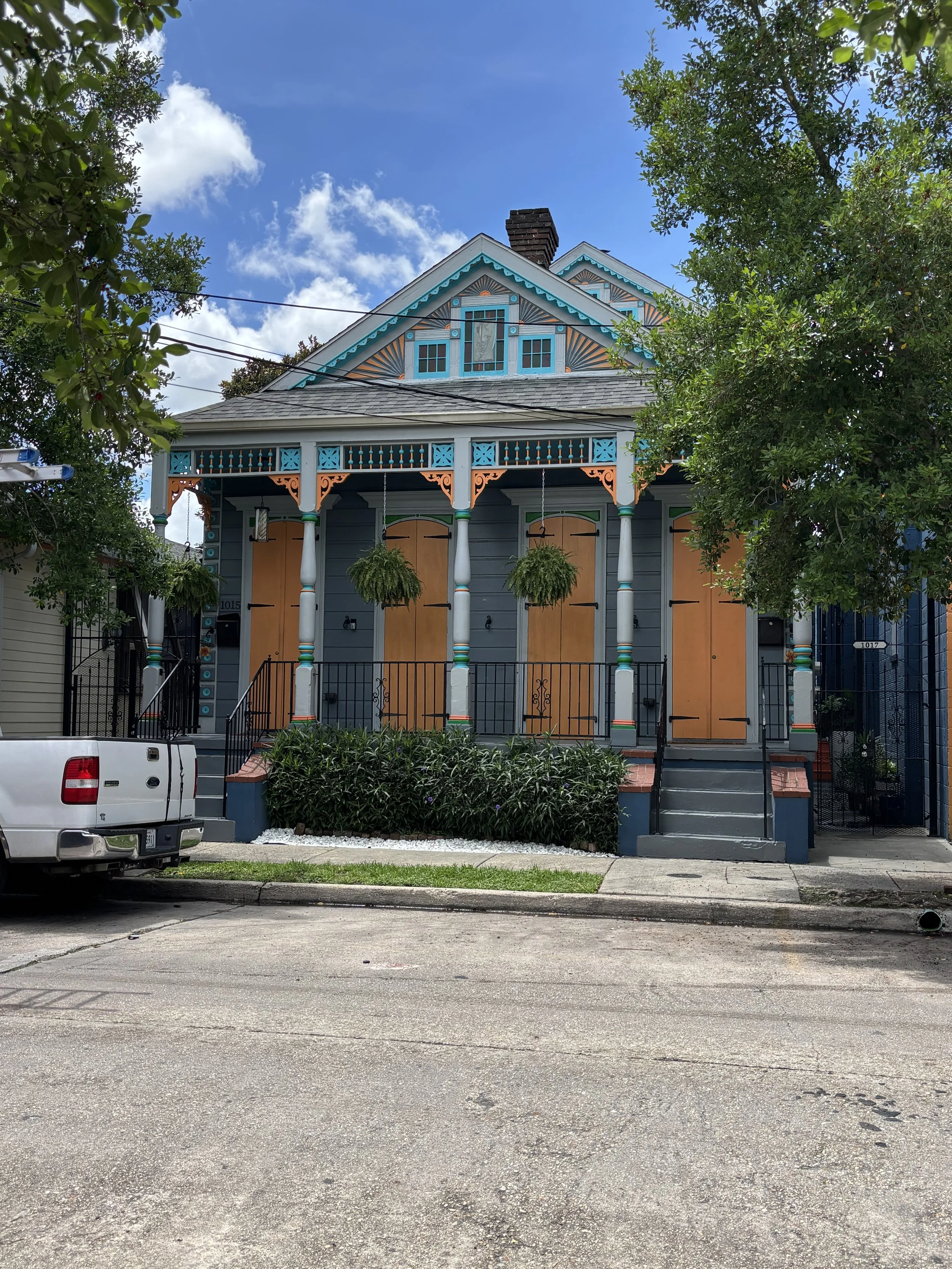
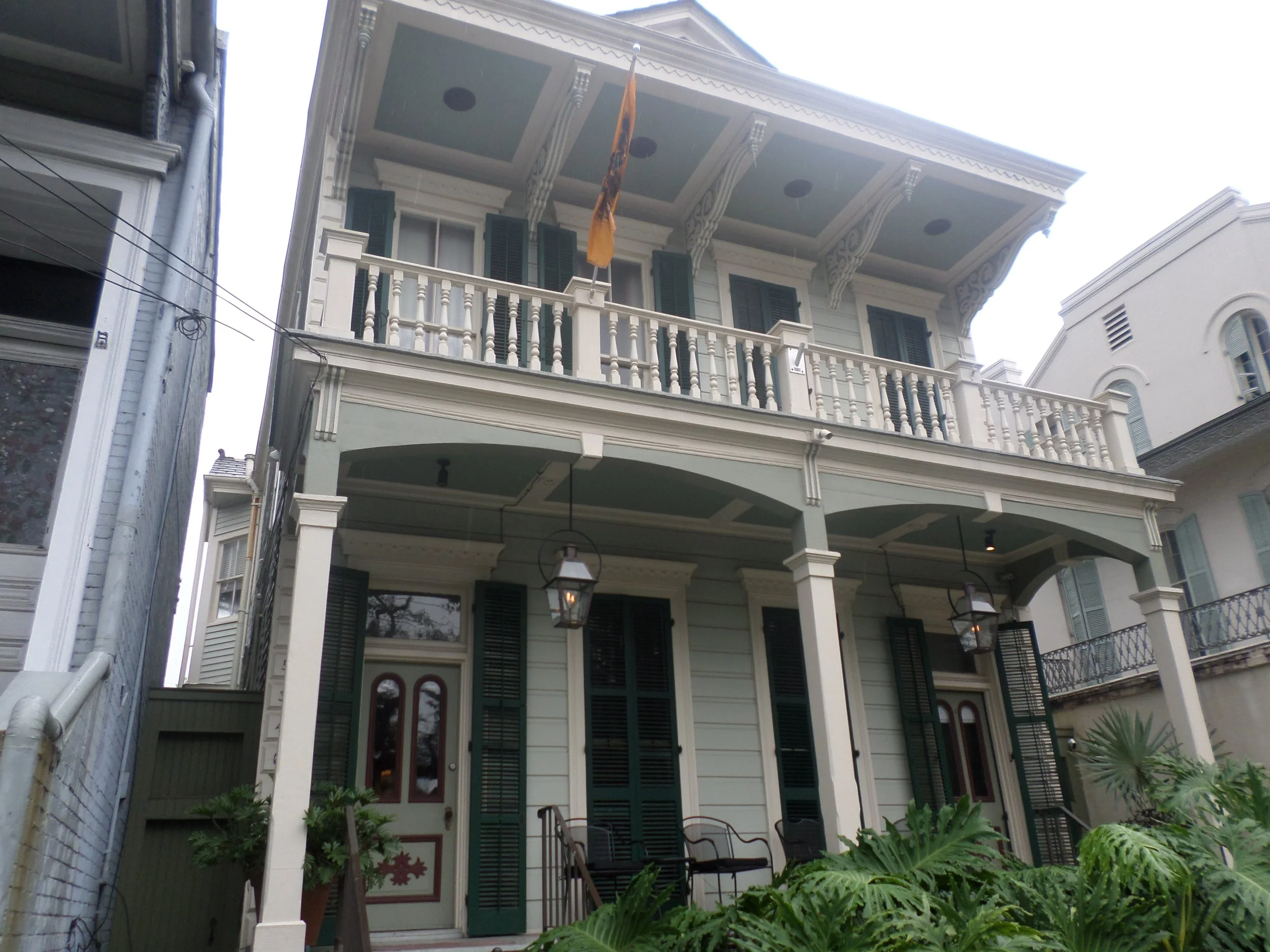
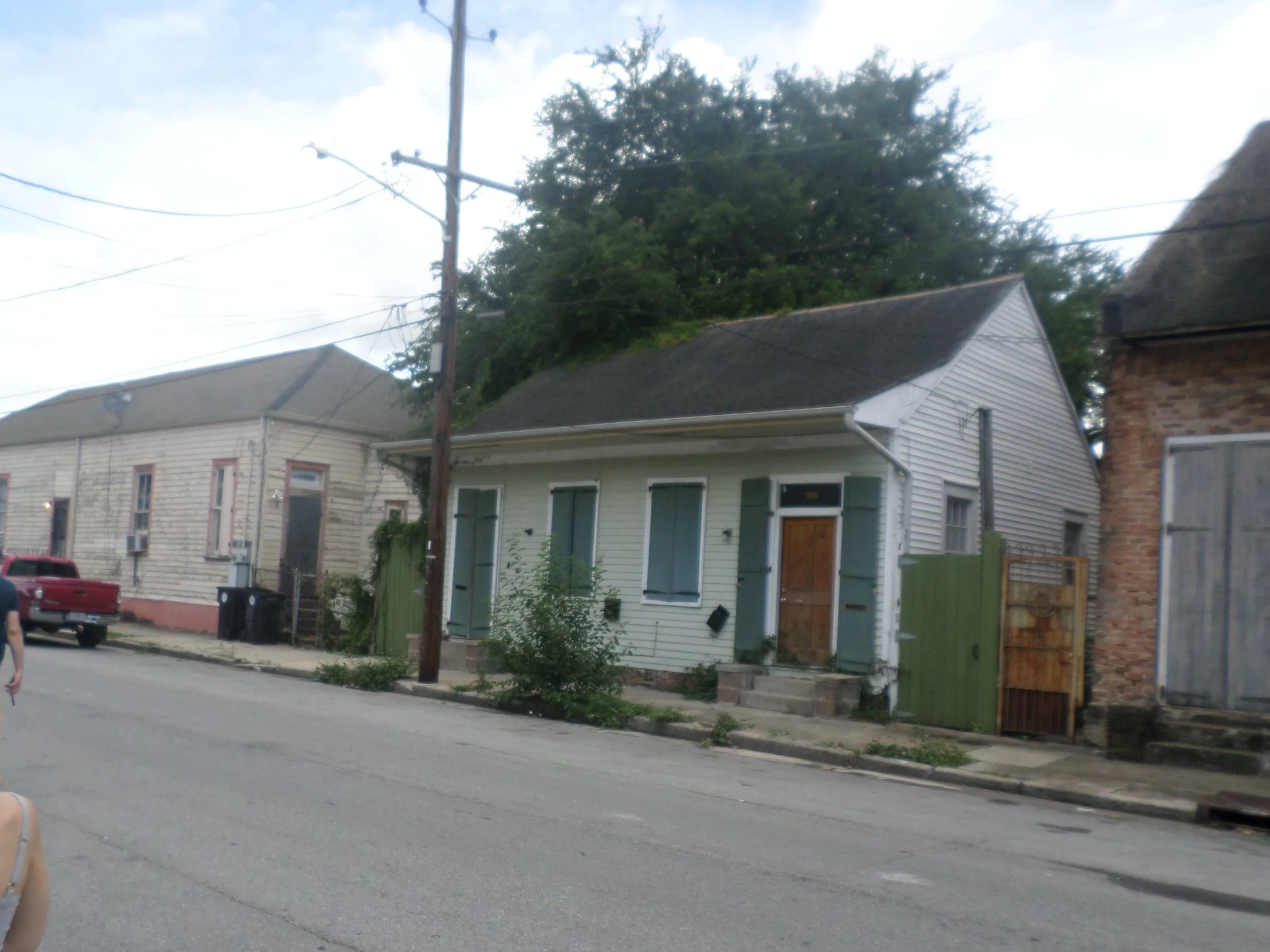
It’s on my Super Flat World named Cortona (I can’t remember why I named it that) that I probably created sometime back in 2019, but only returned to recently, when Bookpacking starts to come into the picture. I upgraded my phone after having my iPhone SE for almost 6 years to the new iPhone, and I was able to play Minecraft on my phone without it destroying my storage space. I rediscovered my love for Minecraft and building houses. This is why, during our trip to Grand Isle, I was so inspired by the architecture I was seeing that I made my own version of the houses in my world, Cortona. Once we arrived in New Orleans and walked around the French Quarter, and later the Seventh Ward, Treme, Lower Ninth, New Orleans East, and Marigny I felt the same excitement about building a shotgun-style house with all the beautiful colors and detailing. However, I didn’t want to create just one shotgun house; I planned to make five using all the different wood types in Minecraft to reflect the different colored houses all lined up next to each other. I got started on my research, taking pictures of different houses I saw on the street, looking up floor plans, and searching for interior images on the internet. I started laying out different foundations that still rang true to the saying of being able to shoot a shotgun through the house; however, in Minecraft, that would be a crossbow.

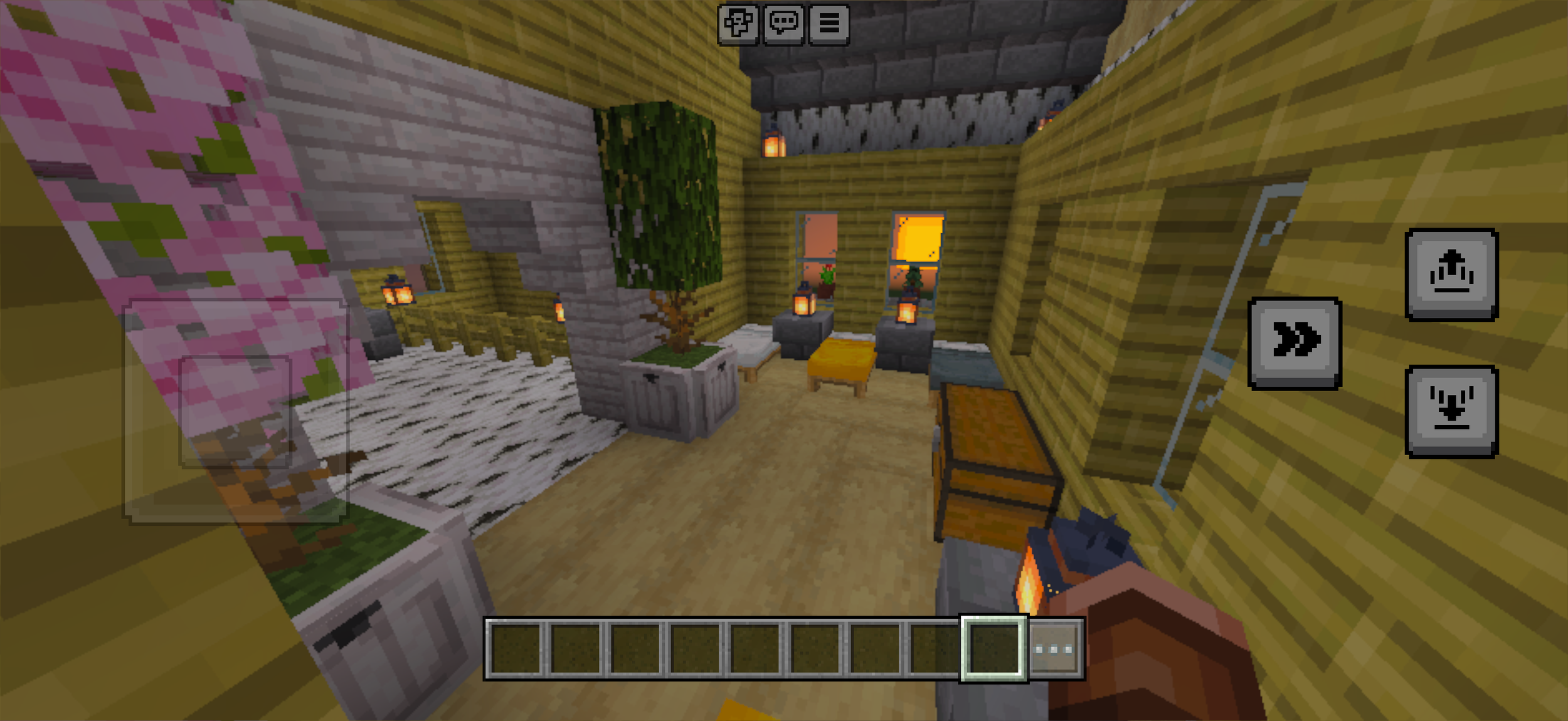
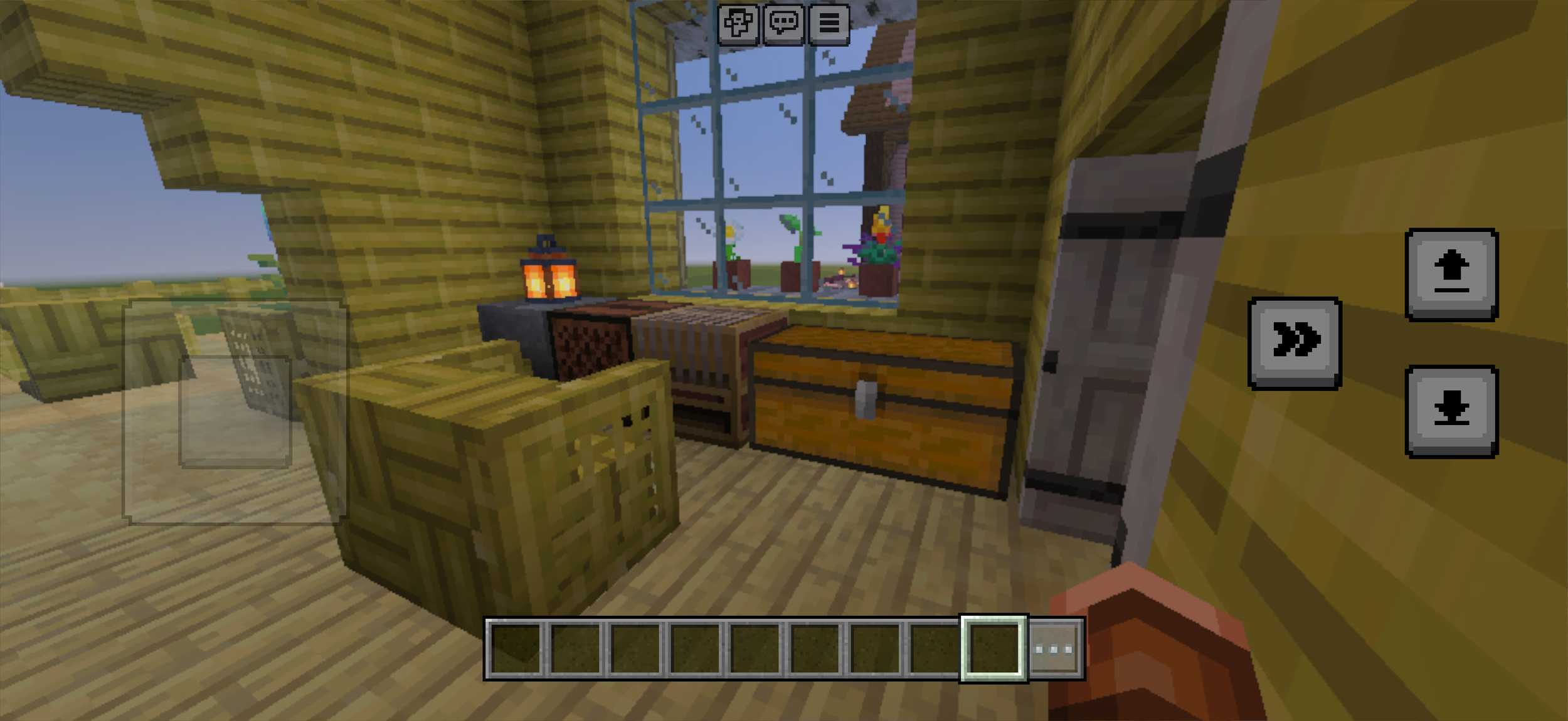
When we began reading The Yellow House by Sarah M. Broom, I got the idea to make the yellow house in Minecraft using the descriptions from the book to help me better visualize the house. At first, this seemed simple, but as I kept reading and playing, I realized that there was going to be some creative liberties with my interpretation of the house. Because the yellow house has gone through several transformations over the years, originally being green, having a crown attached to the top, and constant work being started but never fully finished, the house never looked the same for too long. There is also the issue of what you put in a real house versus a Minecraft house. For example, it is normal for a Minecraft house to have an anvil, crafting tables, and enchantment tables, which can make your tools stronger, and other items that don’t belong in the average American home. Additionally, most Minecraft houses don’t have bathrooms, dining rooms, curtains, and other common household items unless they are there for aesthetic reasons. At first, I was going to build the house like a Minecraft house; however, while reading The Yellow House, all the descriptions of the interior of the house, I realized that I would compromise and do a combination of what is said in the book and what is common in a Minecraft house. 

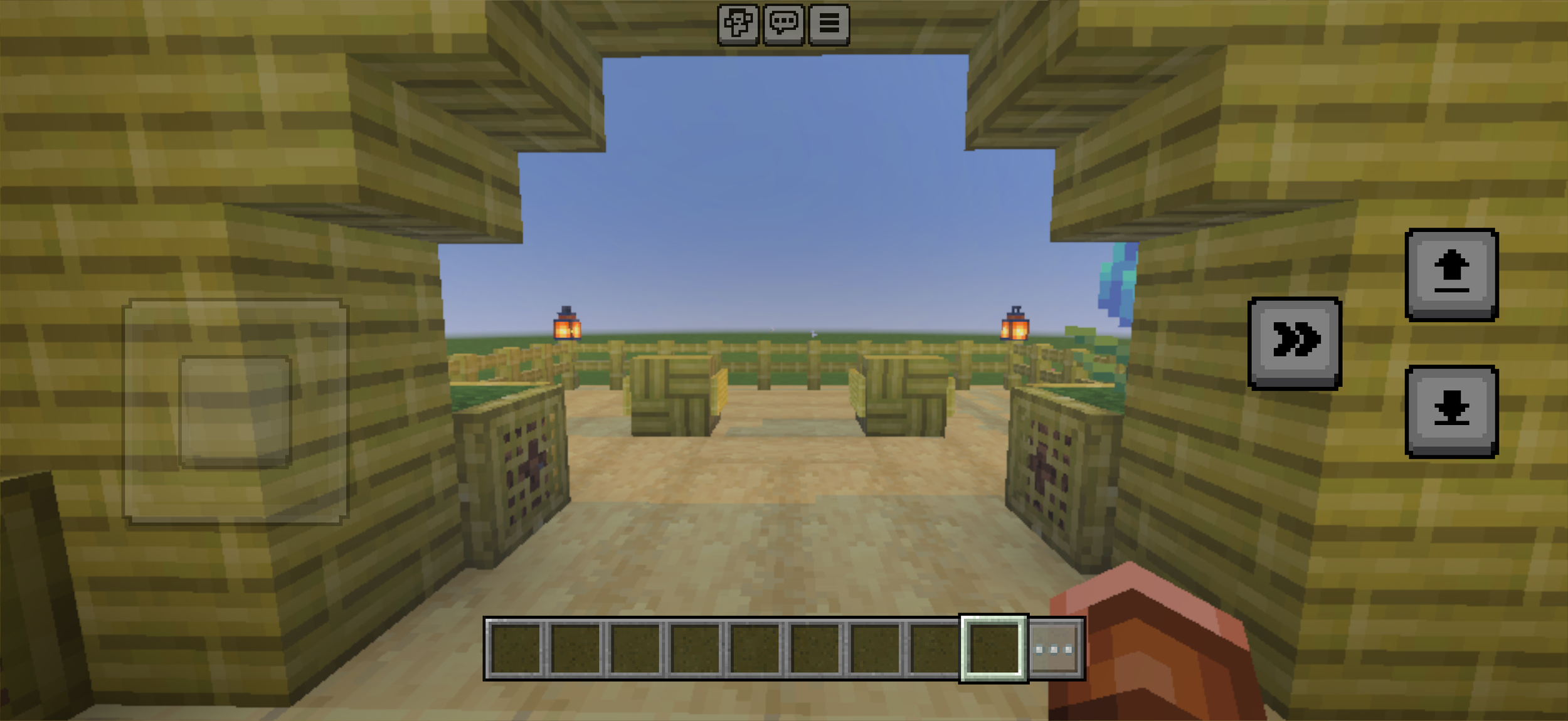
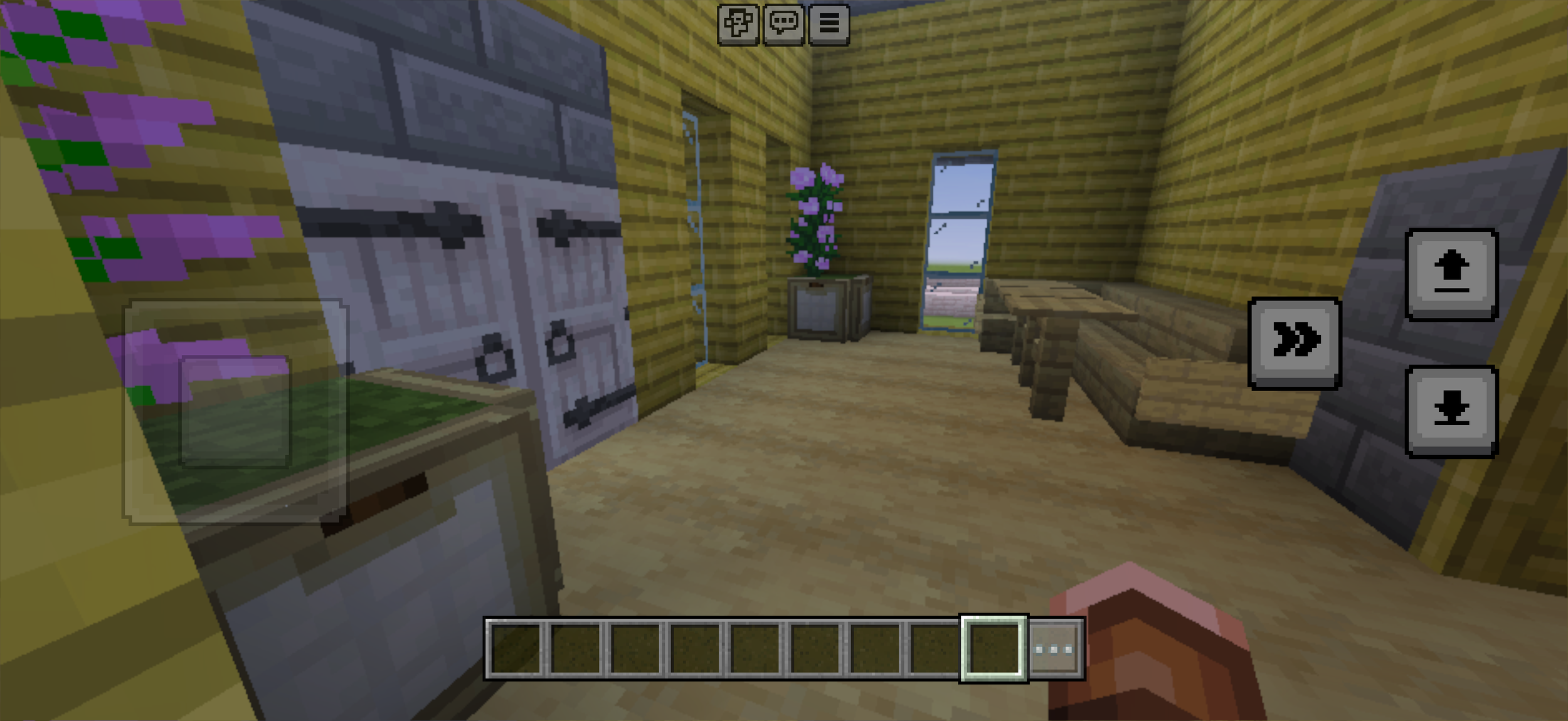
Exterior of the yellow house and the shotgun house inspried by local architecture.

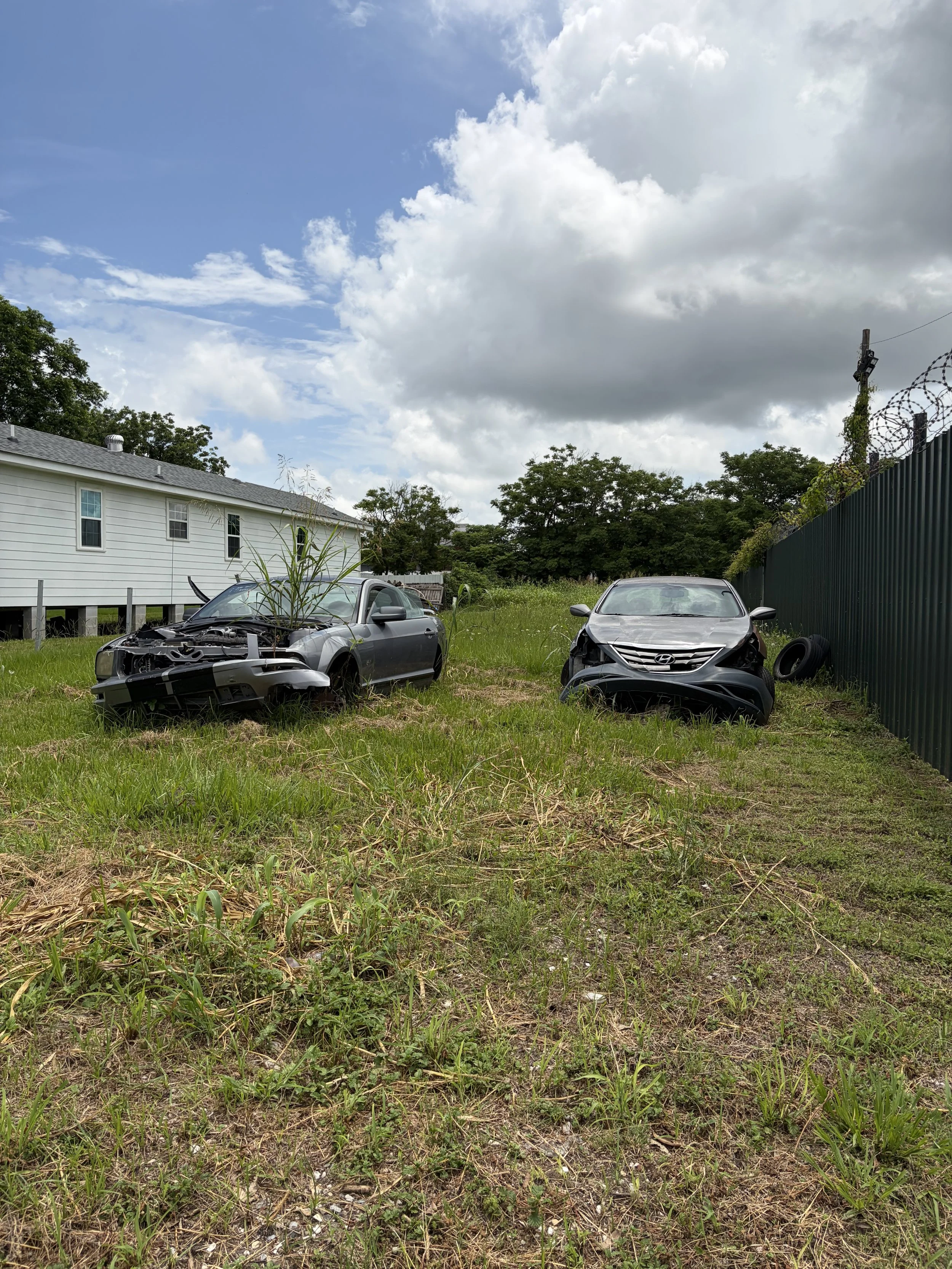
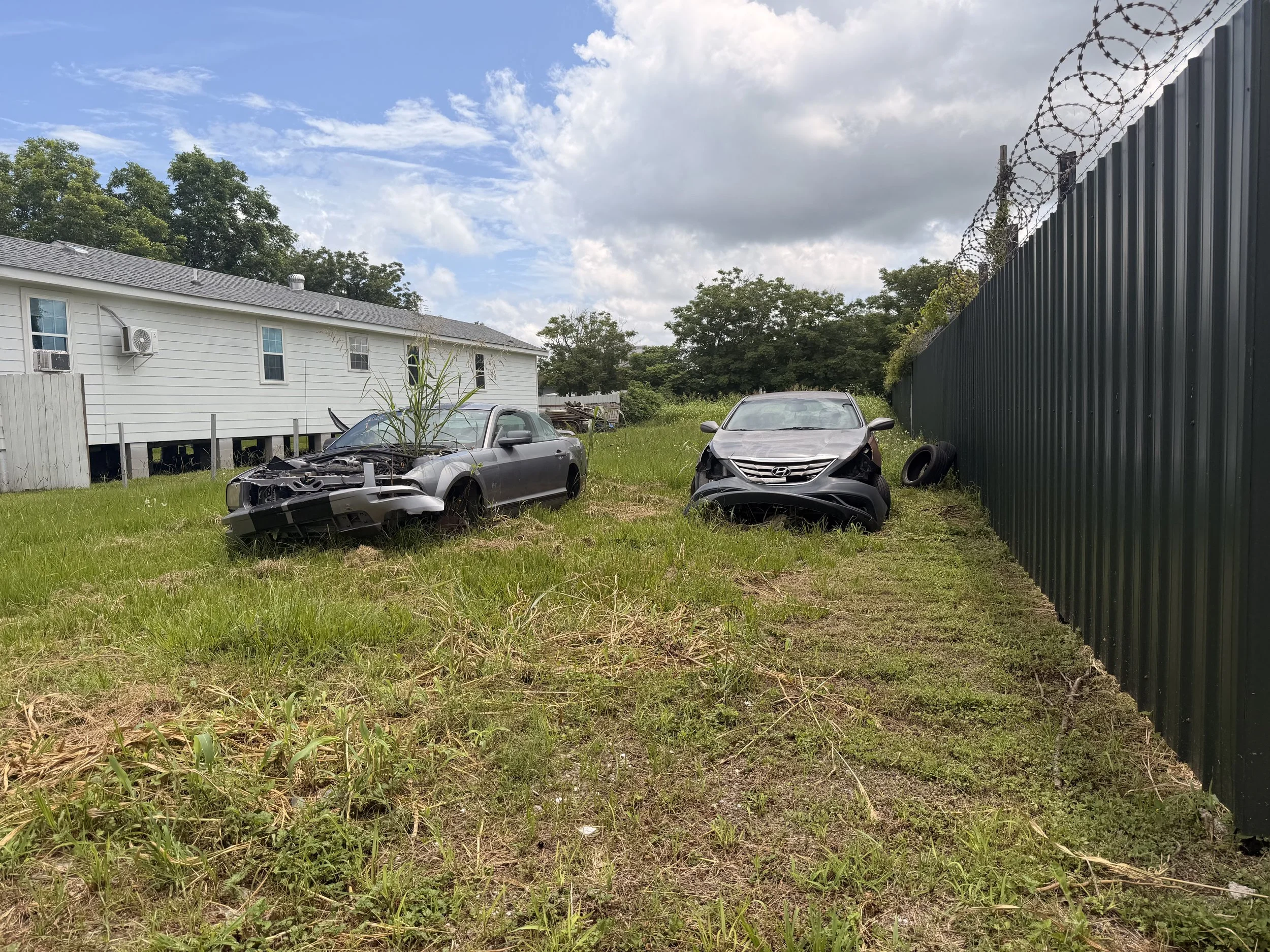
The yellow house lot today, with the white house on the left side.

There was one thing I couldn’t achieve in Minecraft when recreating the yellow house, and that was the wear and tear it had been through. Now, if I were a more experienced builder and had more time, maybe it would have been possible to achieve what was described in the book. However, despite how hard I try, I’m still just ok at Minecraft (I’m getting much better at it!). After completing the exterior of the house, I realized that what I had built wasn’t the yellow house from the book, but instead what the yellow house could have been. A pristine, well-built house that felt uniform, connected, and strong, because there are no yellow blocks that naturally look like they are in disrepair. In a way, when the house was completed, I felt sad. It felt like I was seeing a version of what the house should have been, but instead, it was bulldozed after Katrina and is slowly being taken over by junk. The Minecraft yellow house is like a picture you put of a loved one after they passed, a picture of them in their prime. The building outlines of the shotgun houses that I still need to work on look a little like the concrete foundations left over in the empty plots because of Katrina. This wasn’t my intention, but it felt like maybe the yellow house could have survived like the white colored one that stands next to its plot today if it just had the resources to be repaired. I did not bulid the yellow house, I bulit what Ivory Mae thought the house would become.

I always dreamt I would have this house that was so pretty. It was gonna have a nice front yard, a big backyard. Three bedrooms. A sewing room. I always pictured a front room that had a window with a little seat running across it...It wasn’t a big ole house, just a nice house
— A quote from Ivory in The Yellow House by Sarah M. Broom

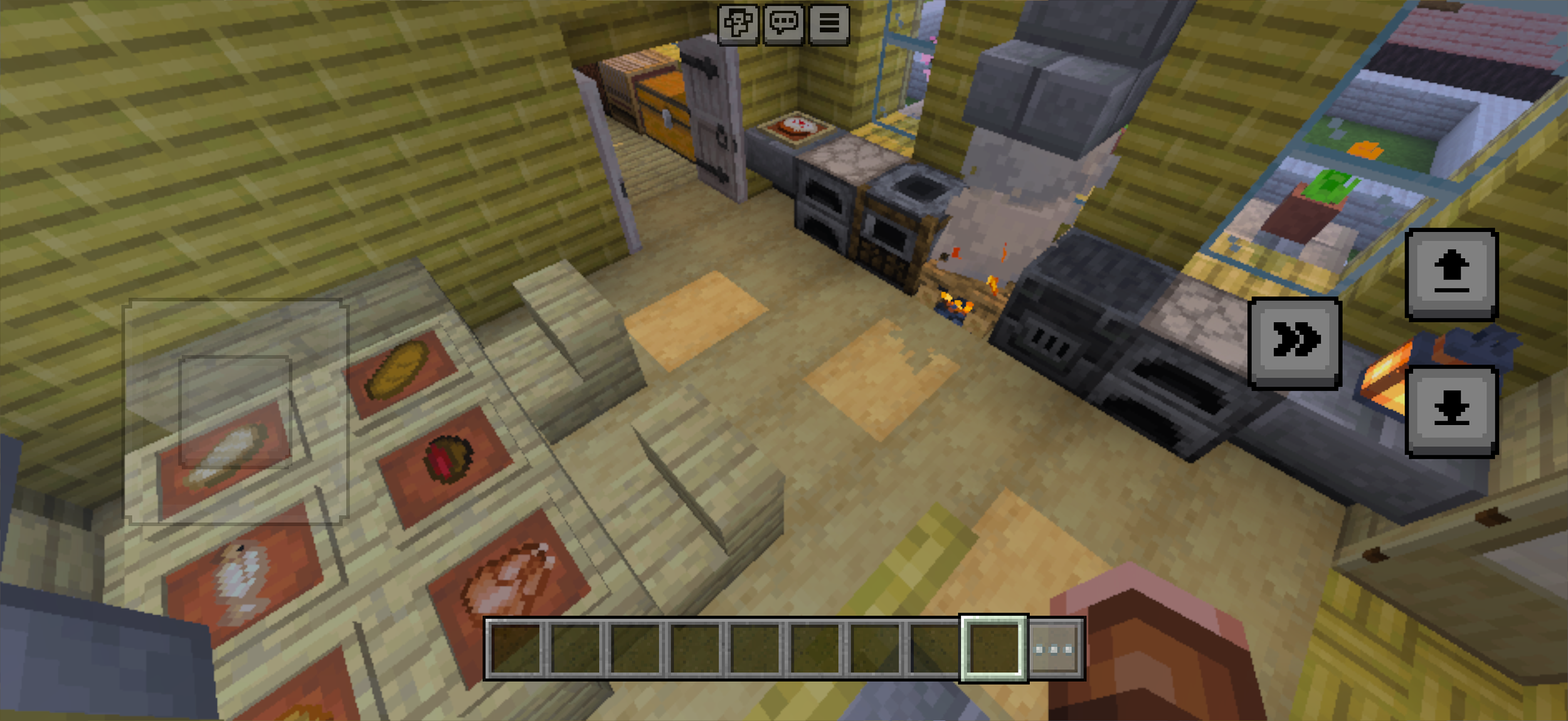
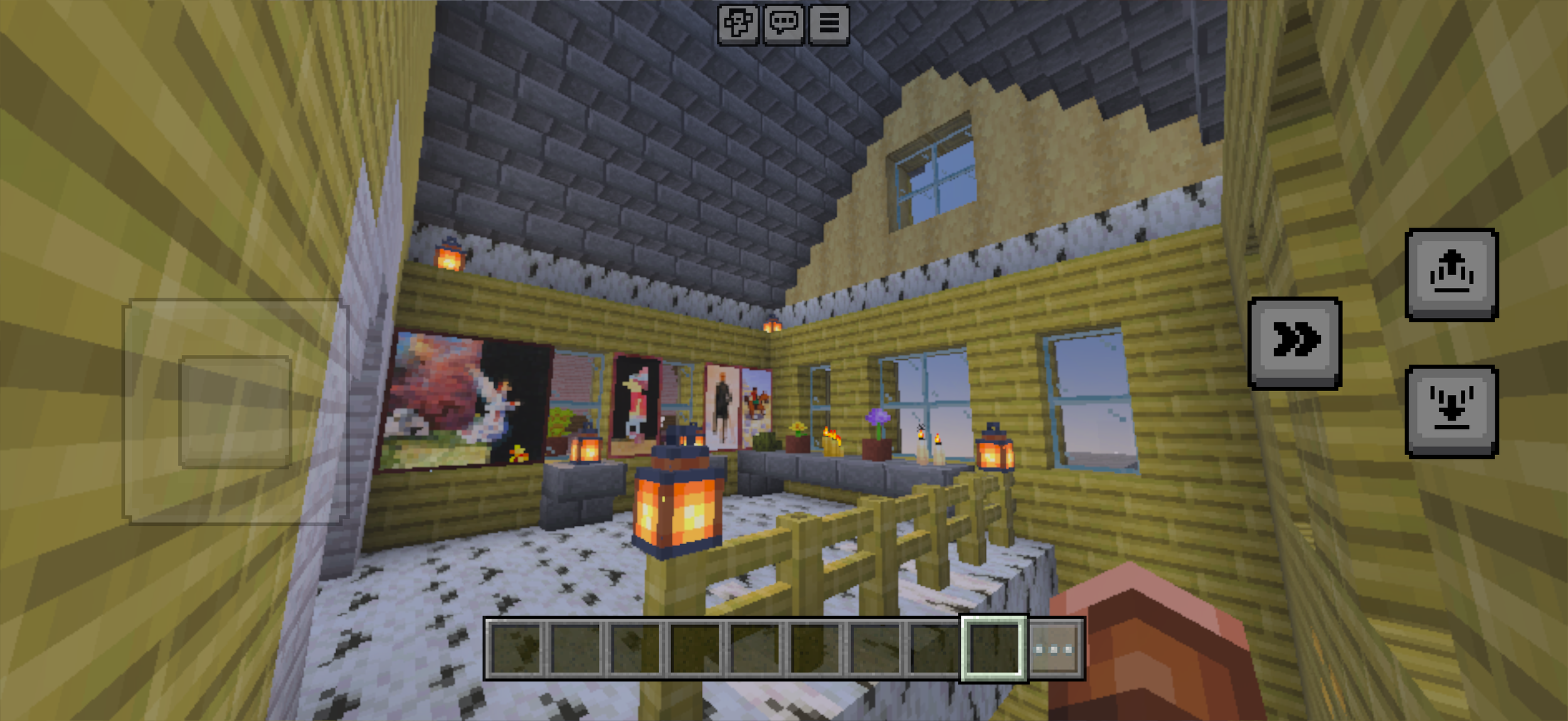
Interior of the Minecraft yellow house.

In a weird way, my escape from the heat and how I take breaks between reading has become just as much a part of this bookpacking experience as the travel and reading. Minecraft has added this fun yet impactful layer to an already layered trip. I currently have only the two shotgun houses fully built, and I hope to post all five finished before my last blog.

Interview With Life and Death

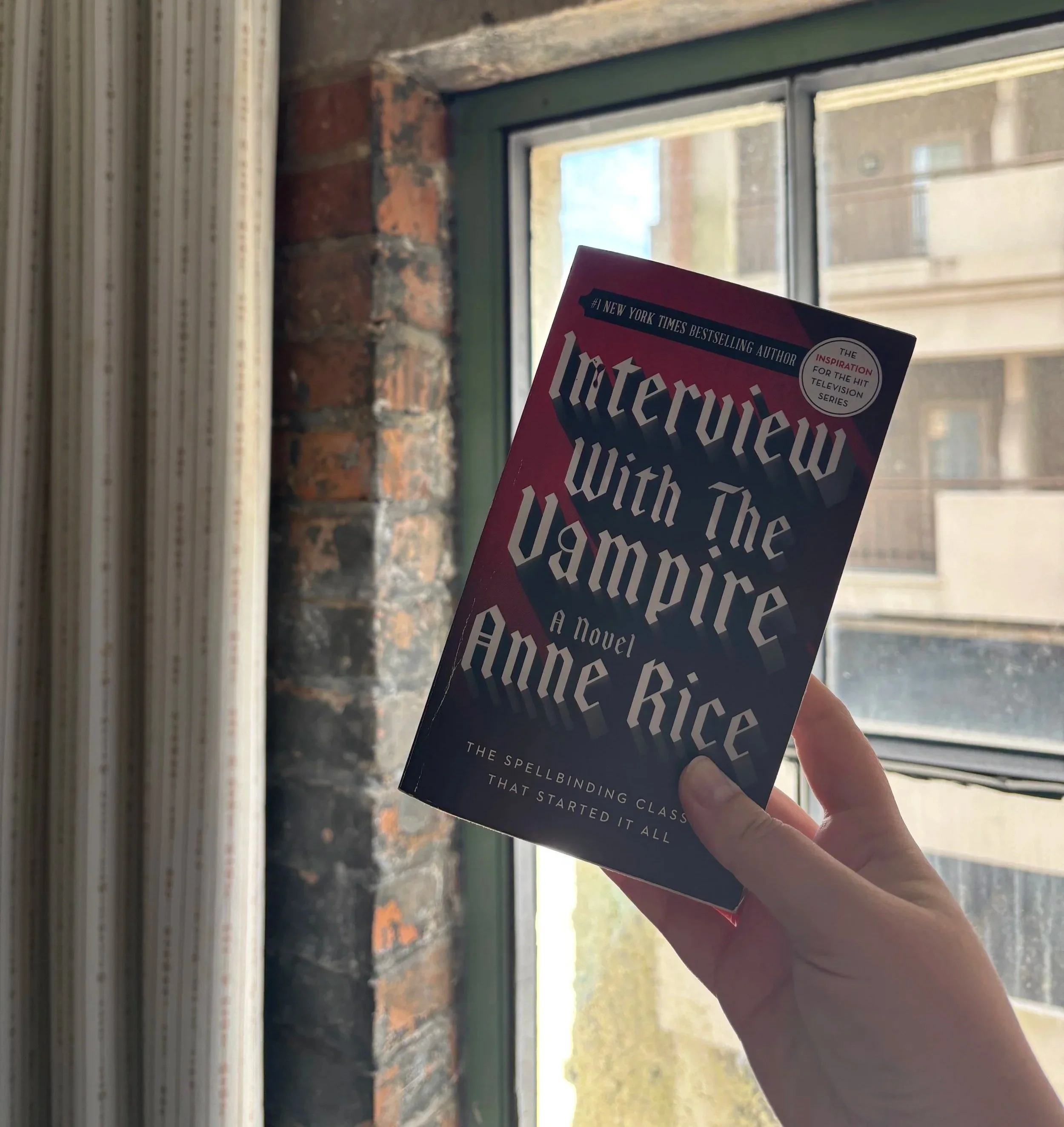
One of the most complex aspects of human mortality is struggling with one's perception of life and death. We all cope with it in different ways, through religion, science, faith, medicine, magic, or maybe a mixture of all of those paths. These themes become even more prevalent when faced with the supernatural; this was my experience reading Interview with the Vampire, by Anne Rice.

Interview with the Vampire is groundbreaking in its depiction of supernatural life, or should I say existence, by examining man through the eyes of Louis de Pointe du Lac. We see Louis struggle with understanding his own existence and face moral quandaries unique to someone who has gone through a transformative experience, such as turning into a vampire.

However, I argue that much of Louis’ story of struggle is relatable to many of us readers, as he faces the conflict of who he is, what is expected of him, and who he wants to be. These internal dilemmas plague most humans on our path of life.

Viewing New Orleans through these struggles has made the Bookpacking experience surreal and impactful. Although I say I do not believe in ghosts, vampires, or anything unnatural, I am, like most creatures, scared of what I do not know or understand.

I am always reminded of this fear when a loved one passes away or when I face a great challenge in my personal life. The constant dynamic of being so utterly involved in myself that I feel anxiety over the most minute details, but also trying to humble myself and live in the great words of Kansas;

“Nothing lasts forever but the earth and sky, It slips away, And all your money won’t another minute buy, Dust in the wind, All we are is dust in the wind.”
— Dust In the Wind, Kansas

Louis faces these same struggles, these anxieties; however, I must admit that I never carry fear of killing another, as I have never thought to!

This coexistence of life and death is so authentic to the streets of the French Quarter, where Louis, Lestat, and Claudia live for many years together. The French Quarter has nightlife so loud and extravagant that even the undead can walk along the living knowing their outrageous looks and strange behaviors couldn't possibly be noticed.

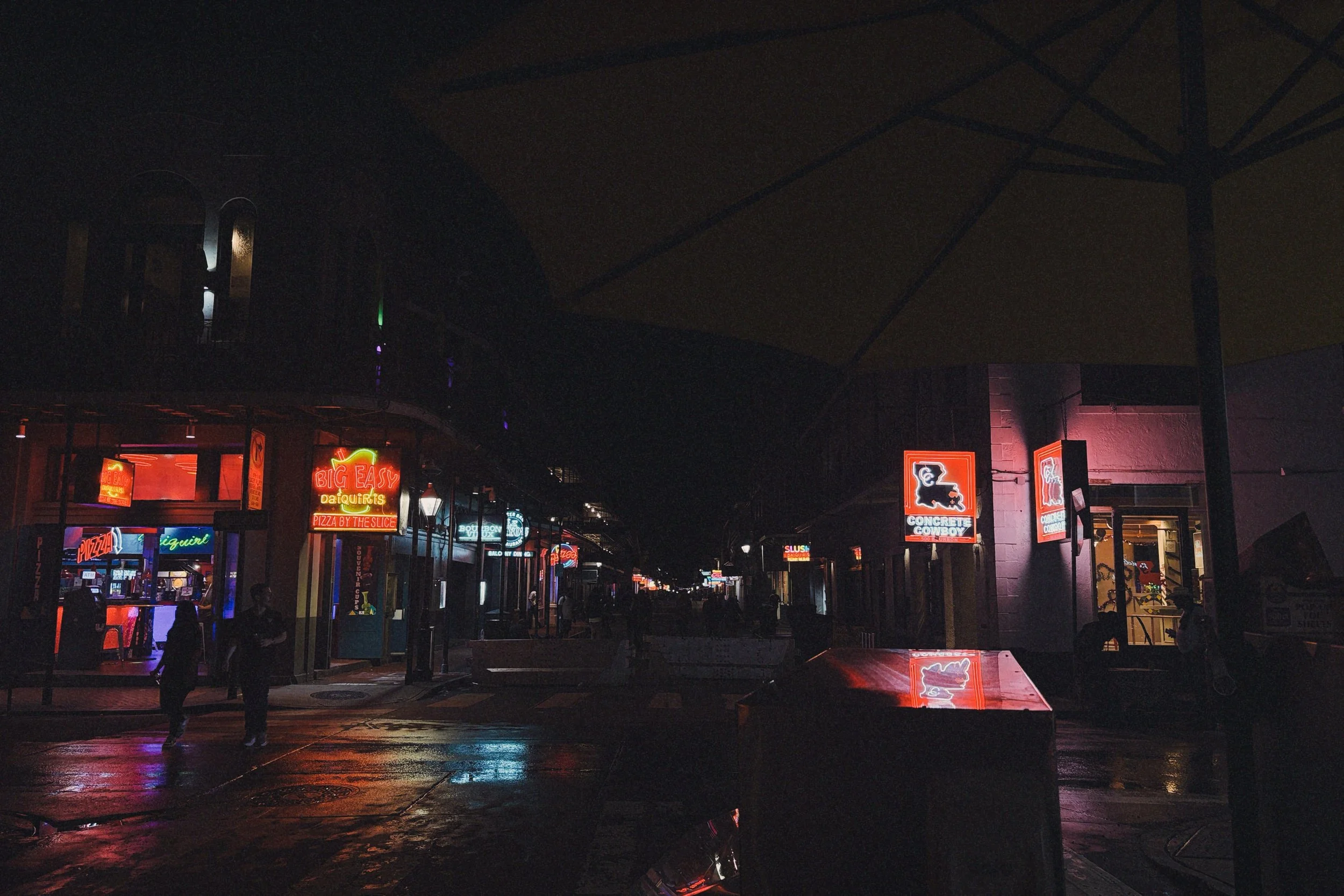
These same behaviors still exist, this is an opinion shared by anyone who has met some of the visitors on Bourbon Street around 3 a.m. Some of them I would even say were drunk enough to be targets of real-life vampires!

These clashes bring many devious plot twists to Louis’ existence, where he turns a young girl into a vampire, Claudia, and begins a wildly inappropriate father-daughter relationship with her that seems almost incestuous. Forcing you to wonder if Anne Rice had some unresolved childhood conflicts of her own…

Louis’ relationship with Claudia became one of the most pivotal parts of the novel, creating a space for personal examination of ‘toxic,’ ‘unhealthy,’ or ‘codependent relationships’ in our own lives. Then, ultimately, bringing readers back to death when Claudia faces her untimely demise.

I grew up with agnostic parents, and eventually became an atheist and extremely opinionated about life and the existence of a god. But only because I feel I must be consistent and hold fast to my beliefs. The reality is I have no answers, none that aren’t at least proven by science. In the place of the unknown, I choose to believe there is nothing when we pass, and that our energy, yes, our literal energy, just recycles into the universe to become a pencil or a pine tree.

But exploring the supernatural world challenges these basic notions, and forces me to wonder if all those I have loved, from grandparents, friends, to even my childhood dogs, really do go to heaven? Or can they become zombies? Maybe they are reincarnated into new people or beings?

All of these questions have no definitive answer, but Louis' experience as a vampire, in a way, showcases a possibility of life, or existence, after death. Louis seems to find his ‘second life’ beautiful, exciting, and new. He doesn’t see it as the end, but maybe the ‘limbo’ aspects of his existence are what confuse him? In the supernatural world, the lines between life and death are completely blurred. I can no longer rely upon science to explain why vampires suck blood. Yes, many cultists and fans of Vampire Diaries or Twilight may have reasons, but no facts.

This unknown is what scares Louis and me. We face the world feeling helpless, grasping onto a semblance of self-identity. I, looking for truth and fact, he, hoping to keep his humanity and central beliefs. But maybe the only truth a person, or being, can find in their life and existence is that of their own. Not defined by natural or manmade laws, by social convention or personal anxieties, only by experience and the pursuit of growth.

Picturing Louis, Lestat, and Claudia's lives together brings to mind one dark picture, where coffins took the place of beds, and strategies to effectively drain people of their blood start growing in numbers, but actually seeing the location where this all took place completed the image.

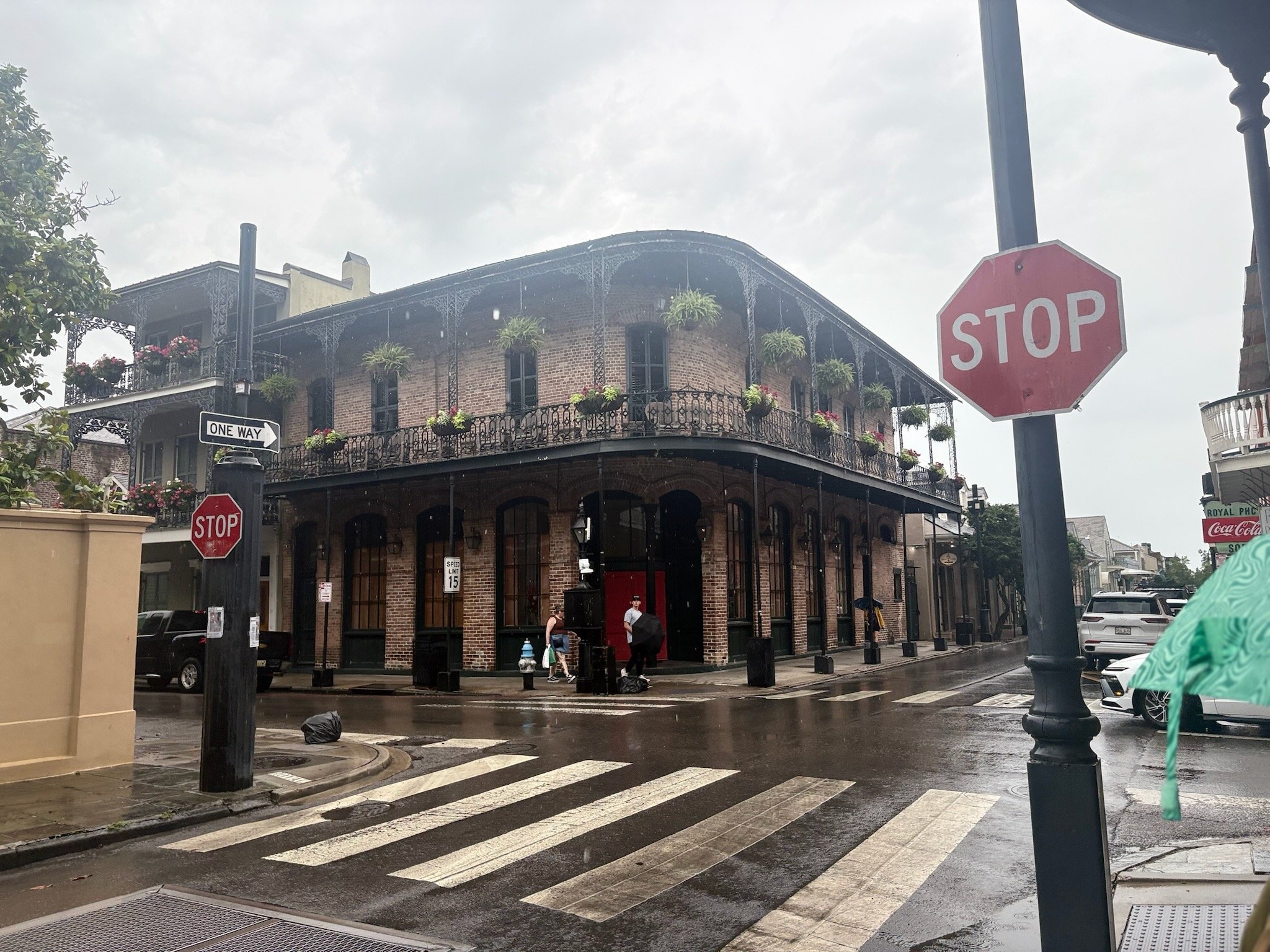
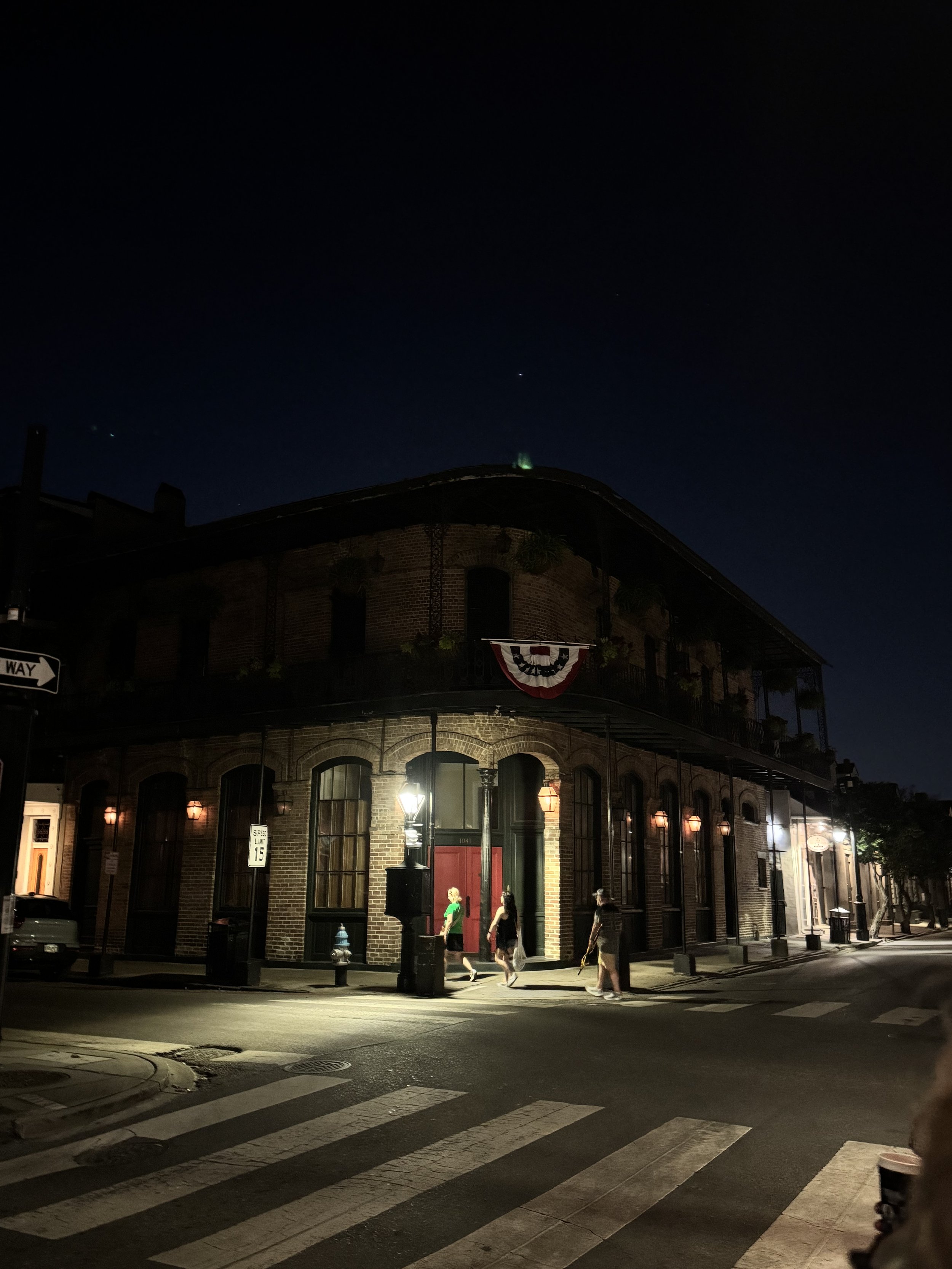
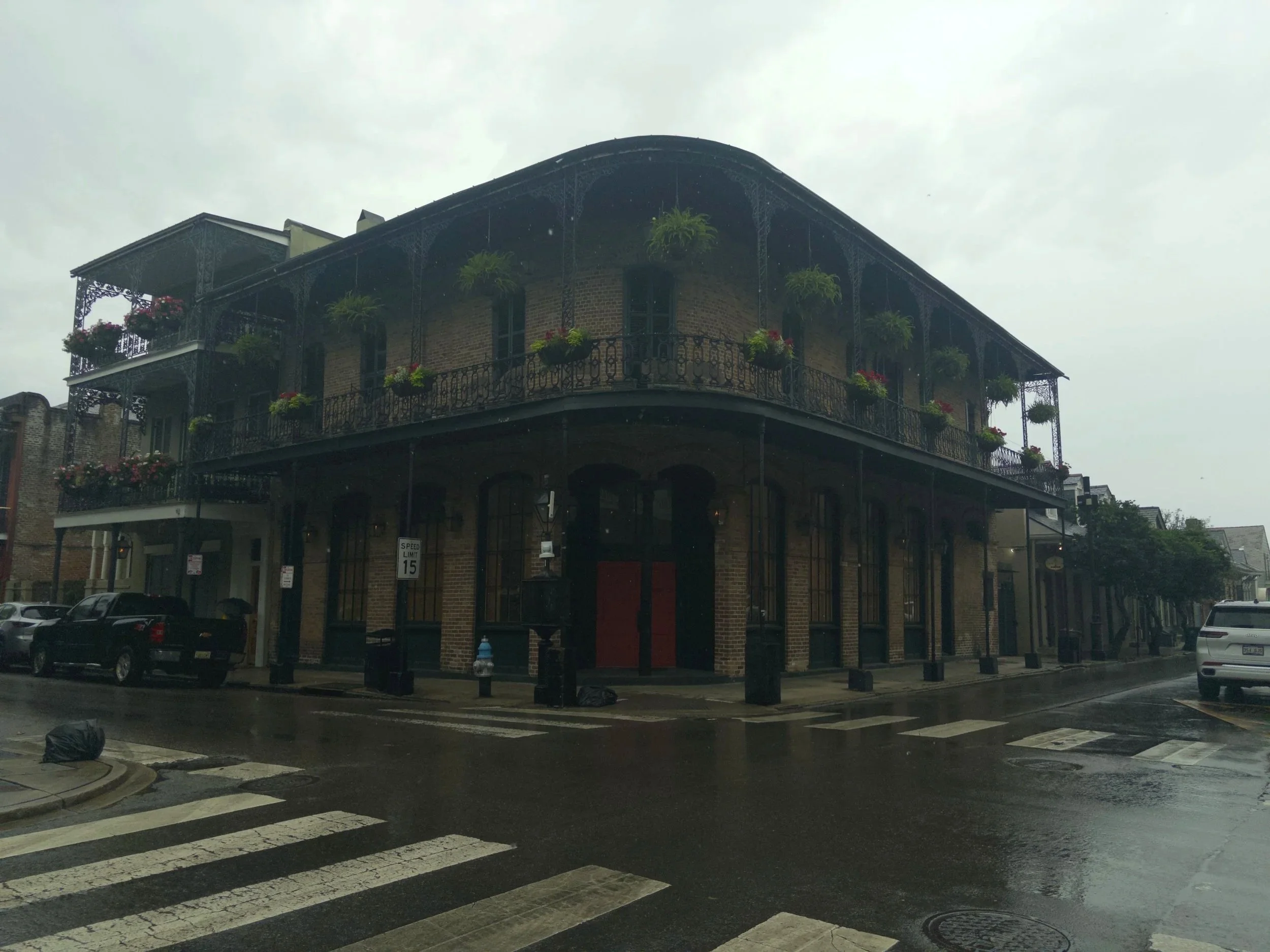
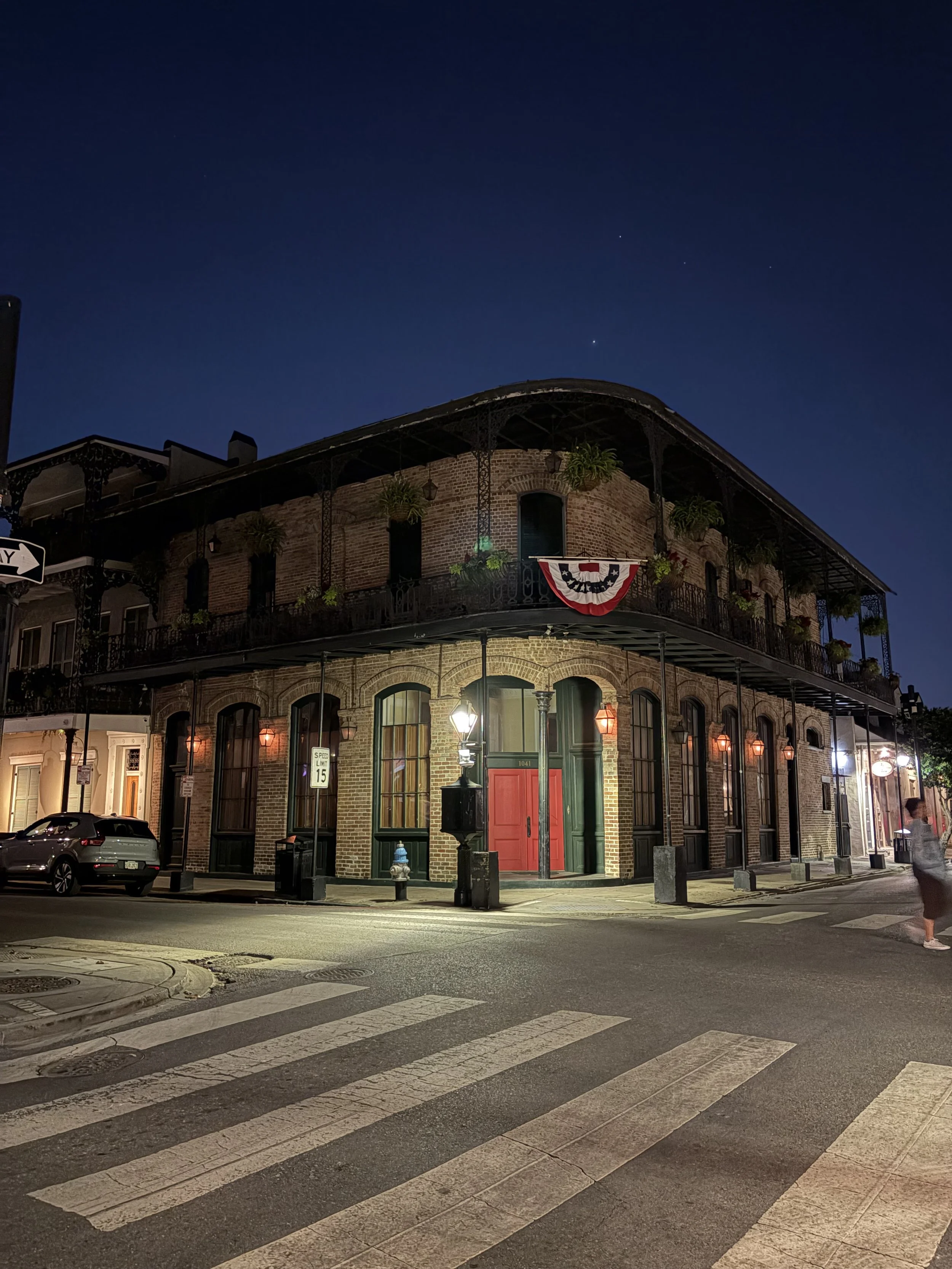
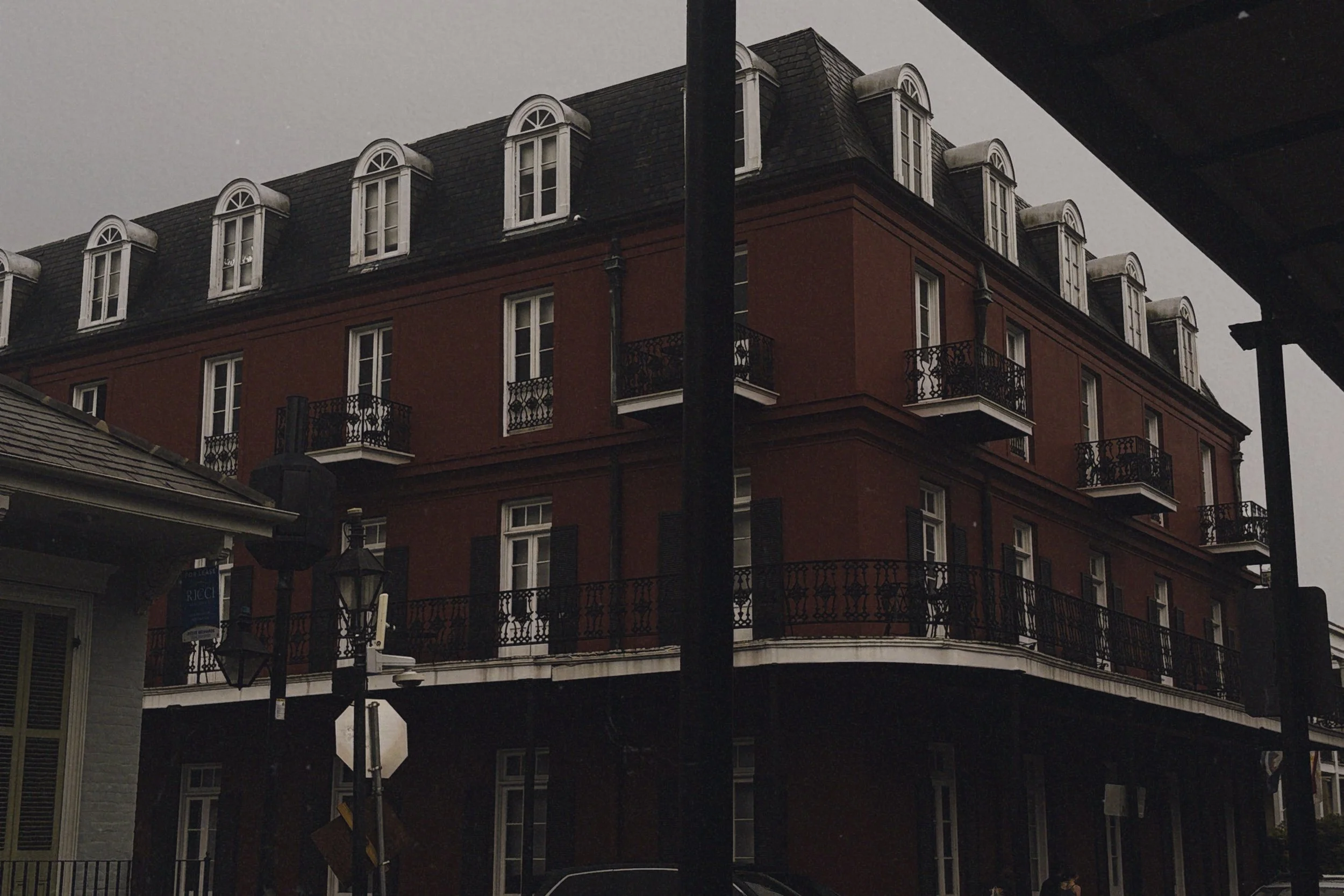
On the inappropriately named ‘Ghost Tour’ my fellow bookpackers and I attended, it should have been called Vampire Tour if you ask me; we paused by the townhouse that Louis retained in the story. The oh-so-fitting red bricks, its location on the corner of the street, and its devilishly dark wrought iron railings were almost too perfect for a physical representation of Interview with the Vampire.

This experience, although slightly submerged in ‘hurricanes,’ created the connection between Louis and me, our shared struggles, blurring the lines between fiction and reality, as well as life and death. Where I began to challenge my perception of these lines, conflicts, and struggles, which thankfully I believe is the ultimate goal of Bookpacking.

Rhythm & Ruse

Rythym and Ruse

The rain falls — 8am then 2pm then 5pm. Unpredictable increments. Unpredictable screams. It’s similar to how Bolden felt in Coming Through Slaughter when the veil of emotions led him, unstrung through life. “There was no control except the mood of his power … he was tormented by order, what was outside it. He tore apart the plot — see his music was immediately on top of his own life. Echoing. As if, when he was playing he was lost and hunting for the right accidental notes.” (pg.37). When he played, Ondaatje describes his music as having no control beyond the mood of his own power. Notes passed before he even approached them, chasing something he could never quite name. Jazz, for Bolden, was not a release from the weight of living in the South; it was that weight, made audible. The music didn't save him; it mirrored him so perfectly that when the mirror shattered, he shattered with it.

What’s so interesting about Jazz is that the music chords rely heavily on four-note, 7th chords rather than standard triads. They use rich extensions (like 9ths, 11ths, and 13ths) for color and tension, and are typically organized into smooth, predictable progressions (like the \(ii-V-I\)). That is why it often feels ‘unresovled’ or ‘open,’ or might I say, soulful. When I stand in the rain in the French Market of New Orleans, I can somewhat understand Bolden’s mind. The whiplash of just sloshing through life and then having to become serious once the rain dries out is stressful. I can empathize with Bolden, and I love Ondaatje’s mesh style of prose and poetry that really allows us to swim through Bolden’s mind.

Nora’s Song

“Dragging his bone over town. Dragging his bone over town.

Dragging his bone over town. Dragging his

bone over town. Dragging his bone

over and over dragging his bone over town.

Then and then and then and then

dragging his bone over town


and then

dragging his bone home.”

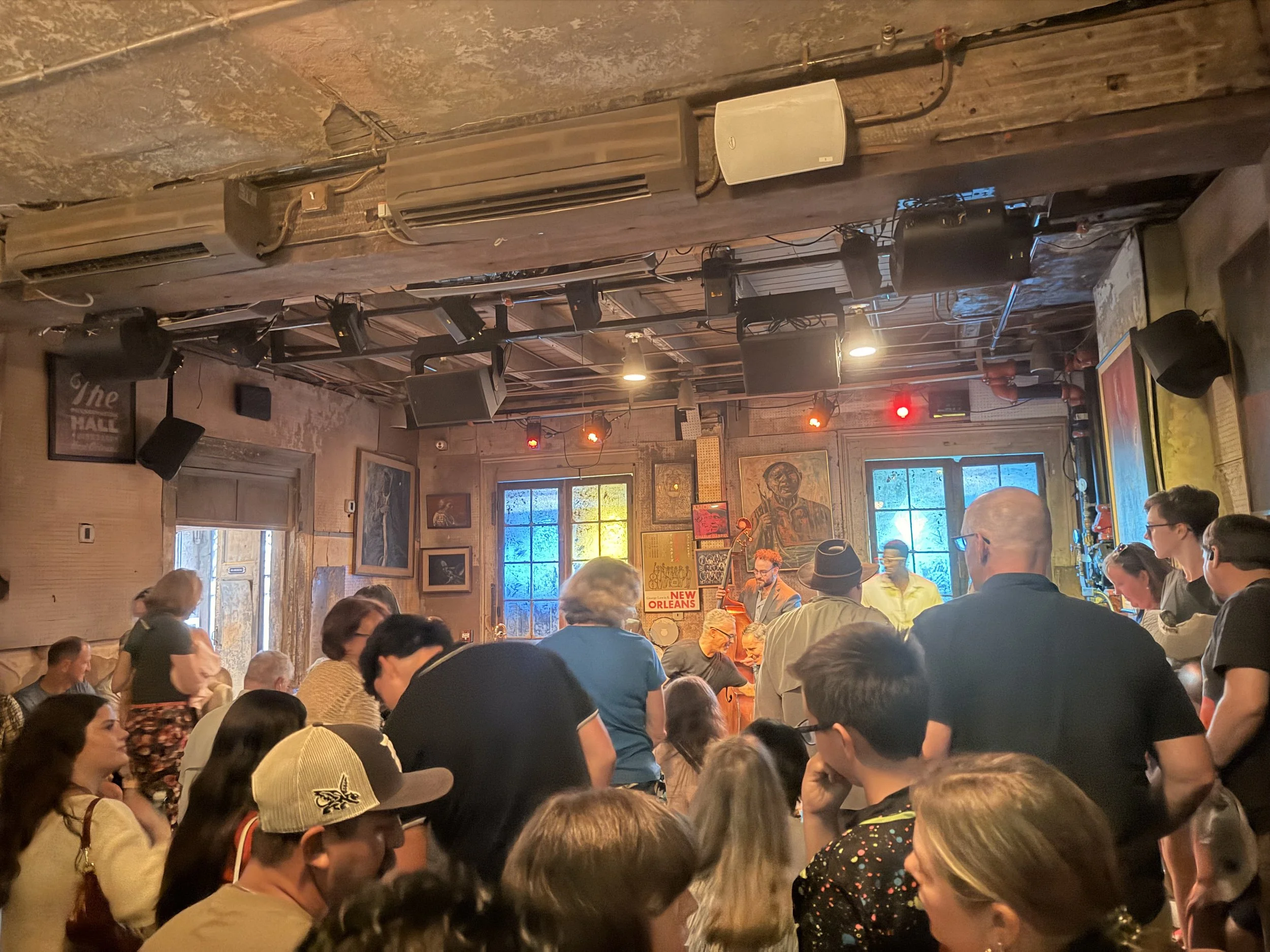
I’ll admit, I don’t know what it’s like to be a musician. I don’t know what sweat and brow goes into going home with a nickel from a silver hat from the 1960’s. But regardless, as I listened to the band in Preservation Hall – I could feel the rain. I could feel the soul.

New Orleans at the turn of the twentieth century was the only city in the world where jazz could have been born. It was a place where African rhythms, French Creole culture, the Protestant hymn, and the Catholic street parade all crashed into each other on the same block. Storyville — the legal red-light district that pulses through the novel like a second nervous system, pumped capital and money into music the way the Mississippi pumps silt into the Gulf. Bolden emerged from that pressure the way a note emerges from a horn, forced out by something larger than itself. As I walk down Iberville Street, near Canal St. where Bolden's final parade ended in blood and collapse, it reminds me of Ondaatje's description of him spinning at the Liberty-Iberville intersection, playing until the notes were “more often now, every five seconds,” (pg.129) until something in his body finally gave — “can't stop the air the red force coming up” (pg.131). It makes me feel like the city itself is a kind of instrument, tuned just slightly past what any one person can bear. Just like Preservation Hall, 45 minutes of “blues and the hymn sadder than the blues and then the blues sadder than the hymn.” (pg.81) just so I can forget slightly that the veil life holds is uncovered. And like Bolden, the music reminds a person of the rain outside, so much so that you might want to sink your head underneath some water.

“In the heat heart of the Brewitts’ bathtub his body exploded. The armor of dirt fell apart and the nerves and muscles loosened. He sank his head under the water for almost a minute bursting up showering water all over the room. Under the surface were the magnified sounds of his body against the enamel, drip, noise of the pipe. He came up and lay there not washing just letting the dirt and the sweat melt into the heat. Stood up and felt everything drain off him. “ (pg.58)

And of course, behind all the music is Nora. Bolden's wife — a woman who worked for three years as a prostitute before marrying Buddy, and who somehow survived him without bitterness. When Webb comes to her door asking about the disappearance, she gives him nothing he hasn't earned. And when Buddy finally returns two years later, after acting like a child to Webb, he gently but in a way that frightens her more than his rages ever did, meets him with devastating honesty: “Still love you Buddy … not like it was before because I don't know you anymore but I care about you, love you as if you weren't my husband” (pg.122). It seems to be part of the city for those who are artists to accept this way of living just as is.

You may perhaps but it is not real. When I
played parades we would be going down Canal Street and at each
intersection people would hear just the fragment I happened to be
playing and it would fade as I went farther down Canal.
— Coming Through Slaughter, pg.93-pg.94

Another example of this is what happens on page 92 when Bolden is hiding from his life, staying with pianist Jaelin Brewitt and his wife Robin. He is in love with Robin. She is in love with him. And Jaelin — more sensitive, more loving, more patient than Buddy by almost any measure — simply walks downstairs and sits at his piano while they do the Devil’s Tango. His music travels up through the floor to the bedroom where Buddy and Robin lie together. “His practice reached us upstairs,” Bolden reflects, “each note a finger on our flesh … The music was his dance in the auditorium of enemies. But I loved him downstairs as much as she loved the man downstairs.” (pg.92). And as I walk through the Marigny on a Tuesday night, music bleeding out of every doorway, it reminds me of that passage, the idea that jazz has always held grief and desire in the same hand. It makes me feel that sound, in this city, is never just sound. It is everything that cannot be said out loud.

And I think that overall, what I’m trying to say in this blog is that Buddy Bolden is just like any of us if we didn’t have something that grounded us. And although Bolden virtually had music to ground him, the four-note, 7th chords and incremental rain made it so that the ground itself kept shifting, and every resolution dissolved into the next unresolved tension, every moment of stillness was swallowed by the next squall, until there was no difference between the music and the man playing it. And this truth could be said about New Orleans itself, a city where music and body were commodified on the same block, which is why the musician, and the jazz itself probably shared the same emotion — led to the same lifestyle. Thirty piano players pulling in thousands weekly, brothels and jazz halls sharing the same advertisement in the same Blue Book, and where, as musician Danny Barker put it plainly, “if you wanted to go anywhere [in New Orleans] at all, you had better learn to play something.”

Having A Name

Visiting the Whitney Plantation left a strong impression on me, and it has been one of the most impactful experiences of the trip. I mainly learned about slavery from history classes, textbooks, and videos before my visit. While those sources are valuable, they often focus on historical timelines, statistics, and overall occurrences. The Whitney Plantation offered a new and different perspective, and it is the only plantation museum in the United States that is focused exclusively on the history of slavery. People value it because it actually highlights the experiences of the enslaved rather than those of the plantation owners, considering that throughout the property, visitors are able to confront the realities of slavery through personal stories, names, and preserved spaces. This focus on humans rather than statistics reminded me of the movie 12 Years a Slave, which tells the story of Solomon Northup, a free Black man who was kidnapped and sold into slavery. The film and the plantation setting both emphasize a powerful idea that history becomes more meaningful when it is told through the experiences of real people.

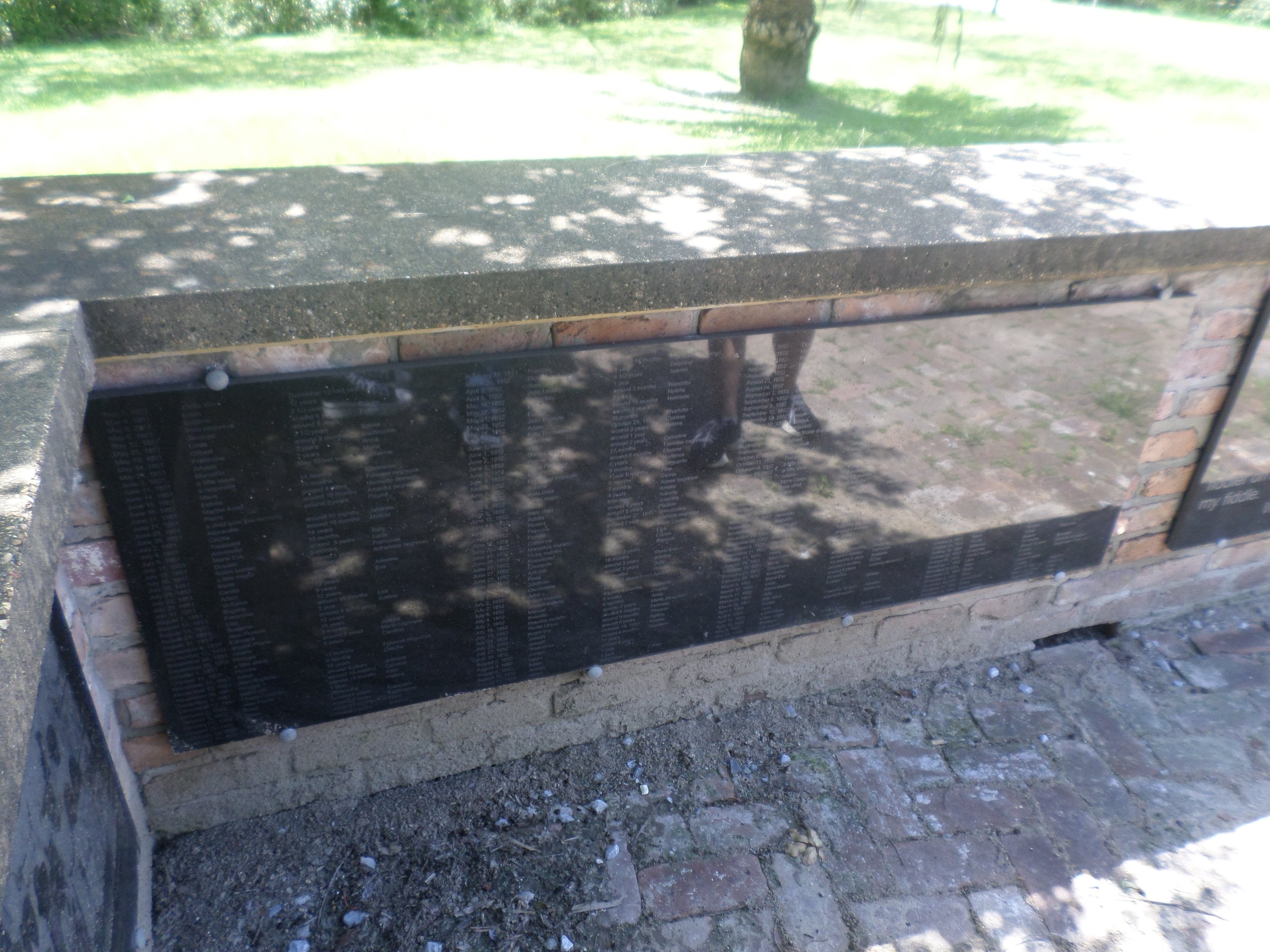
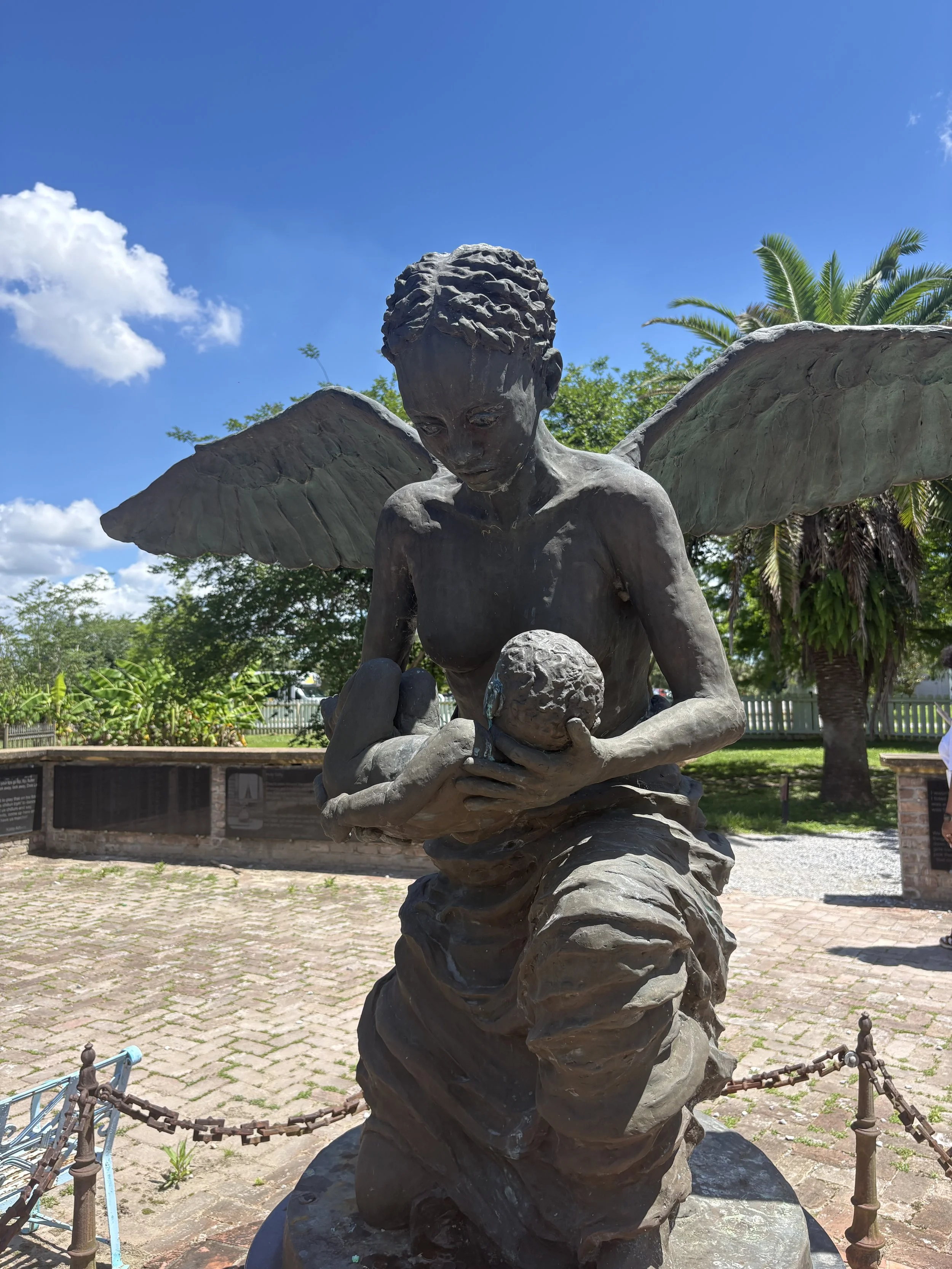
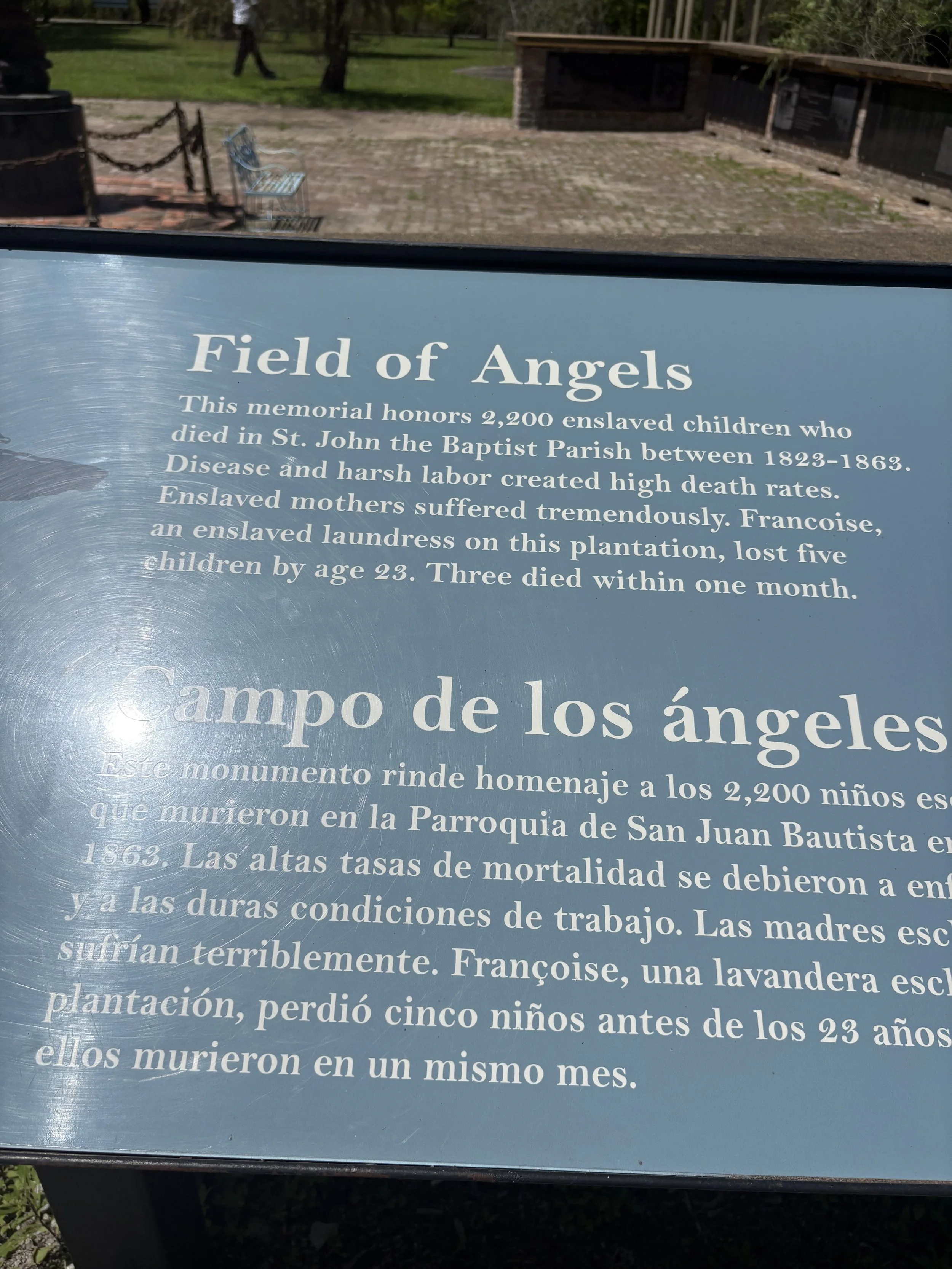
The part of the plantation I found most impactful was the Children's Memorial. At the end of the tour, I walked through it and saw hundreds of dates for children, some even without names, who died; it was heartbreaking. I immediately realized that many of those children had passed away before reaching the age of three. I started thinking about the specific children whose names, families, and lives had been cut far too short. I also saw that many children were born in the same years, suggesting that many mothers were growing families and giving birth while enduring the difficulties of oppression. It is easy to read about death rates in a textbook and move on, but it is much harder to pass hundreds of names without thinking about the lives they were associated with.

This idea also reminded me of a scene from 12 Years a Slave when Eliza was separated from her children, standing out as one of the most difficult scenes in the film. It was devastating to watch her desperate pleas to remain with her family because it highlighted the psychological cruelty of slavery in a way that numbers and statistics are unable to. The scene compels viewers to consider slavery as the devastation of relationships and families in addition to forced labor. While reflecting on the Children's Memorial, I thought about Eliza and the countless other parents who suffered similar tragedies. One of the reasons 12 Years a Slave is such a fantastic movie is that it concentrates on the personal experiences of the enslaved, allowing viewers to experience the loss of freedom, identity, and family from Solomon’s perspective. By doing so, the movie creates a degree of empathy that is challenging to obtain from historical facts alone.

“I don’t want to survive. I want to live.”

— Solomon Northup, 12 Years a Slave

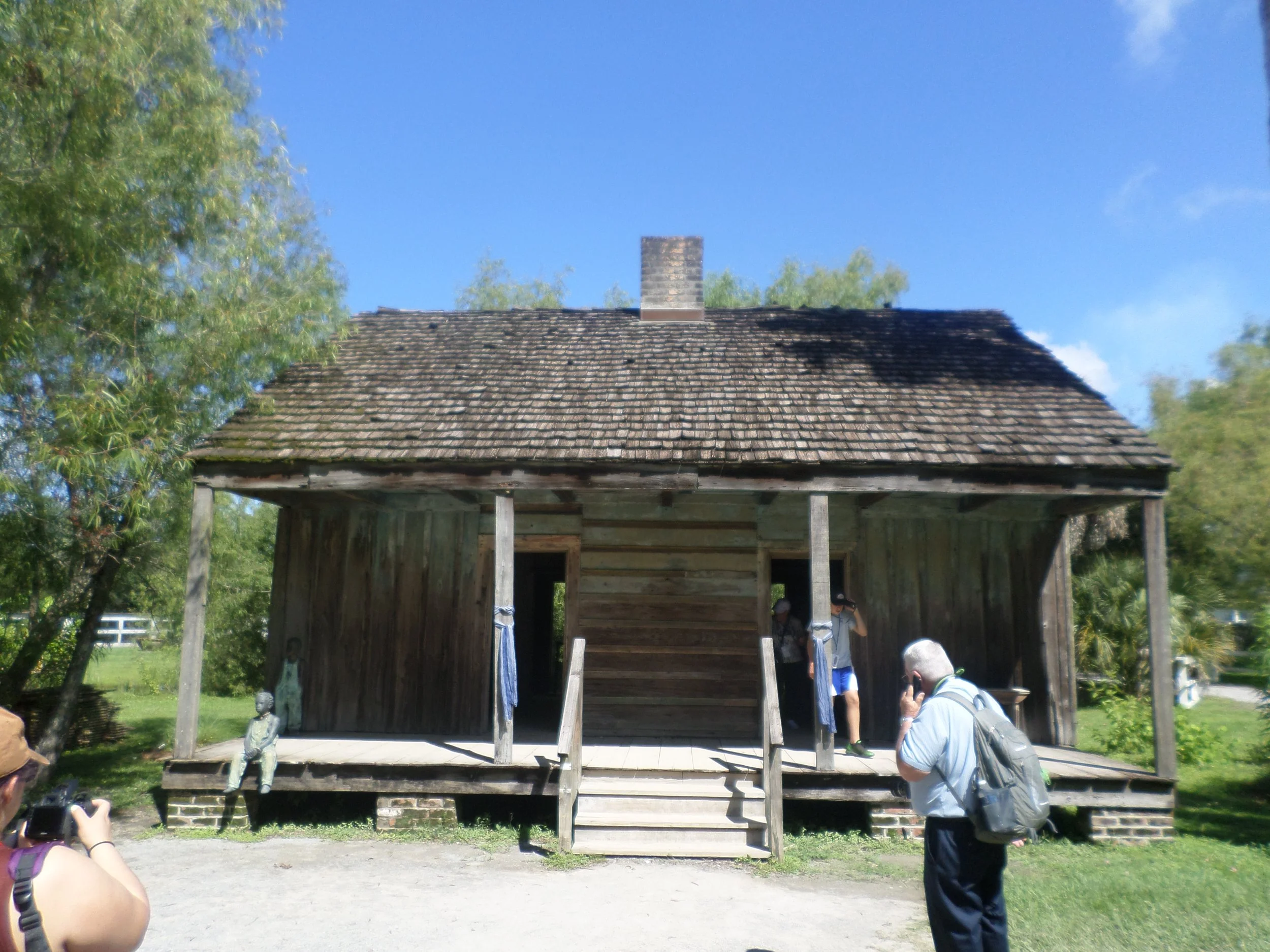
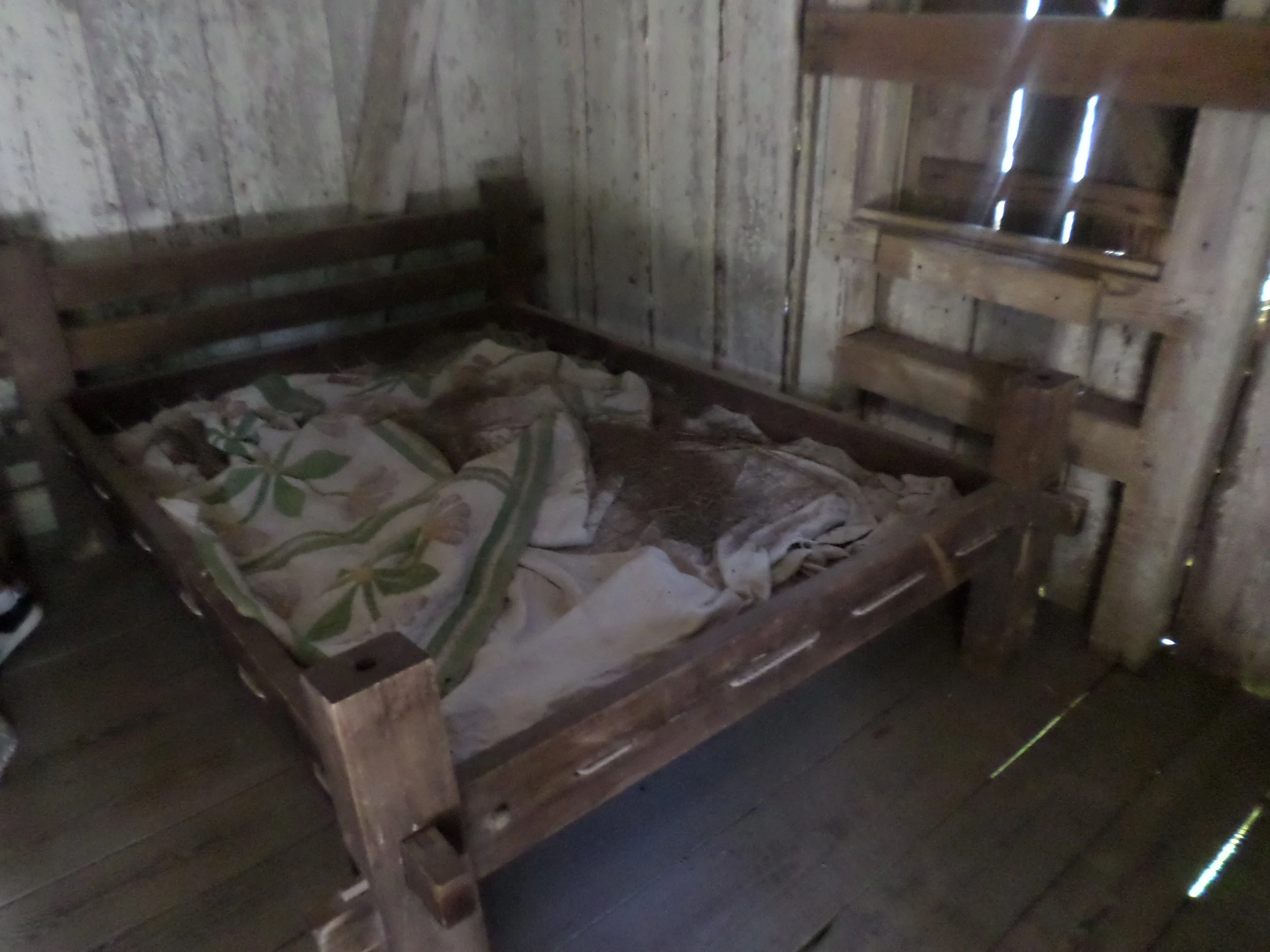
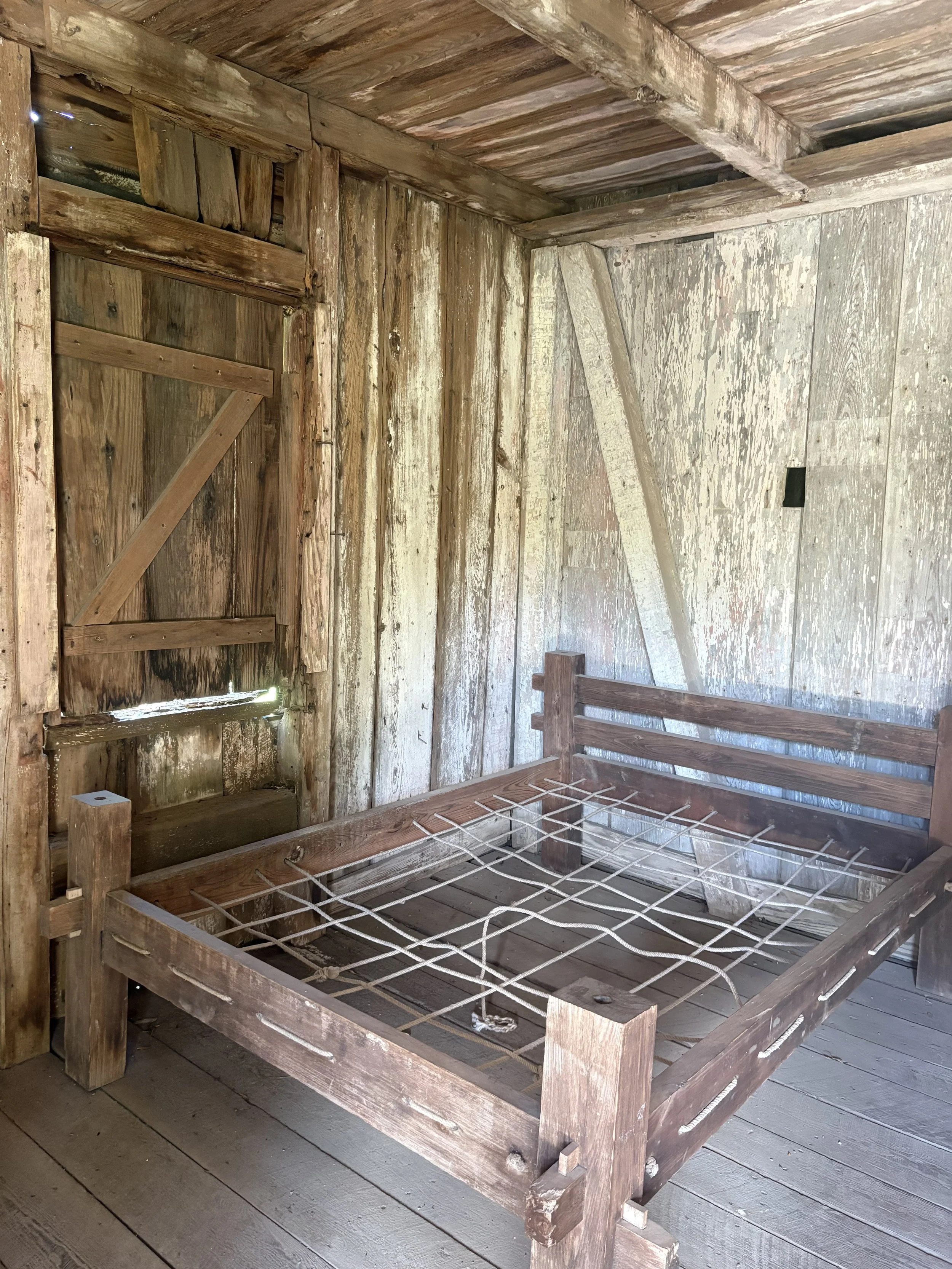
It was also interesting walking through one of the preserved slave cabins. I appreciated how interactive this tour was compared to ones I have been on, since I was able to explore it instead of just audibly learning the information. Standing inside the cabin was entirely different than viewing it because it evoked so many emotions. The structure was small and simple, but it represented the lives of countless people who lived under conditions that are difficult to imagine today. Individuals who once lived in it, the conversations that took place, and what hopes they held for the future. Similar to the Children's Memorial, the cabin shifted my focus away from historical statistics and toward individual lives. It reminded me that history took place in real locations and involved real people.

While reflecting on the plantation and the movie, I started to think about America and its history. In high school, I don’t even remember learning about plantations and how they impacted the lives of so many individuals. When I did hear about those facts, it wasn’t taken seriously or described in full emotional detail. At the Whitney Plantation, I finally saw how separate the history of slavery was from the history of the country as a whole. It demonstrated that wealth, growth, and development of the United States were deeply connected to the labor of enslaved people. Also, it emphasized the hypocrisy of a nation founded on ideals of liberty and equality, while millions of people were denied those very freedoms. Walking through the plantation allowed me to think more critically about how societies remember their past and how historical injustices continue to influence the present. Rather than viewing slavery as something that happened centuries ago, I began to see it as a foundational part of American history whose effects can still be felt today on many families.

It is often easier to focus on accomplishments and successes than on painful chapters of the past, yet places like the Whitney Plantation demonstrate why remembrance matters. The Children's Memorial exists because those children deserve to be remembered, no matter how many years later. What could have been a historical truth became something very personal when looking at the memorial. Long after I have forgotten specific dates or facts from the tour, I know I will remember those names on the placard. More importantly, I will remember the lesson that history is not only about understanding what happened but also about recognizing the people who lived through it and ensuring that their experiences continue to be acknowledged. Whitney Plantation and 12 Years a Slave challenged me to engage with history in a more thoughtful way, and that is what made the experience so meaningful.

A Necessary Experience

What do I even say? After the last couple of days that we’ve had?

I’ve never felt such a volley of emotions, I haven’t felt this emotionally spent since the Black Lives Matter protests in 2020 that just left me so completely emotionally and spiritually drained.

It’s been a long couple of days and I can tell because I can feel the weight of the subject matter that we’re confronting at the moment. But as a privileged African American boy from Las Vegas, this experience was long overdue. And largely necessary.

Mind you, I come from the decently sized hometown of Las Vegas where we were ranked dead last or nearly dead last in the entire country in terms of the quality of our curriculum…. Our curriculum was genuinely horrid so imagine in US History, how deep the textbook likely goes when it comes to the International Slave Trade or the Emancipation or the Civil Rights era. I’d probably have to say most of the education I received of the injustices of our people were from the many documentaries or shows my parents put on over the years. One core memory being the Central Park Five, that lies centerfold within my memory. I’ve had so many opportunities to educate myself and learn more and more, and it coincided often with Trump being elected or honestly anything immoral he’s done to erase African American history so integral to the beginnings and going ons of this nation.

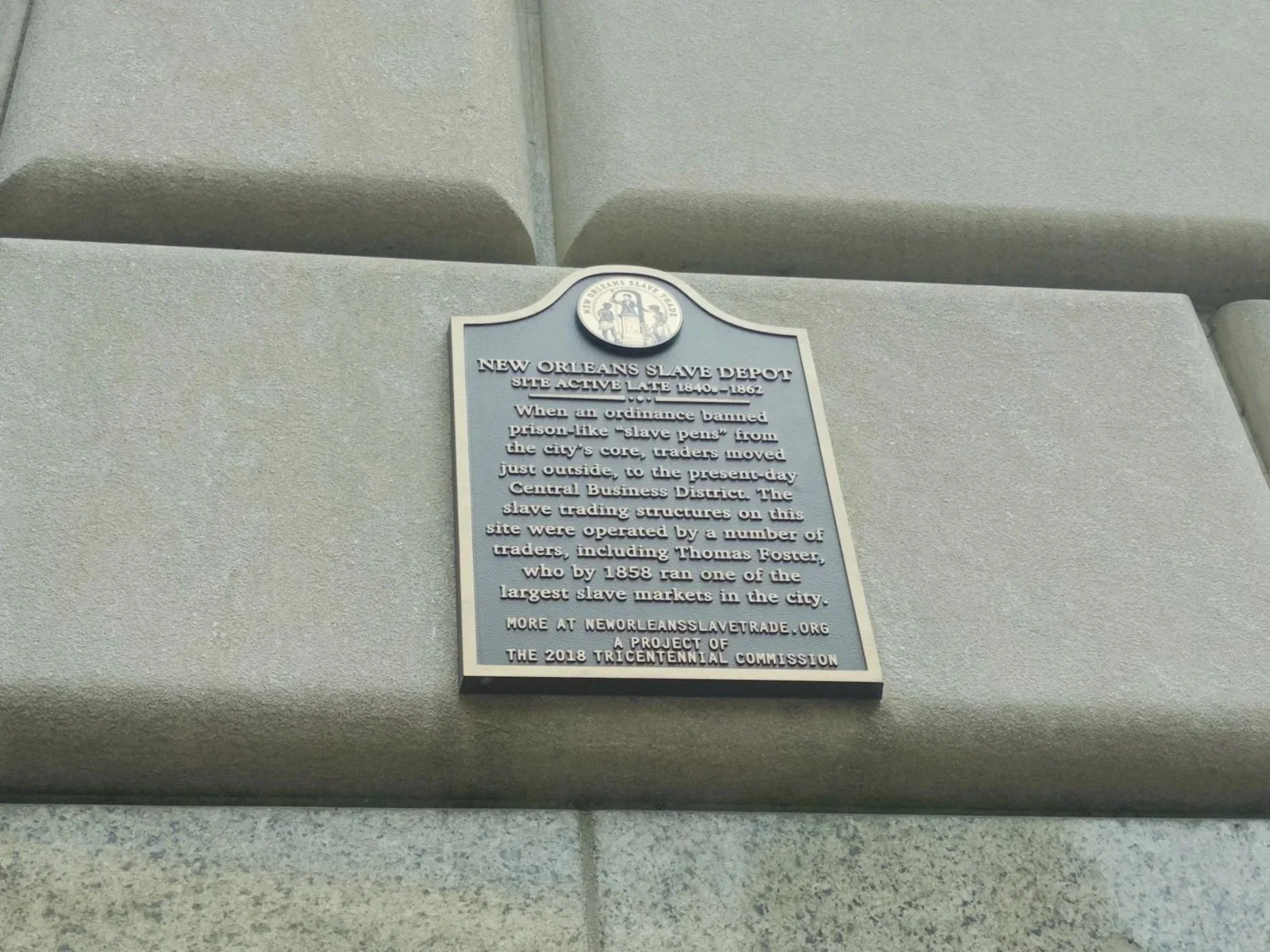
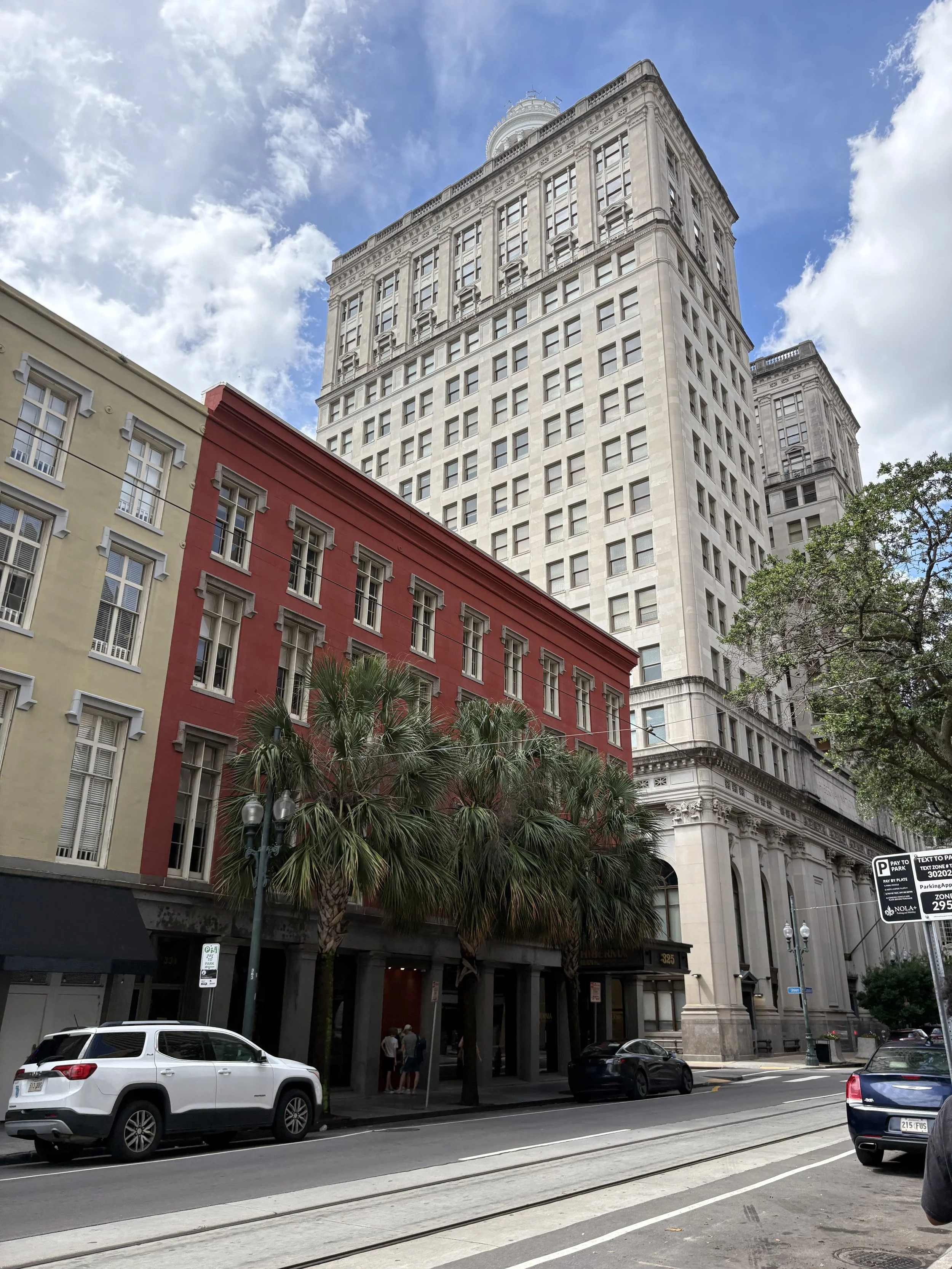
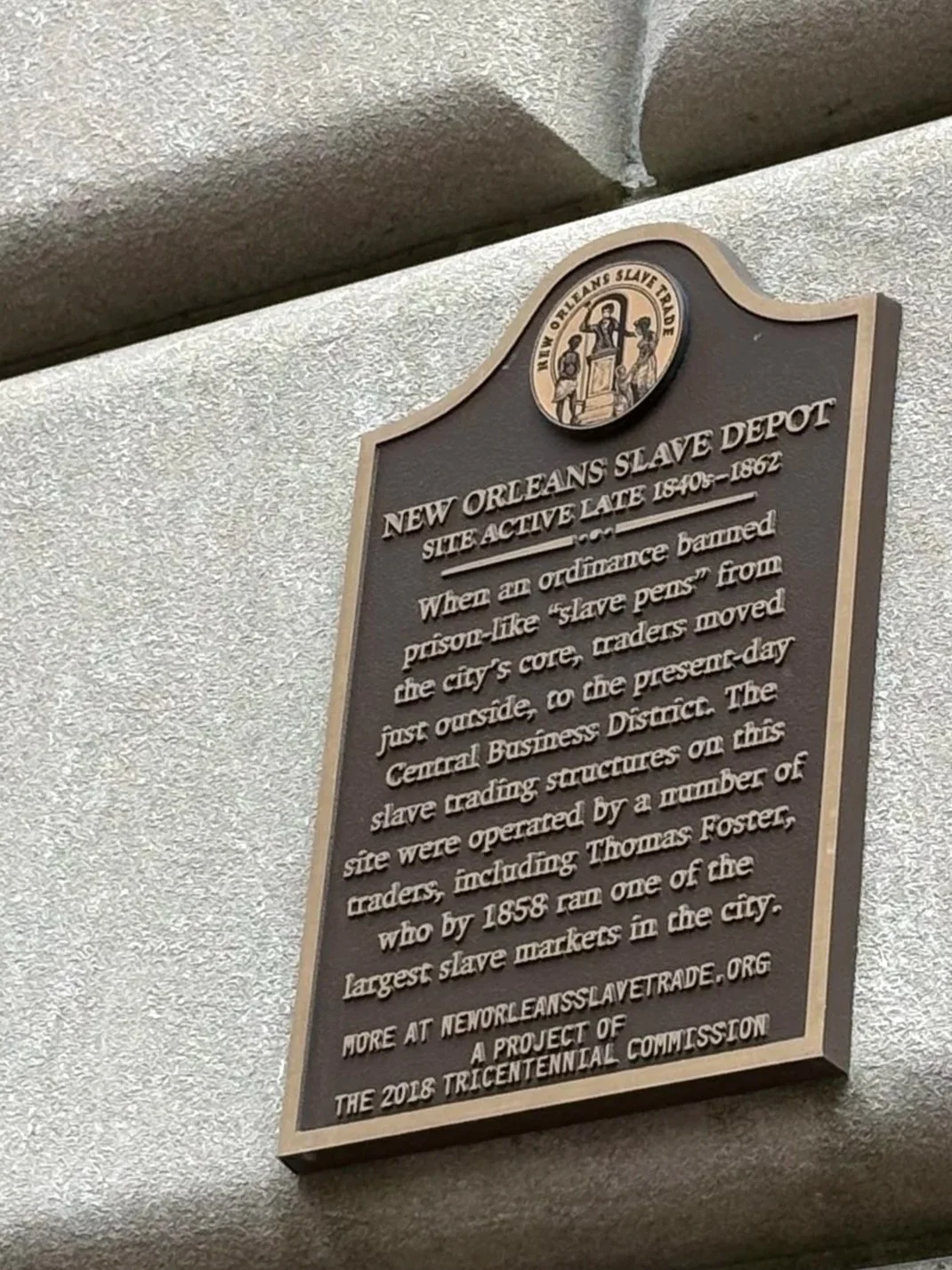
So to come here, in New Orleans, where slavery was pronounced and so heavily relied upon for Indigo markets. It’s stunning. It’s devastating. We spent one day choosing to explore the history upon the grounds that we walked and to be honest with you, it was absolutely crushing. I didn’t yet cry at this point but there’s always this tension I feel when I’m at odds with myself. I want to put on a tough face when I hear the immoral deeds done against the enslaved people but I also want to emotionally express what I’m thinking. I consider myself to be quite the empath, quite the sympathetic soul. So it weighs on the mind almost immediately. Walking around the city so comfortably, at ease, without having to worry for my personal safety. I’m not at threat of being whipped or hung from a tree or being decapitated. I don’t fear for my life, fear myself to be lynched or brutalized at any given moment in time (unless of course, a police car drives near). I have the privilege of not having to concern myself with any of this because of the pain, the service, the years upon years of enslavement that my ancestors had to go through. And I am mindful of that every single day. Grateful is the word of the day every single day. But to walk through these alleyways and streets, it was so utterly surreal to know what lay beneath these foundations and the true history these highrises and restaurants and hotels had to this day. Walking past ‘Hotel Indigo’ for example….. To know that these were the stomping grounds for slave owners, that some of these buildings were slave pens and also where the enslaved would get auctioned off. There apparently was a church right by an auctioning site. It pissed me tf off. And left me crushed. Because, as a tourist if you are not seeking out information and the history that lies here. You wouldn’t ever have a clue that somewhere like the Warehouse District could be privy to so much inhumaneness. It's truly devastating.

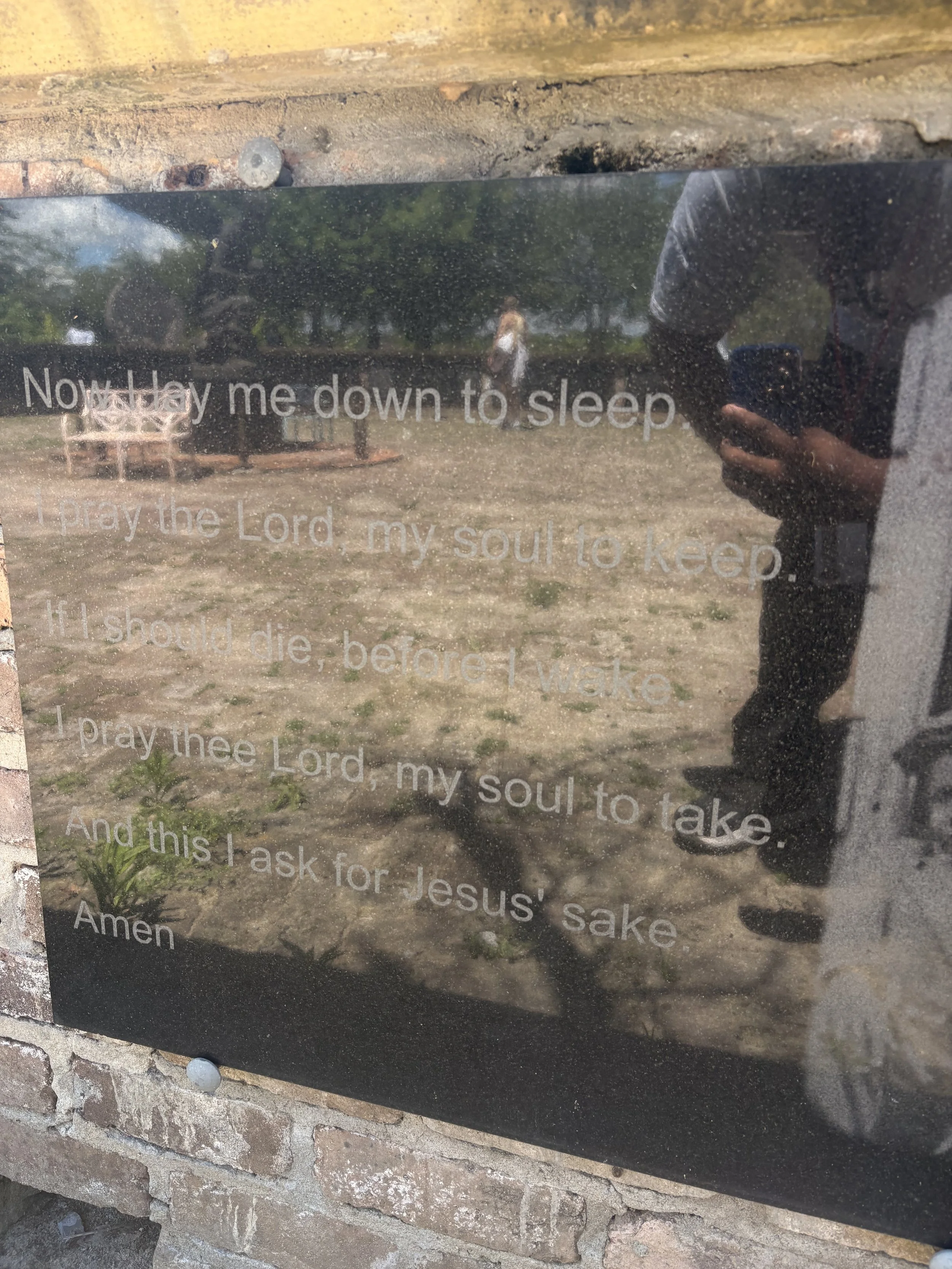
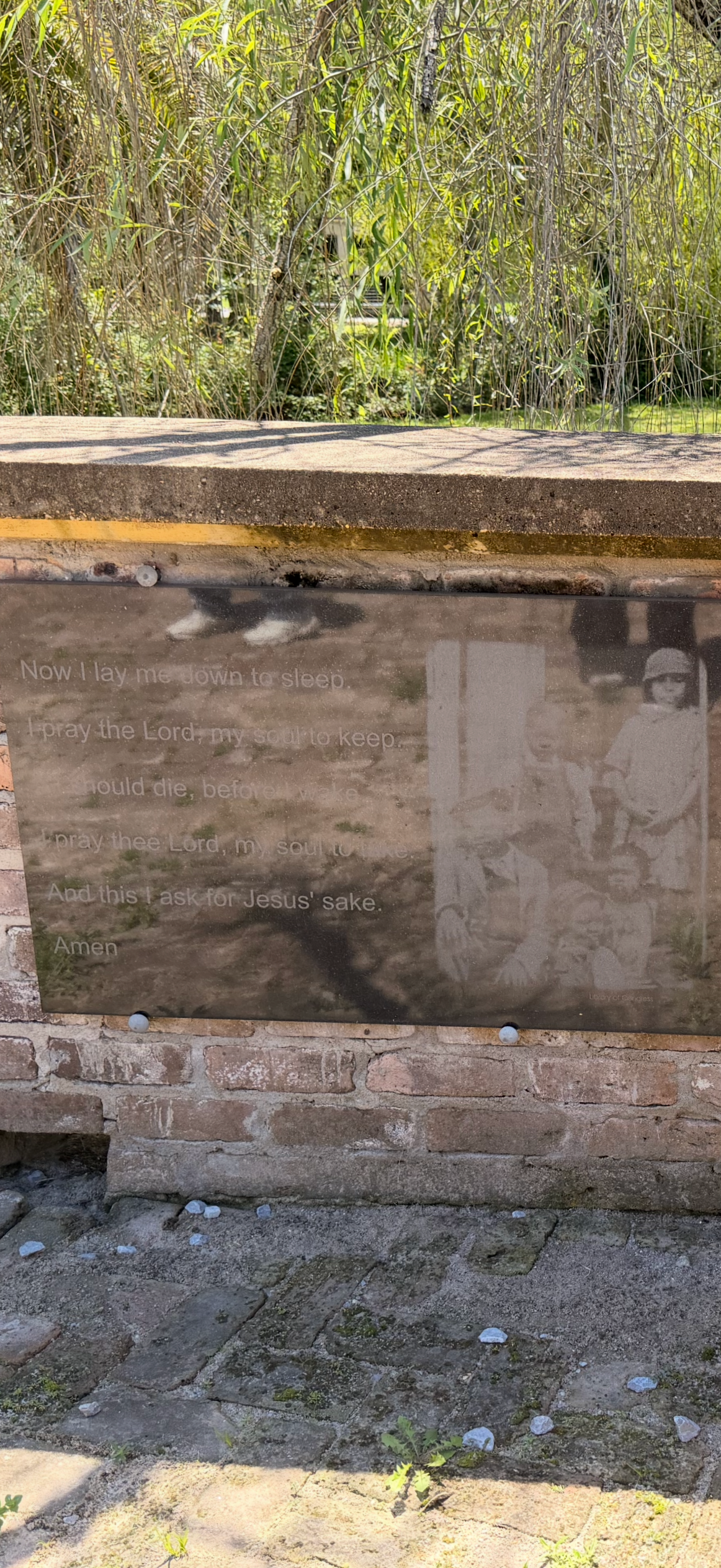
Then we had the Whitney Plantation. Hearing that people (White people) would often seek out these plantations for their PHOTO OPS and weddings and events and yada yada yada yada bull. It’s disgusting yet to me, somehow completely on brand and something I’ve gone to long expect from that crowd. What I truly do respect from the new ownership over the plantation was the taking out of furniture from the white house to ensure that the building was stripped of its humanity. That you could not see these people as human or humane. Avoiding that entirely, I loved it. Your brain had to fill in the gaps and we’re already understanding that these were horrid people. I love it. Anyways, I actively chose not to take any photos of the building, of any of the stops until the memorial. I guess I just felt internally disturbed. I was adamant about that, I had no intention of taking photos of that house or anything surrounding it. There was no need for me personally. It was only until I took to the memorials that I pulled the phone out. Because, as Jae and I saw, there was a prayer that goes….


“Now I lay me down to sleep, I pray the lord my soul to keep. If I should die before I wake. I pray thee lord, my soul to take. And this I ask for Jesus’ sake. Amen.”


A prayer that I’ve repeated myself to exhaustion. A prayer that I recount every single night before I go to bed. A childhood prayer, one of the two prayers that I’ve consistently done every single day. And it was here on a plaque at a slave plantation. I was speechless….. And shocked. I didn’t know what to say. I guess, I never thought the origins of such a prayer and had never even considered that it could trace so far back. It made everything that much more real. And seeing these plaques with all these names of children that were enslaved, only to see names like ‘negro boy’ or ‘negress’ and so many other blank, general names or some with no names or labels at all. It was devastating. It was devastating.

‘Slave Revolt Memorial’

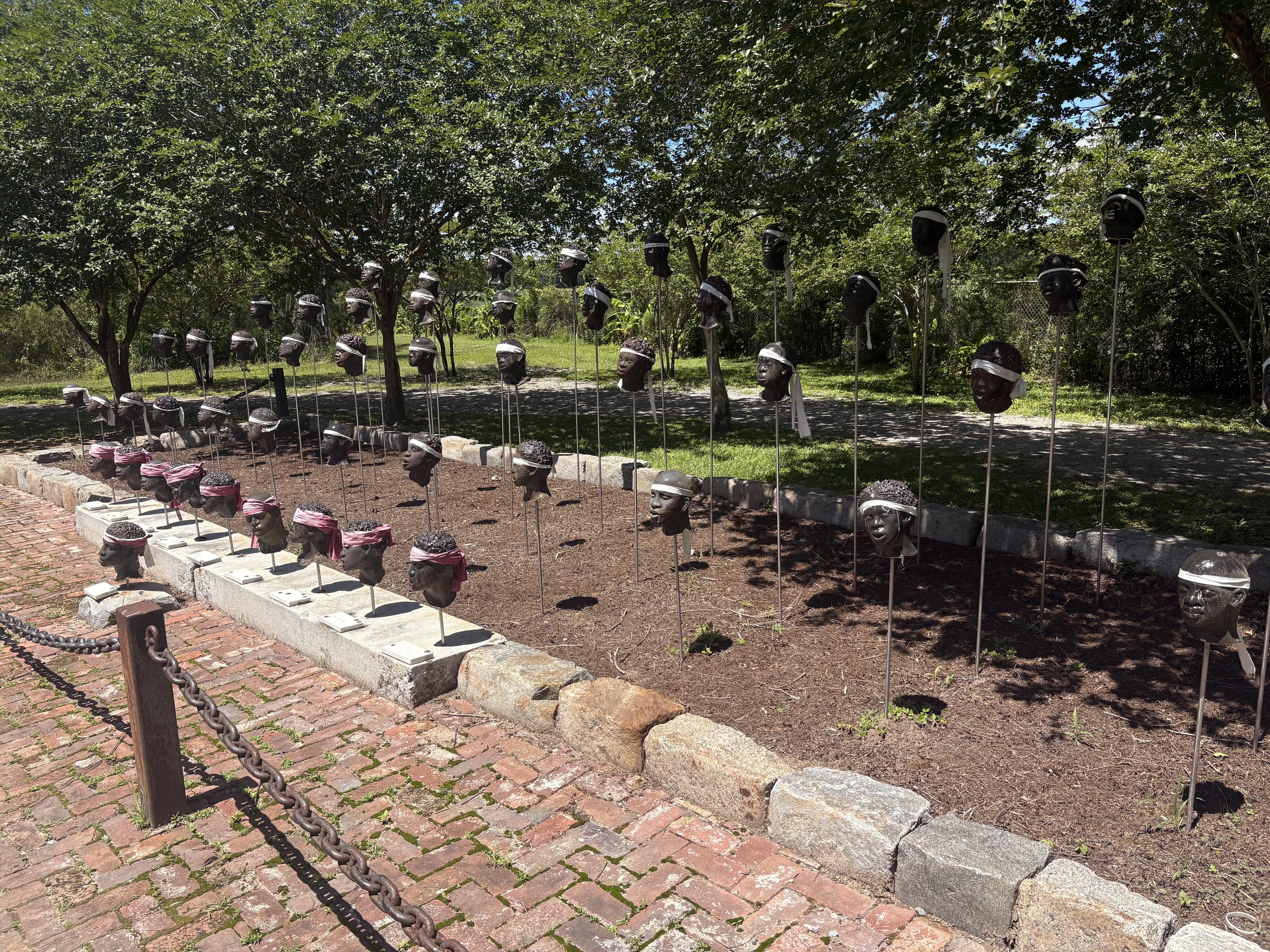
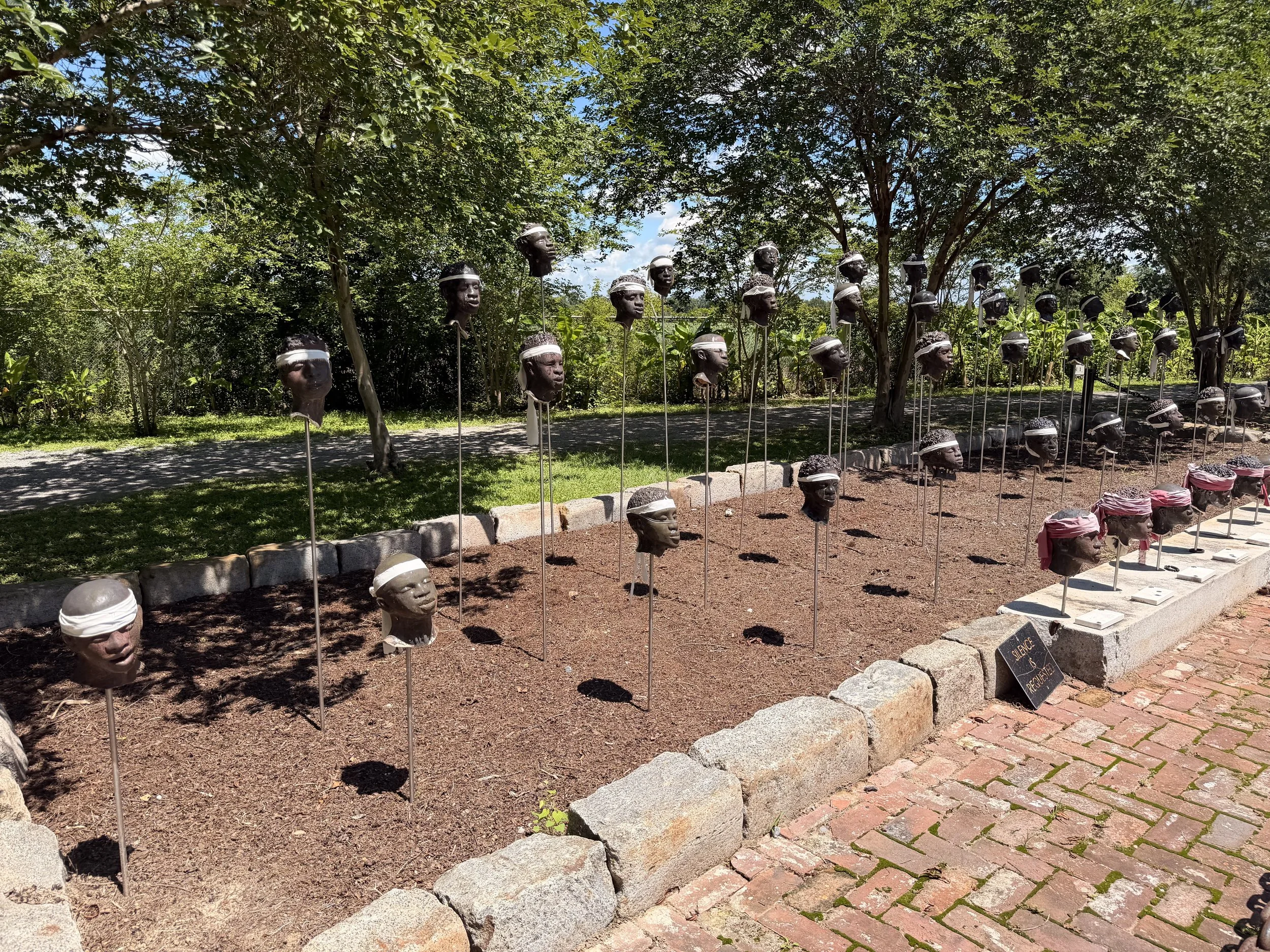
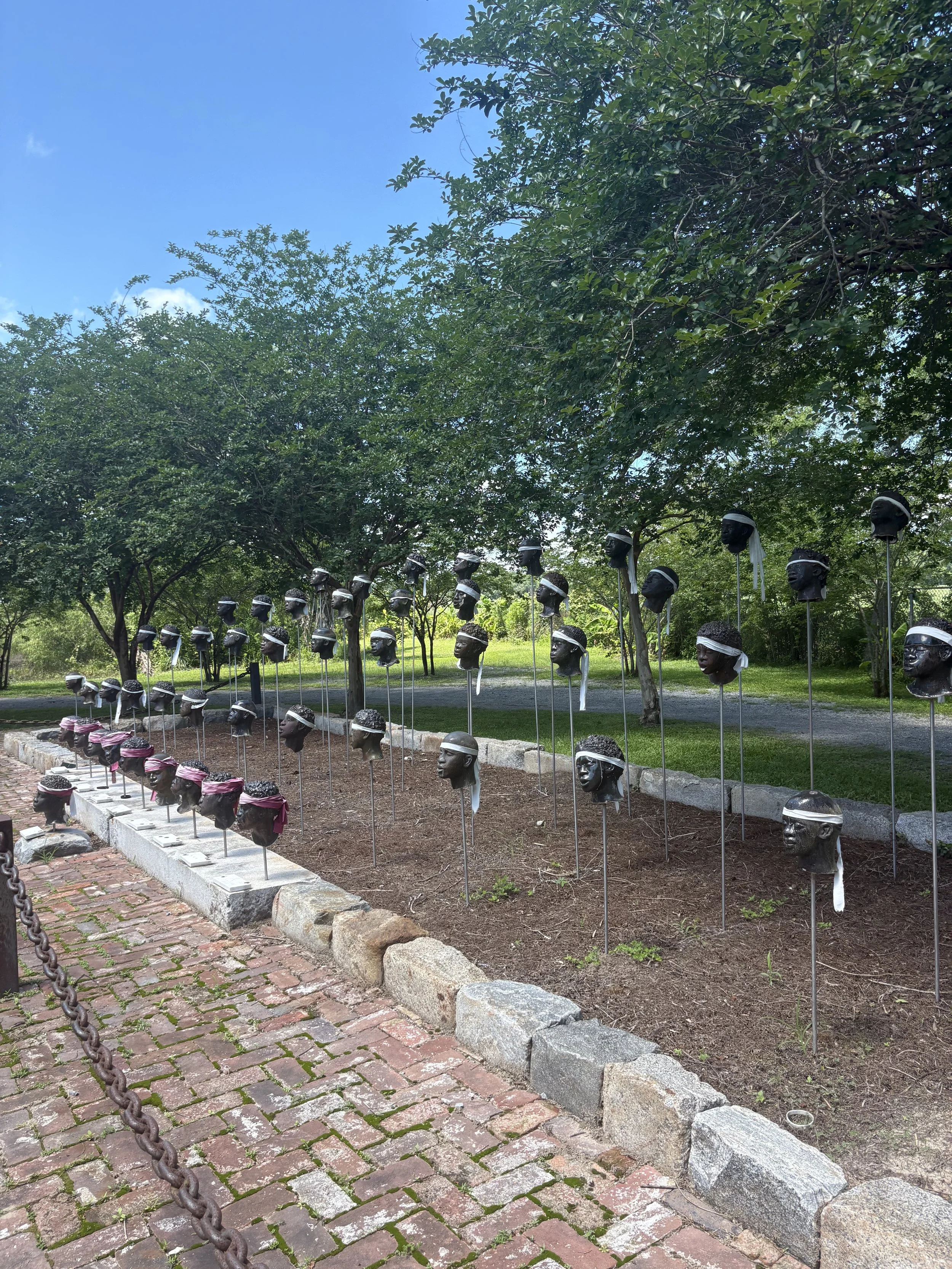
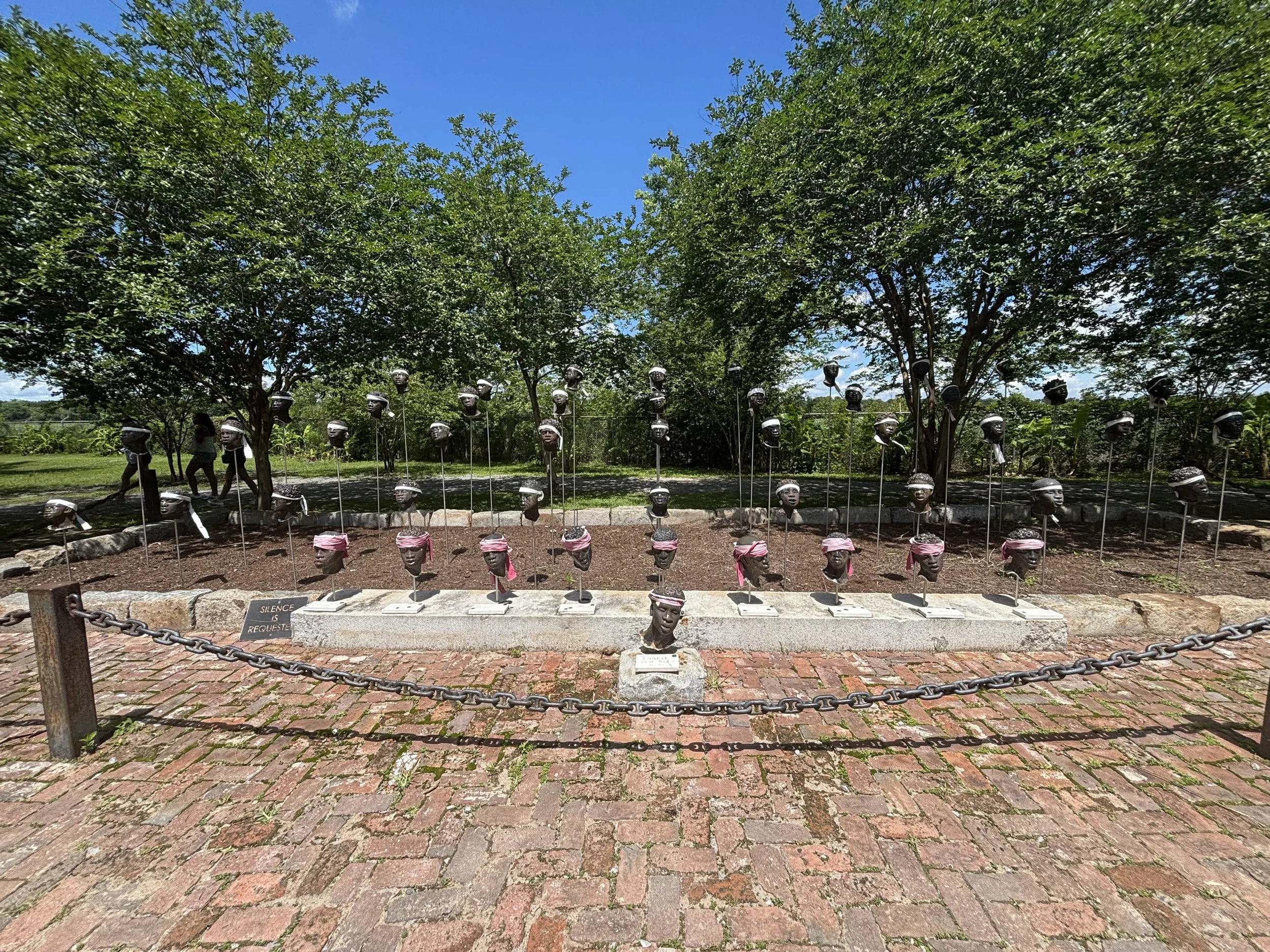
And then, of course the memorial for the 1811 German Coast Uprising led on by the heroic Charles Deslondes. And for some reason, it never registered in my mind that a slave uprising was ever a thing. I am pleasantly surprised that one ever did come to fruition and that they had the insurmountable courage and bravery to attempt something so risky. Never once heard of it in my life. Never a mention of Charles Deslondes, not at all and that is truly a disservice to his legacy. But my goodness, the memorial. I was shocked to see that the ‘Slave Revolt Memorial’ had several decapitated heads of the enslaved on these poles which was a crushing tribute to those that suffered that same fate and had their heads placed on sticks all along the Mississippi. Jesus. But visually seeing it in front of you, utterly devastating and something that truly gets etched in your brain forever. It will forever stay with me, I know that. But I had this thought of why it was so sheltered away when it's something so poignant and integral to the ties of this place. And it made me curious about the capacity that we all have for truthful stories like this. Have we become so shielded from the truth or the past that something like this, only scares us away and terrifies us? It’s sort of pathetic, if you will. Idk, I just sort of latched on to that thought. That the plantation had to reconfigure the walkways so that this memorial was easily missed because apparently it was too explicit or frightening for guests to recall and interact with. It’s like, what is that line of what's necessary and what's deemed excessive to people? Having to dumb it down or strip it of its morbid details just so it can be made consumable or risk scaring people away from facing the horrors that their own kind had committed?

Lastly, ‘12 Years of Slave’. A true biographical film about Solomon Northup and his story of being a freeman snatched away to become a slave for 12 years before finally obtaining his freedom once more. It’s a film I will only be seeing once in my lifetime. I have no intention of ever watching this ghastly film ever again. But I am grateful to have it seen at the appropriate time (if ever there is one). I felt every single emotion. I was exhausted. I was holding back tears. I was sobbing silently. I felt completely at the mercy of the film. It kept going. So much suffering. We had already gone through so much pain and misery before freaking Lupita even showed up. And that's when I knew we still had so much to GO. But it pissed me off. It left me feeling so full of rage. Drained me of my willpower and rendered the rest of my day blank and useless. I was in bed the rest of the afternoon and night. I’ve never once heard of his journey ever in my life. Never even knew of the name Solomon. And it pisses me off that there is so much I DON’T KNOW ABOUT. I feel this guilt because of this responsibility to be knowledgeable and knowing of my history, of my past and ancestry. It’s like, oh you don’t know of this tale or this piece of history, then you’re not Black enough. It’s just that I chose to avoid the film because of ‘trauma porn’ and didn’t want to subject myself to all of that misery and excessiveness. But again, what’s truly excessive if the entirety of the film is TRUE and ACCURATE? It renders the entire conversation pointless, honestly. It drained me. It truly drained me.

To finish off, I really want to note how icky it made me feel to see one of my favorite actors (not people, actor) put himself in this film as the ONE good guy, the white Savior of Solomon knowing damn well he produced this film and it was his production company. He knew damn well how that would look for his reputation and what that would do to his image. I thought it really curious and honestly, quite a stupid move on his part. Who told him to do that?!? And I am sure this was in the midst of his troubles with Angelina Jolie. Makes no damn sense. And it makes me mad that we have to resort to white people to save us, to be our saviors, to be the vessel to go through in order to tell our stories. It frustrates me to no end. I can’t tell you how maddening it was to see that Solomon got out not from his own hands, but at the mercy of another White man. Just maddening. But what can I say, that's just the way of the world.

Just not my world.

Between the Bite and the Cross

One of the reasons I chose this program was a TV show. Specifically a show called The Originals, a spin-off from The Vampire Diaries set right here in New Orleans. I watched it in high school, and it quickly became one of my comfort shows. It was my unofficial standard for what a vampire should look and feel like, which is very dramatic and glamorous, somehow still charming despite all the bloodshed. So you can imagine my surprise when Anne Rice’s Interview with the Vampire gave me something almost unrecognizable in comparison. These characters in the book weren’t comforting at all, quite the opposite actually. They were deeply unsettling and morally tortured. And yet, standing in the very streets where Rice set her story, I found myself relating and understanding them in a way I didn’t think I would.

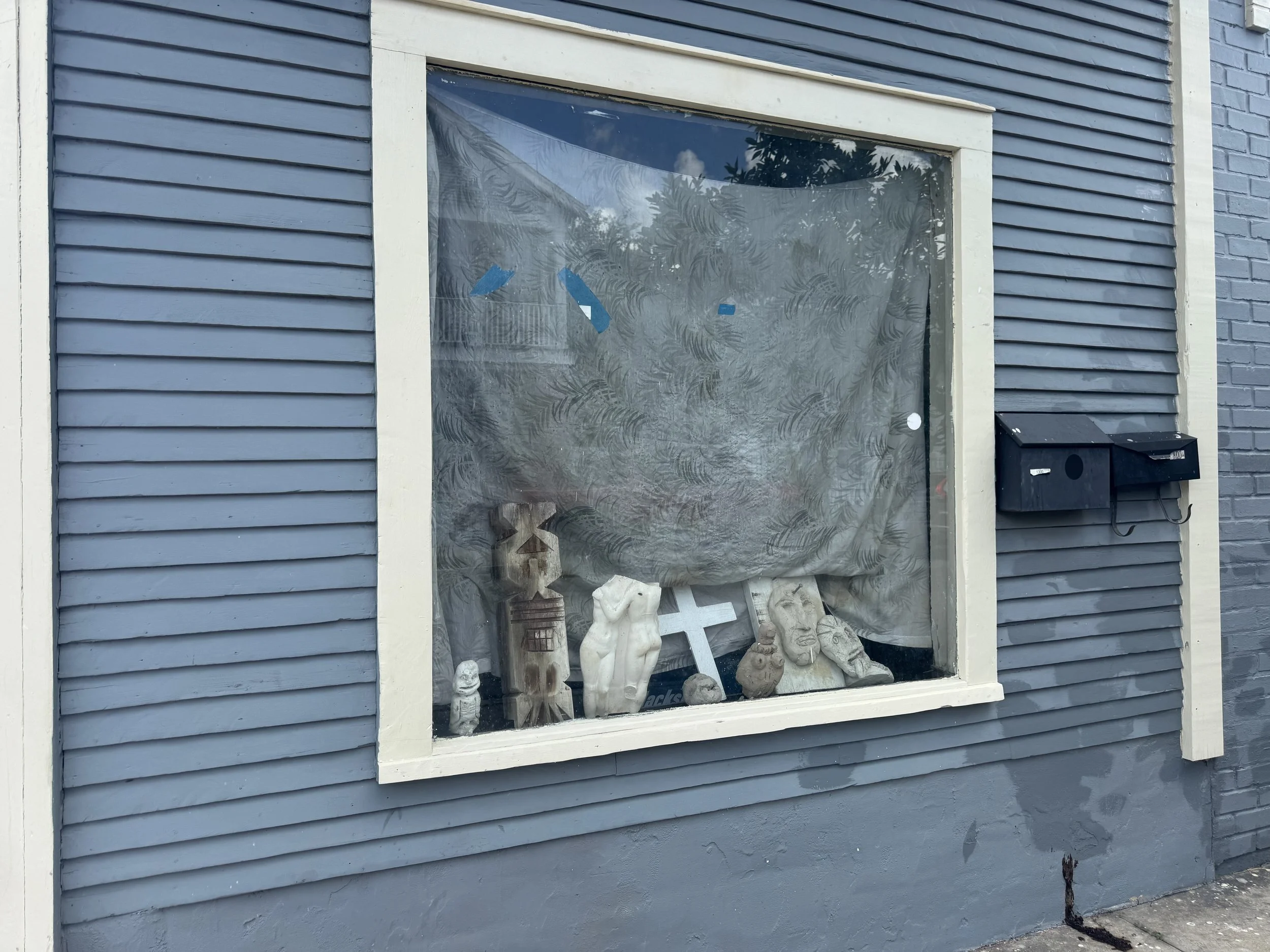
New Orleans is a city that holds contradictions beautifully. Vampires, voodoo, and ghosts—overall the supernatural are woven into the fabric of this city as naturally as the live oak trees are draped in Spanish moss. And yet, so is Christianity. Walking through the French Quarter, I encountered both a voodoo shop and a cathedral within the same block, and somehow it doesn't feel like a contradiction; it feels like New Orleans.

The same spirit of contradiction lives inside of Louis. Seeing a supernatural being struggling with human emotions such as guilt, grief, and genuine appreciation for life made me sympathize with him. We see him being mocked by his supposed mentor/companion about the things he was feeling, such as having admiration and more appreciation for life. 

You are in love with your mortal nature! You chase after the phantoms of your former self. Frenier, his sister…these are images for you of what you were and what you still long to be. And in your romance with mortal life, you’re dead to your vampire nature.

- Lestat, Interview with the Vampire

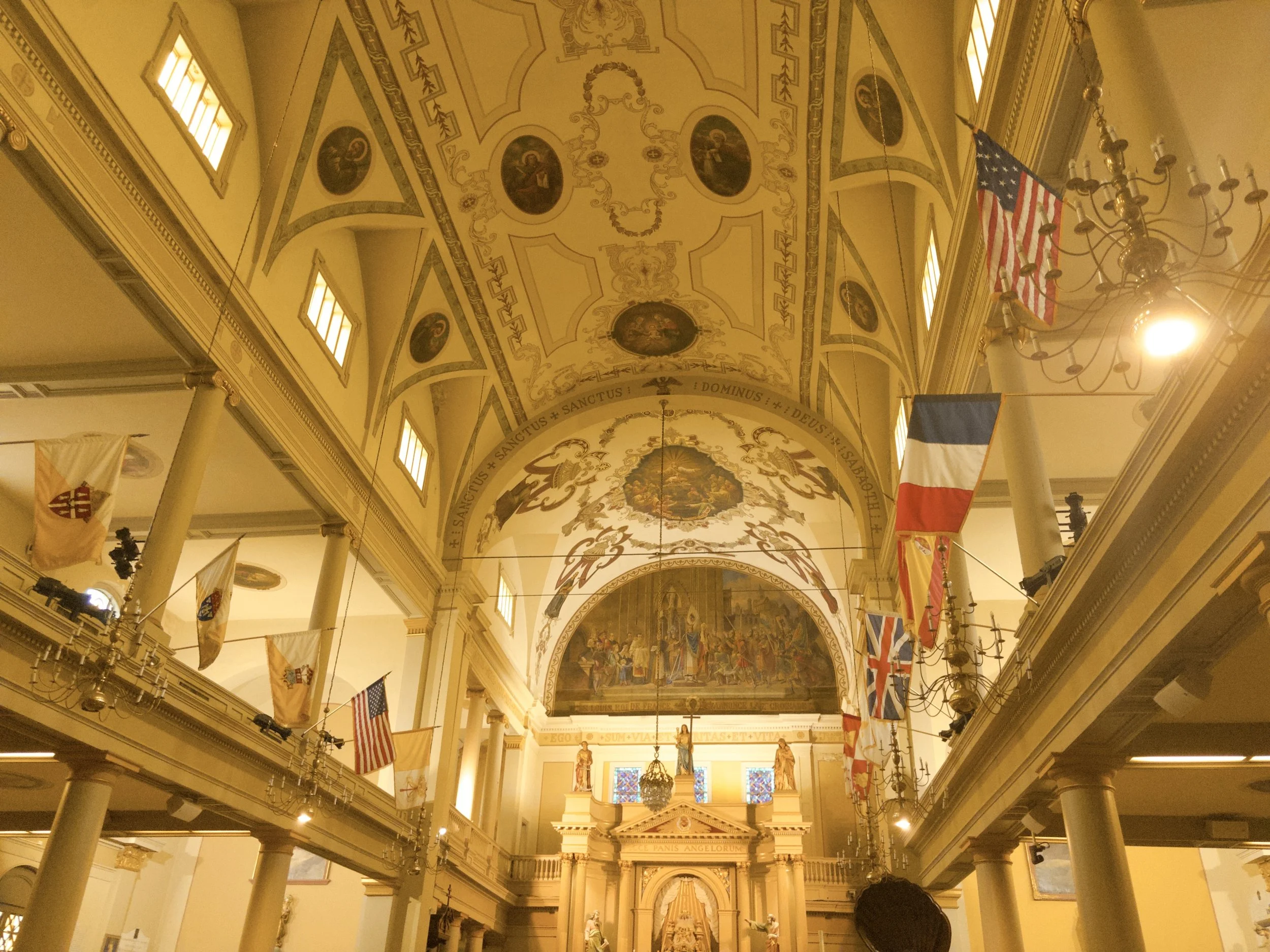
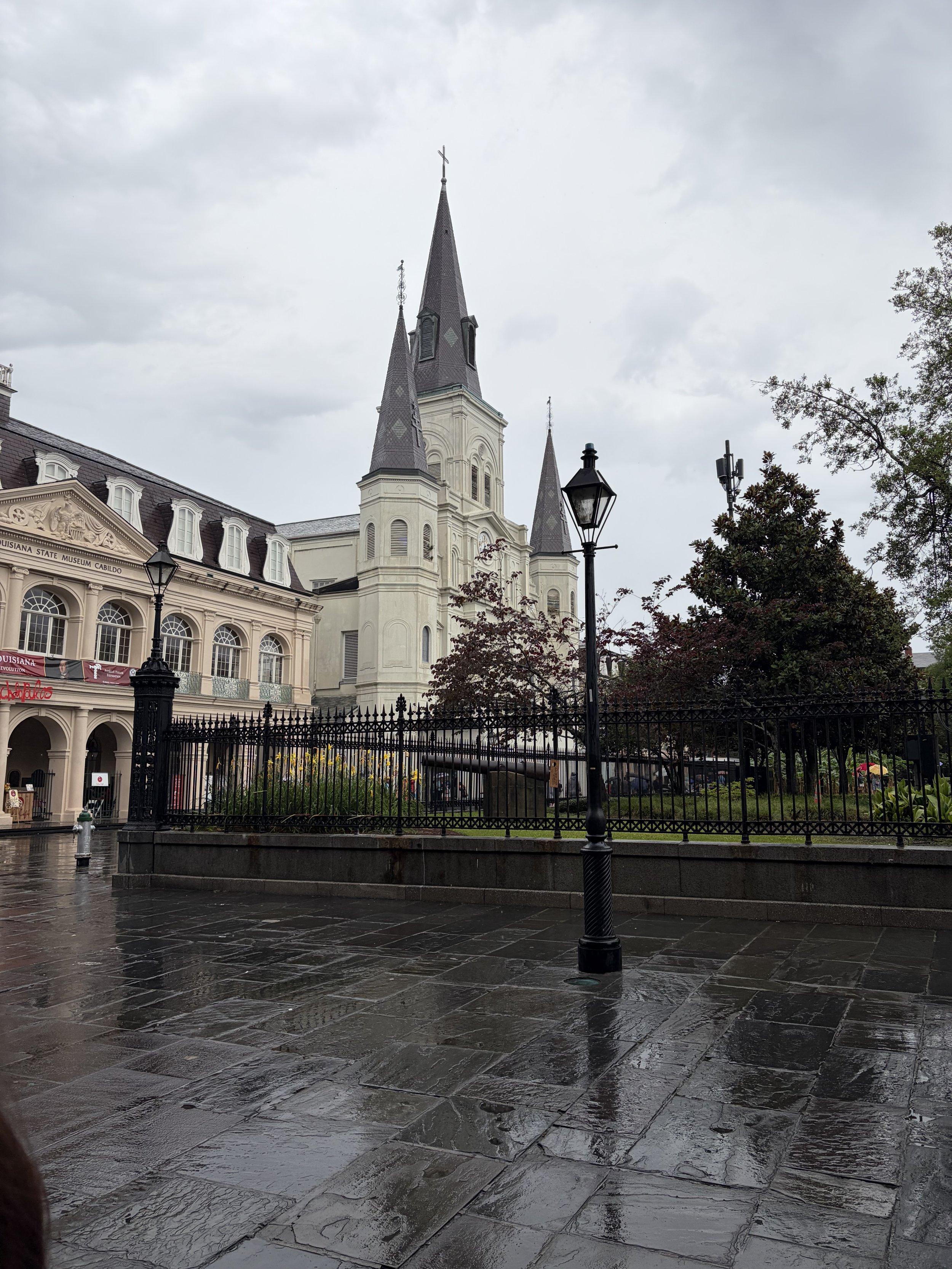
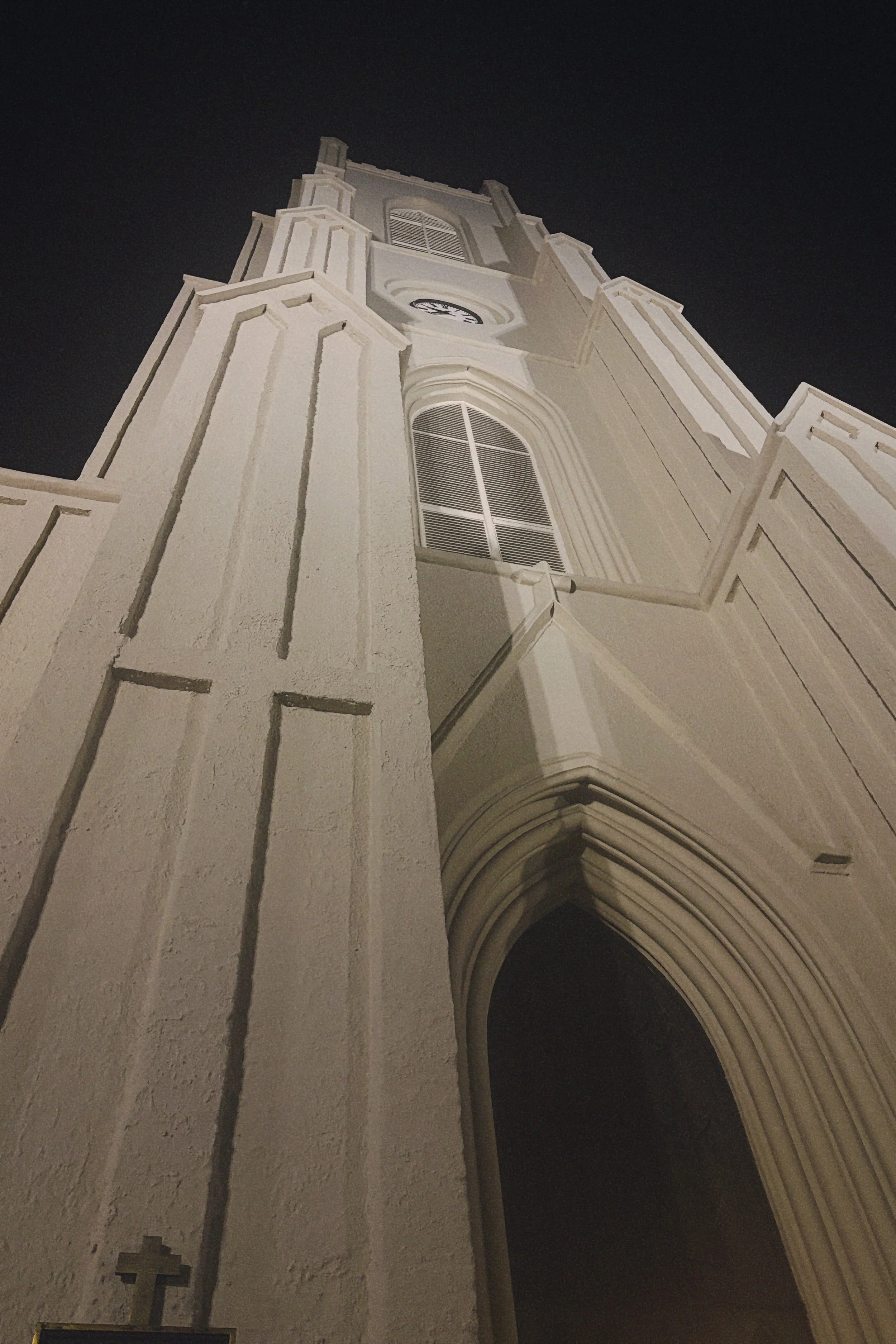
St. Louis Cathedral

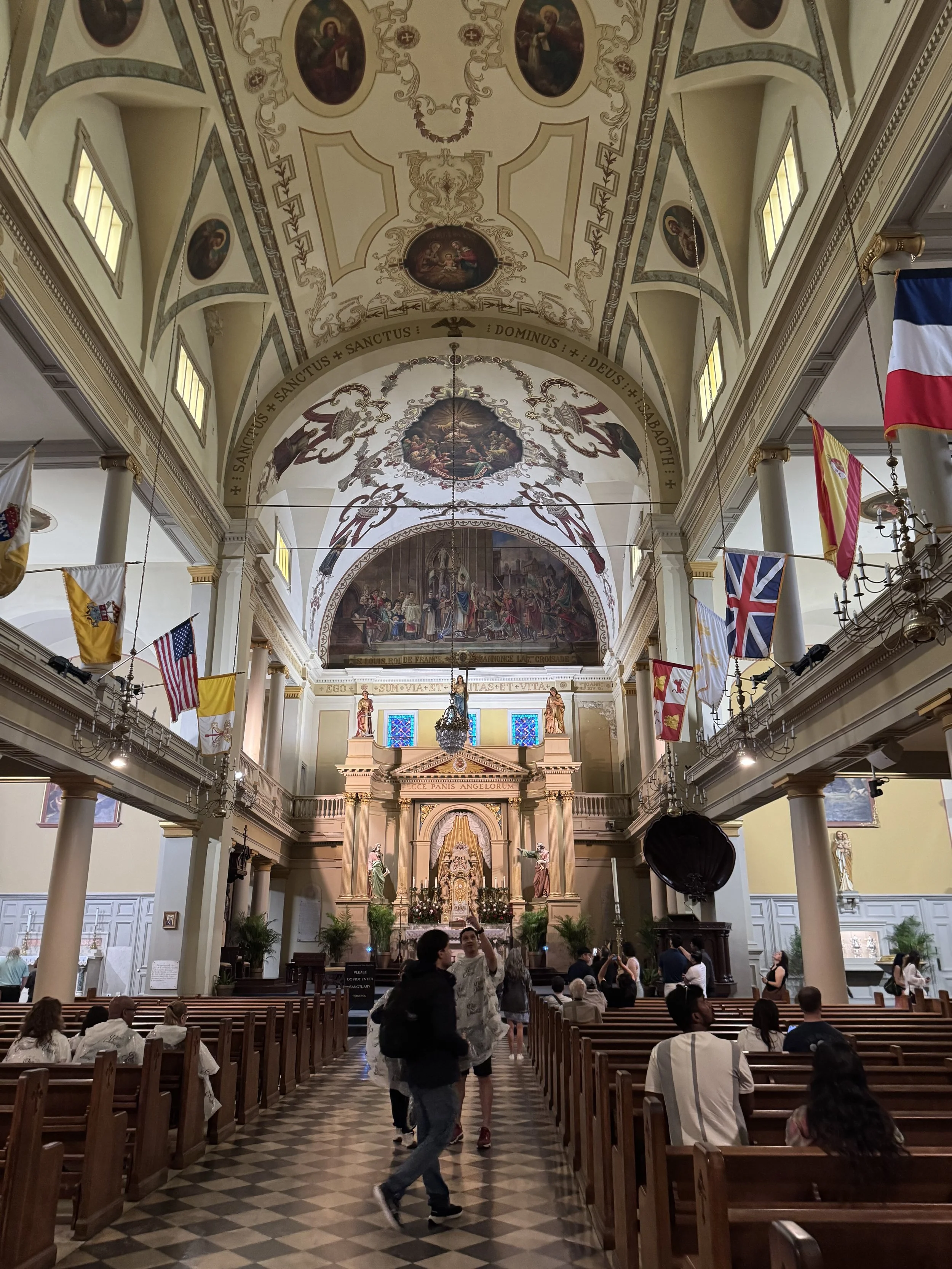
This quote mirrors something I've been navigating myself, my struggles in my own faith. Trying to balance my spiritual life while being in college, thousands of miles away from home. I'm constantly being surrounded by distractions where it’s easy to get sucked into things that don't benefit my spiritual life. Being young and not having experienced a lot of things, fighting these temptations could be really hard. Lestant tells Louis that he’s dead to his vampire nature. My faith calls me to be dead in my flesh in order for my spiritual life to thrive.

Similar tension, different stakes, I guess.

One of the ways I could be dead to my flesh is by fasting. Can you imagine fasting in a city like New Orleans? A city filled with amazing cuisine, and I only had a week to explore it. Which isn't nearly enough. Fasting in the deep South, where I could barely access any vegan food, feels like its own set of spiritual warfare. But that is the sacrifice, right? The same way Louis refused to drink human blood and only drinks animal blood such as rats and other small animals, I must also refuse to eat for a long period of time, along with not eating any animal products. 

It's uncomfortable, but that's sort of the point.

As much as I would like to believe that there isn’t any connection between religion and the supernatural, Interview With The Vampire tells me something different. The religious parallel that is being drawn in the book makes me question how I haven’t noticed it before. But that's what is so beautiful about bookpacking. It forces me to notice things I wouldn't have prior to this experience. 

In New Orleans, connection expands past religion and supernatural mixtures into the melting pot of cultures and architecture in the city. 

Louis and Lestat’s apartment mentioned in the book

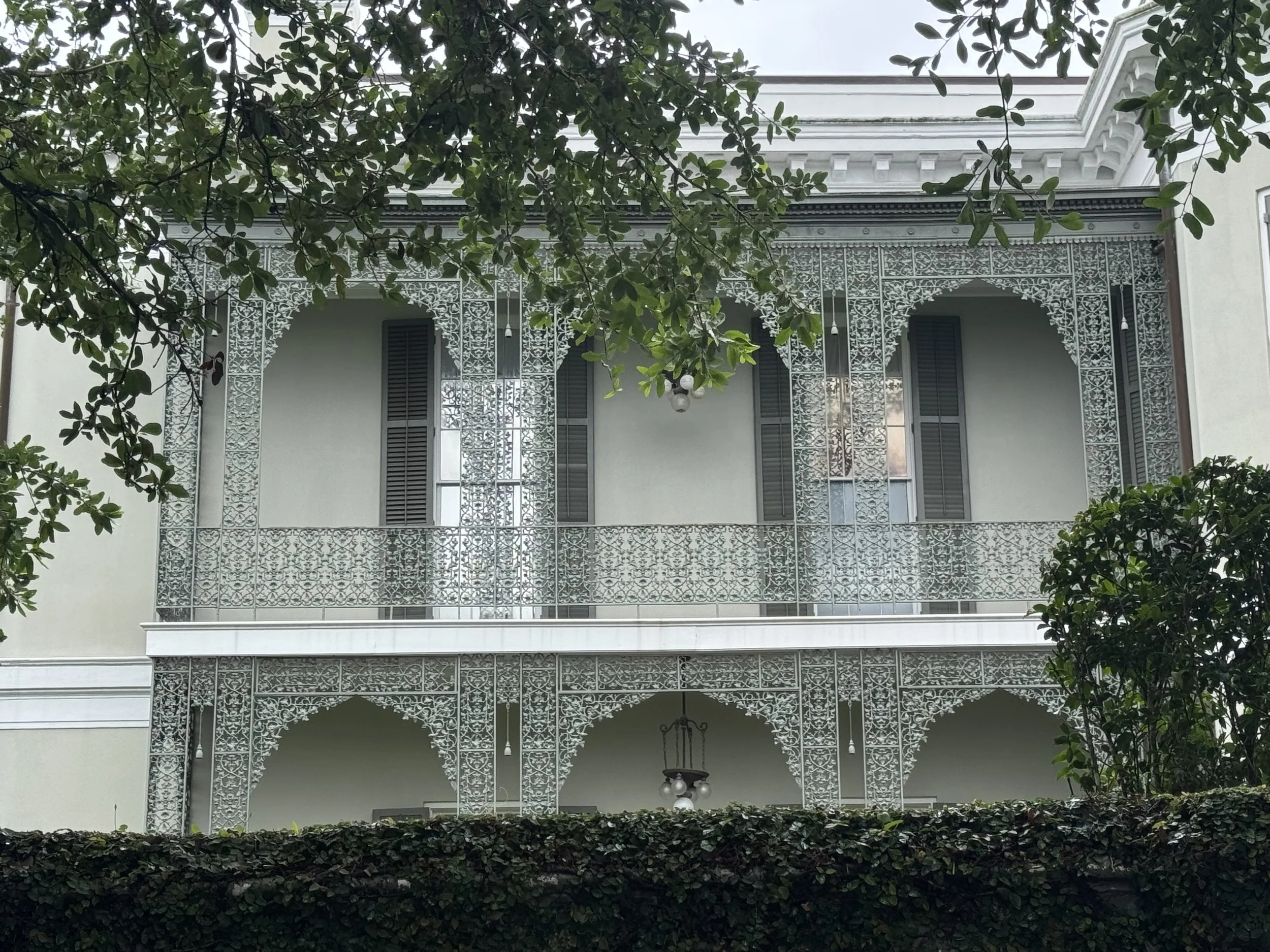
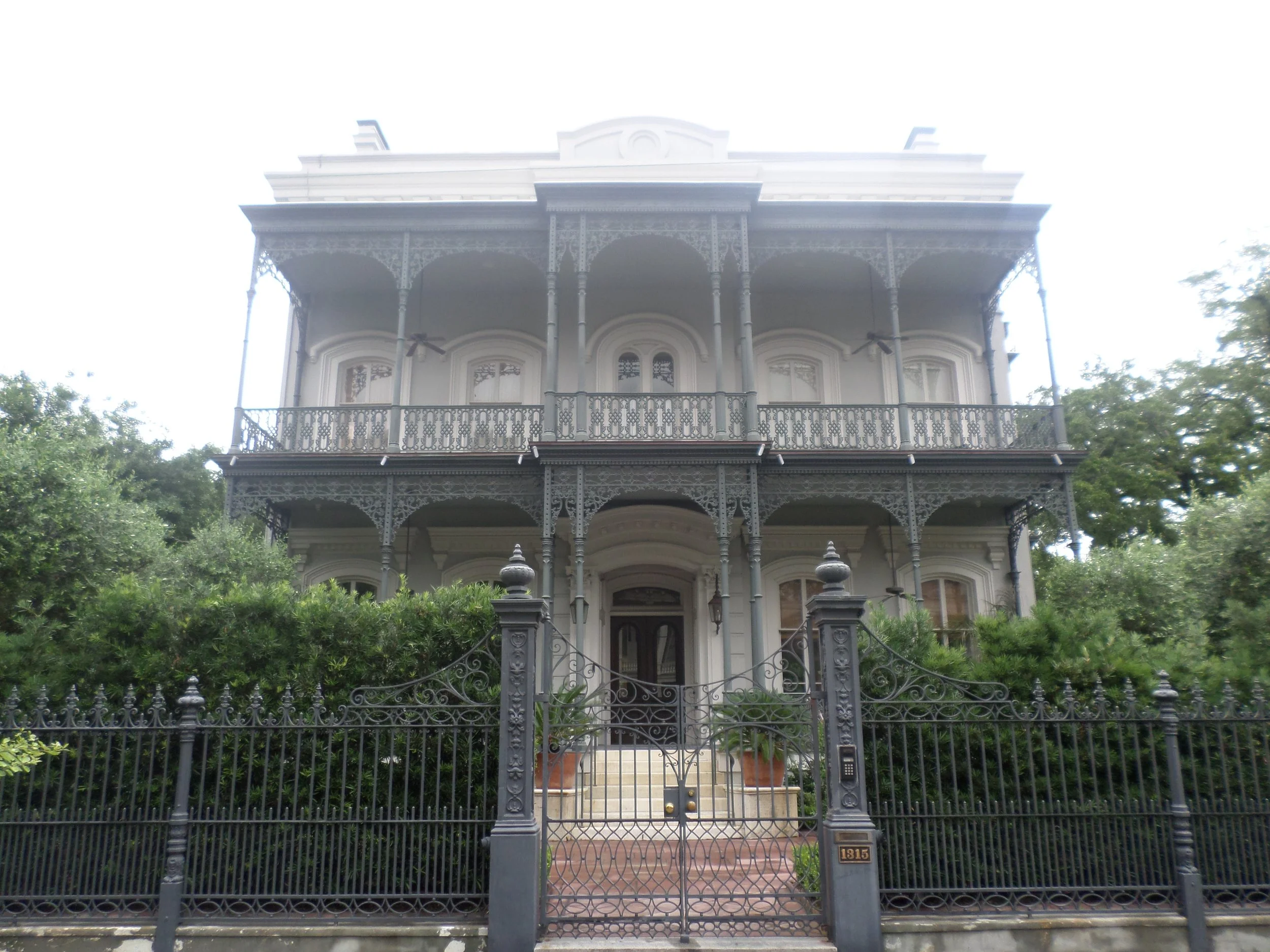
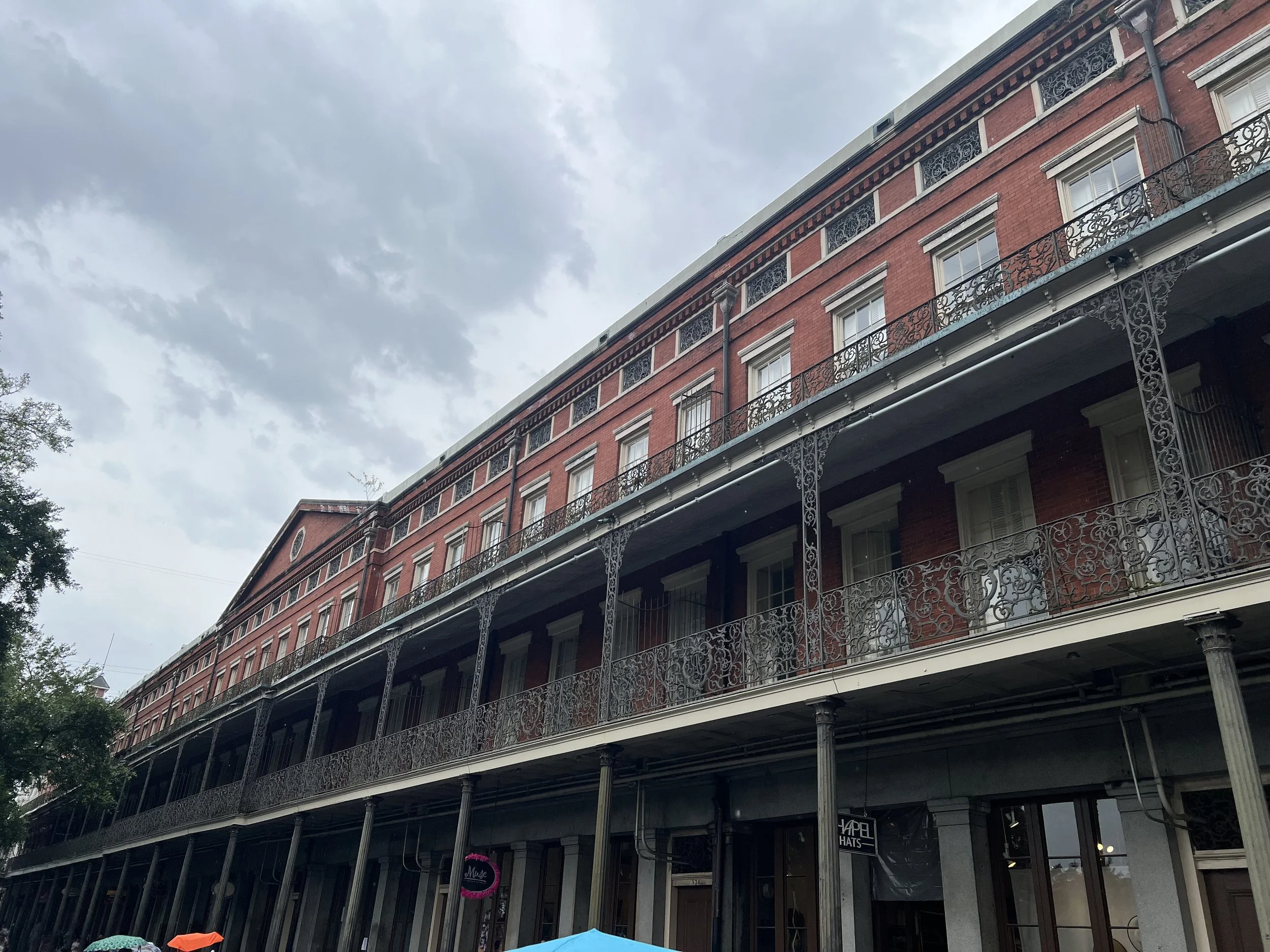
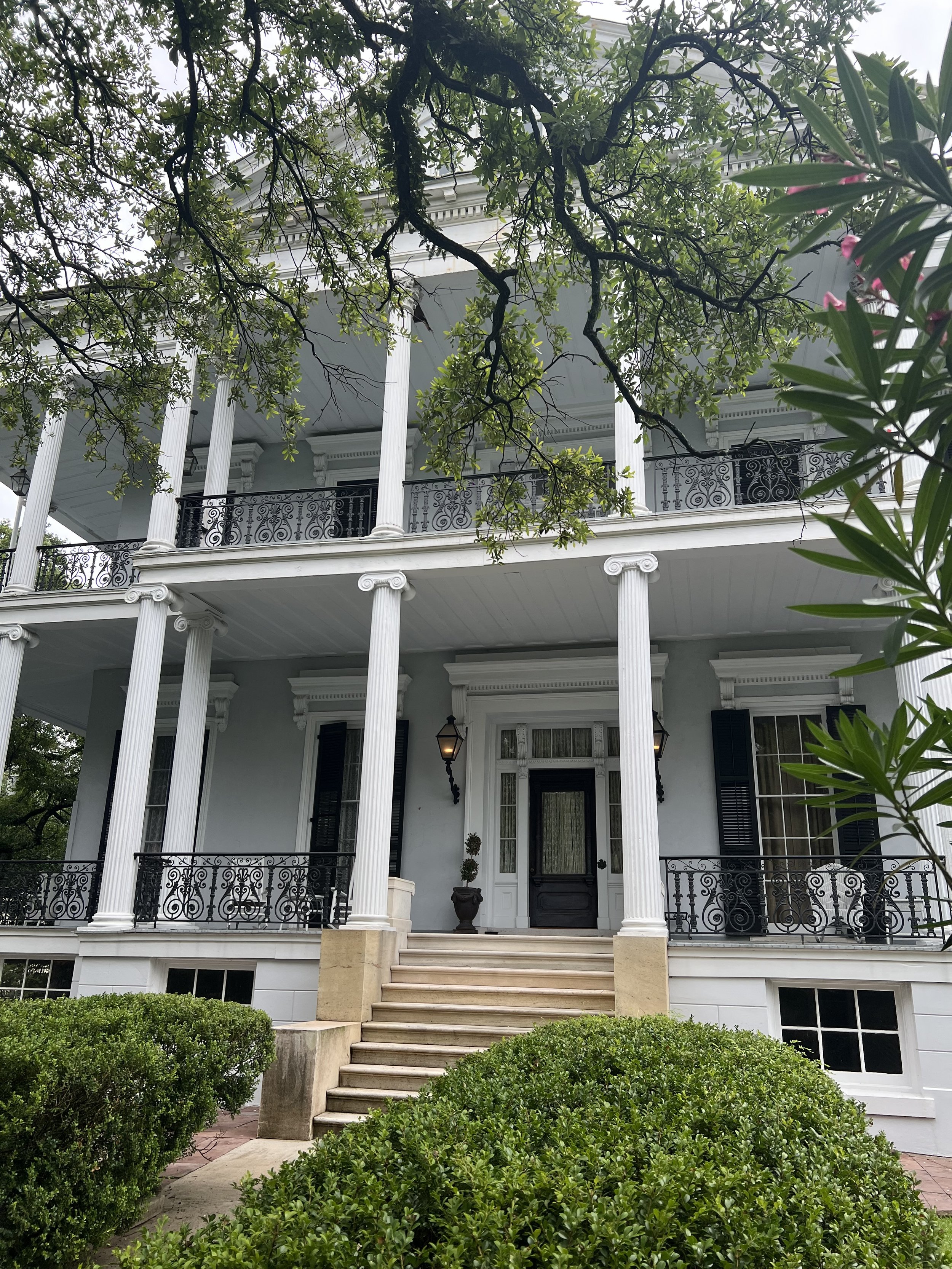
In the book it mentions how glamorous New Orleans is and how much of a melting pot it is. The French, the Spanish, and the American people contributed to the culture and architecture of the city. As I was walking around the city with my peers, we saw the Dantel-like lace wrought iron bars, the Corinthian columns, the gas lamps, and the sailors that came to have a good time… Well, in my case, the Navy SEALs that stopped by to have a great time in the Crescent City. Being able to experience this firsthand has been like a dream; it constantly leaves me in awe of how much being in a place you read about shapes the way of thinking. 

Of course there are other things to notice about the city that I'm actively reading about and constantly observing. As beautiful as these buildings are, they are built with the blood, sweat, and tears of enslaved people. As my professor beautifully put it, the vampirism in Interview With The Vampire in a way represents how labor was sucked from the enslaved people in order to build all this glamor, drawing parallel to a vampire sucking blood from a human in order to live. 

I didn't expect a vampire novel to make me reflect on my faith, on sacrifice, on the history beneath the beauty of a city. New Orleans got under my skin, and so did Lestant.

Angels Watch Me Through the Night

Angels Watch Me Through the night

4121 Wilson Ave, New Orleans, LA 70126

“I can’t stand it anymore,” are words I wish could just plaster themselves to walls and to dirt and be cultivated into a fruit that won’t perish. Unfortunately, my shouts and cries are only that — shouts and cries. And whatever pain and anguish I feel from the burden of my history will only disintegrate if I lay down, and choose to “not” stand it anymore. I stood in Congo Square and moved through the Whitney Plantation. I read Sarah M. Broom's The Yellow House and stood edge of the East, endured Solomon Northup's 12 Years a Slave in a city that contains both the beauty and the evidence of everything those books/movie contained. People have tried to forgo the evidence, but New Orleans doesn't let you ignore it. From fifteen thousand feet up, where the aerial photographs are taken, what remains of 4121 Wilson Avenue is, as Broom writes, "a minuscule point, a scab of green" (Prologue). An overgrown lot where a house full of people used to be, reduced from above to something that looks like nothing. From that height her brother Carl would not be seen, sitting five times a week on an ice chest where the living room floor used to be. The reduction. The animalization. The inability or unwillingness to stand on the ground and see what is actually there. Humans. Standing above the bodies that built New Orleans, you cannot be abstract and pretend the ground was washed over by white. The city will not allow it and the ground remembers too much.

I think there is something to be said about remembrance. About standing in the anguish of what my people experienced. Watching Patsey from 12 Years a Slave be struck over 100 times by the evil held in the hand that held the textured whip. My stomach churned at the sight — I wasn't disgusted, I was angered, and somehow overwhelmed with burden. It's almost as if my stomach and my lungs had become chained together and I was drowning in muddy water. And after the movie was over, this feeling held for an insurmountable number of days. Here’s the thing though, there’s only so much muddy water I can stomach before I realize there is no point in digesting it.

Of course Northup didn't want to endure the muddy water either as he said so plainly, "aloud and boldly," before the first blow ever landed from Burch when he first awoke a slave (Chapter III, pg. 44). "I prayed for mercy, but my prayer was only answered with imprecations and with stripes. I thought I must die beneath the lashes of the accursed brute. Even now the flesh crawls upon my bones, as I recall the scene" (Chapter III, pg. 45). When his tormentor's arm grew tired, he stopped and asked if Northup still insisted he was free. He did. The paddle broke. Then came the rope. And still Northup would not say he was a slave. "All his brutal blows could not force from my lips the foul lie that I was a slave" (Chapter III, pg. 45). And even in saying “I can’t stand it anymore, I am who I say I am.” his words still became white noise, a white lie. I guess what I’m trying to say is, it didn’t matter what was true — the truth of his skin’s existence was the only thing that mattered.

I almost feel apathetic. I didn't cry as much as the others when 12 Years a Slave finished because to do so, would be to not only relive the trauma, but in some ways, it felt like crying gave the white supremacists in the movie power. I must admit — given my history (my mother working in the justice system with falsely incarcerated people, racism that I've experienced in my lifetime not only from white people but from other groups who have the archetypal influence) it's extremely difficult to be any type of empathetic towards the ignorance of racism. I classify it as hate, point blank, and will not tolerate it.

And at the Whitney Plantation, I stood in front of the sculpture garden — dozens of cast iron heads mounted on steel poles, faces of the insurgents from the 1811 German Coast Uprising, arranged in rows in dark soil — the apathy remained. I knew that these faces were a memorial to something that actually happened: the heads of the executed severed and placed on poles atop the River Road levees for forty miles. Somehow though, I couldn’t bring myself to cry. Because what I kept thinking about was Broom’s grandmother being born on Ormond Plantation on that River Road, into a world where this had already happened and been quietly absorbed into the landscape — "the facts of the world before me inform, give shape and context to my own life," she writes, "my beginning precedes me. Absences allow us one power over them: they do not speak a word. We say of them what we want. Still, they hover, pointing fingers at our backs" (Movement I, Prologue). Standing in front of those faces on poles, I felt that hovering. And then separately, the shame of it — which Broom describes not as grief but as "a warring within, a revolt against oneself. It can bury you standing if you let it" (Movement II, Chapter I). I think that shame, or realization rather just made me feel that crying would just be accepting those pointing fingers. The worst part — what makes me most apathetic, is that one of the reasons why Broom was able to publish her book, and the only reason Northup was able to escape, was because the white man was there. A question we then must ask ourselves is: Why does this (white man asserts a leg up)structure still exist?

I stood in front of the stories nurtured by the Federal Writers’ Project, one of which read the prayer: “Now I lay me down to sleep. I pray the Lord, my soul to keep. If I should die before I wake, I pray thee Lord, my soul to take. And this I ask for Jesus' sake. Amen.” To fathom that a prayer I said throughout my childhood most likely was passed down from my slave ancestors is incomprehensible. You say those words as a child without knowing they were first said in darkness, by people who genuinely could not be sure they would see morning. And funnily enough – it now makes sense why my grandmother changed the last two lines to, “Angels watch me through the night, until I wake in morning light.” Changing the context, changes the contemporary reality we so desperately want to exist.

Ultimately though, despite the pain, despite the anguish, after this week, I've gained a new sense of pride as a Black person. Not the kind that needs to be performed or explained. The kind that comes from understanding the full length of what I come from — the people who marched fifty armed toward New Orleans knowing they would probably die, who held their names in their mouths even while being beaten, who prayed the prayer I prayed as a child in the darkness of cabins in Louisiana soil, who sewed beads for a year for two appearances, who cut the grass, who took the paper menu. I come from people who have been making beauty and meaning and resistance out of conditions designed to produce none. To stand in New Orleans and finally see that clearly, from the ground, not from fifteen thousand feet up, not through the tourism brochure, not through the mythology — is something I will continue to remember. And there is evidence of this sentiment: being able to eat with Rich Black Caribbeans of Lake Shore in the most beautiful house I’ve ever seen, embracing a vision from Elvin Ross who is reimagining the tragedy of Jazzland which didn’t permit reconstruction for those (mostly Black people) living in the area. Seeing this, I know that the world is my oyster, and I’m taking advantage of it — heavily entitled, and with every reason to be. Unashamed, despite any odds that are pinned against me by the racism that still persists in America.

“Now I lay me, down to sleep, I pray the Lord my Soul to Keep. Angels watch me through the night, until I wake in morning light.”
— An Unknown Slave

Dead but Alive

Death was always daunting to me. I can recall countless late night conversations with my brother, dwelling on the idea that our life here is only temporary, that the people we love will not always be here, and so what do we make of these connections, these experiences? And what lies after life? What comes with death? Death scares me, but it also tempts my curiosity, which is why I was both wary of and intrigued by the supernatural history of New Orleans. 

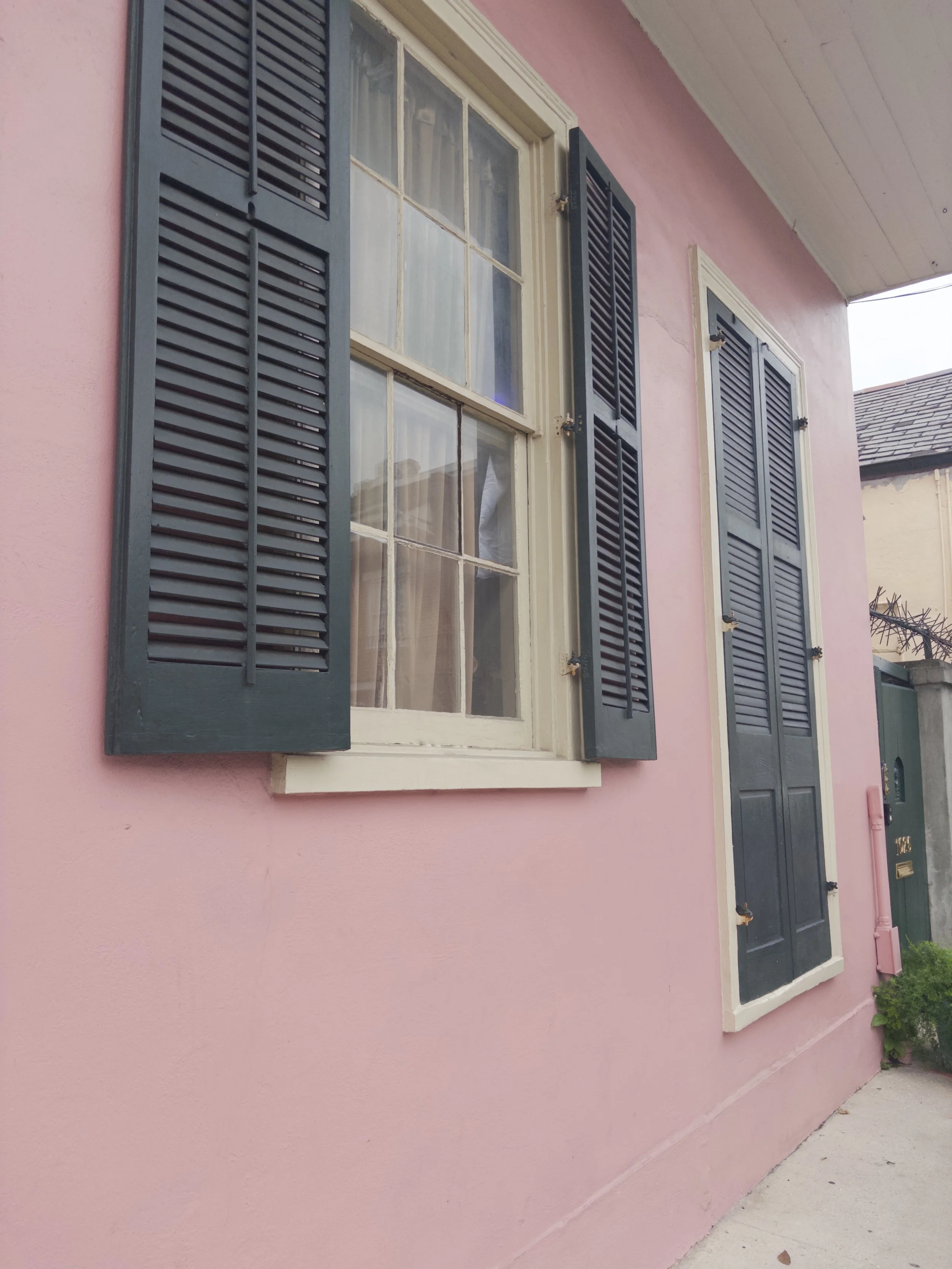
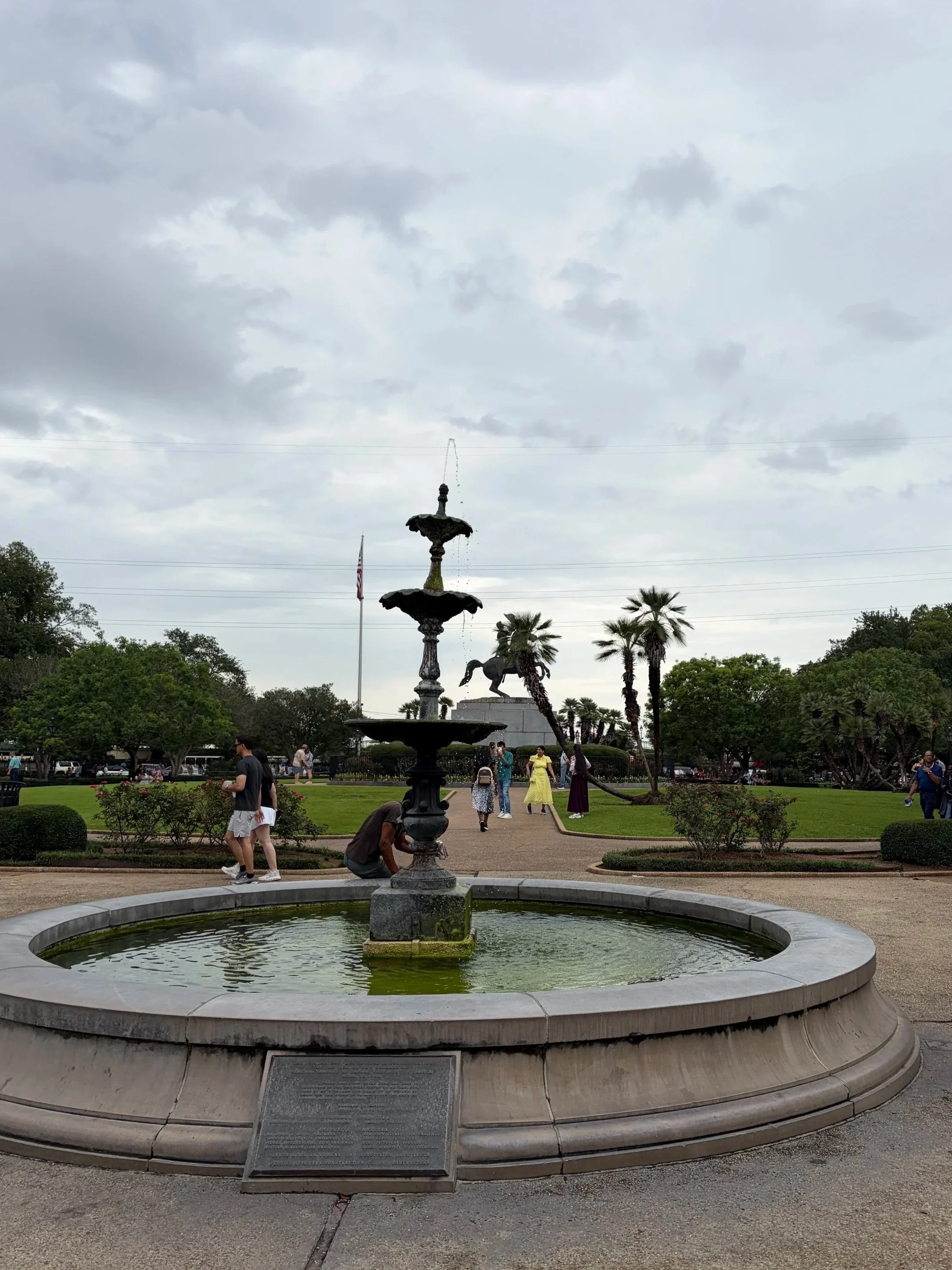
Surrounded by the consuming humidity of the rain, as we walked down the French Quarter I admired the French and Spanish architecture engrained in the city. The wrought iron galleries adorned by beautiful greenery, the rich, bright or moody colors of each building, the calming courtyards, and the lanterns that lit our path along the Quarter. It’s stunning. Sprinkled within such beauty are all things vampires, Voodoo, and death. Skeletons hang over the galleries of varied homes, while bars, cafes, and restaurants monetize off the myth of vampires and the spirituality of Voodoo. Down the block is St. Louis Cathedral in front of Jackson Square, the heart of the French Quarter. Sitting on the church pew, I take in the image above me: God and the Holy Spirit looking over Jesus and his apostles. I can’t help but think I’d love to attend a mass here alongside my mom. The quiet atmosphere of the church is a strange contrast to the noise of the supernatural tourist attractions just steps away from its walls. It’s a unique mix you won’t quite find in Los Angeles, which makes it the perfect setting for Anne Rice’s Interview with the Vampire

“Evil is always possible. And goodness is eternally difficult.” 

Anne Rice, Interview with the Vampire

In Anne Rice’s Interview with the Vampire, what caught my attention most was not the spectacle of vampires, but its themes of morality and faith upon immortality. In an interview, Louis recounts how he became a vampire and his experiences as an immortal being. Prior to his transformation, Louis’s Catholic faith was weakened by the guilt he felt for his brother’s death, whose religious visions were dismissed. In this moment of weakness, the vampire Lestat enters the picture, tempting and transforming Louis into a vampire. Now immortal and relying upon the flesh of humans, Louis fights to maintain his mortality amongst his vampirism, purity amongst sin. He finds himself questioning his relationship with Catholicism and the existence of God. 

I see reflected in my mortality, the moral and religious challenges Louis faces in his death. I am a practicing Catholic, I was baptized as a child, I’ve received my communion, and completed my confirmation. I’m on the “right” track, yet sitting in the Cathedral, while admiring its beauty and faith, I feel like an imposter within my own place of worship. I haven’t been to church since April and even then I hardly go throughout the year. I haven’t prayed and when I do, it's cut short by a selfish eagerness to sleep. I haven’t confessed nor have I dedicated time to read my Bible, a book I haven’t picked up since it was gifted. Instead, I’m consistently overcome with temptation, I fall into the same unhealthy habits that leave me estranged from my faith. 

Similar to Louis, I feel as if there is an evil that surrounds me. However this evil does not stem from fictitious ruthless vampires, like those Louis tries to distinguish himself from, but the evil of our national and world leaders whose actions intend to suppress and eliminate groups of people they so immorally see as subhuman. An evil that I admit does drain my faith, that tires my mind and makes me question if indeed things will get better. Despite all these feelings, I walk out of the Cathedral with the red bracelet I wear every day, carrying the medal of Saint Benedict, unwilling to let my faith go, despite my flawed relationship with it. 

“God kills, and so shall we… for no creatures under God are as we are, none so like Him as ourselves, dark angels not confined to the stinking limits of hell but wandering His earth and all its kingdoms.” 

Anne Rice, Interview with the Vampire

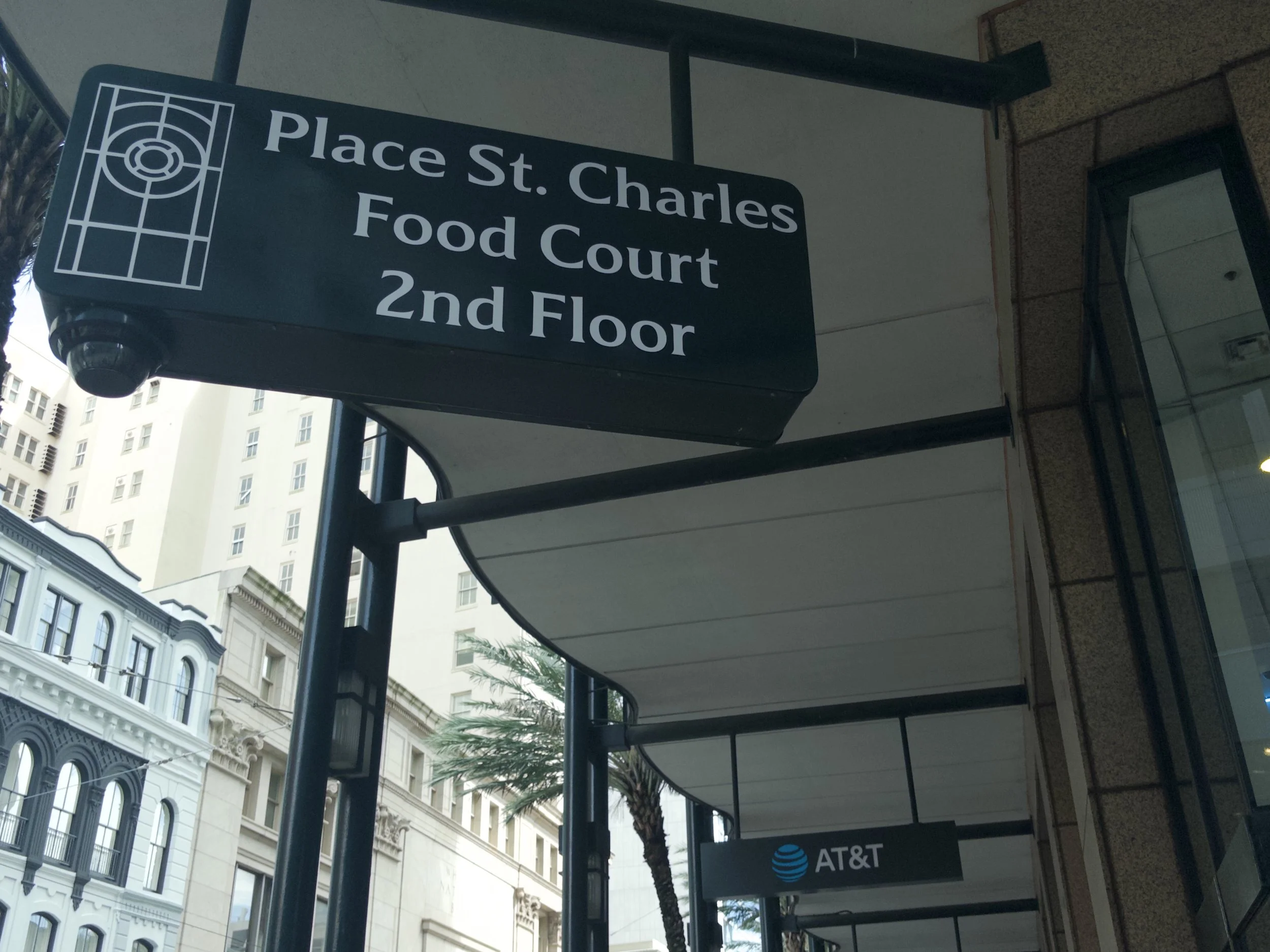
In contrast to Louis, Lestat doesn’t dwell on questions of morality. Instead, he embraces his vampirism and the evil that comes with it. When Louis raises questions of God, Lestat manipulates God’s power and bestows it upon himself to justify his acts of evil. In the midst of the Central Business District of New Orleans lies St. Charles street, now packed with a mixture of banks, hotels, and restaurants. The same street Theodore Clapp walked down in the 1800s, passing the grand St. Charles Hotel, to preach Unitarian beliefs in the Stranger’s Church, whose preachings attracted visitors all over America and Europe. Along our walk, Andrew points out the locations where enslaved people were held in horrific prison-like pens that Clapp would have walked past every day. In spite of his liberal religious beliefs, Clapp believed slavery was warranted under the Bible. And just as Lestat, Clapp uses the word of God as a means of justifying the evil around him and maintaining his power, privilege, and assumed “purity” as a white individual. 

Characters like Clapp are not just those of the past, but of the present. For years and years, religion has been manipulated to establish norms of white supremacy, heteronormativity, and male dominance. In recent times, we’ve seen our very own president assume the role of Jesus through an AI generated photo on Truth Social to push his agenda of a White America. Meanwhile mistranslated and stubborn interpretations of Leviticus 18:22 are used to excuse persistent attacks on the LGBTQ+ community. And even in my family, certain members who claim to be devoted Catholics preach the word of God, while calling for the deportation of peoples whose backgrounds aren’t far off from their own. 

Written in the late 20th century, Rice’s novel still reflects the tensions between morality and faith today, beyond a supernatural context, in the grounds of New Orleans and the United States as a whole. Perhaps the death I feared in the beginning is not the one I fear now. Maybe what is most scary, is not death itself nor the possibility of supernatural beings like vampires. What scares me most is the death of morality amongst the liveliness of faith. 

“It is your consciousness, your will, which must keep you alive.” 

Anne Rice, Interview with the Vampire

The Line

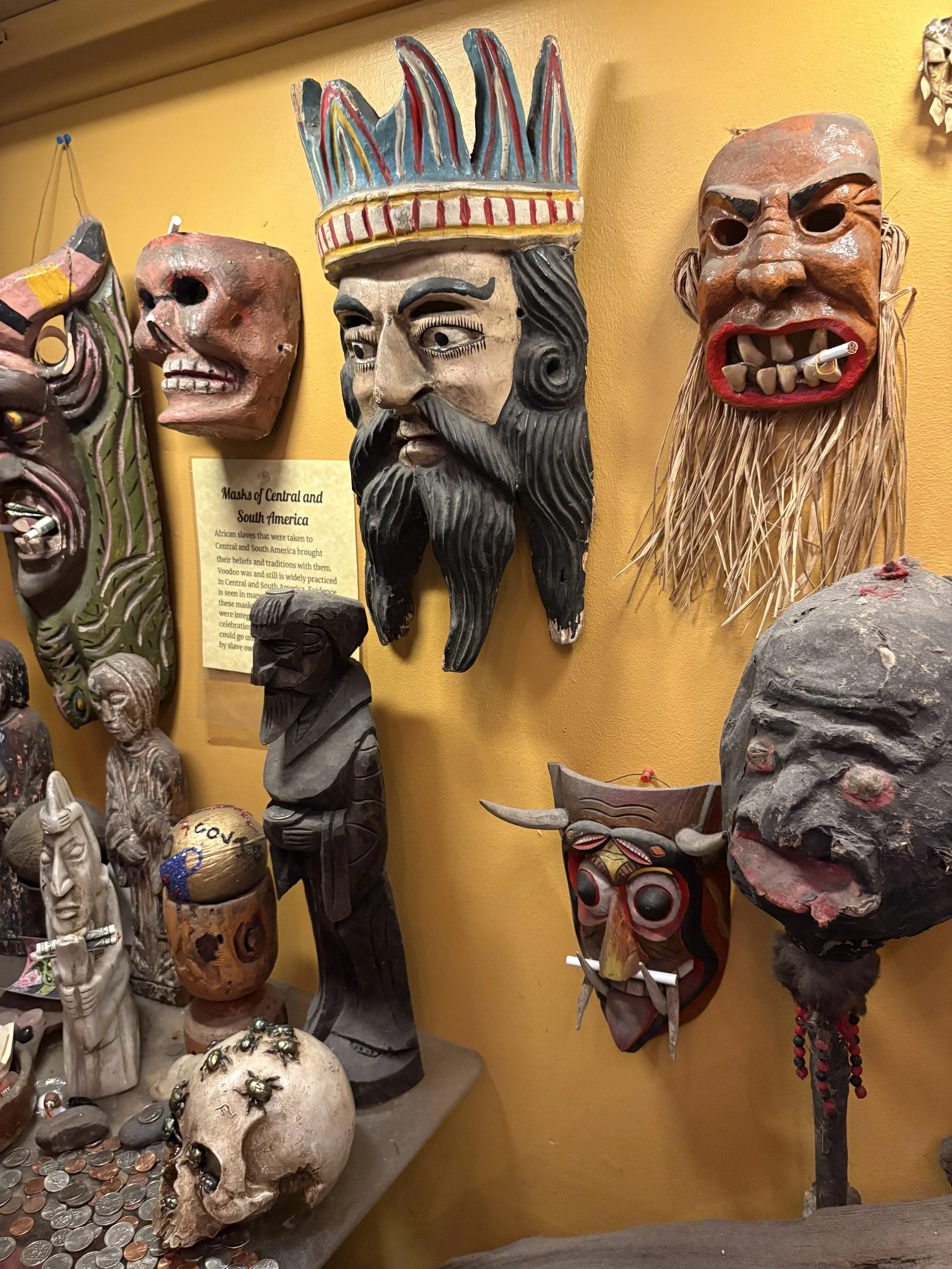
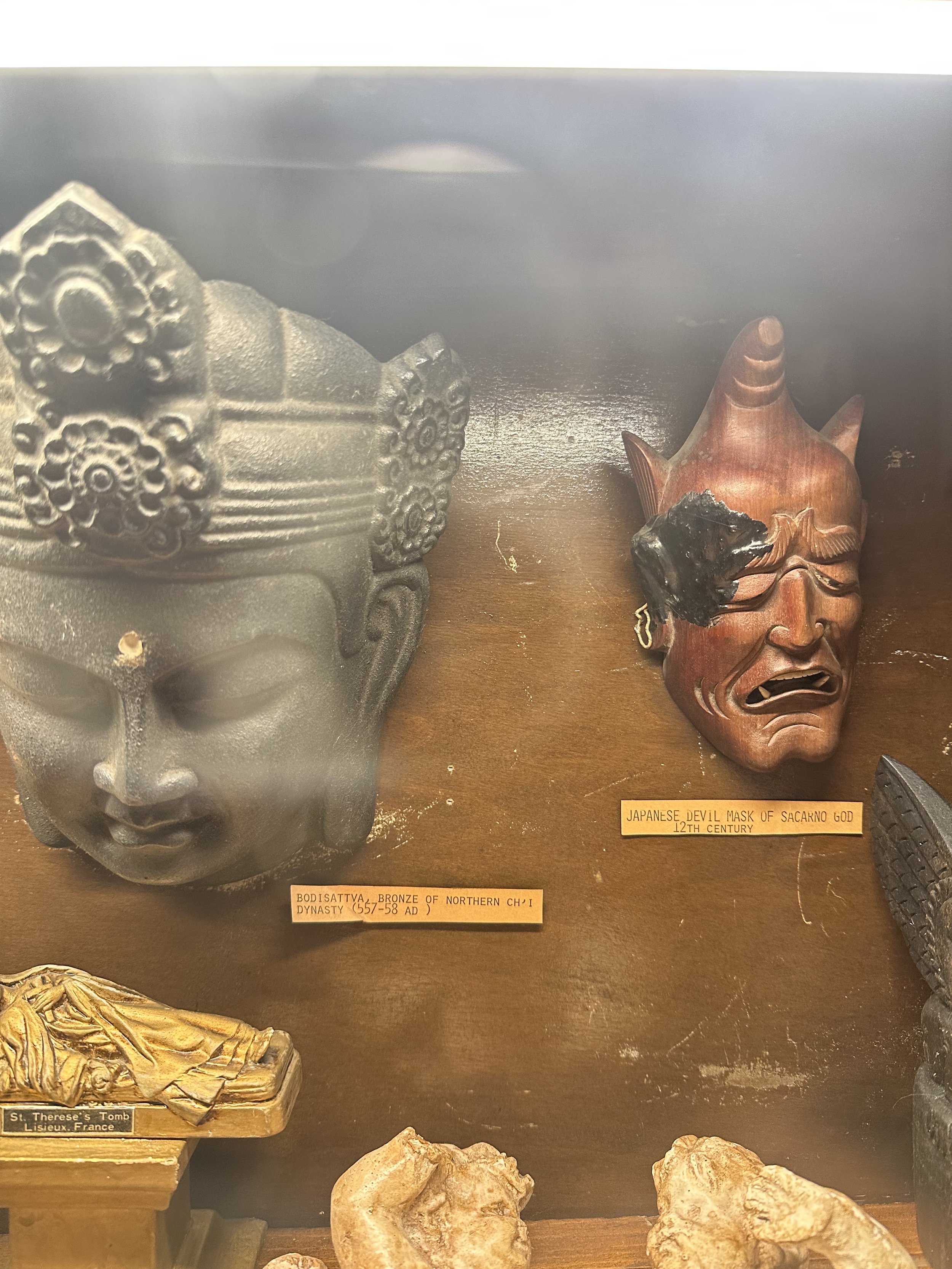
Masks from the Voodoo Museum

This blog post was supposed to be about Anne Rice’s Interview with a Vampire. That was my intention, at least. I planned to talk about the gothic elements of the city, how the book interweaves New Orleans folklore and truth into something new and distinct. I planned to talk about what parts I thought were accurate versus what was overdone, or worse, exoticizing. I wanted to talk about our visit to the New Orleans Voodoo Museum and the ghost tour we went on. And I might still write that blog post eventually. However, this is not that blog. Every time I went to write about Interview With a Vampire, my mind ended up somewhere else. To the true dark side of this city, not the supernatural, not the folklore, but the history of violence and cruelty.

The main character of Interview With a Vampire, Louis, is a wealthy plantation owner in his mortal life. Throughout the first section of the novel, Rice paints a picture of the plantation's scenery:

Luxurious and primitive... the vision of the swamp rising beyond her, the moss-hung cypresses floating against the sky. And there were the sounds of the swamp, a chorus of creatures, the cry of the birds. I think we loved it.
— Interview With a Vampire, pg 6

Louis mentions the people he enslaved on his property as a mere afterthought. They are relevant only in their ‘exoticism,’ in what they offer Louis, and to their impact on his life. They are never discussed in their own right. Any nuance, any centering of their experience is completely erased.

A few days after finishing Interview With a Vampire, the group walked around the Central Business District. That’s not the interesting part, we walk around the CBD every time we step out of the hotel. This time though we weren’t trying to see the 2026 version of the neighborhood but rather the Central Business District as it would have been in the Antebellum period. Andrew led us around the area, stopping every block or so to point out the site of what had once been a slave pen, where enslaved people were held in awful conditions to await their ‘sale,’ now home to a hotel or apartments or a pizza chain. It felt so strange to reconcile the two – was I really standing in front of a scene of such horror? There were almost no signs mentioning slavery, so from first glance it’s hard to believe. It’s a sobering experience to learn about cruelty that happened right under your feet. ‘Why aren’t there more signs?’ I kept wondering to myself. ‘Why are people able to just go about their daily lives without knowing this history?’

I guess the answer is that they don’t want to. It’s easier to go to the grocery store when you’re not thinking about whether or not someone was killed or tortured across the street. Even while this period in history was occurring people turned a blind eye. There was a church across the street from multiple of these slave pens, a church led by a minister named Theodore Clapp, who preached Unitarian Universalist ideals while simultaneously defending slavery. Wealthy white people of the era could hop in for a church service and then go see a show at the Varieties Theatre across the street. Did they know what was going on a street away? Did they simply not care?

After our tour, we returned to our workspace to screen the movie Twelve Years A Slave. I had never seen the movie before, though I had some vague knowledge about it beforehand. The film was based on a true story and received critical acclaim, but I had also heard it discussed in relation to the term ‘trauma porn.’ I wasn’t sure what to expect – would this film be exploitative? Would the violence be gratuitous? Would this depiction serve a purpose, or would it just retraumatize anyone whose ancestors experienced this?

The movie was… intense to say the least. Honestly, I don’t even know how to begin to talk about it except to say it didn't flinch in its portrayal of slavery and racism. The film pulled no punches. There were multiple scenes I had to turn away from, like one depicting Patsy’s sexual assault and the other showing Solomon being forced to whip Patsy. The entire time the camera directly faces Patsy, showing blood spraying from her back as she is beaten, her screams piercing the silent room where we were watching. It’s a sign of my privilege that I was able to turn away like that. This movie wasn’t depicting anything that hadn’t happened. This was reality for thousands of people. They didn’t get to turn away when things got too upsetting.

I think it would have been easy to write this film off as trauma porn or a white-savior movie if not for the real life it was based upon. Solomon Northup, the film’s protagonist, was a real person. He was a free Black man who was kidnapped, trafficked, and sold into slavery, eventually becoming free again but losing over a decade of his life trapped. His writings of his time enslaved were followed almost to the letter in the film adaptation. It’s difficult to critique a narrative when it’s so grounded in fact. While the film was hard to watch, I think it was necessary to truly convey something as horrible as chattel slavery.

That being said, I understand why people can see this film and find it gratuitously violent. I’m not by any means an expert on this, nor should I try to be as a white woman, but I have heard the phrase ‘trauma porn’ be used a lot, especially in reference to onscreen depictions of Black experience in America. A lot of the stories we hear are ones centered around pain and suffering, from slavery to the KKK to Jim Crow. I don’t mean to underplay the importance of those stories. They need to be told. But there are other stories there that don’t appear as often — stories of survival, of resilience, of joy, love, and community. People love media in large part for the escapism. Why is it that it’s so often only white characters who get to lead a romance or get transported into a fantasy land?

I’m not sure how well I explained that. Again, I can’t exactly speak to this experience, but this is just where my mind took me after watching the film. There was such a huge disparity between these two experiences I just had — walking through the Central Business District, where it seemed like slavery had been completely forgotten, and Twelve Years a Slave, which might as well have hit you with a sledgehammer. Was there an in between? Where was the line between ignoring history and exploiting it?

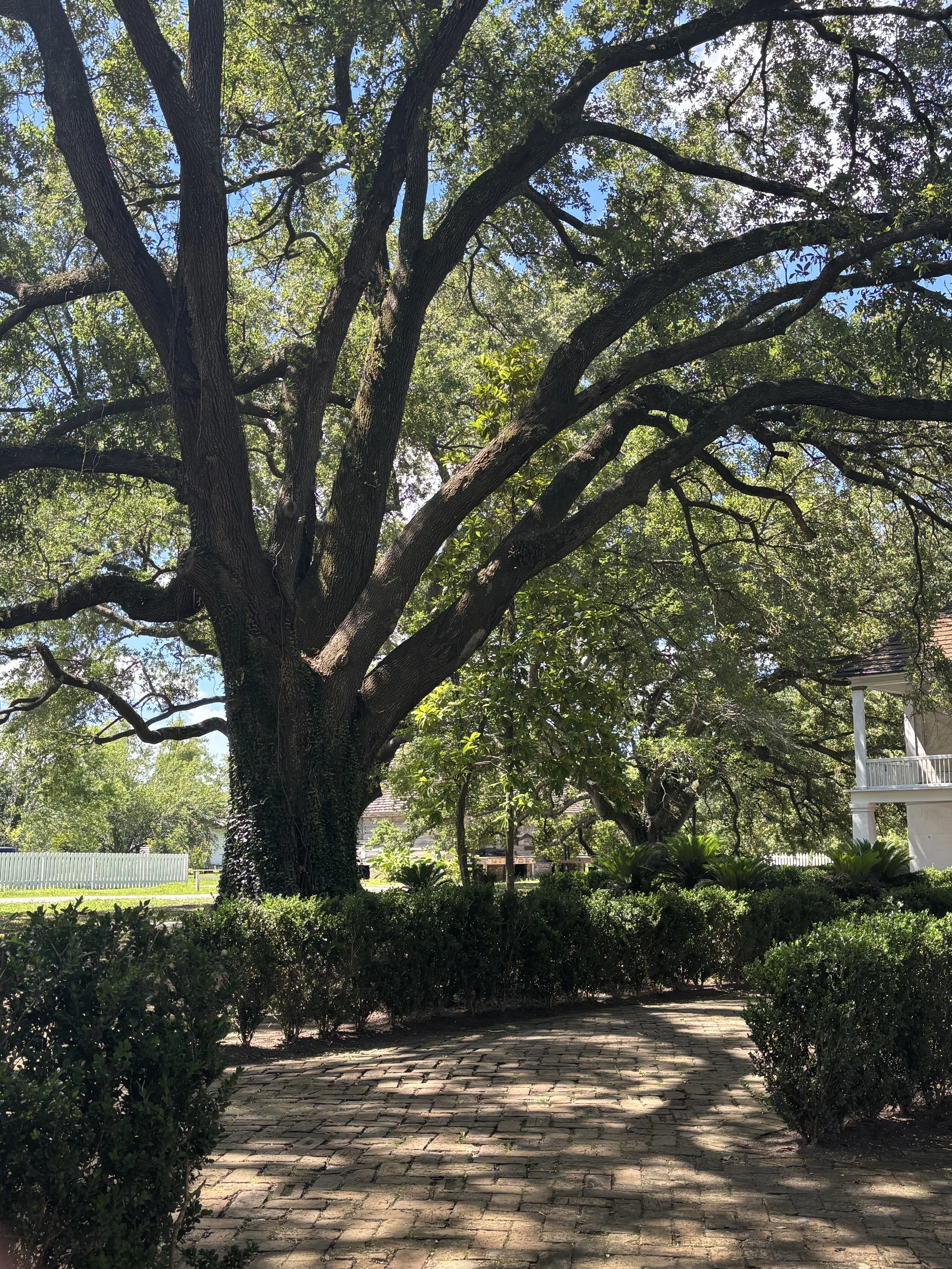
The next day we went to the Whitney Plantation where I think they struck that balance. Our tour guide Ashton told us all about the daily lives of the enslaved people on the plantation, from their work to their homes to the specific food they would grow to supplement their inadequate rations. We stood on the balcony of the ‘Big House,’ looking out at lines of oak trees that could have been straight out of Twelve Years a Slave while Ashton told us that the trees hadn’t yet been planted when the enslaved people lived there. Some of what we learned was horrible, like cutting an enslaved person’s hamstring so they wouldn’t run away, or killing their whole family if they did. We learned about the slave uprising of 1811, the bravery and strategy of the participants, as well as the horror of their heads being stuck on pikes after they were caught. However, some things were mundane too. We saw the vegetables enslaved people would often grow, yucca and yams and okra, went into the church on the property, and heard about the process of refining sugarcane into sugar. It didn’t feel like we were being shown tragedy for the sake of tragedy. Rather, I felt like I had an insight into the actual lives and experiences of the enslaved people who lived on the Whitney Plantation. It felt like their story rather than a story about their pain. It wasn’t performative, it wasn’t exploitative, it wasn’t glossed over; it was just honest.

I’m still not sure where the line is. How much pain is too much pain? When is something too graphic to show, and when does it need to be acknowledged? I wish I knew how to fully answer those questions, but I don’t. It’s not for me to decide.

Adventuring: The Onion City

I have been fortunate to travel plenty in my childhood and adolescence. Seeing cities internationally, where I heard words strange to me and tried food even when I wasn’t quite sure what I was eating.

And who knew I could have this enlightening experience, to which I call ‘adventuring,’ in my own country!

Already shocked by fried food having grown up in the great state of acai bowls, salads, and almond moms, I am glad to say that my palate has been greatly expanded. I grew up a picky eater, quite frankly scared of anything that didn’t resemble a familiar brown or beige color. As a child, I quickly grew fond of honey nut oats, mac n cheese, and plain vanilla yogurt. Even in my dessert selections, I was always jumping for vanilla bean or something lemon-flavored.

You would think, how strange is that little girl who has all the food in the world available to her in California, only ever reaching for a Caesar salad at a restaurant, afraid of sauces and spice. This is even more shocking when I share that my mother is somewhat of a sauce maniac herself! Putting sriracha on pizza and just about anything edible.

But as I grew older and ventured out myself, I did dare to eat animal testicles (yuck!), schnitzel, and meat pies of all origins and natures. So now, I find myself in one of the most culturally diverse cities in the southern half of the United States, and I have been fearless in trying the vast cuisine!

It is impossible to wander this great place and not be drawn by the various smells, sounds, and people. Small talk, something I have general anxiety about, is unavoidable. That great ‘southern charm’ is real!

So as I have explored the many different neighborhoods, both with my fellow Bookpackers and independently, I have held no fear. I have courageously gone beyond where any member of the Cash family has dared.

Starting with various ‘cajun’-flavored things, ranging from dips, entrees, drinks, and even soups, I began my food journey. Kicking off with a Cajun-flavored pasta sauce that I can’t say was my favorite, to trying a Cajun cocktail and even a Cajun burger! I am beginning to think they slap that word, that particular word, Cajun, on any old dish to bring the sales up. But what can I say, maybe I am just a gullible tourist.

All of this ‘Cajun’ cuisine makes me wonder: what is the importance of labelling food? Why is it that I suddenly feel the need to try an ironically named hurricane or bring home a beignet or two? Is this the result of aggressive marketing strategies, or is it purely because the great city of New Orleans and its food truly deserve the praise?

This impractical question may not be easily answered, but after spending my first week in what my professor calls ‘the big bad city,’ I can confidently add to this dialogue. It does deserve the praise.

From ghost tours, extravagant mansions, quirky theatres, to explosive nightlife, casinos, bars, clubs, music, and fun, I have never seen anything quite like New Orleans. I have never eaten as I have here, with interesting restaurants on every corner forcing me to recall my French language classes in high school to decipher the names. Or even places where real-life ghost stories seem to plague the residents of the French Quarter.

The privilege of roaming this wonderful city has left me hopeful that a place so resilient and beautiful, proudly celebrating the heritage of many peoples, exists and thrives. I have yet, in my many travels, to come across a place that feels alive such as this one, living and breathing with an unfailing heart. My hope stems from that awkward chit-chat I hate so much, and in preservation, something that, as a student of history, I care for deeply.

Although I could begin to criticize the South for its lack of sharing the histories of enslaved peoples of the United States, as I find myself so easily doing. I then experience something like touring the Whitney Plantation. Which ultimately leaves me uplifted that, amid the labels, wars, and tragedy the human race seems to fling upon itself, we can value our respective backgrounds and appreciate little things. Like the importance of Cajun cuisine and how it can turn a picky eater like myself into a food lover.

One of my peers remarked on our 'Ghost Tour' that this city is like an onion, every story, exprience, and person we uncover adds a layer to an already complex ecosystem. These layers can often exist at the same time, cooporating, conflicting, and ulitimately impacting one another. In our thoughtful walking tour of the Business District, our professor pointed out how enslaved people were living, being tortured, and kept in brutal conditions literally across the street from a church, a theater, and lavish hotel. The diacatomy of this city is what makes it so beautiful, and so tragic. And remains a reminder of who we were, who we are, and who we must be.

But before I lose myself in an exceedingly long rant over the current socio-political climate of our planet, I must look out my window and ground myself in what I see. The sub-tropical rain and humidity, gas lamps lining street corners, people laughing and drinking. And I am humbled; I am reminded of the simple truths of this city. That every label, food, cajun or not, person, language, scary tale, is what makes this city alive, gives it a soul. And every whisper of ghost, prayer said, and cajun dish consumed stokes the fire of that soul.

Learning How To Read Like Visual Learner

I remember some time during elementary school, one of my friends said that she didn’t like movie adaptations of books because they never pick actors that look like the characters she pictured in her head. This, at the time, confused me. When I read, all that is happening in my head when reading is just my inner monologue speaking the words in my head. I have to make a conscious effort to picture what is being described in a book, and most of the time, it looks more like what I see in my life than what’s actually being described in the text. When I’m listening to an audiobook, I can visualize the story a little, but it is mostly vague images that lack details, or I can picture certain characters in detail, but the rest of the mental image is blurry or missing. 

Years later, I would learn that people experience visuals and inner monologues on a spectrum. Where I stand on the spectrum is that I have a strong inner monologue and a weak visual mind. This means that words come to me naturally, while images take effort to create in my mind. 

The Mississippi, Which Would Have Been Full of Steamboats Throughout Louis’ Life

However, there is one way I can better picture things in my head while reading. That is, I have seen that person or place in my life. This means that if I watch a movie adaptation of a book, when I read the book, I will picture the actors and sets that were used in the movie instead of what’s actually described, with some variations. 

In the case of Anne Rice’s Interview With The Vampire, bookpacking made the story much more engaging and made sense. Rice has long, lush, and vivid descriptions of the world she is building in this story. In fact, one of the best parts of this book is her description of New Orleans over the years and through the lens of this Vampire, Louis, who views the world differently than everyone else. To be able to take in these descriptions would normally be very mentally taxing. Also, I would not have the time to fully picture everything described with the packed schedule that this bookpacking trip has. 

The great facade of the cathedral rose in a dark mass opposite the square, but the doors were open and I could see a soft, flickering light within...The gold candlesticks shimmered on the altar; a rich white chrysanthemum bent suddenly on its stem, droplets glistening on the crowded petals, a sour fragrance rising from a score of vases, from altars and side altars, from statues of Virgins and Christs and saints.
— Interview With The Vampire by Anne Rice

Being able to see and know the places being mentioned in the book added a whole new dimension to my reading experience that I rarely get to have. Funnily enough, I was a little glad that I wasn’t too far into reading Interview With The Vampire when arriving in New Orleans, because it allowed me to see the city, especially the French Quarter, in person sooner rather than later in terms of where I was in the book. When Louis mentions Jackson Square, the cathedral, the Mississippi River, the gas lamps, the flowers, and the colonial-style homes and apartments, I can not only picture them in my head while reading, but I’m envisioning a place that I was in, just a different time. This may not seem like the biggest deal, since the majority of the population are visual learners, but for an auditory learner like myself, it feels like Disneyland. I’m walking into a world that is based on stories, history, and myth, except instead of Aurora’s Castle, it’s a historical building on Royal Street. 

Picture From the Cathedral Described in the Quote

Furthermore, Interview With The Vampire is the book, I believe, that benefits the most from bookpacking. This is because Interview With The Vampire is not the greatest book ever written, and it does suffer from certain issues and flaws. Some examples are how long it can drag on at times, and the interview format, making it so that 95% (this is a guess and not a real statistic, but if it turns out that I’m right, I would not be surprised) of the text is written in quotes, causing unnecessary punctuation. Still, what Interview With The Vampire, and to a greater extent, Anne Rice does really well is the description of places, especially New Orleans. Although it can run a bit long, I admire her for her beautiful ability to describe New Orleans in the past and over the years while still being authentic. Due to how rewarding it is to follow Louis through History and the changing, yet still familiar, places in New Orleans, it makes for a real treat and one of the best books for bookpacking in particular.

This made me want to go back to all the books I read and enjoyed in the past and mark down the places where they are set and bookpack with them. This bookpacking experience made me realize just how much of the book I can be missing out on (and why I get so excited when a book has pictures). I am not afraid to say that I do not believe I would have liked Interview With The Vampire as much as I did if I weren’t reading it after exploring New Orleans. Because long descriptions of places or characters can often feel like a mental chore for me, bookpacking has turned it into a fun Easter Egg hunt of all the places or things I’ve visited or seen.

I do feel that, at times, the auditory learning community is unintentionally ignored in literature because describing places and people and how they look can open the door for beautiful and rich writing. However, getting that little extra help from bookpacking in the space made me feel more included in the Interview With The Vampire club. Although it is not the only reason (or main reason, for that matter), the description of New Orleans through the years is a major factor as to what made this book so successful. Because it does not matter how good or bad you might think the book is, it is impossible to deny the cultural impact it had and how it changed Vampires in the public mind for good. Being in the city where it happens makes not only the book much more enjoyable and interesting, but also the experience of the city itself. For me, that is what bookpacking is about.

Stories in Architecture

This is my first time visiting New Orleans, and the first glimpse we had of the Business District near the hotel made me realize how much architecture can impact a city's vibe and culture. Buildings in California, especially in Los Angeles, feel newer, more modern, and beautiful in an entirely distinctive way. However, New Orleans feels entirely different, with the city being full of historic buildings that seem to hold incredible stories within them. As I wandered around the French Quarter and Garden District, I became attentive to every detail, including the wrought-iron balconies, the weathered-painted pastel walls, the monumental shuttered windows, and the vines that climbed over the old brick walls.

I loved learning about the Creole architectural style since it is not something I see every day. One of the most interesting aspects of it is that, although many people refer to it as “French Colonial,” it actually originated in New Orleans. This style is a blend of French, Spanish, and Caribbean, but also adapts to the city’s hot and rainy weather. I noticed this while exploring the various homes and buildings and seeing how they are designed in ways that feel elegant and practical. The shaded balconies, steep roofs, courtyards, and raised foundations help create airflow to prevent heat, and it also gives the city its popular, recognizable appearance. I think one of the best things about the architecture in New Orleans is the artistic nature, and also the environment and history surrounding it.

Even though my major does not correlate with architecture, I have always enjoyed learning about home designs. One of my favorite pastimes is playing this game, where I can create home layouts from scratch and design exteriors and interiors. I prefer to look at house designs online and recreate the styles to make them look more authentic. Before the trip, I had already researched and admired New Orleans-style homes because of how detailed and stylish they looked, but actually seeing them in person was such an immersive experience. The buildings felt alive compared to what pictures can capture, and many homes had soft wall colors paired with darker details to create a dramatic yet stunning appearance. Many of the roofs were also steep and sloped, while others were flatter with decorative edges. One of the more obvious details I admire is the narrow balconies stacked above one another, giving the houses a vertical look that feels intricate and full of character.

I also realized how Anne Rice’s novel, Interview with the Vampire, does an amazing job describing the city and its architecture. She portrays New Orleans as a dark, romantic atmosphere that is slightly decayed, and being able to see the city in person made those descriptions feel very accurate. Throughout the story, the city is described with vivid detail that brings the buildings to life and reflects the emotions and darkness that surround the vampires. Reading the novel while wandering through New Orleans allowed me to truly appreciate how carefully Rice uses architecture to shape the mood of the story.

“We passed whitewashed walls and great courtyard gates that revealed distant lamplit courtyard paradises like our own, only each seemed to hold such promise, such sensual mystery.“

- Anne Rice, Interview with the Vampire

Interview with the Vampire intricately talks about the infamous wrought-iron balconies that hang over the streets of the French Quarter, and while walking those streets myself, I understood how the ironwork transforms the city’s atmosphere. Through casting shadows on the sidewalks, the balconies give the streets a dramatic, confined effect. Ironwork and soft lighting, especially at night, give the French Quarter a sense of mystery that is compatible with the tone of Rice's book. I also noticed many secret courtyards concealed behind buildings and gates. From the outside, some streets may appear busy and crowded, but inside the gates are peaceful areas with plants and fountains. These courtyards are often described by Rice as secluded havens, and seeing them for myself increased awareness of their important part in the setting of the novel.

Another detail the book mentions that stands out is how New Orleans embraces decay instead of hiding it. In other cities, various older buildings are renovated to appear brand new, but New Orleans appears to preserve the aging buildings as part of its beauty. The cracked walls, chipped paint, faded colors, and weathered brick contribute to the city’s unique identity. Rice specifically describes the city as elegant, but slowly crumbling under the years and humidity. The story felt more sincere after seeing this in person because the city genuinely embodies that harmony between beauty and decay. Instead of seeming abandoned, the structures have a sense of history, as if each layer of damage contributes to the city's historical narrative.

The nature intertwined with the architecture was another stunning example of New Orleans’ simplicity. The large oak trees would stretch across the streets, vines would climb up the sides of the fences, and the Spanish moss would hang dramatically from the trees’ branches. The greenery softens the city while also giving it an older and secretive vibe.

The Garden District is an example of exquisite nature, and it also feels entirely different from the French Quarter. While the Quarter feels more narrow and shadowed, the Garden District appears grand and open. The homes are like mansions, with white columns, wide porches, and taller windows, many reflecting Green Revival architecture, which Rice references in her novel. Wandering through the neighborhoods and seeing these houses helped me understand how architecture can communicate a person’s power, wealth, and history. 

The walking tours I experienced around New Orleans helped me learn more about architecture’s influence on the emotional feelings of a place. Before visiting, I appreciated the construction of the home from a design perspective since I enjoyed recreating and decorating homes through games. However, this trip showed me how frameworks can shape a city’s atmosphere, history, and identity. The buildings in New Orleans reflect the city’s culture and climate, and reading Interview with the Vampire while experiencing this. Anne Rice was using the city to create emotion, tension, and personality through describing the buildings within the novel.

Bookpacking in New Orleans allows me to experience literature in a wonderfully different way because I was able to physically walk through the same streets described in the novel. Seeing the balconies, courtyards, mansions, aging facades, and even the exact house Rice uses for her characters made the book feel more immersive. The setting and the book were far more memorable since I truly experienced the environment rather than just picturing it through words on a page.

Vampires, Vampires, Vampires....

If I’m being completely honest, I’d be lying if I didn’t tell you Interview With A Vampire was my most anticipated novel of the entire bookpacking program. If I think of New Orleans, my mind immediately goes to that gothic, French and Spanish Creole architecture that pervades throughout the French Quarter. The heart of the city, truly. The sort of city that you end up walking throughout constantly to get to and fro just for the sake of doing it. With its mixture of broken-down, shoddy locations and sudden modernistic highrises through Canal Street. And then the gorgeous awnings that lay overhead as you step through a portal, almost, of 18th and 19th century New Orleans. Two to four story brick buildings, often stucco with gorgeous courtyards, both cast-iron and wrought iron railings (stunning) lacing these many balconies with gorgeous, intricate designs. A lot of long, narrow homes with a wide door facing into the street or mini front yards filled to the brim with plants, decorations left over from mardi gras, or decorations that’d fit quite nicely into a Halloween celebration. It’s a stunning city overflowing with personality and this unique energy that reveals itself in its populace. A city that's proud, that's loud and rambunctious and quite eccentric. I freaking love it.

And it’s so visually distinctive that I had no problem visualizing New Orleans throughout its many historical eras from the 18th century to the 20th. I can put myself in that Spanish-style townhouse that they occupy for a great chunk of the novel and return to for Part 4. I could see the streets of the French Square from their balcony overlooking the streets. Even the hidden courtyard that's squared away. I saw something quite similar in the Pharmacy Museum that we visited earlier on the trip, a little courtyard across the way from the museum that had a gorgeous fountain behind a metal arch and these luscious trees. I’ve been able to sort of substitute locations and landmarks into this novel that I otherwise wouldn’t have been able to do without the help of Bookpacking and that is an amazing feat. Even the Gallier House that the house is modelled after, seeing that landmark in person was surreal. And all I needed to sort of flesh out the details in my mind as I’m reading Louis' and Lestat’s ventures with Claudia. Anytime they returned to their vampiric hangout, I sort of fell into this comforting feeling of being right at home in that Gallier House.

And just the idea of Victorian-era New Orleans being a hunting ground of sorts, I could see myself envisioning this world or playground of sorts where they are constantly searching for their merciless victims. I got this odd sense of New Orleans, not necessarily being a background character but a driving force in the going ons of this novel. In my mind, it made so much sense that New Orleans would be a place strife with death and misfortune (especially, in the case of Claudia and her mother) at the hands of these supernatural beings. It just makes so much sense that this gothic setting would be the playground for vampires, I think it was a brilliant match made in heaven especially considering the taboo that is voodoo that infiltrates and remains a central concept integral to New Orleans at its core.

New Orleans is a character in and of itself which is so necessary for this story being told. As Louis says in the novel…..


“This was New Orleans, a magical and magnificent place to live. In which a vampire, richly dressed and gracefully walking through the pools of light of one gas lamp after another might attract no more notice in the evening than hundreds of other exotic creatures—if he attracted any at all, if anyone stopped to whisper behind a fan, ‘That man… how pale, how he gleams… how he moves. It’s not Natural!’”


Considering how nearly every exhibit or museum we have gone to has had this underlying creepy theme or horror aesthetic to it, I can understand how 18th century New Orleans was dark and creepy in its ‘behavior’ if you will. Its depiction seems to be wholly accurate and not at all exaggerated, honestly. And as I reread certain paragraphs as I write this blog, I see a little one-off sentence saying ‘in which sailors slept with their heads on the tables.’ Which is actually quite stunning and a bit of a coincidence (I guess not) as quite recently, we’ve had a large endless supply of Navy sailors? They have invaded the city, it seems, but have arrived on a beautiful boat called the USS Kearsarge. You can imagine the bouts of fun they’ve had since, infiltrating Bourbon Street late at night, no doubt. But I thought that such a loving coincidence and it further settled the sentiment that bookpacking in the city that a novel was set in, an extremely cool feeling. Quite necessary actually.

This is rather off the mark quite a bit but I would love to discuss something that came out of an accident I made while first reading this beautiful novel. I came into this novel knowing absolutely nothing besides its TV show counterpart of the same name. All I knew were these random tiktok edits of these white and black men, these two seemingly intermingled and involved in a certainly sexual relationship of sorts. The black men I inferred to be Louis, of course. So as I started reading, I didn’t have the foresight to imagine that maybe the novel actually featured a caucasian version of Louis or that the character itself was actually race-swapped in the conversion from novel to TV. So I am reading the novel imagining Louis to be this Black man and imagine my slow descent into confusion as I encounter several paragraphs or instances of Louis referring to what I thought were his people as ‘slaves’. On one hand, I’m imagining what Anne Rice was attempting to accomplish depicting this black man as having an elevated status to the extent that he was so far removed from his own people. I knew that black people had owned slaves as well but the sensitivity in writing that kind of fiction, I didn’t think Anne Rice had the capacity to do so.


“Then there were not only the black slaves, yet unhomogenized and fantastical in their different tribal garb and manners, but the great growing class of the free people of color, those marvellous people of our mixed blood and that of the islands, who produced a magnificent and unique caste of craftsmen, artists, poets, and renowned feminine beauty.”


And then the descriptions of ‘black slaves, yet unhomogenized and fantastical’ completely threw me off because I didn’t understand how someone could see their own race as fantastical, regardless of their rich, privileged upbringing. But obviously, I made the connection, connected the dots and understood through the seminar that Louis was a white man just like his vampire counterpart and suddenly everything clicked into place. How disappointing it is that once I made the distinction, I suddenly understood the reason for why these Africans were being characterized in a piss-poor way. Anyways….

Gave me pause and really forced me to reframe the narrative and the goingons of that plantation in the first third of the novel. But it would be remiss of me to say I didn’t enjoy the novel because I very much did, especially the third act of the novel which in my opinion was the emotional core of the book. The point in which the novel truly unlocks itself and pretty much resets the narrative to be much more action-heavy rather than be so introspective and expository. To me, any novel that really has me wanting to explore and dissect its every aspect. To me, that is the makings of a great novel. I want to talk about framing the narrative as an interview, what the hell was with that? I want to speak on the entire third act, truly my favorite and just written at a breakneck pace. But also the sexualization of Claudia (wtf?) and this attempt at domestic life with the dynamic that is Louis and Lestat at the helm of Claudia. So much to explore, so much to think about. And just think, I’m on episode 2 of its TV counterpart and I think the show is already going about things in a fantastically, improved way.

How about that.

The Other

In the first room of the New Orleans Voodoo Museum, I see the Bodhisattva of the Northern Ch '1 Dynasty and a Japanese devil mask of the Sacarno God of the 12th century. I love and study both East Asian and New Orlean’s culture, so I want to find the connection between the two or the influences one had on the other. However in this context I could find more overlap between fire and ice. 


From what I can understand, New Orleans is special not solely in its diversity but because of its history of diversity giving rise to an amalgamation of cultures. Not just a mixture. Most densely populated cities around the U.S. can boast diversity. As a matter of fact, several cities beat New Orleans statistically in that respect. But New Orleans has an edge on them because of identity as a whole. When I eat the gumbo here I taste several components of Spanish and French cuisine, along with the Southern touch. It has become its own. The same cannot be said about the other diverse cities. No one craves San Francisco food, it's not a thing.


I started realizing not fully understanding the culture of this place results in a demeaning and over simplification of its culture. Anne Rice describes late 18th century New Orleans with detail and care, but everything is the other. Everything is exciting, erotic, and exotic. New Orleans is the exotic other. 

“There was no city in America like New Orleans…there were not only black slaves, yet unhomogenized and fantastical in their different tribal garb and manners…those marvelous people of our mixed blood…a magnificent and unique caste of craftsmen, artists, poets, and renowned feminine beauty…magnificent Grecian houses which gleamed in the moonlight.”
— Louis de Pointe du Lac

Setting Interview with a Vampire in New Orleans and utilizing, if not generating its exoticism in the public eye allows Rice to make daring choices. Choosing vampires as the main characters intensifies this freedom. If Anne Rice depicted two priests in Oklahoma showing the same levels of homoeroticism that Lestat and Louis showed, one sucking on the other’s neck, sacrilegious would not begin to describe the accusations. But showing two already unholy beings doing unholy things is to be expected. This weirdness has served people in New Orleans for decades. New Orleans has been labeled the weird other, so it is now a sanctuary for oddities and freedom. As I walk through the French Quarter, specifically coming up Canal Street, I remember Red Dress Day, where I saw men and women of any age wearing all red dresses and skirts. People dress and act however they please because New Orleans has become an environment to do so. I start wearing the clothes I wouldn’t even consider in Grand Isle, including my dark, vivid sapphire-blue button pants and tight fitting green shirt. 

Getting mixed up in the festivities and blend of cultures, New Orleans has become to Anne Rice and many today, the other. But bunching up everything that isn't normal for the rest of America and labeling it the other means demeaning the identity of New Orleans and its people. It leads to random asian artifacts in a Voodoo museum with no correlation, and more so the general mistreatment of voodoo as a whole. Islam and Judaism has spread through America enough for it to not to be treated as the other, but perhaps “an” other. Voodoo as an animistic religion or spiritual practice has not yet been converted to that sphere of American consciousness, and thus is still not seen as anything but the other. Being the other to America means voodoo is anti-catholic, anti-christian, anti-god and nothing more. Although New Orleans being labeled this other has lended itself to being a haven, this foolish approach leads to more foolish and disrespectful thoughts. I think New Orleans can be thought of as special. It is special in regards to cuisine, special in regards to slavery in the South, and special in regards to architecture and landscape. 


Walking into the Backstreet Cultural Museum is the opposite. No exoticism, no silliness. The story of every artist is explained in great detail. And there is no disrespectful bunching up of cultures. 


Most people see feathers so they think it's Indian. It's not. 


The costumes from Native and African influence are described as such, and those of only African American creation are described as such. The work put into the owl makes a big impression on me. I follow every bead with my index finger. Looking up, the artwork on the costumes is so meticulous and precise. Everytime the museum guide says some people think this is thread but its actual bead, I had thought it was thread. I slowly come to understand the intense work and creativity, considering every year you had to outdo yourself, and reusing was not an option. Unlike the voodoo museum and Anne Rice’s flawed explanations, there is such a thoroughness to every display and word. I have no comments or questions during the tour, despite the guide's comical frustration. The fashion, culture, and stories are told through such precision. Immediately after leaving, I turn to Trey and tell him that this was and will be my favorite activity we do on the entire trip. 


Of course, one of the only informational places in New Orleans I have visited that did not treat it like the other was self funded. There are donations from locals for the Backstreet Cultural Museum, but no government assistance according to the guide. From what I can tell in the infrastructure, the pollution, the cultural conservation, the supermarket food quality, and a million other things, there is little to no government assistance in anything here. I joke with everyone that the sidewalks are like a maze, and I have seen Vanessa trip more times than I can count. But for locals in a wheelchair there is no comical aspect to not being able to easily cross the street. New Orleans, and Louisiana as a whole is treated like the other not just culturally but politically and economically as well. I realize this, and the people of New Orleans realize this. The welfare and cultural preservation of New Orleans is important, and I wonder how I can support it from California. I’ve voted here once, but my registered district is now in Historic South Central. But just like how the cultures intertwine in New Orleans, I believe America is intertwined. I can still talk with friends from Louisiana, and support the institutions I believe will help. I will do what I can for New Orleans because it is not the other.


H2O Psycho

The second you leave LAX, tall cemented buildings, grand crowded highways, and blinding car lights clutter your eyes. The surroundings of MSY are quite different. 

With four minutes till landing, I awakened from my three hour slumber, and my eyes were met with miles and miles of greenery, lakes, and rivers out the plane window. Are you sure we’re only four minutes away? It was 12:31pm when I landed and around 3 when we left as a group from MSY to Grande Isle. 

Seated on the edge of the van seats, contemplating when to eat my only nutella snack pack, I was struck with an image that differed from what I had imagined. As we embarked on the I-310 highway, I expected to leave behind images of New Orlean’s French styled homes and buildings that we’d revisit in the coming week. Rather what surrounded large half empty highways were not buildings but vast lands of cypress trees, draped in Spanish moss, and enriched by the moisture of low-lying slowly moving water. Our view of swamps converged to that of a singular bayou to our right, on the LA-308. A long stream of water separating the already isolated houses, surrounded by the sweetness of sugar canes or the destructive footprints of Hurricane Ida. Our last road was the LA-1. What lay beneath it was not land, but a large body of water, where patches of saturated weeds and grasses rested. The peace of the marshlands guided our ears to the noise of the ocean outside our porch on Grand Isle.

“The voice of the sea is seductive; never ceasing, whispering, clamoring, murmuring, inviting the soul to wander for a spell in abysses of solitude; to lose itself in mazes of inward contemplation.”

Kate Chopin, The Awakening

The voice of the Grande Isle sea is not the same as the California coast. It doesn’t remind me of the busy streets I will soon hurry over, the assignments I have yet to complete, or the worries I’ll confront with still no answer, when I arrive back at home in Los Angeles, within an hour drive. It’s everywhere. It’s inescapable, engulfing all edges of Grande Isle, luring me in as it did to Edna. Riveting winds propel the waves forward while winding back my thoughts. My phone is nowhere in sight. I sit on the porch accompanied only by The Awakening and the seductive sea. 

This peaceful sensation was not foreign, but neither had it ever elongated its stay to that of now. Occasionally, my mind would be able to free itself from the constraints of reality's grasp. Catching a breath, before being suffocated by the weight of endless thoughts. But here my breaths were slower, longer, free. And occasionally interrupted by the crunch of a Jo-Bob’s fry. 

In the beginning of Kate Chopin’s The Awakening, Edna chooses to swim alone, further out than any woman has swum before, enthralled by the sea’s space and solitude. As she swims outwards, the sea serves as a source of liberation from the constraints of the society behind her. In the ocean, she is not expected to conform to the role of a mother, a wife, nor that of the woman in the late nineteenth century. Nature doesn’t abide by such conformities. She is purely a body in water and as a result, her presence isn’t found in the expectations of society but within herself. 

“At a very early period she had apprehended instinctively the dual life–that outward existence which conforms, the inward life which questions.” 

Kate Chopin, The Awakening

Writing from the twenty-first century, the expectations of Edna’s outward existence in the late nineteenth century vary from mine. Unlike Edna, I’m not weighed down heavily by the expectation of being a mother, a wife, and to entirely bury my needs, desires, and thoughts for the sake of a patriarchal society. This is not to say these expectations don’t still exist and underplay the much needed progress for gender equality we still face today, however, I am writing this blog on a trip that I choose to go on, as a single undergraduate student, studying what she loves, seeking to explore the world for herself. As a woman in the twenty-first century, I have many more freedoms fought by pioneering women before me. Nevertheless, this “outward existence” does not vanish with the wave of a new generation. As a woman, coming from a working class and immigrant family, these expectations remain and expand from those of Edna’s as a white and wealthy woman of her time. In the pursuit of my education, my career, and in my personal life, I feel the pressure to succeed. To continuously hustle, to worry about the next thing I need to accomplish, the next step I need to take to move up the social scale, achieve financial security, and ensure the love, the sacrifices, and the efforts of my parents are worth it. My “outward existence” is both a privilege garnered by the efforts of those before me and an expectation that overwhelms my inner self. 

On Grande Isle, the movement of each wave brought upon a serenity that washed away my outward existence and revealed an inward life that didn’t question my steps for the future or my regrets of the past, but what I craved for a snack, how I enjoyed the book on my lap, and how I admired the view before me. As it did for Edna, the seductive sea brought upon a presence within myself. 

“The present alone was significant; was hers, to torture her as it was doing then with the biting conviction that she had lost that which she had held, that she had been denied that which her impassioned, newly awakened being demanded.” 

Kate Chopin, The Awakening

Throughout The Awakening, the presence Edna finds within herself battles with her outward existence, a battle that ultimately overcomes her. At the end, the sea is both a place of liberation for Edna and the place of death. Kate Chopin conveys the conflict between the present and presence. It’s like the swamps and the marshlands of Louisiana, ever growing and moving with the slow dance of water whose saturation prompts both life and destruction, beauty and pain. 

After the 11th of June, I will board a plane and land in LAX back at home, where I’ll be welcomed by the sight of tall cemented buildings, grand crowded highways, and blinding car lights. The inevitable expectations of reality will surely overwhelm me again and the voice of the seductive sea will cease to be heard, but whose to say my inner presence cannot remain? 

Well that’s a question for later.

26 Days in Uncharted Territory

A few weeks before I left campus, I was a nervous wreck. I’m talking about full on questioning every decision I have ever made, nervous to the point I considered backing out from this program completely. What was I thinking? Who do I think I am? The doubts came in fast and loud. A friend jumped in to reassure me, but it barely helped. My parents know I signed up for the program, but I couldn’t find the words to explain it to them, or anyone for that matter. This program is truly a one-of-a-kind experience that no amount of pre-trip conversations could have prepared me for what was coming.

When I landed at Louis Armstrong New Orleans International Airport, I was buzzing with anticipation. I was about to spend 26 days with people I had only met once before, in a city and state I had never set foot in. Uncharted territory, in every way possible. 

But the moment we arrived at Grand Isle, something shifted. The first night, we all gathered in the kitchen, worked together to prepare dinner, and sat around the table getting to know one another. The nervousness began to transform into something else—curiosity and excitement. We were all in it together. 

Challenges

I will be honest, the first challenge I faced was personal. Our professor Andrew's first order of business? Relax, unwind, and read.

I come from an architecture background, where there is always something to be done, a project to refine, an idea waiting to be developed further, and a deadline always lurking somewhere on the horizon. Leisure is not something I do naturally. Sitting on the porch swing with a book and nothing else to do felt almost uncomfortable at first.

The book assigned was The Awakening by Kate Chopin, set right there in Grand Isle and New Orleans. And I have to say, reading a novel in the very place it was written about is an entirely different experience. If I were to read the book back in LA or Atlanta, I would have imagined a completely different kind of beach. Bright white sand, clear blue water, the kind of beach you see on postcards. Grand Isle is none of these things. It has a quicksand-like texture beneath my feet, brown water, heavy rolling waves, relentless mosquitoes, bugs I couldn’t begin to identify, golf cart tracks worn into the ground, endangered birds nesting nearby, and days draped in a moody, grey light. It's hauntingly beautiful in its own way—raw, unpolished, and real. 

Sitting on that porch swing, surrounded by that landscape, while watching the sunset, it felt as if the rest of the world was fading away. The ocean that stretched out before me was the same water that once surrounded Edna Pontellier or her real-life embodiment, Kate Chopin herself. 

On my second day in Grand Isle, I tagged along with Professor Andrew to the local store and a gas station he had mentioned. And for the first time in my life, I felt an eerie, unsettling feeling in the pit of my stomach. I felt stared at. I felt, for the first time, my Blackness in America in a way I could not ignore.

I moved to the United States seven years ago from Bahirdar, Ethiopia, a city where everyone had similar hair and skin complexions as me. When I first arrived in America, even though I was navigating a new country, I somehow didn’t carry the feeling of being unwanted. I had a kind of blissful ignorance about how I might be perceived in certain spaces. This changed on the road to Grand Isle. We passed a Confederate flag along the cypress-lined, swampy Louisiana highway, and something in me tensed up and didn't fully relax.

I found myself sitting with that feeling for a long time, and I couldn’t help drawing a comparison to Edna Pontellier in The Awakening. Edna was a woman pushing against suffocating social expectations of the 1870s, and despite all the privileges afforded to her as a white woman of means, she still felt caged. She fought for her freedom and tried to find her voice in her artwork. She refused to perform a version of herself that the world expected of her. In a way she was unaware of her privilege the same way I didn’t worry about how I could be perceived. 

I couldn’t look past the privileges Edna had. The ones she sometimes seemed blind to, the opportunities that were not available to people who looked like me in that same era. And yet, despite everything she had, she took her own life at the end of the novel. I find that both heartbreaking and complicated. It didn't have to end that way. We never know what tomorrow has in store. It could’ve held something far better than yesterday, but with death, there are no second chances, no tomorrows. If Edna had paused to see the full range of her privilege, maybe the story could have ended differently, but also sometimes certain types of pain are just unbearable, and she needed to do this one last act of freedom for herself. 

Louisiana Reminded Me of Home

Before we made our way to New Orleans, we stopped at the Cajun Pride Swamp Tour, and something unexpected happened. Louisiana reminded me at home.

The boat gliding through dark, still water, surrounded by cypress trees and alligators, brought back memories of taking small boat trips with my family across Lake Tana to visit convents set in the middle of the lake. There’s something timeless about moving through water, surrounded by nature that goes beyond geography. The warm air, the sound of water, and the pace of it all and entirely carried echoes of Bahirdar in January. I didn’t expect Louisiana to remind me of home, but it did. It was uncanny for a place that made me sit with the uncomfortable feelings to remind me of home. 

Typical boat trip in Bahir dar

Cajun Pride Swamp tour

I still don’t have the perfect words to explain this program to my parents, but I’m closer now than I was before.

Being able to walk the streets was written about; sitting with the discomfort and the beauty and the contradiction of the place in real time feels like I'm inhabiting the stories I'm reading about.

It is letting a book and location work on me simultaneously.

The Awakening hit differently because I read it in Grand Isle, watching the same murky water Edna walked into. My experience of race and belonging hit differently because I felt that in my body and did not read about it in theory. My homesickness surprised me in the Louisiana swamp because sometimes the word loops back on itself in a way I didn’t see coming.

I came into this program doubting myself, but this is what bookpacking does. It doesn’t let me stay comfortable; it meets me where I'm at and asks me to go further.

And I'm just getting started.


The Awakening

The Awakening

Sometimes it feels like I've already died and now am just reliving my memories. Maybe this is how I could describe arriving at Grand Isle and peeling the coast line with the brown oiled water and the sand with black bits. As I arrived, it was with no expectations, and with many unrelated thoughts on my mind. Of course, the journey from the airport and New Orleans consisted of embellishing the natural greenery and the wheels soaked in swampy water. But; I was not prepared for the history – confederate flags, lack of people, color (except for the violently painted houses), and lack of vibrancy expelled in the Grand Isle that contradicted the pages of Kate Chopin’s The Awakening. I wish I could say that “There were acres of yellow camomile reaching out on either hand. Further away still, vegetable gardens abounded, with frequent small plantations of orange or lemon trees intervening.” (pg.21) but there was not. I was simply attempting to put myself outside of the greenery I saw on my way to New Orleans.

However, this still doesn’t stop me from thinking: Edna feeling her certain “anguish” while being in the Grand Isle is not why the Grand Isle island is dull now. After arriving at the Island, I sat on the porch of the AirBnB, the H20 Psycho house, and did my best to enjoy the leisure and space of being on an island whose history is not forgotten. I tried my best to enjoy the lengths I had to breathe in spite of that history. Kate Chopin made it clear what the island was meant for – so certainly, I would try. I think reading The Awakening while being on the island allowed me to appreciate Edna’s state of mind more than if I wasn’t. I perhaps might have hated her character if I had read the book outside of Grand Isle. But the sheer descriptive properties of not only the Island, but the transition from Grand Isle to New Orleans allowed me to step into a 1899 white woman’s shoes, eat up the wind and salt in the air, and imagine myself walking with my own Mrs.Ratignolle into a bath house on the beach and fanning myself off with a patterned pleated fan made of gauze with a “long, narrow ribbon.” (pg.23). I had to put the book down at some point though, and when I did — my mind returned to reality. The saturated beach sand turned into a plain, flaccid color, the wind was just the wind, the blue water, brown and oiled, and the ATV’s holding Trump flags behind the gushing sunset were tangible and in a such a birds-eye-view way that cracks on the wooden floor inside the AirBnB provided me with more visual stimulatory comfort than the natural view. This reality, mixed with the one where all of the white individuals in The Starfish moved out at the first sight of "foreigners" made it difficult to truly absorb the variegation of Grand Isle. That is, if there really was much of any there to begin with.

It’s a little unfortunate that I experienced Esplanade and surrounding streets after the book was read. However, when we all got back in the van and drove off from Grand Isle to New Orleans, many of my unrelated thoughts had dissipated and I could truly appreciate the topography that was Louisiana. It is true that I still feel as if I am reliving my memories of some distant past life, but now that I can see Edna’s house for what it is: built on the backs of slaves and uncompensated labour with a splash, no a deluge, of hate, I appreciate New Orleans 2026 a little bit more than however Kate Chopin described it in 1899.

Life is feeble. And I won’t give up another chance to “experience” the effusiveness of something given the history it provides through literature. So I am extremely grateful and happy to have experienced The Grand Isle the way that I did. I hope that maybe Kate Chopin wrestled in her lifetime with what she left out. Or that, if she was born today, maybe she would see the error in her methods with how she treated Black people and hierarchy of color in the novel.

I anyways empathize with Edna’s character in The Awakening. Maybe it’s just a placebo phantom, or the unrelated thoughts as I mentioned – but I could also feel “an indescribable oppression, which seemed to generate in some unfamiliar part of [my] consciousness.” (pg.9) in the Grand Isle. I think it’s because I’m a woman. A Black woman at that. But also because I know that Edna was specifically a white woman in 1899 with the troubles that a white woman in 1899 would have. It could have been the blurred but bold line between the licentiousness of the Creole and the prudeness of the Kentucky Puritans and the fact of the existing “structures” existing in the first place that made Edna the way she was. That allowed her to describe the ocean as she did, “seductive; never ceasing, whispering, clamoring, murmuring, inviting the soul to wander for a spell in abysses of solitude,” (pg.20). In many ways it is the same way I feel about the cypress I witnessed along the Mississippi river as we rode in the van. Something I hadn’t experienced before, the mossy structures, the stilted architecture, yet — my relationary experiences made me wonder if I had. I therefore only feel apotheosis from the fact that I’ve experienced this “new” sensation in a different life – or otherwise, I’d peered into the future.

I say this, not to bash Grand Isle at all, but to appreciate that without The Awakening or the historical knowledge that I gained while being there, Grand Isle would’ve just been another spot in America with a most likely majority of racist people and a lot of American flags. It reminded me a lot of my mother’s hometown, Keyser West Virginia. Rural, a hometowny feel where I’m sure the hospitality amongst families is invaluable, and Christian to an extreme extent — but this time, with water and really green trees. As someone who is Black though, sometimes it feels as if, because “quadroon” nurses, and “black slaves” no longer exist (in the same context) in New Orleans, or specifically on the Grand Isle, the culture and substance that would exist today — has just completely dissipated (in the sense that the marginalized individuals are what brought vibrance to the island). And what’s left is just an empty shell of what once was. Palm trees, sand, wood, and tapered roofs.

Again, I highly appreciate the book for what it is, written for the time it was written. And while reading it, as I explained, I was completely engulfed in the emotions and colors that painted both The Grand Isle and New Orleans. I can point out a specific description of Edna’s house in the making — “Ellen brought him one of her dust-caps, and went into contortions of mirth, which she found it impossible to control, when she saw him put it on before the mirror as grotesquely as he could. Edna herself could not refrain from smiling when she fastened it at his request. So it was he who in turn mounted the ladder, unhooking pictures and curtains, and dislodging ornaments as Edna directed.” (pg.130). I can only imagine, now that I’ve seen what the Creole French & Spanish fusion infrastructure looks like, how her house would’ve looked. And I can envision the grunginess of the “work,” sweat, and grime that went to making it finished. That is, at least, how I felt from reading the book.

An indescribable oppression, which seemed to generate in some unfamiliar part of her consciousness, filled her whole being with a vague anguish. It was like a shadow, like a mist passing across her soul’s summer day. It was strange and unfamiliar; it was a mood...She was just having a good cry all to herself.
— Ch.III, Pg.9

Feeling Flawed

Andrew tells us we are leaving to take golden hour photos for the blog in about ten minutes. We have just finished talking about The Awakening, and all I could think of during that was how intensely I relate to the 19th century protagonist. This schedule reminder brings me right back to reality. Edna never had to worry about looking good for a close-up iPhone picture. 

I put on my light sky blue shirt with a gold silver necklace and fix up my hair before getting into the car. Andrew gives us another reminder: we are stopping by the grocery store before pictures. A short panic ensues. I remember how I have been harassed about my feminine clothing choices in even San Francisco, a much, much gayer city than Grand Isle. I hope nothing will happen. Nothing does. I just got my zucchini and left. But after exiting, I can’t discern whether the stares directed at me were curious about what a group of college students were doing shopping at the local grocery store, or hateful. I leave with a tingle of lingering anxiety, but excited to take some cute photos. 

In both Kate Chopin’s world and in mine, freedom and security are treated like limited commodities to be traded for each other. Throughout The Awakening, Chopin pours freedom and autonomy into the protagonist, so much so that it permeates into the writing style of the book itself. General references in the beginning of the book of a Mrs. Pontellier becomes a strict first name basis of Edna to the reader, despite other well known characters adhering to their last. The third-person omniscient narrator becomes more limited with every page I flipped. This is a trade off. Edna loses her sense of security and gets judged by the men around her. Her father is angry with her for not attending her sister’s wedding, and her husband and doctor believe she is mad. While bookpacking in Grand Isle I find myself blending, or perhaps conflating Edna’s feminine freedom with my own queerness. 


Robert is all Edna talks about, but when Mademoiselle Reisz asks her why she loves him, she replies with a description of his facial features and pinky. I don’t believe this is a quirky message that contains a deeper connection between the two. I don’t believe Edna loves him at all. 


I walk across the Grand Isle beach pondering the previous men in my life, and contemplate my past through the same perspective I judge Edna with. 

I see my flaws and her flaws as the same. Like Edna, I don't understand what I like because I truly like, and what I like because it makes me feel free. Do I actually like the area this tee crops, or does it just feel transgressive for a guy to wear it? Do I feel sparks and love for the person in front of me, or is it just gratification I missed via exclusion from the American heteronormative sphere? I think this has caused me and Edna both to exist selfishly. I experience men immaturely, seeing romantic partners as experiences related to myself and my own growth, and not fully realizing its dual nature. Like Edna, because of an unfair world I have become flawed and selfish. 

This is not just a self centered view of men, but a willful ignorance as a privileged westerner. In the same way Edna gets to complain about her tedious husband or absent lover while taking for granted an unnamed girl holding the leftover thread from the sewing machine or cleaning her house, I can take for granted the world I live in everyday. I think it would be silly to view this piece as solely in the past and the current world as a utopia. I am insanely privileged, more so than Edna, there is just a bigger disconnect between the unethical labor practices that supply my consumption in the modern day. Her actions in the book bother me because they remind me of myself.
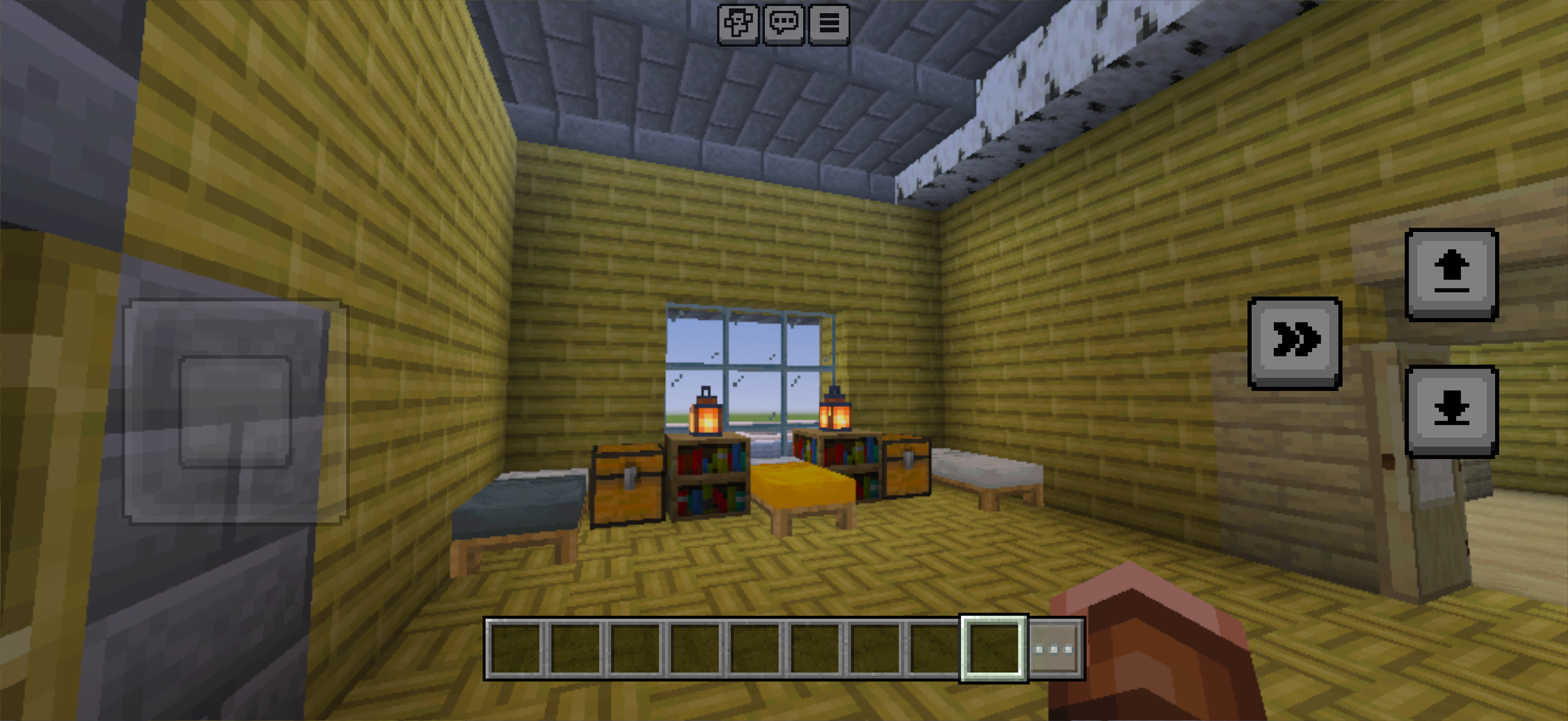
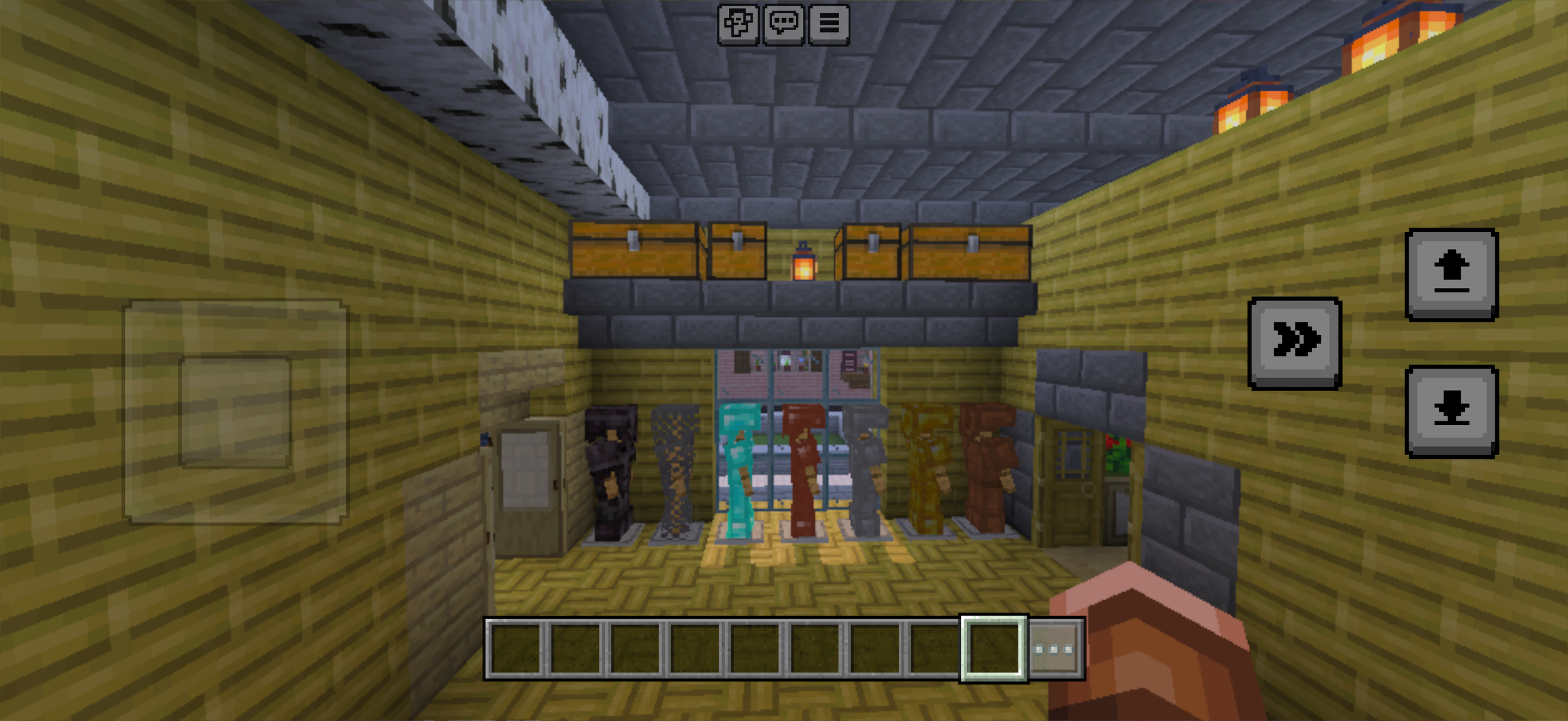
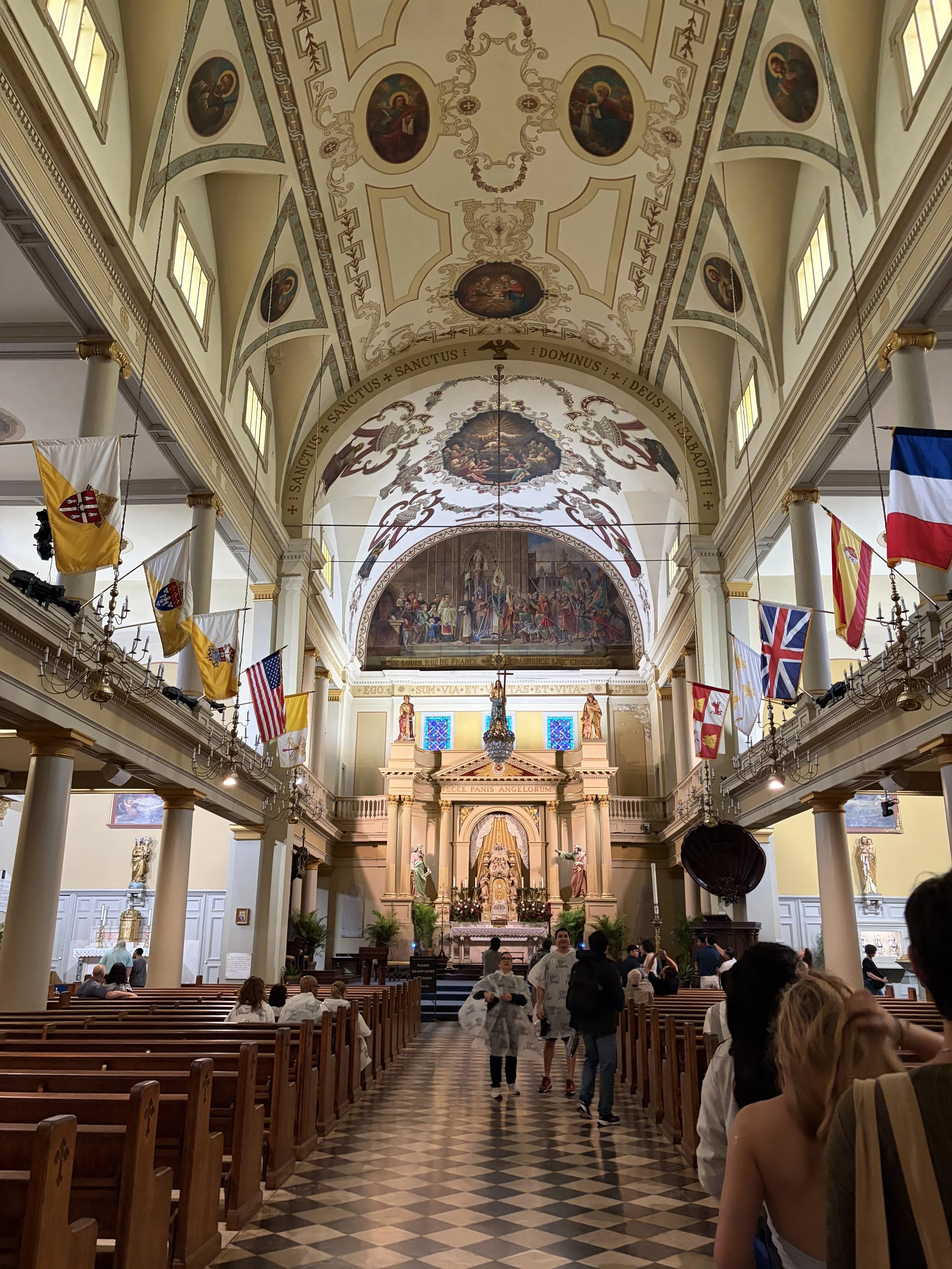
I feel this in Grand Isle. The west and east coast are quick to judge the south and speak about it with a sense of superiority, brought about by a political and educational advantage. The way I and others from the west coast have spoken about the south like some odd and inferior other is bothering me. I find comfort in Edna because I relate to her, but this is helping me realize my many flaws. I can’t just empathize with her sadness and leave it at that. 

The birds on the beach start flying towards me, either from hate for me strolling near their eggs or curiosity and friendliness towards an outsider, just like the grocery store stares. Maybe the birds don’t like my cute mushroom ring and long sleeve cowboy shirt. 

During my walk back to the H2O Psycho House prompted by the fierce birds, I look back towards the ocean. Edna sees the ocean as an infinite body of azure freedom. To submerge herself in it is scary, but it's the ultimate release. 

I want the ultimate release too. I contemplate a nice and long swim. But Edna’s world and my world is after all different, and we are not one in the same. I don’t want to live in selfishness. I don’t want to live where freedom and security are finite and forced to be traded. I will care for those around me while also finding spaces in the 21st century where I can be free. I will work towards romantic empathy, and not settle with then cheat on my eventual husband. I am done contemplating a nice and long swim.

The water looks a little murky anyways.